Article Contents:
- Solid wood bar stool frame: how to choose a wooden base for upholstery and interior design project
- Who needs a frame rather than a ready-made bar stool
- What a wooden bar stool frame consists of
- Legs
- Aprons
- Seat base
- Backrest (if any)
- Footrest
- Joints
- Why solid wood is important for a bar stool
- Oak or beech: which material to choose for the frame
- Oak
- Oak
- Bar stool for kitchen, cafe, bar and restaurant: different scenarios, different requirements
- Home kitchen
- Kitchen-living room with island or peninsula
- Cafe and coffee shop
- Restaurant and bar
- Showroom, boutique, studio
- Backrest, seat and footrest: the three pillars of comfort
- Do you need a backrest?
- Seat height
- Footrest
- Upholstery frame: what to consider before buying
- Seat base size
- Soft seat thickness
- Upholstery material
- Frame color and finish
- How to choose a bar stool style for your interior
- Classic and neoclassic
- Modern classic interior
- Premium commercial interior
- Checklist: what to check before buying a bar stool frame
- Bar stool STU-006 by STAVROS: a look at a specific model
- How to pair a bar stool with other STAVROS products
- Wooden kitchen decor
- Moldings and trim
- Frames for other furniture
- Mistakes when choosing a bar stool frame
- Mistake 1: choosing by photo without measurements
- Mistake 2: not thinking about upholstery before buying the frame
- Mistake 3: forgetting about the footrest
- Mistake 4: choosing wood without considering the finish
- Mistake 5: buying one chair for trial
- Mistake 6: not checking connections upon receipt
- Mistake 7: not coordinating the wood tone with the interior
- Where to buy a solid wood bar stool frame
- About the Company STAVROS
- FAQ: answers to the most popular questions about the bar stool frame
- What is a bar stool frame?
- How does a frame differ from a finished bar stool?
- What type of wood is best for choosing a frame?
- What bar stool height is needed for a 100 cm kitchen island?
- Is a footrest necessary for a bar stool?
- Can I order several frames in the same tone?
- Is a wooden bar stool suitable for commercial use?
- Where to buy a solid wood bar stool in Moscow and St. Petersburg?
- Can I order a bar stool frame of a non-standard height?
- What upholstery is best to choose for a bar stool in the kitchen?
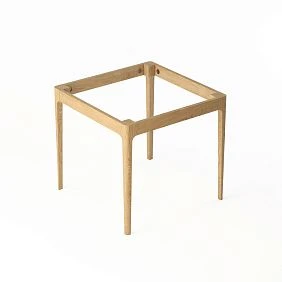
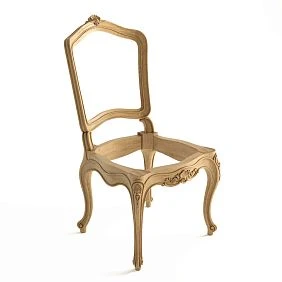
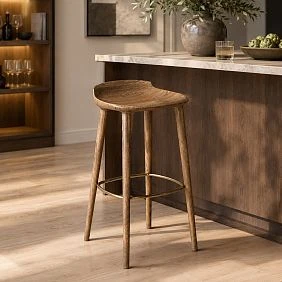
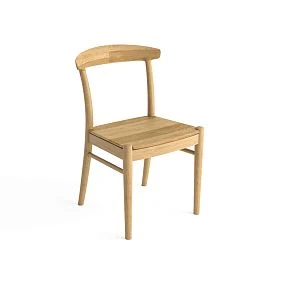
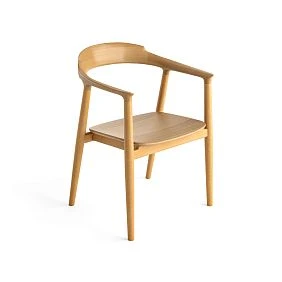
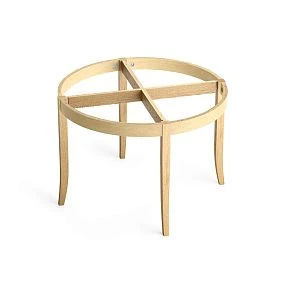
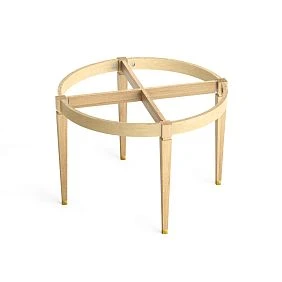
Solid wood bar stool frame: how to choose a wooden base for upholstery and interior design project
A bar counter at home is no longer a luxury or a designer whim. It is a functional space that changes the rhythm of the kitchen, making it more lively, more open, more sociable. But between the idea of "I want bar stools" and the result "it turned out exactly what I needed" lies a whole abyss of choices. And one of the most important is the choice of the frame.
If you are looking for where buy a bar stool frame made of solid wood — this article will guide you from the first question to a confident decision. No fluff, no generalities, with specific parameters that really affect the result.




Who needs a frame, not a ready-made bar stool
Let's start with a fundamental question that often goes unanswered: why buy a frame at all, rather than just a ready-made bar stool?
A ready-made bar stool is an "all-inclusive" product. Legs, seat, upholstery, color — everything is already determined by the manufacturer. You choose from what is available. Most often, it is either a mass-market product from a marketplace or an imported item without the possibility of personalization.
Bar stool frame is a load-bearing wooden base. A finished structure that can be upholstered to your taste: choose fabric, leather, color, texture. This is what makes the frame a design tool, not just furniture.
Who needs a frame:
-
For designers and architects who lead an interior project and want unity of style in everything — from kitchen fronts to bar stool seats.
-
For restaurateurs and cafe owners who need a unique look for their establishment, not "like everyone else."
-
For homeowners who have already chosen upholstery fabric or leather — and are now looking for a wooden base to match.
-
For those who buy several chairs at once under a single concept and want full control over the result.
This is a different purchasing scenario. And it requires a different approach to selection.
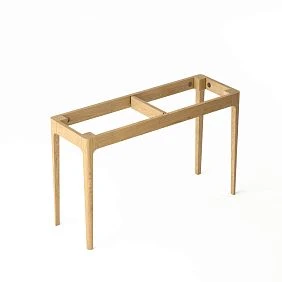
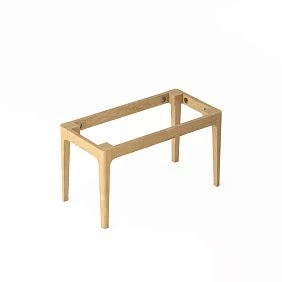
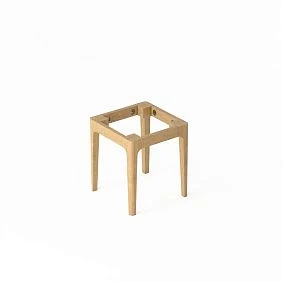
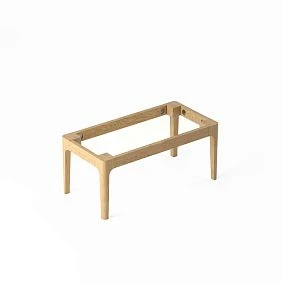
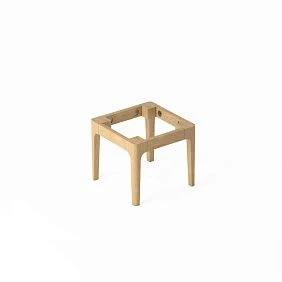
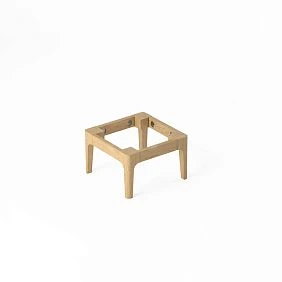
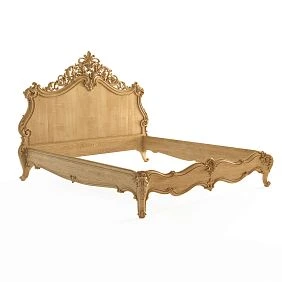
Our factory also produces:
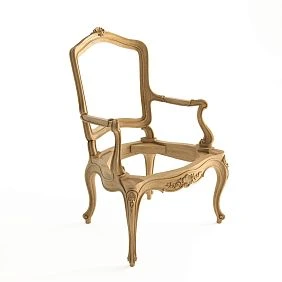
What the wooden frame of a bar stool consists of
To choose consciously, you need to understand the construction. The wooden frame of a bar stool is not just four legs and a seat. It is a system of load-bearing elements, each performing its function.
Get Consultation
Legs
The basis of stability. In a bar stool, the legs are longer than in a regular chair — to match the height of the bar counter. The standard height of a bar stool is 75–80 cm, for a counter 100–110 cm. The legs must be made of dense wood, have no knots at connection points, and withstand dynamic loads — that is, not just "stand," but also endure lateral swaying, which is inevitable with daily use.
Aprons
Horizontal crossbars between the legs that connect the structure and take part of the load. In the frame of a bar stool, the stretchers are a key element of rigidity. The more precise the connection of the legs with the stretchers, the longer the chair retains its shape.
Seat base
The platform to which the soft seat or upholstery is attached. In most frames, this is a wooden frame or panel to which foam rubber is nailed or glued, and then covered with fabric or leather. Size is important: the platform must match the chosen cushion and ensure an even fit.
Backrest (if any)
In frames with a backrest, this is an independent load-bearing unit that absorbs the load when leaning back. The backrest is attached to the rear legs and must support the weight of an adult when leaning backward.
Footrest
One of the most important elements of a bar stool, often forgotten when choosing. If a bar stool has no footrest, your legs just dangle in the air, which becomes uncomfortable after just 15–20 minutes of sitting. The footrest is a horizontal crossbar between the legs, located about 20–25 cm from the floor. It must withstand the load of the legs without deformation or loosening.
Joints
Glued tenon-and-groove joints with additional reinforcement or metal corner braces. These are not visible from the outside, but they determine the stool's durability. In solid wood frames, the joints are significantly more reliable than in frames made of particleboard or glued panel.
Why solid wood is important for a bar stool
This is not a marketing claim — it's a matter of physics and durability. A bar stool experiences different loads than a regular dining chair. It is used quickly: sit down, eat, get up. Sharp loads, lateral forces, constant movement — all of this puts more stress on the joints and legs.
Solid wood is whole timber without glued layers or fillers. It distributes load evenly, is resistant to deformation from humidity changes (within normal residential ranges), and can be repaired if necessary.
Solid wood bar stool — is an investment that pays off in service life. A frame made of chipboard or MDF starts to loosen at the joints after 2–3 years of intensive use. A frame made of oak or beech lasts significantly longer.
Moreover, natural wood has aesthetic value in itself. Even if the seat is completely covered with upholstery, the legs remain visible — and it is they that create the visual character of the chair.
Oak or beech: which material to choose for the frame
Both woods are good. But they are different — and this difference has practical significance.
Oak
Oak is a species with high hardness and dense structure. The characteristic large grain pattern makes the legs of an oak bar stool visually expressive even without complex finishing. Under translucent tinting, oak fully reveals its texture — and each chair looks slightly different.
Oak is chosen when the following is important:
-
Visual expressiveness of exposed legs and details.
-
Maximum hardness and wear resistance.
-
Warm natural tone — from light golden to dark walnut.
For a classic interior, for a study, for a kitchen with a wooden countertop, oak is the first choice.
Beech
Beech is a wood with a fine, uniform structure. This allows any paint color to be applied with a smooth, clean result. Beech under white enamel, under gray or beige gives a smooth surface without 'bleeding' of unwanted grain.
Beech is chosen when the following is important:
-
Neat, even finish to match the color of kitchen fronts.
-
A neutral visual base where the seat upholstery becomes the main accent.
-
Dense structure that accepts turned and milled details well.
The final rule: if you want to see natural wood, choose oak. If you plan to paint or varnish in a specific shade, choose beech.
Bar stool for kitchen, cafe, bar, and restaurant: different scenarios, different requirements
A bar stool is not a universal piece of furniture. The usage scenario fundamentally changes the design requirements.
Home kitchen
In a home kitchen, a bar stool is used for breakfast, quick lunches, and sometimes as extra seating when guests arrive. The load is moderate, with comfort and aesthetics being important.
Buy a wooden bar stool for the kitchen means choosing a product that will fit into the home interior every day. The material, color, and upholstery should match the kitchen fronts, countertop, floor, and overall style of the space.
Kitchen-living room with an island or peninsula
This is the most common scenario in modern apartments and country houses. A bar stool at the island is a seating spot visible from the living room. Therefore, aesthetics are doubly important: the stool should blend seamlessly into both the kitchen and living room areas.
For this scenario, it is better to choose a bar stool frame with a backrest — it looks more finished and provides a more comfortable seating position for long periods.
Cafe and coffee shop
In cafes, bar stools receive intensive use: customers change frequently, stools are moved, leaned on, and sometimes left carelessly. Requirements: reliable joints, stability, and easy care for the upholstery.
Wooden bar stool for cafe on a solid wood frame is a solution that holds its shape for years, even under commercial use. The key is the right upholstery: easy-to-clean fabric or eco-leather.
Restaurant and bar
In a restaurant space, a bar stool is an element of brand identity. Often, the head designer specifies a particular upholstery, a specific wood tone, a specific backrest shape. This is where the frame as a separate element is indispensable: it allows any design solution to be implemented without compromise.
Solid wood bar stool for restaurant is a product that withstands daily commercial use while looking like part of a premium concept.
Showroom, boutique, studio
In commercial spaces of a non-restaurant format, bar stools are often used at reception desks, display counters, and meeting areas. Here, aesthetic precision is important: the stool should not "clutter" the space but blend into it organically.
Backrest, seat, and footrest: the three pillars of comfort
These three parameters determine how comfortable the bar stool will be to use in real life.
Do you need a backrest?
It depends on the scenario and duration of sitting.
With a backrest is better if:
-
Chairs are used for breakfast, lunch, or dinner — i.e., for prolonged sitting.
-
The chair is placed at the kitchen island in a kitchen-living room and is visible from the living room — the backrest makes the chair's silhouette more complete.
-
Users are children or elderly people who need support.
Without a backrest is better if:
-
Chairs are placed at a bar counter in a cafe or restaurant — for quick seating and moving.
-
Visual lightness is important: open space, no desire to 'close off' the area.
-
The bar counter in the kitchen is mainly used for brief stops.
Solid wood bar stool with backrest — the right choice for a home kitchen and most commercial spaces with a "long" seating format.
Seat height
This is perhaps the most technically important parameter. The bar stool must match the height of the counter or bar table.
| Counter height | Recommended stool height |
|---|---|
| 90–95 cm | 60–65 cm |
| 100–105 cm | 70–75 cm |
| 110–115 cm | 75–80 cm |
There should be 25–30 cm between the edge of the counter and the seat of the stool — this is the working distance for comfortable sitting with elbows down.
Before ordering the frame, be sure to measure the height of your counter or island.
Footrest
Let's repeat this point separately, because it's where people most often save money — and then regret it. Without a footrest, when sitting on a chair 75–80 cm high, your legs simply hang in the air. This puts strain on your lower back and shins. After just 20–30 minutes, sitting becomes uncomfortable.
The footrest should be:
-
At a height of 20–25 cm from the floor (less commonly 15 cm, depending on the user's height).
-
Thick enough not to deform under load.
-
Securely fastened — this is the most stressed element in a bar stool.
Frame for upholstery: what to consider before purchasing
If you are choosing a frame specifically as a base for upholstery, it means you already have (or will soon have) a specific fabric, leather, or material. Here's what you need to consider before ordering.
Seat base size
The standard seating area size for a bar stool is approximately 38–45 × 38–45 cm. Foam of the required thickness is cut to fit this area, and then it is covered with upholstery material. Check the exact dimensions of the seating area in the specific model's description.
Soft seat thickness
This affects the final seat height. If the foam is 8 cm thick plus fabric, the actual seating height will be 8–10 cm higher than the frame height. Keep this in mind when calculating the match between chair and counter height.
Upholstery material
Each material has its own requirements for the base:
-
Fabric (chenille, jacquard, velvet) — stretched with a stapler, allows soft foam. Good for a home kitchen.
-
Eco-leather or genuine leather — requires a denser backing, stretches less. Optimal for cafes and restaurants.
-
Tweed and dense textures — need more margin around the perimeter when upholstering.
Frame color and finish
The frame will be visible: legs, stretchers, backrest. The wood color should coordinate with the upholstery. Dark walnut with dark blue fabric is a good pair. White enamel with light linen is pure neoclassicism. Natural oak with caramel-toned leather is a warm classic ensemble.
How to choose a bar stool style for your interior
Style is not just 'like/dislike'. It's about the stool matching the overall context of the space.
Classicism and neoclassicism
Turned legs with profile, wooden back with relief, upholstery in natural tones. Oak in "walnut" or "dark oak" tint, leather upholstery. This designer wooden bar stool fits in a classic kitchen with wooden facades, a quartz countertop, and classic moldings.
Next to a stool in this style, it looks organic STAVROS carved decor — on kitchen facades, on cornices, on interior details.
Modern classic interior
A more restrained form: straight or slightly curved legs, a laconic back, neutral upholstery. This is the majority of home kitchens in the "modern classic" style — without excessive decor, but with attention to materials.
Beech under white enamel or "gray stone" tint + velvet upholstery in gray or green tone — a precise solution for such a space.
Premium commercial interior
Restaurant, hotel, showroom — here every stool works for the image. For such spaces, a solid wood frame is especially important: natural wood is perceived as quality, and quality is perceived as the establishment's level.
In these scenarios, the ability to order a frame for a specific upholstery, in a specific tone, for a specific project is especially valuable — this is exactly what Solid wood products STAVROS.
Checklist: what to check before buying a bar stool frame
Before placing an order, go through this list. It will save you time and prevent disappointment.
Construction:
-
Is there a footrest?
-
Is there a backrest (is it needed in your scenario)?
-
What type of connections: tongue-and-groove with glue or bolted?
-
How strong are the stretchers (check the description or ask the manufacturer)?
Dimensions:
-
What is the seat height of the frame (without upholstery)?
-
What is the height of your bar counter?
-
Is the difference between the counter and the seat suitable (should be 25–30 cm)?
-
What is the size of the seating area under the seat?
Material:
-
Is it solid wood or not?
-
Oak, beech, or other wood species?
-
What finish: varnish, enamel, oil, wax?
Upholstery:
-
What material is planned?
-
Is a removable cover needed?
-
Is the planned upholstery compatible with the size and shape of the seating area?
Style:
-
Is the wood tone coordinated with the kitchen fronts, countertop, and floor?
-
Does the leg style match the overall style of the space?
Bar stool STU-006 by STAVROS: a look at a specific model
In the category of furniture frames and table bases STAVROS several models are presented, among which — Bar stool STU-006.
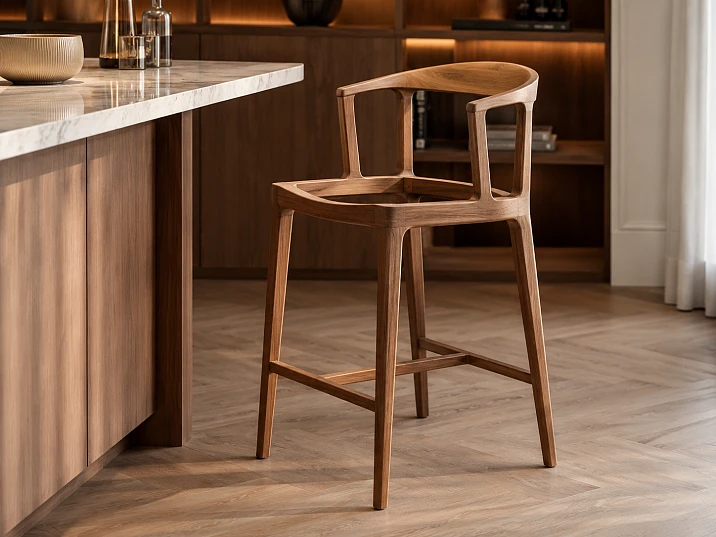
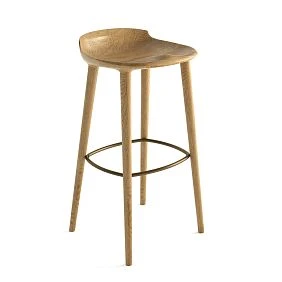
This is a solid wood bar stool frame with a classic design: stable legs, footrest, base for a soft seat. Suitable for home kitchens, cafes and restaurants, and designer interior projects.
The product is made for upholstery: the base is ready for foam padding and covering with any material — fabric, leather, eco-leather. The finish and wood tone are specified in the order.
Next to it in the catalog — Armchair frame STU-004 и Chair frame STU-005 — for those looking for a base not only for bar format, but also for dining and accent chairs in a unified style.
How to combine a bar stool with other STAVROS products
A bar stool does not live in a space alone. Around it — facades, countertops, flooring, decorative elements. And this is where the territory of a systematic approach begins.
Wooden kitchen decor
STAVROS carved decor — applied reliefs, decorative elements, ornaments for facades. If the kitchen is decorated with carved decor, the bar stool frame in the same wood species and the same tint creates a unified stylistic field.
Moldings and Trim
moldings, cornices, and baseboards made of wood and MDF — for wall decoration, transitions, kitchen cornices. In combination with a wooden bar stool, moldings maintain a unified classic tone.
Frames for other furniture
In the same category furniture there are bases for chairs, armchairs, and ottomans. If you are furnishing a dining area and kitchen counter in a unified style — STAVROS frames allow you to do this with the same material, tone, and structural solution.
Mistakes when choosing a bar stool frame
A collection of typical mistakes is not a lecture. It is the experience of those who have already gone through this path and are ready to warn.
Mistake 1: choosing by photo without measurements
A photo does not convey a sense of scale. A stool that seems "not very tall" in a photo may turn out to be too tall for your specific counter. Always measure before ordering.
Mistake 2: not thinking about upholstery before buying the frame
The frame is bought for the upholstery, not the other way around. If you already have fabric or leather — make sure the seat platform size allows for the necessary covering with a margin.
Mistake 3: forgetting about a footrest
At the selection stage, the footrest seems like a detail. During use, it turns out to be the main comfort parameter. If the frame description has no information about the footrest, be sure to check with the manager.
Mistake 4: choosing wood without considering the finish
Want a white bar stool? Choose beech. Want an open walnut texture? Choose oak. Buying oak for white enamel is not a mistake, but the result will be less clean due to the large grain pattern.
Mistake 5: buying one stool for a trial
If you plan to have four stools at the island, order them all at once. Production may introduce slight variations in tone and finish from batch to batch. A consistent result is only guaranteed with a single order.
Mistake 6: not checking the joints upon delivery
After delivery, check the stability of each stool: gently rock it by the backrest and legs. The joints should be tight, with no play. If there is the slightest creak or wobble, it is a signal that needs to be addressed immediately, while it is still easy to fix.
Mistake 7: not coordinating the wood tone with the interior
This is the most common aesthetic mistake. A light wood bar stool against dark kitchen facades looks like a random item. Either match the tone exactly, or create a deliberate contrast — but then it must be pronounced, not accidental.
Where to buy a solid wood bar stool frame
Buy a wooden bar stool at STAVROS means getting a product made from solid wood, manufactured at a St. Petersburg production facility with experience working on state and historically significant sites.
STAVROS works with private clients, designers and architects, restaurateurs and developers. Minimum order — from one item. Non-standard sizes and individual parameters are possible — check with the manager.
Delivery — throughout Russia. Pickup by any transport company. Showrooms — in St. Petersburg and Moscow.
Full catalog available in the section Solid wood products STAVROS — frames, moldings, decorative elements, millwork, carved products.
About the company STAVROS
STAVROS is a St. Petersburg manufactory of wood and MDF products, founded in 2002 by artists Andrey Ragozin and Evgeny Tsapko. The company's restoration history began with the Konstantinovsky Palace in Strelna in 2003 and continued at the Hermitage, Alexander Palace, Trinity-Izmailovsky Cathedral, and many private interior projects throughout Russia.
Production and experience working with historic wood set the standard: every STAVROS product is created with attention to construction, material, and details that remain invisible — until you start comparing.
Bar stools, furniture frames, moldings, carved decor — all are parts of one system that can be applied at any scale: from a single item to a complete interior project.
FAQ: answers to the most popular questions about the bar stool frame
What is a bar stool frame?
This is a load-bearing wooden base: legs, stretchers, backrest (if present), footrest, and a seating platform for the seat or upholstery. A finished structure that is covered with fabric or leather of your choice.
How does a frame differ from a finished bar stool?
A finished stool is a fully assembled product with fixed upholstery. A frame is a wooden base without upholstery, intended for custom finishing.
What type of wood is best for a frame?
Oak — for expressive grain and warm tone suitable for staining. Beech — for a smooth surface ideal for painting in any color.
What bar stool height is needed for a 100 cm kitchen island?
For an island height of 100–105 cm, the optimal stool height is 70–75 cm from floor to seat (without upholstery). With upholstery — 74–78 cm.
Is a footrest necessary for a bar stool?
Yes, if the stool is used for more than 15–20 minutes at a time. Without a footrest, legs hang in the air, putting strain on the lower back.
Can I order several frames in the same tone?
Yes. It is better to order the entire batch at once — this guarantees the same tone and finish.
Is a wooden bar stool suitable for commercial use?
Yes, with proper construction — reliable joints, correct leg proportions, durable finish. Solid wood withstands commercial loads significantly longer than chipboard or MDF.
Where to buy a solid wood bar stool in Moscow and St. Petersburg?
In STAVROS showrooms in both cities and via the website stavros.ru with Contact us to confirm shipping to your destination.
Can I order a bar stool frame of non-standard height?
Non-standard parameters are possible for a certain batch size. Check with the STAVROS manager.
Which upholstery is best for a bar stool in the kitchen?
For a home kitchen — fabric with water-repellent impregnation or eco-leather. For cafes and restaurants — eco-leather or genuine leather: easier to maintain and resistant to dirt.