Article Contents:
- A sideboard that 'doesn't work': why this happens
- Furniture as a mirror of the interior
- Moldings for facades: the frame as the foundation of everything
- Where exactly to glue moldings on a sideboard
- Which molding to choose: profile, width, material
- Cornice at the top: why the top line is important
- Decorative overlays: where an accent is needed
- Where to place overlays on a sideboard
- How to combine overlays with moldings
- Furniture handles: the final touch that changes everything
- Wooden handles: when the material speaks for itself
- How to choose a handle for the style of a sideboard
- When metal is appropriate
- Stucco for the wall behind the sideboard
- Wall design schemes
- Painting: when color completes everything
- Colors that work for a sideboard
- Painting order
- Complete sideboard renovation scenario
- Scenario 1: quick weekend update
- Scenario 2: full classic transformation
- Scenario 3: built-in display case in a niche
- Working with glass doors: special rules
- Sideboard lighting: how light works with decor
- Sideboard update kit: what to buy
- Mistakes when decorating a sideboard
- Frequently Asked Questions
- About the Company STAVROS
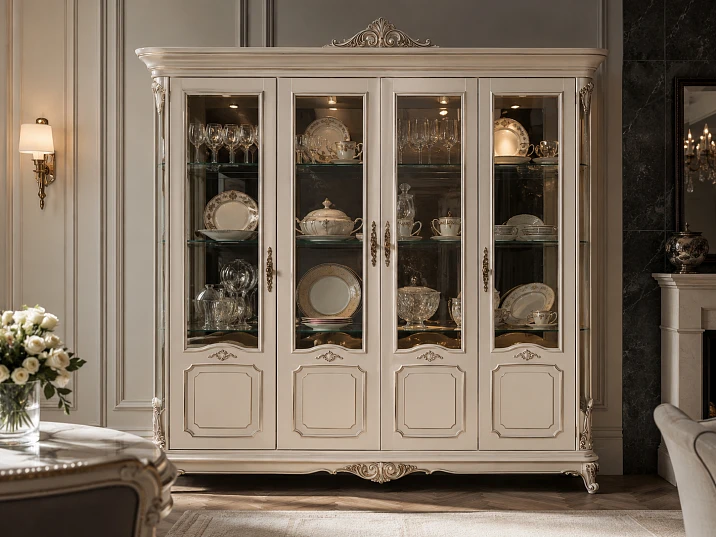
A sideboard or dish cabinet looks more expensive when glass doors, fronts, handles, and decorative elements work together: Moldings for furniture collect frames, decor for furniture gives an accent, Furniture Handles they maintain the style, and a unified paint job turns ordinary furniture into a classic interior piece. That's exactly what this is about — consistently, with specific solutions and without general phrases.

A sideboard that 'doesn't work': why this happens
There is a special type of furniture disappointment. You buy a sideboard — solid, stable, with good dimensions. Or you inherit a cupboard with history. Or there's a display cabinet in the living room that is functional, but... somehow not quite right. The dishes inside are beautiful, the lighting is soft, but the furniture still looks halfway. Neither cheap nor expensive. Just — nothing.
Why does this happen? Most often — for three reasons.
First: flat facades. A smooth door surface without molding, without relief, without a frame has no visual weight. It reads as empty space, not as a detail of a furniture piece.
Second: the wrong handles. Simple metal brackets or plastic buttons neutralize any beautiful material. The handle is the first thing the hand touches, and the first thing a guest sees. When it doesn't match the furniture style, the dissonance is felt instantly.
Third: an unfinished top line. The gap between the cabinet top and the ceiling is an architectural 'hole' that is impossible to miss. A cornice or top profile closes this transition and immediately adds solidity to the furniture.
All of this can be resolved without buying new furniture. furniture moldings, decorative overlays, the right handles, and thoughtful painting completely transform the look of the sideboard — with minimal investment and without a single nail in the wall.




Furniture as a mirror of the interior
A sideboard is not just a storage for dishes. In a classic interior, it is one of the main furniture pieces: it stands in a prominent place, often along the central wall, and catches the first glance of anyone entering the room. A display cabinet with dishes is an exhibition of values, both literally and figuratively.
When such an item looks untidy or unfinished, it is not only the item that suffers. The entire space around it suffers. An expensive sofa, high-quality parquet, well-thought-out lighting — all of this is devalued if a faceless cabinet stands in the center of the room.
That is why Buy moldings For furniture, this is not a perfectionist's whim. It is a pragmatic solution that changes the perception of the entire room through the transformation of a single item.
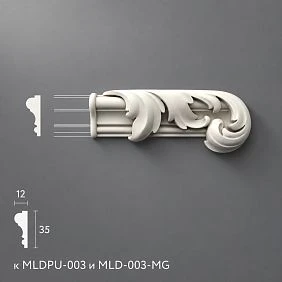
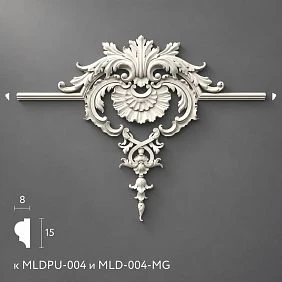
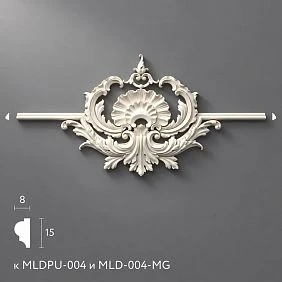
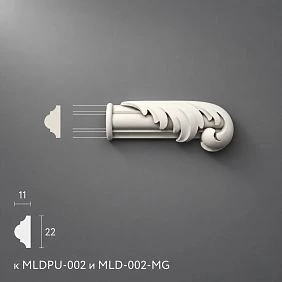
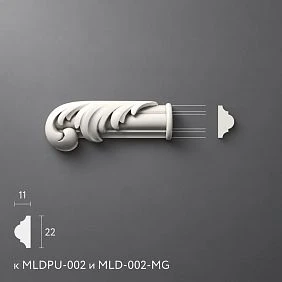
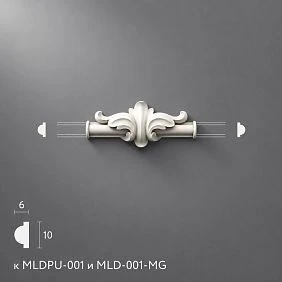
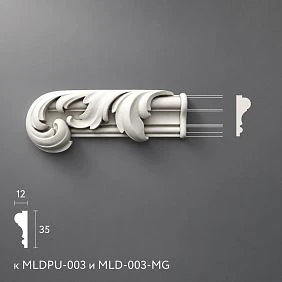
Our factory also produces:


Moldings for facades: the frame as the foundation of everything
Let's start with the main tool. Moldings for furniture These are narrow profile strips made of solid wood that are glued onto the facade surface and create a frame effect. It is this technique — a frame on the door — that distinguishes furniture in the "economy" price category from furniture in the "above average" and "premium" classes.
Look at any classic furniture: English-style cabinets, French buffets, Italian sideboards. What do they have in common? Facades with frames. The door is divided into sections, each section is outlined with molding. This creates a hierarchy of the surface: the eye understands where the center is, where the edge is, where the transition is. A flat door without molding is a chaos of surface, even if it is a chaos of uniform MDF.
Get Consultation
Where exactly to glue moldings on a sideboard
On the doors. The most obvious and most effective place. A molding along the perimeter of the door with an indent of 3–5 cm from the edge creates a frame that immediately turns a simple facade into a classic paneled one. If the door is wide (more than 45 cm), you can add a vertical molding in the center, dividing it into two sections.
Around glass inserts. Glass doors are a traditional detail of a sideboard and display cabinet. But glass without framing looks random. furniture moldings a frame is created around the glass — the door takes on a finished look, the glass gains context, and the cabinet itself begins to resemble an antique sideboard.
On the lower drawers. The drawers of a sideboard often remain without decoration — all attention goes to the upper glazed sections. Molding around the perimeter of each drawer completes the lower part of the furniture and creates a sense of a cohesive piece from top to bottom.
On the side panels. The side walls of a sideboard are especially noticeable when the furniture is not placed flush against the wall or is visible from several points in the room. Vertical molding or a small frame on the side panel adds architectural quality to the piece.
On the central section of the buffet. If the buffet has two sections — the bottom is solid, the top is glazed — a central horizontal molding at the junction of the sections visually divides the furniture into "floors" and gives it proportionality.
Which molding to choose: profile, width, material
It all depends on the style of the furniture and the room. A few practical guidelines:
Classic sideboard — a profile with a cove, ogee, or chamfer, width 20–35 mm. This is the "signature" profile of classic furniture: it is recognizable, elegant, and fits organically into any classic environment.
Transitional style — a profile with delicate relief, width 15–25 mm. Characteristic enough to be noticeable, but restrained enough not to overwhelm the space.
Modern furniture with classic details — a smooth square or rectangular profile, width 10–20 mm. Minimalist but structural.
Material — solid wood. This is important: solid wood furniture moldings are painted in the exact color of the main facade and become its organic part. Plastic counterparts never achieve this effect — the difference in texture and tactile sensation is too obvious.
Top cornice: why the upper line matters
A separate topic is the top cornice. This is a horizontal profile installed on the upper part of the cabinet, creating a transition between the furniture and the ceiling or wall.
Why is it needed? Without a cornice, the cabinet looks 'cut off' — as if it lacks a finale. The cornice is the point that puts a visual end to the story. It adds height, solidity, and completeness to the furniture.
Cornice made of moldings for furniture is mounted along the upper contour of the cabinet: directly on the surface of the lid or slightly above. The profile should be in the same style as the facade moldings — then the entire furniture is perceived as a single whole.
Decorative overlays: where an accent is needed
Moldings are structure. Overlays are character. It is decor for furniture made of solid wood that turns a properly designed but neutral sideboard into an object with history, with a face, with a unique detail.
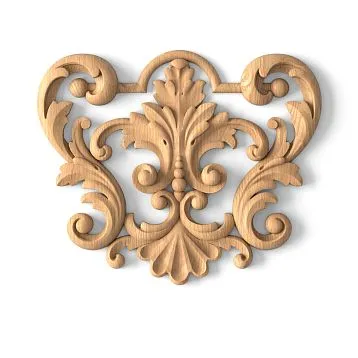
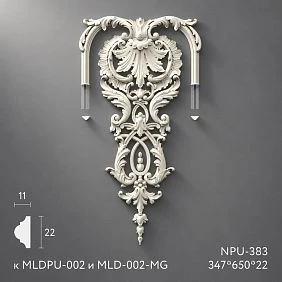
A decorative overlay is a three-dimensional carved element that is glued to the facade and creates a focal point. It can be geometric — rosette, cartouche, medallion. Or floral — garland, laurel wreath, acanthus leaves. Or abstract — ornament, scroll, relief insert.
The main rule: the overlay must be in scale with the facade. Too small — it gets lost, doesn't work. Too large — it overloads, makes the door heavy. The optimal size for a standard door 50×80 cm is an element with a diameter or width of 12–18 cm.
Where to place overlays on a sideboard
In the center of a solid facade. This is the most natural place — exactly in the middle of the door, approximately at 60–65% from the bottom edge to the top. An overlay in this position creates symmetry and looks like a deliberate design decision.
Above a glass door. On the horizontal strip between the glass and the top edge of the door, a decorative overlay looks like a "lock" — an element that completes the door from above. It looks especially beautiful on double-door display cabinets: symmetrical overlays on both doors give a grand, ceremonial appearance.
On the lower drawer. A central overlay on the drawer front is a small but very convincing gesture. The drawer ceases to be just a drawer and turns into a detail worthy of attention.
On the central section of a buffet. If the buffet has a central door or post, this is where an accent decorative element looks most organic — like a coat of arms on a shield.
On the sides of a display cabinet. The vertical side posts of a cabinet often remain completely empty. Small overlays on both sides symmetrically, at the level of a horizontal shelf, give the cabinet a sense of being lived in and thoughtfully designed.
How to combine overlays with moldings
Overlays and moldings should speak the same language. If the molding is classic with a fillet, the overlay should be in the same style: floral, baroque, or Renaissance form. If the molding is minimalist and geometric, the overlay should be equally restrained: a simple rosette, a clean medallion.
Mixing styles — placing a baroque overlay on a facade with modern molding — is possible if you clearly understand what you are doing. In other cases, it is better to stick to a single style: this guarantees a balanced result.
buy furniture decor in the STAVROS catalog means choosing solid wood products with a detailed relief, ready for painting or tinting in the desired shade.
Furniture handles: the final touch that changes everything
There are details that don't immediately catch the eye, but when they are missing or mismatched, something feels off. Handles are exactly that kind of detail. They don't take up much space. They aren't expensive. But when they are right, the entire look of the furniture is elevated. And when they are wrong, no moldings or overlays can save it.
Why are handles so important? Because they are the only furniture detail that a person interacts with every day. Touching a handle is a daily ritual, and how the handle feels in the hand shapes the perception of the furniture as a whole. A cheap metal bracket on a classic sideboard creates cognitive dissonance that a person feels, even without realizing it.
Wooden handles: when the material speaks for itself
wooden furniture handles — this is a special choice. They are warm to the touch, look soft in a classic interior, and create material unity with moldings and overlays. When the handles are made of the same wood (or painted the same color) as the furniture decor, the cabinet is perceived as a cohesive, specially designed piece.
Two options for wooden handles in the STAVROS catalog:
Wooden handles with coating — coated with varnish or tinting compound, ready to use without additional processing. The shade is selected to match or complement the furniture color.
uncoated wooden handles — blanks made of solid wood, which can be painted, tinted, or varnished to exactly match the final furniture color. This is the ideal choice if you plan to completely repaint the sideboard: all parts are painted in a single color at the same time.
How to choose a handle for the sideboard style
The shape of the handle should resonate with the shape of the moldings and overlays. A few working combinations:
-
Classic sideboard with a fillet molding and floral overlay — the handle is shaped, curved, rounded, in a walnut or dark wood shade;
-
Transitional style with delicate molding and geometric overlay — the handle is slightly elongated, with a soft relief, in neutral beige or white;
-
Modern sideboard with minimalist moldings — the handle is straight, long, without decoration, in the color of the furniture.
Handle size is another parameter that is often ignored. For sideboard doors 70–100 cm high, the optimal handle is 80–120 mm center-to-center. For drawers, 40–60 mm. A handle that is too small gets lost on a large door, while one that is too large feels overwhelming.
When metal is appropriate
Wooden handles are not the only option. Metal handles in brass, bronze, or matte black pair well with wooden moldings and overlays if they fit the overall style. Brass — for classic and transitional styles. Matte black — for modern interiors. Polished chrome — only for strictly contemporary spaces.
The main rule of mixing materials: the handle should resonate with the decor in at least one parameter — shape, tone, or texture. If the handle absolutely does not 'speak' to the moldings or overlays, it is better to choose a wooden one from the same array.
Molding for the wall behind the sideboard
Up to this point, we have been discussing the decor of the furniture itself. But a complete transformation of the sideboard also includes working with the wall behind it. This is especially important if the sideboard stands against a free wall and is visible from all sides of the room.
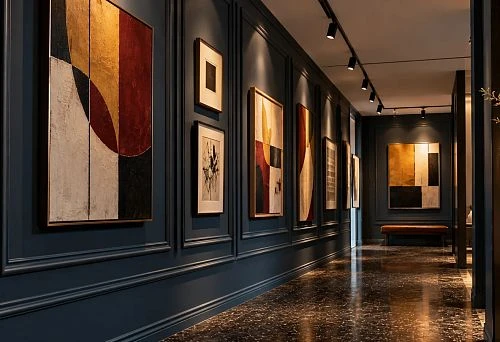
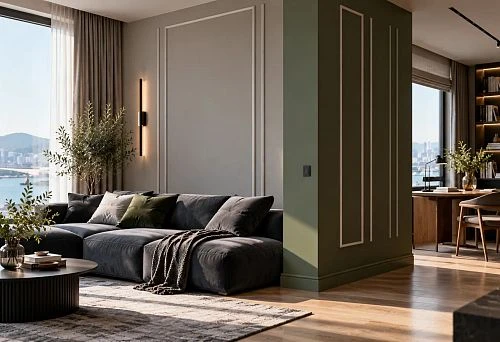
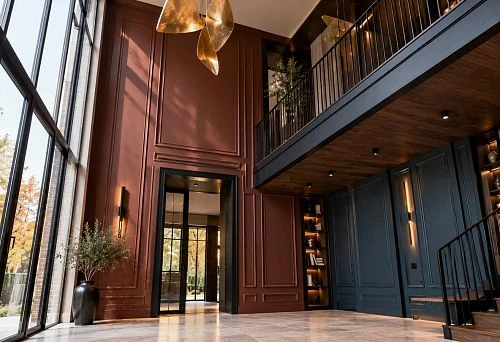
Decorative stucco on the wall behind the sideboard creates an architectural context for the furniture — just as a molding frame on the wall works for a desk or a bar cabinet. When furniture is placed in a 'niche' of wall moldings, it ceases to be a separate object and becomes part of the room's architecture.
Wall design schemes
Frame along the contour of the sideboard. Moldings made of polyurethane run along the perimeter about 10–15 cm from the edges of the furniture. The visual effect is as if the cabinet stands in a niche, although there is no niche.
Molding above the sideboard. One horizontal strip at the level of the top of the cabinet is a simpler option that nevertheless creates a “ceiling” for the furniture and covers the space above it.
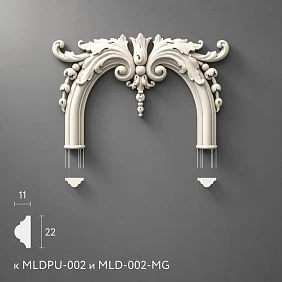
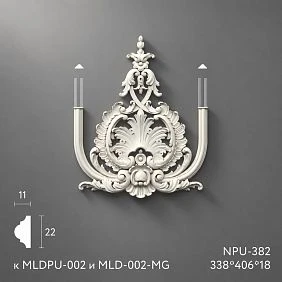
Decorative element above the center. Buy Moldings and place it above the middle of the cabinet — this is one accent gesture that immediately makes the wall meaningful. A cartouche, relief rosette, or medallion above the center of the display case creates a “crown” for the entire furniture group.
Wide molding section. The wall is divided into sections the full height of the room, and the sideboard is installed in one of them. This is the most large-scale solution, in which the furniture is fully integrated into the architecture.
When working with the wall, it is important to coordinate Polyurethane wall decor with the style of the furniture decor. If the sideboard facades have wooden moldings of a classic profile, the polyurethane moldings on the wall should be of the same character — with a similar cross-section and in the same stylistic logic.
Painting: when color completes everything
The most powerful and at the same time most affordable way to transform a sideboard is painting. It is color that determines whether the furniture with all its decorative details will look like an expensive interior piece or like a "refurbished IKEA cabinet."
The key principle is the same as in all classic interior projects: monochrome. The furniture and all its decor — moldings, overlays, cornice — are painted in one shade. This removes the question "can you tell it's all glued on?" and turns the decor into part of the furniture itself.
Colors that work for a sideboard
White and its variations. Warm white, cream, ivory, "French white" — classics for classic furniture. These shades give the furniture lightness, purity, and visual neutrality, where the dishes inside become the main character.
Pastel tones. Soft powdery pink, light gray-blue, delicate pistachio — shades that have long been established in classic interiors. They make the furniture both distinctive and delicate.
Dark rich colors. Deep green, dark blue, anthracite — for a sideboard in a classic or transitional style. Dark furniture with light dishes inside — an impeccable contrast. Gold or brass handles on a dark background — always a winning combination.
Natural wood. If the furniture is made of high-quality veneer or solid wood, painting may not be necessary. Tinting that emphasizes the wood texture, plus decorative details in the same tone — a self-sufficient solution.
Painting order
The correct sequence is not a trifle, but the key to the result. First, the wall is painted (if it's being worked on), then wall moldings are glued to it, then the entire ensemble is painted. For furniture: first, moldings and overlays are glued on, joints are filled, then everything is primed and painted together. Two coats are a must.
A roller for large surfaces, a brush for moldings and overlays. Or a spray gun — for a perfectly smooth result without application marks.
Complete scenario for updating a sideboard
Theory is good when backed by practice. Let's break down three specific scenarios — from minimal to complete.
Scenario 1: Quick weekend update
Task: an old sideboard with flat fronts, metal handles, empty top line. Want to improve it without spending much time.
What we do:
-
We buy furniture moldings — one set for each door;
-
Glue around the perimeter of each door with a 4 cm indent from the edge;
-
Add decorative overlay in the center of blank fronts;
-
Replace handles with uncoated wooden;
-
We prime and paint everything in warm white in two coats.
Result: the sideboard looks as if it was bought new — from a more expensive store. Time: two full days including drying time.
Scenario 2: a full classic transformation
Task: a buffet from Soviet or furniture production that needs to be turned into a classic interior piece.
What we do:
-
Moldings for furniture — on all doors and drawers;
-
Cornice made of molding along the top contour;
-
decor for furniture — in the center of the lower solid doors and on the side posts;
-
Wooden handles with coating — all in the same style;
-
Wall behind the buffet — a frame made of of polyurethane moldings around the perimeter of the furniture;
-
Uniform painting in deep green — furniture, moldings, wall inside the frame.
Result: a sideboard that looks like part of a designer interior. Guests ask where we bought it.
Scenario 3: built-in display case in a niche
Task: build a display case for dishes into a niche so that it is perceived as an architectural element.
What we do:
-
furniture moldings on all doors — glass and solid;
-
Molding along the perimeter of the niche opening — on the outside, along the edge;
-
Relief Decoration above the center of the arch or straight opening;
-
Wooden handles in the style of moldings;
-
Lighting inside the display case — LED strip along the upper perimeter;
-
Painting: wall inside the niche — in a dark shade, furniture — in a neutral or the same color;
Result: the built-in display case is indistinguishable from the room's architecture. The dishes inside read as a collection exhibit.
Working with glass doors: special rules
Glass doors are the main visual part of a sideboard and dish display case. It is through the glass that all the decorative potential of the furniture is visible: dishes, light, reflection. Therefore, the design of glass doors must be approached with special attention.
The molding around the glass should be thinner than the molding on solid facades. If the molding on the lower doors is 30 mm, 15–20 mm is sufficient on glass doors. A thinner profile "does not compete" with the glass and does not obscure the contents.
The color of the molding around the glass should always match the furniture. A contrasting molding on a glass door looks bulky and disrupts the balance between the visual lightness of the glass and the decorative weight of the profile.
A decorative overlay above the glass door — on a horizontal strip or directly on the top frame of the glass — can be small and delicate. A small rosette, geometric ornament, light floral motif. Anything that does not cover the glass or distract from the dishes inside.
Sideboard lighting: how light works with decor
Decor and light are an inseparable pair. Decorative stucco With proper lighting, it gains volume, shadows enliven the relief, and the furniture acquires theatrical expressiveness.
For a sideboard and dish display case, there are two types of lighting.
Internal lighting. An LED strip hidden under the top shelf inside the cabinet illuminates the dishes from below. On a white background or mirrored back wall, this creates a soft, even glow that makes the display case elegant.
External directional lighting. A spot or track light directed from above onto the cabinet's facade creates side lighting that makes the relief of moldings and overlays extremely expressive. It is this light that 'reveals' the decor — creating shadows, volume, and depth.
Important: if lighting is present, the quality of installation must be flawless. Light is merciless — it shows any unsealed joint, any uneven edge of the molding. Therefore, when planning lighting, special attention is paid to the finishing of joints and the quality of painting.
Kit for updating a sideboard: what to buy
| Task | What to buy |
|---|---|
| Frames on doors | Moldings for furniture |
| Decorative accent on facades | decor for furniture |
| Cornice on top of the cabinet | furniture moldings cornices |
| New handles | wooden furniture handles |
| Frame on the wall behind the sideboard | Moldings made of polyurethane |
| Accent above the center on the wall | Buy Moldings |
| All decor for furniture | buy furniture decor |
| All stucco molding | Buy molding |
Mistakes when decorating a sideboard with decor
Practice shows: most unsuccessful results are explained by several typical miscalculations. Knowing them allows you not to repeat others' mistakes.
Moldings of different profiles in one project. One style on the doors, another on the cornice, a third on the wall — this is visual chaos. All moldings should be, if not the same, then of a related profile.
Overlays without considering scale. A small overlay on a large facade gets lost. A huge overlay on a narrow door feels oppressive. Before buying, you need to cut out a mock-up of the required size from paper and attach it to the furniture.
Old handles on top of new decor. This is the most common mistake. The moldings are glued, the overlays are in place, the paint is fresh — and then old metal brackets ruin the entire look. Furniture Handles are changed simultaneously with the decor, this is not an option, but a mandatory step.
Painting without primer. Paint on MDF or wood without primer lays unevenly, may run, and after a few months will start to peel. Priming is five minutes of work that saves the entire project.
Unsealed molding joints. After gluing moldings, there are always small gaps in corner joints. They are filled with acrylic sealant before priming. Without this step, painting will reveal all imperfections.
Frequently asked questions
How to update an old sideboard?
Comprehensively: furniture moldings create frames on the doors, decor for furniture adds accents, Wooden handles refresh the tactile and visual impression, and a unified paint job brings everything together into a cohesive look. Additionally — a cornice on top and a molding frame on the wall.
Can stucco be glued to a furniture display case?
Yes. The main condition is proper surface preparation: degreasing, light sanding if necessary, and priming. On a prepared surface Buy decorative stucco it glues securely and lasts for years.
What to buy for a buffet with stucco?
Minimum set: Moldings for furniture, Inlays for furniture, Wooden handlesmounting adhesive, primer, and paint. Extended version: plus Moldings made of polyurethane for the wall and Relief Decoration above the center.
How not to overload a sideboard with decor?
The "less is more" rule works flawlessly here. Molding on doors is a structural element, not decor. Overlays — one accent per section, not on every door. Handles — uniform for all furniture. If in doubt, first install the molding, evaluate the result, and only then add overlays.
Are wooden handles suitable for a display cabinet with dishes?
They are perfectly suitable. Wood is a warm, natural material that creates an organic connection between the furniture and its decor. Wooden handles with coating resistant to daily use and do not lose their appearance over time.
Can a built-in display cabinet be finished with the same materials?
Yes. Furniture moldings are glued to the facades of a built-in wardrobe just like on freestanding furniture. For framing the opening, use Moldings made of polyurethane — they are mounted on the wall around the perimeter of the niche.
How long does it take to completely update a sideboard?
Provided all materials are purchased in advance: day one — dismantling old handles, surface preparation, gluing moldings and overlays. Day two (after the glue dries) — filling joints. Day three — priming. Day four — painting in two coats. Total: 3–4 days including technical pauses.
About the company STAVROS
Concluding the discussion on transforming a sideboard and a display cabinet for dishes, one cannot fail to mention those who provide the tools for this work. STAVROS is a Russian company specializing in the production and sale of decor for furniture and interiors: solid wood furniture moldings and cornices, decorative overlays, wooden handles, stucco and polyurethane products for walls and facades.
STAVROS works with private customers, designers, furniture manufacturers and construction companies throughout Russia. The catalog covers the entire range of tasks — from spot updating a single piece of furniture to comprehensive interior design from scratch.
In the STAVROS catalog you will find everything for updating a sideboard, buffet or display cabinet for dishes: Buy molding for furniture, buy furniture decor, Furniture Handles, Wooden handles with coating, uncoated wooden handles, decorative molding, Moldings made of polyurethane and the entire range of polyurethane products in the section Buy moldings.