




























Article Contents:
- What is a wooden wall pattern
- Where carved wall decor is used
- Residential interior
- Country house and cottage
- Offices and libraries
- Restaurants, hotels, showrooms
- Niches, arches, portals
- How wooden pattern differs from molding and panel
- Molding is a line and a frame
- Panel is an area
- Wooden pattern is an accent
- How to choose the pattern size
- Small element: local accent
- Medium element: for the wall above a console, bed, or sofa
- Large element: for a hall, study, or country house
- Proportion rule
- How to choose the ornament style
- Classic and neoclassic
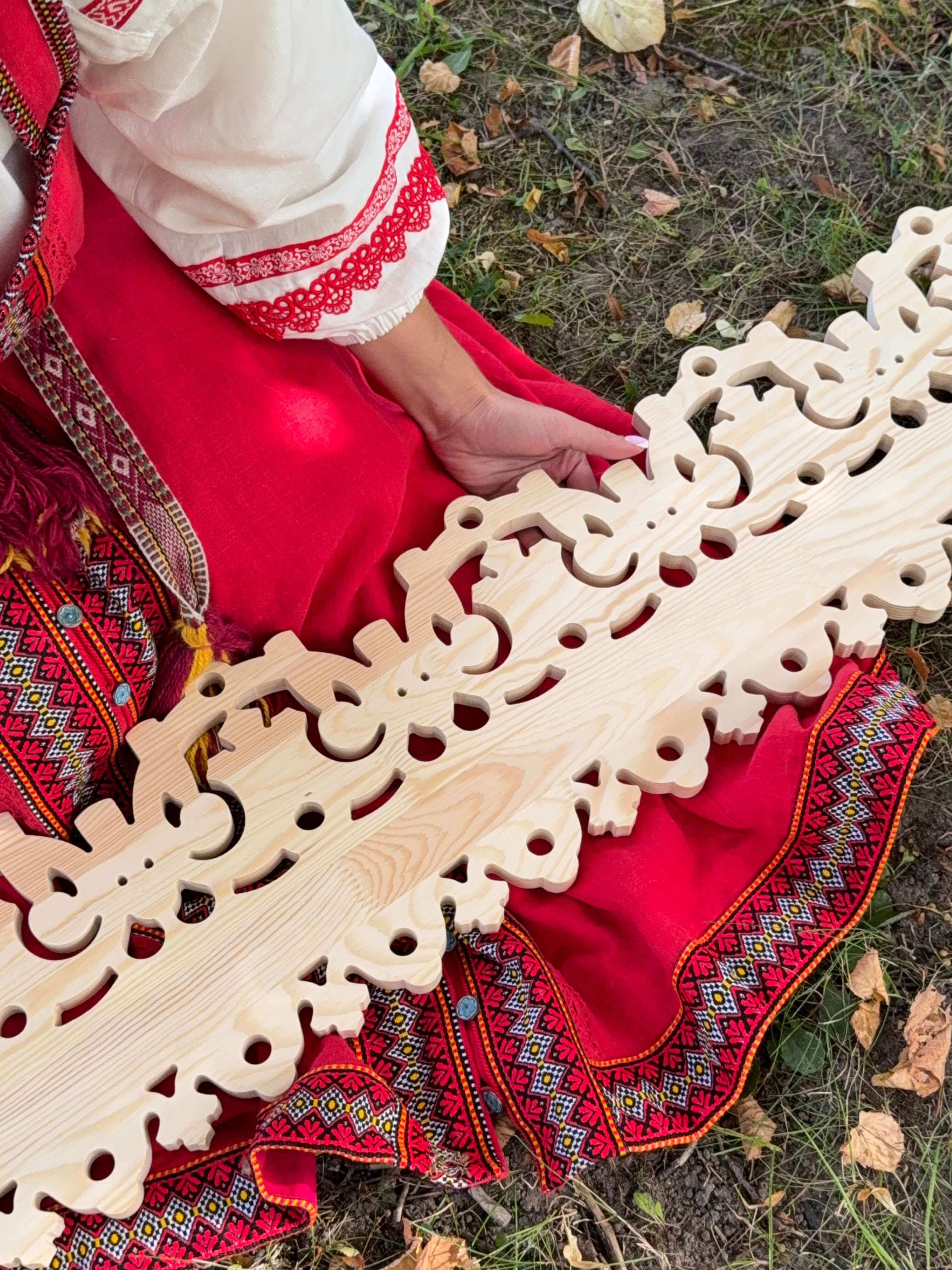
- Russian style
- Floral ornament
- Geometric ornament
- Modern decorative carving
- Wooden pattern for the living room
- Wall above the sofa
- TV area and media wall
- Fireplace zone
- Console area
- Wooden pattern for the bedroom
- Headboard area
- Symmetry and Balance
- Combination with cabinets, frames, and textiles
- Wooden pattern for office and hall
- Office: wood as the language of authority
- Hall and Foyer
- Staircase zone
- Material and Coating
- Beech: ideal for painting
- Oak: for varnish and tinting
- Coating in wall color
- Stain and patina
- Practical tips for coating
- Mistakes when choosing a wooden wall pattern
- How to attach a wooden pattern to the wall
- Adhesive
- Glue + screws
- Installation on a wooden base
- Important about walls
- Where to buy a wooden wall pattern
- About the company
- FAQ - answers to popular questions
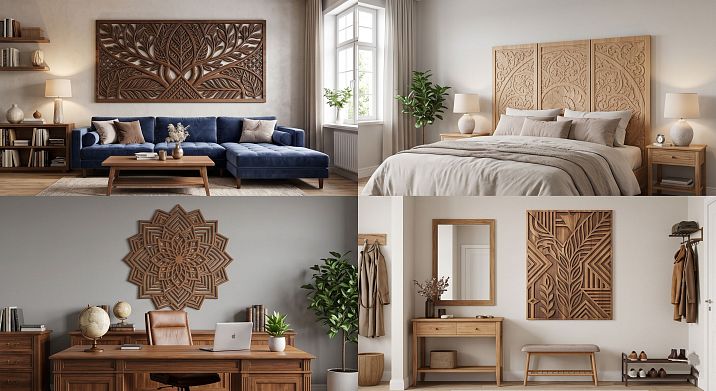
The wall in your home is not just a background. It is a surface that either lives or remains silent. A flat white plane can be neutral — and that is an honest choice. But it can also be a missed opportunity. A wooden wall pattern is not about overload, not about old-fashionedness, and not about "too much." It is about an accent. About one precise gesture that changes the feel of the entire room.
A carved ornament, a decorative overlay, a wooden wall panel — these are all variations of the same tool: working with the wall surface through a handcrafted form. And when this tool is chosen correctly and installed in its place, the space ceases to be just a room and begins to be an interior.
This article is written for those who want to understand: which wooden pattern on the wall will suit your specific task. For a living room or bedroom, for a study or hallway, for a country house or city apartment. Without generalities — with specifics, logic, and examples.
What is a wooden wall pattern
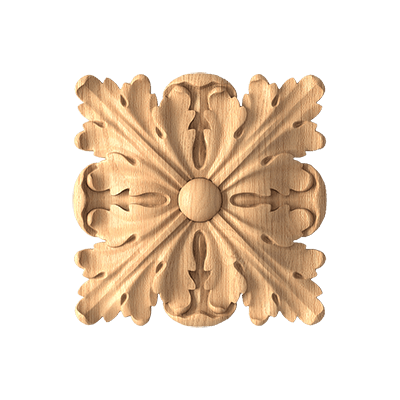
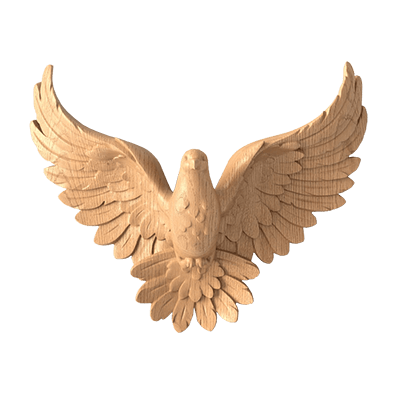
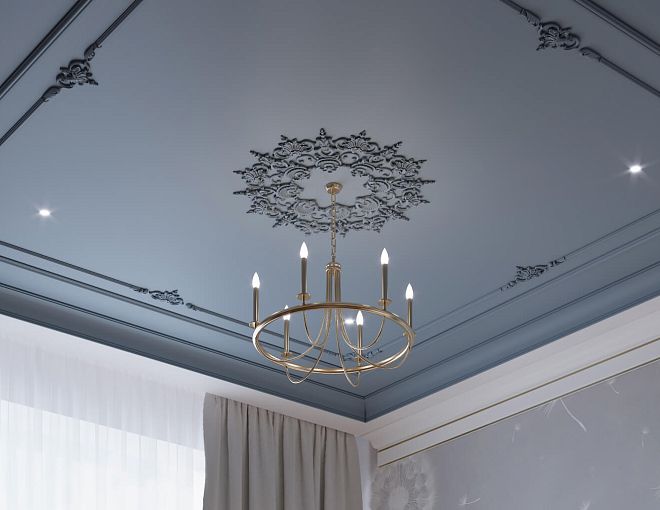
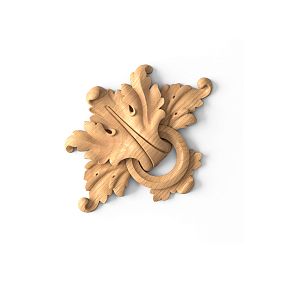
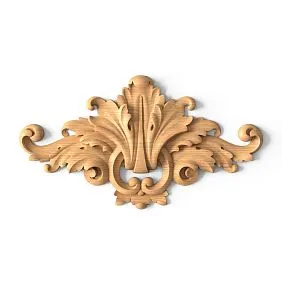
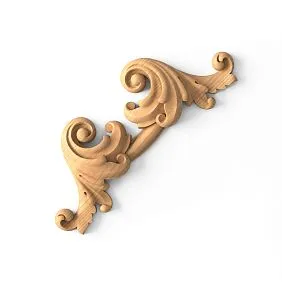
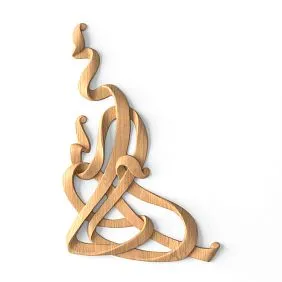
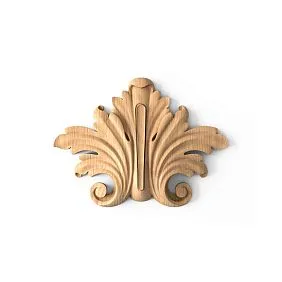
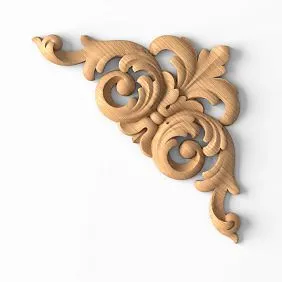
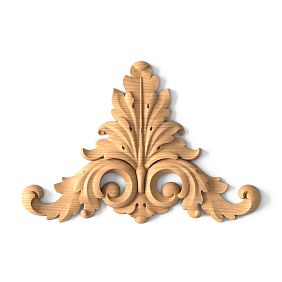
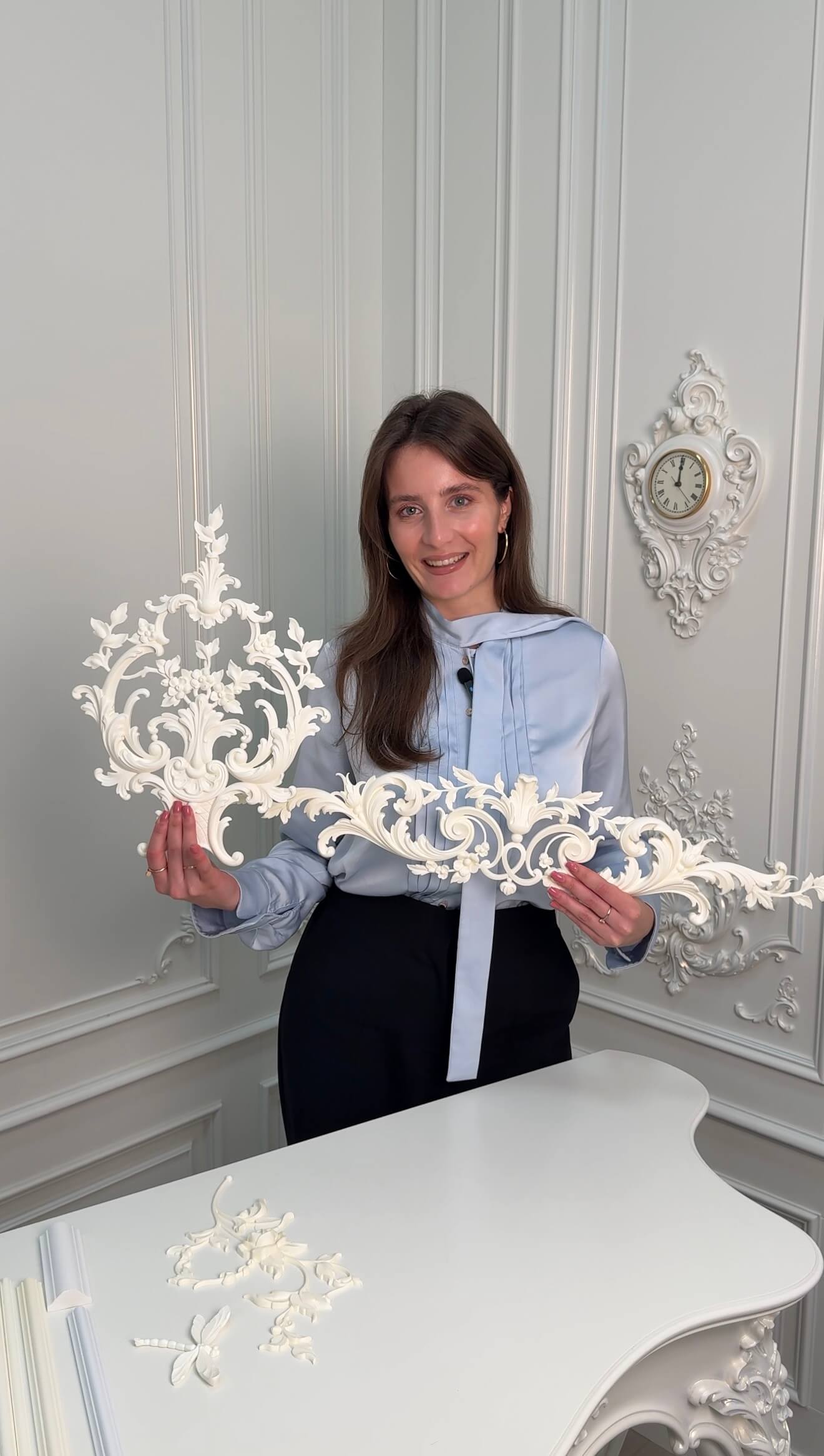
A wooden wall pattern is a carved decorative element made of solid wood, which is mounted directly onto the wall surface and creates a three-dimensional ornamental accent there. It is not a wall panel, not wallpaper, not paint — it is a three-dimensional handcrafted object attached to the wall and functioning as an artistic detail.
Depending on the size, shape, and concept, it can be:
-
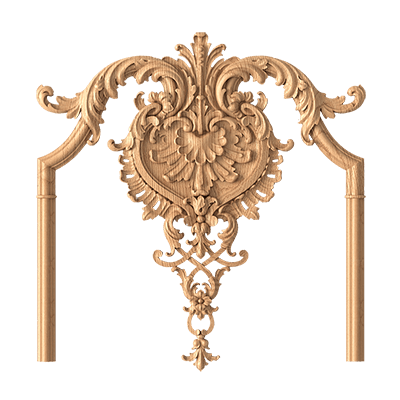
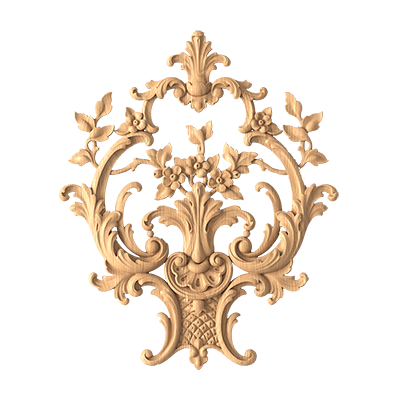
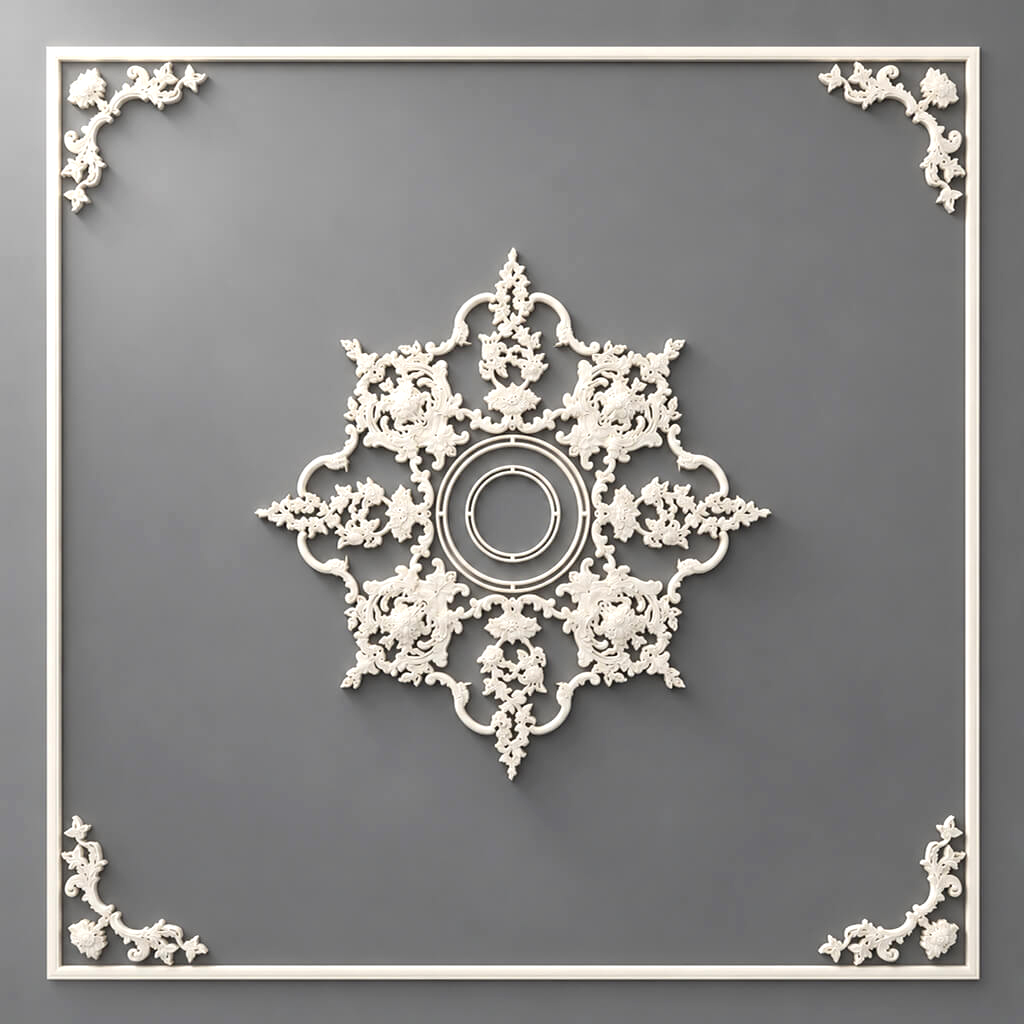
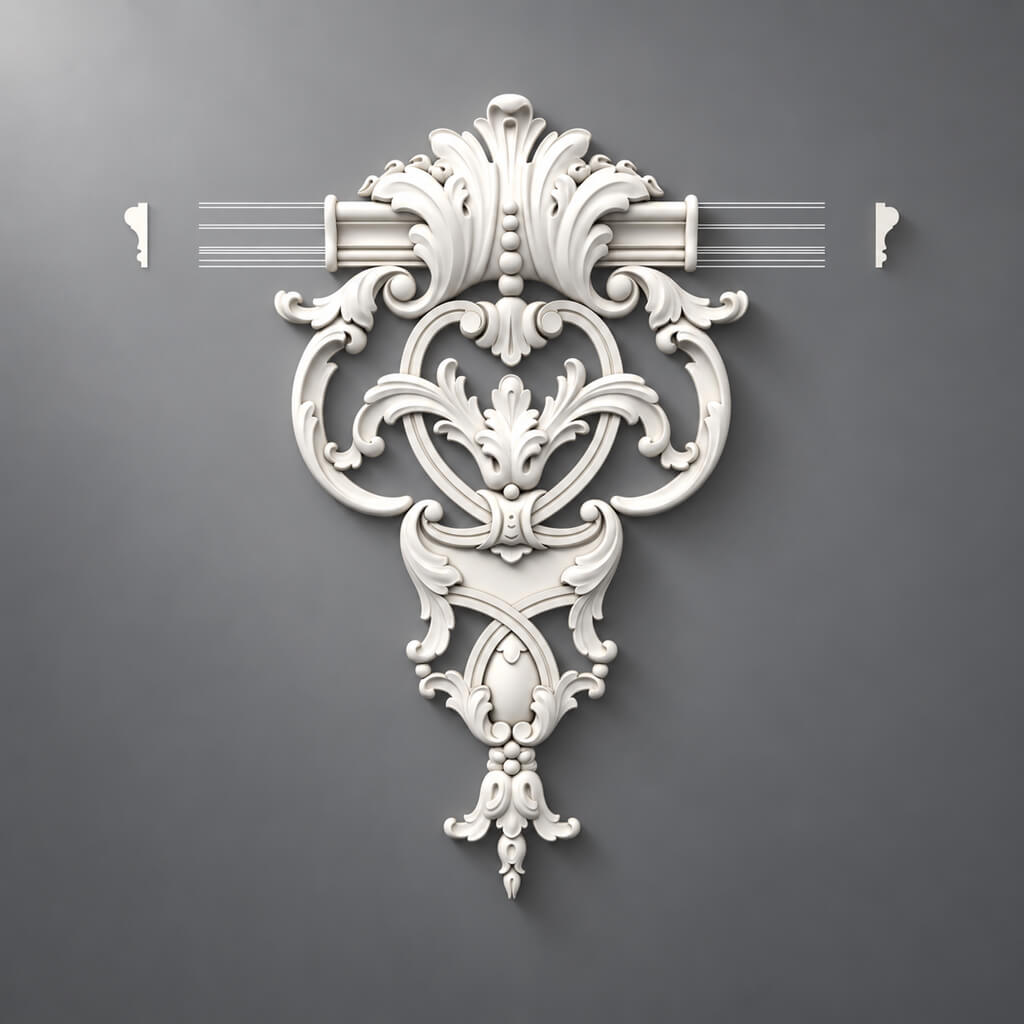
central symmetrical wooden overlay — a large ornament for the accent area above the sofa, fireplace, or bed;
-
decor set — several elements combined into a single wall composition;
-
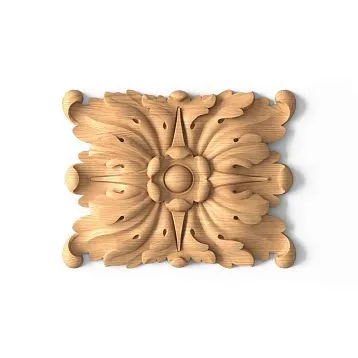
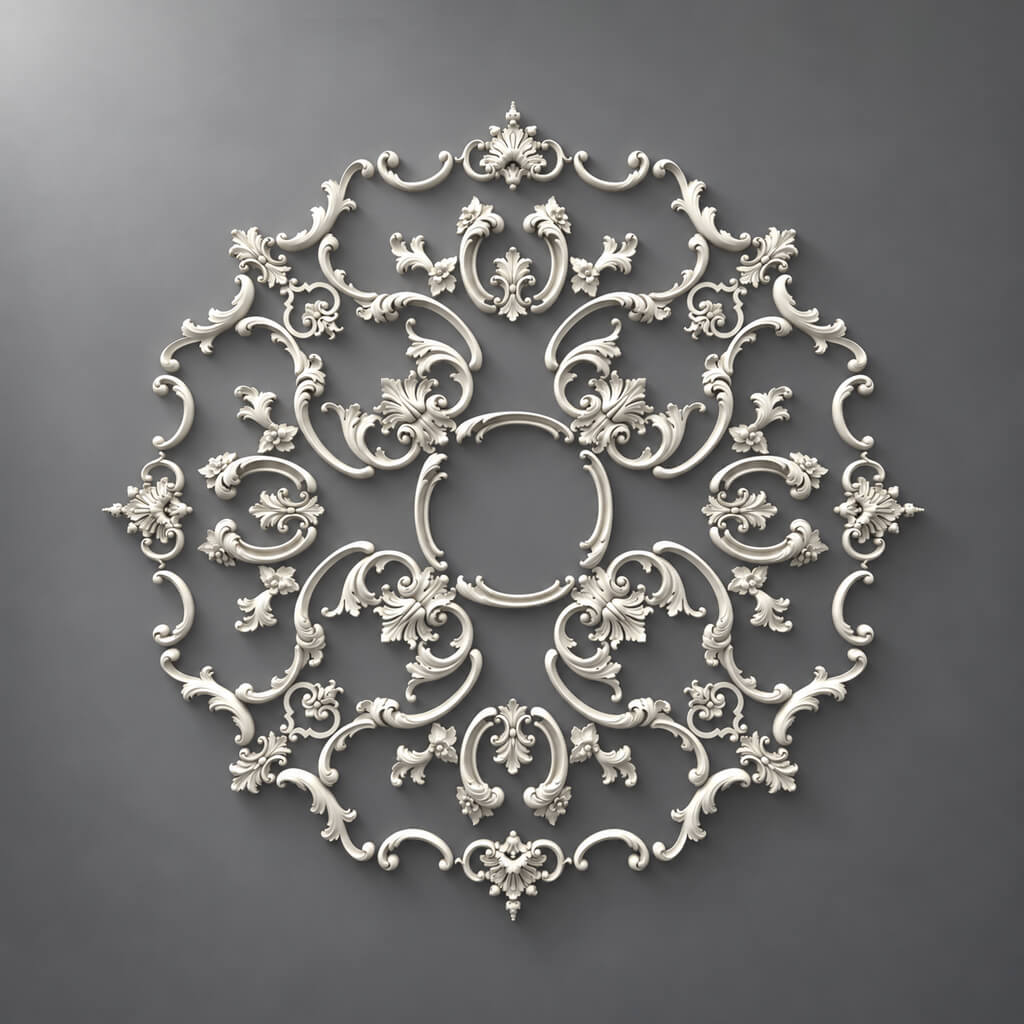
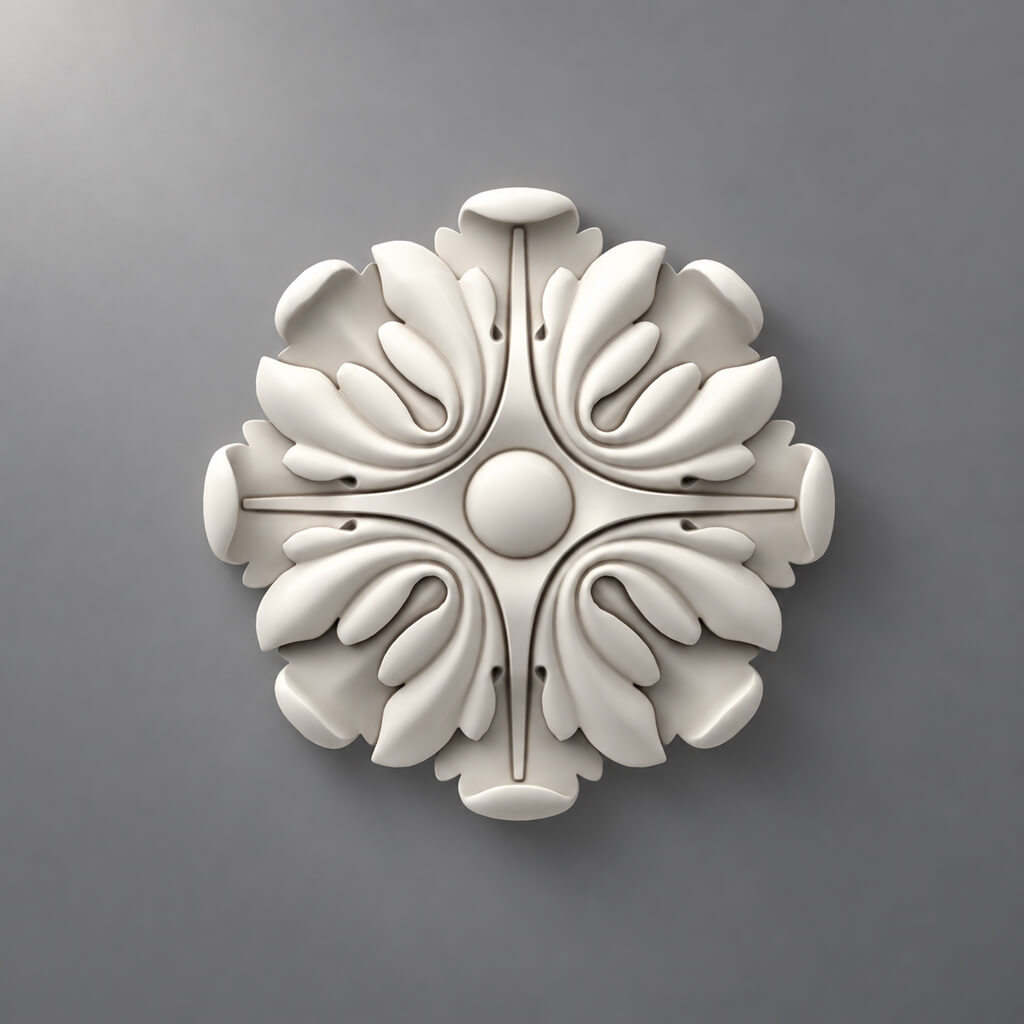
openwork rosette made of solid wood — a small point accent in the system of molding frames;
-
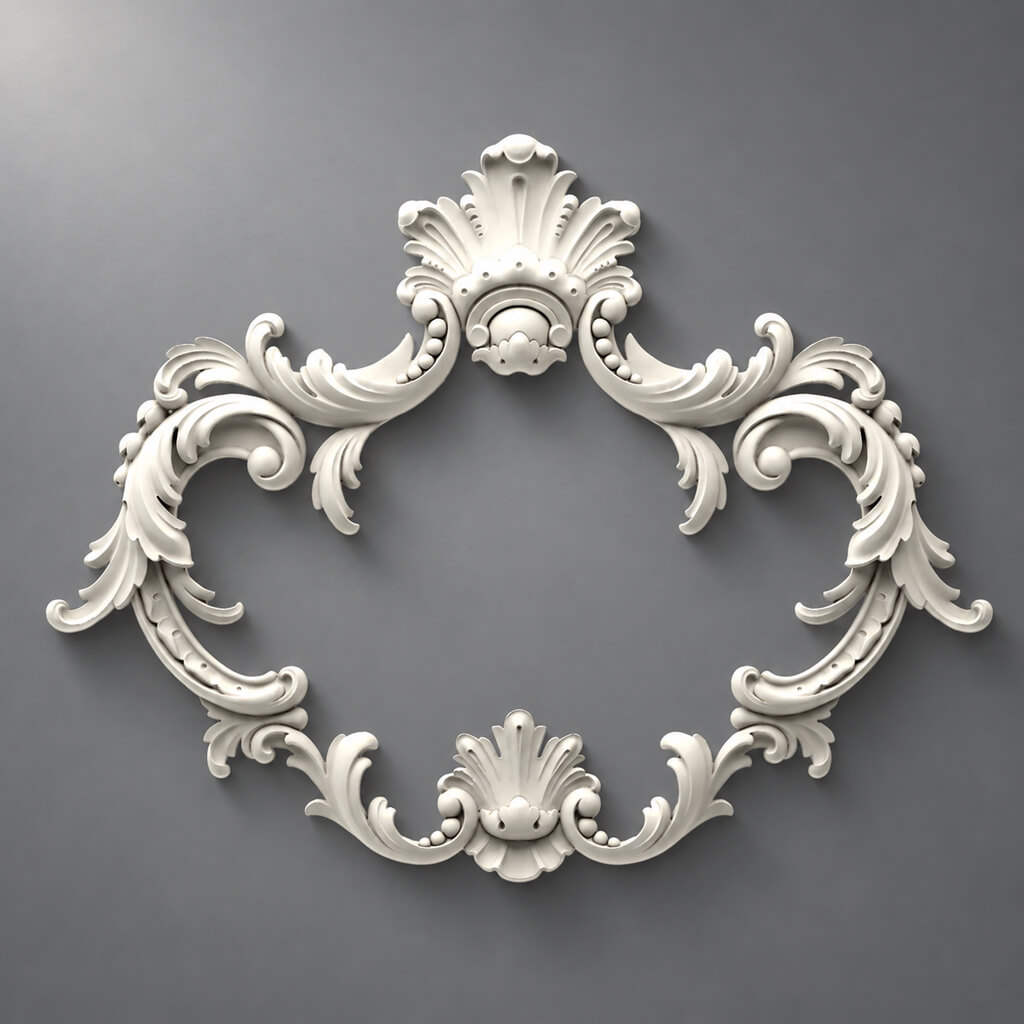
decorative panel — a multi-component ornamental object occupying a significant part of the wall;
-
corner and side overlays in the system of panels or niches.
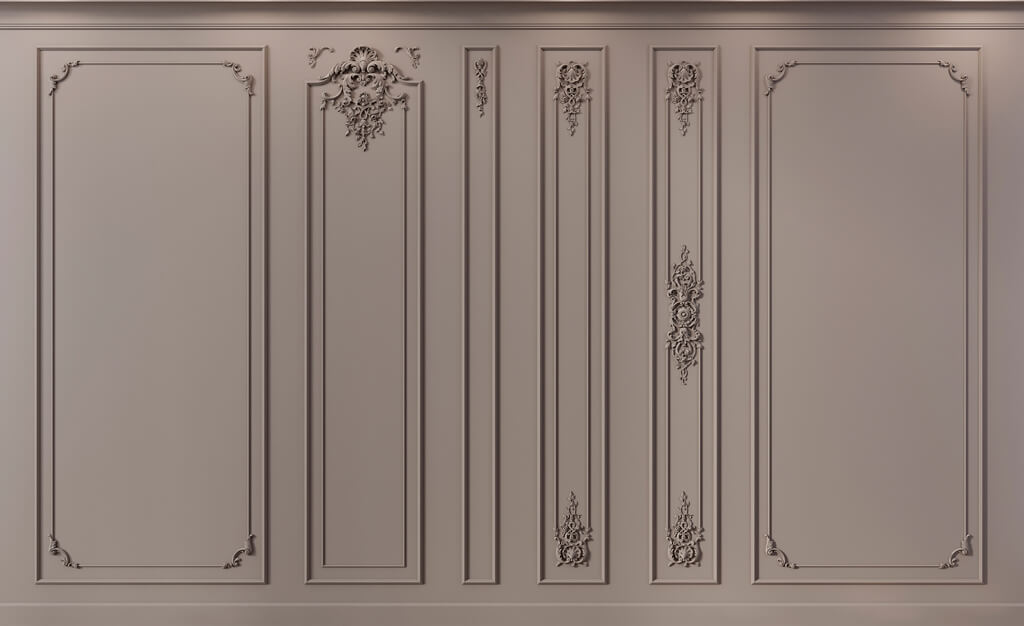
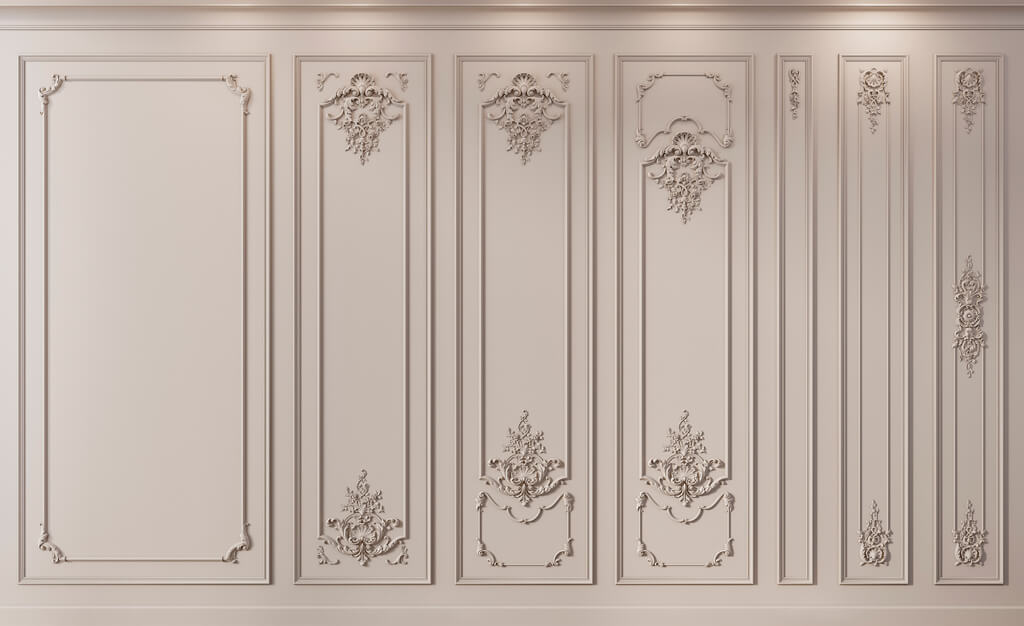
wooden patterns on the wall they work as an independent decorative object — unlike moldings, which build lines and frames, and unlike wall panels, which cover an area. A carved pattern is an accent, a point of attraction, a place where the gaze comes and stops.
What is fundamentally important: the wooden pattern on the wall is made from natural solid wood — beech or oak. This gives it a living texture, the possibility of any finishing treatment (enamel, varnish, tinting, stain, patina), and most importantly — the weight of a handmade object. Wood on the wall is warmth in both literal and metaphorical sense.
Where carved wall decor is used
Where does the wooden pattern on the wall live today? The answer is broader than commonly thought.
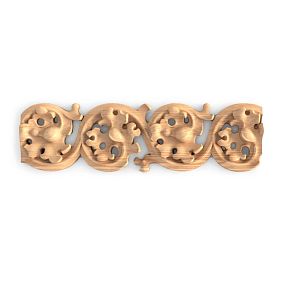
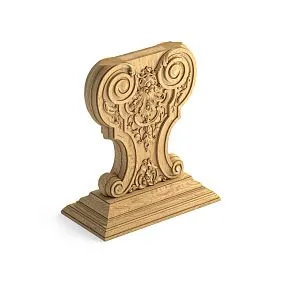
Our factory also produces:



Residential interior
Living room, bedroom, study, hallway — classic scenarios. But also children's room, dining room, and staircase area. Everywhere where a wall is an architectural statement, not just a functional plane, carved decor finds its place.
Get Consultation
Country house and cottage
A country house is a special environment where wooden carved wall decor is realized to its full potential. High ceilings, spacious halls, fireplaces, libraries — all of this is an architectural context that requires proportionate decor. Wooden Inlays in sets — sets C-020, C-021, C-018 — are designed specifically for such spaces: large ornament, rich detailing, serious scale.
Offices and libraries
A professional space — a law office, an executive study, an architectural bureau — uses wooden wall ornament as an element of representation. Here, carved decor signals: serious thinking happens here, details are valued here. Dark oak under stain or classic beech under patina combined with wooden panels and wooden moldings create an interior that speaks of professionalism without words.
Restaurants, hotels, showrooms
Commercial interiors have long discovered the decorative potential of carved wood. A restaurant with wooden wall ornaments in the bar area or banquet hall is a signal of class. A boutique hotel with wooden panels in the lobby is a feeling of intimacy and handcraftedness. A furniture production showroom with carved wall overlays is a demonstration of taste and understanding of the material.
Niches, arches, portals
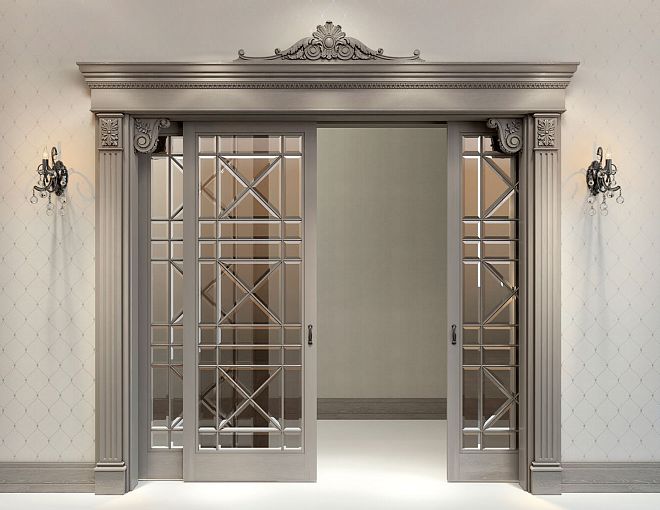
A decorative niche in the wall is one of the best scenarios for carved wall decor. The pattern inside the niche creates a second plane, adds depth, turns a technical architectural element into a decorative object. The same applies to fireplace portals, arched openings, door portals.
How wooden pattern differs from molding and panel
This is an important question that allows you to correctly understand the task and not buy "the wrong thing."
Molding is a line and a frame
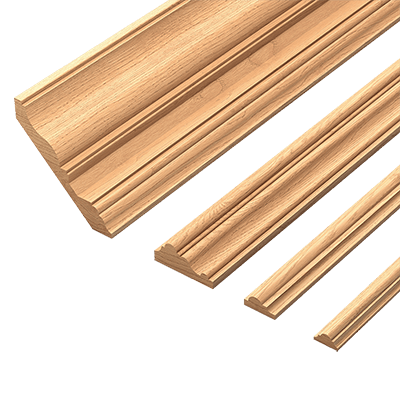
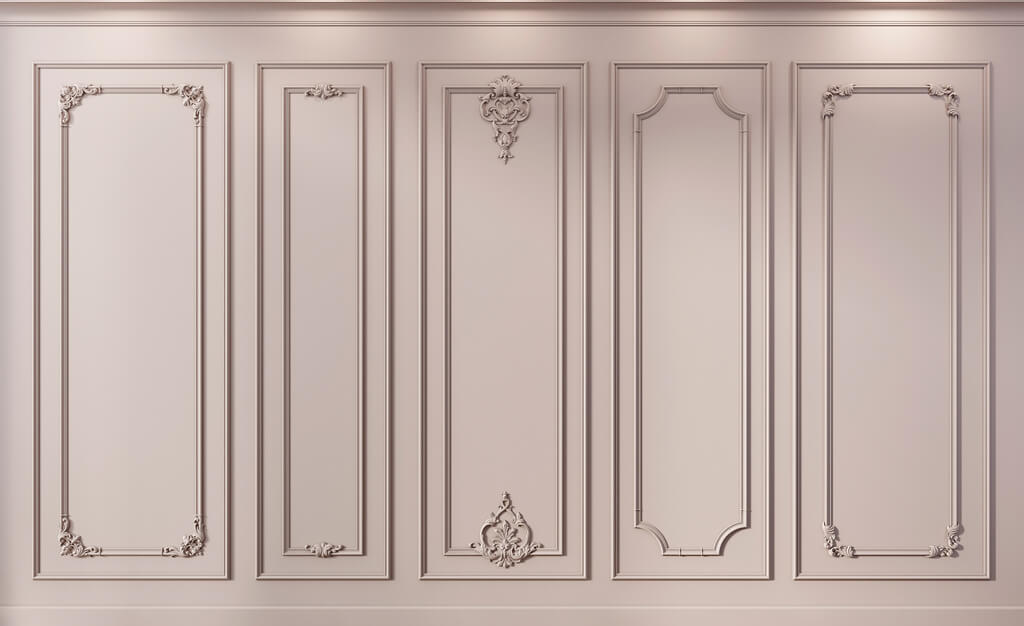
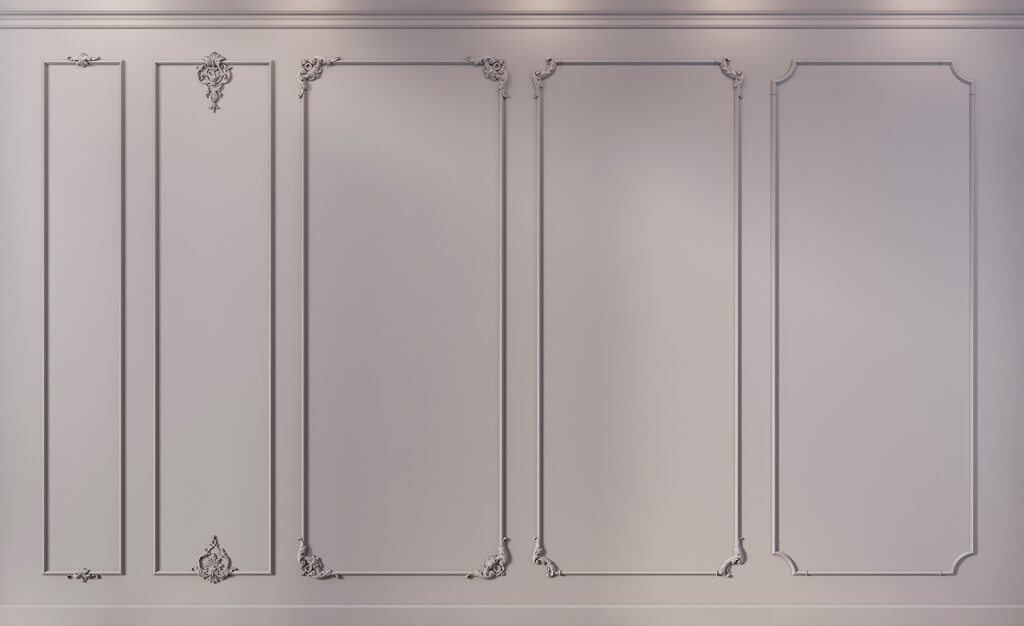
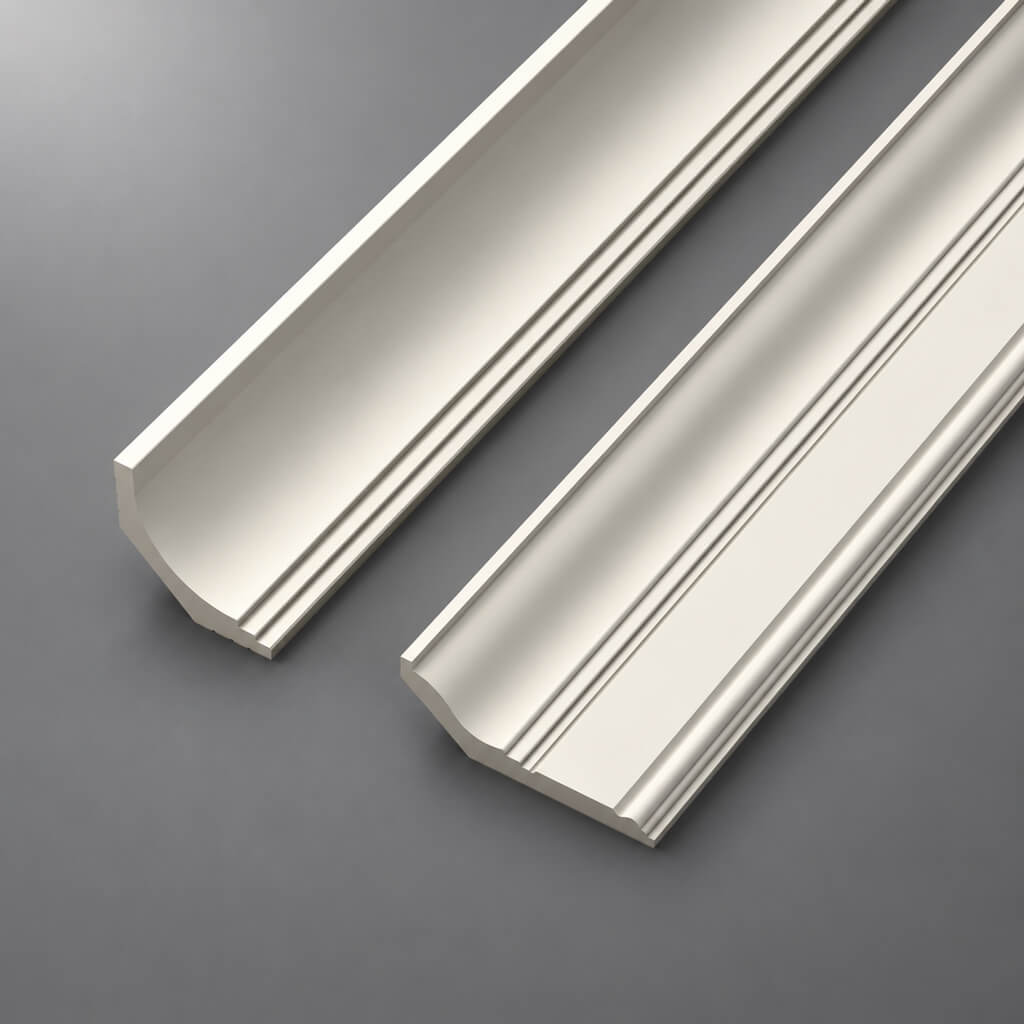
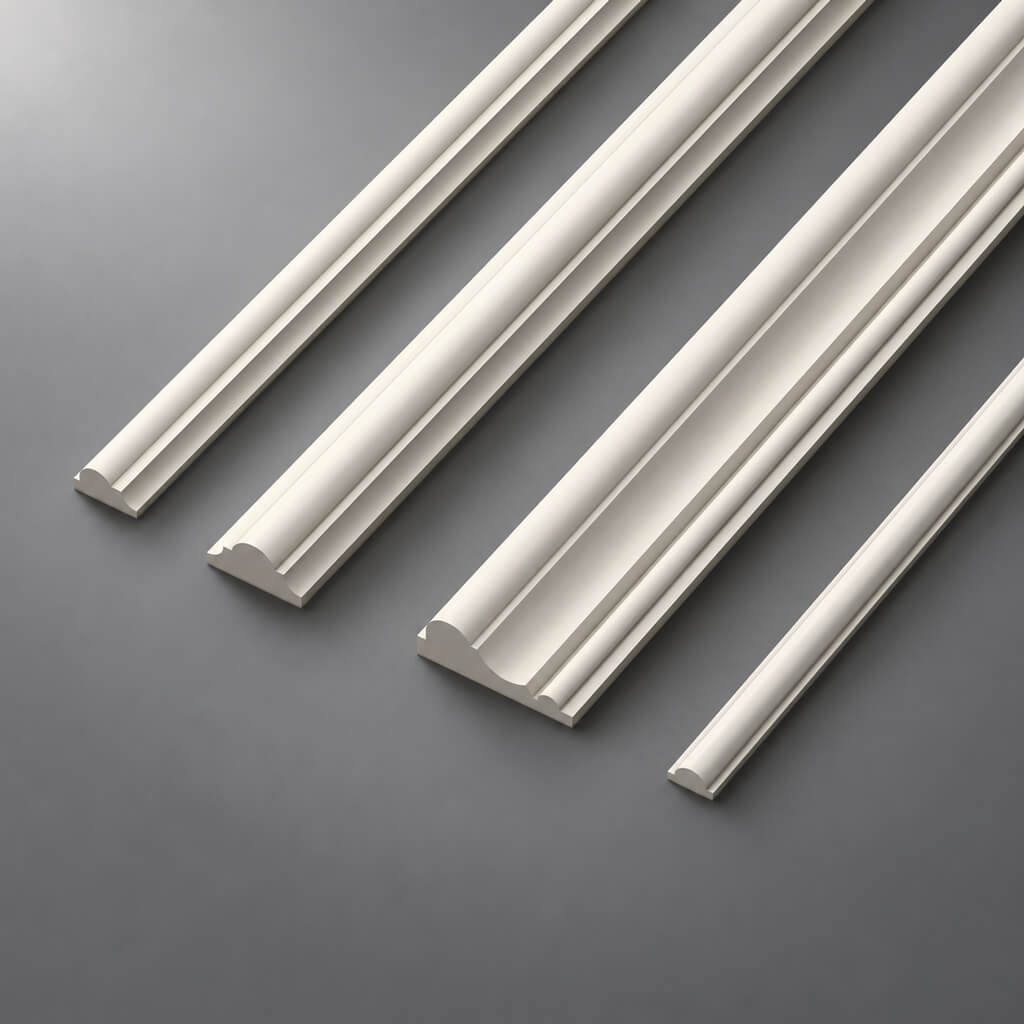
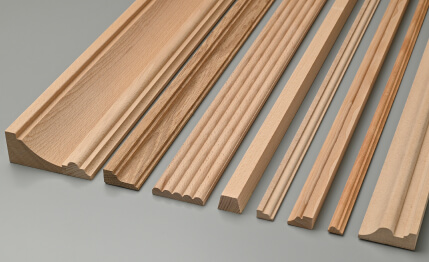
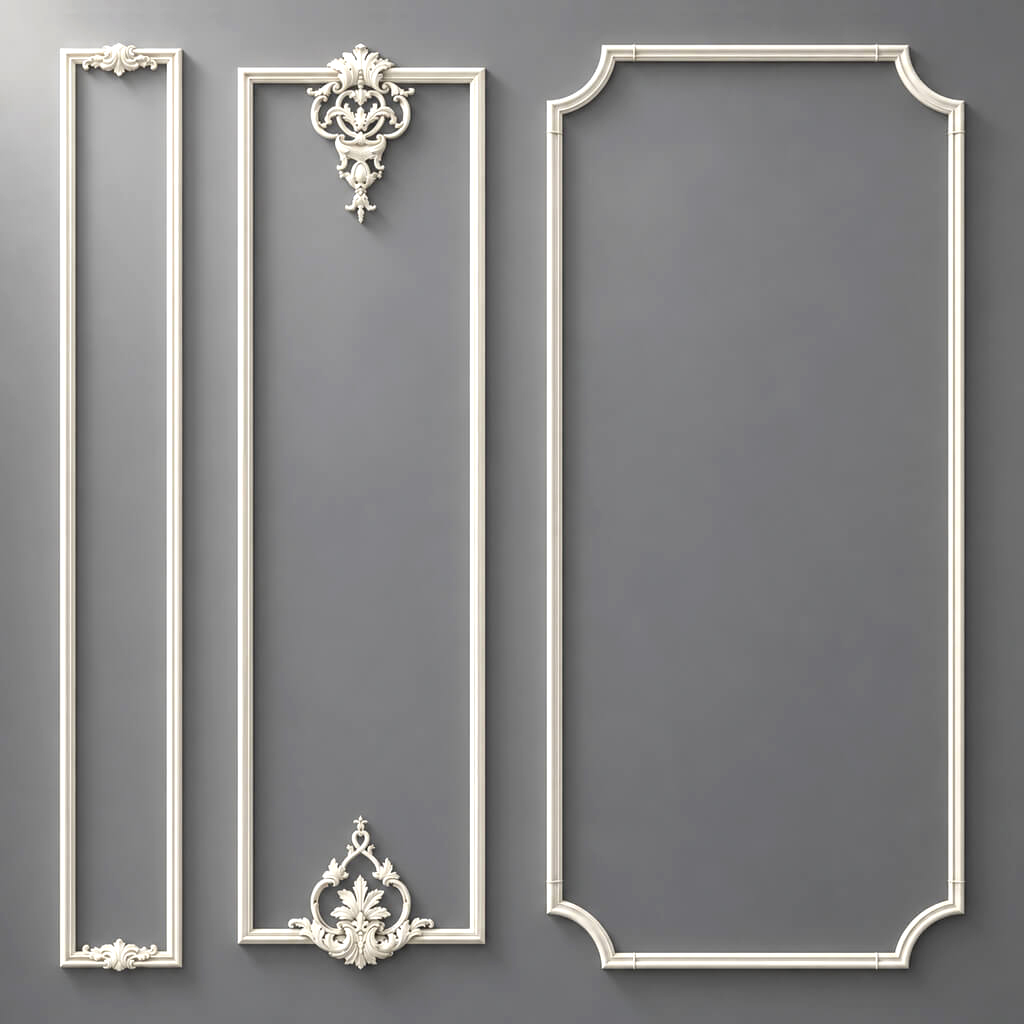
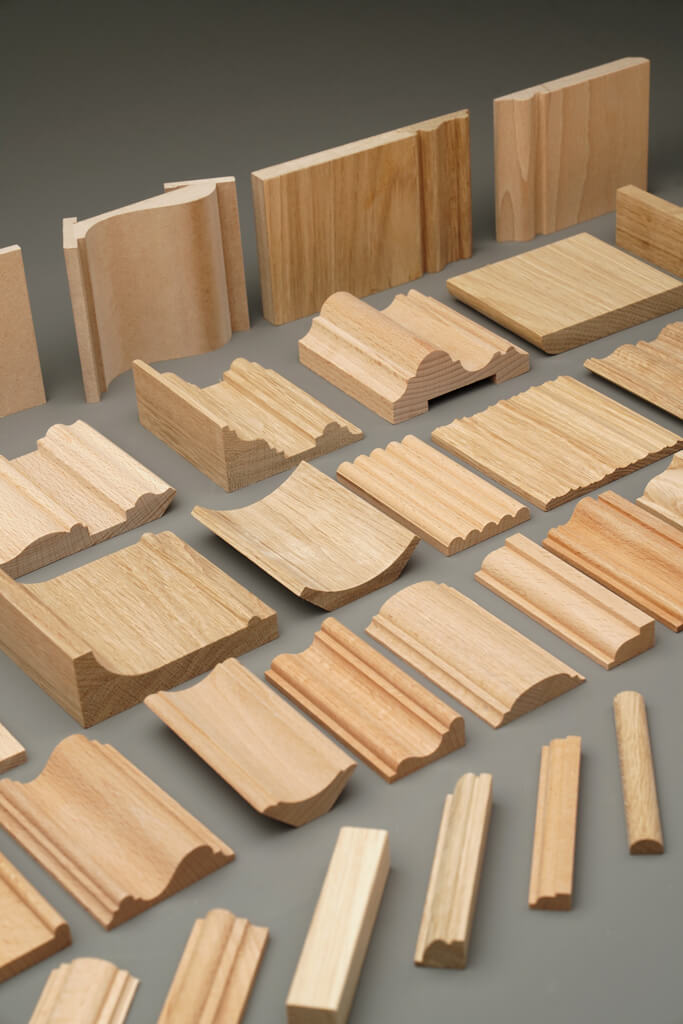
wooden molding — a linear profile that creates horizontal or vertical decorative bands, frames, openings, and transitions between wall zones. Molding works with the rhythm and structure of the space, organizing the wall. It is not an independent decorative object — it is an architectural marking tool.
Panel is an area
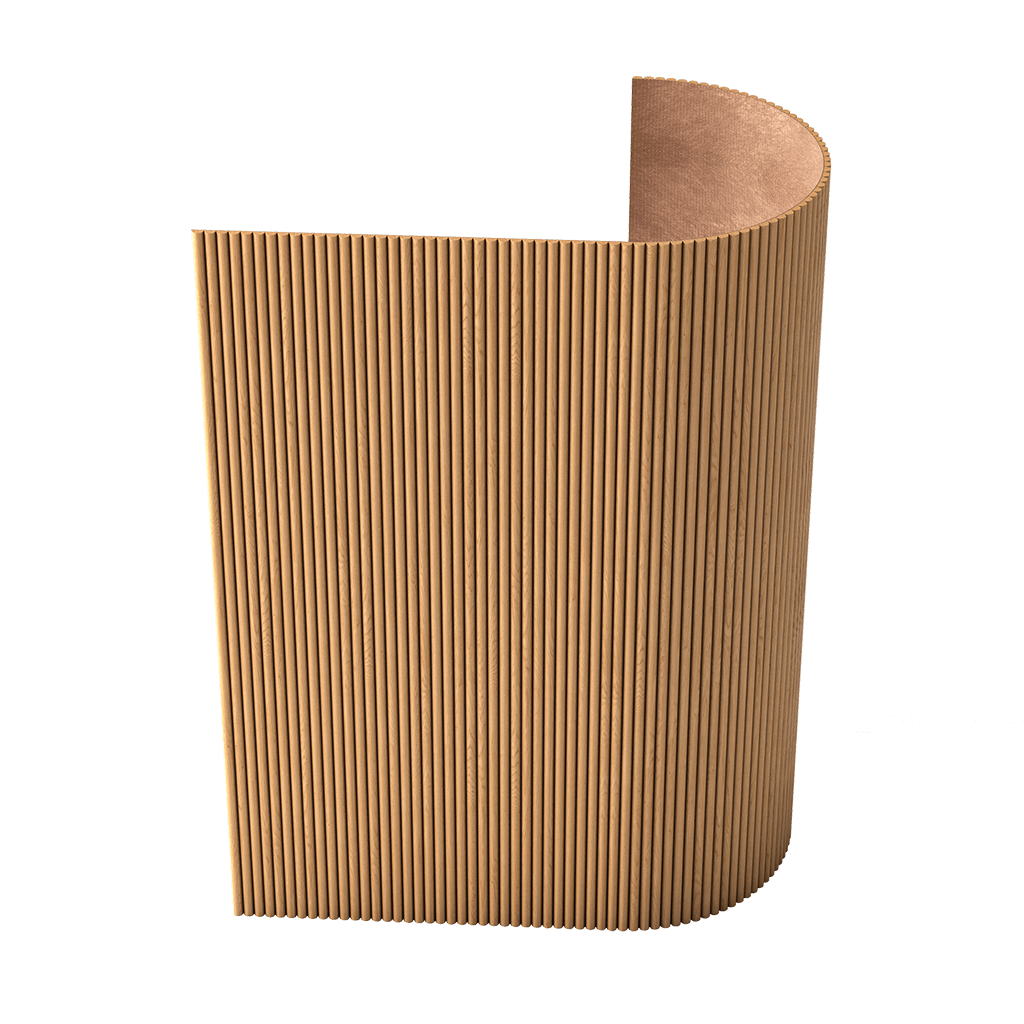
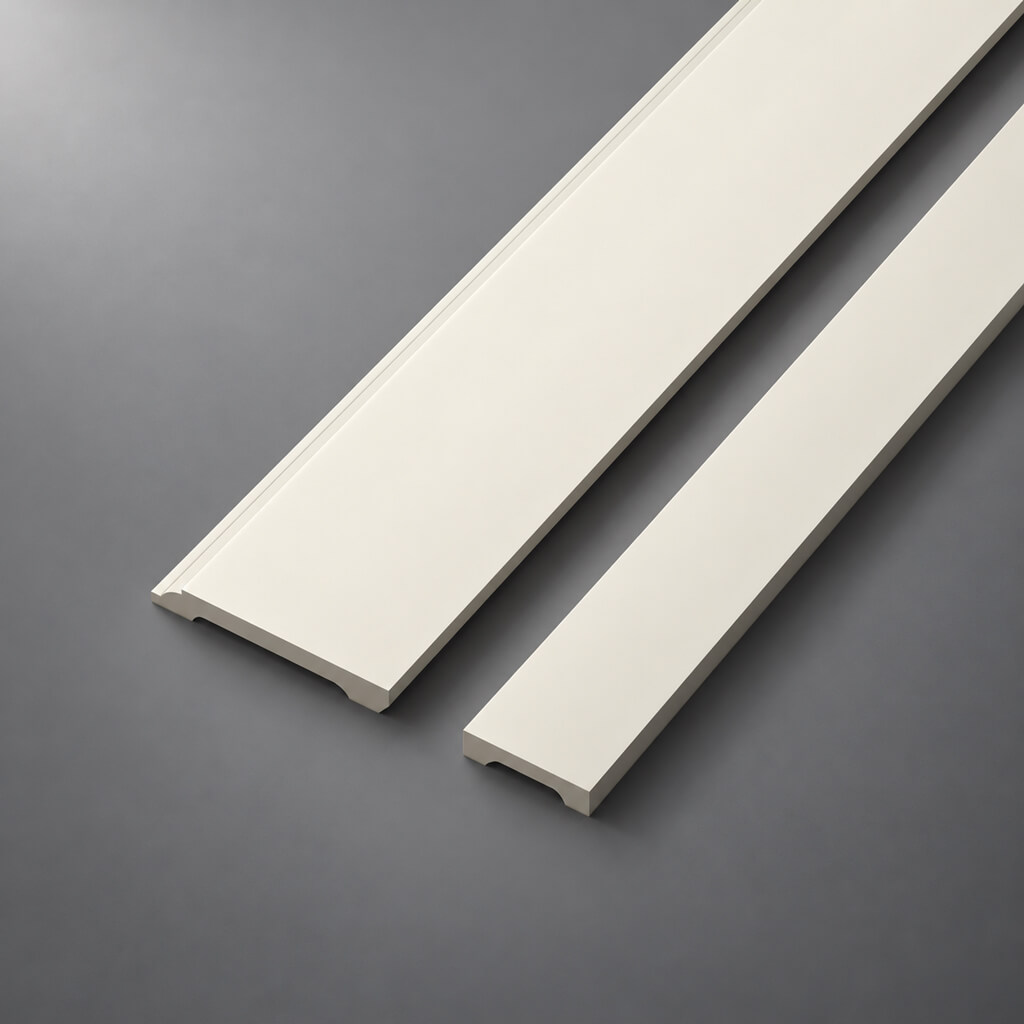
Wall panels and wood boiserie systems cover large sections of the wall, creating a uniform textured surface. This is a different scale of task: not a point accent, but an architectural solution for the entire wall or a significant part of it. Wooden trim — slats, profiles, baseboards — is part of the panel system.
Wooden pattern is an accent
A carved pattern on the wall is a point volumetric element. It does not build lines and does not cover an area. It creates one specific decorative focus: above the sofa, above the headboard, above the fireplace, in the center of a niche. That is precisely its value — in concentrating decorative energy in one place.
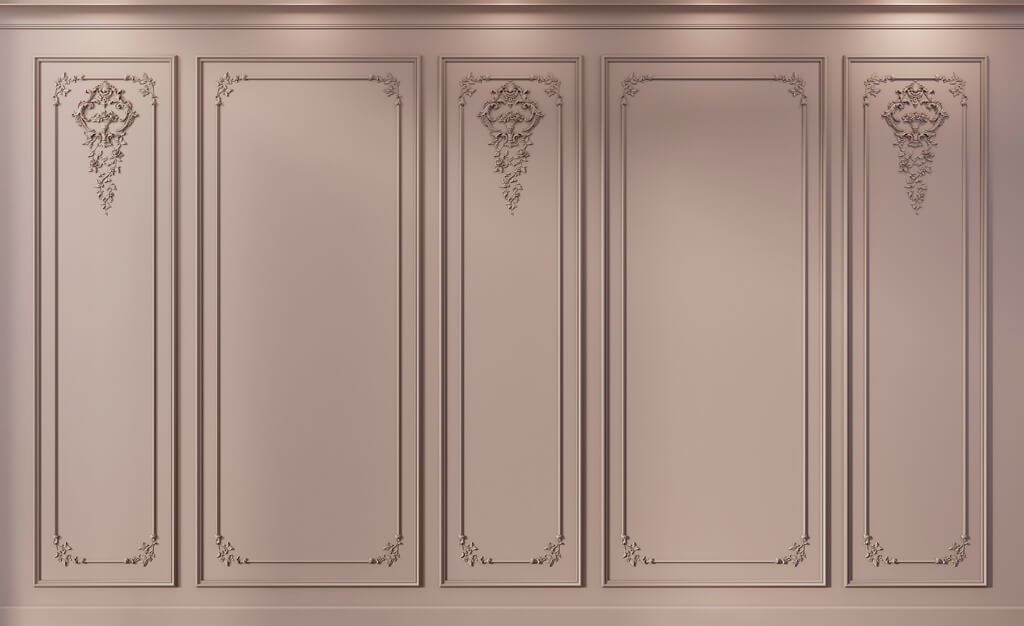
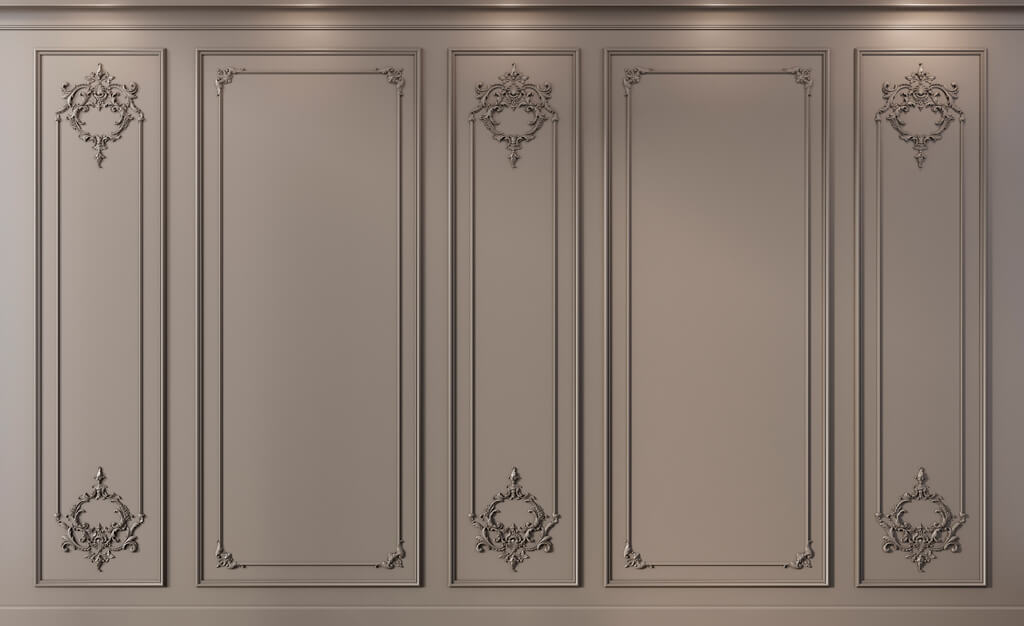
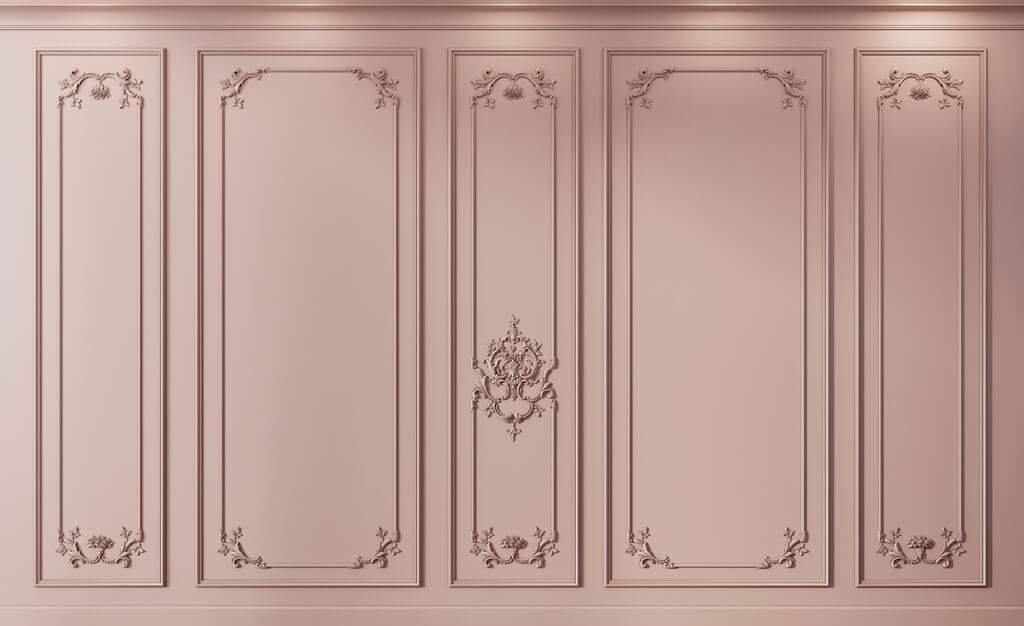
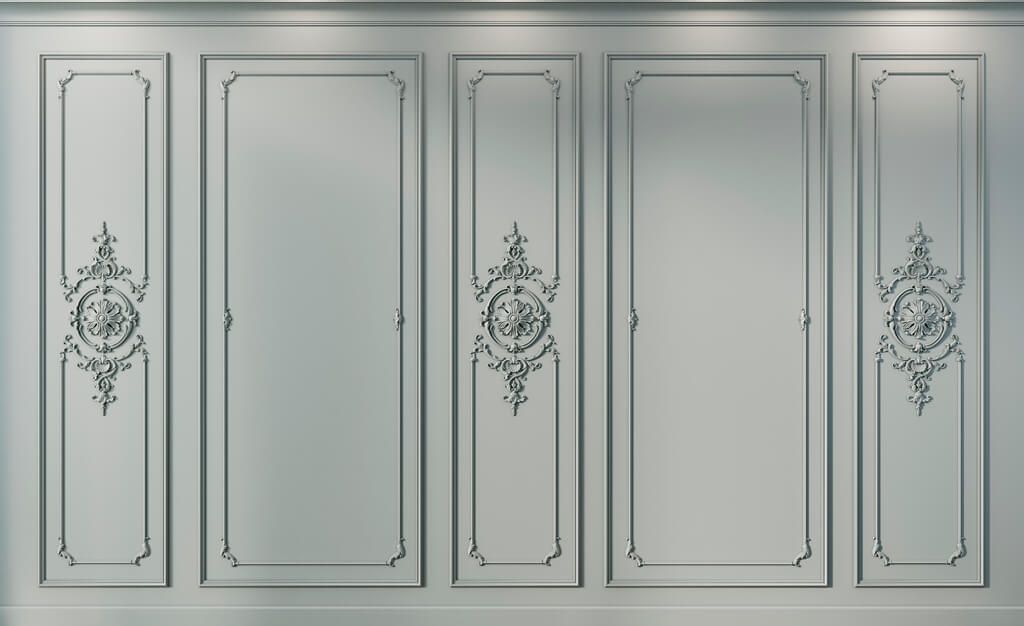
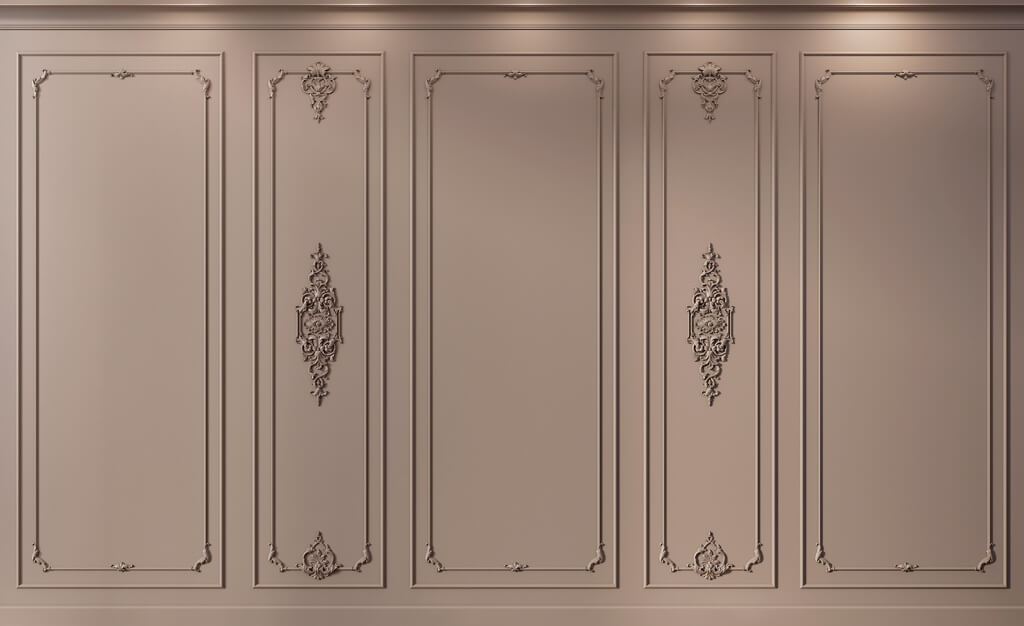
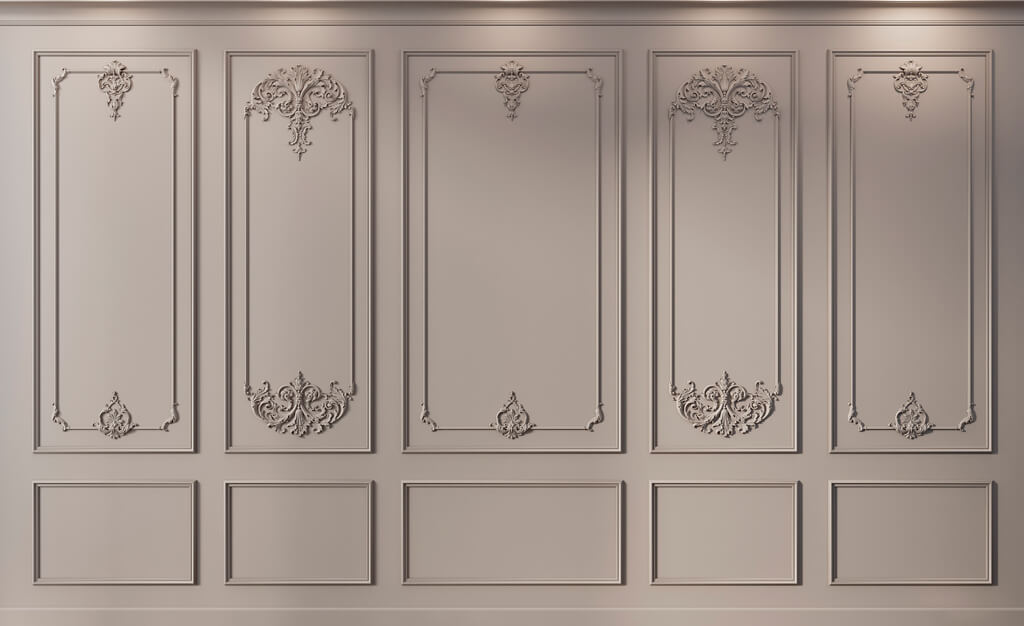
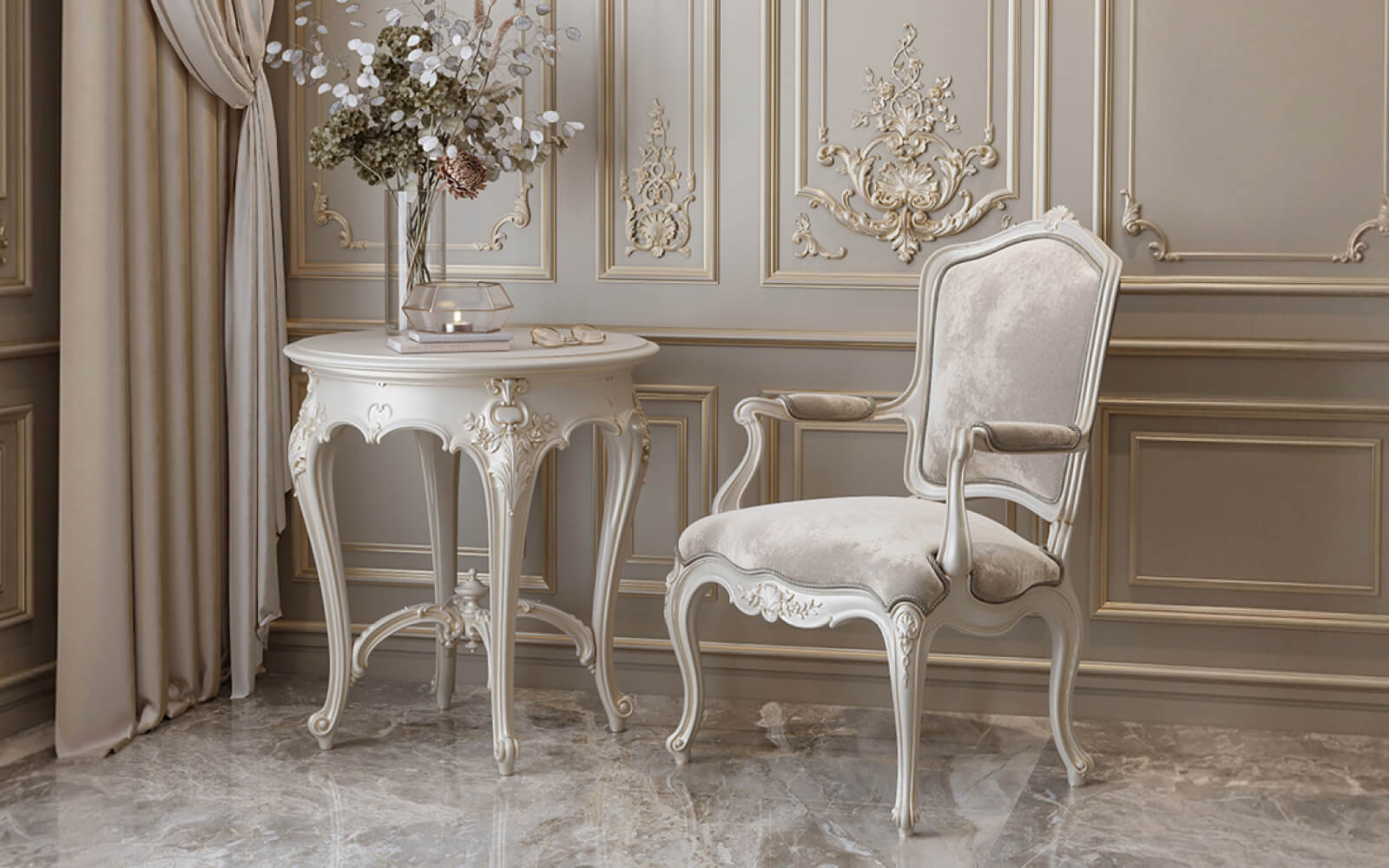
Three tools can work together: molding organizes the frame on the wall, the panel creates the background, and the carved pattern becomes the central element inside the frame. This is a complete classic wall system — boiserie in its modern understanding.
| Element | What creates | Scale | Application |
|---|---|---|---|
| Molding | Lines, frames, belts | Linear | Architectural markup |
| Wall panel | Uniform surface | Planar | Wall area closure |
| Wooden pattern | Volumetric accent | Point | Decorative focus |
How to choose pattern size
Size is the first decision when choosing a wooden pattern for a wall. And this decision directly determines whether the decor will work or get lost.
Small element: local accent
Small-sized overlays — N-093, N-106, N-171, N-214, N-237, N-316, N-505, N-506 — work as point accents. They are appropriate:
-
in a system of molding frames — inside the frame as a central element;
-
on furniture — on cabinet doors, on dresser drawers — as furniture decor;
-
on a wall in compact areas — near a mirror, on a wall between doors, in side niches;
-
as part of a composite composition — several small elements arranged along an axis or symmetrically.
Medium element: for the wall above a console, bed, or sofa
Medium-scale overlays — N-095, N-154.1, N-270, N-276, N-414 — are the main working area for a residential interior. They create an accent above the bed in the bedroom, above the console in the hallway, in the center of a molding frame in the living room. The size is perceived as proportionate to the furniture and a person — from a distance of 2–3 meters.
The decor set C-015 and C-016 is a ready-made composite system of medium size: several elements combined into a single ornamental ensemble. A convenient solution when a finished wall decor is needed without independently selecting details.
Large element: for hall, study, country house
Large ornamental overlays and sets — N-421, N-422, N-464, N.VRS-015, N-420, as well as sets C-017, C-018, C-020, C-021 — are decor for large spaces. A country house hall with 3.5-meter ceilings, a study with library shelves, a formal living room with a fireplace — this is the environment where large carved ornament works at full strength.
The C-021 set from STAVROS includes several carved elements with rich ornamental detailing — this is a serious wall composition requiring appropriate space and a strong architectural context.
Proportion rule
The ornament should occupy 20–40% of the decorative wall area. If the decor is smaller, it gets lost and does not work as an accent. If larger, it dominates and overwhelms. A zone above a sofa 200 cm wide: the optimal size of the central ornament is 60–80 cm in width.
How to choose the ornament style
Ornament is a language. And this language must match the language of the entire interior.
Classicism and neoclassicism
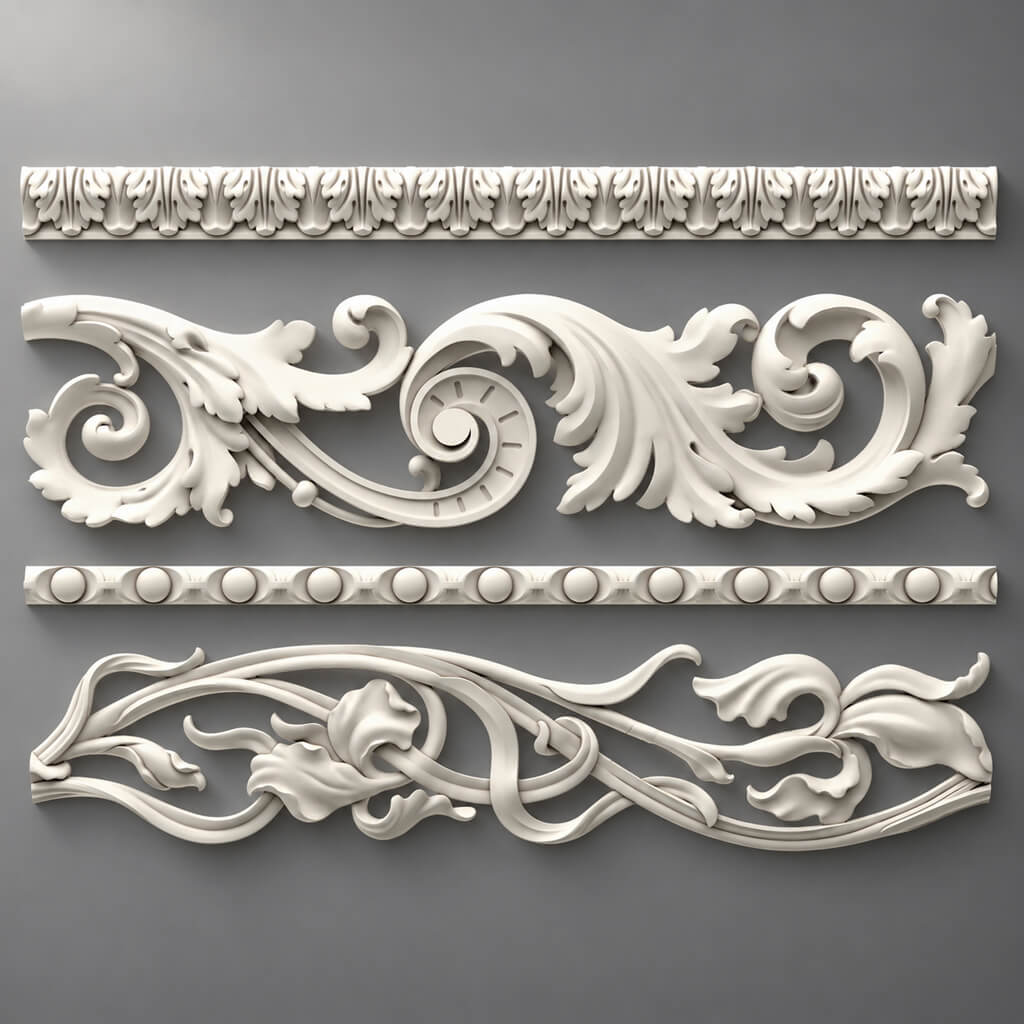
Acanthus leaf, cartouche, rocaille, garland, floral garland, symmetrical plant shoot — this is a classical ornamental vocabulary. It is represented in most items of the STAVROS catalog. Such ornament is organic in classical, neoclassical, Empire, Baroque, Renaissance, and academic interiors.
The STAVROS 'Summer Garden' collection is an author's interpretation of Baroque plant ornament with a modern reading. Lively silhouettes, graceful lines, sensual plasticity — decor that works both in a historic mansion and in a modern apartment with neoclassical elements.
Russian Style
wooden ornament In Russian decorative art — these are geometric motifs, solar signs, intertwined ribbons, flat carving with plant elements. This style is appropriate in log houses, in Russian wooden interiors, in dachas with a pronounced national character.
Floral ornament
Leaves, branches, flowers, buds — ornament of natural forms, the most universal of all. A plant pattern on the wall works in classical interiors and in modern ones: it brings organicity, connection with nature, life. It is especially organic in the bedroom and living room — spaces where warmth is important and strictness is not needed.
Geometric ornament
Geometry in carved wood is strictness, rhythm, architectural clarity. Such ornaments are appropriate in a study, in an Art Deco interior, in modern neoclassicism. They are read without emotions — only form, only proportionality.
Modern decorative carving
Flat or relief carving with a minimalist design — without classic historical references. This ornament is suitable for modern apartments where you want to add natural material without referencing historical styles. Carved wooden decoration STAVROS includes both historical and modern ornamental solutions.
Wooden pattern for the living room
The living room is the most public room in the house, and it is here that the wooden wall pattern realizes its maximum decorative potential.
Wall above the sofa
This is the main decorative area of the living room — what everyone who enters the room sees. A large central overlay N-422 or N-421 above the sofa creates a sense of grandeur, completeness, and thoughtful interior. An important rule: the center of the ornament must coincide with the central axis of the sofa.
If the sofa is long — 250–280 cm — a composite composition is appropriate: a central large ornament and two symmetrical side elements of a smaller size. This creates a horizontal rhythm proportional to the length of the sofa.
TV zone and media wall
It may seem paradoxical — a TV and wooden carving next to each other. But no: a carved ornament around the perimeter of the TV niche or the niche for the built-in screen creates a frame that makes the technical equipment part of the decorative design. This works especially well in a system with wooden moldings — a frame made of molding and a carved overlay in the center.
Fireplace zone
A fireplace is the natural center of the living room. A decorative overlay above the fireplace portal, carved rosettes on the wall plane on the sides of the fireplace, ornament inside the niche — these are standard scenarios that work flawlessly. For the fireplace area, large symmetrical ornaments from the C-020 and C-021 STAVROS collections are suitable.
Console zone
A console in the living room or transition zone is a place where decor above it creates a vertical accent: console + mirror + wall ornament. This classic trio works in all interiors from classic to modern neoclassical.
Wooden pattern for the bedroom
The bedroom requires a different tone. Silence is needed here, not monotony. The ornament should be without aggression and without overload.
Headboard zone
The wall behind the bed's headboard is the main place for a wooden pattern in the bedroom. One central ornament symmetrically above the center of the bed: this is the visual completion of the bed, creating a "frame" for the entire sleep zone. For a standard bed 160–180 cm, an overlay 50–70 cm wide horizontally.
Decorative wooden overlays N-276, N-270, N-095 are calm, fluid ornaments with plant motifs that create warmth without excessive pomp. In the bedroom, this is the right choice: the ornament should soothe, not excite.
Symmetry and balance
In the bedroom, the principle of symmetry works especially strictly. If there is an ornament, it should be along the axis of the bed. If there are several elements, they should be balanced on both sides. Violation of symmetry in the sleep zone creates unconscious tension that interferes with rest.
Combination with nightstands, frames, and textiles
The wooden wall ornament in the bedroom should match the tone of the wooden furniture elements: nightstands, bed frame, mirror frame. The same wood tone creates unity. A contrasting tone is a deliberate technique, but it requires a more complex color solution for the entire space.
Wooden pattern for study and hall
Study: wood as the language of authority
A study is an interior where carved ornament works at full strength. Greater decorative saturation is acceptable here: large overlays N-420, N-422, N.VRS-015, sets C-017 and C-020. Dark oak under stain or patina is a traditional choice for a study: seriousness, depth, weightiness.
In a study, wooden wall decor is appropriately complemented by a system of wooden panels and molding: ornament within a molding frame is a classic scheme that makes the study an architecturally meaningful space. The connection of wall ornaments with wooden door casings, wooden mirror frames, and library shelves creates a unified wooden system of the study.
Hall and Entrance
The hall is the first space a guest sees. It is here that the wooden wall pattern creates the first impression. Large decor sets are suitable for the hall — C-021 or C-020 — which occupy a significant area of the accent wall and create a ceremonial feel.
For a medium-sized entryway — overlay N-421 or N-422 above a console with a mirror. This is a classic entryway scheme that works in all classical and neoclassical interiors without exception.
Staircase zone
The wall along the staircase is a special architectural object. It is large, seen from different angles and at different heights. For a staircase wall, a rhythmic system works well: several decorative elements of the same type, arranged along a diagonal line following the rise of the steps. Wooden Inlays medium-sized N series in such a row create a dynamic and elegant decorative pattern.
Material and Finish
Each interior has its own task, and the coating of the wooden pattern must meet that task.
Beech: ideal for painting
Beech is a dense, fine-pored wood with an even structure. The surface of beech accepts any enamel without orange peel or runs. That is why STAVROS beech carved overlays are the first choice for interiors where the decor is painted to match the wall or furniture color. White ornament on the wall: laconic, modern, elegant. Colored patina over white enamel creates an antique effect.
Oak: for varnish and tinting
Oak has an expressive texture with medullary rays and a deep natural pattern. Under clear varnish or oil, oak gives a lively dark golden or brown surface with depth. Under dark stain, it conveys strictness and representativeness. For a study and hall in a country house, it is choice No. 1.
Coating in wall color
One of the most modern techniques: the wooden ornament is painted in the same color as the wall. This creates relief, play of light and shadow, volume — but no color contrast. It is a very subtle and elegant technique. Important: before the final paint, a primer is mandatory. Without it, the paint will apply unevenly.
Stain and patina
Stain allows you to achieve dark, rich tones while preserving the wood structure. Patina is an imitation of aging, where the dark tone emphasizes the recesses of the carving, while the raised parts remain light. Patina is especially convincing on deep-relief ornaments: every leaf curve and every curl gains three-dimensional expressiveness.
Practical tips for coating
-
Prime before the final coating — especially on the ends.
-
Apply enamel in two thin coats — not one thick one.
-
For patina: base coat — white or light enamel, top coat — dark wax paste or stain with immediate partial removal on raised areas.
-
For oak under varnish: one or two oil impregnations before varnishing give depth of color.
-
Before installation, apply coating to the back side — for protection against wall moisture.
Mistakes when choosing a wooden pattern for the wall
Let's analyze each one honestly and without cuts — because these are real losses: money, time, and the feeling of a ruined interior.
Taking too small decor for a large wall. A 15×15 cm overlay on a 4-meter wide wall is not an accent. It's a lost detail. From 3 meters it is not readable at all. For a large wall, a large ornament is needed — either one large one, or a system of several medium ones with a built rhythm.
Not considering the color of furniture and doors. A white ornament in a room with white walls, white furniture, and white doors is one thing. A white ornament in a dark study with dark oak doors is a conflict. Before purchasing, take the color dominants of the room and determine: will the ornament be contrasting or nuanced.
Mixing different ornaments. Baroque acanthus above the sofa, geometric arabesque above the console, Russian flat carving by the fireplace — in one room this is chaos. All wooden ornaments in the space must be from the same style family.
Placing the pattern without a compositional center. The ornament is needed not for 'free space', but for architecturally meaningful space. Above furniture, in a niche, along the door axis, in the center of a molding frame — not just 'where there is space'. Random placement of decor does not create an accent — it creates a question.
Not considering ceiling height. In a room with 2.6 m ceilings, a large vertical ornament will further reduce the feeling of height. Here, horizontal or compact solutions are needed. In a room with 3.5 m ceilings, a small ornament will be lost: scale is needed.
Choosing facade decor instead of interior decor. Facade carved products (house carving, window casings) are made of pine, designed for outdoor use, and have different proportions and ornament character. Carved wooden decoration For walls — beech and oak, interior proportions, delicate finishing.
Forgetting about coating and fastening. Unpainted ornament on the wall is an unfinished project. Without coating, wood absorbs moisture, changes color unevenly, and loses its appearance. Fastening with glue without mechanical fixation points may not hold heavy sets.
Overloading the room with carving. One ornament on an accent wall is a rule, not a limitation. If you want more — create a system: molding frames + ornament inside + molding belts. But each added element should enhance the whole, not compete with others.
How to attach a wooden pattern to the wall
Fastening is not the last question, but the second after selection.
Adhesive
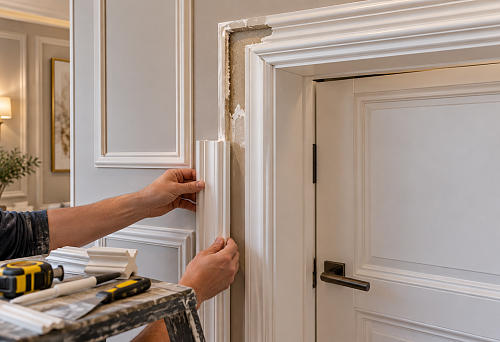
Light and medium overlays are mounted with assembly glue (e.g., polyurethane or acrylic based). The wall surface must be smooth, clean, and free of grease. Glue is applied in dots or along the perimeter of the back side of the overlay.
Glue + screws
For heavy sets and large overlays — combined fastening: glue for planar contact + 2–4 screws with dowels for mechanical fixation. Screws are hidden with wooden plugs or filled with putty for painting.
Installation on a wooden base
For complex composite kits, it is sometimes more convenient to assemble the kit on a wooden board, and then attach the entire board to the wall. This ensures assembly accuracy and ease of disassembly if necessary.
Important about walls
On plasterboard walls, fastening must go into the frame profiles. On concrete walls, use concrete anchors. On wooden walls (log cabins, timber), use wood screws. Each wall type requires its own approach.
Where to buy wooden wall patterns
The full range of carved wall decor is in the STAVROS catalog:
-
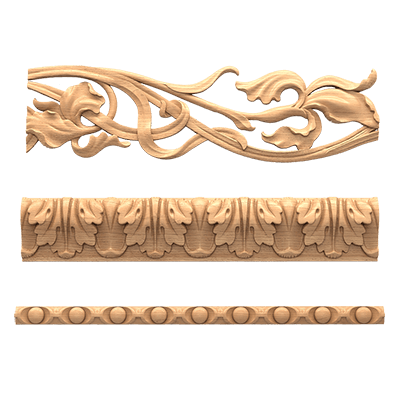
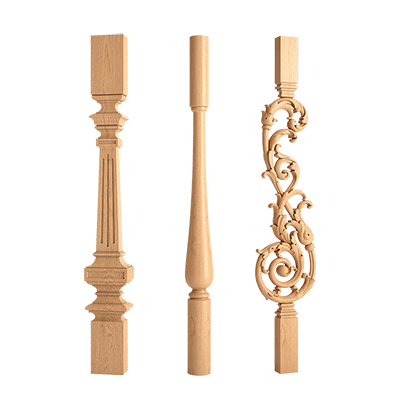
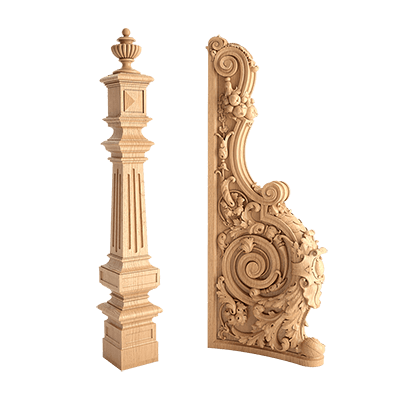
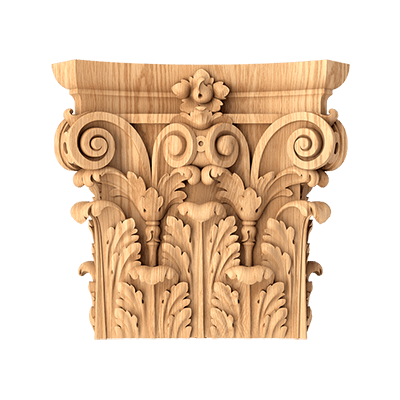
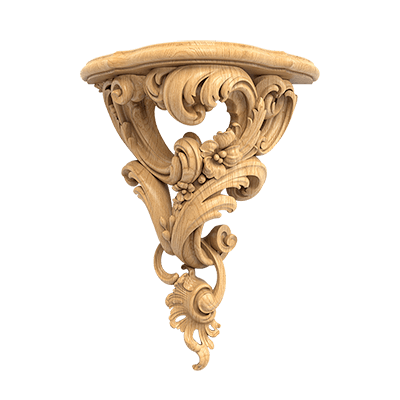
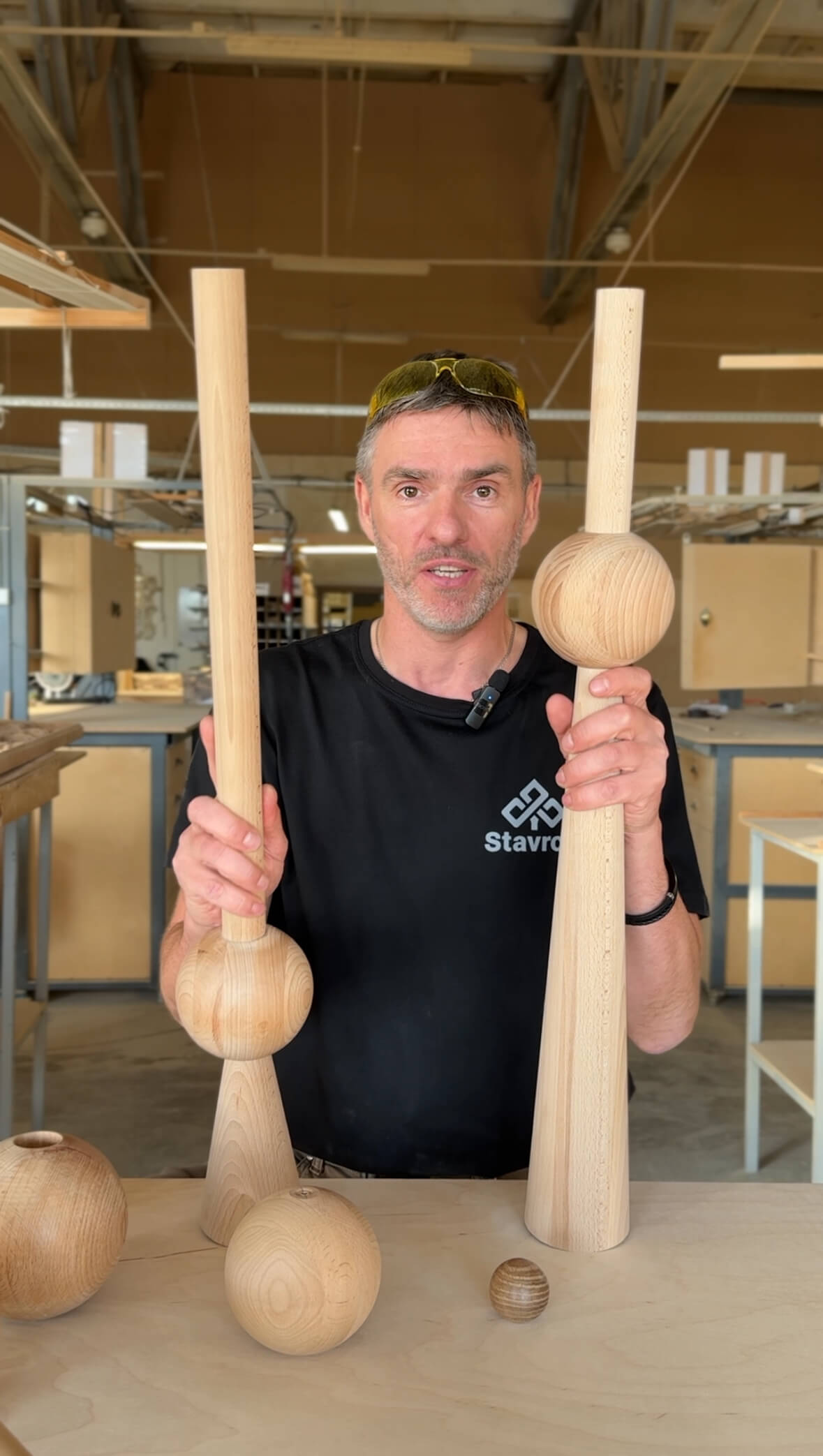
Carved wooden decoration — overlays, rosettes, brackets, capitals, kits, baguettes, pilasters, columns. Beech and oak. Ready for any finishing treatment.
-
Wooden Inlays — more than 400 models: from small accent elements N-093 and N-106 to large ornamental panels N-421, N-422, N.VRS-015 and representative kits C-017, C-018, C-020, C-021. The "Summer Garden" collection is an author's baroque carving with a modern character.
-
Wooden moldings — for creating frame systems where carved ornament works as a central element.
-
Wooden trim — slats, baseboards, cornices for a complete wooden system of wall details.
-
Wooden products for interior and facade — full STAVROS catalog.
Order from 1 piece. Contact us to confirm shipping to your destination. Consultation on selection — by phone 8-800-555-46-75.
About the Company
STAVROS is a Russian manufacturer of wooden decor for interiors and furniture, founded in 2002 by two artist-restorers in St. Petersburg. The company implements state-scale projects: the Konstantinovsky Palace in Strelna, the State Hermitage Museum, the Alexander Palace in Tsarskoye Selo, and the Trinity-Izmailovsky Cathedral. The catalog features over 400 models of decorative overlays, carved ornaments, moldings, cornices, baseboards, linear profiles, house carvings, and furniture decor. All products are made from solid beech and oak on CNC machines with mandatory hand sanding. Custom manufacturing according to individual templates and projects — upon agreement.
FAQ — answers to popular questions
How to choose a wooden pattern for the wall?
Determine the placement area and its size, choose an ornament style that matches the interior, select the scale of the decor (20–40% of the decorative wall area), decide on the wood species and finish.
Where is it best to use carved decor on the wall?
Above the sofa, above the bed, above the fireplace, above the console, in a niche, inside a molding frame, in the hallway and stair area — these are the main architecturally meaningful scenarios.
How is a wooden pattern different from a molding?
A molding is a linear profile, creating frames and bands. A wooden pattern is a volumetric accent element, a decorative focal point. They often work together: the molding builds the frame, the ornament is its central element.
Is a wooden ornament suitable for a modern apartment?
Yes, with the right choice. Modern neoclassicism, art deco, contemporary classic — in all these styles, carved wooden decor is organic. Choose restrained ornaments, concise forms, and a neutral finish.
Can you paint a wooden pattern the color of the wall?
Yes, this is one of the most modern techniques — a wooden ornament painted to match the wall color creates a subtle relief accent without color contrast.
How to choose the size of carved decor?
The ornament should occupy 20–40% of the decorative wall area. Above a 200 cm sofa, the optimal ornament is 60–80 cm wide. For a hall or study with high ceilings, use large sets C-020, C-021.
Which patterns are suitable for a living room?
Symmetrical floral ornaments, large acanthus overlays, rocaille cartouches — for a classic living room. Geometric restrained ornaments — for modern neoclassicism.
Can wooden decor be used in a bedroom?
Yes. For a bedroom, choose calm floral ornaments of medium size, symmetrically placed above the headboard.
How to attach wooden overlays to a wall?
Light overlays — with mounting glue. Heavy sets — glue plus 2–4 screws with dowels, covering the heads with putty or wooden plugs.