


























Article Contents:
- Short answer: which bracket to buy for a wooden curtain rod
- When you need a wooden bracket: usage scenarios
- Wall-mounted wooden curtain rod above the window
- Decorative curtain rod
- Classic, country, and study interior
- Interior with wooden moldings
- Living room, bedroom, children's room, kitchen
- Why you cannot choose a bracket separately from the curtain rod
- How to choose the size and projection of the bracket from the wall
- Projection from the wall: how to calculate
- Mounting height
- Curtain rod width
- How many brackets are needed for a wooden curtain rod
- Basic rule
- Influence of curtain weight
- Wall material
- How to choose the bracket color for the interior
- Bracket style: table by interior styles
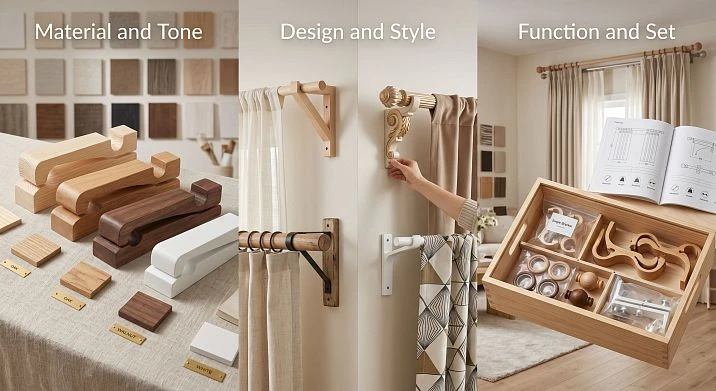
- Wooden bracket for different types of wood
- Oak
- Oak
- Choosing the type of wood for the task
- Cornice and bracket: how to assemble the right set
- Wooden brackets in the interior: stylistic solutions
- Living room with classic decor
- Scandinavian style bedroom
- Study with dark finish
- Country house
- Mistakes when buying a wooden bracket for a cornice
- List of common miscalculations
- What to buy together with a wooden bracket: a comprehensive approach
- Main items for the set
- Acclimatization and installation of a wooden bracket
- Acclimatization
- Wall preparation
- Level marking
- Fasteners
- Interior elegance lies in the details
- About STAVROS: why it matters
- FAQ: Answers to Popular Questions
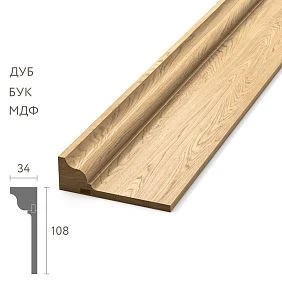
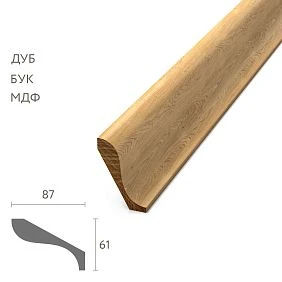
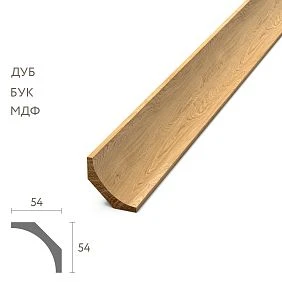
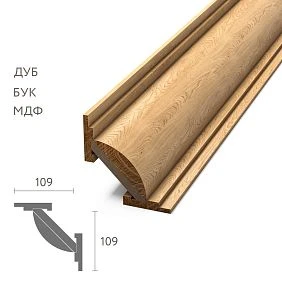
Short answer: which bracket to buy for a wooden curtain rod
The question seems simple only at first glance. A bracket for a wooden curtain rod is not a technical trifle that can be chosen hastily on the principle of "as long as it holds." It is a visible interior element that shapes the top line of the window and connects the curtain rod to the overall room decor.
If the curtain rod is wooden, its mounting must follow the same decorative logic. A wooden bracket is an organic part of a unified system: curtain rod, curtain, wall, baseboard, trim. It is this set that transforms a window from a utilitarian opening into an interior accent.
Key selection parameters are the length of the curtain rod, weight of the curtains, projection from the wall, number of mounting points, color and wood species, and room style. When all these parameters align, the result looks like an expensive designer project. When even one is overlooked, the entire upper window area appears unfinished.
Buy wooden bracket for curtain rod in the right size, color, and style means solving the task immediately, without rework or replacing the fasteners a month after installation.
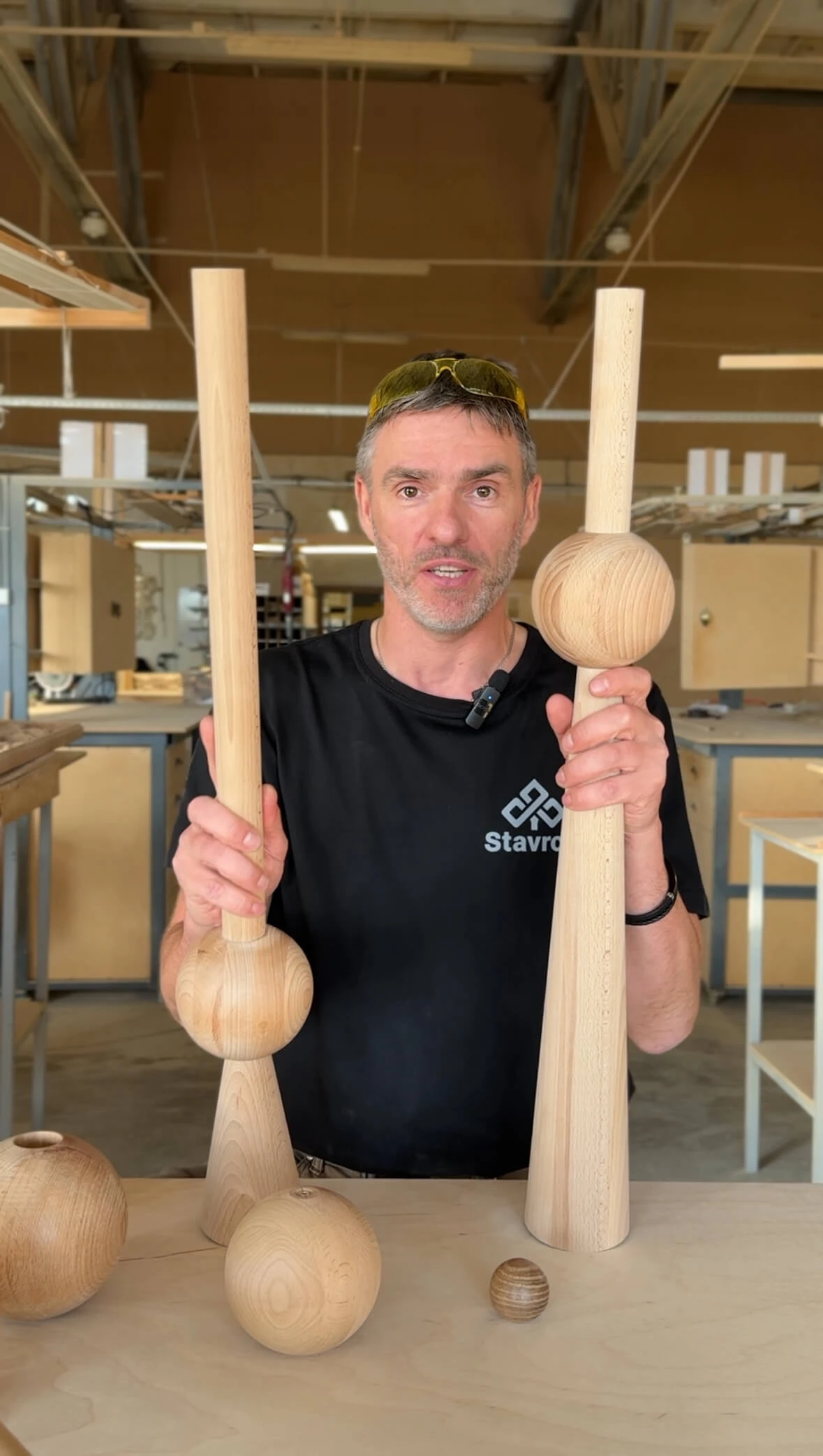
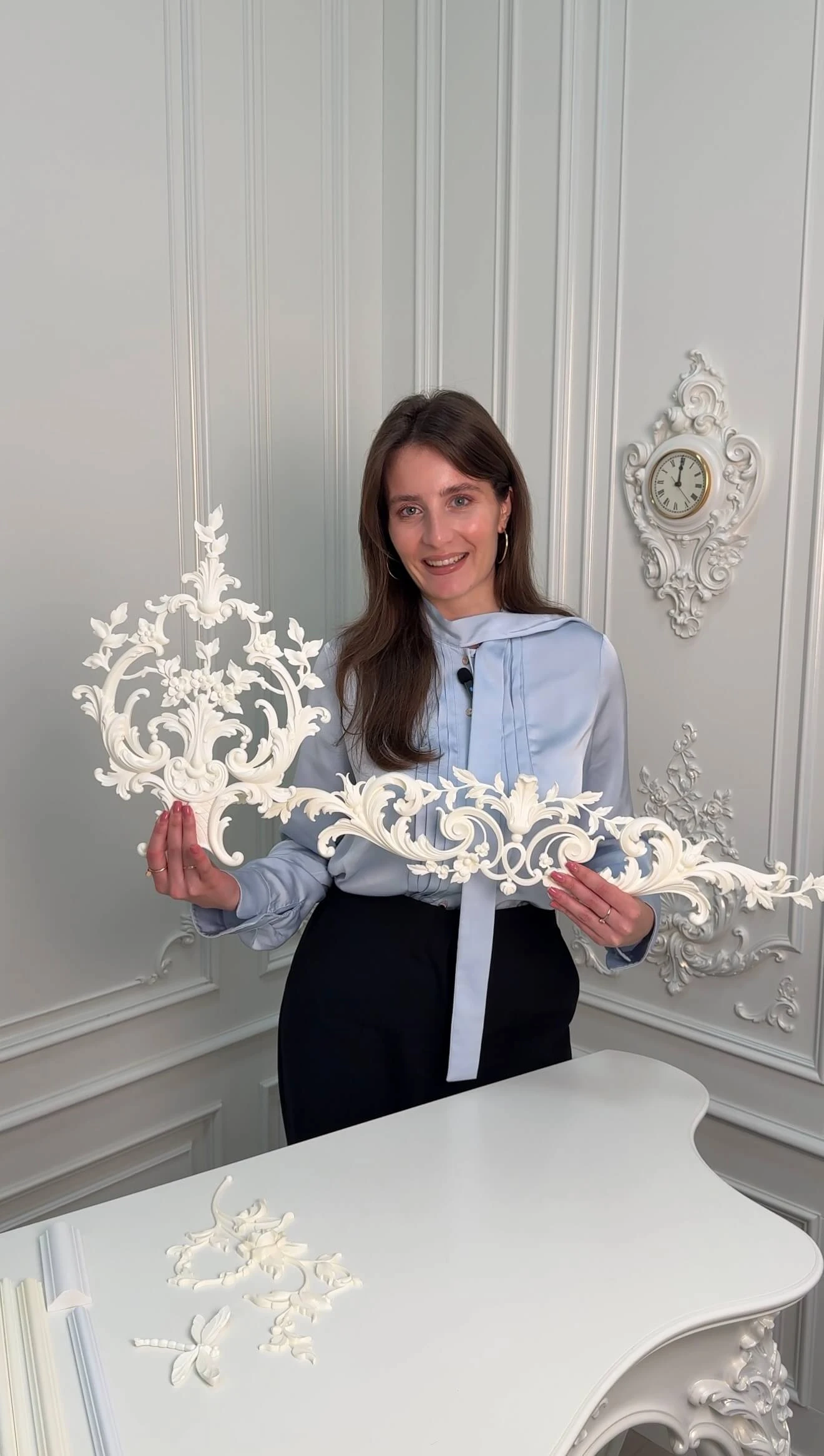
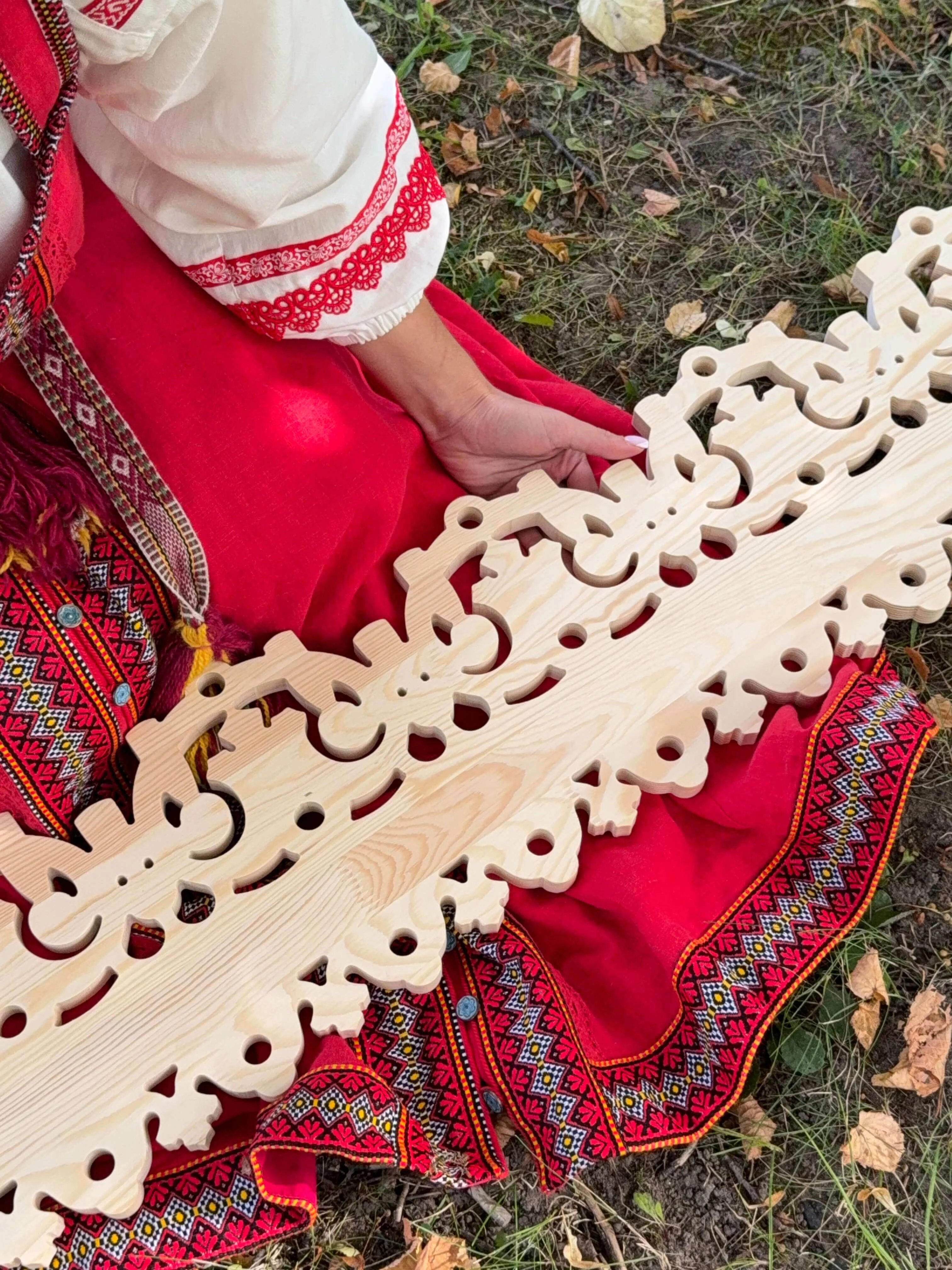
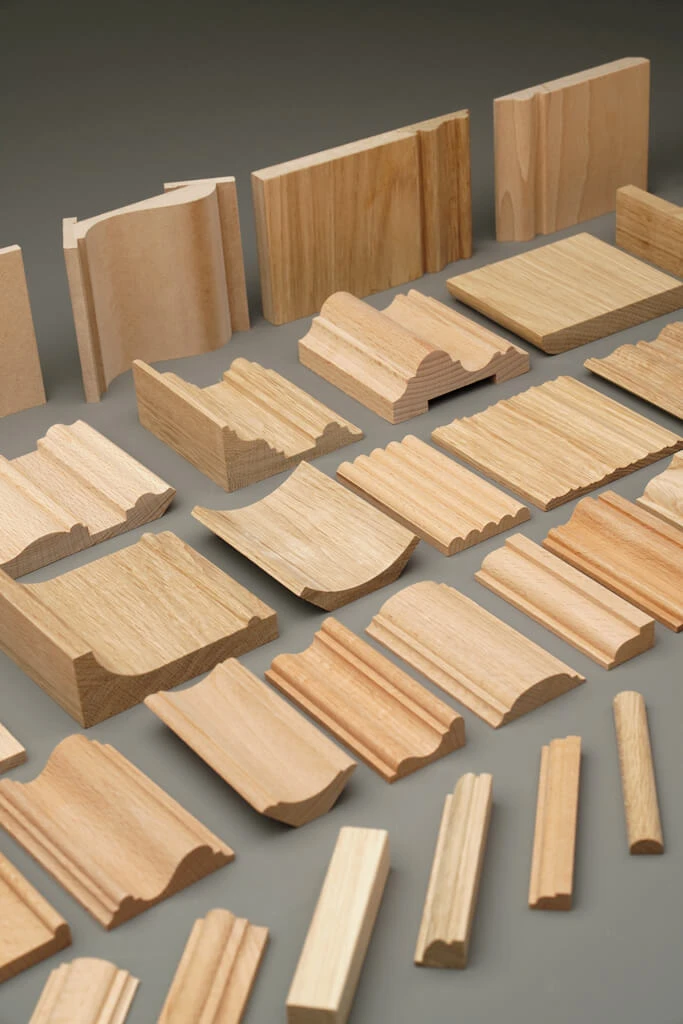
When you need a wooden bracket: use cases
Before looking for a specific model, it's worth understanding: what is your task? The need for a wooden bracket arises in several typical situations, and each has its own requirements for size, profile, and projection.
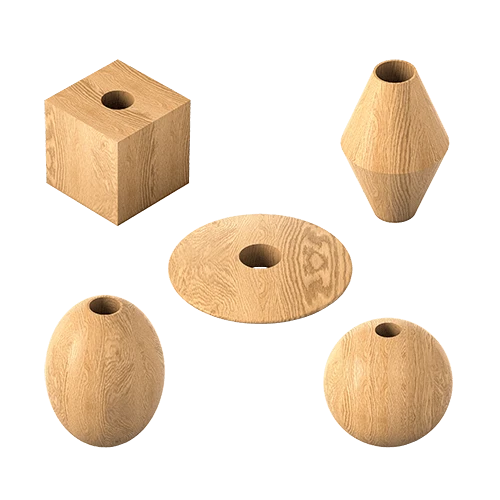
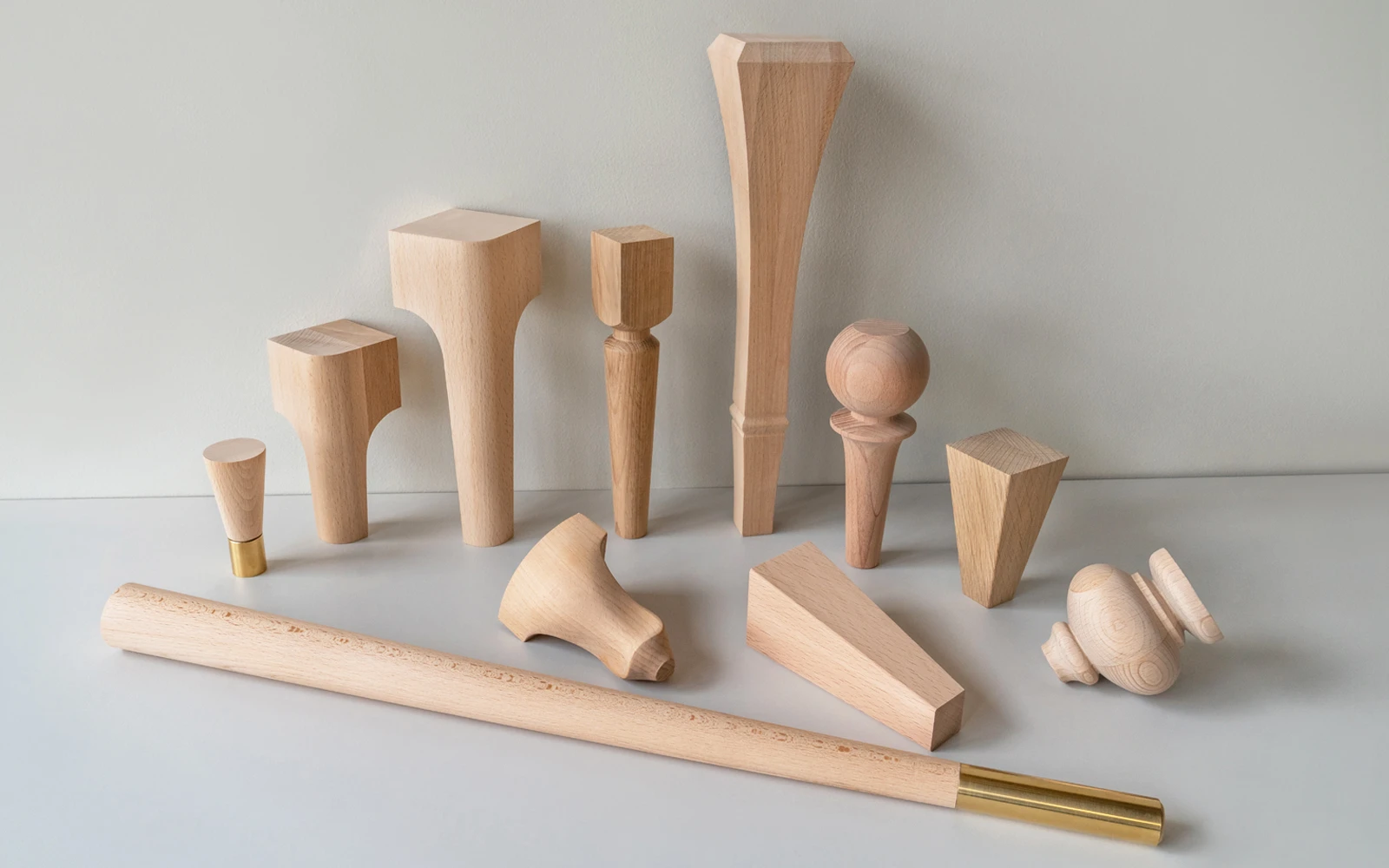
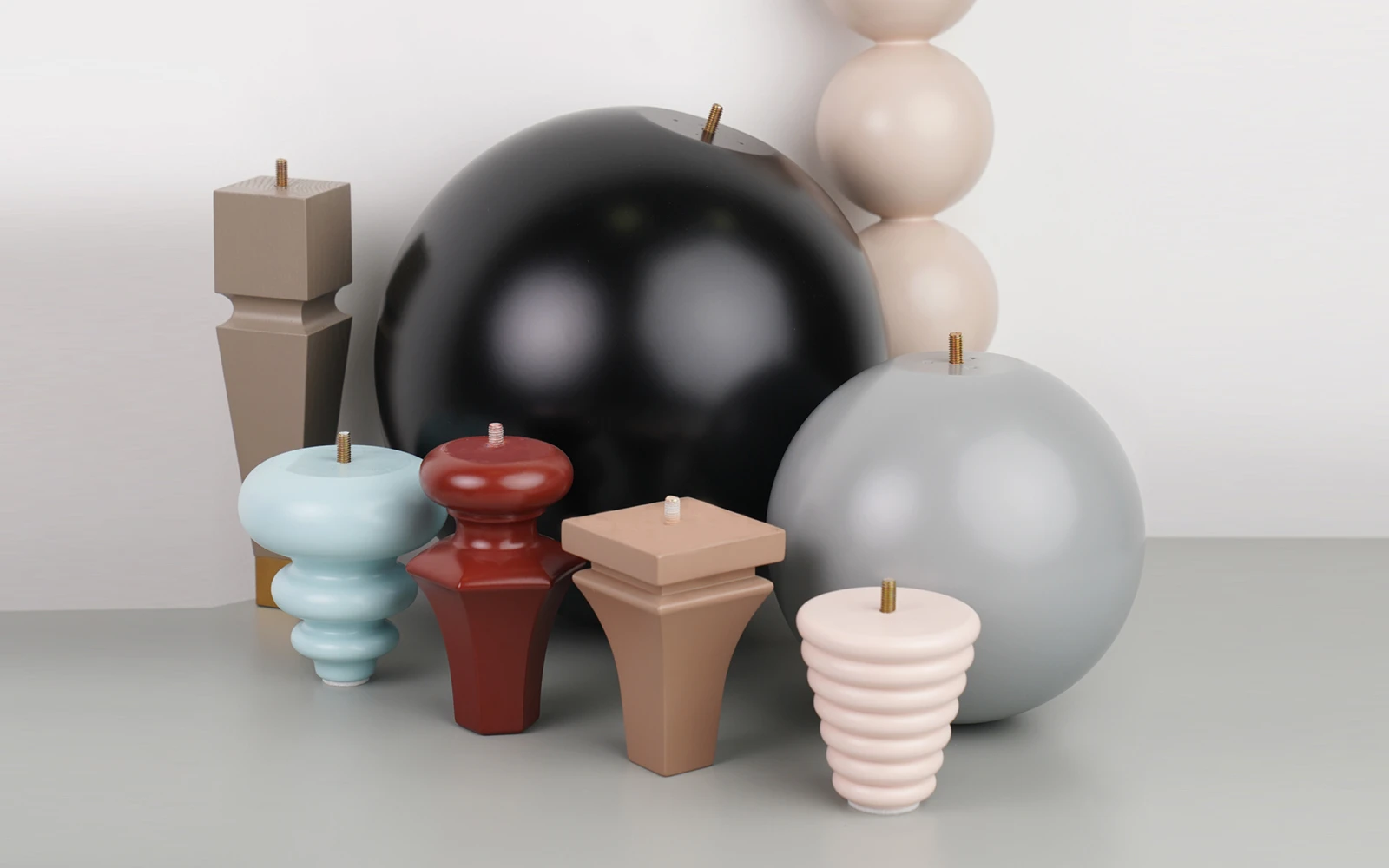
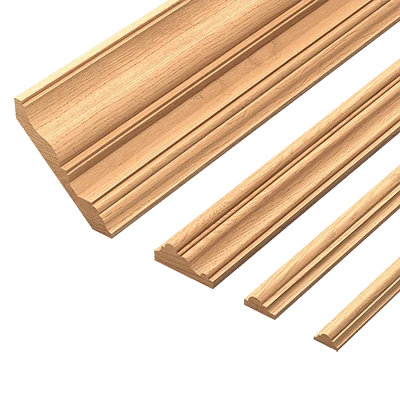
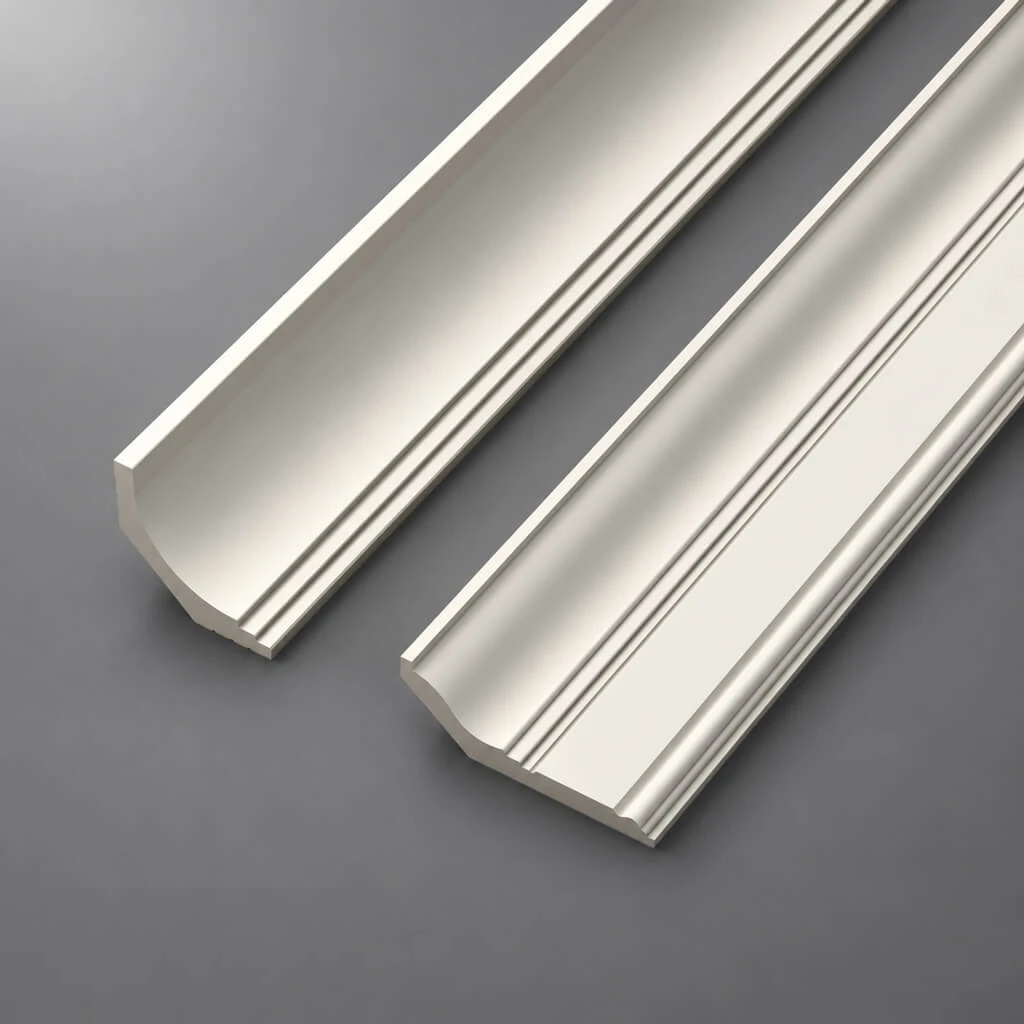
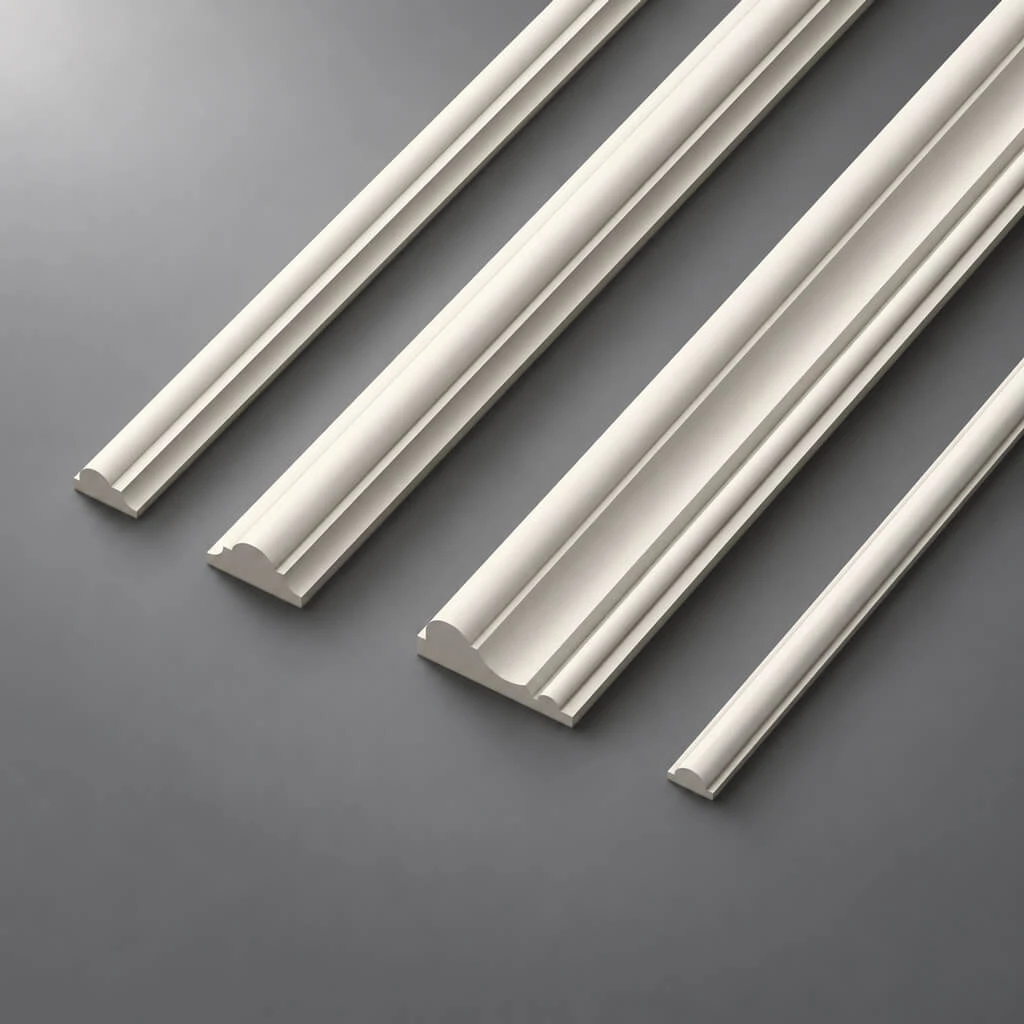
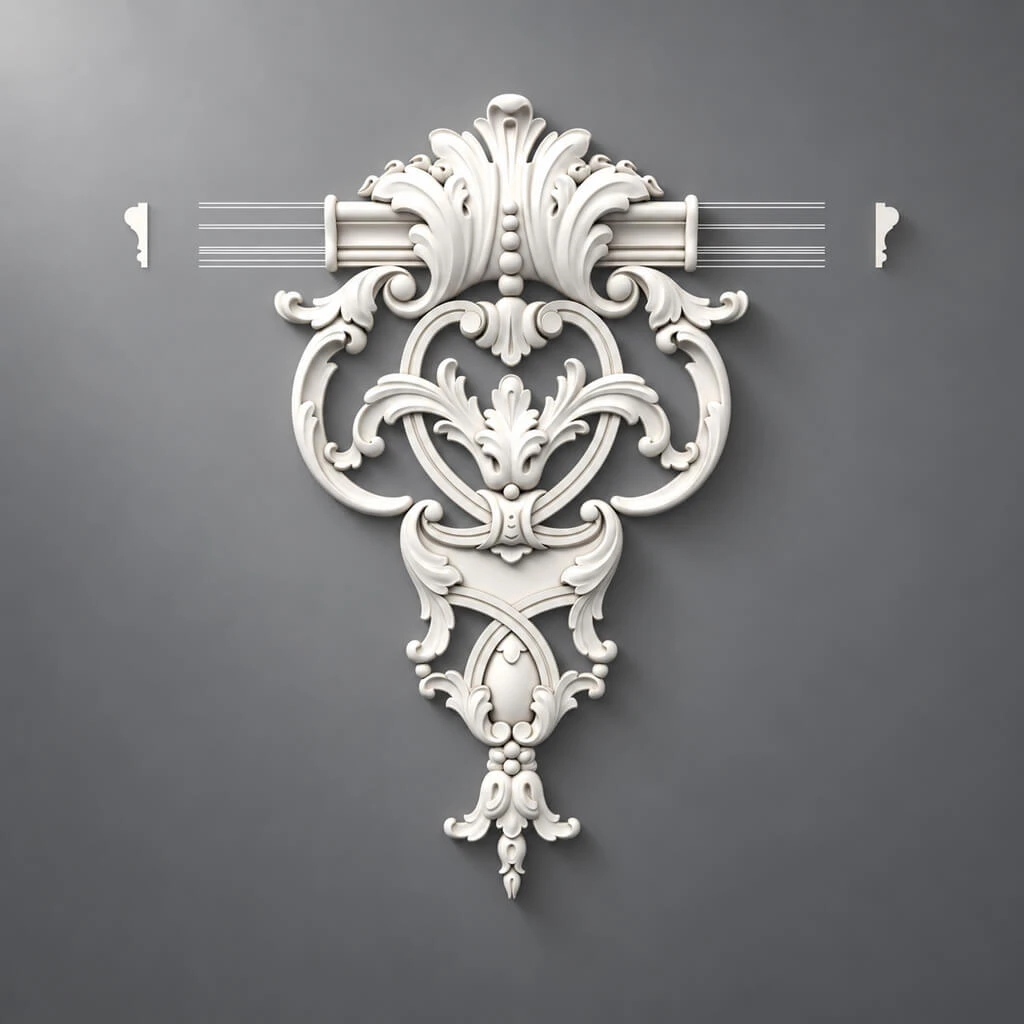
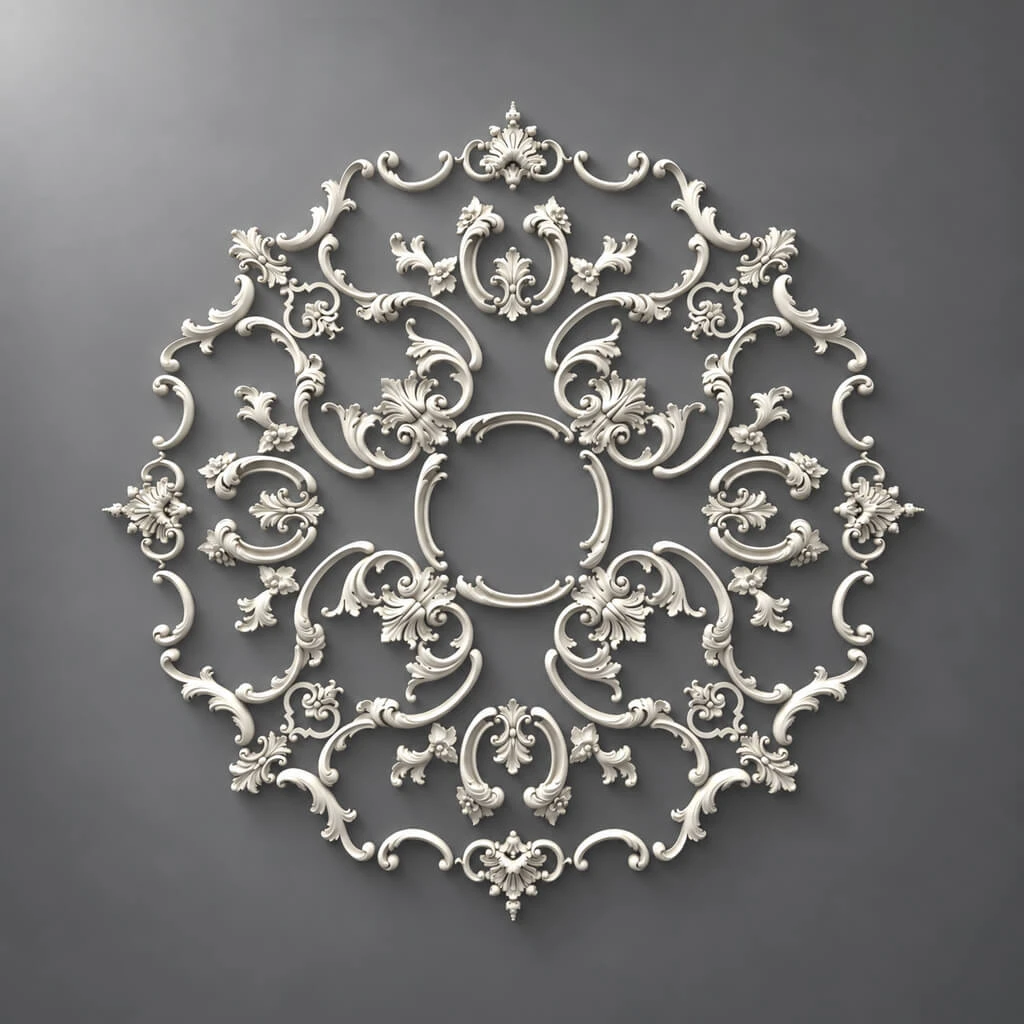
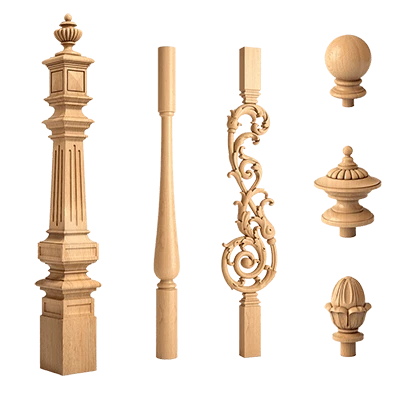
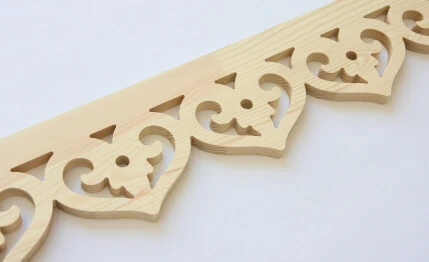
Our factory also produces:
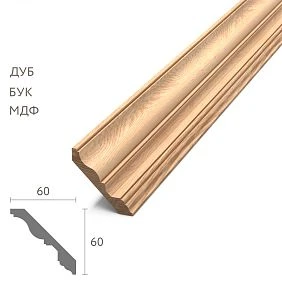
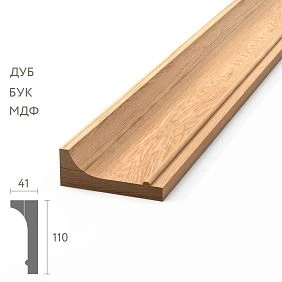
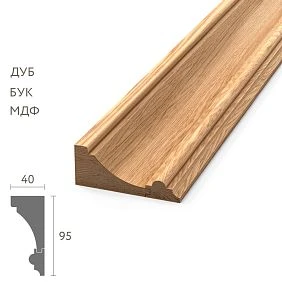
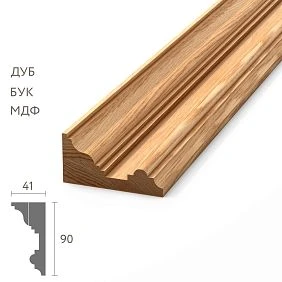
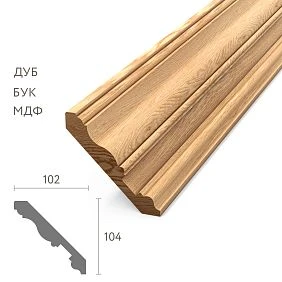
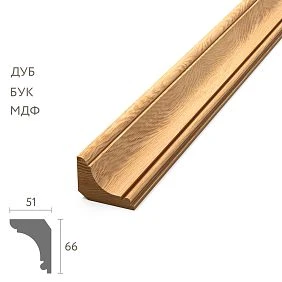
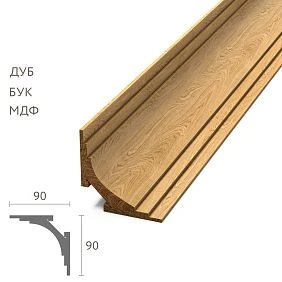
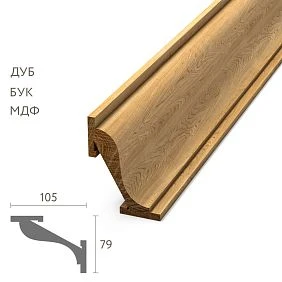
Wall-mounted wooden curtain rod above a window
This is the most common scenario. Wooden curtain rod on the wall is mounted horizontally above the opening — and it is the brackets that hold it in the desired position, setting the required projection from the wall plane. Here, precise level installation and a sufficient number of attachment points are important.
Get Consultation
Decorative curtain rod
If the rod is used as a decorative rail for lightweight curtains, tulle, or drapes, the load requirements are lower, but the decorative requirements are higher. In this case, the bracket is visible and must maintain the visual integrity of the entire structure.
Classic, country, and study interiors
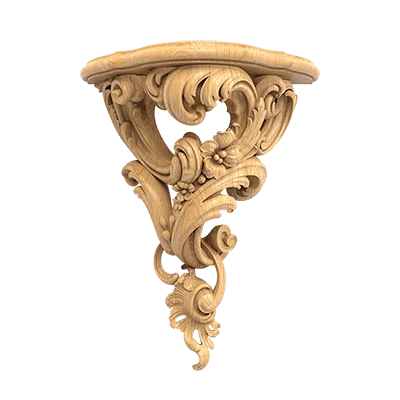
In classic interiors, mansions, country houses, and studies, a wooden bracket is an expected and organic element. Here, more expressive forms are often chosen: with carvings, figured profiles, massive support platforms. Such a bracket is not hidden — it is used for decoration.
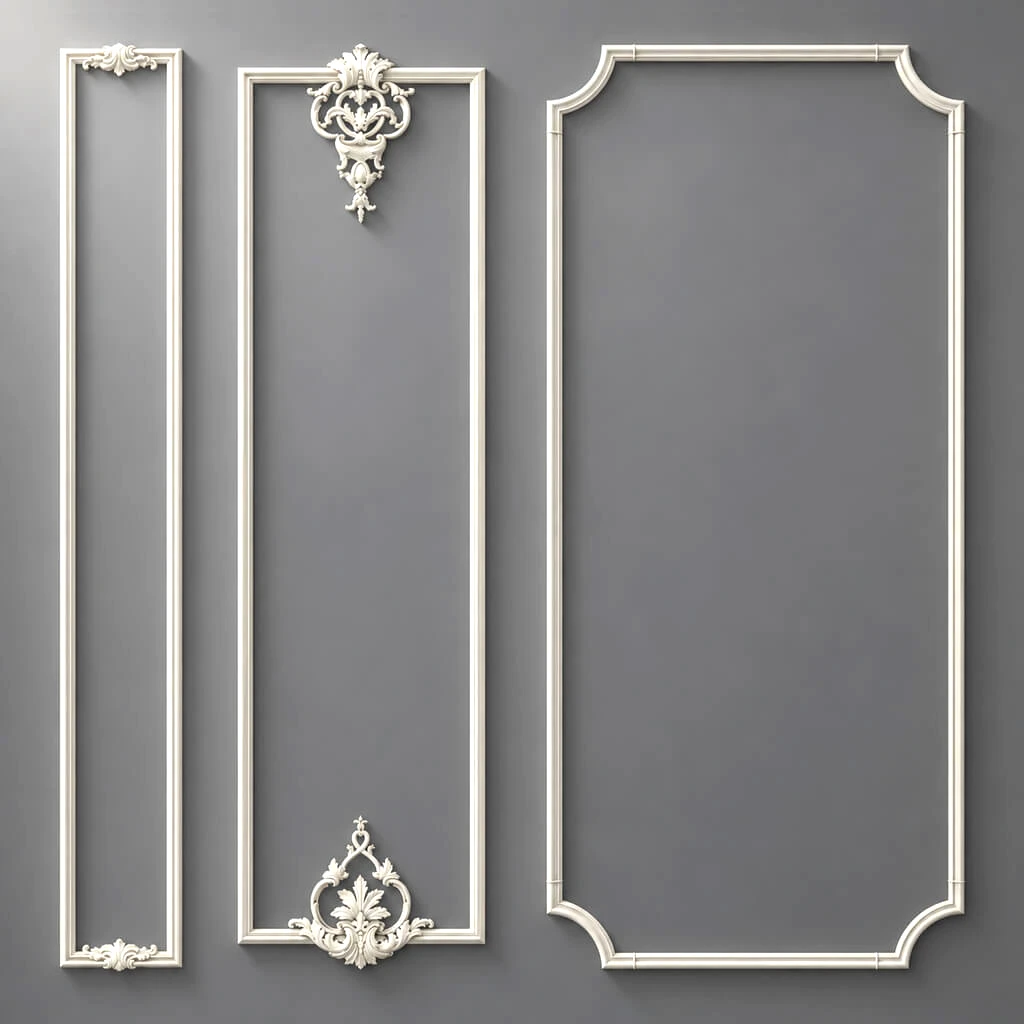
Interior with wooden molding
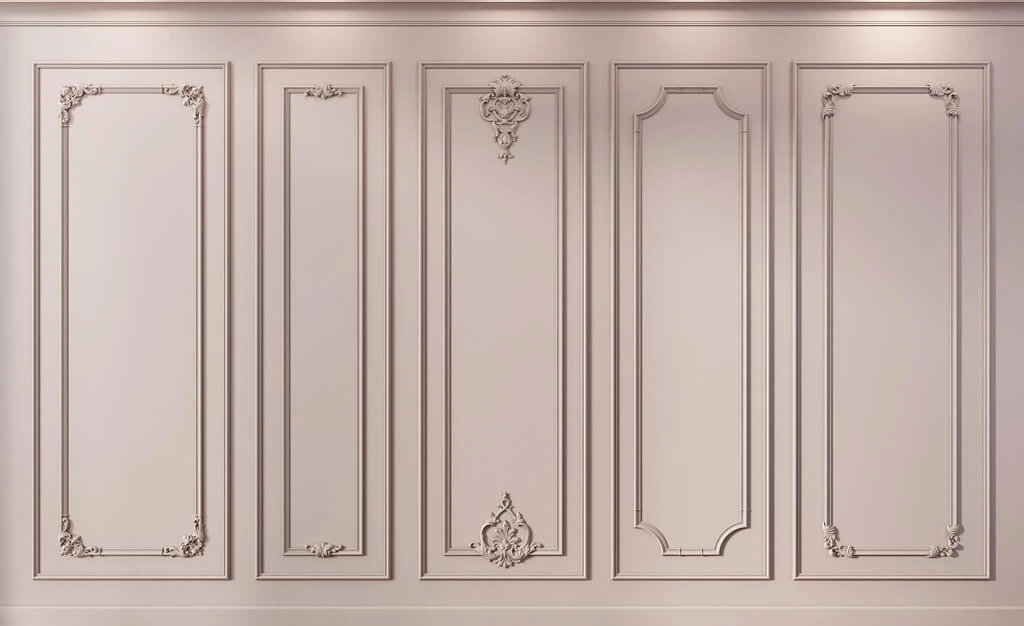
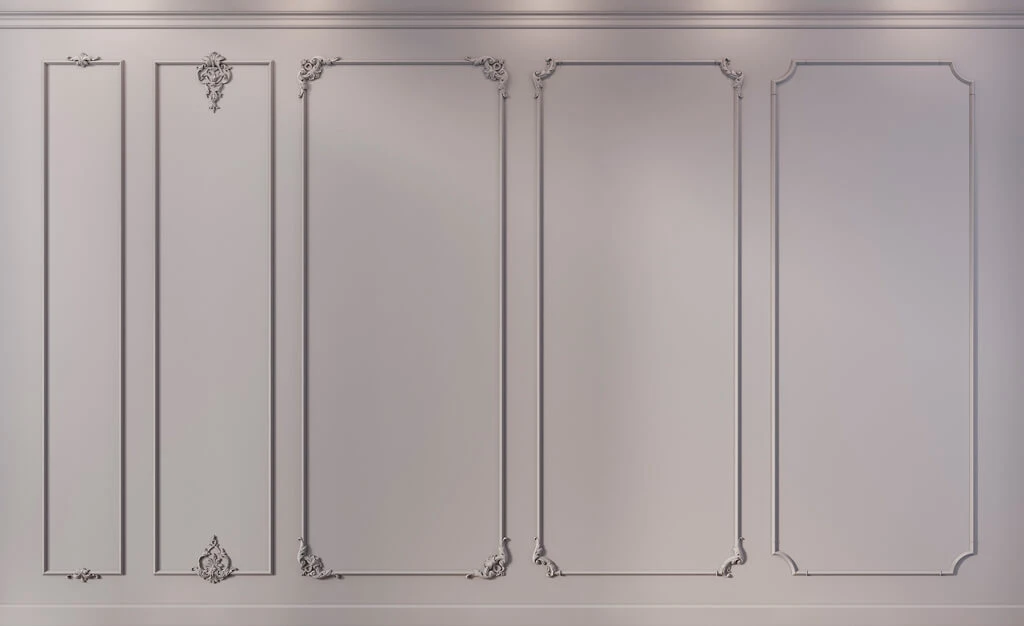
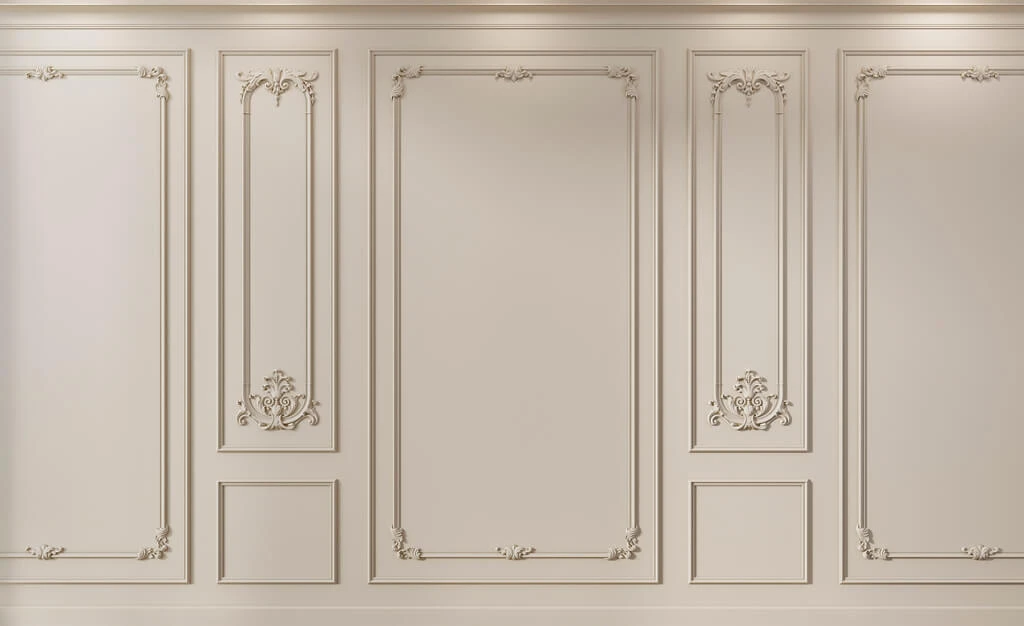
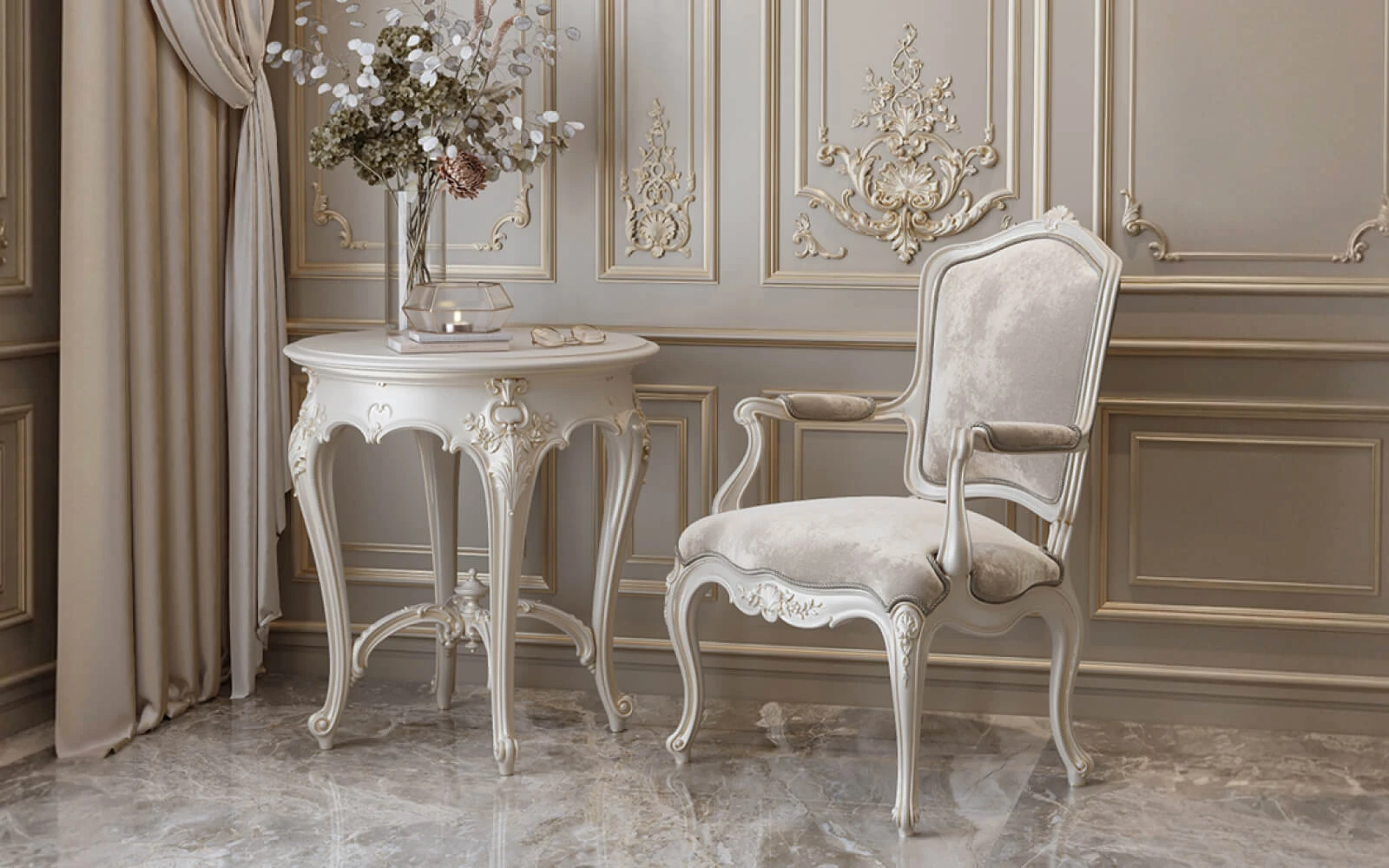
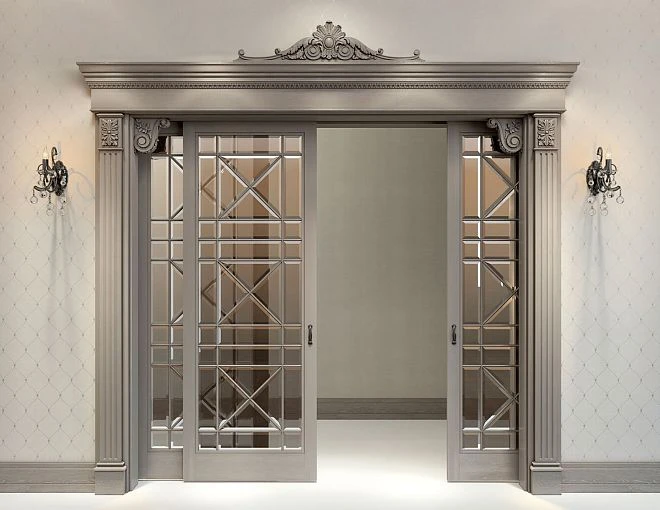
If the room already has Wooden baseboard, Wooden casings и Wooden moldings — the wooden bracket becomes not an option, but a logical continuation of the line. A metal mount always looks alien in such an environment.
Living room, bedroom, children's room, kitchen
Each room dictates its own conditions. In the living room, scale and color are important. In the bedroom — restraint and warmth. In the children's room — safety of shape and material. In the kitchen — resistance to temperature changes and cleaning.
Why you can't choose a bracket separately from the curtain rod
This is where most people make a mistake. They bought wooden cornice, and took a bracket "whatever was in stock at the nearest hardware store." The result is a solid oak curtain rod with silver metal brackets, and the entire top line of the window looks like a temporary solution.
The bracket is at the same height as the curtain rod, visible from any point in the room, and is perceived as part of a single structure. If there is no unity in color, texture, and shape between them, neither the curtain rod nor the bracket makes the impression that their well-matched combination could.
The right approach is to choose a set: buy wooden cornice together with the brackets in a unified solution for color, wood species, and style. This immediately eliminates compatibility issues and saves time on repeated selection.
Special mention should be made of curtain rod finials. They complete the rod on both ends and should also be in the same logic as the brackets and the rod itself. Unity of shapes and shades is what is called interior completeness.
How to choose the size and projection of the bracket from the wall
This is perhaps the most practical question. And there are several parameters that need to be checked before purchasing.
Wall projection: how to calculate
Projection is the distance from the wall plane to the curtain rod axis. It determines how freely the curtain will fall from the wall and whether it will catch on the windowsill, radiator, or slope.
Standard situations:
-
Deep windowsill or radiator under the window — the projection should be sufficient for the curtain to pass freely without resting on the radiator. Usually this is 10–15 cm from the wall.
-
Flat wall without protrusions — the projection can be smaller, 6–10 cm, if the curtain is light and thin.
-
Slopes with protruding trim — the projection is calculated from the most protruding point of the slope plus 2–3 cm of clearance.
Important: if the projection is too small, curtains will touch the wall and lose their shape. If too large, the rod looks heavy and creates excessive load on the mounting at the fixation point.
Mounting height
The bracket for a wooden curtain rod is typically mounted 10–20 cm above the top edge of the window opening. This visually increases the window height and creates the feeling of a higher ceiling — a technique designers intentionally use.
Curtain rod width
The diameter or width of the curtain rod must match the bracket's mounting size. Before purchasing wooden bracket for curtain rod, check the rod's diameter or profile — this is critical for stable installation.
How many brackets are needed for a wooden curtain rod
This is not just a matter of strength, but also common sense. Too few supports — and the rod sags, especially with heavy curtains. Too many — and the entire structure is overloaded with details.
Basic rule
-
A rod up to 120 cm long — two brackets are sufficient, installed at the edges with a 10–15 cm offset from the end.
-
A rod 120–200 cm long — it is recommended to add a central bracket for rigidity, especially if the curtain is heavy.
-
A cornice longer than 200 cm requires calculation: one central bracket, and possibly two intermediate ones. The spacing between mounting points should be no more than 80–100 cm.
Influence of curtain weight
Velvet, heavy drapes, curtains with lining and decorative elements weigh significantly more than light tulle or linen curtains. Heavy curtains not only put a load on the rod but also create a torque on each bracket. Therefore, with heavy fabric, it is better to install an extra bracket than to redo the installation later due to deformation of the cornice.
Wall material
For a concrete or brick wall, the bracket is fastened with dowels — this is reliable. For a plasterboard partition, special dowels for hollow bases or pre-installed embedded elements are needed. For wooden walls and cladding, self-tapping screws with pre-drilling are used.
How to choose the bracket color to match the interior
Color is what connects or breaks the unity of the interior. A wooden bracket already wins because it is wooden, meaning it organically fits into any environment where natural materials are present.
But even within the "wooden" solution, there are nuances:
-
Matching the color of the wooden cornice — the most obvious and reliable solution. One wood species, one shade, one finish. This is how the feeling of a set is formed, rather than a collection of disparate parts.
-
Matching the color of the window frame — a good technique if the frame is wooden or painted to look like wood. The bracket seems to extend the frame vertically.
-
Matches the furniture color — works in a bedroom or study where solid wood furniture sets the tone for the entire space.
-
Matches the trim color — Wooden baseboard, Wooden casings and the bracket in a unified tone create a single "wooden contour" of the interior, which looks thoughtful and complete.
-
A contrasting color is only acceptable as a deliberate design technique. For example, a dark bracket on a light wall in a minimalist interior. But this solution requires confidence and a unified concept — random contrast looks like a mistake.
It is also important to consider the color of the coating. If Buy wooden crown for a stain in the color of oak — the bracket should be either in the same shade of oak or in a logically close tone. A mismatch in shades of the same wood species is perceived more painfully than a contrast of different species.
Bracket style: table by interior design directions
The shape of the bracket is its language. The same size in different stylistic executions creates a fundamentally different feel of the space.
| Interior style | Which bracket is suitable |
|---|---|
| Modern minimalism | A minimalist geometric bracket without decoration, smooth surface, neutral shade |
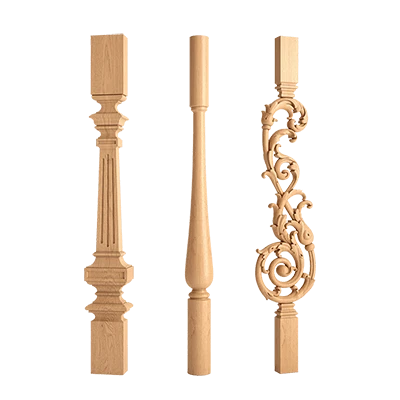
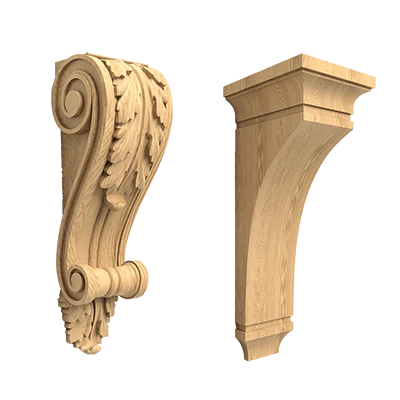
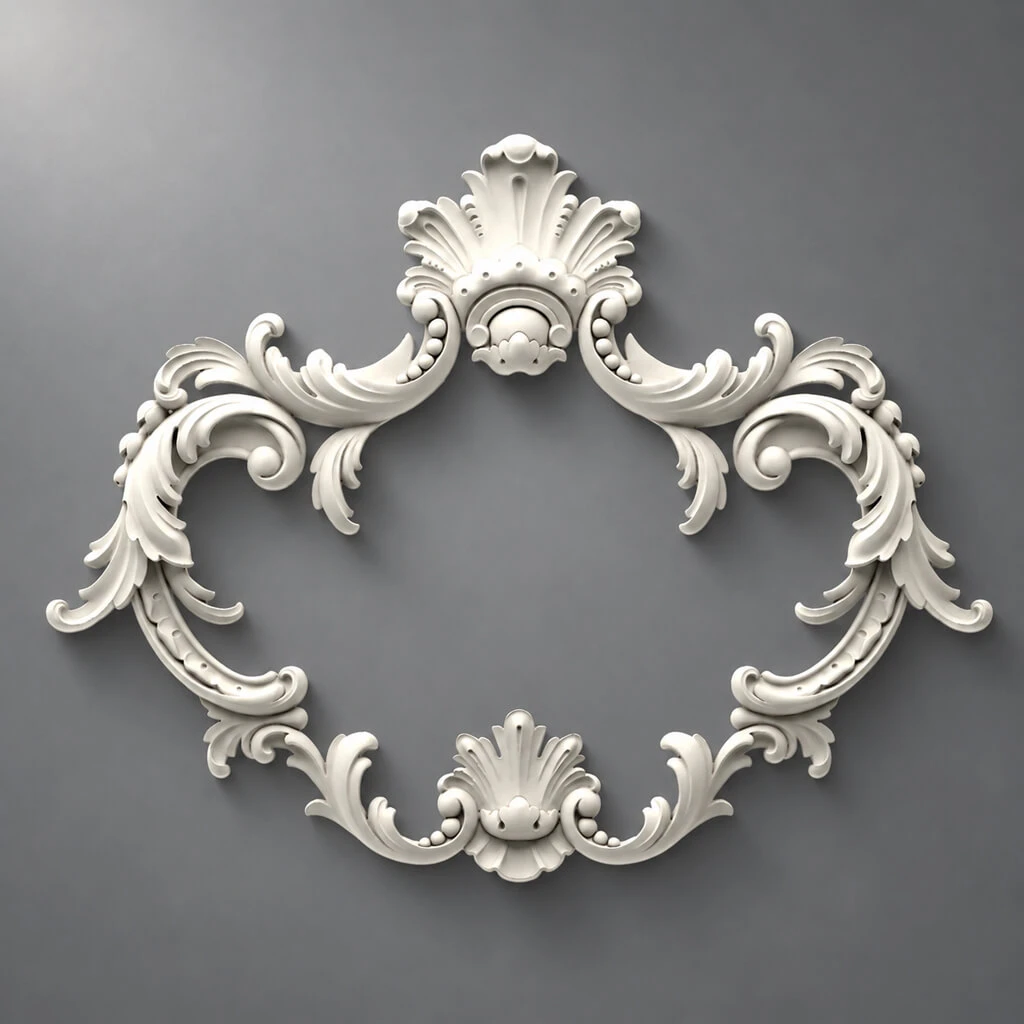
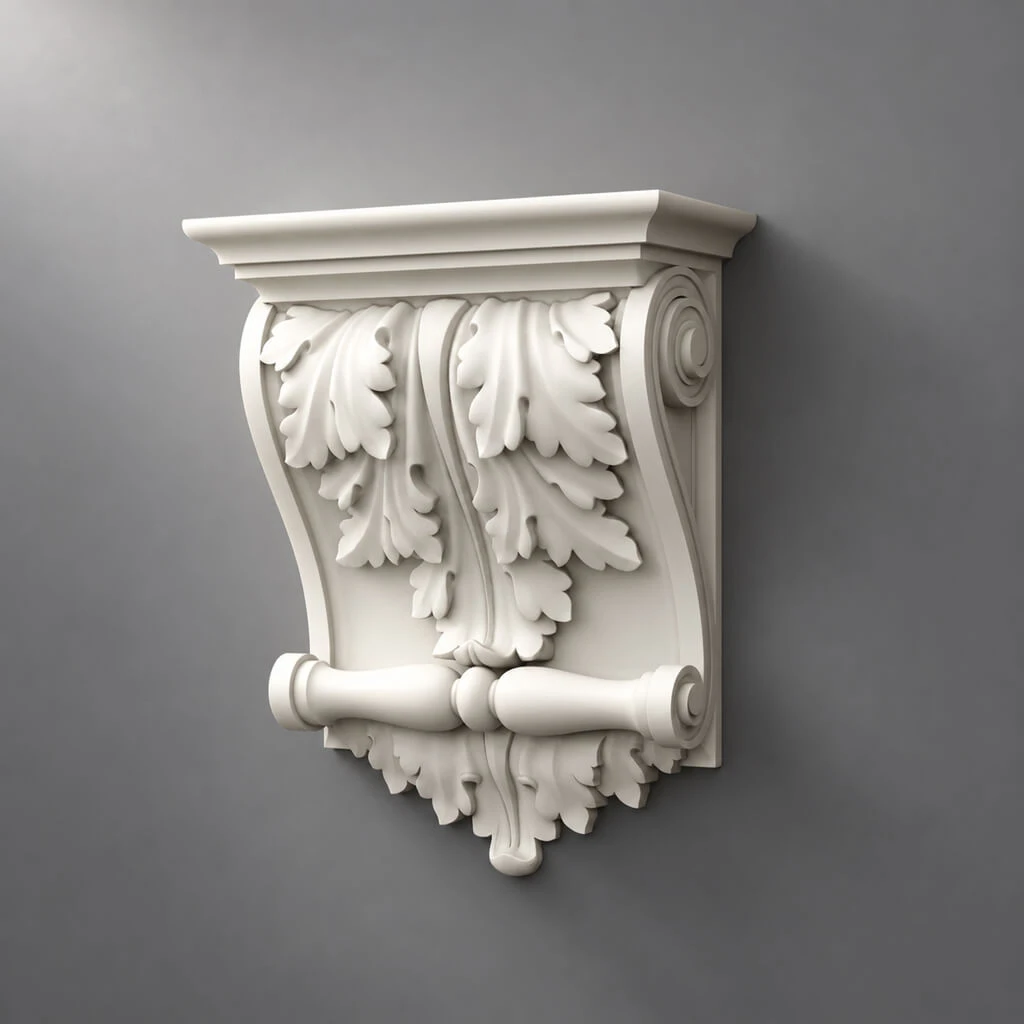
| Neoclassical, classic | Bracket with a figured profile, flutes, acanthus motifs, or an S-shape |
| Country house, Provence style | Natural wood with a warm texture, simple form with soft lines |
| Study, library | Dark wood (wenge, dark oak), massive profile, expressive form |
| Bedroom | Calm form, light or neutral shade, without excessive decoration |
| Loft, industrial | Brushed wood with dark tinting, laconic form, pronounced texture |
| Japandi, Scandinavian | Minimalist form, light wood species, matte finish without gloss |
| Art Deco | Exquisite, slightly theatrical form with fine details, rich dark color |
That is why in the catalog STAVROS wooden brackets More than 60 models are presented: from flat and laconic to sculptural, from miniature to large-sized, over a meter high. For every interior — its own shape.
Wooden bracket for different wood species
Choosing the wood species is not only about aesthetics, but also about durability and compatibility with the finish.
Oak
Oak is the most sought-after material for wooden curtain rod brackets in interiors with pronounced texture. Dense porous wood with a characteristic pattern looks expressive under tinting, stain, or clear varnish. Dark shades of oak — wenge, tobacco, tabac — create a rich, saturated environment. Light shades — natural oil, honey — bring warmth without heaviness.
Beech
Beech is a dense, homogeneous species with a fine-pored structure. It performs best under enamel: the surface becomes exceptionally smooth, the color even. For classic white or pastel interiors, a wooden bracket made of beech is the optimal choice. It is easy to work with, holds its shape, and does not require additional layers of primer.
Choosing the wood species for the task
-
For transparent tinting — oak with a pronounced pattern.
-
For opaque enamel — beech or MDF, both are equally good.
-
For painting in dark, rich shades — oak provides depth.
-
For light, cool tones — beech does not cause spotting.
Curtain rod and bracket: how to assemble the right set
Buying a bracket separately from the curtain rod is like picking shoes for a suit from a photo. You might guess right, but the chance of error is high. The right approach is to choose the rod first and then match everything else to it.
Step one: choose wooden cornice or Wall-mounted wooden cornices to match your style and opening size. Specify the rod profile — round or rectangular, diameter or width.
Step two: determine the projection from the wall needed considering the windowsill, radiator, and slopes.
Step three: choose a bracket for this projection, compatible with the rod profile and matching in style and color.
Step four: calculate the number of brackets based on the rod length and curtain weight.
Step five: add finials to the order, compatible in shape and shade.
This is how you get a cohesive top window line, not a random set of elements.
Wooden brackets in interior design: stylistic solutions
Let's look at a few specific spatial scenarios.
Living room with classic decor
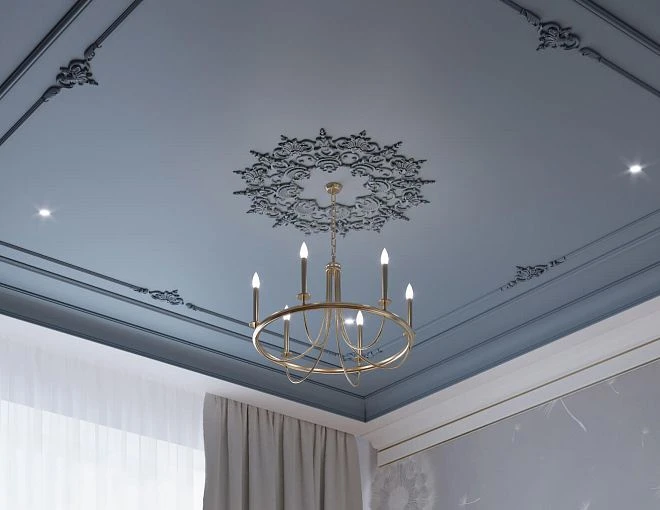
In the living room with stucco decor, wooden moldings on the walls and massive with wooden cornices the bracket should be decoratively expressive. Models with figured support platforms, acanthus motifs, or profiled ribs are appropriate here — everything that supports the classic interior theme.
Color: dark walnut, tobacco, wenge — for heavy drapes, or natural oak — for a lighter solution. The bracket is not hidden — it is visible from the sofa and from the entrance to the room.
Scandinavian-style bedroom
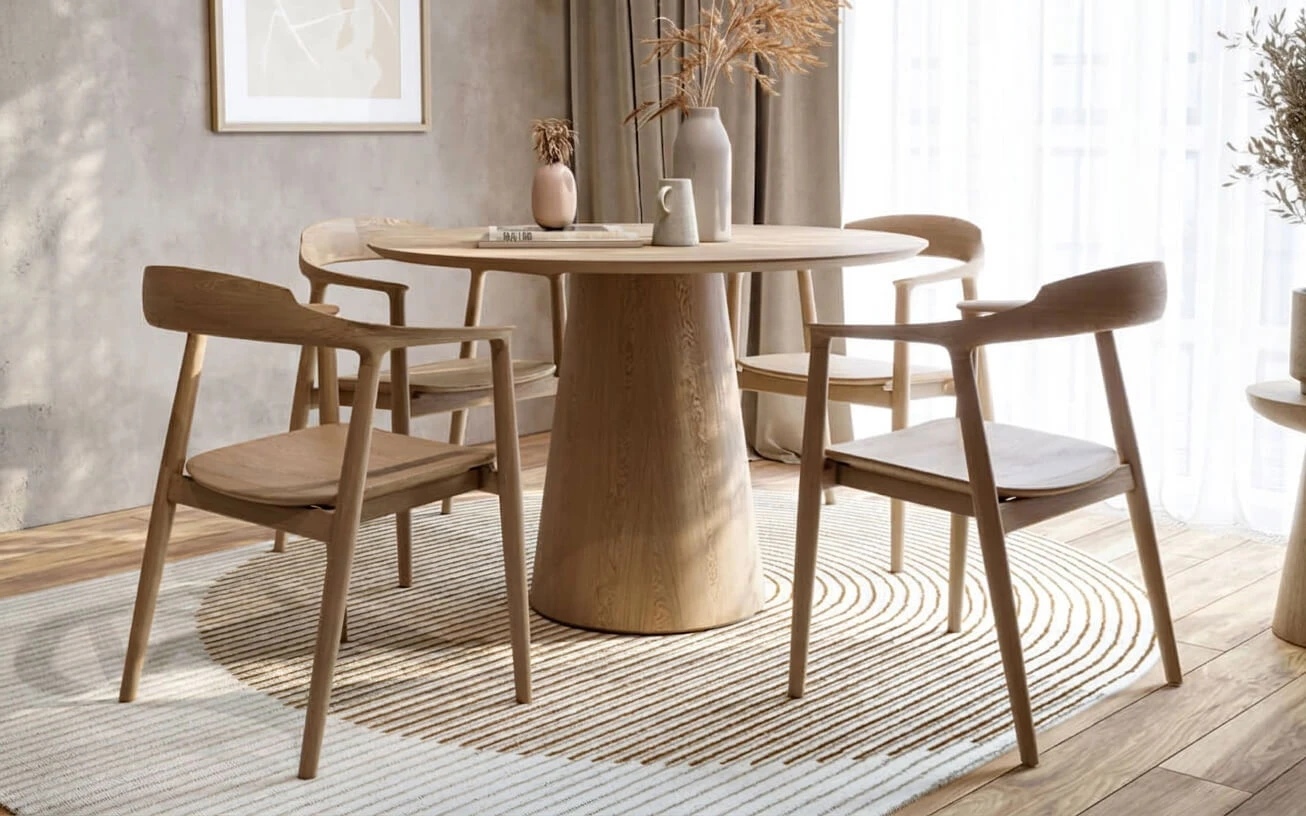
In a Scandinavian bedroom with light linen curtains, light furniture, and wooden skirting board in the tone of natural beech — the bracket should be the same: quiet, restrained, without unnecessary details. Smooth shape, matte finish, light shade. The bracket's task here is to be present unobtrusively, supporting the overall rhythm of the interior.
Study with dark finishes
In a study with bookshelves, wooden casings under wenge and dark panels on the walls, the bracket should be massive, dark, and confident in form. There is no room for delicate details here — an expressive support is needed that upholds the character of the space.
Country house
In a country house with natural materials — wood, stone, textiles — a wooden bracket with a warm texture and soft shape is perceived as part of the natural environment. Here, it is not the perfectly lacquered surface that is valued, but the living texture of solid wood with a noticeable grain pattern.
Mistakes when buying a wooden bracket for a curtain rod
These mistakes are made everywhere. And almost every one of them is discovered after installation — when redoing it is unpleasant, expensive, or completely impossible without damaging the finish.
List of common miscalculations
-
The bracket is purchased without considering the weight of the curtains — a model with minimal projection and a thin support platform is chosen for heavy drapes. The result is deformation or the fastening being torn out of the wall.
-
The projection from the wall is not checked — the curtain hits the windowsill, radiator, or slope. Moving the bracket means patching old holes in the wall.
-
The color of the bracket does not match the curtain rod — one detail ruins the entire design of the window's top line.
-
The number of supports is not calculated — with a long rod and heavy curtains, two brackets are not enough. The rod sags in the center.
-
The window width is not taken into account — for non-standard wide openings, brackets with increased projection or additional supports are needed.
-
The radiator and windowsill are forgotten — the most common miscalculation during measurement. The radiator protrudes by 8–12 cm, and if this is not accounted for, the curtains will lie on it.
-
The bracket was purchased separately from the curtain rod — without coordinating the rod profile. Result: the bracket does not hold the curtain rod, or holds it crookedly.
-
Technical mounting instead of decorative — metal fasteners on a wooden curtain rod in a classic interior look like a patch.
-
Not taken into account Wooden casings and the furniture in the room — the color of the bracket conflicts with the other wooden elements of the space.
What to buy together with a wooden bracket: a comprehensive approach
A wooden bracket is a starting point, not the final one. A well-designed interior consists of interconnected elements, and the bracket brings along a whole list of related items.
Main items for the set
Wooden curtain rod. First and foremost. Wooden ceiling cornice or Wall-mounted wooden cornices — the main load-bearing part of the structure, which is chosen first, and everything else is selected to match it.
Finials for the curtain rod. Complete the rod on both sides. They should be in the same style as the brackets. The finial is the final visual accent of the top window line.
Wooden baseboard. Wooden baseboard creates a lower horizontal line in the same material as the cornice with brackets. This is the visual contour of the room, which works only in the unity of top and bottom.
Wooden architraves. Wooden casings frame door and window openings. If the cornice and brackets are made of oak, architraves in the same tone create a single wooden contour of the space.
Moldings. Wooden moldings on the walls — an element of classic and neoclassical finishing that logically combines with decorative brackets and cornice.
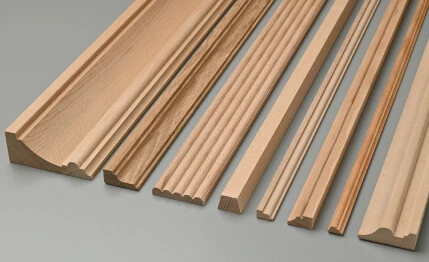
Solid wood moldings. Pogonazh iz massiva is a broad concept including baseboards, cornices, architraves, slats, and corners. Selection in a single wood species and shade is the professional approach to wooden interior decor.
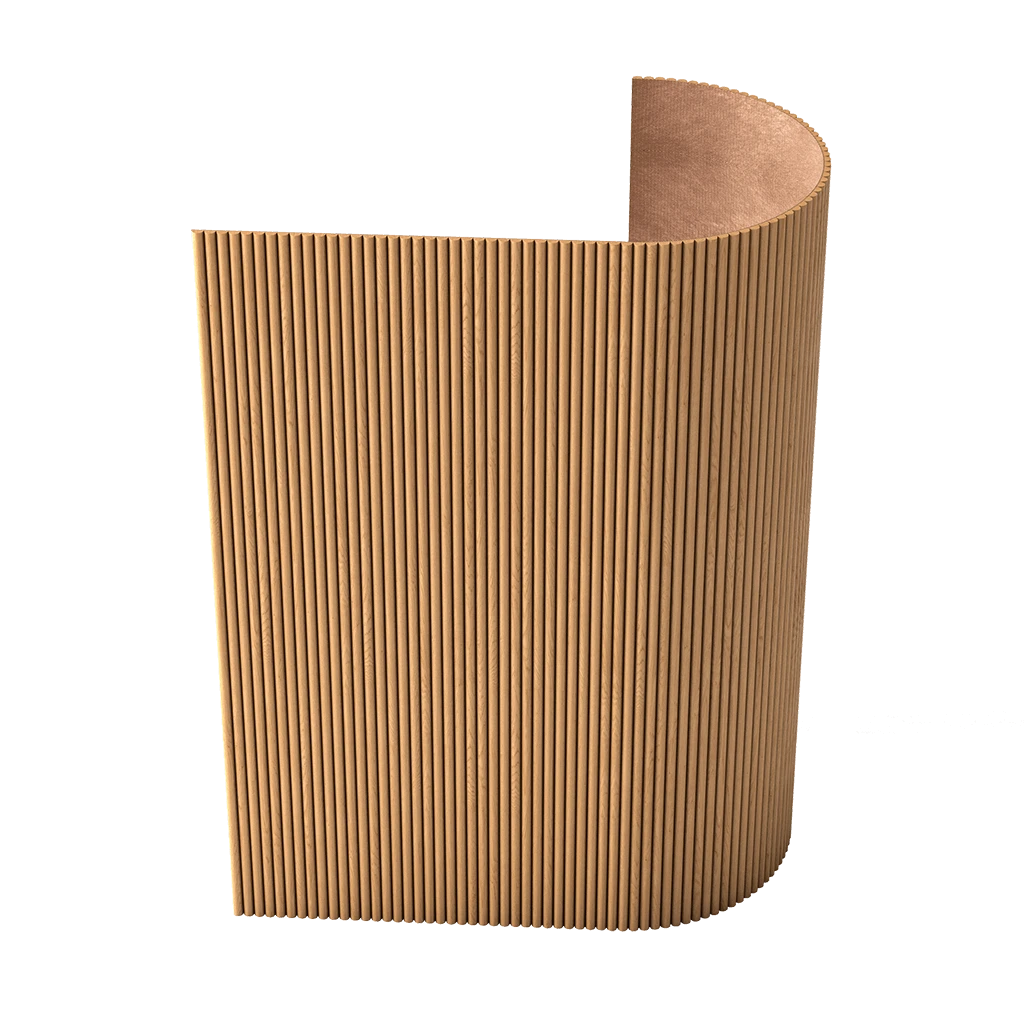
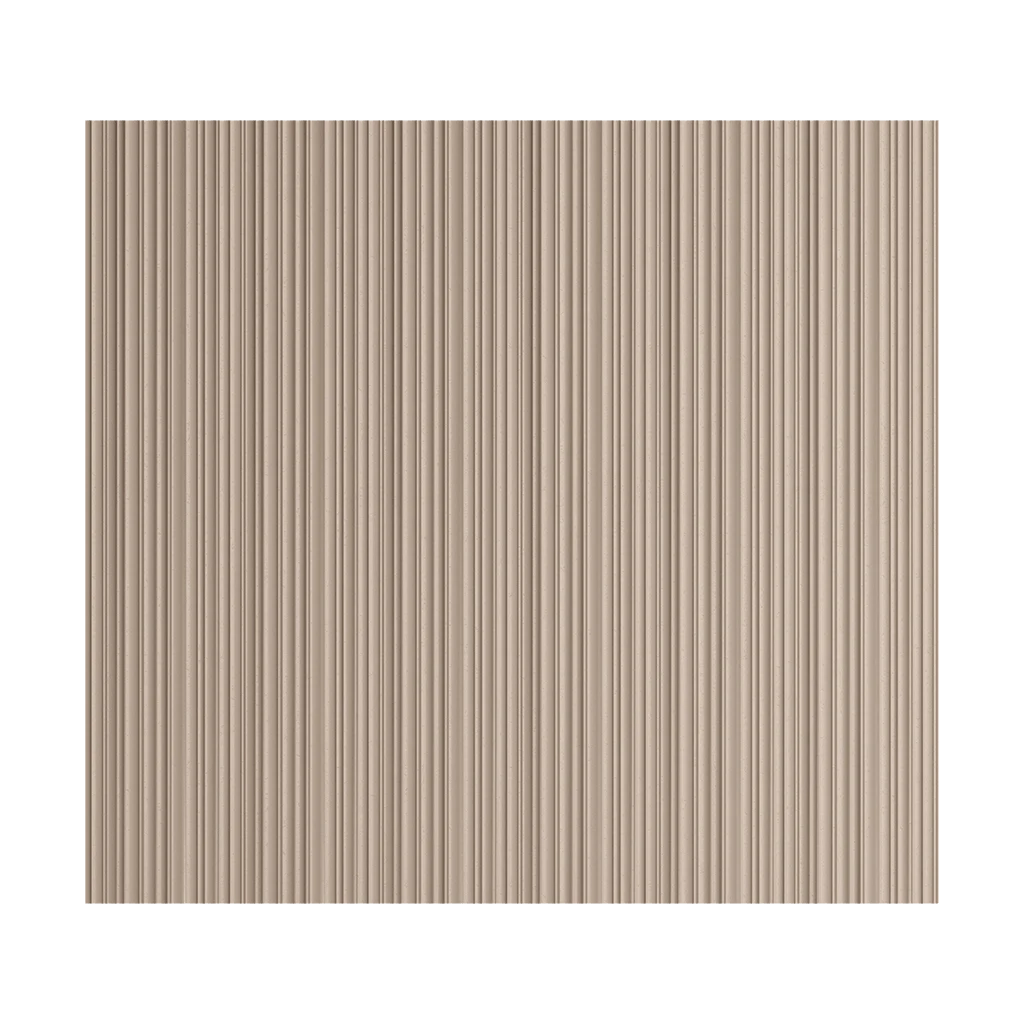
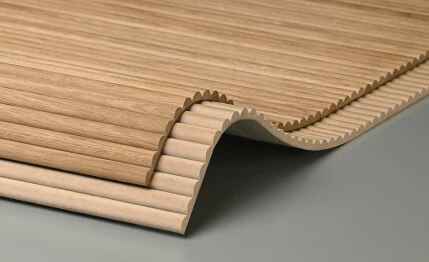
Wooden slats. Wooden planks are used for frames, decorative slatted walls, and lathing. In an interior with a wooden cornice and brackets, a slatted wall creates a unified textured environment.
Wooden corner. Wooden angle covers external and internal corners in wooden finishing — an inconspicuous detail that makes the entire structure neat.
MDF baseboard. If the budget is limited, MDF Skirting Board — a worthy alternative to solid wood. With the same paint finish, the difference is unnoticeable.
Wooden furniture handles. In an interior with wooden brackets and cornices, wooden handles on furniture complete the picture. These are details that unify the entire space into a single style.
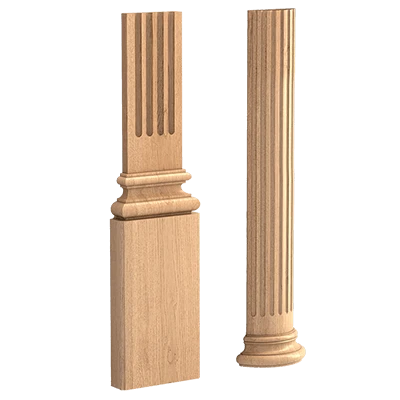
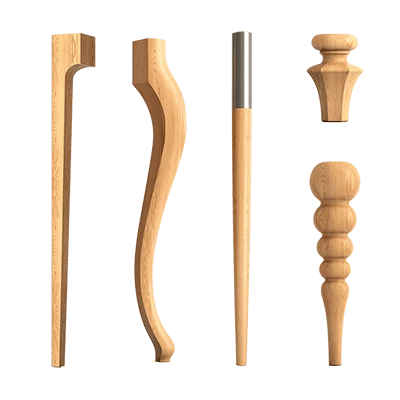
Wooden supports and legs for furniture. Wooden supports and legs — the lower tier of wooden decor, which echoes the cornice and brackets in the upper zone of the room.
Acclimatization and installation of a wooden bracket
A wooden bracket is a living material. It reacts to changes in temperature and humidity just like any other solid wood product. Therefore, several rules before installation are mandatory.
Acclimatization
Before installation, the wooden bracket must be kept in the room for 48–72 hours. This allows the material to adapt to the room conditions and prevent deformation after installation. This is especially important for brackets brought from a cold warehouse into a warm room.
Wall preparation
The wall at the attachment point must be strong. For concrete or brick bases, use dowels with a diameter of 6–8 mm with good load-bearing capacity. For plasterboard partitions, use special hollow dowels or pre-installed anchors.
Level marking
All brackets must be on the same horizontal line — otherwise the cornice will tilt. Marking is done with a laser or bubble level, with mandatory verification at all attachment points.
Fasteners
The bracket is fixed to the wall at a minimum of two points through the support platform. Screws must match the wall material and the diameter of the bracket platform. For wooden brackets with decor, pre-drilling is mandatory to avoid splitting the product.
Interior care is in the details
Why is it important to pay attention to such a seemingly small element as a bracket? Because it is the details that create the sense of class in a space. Expensive parquet, quality furniture, and flawless plaster — and suddenly a random metal bracket. This dissonance is subconsciously registered by everyone who enters the room.
wood trim items — cornices, baseboards, moldings, architraves, slats, and brackets — these are the wooden contour of the interior that forms its 'signature.' When all these elements are in a unified system, the space reads as cohesive and meaningful. When they are selected separately, it is felt, even if each element is good on its own.
That is why professional designers start with a system: they choose the material, wood species, shade — and then sequentially select all decorative elements in a unified logic. A bracket for a wooden cornice is as much a part of this system as a baseboard or architrave.
About STAVROS company: why this matters
A wooden bracket for a cornice, like any other element of interior decor made from solid wood, is a product that must be made precisely, beautifully, and reliably.
STAVROS has been producing wooden decor since 2002. The company's journey began with a small creative workshop in St. Petersburg, founded by two artists — and within a year, this workshop received an invitation to participate in the reconstruction of the Constantine Palace in Strelna. Later, work in the Hermitage, the Alexander Palace, the Trinity-Izmailovsky Cathedral, and other cultural heritage sites.
Today STAVROS offers over 60 models of wooden brackets made from solid oak and beech, Wooden cornices, baseboards, moldings, architraves, slatted panels, Pogonazh iz massiva and a full range of wooden decorative elements for interiors. The quality of the products is complaint-free, a large warehouse program, shipment from the warehouse in St. Petersburg the next day, Contact us to confirm shipping to your destination. from one piece via CDEK and DPD.
wooden brackets STAVROS is products backed by twenty years of work with the best interiors in Russia.
FAQ: Answers to popular questions
Which bracket is needed for a wooden curtain rod?
It is better to choose a wooden bracket that is compatible with the curtain rod in terms of rod profile, color, projection from the wall, and style. For a classic interior, an expressive shape with decor. For minimalism, a laconic geometric profile. Key parameters: projection from the wall, permissible load, mounting plate.
How many brackets are needed for a wooden curtain rod?
For a curtain rod up to 120 cm, two brackets at the edges. For a curtain rod 120–200 cm, three: two outer and one central. For long curtain rods over 200 cm, calculation with a step of no more than 80–100 cm between attachment points. For heavy curtains, the number of supports is increased.
Can metal brackets be used with a wooden curtain rod?
Technically, yes. But in interiors with natural materials, classic, country, or study style, a wooden bracket looks more organic and expensive. Metal fastening is justified only in modern minimalist solutions with a deliberate contrast.
How to choose the color of the bracket?
Best is to match the color of the cornice. The next most accurate option is to match the color of the furniture or window frame. You can also match it with Wooden baseboard the trim, creating a unified wooden interior contour. Contrasting color is only acceptable as a deliberate design choice.
What is the bracket projection and how to calculate it?
Projection is the distance from the wall to the axis of the cornice. It is calculated from the most protruding part under the window (radiator, windowsill, slope) plus 2–3 cm of clearance for free curtain movement. The standard projection for most situations is 10–15 cm.
What to buy together with a wooden bracket?
Optimal is a set: wooden cornice, brackets, finials in a unified style and color. For a complete interior solution, add Wooden moldingsbaseboard, trim, and Pogonazh iz massiva.
Is acclimatization of the wooden bracket necessary before installation?
Yes. The wooden bracket is kept in the room for 48–72 hours in a horizontal position before installation. This prevents deformation after installation due to changes in humidity and temperature.
Can I order a bracket in a non-standard color or for painting?
Solid wood brackets are supplied in an unsanded or standard finish and can be painted any color with enamel or tinted with stain. Beech is better for enamel, oak is better for tinting while preserving the texture.