






























Article Contents:
- What is a wooden curtain rod and why you shouldn't choose it randomly
- When it's worth buying a wooden curtain rod
- For classic interiors
- For designing the window area
- To match wooden trim and furniture
- For interiors with natural materials
- Wall-mounted wooden curtain rods
- Ceiling-mounted wooden curtain rods
- Single-track curtain rods
- Double-track curtain rods
- Curtain rods with rings
- Weight and fabric type
- Opening length
- Number of rows
- Diameter or profile
- Material: oak, beech, MDF
- Finish: enamel, lacquer, or tint
- Living Room
- Bedroom
- Kitchen
- Office
- Children's room
- Country house
- Commercial interior
- Curtain rod and ceiling decorative cornice
- Curtain rod and wooden baguette
- Curtain rod and casing
- Curtain rod and batten
- Need to hang light curtains on one window
- Need tulle and thick drapes
- Need to decorate a classic living room
- Need to choose a curtain rod for a modern interior
- Need to design a bedroom with blackout
- Need to design a large window in a country house
- Need to select curtain rods for a restaurant or hotel
- How to calculate the length of the curtain rod
- How to determine the installation height
- How to account for fabric folds
- What to check before installation
- Finishing to match the interior
- Wooden Cornice Care
- Choosing only by photo
- Not considering the weight of the fabric
- Buying a single-row rod when you need both sheer curtains and drapes
- Confusing a curtain rod with a decorative ceiling profile
- Not checking the attachment
- Do not count the length with a margin
- Do not consider the style of furniture and moldings
- Expect rings and fasteners included without checking
- Choose a profile that is too heavy for a small room
- Do not ask for clarification on a complex task
- Where to buy a wooden curtain rod?
- What to choose: a single or double wooden curtain rod?
- What material is best for a wooden curtain rod?
- How is a wooden curtain rod different from a baguette?
- What should you check before buying a curtain rod?
- Can a wooden curtain rod be used for heavy curtains?
- When is a curtain rod with rings needed?
- Is a wooden curtain rod suitable for a modern interior?
- Can a wooden curtain rod be painted?
- How is a ceiling-mounted wooden curtain rod different from a wall-mounted one?
- What to buy together with a wooden curtain rod?
- How not to confuse a curtain rod with a decorative ceiling cornice?
- How to calculate the length of a wooden curtain rod?
- Is a wooden curtain rod suitable for a kitchen?
- Why you shouldn't choose a curtain rod only by color?

It is worth buying a wooden curtain rod when the window area should look not accidental, but as part of a well-thought-out interior. Curtains themselves can be beautiful, the fabric expensive, the color well-chosen, but an unsuitable rod immediately spoils the impression: it looks too thin, does not match the window scale, clashes with furniture, does not fit the shade, or simply cannot handle the weight of the fabric.
A curtain rod is not just a technical detail for hanging. It participates in the window design, sets the top line of the composition, connects the textiles with the walls, ceiling, furniture, wooden moldings, architraves, and the overall room finish. This is especially noticeable in interiors with natural materials: solid wood, oak or beech elements, painted moldings, classic furniture, decorative profiles, and warm textures.
The buyer often starts with a simple question: where to buy a wooden curtain rod that fits not only in length but also in style, load, number of rows, and mounting method? The answer depends on the task. For lightweight curtains, a single-row solution may suffice. For tulle and heavy drapes, a two-row option is needed. For a classic interior, the material and profile are important. For a room to be painted, the possibility of a final finish matters. For a large opening, length, rigidity, and proper fixation are key.
In the STAVROS catalog you can buy a wooden curtain rod and choose a model that matches the interior, fabric type, number of rows, and future finish. Below is a detailed breakdown to help understand how a wall-mounted wooden curtain rod differs from a ceiling-mounted one, when a two-row option is needed, how to account for the weight of the curtains, why the material matters, and what to check before ordering.


What is a wooden curtain rod and why it cannot be chosen randomly
A wooden curtain rod is an element that holds the textiles and simultaneously frames the window area. Depending on the design, it can be mounted to the wall or ceiling, work with one or two rows of fabric, use rings, holders, brackets, tracks, or another type of suspension if provided by the specific model. Externally, the rod can be minimalist, classic, more decorative, smooth, profiled, paintable, or designed for a wood-like finish.
The main mistake is perceiving the curtain rod as a secondary detail. In reality, it is located at the top of the wall, in a zone of constant attention. A person may not examine it separately, but the overall impression of the window depends on it. If the rod is too simple for expensive curtains, the composition looks unfinished. If it is too decorative for a calm interior, it overloads the room. If it doesn't match in terms of mounting or load, practical problems arise.
A wooden cornice has an important advantage: it does not look out of place next to wooden furniture and trim. It can complement architraves, baseboards, doors, facades, ceiling elements, decorative slats, molding details, and solid wood furniture. In a classic interior, a wooden cornice helps make the window part of the room's architecture. In a modern one, it adds warmth and removes the feeling of a plastic or metal afterthought.
But wood requires a conscious choice. You need to understand the material, profile, finish, length, mounting, load, and usage scenario. A rod for lightweight tulle and a rod for heavy curtains are not the same thing. A rod for a small bedroom window and a rod for a wide living room opening are also chosen differently. Therefore, before purchasing, it's useful to consider not only the product itself, but also everything around it: fabric, window, wall, ceiling, furniture, room style, and future care.
When to buy a wooden curtain rod
A wooden curtain rod is bought not only for classic interiors. It is needed in any project where the window area should look cohesive, warm, and consistent with the rest of the finish. Sometimes it becomes an almost invisible support for the textile. Sometimes, on the contrary, it turns into an expressive top accent. In both cases, the task is the same: the rod must work with the interior, not fall out of it.
Our factory also produces:


For a classic interior
A classic interior is especially sensitive to details. Here, a random plastic or too thin metal rod can ruin the feeling of wholeness. If the room has wooden furniture, paneled facades, massive doors, baseboards, architraves, carved decor, or warm finish shades, a wooden rod helps connect the window with the rest of the space.
In classic design, proportions are important. The rod should not look weak against heavy drapes, a large window, or a high wall. If the fabric is dense with a expressive texture, the top line should also look confident. But this doesn't mean you need to choose the most decorative option. A good classic rod supports the interior, not argues with the curtains.
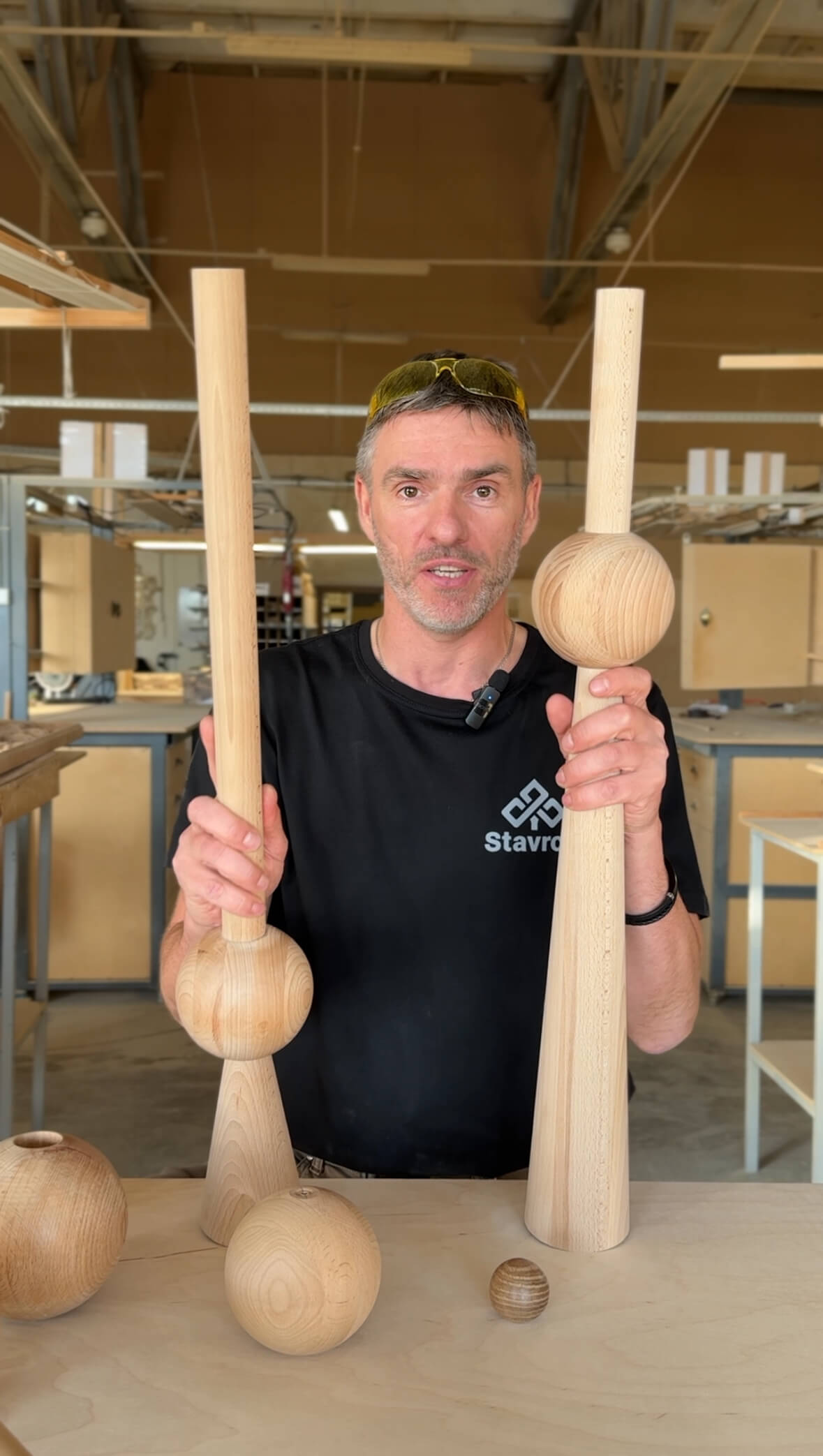
For such tasks, you can consider models made of wood and materials for finishing. For example, wooden curtain rod KZ-001 made of oak, beech and MDF it is convenient because the selection logic already includes different materials: oak, beech and MDF. Before ordering, you need to check the current parameters in the product card, but the direction is clear: the buyer can choose a rod to match the natural texture or for further finishing.
Get Consultation
For window area decoration
A window is not just about light. It is a large architectural element of the room. Curtains, curtain rod, slopes, windowsill, architraves, walls and ceiling are perceived together. If the rod is chosen incorrectly, the upper part of the window looks alien: too technical, too thin, too cheap, or unrelated to the textiles.
A wooden curtain rod helps to design the window so that it looks complete. It can match the color of furniture, repeat the floor tone, align with wooden trim, create contrast with the wall, or serve as a calm base for fabric. In the bedroom, it helps create a soft, warm atmosphere. In the living room, it emphasizes status and scale. In the study, it adds solidity. In the children's room, it makes the design neat and not too cold.
You need to be especially careful when choosing a cornice for a wide window opening. Length, mounting, and rigidity are important there. The wider the window and the heavier the fabric, the less room there is for buying "by eye." You need to understand in advance how the cornice will be fixed, what load is expected, and how many rows will be needed.
For combination with wooden trim and furniture
If there is already wood in the room, the cornice should speak the same language with it. This does not mean everything should be the same color. But the material, shade, shape, and degree of decorativeness should be coordinated. Oak furniture, dark doors, white enamel, light beech, painted MDF, natural slats — all these create different scenarios.
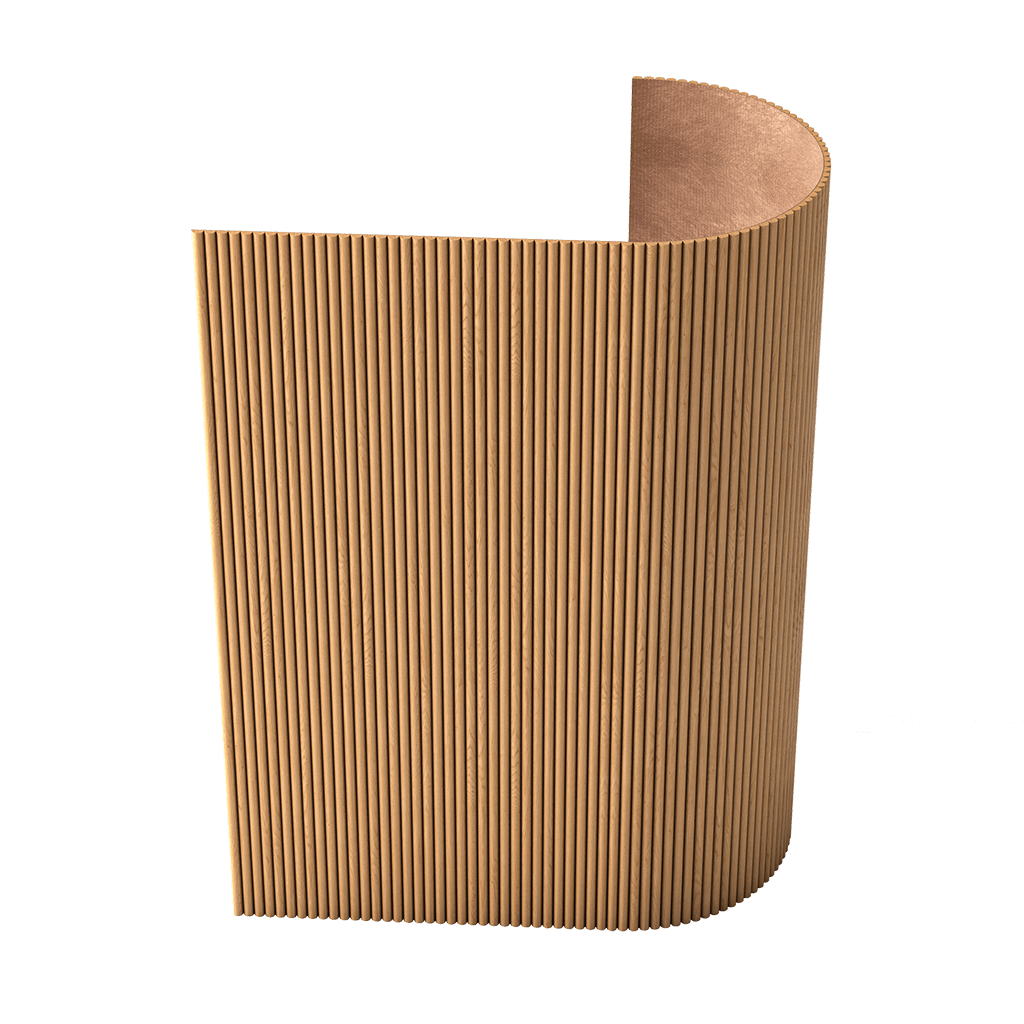
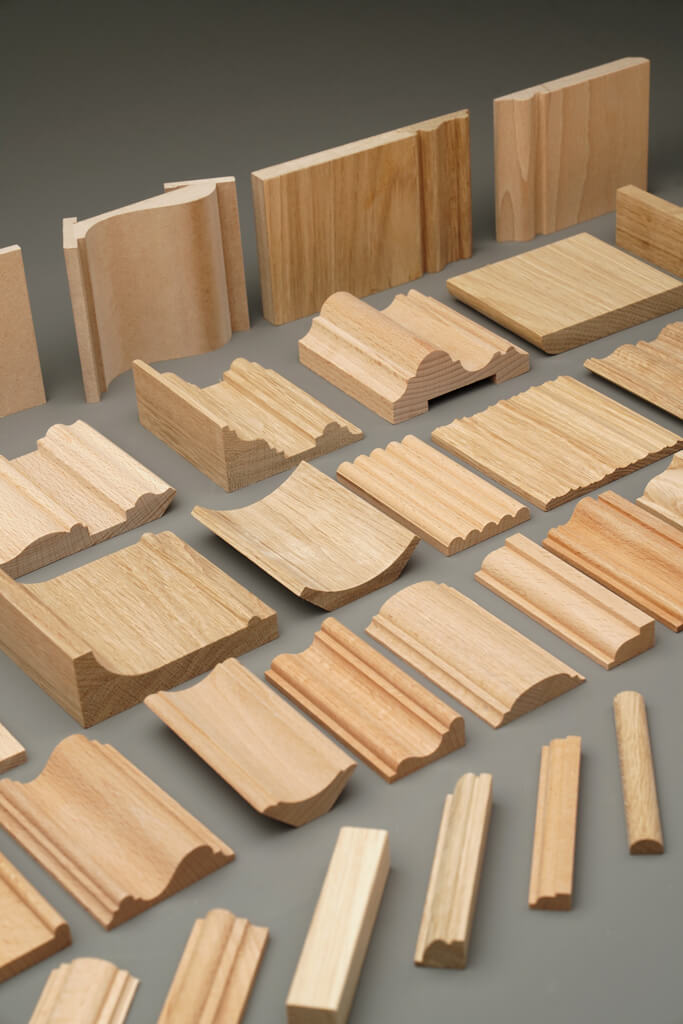
In interiors with wooden finishes, it is useful to look broader than just one cornice. Sometimes slats, architraves, decorative profiles, frames, panels, and furniture details are used near the window area. If you select them separately, the result can be disjointed. If you gather a common line in advance, the interior looks more expensive and calmer.
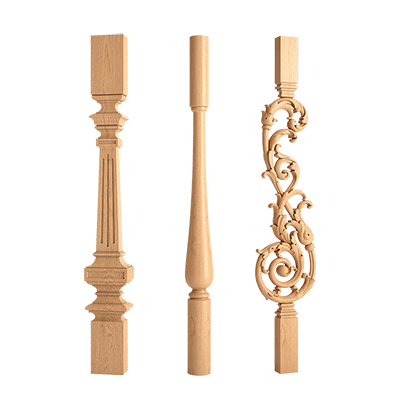
To coordinate with other wooden details, you can look Solid wood products, to understand which elements can support the cornice in terms of material and character. This approach is especially useful for designers and craftsmen who assemble not just one detail, but the entire interior node.
For interiors with natural materials
In interiors with natural materials, a plastic or overly technological detail often looks alien. Wood, stone, linen, cotton, wool, plaster, ceramics, natural shades, and soft light require warmer solutions. A wooden curtain rod helps preserve this atmosphere.
It is well suited for country houses, apartments in calm classics, studies, bedrooms, living rooms, restaurants, hotels, salons, and spaces with custom finishes. In such rooms, the cornice should not just hold the fabric. It should support the overall idea: naturalness, coziness, tactility, durability, attention to detail.
At the same time, a wooden cornice can be not only "traditional." In a modern interior, it is also appropriate if you choose a restrained profile, neat finish, and correct proportion. Wood does not necessarily mean carving and heavy classics. It can work cleanly, calmly, and graphically.
Main characteristics of a wooden curtain rod
Before purchasing, it's useful to break down the cornice by parameters. This helps avoid mistakes with the purpose, not confuse a curtain rod with a decorative ceiling profile, and understand in advance which model is suitable for the fabric, window, and interior.
| Parameter | What it means for the buyer | What to check before ordering |
|---|---|---|
| Purpose | The rod must be suitable specifically for the task with curtains | Whether a specific model is suitable for textile suspension |
| Mounting type | Wall-mounted or ceiling-mounted option | Mounting base, distance from window, wall or ceiling features |
| Number of rows | One row for a single layer of fabric, two rows for tulle and curtains | Need a single or double wooden cornice |
| Material | The selection diagram shows oak, beech, and MDF | The actual material of a specific model should be checked in the product card |
| Profile or diameter | Affects appearance and compatibility with fasteners | Dimensions and design should be checked in the product card |
| Load | Depends on fabric weight, opening length, and fastening | Allowable load should be clarified before ordering |
| Length | Should match the window width and the curtain overhang beyond the opening | Actual window size, side clearance, presence of turns or niches |
| Rings and fasteners | May be needed for hanging and installation | The configuration of a specific model should be viewed in the product card |
| Finishing | Finishing with enamel, varnish, or tinting is possible if provided by the product | The exact finishing option is specified in the product card or with a manager |
| Style | Classic, modern, natural, paintable | Compatibility with curtains, furniture, and moldings |
| Compatible elements | Slats, frames, solid wood products, decorative details | Select only by actual URL and purpose |
| Main catalog | STAVROS wooden curtain rod section | Open the product card and check parameters before purchasing |
A curtain rod is a detail where technical and decorative aspects are inseparable. If it is beautiful but cannot support the fabric, the purchase is unsuccessful. If it is sturdy but does not match the style, the window area looks rough. If it matches the color but is chosen without considering the number of rows, you won't be able to hang the tulle and drapes as intended.
Exact dimensions, configuration, load, materials, and finishing options cannot be assumed. They must be checked in the specific product card. This is especially important for KZ models because different curtain rods may differ in profile, purpose, and application method.
Real STAVROS models: what to pay attention to
When choosing a wooden curtain rod, it is convenient to rely not only on abstract types but also on specific models. The diagram for this article lists several STAVROS product pages. They help the buyer move from an idea to checking the card, dimensions, materials, and purpose.
wooden curtain rod KZ-001 made of oak, beech and MDF should be considered when material selection and the ability to choose a solution for the interior are important. Oak is suitable for expressive texture and solid character, beech for a neat wooden base, MDF for projects requiring painting and precise geometry, if such options are provided in the product card. Before ordering, you need to check the current parameters because the card provides accurate information for the specific model.
Ceiling-mounted wooden curtain rod KZ-005 useful to consider in projects where the mounting or visual logic is related to the ceiling area. This option may be appropriate when you need to emphasize the top line of the room, neatly connect the window to the ceiling, or solve a problem where wall mounting is not suitable. But before purchasing, you must ensure that the model is suitable for your specific curtain task and chosen installation method.
Wooden Cornice KZ-010 и Wooden Cornice KZ-011 can be considered as separate models for comparing the profile, decorativeness, and applicability in a specific interior. It is important for the buyer not just to open one card, but to compare several options: what the profile looks like, how suitable it is for the fabric, whether it matches the furniture, whether it overloads the window, and whether it can be used in the desired scenario.
This approach helps avoid buying based on 'first impression.' The curtain rod should be chosen not only as a beautiful wooden element but also as a working part of the window design. Therefore, it is better to open several product cards, compare materials, shapes, sizes, available finishing options, and only then make a decision.
What types of wooden curtain rods are there
Wooden curtain rods differ in mounting method, number of rows, external profile, material, finish, and method of working with curtains. To choose correctly, you first need to understand how the window will be designed: one layer of fabric or two, light textiles or heavy drapes, wall or ceiling mounting, classic or modern interior.
Wall-mounted wooden curtain rods
A wall-mounted wooden cornice is attached to the wall above the window opening. This is a common solution for most residential interiors: bedrooms, living rooms, kitchens, studies, children's rooms, hallways. It is convenient to use when there is enough space above the window for mounting, and the curtains should cover the opening with a small margin on the sides.
The wall-mounted option is clearly visible, so its appearance is especially important. It can become a decorative line above the window or a calm support for the fabric. In a classic interior, a wall-mounted wooden curtain rod is often chosen to match the furniture, doors, trim, or flooring. In a modern one, it is made more laconic so that it does not conflict with the fabric and wall.
When choosing a wall-mounted curtain rod, you need to check the length, projection from the wall, type of mounting, weight of the curtains, and number of rows. If the fabric is dense and the window is wide, the mounting must be reliable. If there are slopes, a radiator, a windowsill, or furniture nearby, you need to understand in advance how the curtain will pass and whether it will catch.
Ceiling-mounted wooden curtain rods
A ceiling wooden cornice is attached to the ceiling area or works as a top design element. It is chosen when you need to visually raise the height of a room, hide part of the mounting, design a large window, connect curtains to the ceiling, or solve a problem where wall mounting is inconvenient.
The ceiling-mounted option can look particularly neat in tall spaces, living rooms, bedrooms, studies, restaurant halls, and interiors with a well-thought-out top line. It helps make curtains more architectural: the fabric seems to start from the ceiling, and the window appears taller.
But ceiling mounting requires checking the base. The ceiling must be suitable for installation. If there is a stretch ceiling, drywall, a hidden niche, or complex finishing, you cannot choose a curtain rod without understanding the structure. You need to clarify the installation method, fabric weight, and specifics of the particular model in advance.
Single-row curtain rods
A single-row wooden curtain rod is needed for one layer of curtains. This could be a lightweight curtain, a decorative drape, linen textile, a kitchen curtain, heavy fabric without sheer, or any scenario where a second row is not required. Such a solution is simpler, calmer, and often looks lighter.
It is worth buying a single-row wooden curtain rod for curtains when the interior does not require a complex textile composition. For example, in a study, you can use one heavy drape. In the kitchen, one light layer. In a living room with beautiful fabric, sometimes one row is also enough if tulle is not needed.
The main mistake is to buy a single-row option and then decide to add tulle. If there is even a possibility of two layers, it is better to think about a two-row solution in advance. Before purchasing, you need to imagine the real window usage scenario in the morning, afternoon, and evening: whether privacy, blackout, decorativeness, or a light daytime layer is needed.
Two-row cornices
A two-row wooden curtain rod is needed when a combination of tulle and heavy curtains is planned. One row holds the light layer, the second holds the drapes. This is the most practical option for a bedroom, living room, dining room, children's room, study, and rooms where the window should work in different modes: daylight, privacy, blackout, decorative design.
You should buy a two-row wooden curtain cornice if you know in advance that one layer will not be enough. A two-row scheme helps flexibly manage light: during the day you can leave tulle, in the evening close heavy curtains. Visually, such design looks richer, but requires more space, more precise mounting, and correct load calculation.
If a buyer is looking to purchase a double-row wooden curtain rod with rings, they need to separately check the package contents. Rings, fasteners, brackets, and other elements may depend on the specific model. You cannot assume everything is included unless stated in the product card.
Curtain rods with rings
Curtain rods with rings are perceived as particularly traditional and decorative. Rings make fabric movement clear, add rhythm to the top line, and suit classic, country, natural, and warm interiors well. They are appropriate with wooden furniture, heavy curtains, linen fabrics, and soft folds.
But rings also need to be chosen not only by appearance. It is important to understand the diameter or profile of the rod, the weight of the fabric, the method of attaching the curtains to the rings, the smoothness of movement, the completeness, and the compatibility of elements. If the fabric is heavy, weak rings or unsuitable fasteners will quickly become a problem.
A curtain rod with rings looks especially good where the mechanism itself doesn't need to be hidden. If the interior involves an open decorative suspension, wood and rings work beautifully. If the goal is to hide the mounting as much as possible, another type of solution might be worth considering.
How to choose a wooden curtain rod for curtains
The right choice begins not with the material or color, but with the fabric. Curtains dictate the load, number of rows, mounting height, visual weight, and type of suspension. Light curtains, linen drapes, heavy portieres, velvet, tulle, decorative fabric, and multi-layer sets require different solutions.
Weight and type of fabric
Light fabrics create less load. For them, a simpler single-row solution is often sufficient if tulle plus portiere is not planned. Dense fabrics require more careful checking of the cornice, fastening, and length. The heavier the curtain, the more important the stability and quality of fixation.
The buyer often chooses the fabric and cornice separately. This is a mistake. If the fabric has already been purchased or chosen, you need to roughly understand its weight and method of suspension. If the fabric has not yet been chosen, it is better to decide in advance whether it will be light textiles, heavy curtains, a multi-layer composition, or decorative styling.
For dense portieres, it is especially important not to skimp on fastening. A wooden cornice may look sturdy, but the load is distributed through the brackets, fasteners, and the base of the wall or ceiling. Therefore, you need to check the entire system, not just the profile.
Opening length
The length of the cornice should be greater than the width of the window opening if the curtains are to drape beautifully to the sides and not block the light. The margin size depends on the room, fabric, window width, and desired effect. For wide openings, it is especially important to calculate the mounts and prevent sagging.
If the cornice is too short, the curtains will cover part of the window even when open. The room will become darker, and the design will look cramped. If the cornice is too long, it may conflict with adjacent furniture, walls, or corners. Therefore, before ordering, you need to measure the window, the wall spaces on the sides, the mounting height, and the distance to the ceiling.
For large windows, it is better to plan in advance whether the cornice will be one-piece, how it will be mounted, what support points are needed, and whether the chosen model is suitable for that length. These parameters should be checked in the product card or clarified with a STAVROS manager.
Number of rows
The number of rows depends on the textile scenario. One row means one fabric. Two rows mean tulle and curtains. Sometimes the buyer thinks that a second row can be added later, but this is not always convenient. It is better to decide in advance whether a two-row wooden cornice is needed.
For a bedroom, a two-row option is often more practical: a light layer can be used during the day, and heavy curtains can be closed in the evening. For a living room, it helps create a richer design. For a kitchen, one row is sometimes sufficient. For a study, the choice depends on privacy, light, and style.
If the interior is only being planned, it's better to discuss curtains and curtain rods together. The fabric, pleat, layering, and mounting should work as one system.
Diameter or profile
A curtain rod can have a round rod, a profile shape, a decorative strip, or another type, depending on the specific model. The diameter or profile affects the appearance, compatibility with rings, perception of scale, and structural strength. A thin curtain rod may look light but is not always suitable for heavy curtains. A larger profile holds the scale better but may overwhelm a small window.
For a classic interior, the profile can be more expressive. For a modern one, it should be simpler and cleaner. For an interior with natural materials, it is important that the curtain rod does not look foreign next to wood, fabrics, and furniture. If there are moldings or decorative slats nearby, the profile should be matched with them.
The exact dimensions of the profile or diameter should be checked in the product card. This check cannot be replaced by general advice in the article because a specific model may have its own parameters.
Material: oak, beech, MDF
The material affects the appearance, finish, and feel in the interior. Oak is chosen for its texture, density, and expressive character. It works well in classic, office, restaurant, and solid residential interiors. Beech is suitable for neat wooden solutions where shape stability and a calm finish are important. MDF can be convenient for projects requiring enamel and paint, when an even color and precise geometry are needed.
However, the material cannot be chosen abstractly. You need to look at the specific model. For example, KZ-001 is listed as a cornice made of oak, beech, and MDF, but the current version, availability, finish, and parameters should be checked in the product card. If an exact color is important for the project, it is better to clarify the finishing options in advance.
Finish: enamel, lacquer, or tinting
The final finish helps tie the cornice to the interior. Enamel is suitable if the cornice should match the wall, furniture, doors, or moldings. Varnish helps preserve the natural look of the wood, if provided by the specific product. Tinting changes the shade and emphasizes the texture.
For a classic interior, you can choose a cornice with a wood finish or a noble tint. For a modern room, choose enamel if a clean color line is needed. For a country house, choose a natural shade. But before ordering, you need to clarify which finish options are suitable for the specific model.
A mistake is to choose a color only from the screen. The shade depends on lighting, walls, fabric, furniture, and the final coating. If the cornice must exactly match the doors or furniture, it is better to coordinate the finish in advance and check samples if possible.
Commercial selection block: which cornice to buy for your task
| Task | What to buy | Why this is suitable | What to Check |
|---|---|---|---|
| Light curtains | Single-row wooden curtain rod | One row does not overload the window and is suitable for a simple textile scenario | Length, mounting, fabric weight |
| Curtains plus tulle | Double-row wooden curtain rod | Allows separate hanging of a light layer and heavy curtains | Number of rows, projection, load |
| Classic interior | Curtain rod made of oak or beech | The tree supports furniture, moldings, and warm finishes | Material, profile, finish |
| Interior for painting | Cornice for enamel | Allows connecting the cornice to the wall, furniture, or trim | Is the model suitable for painting |
| Large window opening | Reinforced cornice of suitable length | Helps avoid a weak top line and fabric issues | Length, attachment points, load |
| Bedroom | Double-row option for tulle and heavy curtains | Provides privacy during the day and darkness in the evening | Fabric weight, ease of movement |
| Kitchen | Single-row or compact option | Does not overwhelm a small window | Material, care, distance from stove and sink |
| Living room | More expressive wooden cornice | Supports the room's scale and decorative textiles | Profile, finish, length |
| Office | Restrained wooden cornice | Adds solidity without unnecessary decoration | Wood tone, connection with furniture |
| Commercial interior | Durable cornice for chosen textiles | Works in a living room, salon, hotel or restaurant | Load, fastening, repeatability |
This table helps to choose a direction, but does not replace checking a specific product card. Even if the task is clear, the final choice depends on the model, dimensions, material, fastening and curtains. The more complex the textiles and the wider the window, the more carefully you need to approach the purchase.
How a wooden curtain rod works in different interiors
Living room
In the living room, the cornice is often visible immediately: above the sofa, near the fireplace area, by the panoramic window or in the central part of the room. Here it must match the scale. A cornice that is too weak over dense curtains makes the design look unfinished. One that is too heavy draws attention to itself.
For the living room, wooden curtain rods that complement furniture, flooring, doors, wall panels, or decorative elements work well. If the interior is classic, you can choose a more expressive profile. If modern, it is better to look for a calm shape and precise finish.
Bedroom
In the bedroom, the cornice is responsible not only for beauty but also for comfort. Two layers are often needed here: tulle for daytime privacy and dense curtains for evening darkening. Therefore, a double-row wooden cornice can be especially useful. It allows you to make the window soft and functional.
In the bedroom, active decor is not always needed. Often, a warm, calm wooden profile that supports the bed, nightstands, wardrobe, doors or textiles works better. If the walls are light, the cornice can be made to match the trim or furniture. If the interior is rich, it is better to avoid extra heaviness.
Kitchen
In the kitchen, the curtain rod should be practical. Lighter curtains, short textiles, a single row, or compact design are often chosen here. But this does not mean the detail can be random. The curtain rod should match the facades, countertop, dining area, wooden elements, and overall style.
If the kitchen is classic, a wooden curtain rod can complement the facades and trim. If modern, it is better to choose a laconic shape. It is important to consider operating conditions: there may be steam, odors, and temperature changes nearby. The finish and care should be thought out in advance.
Cabinet
In an office, a wooden cornice looks particularly appropriate. It complements the desk, bookcases, panels, doors, armchairs, and heavy textiles. Here, you can choose a more substantial profile, but without excessive ornamentation, if the interior is businesslike and restrained.
For an office, heavy curtains are often suitable, as they protect from light and add intimacy. In such a case, you need to check the load, fastening, and smoothness of the fabric's movement. The cornice should look confident, because in an office, small details quickly reveal the randomness of the project.
Children's room
In a children's room, it's better to choose a cornice calmly and practically. A too heavy decorative profile can overload the room. A too weak one will quickly lose its appearance or fail to handle the fabric. If you need tulle and curtains, consider a two-row solution, but be sure to check the fastening and installation safety.
The color of the rod can be tied to furniture, doors, shelves, or overall finishes. If the room will change as the child grows, it's better to choose a shape that isn't tied to a too narrow style.
Country house
In a country house, a wooden curtain rod reveals itself especially naturally. It pairs with beams, wooden windows, doors, stairs, furniture, natural fabrics, and warm finishes. Here, wood doesn't look like a decorative addition; it becomes part of the overall architecture.
For large windows in a house, you need to be especially careful when calculating the length and fastening. Wide openings, heavy curtains, and high ceilings require a more serious approach. The cornice should look proportionate and confident.
Commercial interior
In a hotel, restaurant, salon, showroom, or reception office, the cornice works to impress the client. It can support the brand style, status, coziness, or classic atmosphere. But commercial space requires practicality: curtains are often moved, removed, cleaned, and touched.
For such projects, you need to choose the material, mounting, load, and repeatability in advance. If a room has multiple windows, the cornices should look coordinated. Random different models quickly create a feeling of carelessness.
What to buy together with a wooden cornice
A wooden cornice is rarely purchased completely separate from other elements. To make the window area look cohesive, you need to think in advance about rings, fasteners, textiles, moldings, rails, decorative details, and adjacent wooden elements. Not everything needs to be bought at once, but everything needs to be considered before ordering.
If the project uses a cornice with rings, you need to check whether the rings are included in the specific model's package or are selected separately. The same applies to fasteners: the installation method depends on the wall, ceiling, fabric weight, and cornice design. If the buyer does not check this in advance, installation may stop at the most inconvenient moment.
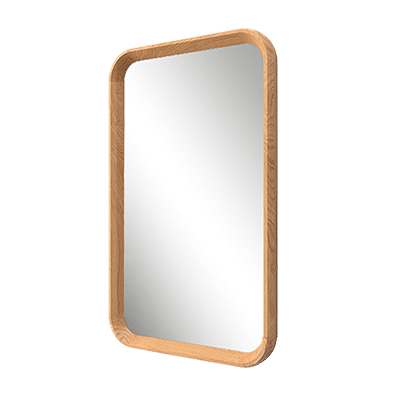
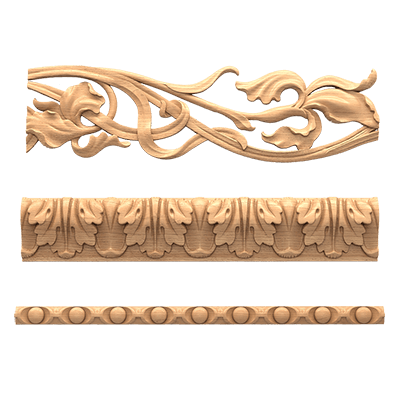
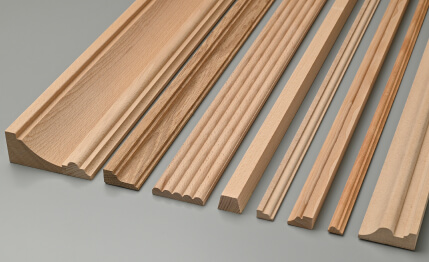
To match the interior, you can use wooden strips for framing, if neat linear elements are needed near the window area. They do not replace a curtain rod, but can support the design of the opening, wall, panel, or decorative zone. If there are mirrors in the room, it is useful to check in advance wooden mirror frames, so that the frame and cornice do not conflict in material and style. For a comprehensive selection, it is worth studying Solid wood products.
| What to add to the purchase | Why this is needed | Which scenario it suits | What to pay attention to |
|---|---|---|---|
| buy a wooden curtain rod | Choose the main model for the window and fabric | Any window area with curtains | Length, layering, material, mounting |
| Rings | For hanging fabric, if the model and scenario require it | Curtain rods with open decorative hanging | Profile compatibility and configuration |
| Fastening | For reliable mounting to wall or ceiling | All curtain rod options | Base, load, wall or ceiling type |
| wooden strips for framing | Support the window area with linear wooden details | Openings, panels, zoning, framing | Do not confuse the batten with a curtain rod |
| wooden mirror frames | Connect the cornice with other wooden accents | Bedroom, hallway, living room, study | Material, color, scale |
| Solid wood products | Select adjacent elements in the same logic | Comprehensive interior project | Compatibility by material and finish |
| Decorative elements for accents | Support a classic or designer interior | Living room, study, restaurant, salon | Appropriateness, scale, no overload |
The main idea is simple: the curtain rod should be part of the system. Curtains, window, slopes, furniture, mirror, slats, architraves, moldings, and finishes should support each other. Then the customer gets not just a fabric hanger, but a complete room design.
How not to confuse a wooden curtain rod with similar products
Curtain rod and decorative ceiling cornice
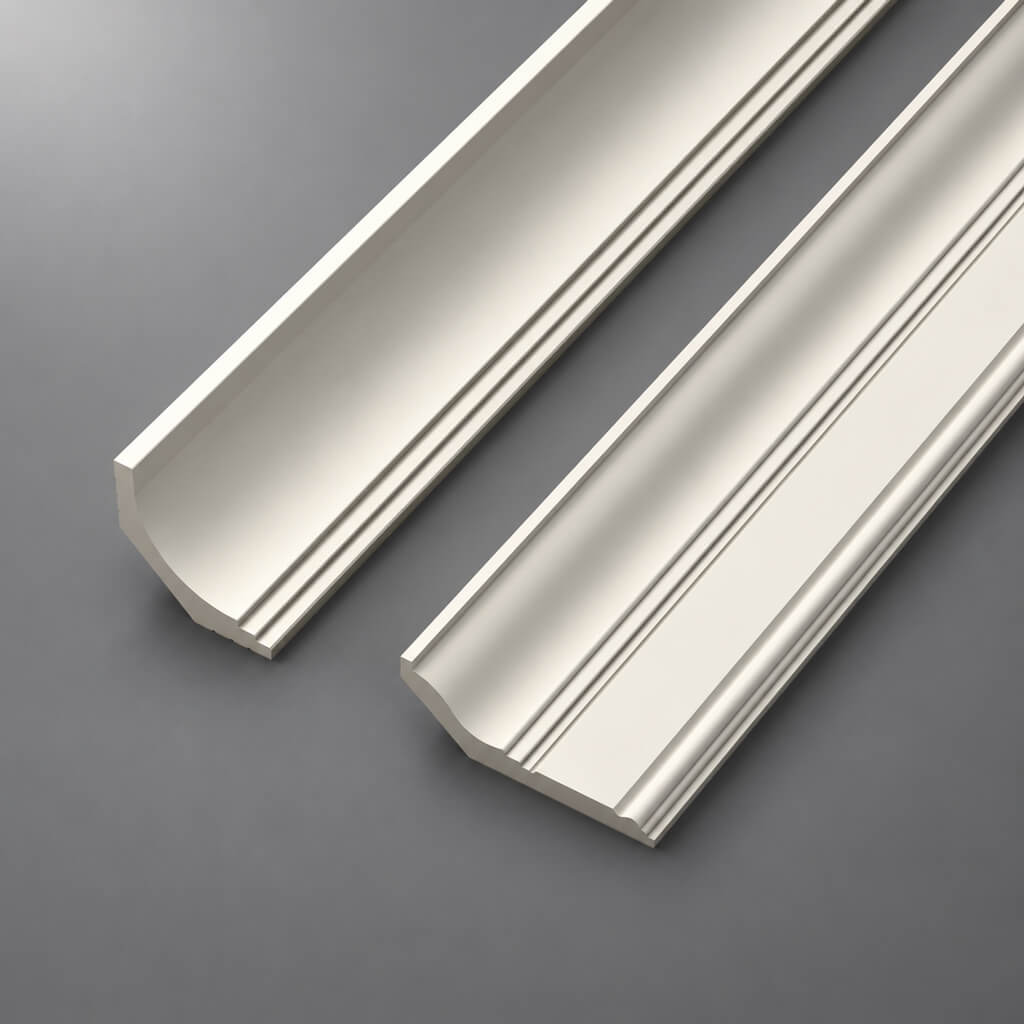
A decorative ceiling cornice covers or finishes the joint between wall and ceiling. It can be part of the finish, but is not always intended for curtains. A curtain rod works with textiles: it must support the fabric, be mounted in a suitable way, and ensure the movement or hanging of curtains.
The error occurs due to the same word "cornice". Before purchasing, you need to check the purpose of a specific model. If you need a hanging system for curtains, the product must be suitable for this task. If you need a decorative profile for the ceiling, that is a different scenario.
Curtain rod and wooden baguette
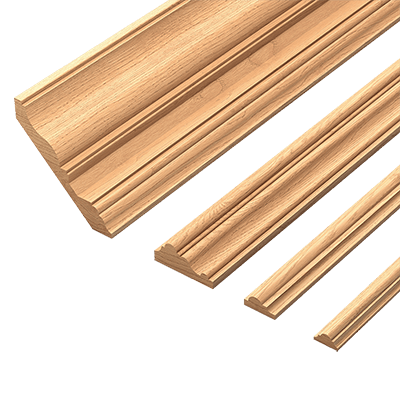
Baguette is more often used for frames, paintings, mirrors, panels, and decorative edging. It creates a frame but is not intended for hanging curtains. A wooden cornice works with the window area and textiles. It must account for load, fastening, length, and number of rows.
If a buyer chooses a baguette instead of a curtain rod, they may get a beautiful profile that does not solve the technical task. Therefore, you need to look not only at the material and decorativeness but also at the purpose.
Curtain rod and casing
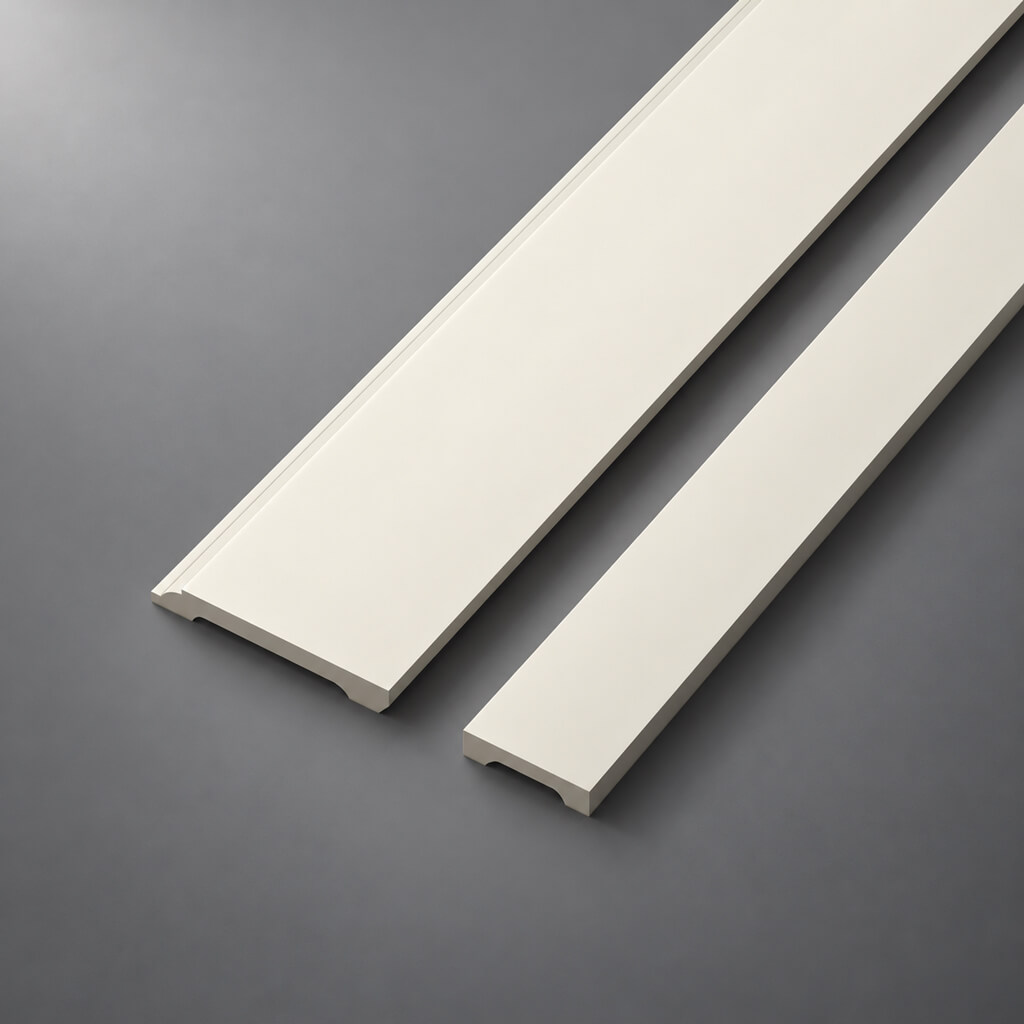
The casing covers the door or window opening, frames the transition between the wall and the frame, and helps make the opening neat. It does not replace a curtain rod. The cornice holds the textile, while the casing frames the edge of the opening.
In one interior, they can work together. For example, a wooden casing around a window and a wooden cornice above the curtains should match in style. But their functions are different. Before purchasing, you cannot rely solely on the external similarity of wooden profiles.
Curtain rod and batten
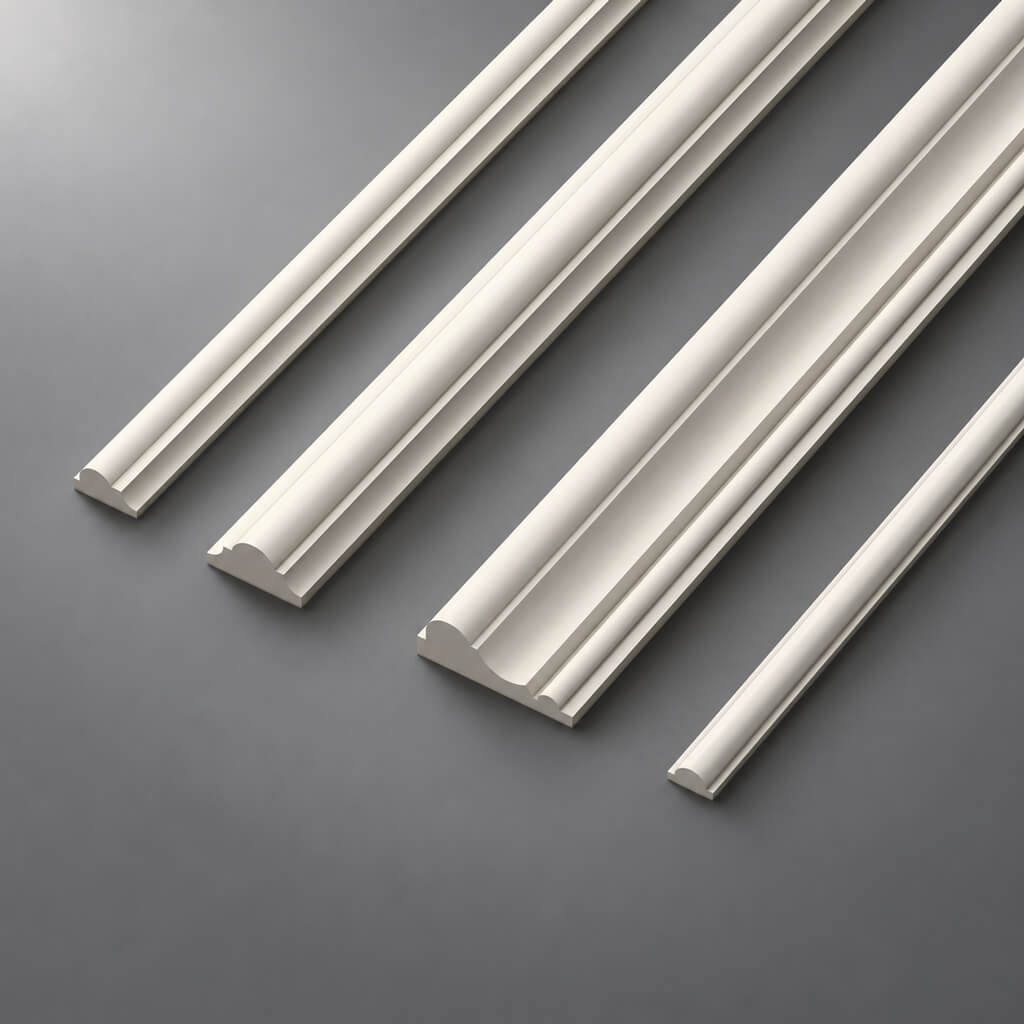
A batten is used for framing, partitions, decorative layouts, zoning, or linear finishing. It can be wooden and beautiful, but that does not make it a curtain cornice. For curtains, you need a solution designed for hanging fabric and fastening.
Need to hang light curtains on one window
For lightweight curtains, a single-row wooden curtain rod is often suitable. It does not overload the window and looks neat. But even in such a simple scenario, you need to measure the width of the opening, add side allowances, check the mounting location, and understand how the curtain will move.
If the fabric is light and the interior is calm, it's better to choose a restrained profile. If the window is decorated in a classic room, the curtain rod can be more noticeable. Before ordering, you need to check the material and finish so that it doesn't fall out of the overall color scheme.
Need tulle and thick drapes
For such a task, it's better to look at a double-row wooden curtain rod. One row is needed for the light layer, the second for thick curtains. This is practical for a bedroom, living room, children's room, and study. During the day you can leave the tulle, in the evening close the drapes.
Here it is important to consider the total weight of the fabric. Two layers create a greater load than one. Also, the correct projection is needed so that the curtains do not interfere with each other. If rings are planned, you need to check compatibility and completeness.
You need to design a classic living room
In a classic living room, the curtain rod should be expressive enough not to get lost against the background of drapes, furniture, and decorative trim. You can consider oak, beech, a profile with varnish or tinting, if it suits the model. If the interior is painted, a version with enamel may be appropriate.
Here it's especially important to coordinate the curtain rod with other wooden elements: frames, doors, furniture, moldings. If there is a mirror in the room, you can look at wooden frames in advance so that the curtain rod and frame don't look like random details from different projects.
Need to choose a curtain rod for a modern interior
In a modern interior, a wooden curtain rod should be neat. A too heavy decorative profile can disrupt the room's cleanliness. It is better to look at calm shapes, even finishes, precise color, and proper length. Wood will add warmth but should not overload the space.
Geometry is especially important for modern interiors. The curtain rod should be straight, clear, and proportionate to the window. If the curtains are simple, the rod should not look more complex than the textile composition itself.
Need to design a bedroom with blackout
If the bedroom requires blackout, thick curtains will likely be needed. Often, tulle is added to them, so a two-row solution becomes practical. The cornice must support the fabric, the mounting must be reliable, and the length sufficient so that the curtains cover the window without gaps.
For a bedroom, not only function but also mood is important. A wooden cornice can complement the bed, nightstands, wardrobe, floor, or doors. If the interior is soft and calm, choose a not too active profile.
Need to design a large window in a country house
A large window requires a serious approach. You need to measure the opening, determine the side allowance, understand the weight of the fabric, check the mounting base, and choose a model of suitable length. If the fabric is heavy, weak mounting will quickly become apparent.
In a country house, a wooden cornice pairs especially well with natural materials. But the larger the window, the more important the technical part. A visually beautiful cornice must also function.
Need to select curtain rods for a restaurant or hotel
In a commercial interior, curtain rods must be not only beautiful but also repeatable. If the hall has many windows, it is important to choose a model that can be used systematically. You also need to consider load, frequent use, maintenance, and the style of the room.
For a restaurant, a wooden cornice can support the atmosphere: classic, country, intimate, salon, or signature. But before ordering, you need to check whether the specific model is suitable for operation, fabric, and installation.
Installation, calculation, finishing, and care
How to calculate the length of the curtain rod
Start with the width of the window opening. Then add margin on the sides so that the curtains can extend beyond the window edges and not block light when open. The exact margin depends on the width of the wall spaces, fabric type, and desired fold. If the wall next to the window is narrow, you need to consider the room's limitations.
For heavy curtains, the allowance is especially important: the fabric gathers into voluminous folds and takes up space on the sides. If the curtain rod is too short, the curtains will cover the glass even during the day. For wide windows, additional consideration of attachment points and possible support along the length is needed.
How to determine the installation height
The higher the curtain rod is installed, the taller the window appears visually. Therefore, the rod is often mounted above the top edge of the opening, if the wall allows. In rooms with low ceilings, this helps elongate proportions. However, the technical aspect must not be forgotten: the mounting must be secured to a reliable base.
A ceiling-mounted option can enhance the effect of height. However, ceiling mounting needs to be checked especially carefully if there is a stretch ceiling, drywall, or decorative finish. You cannot mount a heavy system without understanding the base.
How to account for fabric folds
Curtains rarely hang completely flat. They need folds, and folds require width and space for movement. The more voluminous the textile, the larger the window's volume. The curtain rod must be long enough and properly offset from the wall so that the fabric does not catch on the windowsill, radiator, window handles, or furniture.
If two rows are planned, consider the distance between layers. Tulle and thick curtains should not interfere with each other. This is especially important for dense fabric and curtain rods with rings.
What to check before installation
Before installation, check the wall or ceiling base, cornice length, bracket placement, fabric weight, kit contents, and hardware. If the model requires additional elements, they should be prepared in advance. If you have doubts about the mounting, it is better to consult a specialist.
Installation should not be planned only after purchase. It is better to understand it already at the selection stage. Then you won't have to urgently change the model, look for different fasteners, or rework the wall.
Finish to match the interior
If the curtain rod is chosen for enamel, varnish, or tinting, the finish should be planned before installation. The color should match the curtains, walls, furniture, doors, and trim. In one project, the curtain rod can be made to match the wall, in another to match the furniture, and in a third, leave the wood expressive.
If an exact color is needed, it is better not to rely solely on the screen. Room lighting, wood texture, and coating type change perception. For complex interiors, it is useful to coordinate the finish in advance.
Caring for a wooden curtain rod
Care depends on the material and coating. Typically, wooden elements do not like harsh chemicals, excess moisture, or rough cleaning. Open cornices with rings and relief can collect dust, so they need to be periodically wiped with a soft cloth.
If the rod is installed in a kitchen or commercial space, care becomes more important. There is more dust, moisture, odors, and contact. The finish should be chosen based on actual use, not just appearance.
Mistakes when buying a wooden curtain rod
Choose only by photo
The photo shows the style, but does not show the actual length, load, mounting, or scale. The rod may appear large in the listing and too thin on a wide window. Or vice versa — look neat on screen but overwhelm a small room. Before buying, you need to check the specifications.
Do not consider the weight of the fabric
Light tulle and heavy drapes require different solutions. If you choose a rod without considering weight, problems with mounting, sagging, or curtain movement may arise. Special attention should be paid to double-track systems.
Buying a single-track rod when you need both tulle and curtains
If two layers of fabric are planned, a single-track rod will not be enough. Later, you will have to replace the system or find workarounds. It is better to determine the textile scenario right away.
Confusing a curtain rod with a decorative ceiling profile
The same word "cornice" often causes confusion. A decorative ceiling profile is not necessarily suitable for hanging curtains. Before ordering, you need to check the purpose of the specific model.
Do not check the mounting
The cornice is supported not only by itself but also by the wall, ceiling, brackets, and fasteners. If the base is weak or the fasteners are chosen incorrectly, even a good model will work poorly. Before installation, you need to check the entire system.
Not calculating the length with a margin
A cornice equal to the width of the window often turns out to be too short. Curtains do not move to the sides, block the light, and look cramped. You need to account for the margin on the sides, fabric folds, and the width of the wall spaces.
Not considering the style of furniture and trim
A wooden cornice should match the room. If it is not connected to the furniture, doors, frames, slats, or wall color, the window may look out of place. This is especially noticeable in classic and natural interiors.
Expecting rings and hardware to be included without checking
The package contents depend on the specific model. If the buyer needs rings, fasteners, or other elements, this must be checked in advance on the product page. You cannot assume that everything is included automatically.
Choosing a profile that is too heavy for a small room
In a small bedroom or kitchen, a massive decorative cornice can overwhelm the space. It is better to choose a proportionate option. Wood can be expressive, but it should not overload the window.
Not seeking clarification for a complex task
A large opening, heavy curtains, ceiling mount, non-standard finish, or commercial project is a reason to clarify parameters with a STAVROS manager. This helps avoid mistakes before purchase and installation.
Who is a wooden curtain rod suitable for, and who should choose a different option
A wooden cornice is suitable for interior designers who create the window area as part of the overall composition. It is needed by owners of private houses and apartments where natural materials, warm finishes, and a connection with furniture are important. It is useful for interior wood workshops that select cornices together with moldings, frames, slats, and other details. It is suitable for those who decorate windows in classic, neoclassical, country, study, restaurant, or calm modern styles.
It is especially worth considering a wooden cornice for those who need custom finishing. If the cornice must be under enamel, varnish, tint, or match furniture, wood and MDF offer more possibilities than a random plastic profile. However, specific finishing options should be checked in the product card.
This solution is not suitable for those looking for a plastic or metal cornice, who need a maximally technological look, a hidden system without wooden decorativeness, or only a ceiling profile without a curtain function. Also, a wooden cornice is not suitable for those who are not ready to check the length, mounting, load, number of rows, and configuration.
An honest choice is always better than a random purchase. If you just need to temporarily hang a light curtain, perhaps the simplest solution is enough. But if the window should become part of the interior, a wooden cornice helps achieve a more cohesive and warm result.
Where to buy a wooden curtain rod
If you are looking for where to buy a wooden cornice for curtains, it is important to look not only at product availability but also at the clarity of selection. You need real models, product cards, materials, the ability to compare profiles, check the purpose, evaluate the finish, and select adjacent elements.
At STAVROS you can buy a wooden curtain rod and move from an idea to a specific model. For comparison, you can open KZ-001, KZ-005, KZ-010, and KZ-011, check the purpose, materials, profile, current parameters, and application options. If a ceiling scenario is needed, it is worth looking at Ceiling-mounted wooden curtain rod KZ-005. If you need to compare different wooden models, you can open Wooden Cornice KZ-010 и Wooden Cornice KZ-011.
Before purchasing, you need to measure the window, determine the type of curtains, choose the number of rows, check the mounting location, and understand what finish is needed. If you still have doubts about load, installation, or compatibility, it's better to clarify details with a STAVROS manager.
How to buy on STAVROS and not make a mistake with the model
Start with the window. Measure the width of the opening, installation height, distances on the sides, mounting location, and possible limitations. Then determine the fabric: light curtain, heavy drapes, tulle, two layers, decorative textile. After that, decide whether you need a single-row or double-row cornice.
The next step is material and style. For classic styles, you can consider oak or beech, if available in the chosen model. For painted interiors — MDF or an enamel option, if provided in the product card. For natural interiors — wood with varnish or tint. For modern spaces — a more subdued profile.
After selecting the model, open the product card and check the current parameters. Don't skip the accessories: rings, mounting hardware, and additional elements should be clarified in advance. If choosing a rod for heavy curtains or a large opening, it's better to check the load capacity and installation method right away.
If the project includes not only the window but also adjacent wooden details, look at it as a set: curtain rod, slats, frames, solid wood products. This way, the window area will look like part of the interior, not a separate technical purchase.
FAQ
Where to buy a wooden curtain rod?
A wooden curtain rod can be selected in the STAVROS catalog. Before purchasing, you need to open the product card, check the material, profile, length, purpose, mounting, number of rows, and configuration. If the project is complex, it's better to clarify the parameters with a manager.
What to choose: a single or double wooden curtain rod?
A single-row curtain rod is suitable for one layer of curtains. A double-row rod is needed if you plan to use both sheer and heavy curtains. For bedrooms and living rooms, a double-row option is often more practical because it allows control over light and privacy.
Which material is best for a wooden curtain rod?
Oak is chosen for its expressive texture and solid character, beech for its neatness and stability, MDF for projects requiring painting and precise geometry. However, the material should be checked in the specific product card because available options depend on the model.
How is a wooden curtain rod different from a cornice?
A curtain rod works with the window area and textiles: it must hold the curtains and be suitable for mounting. A baguette is more often used for frames, mirrors, paintings, and decorative framing. These elements have different purposes.
What to check before buying a curtain rod?
Check the window width, required rod length, mounting type, number of rows, fabric weight, material, finish, accessories, and installation method. For heavy curtains and large openings, it's better to additionally clarify the load capacity.
Can a wooden curtain rod be used for heavy curtains?
Yes, if the specific model, mounting, and base are suitable for such a load. You need to consider the fabric weight, rod length, number of mounting points, and wall or ceiling type. It's better to check these parameters before purchase.
When is a curtain rod with rings needed?
A curtain rod with rings is suitable when the hanging should be open and decorative. It looks good in classic, natural, and country interiors. Before ordering, you need to check the compatibility of the rings with the profile and the accessories of the specific model.
Is a wooden curtain rod suitable for a modern interior?
Yes, if you choose a simple profile, neat finish, and correct proportion. In a modern interior, wood adds warmth, but the rod should not be too decorative or heavy.
Can a wooden curtain rod be painted?
It can be painted if the specific model is suitable for painting. For enamel projects, it is especially important to check the material, surface preparation, and finishing recommendations. Exact options should be viewed in the product card or clarified with a STAVROS manager.
How does a ceiling-mounted wooden cornice differ from a wall-mounted one?
A wall-mounted one is attached to the wall above the window, while a ceiling-mounted one is connected to the ceiling area. The ceiling-mounted option can visually raise the height of the room and make the curtains more architectural, but requires careful checking of the mounting base.
What should I buy together with a wooden curtain rod?
You need to plan rings, fasteners, textiles, and adjacent wooden elements in advance. In interior projects, wooden slats for framing, mirror frames, and other solid wood products may be useful if they help connect the window to the room.
How not to confuse a curtain cornice with a ceiling decorative cornice?
Check the purpose of the product. The curtain rod must be suitable for hanging textiles, taking into account the load and mounting. The ceiling decorative profile often finishes the joint between the wall and ceiling and is not always designed for curtains.
How to calculate the length of a wooden curtain rod?
Measure the width of the window opening and add extra space on the sides so the curtains can move to the sides. Also consider the fabric fold, the width of the walls, and the mounting location. For large windows, it is better to clarify installation recommendations in advance.
Is a wooden curtain rod suitable for the kitchen?
Yes, if the chosen model fits in size, finish, and operating conditions. In the kitchen, it is better to consider humidity, odors, proximity to the stove or sink, and ease of maintenance. Often, a single-row solution is sufficient for the kitchen.
Why shouldn't you choose a curtain rod only by color?
Color is important, but it doesn't solve everything. The curtain rod must match in length, mounting, load capacity, number of rows, material, and style. A beautiful shade won't help if the model can't support the curtains or doesn't fit the opening.
Result: how to choose a wooden curtain rod without mistakes
A wooden curtain rod is a detail that both holds the fabric and frames the window. It affects the room's scale, supports the style, connects the curtains with furniture, and helps make the interior more cohesive. Therefore, you should choose it not randomly, but based on the task: what curtains will hang, how many rows are needed, what opening is being framed, where the mounting will be, and what material and finish suit the room.
For lightweight curtains, consider a single-row wooden curtain rod. For tulle and heavy drapes, it's better to think about a double-row option right away. For a classic interior, oak, beech, profile, and expressiveness are important. For a space to be painted, the possibility of enamel finish matters. For a large window, length, mounting, and load capacity are key.
On STAVROS, you can go to the catalog, compare real models, look at KZ-001, KZ-005, KZ-010, KZ-011, and choose a curtain rod for the window area, fabric, and interior. Before ordering, carefully check the product card, clarify the configuration, mounting, and parameters. This way, the purchase will be not just beautiful but practical: the rod will handle its task, support the curtains, and become a natural part of the interior.