



























Article Contents:
- What to buy for the lower furniture assembly: a complete list
- Furniture glides: why they are needed and how they work
- Practical functions of wooden furniture glides
- Types of furniture glides
- How to choose a glide for a leg
- Wooden furniture legs: classification and characteristics
- By shape
- By wood species
- By height
- Fasteners for wooden legs
- Furniture supports: when a leg is already serious
- Polyurethane decor at the bottom of furniture: where it works
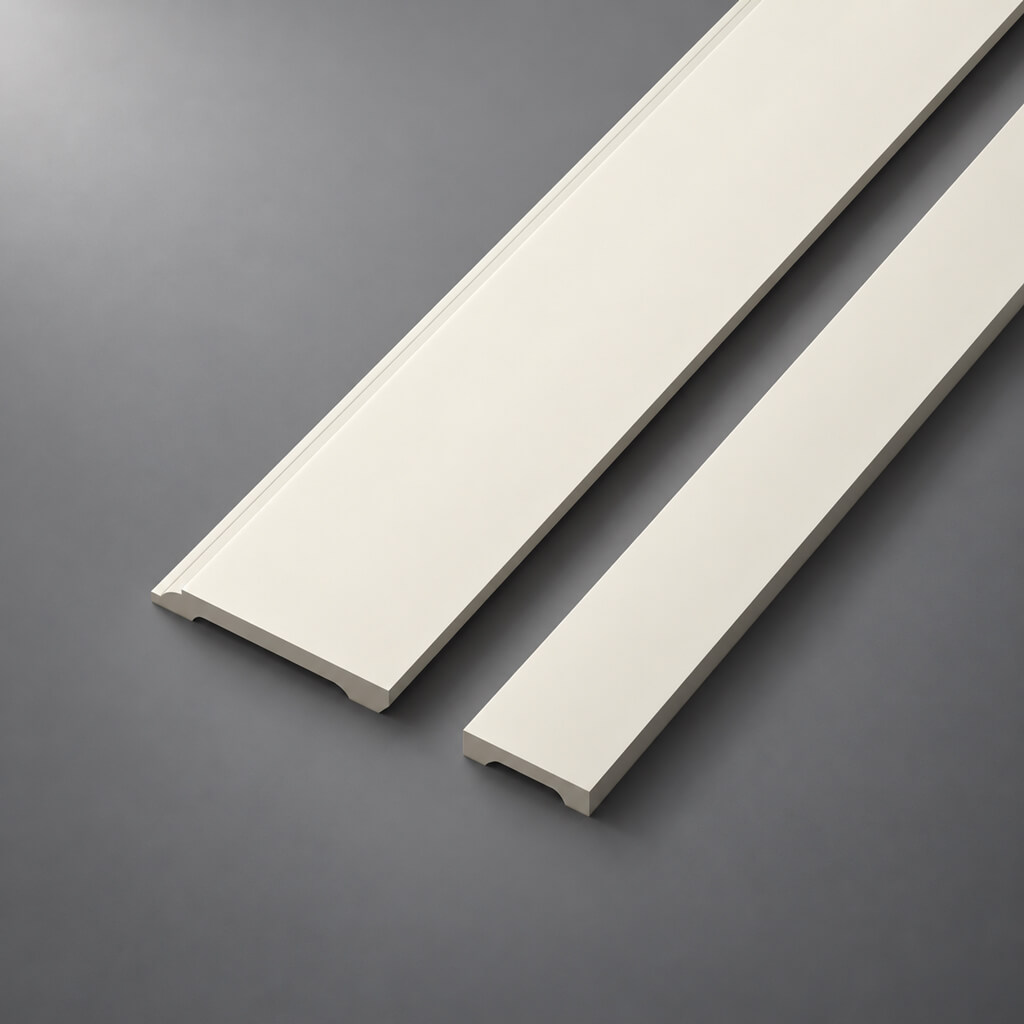
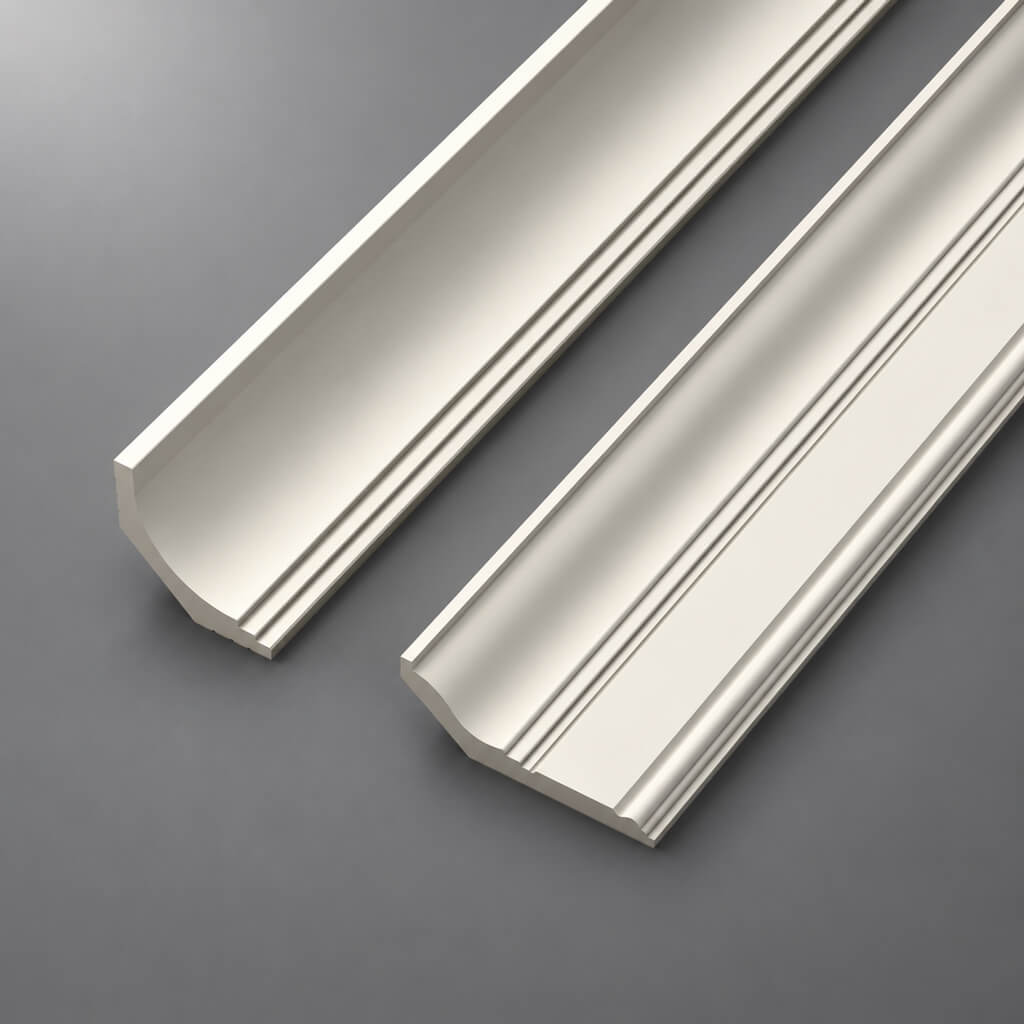
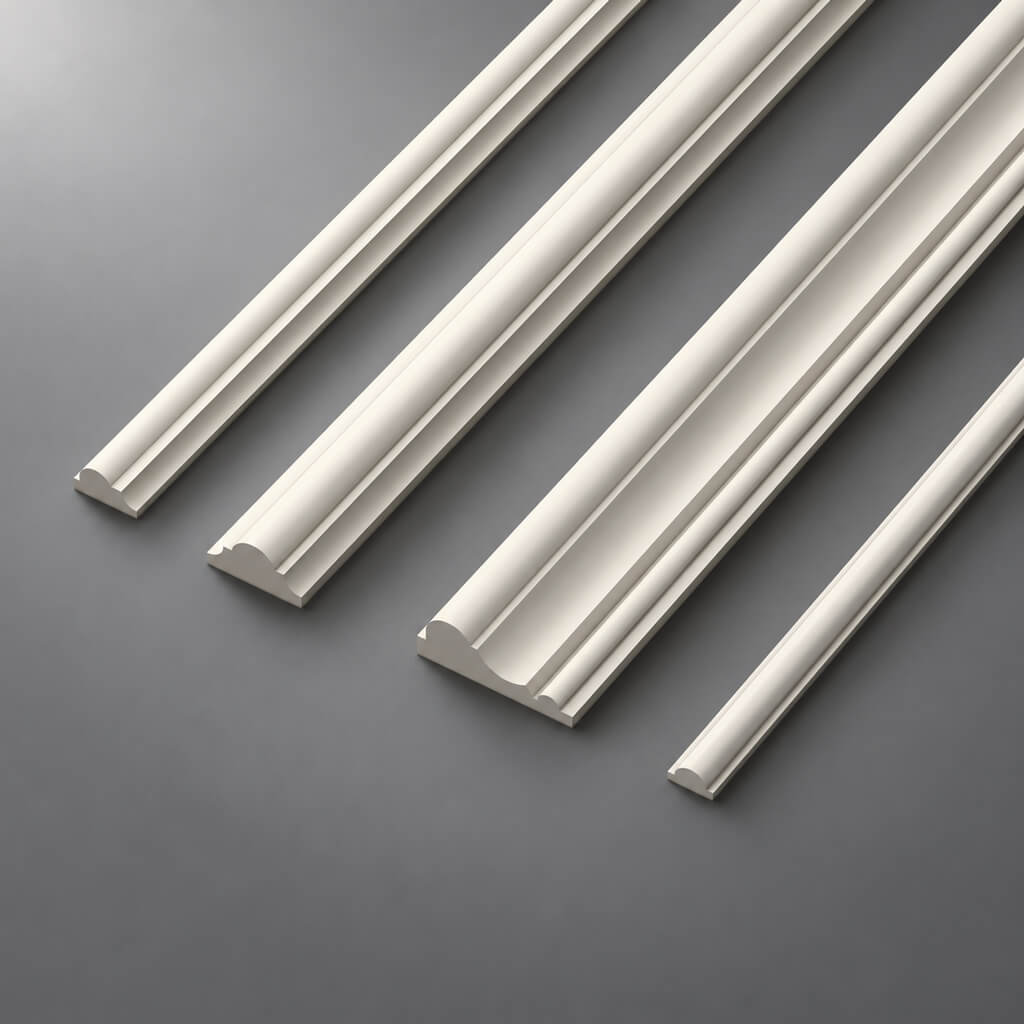
- Bottom body molding
- Decorative base belt
- Overlays on the front panel of the lower tier
- Decor for moldings along the bottom horizontal
- Bottom assembly for different types of furniture
- Chest of drawers: lightness and decorativeness
- Cabinet: compact bottom assembly
- Console: decorative legs as the main accent
- Sideboard: sturdy supports and decorative base
- Wardrobe: hidden supports, decorative base
- How to choose the lower assembly to match the furniture style
- Classic
- Neoclassicism
- Modern classicism
- Provence and Country Style
- Table: what to choose for the lower assembly based on furniture type
- Mistakes when choosing legs, glides, and lower decor
- Buy legs without glides
- Not considering the floor type
- Choosing a glide only by photo
- Forgetting the fasteners
- Not connecting the furniture bottom with the base
- Installing polyurethane decor in the kick zone
- Not accounting for the total furniture height after installing legs
- Not checking the compatibility of the finish coating
- FAQ: answers to the main questions about the lower furniture assembly
- About the Company STAVROS

There are details in furniture that go unnoticed until they are done right. The lower assembly — leg, glider, base line of the body — is exactly such a detail. When everything is assembled correctly: the leg holds the load, the glider protects the floor, the lower molding of the body neatly transitions into the base — the furniture stands and looks like a single piece. When something is missed — the leg scratches the parquet, the glider is missing, the base is not finished — the lower line of the furniture looks incomplete and sloppy.
Furniture legs made of solid wood, wooden gliders, Moldings made of polyurethane for the base and decorative elements — this is a set that should be assembled in one order. This is exactly what this article is about. How to choose each element, for which furniture, how to combine them, and what to buy together so that the lower furniture assembly is both functional and beautiful.


What to buy for the lower furniture assembly: a complete list
Let's start with specifics. Here is a working set for the correct configuration of the lower part of the furniture.
Wooden elements:
-
Wooden legs — turned, tapered, shaped, straight — depending on the furniture style;
-
furniture legs — for cabinets, sideboards, consoles, heavy furniture;
-
wooden glides — pads on the bottom of legs to protect the floor;
-
decor for furniture — decorative overlays for the base area of the body;
-
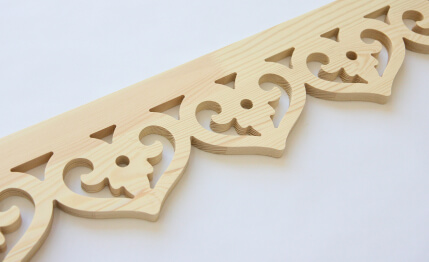
Wooden decoration — decorative inserts on the lower belt of facades.
Polyurethane elements:
-
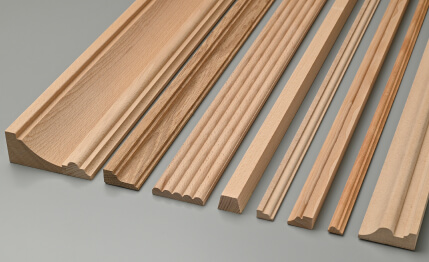
Moldings made of polyurethane — lower body molding, decorative base belt;
-
polyurethane overlays — decorative accents on the front panel of the lower tier;
-
Decorative stucco — relief inserts in the base area;
-
polyurethane decor — decorative facade belt for cabinets and sideboards;
-
Decor for Molding — point inserts along the lower horizontal molding.
Fasteners and installation:
-
M8 or M10 threaded bolts — for screwing wooden legs into a threaded insert;
-
threaded inserts ("euro screws") — for mounting supports into the furniture body;
-
self-tapping screws — for attaching decorative wooden elements;
-
soft self-adhesive glides — felt, PVC, rubber — for floor protection.
Installation and finishing materials:
-
Polyurethane mounting adhesive — what to glue polyurethane molding with;
-
acrylic sealant;
-
adhesive primer;
-
paint or enamel;
-
varnish or oil for wooden legs;
-
10% spare parts allowance.
Furniture glides: why they are needed and how they work
This element sits at the intersection of practice and aesthetics. On one hand — purely functional: a soft pad under the bottom end of a leg, protecting the floor. On the other — a visual point that completes the vertical line of the leg. If the leg is the "body," then the glide is the "foot." And the foot must be properly shod.
Our factory also produces:


Practical functions of wooden glides
Floor protection. A wooden leg without a glide is a hard wooden end on parquet, laminate, or marble. Every time furniture moves, it leaves a scratch. A wooden glide with a soft top layer or a self-adhesive felt glide for a wooden leg solves this problem once and for all.
Stabilization. On an uneven floor, furniture without adjustable glides wobbles. Glides with a metal adjustment nut inside allow you to level the furniture horizontally by 3–5 mm without shims under the legs.
Leg protection. The bottom end of the leg is where the wood contacts floor moisture (especially during mopping). A PVC glide or one with a metal base protects the end from moisture and swelling.
Visual finishing. The glide "closes" the bottom point of the leg, creating a neat transition between the wooden leg shaft and the floor surface. This is especially important in classic interiors where every detail is visible.
Get Consultation
Types of glides
Self-adhesive felt. The most affordable option. Diameter 15–40 mm, thickness 3–5 mm. Protects the floor and provides sound insulation. However, it gets dirty over time and needs replacement.
Plastic with felt pad. More durable body, replaceable felt pad. Diameter 20–50 mm.
Metal with adjustment. Bolt + nut + metal main cup. Height adjustment ±5 mm. Embedded into the leg end. For heavy furniture: cabinets, sideboards, massive chests of drawers.
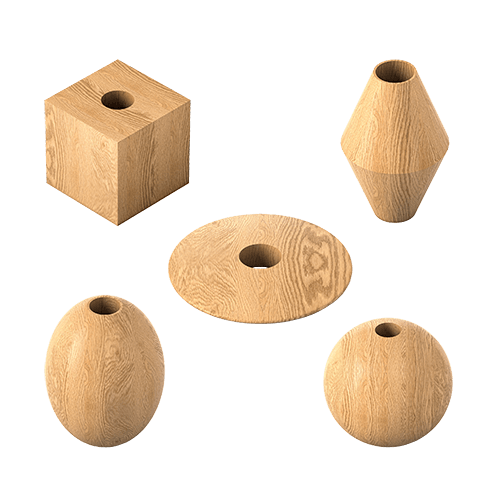
Decorative wooden. A small wooden element mounted on top of the leg, creating a "base" — a visual transition from a thin leg to the floor. Used in classic furniture with turned legs.
How to choose a glider for a leg
Glider diameter = diameter of the leg's bottom end ±2 mm. For a turned leg with a 35 mm end — a glider of 35–38 mm. For a tapered leg — a glider with the diameter of the leg's lower cut, not the upper one.
Glider height: from 3 to 15 mm. Decorative gliders can have a height of 10–20 mm and become a visible part of the lower assembly.
Wooden furniture legs: classification and characteristics
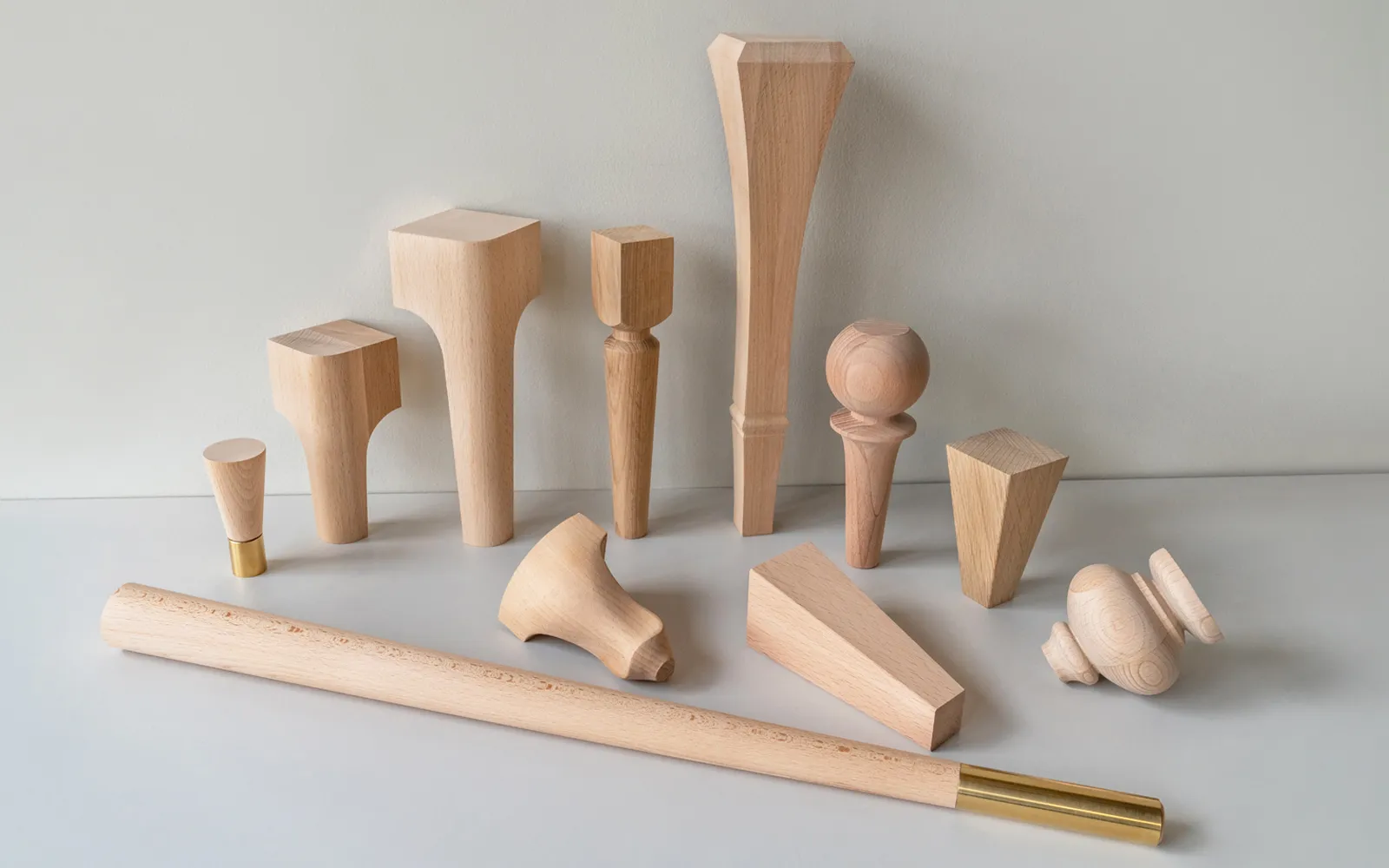
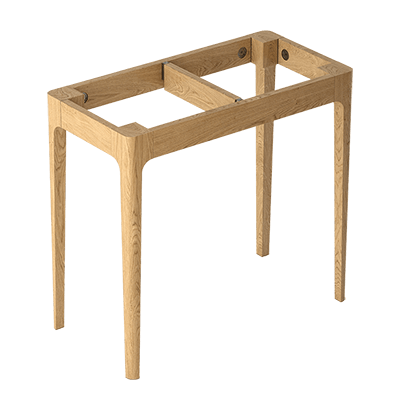
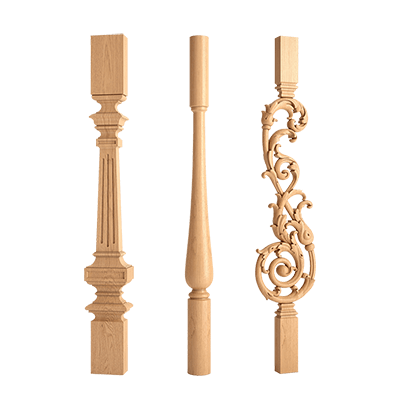
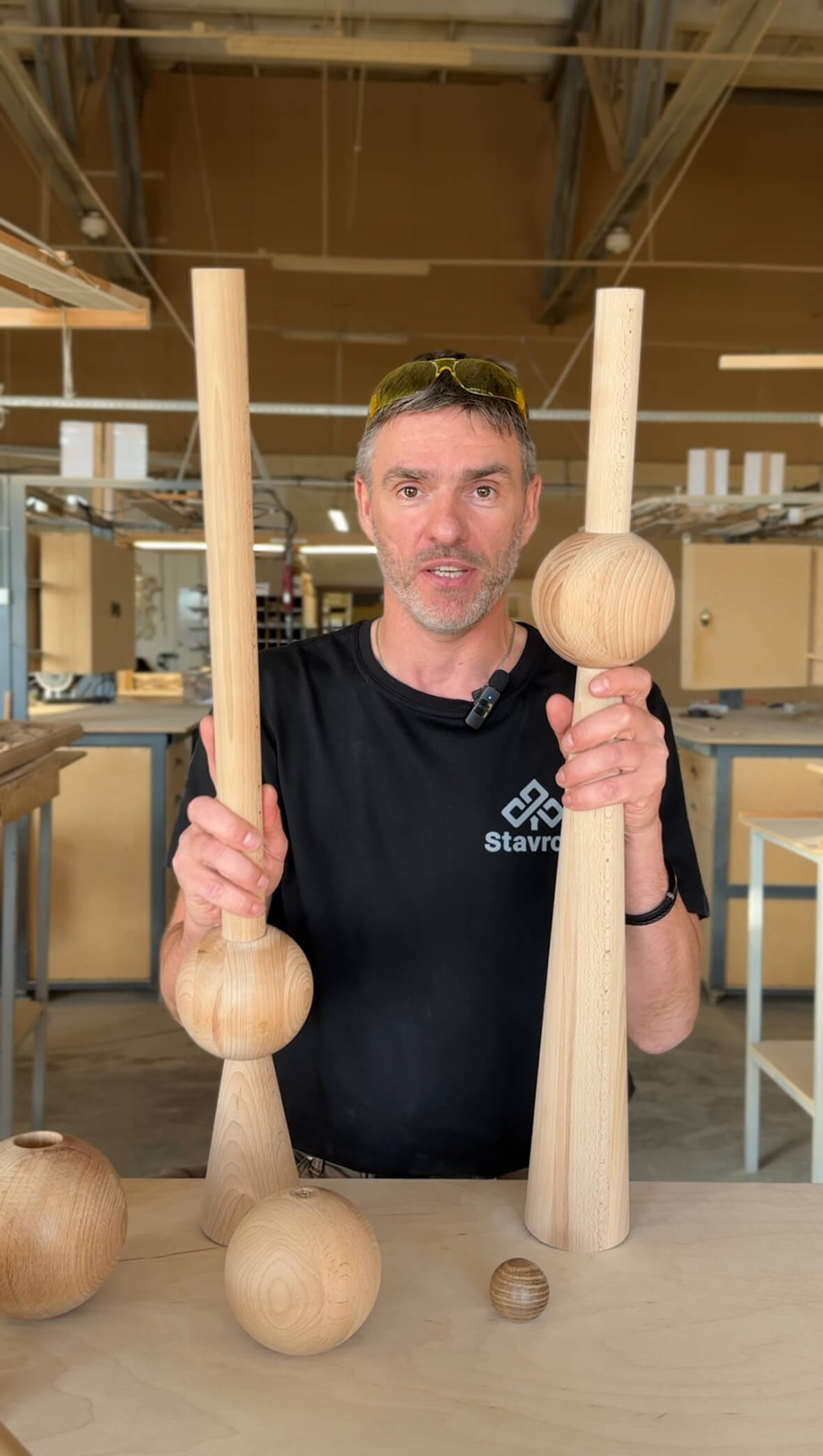
wooden furniture legs — an independent decorative object. The leg defines the 'character' of the furniture: its style, weight, proportions, belonging to an era or design direction.
By shape
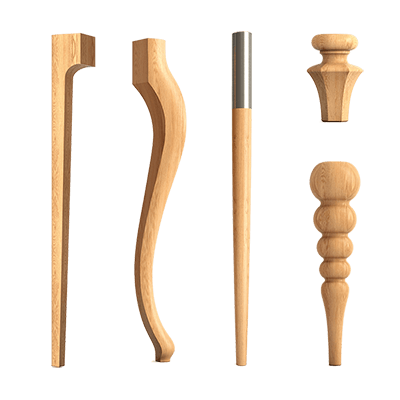
Straight. Rectangular or square cross-section, strict vertical. For neoclassicism, modern classicism, and minimalist interiors. Section width: 40–60 mm. Height: 80–200 mm.
Tapered. A straight leg tapering downward. Classic furniture in the 'Shearer' style and post-war modernism. Looks light and elegant.
Turned. Figurative turned cross-section — a vase-like shape with alternating expansions and constrictions. Traditional classic: for chests of drawers, sideboards, consoles, beds. Height: 100–300 mm. The most expressive type.
Cabriole. A curved leg with an S-shaped profile — expansion at the top, constriction and curve in the middle, expansion at the bottom. Baroque and Rococo. For armchairs, dressing tables, consoles.
Square with relief. A straight square leg with milled grooves or relief fields. Classicism and Empire style.
By breed
| Species | Properties | Application |
|---|---|---|
| Beech | Dense, uniform, paints well | For painting, neoclassical |
| Oak | Heavy, textured, durable | For varnish or oil, classic |
| Ash | Pronounced grain, hard | For transparent coatings |
| Birch | Affordable, uniform | For painting, budget classic |
| Spruce | Light, soft | Rustic style, Provence |
By height
The leg height determines the functional type of furniture:
-
80–130 mm — legs for chests of drawers, cabinets, bedside tables. Lift the body off the floor, creating a feeling of lightness.
-
150–200 mm — legs for consoles, serving tables, armchairs. Medium height.
-
250–400 mm — legs for coffee tables. Compact height.
-
680–760 mm — legs for dining and work tables.
-
700–900 mm — legs for bar tables and high consoles.
Fasteners for wooden legs
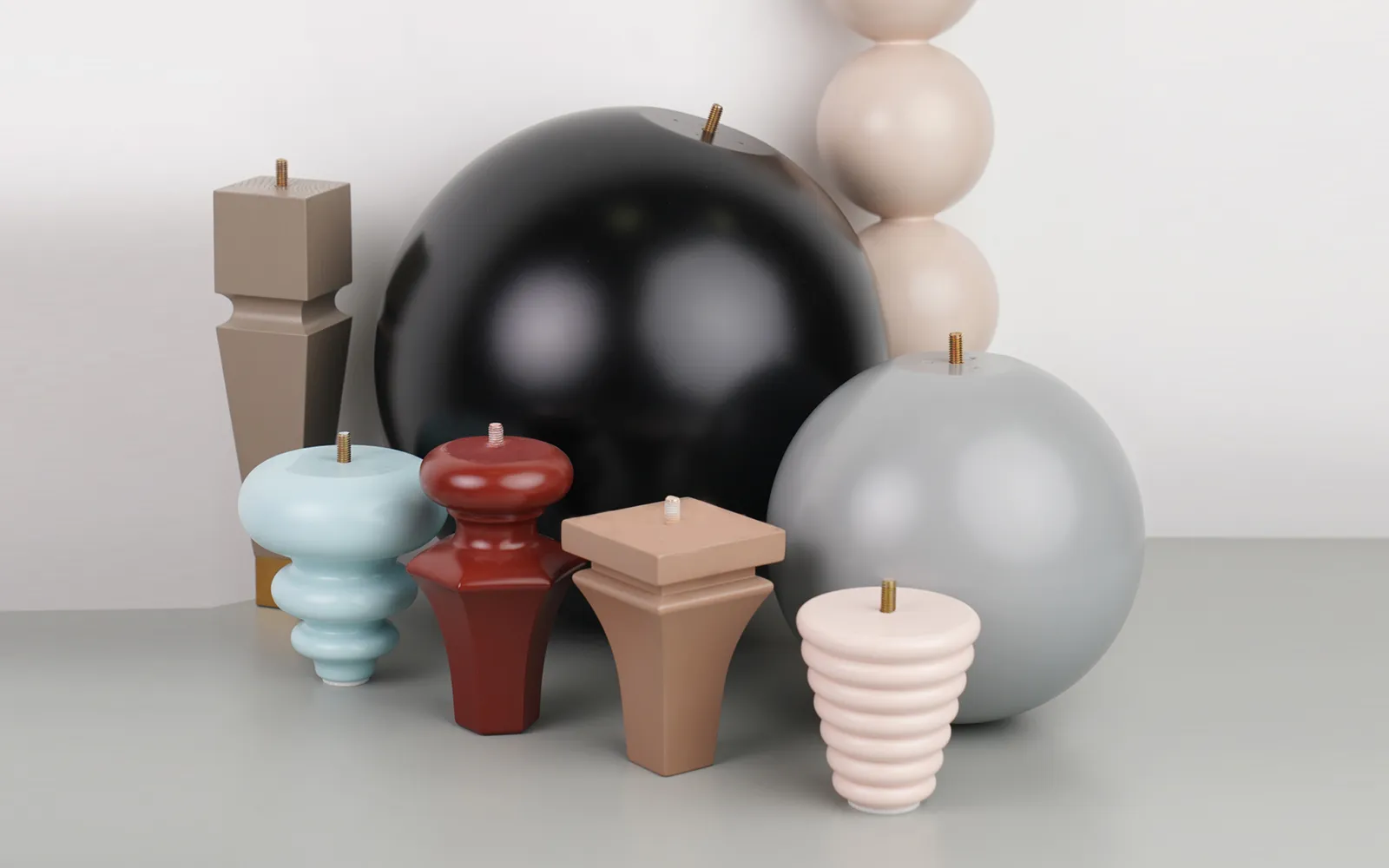
The standard attachment for wooden legs is an M8 or M10 threaded bolt that screws into a threaded insert in the furniture body. This allows legs to be removed and repositioned without tools.
For solid wood legs with a tenon: the bolt screws into a pre-drilled hole in the leg (the thread is cut by a screw or threaded insert). For legs without a tenon — a mounting plate with a bolt.
Important: insert nuts (euro screws) are purchased together with legs. One leg = one bolt + one insert nut. 10% spare.
Furniture supports: when a leg means business
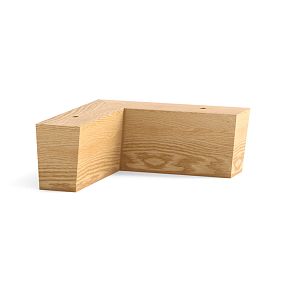
furniture legs — a more robust version of wooden legs for heavy furniture. A 100 kg sideboard, a massive bookcase, a large chest of drawers — these require a support with a larger cross-section and reliable fasteners.
Key differences between a support and a decorative leg:
-
larger cross-section (50–80 mm vs 30–45 mm for legs);
-
reinforced fastening (M10 bolt, double insert nut);
-
lower height (80–120 mm — functional, not decorative);
-
less relief — the support bears the load, not draws the eye.
Supports are often hidden behind a base molding or decorative trim along the lower perimeter of the cabinet. In this case, the support is purely a structural element, while the visual role is played by the decorative base made of of polyurethane moldings.
Polyurethane decor on the lower part of furniture: where it works
The lower node of furniture is not only legs and glides. It is also a plinth: a horizontal strip between the supports and the bottom of the body. It is here polyurethane decor works most effectively.
Lower body molding
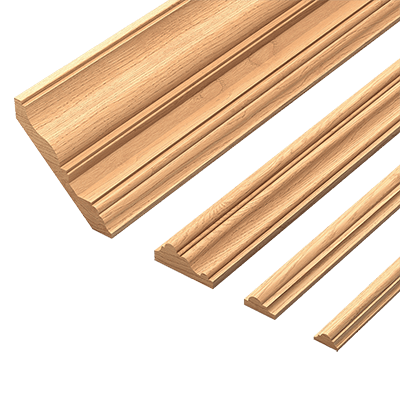
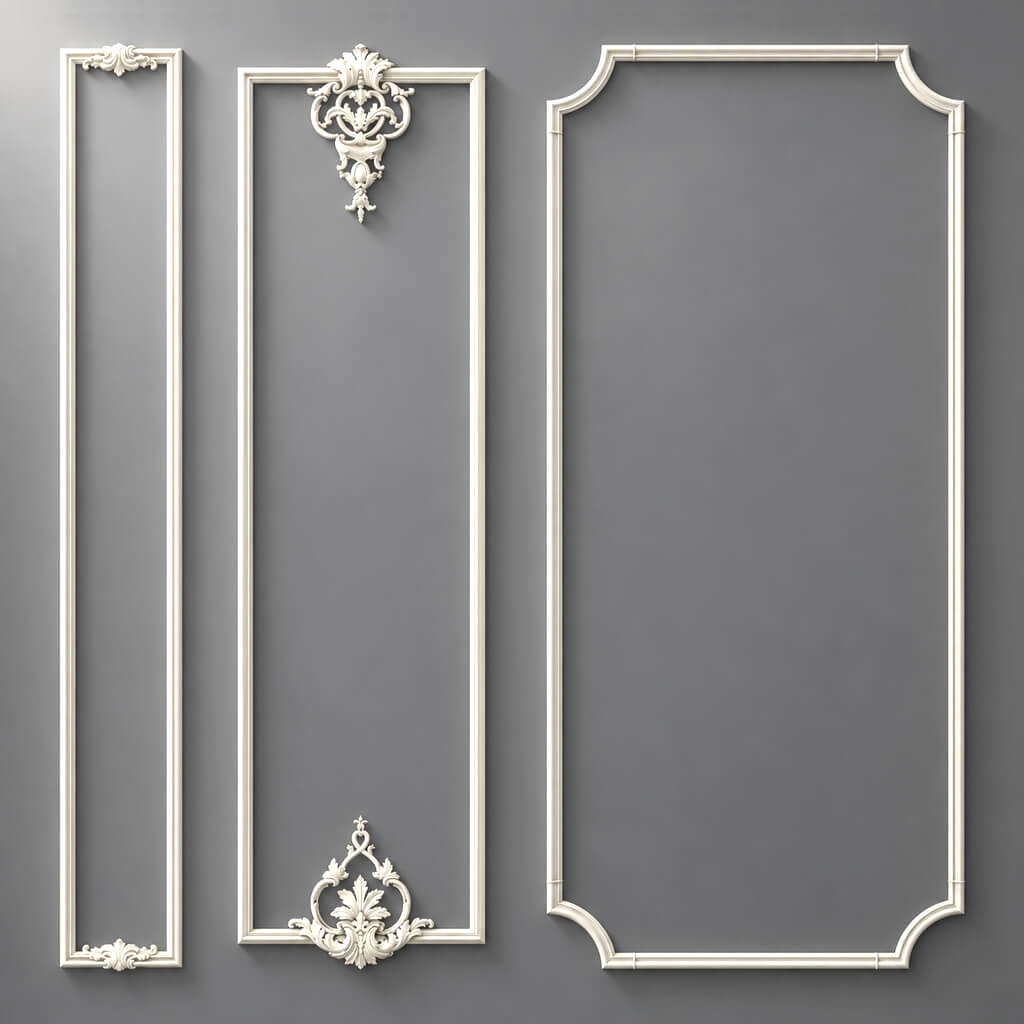
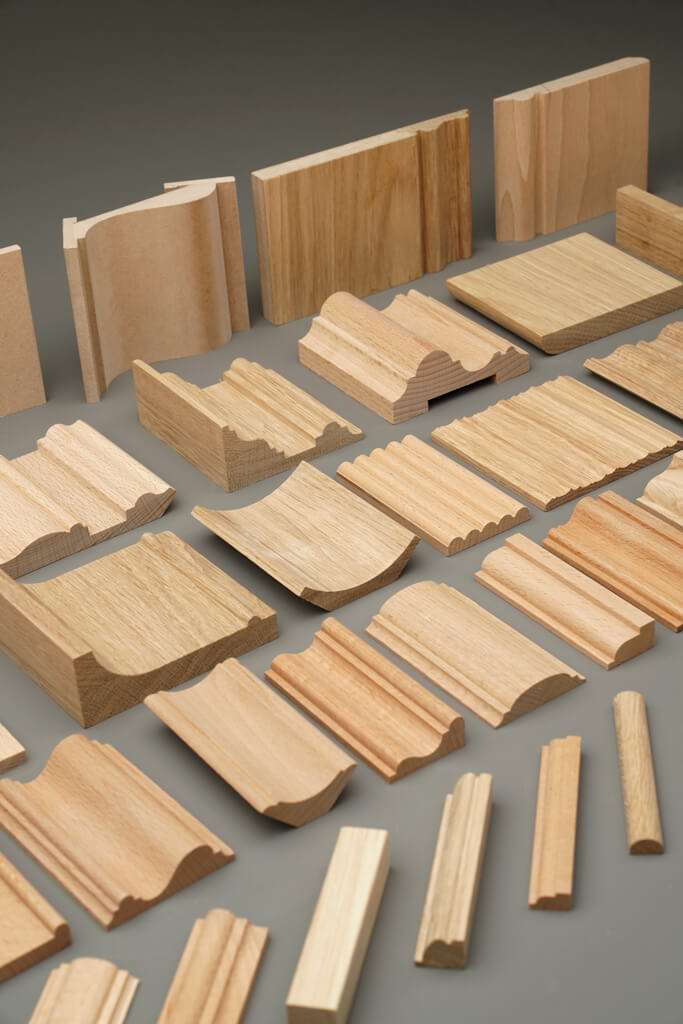
Moldings made of polyurethane along the lower horizontal of the furniture body is a 'plinth cornice'. It separates the body from the space between it and the floor, creating a horizontal line that 'grounds' the entire furniture structure.
Width of the lower molding: 25–50 mm — depending on the scale of the furniture. For a chest of drawers 1000 mm high — molding 30–35 mm. For a sideboard 2000 mm high — molding 40–50 mm.
Profile: the same as that of the moldings on the facade or upper cornice of the furniture — for stylistic unity.
Decorative plinth belt
When furniture stands on hidden supports behind the plinth panel — polyurethane decor decorates the visible surface of the plinth. An overlay molding along the lower edge of the plinth, possible relief inserts in the central zone of the plinth.
Important: the plinth area is located close to the floor — in the zone of kicks and cleaning. Polyurethane elements here — without complex relief, with minimal projection (no more than 8–10 mm), without fragile corner parts.
Overlays on the front panel of the lower tier
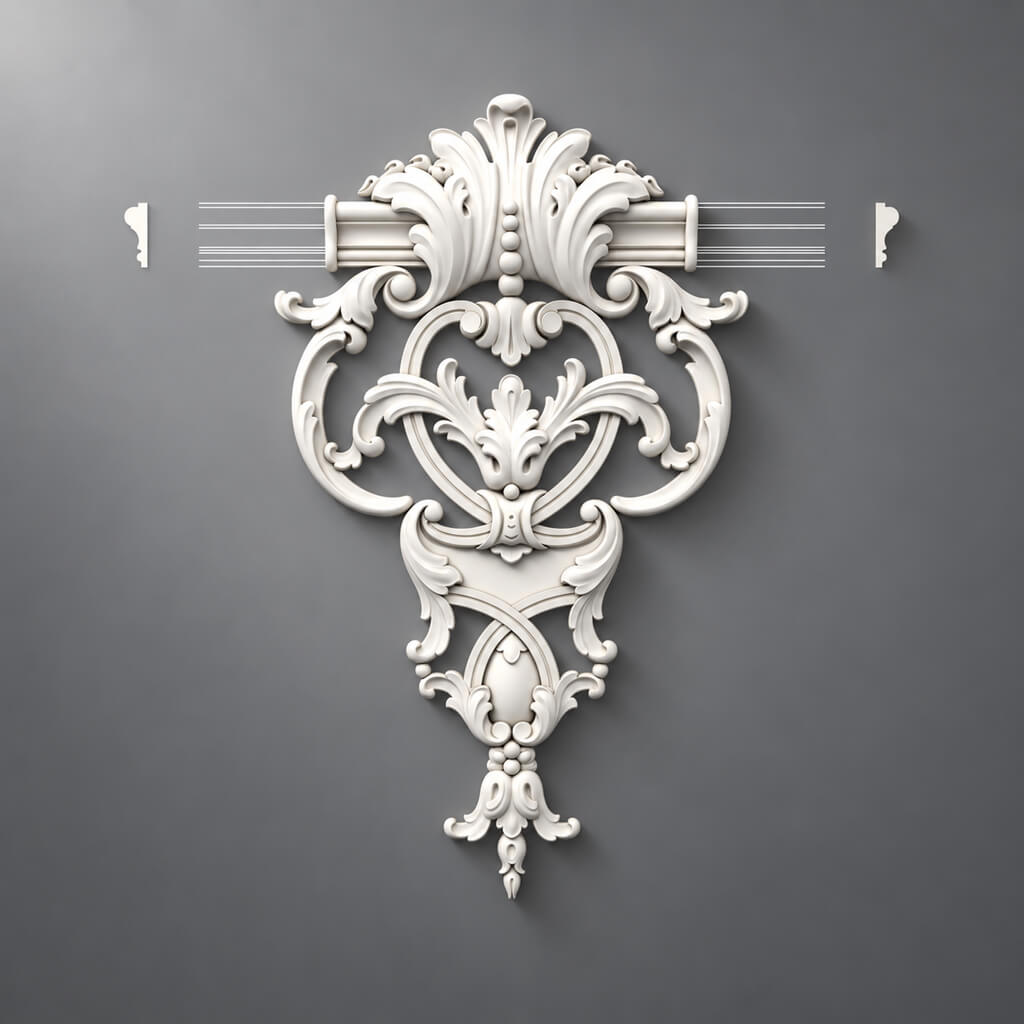
Polyurethane appliqués for decorating the front panel of the lower tier of a sideboard or display case — small relief elements that visually break up a uniform horizontal area. For the lower tier — only low overlays with a projection of up to 10 mm.
Decor for moldings along the lower horizontal
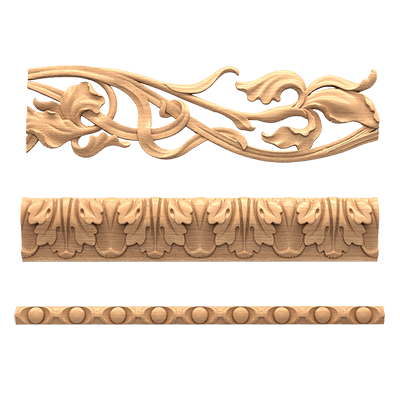
Decor for Molding — point inserts along the length of the lower molding. For a sideboard 1200 mm wide: 3–4 inserts with a step of 300 mm create a rhythmic ornamental belt.
Lower assembly for different types of furniture
Chest of drawers: lightness and decorativeness
A chest of drawers on wooden legs is one of the most expressive furniture images of a classic interior. The drawer fronts, handles, legs, and lower molding are read as a single system.
Diagram of the lower assembly for a chest of drawers:
-
Wooden legs — 4 turned legs, height 100–120 mm, diameter in the wide part 40–45 mm, beech for painting;
-
Wooden foot pads — self-adhesive felt with a diameter of 35–38 mm;
-
Fasteners: 4 M8 bolts + 4 embedded nuts;
-
Moldings made of polyurethane — lower body molding on three visible sides, 30 mm profile. Calculation: width + 2 × depth (900 + 2 × 450 = 1800 mm = 1.8 linear m + 15% = 2.1 linear m);
-
decor for furniture — wooden overlays on the lower drawer if necessary;
-
Glue, primer, enamel, 10% spare.
Cabinet: compact lower unit
Bedside table or TV cabinet — compact design. Legs of small height (80–100 mm), strict, without active relief.
Diagram of the lower unit for the cabinet:
-
furniture legs — 4 conical legs, height 80 mm, cross-section 35 mm, beech;
-
Felt glides — diameter 30 mm;
-
Fasteners: 4 M8 bolts;
-
Moldings made of polyurethane — lower body profile 20 mm along the perimeter of visible sides;
-
Primer, paint, spare.
Console: decorative legs as the main accent
A console is an item where the legs and lower part are fully visible. Here, the legs are a decorative element, not just a support.
Diagram for the console:
-
Wooden legs — 4 turned "vase-shaped" legs, height 820 mm (for a console height of 900 mm minus tabletop thickness of 40 mm = 860 mm, plus foot pad 10 mm = total 870–880 mm). To be confirmed;
-
Decorative wooden foot pads — height 10–15 mm, diameter matching the lower end of the leg;
-
Fastening: M10 bolt, embedded insert in the body;
-
polyurethane decor — overlays on the front panel of the console body;
-
Decorative stucco — a small relief accent on the front belt;
-
Leg oil (oak finish), glue and primer for polyurethane.
Sideboard: sturdy supports and decorative base.
The sideboard weighs 80–150 kg. These are supports, not decorative legs. And all the decor is on the body.
Diagram for the sideboard:
-
furniture legs — 6 supports (4 around the perimeter + 2 in the central area), height 80–100 mm, cross-section 55–60 mm, beech;
-
Adjustable metal support pads — built into the supports, adjustment ±5 mm;
-
Fasteners: M10 bolt with embedded nut;
-
Moldings made of polyurethane — lower base cornice along the entire perimeter of visible sides, profile 45 mm. Calculation: 1200 + 2 × 500 = 2200 mm + 15% = 2.5 linear m;
-
Decor for Molding — inserts along the base molding, 4–5 pcs.;
-
Decorative stucco — small reliefs in the central area of the base;
-
Glue, primer, paint in body color.
Cabinet: hidden supports, decorative base panel
Built-in or freestanding cabinet 2400–2800 mm high. The legs here are purely structural, hidden behind the base panel.
Diagram for the cabinet:
-
furniture legs — 6–8 supports, height 100–120 mm, adjustable metal foot pads, completely hidden behind the base panel;
-
MDF base panel 100–120 mm high around the perimeter of the cabinet;
-
Moldings made of polyurethane — decorative molding along the top edge of the base panel, connecting it to the main body;
-
Polyurethane moldings — corner inserts at base transitions;
-
Glue, primer, paint in body color.
How to choose the lower assembly to match the furniture style
Classic
In a classic interior, the legs are a decorative object with a complex turned profile. The foot is wooden, decorative, and consistent in shape with the lower end of the leg. The lower molding of the body is a developed profile, comparable in width to the room's baseboard.
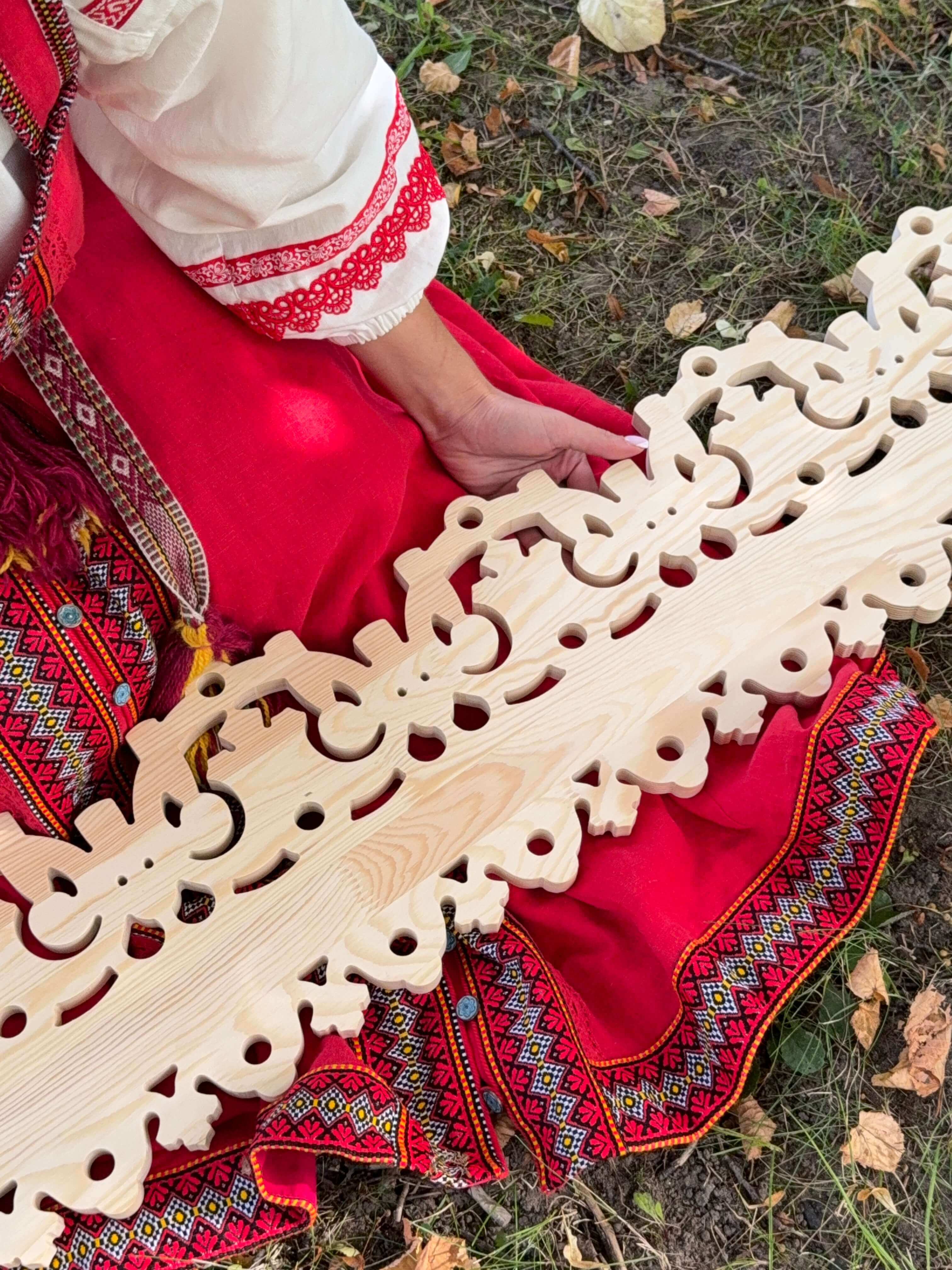
decorative elements for furniture in the classic style — applied leaves, volutes, carved inserts on the lower horizontal zone. Polyurethane moldings — for the plinth and decorative belt.
Neoclassicism
Neoclassicism assumes geometry without rich plasticity. The legs are straight or slightly tapered. The foot is minimal, felt or thin plastic. The lower molding is calm, width 20–30 mm.
All emphasis is on proportions and purity of lines. Moldings made of polyurethane with a straight profile (chamfer or quarter) — ideal for a neoclassical lower line.
Modern classic
Modern classic: straight legs with a slight taper, minimal decor. Lower molding — 15–20 mm, very restrained. Foot pads — invisible, self-adhesive felt in the color of the floor. polyurethane decor — only along the cornice line of the body.
Provence and country
Turned legs, painted in cream, white or aged color. The foot is wooden or metal with a decorative cap. The lower molding has a "heel" profile, painted to match the body color. decor for furniture — applied elements with floral motifs.
Table: what to choose for the lower node based on furniture type
| Furniture | Legs | Thrust bearings | Body molding | Decorative element |
|---|---|---|---|---|
| Commode | Turned 100–120 mm | Felt | 25–35 mm | Overlays on lower fronts |
| Cabinet | Conical 80 mm | Felt | 20 мм | Minimally |
| Console | Turned 820–860 mm | Decorative | Overlay belt | Relief overlays |
| Buffet | Supports 80–100 mm | Adjustable | 40–50 mm | Molding decor |
| Cabinet | Hidden supports | Adjustable | Base panel + molding | Corner inserts |
| Kitchen | Hidden or decorative | Adjustable | Base + molding | Minimally |
Mistakes when choosing legs, glides, and bottom decor
Buy legs without glides
This is the most common mistake. Legs are ordered, arrive, are installed — and only then it is discovered that there are no glides. The furniture is placed on parquet and leaves scratches after a week. Glides — in the same order as the legs.
Do not consider the type of floor
A felt glider works well on laminate, parquet, and tile. On carpet, it is useless: felt sinks into the pile, providing no stabilization. On carpeted flooring, use a metal glider with a rigid base. On polished tile, use a rubber glider, otherwise furniture will slide.
Choosing a glider only by photo
The appearance in the catalog and the diameter of the lower end of the leg are two different parameters. Before purchasing: measure the diameter of the leg end with a caliper or ruler. The glider must match within ±2 mm.
Forgetting the fasteners
Wooden legs are mounted on an M8 or M10 bolt into a threaded insert in the body. If there are no threaded inserts in the body, they need to be installed. If the bolts are not purchased, the legs will not be installed. Fasteners should be in the same order.
Not connecting the bottom of the furniture with the base
Beautiful turned legs + a bare lower end of the body without molding is an unfinished assembly. The leg seems to 'grow' out of nothing. Moldings made of polyurethane along the lower horizontal of the body, they connect the legs with the body into a single whole.
Installing polyurethane decor in the kick zone
The baseboard zone below 150 mm from the floor is a strike zone. Chairs, vacuum cleaners, feet. Polyurethane elements with a projection of more than 8–10 mm are not durable here. In the lower zone: only minimal relief or wooden elements.
Do not take into account the total height of the furniture after installing the legs
Dresser body 800 mm + leg 120 mm + foot pad 10 mm = 930 mm total height. If you planned to place something on top at a height of 900 mm, but the furniture turned out to be higher — it's inconvenient. Calculate the full height in advance.
Not checking the compatibility of the finish coating
Legs for oil + body for white enamel — a deliberate contrast. Legs for white enamel + body for white enamel — unity. But if the legs are varnished and you want to repaint them together with the body — sanding and primer over the varnish are needed. The finish coating must be planned before purchase.
FAQ: answers to the main questions about the lower furniture assembly
Why are furniture foot pads needed?
Furniture foot pads solve three tasks: protect the floor from scratches, stabilize furniture on uneven surfaces, and visually complete the lower end of the leg. This is a mandatory element for any furniture with wooden legs.
Is it possible to combine wooden legs and polyurethane decor?
Yes, and that is the right system. Wooden legs carry a structural and tactile function, Moldings made of polyurethane they form the lower belt of the body, tying the legs into a single horizontal line.
What to buy together with furniture legs?
Glides (felt or decorative), fasteners (bolt + threaded insert), lower polyurethane molding, if necessary — decorative elements for furniture и Decor for Molding. Also glue, primer, paint or varnish, and a 10% reserve.
Where is it better to use polyurethane on the lower part of furniture?
polyurethane decor it is appropriate in the areas of the lower body molding, base belt, and on the front panel of the lower tier — where there are no constant impacts or mechanical load. Load-bearing parts (legs, supports) — only wood or metal.
How not to make a mistake with the height of furniture?
Calculate the total height in advance: body height + leg height + glide height. Standard height for a chest of drawers: 900–1000 mm. For a console: 800–900 mm. For a dining table: 740–760 mm. From these values, work backwards to the desired leg height.
About the company STAVROS
The entire range for the lower node of furniture and decor — Furniture legs, furniture legs, decor for furniture, Wooden decoration, Moldings made of polyurethane, Polyurethane appliqués, Polyurethane moldings и Decor for Molding — is produced and supplied by STAVROS.
STAVROS is a St. Petersburg manufacturer of architectural and furniture decor. Over twenty years of full-cycle production in St. Petersburg. Precise technical specifications in each product card, catalog with photos. Among the completed projects are the Hermitage, Konstantinovsky Palace, Alexander Palace, Trinity-Izmailovsky Cathedral. Order from one unit. Contact us to confirm shipping to your destination.