




























Article Contents:
- Short answer: which wooden legs to choose for a table
- How table legs differ from regular furniture supports
- Legs for kitchen table
- Legs for dining table
- Legs for coffee table
- How to choose the height of table legs
- How to choose the shape of wooden legs
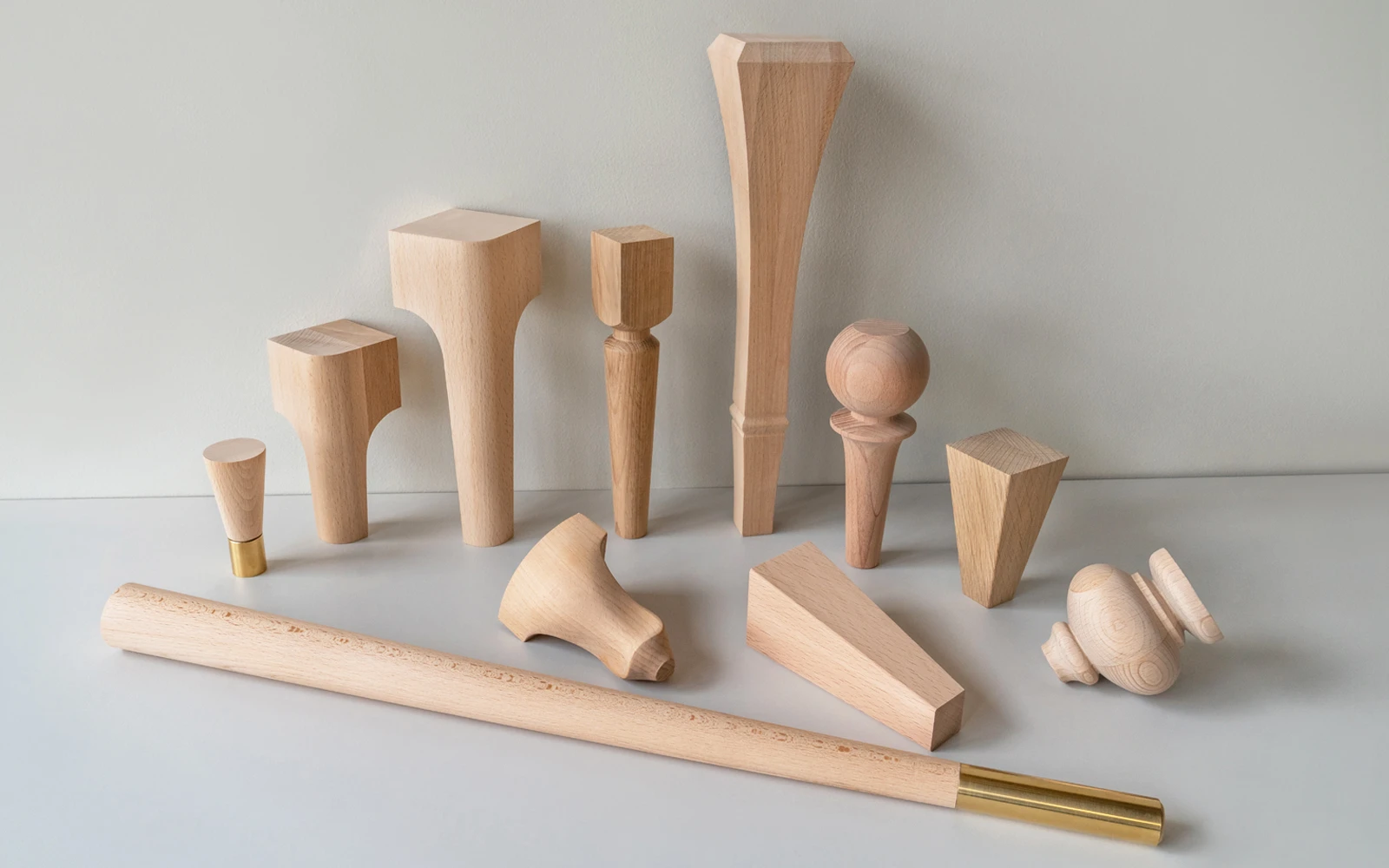
- Straight Legs
- Turned legs
- Shaped legs
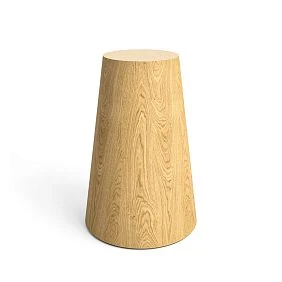
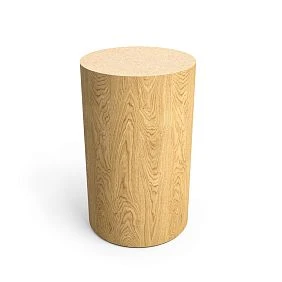
- Massive supports
- Elegant legs
- Material and coating: what is important before purchasing
- Load and fastening: what to check in advance
- How to match table legs with chairs and interior
- Legs for restoring an old table
- Mistakes when choosing wooden table legs
- What to buy together with table legs
- FAQ: Answers to Popular Questions
A table is not just a surface. It's a place where you have breakfast before work, have lunch with the whole family, drink tea on Sunday, and set up your laptop at two in the morning. The table is the center of the home. And the four wooden supports beneath it are not "just legs." They are the architecture of the object. The comfort at the table, as well as how the entire table looks in the interior, depends on their shape, height, and proportions.
Wooden legs for table — a product that is bought in three cases: when making a table with your own hands, when replacing worn-out supports on an old table, when updating the interior and wanting the table to look different. In all three cases, the choice is equally important — and equally difficult without the right guidance.
Short answer: which wooden legs to choose for a table
A quick practical answer — for those who value specifics.
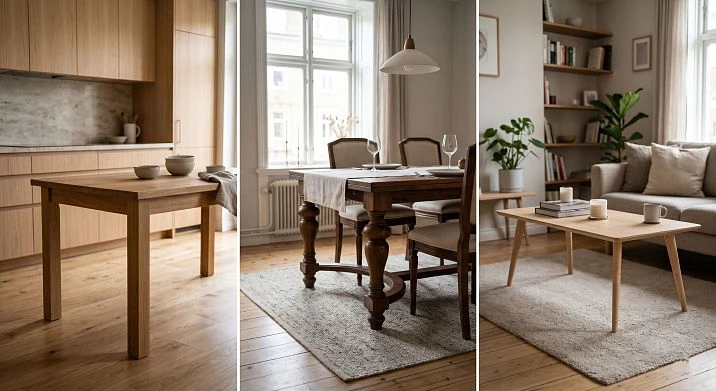
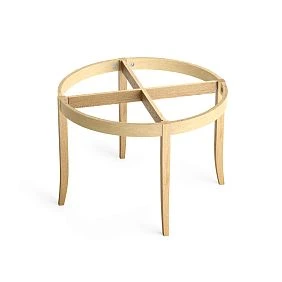
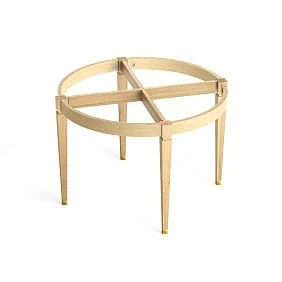
For a kitchen table — sturdy Furniture legs Simple or moderately decorative shape. The kitchen requires durability, ease of maintenance, and practicality. The kitchen table is moved, bumped into, and leaned on during cooking — the supports must withstand this without wobbling.
For a dining table — more massive and stable wooden supports, designed for the load of a heavy tabletop and active daily use. For a classic dining room interior — turned legs with an expressive profile.
For a coffee table — decorative legs of lower height, where shape and proportions are no less important than strength. Legs for coffee table should create the correct height relative to the sofa — neither above the armrest nor below the level of convenient service.
For restoration — legs that match the original table height, attachment method, and style. For painting — models with high-quality sanding for enamel, varnish, or stain without any pre-treatment on your part.
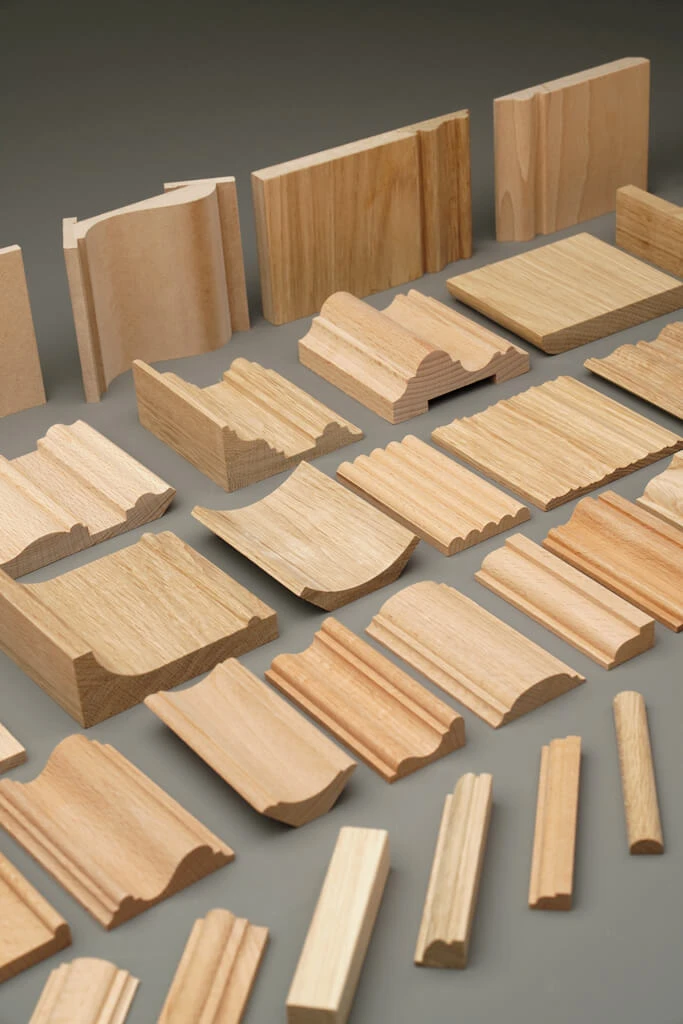
How do table legs differ from regular furniture supports
This is a fundamental question that most buyers overlook — and then face unpleasant surprises during installation or use.
A table bears constant static load: a heavy solid wood tabletop presses down continuously — even when no one is sitting at the table. Supports for a chest of drawers or nightstand work under different conditions: the load is distributed over a larger base area, and the item's mobility is minimal. A table is different.
wooden furniture legs for a table must withstand: static load from the tabletop and items on it; dynamic load — when people lean on the table with their hands, elbows, or place heavy objects; lateral force — when the table is bumped or tilted during cleaning.
For a dining table with a stone or solid wood tabletop, the total load can reach 80–120 kg. Each of the four legs bears 20–30 kg of static load plus dynamic impacts. This is a serious load for a wooden support: not only the material matters, but also the diameter, cross-section, and method of attachment.
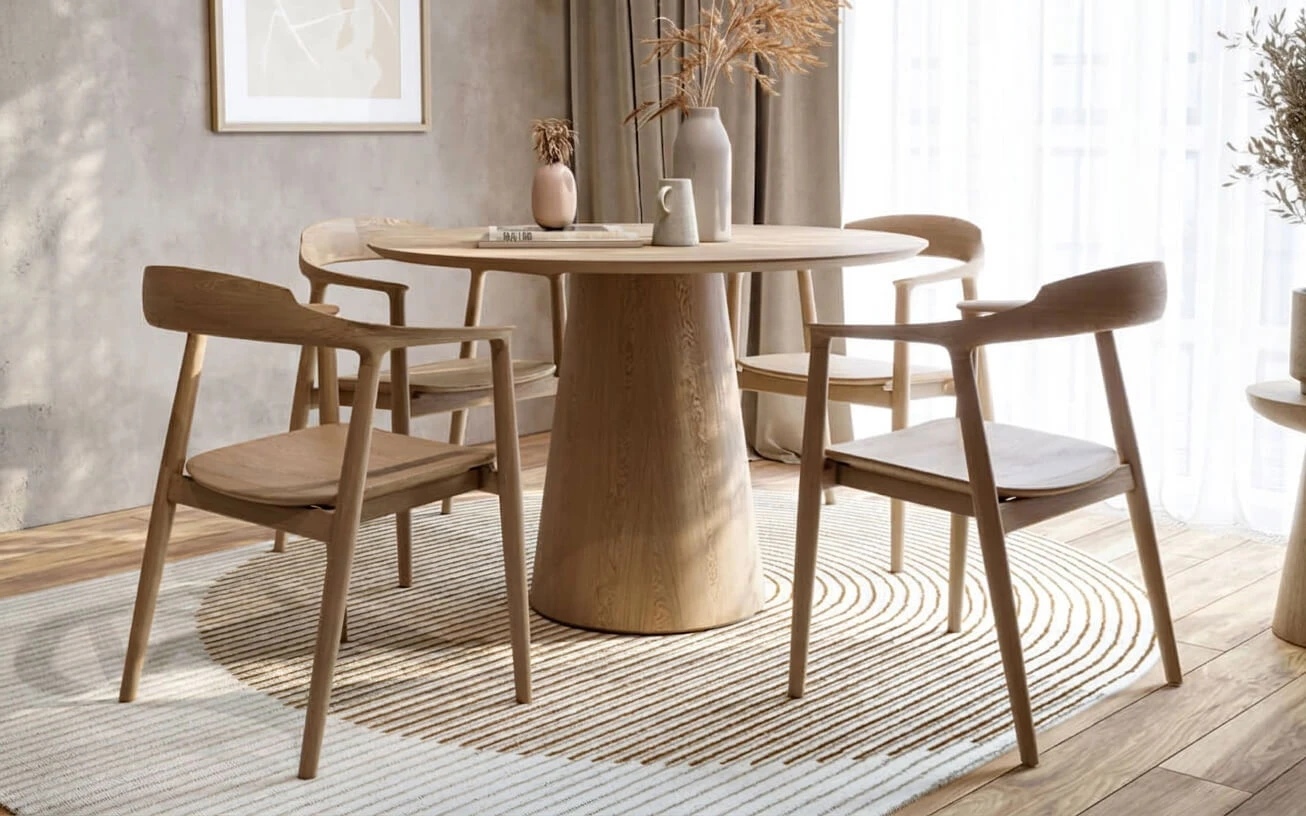
For a table, the ergonomic dimension is also important: the shape of the leg should not interfere with comfortable seating. Widely spaced legs at the bottom (tapered, splayed) — visually beautiful, but sitting at such a table is uncomfortable: legs bump into them. Straight vertical legs — more comfortable for seating. Single central supports — maximum legroom, but more challenging for stability.
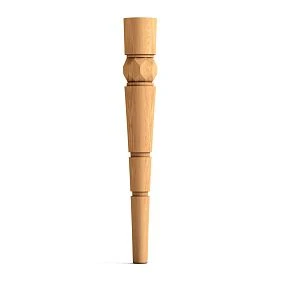
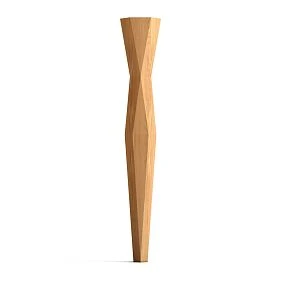
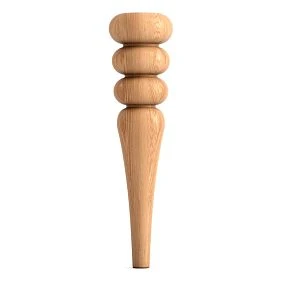
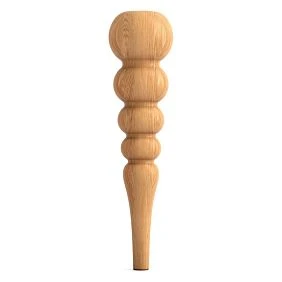
Our factory also produces:
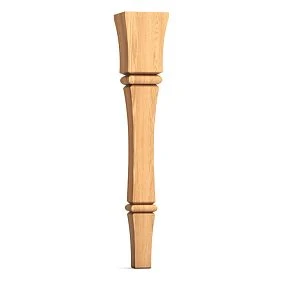
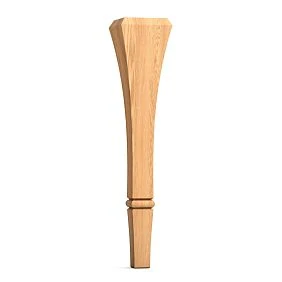
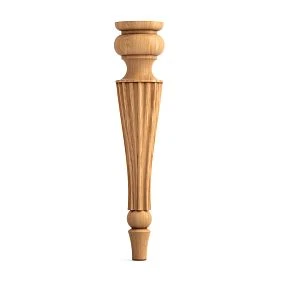
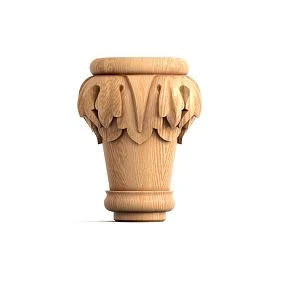
Legs for a kitchen table
The kitchen is the most pragmatic space in the house. And the choice legs for a kitchen table should be pragmatic.
Stability above all. A kitchen table is not an exhibition piece. It is moved during cleaning, leaned on when chopping food, bumped by chairs and stools. The supports must withstand repeated lateral impacts without loosening the fastening.
For a kitchen table, the optimal cross-section for wooden legs is 60×60 mm or a cylinder with a diameter of 55–70 mm. This is massive enough for reliability and compact enough for seating comfort. Too thin supports — 30–40 mm — are not suitable for the kitchen: they are unstable under regular load.
The shape should be practical. Intricate carving on kitchen legs is beautiful, but inconvenient to maintain: grease and dust accumulate in decorative details. For the kitchen, straight or moderately turned legs with a smooth surface are preferable — they are easy to wipe down.
Combination with the kitchen interior. Wooden legs for a kitchen table should harmonize with the facades of the kitchen set, chairs, and floor baseboard. If the facades are white — legs under white enamel will create a unified look. If the kitchen is in natural wood — legs from the same species under clear varnish.
Fastening when moving the table. If the kitchen table is regularly moved (folded out, pulled to the wall, moved for cleaning) — the mounting plates of the legs must be securely fixed. Fastening with four screws into a mounting plate is standard. With frequent movement, check the fasteners every 3–4 months.
Coating. For the kitchen — the coating must be resistant to moisture and temperature changes. Polyurethane varnish or alkyd enamel is the right choice. Wax coatings wear off quickly in the kitchen.
Get Consultation
Legs for a dining table
The dining table is the heart of the dining room. It is seen every day, guests gather around it, and it bears a serious load. Choosing the right wooden supports here is doubly important.
Load and calculation. First, determine the weight of the tabletop. A massive oak tabletop 180×90×5 cm weighs about 50–60 kg. A glass one of the same size — 30–40 kg. MDF or chipboard — 20–30 kg. Wooden supports for a dining table with a heavy tabletop must have a cross-section of at least 70×70 mm; for very heavy tabletops made of stone or thick solid wood — 90×90 mm and above.
Four legs or a central support? The classic configuration is four legs at the corners. It provides maximum stability, evenly distributes the load, and is visually familiar. A central support (pedestal) or two T-shaped supports is a modern solution that frees up space under the table and is convenient for seating a large number of people. For a classic interior — four legs.
Turned legs for a classic dining room. buy wooden legs for a table turned shape — means making the dining table part of a classic furniture ensemble. Turned legs with expressive belts, thickenings, and rounded feet refer to the tradition of English and French joinery furniture. Next to classic furniture — with a sideboard, a credenza, chairs with turned legs — such a table creates stylistic unity in the dining room.
Leg shape and seating. The legs of a dining table should not interfere with comfortable seating. A typical mistake: tapered legs with a wide spread at the bottom — they press against the legs of those sitting. For a dining table for 6–8 people, the optimal choice is: straight or moderately tapered legs with a distance between the inner edges at the floor of at least 600–700 mm in width and 1,000–1,100 mm in length.
Dining table height. The standard height is 750–760 mm. Considering a tabletop thickness of 40–50 mm, the legs should have a height of 700–720 mm. For non-standard tabletops: leg height = desired table height minus tabletop thickness.
Legs for a coffee table
A coffee table is a different space, a different function, a different aesthetic. And Legs for coffee table they are chosen based on completely different criteria than for a dining table.
Height is a key parameter. A coffee table should be 50–100 mm lower than the seat height of the sofa. The standard seat height of a sofa is 420–450 mm. Therefore, the optimal height for a coffee table is 350–420 mm. For such a table with a tabletop thickness of 25–30 mm, the legs should be 320–390 mm high.
If the table is too high — it's uncomfortable to sit with the sofa: you have to reach for items on the surface, your arm goes up. If it's too low — items on the table are below knee level and inconvenient to use. The proportion "the table is slightly lower than or level with the sofa armrest" is a proven guideline.
Decorativeness is more important than durability. The load on a coffee table is significantly lower than on a dining table: a cup of coffee, a book, a remote control, a flower. 5–15 kg of total load is what a coffee table actually bears. For such a load, even relatively thin legs (30–40 mm) are quite sufficient.
Therefore — the emphasis can be placed on the shape. legs for a coffee table can be elegant, with a turned profile, with a slight taper, with a decorative curl at the foot. This is a case where the decorative form does not compromise function — because the function here is lighter.
Connection with the living room interior. The coffee table stands in the center of the living room — it is visible from all sides. The wooden legs should match the sofa, armchairs, floor, and other wooden elements of the room. wooden furniture handles on cabinets and shelves — a unified wooden accent in the living room. furniture decor on the bodies — a natural wood system in the interior.
Number of legs. For a rectangular coffee table — four legs at the corners, standard. For a round table — three or four legs evenly spaced around the circumference. For a small coffee table 60×40 cm — four legs provide a reliable support without risk of tipping.
How to choose the height of table legs
This is one of the most practical questions — and one of the most often ignored when ordering.
Standard heights:
-
Dining and kitchen table: 750–760 mm (legs including tabletop)
-
Writing and work desk: 720–740 mm (slightly lower for comfort when working at a computer)
-
Bar table: 900–1,000 mm (requires high bar stools)
-
Coffee table: 350–450 mm
-
Coffee table: 400–450 mm
-
Children's table: 540–600 mm
How to calculate leg height: leg height = desired table height − tabletop thickness − mounting plate thickness (if present, usually 5–10 mm). Example: you want a table 755 mm, tabletop 38 mm, plate 8 mm → leg 755 − 38 − 8 = 709 mm. Order legs 710 mm.
When replacing old legs. Measure the original table height. Measure the tabletop thickness. Calculate the leg height: original height − tabletop thickness. If the original design had mounting plates — account for them as well.
Floor consideration. If the floor is uneven — provide adjustable support pads on the legs (metal adjustment pads on threads). This will allow correcting the table's horizontality without rework.
How to choose the shape of wooden legs
Straight legs
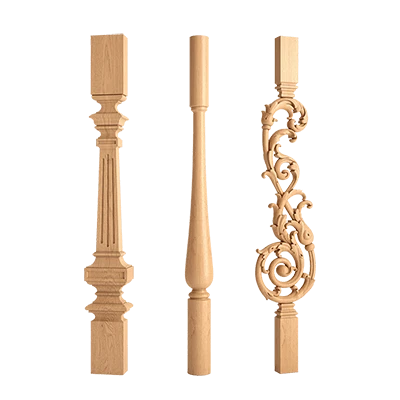
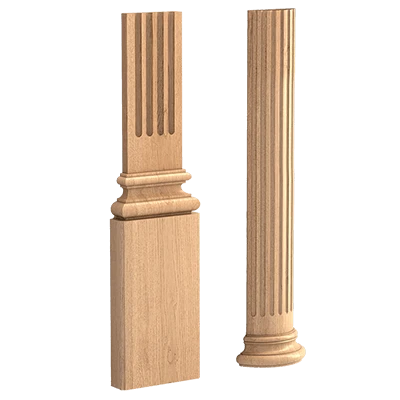
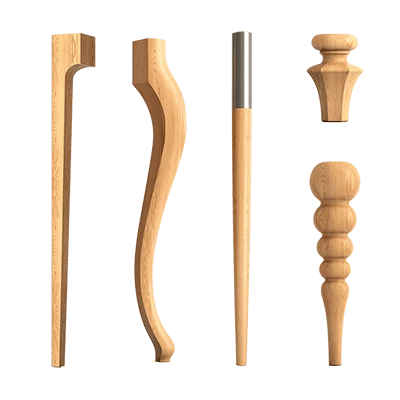
Straight vertical leg — rectangular or round cross-section, without diameter changes along the height. This is the most functional and neutral shape. For modern interiors, kitchens, work areas, and offices.
A straight leg with a 60×60 mm cross-section made of beech under white enamel in the kitchen is a calm, neat detail that does not claim to be a decorative accent but flawlessly performs its function. A straight leg made of oak under clear oil on a work desk is a natural, warm accent in the workspace.
Straight legs are best suited for tables with geometric tabletops — rectangular or square. For a round table in a classic style, straight legs look too strict.
Turned legs
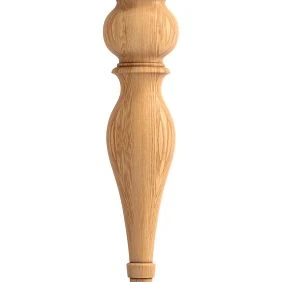
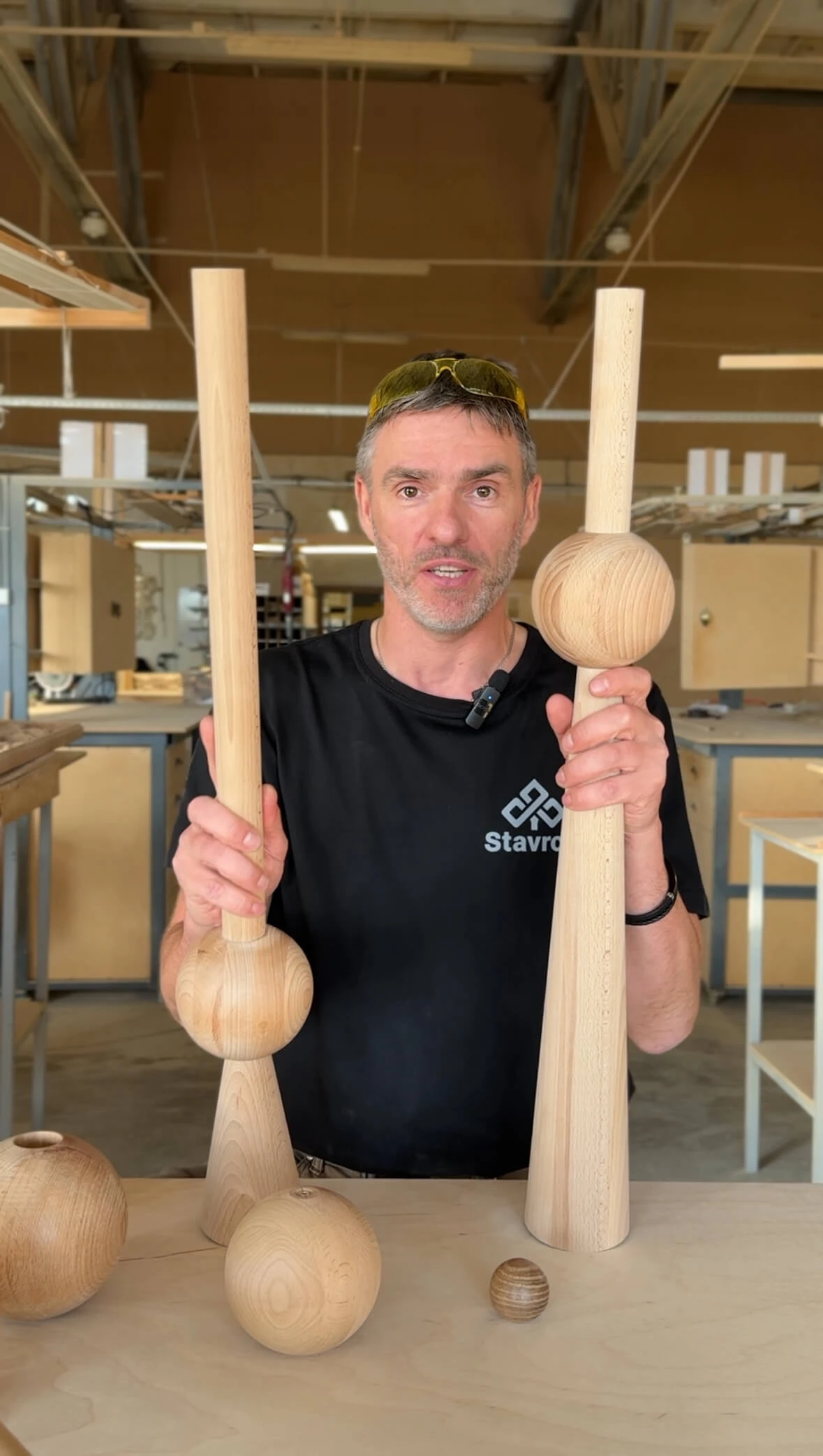
Turned leg — the result of a lathe. Cylindrical shape with diameter changes along the height: widening at the upper mounting part, narrowing in the middle part, thickening below, conical foot. Characteristic horizontal belts — 'ridels' — create rhythm and shadow on the leg surface.
buy wooden legs for a table A turned shape means choosing classicism in its purest expression. This is the most traditional type of furniture support: turned legs were used in furniture of the 18th–19th centuries and are experiencing a revival today in neoclassical, country, and "new traditionalism" interiors.
For a dining table in a classic dining room, for a writing desk in a library, for a kitchen table in a home with wood finishes — a turned leg is always appropriate. It creates a sense of quality and tradition.
An important nuance: a turned leg requires more clearance under the table — its lower heel is wider than the bottom end of a straight leg. Consider this when placing the table: the distance from the leg to the edge of the tabletop should be sufficient for comfortable seating.
Shaped legs
Figurative Wooden legs — these are decorative supports of non-standard shape: with a curved profile (cabriole), with a twisted body, with carved decoration along the body. These are elements that themselves are works of applied art.
The "cabriole" leg — an S-shaped curve with a pronounced bulge at the top and a thin heel at the bottom. A characteristic element of French and English Baroque and Rococo furniture. For console tables, bedside tables, decorative tables in a classic interior.
Figurative legs are a choice for those who build an interior as a collection of details, each worthy of attention. Next to furniture decor in the form of applied rosettes and pilasters, with wooden handles on the facades — a figurative leg organically fits into the system of classic decor.
Massive supports
For heavy tabletops made of stone, thick solid wood, or tempered glass with a thickness of 20+ mm — you need furniture legs with an increased cross-section. Wooden supports 90×90 mm or 100×100 mm made of oak or ash — this is maximum strength while maintaining wooden aesthetics.
Massive supports look great on large dining tables for 8–10 people, on office desks with powerful tabletops, and on designer tables in industrial or loft style.
For loft style — square supports 90×90 mm from oak without coating or with matte oil: this is a brutal natural aesthetic. For classic style — the same dimensions, but with a turned profile and dark stain.
Elegant legs
Thin decorative supports — diameter 25–35 mm — for coffee, side, and decorative tables. The load on them is minimal, but the decorative function is maximal.
An elegant turned leg 350–400 mm high on a small round coffee table creates an elegant look. Four thin conical legs under a side table with a marble surface — a play of contrasts: heavy on top, weightless below.
For elegant legs, precision of execution is especially important: a thin leg with an uneven surface or a visible defect is very noticeable. The quality of sanding and accuracy of the turning profile are more critical for thin legs than for massive ones.
Material and coating: what matters before purchase
Oak. The best choice for dining tables with heavy loads. Density 700–750 kg/m³, high hardness, wear resistance. Under clear oil or varnish — expressive golden-brown texture. Oak legs for a dining table are a long-term investment.
Beech. Dense, uniform, turns well: 720–750 kg/m³. Under white enamel — perfectly smooth surface. For kitchen and office tables for painting — beech is optimal. Slightly less resistant to humidity than oak.
Ash. Durable, with a characteristic light fibrous pattern. Under clear varnish — a lighter and more Scandinavian look than oak. For modern interiors in a light palette.
Pine. Soft, light wood, affordable. For kitchen and country tables for painting — a good option with proper preparation (primer with resin insulator). Not recommended for heavy tabletops due to softness: under load and impact, pine dents and scratches.
Quality of sanding. Wooden legs for table must be sanded to 150–180 grit on cylindrical surfaces and 120 grit on ends. Roughness under varnish creates an uneven coating; fiber tears under enamel create relief on the painted surface.
Geometric accuracy. All four legs must be the same height with an accuracy of ±0.5 mm. A deviation of 1 mm will result in a noticeable tilt of the table. Check upon receipt: unfold the legs on a flat surface and compare the height. The height must match.
Coating selection. For the kitchen — polyurethane varnish or alkyd enamel. For the living room and dining room — tinting oil, stain plus varnish, clear varnish. For a white interior — acrylic enamel in 2–3 coats with intermediate sanding. It is better to coat the legs before assembly: after assembly, the fastening area and the heel are difficult to reach with a brush.
Load and fastening: what to check in advance
This section is for those who are making a table for the first time or replacing legs and want the structure to be reliable.
Load calculation. Tabletop weight + item weight + load during use. For a kitchen table: tabletop 15–25 kg + 10–15 kg dynamics = 25–40 kg total. For each leg — 6–10 kg load. A wooden leg made of oak 60×60 mm with straight grain withstands a static compressive load of several hundred kg — this is with a margin.
Fastening area. The leg is attached to the tabletop via a mounting plate or directly to a tenon/bolt. The mounting plate is a rectangular metal plate with holes for self-tapping screws, which distributes the load over the area of the tabletop. For tabletops made of MDF and chipboard, a mounting plate is mandatory: without it, the screws tear out of the soft material.
Minimum tabletop thickness for mounting legs on plates: 25 mm. For a tenon joint (the leg goes into a groove) — tabletop from 35 mm.
Leg placement. Standard rule: legs are placed at a distance of 50–80 mm from the edge of the tabletop. Too close to the edge — the leg interferes with seating. Too far from the edge (inward) — stability decreases, the table tips over more easily.
For a rectangular table 180×90 cm: legs are placed approximately 80×160 mm from the edges in each direction. This creates a stable support rectangle of 20×60 cm — proportional and reliable.
Adjustable support feet. For tables on uneven floors — metal support feet with threaded inserts allow independent height adjustment of each leg. The adjustment range of 10–20 mm is sufficient for most floor irregularities.
Stability check. After installation: place the table on a level floor, press alternately on each corner. There should be no wobbling. If one corner lifts — slightly adjust the support feet. If wobbling is significant — the legs are not installed in the same plane.
How to combine table legs with chairs and interior
This is a question often forgotten when purchasing — and noticed only after installation.
Table and chairs are a unified system. Table legs and chairs should belong to the same stylistic group. Turned table legs in a classic style — they require chairs with turned legs. Straight square table legs — they suit chairs with straight supports. Mixing styles is acceptable in an eclectic interior — but this is a conscious design choice, not an accident.
The height of table legs and the seat height of the chair must be coordinated: the distance from the chair seat to the lower surface of the tabletop should be 250–300 mm. Less — cramped, elbows hit the tabletop. More — uncomfortable to raise arms.
Color and tonal coordination. Wooden Furniture legs can be coordinated with the interior according to three principles:
— Unified tone: table legs, chairs, Wooden baseboard and doors — of the same tonality. This is the principle of a monotone wooden palette: calm, strict, expensive.
— Contrast: dark legs on a light floor (or vice versa). This is an accent that highlights the table in the space. For living rooms and dining rooms with a bold character.
— Neutral white: under white enamel, the legs match any interior. A white table on white legs in a white kitchen is a "Scandinavian zero" that can be easily complemented with any colored accent.
Connection with wooden interior details. Table legs made of oiled oak — and Moldings from solid wood of oak on the walls. Legs made of beech under white enamel — and Wooden baseboard under the same enamel. decorative bracket of the same wood on an open shelf — a detail that ties the entire space into a single wooden theme.
Legs for restoring an old table
Restoration is one of the most interesting and commercially active areas for using furniture legs. An old table with a good tabletop and broken or outdated legs is not a reason for disposal. It is a reason for renewal.
When replacing legs makes sense. If the tabletop is in good or satisfactory condition (no critical chips or deformations), but the legs are: broken, loose, stylistically outdated, incompatible with the new interior — replacing the legs is economically and aesthetically justified. A new wooden leg costs significantly less than a new table.
How to choose legs for restoration. Measure the original height of the table. Determine the attachment method of the old legs: mounting plate, tenon, bolt. Check the condition of the mounting area: if the wood at the base of the leg is damaged — restoration of the base is needed. Choose the style of new legs considering the style of the tabletop and the new interior.
Repainting as part of restoration. If you're changing the legs, it makes sense to update the tabletop at the same time. Sand, putty, prime, paint in a single color with the legs. Result: a table that looks like new, at the cost of four legs and a can of paint.
Style and era. If you're restoring a Soviet table with square chrome legs, replacing them with turned wooden legs — that's a change of style. The table ceases to be Soviet and becomes a traditional wooden one. A good transformation if the new interior requires it.
Connection with the rest of the furniture. When restoring a single table, it's important that the new Wooden legs for table match the style and tone of the existing furniture — chairs, sideboard, cabinets. Otherwise, the restored table will look out of place among its own.
wooden furniture handles и applied decor — additional restoration tools that allow you to transform not only the table, but all the furniture in the room into a unified style ensemble.
Mistakes when choosing wooden table legs
Choosing only by appearance. A beautiful thin leg on a heavy marble tabletop is a disaster at the first full dinner. Load first. Shape — later.
Not considering the weight of the tabletop. Many buyers don't weigh the tabletop before ordering legs. For heavy materials (stone, thick solid wood, glass) — legs must be proportionate. Guideline: for a tabletop weighing 40+ kg — legs made of hardwood with a cross-section of at least 70×70 mm.
Choosing too thin supports for a large table. A table 200×100 cm on legs with a diameter of 30 mm is visually and structurally wrong. A large table requires supports proportionate to its scale.
Installing too massive legs on a small table. Legs 100×100 mm under a coffee table 60×40 cm is overkill. The table will be "drowned" by the supports. For a small table — proportionally smaller legs.
Do not check the height. The most common reason for rework: legs turned out 20–30 mm higher or lower than needed. Calculate before ordering: tabletop thickness + leg height + mounting plate height = table height.
Forget about seating comfort. Cone-shaped legs that spread wide at the bottom restrict legroom. Always check: the distance between legs at the floor across the table width should be at least 600 mm for comfortable sitting.
Do not consider the attachment method. A leg with a mounting plate for an MDF tabletop is good. A leg with a tenon for a particleboard tabletop without reinforcement is bad: the tenon does not hold well in soft material.
Buy legs that do not match the chairs. Look at the table as part of a set. Table legs separate from chairs are only half the choice.
What to buy together with table legs
Furniture legs — part of a wooden furniture ensemble. What logically to buy together?
chair legs — from the same wood species, in the same style, with the same finish. A unified set of legs for table and chairs creates a furniture set.
wooden furniture handles — if there are cabinets or sideboards next to the table. Handles of the same wood species are a wooden accent that ties the furniture into an ensemble. wooden hook handle with a lacquer finish — an elegant classic element.
Furniture decor — overlays — for the fronts of cabinets and cupboards next to the table. Made from the same wood species as the legs.
decorative bracket — for open shelves above the table. A wooden bracket made from the same species connects the table and shelves into a unified wooden look for the room.
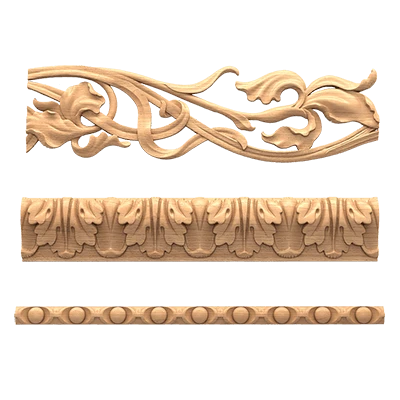
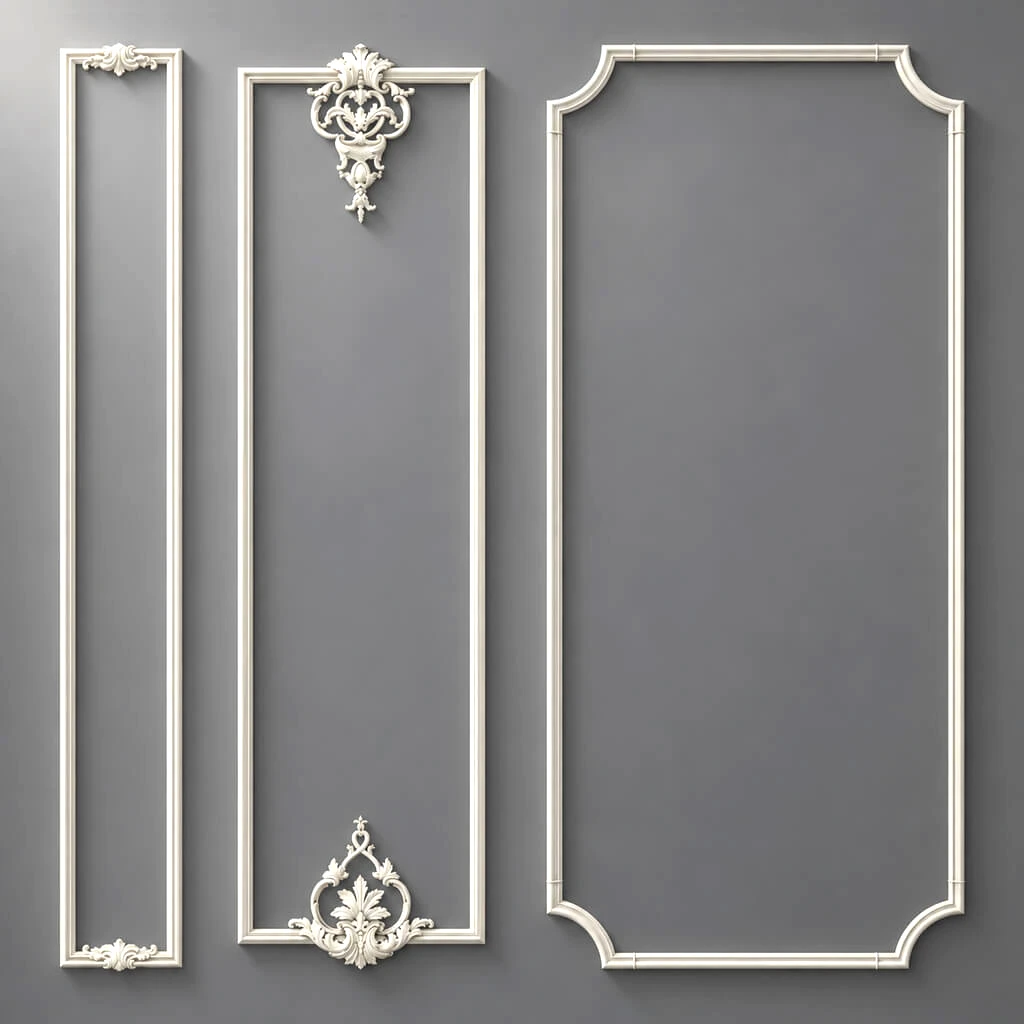
with a classic profile creates a sense of solidity, reliability. — a horizontal wooden line near the floor. Matches the vertical table legs in wood species and finish.
Classic Furniture — if you are creating a classic interior and want the table with wooden legs to blend organically into a system of ready-made classic furniture.
Moldings from solid wood — for the walls of the dining room or kitchen. Wooden wall horizontals + wooden leg verticals + baseboard = a unified wooden interior.
FAQ: Answers to popular questions
Which legs are best to choose for a kitchen table?
For the kitchen — durable Wooden legs with a cross-section of 60×60 mm or a cylinder of 60–70 mm made of beech or oak. Shape — simple or moderately turned. Finish — moisture-resistant polyurethane varnish or alkyd enamel. The main things are stability, ease of care, and matching the kitchen style.
Which legs are suitable for a dining table?
For a dining table — furniture legs cross-section 70–100 mm depending on the weight of the tabletop. For a classic dining room — turned legs made of oak or ash. Important: the legs should not interfere with comfortable seating — the distance between them at the floor in width should be at least 600 mm.
How to choose legs for a coffee table?
Legs for coffee table — height 320–390 mm (for a table height of 350–420 mm including the tabletop). Shape — elegant, decorative: turned, conical, or figured. Cross-section — 30–45 mm. Load is minimal, emphasis on proportions and decorativeness.
Can I replace old table legs?
Yes — and this is an effective way of restoration. Buy wooden table legs for replacement it's simple: you need to measure the original height, determine the attachment method, and choose a style compatible with the tabletop and interior. When simultaneously updating the tabletop coating, the result is a table like new.
Can I paint wooden table legs?
Yes, any coating: white enamel, colored paint, tinting stain plus varnish, clear oil. For a quality result: sanding before coating, primer (especially for pine), 2–3 layers of finish coating with intermediate sanding between layers. It is better to coat before installation.