























Article Contents:
- Why you should choose a staircase railing as a set
- Geometric compatibility
- Stylistic Unity
- Unified wood species and tone
- Single manufacturer — system guarantee
- What is included in a wooden staircase railing
- Balusters
- Handrails and railing
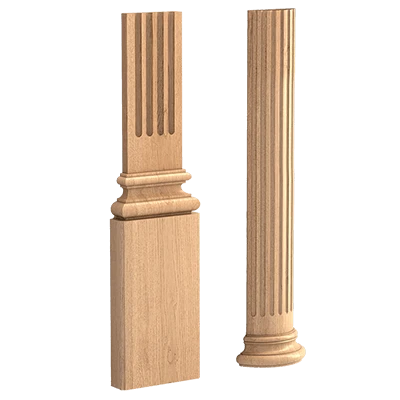
- Support columns
- Bottom rail (sub-baluster rail)
- Fasteners and accessories
- Decorative elements
- How to choose balusters for a wooden railing
- Carved balusters: richness and detail
- Turned balusters: classic without pretension
- Square balusters: geometry of modernity
- Flat balusters: lightness and air
- How shape influences space perception
- How to choose railings and handrails
- Handrail profile: comfort first
- Height of Handrails
- Compatibility with Balusters
- Straight or curved handrail
- Handrail coating
- What posts are needed for a wooden fence
- Functional types of posts
- Cross-section and height
- Method of fastening posts
- Decorative possibilities of posts
- How to choose material for a wooden fence
- Oak: the first choice for decades
- Beech: precision of details and uniformity
- Pine: affordability and ease of work
- Ash: light tone and elasticity
- Solid wood vs. glued products
- How to calculate a railing kit for a staircase
- Step 1: take measurements
- Step 2: calculate the number of balusters
- Step 3: calculate the number of posts
- Step 4: calculate the length of the handrail
- Step 5: add a margin
- Price of a wooden staircase railing
- Key pricing factors
- Estimated budget for a straight staircase railing
- Mistakes when buying a wooden railing
- Mistake 1: buying balusters without the rest of the kit
- Error 2: mixing different styles
- Error 3: not checking the fence height
- Error 4: forgetting about the platform
- Error 5: saving on posts
- Error 6: using black steel fasteners
- Wooden fence styles: from classic to minimalism
- Classical and Empire
- Country and estate style
- Modern and minimalist
- Scandinavian
- Loft and Industrial
- Installation: how to properly assemble a wooden fence
- Start with the posts
- Correct installation of balusters
- Cutting balusters to the angle of the slope
- Sequence: from bottom to top
- Care and maintenance of wooden fencing
- First year: inspection check
- Handrail care
- Recoating
- Checking fasteners
- Frequently Asked Questions (FAQ)
- What is included in a wooden staircase railing?
- Can I buy only balusters without handrails and posts?
- What is better: buy a kit or assemble from parts?
- Which balusters to choose for a wooden railing?
- What does the price of a wooden railing depend on?
- Where to buy a wooden railing for a staircase?
- Is Professional Installation Needed?
- What is better: oak or beech for balusters?
- Where to buy a wooden railing for a staircase
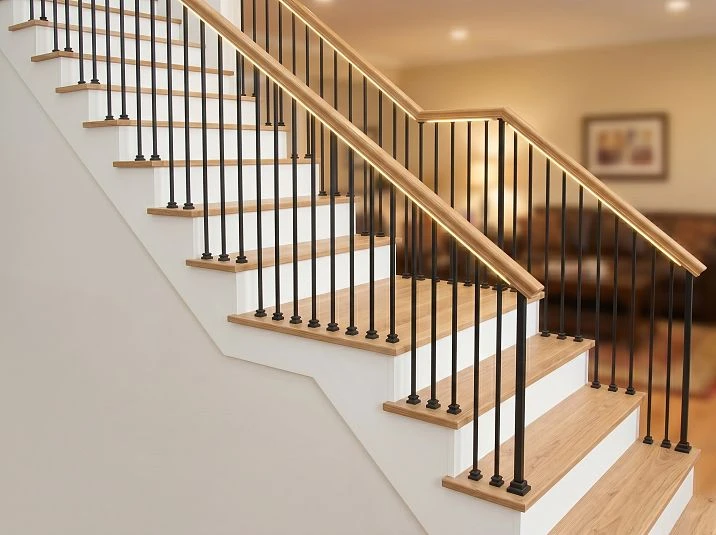
There are things in an interior that are either done right or not done at all. There is no middle ground. A wooden staircase railing is one of those things. When it is done right: all elements in a single style, one wood species, one tone, harmonious proportions — the staircase becomes the architectural center of the home. When the railing is assembled from random parts, it is immediately noticeable, and no renovation can save the impression.
Why does this happen? Because most people, when deciding on a railing, start with individual elements. They look for balusters. Then separately for handrails. Then they discover that the posts are from a different system. They bring fasteners that do not fit. And in the end, they assemble a structure that stands — but looks as if it was put together from leftovers.
This article is about a different approach. About how to buy a wooden railing for a staircase as a complete set, how to choose each element thoughtfully, and how not to waste money.
Why you should choose a staircase railing as a set
It would seem, what's the problem — buy balusters, install a handrail, secure the posts. But behind this apparent simplicity lie several systemic conditions, failure to comply with which leads to unpleasant consequences.
Geometric compatibility
The baluster is inserted into the handrail from above and into the step from below. Each manufacturer has its own dimensions for the mounting seat. Buy balusters from one brand and a handrail from another — and the tenon simply won't fit into the groove. Or it will fit with play, which is even worse.
The support post has its own base, which is attached to the floor or step. If the post does not match the height of the selected balusters, the railing will be skewed.
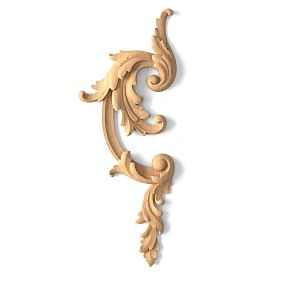
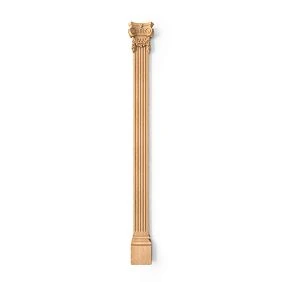
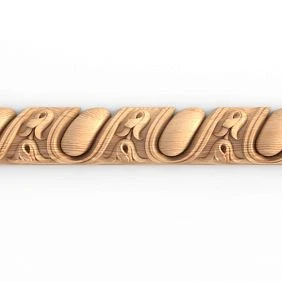
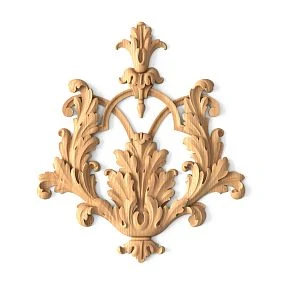
Our factory also produces:
Stylistic unity
A turned baluster with a carved post and a smooth, minimalist handrail — that's three different languages in one sentence. Visual chaos. The railing should speak one language: all elements of the same style, the same design "school".
Get Consultation
Uniform wood species and tone
Oak is lighter than pine. Beech is more neutral than ash. Even if you coat all elements with the same varnish, different wood species under a transparent coating will yield different results. Either buy everything from one material, or use an opaque coating that unifies the tone.
Single manufacturer — system guarantee
That is why experienced craftsmen and designers recommend Staircase Components for Sale from one manufacturer. Then all dimensions are coordinated, the style is unified, the fasteners are compatible, and installation proceeds without "on-site adjustments".
What is included in a wooden staircase railing
Before moving on to selection, it is important to understand the full composition of the system. Many people know about balusters and handrails — but forget about half of the rest.
Balusters
The main load-bearing vertical elements of the railing. They stand between support posts at equal intervals. They create rhythm, safety, and the visual appearance of the entire railing. balusters for staircase to buy needed in the calculated quantity — taking into account the length of all flights and landings.
Railings and handrail
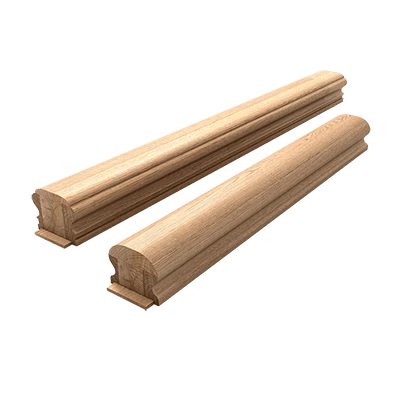
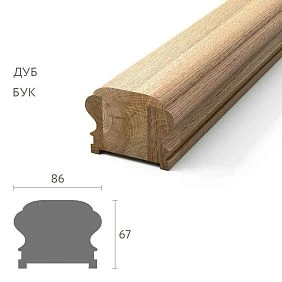
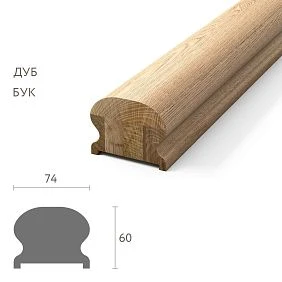
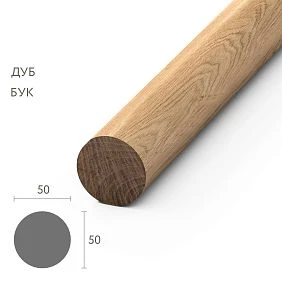
The upper horizontal element of the railing, which is leaned on by hand. The handrail accepts horizontal load and transfers it to the posts. The thickness of the handrail for a staircase is 40–60 mm, the profile is round, semi-round, or rectangular.
Supporting posts
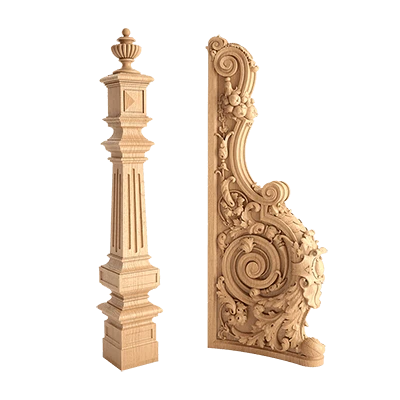
Buy balusters and posts for a wooden staircase needed together — they work as a pair. Posts are installed at the beginning and end of each span, at turns and landings. They bear the main load from the railing.
Types of posts:
-
Starting — at the beginning of the first flight
-
Finishing — on the upper landing
-
Turning — at the point where the fence changes direction
-
Intermediate — for long spans over 1.5 m
Bottom rail (sub-baluster rail)
A horizontal element that attaches to the steps or stringer and holds the balusters from below. Ensures equal spacing and rigidity of the entire structure. Often forgotten when ordering — and then the balusters "wobble."
Fasteners and accessories
The complete list of fasteners includes:
-
Studs for screwing balusters into the step
-
Anchor bolts for posts
-
Metal connectors for handrail joints
-
Wood screws
-
End caps for posts
-
Decorative rosettes for mounting points
All fasteners are stainless or galvanized steel. This is a mandatory requirement.
Decorative elements
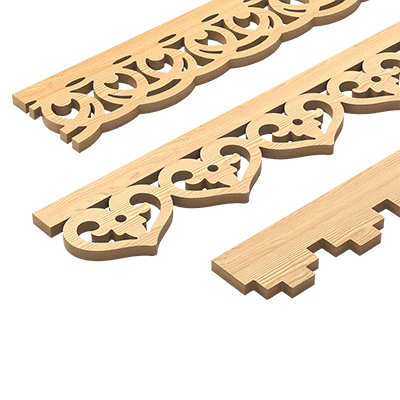
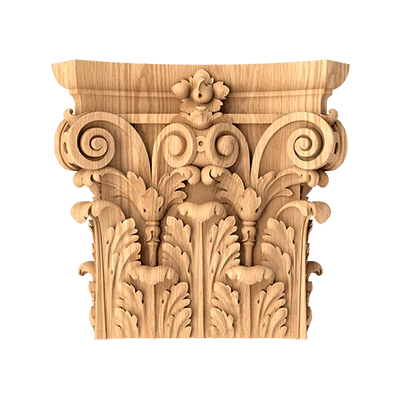
Capitals and bases of pillars, joint covers, decorative strips, platform railing — all of this is optional, but it is these details that distinguish a good result from an excellent one.
How to choose balusters for a wooden railing
The shape of a baluster is not just a matter of taste. It is a stylistic statement that defines the character of the entire railing. Let's break down the main options.
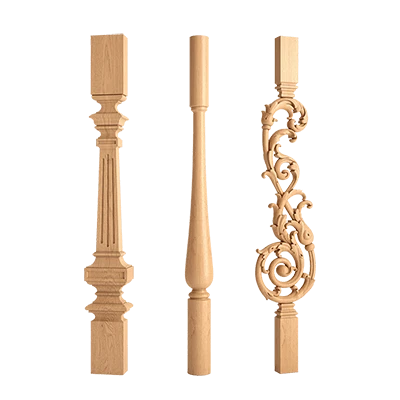
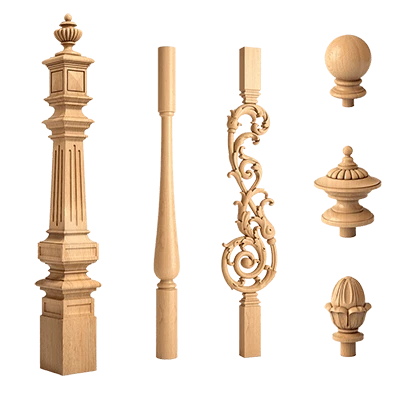
Carved balusters: richness and detail
Buy carved wooden balusters — means betting on decorativeness. Flutes, belts, ornamental transitions, figured accents — a carved baluster under clear varnish looks like a piece of jewelry. This is a choice for classic interiors, houses with stucco molding, high ceilings, heavy curtains, and oak parquet.
Important: carved balusters require carved or at least turned pillars — otherwise, the contrast between a rich baluster and a bare square pillar will look absurd.
Turned balusters: classic without pretension
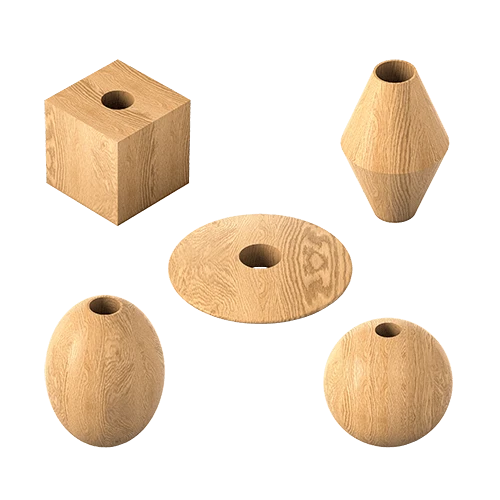
Turned balusters are barrels, vases, cylinders strung on a vertical axis. A recognizable, time-tested look. Turned wooden balusters for stairs buy is for those who want a traditional warm appearance without excessive decor.
Such balusters are suitable for private homes in the country style, estate style, traditional Russian wooden architecture. They are organic in houses made of timber and rounded logs.
Square balusters: geometry of modernity
square balusters for stairs — is clarity, conciseness, modern design. No decorations, only correct geometry. The square cross-section looks the same from any side, which simplifies installation. They are coated with matte varnish or paint. They look good in interiors in minimalist, Scandinavian, and modern styles.
Flat balusters: lightness and air
Buy flat balusters — means choosing a "transparent" railing that does not weigh down the space. A flat baluster is almost a silhouette, an element that is visible but does not take up space. An excellent solution for small hallways, narrow staircases, interiors where visual lightness is important.
How shape affects the perception of space
| Baluster shape | Interior style | Feeling |
|---|---|---|
| Carved | Classic, baroque, empire | Solemnity, richness |
| Turned | Country, traditional, estate | Warmth, coziness, tradition |
| Square | Modern, minimalism, Scandinavian | Strictness, clarity |
| Flat | Loft, modern, Scandinavian | Lightness, air, space |
How to choose railings and handrails
Railings are something you touch every day. With your hand, hip, shoulder. It's not an abstract structural element, but a physical contact between a person and the home. That's why choosing a handrail should be approached not only from a style perspective, but also from an ergonomics perspective.
Handrail profile: comfort first
The handrail should be comfortable to grip. This means:
-
Not too thin — the hand should not "fall through"
-
Not too wide — the palm should wrap around without effort
-
Without sharp edges that cut the skin
-
With slightly rounded edges even on rectangular profiles
The optimal handrail width is 40–50 mm. Height is 40–60 mm (for a rectangular profile).
Height of railings
According to building codes, the height of a staircase railing in a residential building is at least 900 mm from the stair surface. On landings and balconies, it is at least 1100 mm. Deviation from the norm is not only an aesthetic flaw but also a potential hazard.
Compatibility with balusters
The handrail is placed on top of the balusters. Each baluster has a top tenon that fits into the groove of the handrail from below. The size of the tenon and groove must match. This is not a minor detail — this is where problems most often arise when purchasing mismatched components.
Straight or curved handrail
For straight flights — a straight handrail. For landings and turns — corner connectors or curved sections. When purchasing, buy balusters and handrails you need to know the staircase configuration in advance: whether there are turns, landings, or changes in the direction of the flight.
Handrail coating
The handrail experiences maximum tactile wear. The coating must be:
-
Durable — not wearing out from hands in one season
-
Smooth — pleasant to the touch
-
Not too glossy — gloss is slippery and quickly gets covered in fingerprints
The optimal option for a handrail is oil-wax or semi-matte varnish. They give a natural feel of wood and are quite durable.
What posts are needed for a wooden railing
Posts are the architectural skeleton of the entire system. They take the horizontal load from the handrail and transfer it to the floor. The rigidity of the entire railing depends on their correct selection and installation.
Functional types of posts
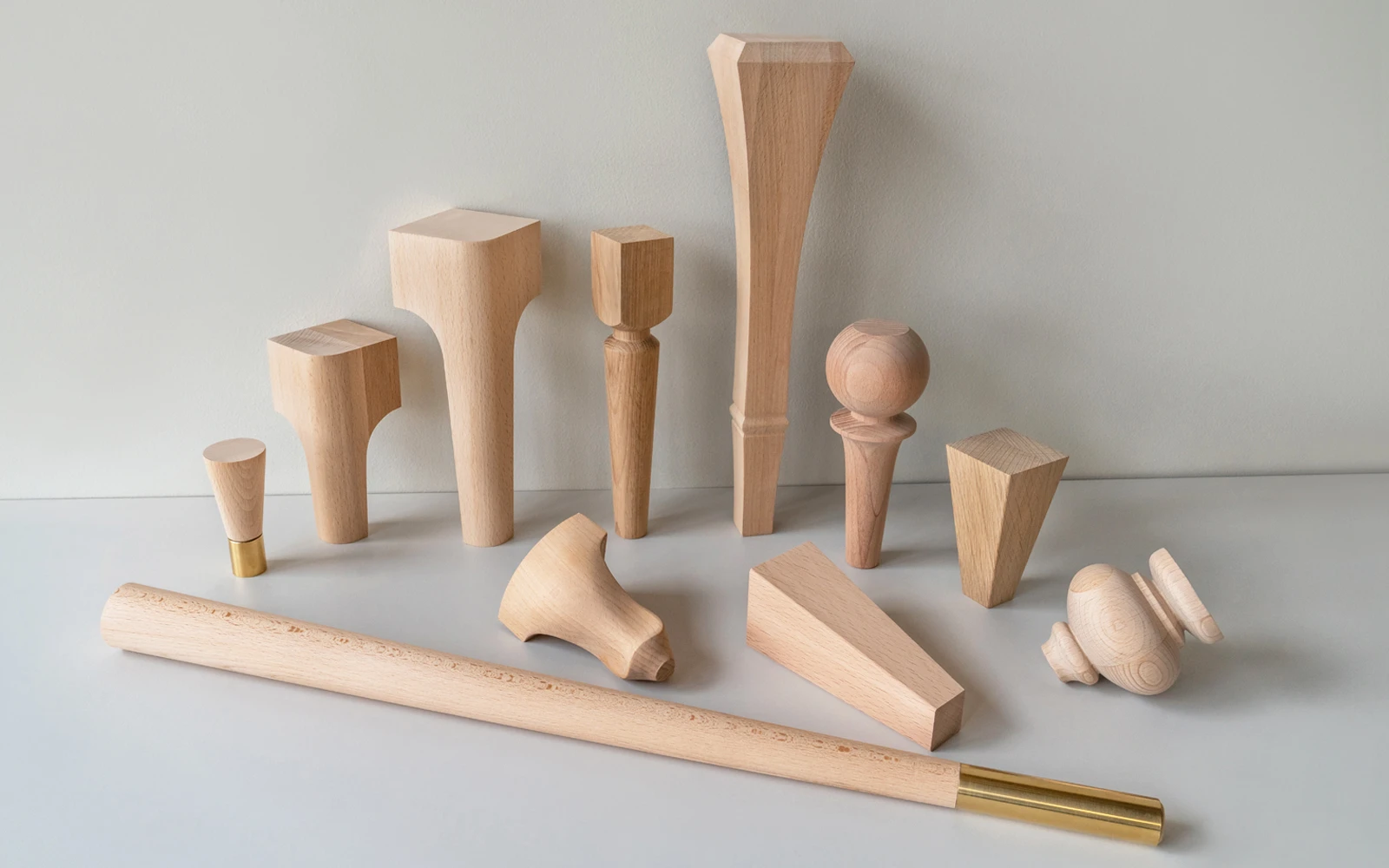
Starting post — installed at the beginning of the first flight. It is the first thing a person sees when approaching the stairs. It is often made more decorative — with a carved capital or a lantern.
Finishing post — on the upper landing. Symmetrical to the starting post in shape and height.
Turning post — at the point where the flight changes direction or on the intermediate landing. Ensures a smooth transition of the handrail.
Intermediate post — for long spans (more than 1.5–2 m). Prevents the handrail from sagging.
Cross-section and height
For home stairs, the standard post cross-section is 80×80 or 100×100 mm. Thinner posts are unstable under lateral load. Thicker posts visually overwhelm the space.
The height of the post is selected taking into account the height of the railing, the thickness of the handrail, and the method of attachment to the step.
Method of attaching posts
-
Support cup — a metal insert in the floor, the post is installed into it. Reliable, fast.
-
Anchor bolt — through fastening through the base of the post. Used when installing on a wooden stringer or step.
-
Stud through the step — for wooden structures. Requires precise drilling.
Wooden stair posts must be chosen with an understanding of the specific staircase design: what material the steps are made of, the type of stringer, and where the attachment points are planned.
Decorative possibilities of posts
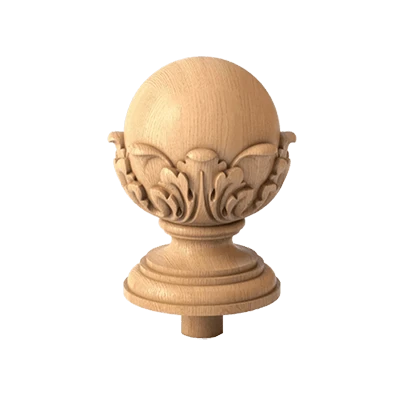
Posts are accent points. A decorative lantern, carved capital, or spherical finial is often installed on the starting post. This is a small detail, but it is what gives the railing a finished, "polished" look.
How to choose material for a wooden railing
The question of material is a question of durability, aesthetics, and budget. Let's break down the main wood species from a practical standpoint.
Oak: the first choice for decades
Oak is the benchmark for wooden stairs. Hard, dense, with a pronounced texture and a warm golden-brown color. Buy oak balusters means getting products that will retain their appearance for 20–30 years with minimal care.
Oak accepts any coating well: clear varnish reveals the texture, stain gives a deep tone, and opaque paint creates a strict modern look. This is the most versatile wood for railings of all styles.
Beech: precision of details and uniformity
Beech is denser than pine and cheaper than oak. Its main advantage is the exceptional uniformity of its structure: beech balusters come out with clear edges, precise profiles, and a smooth surface. Buy beech balusters is worth it for those who want the most accurate reproduction of a complex shape — carved or turned.
Beech accepts stain and varnish well. The color is light beige, neutral, 'quiet'. Ideal for modern interiors without bright accents.
Pine: affordability and ease of work
Pine is the most affordable material. It is easy to process and paints well. For interior stairs in houses with moderate load, it is a perfectly acceptable choice. The main drawback is softness: pine scratches and wears noticeably more than oak or beech.
For balusters and posts inside the house, pine works well. For a handrail with active use, it is better to choose a hardwood.
Ash: light tone and elasticity
Ash is a light, almost white wood with soft brown streaks. It is elastic and durable. It bends well, making it popular for curved handrails. In strength, it is close to oak, in appearance, it is significantly lighter.
If you want a light-colored railing made of hardwood, ash is the ideal solution.
Solid wood vs. glued products
Buy wooden balusters from solid wood — this is a choice in favor of a solid piece of wood without gluing. Solid wood is monolithic, it does not delaminate, has a natural texture without visible joints. A glued handrail or post made of solid lamellas is structurally more stable: it warps less when humidity changes.
For balusters, solid wood is preferable. For long handrails, a glued option is often more reasonable.
How to calculate a railing kit for a staircase
Correct calculation is half of a successful purchase. Let's break it down step by step.
Step 1: take measurements
Need to know:
-
Length of each fence span (horizontally)
-
Number of flights and landings
-
Number of turns
-
Fence height
Step 2: calculate the number of balusters
Standard clear spacing — 100–150 mm. Formula:
N = (L − post width) / (baluster width + clear spacing)
Example: flight length 4 m, posts 100×100 mm, baluster 45×45 mm, spacing 130 mm.
N = (4000 − 100) / (45 + 130) = 3900 / 175 ≈ 22 balusters per flight
Step 3: calculate the number of posts
-
Minimum 2 posts for each straight flight (start and end)
-
One turning post for each corner
-
Intermediate post when flight length exceeds 1.5–2 m
Step 4: calculate the length of the handrail
Handrail = sum of all flight lengths + landing lengths + 5% allowance for joints and trimming.
Step 5: add allowance
For each element, add 5–10% allowance: for trimming, possible defects, replacement during installation. Especially important for balusters — they are cut to the angle of the slope, and a small percentage may crack.
Price of a wooden staircase railing
The question of cost concerns everyone — both those building a modest country house and those constructing a country mansion. It is important to understand the budget structure here.
Main pricing factors
Wood species. Range: Buy balusters price starts from 1,990 rubles for a pine baluster and reaches 7,000+ rubles for a carved oak one.
Shape. Square and flat — cheaper. Turned — more expensive. Carved — significantly more expensive.
Height and cross-section. Taller and more massive products require more material.
Quantity. When ordering a large volume, the unit price decreases.
Posts. Price depends on cross-section, height, and decorative complexity. A simple square post 80×80 mm — from 8,000 rubles. Carved with a capital — from 20,000 rubles.
Handrail. Straight handrail — from 1,200–2,000 rubles per linear meter. Curved to a radius — significantly more expensive.
Estimated budget for a straight staircase railing
Typical straight staircase to the second floor: one flight 4 m long, railing height 1 m.
| Element | Quantity | Price per unit | Total |
|---|---|---|---|
| Turned balusters (beech) | 25 pcs. | from 2,500 rub. | from 62,500 rubles. |
| Starting post | 1 pc. | from 13,000 RUB | from 13,000 RUB |
| Finishing post | 1 pc. | from 13,000 RUB | from 13,000 RUB |
| Handrail (l.m.) | 4.5 m | from 1,800 RUB/m | from 8,100 RUB |
| Bottom rail | 4 м | from 600 RUB/m | from 2,400 RUB |
| Fasteners and accessories | — | — | from 6,000 rub. |
| TOTAL | from 105,000 RUB |
This is a basic calculation. When choosing oak and carved elements, the budget will double or triple.
Mistakes when buying a wooden fence
In detail — because this is where money is lost.
Mistake 1: buying balusters without the rest of the kit
This is the most common mistake. A person buys balusters — and only then starts looking for a handrail and posts. As a result, they either cannot find compatible elements or have to put up with stylistic and dimensional mismatch.
Rule: handrails and balusters made of wood are ordered simultaneously, in one place, as one order.
Mistake 2: mixing different styles
Carved baluster + square post + round handrail = architectural mess. The style must be consistent from start to finish. If you chose carved balusters, look for carved or at least turned posts with a capital.
Mistake 3: not checking the fence height
The standard for residential buildings is 900 mm. Many people choose posts "by eye" — and discover that the fence is either too low (dangerous) or too high (unsightly).
Error 4: forgetting about the landing
The landing between flights also requires railing. It is often overlooked during calculations — and there are not enough balusters precisely there. Always count all horizontal and inclined sections, including landings.
Error 5: saving on posts
Posts are load-bearing elements. A thin or poorly secured post means a loose railing after a year of use. Do not skimp on the cross-section or the quality of fastening.
Error 6: using black steel fasteners
Regular screws inside wooden elements will show rust within 1–2 years, which seeps out. This is not only unsightly but also destroys the wood from within. Only stainless steel or galvanized fasteners — no alternatives.
Wooden railing styles: from classic to minimalism
Railing is not just a structure. It is a statement about the interior, about taste, about the level of attention to detail.
Classic and Empire
Carved oak balusters, massive posts with capitals, round or rusticated handrail. Dark tones — cognac, walnut, dark oak. Glossy or semi-glossy varnish. This is an interior where the staircase is the main object.
Country and estate style
Turned balusters, simple square posts without extra decor, wide handrail. Finish — natural wood tone or light stain. Feeling of warmth, coziness, rustic spaciousness.
Modern and minimalist
square balusters for stairs with narrow cross-section, square posts without decor, rectangular handrail. Finish — matte varnish or paint in a neutral tone: white, gray, graphite. Clarity, geometry, no embellishments.
Scandinavian
Light woods — ash, beech. Simple shapes. Matte clear varnish or oil. No gloss, no pomp. A living feel of wood under your hand.
Loft and industrial
Wood + metal. Wooden handrail on metal posts — or wooden balusters with metal accents. Wood is dark, brushed or 'aged'. This style requires careful detailing — otherwise it's not a loft, just a renovation.
Installation: how to properly assemble a wooden railing
Even the best set of components can disappoint with improper installation. A few fundamental rules.
Start with the posts
Always — posts first. They set the vertical and determine the handrail line. All posts are checked with a level in two planes.
Correct installation of balusters
Each baluster is fastened from below through a stud into the step and from above into the handrail using a tenon or a self-tapping screw with a cap. baluster and railing mounting — this is a separate topic that deserves careful study before starting work.
Trimming balusters to the angle of inclination
On a sloping flight, the top end of each baluster is cut at an angle corresponding to the angle of the handrail. Without this, the handrail will lie unevenly, and gaps will appear.
Sequence: from bottom to top
Installation is carried out from bottom to top: first the bottom rail, then the balusters, then the handrail. First, one end of the span is fixed, then the other, then the intermediate balusters — along a stretched cord.
A complete step-by-step algorithm is described in the article at installation of wooden railings and balusters — we recommend studying it before starting work.
Care and maintenance of wooden fencing
A wooden fence does not require complex maintenance — but it does require regular maintenance.
First year: inspection check
After the first year of use, conduct an inspection check: check the balusters for loosening, inspect the coating for cracks, and tighten the fasteners if necessary.
Handrail care
The handrail is wiped with a slightly damp cloth — not wet. Alcohol-based products and aggressive cleaning compounds damage the varnish coating. Every 3–5 years — light sanding and renewal of the varnish layer.
Recoating
If matte spots or scratches appear on the balusters — sand with fine-grit sandpaper and spot-apply varnish. In case of heavy wear — complete repainting or re-varnishing.
Checking fasteners
Once a year — gently rock each baluster. A loosened element is tightened immediately. Delay leads to the seating in the step becoming damaged.
Frequently Asked Questions (FAQ)
What is included in a wooden staircase railing?
The full set includes: balusters, handrail, support posts (starting, finishing, turning), bottom support rail, fasteners (studs, anchors, connectors), and decorative overlays. Sometimes — decorative post elements: capitals, bases, finials.
Can I buy only balusters without railings and posts?
Technically — yes. But practically, it's better to immediately check compatibility: the height of the balusters with your handrail, the size of the tenon, the style, and the wood species. If you're buying balusters separately, make sure they fit the existing or planned elements.
What's better: to buy a kit or assemble from individual parts?
A kit from one manufacturer is more reliable. Compatibility in dimensions, a unified style, and the same wood species are guaranteed. Assembling from different sources risks mismatches, wasted time, and extra costs for rework.
Which balusters should I choose for a wooden railing?
It depends on the interior style. For classic — carved or turned. For modern — square or flat. For country — turned with a simple shape. It's important that the shape of the balusters matches the style of the posts and handrail.
What does the price of a wooden railing depend on?
Wood species, shape of balusters, number and height of posts, length of handrail, presence of carved elements, quality of fasteners, and complexity of installation. The budget can range from 80,000 rubles for a simple pine railing to 500,000+ for a carved oak one with decorated posts.
Where to buy a wooden railing for a staircase?
At STAVROS, you can select a complete kit: Buy wooden balusters, posts, handrails, and all components in a unified style and from the same wood species. Consultation on calculation is free.
Is professional installation needed?
Installing a wooden fence is quite possible with your own hands if you have basic skills in working with wood and tools. The main thing is to study the step-by-step instructions and prepare the correct fasteners. For complex configurations with turns and curved handrails, it is better to hire a professional.
Which is better: oak or beech for balusters?
Oak is stronger, with a pronounced texture, slightly more expensive. Beech is more uniform, gives a clearer profile on turned and carved parts, slightly lighter. If texture and durability are important, choose oak. If neutral tone and clarity of shapes are important, choose beech.
Where to buy a wooden staircase railing
Answering this question honestly: the choice of manufacturer is more important than the choice of a specific model. Because it is the manufacturer who guarantees the compatibility of elements, material quality, and manufacturing precision.
STAVROS is a company with many years of experience in manufacturing wooden staircase components. Full-cycle production: from drying the lumber to the finished product. The catalog features over 50 models of balusters made of pine, beech, oak, and ash, dozens of post options, handrails of various profiles, and all buy staircase components in one order.
Why STAVROS:
-
All elements are a unified system with guaranteed compatibility
-
Wide selection of shapes and wood species in one catalog
-
Possibility to order custom sizes
-
Professional calculation of the kit for your staircase
-
Contact us to confirm shipping to your destination. — from Moscow to Vladivostok
A wooden staircase railing is not just a handrail. It is the architecture of your home. And it deserves to be done right: from good material, in a unified style, with precise dimensions and reliable fasteners. This is exactly what STAVROS offers — from the first element to the last.