
















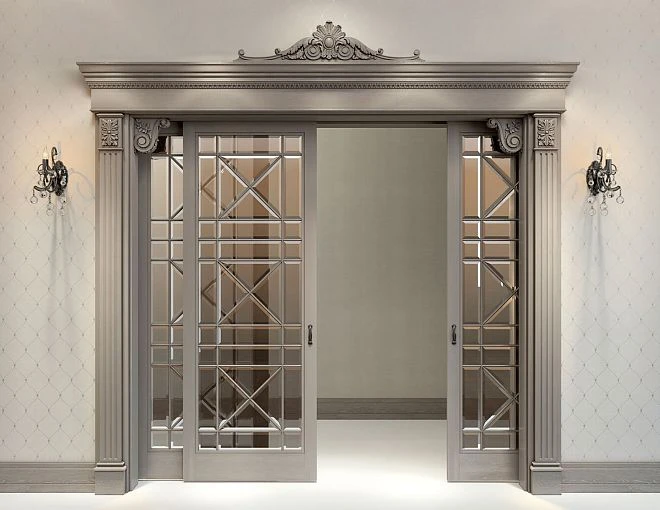










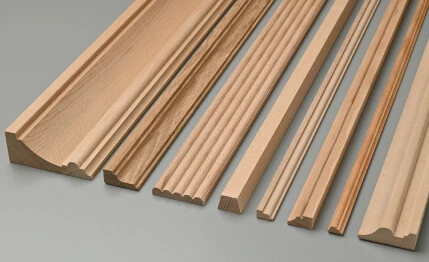
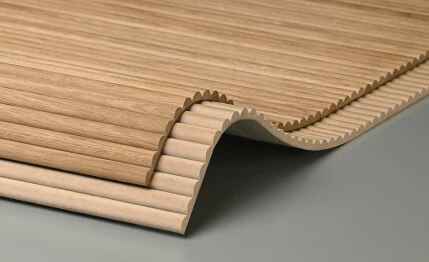
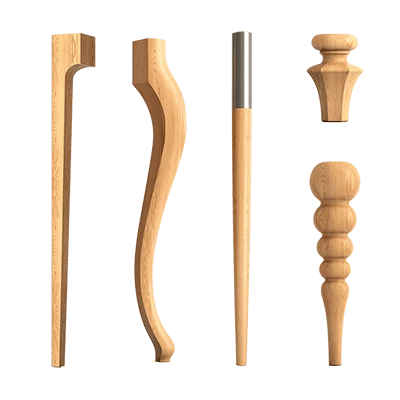
Article Contents:
- There is a bed, but the bedroom looks empty: what's the problem
- When to buy a headboard separately from the bed
- Headboard, backrest and bed frame: understanding the concepts
- How to choose the width of the headboard: proportions decide everything
- Height of the headboard: how to find the right point
- Carved bed headboard: when beauty is the language of status
- Wooden or soft headboard: an honest comparison
- Wooden headboard
- Soft headboard
- How to combine a wooden headboard with the wall behind the bed
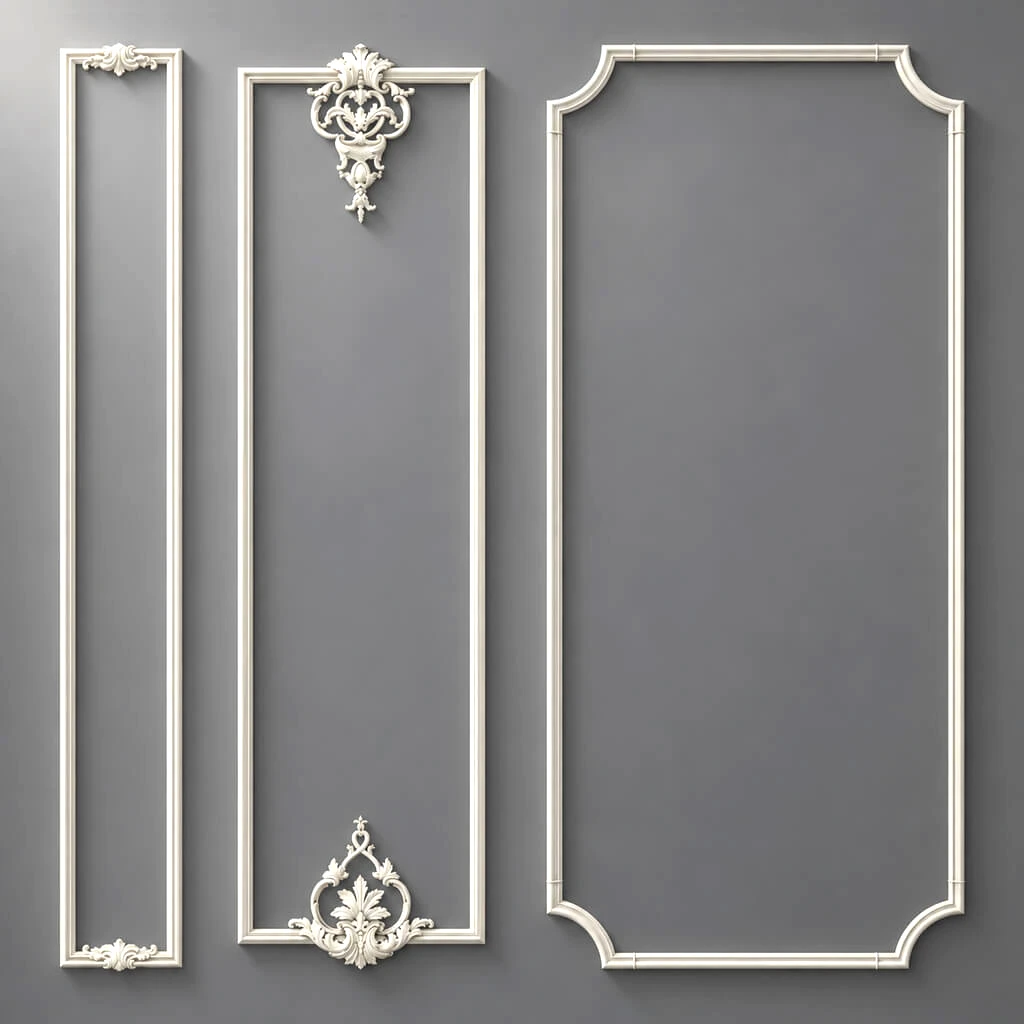
- Headboard and wall moldings
- Headboard and slatted panels
- Headboard and sconces
- Headboard, frames, and mirrors
- Headboard and bedside tables
- Wooden headboard in different interior styles
- Classic and neoclassic
- Modern Interior
- Scandinavian style and Japandi
- Country house and rustic style
- Art Deco and modern luxury
- How to match the headboard color with furniture and flooring
- Wooden headboard and bedside tables: how to build a sleep zone
- Mistakes when choosing a wooden headboard: how not to waste money
- What to check before buying a wooden headboard
- How to install a wooden headboard: basic principles
- Wooden headboard and bedroom decor: a systematic view
- Carved headboard and moldings in the bedroom: a classic duo
- FAQ: answers to the most common questions
- Can you buy a headboard separately from the bed?
- Which headboard is better — wooden or upholstered?
- How to choose the width of a headboard?
- Will a carved headboard suit a modern bedroom?
- Can I paint a wooden headboard?
- How to properly position the headboard in height?
- What material is best for a headboard?
- How to hide wires from wall sconces when installing a headboard?
- About the Company STAVROS
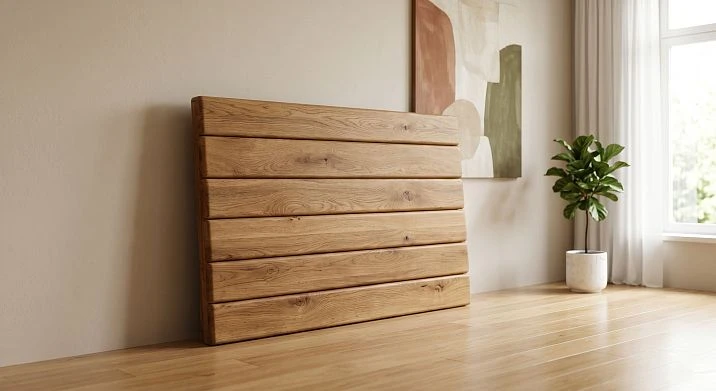
A wooden headboard for a bed can be purchased separately — and this is one of the smartest ways to update a bedroom without replacing all the furniture. The backrest changes the silhouette of the bed, completes the wall behind the sleeping area, sets the tone for the entire interior, and turns an ordinary sleeping place into a full-fledged architectural object of the room.
View wooden headboards and beds STAVROS — ready-made solutions from solid natural wood for any bedroom style.
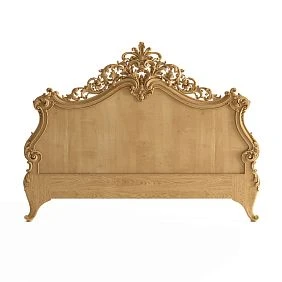
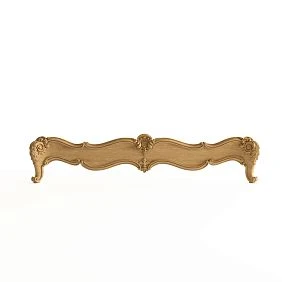
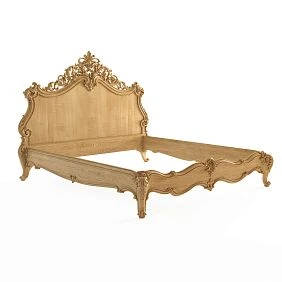
There is a bed, but the bedroom looks empty: what's the problem
This is a very common situation that many notice but don't immediately understand the reason. The bed is normal, the mattress is good, the nightstands are there — but the bedroom still looks like temporary housing, not a well-thought-out space. The gaze glides along the wall behind the bed and has nothing to catch onto.
The reason, as a rule, is one: there is no vertical accent. A bed without a headboard is a horizontal plane that does not interact with the wall. It lies in the space but does not 'stand' in it. It is enough to add wooden headboard for a bed — and the entire dynamics of the room changes. The headboard lifts the gaze upward, creates a focal point, connects the bed to the wall, and sets the scale for the entire sleeping area.
That's why buying a headboard separately from the bed is not a compromise or a "half-price saving." It is a conscious interior decision that works just as well, and sometimes even better, than buying the entire bed as a set.

When to buy a headboard separately from the bed
There are far more life situations where this solution turns out to be the only right one than it seems at first glance.
A bed without a headboard looks unfinished. This is the most obvious case. A mattress on a frame without a headboard is function without form. Adding a wooden bed headboard — means giving the bed the completeness it lacks.
The old headboard is outdated. The upholstered headboard has faded, the fabric is worn, the shape has sagged. Buying a new bed because of this is wasteful. The frame is in excellent condition, the mattress is new — only a new headboard is needed to restore a fresh look to the bedroom.
You want to refresh the interior without big expenses. It's too early for renovations, changing all the furniture is expensive, and the bedroom has already become boring. Buy a wooden headboard Separately, it is a targeted intervention with maximum visual impact. One detail can restart the perception of the entire space.
The wall behind the bed is empty. A bare wall above the bed is an interior problem that neither paintings, sconces, nor shelves can solve. A tall wooden headboard covers this emptiness architecturally: it doesn't just decorate the wall, it becomes part of it.
Need to make the bedroom classic or expensive. Carved wooden headboard is an instant transition from an ordinary bedroom to a representative one. Carving, profile, high-quality finishing — all of this is read at first glance and creates a feeling of thoughtfulness and status.
I want a wooden backrest specifically, not a soft panel. Soft headboards are comfortable, but they look soft too — without architectural clarity, without volume, without the expressiveness of natural material. Wood is a different level in every way.
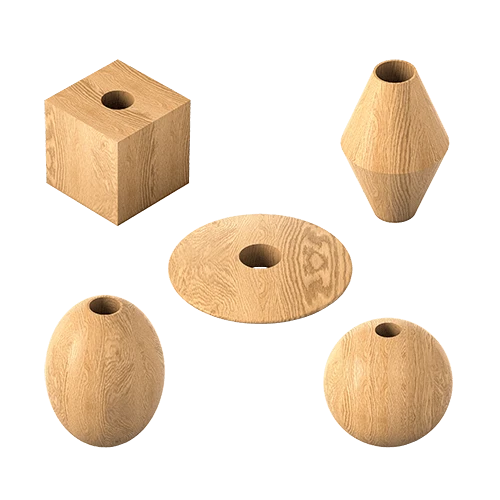
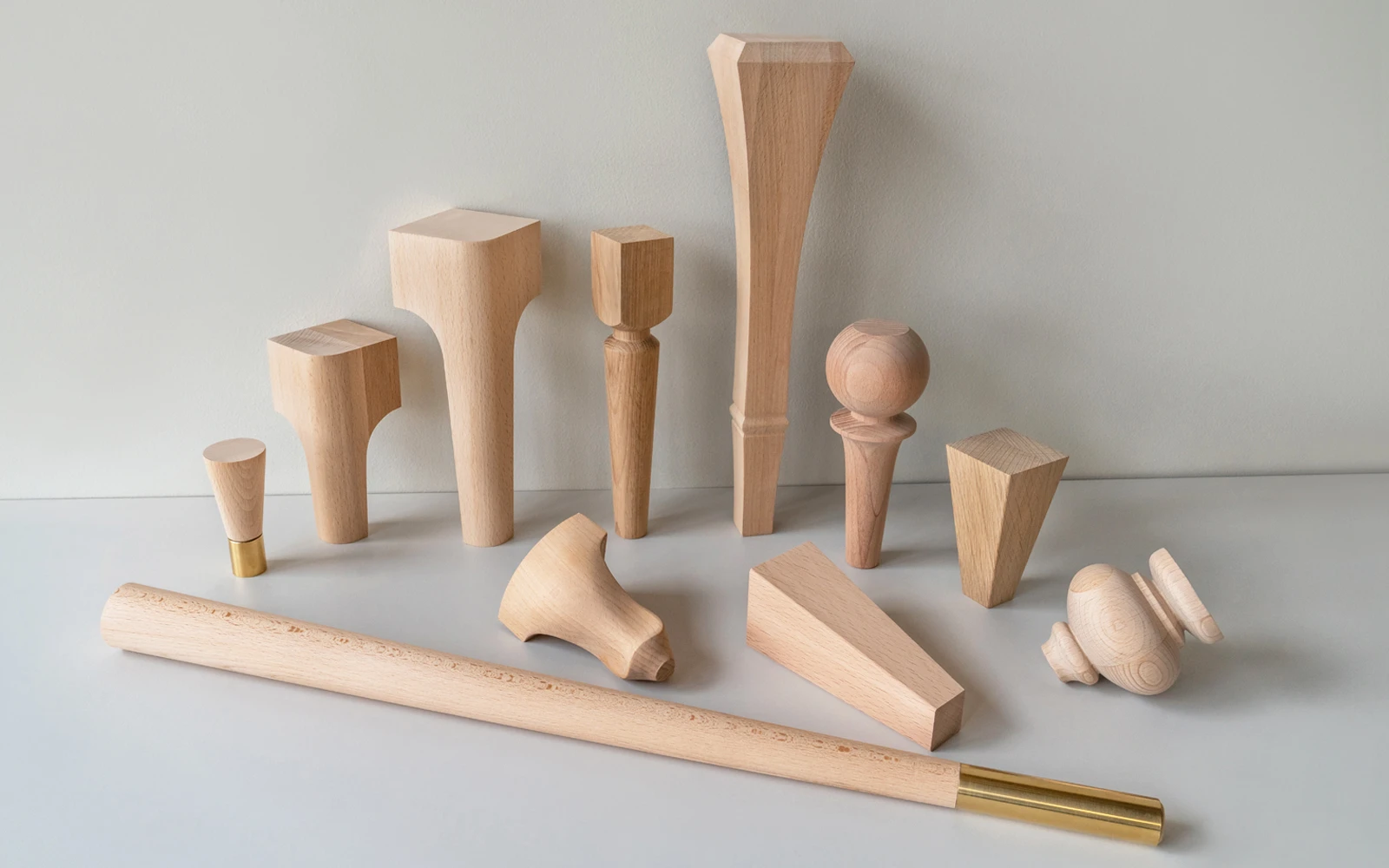
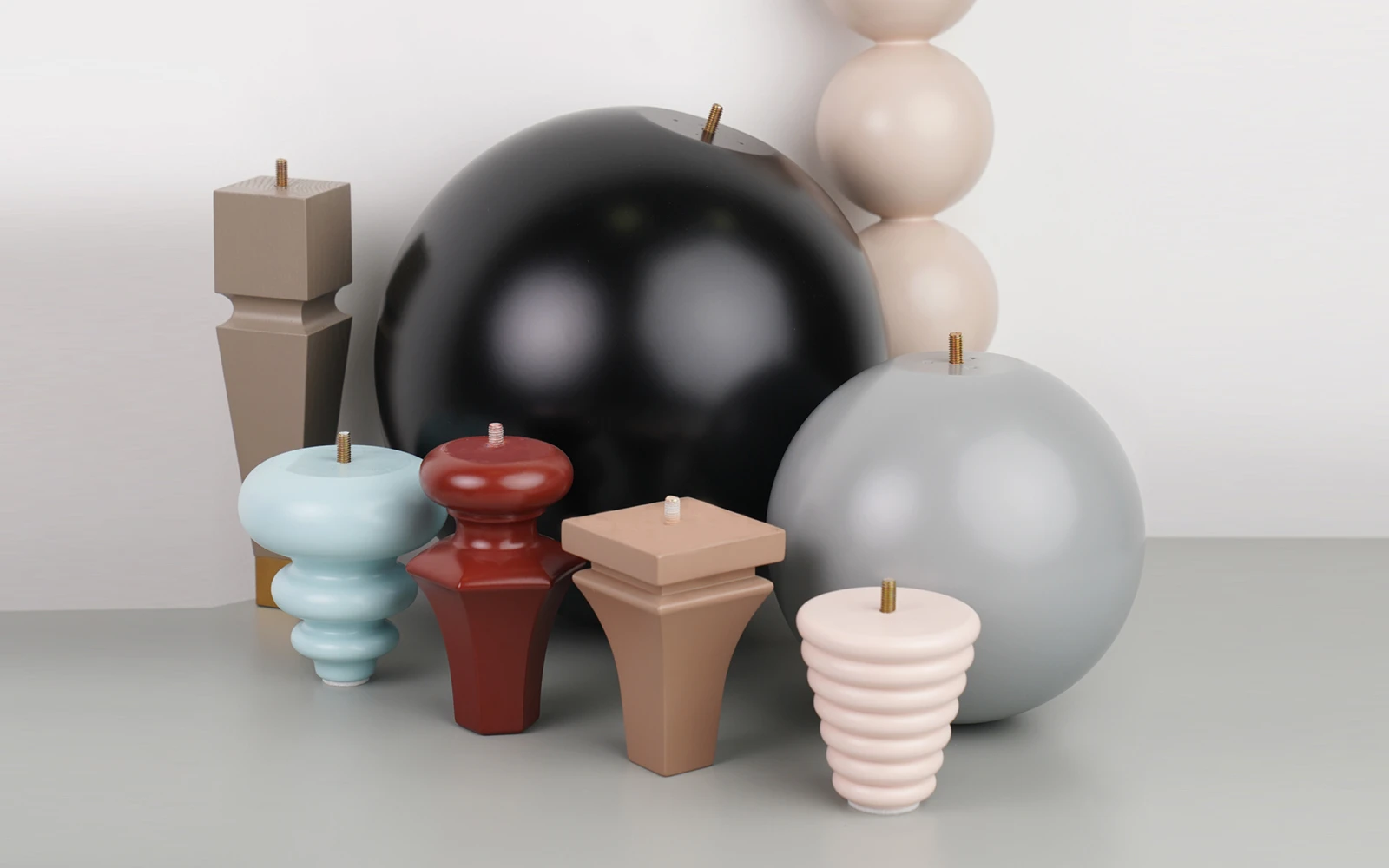
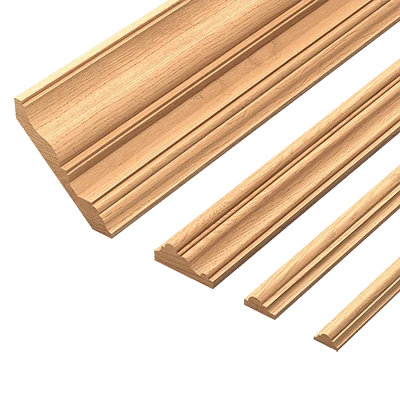
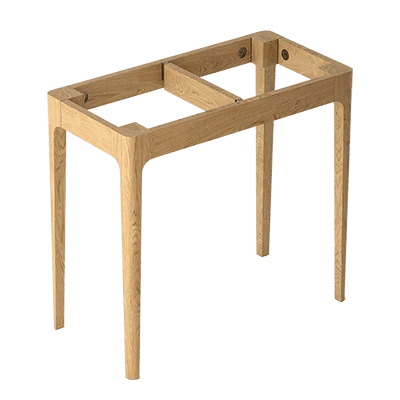
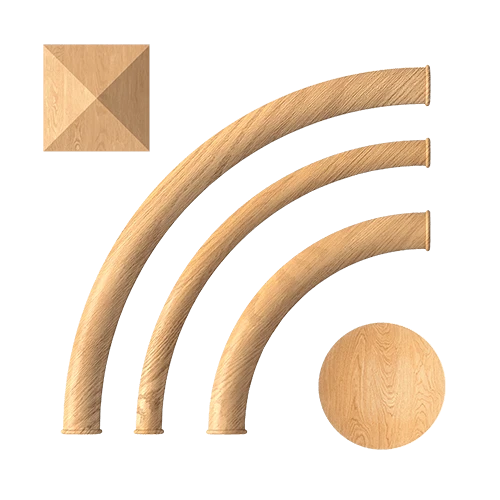
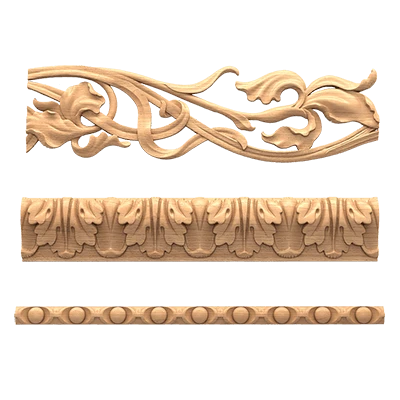
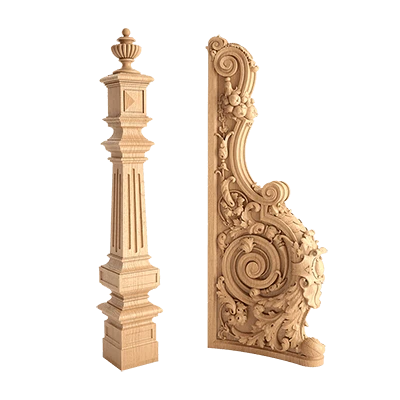
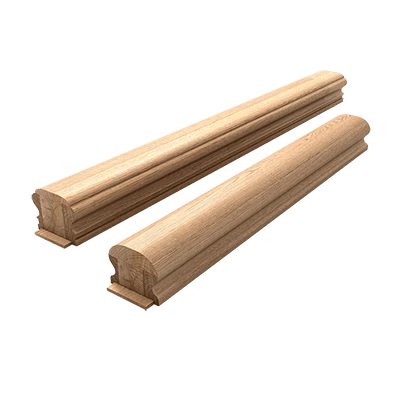
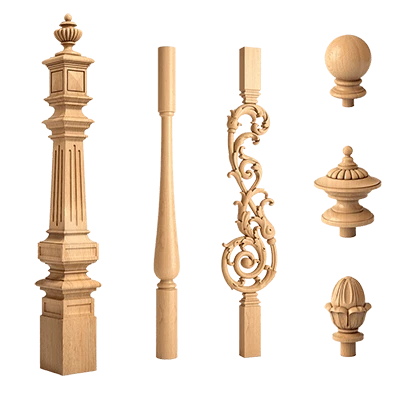
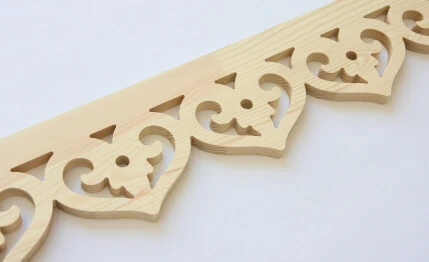
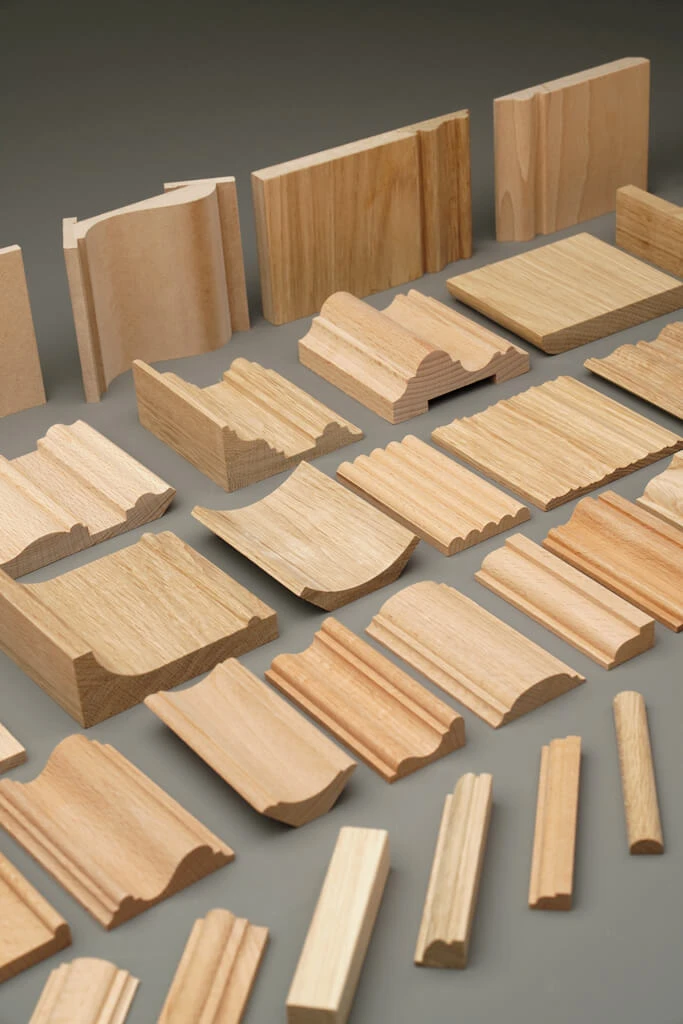
Our factory also produces:
Headboard, backrest, and bed frame: understanding the terms
Confusion in terms is common, and it prevents you from correctly formulating your request when choosing. Let's sort it out once and for all.
The bed frame is the supporting structure that holds the mattress. It determines the height of the sleeping area and its geometry, but does not affect the appearance of the upper part. Wooden bed frame — this is the base to which the backrest or headboard can be attached.
The bed backrest is an element that covers the rear, head part of the bed. It is most often referred to as the headboard in everyday use. A wooden bed backrest defines the vertical silhouette of the entire sleeping area and is the main decorative element.
The headboard — in a stricter sense, it is the backrest at the head: what is behind the pillow and shapes the bed's appearance. In colloquial speech and online searches, the terms "headboard" and "backrest" are used interchangeably — and that is perfectly normal.
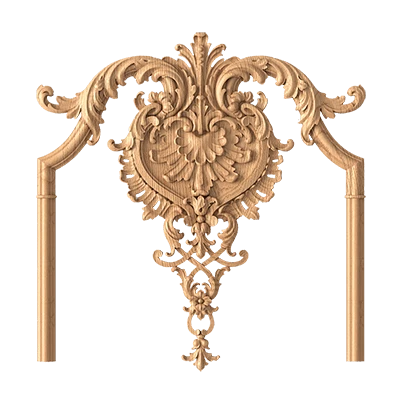
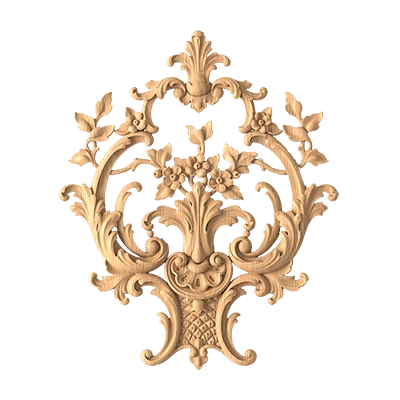
A carved headboard is already a category based on craftsmanship, not on its position in the structure. Wood carving turns a functional detail into a piece of applied art. Carved headboard for bed — the best choice for a classic, neoclassical bedroom or a country house interior.
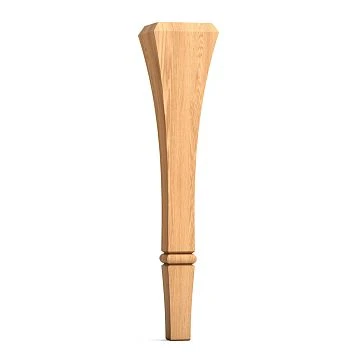
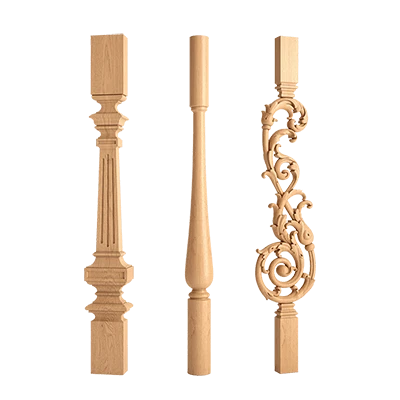
Legs can be added to the frame and backrest wooden bed legs, which raise the entire structure to the desired height and create a sense of lightness — especially important in small bedrooms.
Get Consultation
How to choose the width of the headboard: proportions are everything
The width of the backrest is the first technical parameter to determine before purchasing. And here it is important not just to "match it to the bed," but to understand the logic of proportions.
The headboard should match the width of the bed. This is a basic rule. Headboard for a 160 cm bed и headboard for a 180 cm bed — these are different products in terms of width. The headboard should not be narrower than the frame: in this case, it looks like a random piece nailed somewhere in the middle of the wall.
A headboard that is too narrow gets lost. If the bed is 180 cm and the headboard is 140 cm — that's not saving money, it's a mistake. The mismatch is obvious and ruins the perception of the sleeping area as a single object.
A headboard that is too wide can conflict with nightstands. If the headboard significantly extends beyond the edges of the frame, it starts to 'encroach' on the nightstands — visually or literally. The optimal option is a headboard slightly wider than the frame (by 20–40 mm on each side) or exactly matching its width.
A panel headboard can be wider than the bed. This is a separate design technique: a wide wooden panel that unites the bed and both nightstands. In this case, the headboard works as a single background element for the entire sleeping area, and the nightstands seem to 'fit into' it. This creates a very cohesive and thoughtful look.
If you are choosing a headboard for a 160×200 mattress or a headboard for a 180×200 mattressFocus on the mattress width — that is your base size.
Headboard height: how to find the right point
Height is the second key parameter, and it affects the perception of the bedroom no less than width. A headboard that is too low gets lost. One that is too high feels oppressive.
A low headboard (40–60 cm from the mattress level) is a calm, restrained option for modern interiors. It defines the bed but does not make a statement. Suitable for minimalist bedrooms with high ceilings, where restraint is a principle, not a limitation.
Medium height (70–100 cm) is a universal choice that works in most bedrooms. A headboard of this scale reads well, completes the wall behind the bed, and does not conflict with the space. This is the sweet spot, chosen most often.
A high headboard (110–150 cm and above) makes the bed the main object of the bedroom. High wooden headboard for a bed — it is an architectural dominant: it occupies a significant part of the wall, sets the vertical axis of the entire space, and creates a sense of grandeur. Such headboards are appropriate in spacious bedrooms with ceilings from 280 cm.
A very high headboard in a small bedroom is a risk. In a small room, a massive tall headboard begins to press on the space, making the room feel claustrophobic. Here it is better to choose a medium scale and work with the horizontal: a wide panel at a moderate height creates a sense of spaciousness.
Height should be correlated not only with the ceiling but also with the bedside tables. If the tables are tall (55–60 cm), a low headboard will be at the same level — this is visually incorrect. The headboard should rise above the tables by at least 20–30 cm.
Carved bed headboard: when beauty is a language of status
There are things that are hard to explain rationally but easy to feel. A carved wooden bed headboard is exactly that kind of thing. It needs no explanation. Its value is read instantly: the living texture of the wood, the precise ornament, the quality of execution — all of this speaks of the owner's taste more eloquently than any design manifesto.
Carved bed headboard is a choice for those who want the bedroom to look expensive not because of the price of the wallpaper or the number of pillows, but because of the quality of the room's main object. Wood carving looks significantly more expressive than any upholstery or standard MDF panel.
For a classic bedroom, a carved element is a must-have detail. Just as a classic interior cannot do without profiled baseboards, paneled doors, and wooden wall moldings — the bed headboard should follow the same logic: with profile, with decor, with the weight of natural material.
A carved headboard also works well in neoclassicism — a style where classical motifs are presented in a more restrained, modern interpretation. Here, the carving can be more geometric, less lush, but still present — as a sign of belonging to a certain aesthetic tradition.
For a country house, it's a different story. Here, a carved solid wood headboard is especially organic: it pairs with wooden beams, log walls, warm lighting, and that special cozy spirit that is harder to recreate in a city apartment.
It's important to remember: carving is an accent, not a background. If the entire bedroom is saturated with details, a carved headboard can get lost. The best result is achieved when the walls behind the bed are relatively calm, and the headboard itself acts as the sole decorative leader of the sleeping area.
Wooden or upholstered headboard: an honest comparison
This question is asked very often, and it deserves a detailed answer — without evasions or marketing clichés.
Wooden headboard
Advantages:
-
Durability: wood does not wear out like fabric and padding
-
Expressiveness: natural texture and profile depth cannot be imitated
-
Versatility of finish: can be painted, tinted, varnished, or oiled to match any interior color
-
Carving and decor: only wood allows for true architectural detailing
-
Hygiene: does not collect dust like upholstery
Disadvantages:
-
Hard surface — uncomfortable to lean back without a pillow
-
Requires precise size and mounting selection
-
More difficult to install yourself
Soft headboard
Advantages:
-
Comfortable for back support while reading or watching TV
-
Wide selection of fabrics and shapes
-
Easy to mount
Disadvantages:
-
Fabric and padding wear out and get dirty
-
No architectural clarity
-
Harder to fit into a classic or neoclassical interior
-
Cannot be repainted
The combined option — a wooden frame with a soft insert — offers the best of both worlds. The solid wood frame provides shape and decor, while the soft insert offers back comfort. Solid wood products STAVROS allows implementing exactly this approach: the wooden structure remains the base, and the finishing is selected for the specific project.
The conclusion is simple: if the bedroom is important as an interior space and you want it to look decent in 10 years — a solid wood headboard wins in all aspects except tactile comfort when leaning back.
How to combine a wooden headboard with the wall behind the bed
The wall behind the bed is an area that is often underestimated. Yet it determines how cohesive and well-thought-out the bedroom looks. The headboard and the wall should work together — not compete, but complement each other.
Headboard and wall moldings
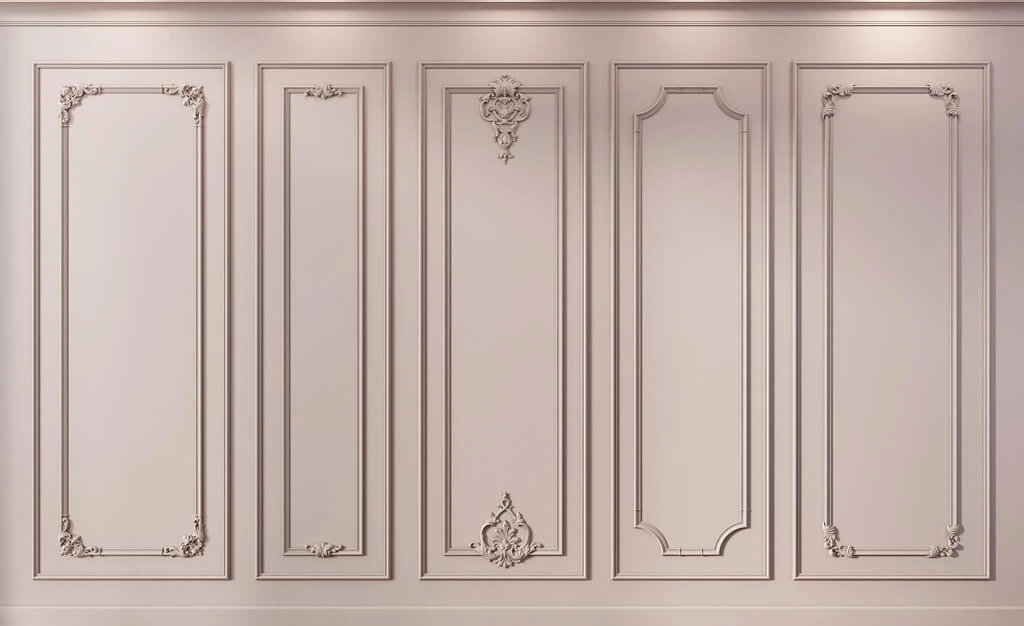
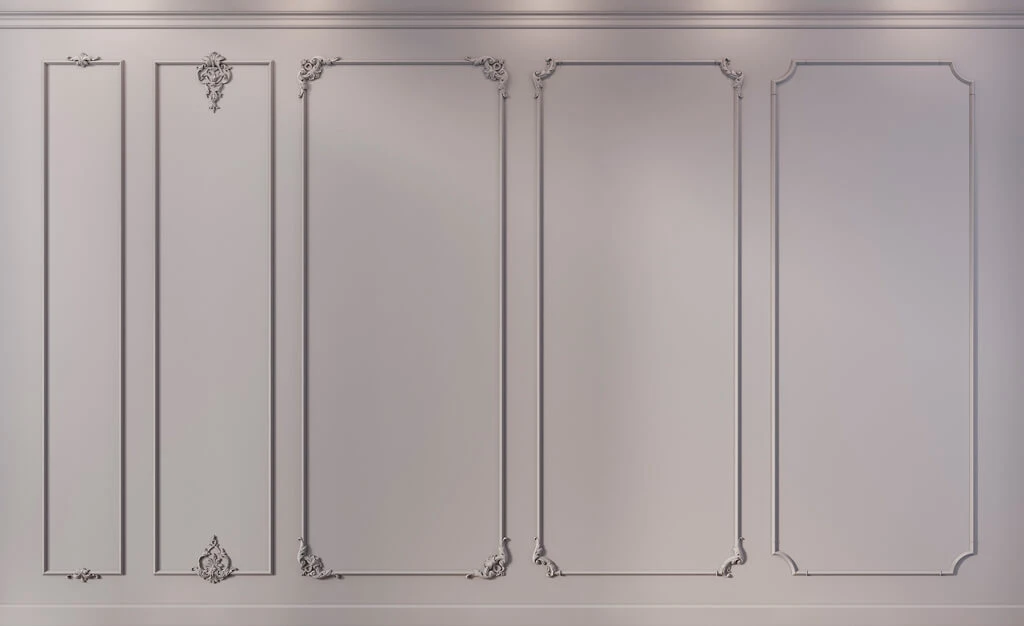
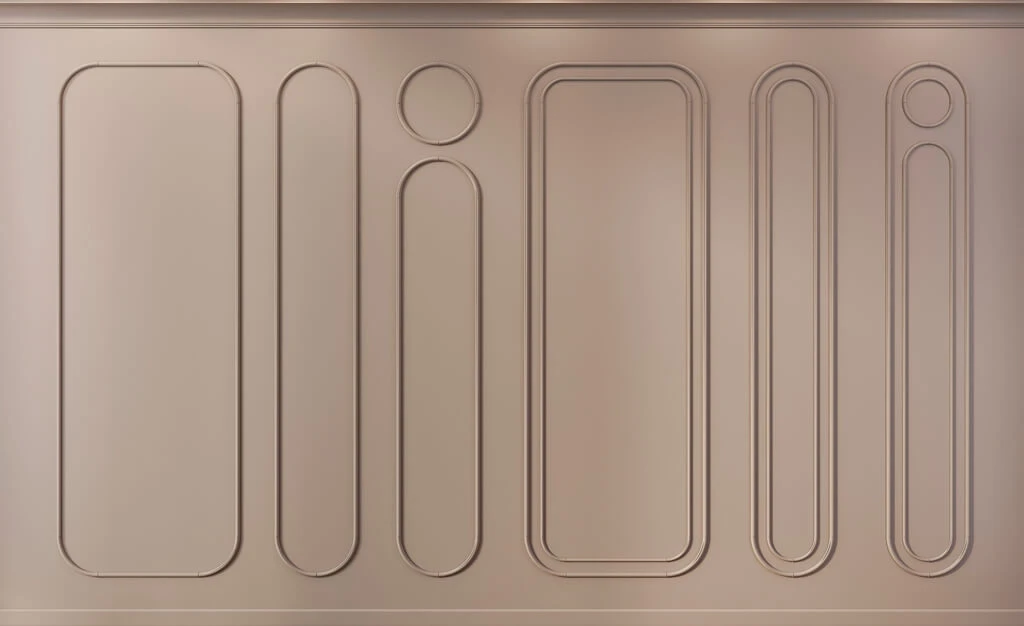
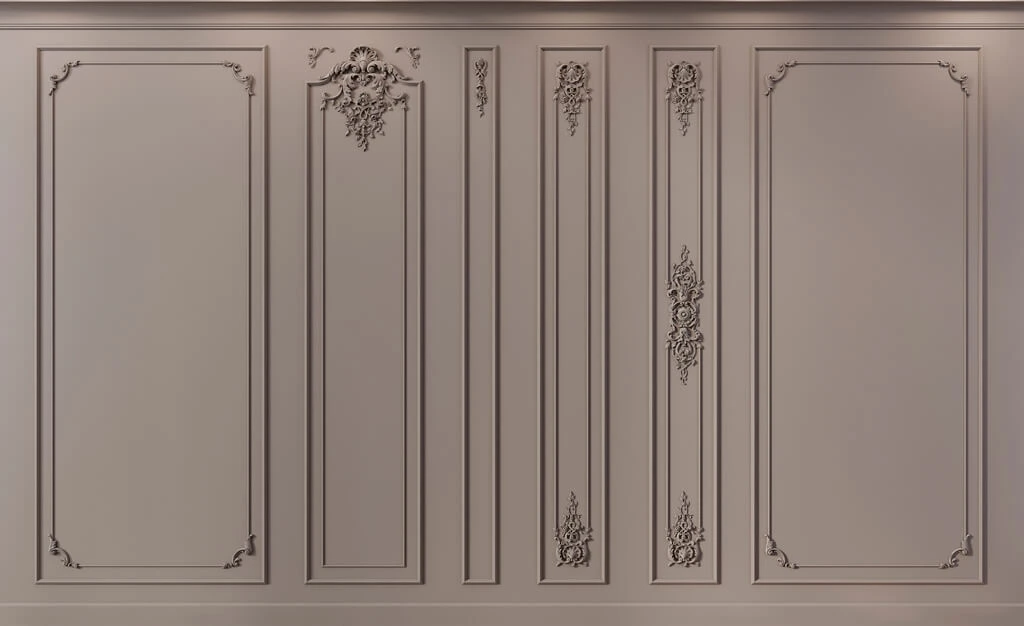
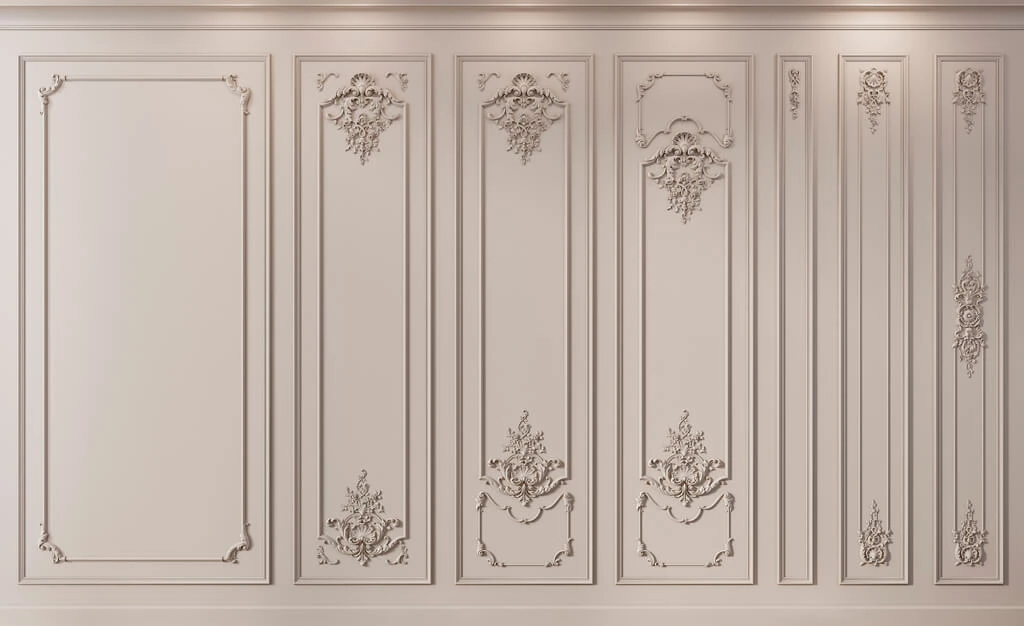
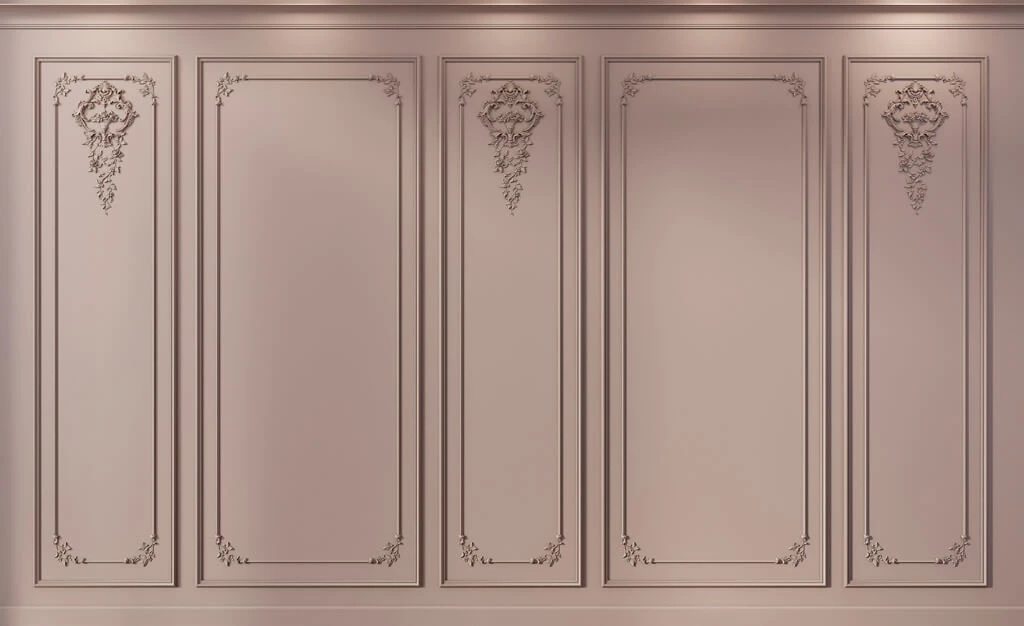
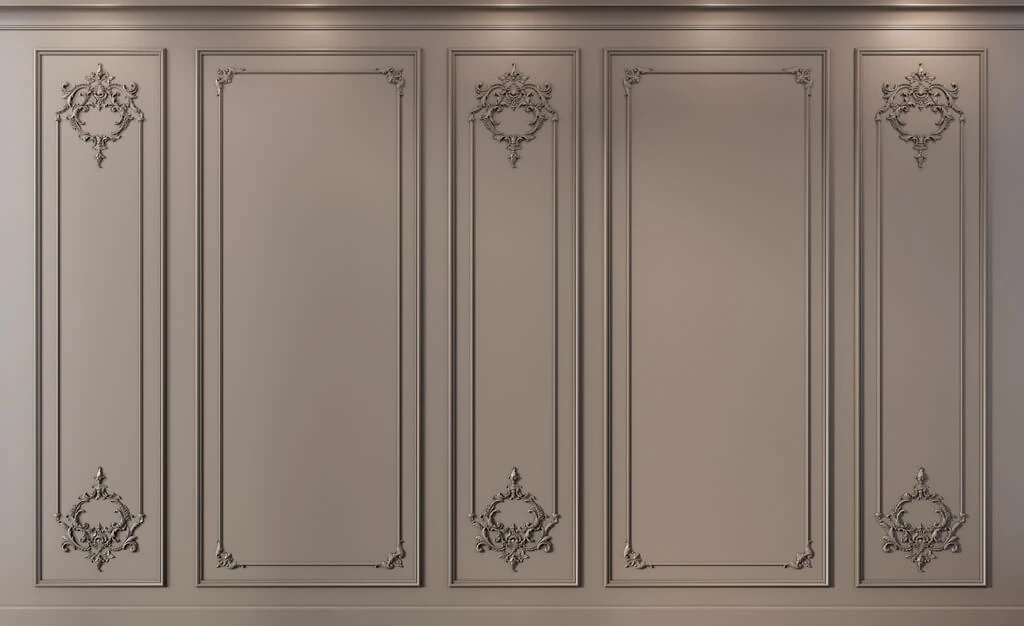
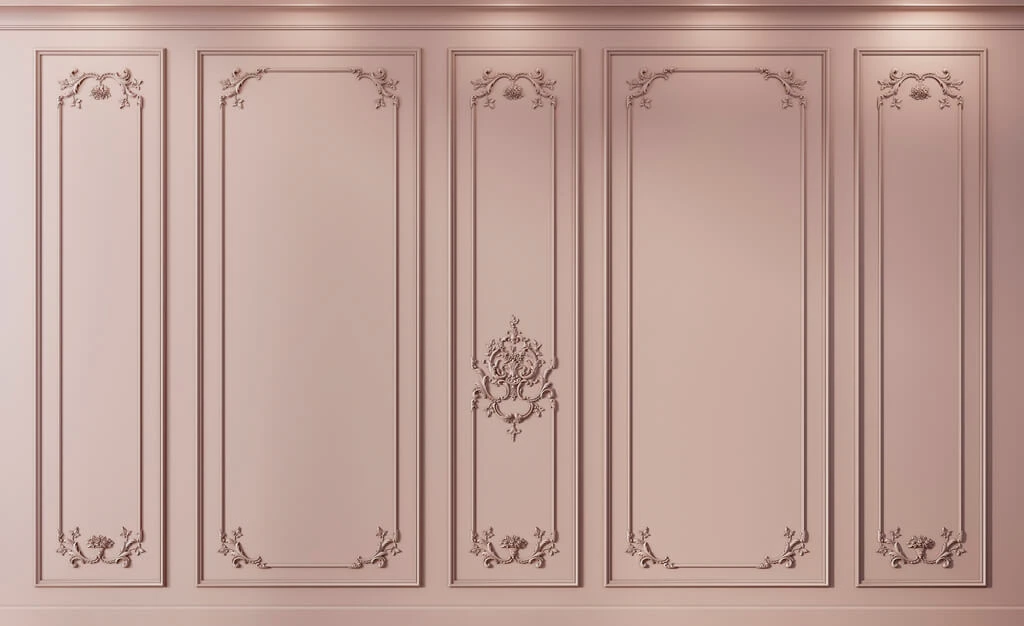
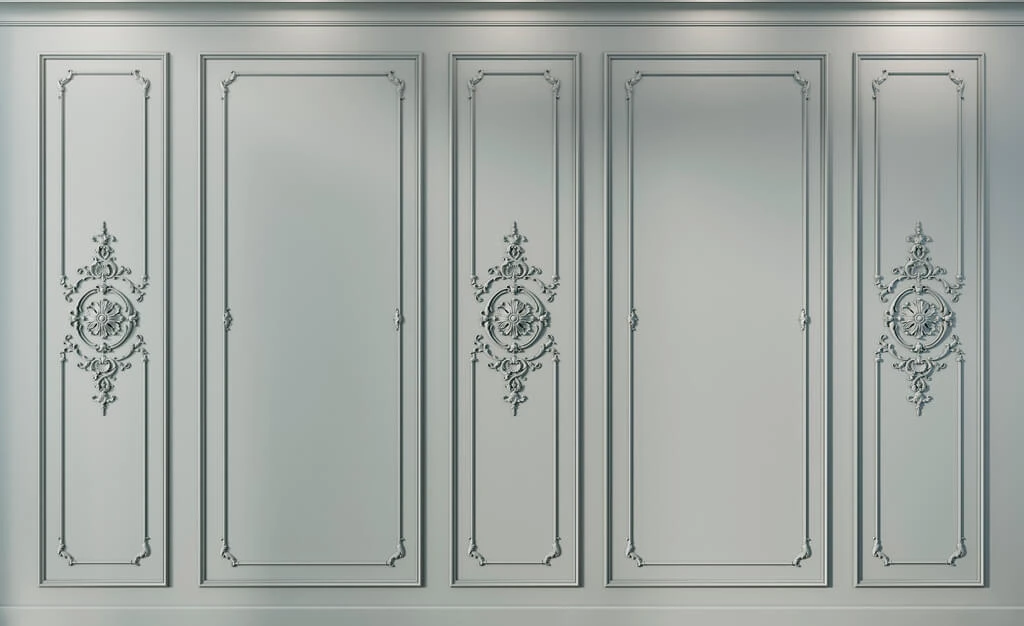
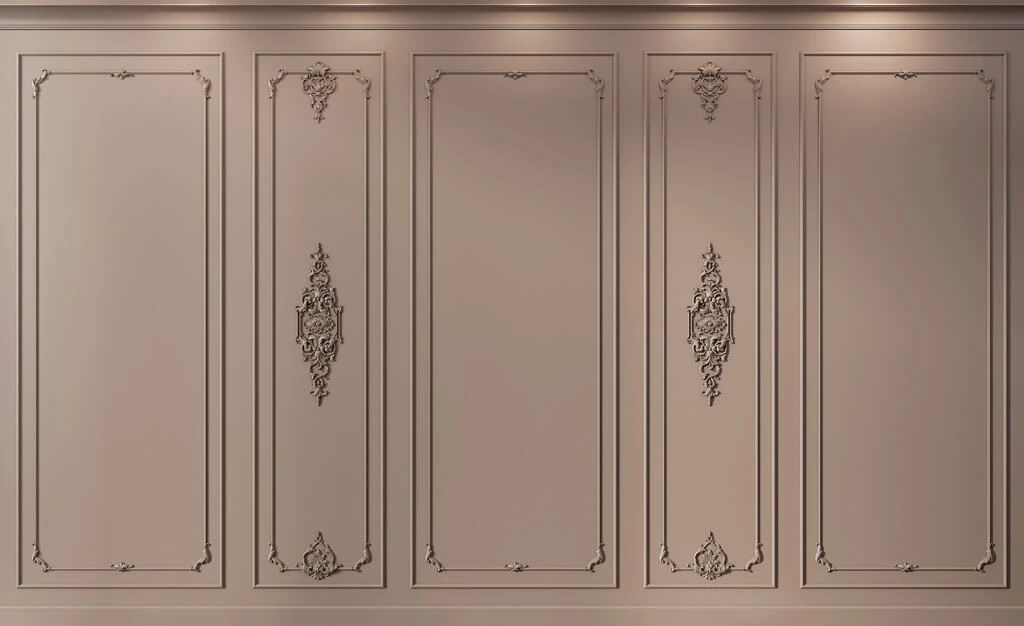
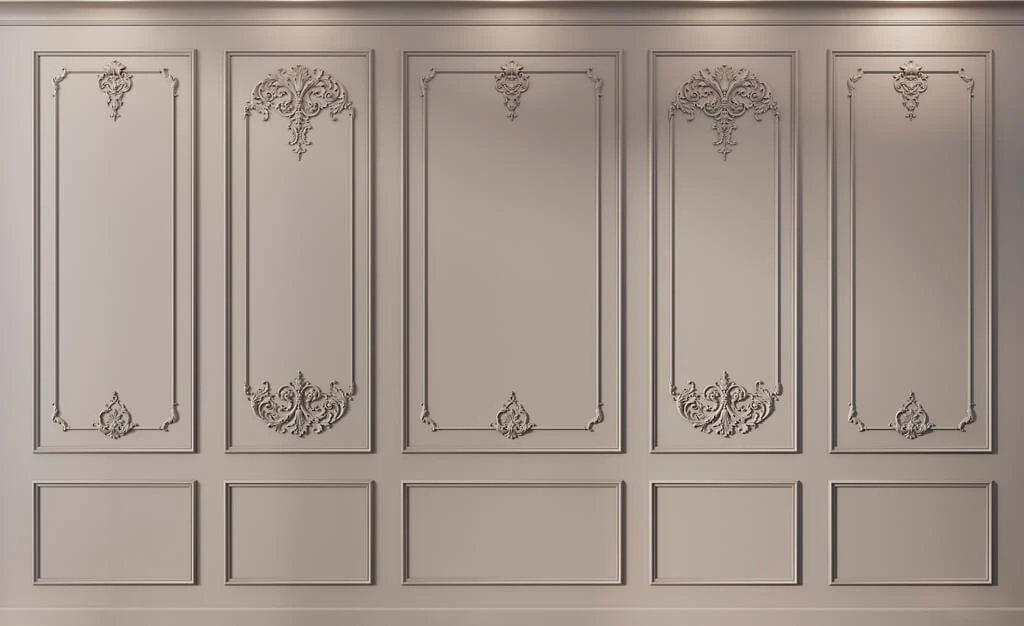
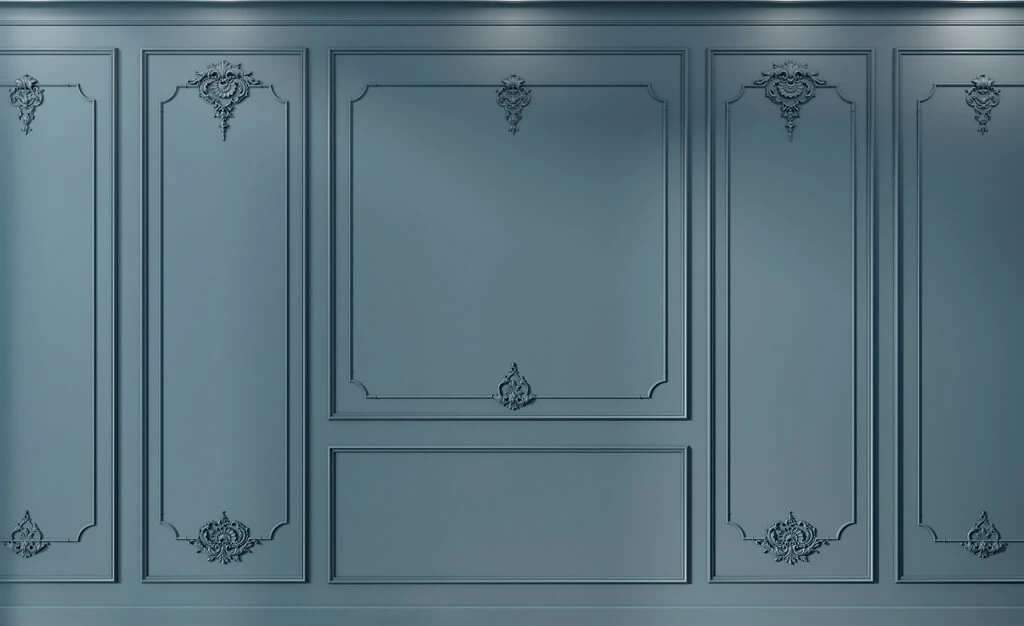
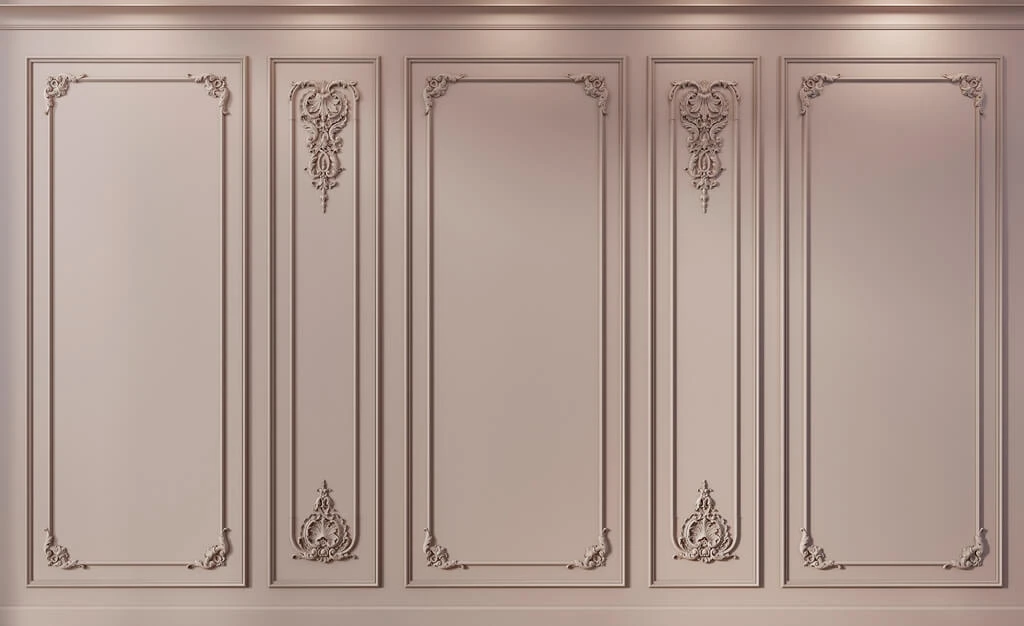
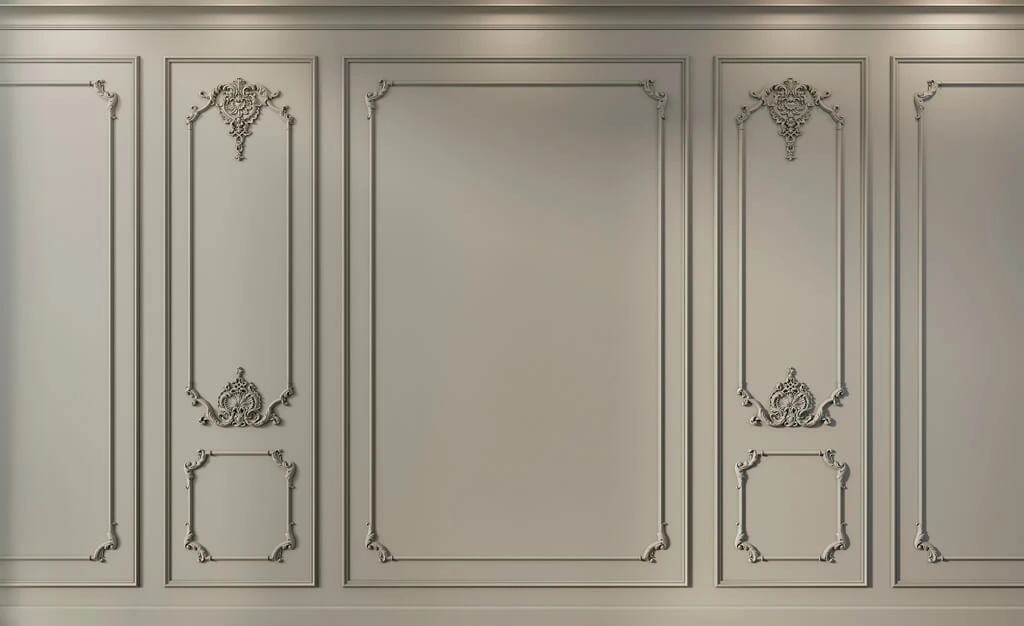
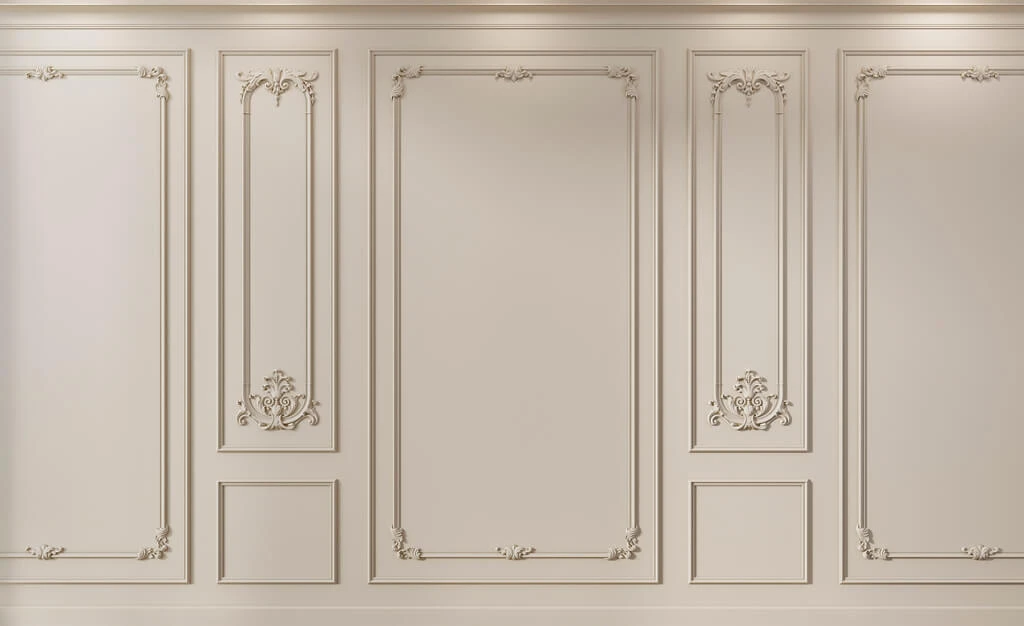
One of the most classic and effective techniques. Wooden moldings for the wall behind the bed create a frame system with the headboard at its center. Moldings can frame the area behind the bed, highlight it from the overall wall plan, and create the feeling of an architectural niche — even if the wall is physically completely flat.
For a classic and neoclassical bedroom, this is almost a mandatory technique: a headboard with carved decor plus a molding frame on the wall — this is already a full-fledged interior story, not just a bed against the wall.
Headboard and slatted panels
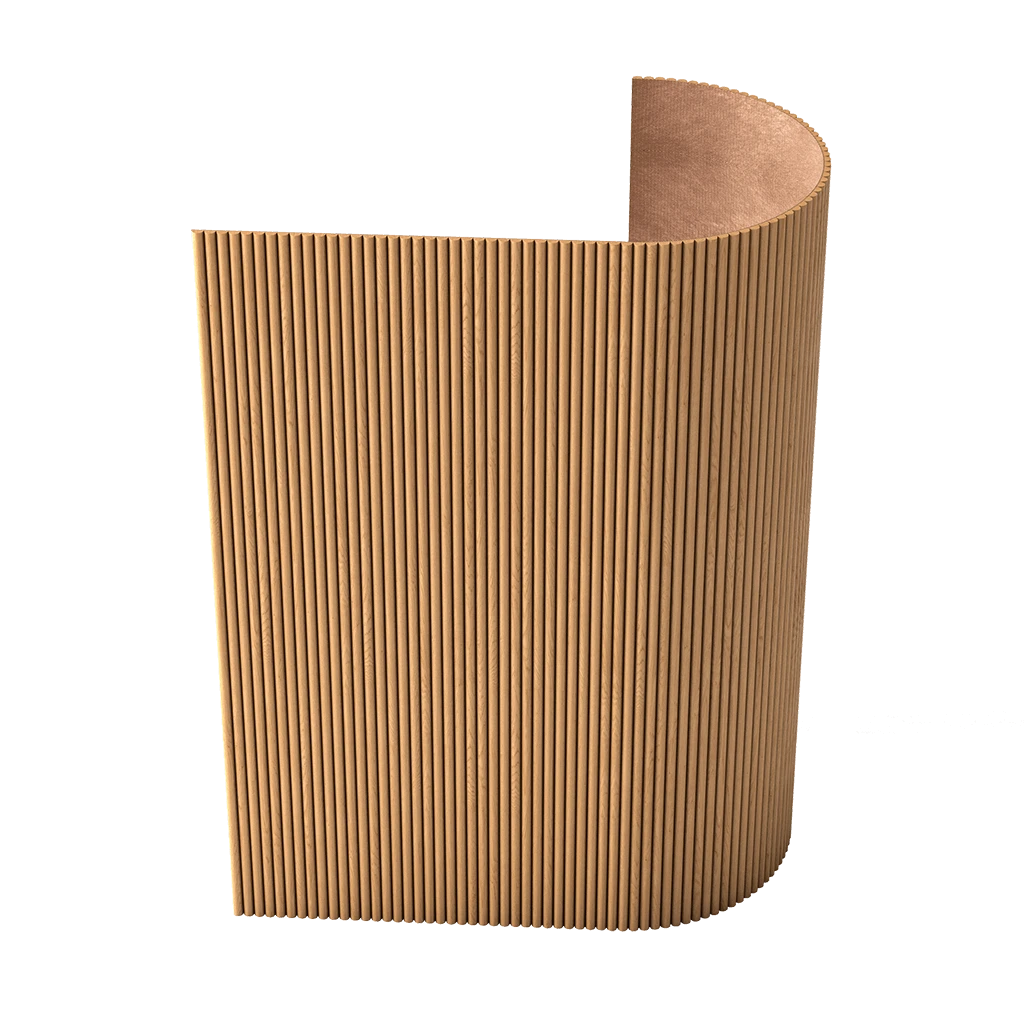
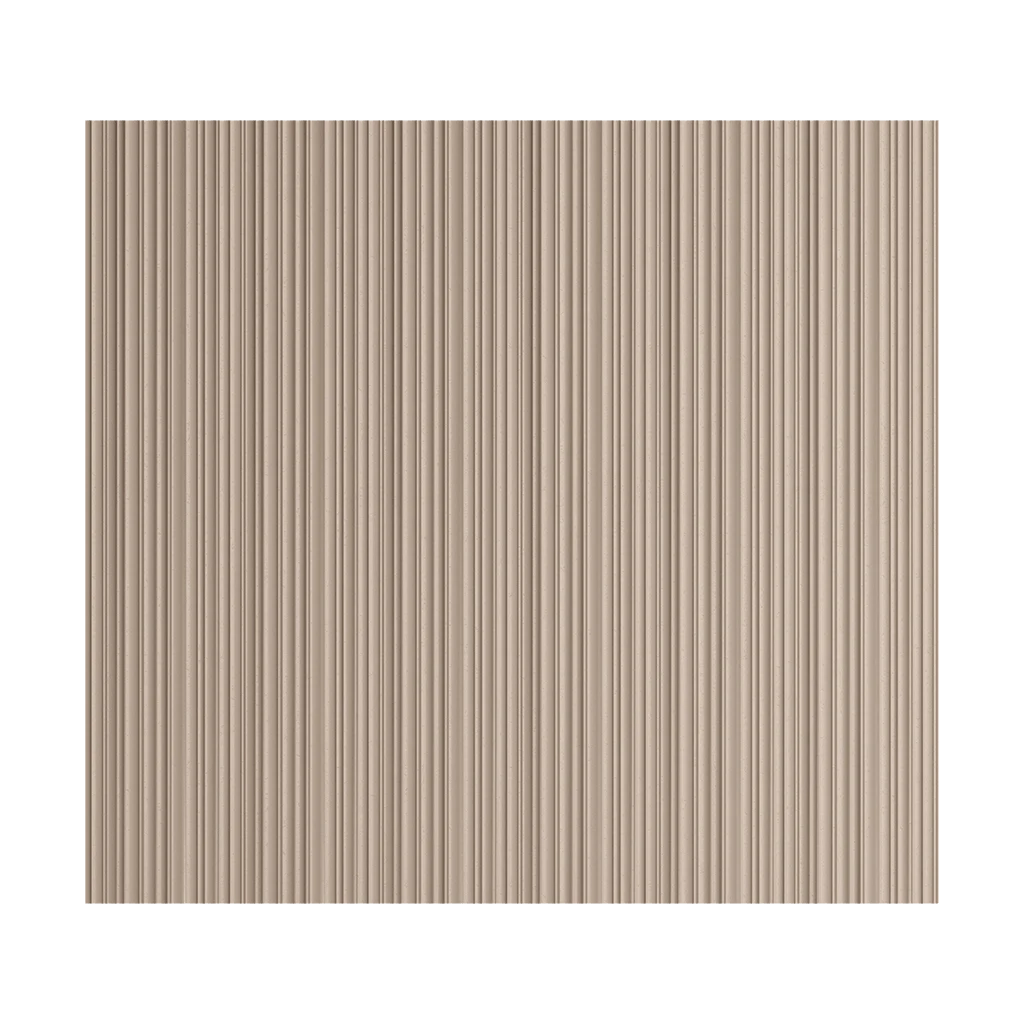
Slat panels behind the headboard — a modern option that works well in minimalist and Scandinavian bedrooms. Vertical slats create rhythm, add texture and depth. The headboard against the slat panel looks complete: the backrest as an accent piece, the slats as an architectural background.
An important nuance: when the headboard and slat panel are made from the same wood or the same color group, the effect is maximal. Different wood shades will start to compete with each other.
Headboard and sconces
Sconces above nightstands are a bedroom classic. When mounted on the wall behind the headboard or on its sides, they create a light contour that emphasizes the silhouette of the backrest. For a wooden headboard with profile decor, side lighting is especially effective: it creates a play of light and shadow in the relief of the carving.
Headboard, frames, and mirrors
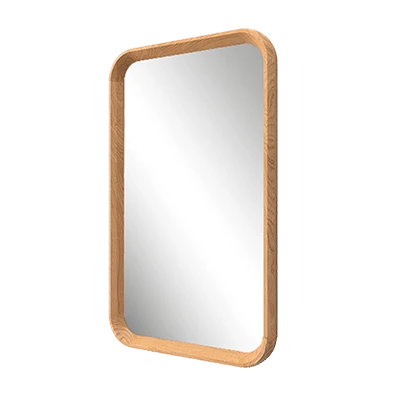
A mirror or framed picture above the headboard is a proven technique. Decorative solid wood overlays can be used to create frame elements on the wall that echo the decor of the backrest. The main rule is that the frame of the mirror or picture must be in the same material and same style as the headboard.
Headboard and bedside tables
Nightstands are not independent objects, but part of a unified sleep zone. When the nightstands, headboard, and wall decor are made in the same material, same color, same style, the bedroom reads as a designed space, not as a collection of items from different stores.
Wooden headboard in different interior styles
A wooden bed headboard is not a product of a single style. It works in a variety of interior concepts if the shape, decor, and finish are chosen correctly.
Classicism and neoclassicism
Here wooden headboard with carved decor — is absolutely normal. A profiled headboard with a figured top, perimeter carving, or applied elements in the center fits organically into a space with stucco cornices, wooden doors, framed mirrors, and parquet flooring. Colors: walnut, dark oak, antique with patina, or white with gold detailing.
Modern interior
In a modern bedroom, a wooden headboard should be laconic: straight lines, clean profile cross-section, minimal decor. Light-toned wood — ash, birch, beech — or dark matte oak without varnish. Solid wood headboard in a modern style is not about pretentiousness, but about the quality of the material, which itself serves as decor.
Scandinavian Style and Japandi
Here, light wood species with minimal processing work best: matte finish, oil, wax. The headboard shape is a calm rectangle or with softly rounded corners. No carving, no applied elements — only the texture of live wood and correct proportions.
Country house and rustic
Bed with wooden headboard made of solid pine, cedar, or oak — is a classic of country interior. Here you can afford more massive shapes, textured surface treatment, even roughness of the material — all of this works to create that special coziness for which people go out of town.
Art Deco and modern luxury
A geometrically complex headboard with metal inserts or decorative solid wood overlays — for interiors where sophistication matters, not asceticism. Dark wood, gold details, mirrored surfaces nearby — this is the language of modern luxury, and the wooden headboard takes center stage.
How to match the headboard color with furniture and flooring
Color coordination is not about everything being the same. It's about everything being in dialogue.
The wooden headboard should primarily echo the nightstands. If the nightstands are dark oak — the headboard in the same tone. If the nightstands are light — the headboard can be light or contrasting, but not a random shade.
The floor is the second reference. Light oak parquet, dark walnut headboard — this is an acceptable contrast. Dark wenge parquet, an even darker headboard — that's already overkill, the bedroom will start to 'sink'.
Doors are the third element. Wooden headboard matching furniture color should also consider the color of door frames if they are wooden. Ideally, all wooden elements in the bedroom — doors, nightstands, headboard, Baseboards — should be kept in the same color group or have a clear contrasting logic.
White or gray are universal neutral options. Wooden headboard for painting Made from MDF or solid wood, it allows you to achieve any shade from the paint palette — this is especially convenient when the bedroom interior is already established and you need to match a specific color.
Wooden headboard and bedside tables: how to build a sleep zone
The sleep zone is not just a bed. It's a system: headboard, tables, wall decor, lighting, floor. And all these elements must work together.
Let's start with the tables. Their height determines how tall the headboard should be. A standard table is 50–60 cm. The lower edge of the headboard usually starts at the level of the mattress (40–55 cm from the floor) — meaning the top of the table is approximately at the level of the headboard's start. The headboard should rise above the tables by at least 30–40 cm, otherwise the entire ensemble looks flat.
If the tables and headboard are made of the same material, it creates a unity that is immediately perceived as a professional solution. Furniture Frames from Solid Wood STAVROS allows you to select elements in a unified system: bed frame, headboard, tables, legs — all from the same material, same series.
The space between the table and the edge of the headboard is another important nuance. If the headboard is wider than the frame, it protrudes slightly on the sides. The tables should then be placed with a small gap from the edge of the headboard — 5–10 cm. This creates a sense of neatness and completeness.
Mistakes when choosing a wooden headboard: how not to waste money
Mistakes when buying a bed headboard separately happen even to people with good taste. Because taste is about aesthetics, and mistakes are about technique and proportions.
Mistake 1: buying a headboard without measuring the bed width. It sounds elementary — but it's the most common problem. It seems like "it'll roughly fit," but in the end, the headboard is 10 cm narrower than the frame, and it's visible to the naked eye.
Mistake 2: not considering the mattress height. Mattresses come in different thicknesses: from 16 to 35 cm. If you have a high mattress (28–35 cm), a headboard designed for a standard one will be too low — and it will seem like the headboard is "sinking" under the pillows.
Mistake 3: a headboard that is too low for a large bedroom. In a spacious room with high ceilings, a low headboard gets lost. It doesn't create the right scale and visually makes the bed look small.
Mistake 4: carved decor in a minimalist interior. If the entire bedroom is designed in the "less is more" spirit, a lush carved headboard will look out of place. Here, a laconic form with a clean profile is needed — and that's enough.
Mistake 5: not planning the mounting in advance. The headboard can be mounted to the wall, to the bed frame, or stand independently. Each method has its own features. If the wall is drywall, wall mounting requires butterfly anchors or embedded supports. This needs to be known in advance.
Mistake 6: not considering the color of nightstands, floor, and doors. Wood is not just "wooden color." Light ash and dark wenge are fundamentally different tones. Mixing them without intention means creating visual chaos.
Mistake 7: buying a headboard as a separate item without thinking about the entire zone. The headboard is not an isolated object. It needs to be considered in context: wall, nightstands, decor, lighting. If you don't do this, you'll end up with a beautiful object against an ugly background.
What to check before buying a wooden headboard
A short practical checklist that will save you from disappointments:
-
The width of the bed and mattress is the main dimension for selecting the headboard
-
The height of the mattress affects the correct starting point of the headboard
-
Ceiling height determines the maximum allowable headboard height
-
The size of the wall behind the bed — you need to understand how much space is available in width and height
-
The presence of bedside tables affects the choice of headboard width and height
-
Is carved decor needed, or is a laconic profile sufficient
-
Material: beech, oak, solid wood, MDF — this affects weight, durability, and price
-
Color and finish — varnish, oil, tinting, painting; is matching with the bedside tables required
-
Mounting method — to the wall, to the frame, freestanding option
-
Compatibility with the frame — if the headboard is attached to the frame, you need to know its construction
-
The presence of decor on the wall—moldings, slats, panels—must be considered when choosing the height
How to install a wooden headboard: basic principles
Installing a headboard is not the most difficult task, but it requires precision. Let's break down the main options.
Wall mounting. The backrest is attached directly to the wall with screws or brackets. Suitable for any type of headboard. Pros: stability and independence from the bed frame. Cons: you need to mark the attachment point in advance, taking into account the height of the mattress and frame.
Mounting to the bed frame. The backrest is fixed to the side elements or legs of the frame. This allows you to move the bed without having to dismantle the headboard again. Requires structural compatibility.
Freestanding option. Some headboards have their own legs and simply stand behind the bed, leaning against the wall. Convenient for rentals or frequent moves. Requires a reliable support to prevent shifting during movement.
Before installation, make sure that sockets and switches located on the wall behind the bed remain accessible. This is a small detail that is always noticed after the fact.
Wooden headboard and bedroom decor: a systematic view
We have already mentioned that a headboard is not an isolated item. Let's bring this to a systematic view of the bedroom as an architectural space.
The bedroom consists of three zones: the sleep zone (bed + headboard + nightstands), the storage zone (wardrobes, dressers), and the relaxation zone (if there is an armchair or sofa). The headboard works in the first zone—and this zone is the main one because it is what you see immediately upon entering the room.
If the sleeping area is organized correctly, the other areas seem to adapt to it. And the wooden headboard of the bed here it plays the role of a defining element: it determines the direction in which the rest of the decor will move.
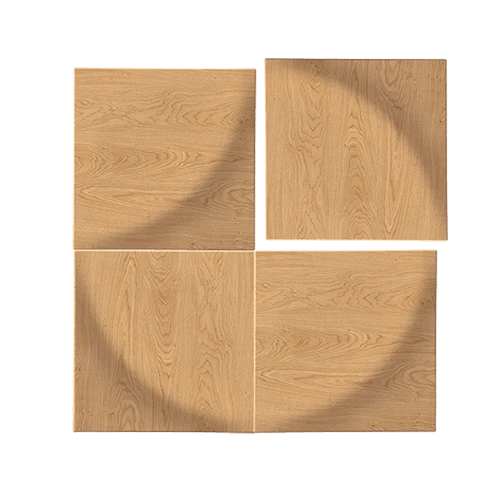
Wooden Moldings on the wall can echo the profile of the headboard. Rafter panels behind the bed — to continue its rhythm. Wooden bed legs — to develop its material. overlay elements — to duplicate its decorative motif. All of this creates a coherence that cannot be achieved by buying items separately without a general concept.
This is how real design works: not a collection of beautiful things, but a system where each element enhances the other.
Carved headboard and moldings in the bedroom: a classic duo
If you choose carved headboard — moldings on the wall behind the bed become an almost inevitable continuation of the logic. They create an architectural context for the headboard and turn the wall into an independent decorative object.
The scheme is simple. The moldings form a frame on the wall — a rectangular field with the headboard placed in the center. This field can be painted in an accent color or covered with textured wallpaper — then the headboard literally "grows" out of the frame, like a painting from a mat.
The height of the molding frame should be greater than the height of the headboard: the headboard should not touch the molding at the top; it should be inscribed in the field with some margin. Optimally, the headboard occupies about 60–70% of the height of the molding frame.
Wooden moldings for the wall behind the bed should be made of the same material as the headboard — or at least the same color group. This creates a unity that reads as a professional design solution.
FAQ: answers to the most common questions
Can you buy a headboard separately from the bed?
Yes, this is an absolutely normal and common practice. Buy a headboard for the bed separately is possible provided that the headboard matches your frame or wall in width, height, style, and mounting method. This allows you to update the bed without completely replacing the furniture — economically and efficiently.
Which headboard is better — wooden or upholstered?
A wooden headboard is more durable, expressive, and better suited for classic, neoclassical, and interior decor. Solid wood bed headboard can be repainted, tinted, and reworked for a new interior. A soft headboard is more comfortable for back support but requires care for the fabric and padding.
How to choose the width of the headboard?
Focus on the width of the mattress — that's the base size. The back should not be narrower than the bed. A headboard that is too wide needs to be coordinated with the nightstands and the wall size. If the headboard combines the bed and nightstands into a single ensemble, it can be made significantly wider than the frame.
Is a carved headboard suitable for a modern bedroom?
Yes, provided the shape is chosen correctly. Calm geometric carving without lavish ornamentation looks good even in modern neoclassicism. Carved bed backrest becomes a neat accent and does not overload the interior — if the rest of the wall remains relatively neutral.
Can a wooden headboard be painted?
Yes, and that's one of the main advantages of a wooden headboard. Wooden headboard for painting Made from solid wood or MDF, it accepts any color of acrylic or alkyd paint. It can be tinted to match the floor color, coated with oil to reveal the wood grain, or lacquered for a glossy effect.
How to properly position the headboard in height?
The lower edge of the headboard should start approximately at the level of the top edge of the mattress or slightly lower. The upper edge should not exceed the ceiling height, considering visual "breathing room" above (at least 30–40 cm to the ceiling for medium-sized bedrooms). The center of the headboard should align with the center of the bed in width.
Which material is best for a headboard?
Solid wood is the best option for durability, texture, and repaintability. Oak, ash, beech, walnut—each species gives its own character. MDF is a more affordable alternative with good results when painted. Polyurethane is cheaper but lacks the warmth and weight of natural wood.
How to hide wires from sconces when installing a headboard?
Wires from wall-mounted lights are best routed inside the wall before installing the headboard. If this is not possible, use decorative cable channels that attach to the wall surface. During installation of slatted panels behind the bed, wires can be hidden behind the panel—this gives a clean, neat result.
About the company STAVROS
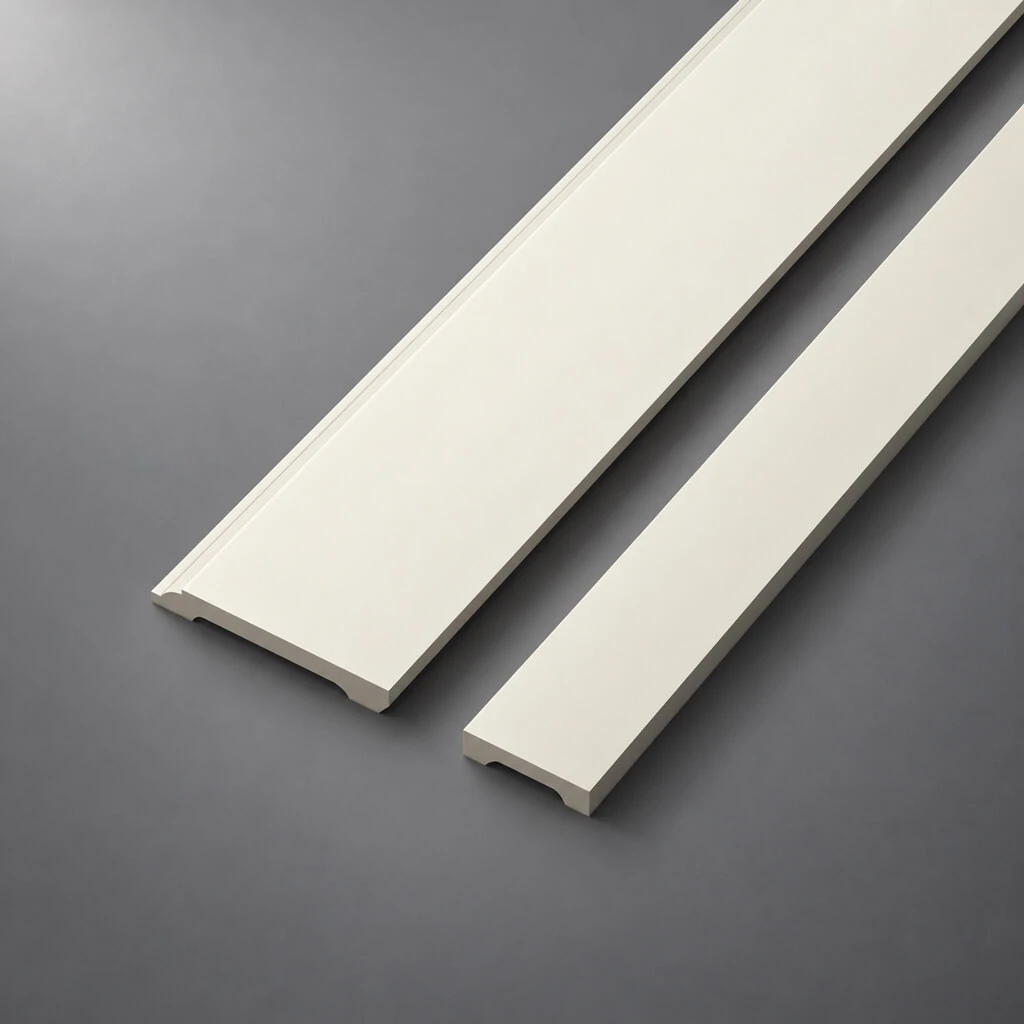
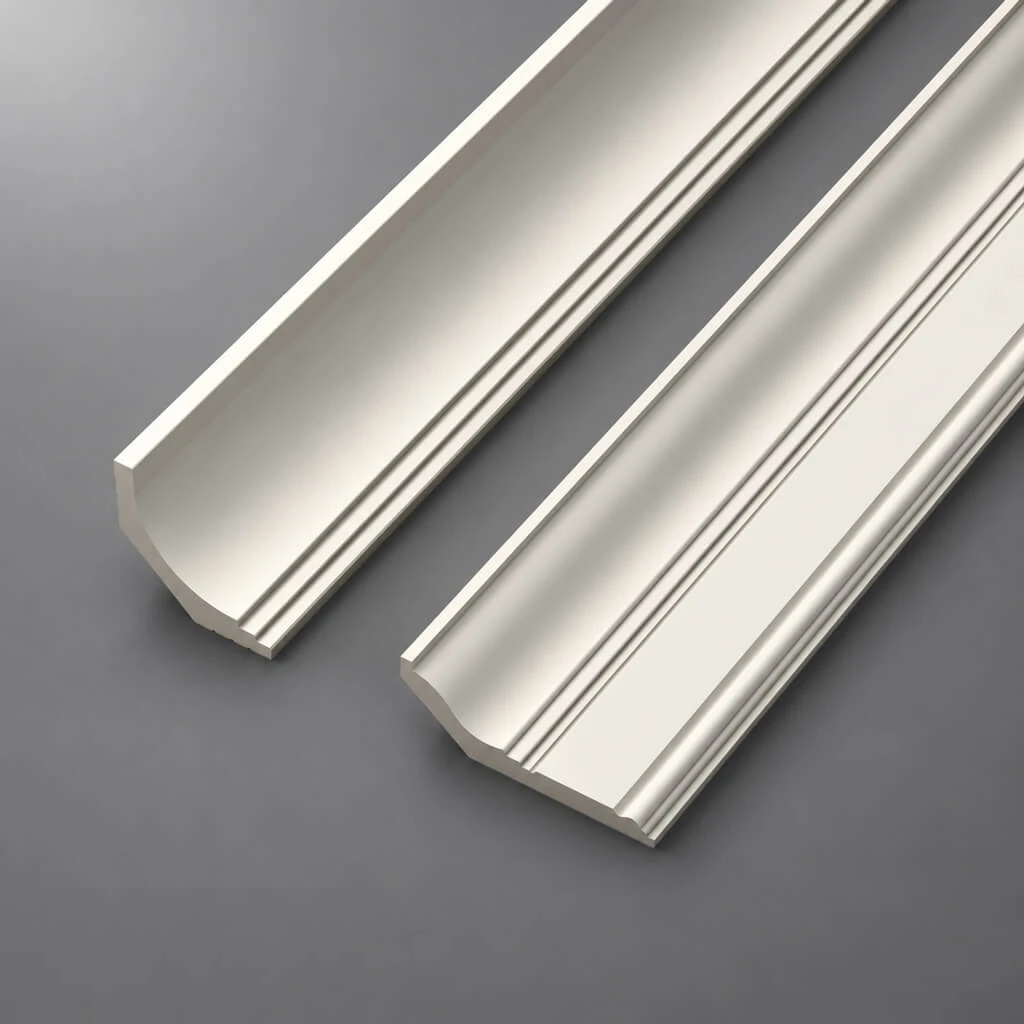
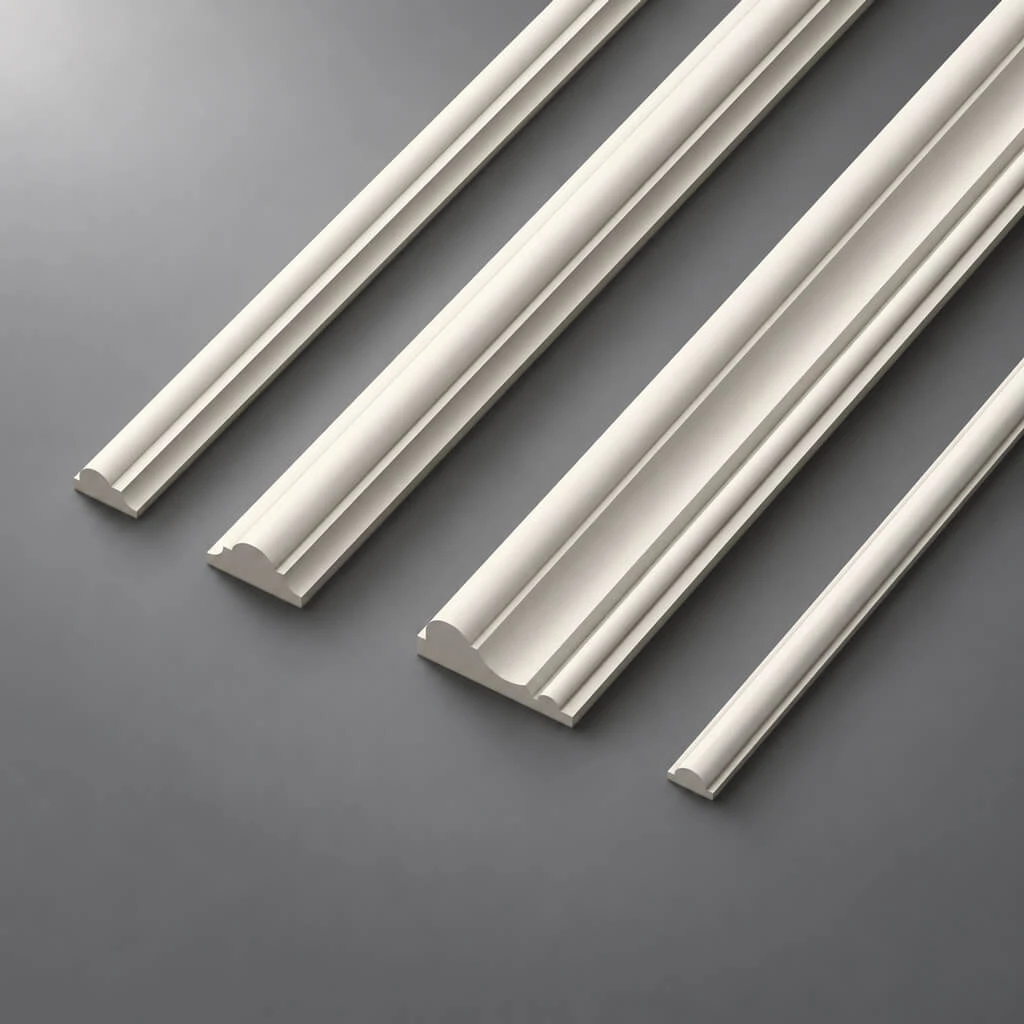
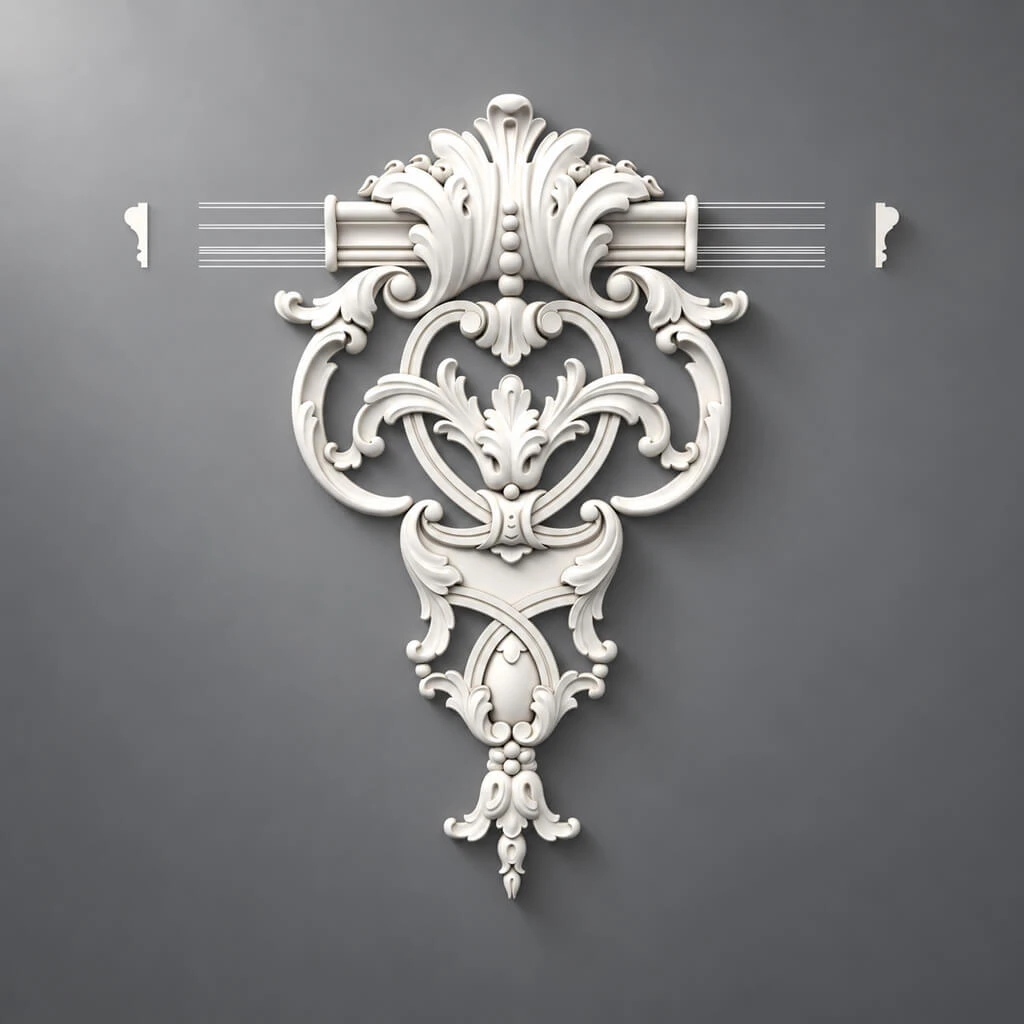
STAVROS is a Russian manufacturer of products made from natural solid wood for interiors and furniture. The company's assortment includes wooden bed backs and headboards, solid wood bed frames, carved beds, furniture frames, wooden furniture legs, Moldings and cornices, Rafter panels и Decorative Inserts made of oak, ash, beech and other wood species.
STAVROS produces products from natural wood without using cheap substitutes — with the ability to choose the wood species, finish, color and size for a specific project. If you want to buy wooden headboard for a bed separately, choose a bed with a carved headboard or assemble a full sleeping area from natural materials — the STAVROS catalog provides everything you need for this in one place.