
























Article Contents:
- Why hallways and corridors need wall decor
- This is the first space that sets the tone for the entire home
- Empty walls are not neutrality, but indecision
- Vertical elements solve the problem of a "squashed" corridor
- Ready-made sets solve the problem of "how to even do this"
- What to choose for a corridor: moldings, stucco, or a ready-made set
- Moldings for frames and long horizontal lines
- Stucco decor for partitions and accent areas
- Ready-made kit for predictable results
- Vertical decor for narrow walls and partitions
- Why vertical format is optimal for hallways
- Decor for the partition between doors
- Decor for the wall between door and corner
- Vertical posts on both sides of the mirror
- Molding kit for a partition: how to choose the right format
- How to decorate a long wall in a hallway
- Rhythmic series is the key to a long wall
- Consider doors, switches, and sconces
- Horizontal belt on a long wall
- Moldings for a narrow hallway: the principle of "less is more"
- Which style to choose for the hallway and corridor
- Neoclassicism
- Neoclassic Light
- Jatoba
- Versailles Light
- How to calculate decor for the hallway and corridor
- Step 1: Draw the wall plan
- Step 2: Determine the type of walls
- Step 3: Calculate the width and height of decorative elements
- Step 4: Check if the decor conflicts with obstacles
- Step 5: Calculate the number of sets and linear meters
- Step 6: Order with a small margin
- Mistakes when choosing decor for the hallway
- Mistake 1: Too large decor in a narrow corridor
- Mistake 2: Doors and switches not taken into account
- Mistake 3: Different styles on adjacent walls
- Mistake 4: Lack of rhythm on a long wall
- Mistake 5: Moldings too close to the baseboard
- Mistake 6: Buying without a scheme
- Mistake 7: Active ornament in a small hallway
- Where to buy wall decor for the hallway and corridor
- FAQ: Answers to Popular Questions
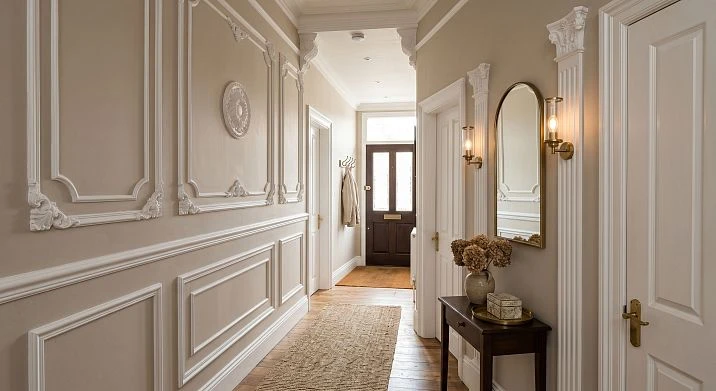
The hallway is the first phrase of your home. Not the living room. Not the kitchen. It's the hallway. A person crosses the threshold and immediately reads it: is it clean, is it warm, does it have character. And if the walls are empty, long, without a single architectural gesture, the phrase is not spoken. There is silence. An indifferent, saying-nothing silence.
The paradox of the hallway and corridor is that decorating the walls here is the most difficult. Narrow spaces between doors. Long straight stretches without furniture. Many switches, sockets, hooks. And at the same time, not a single square meter of extra space. The classic "can't place, nothing to hang, nowhere to attach."
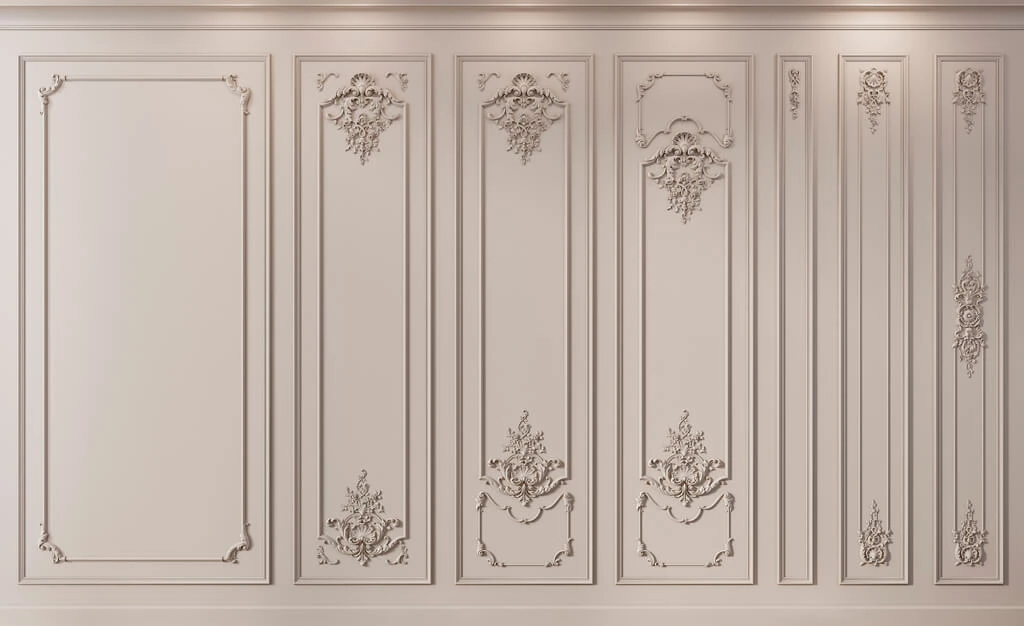
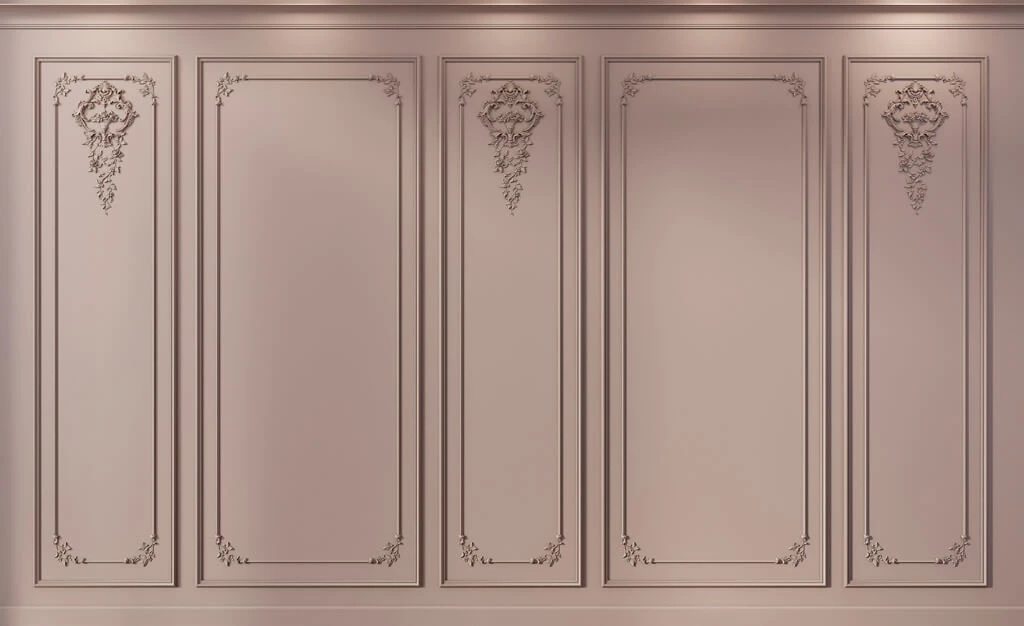
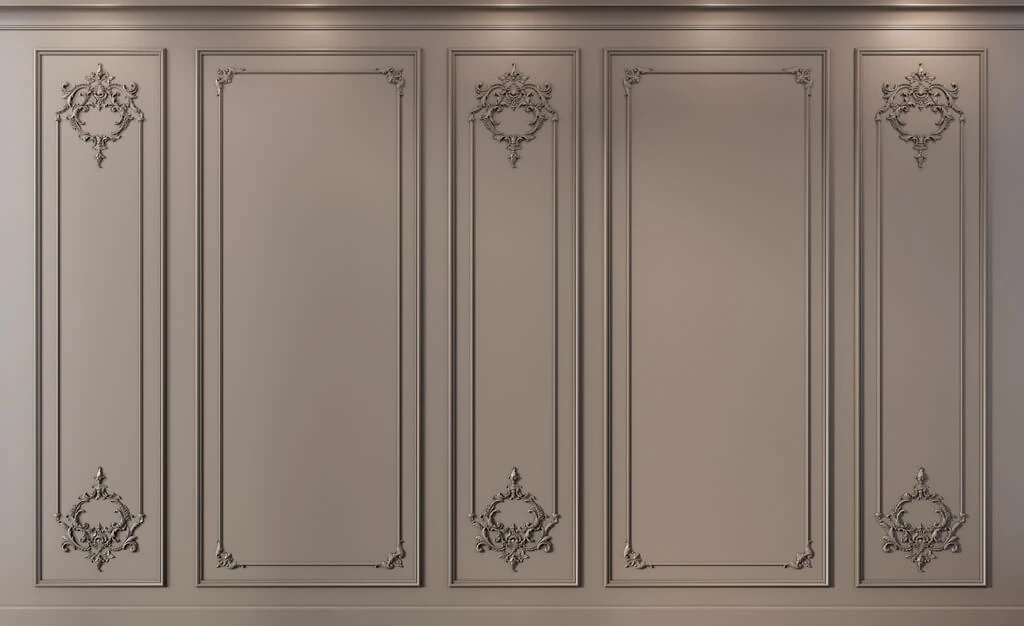
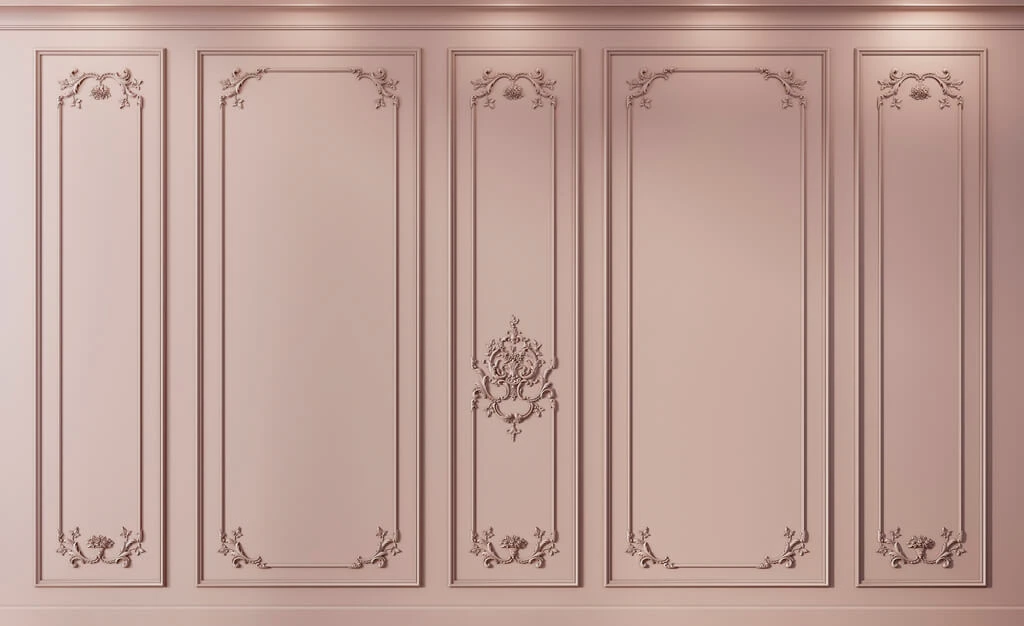
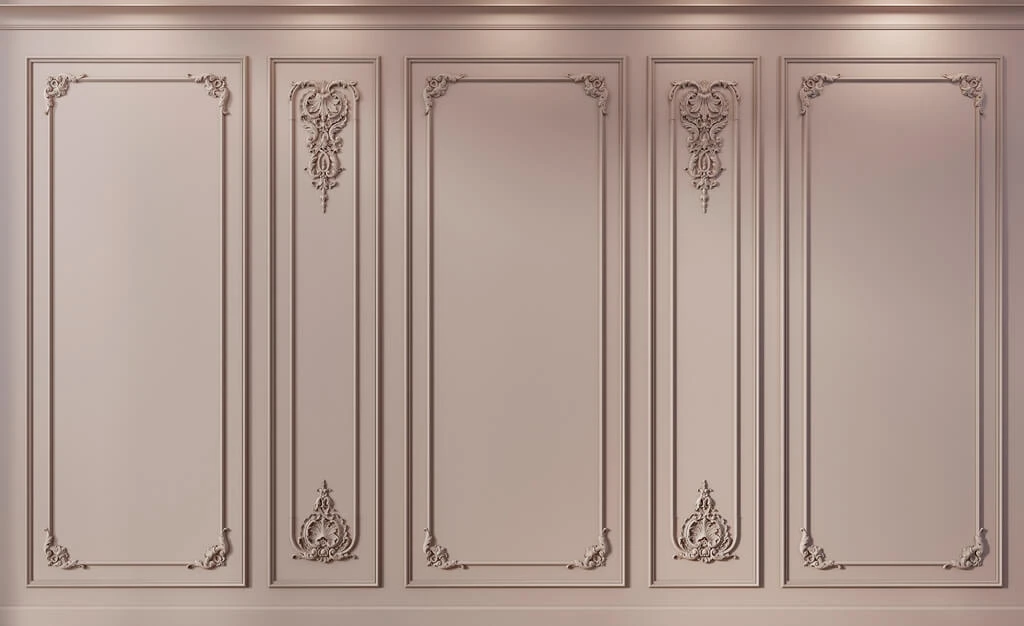
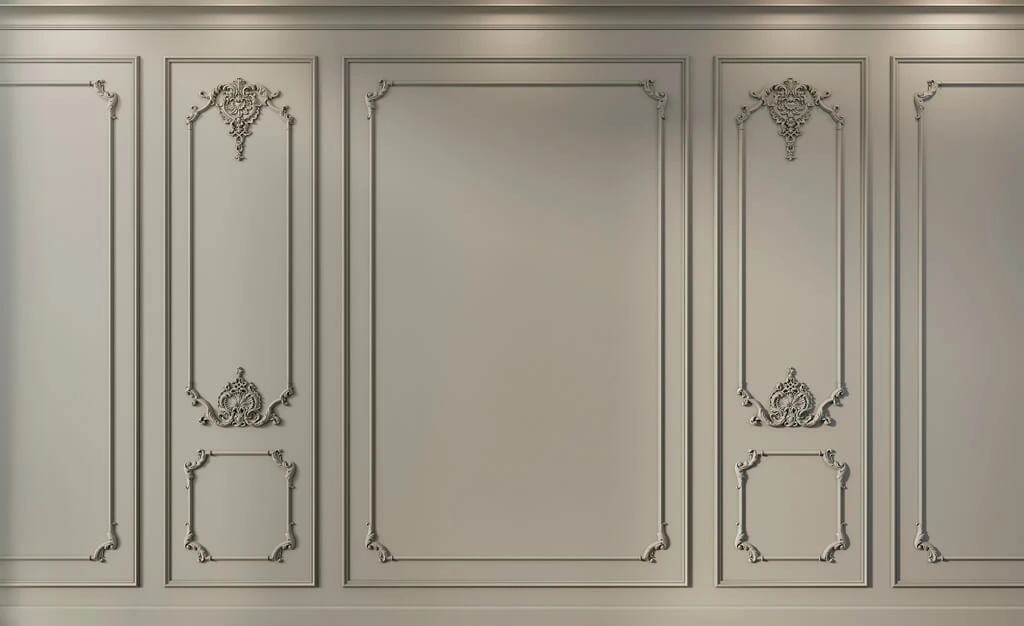
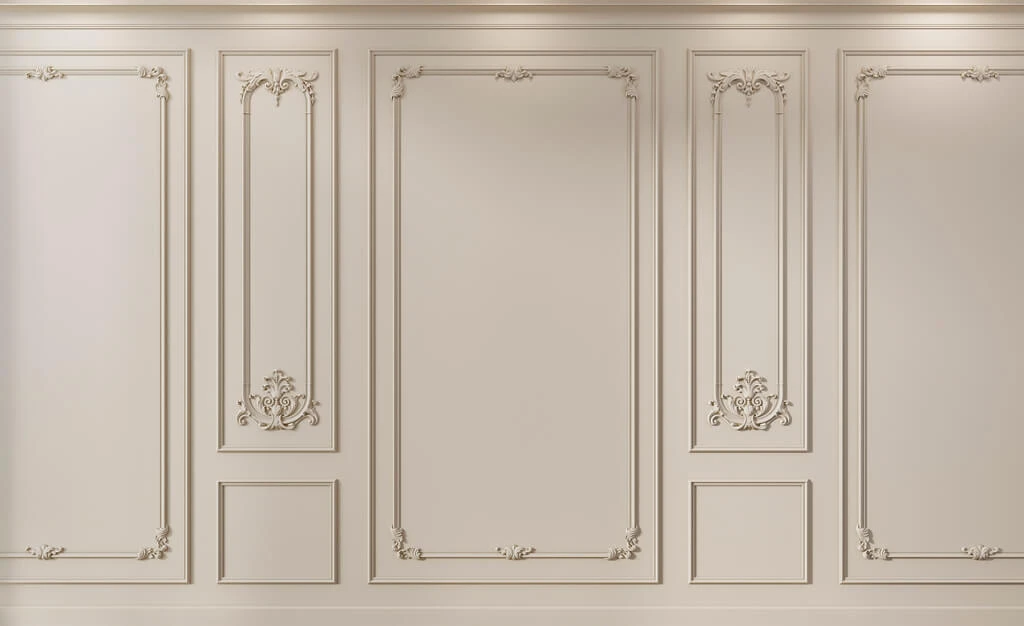
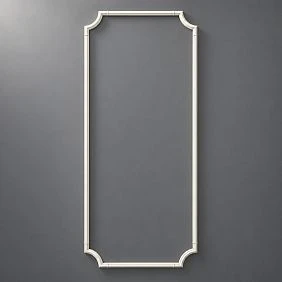
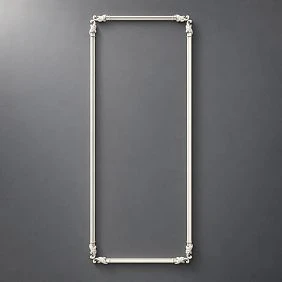
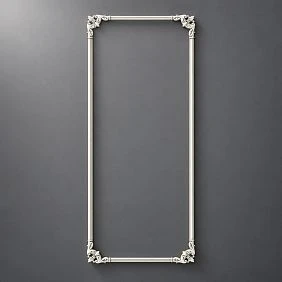
Wall decor in the hallway and corridor made of polyurethane is the answer to this very problem. Vertical sets, laconic frames, molding belts, rhythmic sections — everything that turns a "passage" into an architecturally designed space. Without heavy finishing, without chasing and alterations, with a predictable result.
Why the hallway and corridor need wall decor
Straight and without lyricism: a corridor without wall decor is a pipe. Functional, working, but devoid of what makes an interior an interior. If you want to understand why some apartments have a "feeling of emptiness" — look at the hallway. Most likely, the walls there are bare.
This is the first space that sets the tone for the entire home
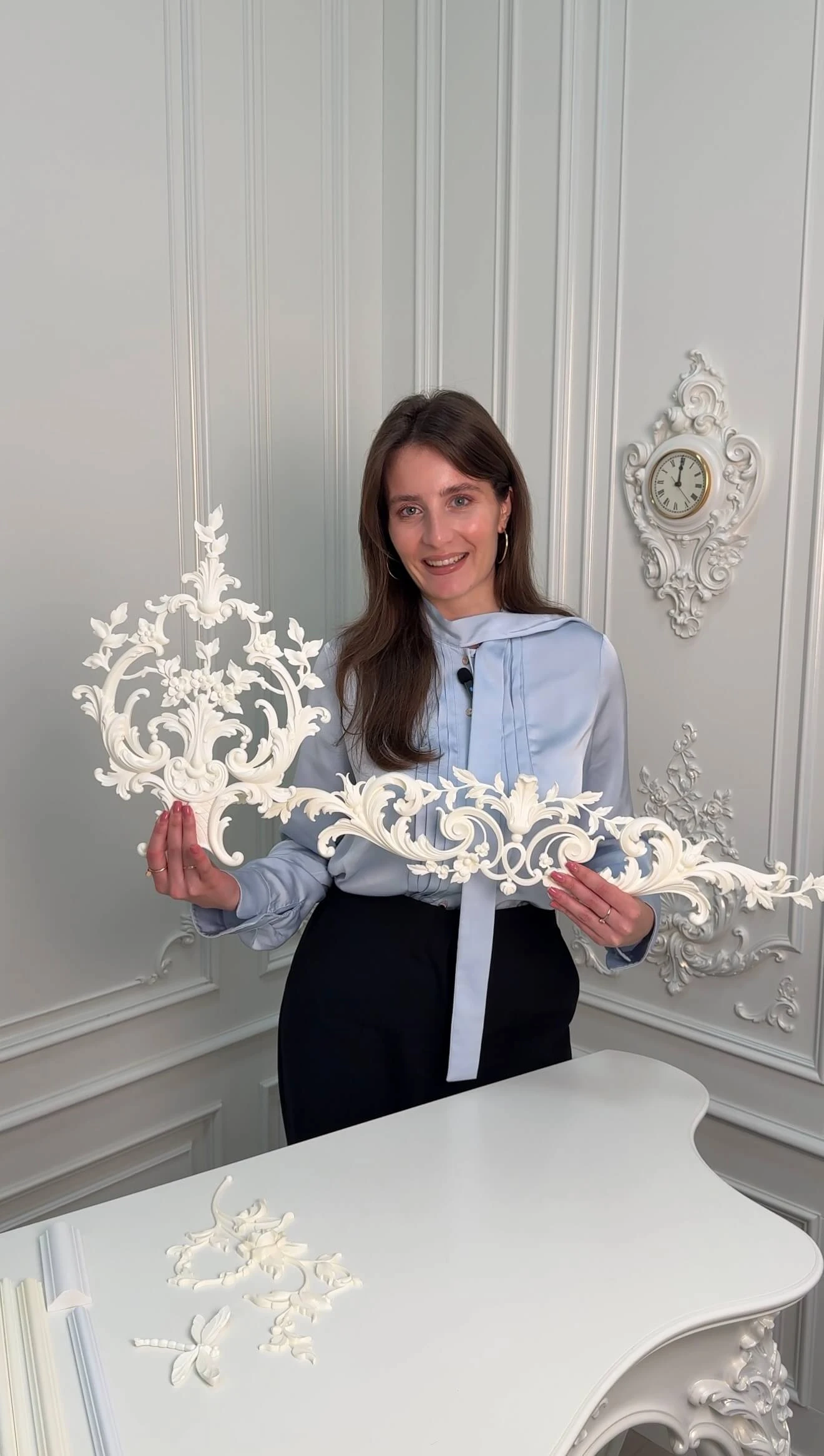
Wall decor for the hallway is not embellishment. It is a signal. When a person enters and sees moldings on the walls, rhythmic frames, or vertical architectural elements, they read: thought was given to the space here. There is intention here.
Psychologists call this the "first frame effect." The interior is perceived as a whole, but it is shaped starting from the first room. The hallway sets the level of expectations for the rest of the house.
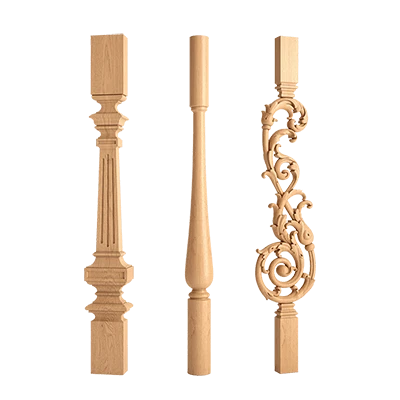
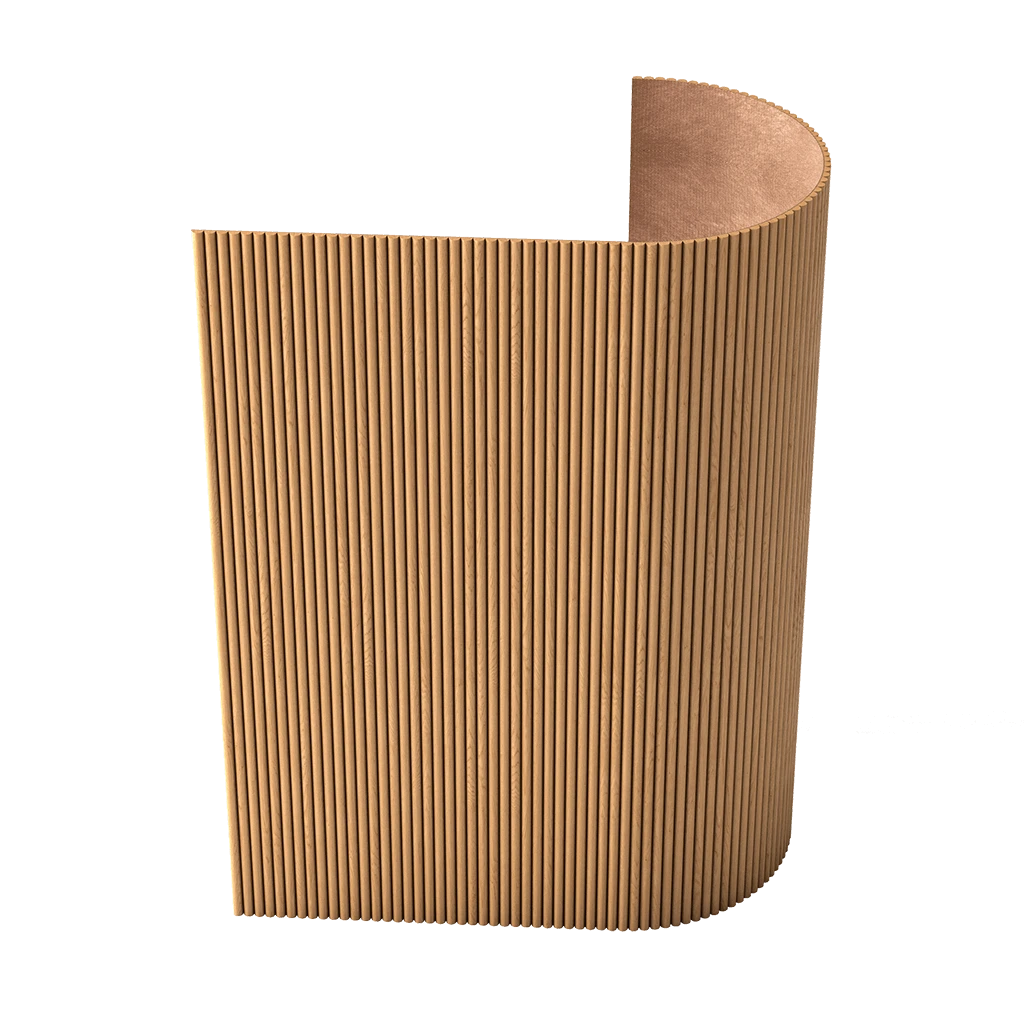
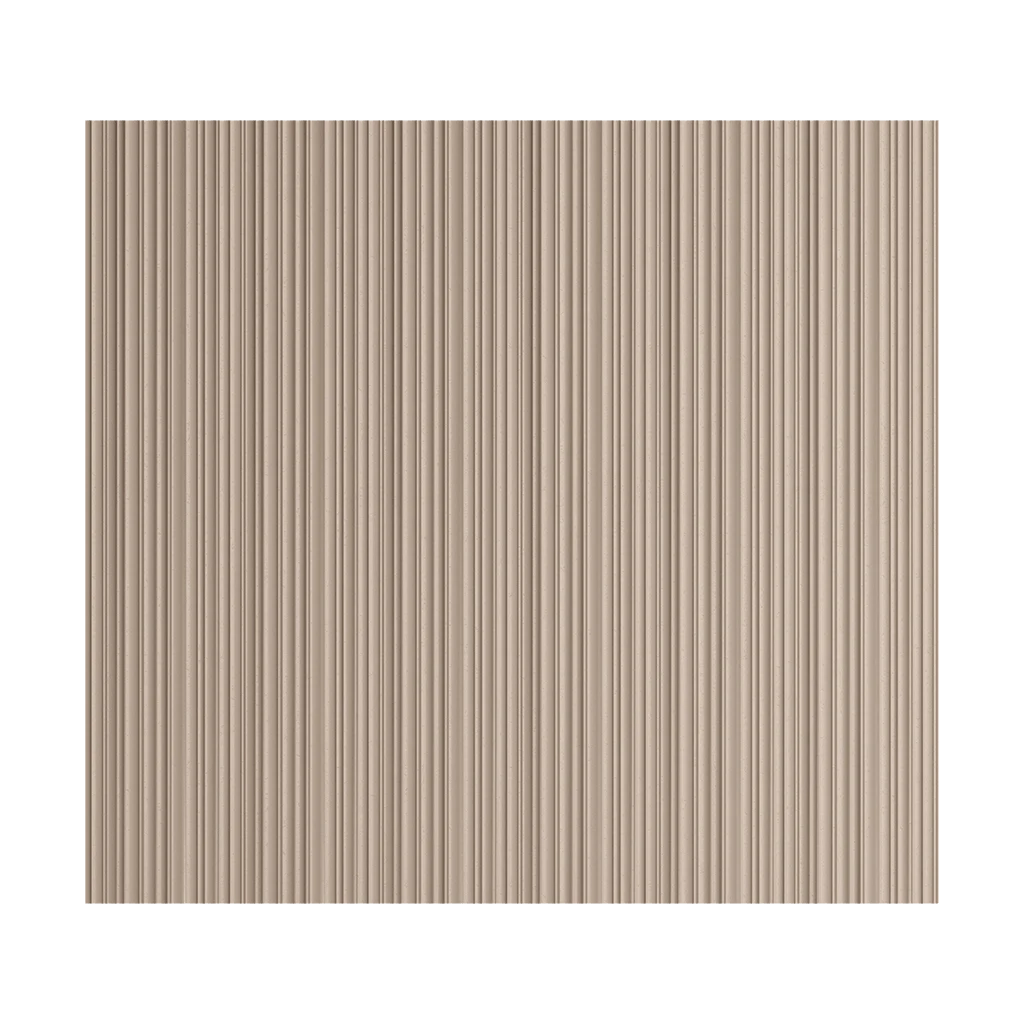
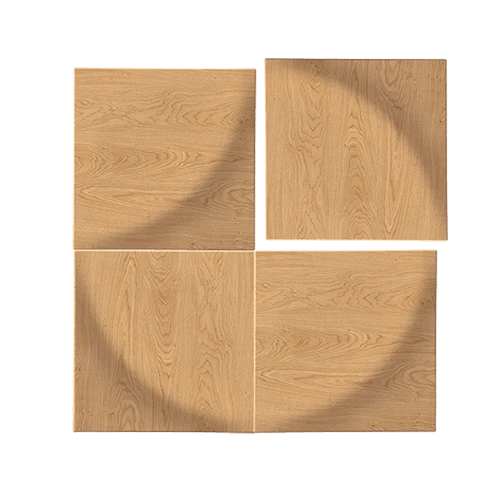
Our factory also produces:
Empty walls are not neutrality, but indecision
A bare wall in the hallway doesn't say "we chose minimalism." It says "we haven't figured out what to do here." Minimalism is a deliberate emptiness with precise proportions. A simply empty wall is a lack of a solution.
Decorating walls in the hallwayusing moldings is the most unobtrusive way to turn "indecision" into "a solution." Decor in the same color as the wall provides architectural relief without visual noise. The hallway becomes organized without losing its calmness.
Get Consultation
Vertical elements solve the problem of a "squashed" corridor
A narrow, low corridor is one of the most common problems in standard construction. The walls feel oppressive. The ceiling seems close. The space feels smaller than it actually is.
Wall decor for the hallwayin a vertical format is a direct answer to this problem. Vertical moldings, posts, vertical frame elements "pull" the gaze upward. The room visually grows. This is not an illusion or a trick—it is a working optical principle.
Ready-made kits solve the problem of "how to even do this"
The hallway is a non-standard space. Many corners, many doors, many obstacles. Independently selecting moldings by size, corner inserts, ornamental overlays — and all of this so that it works together — is a difficult task for a non-professional.
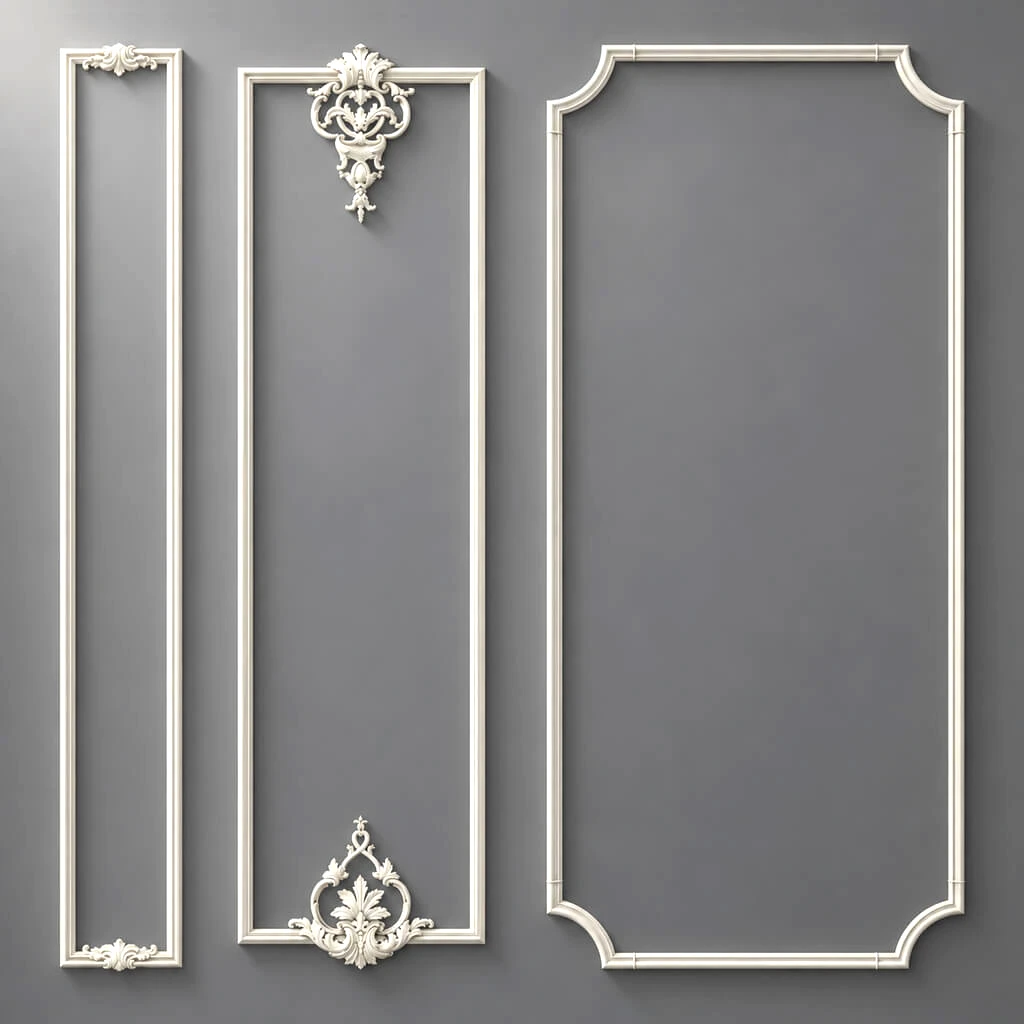
Set of stucco decor for the hallway removes this complexity. The composition of the set is already formed: moldings, corner elements, ornamental inserts — in a unified style and in agreed proportions. You order, you install, you get the result.
What to choose for the corridor: moldings, stucco, or a ready-made set
In the hallway and corridor, three main tools work. Each for its own task.
Moldings for frames and long horizontal lines
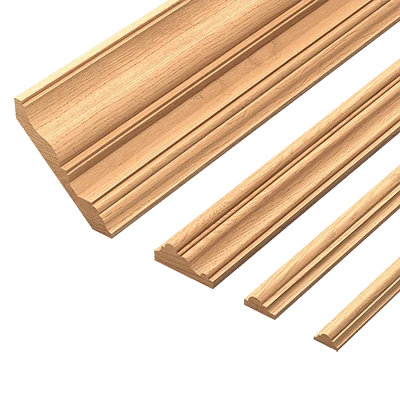
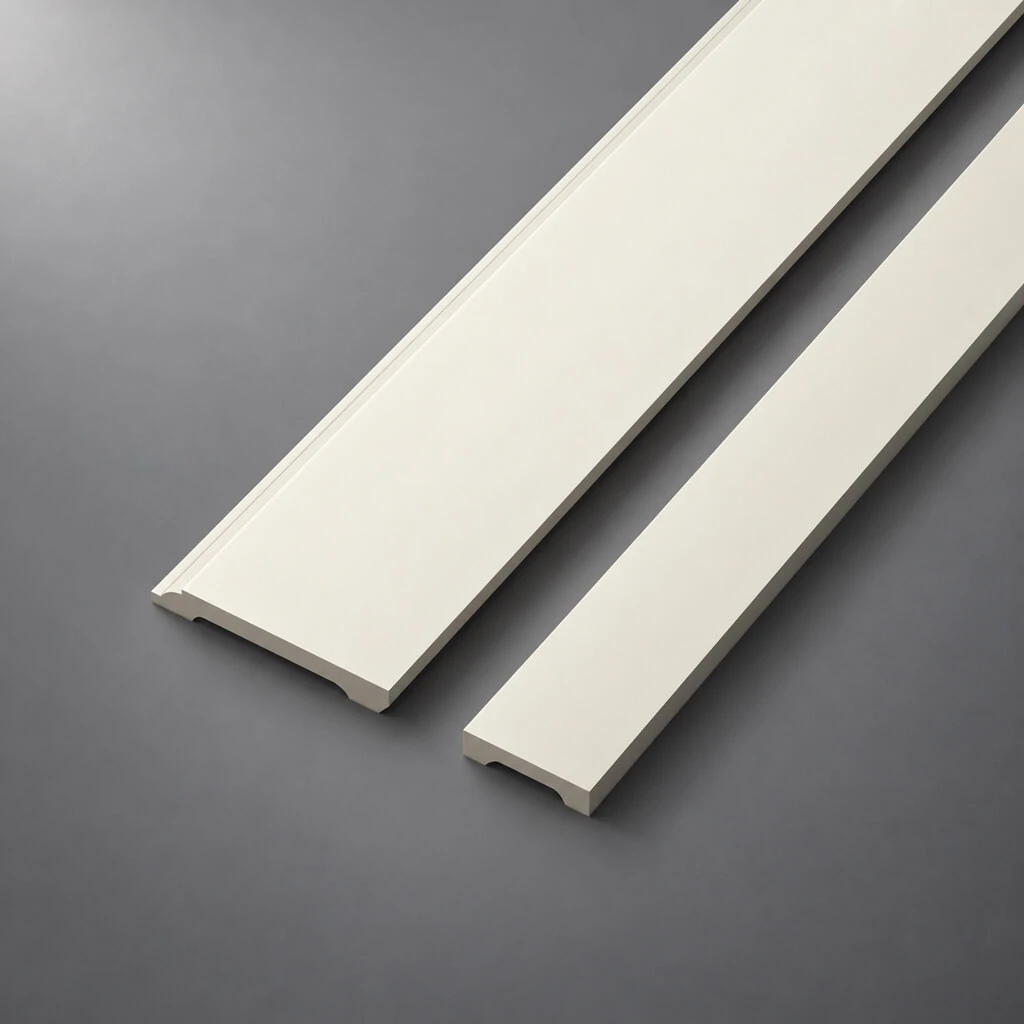
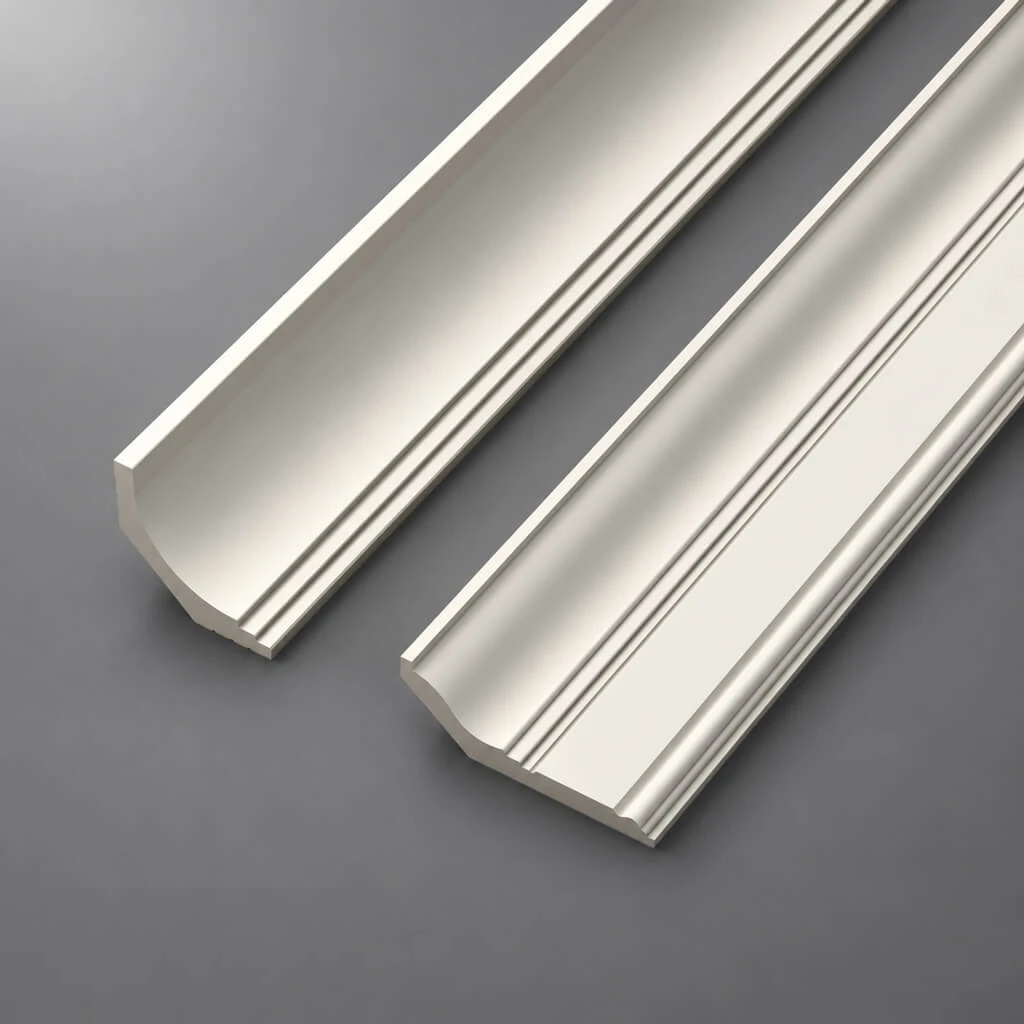
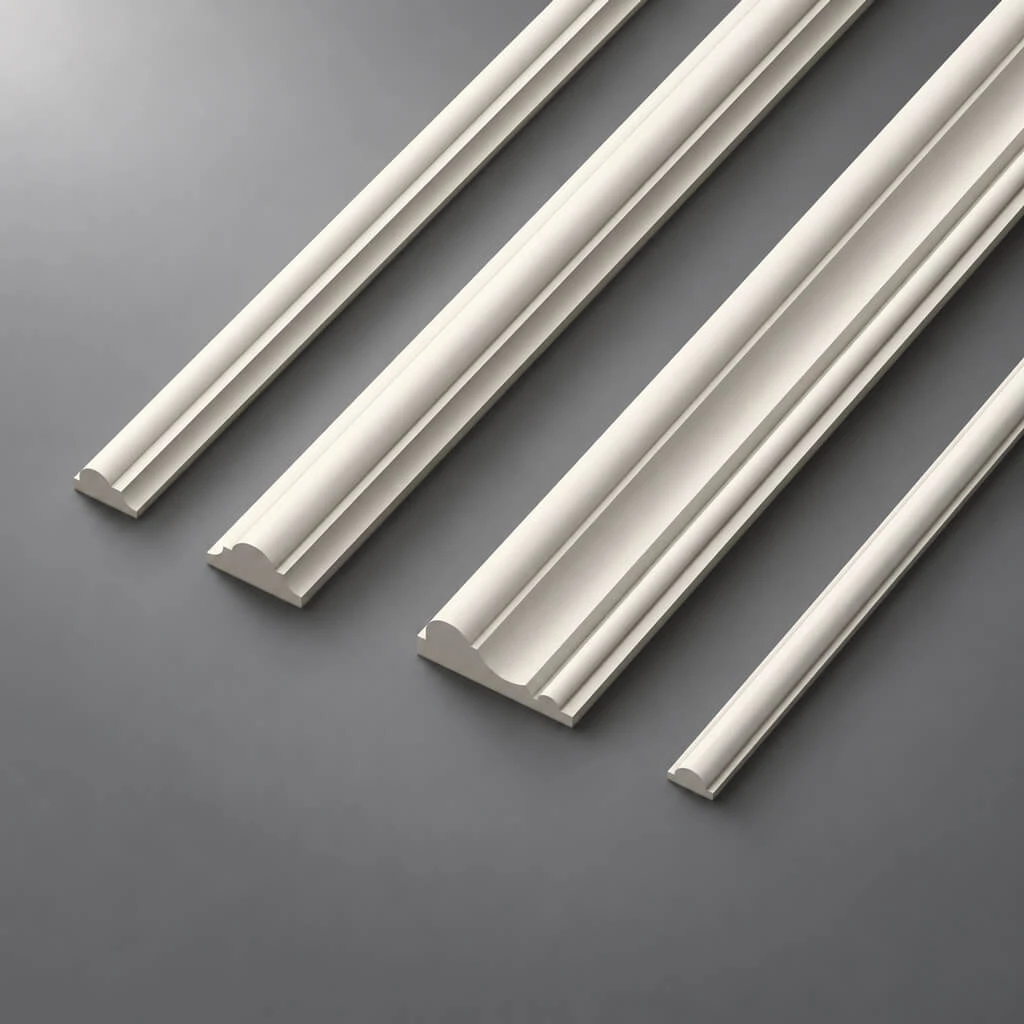
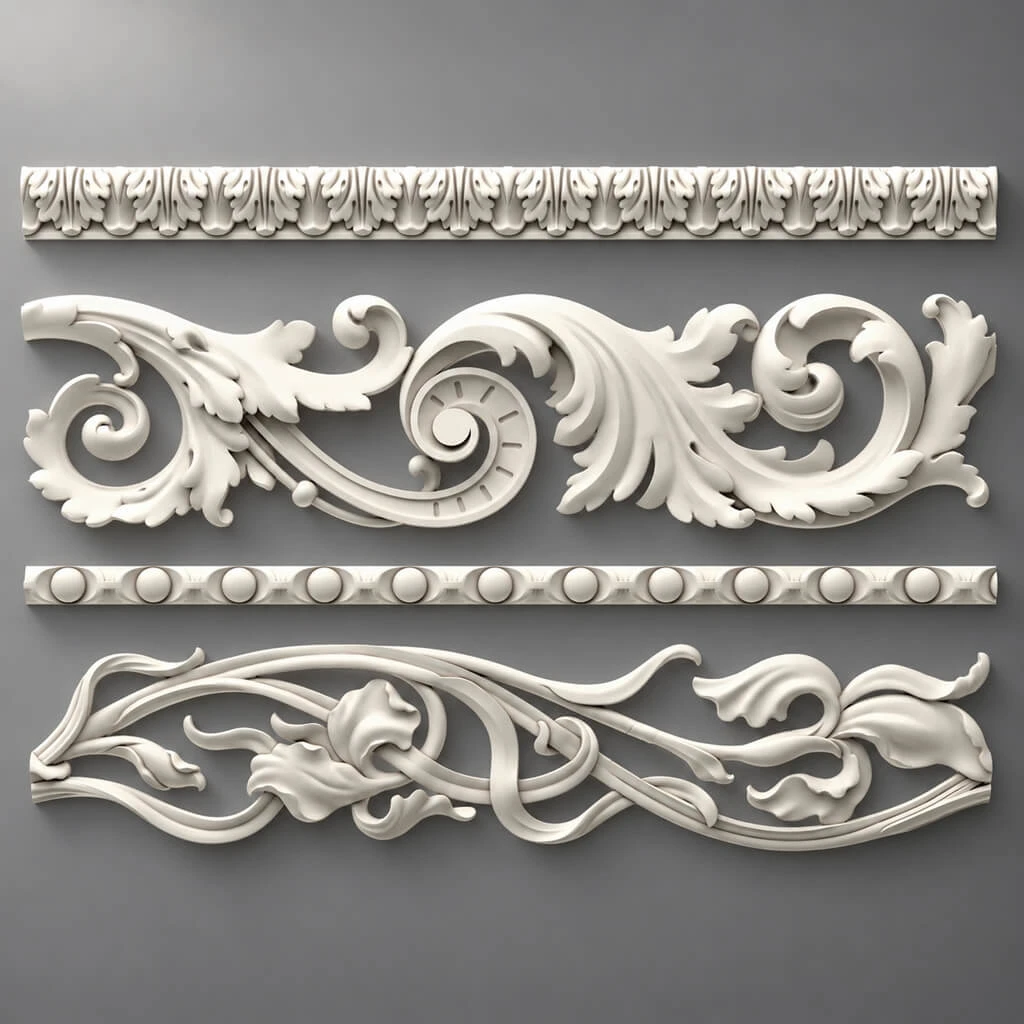
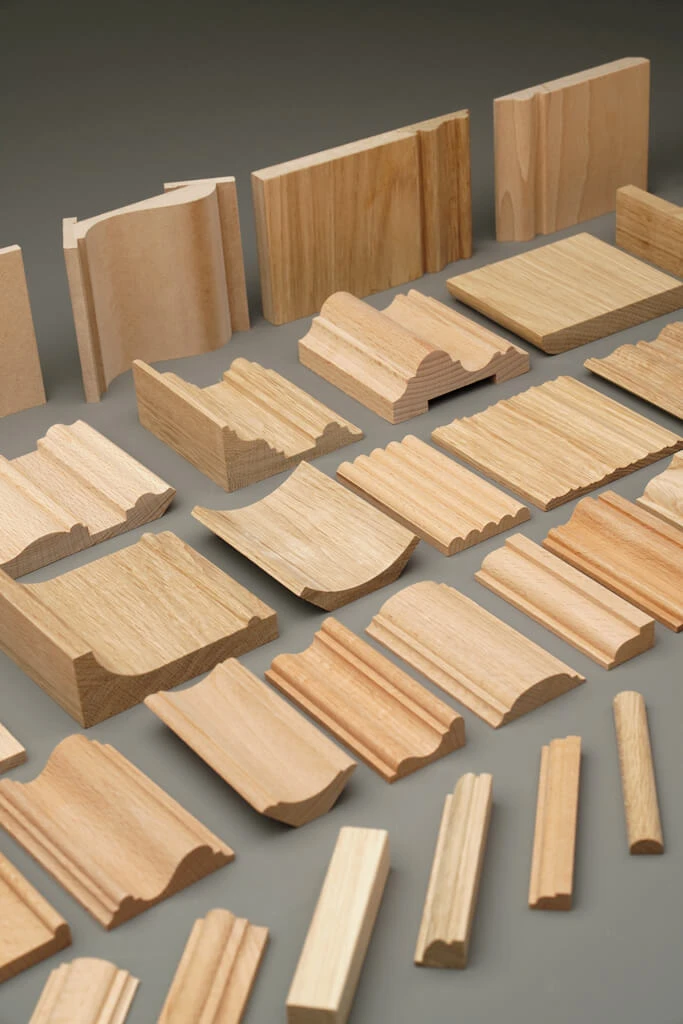
Moldings in the corridor is the basic and most flexible tool. A horizontal molding belt along the entire length of the wall at a height of 110–130 cm divides the wall into two fields: lower (behind furniture) and upper. This is the simplest way to zone a long corridor without frames and without complex systems.
Vertical moldings — posts placed at equal intervals along the wall — create rhythm. A long corridor ceases to be monotonous: the eye moves from post to post, the space is "divided" into readable segments.
polyurethane wall moldings are taken by linear meters. For a long corridor, this is economically advantageous: one profile, cut into the necessary segments, creates a system.
Stucco decor for piers and accent areas
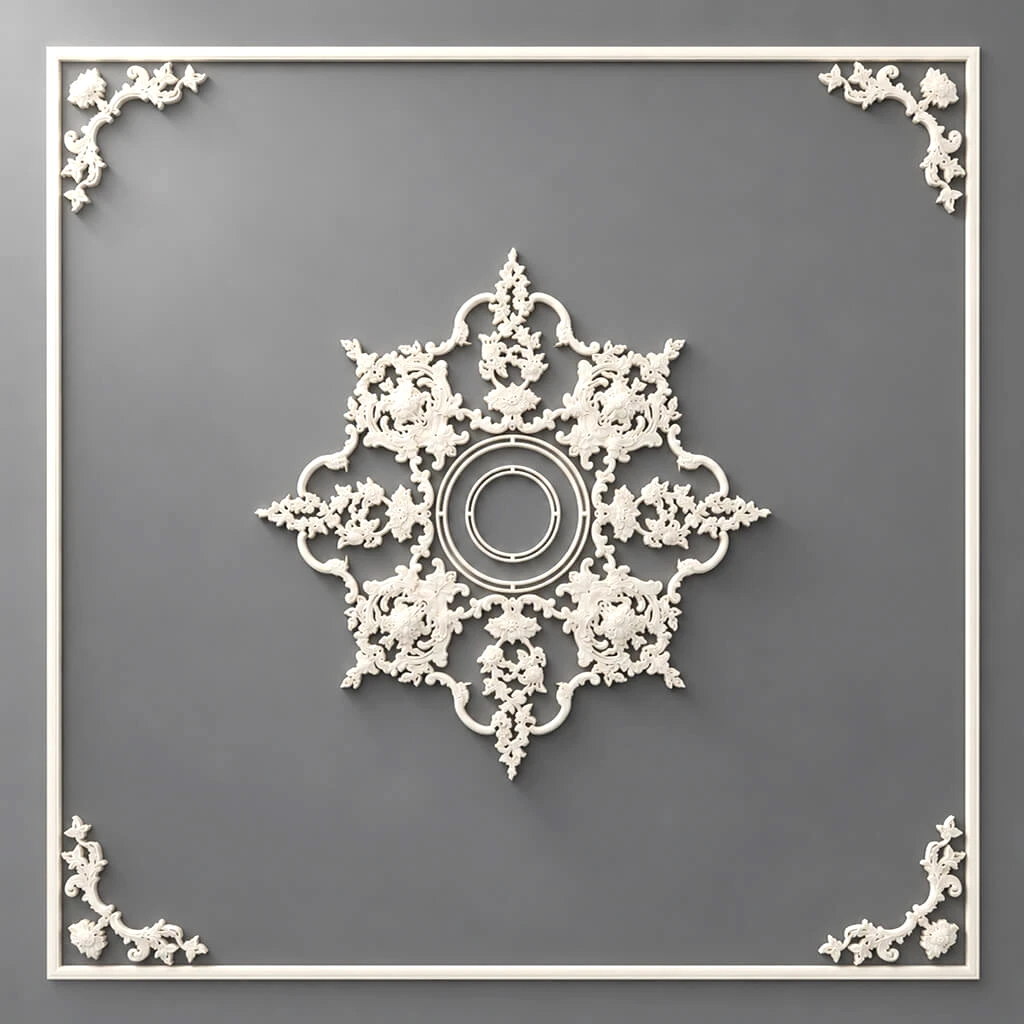
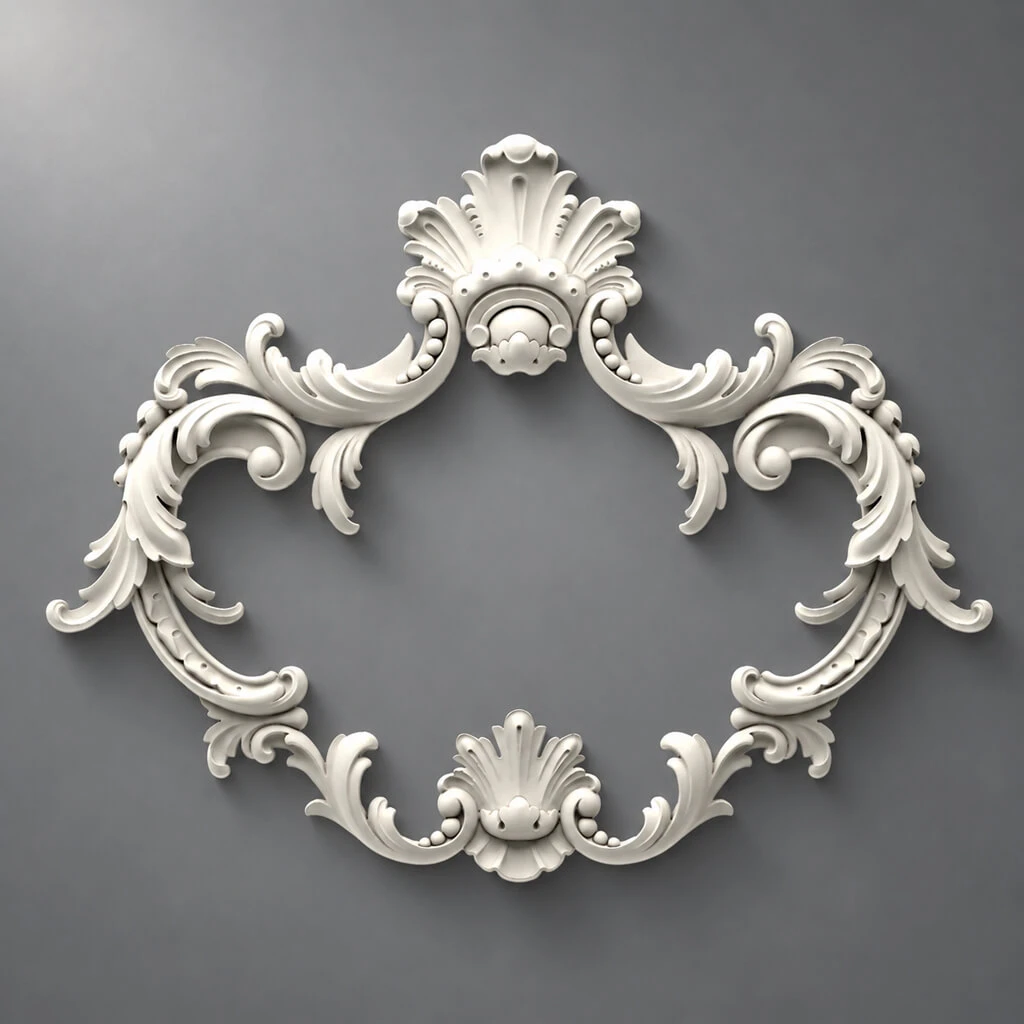
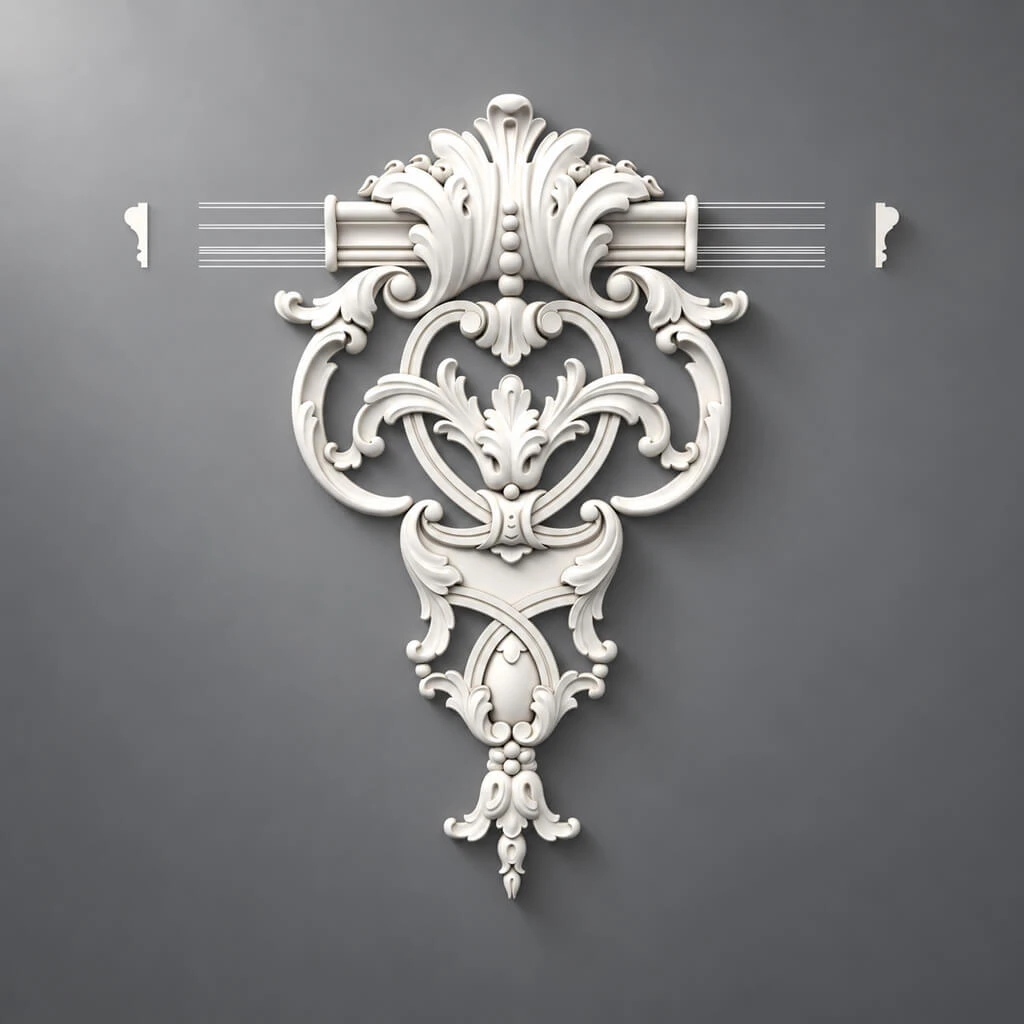
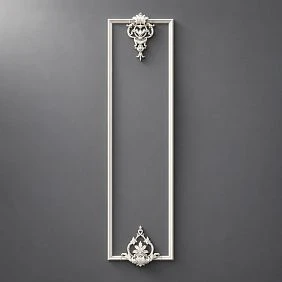
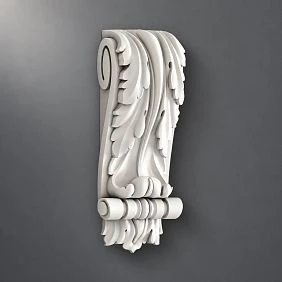
Stucco in the hallway— these are corner elements, central overlays, ornamental inserts. They work in combination with moldings: a molding frame + ornamental inserts in the corners = a full decorative panel.
For the hallway and corridor, small stucco overlays on the piers between doors are especially relevant. One vertical overlay in the center of a narrow pier does not overload and at the same time makes the space architectural.
Ready-made set for a predictable result
Ready-made molded decor kits— when speed, ease of selection, and guaranteed compatibility of elements are important. One set = one decorative panel. Several identical sets = a rhythmic series along a long wall.
Ready-made decor for the corridorfrom the STAVROS collection sets is the exact answer to the request 'I want it beautiful, but I don't want to figure it out'. Chose a collection — ordered — installed.
Vertical decor for narrow walls and piers
This is the core of the topic. This is where the main commercial argument for the hallway lies.
Why vertical format is optimal for the hallway
The hallway, as a rule, is a set of narrow vertical segments. The wall section between the front door and the wall. The wall section between two doorways. The wall section near the mirror. The wall to the right or left of the sliding wardrobe.
A horizontal framed panel on a narrow wall section 40–60 cm wide is nonsense. It won't fit or will look ridiculous. Andvertical wall decor— a post, vertical frame, vertical overlay — is exactly what it was created for.
The principle is simple: narrow wall section — vertical decor. Wide wall — vertical posts with intervals or horizontal framed sections. Long corridor — a rhythmic series of identical vertical elements.
Decor of the wall section between doors
Decorating a narrow pierbetween two doorways is a typical hallway task. Wall section width: 30–70 cm. Height: from baseboard to cornice.
Optimal solutions:
-
one vertical overlay made ofpolyurethane molding decorationa laconic accent without a frame system in the center of the pier;
-
a vertical molding frame inside the pier — with a 5–8 cm indent from the edges;
-
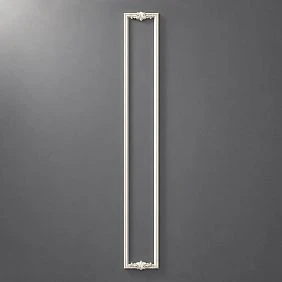
a narrow vertical CPU set (column or post) matching the pier height.
Width of the vertical set for the pier: no more than 40–50% of the pier width. On a 50 cm pier — a set 18–22 cm wide. Wider — looks cramped, narrower — gets lost.
Wall decor between the door and the corner
The wall by the entrance door — to the right or left of it — is one of the most frequently "empty" areas in the hallway. Standard size: 40–90 cm wide, wall height.
Wall decor between doorsand at the entrance — an ideal application for vertical sets from "Neoclassic Light" or "Japandi". One set, one installation — the pier ceases to be an "empty space".
Feature of the area by the entrance door: the decor here is always seen first. That is why quality and precision of installation are critical. A crooked molding line or a careless corner — that is the first thing an incoming person will see.
Vertical posts on both sides of the mirror
A mirror in the hallway is almost a must-have element. And the walls on either side of it are ready-made vertical "axes" for decor.
Two symmetrical vertical sets on either side of the mirror create an architectural frame — even if the mirror itself is simple and without a decorative frame. The mirror appears "anchored" between two architectural elements. The hallway instantly takes on the look of a designed space.
Neoclassic Light stucco decor set in this format — CPU-2-1 or CPU-2-2 — two symmetrical elements, height 70–90 cm, width 18–24 cm, at a distance of 20–30 cm from the edge of the mirror.
Stucco set for a wall pier: how to choose the right format
Stucco set for a wall pier is chosen based on the width of the wall pier, ceiling height, and interior style.
Wall pier width up to 40 cm: single vertical overlay, without a frame. Width 40–60 cm: narrow vertical frame or post. Width 60–90 cm: full vertical set with corner inserts. Width 90+ cm: horizontal framed panel or large-format vertical set.
Ceiling height 2.5–2.6 m: decor height 50–65 cm. Ceiling height 2.7–2.8 m: 65–80 cm. Ceiling height 3.0+ m: 80–100 cm or a full vertical post from baseboard to cornice.
How to decorate a long wall in a corridor
A long corridor wall is a challenge for any designer. Monotonous, without interruptions, without focal points. This is where the main mistake is most often made: trying to cover it with one large element.
A rhythmic series is the key to a long wall
Decorating a long corridor with moldingsworks through rhythm, not through 'one big frame'. The long wall is divided into equal sections, each containing the same decorative element.
For example: a 5-meter wall is divided into 4 sections of 125 cm each. In each section, there is a vertical framed panel 70 cm wide with equal margins on the sides. Four identical panels — rhythm, order, architecture.
Distance between panels: at least 30 cm, optimally 35–45 cm. Panels placed close together look like one 'falling apart' frame.
Distance from the floor: the lower horizontal molding at a height of 30–40 cm from the floor (above the baseboard) or 10–15 cm above the top line of the baseboard.
Distance from the ceiling: the upper horizontal 20–35 cm from the ceiling cornice.
Consider doors, switches, and sconces
Decorating a long wall in a corridoris built primarily around obstacles. Using a pencil, mark all doors, sockets, switches, and wall sconces on the wall diagram. These are "forbidden zones" — places where the molding should not pass.
A working algorithm: from each opening or obstacle — an indent of 15–20 cm. In the remaining space between obstacles — a decorative section. If the space is too small for a full frame — a vertical overlay or a single molding belt.
Horizontal belt on a long wall
A horizontal molding belt is the simplest solution for a long corridor. One profile, run along the entire length of the wall at a height of 100–130 cm, clearly divides it into two fields: lower and upper.
The lower field (behind furniture) can be separated by color or texture — different paint or wallpaper.Decor for Moldingat the intersection points of the horizontal belt with vertical posts — corner inserts, rosettes, ornamental accents — turns a simple belt into a decorative system.
For a long corridor, a horizontal belt is especially good because it does not require calculation of the width of the piers. It simply runs along the entire wall from corner to corner, spanning narrow piers between doors.
Moldings for a narrow corridor: the principle of "less is more"
Moldings for a narrow corridoris always a choice of a thin profile. A wide molding of 70–90 mm in a corridor 100–120 cm wide visually "eats up" the already small space. The optimal profile for a narrow corridor: 25–45 mm.
A thin profile painted to match the wall — barely noticeable, but architecturally significant. This is exactly what a narrow hallway needs: structure without bulk.
Which style to choose for the hallway and corridor
The hallway style should be the "entrance" to the style of the entire home. It is a transitional zone, and it should speak the same language as the living room, corridor, and all other rooms. Four style scenarios.
Neoclassicism
A neoclassical hallway is a guest's encounter with architecture. A mirror in a classic frame. A console with symmetrical sconces. Light walls. Framed panels with light ornamental corners.
Fora neoclassical hallway with moldingsvertical sets CPU-1-1 or CPU-1-2 are optimal — moderate saturation, clear frame system, neat corner inserts.
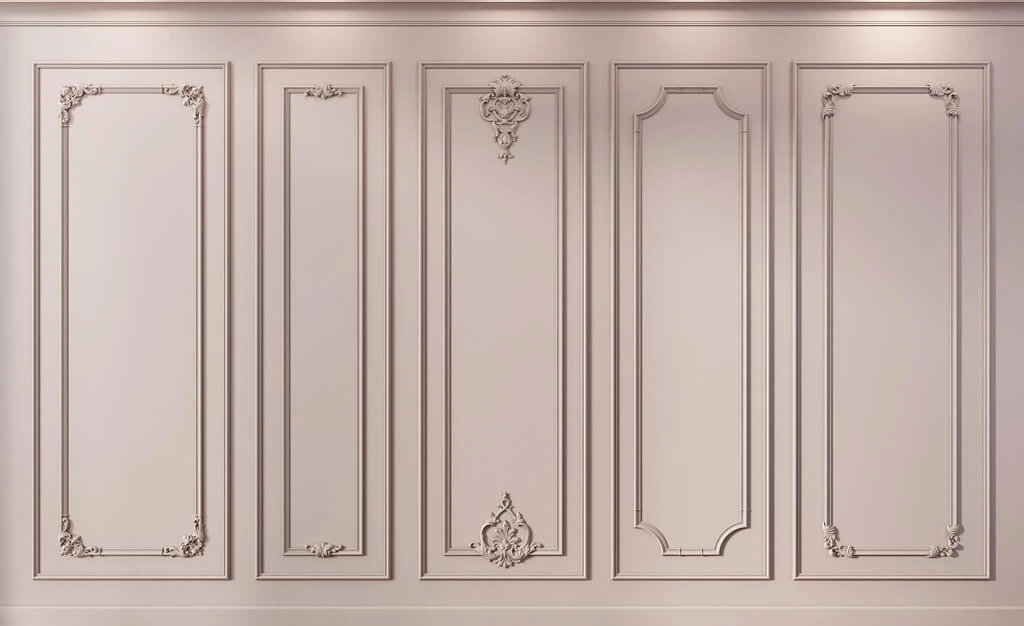
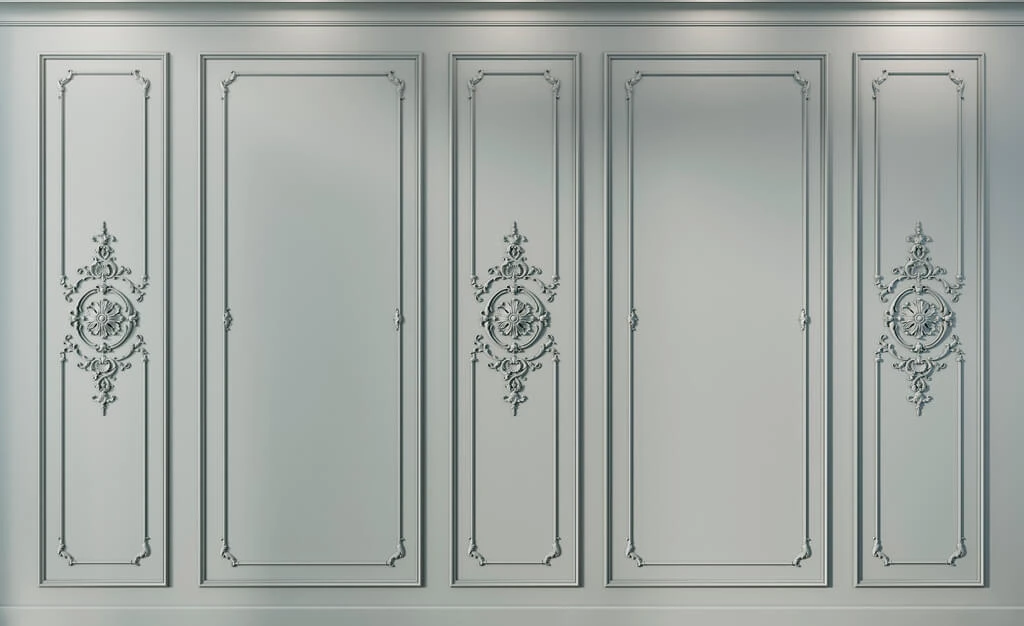
Set of stucco decor "Neoclassic"for the corridor — white on a white or light gray wall. A frame system of two or three repeating vertical panels along the long wall. A horizontal molding belt dividing the wall into fields — as an additional architectural element.
Corridor decor in neoclassical stylerequires symmetry. An odd number of panels on a long wall — only if the central panel is centered on the axis of the mirror or main entrance.
Neoclassic Light
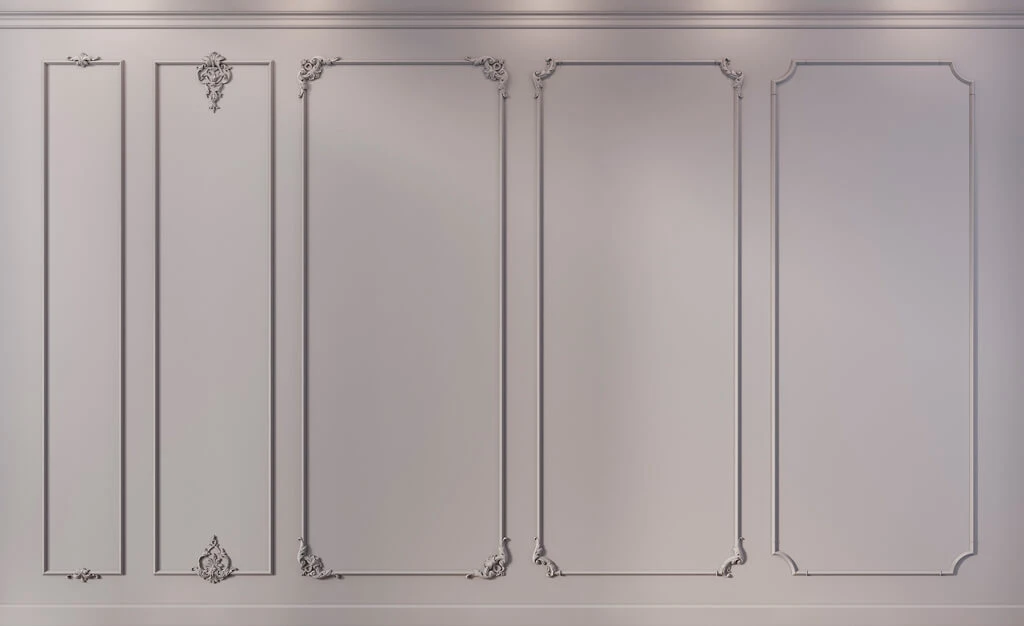
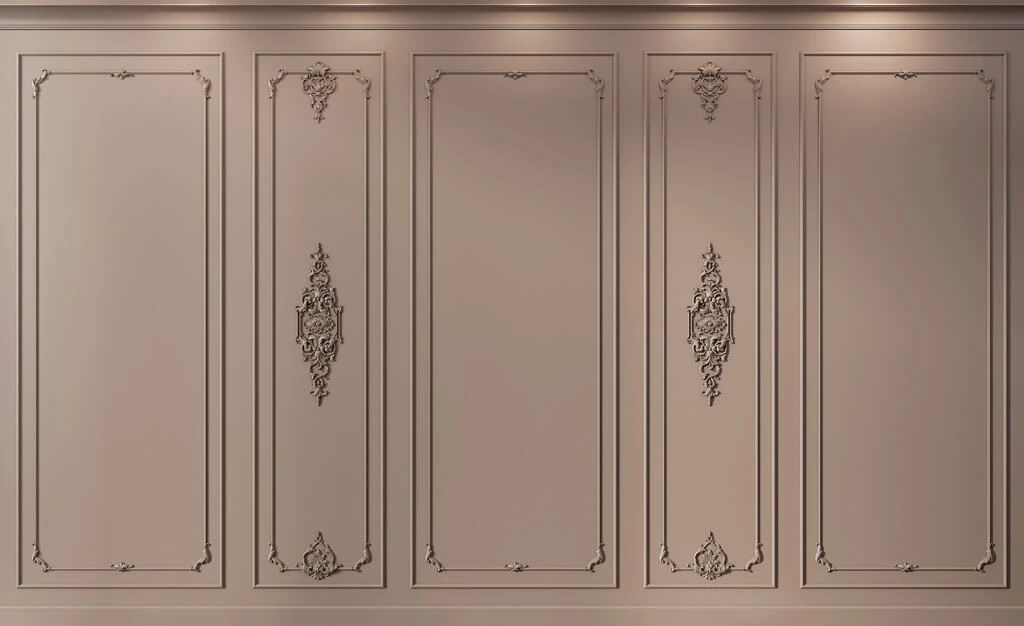
If "Neoclassic" is for those building a "house with character," then"Neoclassic Light" is decor for the hallway in an apartment with standard ceilings and standard walls. Thin profile, delicate corner inserts, minimal ornament.
"Neoclassic Light" is the most popular choice for a city apartment. Reason: it works in any hallway, doesn't require perfect proportions, and doesn't overload the space.
Light decor for the corridor from "Neoclassic Light" is what makes an ordinary apartment hallway "quality." Without a design project, without expensive furniture — just moldings on the walls.
Five formats of the collection (CPU-2-1 — CPU-2-5) cover all tasks: from a single accent on a wall section to a rich panel system in a spacious hall.
Japandi
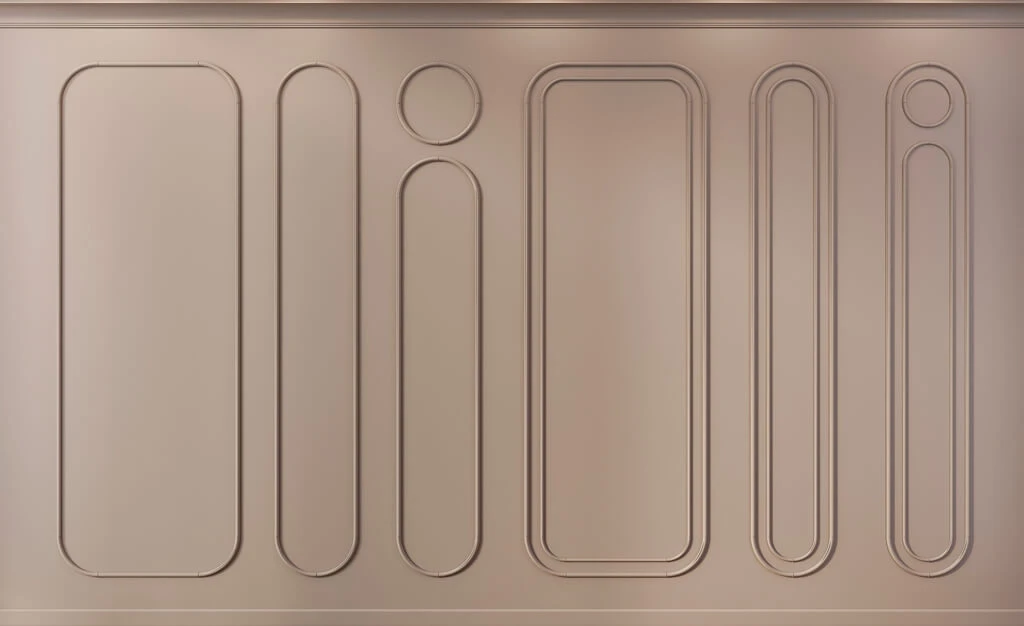
A Japandi hallway is a precise statement. Minimum items. Maximum space. Natural materials. Calm tones. And — no extra decor.
That is why forJapandi-style hallway decorThe most concise format is used: one or two vertical posts without ornament, painted to match the wall. No corner elements. No central overlays. Only geometry.
Minimalist hallway decorfrom Japandi is the perfect solution for those who want architecturality without excess. The CPU-3-1 or CPU-3-2 sets are the most restrained formats in the collection.
Color: only to match the wall. No white on dark, no dark on light. Monochrome is the main law of Japandi.
What pairs with a Japandi hallway:
-
a wooden bench without legs or with minimalist legs;
-
a mirror without a frame or in a thin natural wood frame;
-
hooks made of matte metal or wood;
-
nothing extra on the shelf by the mirror.
Versailles Light
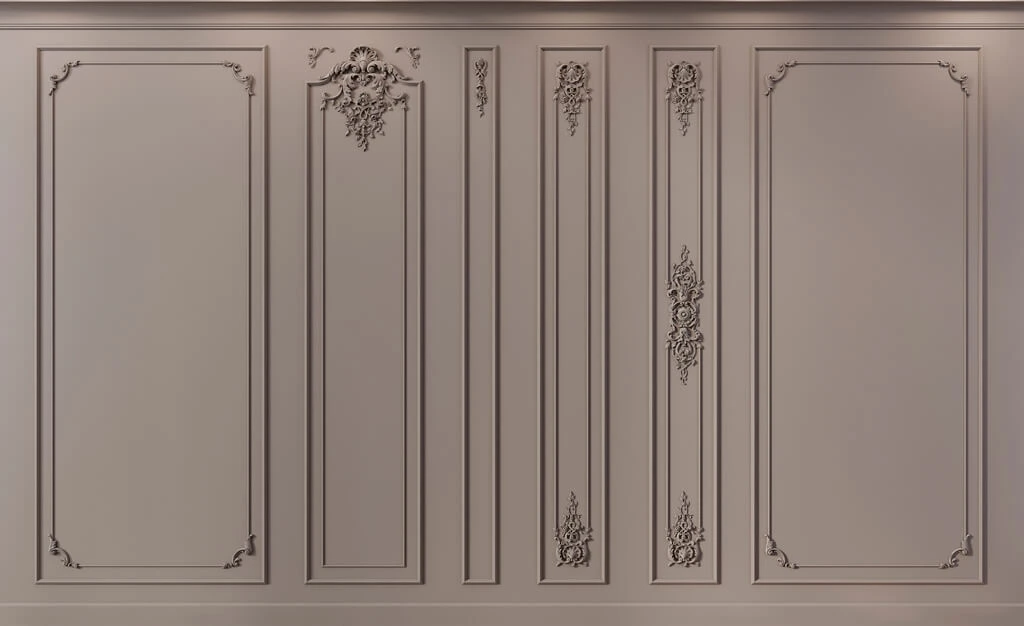
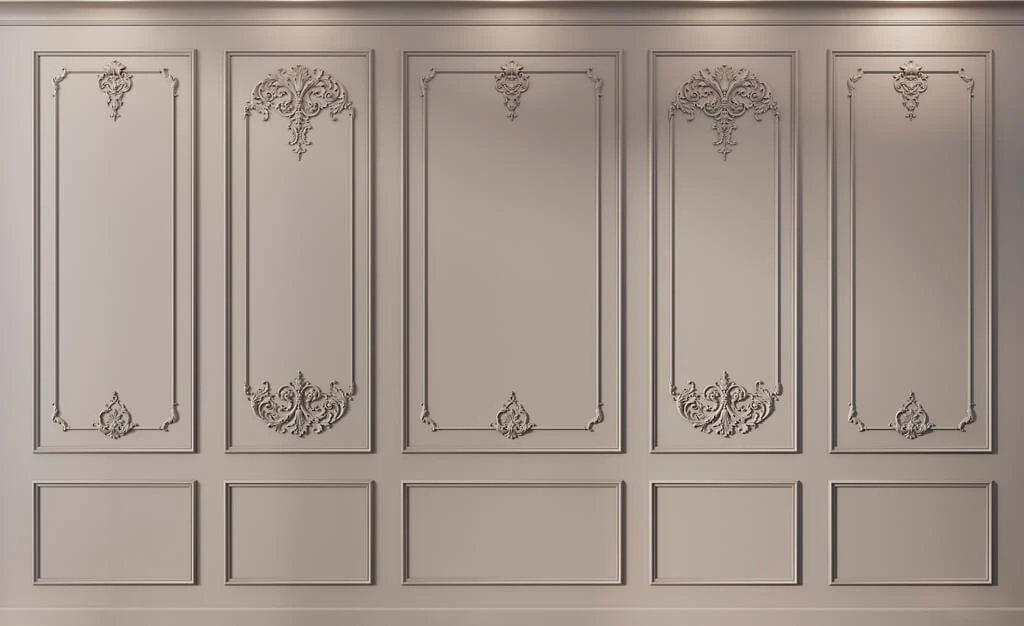
"Versailles Light" — hallway decor in formal spaces. A spacious hall in a private house. An apartment with a ceiling of 3.0 m and higher. An entrance area of 15–25 sq. m. Here, "Versailles Light" is justified and organic.
Classic hallway decor from "Versailles Light" — a symmetrical panel system on both sides of the main entrance. Or a rhythmic series of vertical panels along the long wall of the hall, with each panel width of 80–120 cm.
Decorative panels in the hallway from "Versailles Light" require space. In a narrow corridor 100–130 cm wide, this collection will create a feeling of "a palace squeezed into a pipe" — and that is not a compliment. "Versailles Light" is only for spacious entrance areas.
How to calculate decor for the hallway and corridor
The calculation algorithm is short, precise, and proven.
Step 1: Draw the wall plan
Sketch all the walls of the hallway and corridor. Mark all door openings with their width. Mark switches, sockets, wall lamps. Indicate furniture: wardrobe, mirror, console, bench.
This is the basis of the calculation. Without a plan, do not start the order.
Step 2: Determine the type of walls
For each wall, determine its type:
-
wall with one pier between doors → vertical format of decor;
-
long wall without obstacles → rhythmic series;
-
wall with a mirror → symmetrical vertical elements on the sides;
-
wall at the entrance door → single accent to the left or right of the door.
Step 3: Calculate the width and height of decorative elements
Calculation rules:
-
frame panel width: 50–70% of the wall width;
-
frame panel height: 40 to 80% of the wall height (depending on the ceiling);
-
indent from the baseboard: 25–40 cm;
-
indent from the cornice: 20–35 cm;
-
distance between panels (in a series): 35–50 cm.
Wall decor scheme in the hallwayat a scale of 1:20 or 1:25 allows you to check all proportions before ordering.
Step 4: Check that the decor does not conflict with obstacles
The molding should not pass through a switch or socket. The corner inserts of the kit should not "touch" the door frame. The horizontal molding belt should not pass at the level of the front door lock or coat hooks.
Step 5: Calculate the number of kits and linear meters
For a rhythmic series of 4 vertical sections — 4 sets. For a horizontal molding belt — linear meters of the required profile molding. For accent overlays on piers — additional piece elements frompolyurethane molding decoration.
Size of moldings for the hallway — always the result of precise measurements. No 'by eye' estimates.
Step 6: Order with a small margin
For linear elements (moldings) — a margin of 10–15%. For piece sets — the exact quantity according to the scheme. For corner inserts — 4 pieces for each frame panel.
Mistakes when choosing decor for the hallway
Specific, common ones — with an analysis of each.
Mistake 1: Too large decor in a narrow hallway
Wide molding, massive corner elements, rich ornamental panels — all of this feels oppressive in a narrow space. In a hallway 100–120 cm wide, the decor should be as delicate as possible: a thin profile, laconic corner inserts, a small panel height.
Mistake 2: Doors and switches not taken into account
Wall decor in the hallwaywithout accounting for doorways and engineering elements — almost guaranteed rework. A molding profile above a doorway or next to a switch is technically and aesthetically unacceptable.
Mistake 3: Different styles on adjacent walls
The left wall of the hallway has moldings from 'Neoclassic'. The right wall has a horizontal band without ornamental elements. This is not 'balance' — it's chaos. All walls of one space must be designed in a unified system.
Mistake 4: Lack of rhythm on a long wall
A long wall with one frame in the middle, one decorative overlay in the far corner, and an empty wall section on the left is not a system. These are three separate 'events' on one wall. A long wall requires either symmetry or a uniform rhythm.
Mistake 5: Moldings too close to the baseboard
The lower horizontal of the molding at a distance of 5–10 cm from the baseboard is a common mistake. It looks 'squeezed' from below. Minimum distance from the baseboard: 20–25 cm. Optimal: 30–40 cm.
Mistake 6: Buying without a layout diagram
'I'll buy three sets and see' — and as a result: one set is extra, there's not enough molding for the corner wall section, and the corner inserts don't match in size. A layout diagram before ordering is mandatory. Without it — loss of money and time.
Mistake 7: Active ornament in a small hallway
Narrow wall decor set from "Versailles Light" in a 3×1.5 m hallway — a decorative disaster. The rich floral pattern on narrow walls creates the feeling that the decor is "falling out" of the space. For a small hallway — only "Neoclassic Light" or "Japandi".
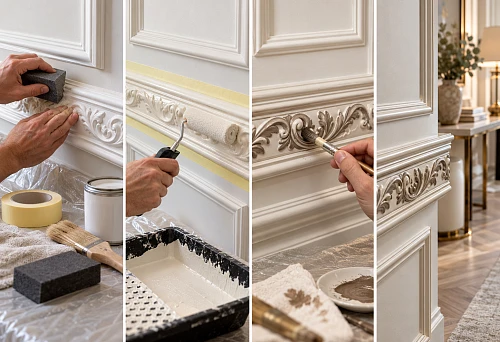
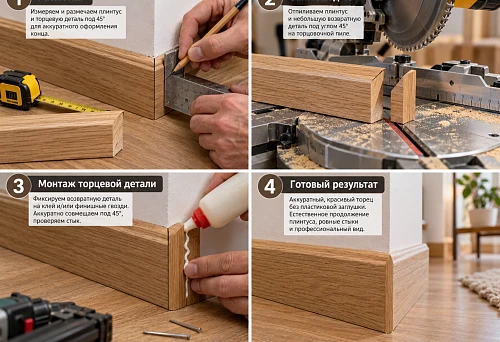
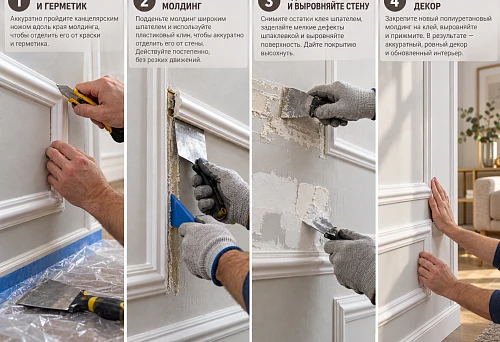
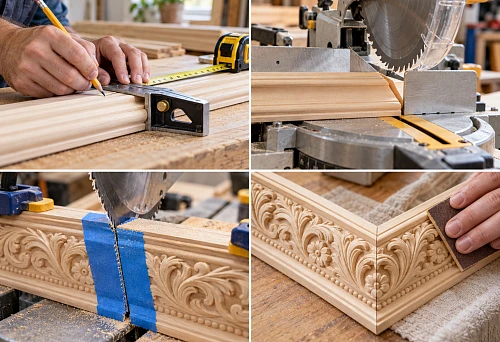
About the technology of installing polyurethane decor — in practical materials:installing polyurethane moldingandinstallation of polyurethane molding.
Where to buy wall decor for the hallway and corridor
STAVROS — a complete selection of solutions for the hallway, corridor, piers and narrow walls:
Wall decor in the hallway — the entire section of wall molding decor.
Wall decor in the hallway — ready-made system sets by collection.
Set of stucco decor for the hallway — CPU collections with different levels of saturation.
Ready-made molded decor kits — system sets for quick installation.
vertical wall decor — vertical formats for piers and narrow walls.
Decorating a narrow pier— concise and compact solutions.
Moldings in the corridor — profiles for linear application.
polyurethane wall moldings— wide selection of profiles.
molded decoration made of polyurethane— corner elements, overlays, accents.
Decor for Molding— ornamental inserts for molding systems.
Set of stucco decor "Neoclassic"— for a neoclassical hallway.
"Neoclassic Light" — wall decor— a universal choice for a city apartment.
"Japandi" decor set— for a minimalist hallway.
"Versailles Light" stucco decor set — for a grand hall and classic entrance area.
FAQ: Answers to popular questions
Can moldings be used in a hallway with wallpaper?
Yes. Moldings are attached to wallpaper using mounting adhesive. The wallpaper must be glued tightly, without bubbles, and the surface must be even. The best option: moldings are installed over the wallpaper after it has completely dried (no earlier than 48 hours).
How to design a corridor with several doors along one wall?
Identify the wall sections between doors. If the sections are the same width, use identical vertical elements in each. If the widths differ, adapt the decor size to each section while maintaining a consistent style and molding profile.
Is it necessary to paint the decor separately from the wall?
Not necessarily. Decor painted in the same color as the wall during overall painting is the optimal option. If the decor is installed on an already painted wall, it is enough to carefully paint the decor with the same color as the wall.
How to attach moldings to a drywall wall in a hallway?
Using mounting adhesive. Dowels are not needed for drywall — polyurethane decor is lightweight, and the adhesive holds securely. The drywall surface must be primed.
What is the optimal height for a horizontal molding belt in a hallway?
The standard is 110–130 cm from the floor. This is above furniture level (bench, console, shoe cabinet) and below sconce level. For a hallway with a 2.6 m ceiling — 110–120 cm. For 2.8–3.0 m — 120–135 cm.
How to decorate a corner in an entryway using moldings?
For an internal corner (where two walls meet), use 45° corner joints or corner connecting elements. For an external corner (protruding corner), the same principle applies. More details on joints and corners are in the guideon installing polyurethane molding.
Can I use decor from different collections in the entryway and adjacent hallway?
Only if these are two physically separate rooms with individual entrances. If the entryway and hallway are visually connected and visible simultaneously — one style, one collection. Mixing collections in a single visual field is an aesthetic mistake.