































Article Contents:
- Why the wall at the head of the bed should be decorated separately
- A bed without an architectural background loses its scale
- Decor adds a sense of an expensive interior
- Polyurethane stucco — a soft relief that doesn't overwhelm
- Polyurethane can be painted the color of the wall
- What to choose for the bedroom: moldings, stucco, or a ready-made set
- Moldings: a laconic frame without ornament
- Stucco decor: relief and ornament
- Ready-made kit: system solution
- Wall decor options behind the bed
- Molding frame around the headboard
- Vertical composition of stucco decor
- Decorative polyurethane panels behind the bed
- Horizontal molding belt
- How to choose bedroom decor style
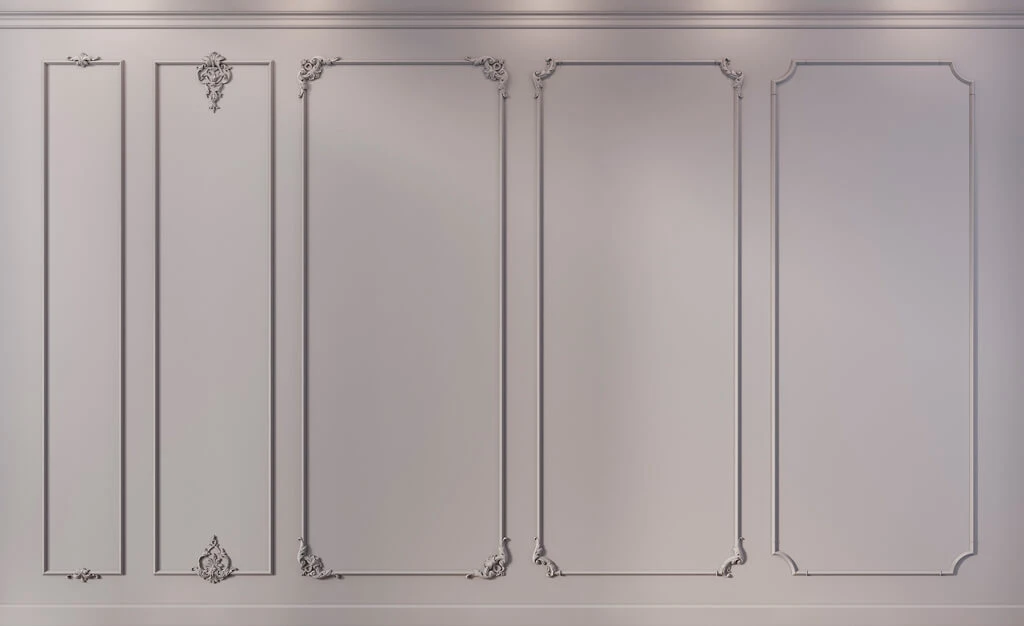
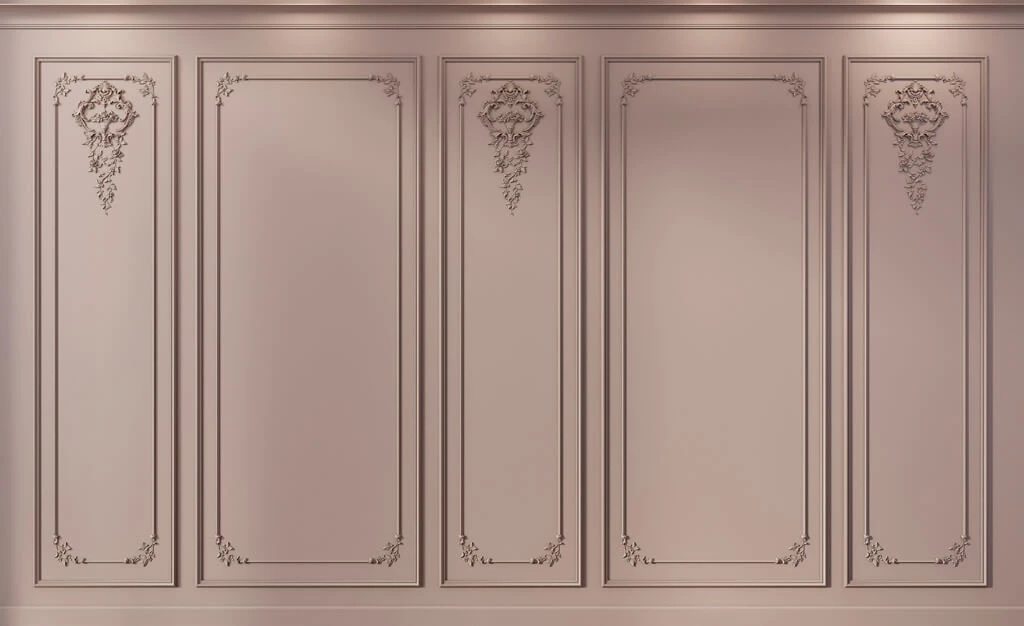
- Neoclassical Light for a calm bedroom
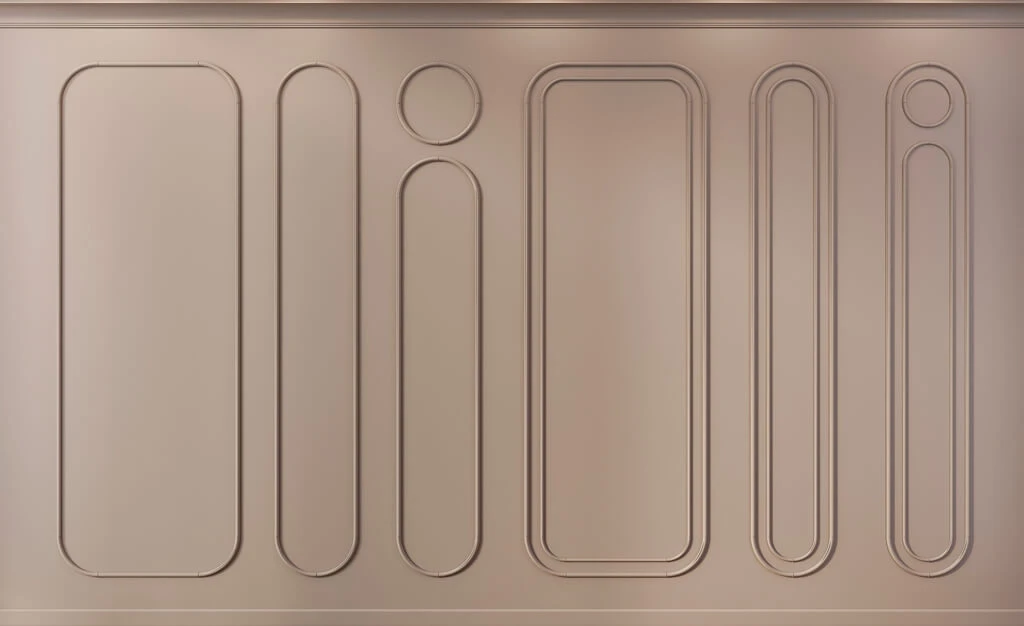
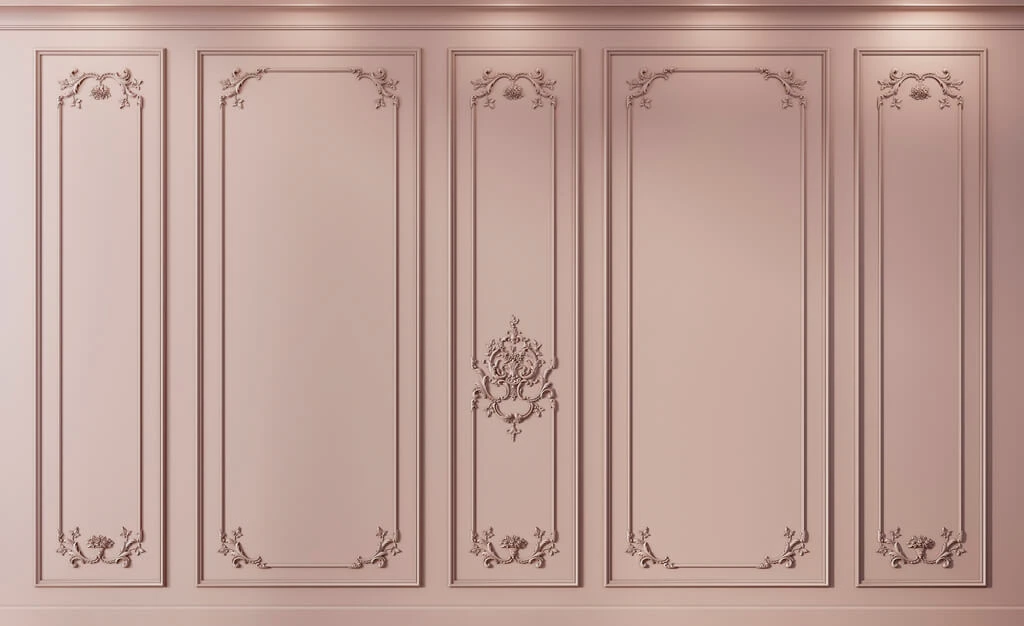
- Japandi for a minimalist bedroom
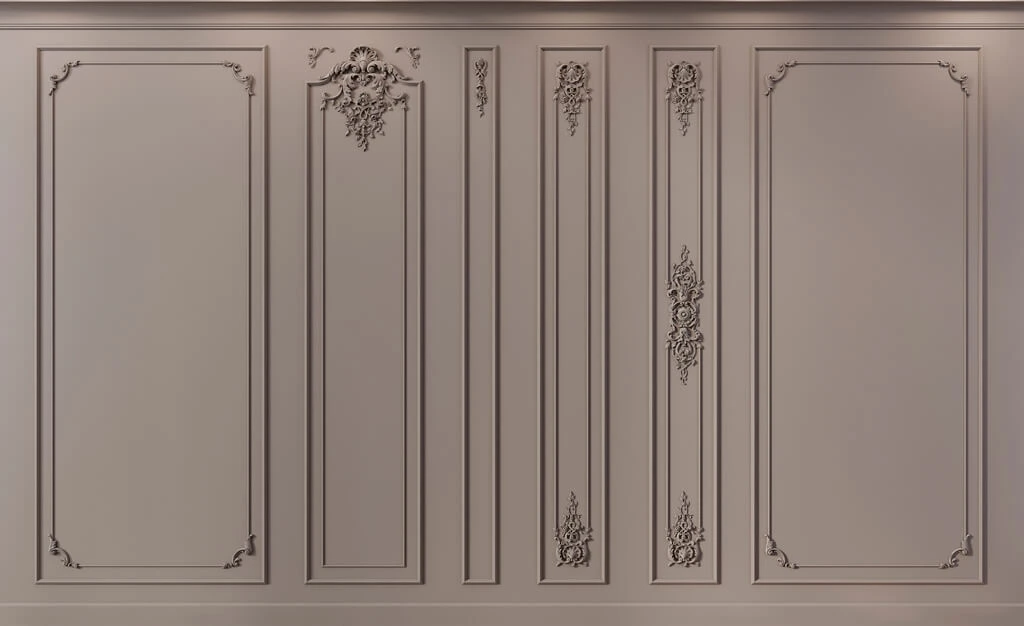
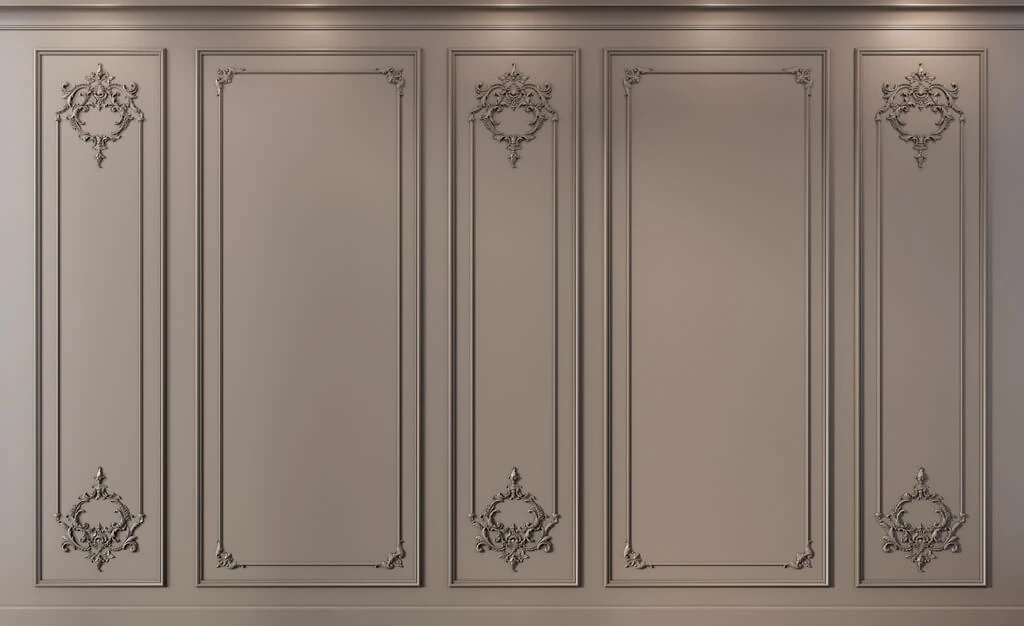
- Neoclassical for an expressive wall by the bed
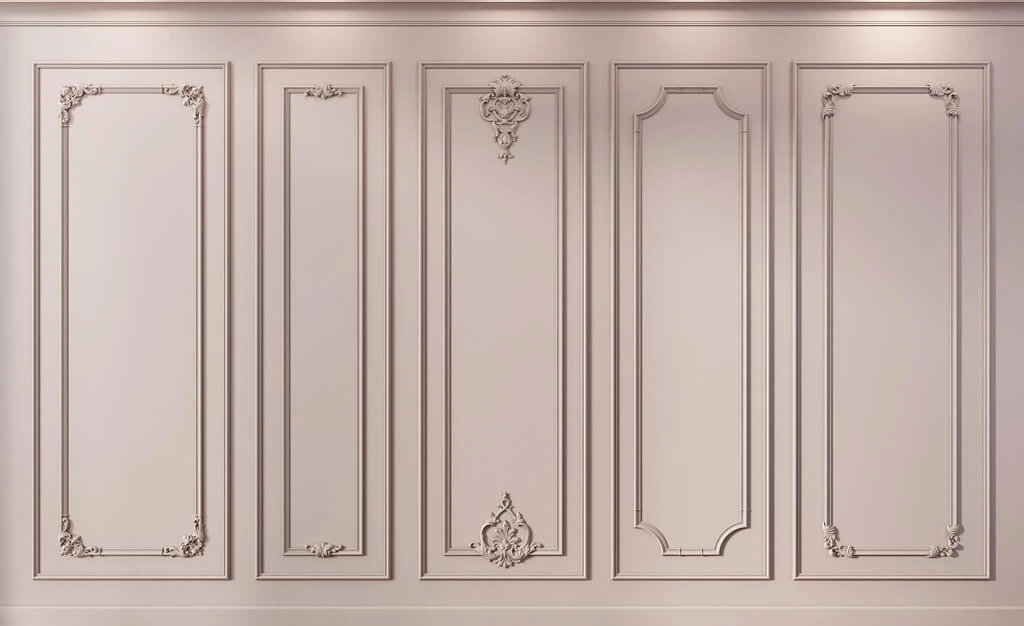
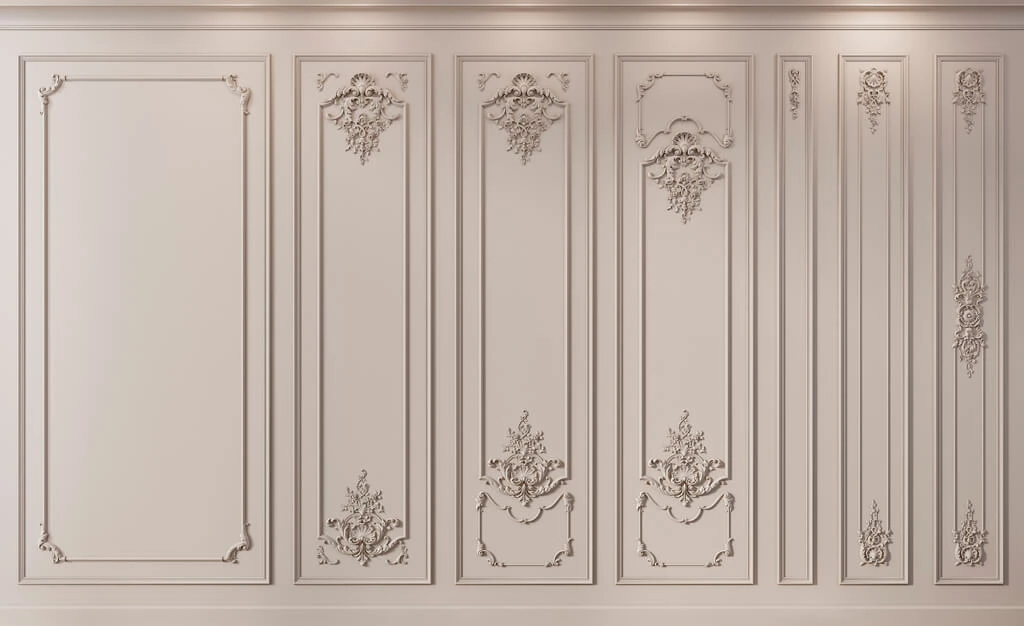
- Versailles Light for a Classic Bedroom
- How to Calculate Wall Decor at the Headboard
- Step 1: Determine the Bed Dimensions
- Step 2: Consider the Headboard Height
- Step 3: Consider the Nightstands
- Step 4: Consider the Wall Sconces
- Step 5: Determine the Decor Height
- Step 6: Draw a Diagram
- Mistakes in Decorating the Wall Behind the Bed
- Mistake 1: Decor Narrower Than the Bed
- Error 2: Frames are placed too low
- Error 3: The height of the headboard is not considered
- Error 4: Purchased without a layout diagram
- Error 5: Too much decor for a small bedroom
- Error 6: No space left for sconces and outlets
- Error 7: Mixing decor style and furniture style
- Where to buy a stucco molding set for the bedroom
- FAQ: Answers to Popular Questions
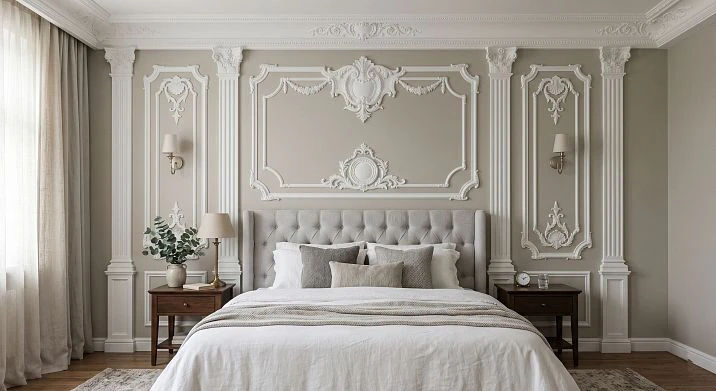
The bedroom is the only room in the house that you don't need to show anyone. It's just yours. That's why its design is the most personal decision in the interior. And that's why the wall at the head of the bed deserves special attention: it's the first thing you see when you wake up, and the last thing before sleep.
An empty wall behind the bed is not a neutral solution. It's a feeling of incompleteness that prevents the bedroom from becoming what it should be: an intimate, cozy, complete space. At the same time, overloaded decor here is also a mistake. The bedroom shouldn't be a stage.
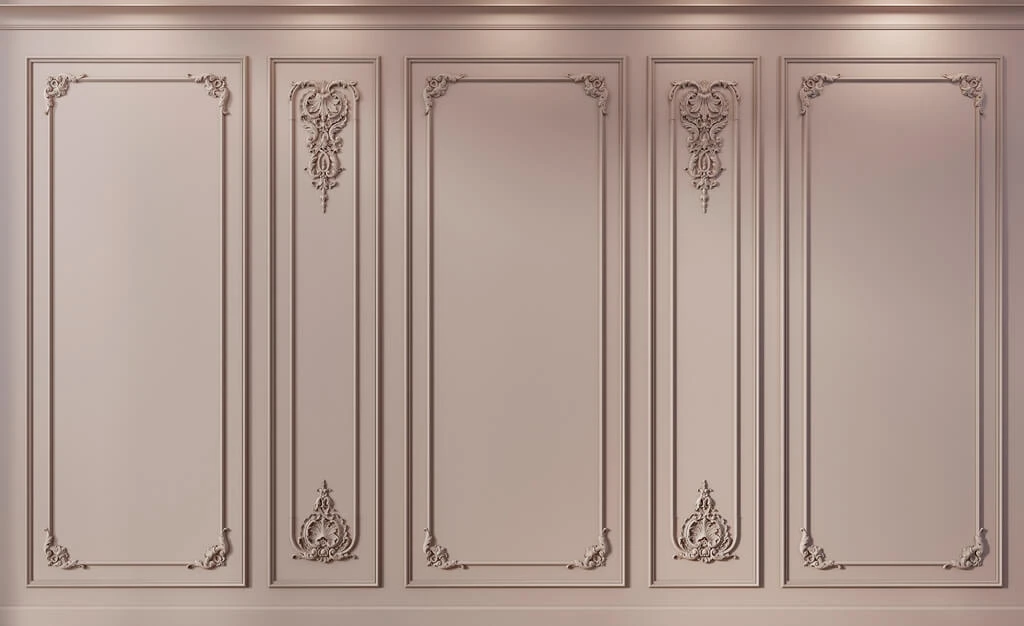
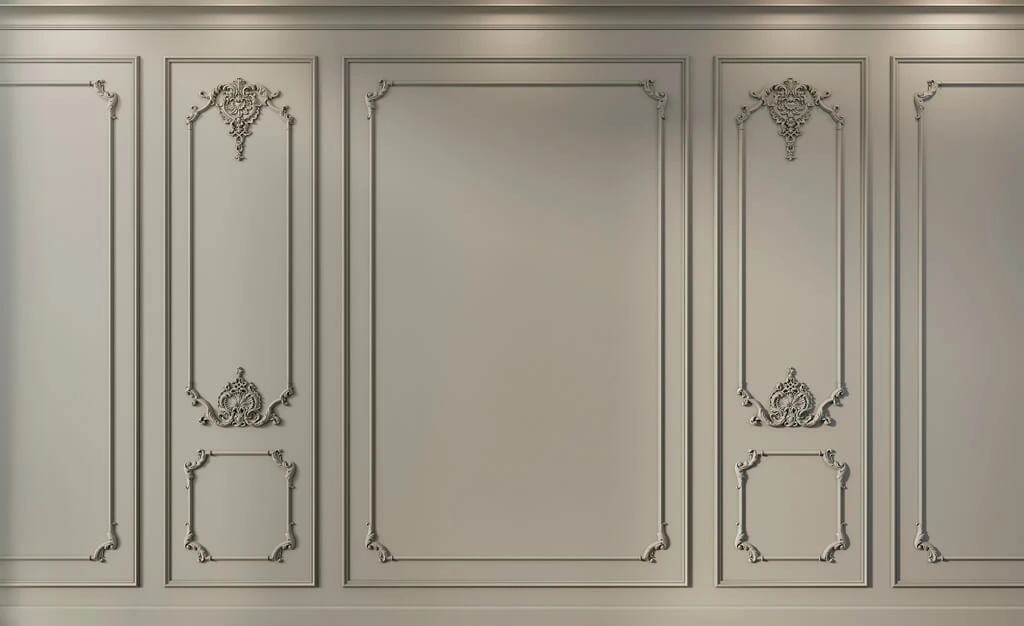
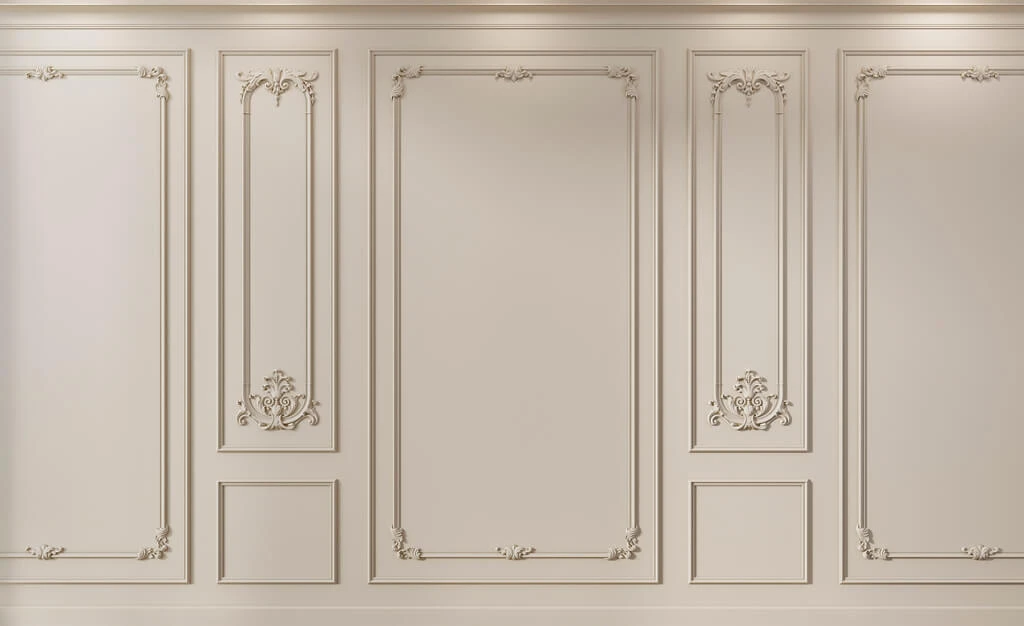
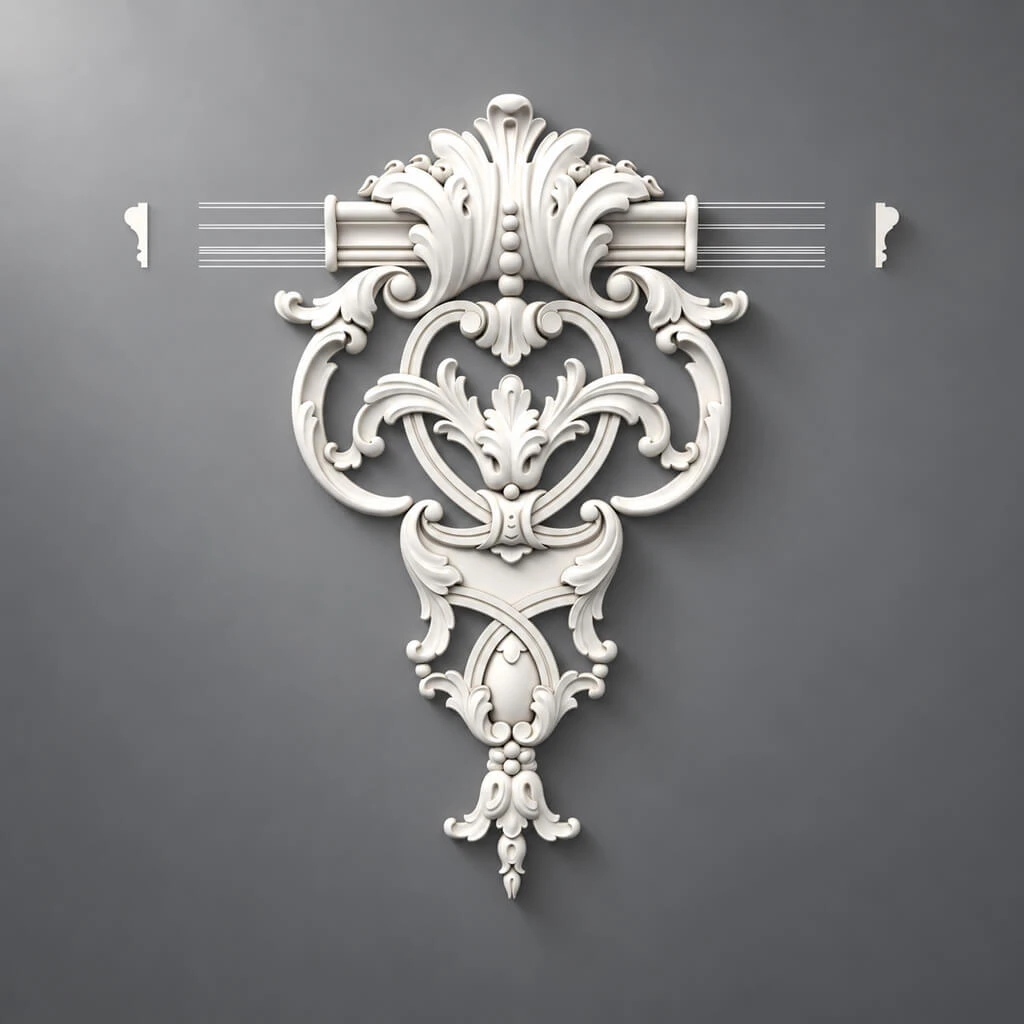
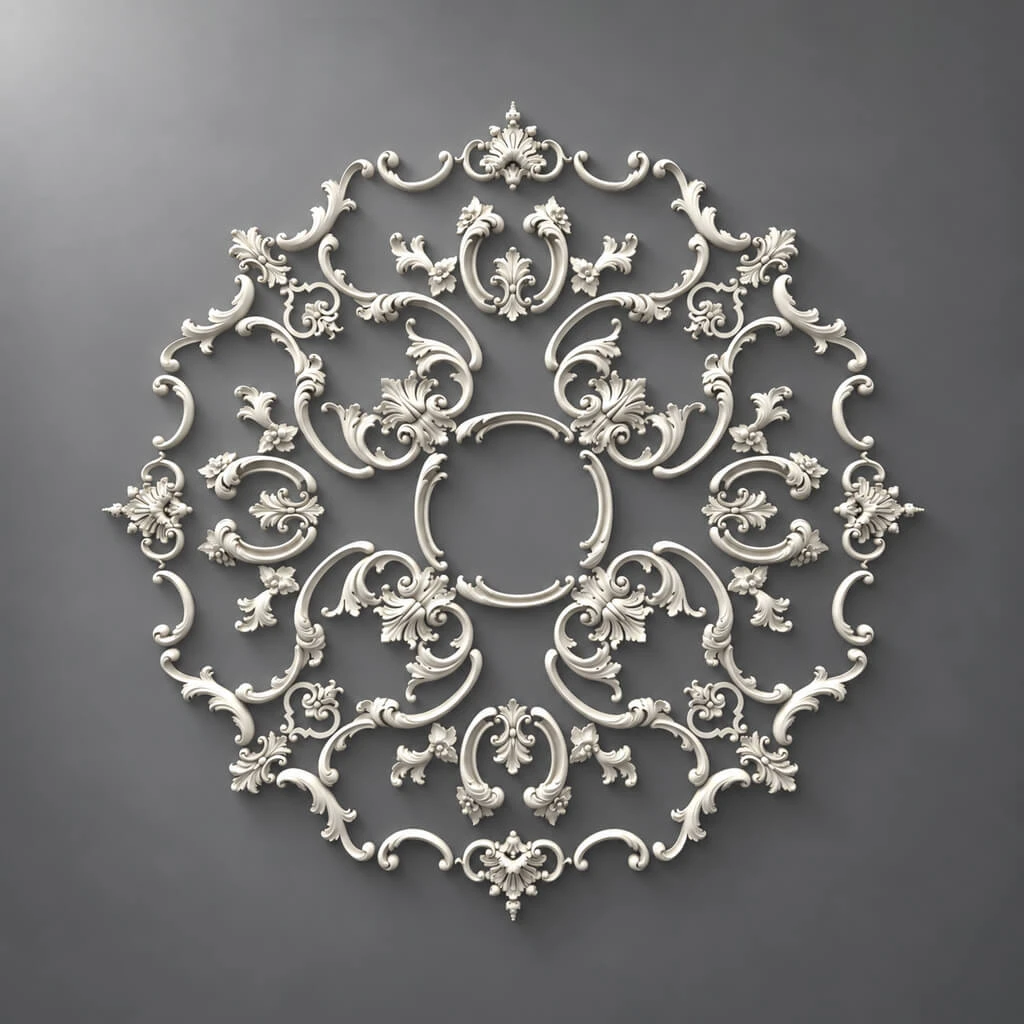
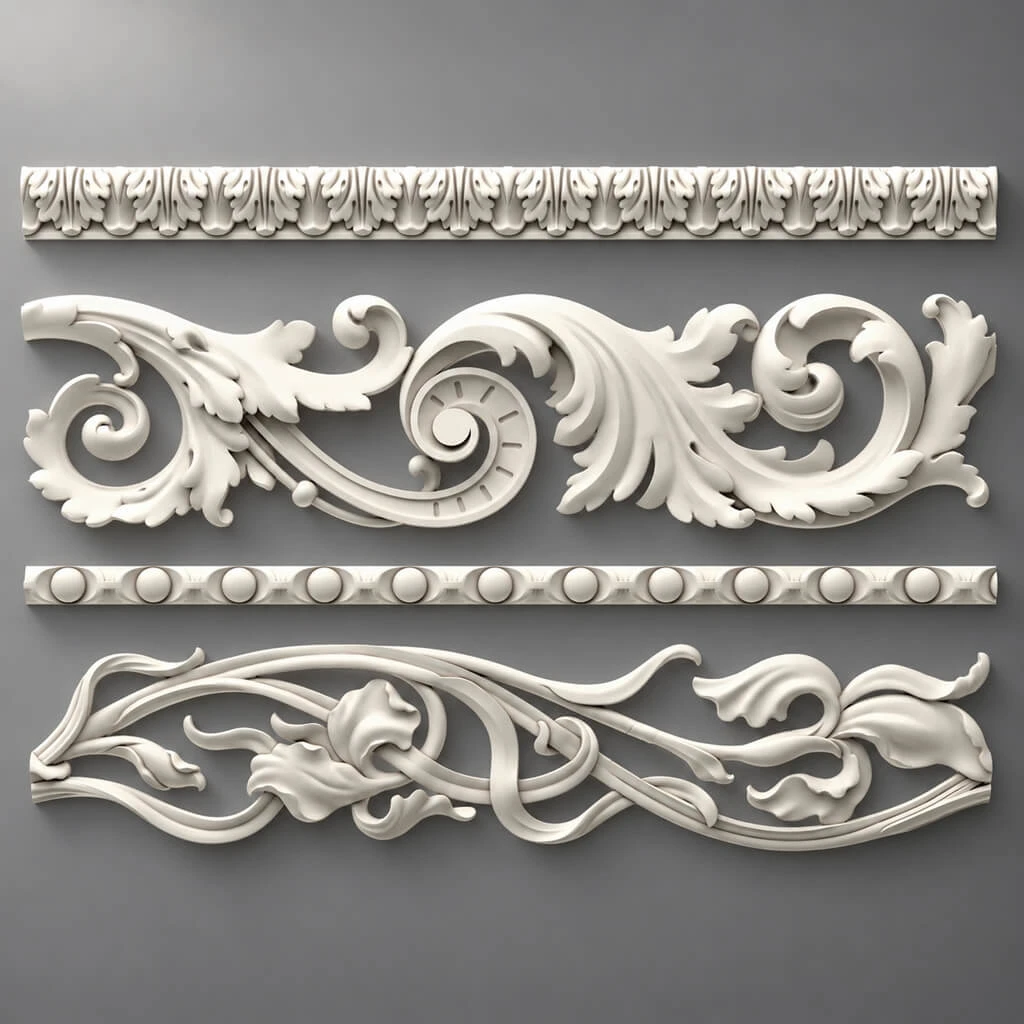
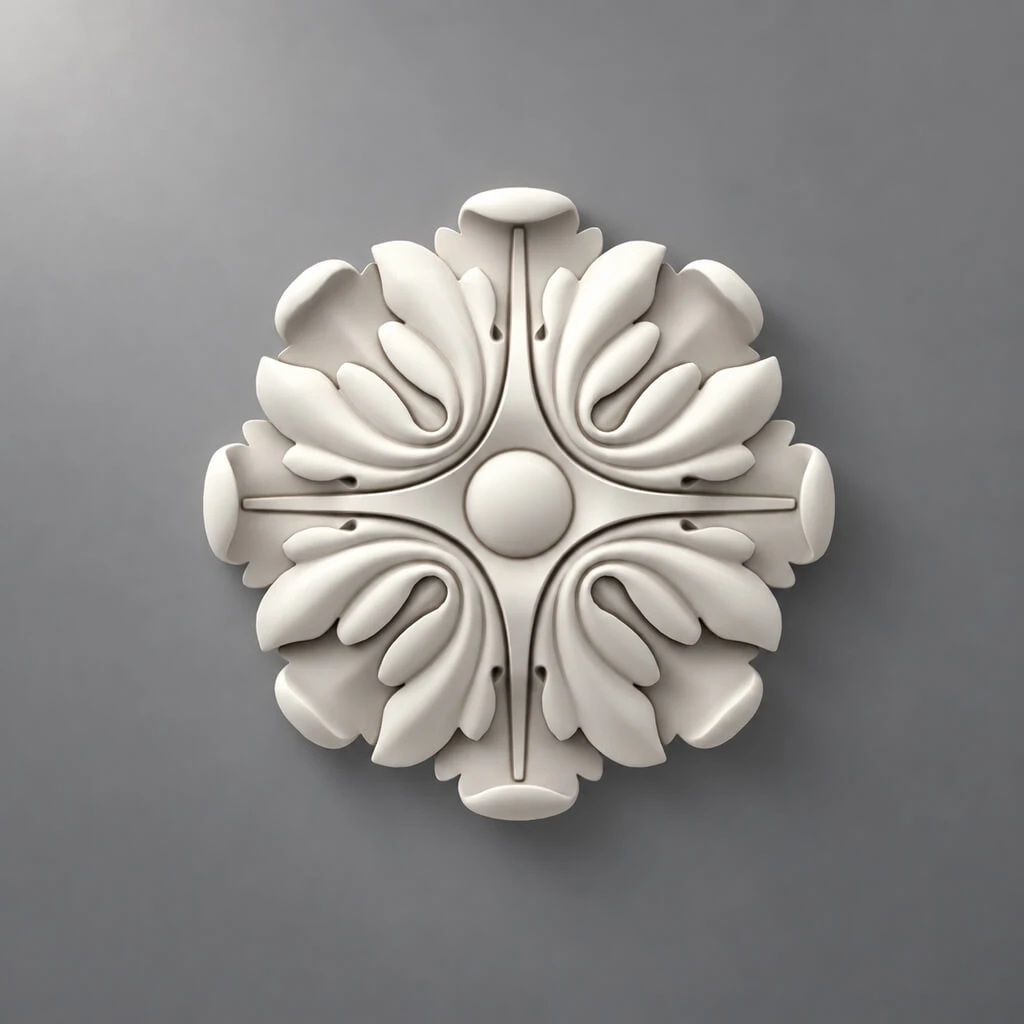
Stucco molding set for the bedroommade of polyurethane is the exact middle ground between "nothing" and "too much." Frames made of moldings, vertical decorative posts, lightweight architectural panels: all of this creates the feeling of a bedroom that was designed, not assembled by chance. And — crucially — ready-made collection sets allow you to do this quickly, without having to select elements yourself and without the risk of making mistakes with proportions.

Why the wall at the head of the bed should be decorated separately
This is not a question of aesthetics — it's a question of spatial architecture. Every well-designed room has a main focal point. In the living room, it's the wall behind the sofa or the TV area. In the bedroom, it's the wall at the head of the bed. This is the main wall of the room. And if it's not decorated, the space has no focus.


A bed without an architectural background loses its scale
The bed is the largest piece of furniture in the bedroom. A beautiful headboard, quality bedding, carefully selected pillows. And — an empty, smooth wall above all of this. An empty wall does not "highlight" the bed. It makes it an ordinary piece of furniture that lacks a backdrop.
Decorating the wall at the head of the bedis about creating an architectural background. A panel frame or vertical posts behind the bed visually "anchor" the sleeping area, giving it scale and character. The bed becomes part of a well-thought-out composition.
Our factory also produces:
Decor adds a sense of an expensive interior
There are interiors that look expensive, even if the furniture in them is not the most premium. Their secret is the architectural treatment of the walls. Moldings, frames, relief panels create a feeling that costs significantly more than its actual price.Wall decor for the bedroommade of polyurethane is exactly that tool: it provides an architectural effect without major renovations.
Get Consultation
Polyurethane stucco molding — a soft relief that doesn't press down
The bedroom is not a formal room. Decor here should not overwhelm. Polyurethane stucco decor is an opportunity to create a subtle, delicate relief: noticeable under the side lighting of night lamps, almost invisible in bright daylight. A calm texture instead of an aggressive ornament.
Polyurethane can be painted the color of the wall
Wall decor behind the bedPolyurethane decor is monochrome by default. Painting the decor to match the wall gives a clean architectural relief without visual noise. This is exactly what a bedroom needs: structure, not brightness.
What to choose for the bedroom: moldings, stucco, or a ready-made set
Three formats — three different approaches to decorating the wall behind the bed. Each has its own advantages.
Moldings: a laconic frame without ornament
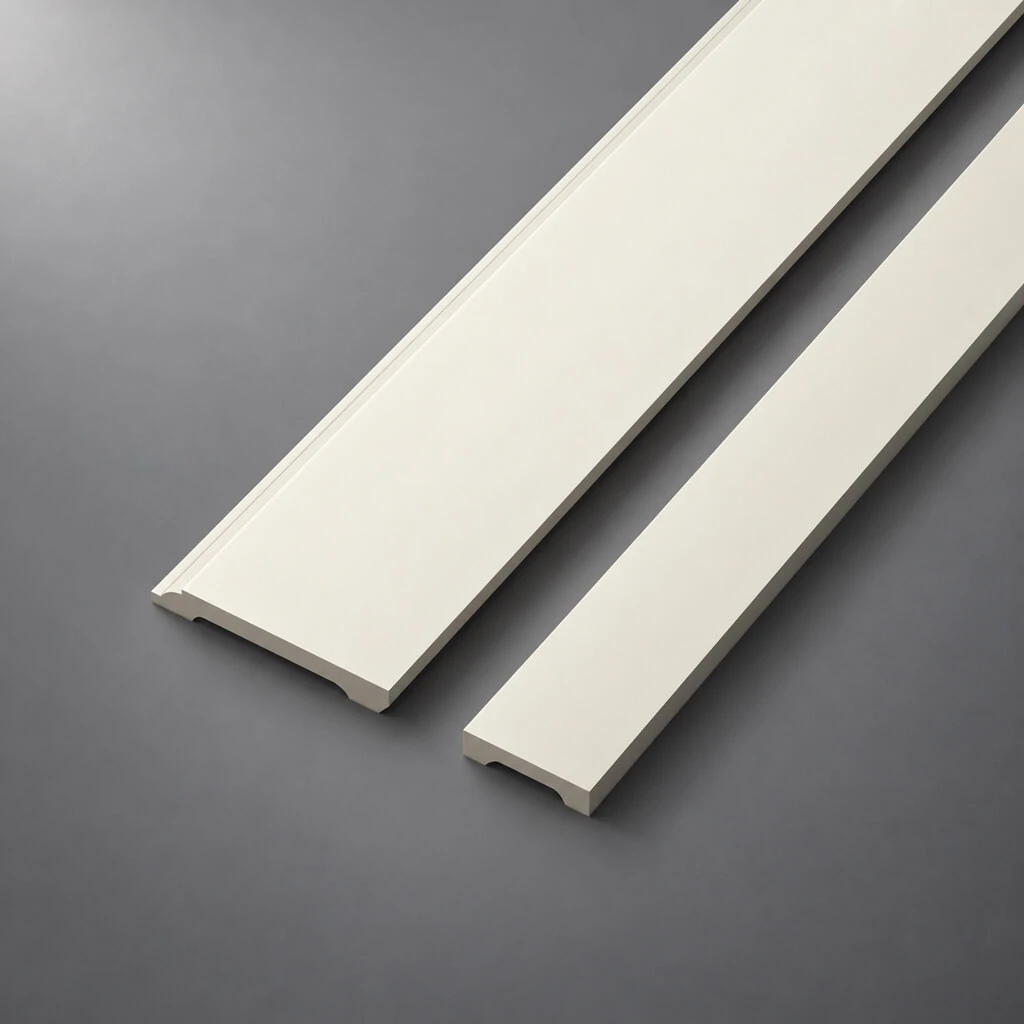
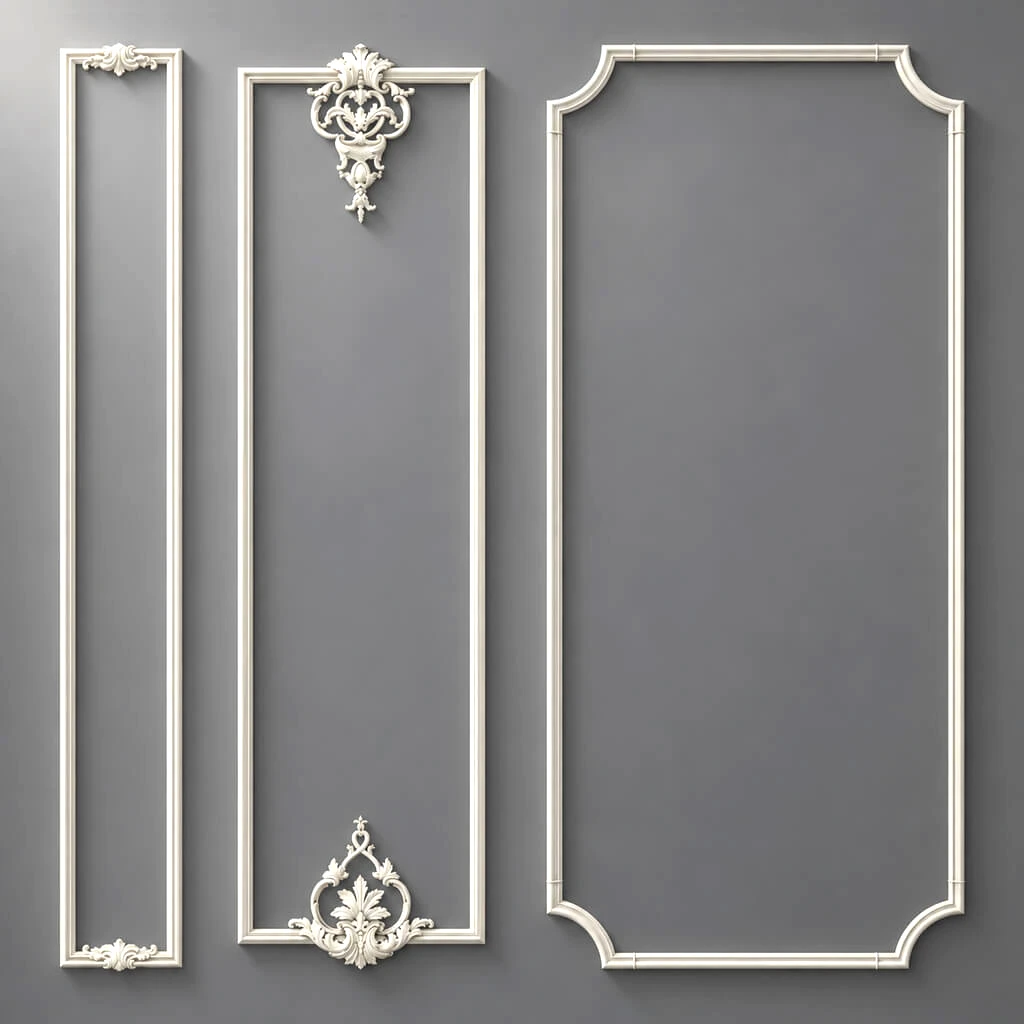
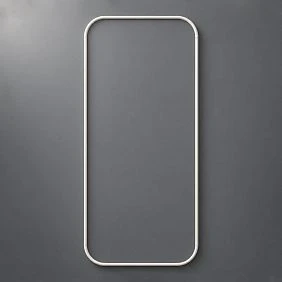
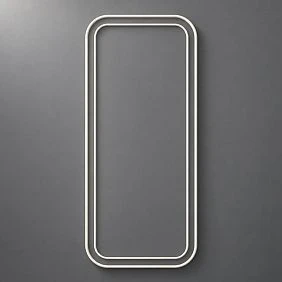
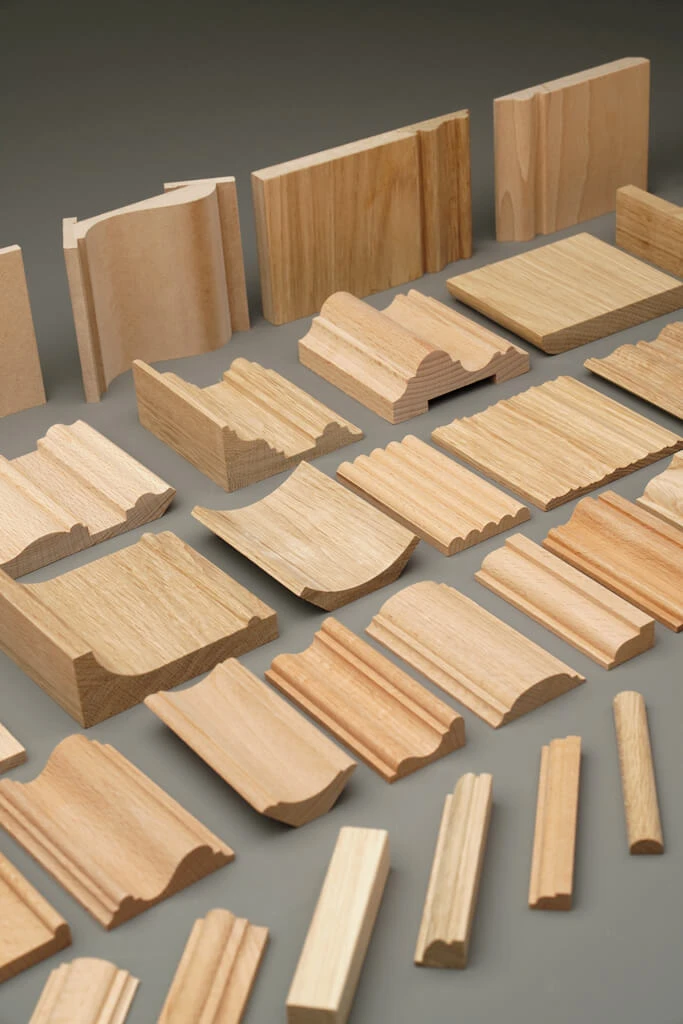
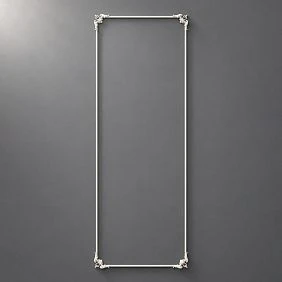
Moldings behind the bedMoldings are the simplest and most restrained solution. A single molding profile run along the perimeter of a rectangular frame above the headboard. Without a central overlay, without corner ornamental elements — only a clean outline.
This solution is for those who appreciate minimalism. A frame made of thin molding, painted to match the wall — almost invisible, yet architecturally significant. Such decor doesn't "speak" — it "presences."
polyurethane wall moldingsin a framed format — a good choice for a Japandi bedroom, Scandinavian interior, or any neutral modern space.
Stucco decor: relief and ornament
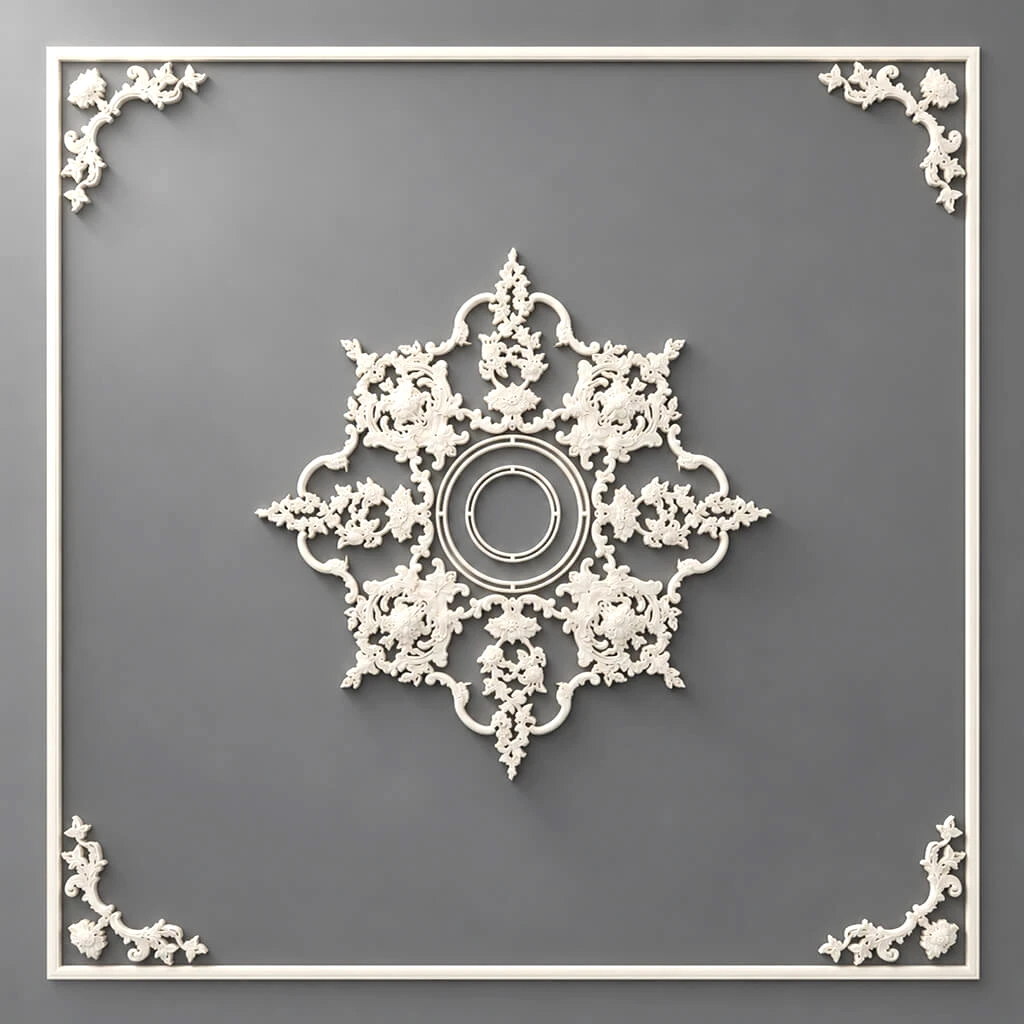
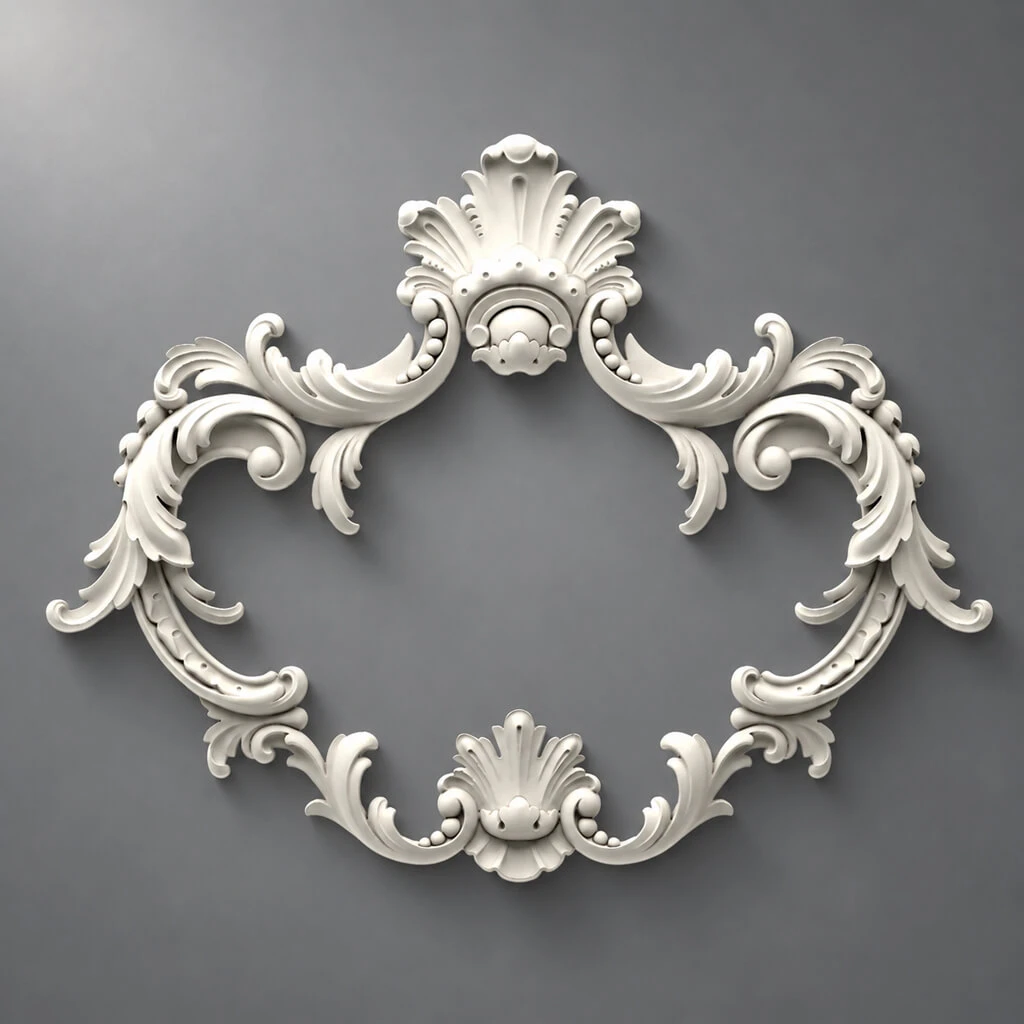
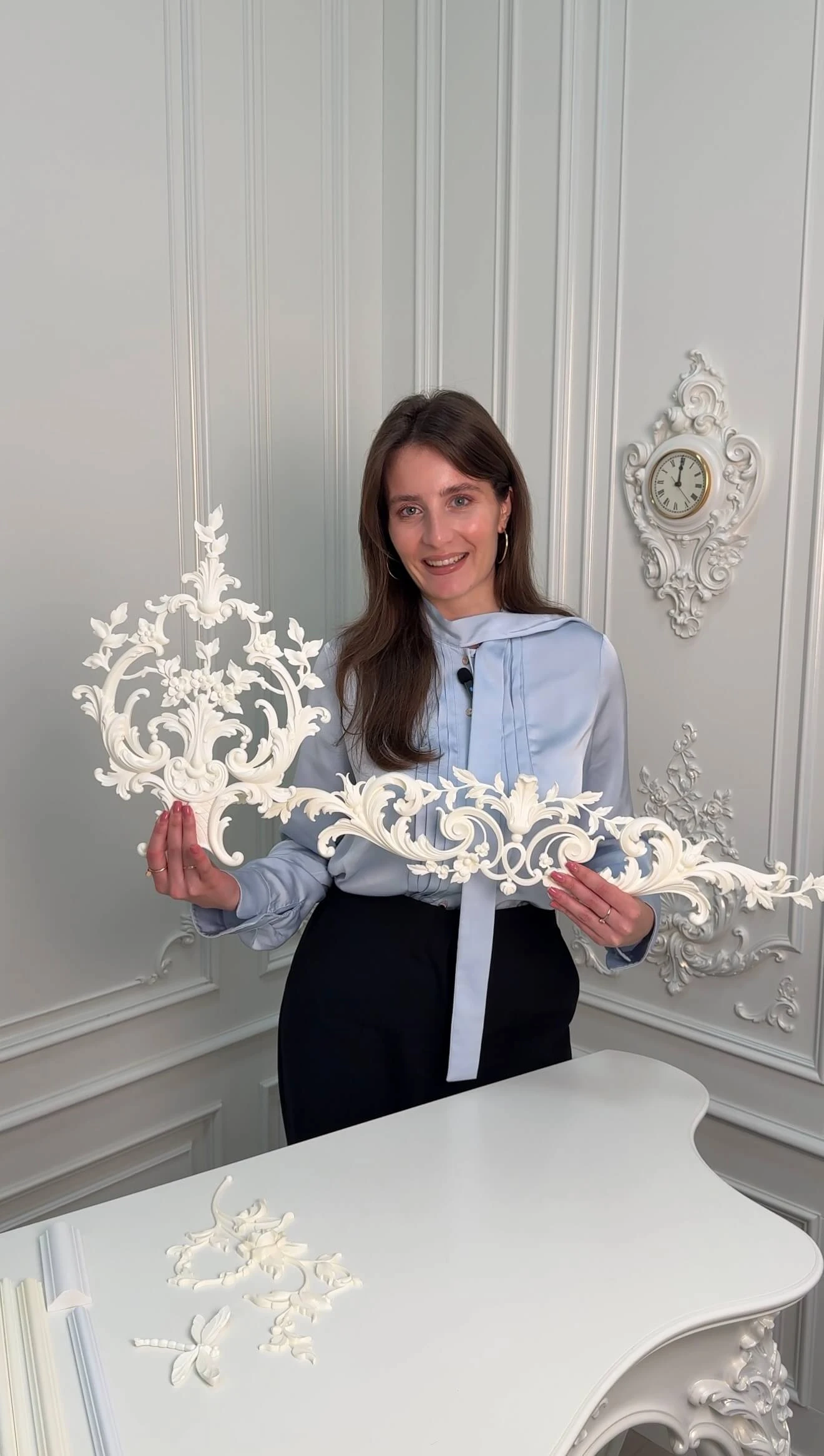
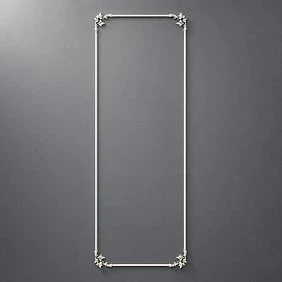
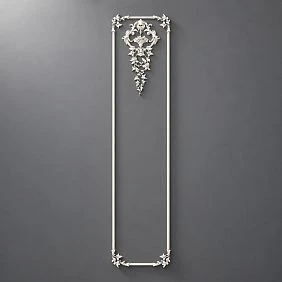
Stucco at the head of the bed— this is moldings plus ornamental overlays: corner elements, central medallions, decorative inserts. The frame gains expressiveness — it becomes not just a contour, but a system with ornamental accents.
For a bedroom, this means: not just a rectangle above the bed, but an architectural panel — with details that make it "alive." This format works especially well in neoclassical bedrooms and classic interiors.
Ready-made set: a system solution
Ready-made wall decor in the bedroomin the format of a collection set — this is moldings, corner inserts, overlays, and ornamental elements in a unified style, designed for joint application. The buyer does not assemble the system manually — they choose a ready-made solution and install it.
Ready-made molded decor kits— the optimal choice when:
-
no experience working with architectural decor catalogs;
-
predictability of the result is important;
-
need to get a finished panel quickly and without design;
-
several identical panels are planned in a row.
For a small bedroom (12–16 sq m) — concise sets from "Neoclassic Light" or "Japandi". For a spacious bedroom (20+ sq m) — more expressive formats "Neoclassic" or "Versailles Light".
Wall decor options behind the bed
Let's break down specific formats — with descriptions of how they look and when they are used.
Molding frame around the headboard
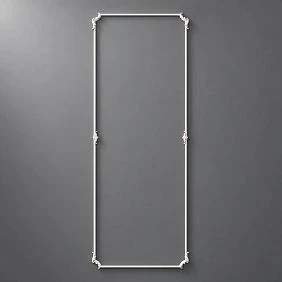
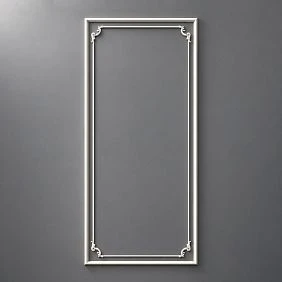
A classic and versatile option. A rectangular frame made of molding profile, located above the headboard. The only element is the outline. But it is this that creates the effect of an architectural panel.
Moldings at the head of the bedIn the frame format, they work on the principle of "a frame without a picture." The wall inside the frame is the picture itself: monochromatic, smooth, but visually highlighted by the contour.
Frame parameters:
-
width — equal to the width of the bed (±10–20 cm on each side for a bed of 160–180 cm). For a bed of 160 cm — frame width 170–200 cm. For a bed of 180 cm — 190–220 cm;
-
height — 55–75 cm depending on ceiling height;
-
lower horizontal molding — 15–25 cm above the top edge of the headboard (if the headboard is high) or 50–70 cm above the mattress (if there is no headboard);
-
upper horizontal — at a distance of 30–50 cm from the ceiling cornice.
One wide frame — for a standard bed 160×200 or 180×200 cm. Two symmetrical smaller frames — for a large wall in the master bedroom. Three frames in a row — for an enfilade bedroom or a very wide wall.
Frames made of moldings in the bedroom work well in neoclassical and classical interiors, in modern classic, and in "soft luxury" — a style that is currently one of the most popular in the residential segment.
Vertical composition of stucco decor
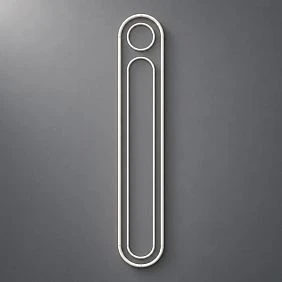
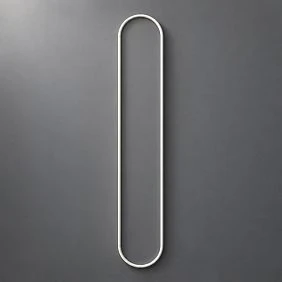
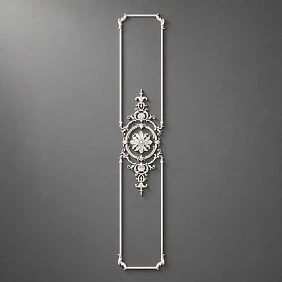
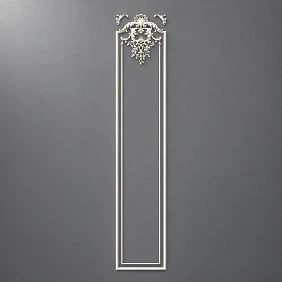
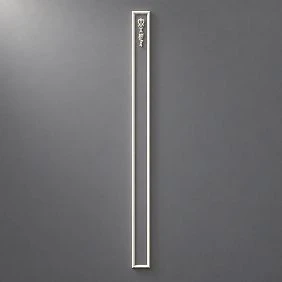
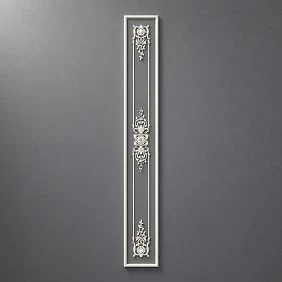
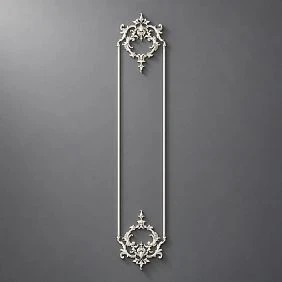
A vertical stand — a molding profile running the height of the wall from the baseboard to the cornice (or from the height of the nightstand to the ceiling cornice), with an ornamental accent in the upper third or in the center.
Bedroom stucco decor setin a vertical format creates height. Two vertical sets on either side of the bed act as architectural "guardians" flanking the headboard. This technique works especially well with high ceilings (2.8–3.0 m and above): vertical axes emphasize height, making the bedroom monumental.
Decorative wall compositionin a vertical format is optimal for:
-
bedrooms with high ceilings (3.0 m+), where a horizontal frame gets "lost";
-
a wall that is narrower and longer than standard — for example, in a narrow room with good height;
-
a modern bedroom where architectural accents are needed without a frame system.
Vertical posts on either side of the bed create a canopy effect without an actual canopy. A bed between two architectural verticals is an iconographic technique known from palace interiors, but it scales perfectly to any bedroom.
Decorative polyurethane panels behind the bed
A decorative panel is an expanded version of the frame system: a double frame, a horizontal molding belt inside the panel, rich corner inserts. This is no longer a frame — it is a wall panel with a full architectural system.
Decorative panels behind the bed — a choice for a spacious bedroom (20–35 sq m or more) or for a master bedroom in a private house. Here, the scale of decor matches the scale of the space: a wide bed 200×200 cm, a high ceiling 3.0–3.2 m, expensive furniture, a complex of decor — and the wall panel as the main architectural accent.
Ready-made wall composition made of polyurethane behind the bed in a formal bedroom is what instantly creates the feeling of an "expensive interior." Such solutions are most often seen in interior design magazines — although they are implemented using polyurethane, not stone or expensive wood.
Horizontal molding belt
A less obvious but very practical format. A horizontal molding across the entire width of the wall at the headboard — at a height dividing the wall into a lower field (behind the bed) and an upper field (above the headboard).
The horizontal belt zones the wall. The lower field — behind the bed — is painted in an accent color or contrasting finish (wallpaper, painting in a different tone). The molding makes the transition clear and neat. This is a modern and technically simple way to create an accent zone at the headboard without frames.
Height of the horizontal belt: top line of the headboard + 25–35 cm or at 40–45% of the wall height.
How to choose a decor style for the bedroom
The decor style should be chosen before the collection. Because the choice of collection is a consequence of the style decision.
Neoclassic Light for a calm bedroom
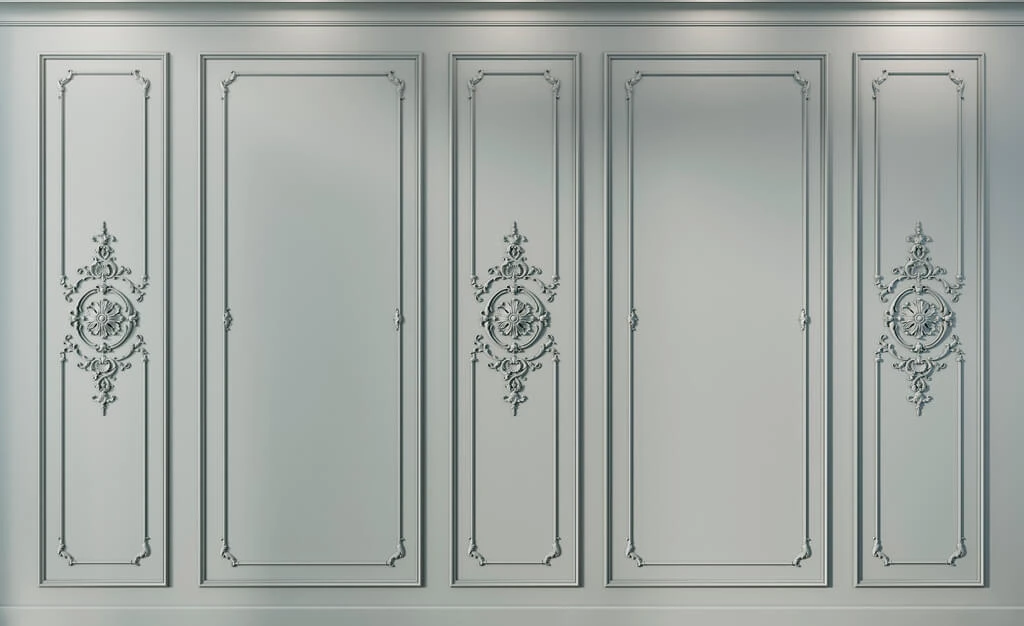
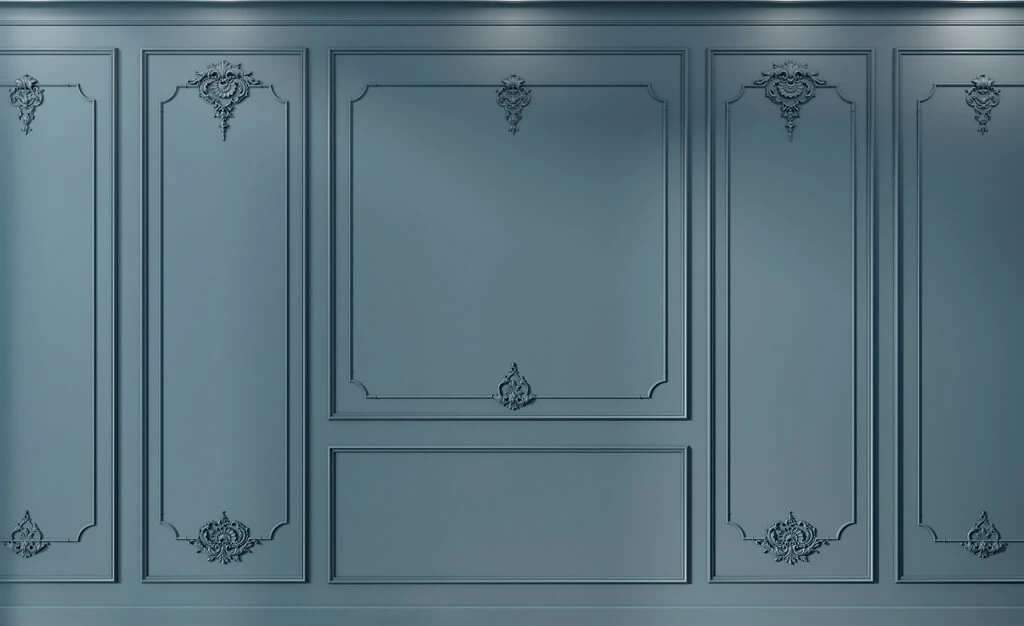
"Neoclassic Light" — bedroom decorin the truest sense. It's a thin profile, delicate corner elements, minimal ornamentation, calm relief. Not a palace — gentle architecture.
Why "Neoclassic Light" is most often chosen for the bedroom:
First, the decorative weight here is deliberately reduced — and that's right for a relaxation space. Rich ornamentation in the bedroom creates a "restless" atmosphere. Light — a calm one.
Second, "Light" works in small bedrooms (14–18 sq m) with a ceiling of 2.6–2.7 m. It doesn't overload a small space.
Thirdly,light decor at the headboardis the perfect backdrop for textiles: upholstered headboards, pillows, bedspreads. The decor doesn't compete with soft elements — it frames them.
The collection includes sets CPU-2-1 through CPU-2-5. For the bedroom, we recommend CPU-2-1 or CPU-2-2 — the most concise and "airy" levels.
Color: decor matching the wall tone is the ideal solution for "Light". Slightly lighter is acceptable. Contrasting white on a dark wall is already a different style, not "Light".
Japandi for a minimalist bedroom
A Japandi bedroom is balance. Restraint without asceticism. Naturalness without "rusticity." Order without coldness. And the wall decor at the headboard should work in the same logic.
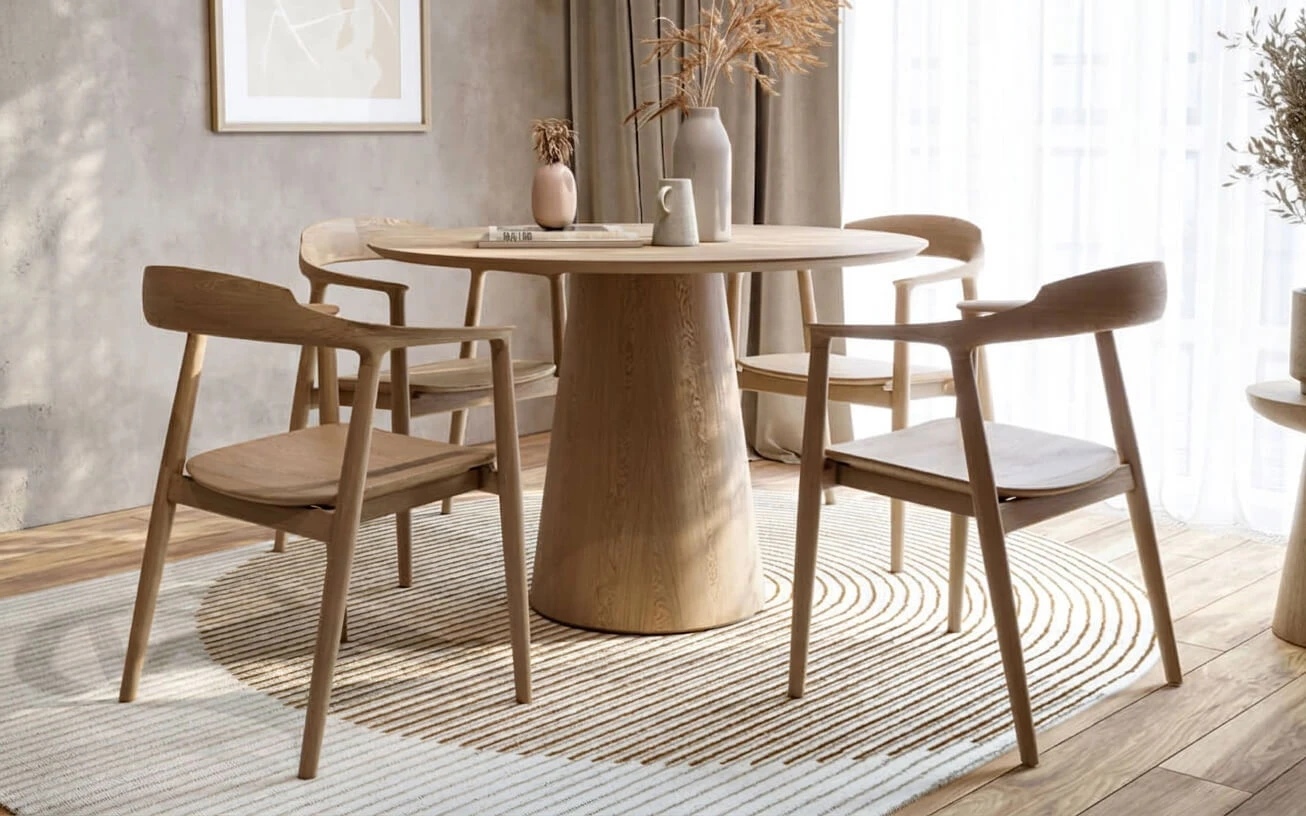
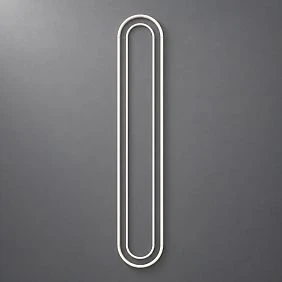
Japandi style bedroom decoris the finest relief, geometry without ornament, silent presence. Two vertical sets on either side of the headboard, painted in the wall color — they are almost invisible in bright light, but in the evening light of the nightstand they create a soft shadow that enlivens the wall.
Minimalist wall decor in the bedroomfrom the "Japandi" collection — six sets (CPU-3-1 — CPU-3-6) of different formats. For the bedroom, vertical formats or laconic framed panels are optimal.
What goes with Japandi decor at the headboard:
-
a wooden bed without a headboard (or with a headboard in natural tones);
-
linen bedding in neutral tones — white, ecru, gray-beige;
-
minimalist bedside tables made of wood or natural stone;
-
nightlights with a frosted lampshade;
-
no bright patterns or ornamental elements in the textiles.
The main rule of a Japandi bedroom: monochrome.Wall decor "Japandi"painted only in the tone of the wall. No exceptions.
Neoclassical for an accent wall by the bed
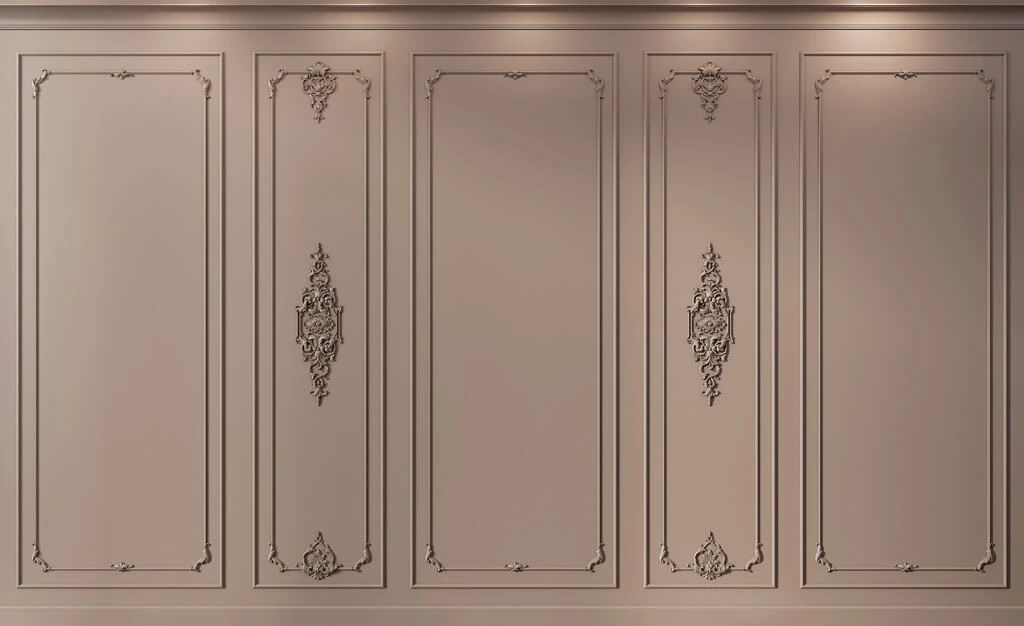
If 'Light' is a whisper, then«Neoclassic»is confident speech. A wider molding profile, rich corner inserts, expressive ornamental overlays. Architecturality without palatial pathos.
Set of stucco decor "Neoclassic"is suitable for a bedroom when:
-
the bedroom is spacious (18–30 sq m) with a ceiling of 2.7–3.0 m;
-
the interior leans toward 'neoclassical modernity' — expensive furniture in a calm classical style;
-
the wall at the headboard should be noticeable, expressive, "expensive" — but not baroque.
The "Neoclassic" collection includes sets CPU-1-1 — CPU-1-5. For the bedroom, CPU-1-2 and CPU-1-3 are most applicable — a moderate level of saturation that works well in a sleeping space.
Wall decor in the bedroom in neoclassical style — white on a white wall, or decor in the tone of the wall with a delicate relief. No patination: in the bedroom it will look heavy.
Versailles Light for a classic bedroom
"Versailles Light" — decor for the bedroom formal. Master bedroom in a private house. A spacious room with a 200×200 cm bed, high ceilings, symmetrical sconces, a mirror in a carved frame. A space where "expensive" is not accidental, but intentional.
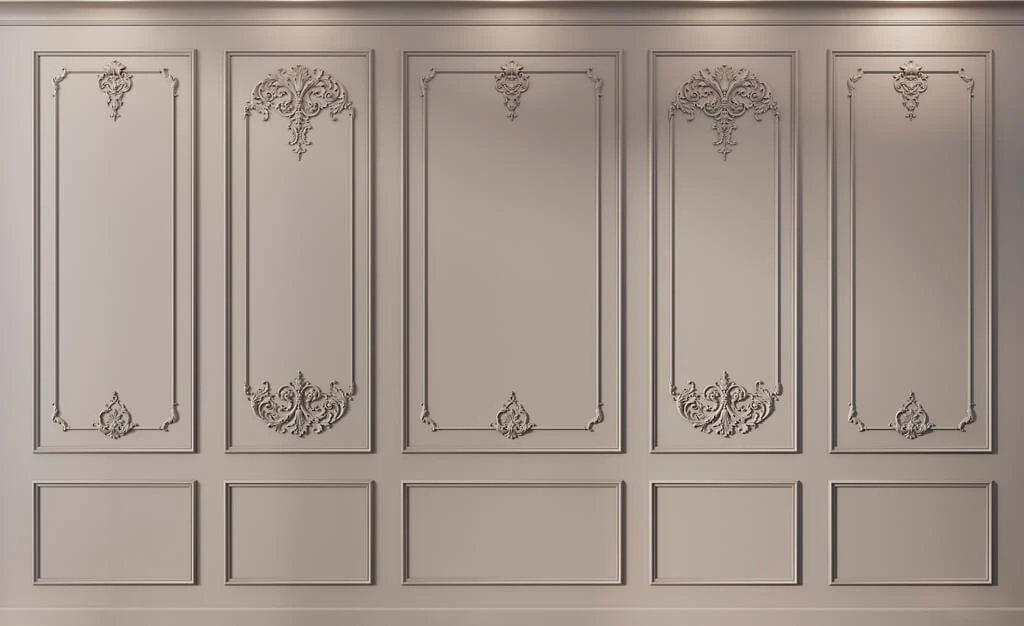
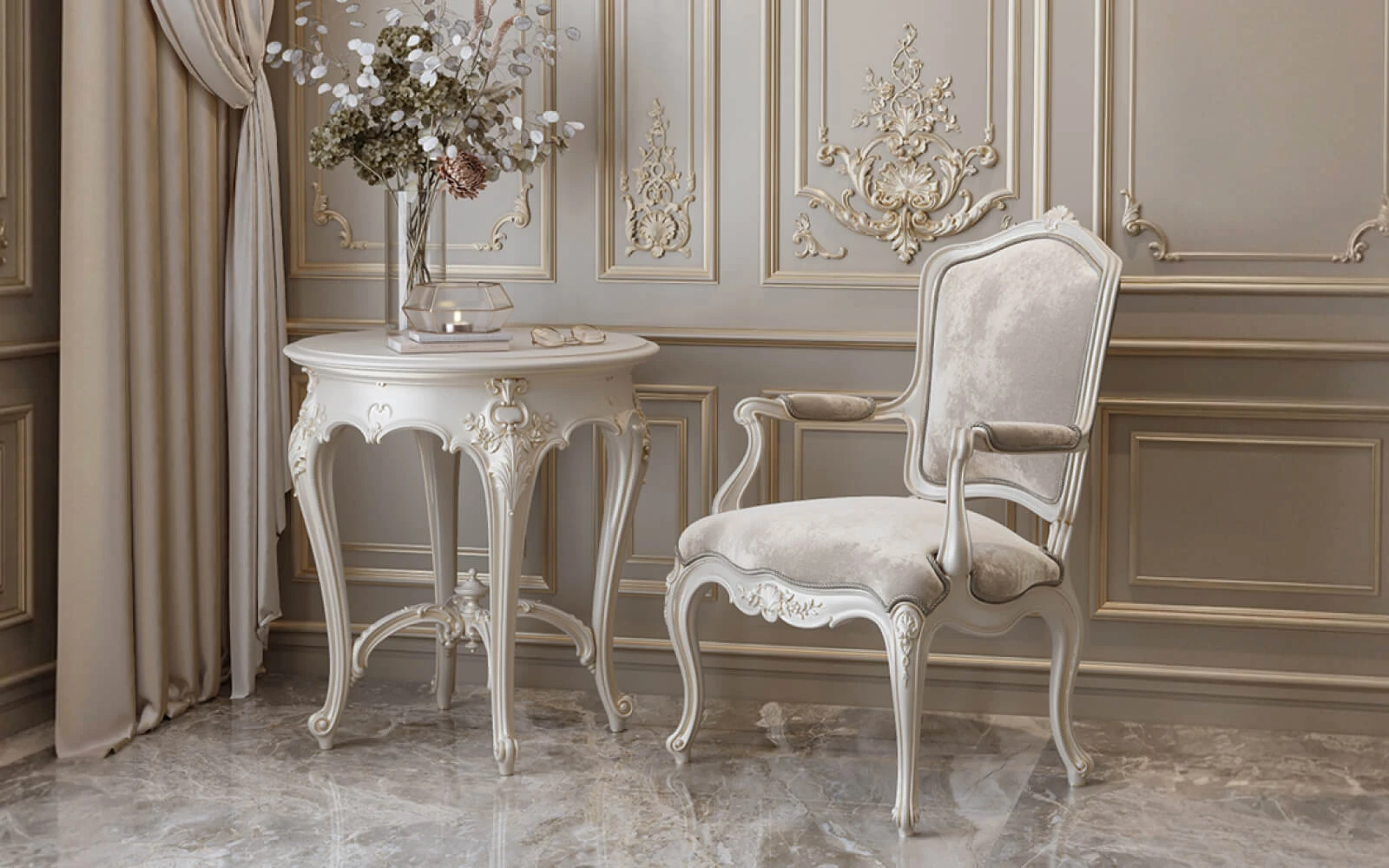
"Versailles Light" — floral ornament, double frames, rich corner elements. This is decor that does not "help" the wall — it creates it.
Five formats of the collection (CPU-4-1 — CPU-4-5) cover different tasks. For a classic master bedroom behind the bed — CPU-4-1 or CPU-4-2 in the format of symmetrical vertical panels on the sides of the headboard. Or one wide central panel CPU-4-2 as the main accent of the entire wall.
Classic stucco molding in the bedroomfrom «Versailles Light» — white or cream. In special cases — patination: soft gold or aged pearl. Bright contrasting colors are not suitable for this collection.
Decorative panels for the bedroomfrom «Versailles Light» require appropriate furniture surroundings: a classic bed, symmetrical nightstands, a mirror, wall sconces. In a modern minimalist interior, «Versailles Light» does not work — it's a different language.
How to calculate the wall decor at the headboard
The calculation for a bedroom is somewhat different from the calculation for a living room. The specificity lies in the connection to the bed and headboard.
Step 1: Determine the bed dimensions
The width of the bed is the main parameter. Standard sizes: 120, 140, 160, 180, 200 cm. The width of the decorative frame or system behind the bed is tied to this size.
Rule: the decor should be wider than the bed or visually proportionate to it. Decor narrower than the bed looks unbalanced, as if it has «shrunk».
Step 2: Consider the headboard height
If the headboard is high (80–100 cm) — the lower horizontal molding is placed 10–20 cm above its top point. If the headboard is low or absent — the lower horizontal is at a height of 90–110 cm from the mattress (or 130–150 cm from the floor).
The decor should not «encroach» on the headboard. There is always a clear gap between the top point of the headboard and the lower horizontal molding.
Step 3: Account for bedside tables
Bedside tables are placed on either side of the bed. The side edges of the decor should either align with the outer edges of the tables or extend slightly beyond them. Decor that ends within the table area (in width) looks cramped.
If there is little space between the bed and the room walls, the side tables may be flush against the walls. In this case, the width of the decor = bed width ± 15–20 cm.
Step 4: Consider wall sconces
Sconces are a standard bedroom element above bedside tables. Their placement should be marked on the diagram before ordering decor. Sconces should not fall into the molding profile or corner inserts.
Optimal: sconces are placed inside the frame panel (as lighting "in the frame") or outside the frame — on the sides. A central sconce above the bed — in the upper field of the frame or above it, but not in the molding profile.
Step 5: Determine the height of the decor
Height rule for the bedroom frame:
-
ceiling 2.6 m: frame height 50–60 cm;
-
ceiling 2.7 m: 55–70 cm;
-
ceiling 2.8–3.0 m: 65–80 cm;
-
ceiling 3.0 m+: 75–95 cm or vertical posts for the full height.
Step 6: Draw a diagram
A scale diagram on paper or in a program: wall, bed, nightstands, sconces, outlets, switches. Add the intended decor. Check proportions, ensure no conflicts with furniture and engineering elements.
Molding frame behind the bedin the bedroom is always the result of measurements, not intuition. Measured → drew a diagram → ordered → installed.
Mistakes when decorating the wall behind the bed
Specific, frequently repeated mistakes — and how to avoid them.
Mistake 1: Decor narrower than the bed
A frame panel 100 cm wide above a 180 cm bed — visual imbalance. The decor looks like a small "medallion" above a large bed. Rule: decor width ≥ bed width. It is acceptable to be 10–15% narrower if the decor is complemented by side vertical elements. Significantly narrower — no.
Error 2: Frames are placed too low
The lower horizontal line of the molding is below the top point of the headboard — this creates a conflict between decor and furniture. They visually "meet" and interfere with each other. Always leave a gap between the headboard and the molding — at least 15 cm, optimally 20–25 cm.
Error 3: The height of the headboard is not considered
A high headboard (90–110 cm) + a low frame (40 cm) = a "cap" over the headboard. Disproportionate and unserious. With a high headboard — either a frame of sufficient height (65–75 cm), or a vertical decor format on the sides, rather than a horizontal frame above the headboard.
Error 4: Purchased without a layout scheme
Wall decor behind the bed — always a calculation. "I'll buy it and see how it fits" — in the bedroom, this strategy works worst. The bedroom is an intimate space where any disproportion is more noticeable than in a large living room.
Error 5: Too rich decor for a small bedroom
Stucco molding set for the bedroom from "Versailles Light" in a room of 12–14 sq. m with a ceiling of 2.6 m — decorative overload. A small bedroom requires light decor. "Neoclassical Light" or "Japandi" is the right choice for small bedrooms.
Error 6: No space left for sconces and sockets
Bedside sconces are installed after the moldings — and it turns out that the ideal place for the sconces is exactly on the molding profile. Solution: a scheme with sconces marked before the decor installation. Always.
Error 7: Mixing decor style and furniture style
Moldings behind the bedfrom "Versailles Light" next to a Scandinavian-style bed — a stylistic conflict. Decor and furniture should speak the same language. If the furniture is calm and modern — "Neoclassic Light" or "Japandi". If the furniture is classic — "Versailles Light" or "Neoclassic".
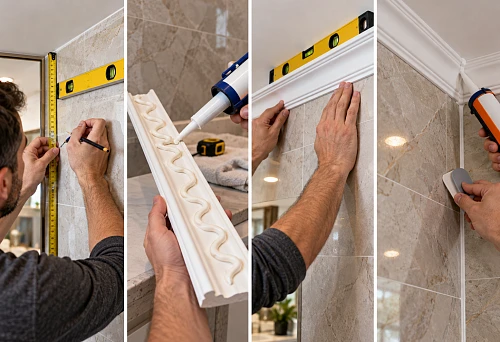
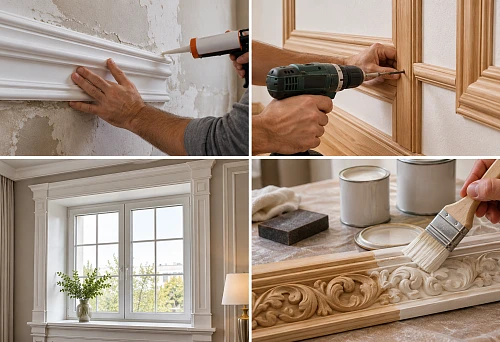
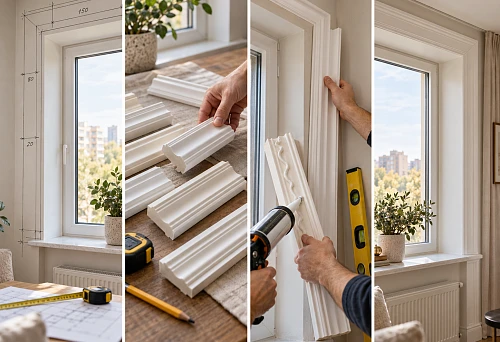
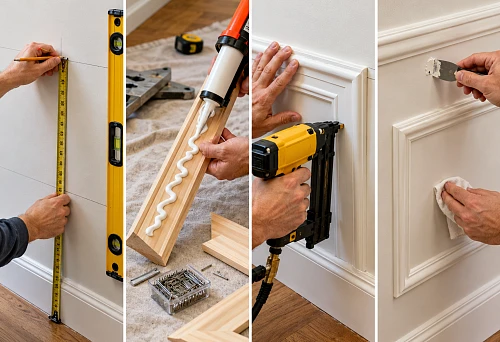
More details on the technology of installing stucco decor — in practical guides:installing polyurethane moldingandinstallation of polyurethane molding.
Where to buy a set of moldings for the bedroom
STAVROS offers a full range of solutions for decorating the wall at the head of the bed:
Stucco molding set for the bedroom — the entire section of wall molding decor.
Bedroom stucco decor set— ready-made collection systems.
Decorating the wall at the head of the bed— sets of all collections.
Ready-made molded decor kits— with filters by collection and format.
Moldings behind the bed— profiles for frame systems.
molded decoration made of polyurethane— corner inserts, overlays, ornamental elements.
"Neoclassic Light" — wall decor— light neoclassics for a calm bedroom.
"Japandi" decor set — minimalist decor for a modern bedroom.
Set of stucco decor "Neoclassic" — for an expressive neoclassical bedroom.
"Versailles Light" stucco decor set — classic decor for a formal master bedroom.
decorative polyurethane elements — to complement and enhance wall compositions.
FAQ: Answers to popular questions
Can molded decor be used in a bedroom with low ceilings (2.5 m)?
Yes, but only in a laconic format. "Neoclassic Light" or "Japandi", thin molding profile, small frame height (45–50 cm), painting to match the wall. Vertical high posts are contraindicated for low ceilings — they emphasize the problem rather than hiding it.
How to choose between a frame and vertical posts for the headboard?
Frame — for ceilings up to 2.8 m and a standard bed headboard. Vertical posts — for ceilings 2.8 m and higher, or when the headboard is tall and the frame above it would be too narrow. Vertical posts are also good for a bedroom without a headboard — they create an architectural "headboard" from the wall itself.
Do I need to remove the bed to install the decor?
Not necessarily. It's enough to move the bed 50–60 cm away from the wall for work. If the bed is stationary or heavy — you can work standing behind the bed. Installation is easy: the decor is attached with mounting glue.
What paint to use for decor in the bedroom?
Acrylic matte paint is the optimal choice for the bedroom. The matte surface does not create glare under night lighting. Color: matching the wall tone or 2–3 shades lighter. For a subtle relief — match the tone. For noticeable contrast — 3–5 shades lighter or white on a neutral wall.
Can I combine decor at the headboard with decorative wallpaper?
Yes. One popular technique: the accent wall at the headboard is finished with patterned or textured wallpaper, and molding frames are mounted on top of the wallpaper, framing it. In this case, the molding and wallpaper should be in a unified style system.
Is special glue needed for installation in the bedroom?
Standard mounting glue for polyurethane or liquid nails. The wall surface should be clean and degreased. The bedroom has no specific conditions (high humidity or temperature fluctuations) that would require a special compound.
What is the minimum bedroom size for headboard decor?
For a molding frame — from 12 sq. m with a ceiling of 2.6 m and higher. For vertical posts — from 14 sq. m with a ceiling of 2.8 m. For decorative Versailles Light panels — from 18–20 sq. m with a ceiling of 2.8 m and higher.