Article Contents:
- When it's more profitable to update old furniture rather than replace it
- Furniture made from solid wood of Soviet and post-Soviet production
- MDF furniture in good condition
- Kitchen facades without cracks
- Individual items: cabinet, display case, console, bench
- When updating is not advisable
- Which ready-made elements are suitable for decorating old furniture
- Wooden overlays for the facade
- Moldings and frames
- Carved decoration
- Wooden furniture handles
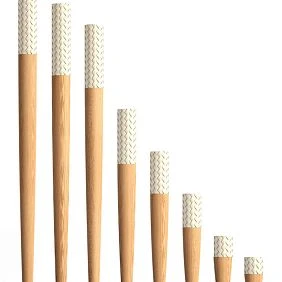
- Wooden furniture legs
- Cornices and decorative moldings
- Corner and transition elements
- Decorating an old cabinet: a system, not chaos
- Moldings on cabinet doors
- Cabinet handles
- Top cabinet cornice
- Bottom cabinet baseboard
- Applied pilasters on side posts
- Decorating an old dresser: handles, legs, and drawer frames
- Handles — the first step
- Dresser legs
- Moldings on drawer fronts
- Central medallion or overlay
- Painting after decoration
- Buffet and display cabinet decor: restoring classic character
- Buffet top cornice
- Pilasters and vertical overlays
- Carved elements on lintels
- Buffet lower section legs
- Display cabinet door handles
- Moldings for updating facades: how flat becomes voluminous
- How molding creates a framed facade
- Double frame on a wide facade
- Molding as a facade divider
- Molding for painting
- Carved overlays: when luxury is appropriate
- When carved decor is justified
- When carved decor is excessive
- Size Matters
- Handles and legs: a quick but important move
- Why handles are so important
- How to choose handles by style
- What matters when replacing handles
- Legs: changing the character of furniture
- What to choose for painting
- Elements without factory coating
- Tinting wooden elements
- Elements with factory coating
- Mistakes when decorating old furniture
- Where to buy decor for updating old furniture
- FAQ: Answers to Popular Questions
- About the manufacturer
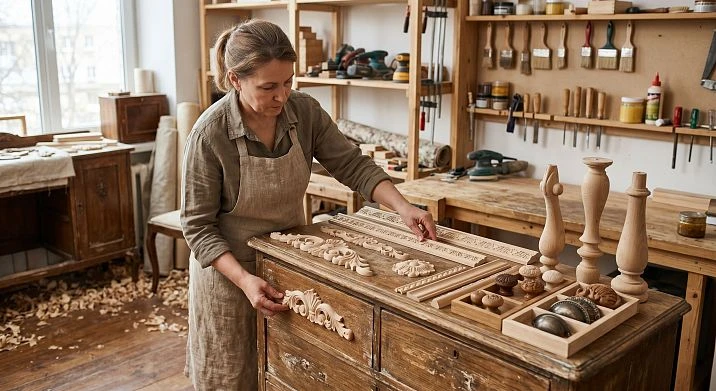
There is furniture that you feel sorry to throw away. Not because you can't afford new one, but because it's solid: thick walls, massive shelves, reliable hinges — everything works. Only the look... is tired. Flat facades without character, handles from the nineties, "wine glass" legs that have long gone out of style. Such a wardrobe or chest of drawers stands in the bedroom, and you look at it without inspiration.
It is at this moment that most people go to buy new furniture. But the right answer is different: update the old one. Not just repaint it in a different color, but add ready-made wooden elements that completely change the character of the furniture. wooden furniture appliqués, moldings, carved decor, new handles and legs — this is not cosmetics. This is the architecture of the facade. And it works.
Decorating old furniture with ready-made elements is a whole trend that is called upcycling in the West, and in Russia it is simply called intelligence and thriftiness. An old sideboard turns into a classic one, a cabinet with flat doors turns into a framed one with moldings, a chest of drawers turns into an item worthy of an expensive interior. All this without replacing the body, without hiring a furniture team, without large expenses.
This article is a comprehensive practical guide: what elements exist, what goes where, how not to overload furniture, how to choose a style, and where to buy it all.

When it is more profitable to update old furniture rather than replace it
Before spending money on a new set, ask yourself one question: what exactly doesn't suit you? If the answer is "shape and size," then yes, replacement is needed. But if the answer is "appearance," then decorating old furniture will give results many times cheaper and faster.




Furniture made from solid wood of Soviet and post-Soviet production
Cabinets, sideboards, chests of drawers, credenzas made from Soviet solid wood are products with thick walls of 18–22 mm, often made of real wood. They can not just be updated—they need to be. The structural strength of such items is often higher than that of modern furniture made from chipboard.
Our factory also produces:


Furniture MDF in good condition
MDF facades without chips and deformations are an ideal base for gluing moldings and overlays. The surface is smooth, the glue holds reliably. A flat MDF facade after adding moldings for furniture looks like a framed one—more expensive and complex.
Get Consultation
Kitchen facades without cracks
The kitchen looks outdated visually, but the structure is fine? Change the handles, add moldings to the facades, install a decorative top cornice above the cabinets — and the kitchen will transform beyond recognition with minimal investment.
Individual items: cabinet, display case, console, bench
Even a simple cabinet in the hallway or a display case in the living room with new legs, handles, and applied decor becomes a statement piece. It's fast, cheap, and very effective.
When updating is not advisable
If the body is deformed, the facades have chips, the hinges are broken, and the shelves are sagging — decor won't help here. First structure, then aesthetics. Or replacement.
Which ready-made elements are suitable for decorating old furniture
Let's break down the entire arsenal of tools — by type and purpose.
Wooden overlays for the facade
wooden furniture appliqués — these are shaped decorative elements that are glued or attached to the surface of the facade. They come in several formats:
Corner overlays — attached to the corners of the facade, creating a frame effect without a full perimeter molding. They work well on small drawers.
Central medallions are round or oval decorative inserts in the center of the facade. They turn any flat box into a classic one.
Overlay rosettes are small decorative elements of floral, leaf, or geometric shape. They are combined with moldings, accenting the center or corners of the facade.
Pilasters and vertical overlays are used on the side stiles of furniture. They visually break up the vertical plane, creating an architectural effect.
Moldings and frames
Moldings for furniture — horizontal and vertical profile elements that are glued onto the facade along the perimeter or form decorative frames. This is the fastest way to turn a flat facade into a framed or paneled one.
Furniture molding is thinner than ceiling molding: 8–15 mm high, 6–10 mm deep. It is glued onto the facade surface — not cut into it.
Carved decor
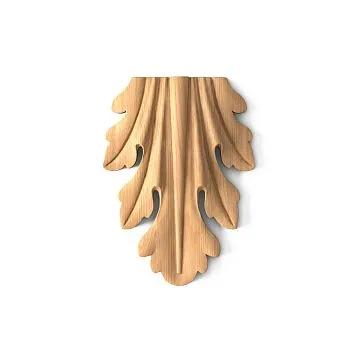
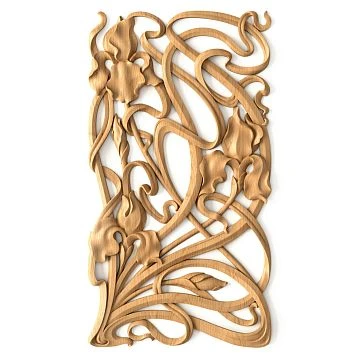
Carved wooden decoration — these are three-dimensional decorative elements with ornamentation: acanthus leaves, floral garlands, cartouches, mascaron, geometric weaves. They are used selectively — as an accent on the cornice, corner detail, or upper crosspiece of the facade.
Carved decor turns an ordinary cabinet into an antique object. It creates the feeling of "expensive antique furniture" that is so valued in classic interiors.
Wooden furniture handles
wooden furniture handles — the first and most accessible point of change. Replacing handles takes 30 minutes, requires no special skills, and provides an instant visual result.
Wooden handles come in: knobs (round, faceted, three-dimensional), pulls (horizontal bridges on two screws), elongated profile handles (vertical, for tall facades). For classic style — shaped turned knobs. For neoclassical — pulls with a rectangular profile. For rustic — large block handles.
Wooden furniture legs
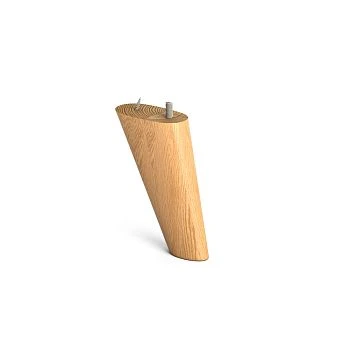
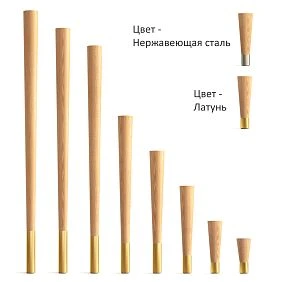
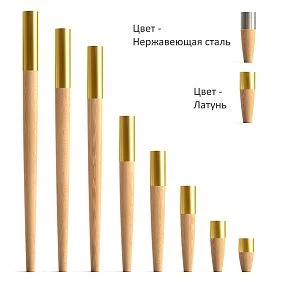
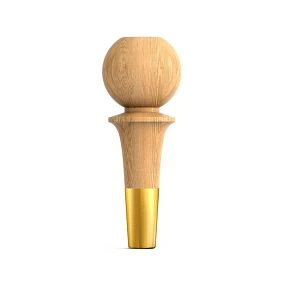
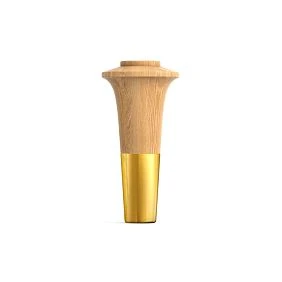
wooden furniture legs radically change the silhouette of furniture. A cabinet or chest that stood "on the floor", raised on legs, immediately acquires lightness, air, and character.
To update old furniture, legs are selected by height (80–150 mm for most dressers and chests), by style (classical turned, tapered, block), and by attachment method (screw into the body, metal plate).
Cornices and decorative moldings
Wooden trim are strips, profiles, baseboards, cornice belts that are mounted on the top and bottom of furniture. The upper cornice above a cabinet or sideboard is one of the most expressive decorative techniques. It visually "completes" the furniture, making it an architectural part of the room.
Corner and transition elements
Corner overlays, connecting corners, jumpers — are used to decorate joints when updating case furniture. These are auxiliary but important details.
Decorating an old cabinet: a system, not chaos
A cabinet is the largest piece of furniture in a room. Its update gives the maximum visual effect. But this is where mistakes are most often made: adding anything and getting overload.
Moldings on cabinet doors
Flat cabinet doors become paneled when adding molding along the inner perimeter. A standard technique: the molding runs in a rectangle, indented 40–60 mm from the edge of the door. This creates a visual frame — the facade looks like a classic paneled door.
On a wide door, a double frame is made: an outer one along the perimeter and a smaller inner one with a decorative central medallion.
Cabinet handles
Old chrome or plastic handles are the first thing to replace. Wooden handles in the same style as the moldings, creating a unified ensemble.
For tall cabinet doors — vertical profile handles 120–200 mm long. For drawers — knob handles or short pulls.
Upper cabinet cornice
If the cabinet does not reach the ceiling, the space above it "hangs." Adding decorative trim in the form of a cornice strip along the top of the cabinet closes this gap and makes the furniture an architectural part of the interior.
The cornice is mounted on the upper horizontal plane of the cabinet: three sides (front and two sides). If the cabinet is flush with the ceiling, the cornice strip creates a transition from the furniture to the ceiling.
Lower cabinet plinth
A similar technique at the bottom: a decorative strip or plinth belt along the base of the cabinet. It hides the legs or the lower edge of the body, creating a finished look.
Overlay pilasters on the side posts
Vertical overlay elements — pilasters or simply straight profile overlays — on the side posts between cabinet sections. This turns a set of boxes into a single architectural whole.
Decor of an old dresser: handles, legs, and drawer frames
A dresser is an ideal object for updating. A set of identical drawers with identical fronts is a surface where decorative techniques work most predictably.
Handles — the first step
A dresser with six drawers has six handles. Replacing them with wooden knob handles or shaped brackets takes half an hour and instantly changes the appearance. Important: the diameter of the mounting hole must match the new handle. Standard is 25–32 mm for knobs. For brackets — center distance of 64, 96, or 128 mm.
Dresser legs
An old chest of drawers standing directly on the floor or on flat plastic legs, raised to wooden turned legs 80–100 mm high — that's a different piece of furniture. The feeling of lightness and height radically changes the character of the item.
Legs for a chest of drawers are selected based on several criteria: height, style, load-bearing capacity. A standard chest of drawers weighing 25–40 kg requires legs with a load of 20–25 kg each. For heavy solid wood chests of drawers, thicker legs or legs with a metal core are used.
Moldings on drawer fronts
Each drawer is a separate facade. Molding around the perimeter of each drawer or inside the facade as a frame creates a framed effect. When subsequently painted in one color, it looks like an expensive classic chest of drawers.
Central medallion or overlay
On each drawer, a small central decor: an applied rosette, medallion, leaf ornament. This is a simple technique that makes each drawer an independent decorative object.
Painting after decoration
If the chest of drawers is planned to be painted white, gray, or in a "Provence" color — all decorative elements are installed before painting. The paint hides the glue joints and makes the decor an organic part of the facade. A painted molding on the facade looks not glued on, but native.
Decor of a sideboard and display cabinet: restoring a classic character
A sideboard and display cabinet are items with an architectural character. They initially imply decor: cornices, pilasters, carved elements, figured legs. That is why updating them with ready-made wooden elements gives the most impressive result.
Upper cornice of the sideboard
If the upper part of the sideboard is flat or has a simplified profile — adding decorative cornice molding completely changes the silhouette. The cornice should protrude beyond the plane of the facade by 15–25 mm. This creates shadow and depth.
Pilasters and vertical overlays
Vertical decorative pilasters on the sides of the sideboard facade are a classic technique. The pilaster has a capital at the top and a base at the bottom, which immediately gives the furniture architectural completeness.
Carved elements on the crosspieces
Horizontal crosspieces between the upper and lower parts of the sideboard are an ideal place for carved decor elementsThe central cartouche or leaf ornament on the crosspiece is a detail that is memorable.
Legs of the lower part of the sideboard
The lower part of the sideboard on figured wooden legs is perceived as an independent piece — almost like a chest of drawers. For a classic-style sideboard, choose turned figured legs 80–120 mm high with smooth profiles.
Handles of the display doors
Glass display doors with wooden handles in a classic style — an excellent combination. A vertical pull handle made of tinted oak or beech gives character without excess.
Moldings for updating facades: how flat becomes voluminous
Molding is perhaps the most underestimated tool for furniture decor. Its possibilities are broader than they seem at first glance.
How molding creates a framed facade
A flat facade is perceived as an empty field. Molding around the perimeter creates a frame — and the facade gains structure. This is a visual effect of separation: there is a frame and a field inside. This makes the surface richer, more complex, more expensive.
For furniture, choose molding with a profile height of 10–20 mm. Larger molding is for large facades (wardrobe, sideboard). Thinner molding is for dresser drawers and small cabinets.
Double frame on a wide facade
The standard for classic furniture is a double frame: outer and inner. Between them is a small field. This technique is used in the production of expensive English and Italian furniture. It can be replicated independently: two rows molding on one facade.
Molding as a facade divider
On a tall facade (e.g., a wardrobe door 2 m high), moldings divide the surface into several zones: the top (with a decorative medallion), the middle (main field), and the bottom (narrow horizontal panel). This is a classic three-part division of the facade, known since the Empire style.
Molding for painting
If the furniture is to be painted, choose moldings without factory coating or with factory primer. wooden items Uncoated moldings accept any paint, including chalk and acrylic enamel. The joint between the molding and the facade is puttied and sanded before painting — the result looks like a factory facade.
Carved overlays: when luxury is appropriate
Carved wooden decoration — this is an element that requires an understanding of style. Not every piece of furniture needs carving.
When carved decor is justified
Classic, Baroque, Renaissance. If the furniture initially has a classic form — cornices, curved legs, profiled posts — carving is organic. Acanthus leaves, cartouches, rosette medallions — all of this enhances the character of the furniture.
Neoclassicism. More restrained ornaments: straight profiles, geometric meander, small leaf accents. Here, carving does not fill the entire surface — it places accents.
Russian style and vintage. Floral ornaments, half-open buds, intertwined branches — for country sideboards, chests, and rustic furniture.
Restoration. If an old piece of furniture has lost a decorative detail — replacing it with a ready-made carved element is much simpler than ordering a one-of-a-kind carving.
When carved decor is excessive
In minimalist, Scandinavian, loft interiors — carving disrupts the style. Here, it is better to limit yourself to simple wooden overlays without ornament or not use decor at all.
Size Matters
The carved overlay must match the scale of the furniture. A large cartouche 200 × 150 mm — on a wide sideboard front or cabinet door. A small medallion 80 × 80 mm — on a dresser drawer or corner of a nightstand. Mismatched scale disrupts the ensemble.
Handles and Feet: A Quick but Important Move
Replacing handles and feet is the fastest update that provides the most immediate visual effect. It is recommended to start decorating old furniture with these two elements.
Why Handles Are So Important
The handle is the first thing a person touches. It is tactile and visual contact with the furniture. An old chrome handle "from the nineties" on a refurbished dresser is a dissonance that ruins the entire decor. A new wooden handle with the right profile is the point that completes the look.
wooden furniture handles available in a wide range of styles: from rough bar handles to elegant classic knobs. The choice is determined by the style of the furniture being updated and the interior.
How to Choose Handles by Style
| Furniture style | Handle type | Profile |
|---|---|---|
| Classic, Baroque | Ornate Knob | Turned with Smooth Transitions |
| Neoclassical | Rectangular Bracket | Clear Edges, Minimal Decor |
| Provence, vintage | Button with patina | Rounded, with tint |
| Rustic, country style | Bar pull | Rough texture |
| Scandinavian | Conical knob | Clean form without ornament |
What to consider when replacing handles
Old handles are attached through specific holes in the facade. New knob handles require a single central hole. New bar pulls require two holes with a fixed center-to-center distance. Measure the distance between existing holes and choose handles with a matching size. This will eliminate the need for new drilling.
Legs: changing the character of furniture
wooden furniture legs — this is essentially a change in proportions. Furniture on legs is lighter, furniture without legs is more massive. For most cabinets, chests of drawers, bedside tables — legs 60–100 mm high.
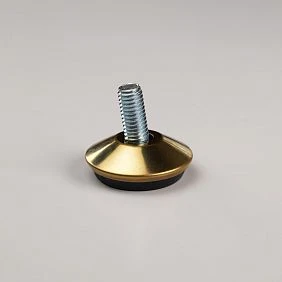
Mounting: threaded stud into the furniture body. A special screw bushing is screwed into the body, into which the leg stud is screwed. This is reliable and allows you to change legs without leaving marks on the body.
Load capacity: wooden legs with a diameter of 35–45 mm at the base support a load of 30–50 kg each. For heavy furniture — thicker legs or metal supports.
What to choose for painting
Furniture updating often goes hand in hand with a complete repainting. This is the right approach: decorative elements are added before painting, and as a result, the furniture looks like a single piece.
Elements without factory coating
wooden items without coating (sanded, primed, or 'in the white') accept any paint. Acrylic enamel, chalk paint, water-based paint — everything lays evenly, provided proper priming.
Work order: sanding the old facade → installing moldings and overlays → puttying joints → sanding → primer → painting in 2–3 coats.
Tinting of wooden elements
If the furniture is not painted but tinted to look like wood, the decorative elements should be of the same or similar species. Stain on different species gives different results: beech is lighter than oak, ash has pronounced grain. When combining species, use a single tint tone.
Elements with factory coating
If the furniture is already painted and you don't want to repaint it, choose decorative elements with a factory coating in white or natural tones. Moldings and applique in white — directly onto white painted furniture. Tinted to look like walnut — on dark furniture.
Mistakes when decorating old furniture
Let's look at typical mistakes. Most of them are made at the purchase stage and are only discovered during installation.
Buying elements without a general sketch. You cannot buy decor based on the principle 'this is beautiful, that is also beautiful.' First — a sketch of the facade with the placement of all elements, then — purchase.
Mixing different carving styles. A geometric meander and baroque leaves on the same facade is a stylistic disaster. One style, one ornamental register.
Placing too large overlays on small facades. A 150 × 150 mm overlay on a dresser drawer 200 mm wide leaves only 25 mm to the edge. This is overload. The overlay should occupy no more than 30–40% of the facade area.
Forgetting about handles and legs. Hours spent on moldings and overlays — but the old handles are left. This ruins all the work. Handles and legs must be changed.
Not checking the thickness of the facade. The molding is attached with glue. If the facade is made of thin 8 mm MDF and the glue is chosen incorrectly, the molding can warp the facade. For thin facades — minimal pressure during installation and light glue.
Do not consider future painting. If the furniture will be painted with chalk paint, decorative elements should be made of porous material that accepts chalk paint well. Lacquered factory elements should be sanded before painting.
Choose decor separately from the interior. Furniture is part of the room. The style of the updated furniture should match the interior style, floor, doors, and wall moldings. Isolated "beautiful" does not work.
Do not count the number of elements in advance. Calculate the footage of moldings with a margin of 10–15% (for joints and errors). Count the overlays by the number of facades. Purchase everything at once — a repeat order may differ in batch and tone.
Where to buy decor for updating old furniture
When buying decor for furniture, one thing is fundamentally important: a single source. If moldings, overlays, and handles are bought in different places, from different wood, with different degrees of dryness — joints will be visible, the tone will not match, the style will fall apart.
In the STAVROS catalog Furniture Decoration from Wood — this is a unified system where all elements are coordinated by wood species, style, and finish. Here you can choose Moldings for furniture, Carved Decor, Wooden handles, Furniture legs и Wooden trim — everything in one catalog, with dimensions, wood species, and finishes indicated.
FAQ: Answers to popular questions
What can you use to decorate old furniture?
With wooden overlays, moldings, carved decor, new handles and legs, decorative trim. All these elements are glued or attached without significant reworking of the furniture structure.
What elements should you buy for decorating an old wardrobe?
Moldings for door frames, top cornice from trim, new wooden handles, applied pilasters on side posts. Optional carved decor on the cornice.
Are wooden overlays suitable for a chest of drawers?
Yes. Overlays on drawer fronts, moldings around the perimeter of drawers, central medallions — all of this works on a chest of drawers and provides a quick visual result.
Can furniture be updated without replacing the fronts?
Yes. Moldings, overlays, and handles are mounted on existing fronts. If the front is in good condition, replacement is not needed.
Which moldings are suitable for furniture?
Furniture moldings with a profile height of 10–20 mm. Larger ones for cabinets and sideboards, thin ones for chest of drawers and nightstand drawers.
Which handles to choose for an old chest of drawers?
For classic style — shaped turned knobs. For neoclassical — rectangular brackets. Choose the center-to-center distance to match the existing holes in the front.
Can wooden overlays and moldings be painted?
Yes, especially items without factory coating. Primer → sanding → 2–3 coats of paint. The result is like a factory finish.
How not to overload old furniture with decor?
Work from a sketch. Overlays should occupy no more than 30–40% of the facade area. One ornament style, one coating tone. Handles and legs — in the same style key.
What should be replaced first: handles, legs, or overlays?
Start with handles — it's the fastest and cheapest. Then legs, if the furniture stands directly on the floor. Overlays and moldings — for a deeper update.
Where to buy ready-made decor for old furniture?
In the STAVROS catalog: Wooden Inlays, Moldings, Carved Decor, Handles, Legs и Trim — everything in one place with Contact us to confirm shipping to your destination.
About the manufacturer
STAVROS is a Russian manufacturer of wooden products for furniture and interior decor. The company's catalog includes a full range for updating old furniture: carved appliqués, Wooden moldings, Carved Decor, Furniture Handles, Furniture legs и Wooden trim. If you want to update old furniture and make it look more expensive without replacing the body — in the catalog STAVROS you will find all the necessary elements in a unified system.