





















































































Decor idea for wall panels "Verona" INTPU-030
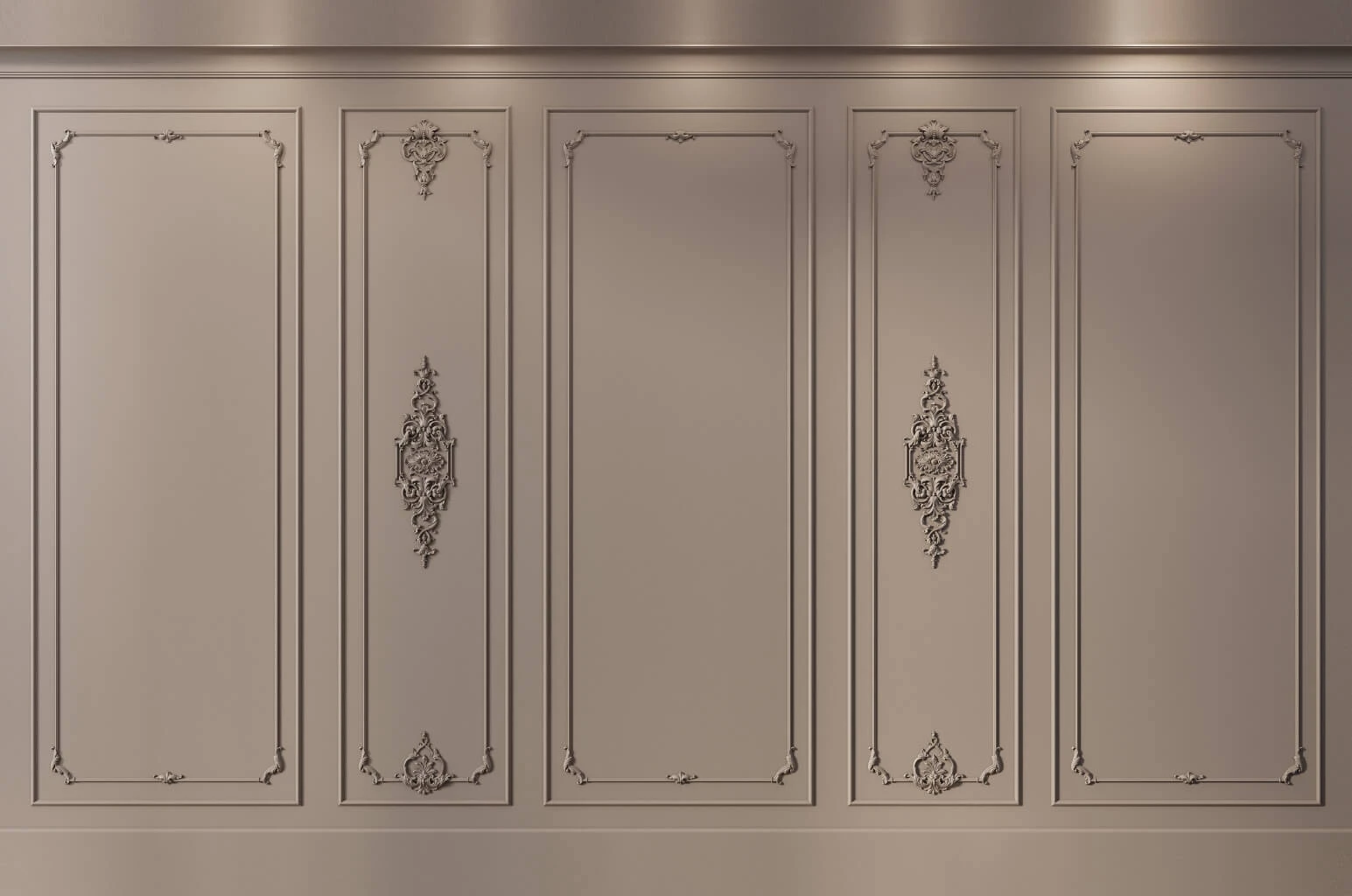
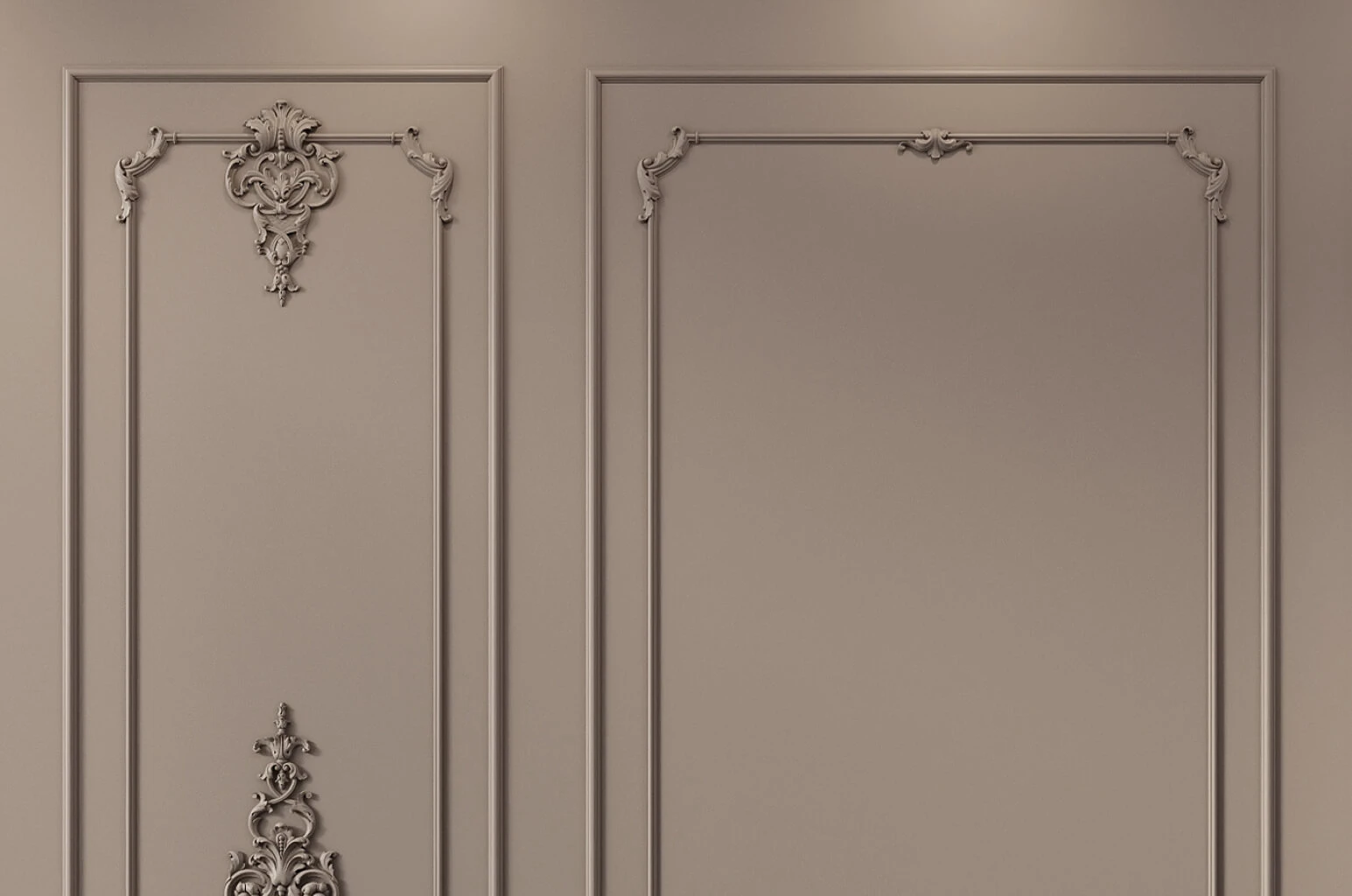
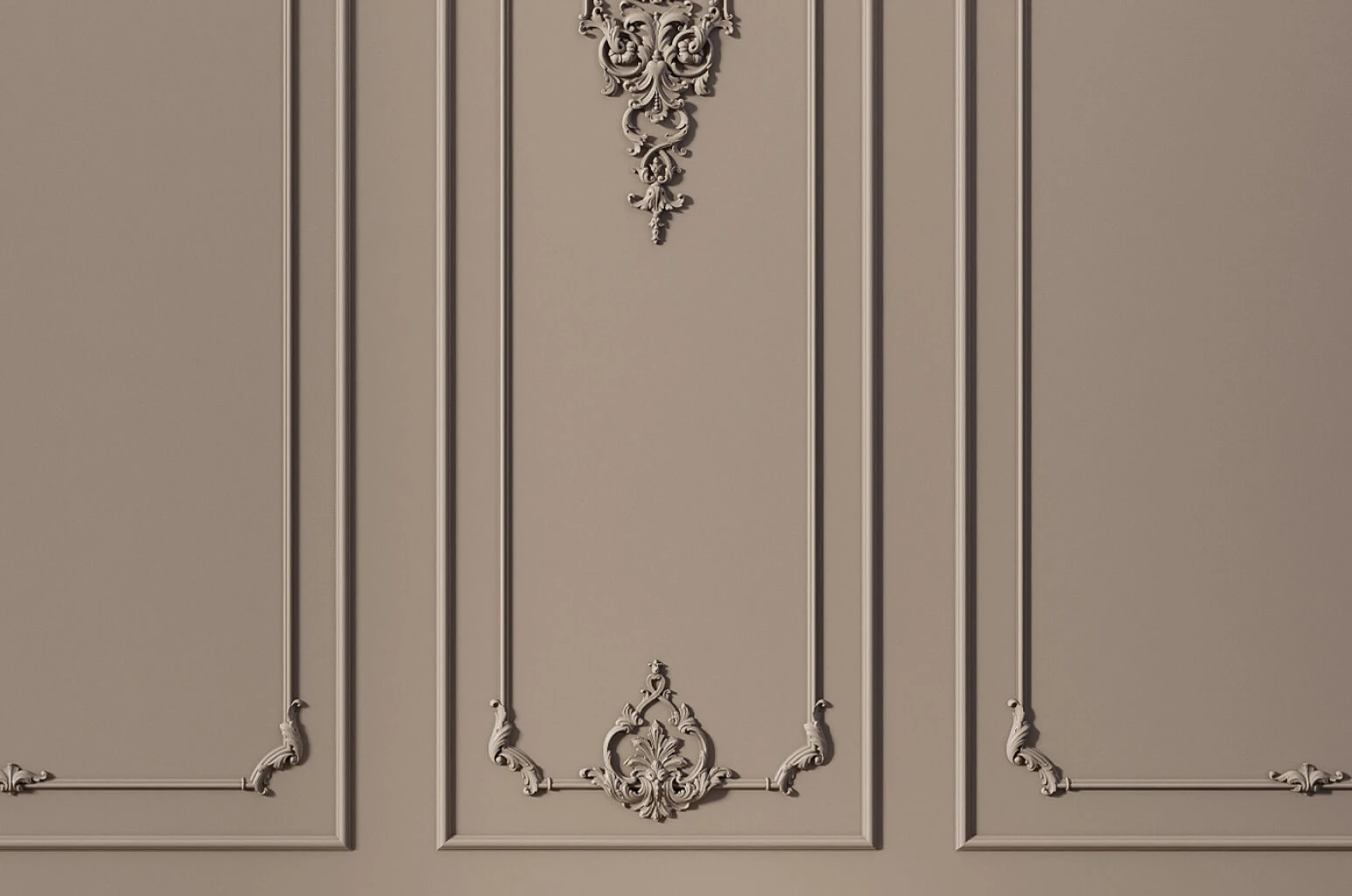
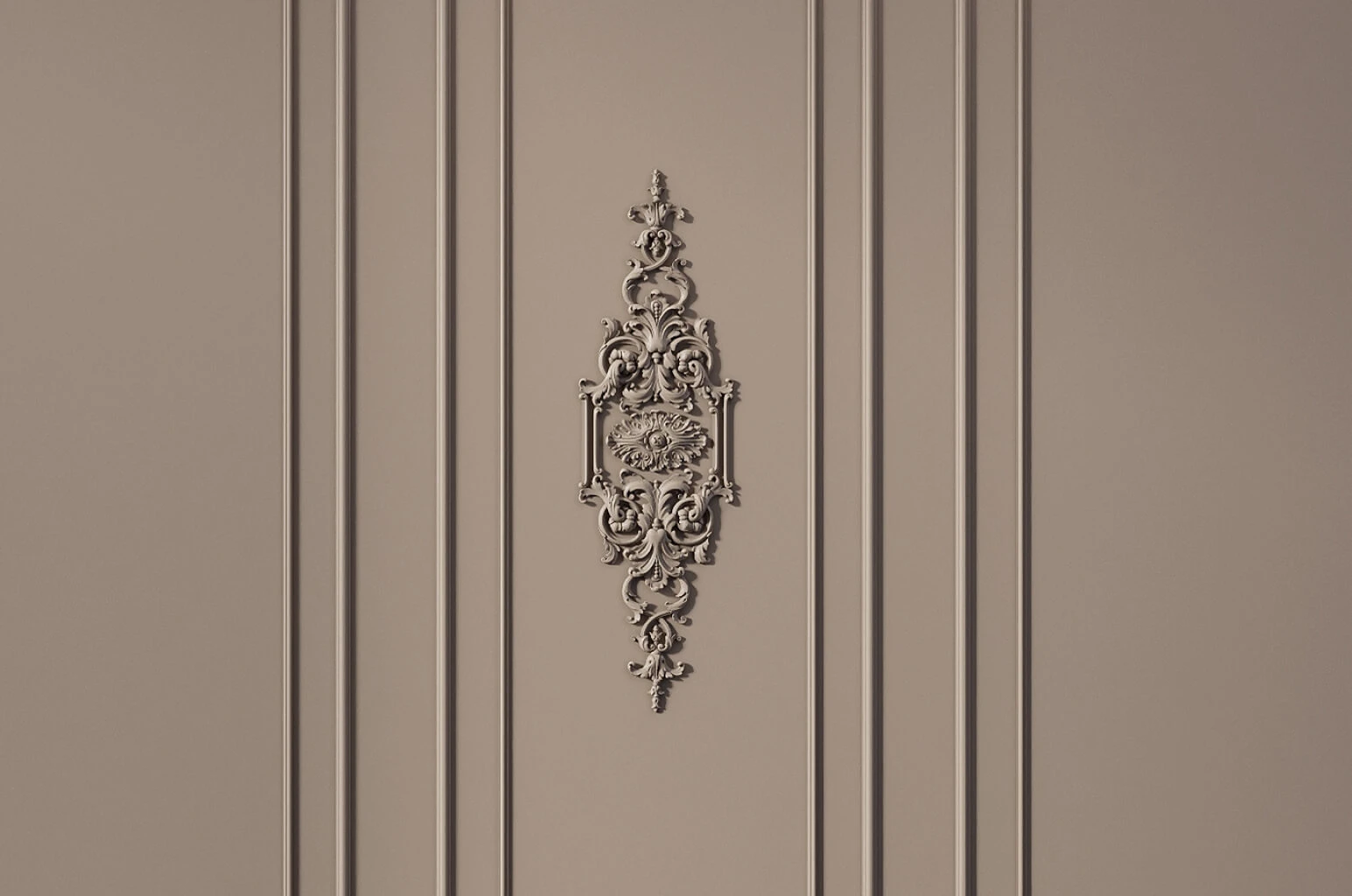
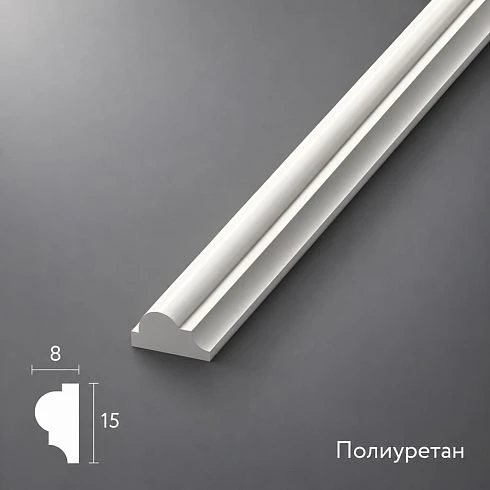
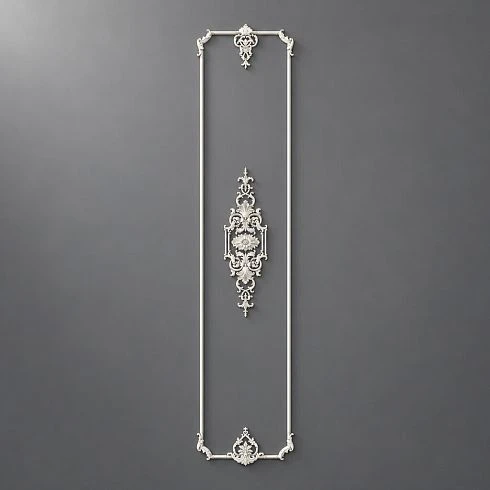
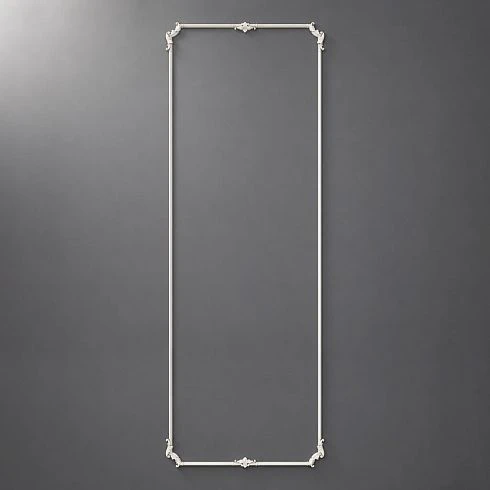
Used elements from the STAVROS array
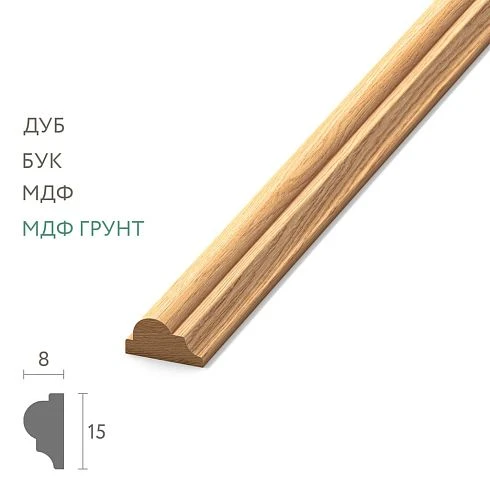
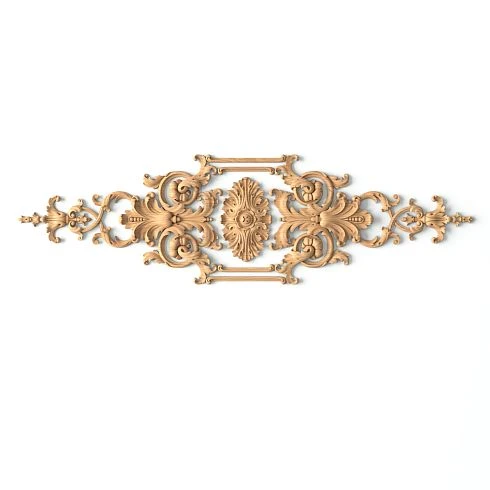
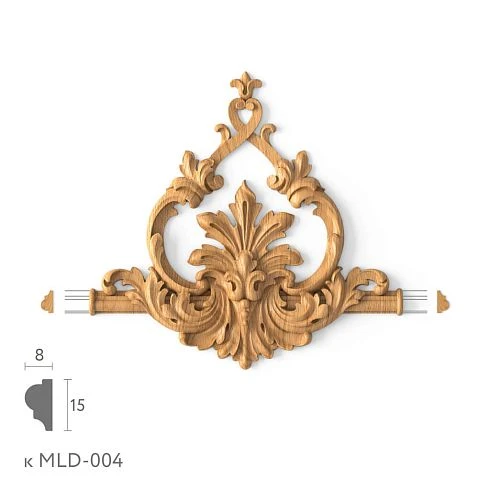
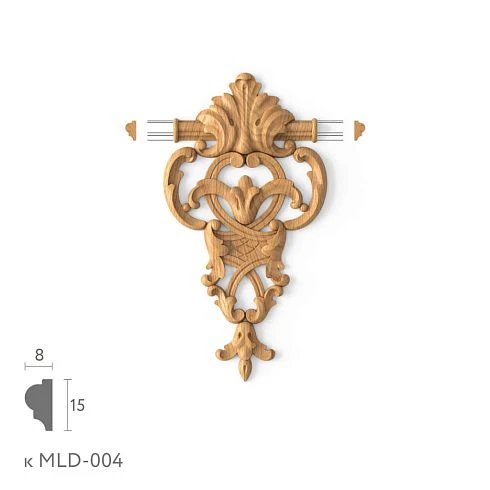
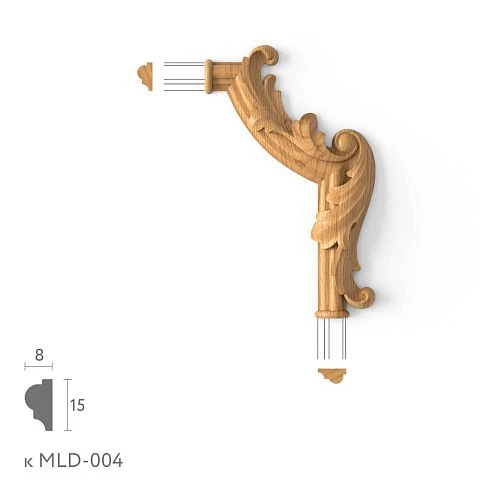
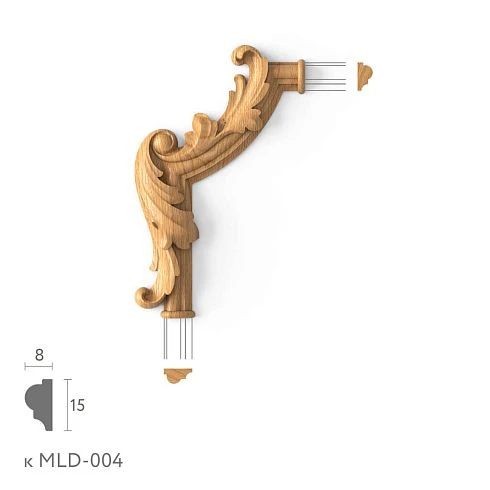
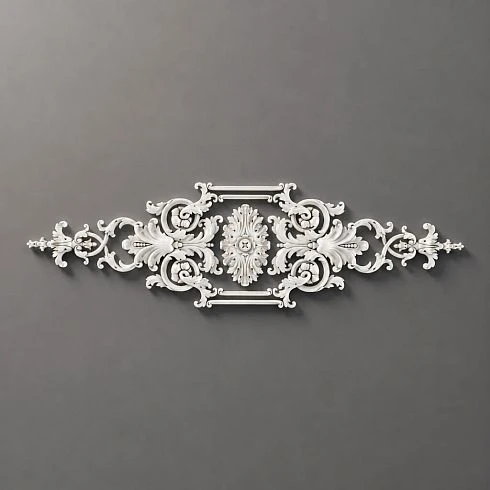
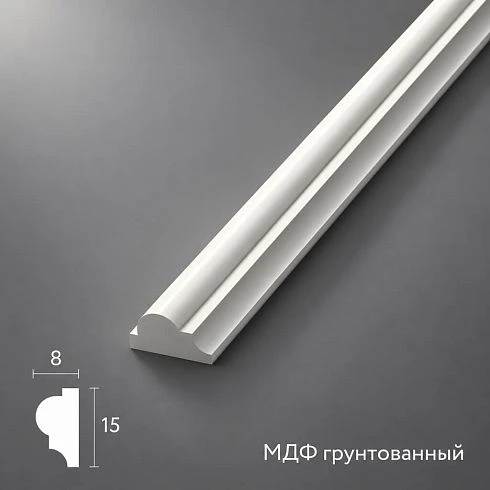
Polyurethane elements used: STAVROS
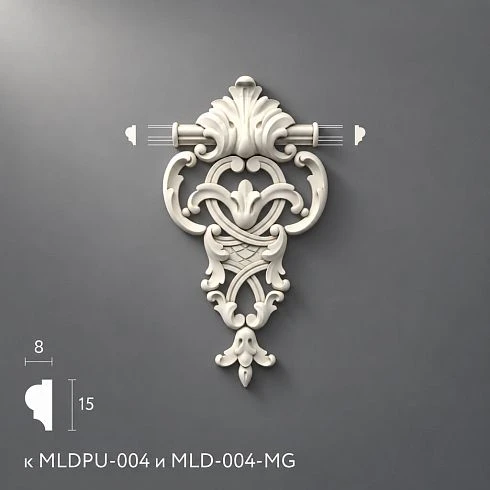
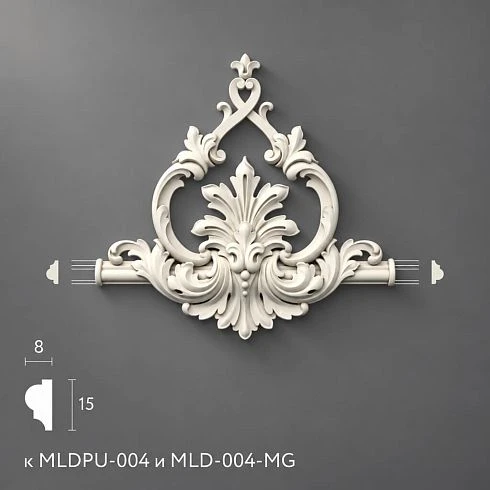
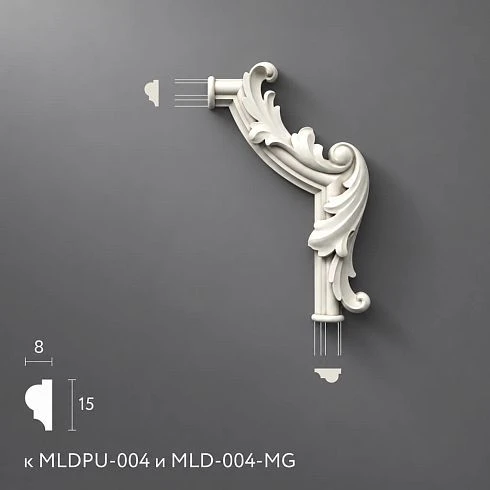
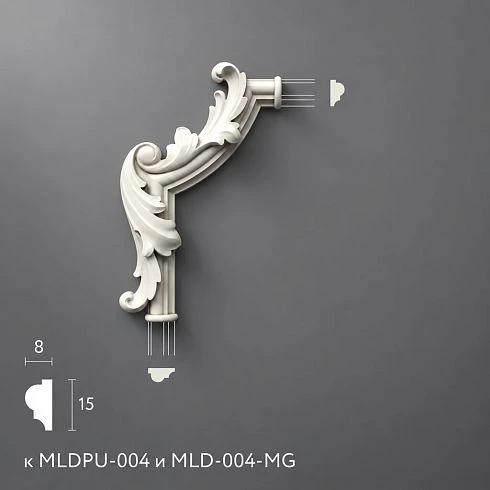
We will help you implement the project
Measurements
You send us furniture, interior, and preferences dimensions
Design
Our specialists will create a project (paid service, from 2000 rub.)
Kitting
After project approval, you receive a specification
Implementation
We will select partners in your city for painting and mounting decor
You may also be interested in
Frequently asked questions
Our showrooms are located in Saint Petersburg and Moscow. Production is located in Saint Petersburg.
Moscow contacts: /contacts_all/
Contacts of Saint Petersburg: /contacts_all/
Send us the product codes, quantities and delivery destination. Contact our team to confirm availability and order details.
Please contact us to confirm shipping availability, costs and delivery times for your destination.
Delivery cost depends on the size, weight of the item, and delivery address.
Please ask our team to confirm shipping costs and delivery arrangements for your destination before placing an order.
Prices and availability of items on the website are always current. Data is updated daily.
Note: items in stock are stored on the warehouse in unpolished form and shipped within 3 working days.
If the item is not in stock, average production time: 5–10 working days.
This is the quality of polishing of the items.
Standard — machine polishing, at a more attractive price.
Prestige — detailed hand polishing, items do not require further work.
More details: /information/kachestvo/
This is the type of veneer of the items.
Under enamel: produced by gluing wooden laminates without color and texture matching. Contrast tonal and textural differences are noticeable. This blank should be chosen if the item is intended for opaque coating.
Under tinting: produced by gluing wooden laminates with color and texture matching. Tonal and textural differences may occur. This blank should be chosen if the item is intended for semi-transparent finish.
More details: /information/kachestvo/
Beech — dense, non-porous wood, most often used for items covered with enamel.
Oak — dense, porous wood with clearly visible natural grain. Due to its strength and decorative properties, it is often used in items with semi-transparent coating, highlighting the wood pattern.
Custom-made, if non-standard items are required, we can produce products from other types of wood, including blanks provided by the customer, manufactured according to our technical specifications.
All our furniture legs can withstand a vertical load of at least 100 kg.
Average production time for custom-made items: 5–10 working days.
Most items are stored on the warehouse in unpolished form. We need time to polish and pack orders.
Yes, we manufacture non-standard items according to individual projects, but we only accept orders with a minimum quantity.
We can manufacture items of the desired size, but we only work with bulk orders. For details, please consult the sales department manager.
Yes, some of our products can be used outdoors. For example, polyurethane items, as well as carved door casings made of pine.
Other items are produced to order using PUR glue, if minimum quantity is available. No warranty is provided for such products, as outdoor conditions are considered aggressive.
Please contact our team to confirm available finishes, minimum quantities and a quotation for your order.
- Dust removal. After sanding, the surface must be dusted.
- Priming. Apply primer in an even layer.
- Matting. After the primer has fully dried, the surface should be matted (lightly sanded for better adhesion).
- Finish coating. Apply finish coating: lacquer or enamel, in 2 layers, with interlayer drying.
More details: /information/sovety/
Apply adhesive to the decor. Attach to the surface and press briefly. Then, remove the decor from the surface and leave it open for 3–5 minutes. Press the decor firmly onto the surface and hold for 5–10 seconds.
More details: /information/sovety/
Ideally, you should prepare a design project before placing an order.
You can do this yourself by downloading drawings of our products from our website, or you can order a project from us.
If the number of decorative elements and fittings is small, our company's manager can assist you with selection.
Unfortunately, this service is not provided.
The packaging method depends on the type of items, but in each case, we ensure sufficient protection for safe transportation.
We most often use corrugated cardboard and stretch film. Fragile items are additionally secured on a rigid base to prevent damage during transport.
Please confirm the minimum order quantity for your selected products and finishes with our team.
Please contact our team to discuss measurement and installation requirements for your project and destination before ordering.
Also see
The idea of decorating wall panels Verona INTPU-030 for a classic interior
When talking about wall decor in a classic style, imagination most often paints two extreme options: either bare walls with a single painting, or heavy Baroque stucco that tires the eye. Between these extremes lies a vast space of architecturally balanced, restrained, noble decor — and INTPU-030 "Verona" is right there. The idea of decorating wall panels "Verona" INTPU-030 is a ready-made solution for a living room, bedroom, hall, study, corridor, or commercial interior, combining vertical wall panels, Moldings made of polyurethane, decorative frames, corner elements, and ornamental stucco overlays in a single calm gray-beige palette.
This is not decor for decor's sake. It is an architectural system that turns an ordinary wall into a full-fledged interior sculpture — classically strict, proportionally flawless, visually complete. Polyurethane wall decor in the "Verona" execution creates exactly what is called an "expensive interior": the wall ceases to be a background and becomes a full participant in the architectural dialogue.
What is the idea of INTPU-030
"Verona" is a collection inspired by the Italian classical architectural tradition. Verona is a city where an ancient amphitheater coexists with medieval palazzos, and Renaissance facades transition into Baroque courtyards. This is architecture where proportions matter more than decorations, rhythm matters more than the number of details, and restraint is read as a sign of true culture. This philosophy is embodied in INTPU-030.
Vertical wall division
The compositional basis of INTPU-030 is the rhythmic alternation of wide and narrow vertical panels. Wide panels create a calm background, while narrow panels create decorative accent zones with ornamental overlays. This is a principle known in architecture as "pilaster rhythm": the alternation of larger and lighter elements creates both movement and order simultaneously.
The width of the wide panel in INTPU-030 is typically 60–100 centimeters, depending on the overall wall width and ceiling height. The width of the narrow panel with ornamental overlay is 25–45 centimeters. The ratio of wide to narrow panel is approximately 2.5:1 or 3:1. This ratio ensures visual balance: the wide panel "breathes," while the narrow one "accentuates."
Moldings: a thin architectural profile
Moldings made of polyurethane in INTPU-030, this is what makes the system architectural rather than merely decorative. The thin, clear profile of the molding sets strict boundaries for each panel. These are not the thick stucco baseboards of a Baroque interior—they are concise linear elements that create a rectangular frame geometry. Their function is similar to that of window mullions in architecture: they do not decorate; they structure.
INTPU-030 features a profile width of 30–50 mm—sufficient to create a noticeable relief and restrained enough not to overload the wall. For ceilings of 2.7–3.0 meters, the profile is 30–40 mm. For ceilings of 3.0–3.5 meters, it is 40–50 mm. For ceilings above 3.5 meters, a wider or multi-tiered profile is possible.
Ornamental overlays: a vertical accent
The main distinguishing element of INTPU-030 is the large vertical ornamental Polyurethane decorative appliques on narrow modules. Unlike the round medallions of "Brussels," "Verona" uses elongated vertical decorative elements with classical ornamentation: acanthus leaves, laurel garlands, Ionic volutes, and floral motifs in a strict architectural frame.
The vertical shape of these overlays works as an architectural accelerator: the eye moves along the ornament from bottom to top, creating a sense of height. In spaces with standard 2.7-meter ceilings, this effect is especially valuable. A wall with INTPU-030 appears taller than it actually is—and this is achieved through purely architectural, not optical, means.
Corner elements: point completeness
Decor for Molding in the form of corner decorative overlays completes the frames at the connection points of the molding strips. In "Verona," the corner elements have a classic — square or diamond-shaped — motif, which adds a decorative accent to each corner of the frame without weighing it down. This is a technical solution that is also aesthetic: it hides the ends of the molding strips and creates a sense of frame integrity.
Monochrome gray-beige coloring
A uniform coloring of all elements — moldings, overlays, corner details, and the background surface — in a single gray-beige tone is a fundamental solution for INTPU-030. Monochrome coloring means that the decor is read through light and shadow, not through color contrast. This is a more sophisticated, more intelligent approach — exactly the one that distinguishes a professional interior from an amateur one.
On a gray-beige background, the relief of the moldings and ornamental overlays creates subtle shadows that change depending on the angle of light. In daylight — delicate, almost invisible. With directed side lighting — expressive and deep. This is a living, breathing decor that never looks the same.
Where to use Verona INTPU-030 wall panels
Versatility is one of the main professional advantages of INTPU-030. Unlike more specialized solutions, "Verona" works in a wide range of spaces and functions.
Living room: accent wall behind the sofa
The wall behind the sofa is the architectural center of the living room. It forms the first impression of the room upon entry, and it is visible in most interior photos. INTPU-030 creates a calm, representative, classically oriented image for this wall.
Layout for the living room: wide central panels create a calm background behind the sofa, narrow side panels with ornamental overlays accent the edges of the decorated area. If the sofa is not against the wall but in the center of the room, the decorated wall behind it becomes an independent architectural statement, visible from any point in the space.
For the TV zone, INTPU-030 creates a neutral architectural background that does not compete with the screen. The wide central panel takes the TV or panel into its frame — and the screen becomes part of the decorative system, not a technological object on the wall.
For a living room with a fireplace, "Verona" creates a symmetrical formal background: molding panels on both sides of the fireplace, ornamental overlays on narrow piers — this is a classic European solution, flawless at any scale.
Bedroom: wall behind the headboard
In the bedroom, INTPU-030 creates an accent wall behind the headboard with a neutral, noble, architectural character. The gray-beige palette works equally well in a "masculine" bedroom and a bedroom for a couple — it is neither too warm nor too cold, neither too formal nor too intimate.
Width of the decorated area in the bedroom: from the width of the bed to the full width of the wall. Ideally, decorate the entire wall behind the headboard: this creates the feeling of an architectural frame for the bed, not just a decorative background.
Sconces on either side of the headboard are a mandatory lighting accent. The warm directional light of the sconces makes the relief of the "Verona" ornamental overlays come alive, emphasizes the profile of the moldings, and creates a cozy evening atmosphere.
Study: a status background
For a study, INTPU-030 is an ideal choice. The gray-beige "Verona" with vertical ornamental overlays creates an intelligent, cultured, architecturally substantial background for a workspace. The wall behind the desk with INTPU-030 speaks of the owner's taste, education, and professional status.
For video calls, this is an ideal background: gray-beige does not create glare on the camera, looks expensive on the interlocutor's monitor, and does not distract attention. It is quiet, intelligent luxury that works even in a video conference format.
Hall and corridor: a long wall
A long wall in a hall or corridor is one of the most challenging tasks in interior decor. It should not be empty (an empty long wall is oppressive), but it should not be overloaded (excessive decor on a long wall creates visual noise). INTPU-030 solves this problem elegantly: the rhythmic alternation of wide and narrow panels creates movement and order, and the monochrome painting unifies everything into a single whole.
In a long corridor, decorating with "Verona" wall panels works as a meaningful route: the eye moves along the rhythm of the panels, ornamental overlays create rhythmic accents, and the long journey down the corridor turns into a walk through a space with history and character.
Commercial interiors
Hotel, restaurant, beauty salon, showroom, business center — everywhere where a professional-level atmosphere is needed, where walls should speak of quality without unnecessary words. INTPU-030 provides this atmosphere with precision, reproducibility, and economic reasonableness unattainable when using natural stucco materials.
Why Verona is Suitable for Calm Classics
This question deserves an honest, detailed answer. Because "calm classics" is a concept that many interpret differently. What exactly makes "Verona" the right choice for this style?
Proportions as the Main Tool
In good classical architecture, proportions are more important than decorations. The Parthenon impresses not because it has a lot of stucco, but because it is perfectly proportioned. Palladian villas captivate not by the richness of decor, but by the precision of ratios. INTPU-030 follows this logic: the ratio of wide and narrow panels, the height of molding frames to the height of ornamental overlays, the distance between vertical elements — all of this is built with architectural harmony in mind.
The result: a wall with INTPU-030 looks "right" even to people without a special design education. They cannot explain why — but they feel that everything is in its place. This is true classics: impeccable proportion, intuitively felt.
Restraint as a Sign of Maturity
There is a persistent misconception: the more stucco, the more expensive the interior. Professionals with extensive experience know the opposite: the ability to dose decor is a sign of higher taste than its excess. "Verona" demonstrates precisely this maturity: ornamental overlays only where they work as an accent — on narrow panels. Wide panels remain free — and it is this freedom that creates a sense of air and dignity.
The Gray-Beige Palette as Neutral Classics
Gray-beige is a color that has taken a leading position in professional interior design in recent years. It is warmer than gray, calmer than beige, more interesting than white. It creates a feeling of intimacy without heaviness, coziness without banality. In combination with relief decorative polyurethane overlays and moldings, the gray-beige shade creates exactly the image that is commonly called a "smart interior."
For "Verona", shades in the range are recommended:
-
Gray-beige taupe is neutral, balancing between gray and warm beige
-
Milky — for a lighter, airier solution
-
Warm gray — for a more strict, modern interpretation
-
Sandy — for a warmer, southern character
All these shades accept monochrome coloring of decorative elements well and create the correct relief effect under lighting.
Wall decor in the living room, bedroom, or hallway
Let's look at three key INTPU-030 scenarios in more detail — with specific parameters and practical recommendations.
Living room: behind the sofa, behind the console, behind the fireplace
Wall behind the sofa. Length of decorated area: from the width of the sofa plus 30–50 centimeters on each side to the full width of the wall. Height of decor: from the baseboard to the ceiling cornice — this is a "full" system. Or from the baseboard to a height of 200–240 centimeters — a "partial" system, leaving the area above as a neutral background.
For a living room with a 240 cm sofa, the optimal scheme: three wide panels behind the sofa, two narrow panels with ornamental overlays at the edges of the decorated area, molding frames around the entire perimeter, corner elements.
A wall with a fireplace. The fireplace becomes the center of symmetry. Wide panels on both sides of it, narrow panels with overlays as dividers between the fireplace and side panels, decorative molding framing above the fireplace portal — this is a solution found in classic European living rooms for centuries.
TV zone. The screen is placed in the central wide panel, which creates an architectural frame for it. On the sides are narrow panels with ornamental overlays. TV set-top boxes, media players, and other equipment are hidden in the furniture under the screen — and the wall remains clean and architectural.
Bedroom: behind the headboard
The wall behind the headboard in the bedroom is an intimate space that should be expressive but not dominant. INTPU-030 solves this task delicately.
Central wide panel — directly behind the bed headboard. On its sides are narrow panels with ornamental overlays. If the wall width allows — another wide panel on each side, creating a complete symmetrical system.
For a 160 cm bed, the central panel: 160–180 cm. For a 180 cm bed: 180–200 cm. Narrow side panels: 30–40 cm each. If wall width allows — additional wide panels 50–70 cm wide.
Decor height in the bedroom: a full system from baseboard to cornice creates a monumental look. A partial system — from baseboard to a height of 180–200 cm — is more intimate and cozy.
Hall: long wall
For a long hallway wall, INTPU-030 offers a systematic approach. The wall is divided into rhythmic modules: wide panel — narrow with overlay — wide — narrow with overlay. This rhythm repeats along the entire wall at equal intervals.
Optimal module step for a hallway with a 3.0 m ceiling: wide panel 80–100 cm, narrow panel with overlay 30–40 cm. Total width of one module: 110–140 cm. For an 8 m wide hallway — 5–6 full modules with minor adjustments to the sizes of the outermost panels.
Ornamental overlays as the main accent of the composition
Vertical ornamental overlays are what make "Verona" "Verona". Without them, the molding frame system would be strict but faceless. The overlays add character, historical depth, and decorative individuality.
Typology of ornaments
Polyurethane decorative appliques for INTPU-030 may include several types of ornaments depending on the desired character of the interior:
Acanthus motif — acanthus leaves in a strict architectural frame. This is one of the oldest classical ornaments, known since Ancient Greece. In "Verona", it is used in an elongated vertical form, creating an organic, natural, but architecturally disciplined accent.
Floral garland — a vertically elongated ornament with floral motifs. Less strict than acanthus, more decorative. Suitable for living rooms and bedrooms with a warmer, romantic character.
Geometric diamond or mesh ornament — for those who prefer strict classics without florals. This option is the most restrained and architecturally neutral.
Ionic or Doric motif — column-like overlays with capitals and bases. The most architectural, most "Italian" option for "Verona".
Size and proportions of the overlay
The length of the ornamental overlay in INTPU-030 should be 50–65% of the height of the narrow vertical panel. For a panel 2.5 meters high (from baseboard to cornice), the overlay length is 130–160 centimeters. The width of the overlay: 60–75% of the width of the narrow panel. For a panel 35 centimeters wide, the overlay width is 22–26 centimeters.
The overlay is centered vertically on the panel or placed with a slight upward offset from the center. Central placement creates balance. Upward offset creates lightness and elegance.
Dosed application
Ornamental overlays are placed only on narrow vertical panels. Wide panels remain free. This is the fundamental principle of INTPU-030: one type of accent element per one type of module. Violating this principle — placing overlays on both wide and narrow panels — disrupts the system's balance and creates an overloaded, chaotic look.
The number of ornamental overlays on a wall must be even — for symmetry. If the layout requires an odd number of narrow panels, the central one receives an overlay as a symmetrical accent center, while the rest are arranged in pairs.
What elements are used in the composition
The full composition of INTPU-030 includes several categories of components.
Moldings made of polyurethane — straight profile strips for assembling decorative frames. Profile 30–50 mm depending on room height. Cut at 45 degrees at frame corners. White finish for monochrome final coating.
Corner decorative elements — Polyurethane appliqués for decorating corners of molding frames. Classic square or ornamental motif. Cover technical joints, add decorative completeness.
Vertical ornamental overlays — the main accent element of narrow panels. Elongated vertical shape with classic ornament.
Decor for Molding — additional linear ornamental elements for decorating the molding profile. In "Verona", they are used selectively — on moldings of central or accent frames when a richer detailing is desired.
High baseboard — lower finish of the wall system. Height 12–18 centimeters. For rooms with ceilings 3.0 meters and higher — 18–22 centimeters. The baseboard creates a heavy architectural foundation, without which the molding panel system looks incomplete.
Ceiling cornice — upper finish. Moderate profile for rooms with standard ceilings. For high rooms — a cornice with a richer profile or with an additional decor for moldings On the upper tier.
Vertical dividing profiles are narrow strips that separate wide and narrow modules. They enhance the vertical rhythm of the system.
How symmetry works in INTPU-030
Symmetry is not just the principle of "being the same on both sides." Symmetry in architectural decor is a tool for managing attention and the sense of order in a space.
Absolute and relative symmetry
For a short wall — absolute symmetry: a mirror reflection of the entire panel layout relative to the central axis. This works for accent areas behind a sofa or bed up to 4–5 meters wide.
For a long wall — relative symmetry: rhythmic alternation of identical modules along the entire length of the wall. This is not a mirror reflection, but a rhythmic repetition — like a musical theme with variations. Each module is symmetrical within itself, and their sequence creates a sense of order.
Symmetry and visual weight
With properly structured symmetry, INTPU-030 creates a feeling of visual stability and balance. This is not a random effect — it is a well-studied psychological response: symmetrical objects are perceived as higher quality, more reliable, and more expensive. Designers use this knowledge consciously.
Managing symmetry with non-standard walls
What to do if the wall is asymmetrical: there is a door on one side but not on the other? Or a window not centered?
Answer: symmetry in INTPU-030 can be local, not absolute. Only the part of the wall that allows creating a symmetrical scheme is decorated. Asymmetrical areas — near doors, windows, niches — remain either without decor or are decorated with a separate, independent symmetrical scheme. Two independent decorative "fields" on one long wall is an architectural technique that works no worse than a continuous system.
What to combine moldings and stucco decor Verona INTPU-030 with
Color Combinations
Taupe on walls + milky cornice and baseboard — a classic combination for modern neoclassicism. A slight contrast between the wall and finishing elements adds depth.
A single gray-beige tone — for the most cohesive, monumental look. Relief works only through light and shadow.
Warm gray + coffee accents — for a more modern, strict interpretation of "Verona."
Milky + pearlescent — for a light, airy option, closer to Scandinavian or Provencal interpretation of classics.
Flooring
Dark oak herringbone parquet — a classic of the genre. The contrast of dark floor and light gray-beige walls creates a strong architectural image.
Light parquet or light porcelain stoneware — for a lighter, airier solution. Suitable for small spaces where it is important to maximize the sense of space.
Natural stone in gray or beige tones — the most luxurious solution, fully in keeping with the spirit of "Verona."
Furniture
For the living room with INTPU-030 — sofas and armchairs with straight but not rigid lines, on wooden legs. Upholstery in neutral tones: cream, warm white, gray-beige, warm gray. Furniture is "modern classic" — without heavy historicizing forms, but with classic proportions.
For the study — a desk in dark walnut or wenge, a leather armchair, bookshelves — all of this blends organically with "Verona."
Metal
Matte brass is the main metallic accent. Sconces, door hardware, console legs, mirror frames — a unified metallic concept in brass creates a warm, noble image.
Dark bronze or aged iron — for a more historic, "antique" interpretation of "Verona."
Lighting
Sconces with a fabric or frosted glass shade — the main wall light. Warm light source (2700–3000 K) is mandatory. Directional spotlights or a floor lamp to create additional light accents that highlight the relief of ornamental overlays.
Bottom-up lighting along the wall is one of the most effective techniques for showcasing the relief of the decor. A narrow linear light fixture near the baseboard, directed upward, makes the relief of moldings and ornamental overlays "alive" and three-dimensional.
Textiles
Floor-length curtains are a mandatory element. Heavy linen, taffeta, velvet in neutral tones (milky, cream, gray-beige). Decorative pillows with geometric or delicate classic patterns. A rug with a classic design or solid color.
How to replicate the INTPU-030 idea
Implementing INTPU-030 is a sequential, manageable process. Here is a working plan.
Step 1. Measurement and wall analysis. Take precise dimensions: wall width and height, location of door and window openings, electrical outlets, radiators. Record where furniture will be placed — this will determine which part of the wall is "visible" and should be decorated.
Step 2. Selecting the panel layout. Determine the basic module: wide panel + narrow panel with overlay. Calculate how many such modules fit on the wall while maintaining symmetry. Adjust the panel widths to achieve a symmetrical layout.
Step 3. Determining overlay dimensions. Calculate the height and width of ornamental overlays based on the parameters of the narrow panels. Overlay: 55–65% of panel height, 60–75% of panel width.
Step 4. Selecting the molding profile. Choose Moldings made of polyurethane a profile that matches the room height. For rooms up to 3.0 meters — profile 30–40 mm. For rooms 3.0–3.5 meters — 40–50 mm.
Step 5. Selecting corner elements and overlays. In the catalog polyurethane decorative overlays select corner elements that match the profile of the chosen moldings, and ornamental vertical overlays of the required size and ornament.
Step 6. Material calculation. Calculate the number of linear meters of molding, the number of corner elements (4 pieces per frame), and the number of ornamental overlays (1 piece per narrow panel). Add 10% reserve.
Step 7. Base preparation. Level the wall to a flatness where deviation does not exceed 3 mm per meter. Putty all cracks and uneven areas. Prime. Moldings require a flat, stable base.
Step 8. Installation. Follow the professional guide for installing polyurethane moldings. Marking with a laser level. Install horizontal moldings first, then vertical ones. Corner elements — at intersection points. Ornamental overlays — at the end, with precise central marking. For installing decorative stucco elements, follow detailed guide to installing stucco molding. Joints — sealant, sanding.
Step 9. Priming and painting. Prime all surfaces. Final painting in the selected gray-beige tone. Moldings, overlays, and the background surface — in a single tone.
Step 10. Arranging furniture and accessories. After the paint has completely dried — final arrangement, installation of sconces, mirrors, paintings. Activate the lighting scenario and evaluate the result.
Who the INTPU-030 idea is suitable for
Owners of apartments with ceilings 2.7–3.0 meters who want to achieve maximum architectural effect without reconstruction or major renovation. INTPU-030 transforms the space without a single change to the layout.
Owners of country houses with a classic or neoclassical concept. "Verona" works organically on large walls with high ceilings — scale only improves the result.
Interior designers looking for a restrained, architecturally precise alternative to bold decorative solutions. INTPU-030 is a professional tool for creating a high-quality backdrop.
Architects when comprehensively designing objects with a classic or neutral style.
Renovation studios in the mid and high-end segment. INTPU-030 is a reproducible, systematic product with a predictable, high-quality result.
For hotels and restaurants with a European classic or neutral classic concept. «Verona» creates walls that work for years without becoming outdated.
For those who value moderation. This is perhaps the most accurate characteristic of the INTPU-030 audience. Not those who want the maximum. But those who want the right thing.
Buy decor for Verona INTPU-030 wall panels
To implement the INTPU-030 idea, select all necessary components in the catalog polyurethane products from STAVROS. The system's foundation is Moldings made of polyurethane with an architectural profile for wall panel frames. Decorative accents — vertical ornamental overlays and corner elements from the section polyurethane decorative overlays. Additional enrichment of profiles — Decor for MoldingFull catalog . Clear lines, created using modern technologies, emphasize the strict aesthetics of the room. Each decorative element harmoniously fits into the overall concept, creating a sense of order and thoughtfulness. allows you to assemble the entire INTPU-030 system within a single collection and adapt it to a specific space.
INTPU-030 «Verona» is a decor for those who understand that true luxury does not shout. It speaks quietly, clearly, and for a long time. Gray-beige panels, thin moldings, ornamental overlays, and symmetry — this is the language with which a smart interior speaks to those who know how to listen.
FAQ — Frequently Asked Questions
Will INTPU-030 suit a neoclassical interior?
Yes. "Verona" is designed specifically for neoclassicism: vertical panels, thin moldings, ornamental overlays, and a gray-beige monochrome palette — these are all components of a calm, architecturally balanced classic decor without palace heaviness.
Where is it best to use the "Verona" INTPU-030 decor?
Optimally — in the living room, bedroom, study, hall, corridor, entryway. It also works well in commercial interiors: hotel, restaurant, waiting area, reception, salon. "Verona" is especially good on long walls, where the rhythm of vertical panels creates proper architectural movement.
Can moldings and overlays be painted the same color as the wall?
Yes, and this is the recommended approach. Monochrome painting creates a relief effect through chiaroscuro — the most refined and professional way to use a decorative system. This is exactly how an interior that is described as "expensive and restrained" looks.
How does "Verona" differ from "Brussels"?
"Brussels" uses round stucco medallions and is oriented towards halls, receptions, and formal areas. "Verona" uses vertical ornamental overlays and has a wider range of applications: living room, bedroom, study, corridor — everywhere a restrained classic wall panel system is needed.
What elements are necessary to replicate INTPU-030?
Polyurethane moldings for panel frames, corner decorative overlays, vertical ornamental overlays for narrow modules, decor for moldings if additional detailing is desired, a high baseboard, and a ceiling cornice.
For what room sizes does INTPU-030 work best?
"Verona" scales to any size. For compact spaces — a simplified scheme with fewer modules. For large rooms — a full system with an expanded rhythm of panels. The optimal ceiling height is from 2.7 meters. With ceilings of 3.0–4.0 meters, "Verona" reveals itself to the fullest.