




















































































Decor idea for wall panels "Brussels" INTPU-029
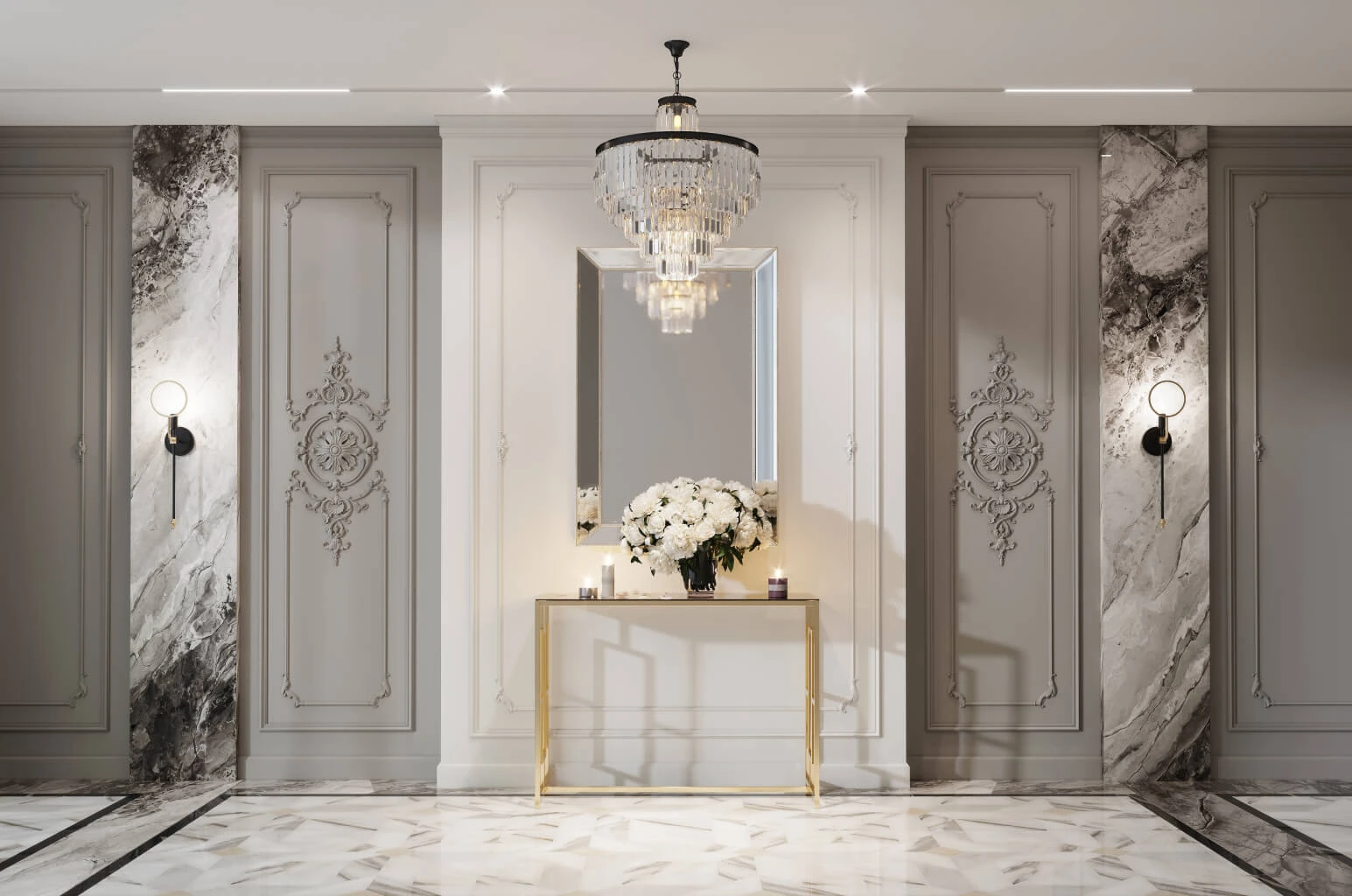
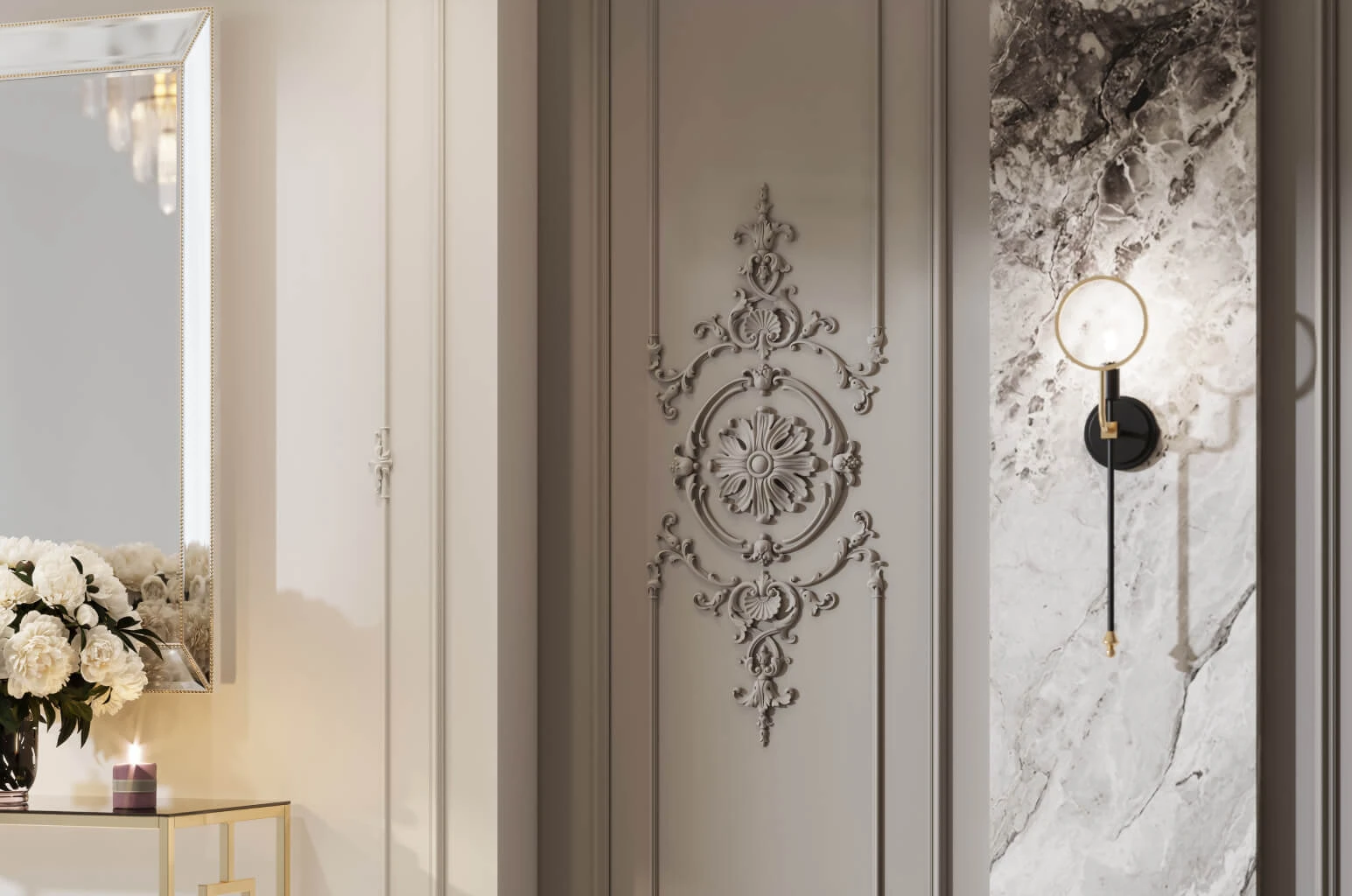
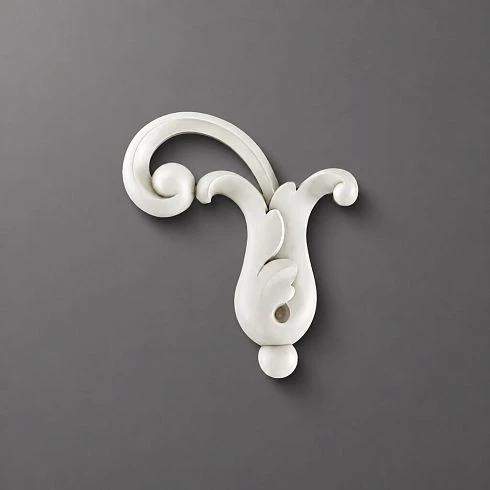
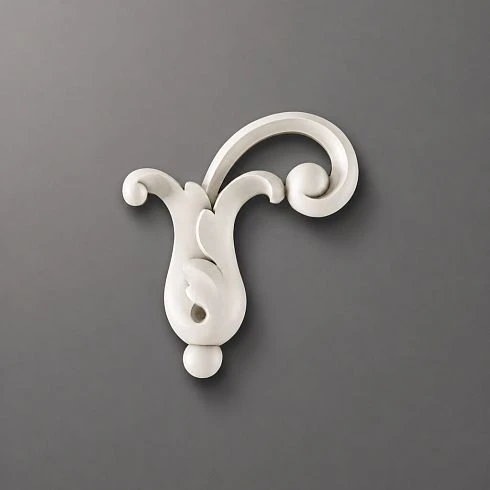
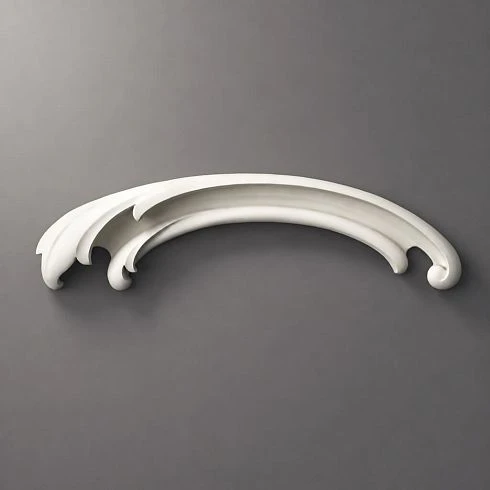
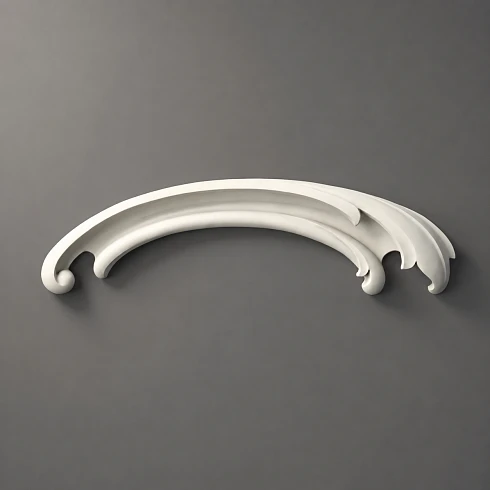
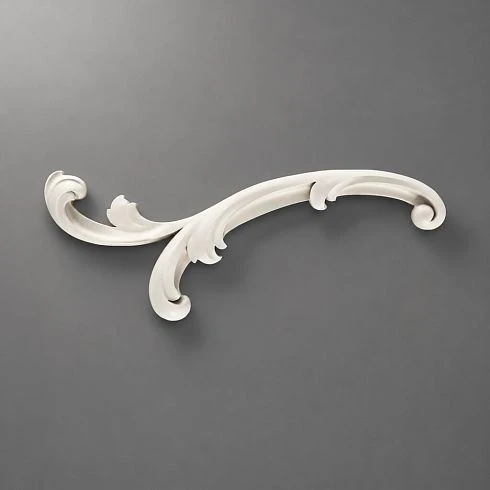
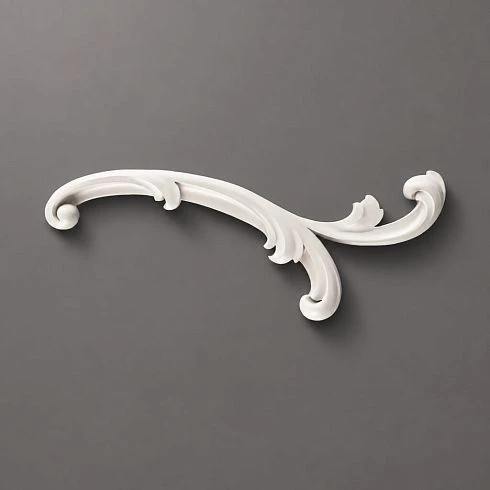
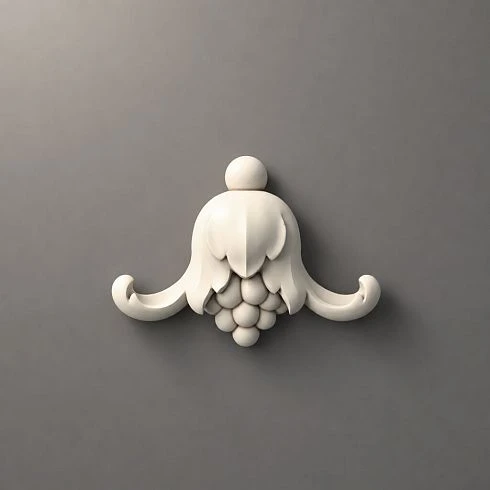
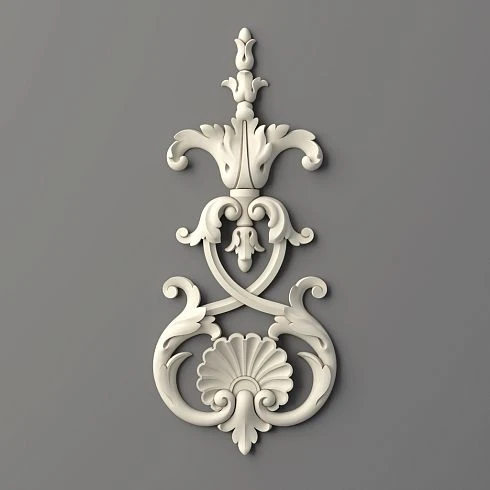
Used elements from the STAVROS array
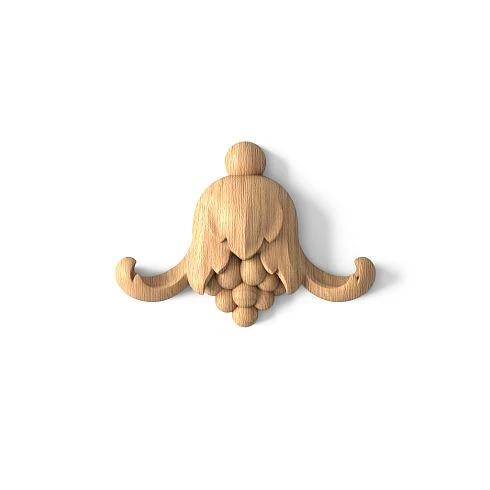
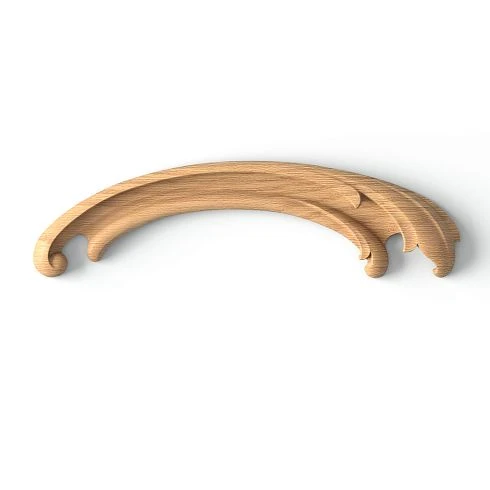
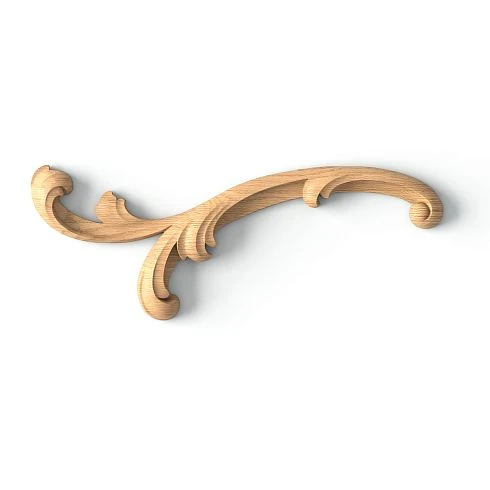
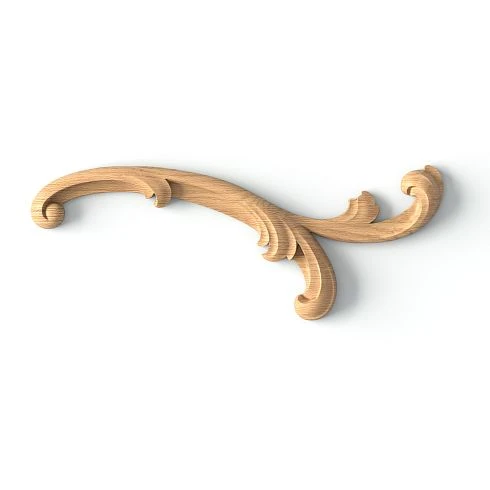
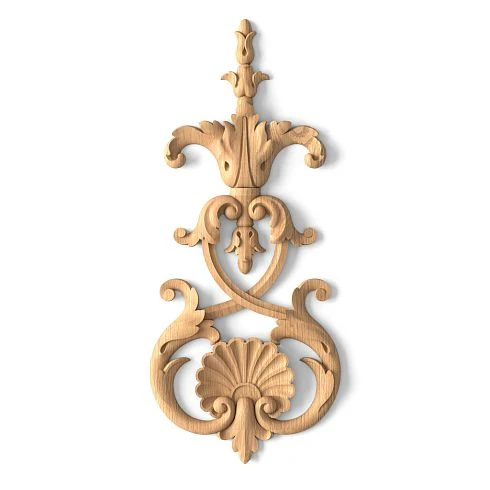
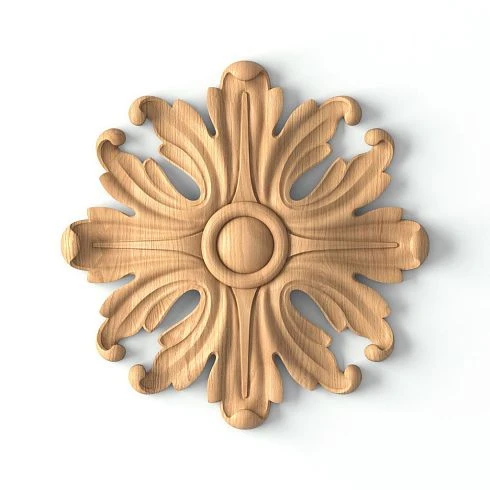
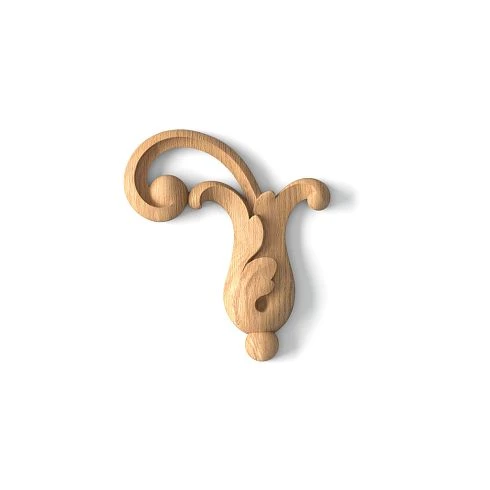
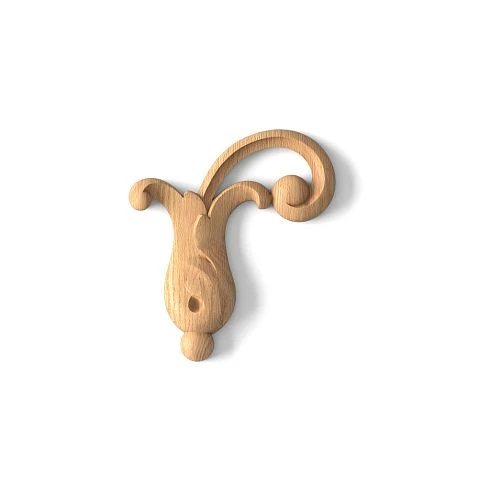
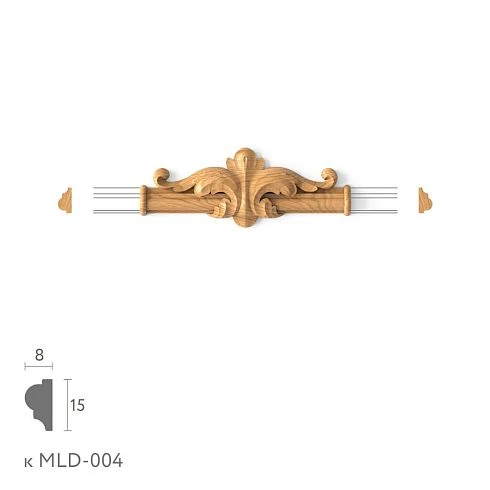
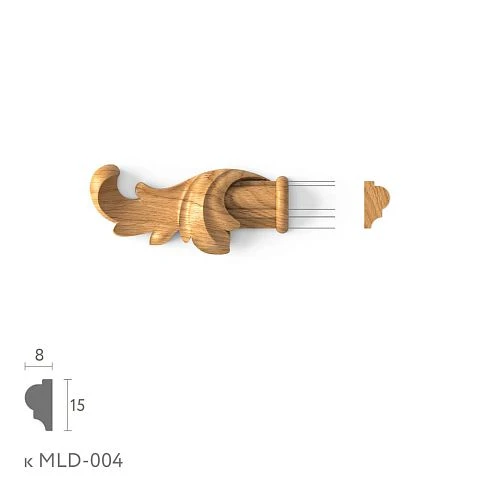
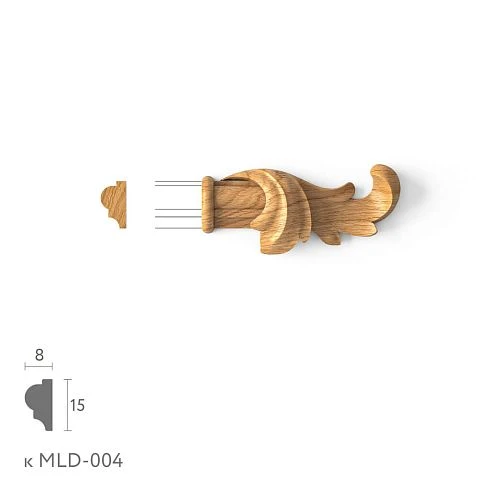
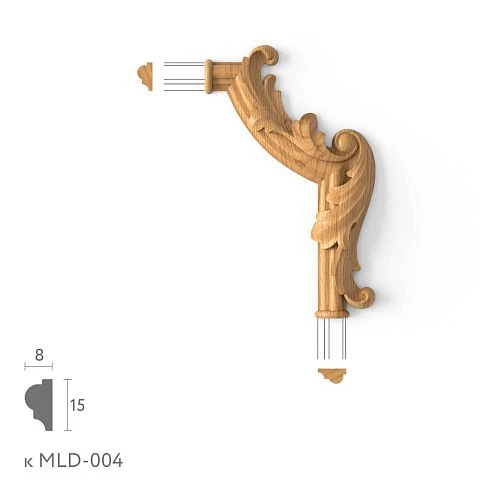
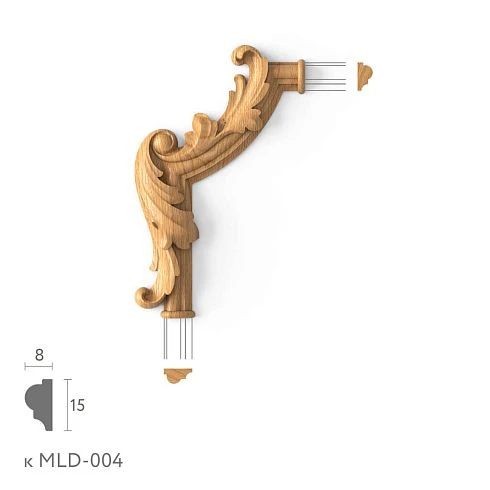
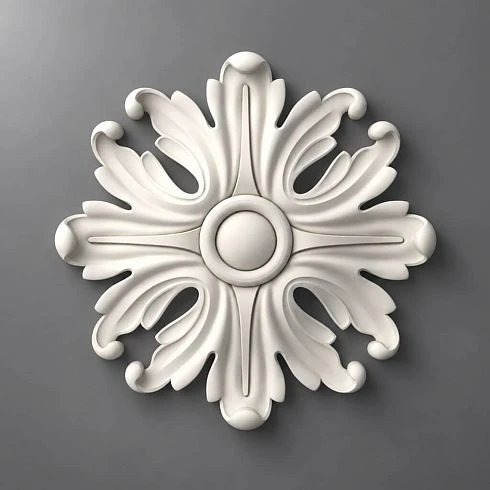
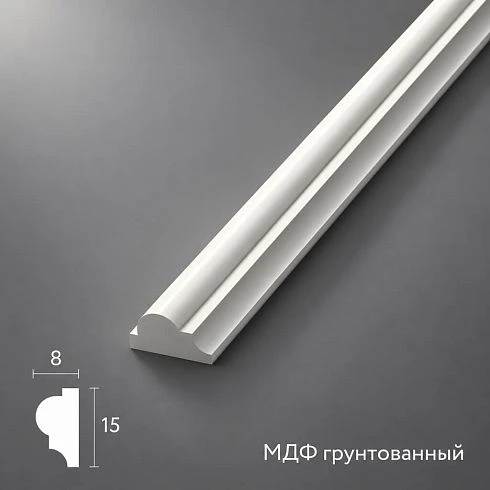
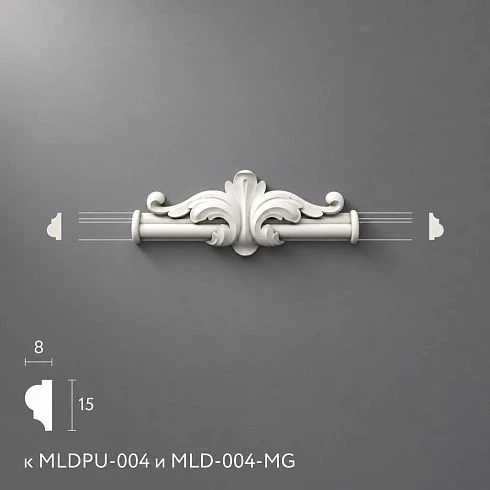
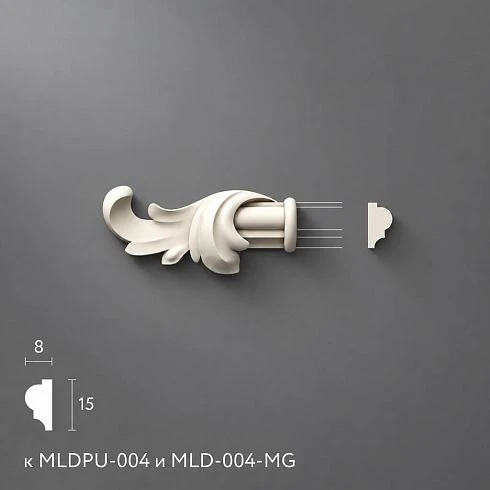
Polyurethane elements used: STAVROS
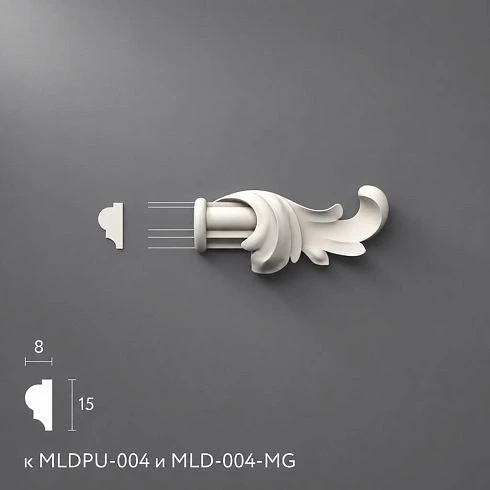
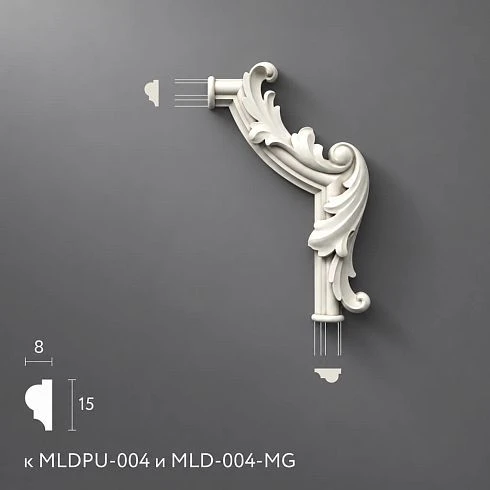
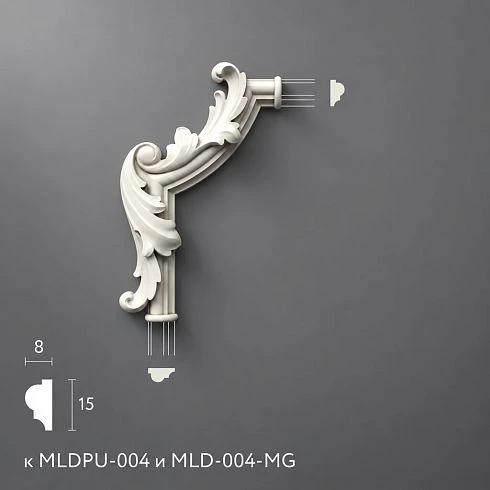
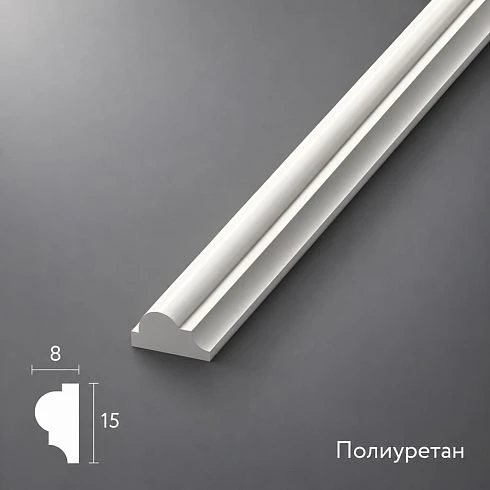
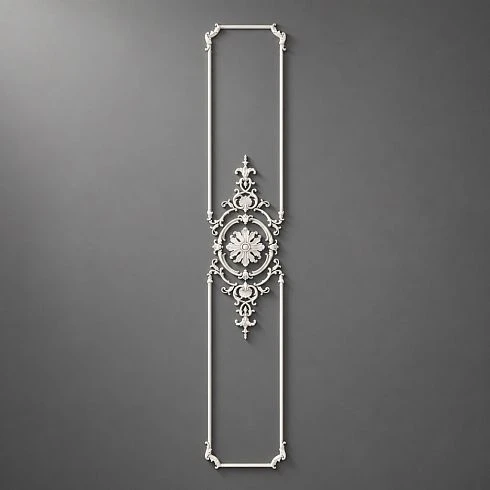
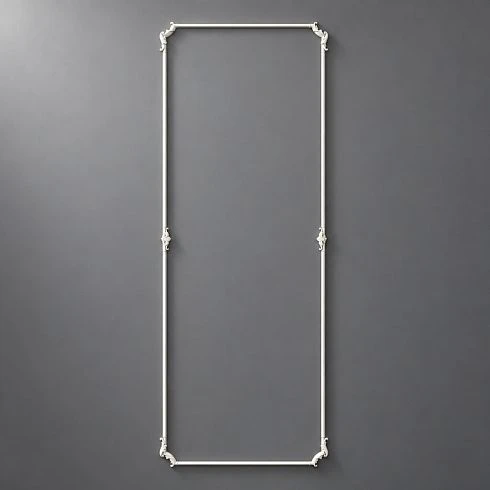
We will help you implement the project
Measurements
You send us furniture, interior, and preferences dimensions
Design
Our specialists will create a project (paid service, from 2000 rub.)
Kitting
After project approval, you receive a specification
Implementation
We will select partners in your city for painting and mounting decor
You may also be interested in
Frequently asked questions
Our showrooms are located in Saint Petersburg and Moscow. Production is located in Saint Petersburg.
Moscow contacts: /contacts_all/
Contacts of Saint Petersburg: /contacts_all/
Send us the product codes, quantities and delivery destination. Contact our team to confirm availability and order details.
Please contact us to confirm shipping availability, costs and delivery times for your destination.
Delivery cost depends on the size, weight of the item, and delivery address.
Please ask our team to confirm shipping costs and delivery arrangements for your destination before placing an order.
Prices and availability of items on the website are always current. Data is updated daily.
Note: items in stock are stored on the warehouse in unpolished form and shipped within 3 working days.
If the item is not in stock, average production time: 5–10 working days.
This is the quality of polishing of the items.
Standard — machine polishing, at a more attractive price.
Prestige — detailed hand polishing, items do not require further work.
More details: /information/kachestvo/
This is the type of veneer of the items.
Under enamel: produced by gluing wooden laminates without color and texture matching. Contrast tonal and textural differences are noticeable. This blank should be chosen if the item is intended for opaque coating.
Under tinting: produced by gluing wooden laminates with color and texture matching. Tonal and textural differences may occur. This blank should be chosen if the item is intended for semi-transparent finish.
More details: /information/kachestvo/
Beech — dense, non-porous wood, most often used for items covered with enamel.
Oak — dense, porous wood with clearly visible natural grain. Due to its strength and decorative properties, it is often used in items with semi-transparent coating, highlighting the wood pattern.
Custom-made, if non-standard items are required, we can produce products from other types of wood, including blanks provided by the customer, manufactured according to our technical specifications.
All our furniture legs can withstand a vertical load of at least 100 kg.
Average production time for custom-made items: 5–10 working days.
Most items are stored on the warehouse in unpolished form. We need time to polish and pack orders.
Yes, we manufacture non-standard items according to individual projects, but we only accept orders with a minimum quantity.
We can manufacture items of the desired size, but we only work with bulk orders. For details, please consult the sales department manager.
Yes, some of our products can be used outdoors. For example, polyurethane items, as well as carved door casings made of pine.
Other items are produced to order using PUR glue, if minimum quantity is available. No warranty is provided for such products, as outdoor conditions are considered aggressive.
Please contact our team to confirm available finishes, minimum quantities and a quotation for your order.
- Dust removal. After sanding, the surface must be dusted.
- Priming. Apply primer in an even layer.
- Matting. After the primer has fully dried, the surface should be matted (lightly sanded for better adhesion).
- Finish coating. Apply finish coating: lacquer or enamel, in 2 layers, with interlayer drying.
More details: /information/sovety/
Apply adhesive to the decor. Attach to the surface and press briefly. Then, remove the decor from the surface and leave it open for 3–5 minutes. Press the decor firmly onto the surface and hold for 5–10 seconds.
More details: /information/sovety/
Ideally, you should prepare a design project before placing an order.
You can do this yourself by downloading drawings of our products from our website, or you can order a project from us.
If the number of decorative elements and fittings is small, our company's manager can assist you with selection.
Unfortunately, this service is not provided.
The packaging method depends on the type of items, but in each case, we ensure sufficient protection for safe transportation.
We most often use corrugated cardboard and stretch film. Fragile items are additionally secured on a rigid base to prevent damage during transport.
Please confirm the minimum order quantity for your selected products and finishes with our team.
Please contact our team to discuss measurement and installation requirements for your project and destination before ordering.
Also see
Idea for decorating wall panels Brussels INTPU-029 for the hall and mirror area
There is a moment when a person opens the door and takes the first step inside. It is in that second that everything is decided: whether they like it here, whether they want to stay, whether they consider this place worthy. The entryway and hall are not transit zones to be left for later. This is an architectural introduction that sets the tone for everything that follows. INTPU-029 "Brussels" is designed for that very moment.
The idea of decorating with "Brussels" INTPU-029 wall panels is a ready-made solution for the hall, entryway, entrance area, reception, or a wall with a console and mirror. It features a light central panel, gray-beige side wall panels with stucco medallions, marble vertical inserts, sconces, a chandelier, and Moldings made of polyurethane a subtle architectural profile. This is soft, residential, light neoclassicism — not a formal contrast with a black block, as in INTPU-028, but a calm, airy, warm space where you want to linger. Polyurethane wall decor In the "Brussels" interpretation, it becomes not just a decoration but a full-fledged architecture: the mirror reflects light, the console provides function, the moldings create order, and the medallions add character.
If you are looking for an idea for decorating a hall or entryway that will look expensive, calm, and complete — you have found it.
What is the INTPU-029 idea?
Before talking about specific elements, it is worth understanding the logic underlying INTPU-029. This is not just a set of decorative details mounted on the wall. It is a well-thought-out architectural scene where each element is in its place and performs its function.
Central light zone with mirror and console
The heart of INTPU-029 is the central light panel with a mirror and console. The mirror here is not just a reflective surface — it is a decorative and functional object built into the wall architecture. It reflects the light from the chandelier and sconces, visually doubles the depth of the space, and creates a lively, changing surface within the static system of moldings.
The console under the mirror adds a practical function: a small mirror in the hallway without a console remains a decorative detail. A console with a mirror becomes a full-fledged zone: keys are placed here, a flower arrangement, candles, or a decorative item are set. The space gains everyday meaning without losing decorative expressiveness.
The molding framing of the central zone creates an architectural frame for the mirror and console — like in the best classical interiors, where the mirror was not just hung on the wall but built into the decorative finishing system. Polyurethane moldings and cornices serve as this frame: they turn the mirror from an object into a part of the interior architecture.
Gray-beige side panels
On both sides of the central mirror zone, symmetrical vertical panels in a gray-beige tone are located. This is a calm, neutral, architecturally cultured shade — one of those found in the best European interiors of the 19th and early 20th centuries. Neither too cold nor too warm. Neither gray nor beige — but something in between, which makes any space deeper and smarter.
On the gray-beige background Polyurethane decorative appliques in the form of stucco medallions read perfectly. The relief of the round ornament on the neutral surface lives through chiaroscuro — especially with side lighting from sconces. This is the kind of decor that seems simple at first glance and amazes with depth upon closer inspection.
Marble inserts as vertical accents
Marble vertical inserts in INTPU-029 are located at the boundaries between wall sections: between the central mirror panel and the side molding modules, as well as as dividers within the side sections. White marble with thin gray veins is a material that speaks of quality without unnecessary words. Its natural texture, unique in each slab, adds to the wall what neither paint nor artificial coating can provide.
Sconces and chandelier: light dramaturgy
Sconces on the marble verticals emphasize the wall structure, create a vertical rhythm of lighting, and make the relief of moldings and medallions three-dimensional. The chandelier above the central zone completes the formal axis: from the console below — to the mirror — to the chandelier above. This vertical axis organizes the entire hall space around itself.
Where to use Brussels wall panels INTPU-029
The range of application for INTPU-029 is much wider than it might seem at first glance. The soft, light, residential character of this composition makes it universal — suitable for both private homes and commercial interiors of various purposes.
Entrance hall in an apartment and country house
The hallway is the first and last space the owner interacts with every day. In the morning — leaving the house, in the evening — returning. The hallway decor affects the mood every morning and every evening — this is not an exaggeration, it is environmental psychology. INTPU-029 creates a hallway you want to return to: bright, calm, with character.
For a medium-sized apartment hallway — a wall width of 2.5–4 meters — INTPU-029 works in a compact format: a central mirror zone 80–120 centimeters wide, side molding panels with medallions, minimal marble inserts. For a spacious hallway in a country house, the scale can be increased proportionally.
Wall panels for the hallway made of polyurethane decor differ from wooden or plaster counterparts: they do not react to humidity, do not crack with temperature changes, and require no special maintenance. This is a practical choice for a space that daily experiences temperature and humidity fluctuations when the front door is opened.
Hall in a private house
The grand hall of a private home is exactly the space for which INTPU-029 was created. Here you can implement the full version: a wall 5–8 meters with a symmetrical panel system, a central mirror zone with a console and chandelier, marble inserts across the entire width, paired sconces. The result is a hall worthy of the best European country residences.
Reception and entrance area
For the reception of a hotel, boutique hotel, medical clinic, or beauty salon, INTPU-029 offers a softer, more residential alternative to contrasting dark solutions. The light gray-beige palette creates an atmosphere of hospitality without losing its formal character. The mirror in the central zone behind the reception desk visually expands the space — especially important for compact entrance areas.
Reception decor in neoclassical style with moldings and stucco medallions is a signal of the establishment's class that is read instantly. A potential client or guest sees the wall and forms an opinion about the level of the place even before reading the price tag or speaking with staff.
Waiting area and corridor
A long corridor in a country house, office, clinic, or hotel — a space usually handled neutrally and boringly. INTPU-029 offers a fundamentally different approach: the rhythmic alternation of molding panels with medallions along the corridor transforms it into an enfilade of a European home — a space with history and character.
The INTPU-029 waiting area creates an environment where waiting is pleasant. This is not a trivial observation — the quality of the environment directly affects the subjective perception of waiting time and overall customer satisfaction.
Showroom and boutique
A showroom for elite furniture or decor items with INTPU-029 on the walls showcases the product in the right context. The client sees the furniture against a decorated wall — and understands how it will look in their home. This is the best sales argument that exists.
Wall decor with mirror and console
A mirror and console is a classic interior decor duo that has been present in good European interiors for centuries. But the difference between simply hanging a mirror with a console beneath it and an architecturally integrated mirror-console zone is enormous. INTPU-029 creates the latter.
Why a mirror in a molding system works differently
A mirror hung on a smooth wall remains a decorative object. A mirror integrated into a molding frame becomes an architectural element. This is the difference between furniture and a built-in structure — a qualitative, categorical difference in perception.
Moldings made of polyurethane create a decorative frame around the mirror that organically connects it with the side panels, baseboard, and cornice. The wall ceases to be a random collection of objects and becomes a unified architectural statement. This is what designers call 'image integrity' — and this is exactly what they are hired for.
Dimensions and proportions of the mirror zone
For standard ceilings of 2.7–3.0 meters, the optimal mirror size in the central INTPU-029 zone is: width 60–90 centimeters, height 90–130 centimeters. The mirror is mounted approximately 80–85 centimeters from the floor — so that its lower edge aligns with the top surface of the console or is 15–20 centimeters above it.
Console: depth 25–35 centimeters (sufficient for functional items, does not protrude too much into the space), width matches the mirror width or slightly exceeds it. Height — 80–90 centimeters from the floor.
Molding frame around the mirror: distance from the mirror edge to the molding profile — 10–20 centimeters. This space visually separates the mirror from the frame and creates the necessary decorative air.
Functional logic of the console
The console in INTPU-029 is not just a decorative detail. It turns the wall into a functional zone. On the console in the hallway: keys, phone, a small vase with flowers. In the hall of a country house: a tall flower arrangement, decorative items, candles. At the reception desk: informational materials, a decorative element, a flower arrangement.
The functionality of the console is important because it makes the mirror-console zone "alive" — it is used daily, not just existing as decoration. This is a principle that the best interior designers formulate as: "Every beautiful object should be useful, every useful object should be beautiful."
Lighting logic of the mirror zone
The mirror above the console is an ideal place for creating an accent light spot. The chandelier above the central zone is reflected in the mirror, visually doubling the light effect. Sconces on the sides of the mirror create warm, flattering lighting — the kind that makes a person look more attractive when looking in the mirror. This is not a coincidence, but a well-thought-out lighting strategy.
With warm light (2700–3000 K), the gray-beige panels acquire a golden, honey hue that enhances the feeling of coziness and intimacy. With neutral or daylight, they remain calm and architectural. This is a remarkable property of the gray-beige palette: it changes with the light, always remaining correct.
Marble inserts and stucco decor in neoclassicism
The combination of marble and polyurethane stucco decoration — this is a formula that has been working in interior architecture for several centuries. Palladio used stone and stucco at the Villa Rotonda. Robert Adam — in English mansions of the 18th century. Modern designers continue this tradition, reinterpreting it in the context of today's materials and technologies.
Why marble and polyurethane are the right combination
Natural marble is one of the most noble building materials in existence. Its natural pattern is unique, its texture is inimitable, and its history spans millions of years. Polyurethane decor is a modern material that reproduces complex decorative forms with precision unattainable by hand molding, at a significantly lower cost and weight.
Together, they create an interior where the natural and the man-made are in balance. Marble adds organic unpredictability and living texture. Polyurethane moldings and medallions add geometric precision and architectural order. The contrast between the natural and the technological here is not a conflict, but a dialogue.
Marble as a vertical rhythm
The marble inserts in INTPU-029 are not random inclusions of natural material. They serve a strict architectural function: creating a vertical rhythm that 'lifts' the gaze and the sense of space height. Narrow vertical slabs, like vertical architectural elements in general, optically increase the height of the room. This is especially valuable for hallways and foyers with standard ceilings of 2.7–3.0 meters.
The width of the marble insert in INTPU-029: 8–15 centimeters. This is enough for a bright material accent and not enough for visual overload. The slab is mounted flush with the surface of the molding panels or with a minimal protrusion, so that the wall surface remains almost a single plane with relief decorative elements.
Stucco medallions: accent without weighting
Polyurethane decorative appliques in the form of round medallions — a key element of the side panels of INTPU-029. On a gray-beige background with monochrome painting, they create a delicate relief accent that is perceived as an expensive detail, not as a decorative burden.
Important: in INTPU-029, the medallions function fundamentally differently than in INTPU-028. There — white medallions on white panels in a solemn, formal context. Here — medallions of the same shade as the gray-beige panel, in a softer, more intimate hallway or foyer space. This is a difference in intonation: a solemn declaration vs. a cultural hint.
Sconces as a tool for demonstrating relief
Sconces on marble verticals in INTPU-029 work differently than in the formal foyer with INTPU-028. Here they are more intimate, more residential. A small brass sconce with a fabric shade on a marble insert is a detail that speaks of taste and attention to detail. It creates intimate lighting that is appropriate for a hallway or a small foyer.
Bottom-up lighting on a marble slab is another technique that enhances the texture of the stone and creates a beautiful light effect without using large light fixtures.
Why Brussels is suitable for a hall and entryway
This is a question everyone asks when looking at INTPU-029 references and thinking: "Beautiful, but isn't it too complicated for an entryway?" The answer is clear: no. And here's why.
System scalability
The main advantage of the molding system is its scalability. INTPU-029 works equally well on a 2-meter wall and a 10-meter wall. For a compact city apartment entryway — a simplified version: a central mirror zone, one molding panel with a medallion on each side, minimal marble inserts, one or two decorative details. The effect is fully preserved — the scale decreases proportionally to the space.
For a hall in a country house or apartments with high ceilings — a full expanded version. The principle remains unchanged, but the detail and scale increase.
Functionality without compromising aesthetics
An entryway is a space with specific functional requirements: a place for a mirror, a place for belongings, storage options. INTPU-029 does not conflict with any of these requirements. The mirror is integrated into the decorative system. The console creates a surface for daily use. Molding panels do not take up volume in the space.
Even a sliding wardrobe or a dressing niche can be integrated into the INTPU-029 system: the moldings continue along the walls next to the niche, and the wardrobe doors are painted in the same gray-beige tone — and the built-in structure becomes part of the decorative architecture.
Gray-beige palette: why it is appropriate everywhere
Gray-beige is a "smart neutral" shade for the hallway and foyer. It doesn't choose sides between warm and cool, modern and classic. It accepts any light: calm and elegant in daylight, cozy and intimate in warm evening light. It doesn't conflict with any flooring or any furniture color.
For hallways and foyers, where the design usually needs to match all other rooms, gray-beige is the perfect transitional solution. It doesn't conflict with anything and suits everything.
Vertical rhythm as a way to "stretch" the space
One of the main problems with hallways and small foyers is the feeling of crampedness or low ceilings. INTPU-029 molding vertical panels solve this problem using architectural means. The vertical lines of the molding frames draw the eye upward. Marble inserts enhance this effect. Sconces emphasize the vertical. As a result, a space with a 2.7-meter ceiling begins to feel like a space with a 3.2–3.5-meter ceiling — a visual effect achievable without any structural changes.
Stucco medallions as an accent for wall panels
Let's return to medallions — not because it's a mandatory section, but because they deserve a separate, careful discussion. A medallion is an element that, when used incorrectly, looks like decoration for decoration's sake. When used correctly, it looks like a sign of taste and understanding of decorative tradition.
History of the medallion in European classics
The circular ornamental element in architecture and interior design is a legacy of antiquity. Greek and Roman architects used circular reliefs — tondos and medallions — as independent decorative objects and as part of more complex architectural systems. During the Renaissance, the medallion became a mandatory element of formal interiors. In Classicism, it was one of the main ornamental motifs. In Empire style, it was the solemn center of ceiling and wall compositions.
INTPU-029 continues this tradition — but in a modern, restrained interpretation. The medallion here is not copied from an archive, but reimagined: a concise ornament, correct proportions, a precise place in the system.
How to choose the right medallion for INTPU-029
Polyurethane decorative appliques in the form of medallions exist in a wide range of sizes and ornaments. For INTPU-029 in a hallway or small foyer, it is recommended to choose medallions with a moderately detailed ornament: not too simple geometric, not too complex floral. The optimal ornament is acanthus, laurel leaves, or a geometric diamond pattern.
Size: the diameter of the medallion should be 55–65% of the width of the narrow vertical panel. For a panel 30 centimeters wide, a medallion with a diameter of 16–20 centimeters. This is the proportion at which the medallion visually "belongs" to the panel, rather than just being glued to the wall.
Coloring: with a monochrome coating in a gray-beige tone, the medallion is painted in the same shade as the panel. It is the monochrome coloring that creates a delicate relief effect, which distinguishes an expensive interior from an attempt to appear expensive.
Symmetry and rhythm of arrangement
Medallions in INTPU-029 are arranged according to the principle of strict symmetry: if there is a medallion in the left panel, there must be one in the right. If there are three medallions, they are placed rhythmically, with equal distances between panels.
Violation of symmetry in medallion arrangement is one of the most common mistakes when implementing decor independently. It destroys the sense of architectural order for which the entire molding system is created.
Medallion as a spatial landmark
In a long corridor or hallway, medallions create rhythmic landmarks — points that help a person perceive the length of the space and feel comfortable in it. This is a principle used in urban street architecture: the uniform placement of trees, lamps, and facade pilasters sets the rhythm of movement and makes the space readable.
What elements are used in the composition
To implement INTPU-029, it is necessary to understand the full composition of the system. It is not one detail or two elements — it is a complete architectural system in which each component plays its role.
Moldings made of polyurethane — the basis of the system. Straight slats with an architectural profile, from which decorative frames of vertical panels are assembled. For a hallway and a small foyer — profile 25–40 mm. For a grand foyer — 40–55 mm. Cut at 45 degrees at the corners, mounted with glue and additional fixation.
Corner decorative elements — applique for decorating the corners of molding frames. In "Brussels" — a restrained classical or geometric ornament. They cover technical joints and add completeness to each corner of the frame.
Stucco medallions — round Polyurethane decorative appliques with a classic ornament. One medallion per narrow vertical panel.
Decor for Molding — linear ornamental elements for additional decoration of the molding profile. In INTPU-029 they are used selectively — on molding strips around the central mirror zone to enhance its decorative significance.
Vertical marble inserts — vertical slabs of white marble or its substitute, 8–15 centimeters wide. They are placed as dividers between molding sections.
High baseboard — lower finish. For the hallway and foyer — height 12–18 centimeters. The baseboard creates an architectural foundation for the entire wall system.
Ceiling cornice — upper finish. A moderate profile connecting the decorated wall to the ceiling. In a hallway with a 2.7-meter ceiling — a light cornice that does not overload the space. In a foyer with a 3.5-meter ceiling — a cornice with a more substantial profile.
Mirror — central functional and decorative element. It is mounted in the molding frame of the central zone.
Console — functional surface under the mirror. On thin metal or wooden legs, with a laconic classic design.
Sconces — paired, on marble verticals. Classic design, brass fittings, warm light.
Chandelier — central lighting accent above the mirror and console area. Crystal or with crystal elements — for maximum reflection of the light effect in the mirror.
What to combine with the Brussels INTPU-029 decor
Color scheme
White and milky — for the central zone and ceiling cornice. Gray-beige — for side molding panels: shades like "sand breeze", "Paris dust", "warm smoky", "silky beige". White marble with gray veins — for vertical inserts.
Important rule: all painted elements — moldings, overlays, medallions — are painted in the same shade as the wall surface in the corresponding zone. Monochrome painting creates a relief effect through light and shadow and is a sign of a professional approach.
Flooring
Light oak parquet in a herringbone or Versailles pattern — a traditional European solution that blends perfectly with INTPU-029. White or light gray marble on the floor creates material unity with wall inserts — the most impressive, but also the most demanding solution in terms of execution. Light stone-look porcelain stoneware — a practical alternative that works just as well as natural materials with the right texture selection.
Furniture
A console on thin metal legs — a classic proportional design, not too decorative, not too modern. A round mirror in a thin brass or wooden frame — an alternative to a rectangular one, creating a softer, less architectural look. A hallway bench upholstered in milky or warm beige tones — a functional detail that completes the area.
Metal and hardware
Brass in a matte finish — the main metallic accent for INTPU-029. Console legs, sconce fittings, mirror frame, door handles, hooks — all in a unified metal concept. Polished brass — if a more formal, shiny solution is needed. Aged bronze — if a more historic, "European" shade is desired.
Accessories and decor
A tall vase with white or cream flowers on the console. A small tray with decorative items. An aromatic candle in a glass holder. A small sculpture or figurine. A decorative book or album — if the console is wide enough.
All of this is not unnecessary decoration, but the life of the interior. It is these details that turn good architectural decor into a real home.
Textiles
For a hall with a window: light linen or muslin curtains in white or milky tones. They don't block the light but add softness. A small rug in the hallway in front of the console: a neutral geometric pattern or a solid pile rug in a gray-beige tone.
How to replicate the INTPU-029 idea
Implementing INTPU-029 is a sequential process that requires precision at every step. Here is a work plan proven in practice.
Step 1. Measurement drawing. Measure the wall to the nearest centimeter. Record: the full height and width of the wall, the location of door and window openings, electrical outlets and switches, the planned mounting points for sconces and chandelier, the floor level with baseboard, and the ceiling cornice level.
Step 2. Determining the central axis. Find the visual and geometric center of the wall. If the wall is asymmetrical, use the visual center that will be perceived by a person upon entry. This is where the mirror with console will be placed.
Step 3. Marking the central zone. Determine the width of the central mirror zone: 80–140 centimeters depending on the total wall width and mirror size. The central zone is bounded by molding frames and marble divider inserts on the sides.
Step 4. Marking the side panels. Symmetrical side sections are located on both sides of the central zone. Inside each side section, there are one or more vertical molding panels with medallions. Side section width: the wall width minus the central zone, divided by two.
Step 5. Planning marble inserts. Marble slabs are placed at the boundaries between the central zone and side sections, as well as additional dividers inside the side sections if necessary and if the wall width is sufficient.
Step 6. Electrical work. Before starting decorative work, ensure electrical outlets for sconces and chandelier. Outlet for sconces: at a height of 160–180 centimeters from the floor, in the plane of the marble insert. Outlet for chandelier: along the central axis of the ceiling above the console area.
Step 7. Selecting and ordering elements. Choose Moldings made of polyurethanecorner elements, stucco medallions from catalog of overlays, Decor for Molding for the central zone, baseboard and cornice in the catalog polyurethane products from STAVROS. Calculate the quantity based on the measurement drawing with a 10% margin.
Step 8. Installation of the molding system. Follow the detailed the installation guide for polyurethane moldings. Installation begins with marking using a laser level, then horizontal moldings (upper and lower frame lines), then vertical (side frame lines), then corner elements, and finally medallions. All joints use acrylic sealant, sanding after drying.
Step 9. Installation of stucco medallions. The detailed technology is described in practical guide to installing polyurethane stucco. The medallion is mounted with special glue after pre-degreasing both surfaces. Precise centering is mandatory.
Step 10. Installation of marble inserts. Performed in parallel with molding work or after, depending on the chosen fastening technology.
Step 11. Priming and painting. Priming of all surfaces, including polyurethane elements. Final paint layer: gray-beige tone on side panels and moldings of side sections; white or milky on the central zone and cornice. Moldings and medallions are painted in the same tone as the background surface of the corresponding zone.
Step 12. Installation of mirror, console, sconces, and chandelier. The mirror is installed last — after the paint has completely dried. The console is attached to the wall with reliable anchors through the wall body, not through moldings. Sconces and chandelier are connected upon completion of all finishing work.
Step 13. Final styling. Floral arrangement, decorative items on the console, rug in front of the area, textiles. It is this final layer that turns a technically sound project into a living, habitable interior.
Who the INTPU-029 idea suits
Apartment owners who want to make their hallway memorable: not just a corridor, but a space with character.
Owners of country houses with a grand hall that must be worthy of the rest of the interior.
Interior designers looking for a ready-made conceptual idea for clients choosing between "calm neoclassicism" and "contrasting grandeur" — INTPU-029 sits right in the middle.
Architects designing residential and commercial projects with entrance areas in European classical style.
Owners of boutique hotels — especially those positioning themselves as a "homey" or "intimate" format.
Restaurants with small grand entrance areas: the intimate format of INTPU-029 suits a restaurant for 40–60 seats better than a grand banquet hall.
Premium beauty salons: INTPU-029 creates a reception that speaks of taste, quality, and attention to detail.
For renovation studios with portfolios in the above-average segment: the INTPU-029 project is a case that attracts new clients.
Buy decor for Brussels INTPU-029 wall panels
All necessary elements for implementing INTPU-029 are presented in the catalog polyurethane products from STAVROS. The structural base is — Moldings made of polyurethane with a thin architectural profile for wall panel frames. Decorative accents — corner elements and stucco medallions from the section polyurethane decorative overlays. Enrichment of the central zone profile — Decor for MoldingFull catalog . Clear lines, created using modern technologies, emphasize the strict aesthetics of the room. Each decorative element harmoniously fits into the overall concept, creating a sense of order and thoughtfulness. allows you to assemble all system components within a single collection and adapt them to the specific format of the space.
INTPU-029 "Brussels" is a decor that transforms a hallway from a transit space into an architectural introduction to your home. Light, calm, with character.
FAQ — Frequently Asked Questions
Will INTPU-029 suit a small hallway?
Yes. The molding panel system scales to any wall width. For a compact hallway: a central mirror zone of 70–90 centimeters, one side molding panel with a medallion on each side, marble divider inserts. The result retains all the architectural character of INTPU-029 in a reduced, appropriate scale.
Can INTPU-029 be used for a reception desk in a beauty salon?
Yes, this is one of the best application scenarios. The light gray-beige palette with a mirror, console, sconces, and molding panels creates a reception area with a high-end image — welcoming, bright, formal, but not overloaded.
Why are marble inserts needed if moldings are enough?
Marble inserts add a textured material contrast to the geometrically precise molding system. They create a vertical rhythm and visual "weight" of stone, which polyurethane decor alone lacks. Combined with sconces, marble inserts create a lighting effect impossible on a painted surface.
Can the mirror be replaced with a painting or another object?
Technically — yes. Architecturally — no. The mirror in the central zone performs a function that no painting can: it doubles the light flow and visually expands the space. For a hallway and foyer, this is not a decorative choice but a functional necessity. Replacing the mirror with a painting deprives INTPU-029 of one of its key architectural tools.
Is a specialist needed for installation, or can it be done by oneself?
Installation of polyurethane moldings is technically accessible to an experienced finishing craftsman. Key requirements: precise marking with a laser level, correct adhesive selection, thorough joint filling. For medallion installation, centering accuracy is important. Detailed technology is described in molding installation guide и installation instructions for molding STAVROS.
How does INTPU-029 differ from INTPU-028?
INTPU-028 is a solemn contrasting formal area: white panels plus a dark central block for a hotel, restaurant, lobby. INTPU-029 is a soft light neoclassical style with a mirror, console, and gray-beige side panels for a hallway, home foyer, and intimate reception. One collection, one architectural system — two fundamentally different moods.