


























Article Contents:
- What are decorative molding corners and how do they work
- How corner decor differs from classic 45° miter cuts
- 45° miter cuts: when they work
- Decorative corner: when it is more precise and beautiful
- Where to use decorative corners: spaces and scenarios
- Molding frames on walls in interior design
- Boiserie and wall panels with corner decor
- Niches, mirrors, and decorative panels
- Commercial interiors and serial projects
- How to choose corner pieces for moldings: parameters and logic
- Molding width and corner piece size
- Relief height of corner piece and molding
- Ornament: match or contrast
- Frame size and its proportions
- Room style as the final filter
- Internal and external corner pieces: difference and application
- Inside corner
- External corner
- Materials and finish: wooden corner pieces for painting and tinting
- Why wood is the right choice
- Painting corners to a single tone
- Tinting and varnish: when a natural tone is needed
- How to assemble a wall composition with moldings and corners: logic step by step
- Step 1. Choose a zone
- Step 2. Determine the number and format of frames
- Step 3. Calculate frame dimensions
- Step 4. Choose a molding
- Step 5. Choose corners according to frame scale
- Step 6. Mark the wall
- Step 7. Check symmetry
- Step 8. Plan painting before installation
- Step 9. Coordinate with baseboards, cornices, and architraves
- Step 10. Go to catalog to select elements
- Mistakes when choosing and installing corner elements for moldings
- Corner pieces for moldings in different interior styles
- Classic: richness of ornament and hierarchy of details
- Neoclassical: restraint and geometry
- Provence: softness and decorative lightness
- Modern classicism: minimalism with pretension
- Systematic view: how corner decor works in a comprehensive interior
- Where to buy corners for moldings and decorative moldings STAVROS
- Frequently Asked Questions
- About the Company STAVROS

There is a moment in any interior project when the moldings have already been chosen, the wall is marked, the profile is purchased — and then a question arises that ruins all the previous work: what to do with the corners? Cutting at 45° seems like an obvious solution. But walls are not always perfectly level, saws do not always give the perfect angle, and joints do not always fall as intended on paper.
That is exactly why there are corners for moldings — decorative corner elements that solve two problems at once. First: they cover the corner joint, eliminating the issue of precise cutting. Second and more important: they turn the corner of the frame from a technical connection point into a decorative accent. A point where the ornament reaches its culmination.
Buy corners for moldings — means moving from a wall frame as a technical solution to a wall frame as an architectural statement. That is what this entire article is about.
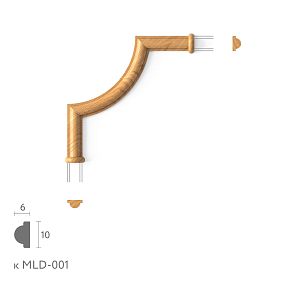
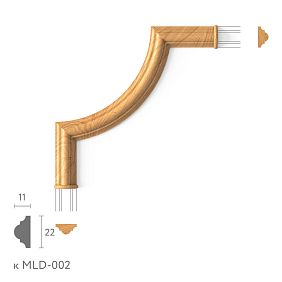
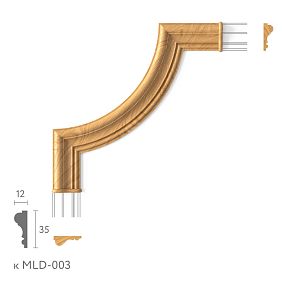
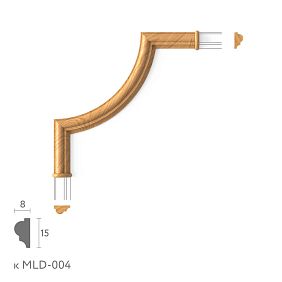

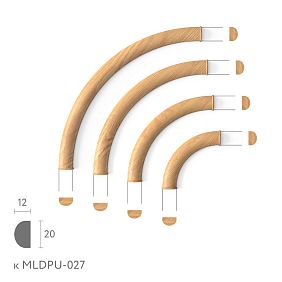
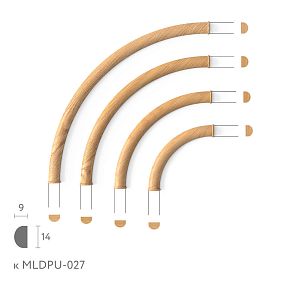
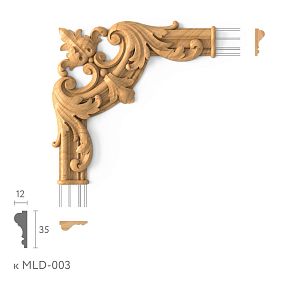
What are decorative corners for moldings and how do they work
Let's start with the essence, without long introductions.
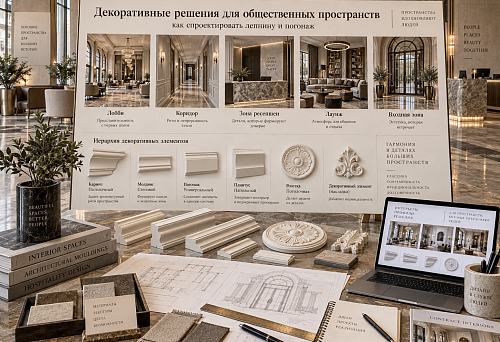
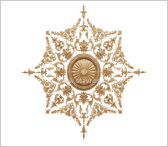
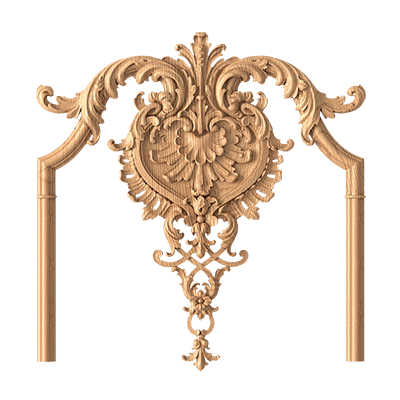
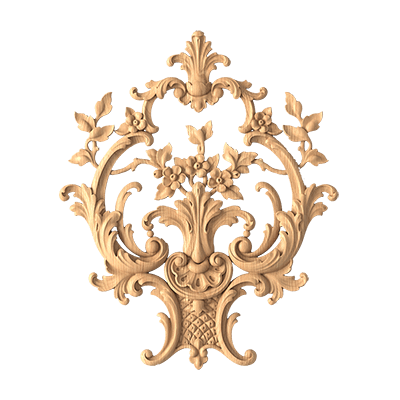
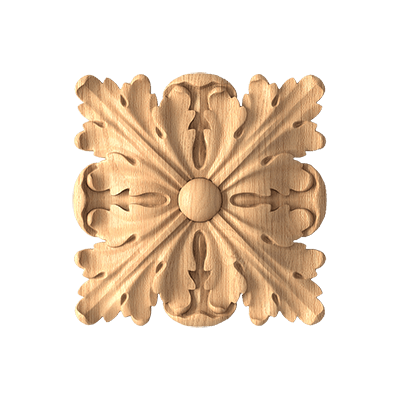
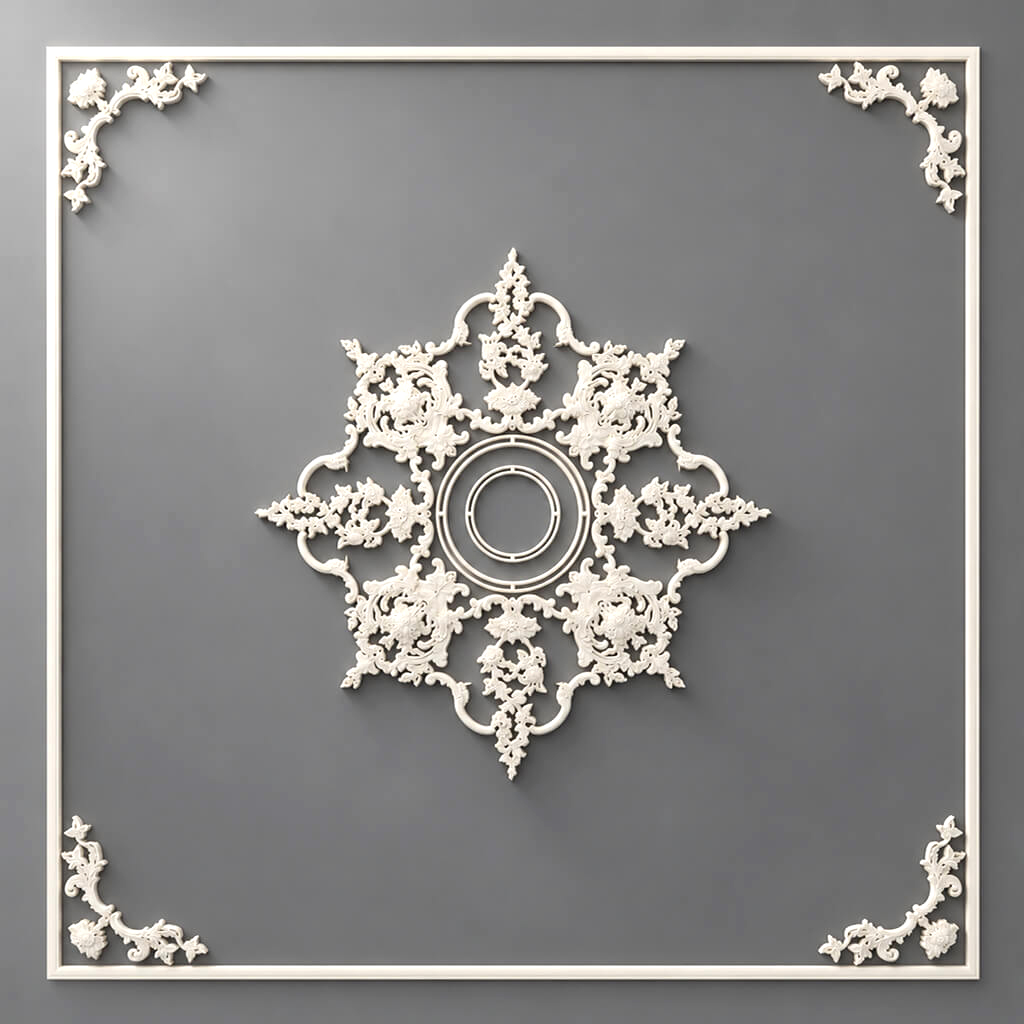
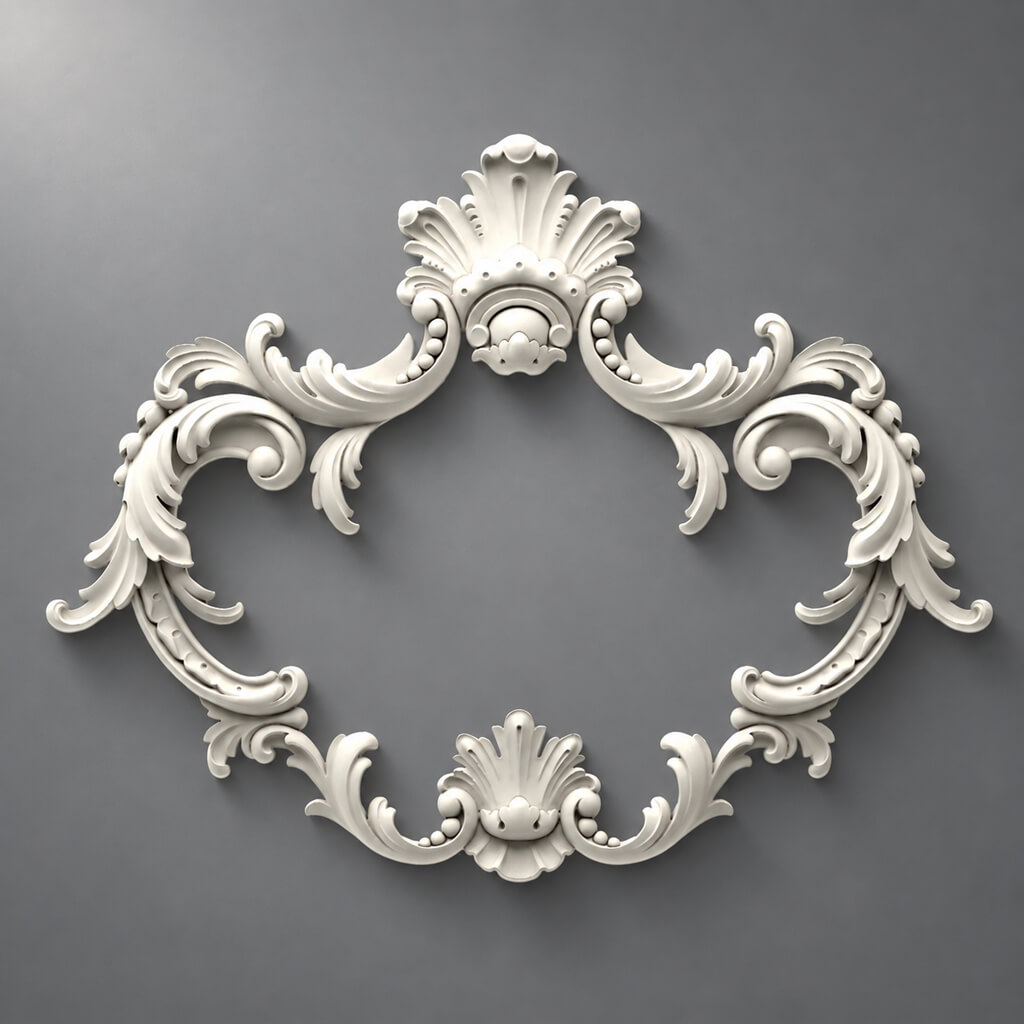
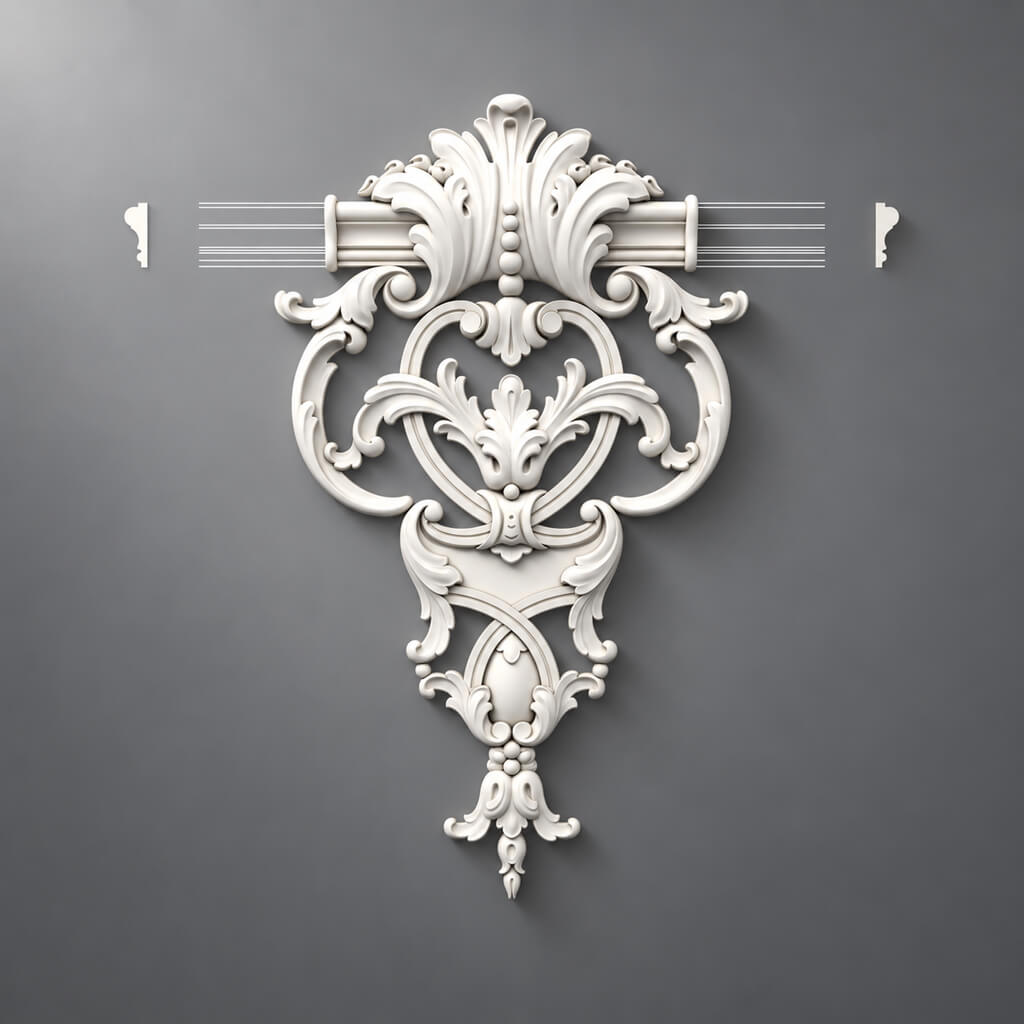
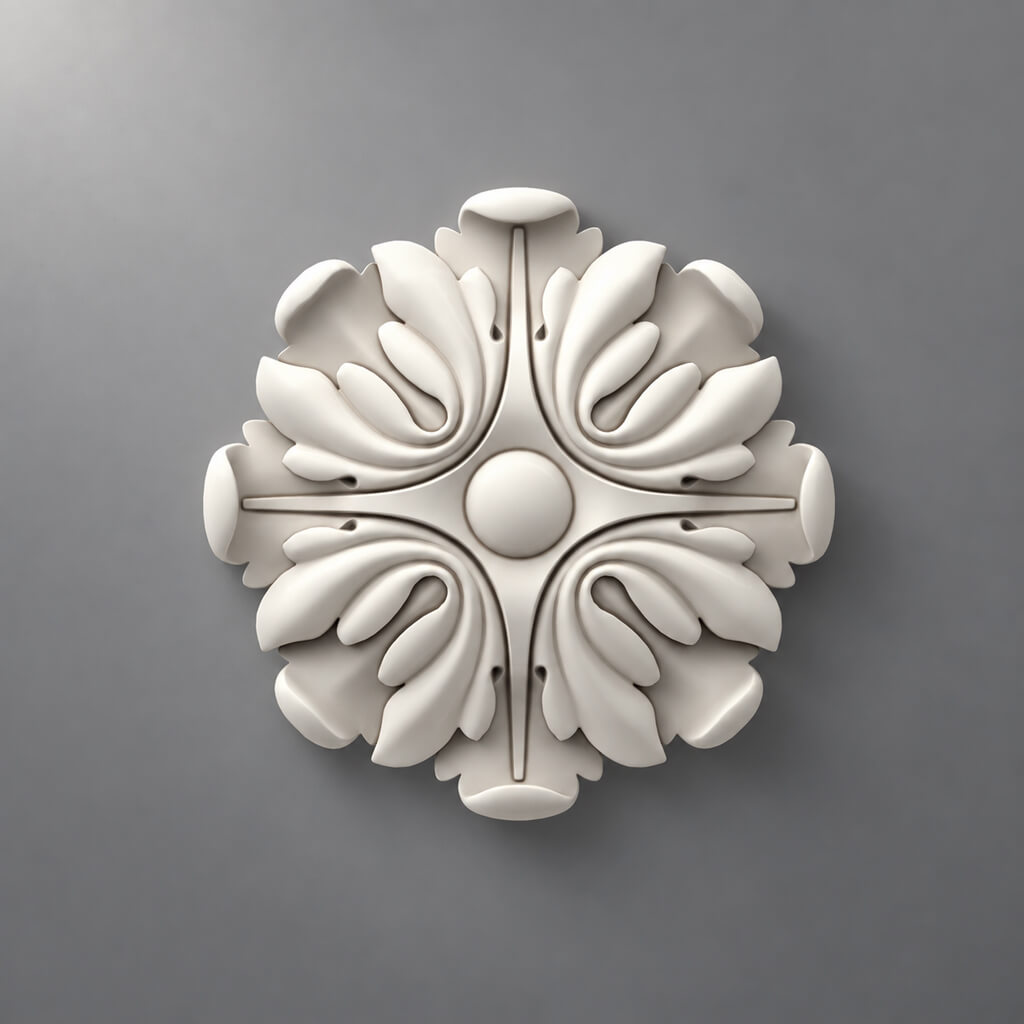
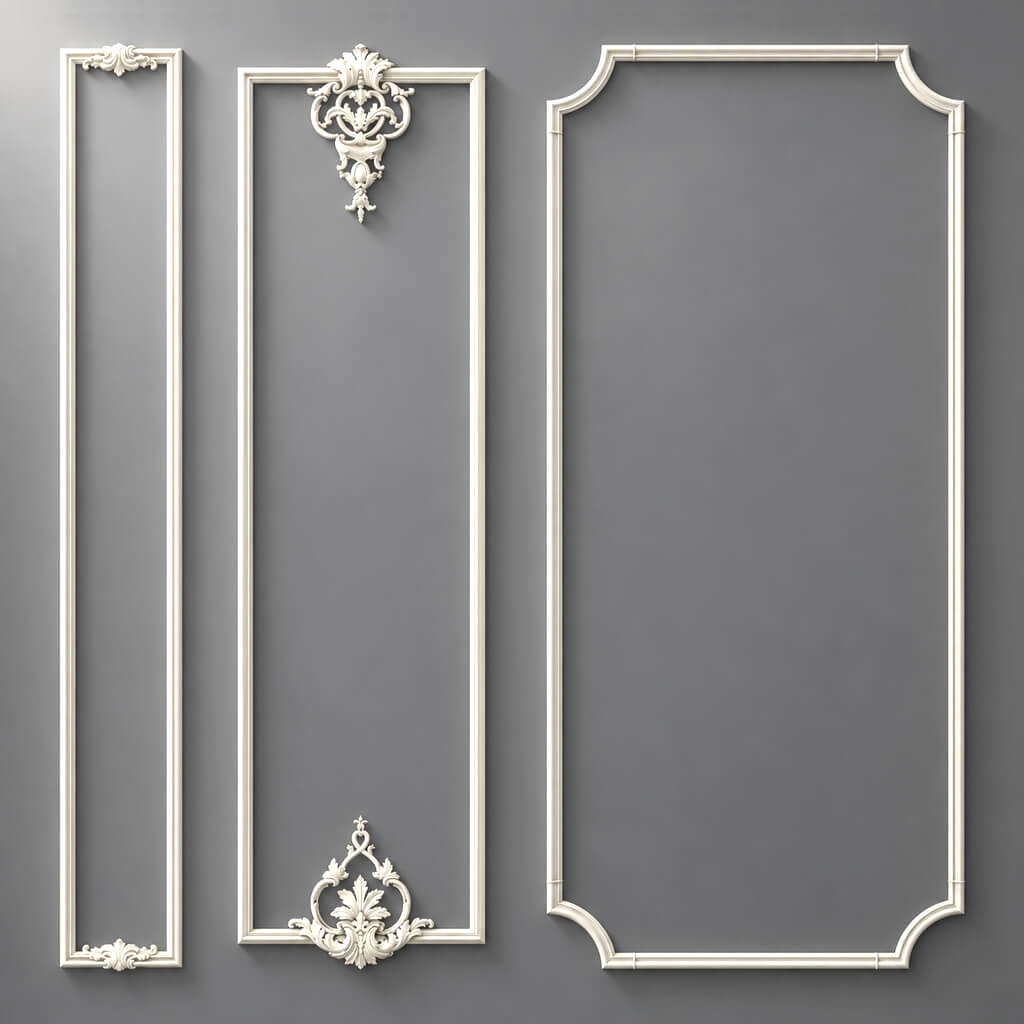
A decorative corner for molding is a separate element that is installed in the corner of a wall frame, panel, or boiserie. It covers the joint of two molding segments and simultaneously becomes an accent — an ornamental point where the horizontal and vertical lines of the frame meet.
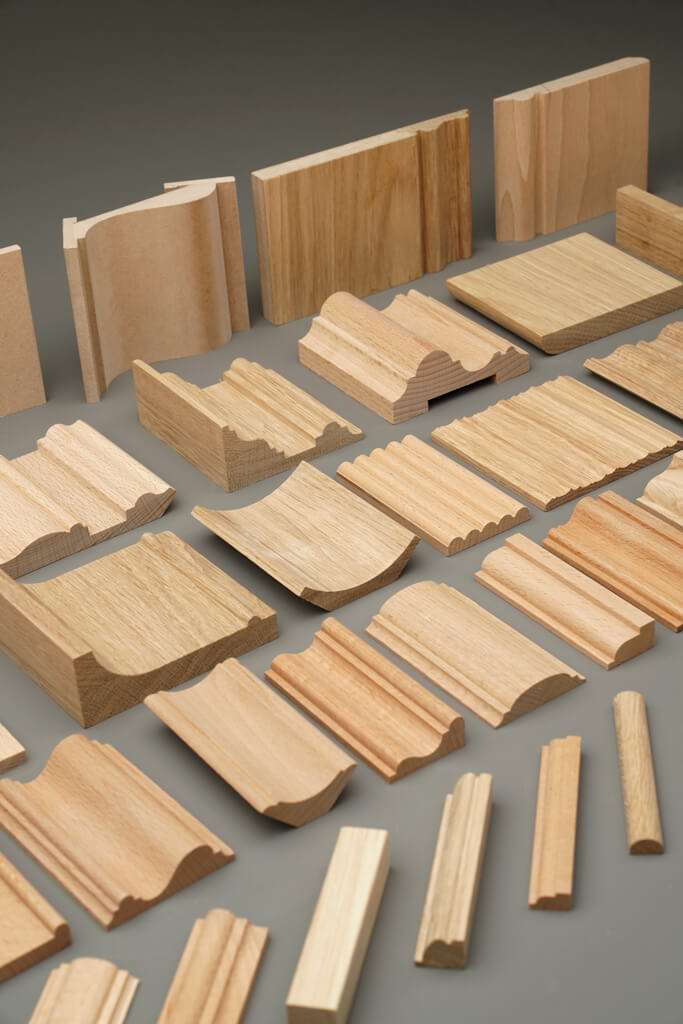
By geometry, corners can be square, diamond-shaped, polygonal, or round. By relief — from a minimalist flat square to a richly decorated element with a rosette, cartouche, or ornamental insert. By function — internal (for corners inside the frame) and external (for decorating the outer contour of the system).
The installation principle is simple: the moldings are cut straight (not at 45°), the ends rest against the corner piece, and the corner piece is mounted over the joint. Or — in a more complex version — the corner piece is part of a decorative system into which the molding "enters" as a frame.
Why is this needed in an interior project? Corner Decor for Molding solves several tasks simultaneously:
-
Technical: it hides a potentially unsightly joint of two profiles at the corner point of the frame.
-
Decorative: it adds an ornamental element to the most noticeable point of the frame — the corner.
-
Scale: due to the corner piece, the frame visually enlarges — the corner piece "expands" it diagonally.
-
Stylistic: the corner piece is a signal of style — classic, neoclassical, baroque, Provence — each style has its own ornamental motifs that are realized, among other things, through the corner element.
How corner decor differs from classic 45° miter cutting
This question is always asked. And it deserves an honest answer, without marketing tricks.
Our factory also produces:

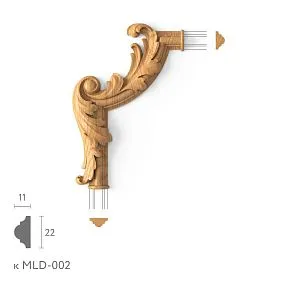

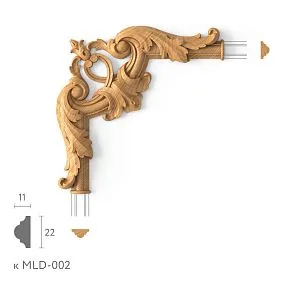
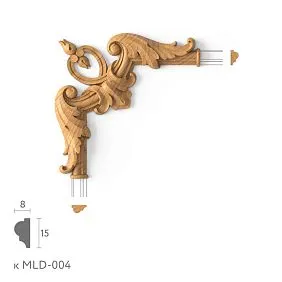
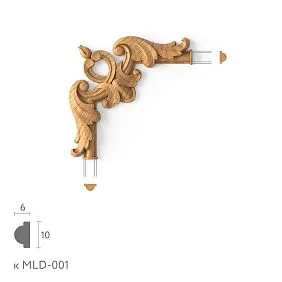

45° miter cutting: when it works
Cutting the ends of the molding at a 45° angle followed by joining is a professional carpentry solution. It provides a clean, neat corner with no visible transitions — provided it is executed precisely.
45° cutting works perfectly when:
-
the wall is perfectly flat;
-
the saw provides an accurate angle without deviation;
-
the profile is symmetrical in cross-section;
-
the craftsman is experienced and works carefully;
-
the moldings will be painted in a dark color (small gaps will not be visible).
In professional installation on flat walls, cutting gives an impeccable result. This is the path to geometrically strict, restrained frames — without additional decorative elements.
Get Consultation
Decorative corner: when it is more precise and beautiful
Decorative corners for moldings have a practical advantage in a number of situations:
Uneven walls. Real walls in most apartments and houses are not perfect. A slight deviation of the plane creates a gap at the joint when cutting at 45°. The corner piece completely covers this gap.
Complex profile. The richer the relief of the molding, the more difficult the perfect cut. A complex ornamental profile with protruding elements is extremely difficult to join at 45° without chips and losses. Here, the corner element is not just convenient — it is often the only possible way to preserve the decor.
Classic style. In classic interior decor, a decorative corner piece is not a "backup option," but a rule. In historical examples, a corner rosette or cartouche at the intersection of moldings is standard practice, dating back to the architecture of the 16th–19th centuries.
Serial production. If you need to design twelve identical frames, installing corner pieces in each corner is faster and more accurate than 48 cuts at 45°. Productivity is higher, errors are fewer.
When choosing an approach, it is important to understand: this is not "cheap / expensive" and not "for skilled / for unskilled." These are two different stylistic solutions. Cutting is strictness and geometry. The corner element is ornamentality and classicism.
Where to use decorative corner pieces: spaces and scenarios
Molding frames on the wall in the interior
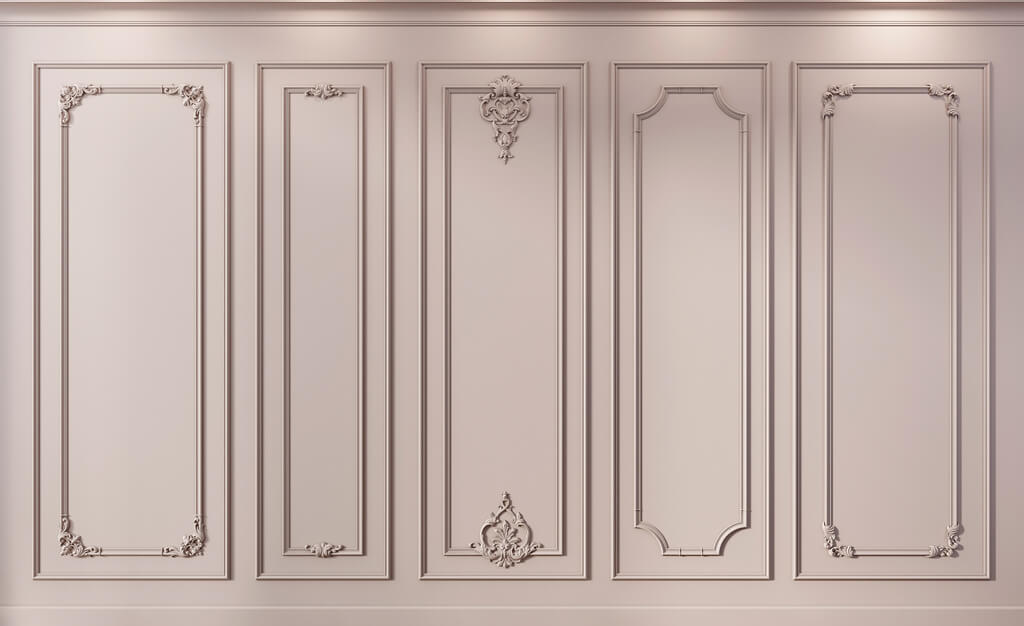
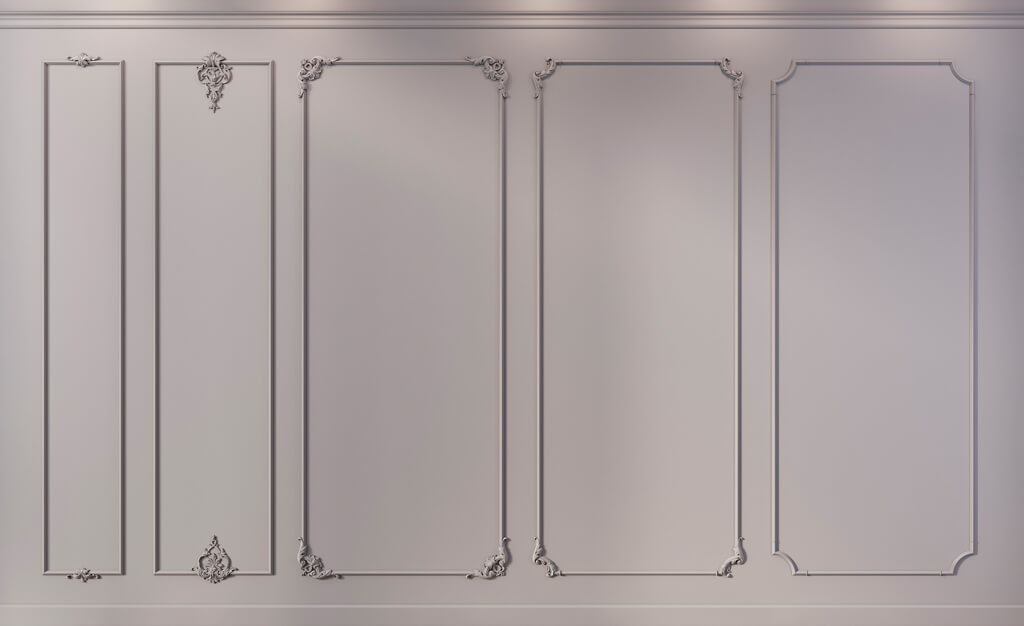
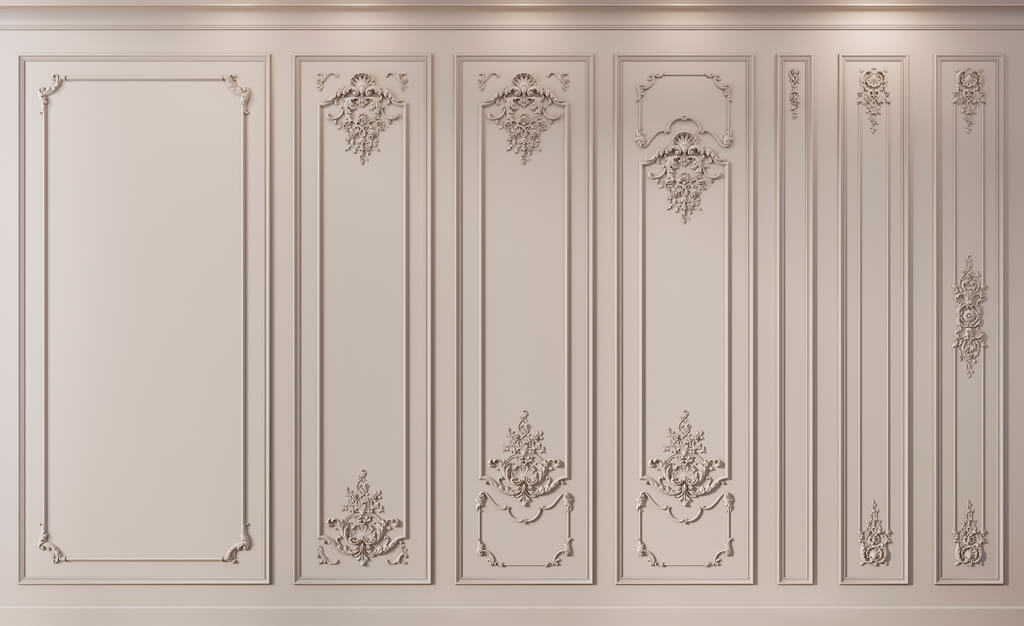
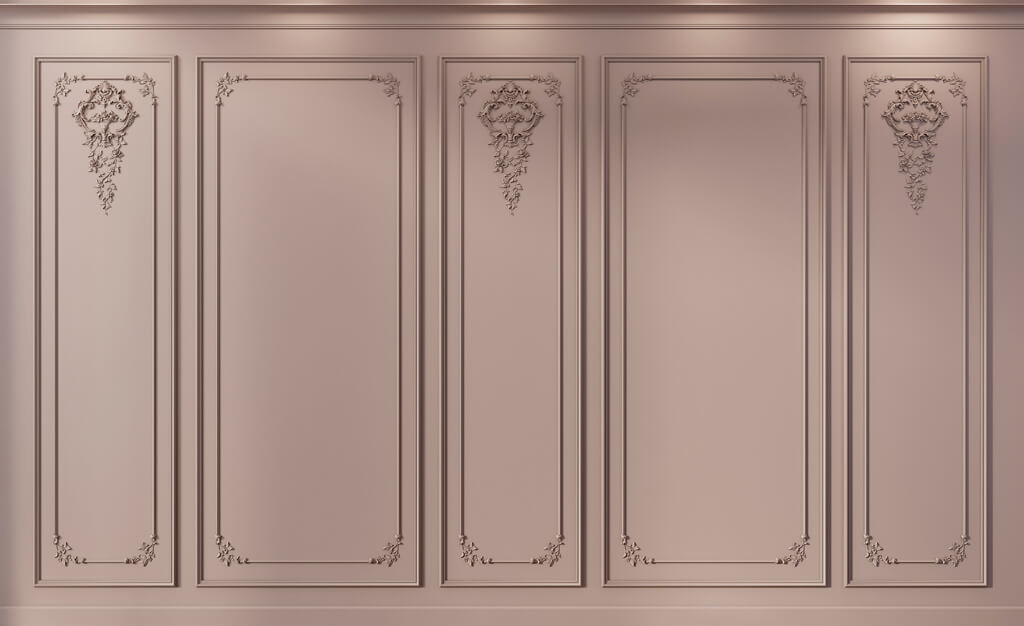
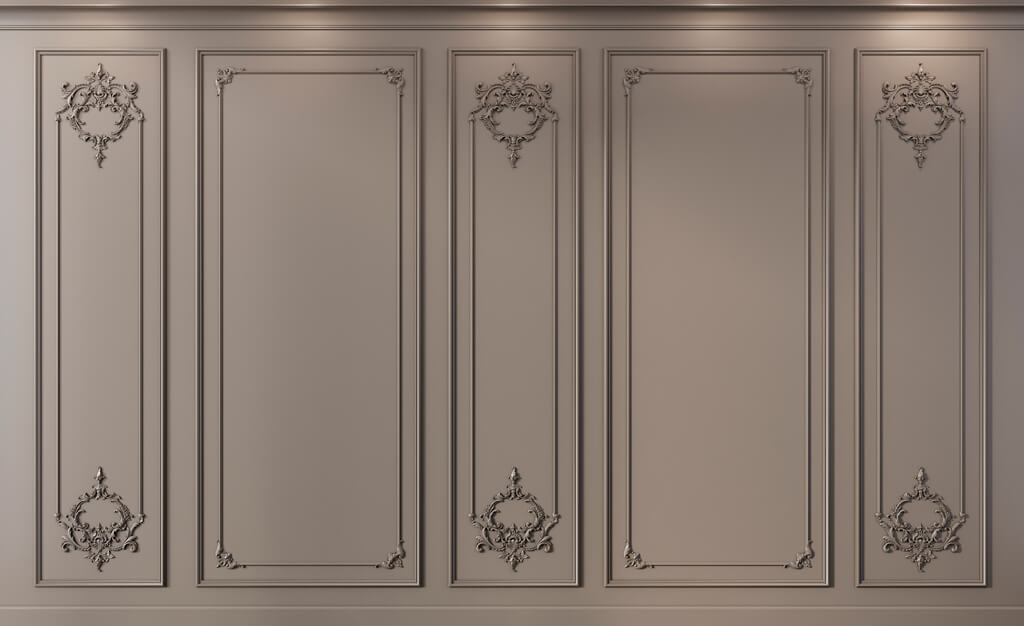
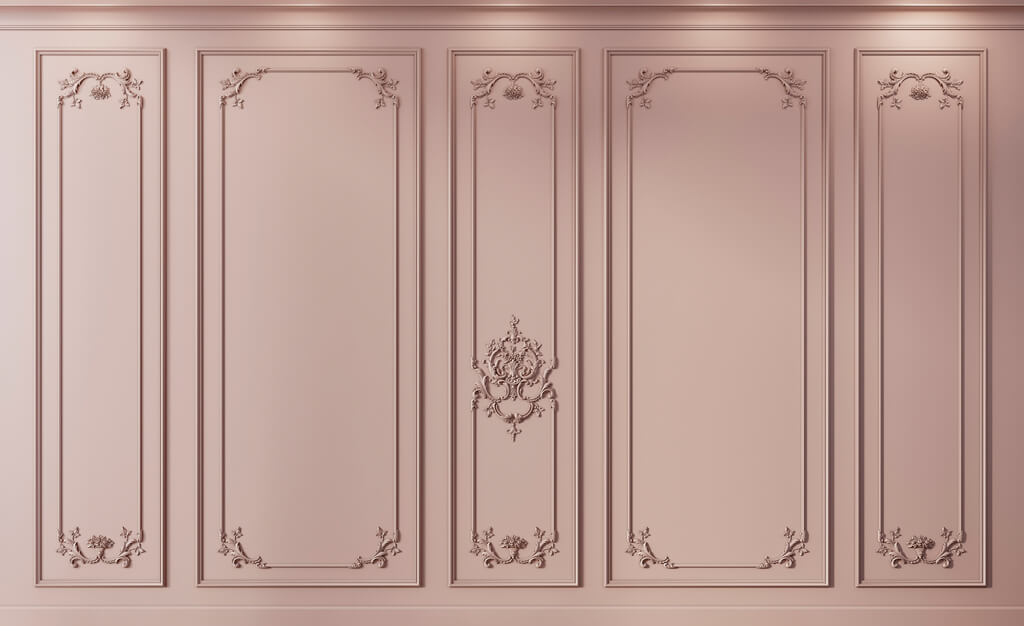
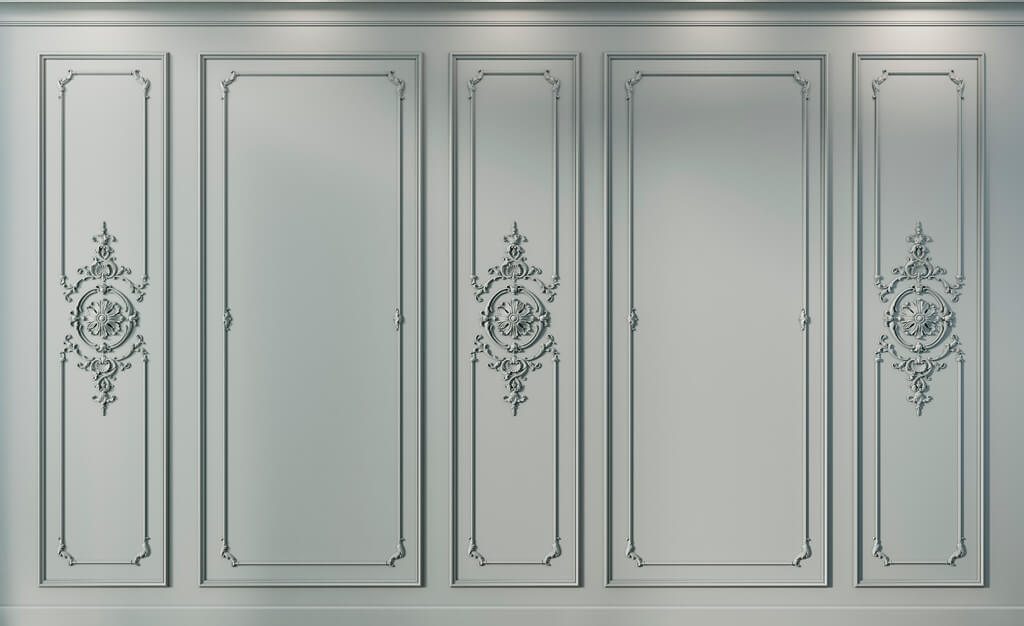
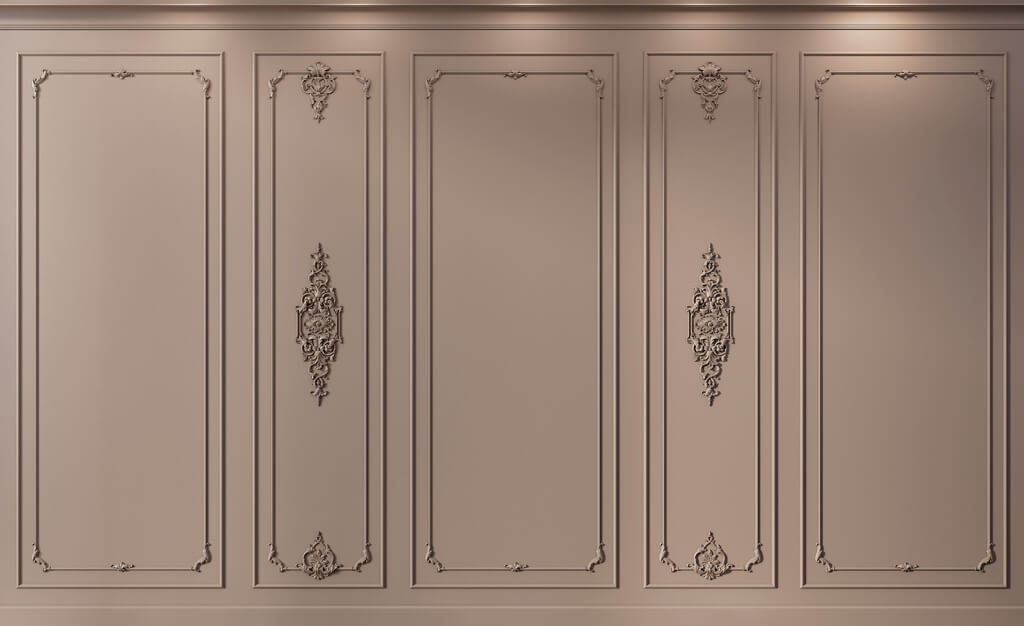
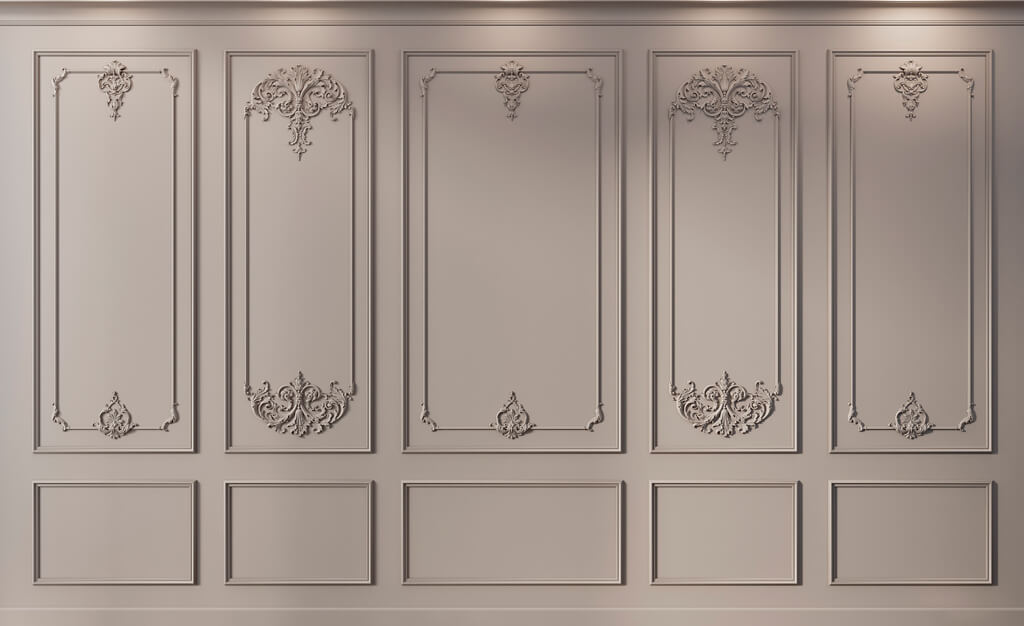
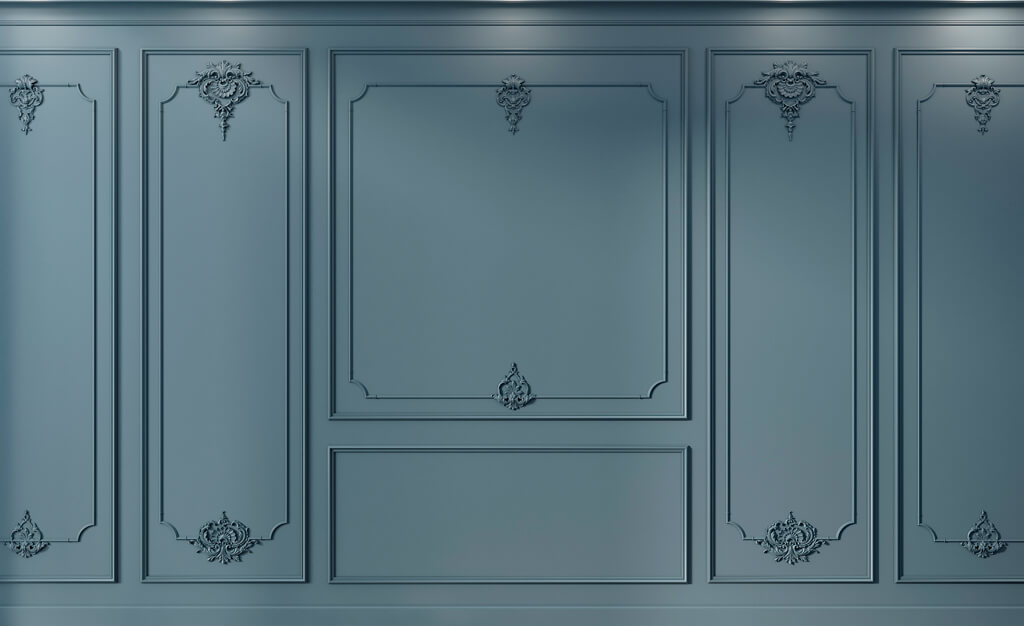
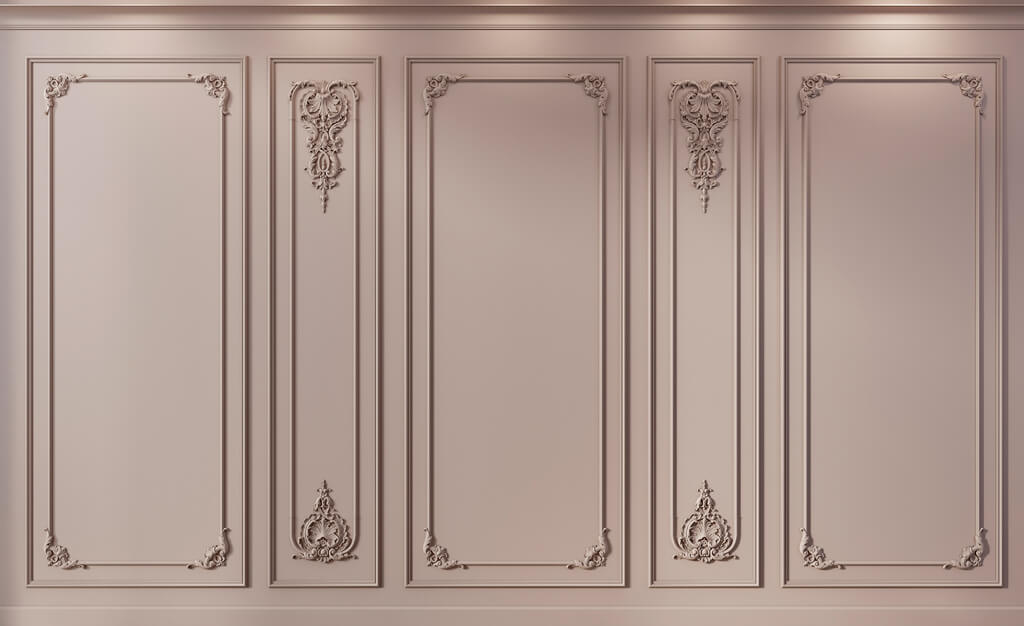
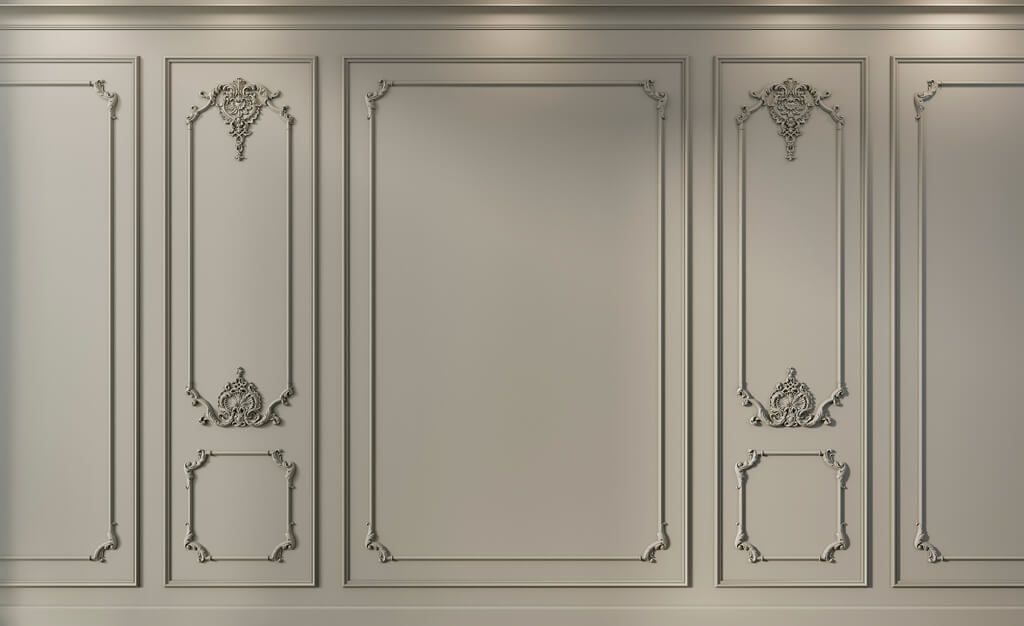
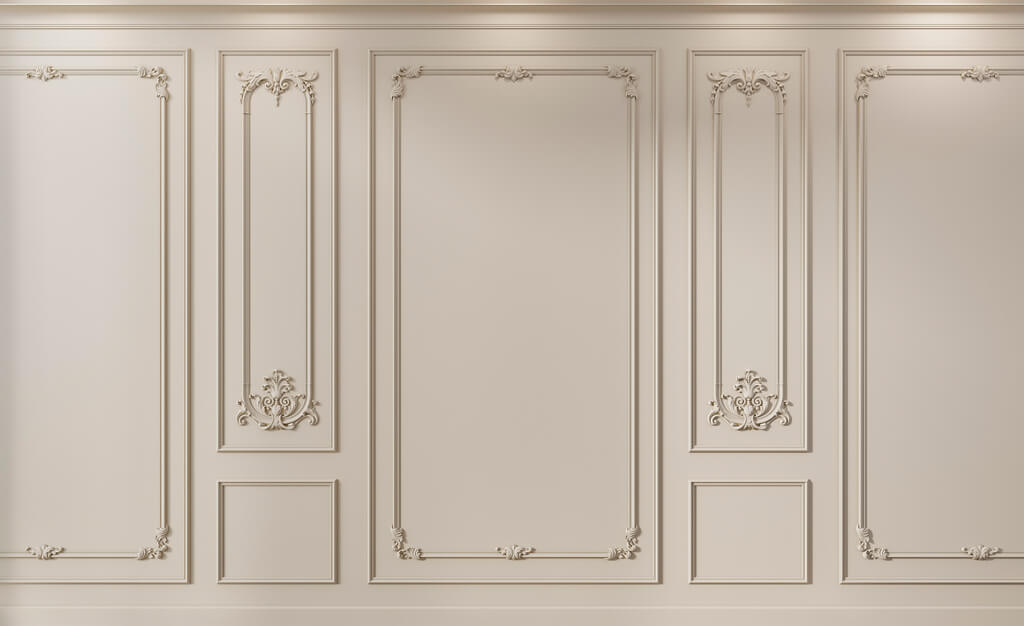
Wall frames made of moldings are one of the main trends in classic and neoclassical design in recent years. These are rectangular or square decorative frames applied to the wall: they create the effect of panel division characteristic of 18th–19th century architecture.
Decorative moldings for walls in the interior — the basic "linear" part of such a system. Corner pieces are its accent part. A frame without corner elements looks like a geometric outline. A frame with decorative corner pieces looks like an interior detail with artistic intent.
In the living room, a series of identical frames with identical corner elements creates a rhythm — an architectural rhythm that organizes the wall and makes it rich rather than empty. In the bedroom, one large frame above the headboard with expressive corner rosettes is an accent that replaces expensive paneling.
In the hallway, frames made of moldings on the walls are a way to combat corridor monotony and add depth. The corner elements here create a "jewelry-like" feel — the sense that every detail was chosen intentionally.
Boiserie and wall panels with corner decor
Boiserie and wall panels — a wall finishing system using wooden profiles that divides the wall into "fields" with frame borders. This is a classic solution dating back to French interiors of the 17th–18th centuries.
In boiserie, corner elements perform a system-forming function: they are located at the intersection of horizontal and vertical moldings, marking the nodal points of the grid. Without corner elements, the grid reads as a set of lines. With corner elements, it reads as a well-thought-out architectural structure.
For boiserie, it is especially important that the scale of the corner piece and the molding match. If the molding is 3 cm wide, a corner piece measuring 6×6 cm is optimal. A corner that is too large "breaks" the rhythm; one that is too small gets lost and does not fulfill its role.
wooden moldings, cornices, and baseboards for boiserie must be coordinated with the corner elements in material, tone, and ornamental logic — otherwise the system will look like a set of random details.
Niches, mirrors, and decorative panels
Decorating a niche in the wall using frame molding and corner elements is an inexpensive and very effective technique. A rectangular niche with molding around the perimeter and corner rosettes in the corners turns from a utility recess into an architectural accent.
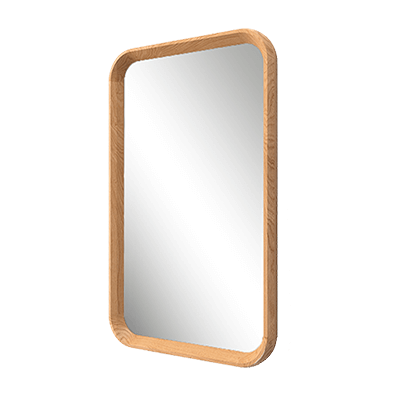
A mirror in a frame made of wooden molding with corner elements is an alternative to a ready-made mirror frame. Its advantage: precise fit to the mirror size and freedom of finishing. Its disadvantage: the need for precise cutting and installation. When using corner elements, the complexity of installation is reduced.
Decorative wall panel — a frame made of molding, inside which accent paint, patterned wallpaper, or decorative plaster is applied. Corner elements in this solution work as "clasps" — they visually fix the frame, making it complete.
Commercial interiors and serial projects
Restaurants, hotels, boutiques, office receptions, beauty salons with classic decor — everywhere where serial decorativeness is needed, corner elements for moldings become a working tool.
A series of identical frames in a hotel corridor. A panel system on the walls of a restaurant with a classic interior. Frame decor on the walls of a boutique. In all these cases decorative moldings for walls in the interior with corner elements — a standard professional solution that provides repeatability, precision, and a high decorative effect at reasonable costs.
How to choose corners for molding: parameters and logic
Choosing a corner based on the principle "I liked it in the picture" is a path to disappointment. The right choice is based on several parameters that need to be considered together.
Molding width and corner size
This is the main ratio. The size of the corner (the area of its square or diamond) should visually "cover" the width of the molding with a margin, but not completely overlap the molding — otherwise it will be lost behind the corner.
Approximate logic:
-
Molding 2–3 cm wide: corner 4–6 cm per side.
-
Molding 3–5 cm: corner 6–9 cm.
-
Molding 5–7 cm: corner 9–14 cm.
-
Wide molding 7 cm and more: corner from 12–16 cm and above.
These are not absolute rules, but a starting point. The final decision is made with a trial application — look at a real wall fragment.
Relief height of corner and molding
The corner should have a relief height comparable to the relief height of the molding. If the molding protrudes from the wall by 1.5 cm, a corner 3 mm high will "sink" next to it. If the molding is flat (height 5 mm), a massive three-centimeter corner will be excessive.
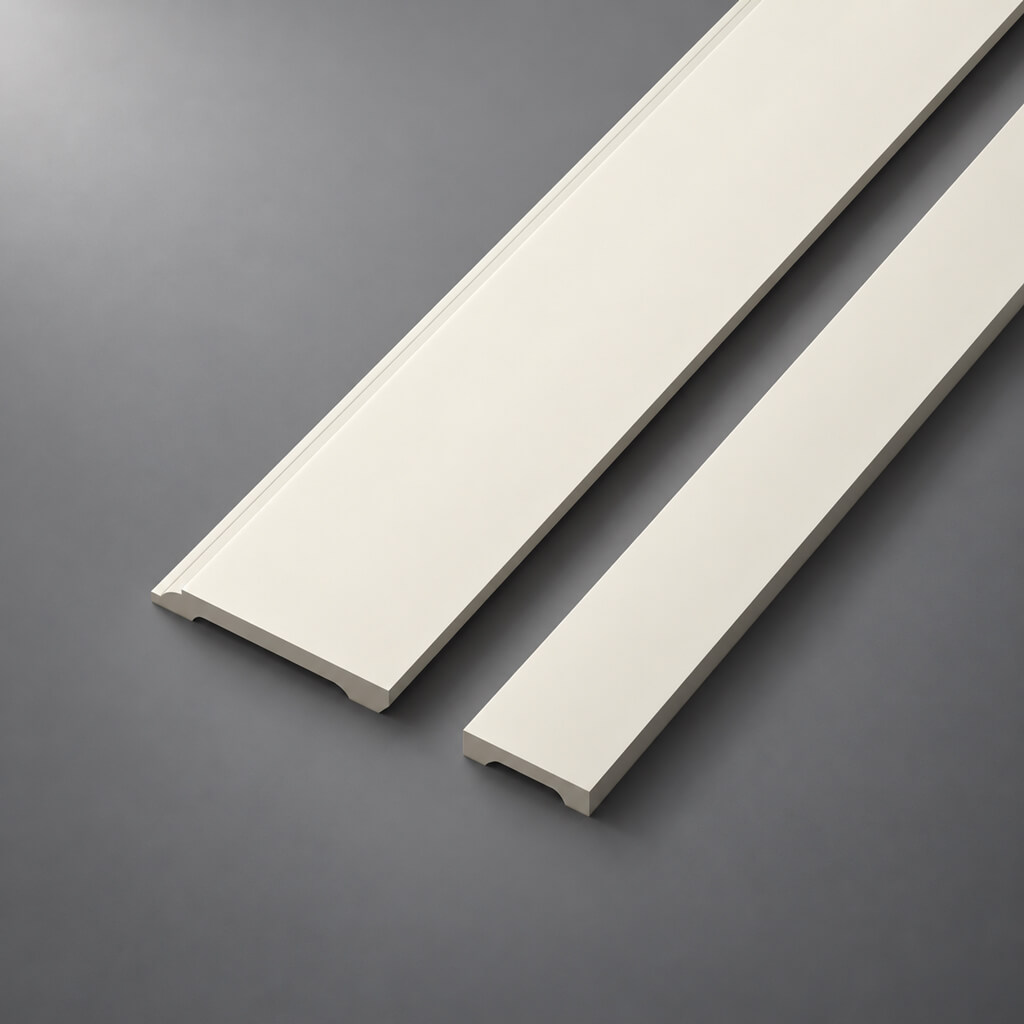
For a system with flat decorative wall moldings for painting — a light flat corner with a geometric pattern. For a system with a medium-height profile molding — a corner with a pronounced relief center.
Ornament: match or contrast
There is no strict rule that the corner ornament must exactly replicate the molding ornament. But there is a rule of stylistic unity: both elements must belong to the same ornamental language.
Molding with a classic egg-shaped ornament — a corner with a leaf or floral motif in the same spirit. Molding with a geometric cross-section without ornament — a corner with geometric decor. Molding with carved ornament — a corner with of carved decor STAVROS a corresponding motif.
Mixing ornamental systems in one frame is a stylistic mistake that destroys unity.
Frame size and its proportions
A small frame 30×40 cm requires compact corners. A large frame 80×120 cm requires corners that do not get lost at such a scale. A corner that looks decent on a small frame will simply not be visible on a large one.
This is a matter of scaling: the frame, corner, molding, and room must form a proportional system.
Room style as the final filter
After all technical parameters — the last and most subjective filter: does the corner element match the room style?
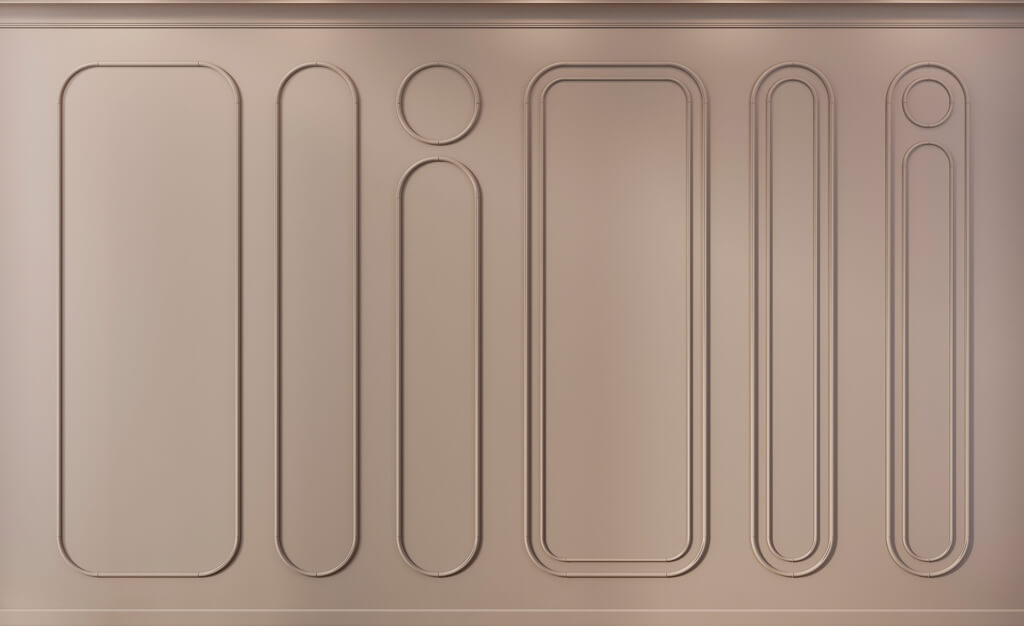
Classic and Baroque styles allow for rich ornamentation with acanthus, cartouche, and floral motifs. Neoclassicism is a more restrained element with a geometric or light ornamental accent. Provence is a soft, rounded element without heavy decoration. Modern classicism is a minimal element, with emphasis only on form, not ornament.
Internal and external corners: difference and application
This is a technical distinction that often causes confusion. Let's break it down briefly and specifically.
Internal corner
An internal corner is an element that works on a 90° angle facing inward of the frame or panel. That is, these are the corners of a rectangular frame applied to a flat wall. All four corners of such a frame are internal.
For a standard rectangular frame of moldings on a wall, the corners are always internal. This is the most common type of application.
External corner
An external corner is an element for decorating protruding corner points of the system. It is used in situations where the molding or panel wraps around a volumetric element: for example, the corner of an architectural column, pilaster, or wall projection.
External corners are also used in the boiserie system if the panels cover the external corner of a wall — for example, in a room with a niche or pilaster. In this case, the moldings approach the external corner, and a corner element is needed to decorate the transition point.
It is important to understand: internal and external corners are different products with different geometries. They cannot be used interchangeably. When ordering, specify which type of corner you need.
Materials and finishing: wooden corners for painting and tinting
Why wood is the right choice
Wooden decorative wall moldings made of solid beech — a living material with character. Beech is easy to work with: it cuts, mills, and accepts coating without primer in several layers (although primer is always recommended for better adhesion).
Decorative corners made of the same solid wood as the moldings — a guarantee of visual unity. Texture, density, reaction to painting — everything is identical. Two elements from different materials will never give the same result when painted.
Pogonazh iz massiva, Wooden Picture Frame, corners and moldings from the same production line — a system where all elements are coordinated.
Painting corners in a single tone
For neoclassical interiors with monochrome wall finishes — corners and moldings are painted in the wall color. The relief remains visible due to the play of light and shadow, but does not create a visual accent. This is the so-called "invisible" decor system — when you understand that the wall is beautiful, but you don't immediately understand why.
For a more expressive effect — moldings and corners are painted in a color slightly different from the main wall tone: a shade lighter or darker. The frame "reads" clearly, without getting lost in the general background.
Decorative wall moldings for painting made of solid wood accept enamel without issues. Sanding → primer → finish enamel in two coats. Tip: paint moldings and corners before installation (on a workbench), and apply the final coat after installation, touching up the attachment points. This gives a clean result without drips or unpainted ends.
Toning and varnish: when a natural tone is needed
In interiors with natural wooden furniture, parquet, and wooden finishing elements, moldings and corners for tinting look more organic than painted ones. Stain matching the furniture → clear varnish (matte or semi-matte) — a system where corners and moldings become an extension of the wooden character of the space.
carved appliqués и wooden decorative elements From the same tinting, they create the feeling of a unified author's system. This is professional work with the material.
How to assemble a wall composition with moldings and corners: logic step by step
This is a practical algorithm that will help you move from desire to result. No lyricism — only a working sequence.
Step 1. Choose a zone
Living room — the most obvious place for wall frames. Bedroom — headboard area, side walls. Study — area behind the desk or the entire lower part of the walls. Hallway — side walls along the passage.
Start with one wall or one zone. Do not try to decorate the entire room at once — this leads to calculation errors and material waste.
Step 2. Determine the number and format of frames
Three frames in a row on a long living room wall. One large frame above the headboard. A system of two rows of frames — upper and lower — for classic boiserie.
Key rule: frames should be the same size (or form a meaningful system of different sizes). Random frames of different proportions on one wall read as chaos.
Step 3. Calculate frame dimensions
Frame height: typically from the baseboard level (or 10–15 cm from the floor) to the cornice level (or 10–15 cm from the ceiling). For the lower part of the wall (below the frieze) — up to 80–100 cm high.
Frame width depends on the wall width and the number of frames. Gap between frames — 8–15 cm. Gap from the wall edge — equal or slightly smaller.
Formula for the width of one frame for n frames on a wall of width W:
(W − left_gap − right_gap − gap_between × (n−1)) / n
Step 4. Choose the molding
Molding width depends on the room scale and frames. Small room with compact frames — thin profile 2–3 cm. Spacious living room with large frames — profile 4–6 cm.
Wooden moldings and cornices STAVROS: choose a profile by first looking at it in interior examples or ordering a sample.
Step 5. Choose corner pieces according to the frame scale
After choosing the molding — select the corner piece. Corner piece size: molding width × 2 + 0–20% (with allowance for visual emphasis). Ornament and relief — in the same style as the molding.
Decor for STAVROS moldings — here you will find compatible corner elements matched to the molding lines.
Step 6. Mark the wall
Marking is the most critical stage. A marking error can only be corrected by reinstallation.
Tools: laser level (mandatory), tape measure, pencil, painter's tape for fixing at marking points.
Marking algorithm:
-
Mark the central vertical axis of the wall.
-
Symmetrically from the axis, mark the horizontal boundaries of the frames.
-
Mark the vertical boundaries.
-
Check the diagonals of each frame (the diagonals of a rectangle must be equal).
-
Do a trial layout using painter's tape — directly on the wall, without glue.
-
View the result from a distance of 3–4 meters.
Step 7. Check symmetry
Symmetry is not "approximately the same." It is an exact match. Indentations from the edges of the wall: equal. Distances between frames: equal. Distances from the frame to the baseboard and to the cornice: equal or logically consistent (for example, the distance at the bottom equals the distance at the top).
An asymmetrical system of frames reads as a mistake. Even if it was intentional, it reads as a mistake.
Step 8. Plan painting before installation
Decide whether the moldings and corners will be painted in the wall color or a contrasting tone. If in the wall color, they can be painted during the general wall painting process, applying the final coat after installation. If in a contrasting tone, paint the moldings and corners before installation, and apply the final coat after installation.
Step 9. Connect with baseboards, cornices, and architraves
This is a systemic step that transforms frames from a decorative element into part of the architecture. If the moldings for the frames and Baseboards in one tone, the wall reads as a single whole. If the cornice under the ceiling is consistent in style with the frame molding, a sense of architectural system emerges.
wall decoration — this is not a separate task, but part of a general system: walls + ceiling + furniture + decor. Ceiling Decor и wall decoration should work together, not as two independent projects.
Step 10. Go to the catalog to select elements
When the entire system is designed on paper — go to the STAVROS catalog for elements. Moldings, corners, baseboards, cornices, decorative elements — all in one production system, coordinated in material and style.
Mistakes when selecting and installing corner elements for moldings
Nine mistakes that occur regularly. Each one costs time and money.
1. Choosing a corner only by photo without dimensions. A photo does not convey scale. A corner that looks perfect in the photo may turn out to be a giant on a thin molding or a speck on a wide profile. Look at the dimensions and compare with the width of the selected molding.
2. Mixing ornaments of different styles. A classic corner with an acanthus leaf bas-relief and a neoclassical geometric molding is not a "bold combination." It is a visual conflict. Stick to one ornamental language.
3. Making too small frames on a large wall. Small frames on a tall wall look like labels on a refrigerator. The scale of the frames should match the scale of the wall and the room. In a tall room — large frames that occupy a significant part of the wall.
4. Not considering the baseboard and cornice when designing. Frames that "ride over" the baseboard or go under the cornice look like an installation error. Leave equal gaps at the top and bottom.
5. Not leaving equal gaps between frames. Uneven gaps between frames break the rhythm. Measure precisely. A laser level is a mandatory tool.
6. Use plastic corners instead of wooden ones. PVC corners for repairs are construction parts, not interior decor. They behave differently under paint: they accept fewer layers and produce a different texture. In a system with wooden moldings, plastic corners will be visible even under a layer of paint.
7. Don't plan the painting before installation. After installation, painting moldings and corners is difficult: the brush gets stuck at the joints with the surface, leaving an unpainted gap in the corners. Paint the base layers before installation.
8. Create a complex system without a central axis. When one wall has three frames, two decorative inserts, and boiserie at the bottom, all of this must be aligned along a single central axis. Without an axis, the system looks chaotic even with perfect execution of each element.
9. Don't connect wall decor with the rest of the interior. Frames and corners are part of the system. If furniture, pilasters and columns, Consoles and Frames is done in one style, and wall frames in another, the interior loses its integrity.
Corners for moldings in different interior styles
Classic: richness of ornament and hierarchy of details
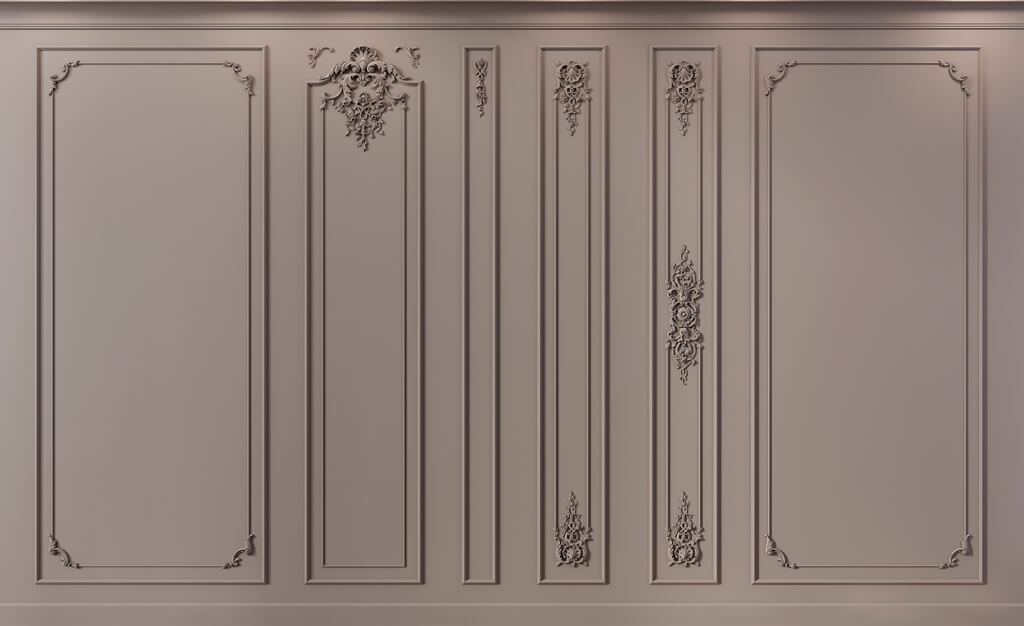
In a classic interior, the corner element is not an auxiliary detail but an accent. Square or diamond-shaped corners with pronounced relief are appropriate here: leaf ornaments, cartouches, floral rosettes.
Classic implies hierarchy: the main wall has richer frames with expressive corners. Side walls are more restrained. This is not 'one size fits all,' but an architectural system with accents.
pilasters and columns how vertical architectural elements set the rhythm in which frames occupy the spaces between them. Corners in such a system should match the plasticity of the pilasters.
Neoclassicism: restraint and geometry
Neoclassicism is classicism stripped of excess. The corners here are small, with a geometric accent: a rhombus, a chamfered square, minimal ornament. The color matches the wall or is slightly lighter.
Moldings are flat or with a slight profile. Decorative Wall Moldings in neoclassicism: 2–4 cm wide, without complex relief. The corner piece is proportionate, not dominant.
Neoclassicism allows for a monochrome solution: the wall, moldings, and corner pieces in the same color. The relief works through shadows, not color contrast.
Provence: softness and decorative lightness
In Provence, the corner pieces are rounded, soft, with floral or leaf motifs. Not a strict geometric square, but something resembling a small rosette with curling elements.
Wooden trim in a Provencal interior — light, not large. The frames are small, on the lower part of the wall or in separate zones. Color — white, cream, pale blue, pistachio.
Modern classicism: minimalism with pretension
Here the corner piece is almost symbolic: a small chamfered square or a dot-like round element. Moldings are very flat, 1.5–2 cm wide. Frames are large, occupying most of the wall. The emphasis is on the size of the frame, not the complexity of the profile.
furniture solutions In modern classicism, the wall frame logic is often repeated: furniture facades with decorative profiles along the perimeter align with the frames on the wall.
Systematic view: how corner decor works in a comprehensive interior
A professional designer never chooses a corner for molding in isolation from the overall picture. Because the corner is the point where several decor systems converge.
Horizontal system: Baseboards and moldings set the horizontals of the room. Molding frames fit between them. Corners mark the nodal points of this horizontal system.
Vertical system: door trims, pilasters, vertical dividers — all create a vertical rhythm. The vertical parts of the frames continue this rhythm.
Ornamental system: Carved Decor, decorative elements, carved appliqués — all these are parts of a single ornamental language of the room. Molding corners must speak this same language.
When all three systems are coordinated, the interior is perceived as a whole. The guest cannot say why exactly they like this room. They simply feel that it is good here. This is the correctly chosen decor.
Where to buy corners for moldings and decorative moldings STAVROS
Buy corners for moldings и Decorative Wall Moldings you can in the STAVROS catalog, where each item is accompanied by precise parameters and compatibility recommendations.
In the of solid wood you will find a complete system:
-
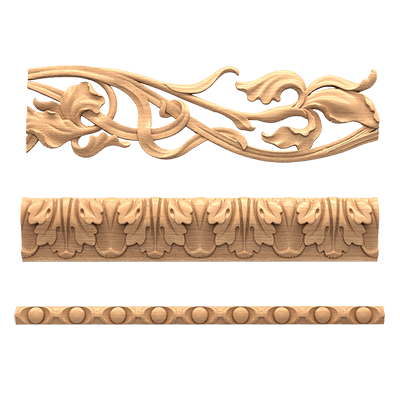
Decor for Molding — corner elements, inserts, sockets
-
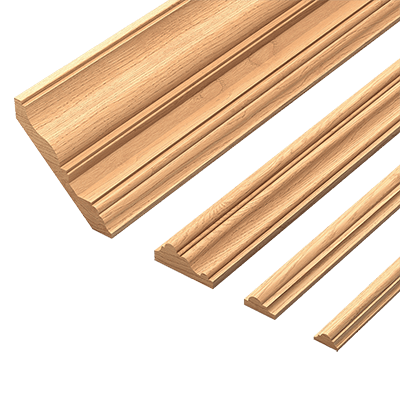
wooden moldings, cornices, and baseboards — linear profiles for frames and systems
-
Pogonazh iz massiva — additional profiles for finishing
-
Wooden Picture Frame — frame profile for mirrors and panels
-
carved appliqués — accent elements for furniture and walls
-
wooden decorative elements — inserts, cartouches, sockets
Contact us to confirm shipping to your destination.
Frequently asked questions
Why are corner pieces for moldings needed if you can cut at 45°?
Cutting at 45° requires precise tools, even walls, and professional skill. A decorative corner piece solves the problem without complex cutting and simultaneously adds an ornamental accent. In classical and neoclassical interiors, the corner element is a historical standard, not a replacement for cutting.
How to choose the size of a corner piece for a molding?
Focus on the width of the molding. The corner piece should visually "cover" the joint of two molding segments with a margin. Approximate ratio: the side of the corner piece equals twice the width of the molding, plus 0–20% for emphasis.
Can corner pieces and moldings be painted the same color as the wall?
Yes, this is a common technique for neoclassicism and modern classicism. The relief is then "read" through shadows, not through color contrast. The system looks restrained and elegant.
Which moldings pair best with corner decor?
Moldings and corner pieces from the same stylistic group: smooth with geometric corner pieces, relief with ornamental ones, thin with light corner elements. The key is unity of the ornamental language.
Are decorative corner pieces suitable for boiserie?
Yes, corner elements are a standard part of the boiserie system. They mark the nodal points of the molding grid, making the system visually complete. The size of the corner piece is selected based on the width of the molding forming the grid.
What is the difference between an internal corner and an external one?
An internal corner is for decorating the corners of a rectangular frame on a flat wall (the most common case). An external corner is for decorating protruding architectural corners: pilasters, wall projections, three-dimensional elements.
How to connect moldings with baseboards and cornices?
Select baseboards, cornices, and frame moldings from the same stylistic group and in the same tint. A single material (solid wood) and a single tone create a system where all linear elements of the room are perceived as part of one architectural concept.
About the company STAVROS
Details are not trifles. Details are what the entire interior is conceived for. The corners of frames, joints of moldings, the ornament on the corner piece under side lighting — this is what forms the final feeling of the space. It is at the level of details that "good" differs from "flawless."
STAVROS is a Russian manufacturer of wooden interior decor. Products made from solid beech and oak: moldings, baguettes, linear trims, corner pieces, overlays, decorative elements, brackets, pilasters, carved decor. Production is in Russia. Warehouses are in Moscow and St. Petersburg. Contact us to confirm shipping to your destination.
Choosing Decor for STAVROS moldings, you get a system where moldings, corner pieces, and all related elements are coordinated — in material, in form, in style. This is how interiors are created that need no explanation. That simply work.