


























Article Contents:
- When dark classic furniture looks expensive and when it overloads the interior
- The main question is not color, but balance
- What shades of dark classic furniture exist
- Colors of classic furniture in the dark group: from warm to cold
- How the shade changes the character of the room
- Dark classic furniture for the living room
- The living room is the main hall of dark wood
- Cabinets and display cases: anchor pieces
- Consoles, chests of drawers, and TV cabinets
- Combination with wooden wall decor
- Dark classic bedroom furniture
- Bedroom with dark wood: coziness or heaviness?
- Dark wood bed: the bedroom's focal point
- Dresser, nightstands, wardrobe
- Textiles and lighting as a counterbalance to dark furniture
- Dark classic office furniture
- Study — the natural environment for dark wood
- Desk: the central piece
- Shelves and cabinets: a library as a wall
- Study accessories and decor
- Which walls and floors to pair with dark classic furniture
- Walls: lighter is better
- What to avoid
- Floor: friend or foe of dark furniture
- Baseboard: the detail that is often forgotten
- Handles, legs, and decor for dark classic furniture
- Hardware: the finishing touch
- Furniture handles for dark classics
- Wooden legs: the foundation of character
- Applied decor on dark furniture
- Dark furniture and modern classic furniture: how to remove heaviness
- Neoclassicism saves from overload
- Principles of dark furniture in modern classics
- Common mistakes when choosing dark classic furniture
- Mistake 1: Dark furniture in a small room without light
- Mistake 2: Too much carving without air
- Mistake 3: Dark walls plus dark furniture
- Mistake 4: Random hardware
- Mistake 5: Mismatched wood shades
- Mistake 6: Dark furniture and dark floor without transition
- Dark furniture in the interior: inspiration and images
- English study
- Italian bedroom
- French living room
- Petersburg interior
- FAQ: popular questions about dark classic furniture
- Where to buy classic furniture and wooden decor
- STAVROS: dark classics and wooden decor from solid wood
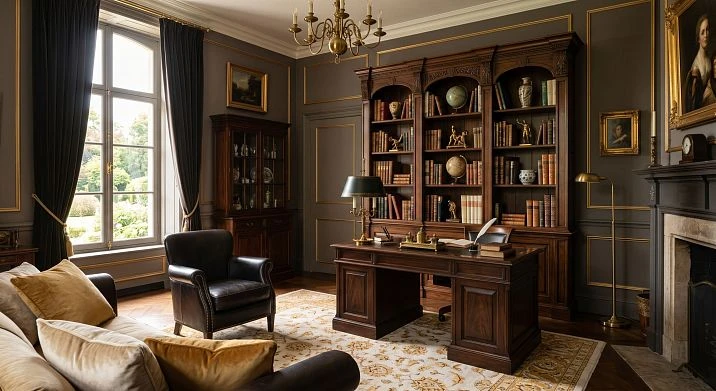
Dark furniture is not about gloom. It's about depth. About how a wardrobe made of smoked oak in the living room becomes not just a storage item, but an architectural anchor of the entire space. About how a bed made of dark walnut in the bedroom sets the tone — calm, substantial, mature.
But dark classic furniture can also be intimidating. People who want such an interior are often stopped by one question: "What if it becomes cramped and gloomy?" And this question is fair — because dark furniture truly requires a thoughtful approach. It does not forgive chaos. It does not tolerate random decisions. But where everything is well thought out — it works with astonishing power.
In this article — everything about how to choose dark classic furniture, what to combine it with, how to avoid mistakes, and how to create an interior where dark wood looks like an asset, not a burden.
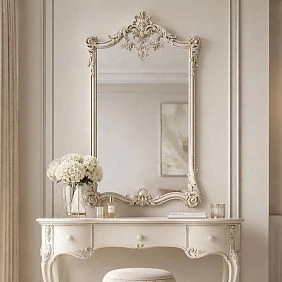
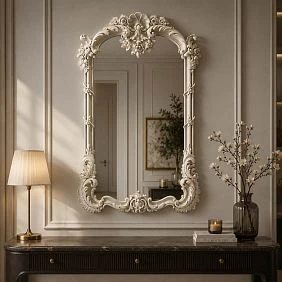
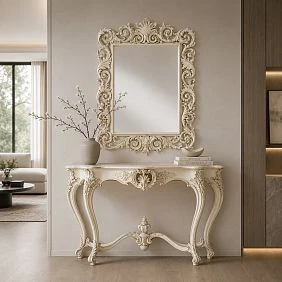
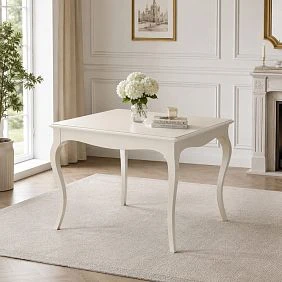
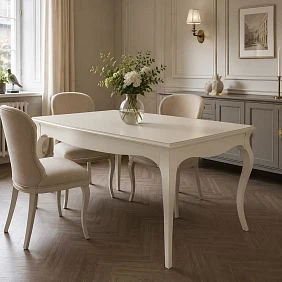
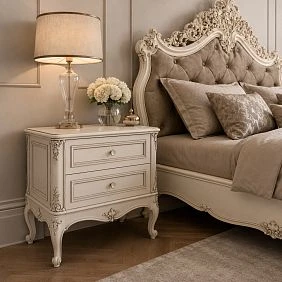
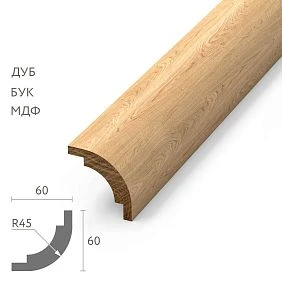
When dark classic furniture looks expensive and when it overloads the interior


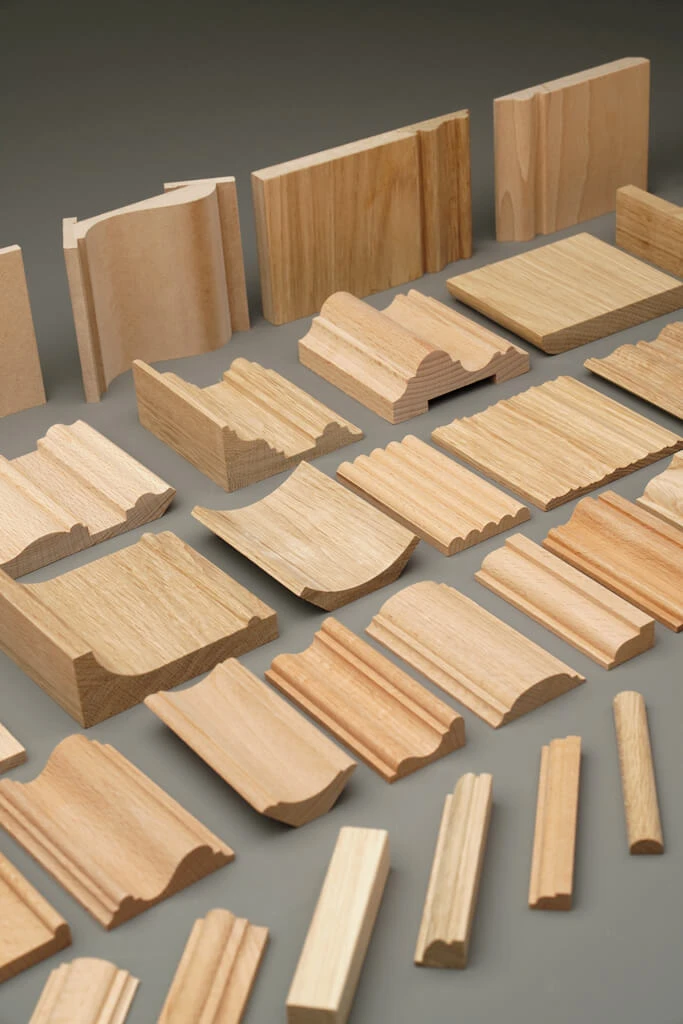
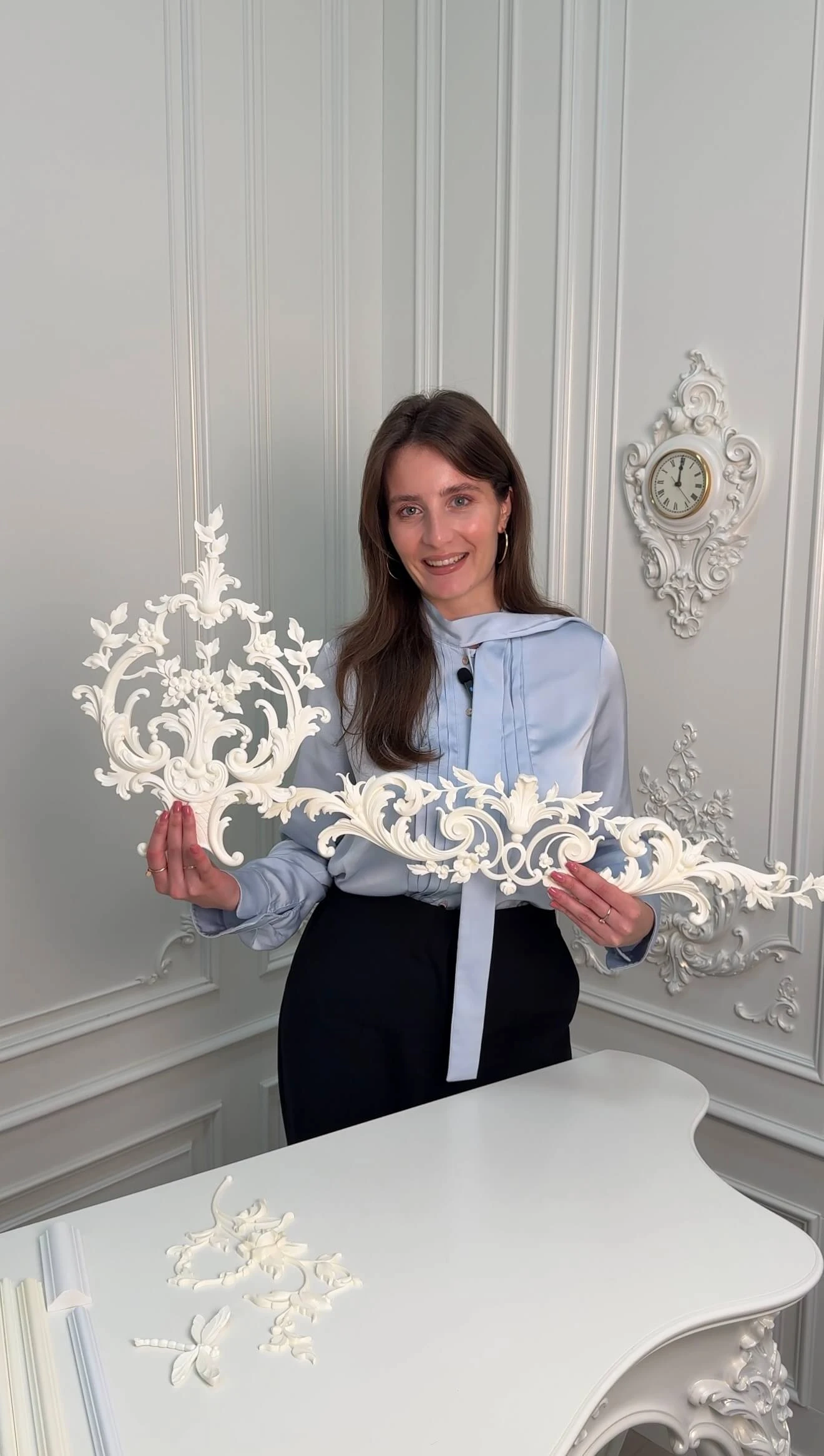
The main question is not color, but balance
Dark Classic interior style furniture — is, first of all, a matter of proportions. Between dark and light, between mass and air, between saturation and the breath of space.
Dark furniture looks expensive and appropriate when:
-
The walls are light. Milky, pearlescent, warm beige, soft gray — these tones create a contrasting background against which dark wood reads clearly and expressively.
-
The room has enough natural light. Windows facing south or west, light curtains, light flooring — all of this ensures balance. Dark furniture 'drinks' light, and that light needs to come from somewhere.
-
There isn't too much furniture. Two pieces of dark furniture in a light room are an accent. Eight pieces of dark furniture in the same room are a burden.
-
There are "airy" zones. Empty light piers, open shelves with light decor, a light ceiling — all this dilutes the density of the dark.
Dark furniture overloads the interior when:
-
The walls are dark or neutral without contrast.
-
The room is small with a low ceiling.
-
There is a lot of furniture, and it is all dark, large, with rich carved decor.
-
Hardware, legs, textiles — everything in the same dark tone without switching.
Understanding this difference is the foundation. Everything else is details.
Our factory also produces:
What shades of dark classic furniture are there
Get Consultation
colors of classic furniture of the dark group: from warm to cold
Dark furniture is a broad concept. It hides a whole spectrum of shades, each with its own character and its own "temperature."
Dark walnut. One of the most noble shades in furniture production. A warm, deep brown with a reddish undertone. In natural light — lively, rich, with expressive fiber texture. In a classic interior, dark walnut is synonymous with "aristocracy." It pairs well with beige, golden, and cream walls.
Smoked oak. Oak treated in a special way (with ammonia or special smoking) acquires a deep gray-brown or dark chocolate shade with an ashy undertone. This is one of the most restrained and modern dark shades. Suitable for both classic and modern neoclassical styles.
Wenge. Almost black with a cool brown or purple undertone. A striking but demanding shade — it needs plenty of air and light contrast. In small rooms, wenge easily "collapses" the space.
Chocolate. A warm medium-dark shade of brown. Softer and more "friendly" than walnut — not as contrasting, not as formal. Works well in bedrooms and studies where warmth is needed, not monumentality.
Dark cherry. A warm red-brown tone with a slight reddishness. A popular shade in Italian classic furniture. Lively, rich, and opulent in natural light.
Almost black with tinting. Dark wood with a very dense dark tint — the furniture is perceived as almost black, but with the wood texture preserved. A very expressive solution for studies and formal living rooms.
How shade changes the character of a room
| Shade | Character | Best rooms |
|---|---|---|
| Dark walnut | Warm, noble, formal | Living room, study, bedroom |
| Smoked oak | Restrained, modern | Neoclassical, study |
| Wenge | Contrasting, cool | Large living room, study |
| Chocolate | Cozy, soft | Bedroom, dining room |
| Dark cherry | Warm, lively, Italian | Living room, bedroom |
Dark classic living room furniture
Living room — main hall of dark wood
It is the living room that is the space where dark Classic wooden furniture unfolds in full force. High ceilings, sufficient area, formal character — all this allows dark furniture to be what it should be: a significant architectural presence.
Cabinets and display cases: anchor pieces
A dark classic cabinet or display case in the living room is not just storage. It is the "wall" of the piece. It holds one of the corners or the central wall, setting the scale for the entire room.
Key principles:
Height to the ceiling. A cabinet reaching the ceiling is perceived as an architectural element, not as random furniture. A dark floor-to-ceiling cabinet on a light wall is a monumental but not heavy technique.
Glass display doors. Glass "lightens" the dark body. Through the glass door, the interior is visible, the light background of the display's back wall — and the cabinet ceases to be a dark "monolith."
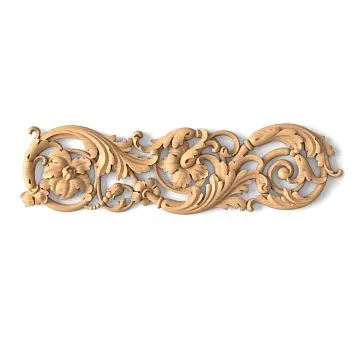
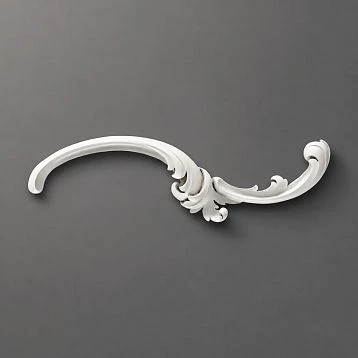
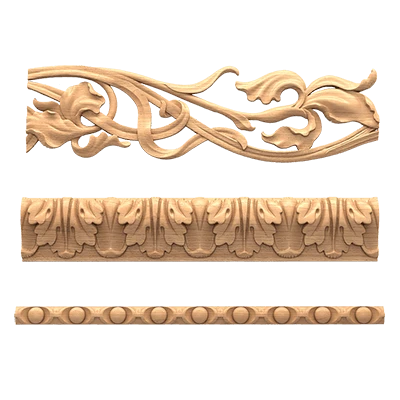
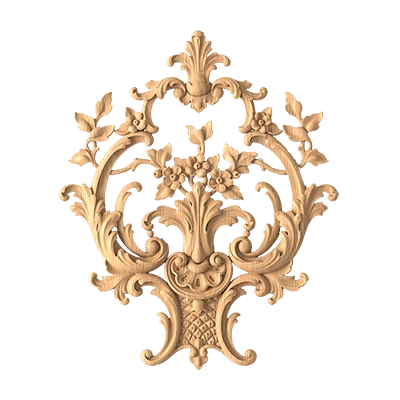
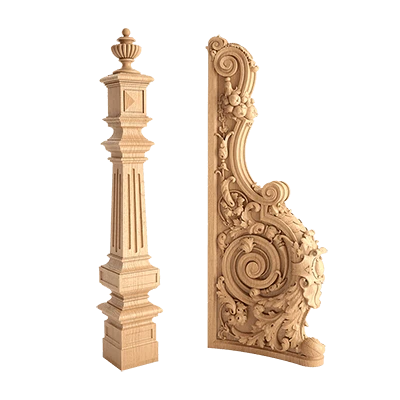
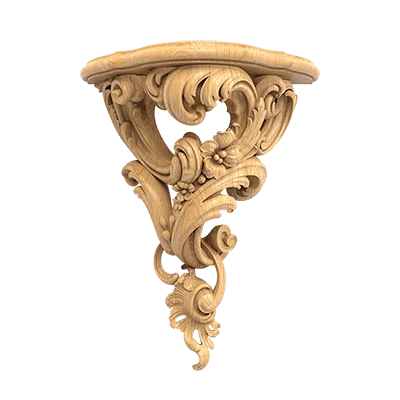
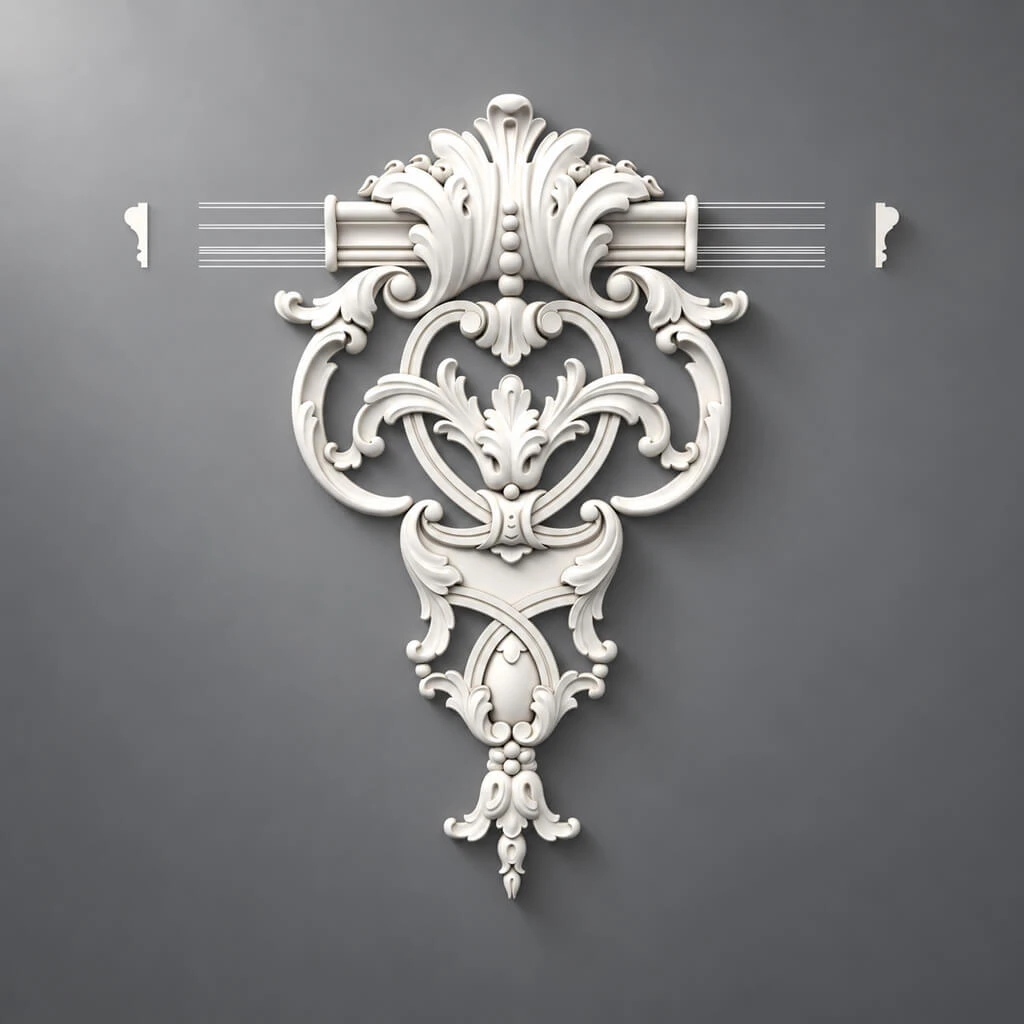
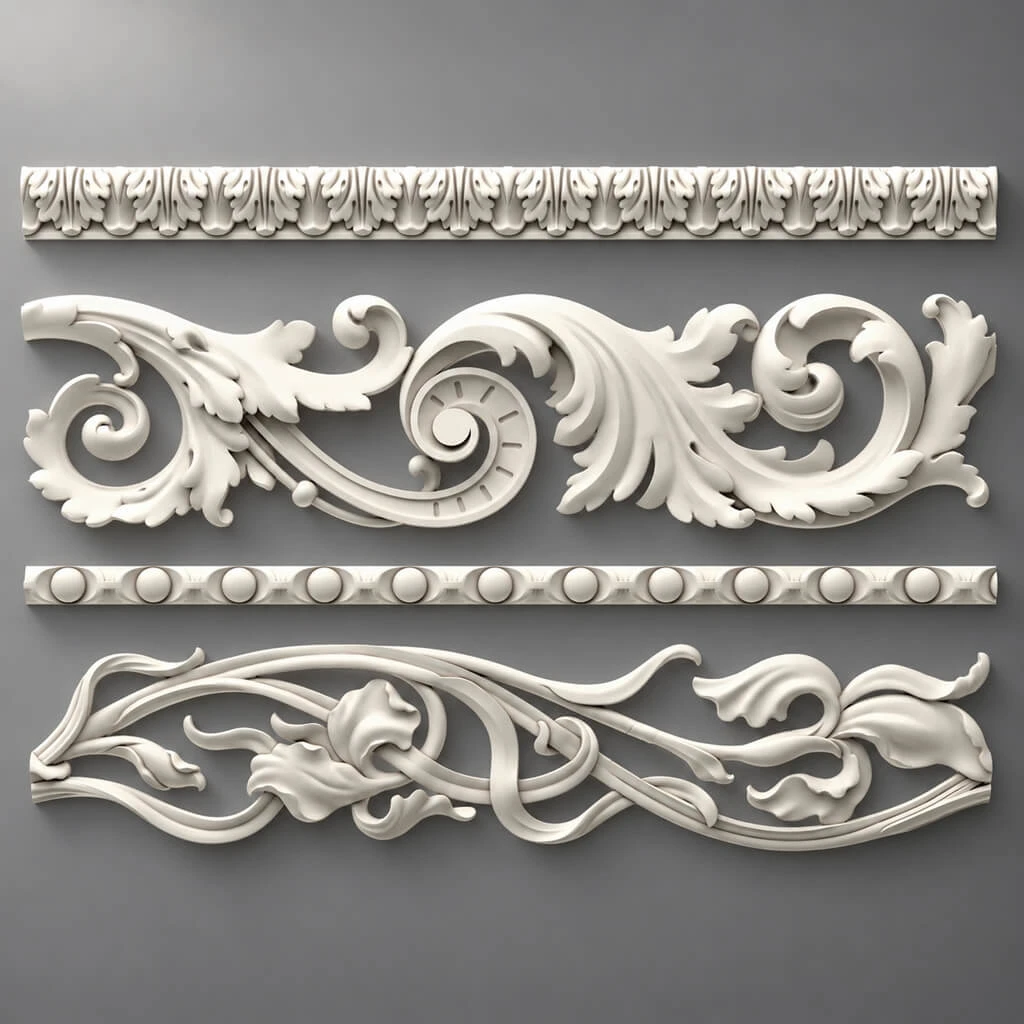
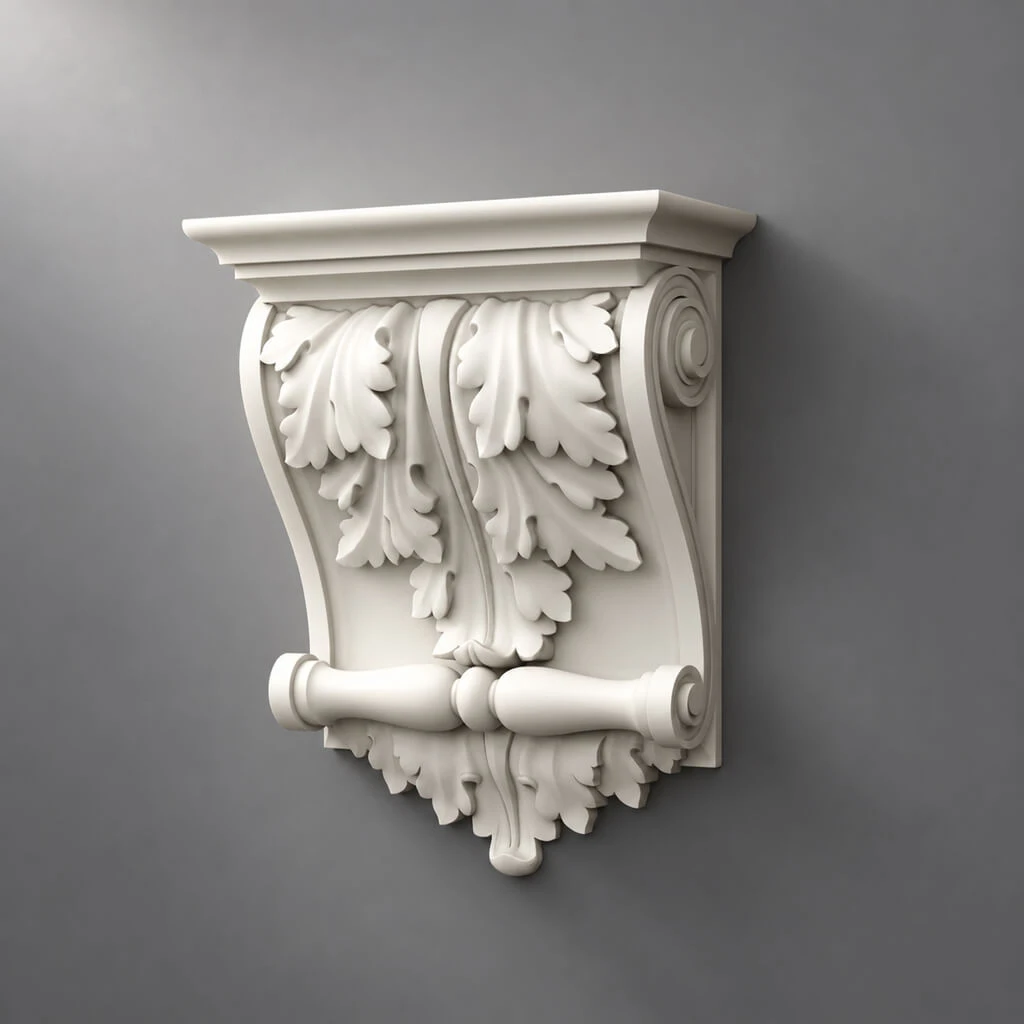
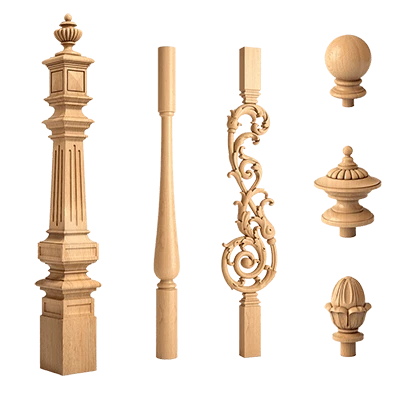
Dark furniture decor. decorative elements for furniture — carved overlays, corner decorations, frieze along the top — preserve the body color and fit into it organically. Solid wood overlays with a unified tint — and the cabinet becomes a piece of furniture art.
Consoles, chests of drawers, and TV stands
Dark low items in the living room — a console against the wall, a dresser under the mirror, a TV stand — ground the interior but do not weigh it down if the wall above them is light and airy.
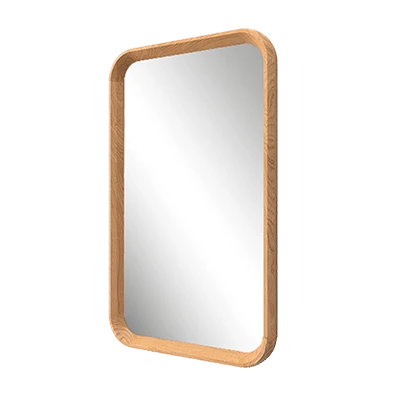
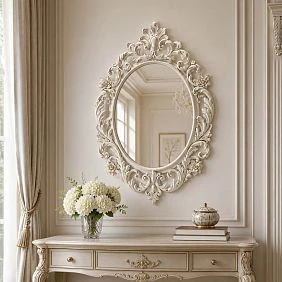
Above the dark console — a mirror in a wooden frame of the same tone: this creates a vertical axis that stretches the space upward. Above the dark TV stand — a light wall without heavy decor: air above low furniture is a must.
Combination with wooden wall decor
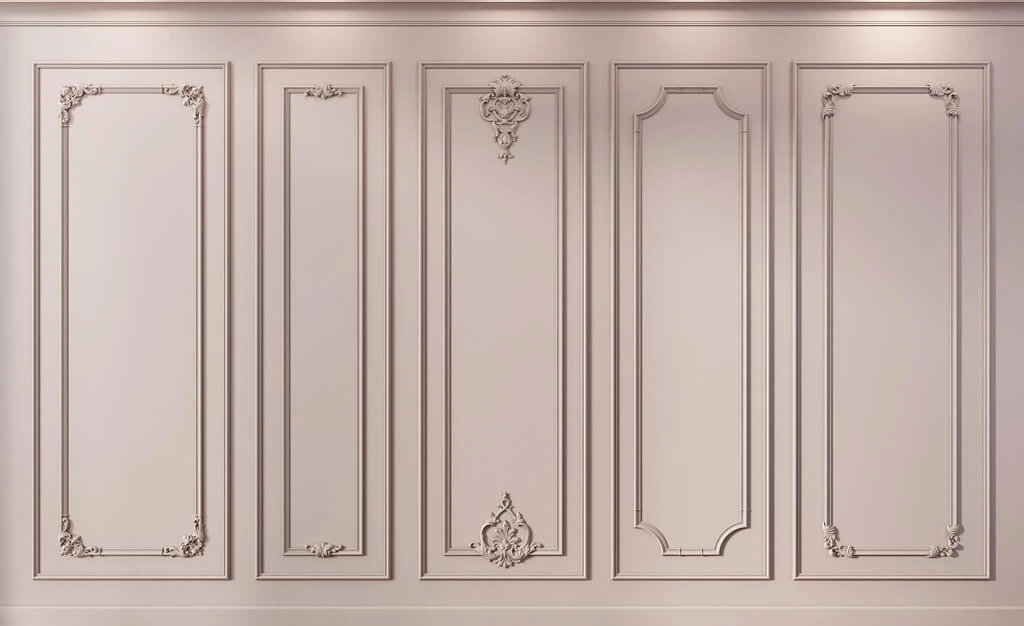
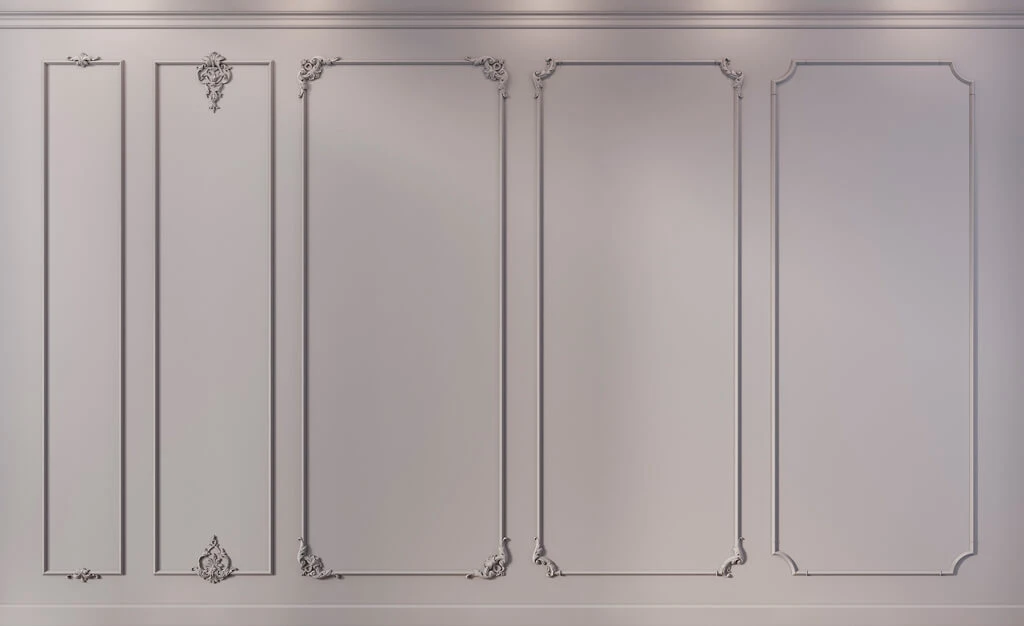
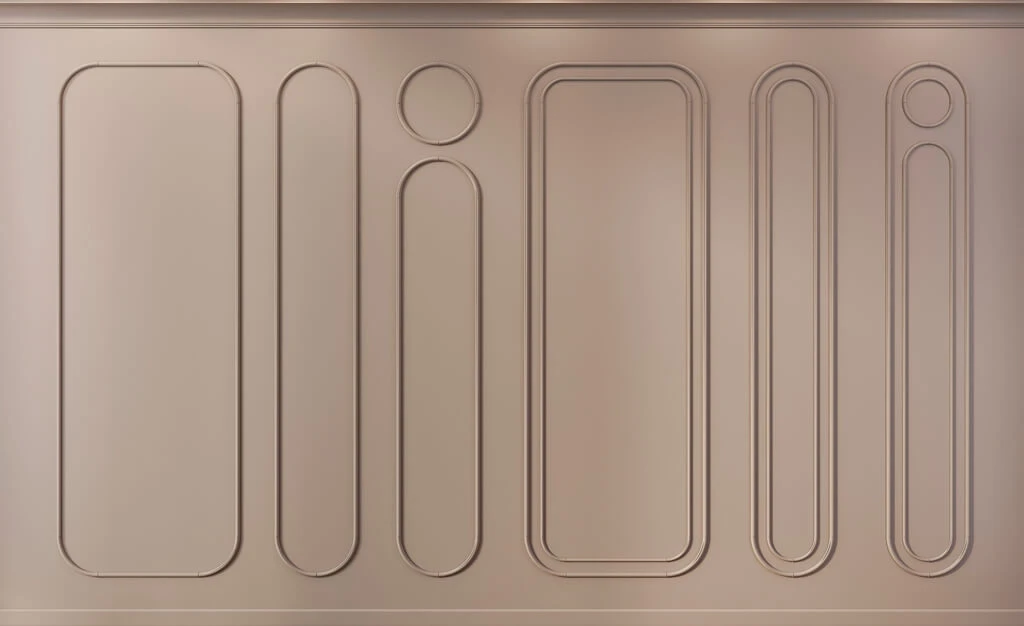
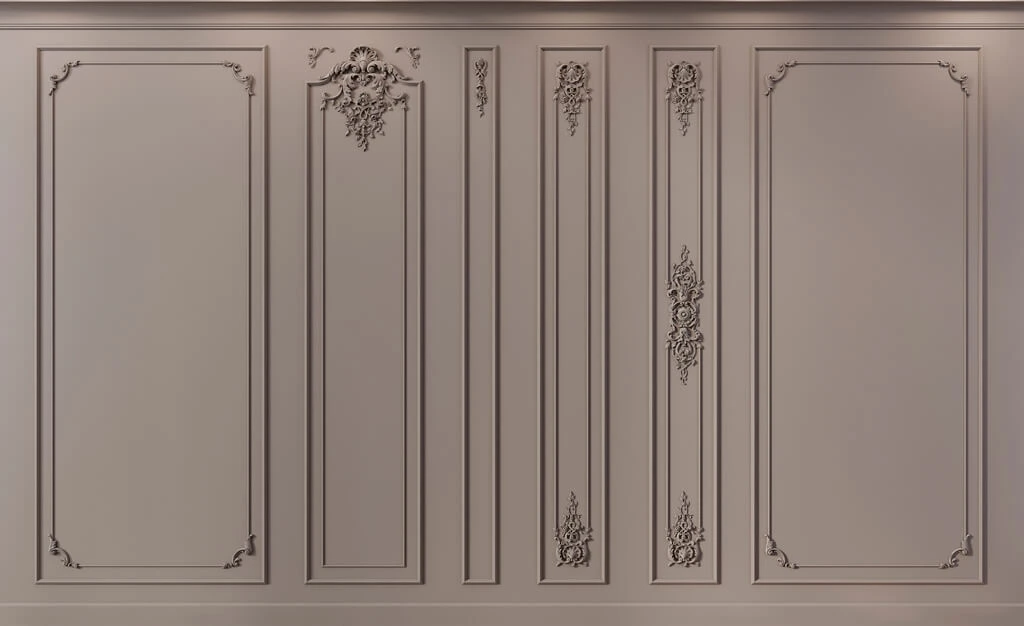
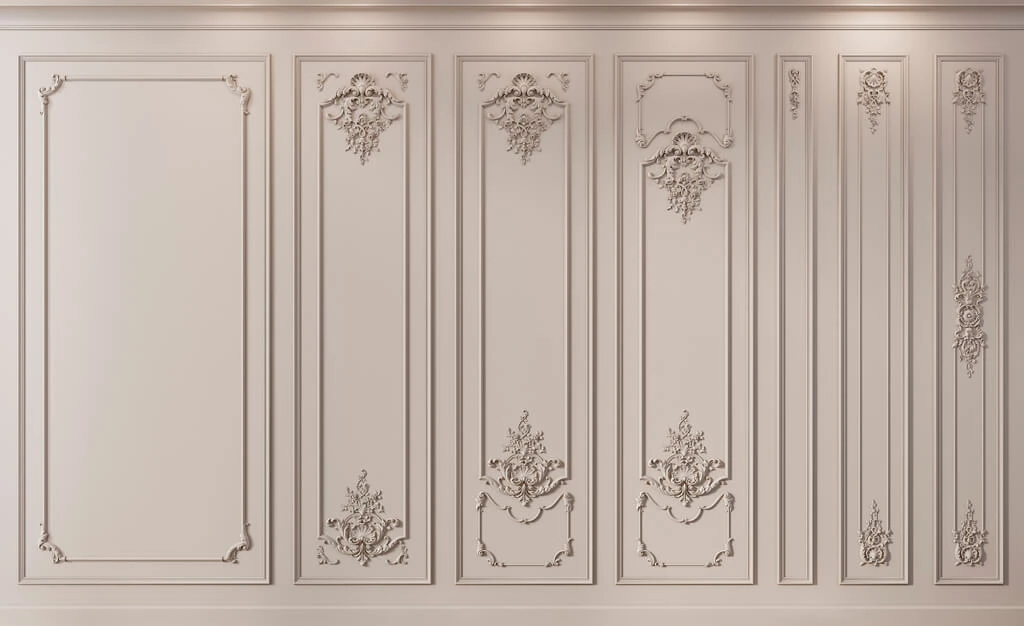
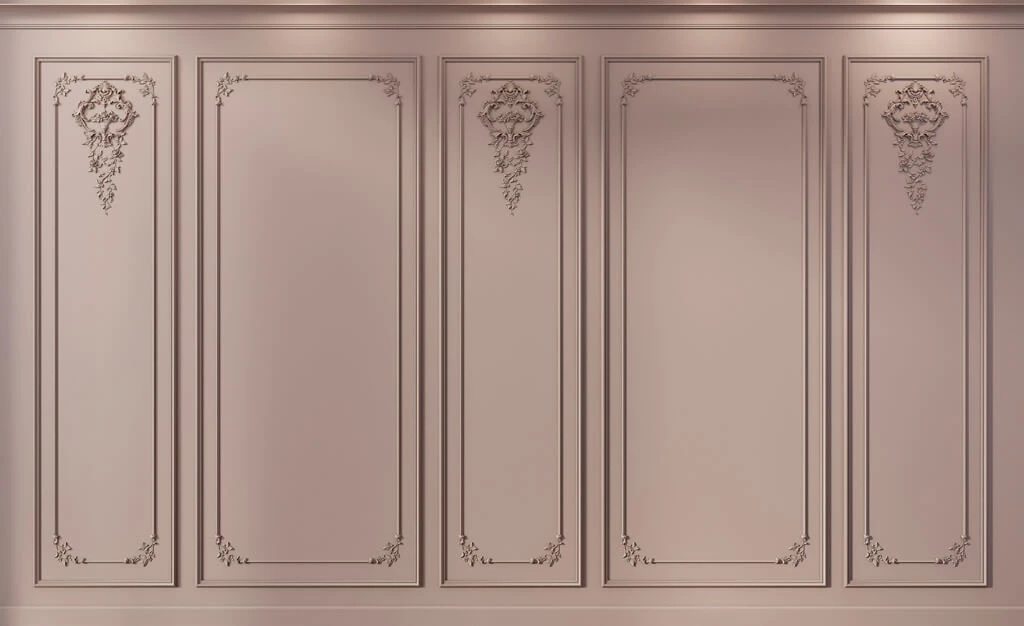
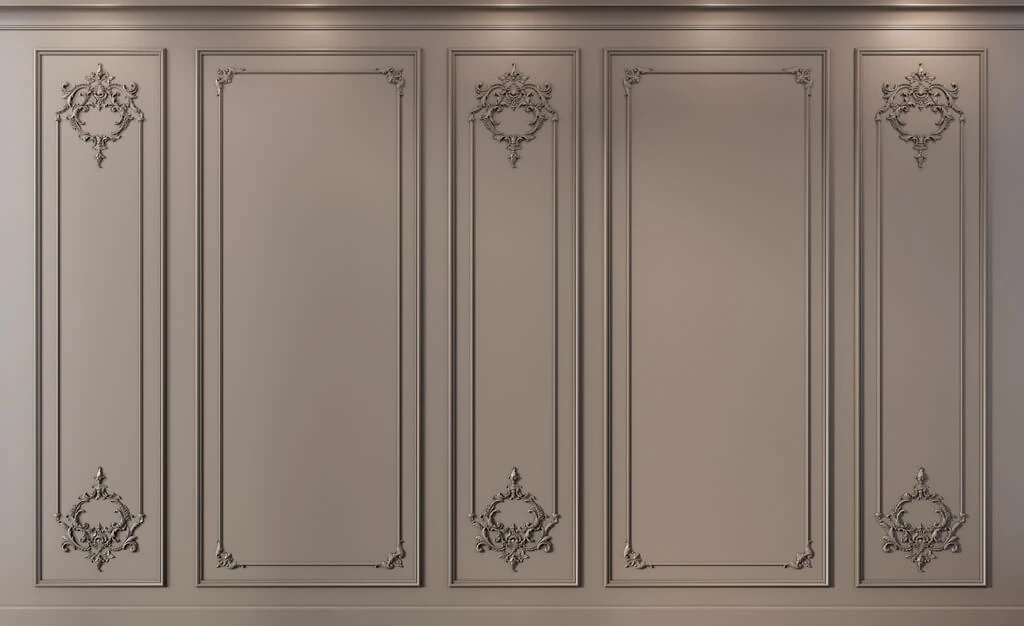
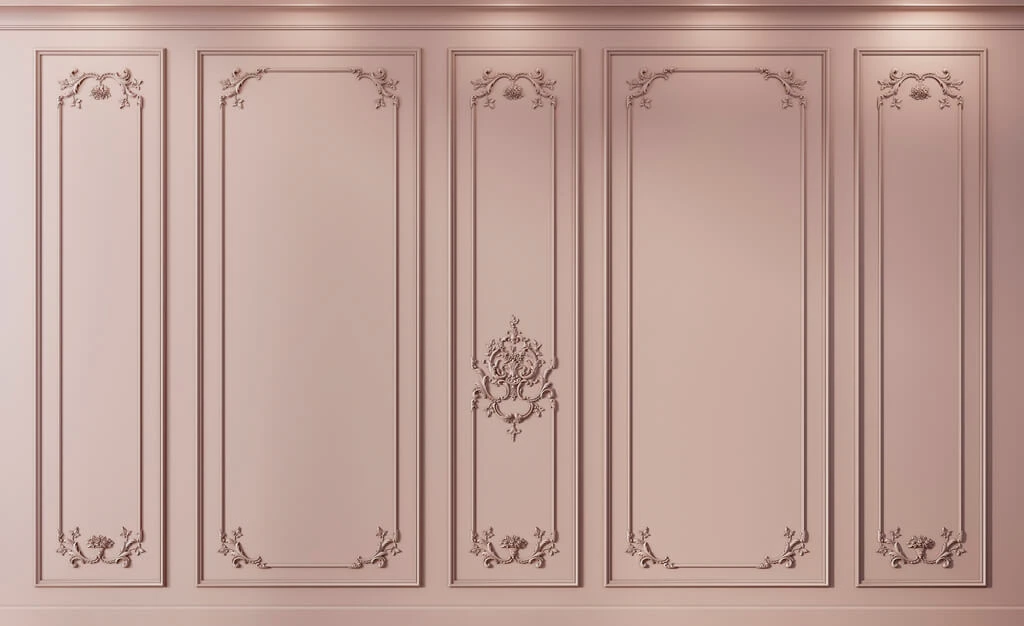
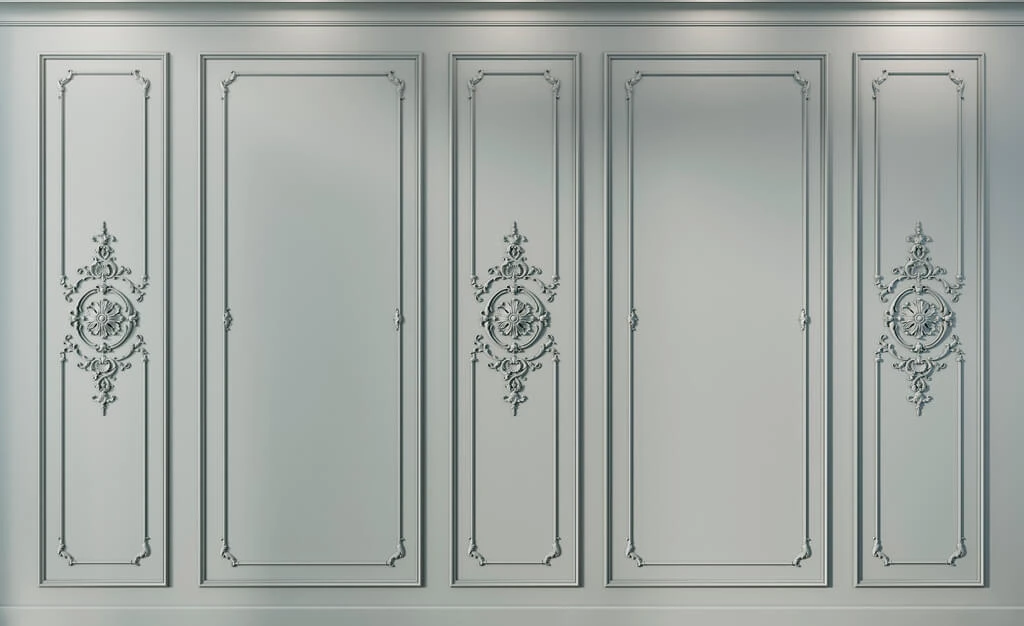
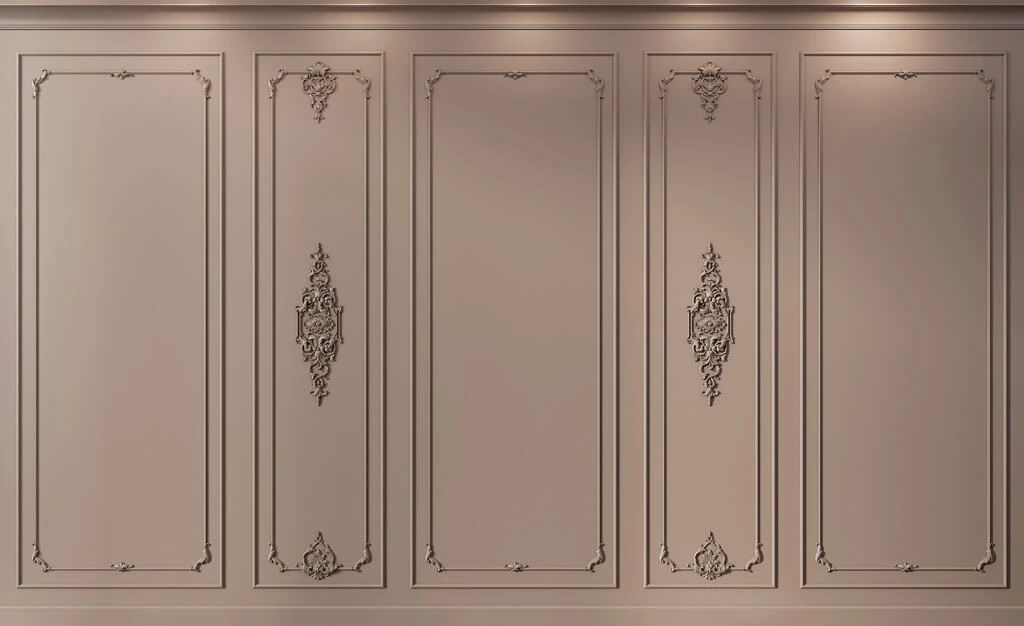
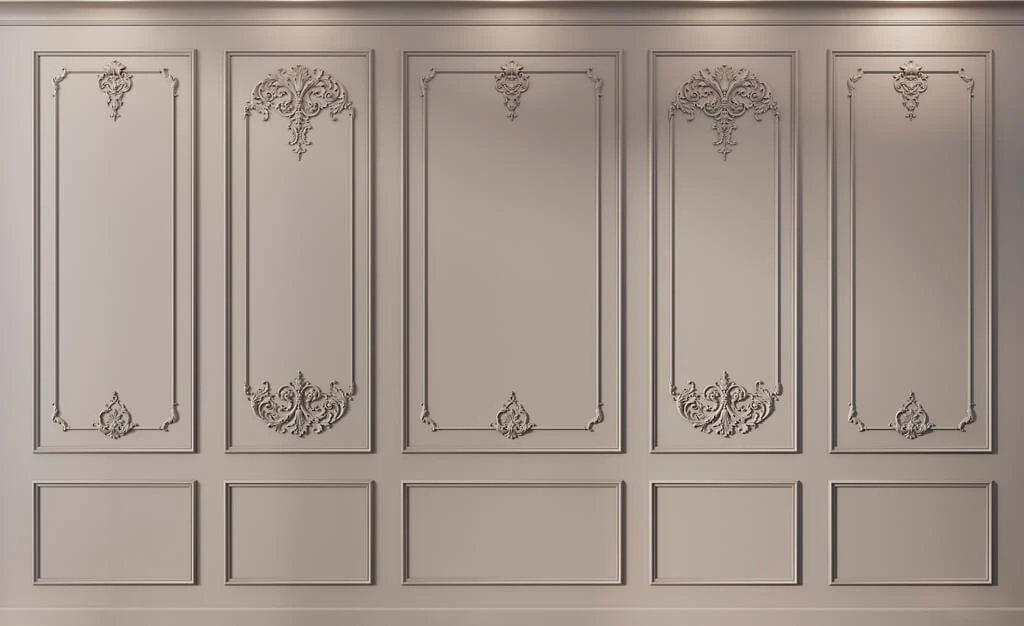
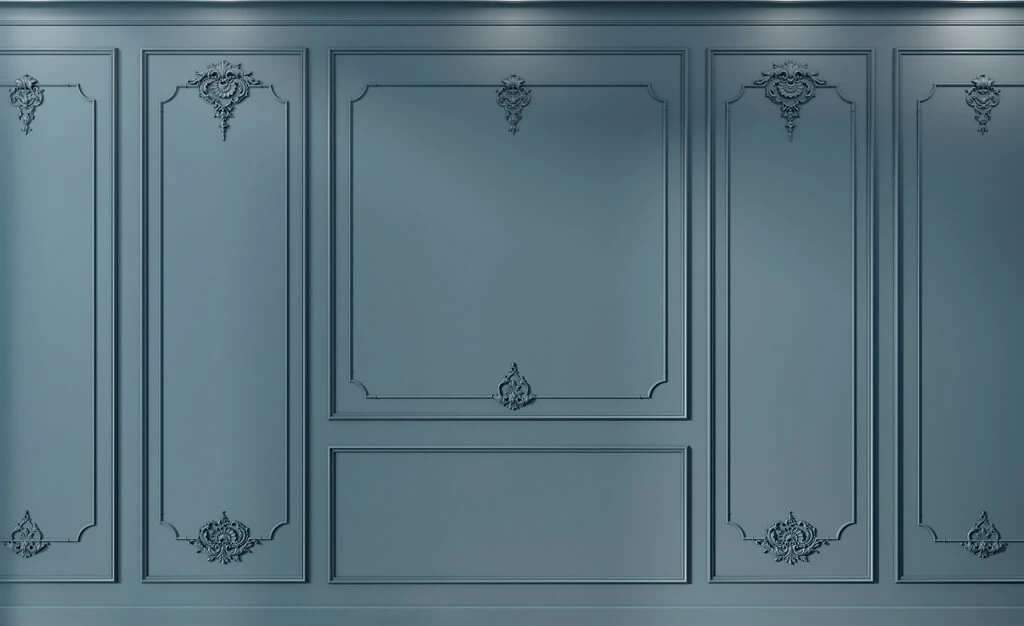
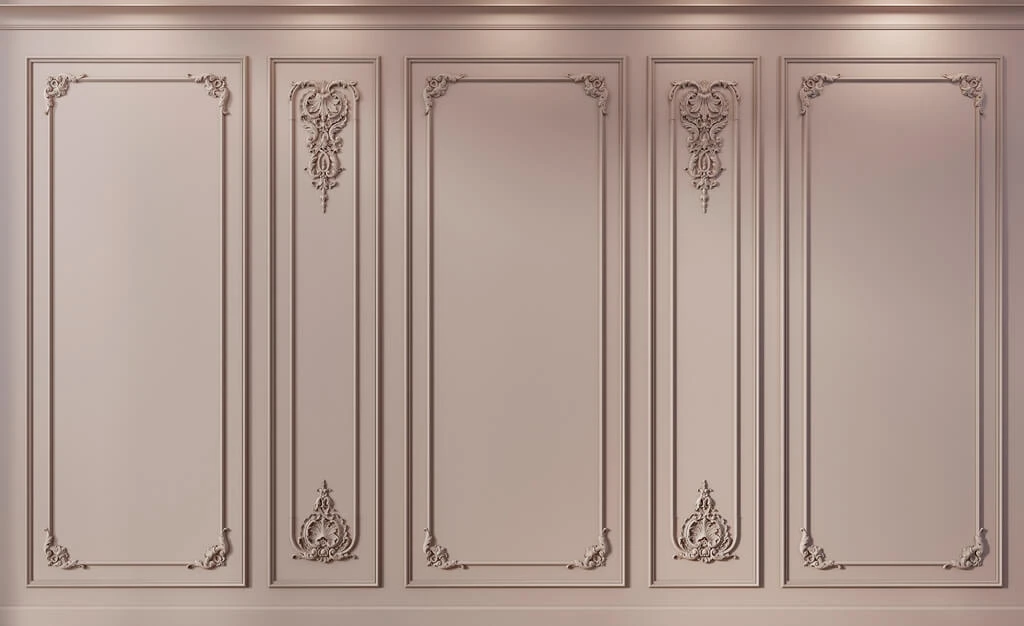
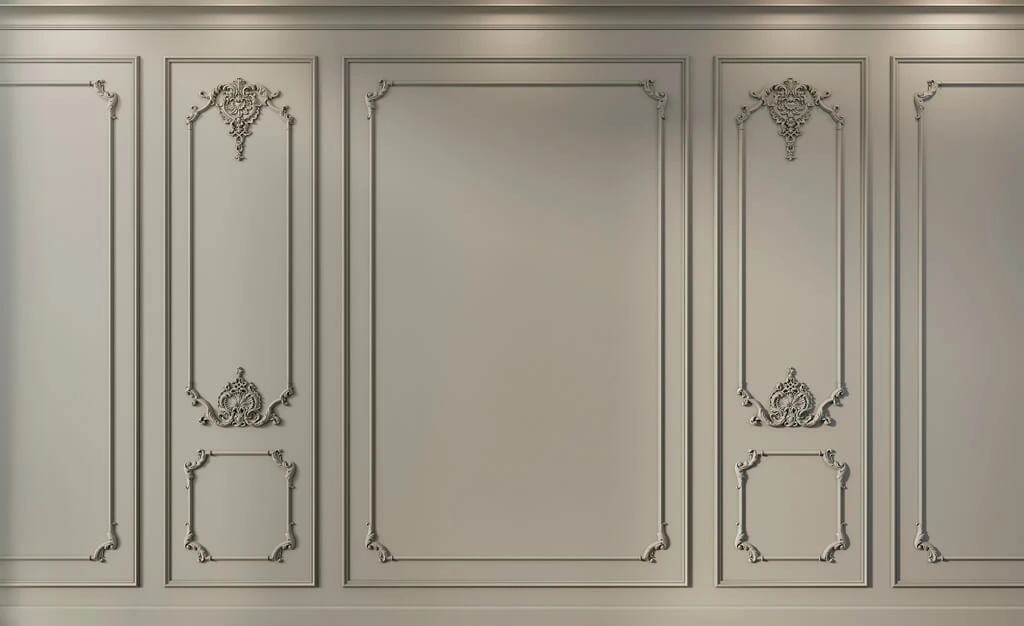
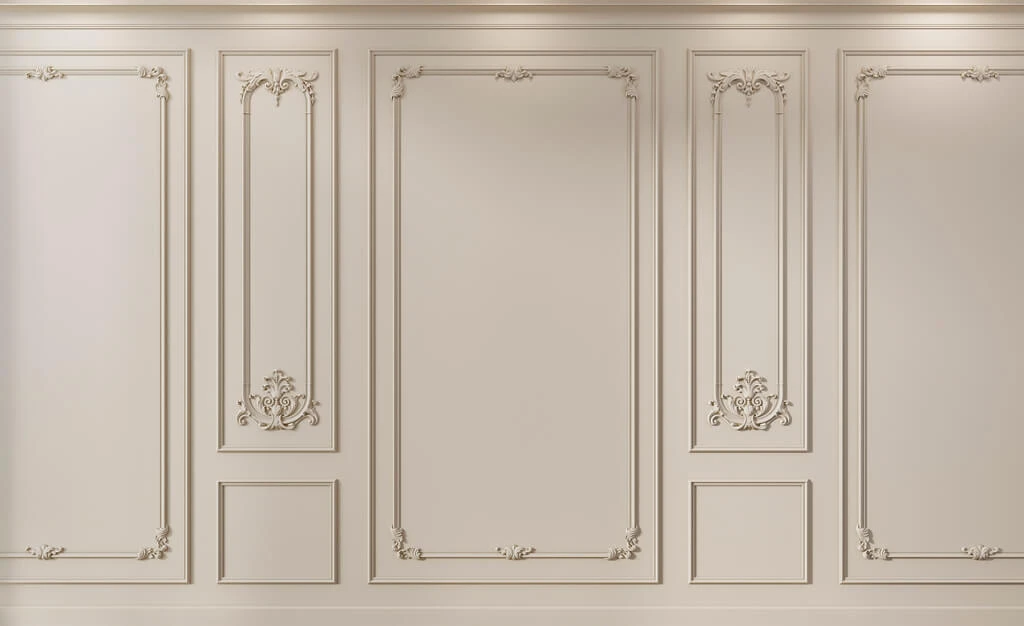
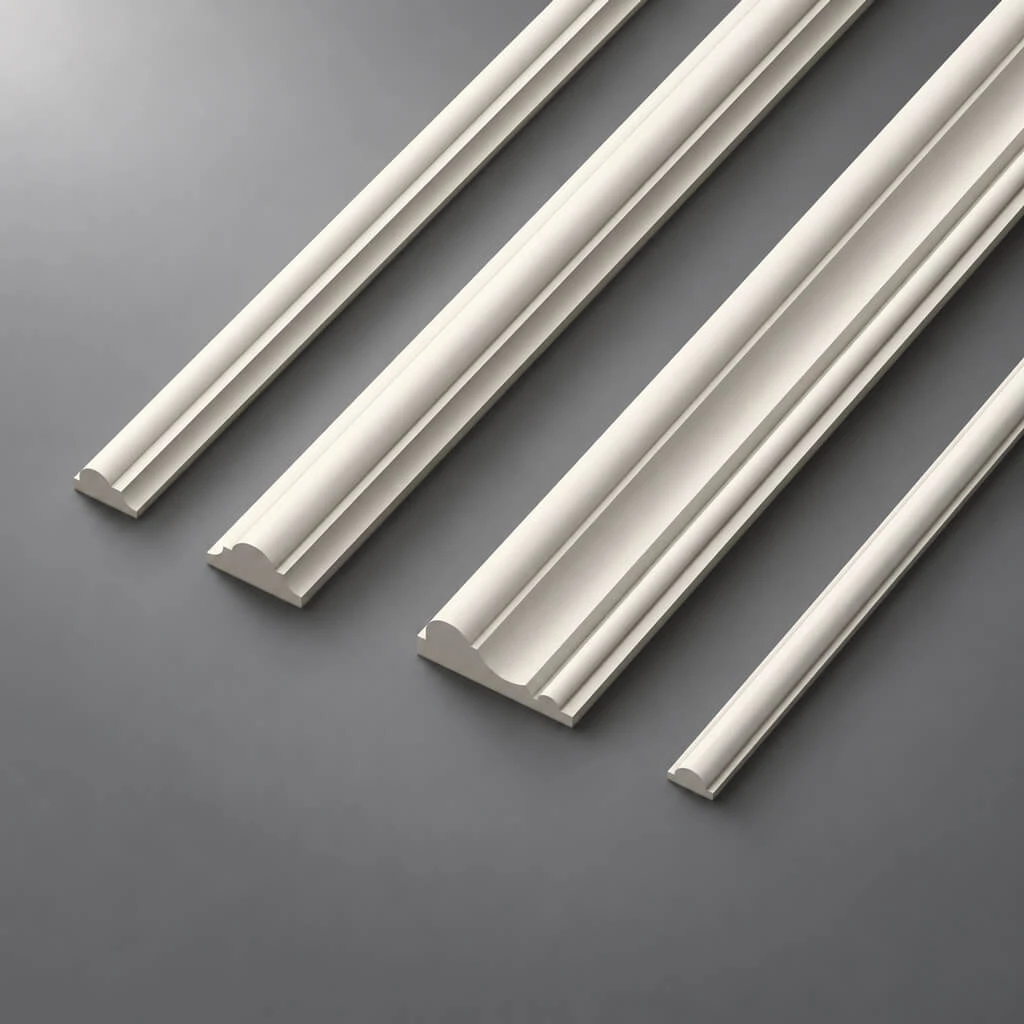
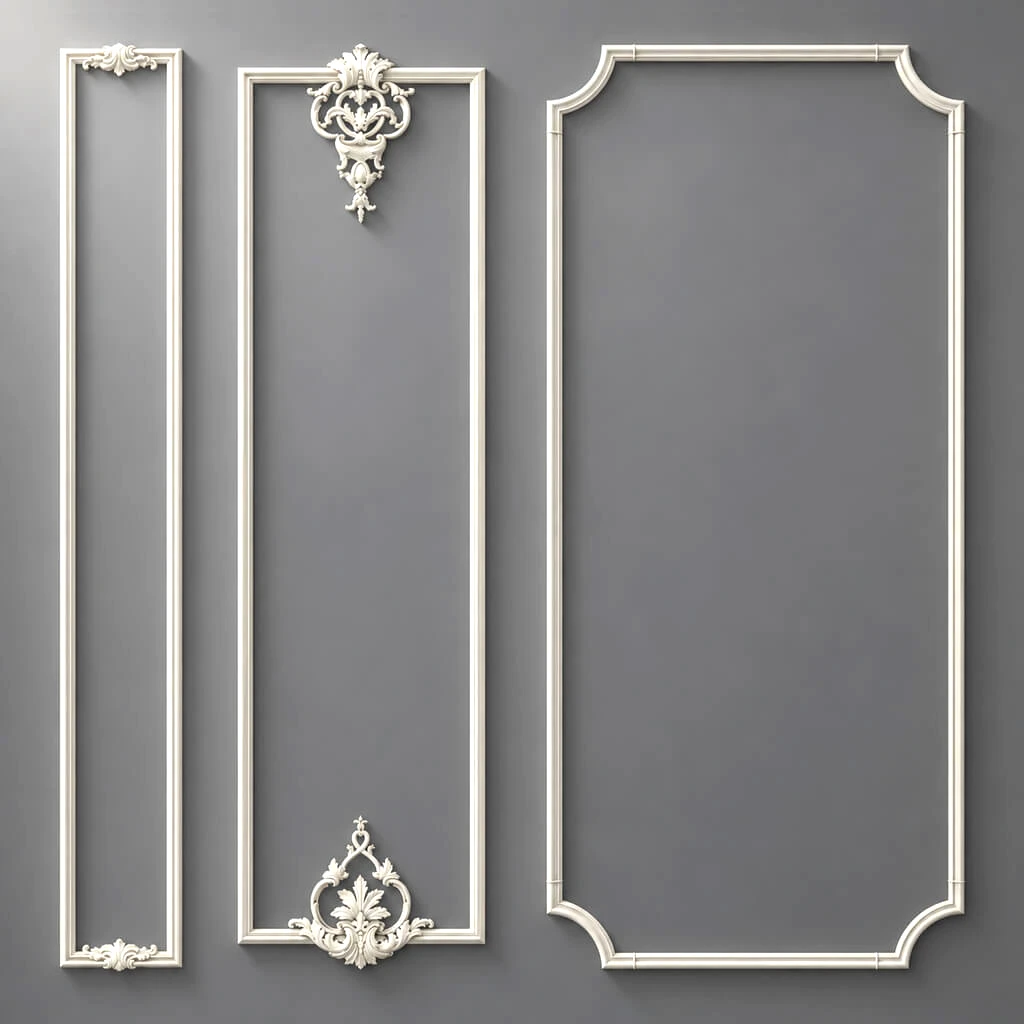
If the living room has dark classic furniture — the walls can have a light Wooden decoration in the same tone: moldings, overlays, baguette. A unified tone of furniture and wall decor creates a cohesive architectural image.
Dark classic furniture for the bedroom
Bedroom with dark wood: coziness or heaviness?
Dark furniture in the bedroom is one of the most discussed topics in interior design. Some believe it is overload. Others think that a dark bed and nightstands create a feeling of a "nest," security, depth.
The truth, as always, is in the details.
Dark wood bed: the bedroom's focal point
A dark classic bed with a tall profiled headboard is the focal point of the bedroom. Everything else is subordinate to it. Bed linen must be light, preferably milky, cream, or white. A dark headboard against light textiles is one of the most elegant contrasts in the bedroom.
The wall behind the bed: a light tone. Or — slightly more saturated than the other walls, but not dark. A dark bed against a dark wall is no longer classic; it's a specific artistic solution.
Dresser, nightstands, wardrobe
In the bedroom, the rule is "not all items at once." If the bed is dark, the nightstands can be the same tone (unity) or slightly lighter (air). A sliding wardrobe in a bedroom with a dark bed: it's better to choose a wardrobe in a neutral tone — white, cream, light gray. Otherwise, the room will start to "shrink."
A dark dresser in a light bedroom is an excellent solution. One accent piece of dark wood against light walls and white bed linen looks like a designer detail, not a mistake.
Textiles and lighting as a counterbalance to dark furniture
Dark furniture in the bedroom needs soft artificial lighting — bedside sconces, table lamps with warm light, niche lighting. Cold ceiling light over dark furniture is uncomfortable. Warm side light is atmosphere.
Dark classic furniture for the study
The study is the natural environment for dark wood
If the living room is the grand hall of dark classic furniture, then the study is its original territory. It is in the study or library that dark wood feels most organic: rigor, concentration, dignity.
English and French libraries of the 19th century, Italian cabinets of the Renaissance, Russian noble 'reading rooms' — everywhere dark wood. This is not fashion. This is cultural memory.
Writing desk: the central piece
A dark wood writing desk sets the tone for the entire study. A dark desk with profiled legs and carved decor is a piece that makes you want to work seriously. Without distractions, without haste.
Buy furniture legs for a 200-room hotel project — this is not an ordinary deal, but a partnership requiring a special approach. matching the desk's body tone is a fundamentally important detail. Thin turned legs of dark beech under dark lacquer or legs with carved decor — and the desk acquires 'legs' that match its character.
Shelves and cabinets: the library as a wall
A bookcase in the study: shelves or closed sections with doors, covered with dark stain. Books on dark shelves — warm, lively cover colors — provide the necessary contrast. A book wall of dark wood with light margins of book blocks is a very expressive spatial picture.
For the study, it is especially organic Classic Furniture from collections with moderate decor: not too rich carving (it tires during long work), but not too laconic either — without character.
Accessories and decor of the study
The dark furniture of the study requires coordinated accessories. Leather folders, desk lamps with bronze elements, wooden decorative items in the same tone — create unity.
decor for furniture — Overlay sockets, corner elements, carved details — add character without weighing down. Important: in the study, decor should be moderate. The study is a place for concentration, not display.
Which walls and floors to pair with dark classic furniture
Walls: lighter means better
This is not a strict rule, but a very reliable principle. Dark classic furniture of dark color seeks light contrast.
Milky and cream. The warmest and coziest combination. Dark walnut or chocolate shade of furniture on a cream wall — this is "Italian warmth", richness without coldness.
Warm beige. Close to cream, slightly more saturated. Works well with dark cherry and walnut furniture.
Pearl gray. A neutral tone with a slight coolness. Excellent with furniture in the shade of stained oak or wenge — creates a "European" or "Northern" classic look.
Light green, sage, dusty blue. Natural complex shades work great with dark furniture — create an "English" or "Scandinavian" classic interior. These are not "just walls", this is character.
White. Pure, cold white with dark furniture — maximum contrast. Effective, but requires caution: it can become too "monochrome" without warm accents in textiles and decor.
What to avoid
-
Medium gray — "absorbs" dark furniture, providing neither contrast nor warmth.
-
Dark blue or dark green — a complex technique that only works with professional selection.
-
Any dark walls + dark furniture — only for very large, very well-lit spaces with a well-thought-out artistic concept.
Floor: friend or foe of dark furniture
The floor is the second most important background after the walls. And there are nuances here.
Light parquet (oak, ash in light tint). An excellent background for dark furniture. A light floor visually "suspends" dark objects without blending them with the surface.
Dark parquet (walnut, merbau, wenge). If the floor is dark — furniture of the same tone "loses its legs," blending with the floor. Solution: choose furniture on light or gilded legs, or place a light rug under dark furniture — creating an intermediate light layer.
Tile or stone. Beige, cream, or gray — a neutral background for any furniture, including dark.
Light laminate. Functionally works like light parquet — creates good contrast.
Baseboard: a detail that is often forgotten
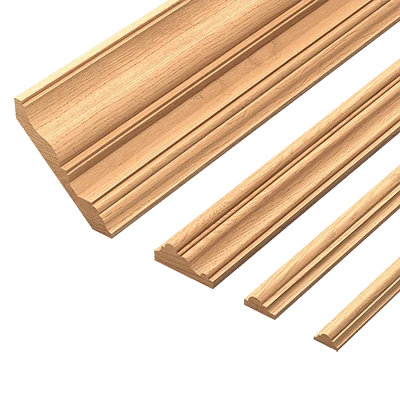
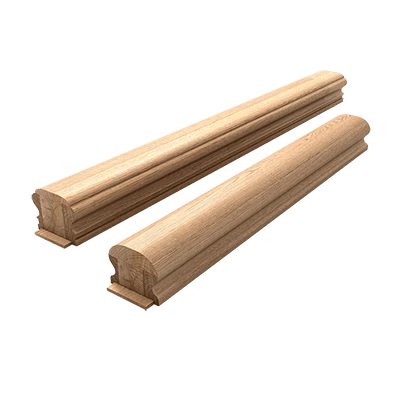
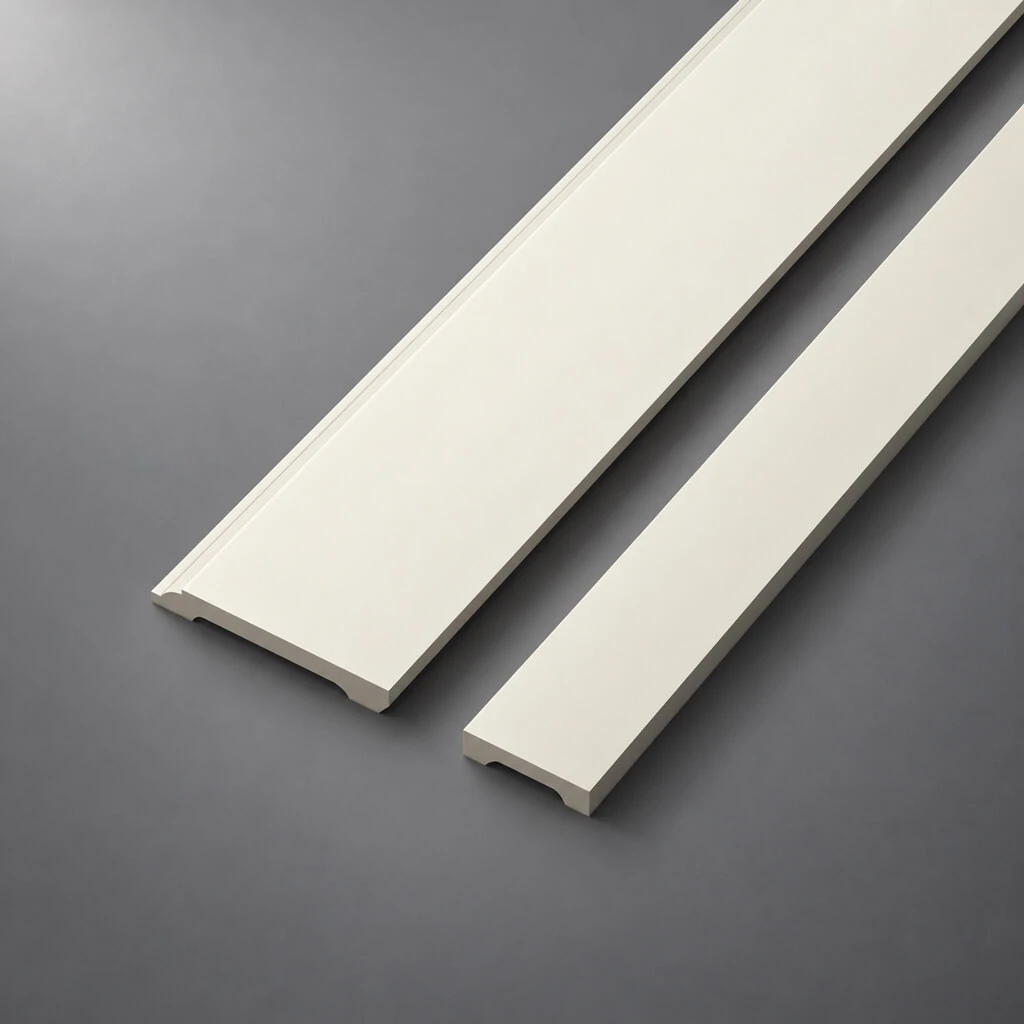
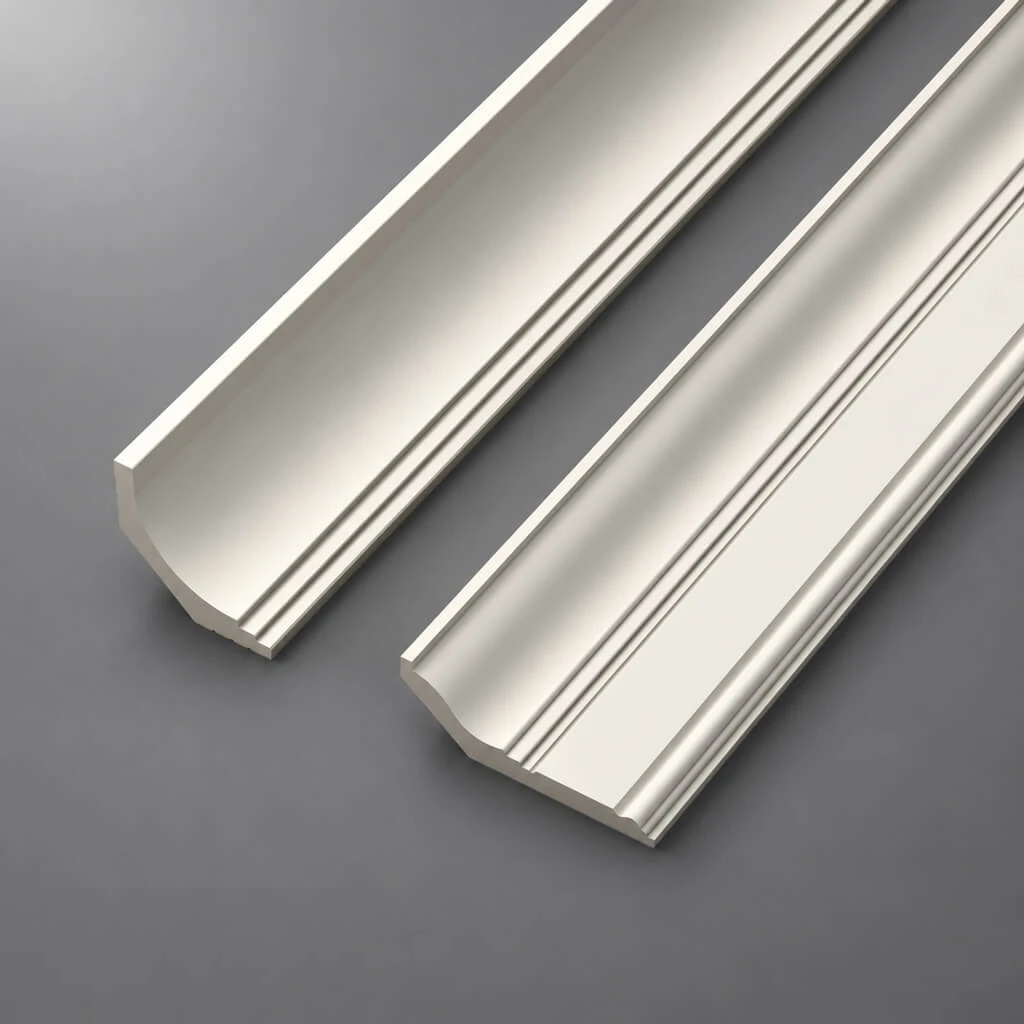
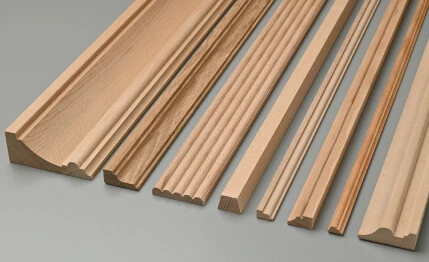
Wooden baseboard in a classic interior with dark furniture — a detail that cannot be missed. A dark baseboard on a light wall creates a "ribbon" near the floor, connecting the furniture and flooring into a single horizontal line. It is neat, architecturally correct, and very professional.
Handles, legs, and decor for dark classic furniture
Hardware — the final touch
Dark furniture with poorly chosen hardware is like a perfect suit with cheap buttons. Details make all the difference.
Furniture handles for dark classic style
Bronze and matte gold. A classic and foolproof combination with dark wood. The warm metallic tone on a dark surface creates contrast that feels "expensive" on an instinctual level.
Black metal (matte). For more modern classic and neoclassical styles. Strict, modern, very restrained.
Wooden handles. wooden hook handle in the same tone as the body — for maximum monochrome elegance. A handle in a lighter tone — for a soft contrast.
wooden button handle on the fronts of a chest or cabinet — a laconic choice for modern classics where excess hardware is not needed.
Chrome and nickel. Cold metals do not suit dark classic wood — a conflict of 'temperatures'.
Wooden legs: the support of character
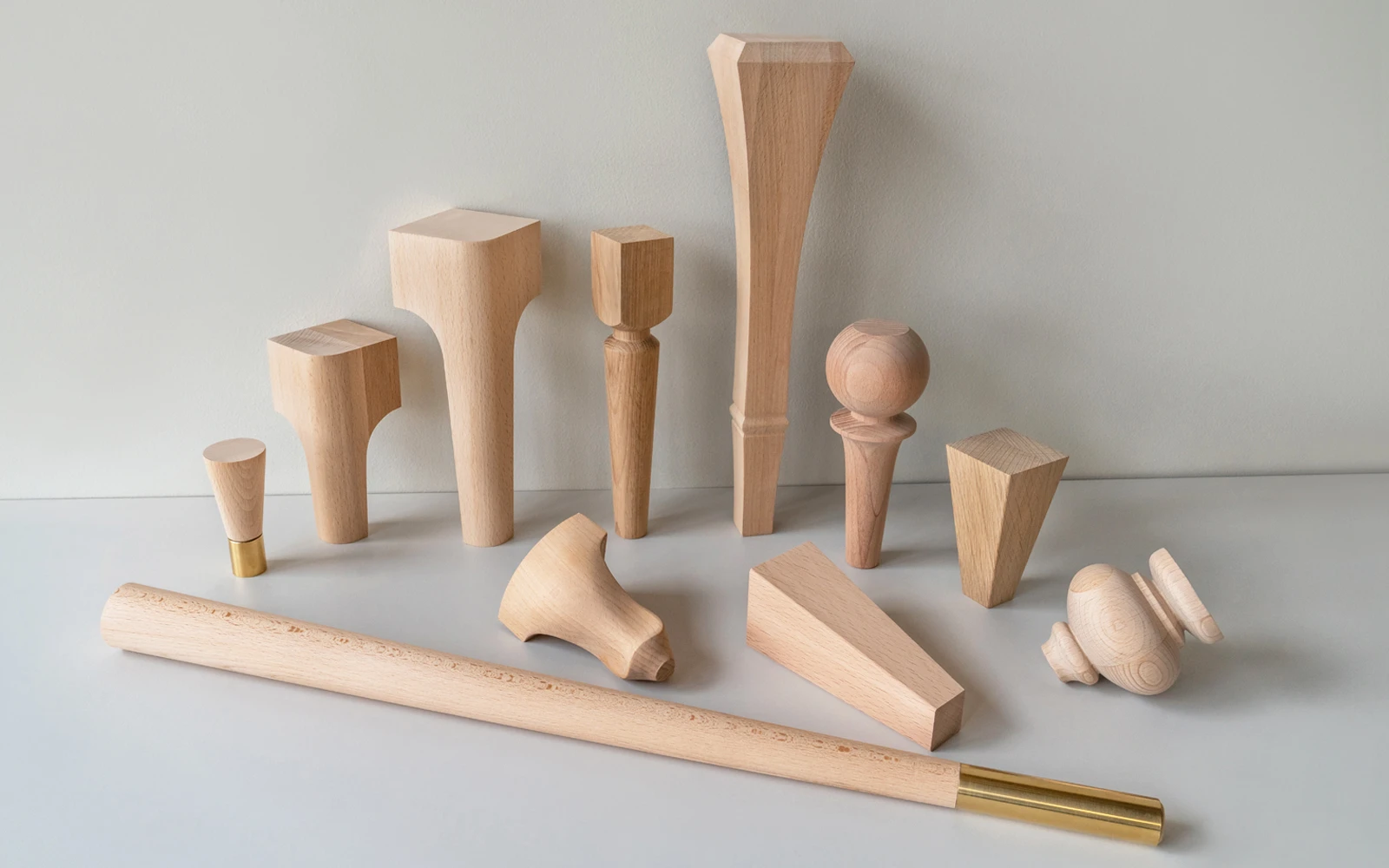
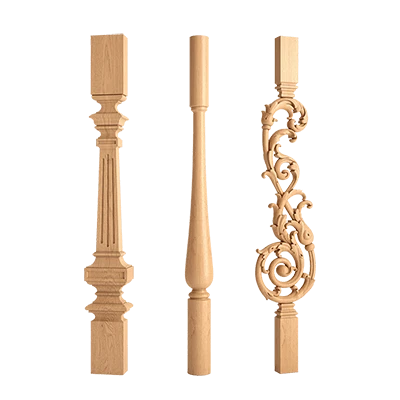
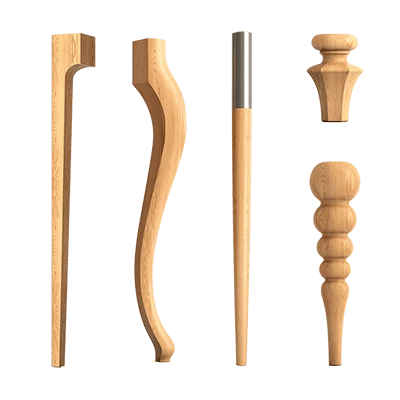
Wooden legs — part of the image of classic furniture that is always visible. The leg lifts the body above the floor, creating 'breathing' between the item and the surface.
For dark classic furniture:
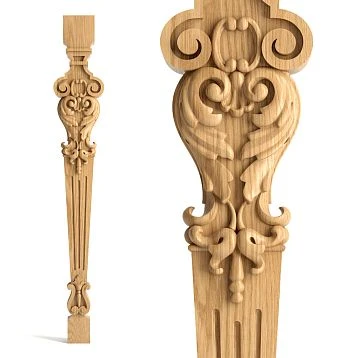
Turned legs with a relief profile — a classic choice. Suitable for chests, cabinets, consoles, writing desks. Tinting — to match the body or slightly darker.
Legs with carved decor — for more formal and richly decorated items.
Straight tapered legs — for modern classics and neoclassicism. Strict shape, moderate appearance.
Legs made of the same solid wood as the body, tinted in a single color — maximum integrity of the image. Gilded or bronzed legs — for formal items.
Overlay decor on dark furniture
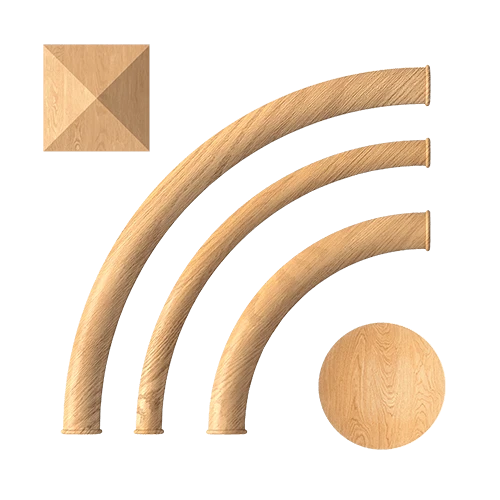
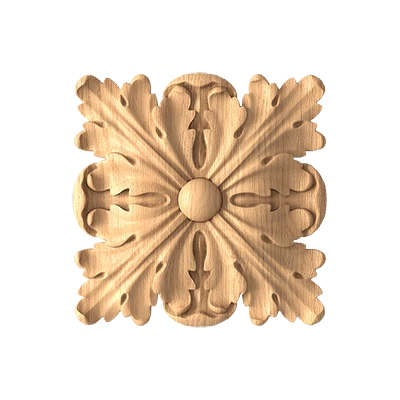
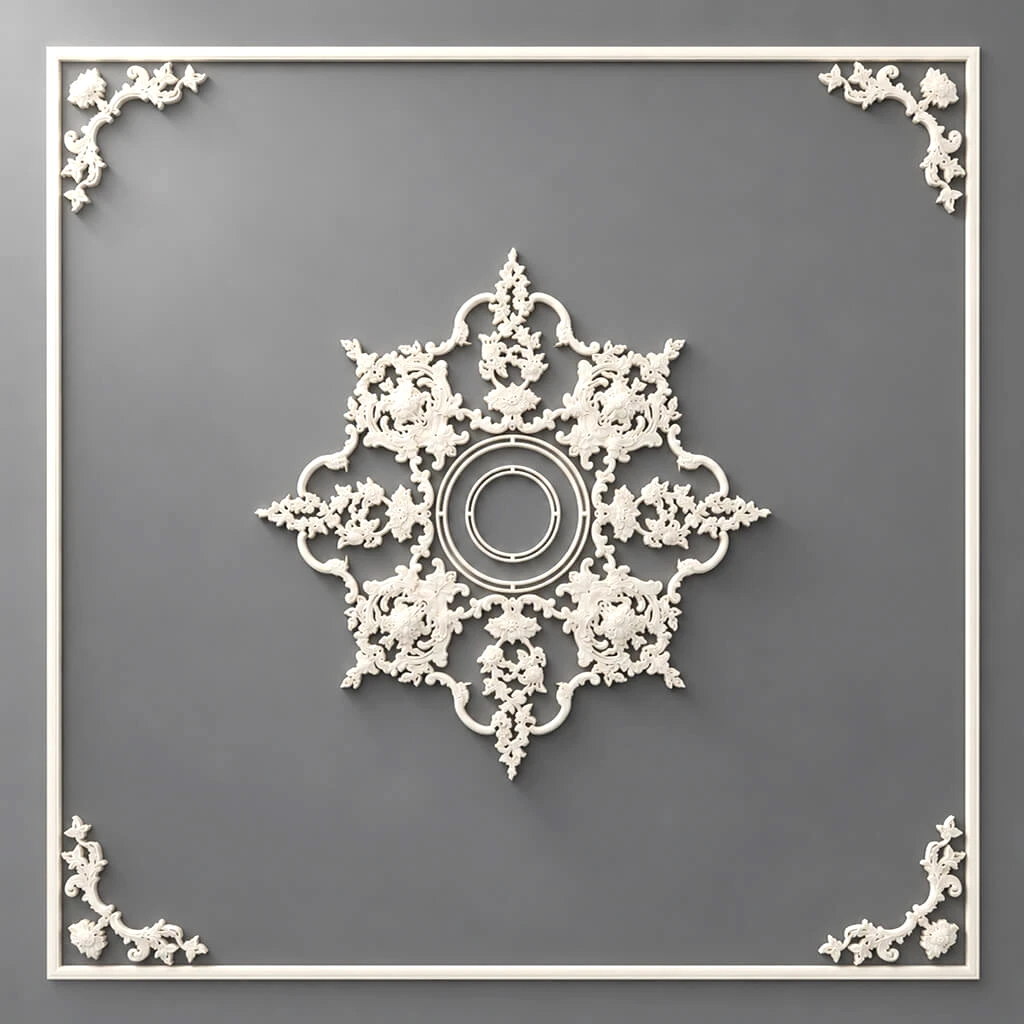
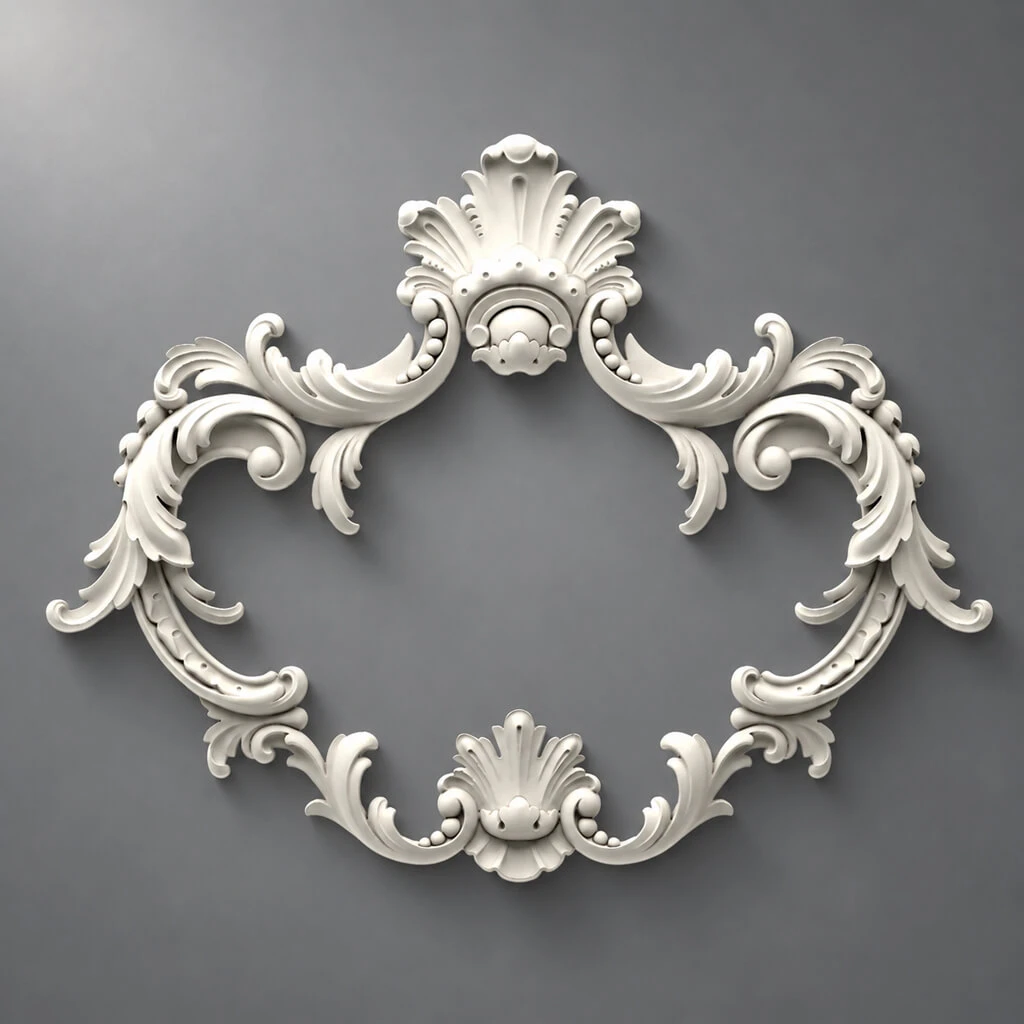
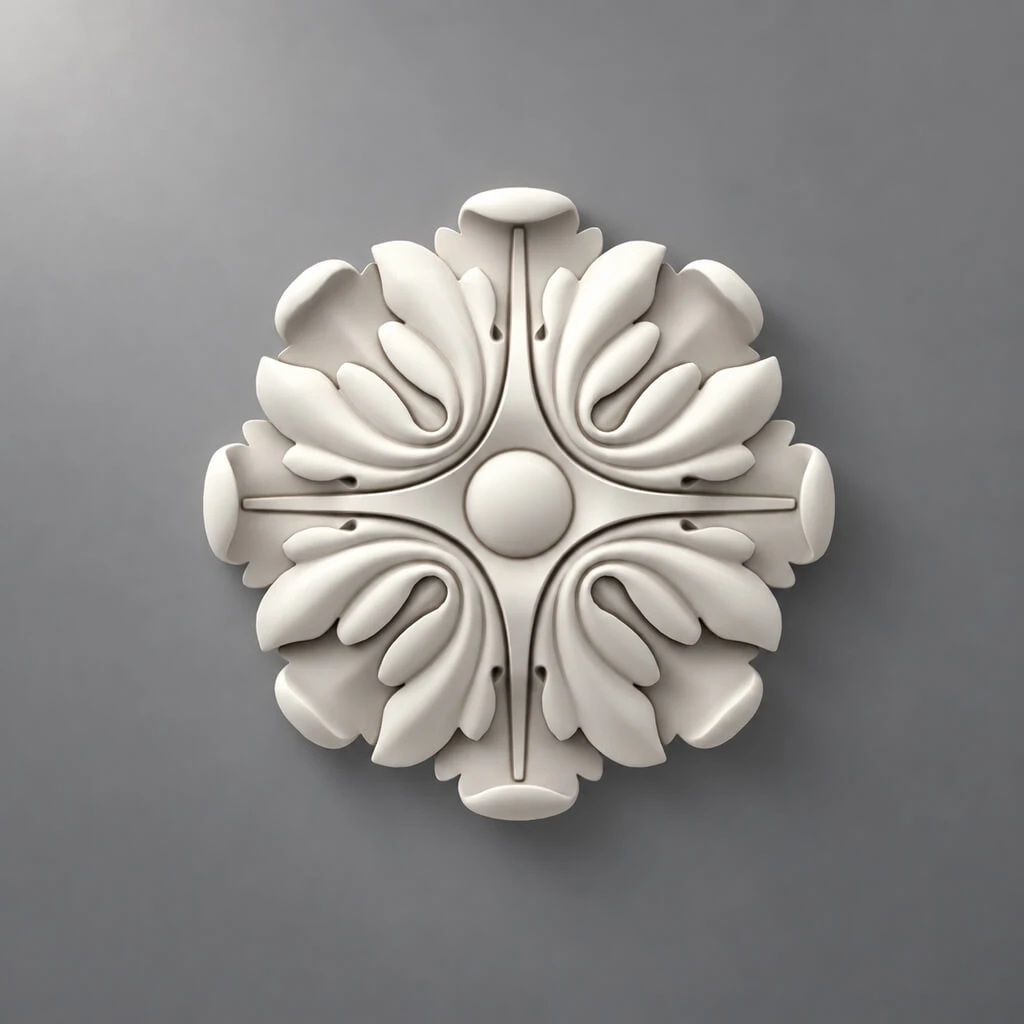
decorative elements for furniture on a dark surface: overlay rosettes, cartouches, corner overlays, carved friezes.
A fundamental question: decor of the same tone or contrasting?
-
Single tone — the overlays are coated with the same stain or varnish as the body. The decor is visible due to relief and shadows, not color. Result: exquisite, deep, for those who appreciate details.
-
Gilded or bronze decor — the overlays are coated with gold or bronze. Contrast with dark wood — maximum "Italian" or "Baroque" effect. Powerful, but requires moderation.
Dark furniture and modern classic furniture: how to remove heaviness
Neoclassicism saves from overload
Modern classic is a version of the classic interior where everything unnecessary is removed. Less carving, less ornament, cleaner lines. This is exactly the style where dark furniture ceases to be "scary".
Principles of dark furniture in modern classic
Laconic forms. Cabinet furniture without complex facade profiles — only moderate milling, smooth transitions, neat baseboard at the bottom. No baroque curls or overloaded carved panels.
Fewer items. In modern classic with dark furniture — the principle of "less is more." Three to four dark wood items in the living room instead of seven to eight.
Light textiles. Light gray, white, cream curtains; light sofa upholstery; light carpets. Textiles provide "air" around the dark wood.
Neat hardware. Small knob handles in matte bronze or matte gold. No large baroque handles with ornate casting.
Lighting. Several sources of soft warm light — sconces, table lamps, built-in shelf lighting. Warm light "revives" dark wood, making it lively rather than gloomy.
Common mistakes when choosing dark classic furniture
Mistake 1: Dark furniture in a small room without light
A room of 12–14 sq. m with one window and dark furniture on three walls is a test for the nervous system. Dark furniture in a small room requires compensation: very light walls, mirrors, maximum natural and artificial light.
Mistake 2: Too much carving without air
Rich carved decor on a dark surface is a powerful technique. But if carving is everywhere — on facades, cornices, legs, handles, overlays — the space "suffocates." Rule: carved decor is chosen for accent pieces. The rest should be more laconic.
Error 3: Dark walls plus dark furniture
It's not impossible, but it requires professional design: a contrasting ceiling, powerful lighting, light accent elements. For a DIY solution — a very risky choice.
Error 4: Random hardware
Chrome handles on dark walnut. White ceramic knobs on Empire-style furniture. Plastic hinges on a classic cabinet. Hardware is a detail seen every day, and it should be chosen as deliberately as the piece itself.
Error 5: Mismatched wood tones
Dark walnut (warm) next to wenge (cool) — a conflict of 'temperatures'. A chocolate chest next to a dark cherry cabinet — a violation of tonal unity. All dark furniture pieces in a room should be either the same shade or from the same 'temperature group' (all warm or all cool).
Error 6: Dark furniture and dark floor without separation
Dark furniture on a dark floor without a light rug or other separating element — the furniture 'sinks' into the floor. Solution: a light rug in the furniture area, creating an intermediate light layer between the floor and the furniture.
Dark furniture in the interior: inspiration and images
English study
Dark walnut, a leather armchair in burgundy or green, bookshelves, a desk lamp with a brass base. This is an image that has worked unchanged for two hundred years. Because it is flawless.
Italian bedroom
A dark cherry bed with a tall, profiled headboard, white linen with lace trim, beige walls with moldings, gold sconces. Luxury lies in the details, not in the number of items.
French living room
A dark chest of drawers with gilded overlays against the wall, above it a mirror in a wooden frame of the same tone, flanked by sconces with shades. Light gray walls. Parquet with a warm pattern. This is a cultural code that is easy to reproduce with the right choice of items.
Petersburg interior
High ceilings, dark wood, moldings on light walls, heavy curtains in rich colors. Classics with an imperial character — restrained, significant, timeless.
FAQ: popular questions about dark classic furniture
Can dark classic furniture be used in a small apartment?
Yes, but carefully. One or two pieces of dark wood against a light background are an accent, not an overload. A full set of dark furniture in a small apartment requires very light walls, good lighting, and mandatory mirrors.
Which walls go best with dark furniture?
Milky, creamy, warm beige, pearl gray, sage, dusty blue — all these shades provide good contrast without aggression.
How to choose handles for a dark classic wardrobe?
Matte bronze or matte gold — a fail-safe choice. Wooden handles matching the body — for a monochrome solution. Chrome and nickel — not recommended.
Do you need a light rug under dark furniture?
On a dark floor — definitely. On a light floor — optional. The rug creates a visual "island" that organizes the area and "lifts" the furniture off the floor.
Which wood species is best for dark classic furniture?
Oak and beech in dark tinting — reliable, affordable, practical. Natural walnut — more expensive, but the texture is richer. All three options are great for a classic interior.
How not to "overload" a bedroom with dark furniture?
Dark bed + light nightstands, or a single dark furniture tone + necessarily light walls, white bed linen, and soft warm light.
Where to buy classic furniture and wooden decor
Full range for creating a dark classic interior:
-
Buy Classic Furniture — the entire catalog of classic furniture.
-
Furniture and decor from solid wood — products made from natural wood.
-
decor for furniture — applied decorative elements from solid wood.
-
Wooden legs — turned and carved furniture supports.
-
wooden hook handle — hardware for classic furniture.
-
wooden button handle — minimalist hardware for modern classics.
-
colors of classic furniture — article on choosing a color.
-
modern classic furniture — about neoclassicism in interior design.
STAVROS: dark classics and wooden decor from solid wood
Dark classic furniture — this is the choice of those who are not afraid of character. Those who want an interior with history, with depth, with the feeling that every item was chosen deliberately.
STAVROS offers a full range of classic solid wood furniture, wooden decor, furniture legs, handles, and overlay elements. All products are made from natural wood species — beech and oak — with precise surface treatment and stable dimensions.
STAVROS is both ready-made classic furniture pieces and components for production and restoration: legs, handles, decorative overlays, moldings, and trims. Everything to ensure that the dark wood in your interior looks exactly as you intended: deep, rich, and without a single unnecessary element.