








































































Article Contents:
- Why the handle coating defines the character of the furniture
- The handle is the metal in the interior
- The practicality of the coating is no less important than aesthetics
- Chrome furniture handles: neutrality as a strength
- What is chrome in the context of furniture fittings
- Glossy and matte chrome: two different worlds
- Which facades work with chrome
- Nickel and matte chrome: restraint without coldness
- Nickel is not chrome
- Where nickel is better than chrome
- Gold handles and matte gold: the art of accent
- Why gold is back
- Matte gold on different facades
- Glossy gold vs matte gold
- Knob handles and pull handles in gold finish
- Champagne color: between gold and neutral metal
- What is champagne in handles
- What champagne pairs with
- Bronze handles: warmth with history
- What is bronze in an interior context
- Where bronze works best
- Decorative bronze handles
- Bronze and wood: a natural ensemble
- Brass handles: nobility without patina
- Brass vs bronze: what's the difference
- Where brass is indispensable
- Brass profile handle
- Brass handle made of wood
- White furniture handles: monolith or soft accent
- White handle: when it is appropriate
- White handle as a soft contrast
- End white handle
- Black handles: brief mention
- How to choose the color of handles for the facade: combination table
- How to match the color of handles to the overall kitchen hardware
- Hinges
- Legs and base
- Faucet and sink
- Rails and accessories
- Luminaires
- Mistakes when choosing the color of furniture handles
- Choosing a handle separately from the facade
- Mixing warm and cold metals without logic
- Not considering hinges, legs, and faucet
- Putting bright glossy gold on a calm kitchen
- Choosing gloss where matte is needed
- Not considering the furniture style
- Not checking the combination under different lighting
- Coated vs uncoated: when to choose an unpainted handle
- Buying furniture handles with coating on stavros.ru
- FAQ: answers to popular questions about the color of furniture handles
- Which color of furniture handles is the most versatile?
- Which handles to choose for a white kitchen?
- What is better for the kitchen: chrome or matte gold?
- Which handles suit wooden facades?
- Can you mix different colors of handles?
- Brass or bronze — which to choose?
- Handles with coating or without coating — which is better?
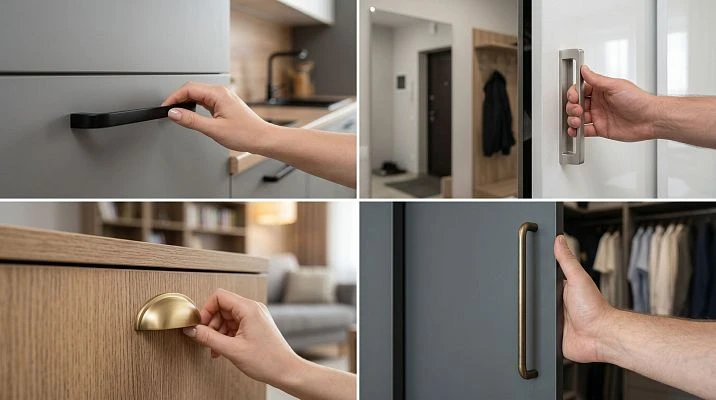
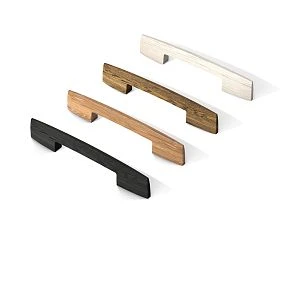
furniture handles with coating — this is the full range of metallic and decorative finishes: glossy and matte chrome, nickel, matte gold, champagne, bronze, brass, white, matte black. Each color lives by its own rules and requires understanding — not just "beautiful," but "why it works here specifically."
Let's break down each coating honestly, without marketing clichés — with examples, logic, and specific scenarios.
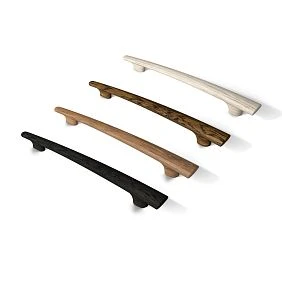
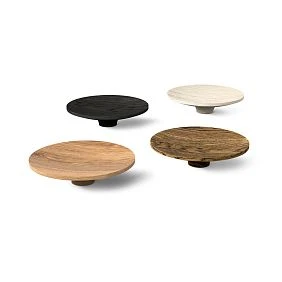
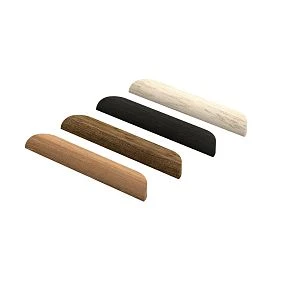
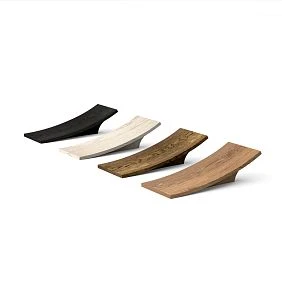
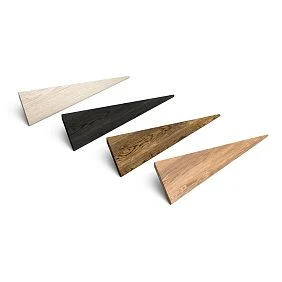
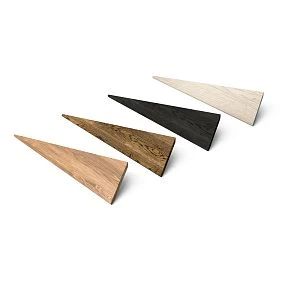
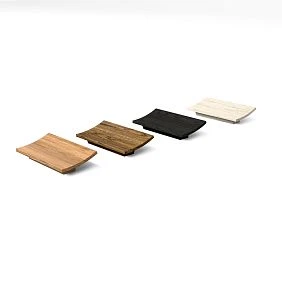
Why the handle coating determines the character of the furniture




The handle is the metal in the interior
Look at the kitchen as a whole. What is metallic in it? Handles, hinges, legs, faucet, rails, lights, possibly — the hood and backsplash made of stainless steel. All this metal should be coordinated — not necessarily identical, but close in tone temperature.
Warm metals — gold, bronze, brass, champagne — create one feeling. Cold ones — chrome, nickel, stainless steel — another. You can mix them, but wisely: one color is primary, the second is accent, and it should be repeated in several points of the interior to look intentional, not accidental.
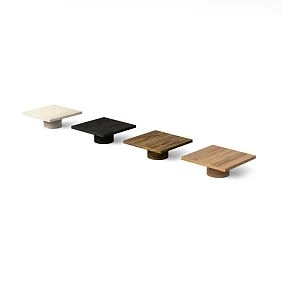
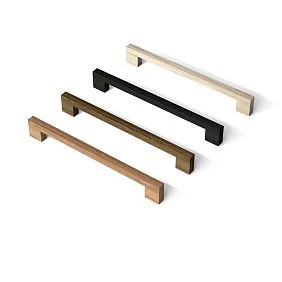
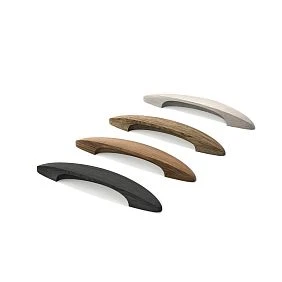
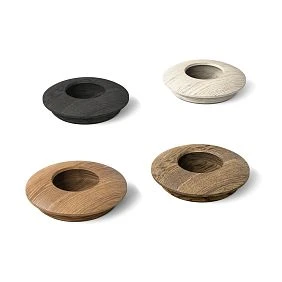
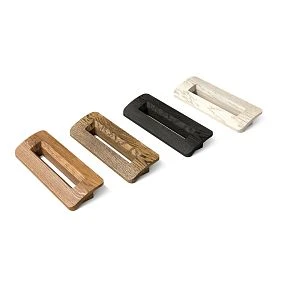
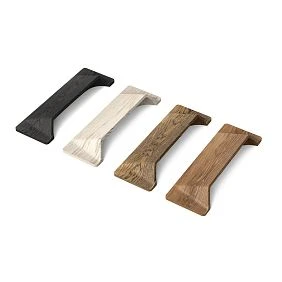
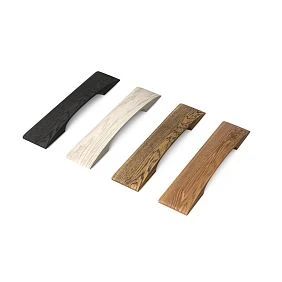
painted furniture handles made of solid wood — this is a special case. Here the coating is applied to a living material that retains the tactile warmth of wood even under a layer of paint or metallic spray. This is important: the wooden base makes any coating more organic and less cold than pure metal.
Our factory also produces:
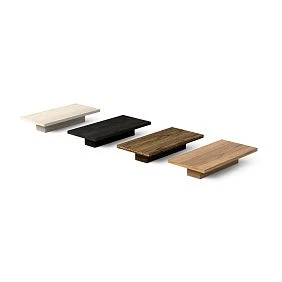
The practicality of the coating is no less important than the aesthetics
The handle is touched by hands daily — 30–50 times on kitchen furniture. The coating must withstand moisture, grease, soap, accidental impacts, and temperature changes.
Matte coatings are more practical than glossy ones: they don't show fingerprints, don't glare under artificial lighting, and don't lose their appearance from minor scratches. Glossy coatings are more visually striking but require more frequent maintenance.
kitchen handles with finish Wooden ones are good precisely because even if the top layer of coating requires renewal over time, the wooden base remains intact. It can be repainted, sanded, and recoated — an advantage that solid metal fittings do not have.
Get Consultation
Chrome furniture handles: neutrality as strength
What is chrome in the context of furniture fittings
Chrome furniture handle — is a coating with a characteristic cold silver shine. Chrome is associated with purity, precision, and modernity. That is why it has remained the most popular metal coating for furniture fittings in Europe and Russia for decades.
Chrome bow handle — is a classic of the modern kitchen. A chrome bow handle on a white or light gray facade is a combination that works in any decade. It does not become outdated, does not irritate, and does not compete with other interior elements.
Glossy and matte chrome: two different worlds
Glossy chrome is a mirror surface that literally reflects everything around. Chrome glossy furniture handle shines maximally, makes the kitchen brighter and adds dynamics. Works well on glossy facades where the facade material and handles create a single reflective surface.
Matte chrome is the same silver-cold coating, but without mirror shine. Handle bracket chrome matte — calm, restrained, practical. Fingerprints are not visible on it, it does not glare in side lighting, it goes perfectly with matte facades in modern kitchens and bathrooms.
The glossy chrome handle bracket is appropriate where brightness and reflection are desired. Matte chrome is where restraint and durability of appearance are important.
Which facades work with chrome
Chrome is the most versatile metal coating. It combines:
-
with white facades — a neutral silver accent without extra noise;
-
with light gray — a unified cool palette;
-
with anthracite and graphite — a bright contrast of chrome shine on a dark background;
-
with glossy white surfaces — a reflective unity;
-
with stainless steel in the technique — complete consistency.
Chrome doesn't work or works worse on warm wooden facades, warm shades of beige and milky — there, brass, bronze, or champagne look better.
Chrome handle in the format of a bracket, button, or profile — a universal tool for creating a neutral and modern interior without strong accents.
Nickel and matte chrome: restraint without coldness
Nickel is not chrome
Nickel handle — a coating slightly warmer than chrome. Nickel has a slightly yellowish tint compared to pure white chrome — this makes it softer and less sterile. The nickel surface looks livelier and more organic, especially paired with warm wooden interior elements.
Matte nickel bracket handle — this is the choice of those who want a metallic look without aggressive shine. Matte nickel is a delicate coating, it does not protrude, does not draw attention to itself. This is hardware for interiors built on subtle nuances, not bright contrasts.
Nickel profile handle in a gray-beige kitchen — this is an example of how hardware can support the overall mood without attracting attention to itself.
Where nickel is better than chrome
On warm light beige, cream, and vanilla facades, nickel looks more organic than chrome: it lacks the cold steel sharpness. In kitchens with wooden elements — frames, open shelves, wooden countertops — nickel creates a link between wood and metal.
Matte nickel also pairs well with matte lacquered facades, where glossy chrome would create excessive shine. In bathrooms and bedroom furniture, matte nickel is one of the most harmonious metallic finishes.
Gold handles and matte gold: the art of accent
Why gold has returned
Gold in the interior is not about the pretentiousness of the eighties. Modern gold — matte, restrained, warm — is about confidence and a conscious choice. Matte gold handle — one of the most sought-after requests among buyers of furniture fittings in recent years.
The reason is simple: matte gold works as an accent without aggression. It is warm — unlike cold chrome. It does not shout — unlike glossy gold. It is noble without pomposity.
Matte gold on different facades
On white kitchens — gold pull handle creates a contrast that adds warmth and character. The white facade itself is neutral, and it is the gold handle that sets the tone of the entire interior — warm, cozy, modern.
On dark facades — anthracite, graphite, dark blue, emerald, eggplant — gold glows. Literally. This is one of the most striking design scenarios: dark furniture + gold fittings. A feeling of depth and luxury.
On beige, cream, and ivory facades, matte gold does not contrast but supports — creating a subtle unity of warm tones.
On olive, green, and marsh-colored facades — gold adds warmth and historical depth. This is a combination of natural colors — earth and metal.
Glossy gold vs matte
Gold glossy handle — this is a traditional, formal version. It is appropriate in classic, baroque, and empire interiors. In a modern loft or Scandinavian kitchen, it looks like an anachronism.
Matte gold is more versatile. It works in modern classic, neoclassical, transitional styles, Scandinavian interiors, and eco-style. This is gold for those who love warmth without pretentiousness.
End handle gold — a special format: a thin gold strip along the end of the facade. This is a solution for minimalist interiors where you want a gold accent but without a protruding handle. An end handle in gold is a line that is barely noticeable, yet adds a touch of luxury to the entire interior.
Knob handles and surface-mounted handles in gold finish
Gold knob handle — this is a point gold accent. On a white dresser in the bedroom, on a wall cabinet in the kitchen, on a nightstand in the hallway — a gold knob turns an ordinary piece of furniture into a designer object.
Surface-mounted furniture handle gold — a more restrained version, where gold appears as a horizontal strip or profile. This is a delicate way to bring warmth and elegance to a modern kitchen set.
Champagne color: between gold and neutral metal
What is champagne in handles
Handle color champagne — is a soft golden-beige shade of metal. It is warmer than chrome and nickel, but paler than gold. In feel, champagne is neutrality with warmth: it doesn't shout, doesn't contrast, but also doesn't cool.
This is what makes champagne an ideal choice for those who want warm metal hardware but find gold too bright or bronze too dark. Champagne is gold at half-tone, muted and delicate.
What champagne pairs with
Champagne works perfectly on light warm facades — milky, vanilla, linen, pearl. A champagne-colored handle on such a facade almost blends with it in tone, creating a monolithic look without sharp transitions.
In kitchens with wooden inserts or a wooden countertop — champagne creates a link between wooden warmth and metallic precision. It is "gold for introverts": all warmth, zero pomp.
On cream and beige facades handle gold matte or champagne is a choice that will never look wrong. Not in a year, not in ten years.
Bronze handles: warmth with history
What is bronze in an interior context
Bronze furniture handle is a warm brown-gold metal with a characteristic "aged" effect. Bronze is one of the oldest materials in human history, and it is this sense of depth and history that it brings to a modern interior.
Bronze coating is never uniform and cold like chrome. It has nuances: warm areas, slightly darker, slightly lighter — this creates a liveliness that a purely metallic finish lacks.
Where bronze works best
Bronze pull handle is a classic choice for kitchens in warm tones, kitchen sets in Provence, classic, neoclassical, country style. Bronze on facades made of natural wood — oak, cherry, walnut, dark ash — is a natural unity of warm materials.
On facades in terracotta, ochre, mustard, dark green and blue, bronze adds historical depth. This is a combination familiar from old European pharmacies, libraries and kitchens with stone walls.
Bronze knob button on a classic chest of drawers or sideboard — it's a detail that turns furniture from simply high-quality to truly atmospheric.
Decorative bronze handles
Bronze shell handle — a specific decorative type: shell shape with bronze coating. Historically, such handles were used on desks, chests of drawers, and boxes in Baroque and Empire styles. Today, they are returning to interiors that work with historical references.
Bronze drop furniture handle — another decorative type: a rounded drop or tear with a bronze surface. It works well on sideboards, chests of drawers, display cabinets — anywhere furniture is part of the room's decorative scheme.
Bronze and wood: a natural ensemble
A wooden handle made of solid wood with a bronze finish is a double natural material. The tactile warmth of wood and the visual depth of bronze create a feeling that is hard to replicate with other combinations. That's why furniture handles with coating bronze-finished wooden handles are a special product worth choosing for kitchen cabinets with wooden elements.
Brass handles: nobility without patina
Brass vs bronze: what's the difference
Brass is lighter than bronze — it's yellower, cleaner, without a brown tint. If bronze is warmth with a shadow of the past, then brass is warmth with the light of the present. Brighter, more modern, but still warm and natural in perception.
Furniture handle brass — a choice for those who want a warm metallic color, close to gold, but more lively and less formal. Brass doesn't try to be luxurious — it's just warm and good.
Where brass is indispensable
Furniture handle brass works perfectly in three contexts:
Scandinavian style. Light ash or birch + brass handle = natural unity. This is one of the most beautiful and balanced combinations in modern northern interiors.
Eco and biophilic design. Natural materials, live plants, linen textiles, wood — and brass handles as a natural continuation of this theme. Brass is associated with natural metals, with earth, with organic.
Neoclassicism and Art Deco. Here brass handle bracket or a brass button is a historically correct choice. A neoclassical set with brass handles is a design with historical awareness.
Brass profile handle
Profile handle with a brass coating is a thin long rail with a warm golden-yellow color. In a kitchen with white or light gray facades, such a profile creates a thin golden line across the entire width of the facade — a delicate, almost jewelry-like accentuation.
Brass profiles are especially good in kitchens with open wooden shelves — wood and brass create a warm natural ensemble with nothing artificial about it.
Brass handle made of wood
Brass handle made of wood with a brass coating is a combination that retains tactile warmth. The hand feels the living material under the coating — slightly softer, slightly warmer than pure metal. This is a sense of quality that is read instantly.
White furniture handles: monolith or soft accent
White handle: when it is appropriate
White furniture handle — is a choice for those who build an interior on the unity of surfaces. A white handle on a white facade creates a monolithic effect: the facade appears as a continuous plane, without additional accents. This is a maximalist minimalist solution.
But this only works if the shades of white match exactly. A cool white facade and a warm creamy white handle is already a mismatch that catches the eye. That is why handles without coating made of solid wood, which are painted independently, give the greatest color matching accuracy: you paint the handle and the facade with the same paint — and get the perfect shade.
White handle as a soft contrast
White pull handle on facades of calm pastel shades — soft blue, light beige, lavender — creates a soft contrast. The handle is visible but does not shout. This is an accent for quiet interiors.
On wooden and veneered facades, a white handle looks unexpected: warm wood and cool white — a contrast that works very well with the right balance.
White end handle
White end handle — this is a thin strip along the edge of the facade in white. For light minimalist kitchens, this is an almost invisible detail that indicates function without drawing attention. An ideal choice for interiors where nothing should disturb the purity of surfaces.
Black handles: brief mention
Matte black is a separate big topic, which is covered in an article about black furniture handles. Here we will briefly note: black bracket handle, black profile handle и black knob handle — the most powerful contrast tool in modern hardware. Black works on white, gray, beige, and wooden facades, creating a clear graphic accent.
Matte black furniture handle deserves a separate detailed discussion — and it is conducted in a special article.
How to choose handle color for facade: combination table
| Facade color | Suitable handle finishes |
|---|---|
| White | Chrome, matte gold, champagne, black, white |
| Light gray | Matte chrome, nickel, black, brass |
| Anthracite / graphite | Gold, brass, chrome, nickel, black |
| Dark blue / emerald | Gold, brass, bronze, chrome |
| Black | Gold, brass, bronze, chrome gloss |
| Wood (oak, walnut, cherry) | Bronze, brass, black, champagne |
| Beige / cream | Matte gold, champagne, bronze, brass |
| Green / olive / khaki | Brass, gold, bronze |
| Blue / light blue | Chrome, nickel, brass, gold |
| Terracotta / ochre | Bronze, brass, black |
This table is a working tool, not a dogma. The interior is always more complex than the table, and the final decision depends on the specific shade, lighting, and overall atmosphere of the space.
How to choose the color of handles to match the overall kitchen hardware
Hinges
Hinges are most often hidden inside the facade, but on some structures they are partially visible. If hinges are visible, their color should match the color of the handles or at least be in the same color temperature (warm or cold).
Legs and base
The legs of the kitchen unit, metal base panels — another metal element that should be in dialogue with the handles. Chrome legs + bronze handles is a temperature conflict. Chrome legs + chrome or nickel handles is consistency.
Faucet and sink
The faucet is one of the main metal accents in the kitchen. A gold faucet + gold handles is complete consistency. A chrome faucet + bronze handles is a conflict. If the faucet is already installed, choose handles based on its color.
Railings and accessories
Railing system, towel holders, hooks — all of this is metal that should be in a single color field with kitchen handles.
Lighting fixtures
Metal shades, tubes, lighting fixtures — part of the overall metallic language of the kitchen. Brass lights + brass or gold handles = a conscious design choice. Chrome lights + brass handles = mixing temperatures that needs to be controlled.
Mistakes when choosing the color of furniture handles
Choosing a handle separately from the cabinet door
The most common mistake: the handle is viewed separately, in isolation from the cabinet door, countertop, and other hardware. In the store, a chrome handle looks beautiful — but at home on warm wooden cabinet doors, it feels cold and alien. Always compare the handle's finish with cabinet door samples — under the same lighting.
Mixing warm and cold metals without logic
Chrome + bronze + gold in one kitchen — that's three different metallic languages at once. This doesn't create variety, it creates noise. Choose one temperature (warm or cold) and stick to it. A second color — as an accent in one or two details, no more.
Do not consider loops, legs, and mixer
Cabinet handles and other fittings are a system. Bronze handles next to silver loops are a mismatch that every professional designer notices. Coordinate all metal elements before ordering fittings.
Putting bright glossy gold on a calm kitchen
Glossy gold is a very strong color that is easy to overload. In a modern kitchen with neutral tones, glossy gold will look out of place. Use matte gold or champagne — they provide warmth without pomposity.
Choosing gloss where matte is needed
A glossy handle surface glares, shows fingerprints, and requires constant maintenance. In a kitchen where handles are touched dozens of times a day, a matte finish is more practical. Gloss is for formal and rarely used spaces.
Not considering the style of furniture
Bracket Handle chrome on a classic set with carved facades is a style conflict. Button Handle bronze on a high-tech kitchen is the same. The style of furniture and the style of fittings should speak the same language.
Not checking the combination under different lighting
In natural daylight, gold looks one way; in evening artificial light, it looks another. Chrome takes on a yellowish tint under warm lighting. Be sure to view the handle sample in the lighting that will be in the actual interior.
Coated vs uncoated: when to choose an unpainted handle
handles without coating made of solid wood — a separate category that cannot be overlooked when discussing color.
If you are working on a custom project where the facade color is chosen from an author's palette or according to RAL, ready-made coatings may not match exactly. In this case, unpainted furniture handles are the best option: you paint them with the same paint as the facades and achieve a perfect match.
The second scenario: a handle painted to match the facade creates the effect of a handleless facade. The detail is there, the function is fulfilled, but visually the surface appears monolithic. This is a popular technique in project design.
The third scenario: wood without coating, treated with oil or wax — this is a natural handle that preserves the texture and color of the wood in maximum purity. Overlay handle, Inset handle or a bracket made of solid oak or walnut without coating — this is material purity valued in eco-friendly and Scandinavian interiors.
Buying coated furniture handles on stavros.ru
At stavros.ru the entire assortment furniture handles with coating made from solid natural wood with finish coatings: black matte, chrome, matte gold, bronze, brass, champagne, white.
The same models are available without a finish — for self-painting or applying oil/wax.
The catalog features handle-eyes, handle-buttons, profile handles, Surface-mounted handles и Inset handles — of all main types and in a unified line of coatings, allowing you to create a consistent hardware system in the kitchen or wardrobe.
Buy furniture handles — select the handle type and coating in the catalog, specify the required quantity, place an order. Contact us to confirm shipping to your destination.
FAQ: answers to popular questions about the color of furniture handles
Which color of furniture handles is the most versatile?
The most versatile are considered to be matte chrome, nickel, and champagne. They easily combine with most facade colors — white, gray, beige, wood — and do not compete with other interior elements. For a more expressive option — matte gold, which works on a wide range of facades without being aggressive.
Which handles to choose for a white kitchen?
For a white kitchen, the following work well: chrome (neutral and modern), matte gold (warm accent), champagne (soft warmth), matte black (contrasting graphic accent), white (monolithic tone-on-tone). The choice depends on the overall mood of the interior: if you want warmth — gold or champagne, if neutrality — chrome, if character — black.
What is better for a kitchen: chrome or matte gold?
Chrome furniture handle — Chrome is more neutral and cooler. It does not create a strong accent and works well in neutral modern interiors. Matte gold is warmer and more expressive. It sets the tone for the entire interior and works better where you want warmth and character. If the kitchen is light and calm — gold will elevate it to the next level.
Which handles suit wooden facades?
For wooden facades, warm metallic finishes are best: bronze, brass, matte gold, champagne. Matte black also works on wood — as a modern contrast. Cold glossy chrome looks less organic on wooden facades.
Can you mix different colors of handles?
You can, but with a clear logic. One color is the main (used on most handles), the second is an accent (used in a few spots and repeated in other interior details — lamps, legs, faucet). Mixing three or more finishes without a system is not recommended.
Brass or bronze — which to choose?
Bronze is darker and warmer — it is closer to classic, rustic, Provence, and wooden facades made of dark wood. Brass is lighter and yellower — it is closer to Scandinavian style, light wood, eco, and neoclassical. Both are warm, both are natural — the choice depends on the overall color scheme of the interior.
Handles with or without coating — which is better?
Handles with Finish — a ready-made solution in a specific color. Convenient when the handle color is determined and no individual adjustment is needed. handles without coating — for an exact match with the facade or for custom projects with a unique color scheme. Both options are made of natural wood, both are high-quality — the choice depends on the task.