


























Article Contents:
- What is a self-adhesive furniture pad
- Self-adhesive vs adjustable: when to choose which
- STAVROS range: three models for different legs
- Self-adhesive round pad d=25 mm — FUR-042
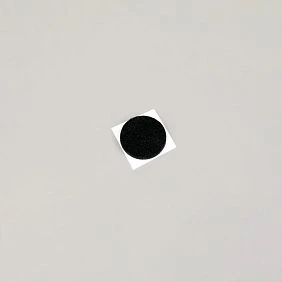
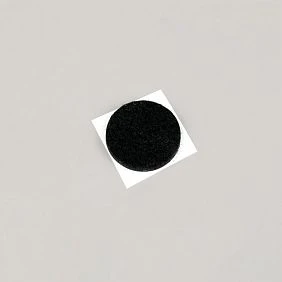
- Self-adhesive round pad d=35 mm — FUR-041
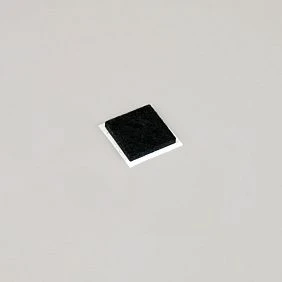
- Self-adhesive square pad 20×20 mm — FUR-043
- How to choose the shape: round or square pad
- Why shape matters
- How to choose the right size: a practical guide
- Measure the bottom platform of the leg
- Choose a glider equal to or slightly smaller than the working area
- Approximate selection table
- Load and density
- Which floor coverings require gliders: by floor type
- Parquet and parquet flooring
- Engineered wood and parquet flooring with oil finish
- Laminate
- Ceramic tile and ceramic granite
- Painted wooden floor
- Commercial coverings in cafes, showrooms, offices
- How to properly glue a self-adhesive glider: eight steps
- Step 1. Turn the furniture over
- Step 2. Inspect the ends of the legs
- Step 3. Remove dust and dirt
- Step 4. Degrease the surface
- Step 5. Remove the protective film from the furniture glide
- Step 6. Apply the furniture glide exactly in the center
- Step 7. Press and hold for 15–20 seconds
- Step 8. Do not place the furniture immediately
- When and how to replace the furniture glide
- Mistakes when buying and installing: point-by-point analysis
- How a self-adhesive furniture pad differs from other types
- Where to buy self-adhesive furniture pads: what matters about the supplier
- FAQ: answers to common questions about self-adhesive furniture pads
Scratched parquet is one of the most frustrating losses in a renovation. You choose the flooring, lay it, admire it — and six months later you notice that chair legs have left characteristic marks on the varnished surface. Or a dresser, when moved, has drawn two long grooves across your beloved herringbone pattern. That's when you realize: floor protection is not a secondary task.
Buy self-adhesive furniture pads — a quick, cheap, and visually unobtrusive solution that protects the floor from scratches, reduces noise when moving furniture, and requires no drilling, no special tools, and no help from anyone. Three minutes — and all legs are protected. That's not an exaggeration.
This article provides a complete practical breakdown: what a self-adhesive furniture pad is, how it differs from other types of furniture supports, how to choose the shape and size, which floor coverings require it, how to properly glue it, and what mistakes to avoid. No unnecessary theory — only what you really need to know when buying.
What is a self-adhesive furniture pad
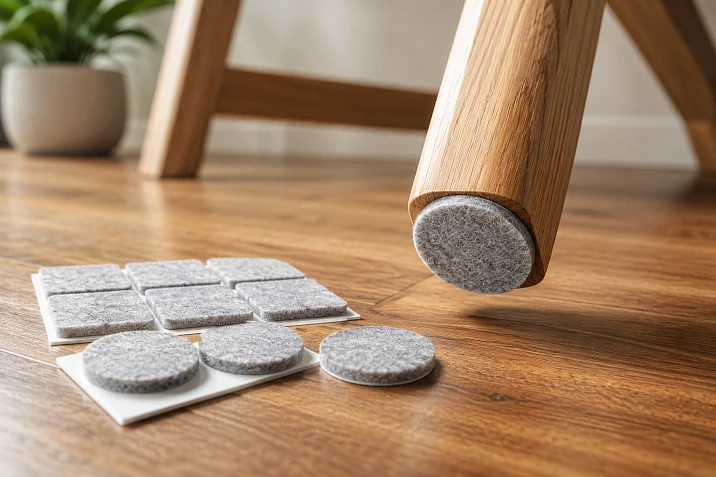
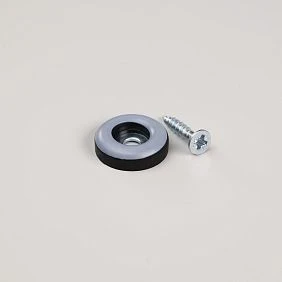
A self-adhesive furniture pad is an overlay for the bottom end of a furniture leg that attaches with an adhesive base without drilling or additional installation. Remove the protective film, apply it to a clean surface, press it — done.
Structurally, it is a small pad made of soft material (felt, wool felt, rubber, silicone) with an industrial acrylic adhesive applied to the bottom surface. The top side is the soft working surface that contacts the floor. The bottom is the adhesive layer that sticks the pad to the furniture leg.
Self-adhesive furniture pads for furniture legs solve several problems at once:
-
protect the floor covering from scratches and scuffs
-
reduce noise when moving furniture
-
prevent slipping (or, conversely, facilitate it — depending on the material)
-
protect the ends of wooden legs from wear and chipping
This is not a temporary measure or a patch. Properly selected and properly applied self-adhesive furniture glides last 1–3 years with active use and longer where furniture stands stationary.
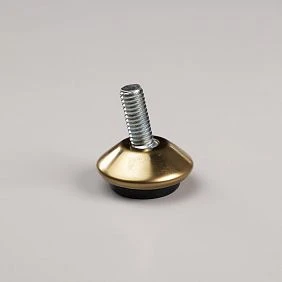
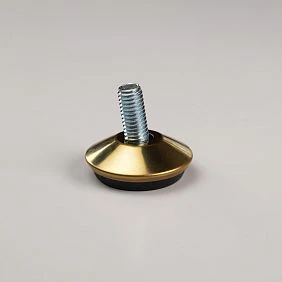
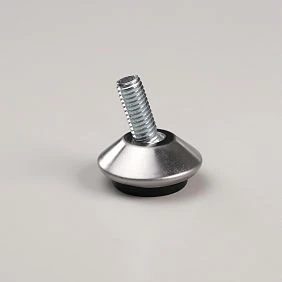
In the furniture hardware STAVROS — three models of self-adhesive furniture glides covering the main tasks: round 25 mm diameter, round 35 mm diameter, and square 20×20 mm.
Self-adhesive vs. adjustable: when to choose which
Many people confuse two different products — a self-adhesive furniture glide and an adjustable leg. These are different tools with different purposes, and it's important to understand the difference before purchasing.
Self-adhesive furniture glide — for furniture that already stands level and stable. Its task: to protect the floor from contact with the hard surface of the leg. No level adjustment. No unscrewing bolts. Just a soft pad between the leg and the floor.
Adjustable leg — for furniture that needs to be leveled: to compensate for uneven floors, to raise or lower by a few millimeters. This is a different product with different mechanics and a different use case.
When is a self-adhesive furniture pad clearly better:
-
Chairs and armchairs — legs constantly contact the floor, furniture moves with every use. Soft protection without extra weight or structure is needed.
-
Light and medium tables — kitchen, writing, coffee table. Load is moderate, floor needs protection.
-
Cabinets, chests of drawers, nightstands — remain stationary most of the time, but still shift during cleaning.
-
Case furniture on low legs — wardrobes, shelves, racks. Here, protection of the leg end and floor is needed, but leveling is not required.
-
Parquet, laminate, engineered wood — delicate coverings that are easily scratched by metal and hard plastic.
-
Furniture that is frequently rearranged — self-adhesive pads allow moving furniture without fear.
Our factory also produces:
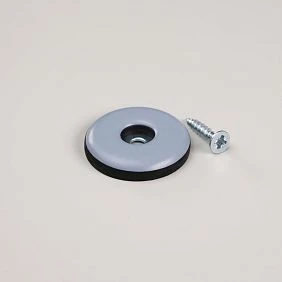
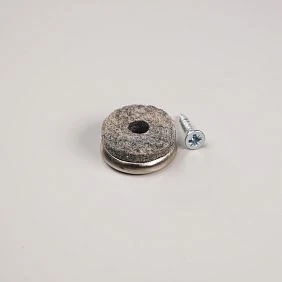
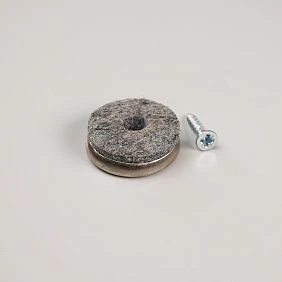

STAVROS range: three models for different legs
STAVROS offers three specific self-adhesive furniture pad options — for different furniture leg formats and different usage scenarios.
Get Consultation
Self-adhesive round furniture pad d=25 mm — FUR-042
Self-adhesive furniture glide d=25 mm — a small round glide for thin and medium legs. Diameter 25 mm is suitable for:
-
chairs with slender turned legs
-
bar stools
-
light ottomans
-
small bedside tables
-
coffee tables with thin legs
This is the most versatile size for chairs and light furniture. The small diameter does not protrude beyond the edge of the leg, does not spoil the appearance of the product from below, and fits securely to the work surface.
Self-adhesive round furniture glide d=35 mm — FUR-041
Self-adhesive furniture glide d=35 mm — suitable for wider round legs and legs with a support base. Diameter 35 mm — for:
-
dining tables with massive legs
-
armchairs with a round support base
-
wooden legs with a conical profile
-
chairs with a wide bottom end
A larger diameter provides a larger contact area with the floor, which reduces pressure per unit area of the covering and decreases the risk of dents on soft coverings (cork, parquet with soft varnish).
Self-adhesive square glider 20×20 mm — FUR-043
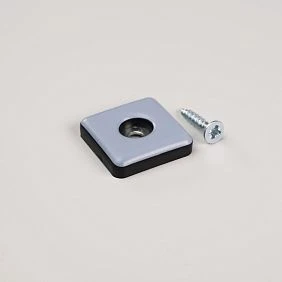
Self-adhesive square glider 20×20 — for rectangular and square legs and supports. The square glider does not protrude beyond the corners of the leg, adheres to the flat surface with its entire area, and holds more securely than a round one on such bases.
Application:
-
cabinets and chests of drawers with rectangular legs
-
cabinet furniture with square supports
-
cabinets with a bottom panel on four square protrusions
-
wooden boxes and planter boxes
-
LDSP furniture with plywood supports
All three models are included in the section hardware for legs and handles and can be combined together when ordering.
How to choose the shape: round or square foot
The shape of the foot is not an aesthetic choice, but a practical one. It determines how well the foot will stay on the leg and how effectively it will protect the floor.
| Foot shape | When to choose | Typical application |
|---|---|---|
| Round d=25 mm | Thin turned or round leg | Chair, armchair, light table, ottoman |
| Round d=35 mm | Wide round leg, cone, massive support | Dining table, chair with wide leg, sideboard |
| Square 20×20 mm | Square or rectangular leg | Cabinet, chest of drawers, wardrobe, case furniture |
Why shape matters
Round glider on a square leg — incomplete contact. The corners of the leg extend beyond the perimeter of the glider, and they start scratching the floor when the furniture moves. The adhesive bond is also unreliable: the contact area is reduced.
Square glider on a round leg — the same story with the opposite sign: the corners of the square glider protrude beyond the end of the leg, look unsightly, and curl under load.
The rule is simple: the shape of the glider should match the shape of the leg end.
How to choose the right size: a practical guide
Size is the second most important parameter after shape.
Measure the bottom platform of the leg
Measure the diameter (for round) or side (for square) of the bottom end of the leg. This is the working area for attaching the glider.
Choose a glider that is equal to or slightly smaller than the working area
The glider should not protrude beyond the leg end — otherwise it will curl. It is acceptable if the glider is slightly smaller than the end: it will still protect most of the contact area. Avoid a significantly smaller diameter glider on heavy furniture — the pressure per unit area will increase, and the glider will wear out faster.
Approximate selection table
| Furniture | Leg diameter | Recommended glider |
|---|---|---|
| Light chair, stool | 20–28 mm | FUR-042 (d=25 mm) |
| Dining chair, armchair | 28–40 mm | FUR-041 (d=35 mm) |
| Coffee table, chair | 20–28 mm | FUR-042 (d=25 mm) |
| Dining table | 40–60 mm | FUR-041 (d=35 mm) |
| Cabinet, chest of drawers (square leg) | 18–22 mm side | FUR-043 (20×20 mm) |
Load and density
For heavy furniture — a wardrobe, a massive table, a bookcase — choose a larger diameter glider. A small glider under high load quickly gets pressed through, loses its shape, and stops performing its protective function.
Which floor coverings need gliders: by floor type
Not all coverings are equally vulnerable. But practically all — to one degree or another — need protection from hard furniture legs.
For parquet made of oak, ash, or walnut, it is logical to choose wooden baseboards and corners from the same species. Matching texture and color creates a unified composition where the floor seamlessly transitions into the walls.
Parquet is the most delicate flooring among all wooden ones. The varnish surface is hard but thin: repeated friction from a metal or hard plastic leg first leaves matte streaks, then scratches. Self-adhesive gliders for parquet are mandatory. Felt or wool slides over the varnish without scratches and leaves no marks when moving furniture.
Engineered wood and parquet board with oil finish
Oil finish — without a varnish layer. More vulnerable to mechanical impact than varnish. A soft felt glider is especially important here: a hard leg leaves dents on the oil surface that do not disappear.
Many laminate manufacturers produce matching accessories — baseboards, corners, and caps — in tones of their collections. This is convenient — you buy everything in one place, with guaranteed decor consistency.
Laminate looks durable, but the protective layer is thin. On laminate of class 31–33, scratches from metal legs may seem insignificant, but they accumulate over time. Gliders for laminate protection are a standard recommendation from flooring manufacturers.
Ceramic tile and ceramic granite
Tile is a hard surface that does not scratch by itself. But furniture on tile slides and makes noise, especially metal legs. Self-adhesive gliders on tile reduce the characteristic squeak and scraping when moving furniture and prevent chips on the glazed surface.
Painted wooden floor
A wooden floor under paint is even more vulnerable than under varnish: the paint is thinner, softer, and withstands point impacts worse. Gliders here work as shock absorbers, distributing the load.
Commercial flooring in cafes, showrooms, offices
In public spaces, furniture is moved more often and more intensively than at home. Wear on glides is higher here — they need to be checked and replaced regularly. Buying floor protection glides with a spare set for replacement is the right strategy for HoReCa.
How to properly stick a self-adhesive glide: eight steps
Technically, the operation is simple. But 'simple' doesn't mean 'careless'. Mistakes during application are the main reason glides fall off after a week.
Step 1. Turn the furniture over
It's easier to work when the legs are facing up. Turning a chair over takes 10 seconds. If the furniture is heavy, you can tilt it on its side: the main thing is that the ends of the legs are accessible and properly oriented.
Step 2. Inspect the ends of the legs
Make sure the end is flat. A cracked or uneven end doesn't provide good contact. If necessary, sand it with P120 sandpaper, remove burrs.
Step 3. Remove dust and dirt
A dry cloth or wipe. This is especially important if the furniture has already been on the floor: the ends of the legs are often covered with a layer of dust and fine sand.
Step 4. Degrease the surface
This is a critical step that is most often skipped. Wipe the end of the leg with a cotton pad moistened with white spirit or isopropyl alcohol. Any grease, oil, or wax (residue from furniture coating) reduces glue adhesion to zero. Let the surface dry for 2–3 minutes.
Step 5. Remove the protective film from the furniture pad
The adhesive side of the self-adhesive furniture pad is protected by a paper film. Remove it immediately before application — not in advance, do not leave the open adhesive surface exposed to air for extra minutes.
Step 6. Apply the furniture pad strictly to the center
Align the center of the furniture pad with the center of the leg end. This is especially important for square pads: align the sides parallel, without skew.
Step 7. Press and hold for 15–20 seconds
Even pressure over the entire surface. Use your finger gently but with force. You can use a small wooden block to ensure even pressure.
Step 8. Do not place the furniture immediately
Industrial acrylic glue reaches full strength within 1–2 hours. It is advisable to let the furniture stand upside down for 30–60 minutes. When placing on the floor in the first minutes, do not move it: let the glue 'set' under load.
When and how to replace the furniture glide
Self-adhesive furniture glides are consumables. That's normal. Buying them with a reserve is correct.
Signs that it's time to replace:
-
the glide has thinned (check the thickness)
-
the edges have started to peel off
-
the surface of the felt or wool felt has become matted and is no longer soft
-
the furniture has started to squeak when moved
-
new scratches have appeared on the floor where there were none before
When replacing: remove the old glide, clean the end from adhesive residue (solvent + sandpaper), degrease — and stick on a new one according to the scheme described above. Do not reuse a removed glide: the adhesive layer cannot be restored.
Mistakes when buying and installing: point-by-point breakdown
1. Chose the wrong shape. A round glider on a square leg — incomplete contact, quick peeling, ineffective corner protection. Buy the shape that matches the leg shape.
2. Glued to a dirty surface. Dust and grease on the leg end — the most common cause of quick peeling. Degreasing is a mandatory step.
3. Used a small glider on a heavy table. A glider d=25 mm under a corner leg of a massive dining table with a load of 30+ kg — will quickly dent. For heavy furniture — a larger diameter.
4. Used a self-adhesive glider where adjustment is needed. If the floor is uneven and the furniture wobbles — the glider won't solve the problem. An adjustable support is needed.
5. Re-glued a removed glider. The adhesive does not restore its properties after removal. A removed glider — in the trash. A new one — from the pack.
6. Didn't consider the type of flooring. A silicone glider on polished tiles may slip. Felt — holds better. The glider material affects furniture behavior on a specific flooring.
7. Bought without a reserve. Gliders need to be replaced. Buying exactly the number of legs means placing another order in a year. Take a 30–50% reserve.
8. Didn't consider the style of furniture legs. If the legs are visible — a black glider on a light wooden leg will be visible from below. Choose the glider color to match the leg color.
How a self-adhesive glider differs from other types
A brief comparative overview — not to sell another product, but so you understand what you are choosing.
| Foot type | Installation | Task | When needed |
|---|---|---|---|
| Self-adhesive | Without tool | Floor protection, noise reduction | Furniture stands level, quick protection needed |
| Adjustable | Screws into leg | Furniture leveling | Uneven floor, wobbling |
| Plastic snap-on | Fits onto leg | Leg end protection | Metal legs without threads |
| Felt/wool felt | Self-adhesive or slip-on | Soft glide and protection | Parquet, laminate, delicate surfaces |
| Rubber | Self-adhesive or slip-on | Non-slip support | Tile, ceramic tile |
Self-adhesive felt or wool felt furniture pad is the most versatile for living spaces. It protects, doesn't slip, and is quiet.
Where to buy self-adhesive furniture glides: what matters about the supplier
The right answer is in the catalog, where the size, shape, material, quantity per pack, and purpose are listed. This eliminates guesswork and ordering a "pig in a poke."
In the STAVROS catalog:
-
Self-adhesive round furniture glide d=25 mm (FUR-042) — for chairs and light furniture
-
Self-adhesive round furniture glide d=35 mm (FUR-041) — for wider legs and heavy furniture
-
Self-adhesive square furniture glide 20×20 mm (FUR-043) — for square supports and cabinet furniture
All items are in the section Furniture hardware along with other furniture accessories: wooden furniture legs, unpainted furniture legs, wooden handles. You can form a set in one order.
Additional context on choosing glides for different furniture — in the materials how to choose furniture glides и furniture glide: how to choose a support.
FAQ: answers to common questions about self-adhesive glides
Which self-adhesive glides are best to choose for chairs?
For round and turned chair legs — round glides d=25 mm (FUR-042). For square chair legs — square 20×20 mm (FUR-043). Main criterion: the shape of the glide must match the shape of the leg end.
Can glides be glued onto wooden furniture legs?
Yes. Wooden legs are one of the best surface types for self-adhesive furniture pads: wood absorbs the glue, providing good contact. The main condition is a clean, degreased surface without varnish or wax in the adhesion area.
What to choose for parquet: self-adhesive or adjustable furniture pad?
If the furniture stands level — use a self-adhesive felt pad. It is soft, does not scratch, and slides easily over varnish. If the furniture wobbles — first use an adjustable support, then a soft pad if necessary.
Can a self-adhesive furniture pad be removed and re-stuck?
No. After removal, the adhesive layer loses its adhesion. When replacing, use a new pad.
How does a round furniture pad differ from a square one?
Only in the shape of the working surface. Round — for round and conical legs. Square — for square and rectangular legs. Rule: pad shape = leg end shape.
How long does a self-adhesive furniture pad last?
With proper application on a clean, degreased surface — 1–3 years under moderate use. In restaurants and other commercial spaces — check and replace every 6–12 months.
Where to buy self-adhesive furniture pads?
The STAVROS catalog includes three models: FUR-042 (d=25 mm), FUR-041 (d=35 mm) и FUR-043 (square 20×20 mm) with delivery across all of Russia.
Are furniture glides needed on tile floors?
Yes, especially if the tile is glazed. Metal and hard plastic legs squeak on tile and can chip the glaze. Rubber or felt self-adhesive glides reduce noise and protect the surface.