Article Contents:
- When an old chest of drawers can only be updated by replacing the handles
- If the fronts are intact but the furniture looks outdated
- If the old handles have darkened, broken, or don't match the style
- If you need to quickly update the drawers without full restoration
- Wooden handles without coating
- Coated handles
- Antique-style handles
- Handles for an old wooden chest of drawers
- Handles for chest of drawers drawers: how many pieces are needed
- By number of drawers
- By center distance of old holes
- By shape: button, bracket, shell, elongated handle
- By color and finish
- By style: classic, retro, vintage, modern furniture
- The Dresser in the Bedroom
- The Dresser in the Hallway
- Chest of drawers in the nursery
- Vintage chest of drawers
- Chest of drawers after repainting
- Chest of drawers with heavy drawers
- Buying handles without measuring
- Changing shape without considering old holes
- Buying different handles without a unified concept
- Not considering the finish
- Installing handles that are too large
- Installing handles that are too small
- Adding decor without moderation
- How to update an old dresser without full restoration?
- Where to buy dresser handles?
- Which handles are suitable for an old wooden dresser?
- How many handles do you need to buy for a dresser with drawers?
- What to choose: handles without coating or handles with coating?
- Can you choose handles for a dresser in an antique style?
- What to buy along with handles for a dresser?
- How else can you decorate a dresser after replacing the handles?
- Can new handles be installed in the old holes?
- Are wooden handles suitable for a modern dresser?
- Which handles are more convenient for heavy drawers?
- Do you need to change the legs along with the handles?
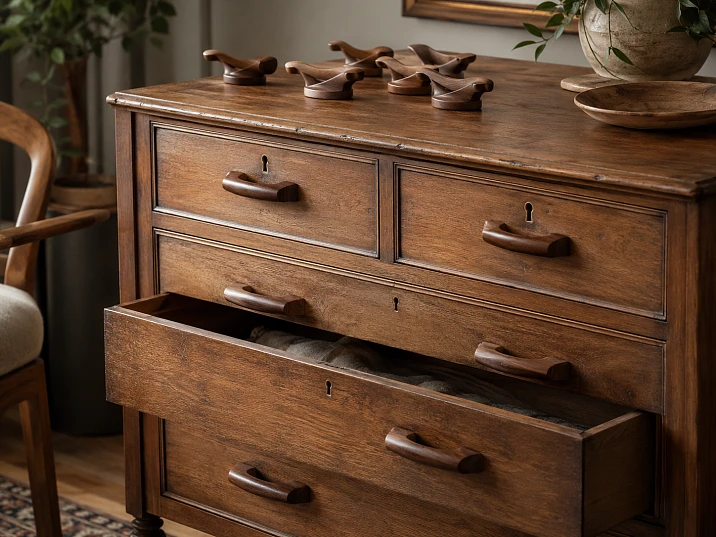
An old dresser doesn't always need to be completely restored, repainted, sanded down to the base, or replaced with a new one. Sometimes furniture looks outdated only because of the handles: they have darkened, become loose, lost their coating, don't match the new room, or simply reveal the item's age. In such a situation, it's easier and more reasonable to start small — buy a set of handles for the dresser and see how the entire look of the drawers changes.
Handles are not a minor detail. On a dresser, they are at hand and eye level, repeated on each drawer, and immediately set the furniture's style. Some handles make the dresser calm and modern, others vintage, others more classic, and some help prepare the furniture for painting. If chosen randomly, an old dresser can become even more disjointed. If chosen correctly, even without a full restoration, the furniture looks neater, more cohesive, and more expensive in perception.
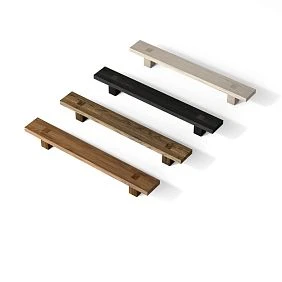
At STAVROS you can buy handles for a dresser in a wooden finish and choose a set according to the number of drawers, the shape of the facade, the room style, and future finishing. The catalog includes handles without coating, handles with coating, various shapes for case furniture, as well as related items: legs, decorative overlays, and carved rosettes. Therefore, the topic of updating a dresser here does not lead to general furniture restoration but to a clear commercial choice: which handles to buy, how many are needed, and what to add if you want to update not only the drawers but also the silhouette of the dresser.
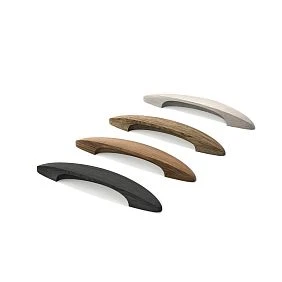
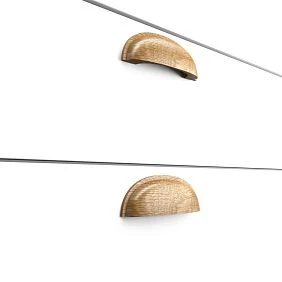
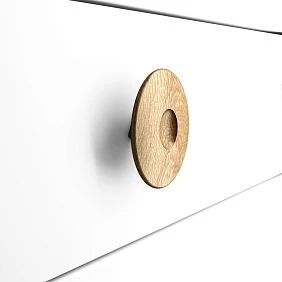
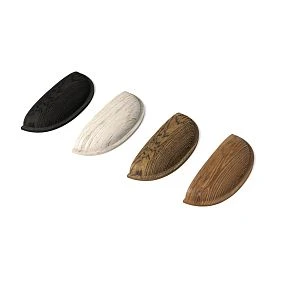
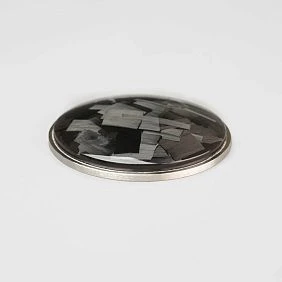
When an old dresser can only be updated by replacing the handles
Not every old dresser requires a complete overhaul. If the body is sturdy, the drawers slide properly, the fronts are not warped, and there is no serious damage, replacing the handles can be the fastest and neatest way to refresh it. Especially if the furniture already fits the space, is in its place, and serves its purpose, but looks visually tired.
Handles on a dresser act as a repeating decorative element. On three drawers, there can be three, six, or more. On a tall dresser, they create a vertical rhythm. On a wide one, they emphasize the horizontal line. When old handles are darker than the front, worn, broken, or look out of place, the entire piece appears old, even if the wood and shape are still good.




If the fronts are intact but the furniture looks outdated
The first sign that you can start with the handles is intact fronts. If the drawers have no deep chips, severe delamination, warping, or large cracks, you don't necessarily have to strip all the finish right away. Sometimes it's enough to choose new wooden handles and refresh the appearance.
For example, an old dresser with simple metal handles can become softer if you install wooden knob handles or pull handles. A dresser with heavy old hardware can be lightened with more subdued shapes. Furniture with flat fronts can be made warmer with wooden handles. This method is especially good if the dresser is already in a bedroom, hallway, children's room, or living room and doesn't require major repairs.
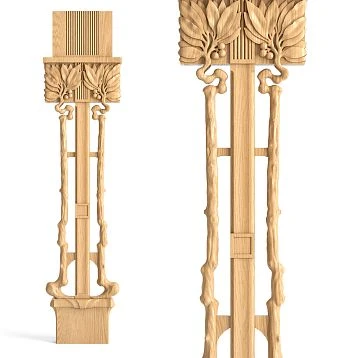
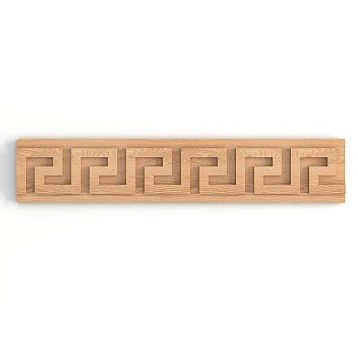
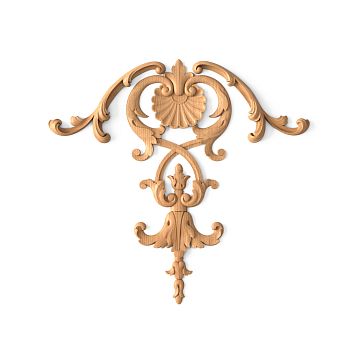
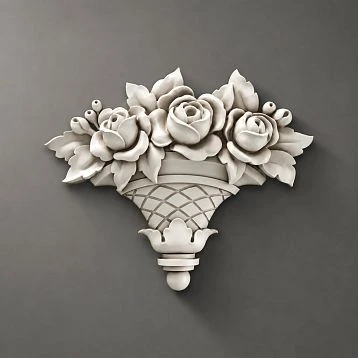
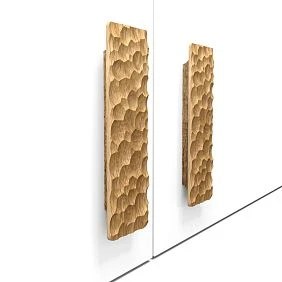
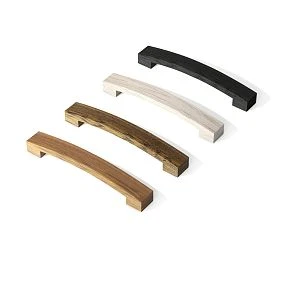
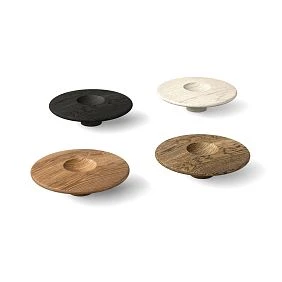
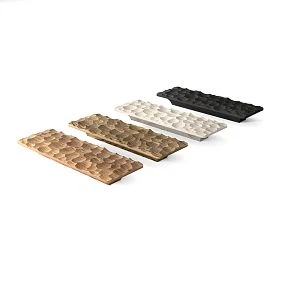
Our factory also produces:
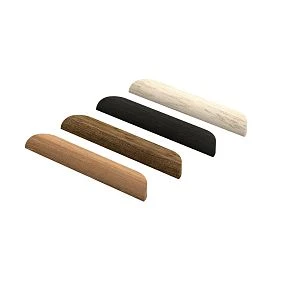
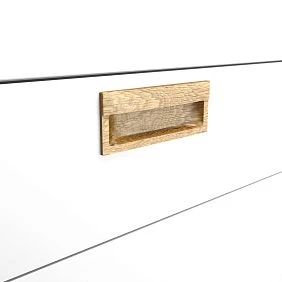
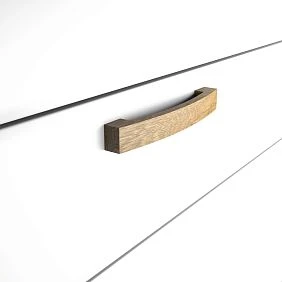
If the old handles have darkened, broken, or don't match the style
Old handles often age faster than the dresser itself. They are touched every day, bear the load, get dirty, scratched, and lose their fasteners. Even if the front still looks normal, the handle may wobble, creak, dangle, or give the furniture an unkempt feel.
There is also another situation: the handles are intact but no longer match the style. The dresser may have moved from an old apartment to a new interior, ended up in a children's room, bedroom, or hallway after renovation. Metal handles can look too cold, plastic ones too plain, old decorative ones too heavy. Then wooden handles for an old dresser help make a piece closer to the interior without buying new furniture.
Get Consultation
If you need to quickly update drawers without full restoration
Full restoration requires time, space, tools, experience, and precision. You need to remove the coating, sand, prime, paint, varnish, and repair drawers. Replacing handles is simpler. It doesn't solve all problems of old furniture, but quickly changes what is visible and used every day.
For such an update, it's enough to check the number of drawers, old holes, facade thickness, shape of new handles, and room style. If new handles fit into existing holes, the job becomes even easier. If they don't, you need to decide in advance how to cover old holes and where to drill new ones.
Which handles to buy for a dresser
Choosing handles for a dresser starts not with a beautiful photo, but with the task. You need to understand whether the dresser will be repainted or remain in its current color, whether a vintage style is needed, how many drawers, what holes already exist, what weight the drawers have, what style the room is, and what details are nearby: legs, overlays, rosettes, facade frames, handles on other furniture.
| Handle options | When to choose | What to check before purchasing |
|---|---|---|
| Uncoated handles | The dresser will be painted, tinted, coated with varnish or oil | Shape, size, fit, and possibility of finishing for your project |
| Handles with coating | Need to install ready-made hardware faster without self-finishing | Color, coating type, shape, compatibility with the facade |
| Antique-style handles | Need to preserve the vintage or classic character of the furniture | Scale, shape, color, combination with the facade and overlays |
| Knob handles | Small drawers, lightweight furniture, compact chest of drawers | Grip convenience, quantity, centered placement |
| Pull handles | Larger drawers, familiar grip, classic or modern look | Center-to-center distance, length, facade width |
| Cup handles | Vintage, kitchen, country or retro character | Position on the drawer, ease of grip from below or above |
| Profile handles and elongated shapes | Modern or calm furniture | Length, installation direction, facade proportions |
Unfinished wooden handles
Uncoated handles are good if the dresser is being updated for painting or tinting. For example, an old wooden dresser is planned to be repainted in a milky, gray, green, blue, or dark shade. In this case, the handles can be finished together with the facade or, conversely, highlighted in a different tone. This gives more freedom than ready-made hardware.
If you need to make the dresser whole, it is better to choose in advance unpainted furniture handles for painting. Then the handles can be included in the finish as part of the furniture, rather than as a detail added after renovation. This is especially useful for old wooden dressers, where it is important to preserve the naturalness or choose a new color to match the interior.
Unpainted handles require more work: the surface needs to be prepared, the coating chosen, the finish carefully applied, allowed to dry, and only then installed. But the buyer gets more control over the final color and character of the furniture.
Handles with finish
Coated handles are suitable for those who want to update a dresser faster. They do not need to be additionally painted, tinted, or oiled before installation. This is a convenient option if the facade is already ready, the dresser is not planned to be completely repainted, and the task is to replace old handles with a neat set.
If you need a quick result, you can choose coated handles for a dresser. This option is especially good for furniture in active use: in the bedroom, hallway, children's room, living room, or dressing room. The coating helps the handle look finished immediately after installation.
Before ordering, you need to match the color and shape with the facade. The finished handle should blend with the existing finish of the dresser. If the facade is old, with patina, wear, or warm wood, a too new and glossy handle may look out of place. If the dresser is modern, a too vintage handle may weigh it down.
Vintage-style handles
The request "buy vintage-style handles for a dresser" usually means not just an old shape, but a desire to preserve the character of the furniture. An old dresser can be valuable precisely because of its age: proportions, wood, traces of time, classic silhouette. In this case, the handles should not argue with the furniture, but support its mood.
Vintage-style handles can be wooden, dark, with a soft shape, restrained geometry, a more classic silhouette, or a shade that does not look too new. It is important not to imitate age roughly. If you put overly decorative hardware on a dresser, it may look theatrical. It is better to choose a shape that calmly continues the character of the facade.
Handles for an old wooden dresser
An old wooden dresser requires special attention to the material. The wood on the facade may have a pronounced texture, darkened varnish, traces of time, or an uneven shade. New handles should take this into account. It is not necessary to match them exactly in color, but they should be logically connected to the facade.
If the dresser will be sanded and refinished, you can take handles without coating. If the facade is kept as is, it's better to look for ready-made handles with coating or options that don't require complex finishing. For warm wood, calm wooden shapes without unnecessary aggression often work well.
Handles for dresser drawers: how many pieces are needed
The number of handles is calculated based on drawers and the facade layout. If each drawer has one handle in the center, the quantity equals the number of drawers. If a wide drawer has two handles, the quantity doubles. If the dresser has drawers of different sizes, you can use one handle shape in different sizes or one model if it suits all facades.
Before ordering, it's worth recounting not only the drawers but also the old holes. One drawer may have two holes for a pull handle. If the new knob handle is placed in the center, the old holes will need to be filled. If the new pull has a different center-to-center distance, facade modification will also be required.
How to choose handles for an old dresser
Choosing handles for an old dresser is best done based on five parameters: number of drawers, old holes, handle shape, finish, and style. This way, the purchase will be practical rather than random.
By number of drawers
Start simple: how many facades need to be opened. A dresser with three wide drawers may require three large handles or six smaller handles. A dresser with six drawers may require six identical handles if the facades are equal, or a different set if the top drawers are smaller than the bottom ones.
If handles are bought as a set, it's better to order one spare if budget and project allow. In case of damage or installation error, you won't have to search for the exact same model later. But don't buy extras without calculation: first the layout, then the order.
By center-to-center distance of old holes
If there were pull handles on the dresser, there are already two holes on the front. The new handle must match the center-to-center distance or cover the old holes. If the distance doesn't match, you'll have to fill the old holes, drill new ones, and possibly repaint the front.
If the old handles were knobs, there is usually one hole. Then you can install a knob again or choose a different layout, but any change will require careful work on the front. That's why you shouldn't focus only on style before buying. You need to take measurements.
By shape: knob, pull, shell, elongated handle
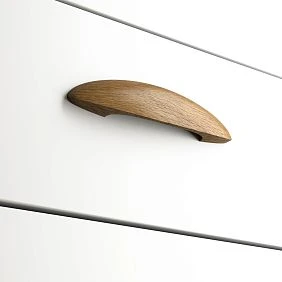
A knob is suitable for compact drawers and a light visual update. It doesn't overwhelm the front and looks good on small dressers. A pull handle provides a more familiar grip, especially for wide and heavy drawers. A shell handle adds retro character and often works well on dressers in country, vintage, classic, kitchen, or hallway styles. An elongated handle is suitable for modern and calm fronts.
The shape should match not only the style but also convenience. If the drawer is heavy, a small knob may be uncomfortable. If the front is narrow, a long handle will look heavy. If the dresser is in a walkway, a handle that protrudes too much may get in the way.
By color and finish
The color of the handle should relate to the front, legs, decorative trims, floor, and other furniture. On a light dresser, dark handles provide contrast. On a dark one, light handles can become an accent. A wooden handle matching the front makes the furniture calmer. A handle with a distinct color highlights the drawers.
If you are painting the dresser, handles without a finish give you more freedom. If you are not painting, handles with a finish help complete the job faster. If you want an antique effect, look not only at the color but also the shape: soft, classic, not too sharp.
By style: classic, retro, vintage, modern furniture
For classic, softer and more decorative shapes are suitable. For retro, shell handles, knobs, and calm pulls work. For a modern interior, elongated, geometric, and minimalist handles are appropriate. For a child's room, simple, safe, and comfortable shapes. For a bedroom, calm and pleasant to the touch. For a hallway, more practical and resistant to frequent use.
The dresser should not argue with the room. If all the furniture is modern, antique handles may look out of place. If the interior is vintage, too minimalist hardware can make the piece look poor. Handles should help the dresser blend into the space.
Commercial selection block
| User's task | What to buy | Commercial transition |
|---|---|---|
| Quickly replace the handles on the drawers | Wooden furniture handles | buy handles for a dresser |
| Update an old wooden dresser | Set of wooden handles matching the facade style | wooden handles for an old dresser |
| Select handles for painting | Unpainted handles | unpainted furniture handles for painting |
| Install ready-made hardware without finishing | Handles with coating | coated handles for a dresser |
| Change the height and silhouette of the furniture | Wooden furniture legs | buy wooden legs for a chest of drawers |
| Add relief to the facades | Carved overlays | decorative inlays for furniture |
| Create symmetrical accents | Carved rosettes | Carved rosettes for furniture decor |
This table helps choose the purchase route. If the dresser only needs refreshing, handles are enough. If it is low, heavy, and visually grounded, handles can be supplemented with legs. If the fronts are too empty, overlays or rosettes are added. If the dresser is being repainted, it is logical to choose handles without coating. If a quick result is needed, it is better to take handles with coating.
How to update an old dresser at home without full restoration
Updating a dresser at home starts with assessing its condition. First, check the body: whether the furniture wobbles, whether the drawers slide smoothly, and whether there are strong chips or delaminations. Then look at the fronts. If the problem is mainly with the handles, there is no point in disassembling the entire piece right away.
Next, remove the old handles and measure the holes. If the new handles match the mounting, replacement will be simple. If not, you need to decide how to cover the old holes and how to prepare the front. If the dresser will be painted, the holes can be filled before painting. If the front is preserved, it is better to choose handles that cover the old spots or match the mounting.
After that, choose a style. For a calm update, wooden handles in a similar shade are suitable. For an expressive update, contrasting ones. For an old wooden dresser, handles with an antique look or soft classic shapes. For a modern room, geometry and elongated lines.
Finally, count the set. Do not buy one handle "to try" if you might later run out of the required quantity. For a dresser, consistency is important. If a handle on one drawer differs, it should be a design decision, not a result of a shortage of items.
What not to do from scratch if there are ready-made wooden handles
Many start updating an old dresser with the idea of making handles themselves. This is possible, but not always reasonable. A handle must be comfortable, uniform in size, neatly finished, safe for the hand, suitable for mounting, and able to withstand daily use. Making a set of six or eight identical handles without equipment is difficult.
Ready-made wooden handles take some of that work off your hands. No need to manually carve each shape, match identical geometry, select blanks, or worry about grip comfort. You can choose a ready-made model, check the dimensions, and focus on the front, finish, and installation.
If the dresser is being painted, take unpainted handles and finish them together with the furniture. If you want to finish the job faster, choose handles with a coating. If you need to add character to old furniture, look for shapes that suit retro or classic style. A ready-made element doesn't remove creativity, it removes unnecessary technical complexity.
What to buy together with handles for a dresser
Handles often change the perception of a dresser, but sometimes one replacement is not enough. If the furniture is low, heavy, and stands directly on the floor, new legs can make it lighter. If the fronts are too flat, carved overlays or rosettes will add relief. If the dresser is being repainted, handles without coating will help achieve a uniform color.
| What to buy together | Why this is needed | When it's appropriate |
|---|---|---|
| Set of wooden handles | Replace old hardware on all drawers | Almost always when updating a dresser |
| Uncoated handles | Paint or stain together with the dresser | When the furniture is being updated to a new color |
| Handles with coating | Quickly install ready-made handles | When the body and facades are already ready |
| Wooden legs | Change the height, silhouette, and lightness of the dresser | If the furniture looks heavy or low |
| Decorative overlays | Add relief to the central zones of the facades | For classic, vintage, decorative dressers |
| Carved rosettes | Make symmetrical accents on the drawers | For small point decorations |
If the dresser is simple and good in shape, do not overload it. Sometimes new handles are all that is needed. If the furniture is large, classic, or too empty, you can add decor. But handles should always remain comfortable: drawers should open easily, without trying to grab the decorative overlay instead of the hardware.
Wooden legs: when a dresser needs them
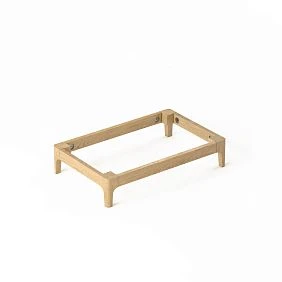
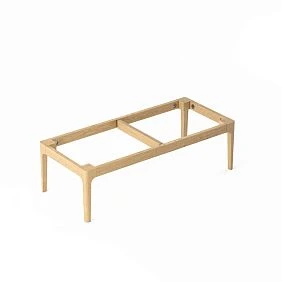
Handles update the facade, and legs change the silhouette. An old chest of drawers often looks heavy because it sits low, has a massive base, or is visually pressed to the floor. New wooden legs can lift the furniture, make it lighter, and change its proportions.
If you need not only to replace the handles but also to change the overall look, it's worth buy wooden legs for a chest of drawers together with a set of handles. This approach works especially well for old cabinets, chests of drawers, small cupboards, and furniture that you want to fit into a modern bedroom or hallway.
But legs cannot be bought just for looks. You need to consider the height of the furniture, the load, attachment points, the weight of the chest, the condition of the base, the style of the handles, and the future finish. If the legs are too thin, the chest may look unstable. If too ornate, they may clash with simple facades. If too high, the furniture will change proportions and using the drawers will become inconvenient.
Decorative overlays and rosettes: when handles are not enough
Sometimes after replacing handles, the facades still feel empty. This happens with old chests of drawers with large smooth drawers, with furniture after repainting, with facades without panels or relief. In such a situation, you can add decorative elements.
decorative inlays for furniture are suitable when you need to decorate the central area of the facade, add carved relief, make the chest more classic, or tie it to other wooden decor. The overlay does not open the drawer and does not replace the handle. It decorates the facade. Therefore, it is placed so that it does not interfere with the grip and does not conflict with the handle.
Carved rosettes for furniture decor are needed for small symmetrical accents. They can work on small drawers, in corners, in the center of a decorative frame, or as a repeating element. A rosette is lighter in perception than a large overlay, but also requires precise placement.
If the handles are expressive, it's better to make the decor calmer. If the handles are minimal, the overlay or rosette can take on the decorative role. The main thing is not to turn the chest into a collection of all the details you like.
How not to confuse similar products
| Product | Do not confuse with | How to use |
|---|---|---|
| Drawer handles | Door handles | Mounted on boxes and furniture facades |
| Uncoated handles | Ready-made handles with coating | Suitable for painting, tinting, varnish, or oil |
| Handles with coating | Blanks for self-finishing | Can be mounted faster if the color and style match |
| Legs for a dresser | Handles and overlays | Change the height, support, and silhouette of furniture |
| Overlays | Handles | Decorate the facade but do not open the drawer |
| Rosettes | Overlays and handles | Provide small decorative accents |
The main mistake is buying a decorative part instead of a functional one. An overlay may be beautiful, but it is inconvenient to open the drawer if it is not a handle. A rosette can decorate the center of the facade but will not replace the hardware. Legs can change the silhouette but will not solve the problem of old handles. Each element must perform its role.
Practical selection for different situations
Dresser in the bedroom
For the bedroom, it's better to choose calm handles that are pleasant to the touch. The furniture here is used every day, but the interior is usually softer than in the hallway. Wooden knobs, brackets, and elongated shapes without excessive aggression will work. If the dresser is being repainted in a light shade, you can take unpainted handles and finish them together with the facade.
Dresser in the hallway
In the hallway, handles should be practical. Drawers are opened frequently, sometimes with wet or dirty hands, and there are outerwear, bags, and shoes nearby. It's better to choose a shape with a comfortable grip and a coating suitable for active use. A handle that is too small on a heavy drawer will be annoying.
Dresser in the children's room
For a children's room, shape, convenience, and safety are important. Handles should not be too sharp, excessively protruding, or uncomfortable for a small hand. Unpainted handles can be finished to match the furniture color or made into a calm natural accent. The main thing is that the fastening must be reliable.
Vintage dresser
For a vintage dresser, a bright 'antique' handle is not always necessary. Sometimes it's better to choose a wooden shape that gently supports the age of the furniture. Handles styled as antique should look natural, not theatrical. If the facades already have patina or wear, too new hardware may stand out.
Dresser after repainting
If the furniture is being repainted, it's better to choose handles in advance. Then you can understand whether they will match the facade color, be contrasting, or natural. Unpainted handles are especially convenient: they can be prepared together with the dresser. If you install handles after painting without trying them on, you might miss the scale.
Chest of drawers with heavy drawers
For heavy drawers, it's better to choose handles with a good grip: brackets, elongated shapes, comfortable overlay options. A small button may look nice, but it will be inconvenient to use. Before purchasing, you need to assess the weight of the drawer and the frequency of use.
Mistakes when buying handles for an old chest of drawers
Buying handles without measuring
This is the most common mistake. Old holes, facade width, drawer height, and front panel thickness affect the choice. If the handle is beautiful but doesn't fit the mounting, you'll have to redo the facade.
Changing the shape without considering old holes
Switching from a bracket handle to a button or vice versa changes the mounting pattern. Old holes may remain visible. If the chest of drawers is not being repainted, this is especially critical. You need to decide in advance how to cover the old spots.
Buying different handles without a unified concept
Sometimes a buyer wants to make the chest of drawers "more interesting" and chooses different handles for different drawers. This can work, but only if there's a concept. In most cases, an old chest of drawers looks neater with a uniform set.
Not considering the finish
Uncoated handles require finishing. Coated handles already have a finished appearance. If you confuse these tasks, you may end up with extra work or an unsuitable result. Before ordering, you need to honestly decide: do you want to paint the handles or install them immediately.
Installing handles that are too large
A large handle on a small drawer looks heavy. It can overlap the facade and clash with the shape of the dresser. For compact furniture, it's better to choose proportional handles.
Installing handles that are too small
On a wide and heavy drawer, a small knob can be uncomfortable. The drawer will be difficult to open, and the hardware will look weak. The larger the facade, the more carefully you need to choose the grip.
Adding decor without moderation
New handles, legs, overlays, and rosettes can transform a dresser. But if you add everything at once without a plan, the furniture will become overloaded. First, choose the main accent: handles, legs, or facade decor. The rest should support it.
Who is suitable for updating a dresser by replacing handles
This method is suitable for owners of an old dresser that is still sturdy but visually outdated. It is suitable for those who want to update furniture without buying new. It is convenient for home craftsmen, designers, carpentry workshops, and buyers of wooden hardware.
Replacing handles is suitable when you need to quickly change the mood of the furniture. For example, make the dresser softer, more modern, more vintage, lighter, neater, or closer to the room's style. It is suitable for the bedroom, hallway, children's room, living room, dressing room.
This method is not suitable for those looking for a new ready-made chest of drawers, metal fittings, plastic handles, drawer slides, or a complete body restoration. If the drawers are hard to open, the body is falling apart, or the fronts are severely damaged, simply replacing the handles won't solve the problem. In that case, furniture repair is needed first, and only then the selection of fittings.
Where to buy handles for a chest of drawers and how to make a selection on STAVROS
If the question is "where to buy handles for a chest of drawers," the right route starts with the furniture handles section. First, open the catalog where you can buy handles for a dresser, then choose whether you need handles without coating or with coating. After that, filter the models by shape, size, and product type.
Before ordering, prepare simple data: the number of drawers, the number of handles on each front, the center-to-center distance of the old holes, the width of the drawer, the desired style and finish. If the chest of drawers will be painted, immediately look at unpainted furniture handles for painting. If you need a ready-made result without self-finishing, go to the section coated handles for a dresser.
If, along with the handles, the entire look of the chest of drawers is changing, add to the selection buy wooden legs for a chest of drawers, decorative inlays for furniture or Carved rosettes for furniture decor. This way, you can assemble not a random replacement of fittings, but a full update of old furniture.
FAQ
How to update an old chest of drawers without full restoration?
Start with the handles. If the body and fronts are intact, replacing the fittings can greatly change the appearance of the furniture. Remove the old handles, measure the holes, choose a new set, and decide whether you need handles without coating or with coating.
Where to buy handles for a dresser?
Wooden handles for a dresser can be purchased in the STAVROS catalog. In the furniture handles section, you can select shapes for drawers, cabinets, facades, and case furniture.
Which handles are suitable for an old wooden dresser?
Wooden handles that match the facade in shape, color, and scale are suitable. For a dresser to be painted, unpainted handles are convenient; for a quick update, handles with a coating; for a vintage look, antique-style shapes.
How many handles do you need to buy for a dresser with drawers?
Count according to the facade layout. If each drawer has one handle, the quantity equals the number of drawers. If wide drawers have two handles each, the quantity doubles. It's better to draw a layout in advance and check the old holes.
What to choose: handles without coating or handles with coating?
Handles without coating are chosen if the dresser will be painted, tinted, or varnished along with the hardware. Handles with coating are suitable if you need to install a ready-made set without additional finishing.
Can you select handles for a dresser in an antique style?
Yes, you can select wooden handles with a suitable shape, color, and character. For an antique effect, not only the shade is important, but also the proportions, softness of shape, and combination with the facade.
What to buy together with handles for a dresser?
Often, together with handles, people look at wooden legs, decorative overlays, and carved rosettes. Legs change the silhouette of the furniture, overlays add relief, and rosettes help create symmetrical accents.
What else can be used to decorate a dresser after replacing the handles?
If the fronts look empty, you can add decorative overlays or carved rosettes. But they should not interfere with opening the drawers or clash with the handles.
Can new handles be installed in the old holes?
Yes, if the mounting matches. For pull handles, the center-to-center distance is important. If it doesn't match, the old holes will have to be filled or a different model chosen.
Are wooden handles suitable for a modern dresser?
Yes, if you choose a minimalist shape: a profile, an elongated handle, a simple pull, or a geometric knob. Wood can look modern if the form and finish are not overloaded.
Which handles are more convenient for heavy drawers?
For heavy drawers, pull handles, elongated surface-mounted shapes, or models with a good grip are more convenient. Small knobs are best left for light and compact fronts.
Do I need to change the legs along with the handles?
Not always. If the dresser is good in height and proportions, handles are enough. If the furniture seems low, heavy, or outdated in silhouette, new wooden legs can enhance the update.
Conclusion: an old dresser can be updated selectively if you choose the right handles
Replacing handles is one of the most straightforward ways to update an old dresser without full restoration. It helps quickly change the appearance of drawers, support a new room style, remove broken or unsuitable hardware, and make the furniture neater in daily use. But the result depends on the accuracy of the choice: you need to consider the number of drawers, old holes, handle shape, finish, facade style, and future decoration.
If the dresser will be painted, it's better to choose unpainted handles in advance. If quick installation is needed, handles with a finish will do. If you want to preserve the vintage character, look for calm antique-style shapes. If you need to change not only the facade but also the silhouette, you can supplement the order with legs. If the facades are too empty, overlays and rosettes will help.
STAVROS allows you to assemble such a set in one logic: handles for drawers, handles for painting, ready-made handles with finish, legs, decorative overlays, and carved rosettes. It's best to start with the section where you can buy handles for a dresser, and then select accompanying elements for a specific old dresser, its drawers, and room style.