























Article Contents:
- When carved balusters are the right choice
- Classic interior with wooden accents
- Country cottage with a representative entrance space
- House made of timber or logs
- Grand staircase as an independent object
- How carved balusters differ from ordinary turned ones
- Difference in decorativeness
- Difference in visual status
- Difference in complexity and price
- What carved balusters are like: classification by type of decor
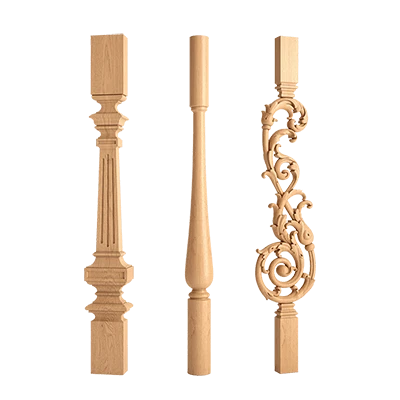
- Turned-carved balusters
- Balusters with floral ornament
- Balusters with geometric carved ornament
- Balusters with ornamental inserts
- Strict symmetrical models
- How to choose wood for carved balusters
- Beech: precision of details and neutral character
- Oak: living texture and durability
- Solid wood: what it means in practice
- Choosing wood species: practical matrix
- How to match carved balusters to handrails and posts
- Scale of the ornament and scale of the handrail
- Stylistic Compatibility
- Dialogue with support pillars
- Same wood species — same tone
- Proportion Rule
- Price of carved wooden balusters: what influences it
- First factor: wood species
- Second factor: carving complexity
- Third factor: height
- Fourth factor: ready-made product or custom order
- Price benchmarks
- What to buy together with carved balusters: a complete set for an elegant staircase
- Handrail
- Support posts
- Installation Components
- Baluster Supports
- Finish Coating
- Mistakes when buying carved balusters for a staircase
- First mistake: thread too shallow for a large staircase
- Second mistake: style mismatch with handrail and posts
- Third mistake: buying without calculating the quantity
- Fourth mistake: mixing thread types
- Fifth mistake: choosing only by photo without considering dimensions
- Sixth mistake: saving on installation
- How to calculate the number of carved balusters
- Formula for a straight flight
- Installation spacing
- Two balusters per step
- Landing and turns
- Reserve
- Carved balusters for a private house: practical scenarios
- First scenario: classic country house, 2 floors, single-flight staircase
- Scenario two: timber house, attic staircase, rustic style
- Scenario three: grand staircase in a mansion, U-shaped configuration
- Where to buy carved wooden balusters: final guide
- STAVROS: carved balusters and components for a classic staircase
- Frequently Asked Questions
- Where to buy carved wooden balusters?
- Why are carved balusters better than regular turned ones?
- Which carved balusters to choose for a wooden staircase?
- What determines the price of carved wooden balusters?
- Can I buy carved balusters and handrails as a set?
- How to calculate the number of carved balusters for a staircase?
- Can carved balusters be combined with square handrails?
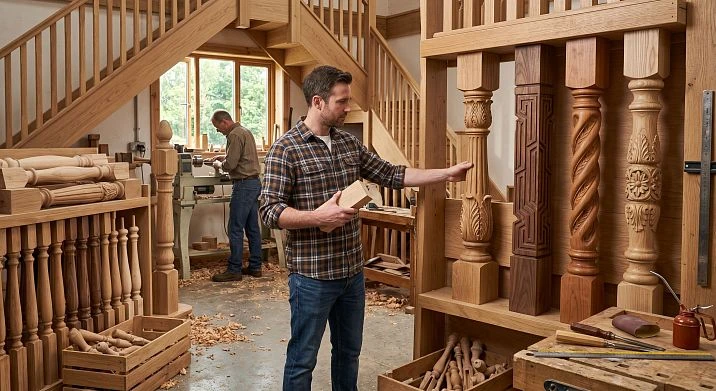
There are things that everyone notices but no one names. Entering a house, a person sees the staircase — and either lingers on it with a glance or passes by. The difference between these two reactions is most often determined by a single element: the balusters. Simple turned posts hold the handrail and perform their function. Carved ones make the staircase a work of art. They speak of taste, of intention, of the fact that the person who built this house thought not only about convenience but also about beauty.
Buy carved wooden balusters — this is a decision made by people with a certain understanding of what a staircase should be. Not just a transition between floors, but an architectural accent, a detail worthy of attention.
This article is for those who choose carved balusters consciously: want to understand the difference between types, know that the style must be consistent, and do not want to make a mistake with sizes, wood species, and configuration.
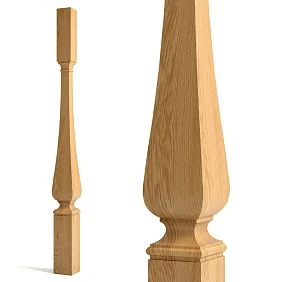
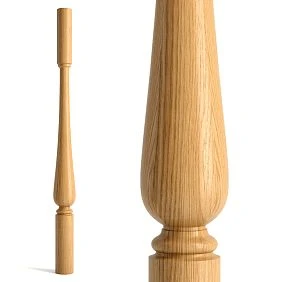
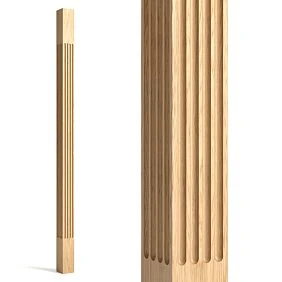
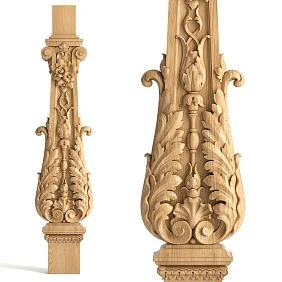
When carved balusters are the right choice
Not every staircase requires carving. It is important to understand this from the very beginning. Carved balusters create visual richness, decorative depth, and a sense of elegance. If the interior is laconic and deliberately restrained, they may be excessive. But there are contexts where they are indispensable.
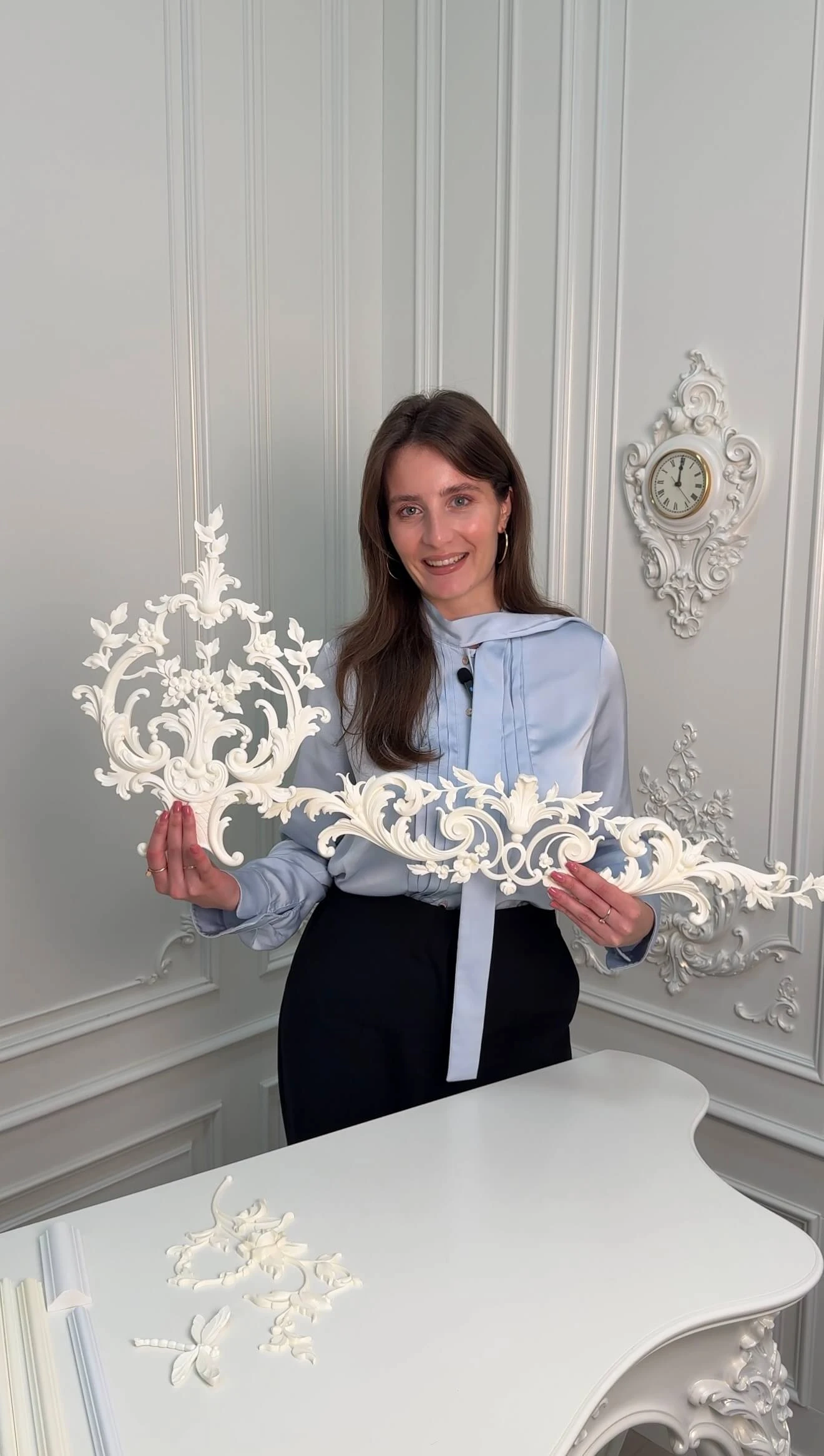
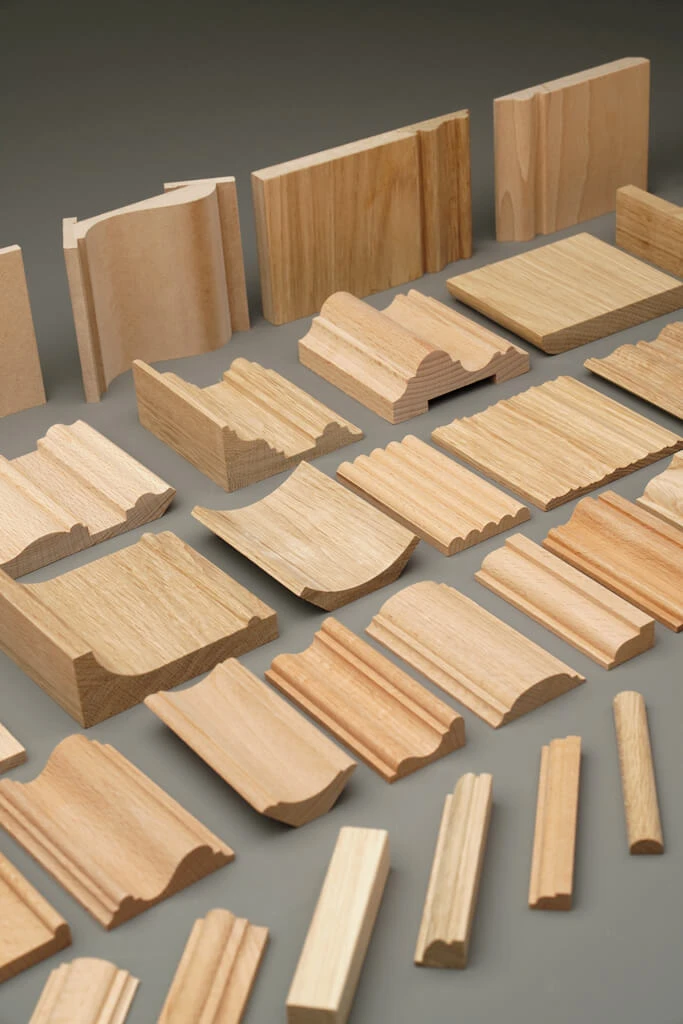
Classic interior with wooden accents
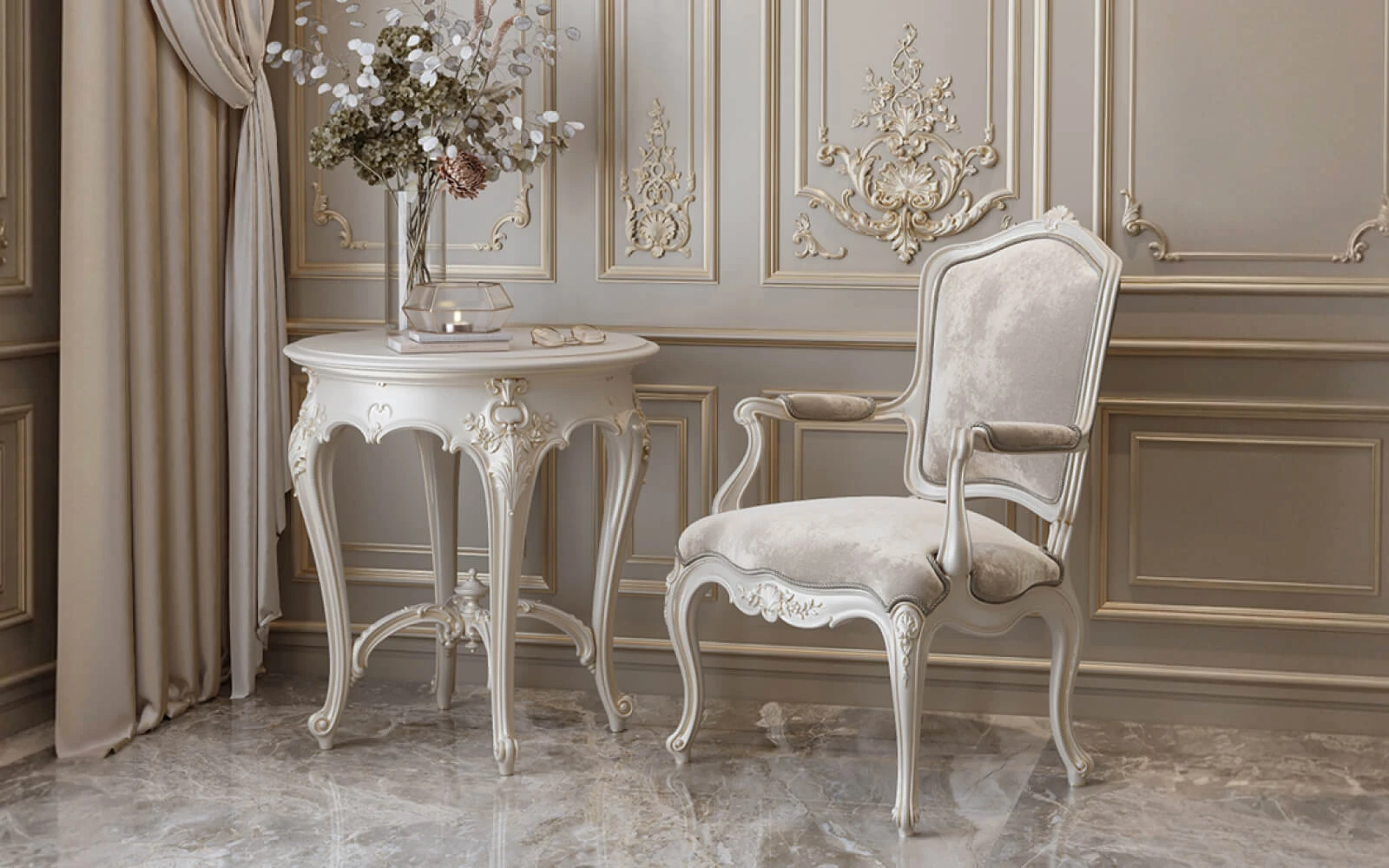
A staircase in a house with wooden panels, coffered ceilings, dark solid wood floors, a library with carved frames — this is an environment where carved balusters sound organic. They continue the decorative language of the interior, enhance it, and give the staircase status.
It is here Beautiful balusters for wooden staircases with three-dimensional ornament reveal their full potential.
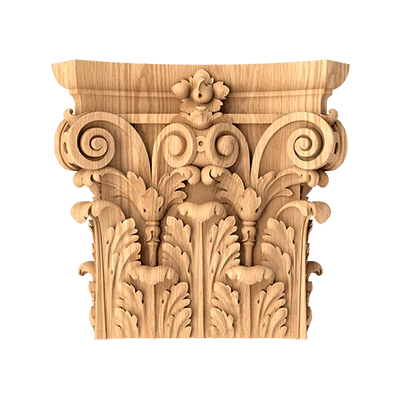
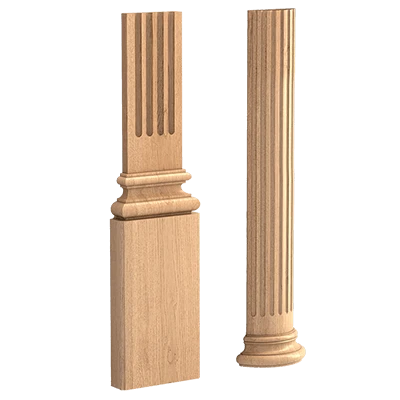
Our factory also produces:
Country cottage with a representative entrance space
The formal area of a country house — hallway, foyer, open staircase — is where first impressions are made. In a cottage with an antique-style finish, brick arches, wrought-iron decor, and heavy wooden doors, carved balusters become part of the image.
The carving on the balusters echoes the carved elements of furniture, architraves, and decorative columns — creating a unified decorative note that permeates the entire interior.
Get Consultation
House made of timber or logs
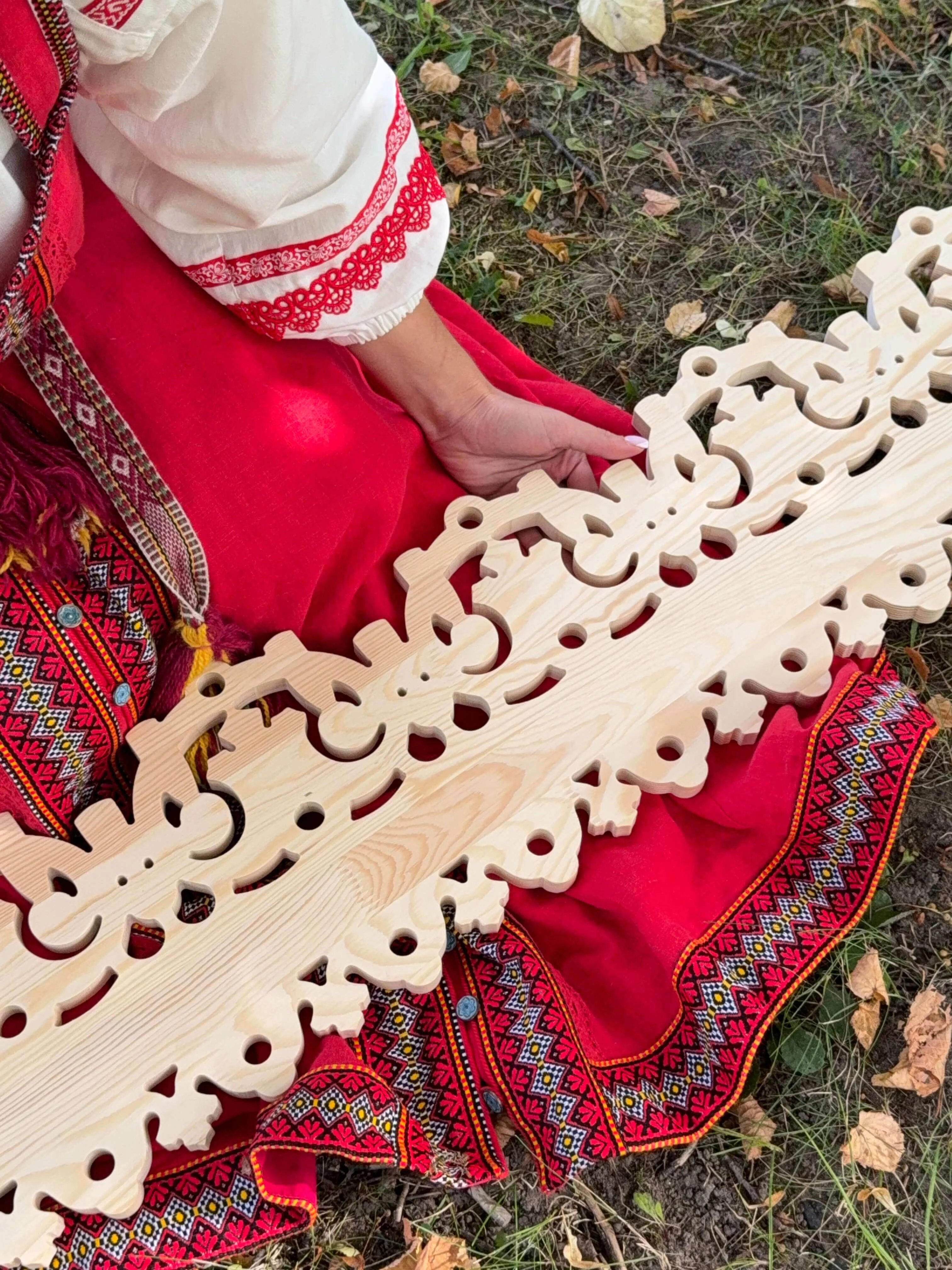
A traditional Russian wooden house is a special context. Here, carving in a folk spirit is appropriate: ornamental motifs, woven patterns, plant elements. Wooden balusters for staircase to buy with a characteristic turned-carved form means fitting the staircase into the tradition, making it part of a "living" wooden space.
Formal staircase as an independent object
Sometimes the staircase in a house is the main visual accent around which the entire space is built. A double-sided flight, wide steps, massive pillars with finials. In such a staircase, simple turned balusters will look insufficient — carving is needed here.
How carved balusters differ from ordinary turned ones
A question many ask. The answer is not only in the decor.
Difference in decorativeness
A turned baluster is a lathe profile: rollers, necks, cones, smooth diameter transitions. The shape is built through the geometry of the lathe. It is beautiful, functional, and time-tested.
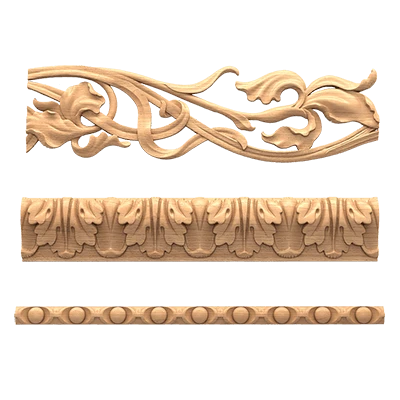
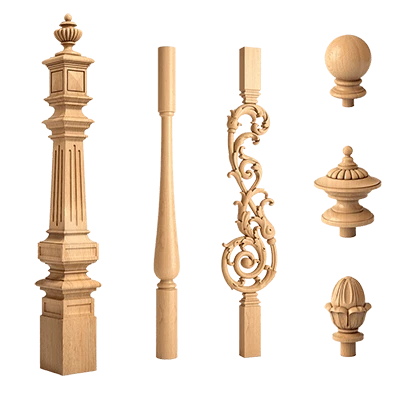
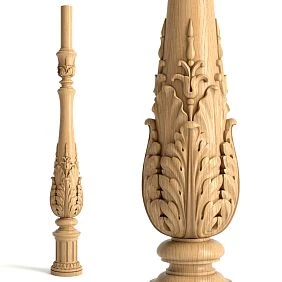
A carved baluster adds a three-dimensional element to the turned base: applied carving, through ornamentation, milled relief. This can be a plant pattern — leaves, grapevine, acanthus. Or a geometric ornament — diamonds, weaves, ribbon motifs. Or architectural elements — capitals, column-shaped inserts, cartouches.
The difference is like between a written word and calligraphy. The meaning is the same, the form is of a different order.
The difference is in visual status
A railing with carved balusters immediately signals: this is not a standard solution. This is a staircase that was thought about. Even if the house is generally modest — good carving on the balusters elevates its perception by several steps upward (exactly where the staircase leads).
The difference is in complexity and price
A carved baluster is a more labor-intensive product. The turned base plus milling or hand carving — these are additional operations, additional time, additional skill of the craftsman. Hence the difference in price compared to simple turned models.
But it is important to understand: in mass production — a programmable CNC router reproduces the ornament accurately and stably, and the finished carved wooden baluster in the catalog is significantly more affordable than a custom order for hand carving.
What carved balusters are there: classification by type of decor
The market offers a wide range of shapes. Let's break down the main types to make an informed choice.
Turned-carved balusters
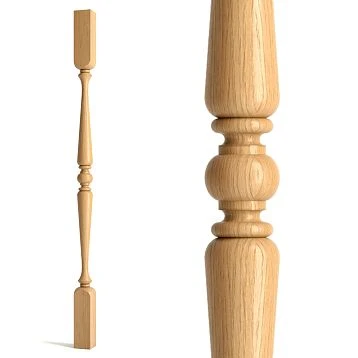
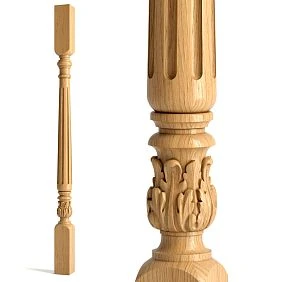
The most common and sought-after type. The base is a classic turned shape with rollers and necks. Carved ornamentation is applied to it: milled grooves, applied elements, relief inserts.
This solution combines the tradition of turning production with the decorative accent of carving. The result is a baluster that looks both strict and elegant. Suitable for a classic wooden staircase of any scale.
Diameter at the widest part: 45–60 mm. Working part height: 900–1200 mm.
Balusters with floral ornament
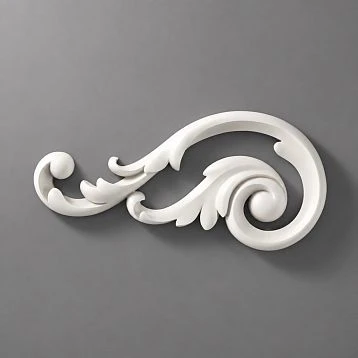
Acanthus leaves, grapevine, fern curls, floral rosettes — these motifs come from European architectural classics. They create a feeling of living nature translated into wood.
Balusters with floral ornament are suitable for interiors in the style of classicism, Empire, Baroque. For country houses with rich finishes. For staircases that should impress.
Balusters with geometric carved ornament
Rhombuses, weaves, star-shaped rosettes, ribbon borders — geometric carving is stricter and more restrained than floral carving. It suits interiors that lean toward classicism but with more moderate decor.
Geometric carving on balusters blends more easily with modern finishing elements: it does not overload the space but adds depth and a handcrafted character.
Balusters with ornamental inserts
Individual decorative inserts are added to the turned base — unique "medallions" on the body of the baluster. This creates rhythm and vertical accents, making each baluster a small independent object.
Strict symmetrical models
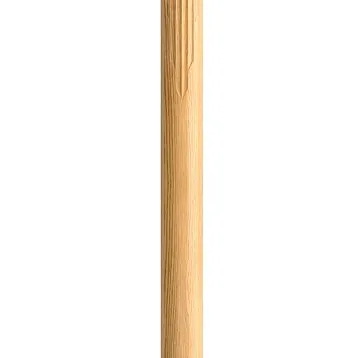
Carving in the form of clear symmetrical bands, longitudinal fluting with ornament, alternating relief planes. This is "moderate" carving that adds character without excessive decor. Suitable for modern classicism and staircases where a decorative element is needed without opulence.
How to choose wood for carved balusters
The wood species is not just about strength and price. It is about the surface character, the behavior of the carving, and the final feel of the product.
Beech: precision of details and neutral character
Beech is a wood with a uniform, dense structure. Density 680–750 kg/m³. It is for this uniformity that beech is so loved by carving masters: the cutter runs smoothly, the edges are sharp, and the ornament appears without blurred boundaries.
Beech texture is neutral: under tinting it is almost invisible, giving way to the color of the coating. This feature is both an advantage and a limitation. If you want a dark, white, or colored staircase — Buy beech balusters from the carved series — it is an ideal choice. The coating will lay perfectly, the pattern will appear clearly, and the surface will be silky.
Service life with proper treatment: 25–35 years.
Oak: living texture and durability
Oak is a different story. Its natural pattern — large annual rings, characteristic pores, golden-brown tone — is decorative in itself. Carving on an oak baluster under clear oil is double decor: ornament plus the living texture of the wood.
Oak is denser than beech (720–800 kg/m³), contains natural tannins, and is more resistant to moisture. For wooden houses with a living microclimate, for open verandas with a canopy — oak is preferable.
Buy oak balusters in the carved version — it is a product that only gains character over the years: oak darkens, acquires a noble tone, and the carving on the darkened surface looks increasingly expressive.
Service life: 50 years or more with proper care.
Solid wood: what it means in practice
The word "solid" in the description of a baluster means that the product is made from a single piece of wood, without gluing layers. This guarantees uniform behavior under changing humidity, no delamination along the glue line, and a stable carving profile.
Buy solid wood balusters — means choosing a product without hidden weak points. For carved balusters this is especially important: on thin ornamental details, a glue seam could become a point of failure.
Choosing the wood species: a practical matrix
| Situation | Best choice | Justification |
|---|---|---|
| Staircase for white or colored paint | Beech | Neutral texture, clear ornament |
| Staircase for walnut or wenge stain | Beech | Even absorption of wood stain |
| Staircase with open natural texture | Oak | Live grain pattern under oil |
| House with high humidity or fluctuations | Oak | Moisture resistance |
| Formal expensive interior | Oak | Premium status and durability |
| Budget classic staircase | Beech | Optimal price/quality ratio |
How to choose carved balusters for railings and posts
This is the most delicate section. Carving is a decorative accent that must engage in a dialogue with all elements of the railing. Incorrectly chosen balusters can ruin the style of the staircase, even if each individual element is beautiful.
Scale of ornament and scale of handrail
Imagine: thin miniature balusters with fine intricate ornamentation — and next to them a massive square handrail 80×60 mm. The mismatch in scale creates a visual imbalance. A large handrail requires large, expressive balusters with well-readable carving.
Conversely: a narrow, elegant D-shaped handrail is a companion for balusters with restrained ornamentation, without excessive opulence.
Rule: the scale of the baluster ornament and the 'weight' of the handrail must be proportionate.
Stylistic compatibility
Carving with floral ornament → handrail with smooth rounded edges, possibly with a light ornament on the end. Geometric carving → handrail with clear edges. Strict symmetrical models → any classic handrail.
Do not mix: carved balusters in the Baroque style with an angular modern handrail. Or folk flat ornaments with a handrail in the Neoclassical spirit.
Dialogue with support posts
Posts are the largest elements of the railing. They support the handrail and visually "hold" the entire structure. For an ensemble with carved balusters, posts should either be neutral and strict (so as not to overpower the carving of the balusters), or themselves carry decor — then they enhance the overall impression.
Buy balusters and posts for a wooden staircase within one product line — means getting a guaranteed matched pair.
For the most ornate staircases — carved wooden balusters with three-dimensional decor create a full ensemble with carved balusters: each element supports the overall decorative tone.
Single species — single tone
If the balusters are made of beech, the handrail and posts should also be made of beech. If oak — everything from oak. Different species under the same coating will give a different tone: one species absorbs stain differently than another. This will be immediately visible — and it will be a mistake that cannot be corrected without completely replacing the coating.
Proportion Rule
The cross-section of the post should be 2–2.5 times larger than the cross-section of the baluster. With a baluster diameter of 50 mm — a post of 100×100 or 120×120 mm. This is a visually correct hierarchy: the post is the main element, the baluster is a rhythmic element.
Price of carved wooden balusters: what influences it
The question of cost is always relevant. Let's break it down honestly.
Factor one: wood species
Beech is more affordable. Oak is 40–70% more expensive. This is an objective difference due to the cost of raw materials, tree growth rate, and processing complexity. Balusters price — is primarily the price of the species.
Factor two: carving complexity
Simple milling of longitudinal flutes is cheaper. Voluminous floral ornamentation, multi-level carving, through elements are more expensive. Each additional pass of the cutter or each hour of manual work by the craftsman adds to the cost.
Factor three: height
The longer the baluster, the more material and time. A 900 mm baluster is the standard size. A 1200 mm baluster is proportionally more expensive. For stairs with non-standard railing heights, the cost needs to be clarified separately.
Factor four: ready-made product or custom order
A ready-made carved baluster from the catalog is a serial product with a clear price. An individual carved baluster based on your ornament involves development, a sample, and approval. The cost of an individual product is 1.5–2.5 times higher than the catalog one.
Conclusion: for most tasks, ready-made Buy carved wooden balusters in the catalog is the best balance of quality and cost.
Price Benchmarks
| Baluster type | Species | Price per piece |
|---|---|---|
| Turned-carved, basic ornament | Beech | 900–1,400 RUB |
| Turned-carved, complex ornament | Beech | 1,300–2,000 RUB |
| Turned-carved, basic ornament | Oak | 1,400–2,200 RUB |
| Complex carving, floral motif | Oak | 2,000–3,500 RUB |
For a staircase with 25 beech balusters (turned-carved, basic ornament) — budget 22,500–35,000 RUB just for the balusters. This is an investment in durable decor that will last 30+ years.
What to buy together with carved balusters: a complete set for an elegant staircase
Carved balusters are the pinnacle of the ensemble. But the ensemble requires all participants.
Handrail
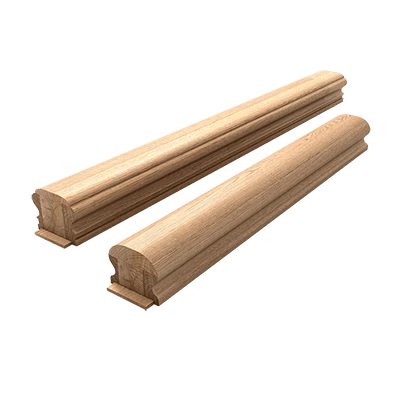
For carved balusters, the handrail is chosen with particular care. The profile should be classic: D-shaped, rectangular with rounded edges, or "rail-type". Handrails with an ornamental end profile create an additional decorative accent — appropriate if the balusters also bear ornamentation.
buy balusters and handrails in one order — means not only saving on delivery, but also guaranteeing compatibility in grooves and sizes.
Support posts
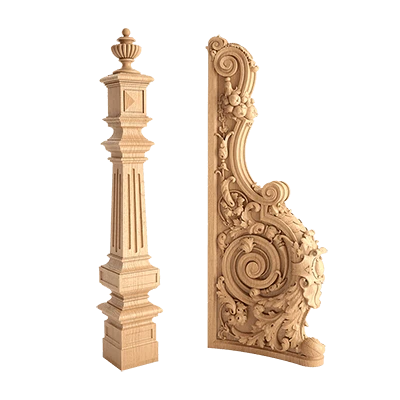
Support posts at the beginning and end of the flight, at turns — this is the "frame" of the railing. For an elegant staircase with carved balusters, choose posts with decor: Carved wooden staircase posts complete the look and create a worthy framing.
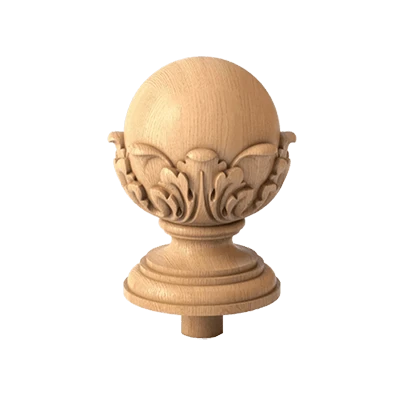
Standard sections: 100×100, 120×120 mm. Height is selected according to the railing height. A finial on the post is a mandatory element: "ball", "drop", "pyramid" — matching the style of the main ornament.
Mounting Components
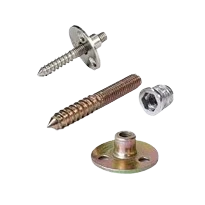
Threaded studs M8–M10, threaded inserts, anchor bolts for fixing posts to steps, PVA-M glue, wood putty. All this hardware is available in the section Staircase Components for Sale.
Baluster supports
Decorative facing boards on the lower row of the railing cover the connections of balusters with the stringer. For an elegant staircase, this is a mandatory detail: without it, the railing looks unfinished, like a frame without a mat.
Finishing coating
Oil, varnish, tinting — everything depends on the chosen wood species and the desired result. Oak under oil — living texture and natural tone. Beech under tinting — any desired color. White enamel on beech — Scandinavian classic with ornamental carving accents.
Important: the coating is applied to the entire fence at once — as a single compound, in one cycle. This is the only way to achieve an even tone.
Mistakes when buying carved balusters for a staircase
Decades of observing how people choose balusters provide rich material for this section.
Mistake one: carving that is too fine for a large staircase
A miniature ornament on the balusters of a thick-walled, massive flight simply won't be readable. From a distance of 3–4 meters, the details will blend together, and the staircase will look like "something carved," but without a clear decor.
Rule: the larger the staircase, the larger and more expressive the baluster ornament should be. For wide flights (1000–1200 mm), choose balusters with well-readable, large carving elements.
Mistake two: style mismatch with the handrail and posts
"Carved balusters" plus "modern handrail with sharp edges" plus "simple non-carved posts" — three different languages in one fence. The result is stylistic cacophony. Rule: carved balusters require a stylistically consistent handrail and posts.
Mistake three: buying without calculating the quantity
"I'll take twenty, that'll be enough." The flight needed twenty-three. They buy more — and the new batch is a slightly different shade: wood is always different. Rule: calculate precisely, take with a 10% reserve.
Mistake four: mixing thread types
On one staircase, balusters with floral ornament are placed next to balusters with geometric carving. Each type is beautiful on its own, together — chaos. Rule: one type of ornament per staircase.
Mistake five: choosing only by photo without considering dimensions
A beautiful photo in the catalog. But the baluster dimensions are 900 mm of working part, while the staircase needs 980 mm. The difference of 80 mm is critical: the tenons will not fit into the grooves of the required depth. Rule: first measurements, then the catalog.
Detailed information on how to correctly read and apply dimensional parameters is available in the article railing baluster sizes for staircases.
Mistake six: saving on installation
Fancy carved balusters installed with glue without tenons, into shallow surface holes — start wobbling after a year. A carved baluster is expensive. Improper installation devalues this investment. Rule: installation according to all rules — in accordance with the instructions Installation of Wooden Handrails and Balusters.
How to calculate the number of carved balusters
The calculation for carved balusters is no different from the calculation for ordinary ones — but accuracy is more important here: each carved baluster costs more, and a calculation error is more expensive.
Formula for a straight flight
N = (L / S) + 1
where L is the horizontal length of the flight in mm, S is the pitch along the axes in mm.
With a flight length of 3,000 mm and a pitch of 155 mm: N = (3,000 / 155) + 1 = 20.4 → 20 balusters. Adjusting for posts at the edges.
Installation spacing
For carved balusters, the recommended clear spacing is 100–120 mm. With a baluster diameter of 50 mm: pitch along axes = 100 + 50 = 150 mm. With a diameter of 45 mm: pitch = 105 + 45 = 150 mm.
Feature of carved balusters: a denser pitch creates a richer ornamental row — the carving "works" better when balusters are close enough. With a sparse pitch, the ornament is lost against the background of gaps.
Two balusters per step
A classic solution for elegant staircases is two balusters per step. With a step width of 270–300 mm, the pitch along the axes will be about 135–150 mm. For a staircase with 16 steps — 32 balusters per flight.
Landing and turns
Calculated separately: the length of the landing railing is divided by the selected pitch. When the staircase turns, each flight and each section of the landing is calculated separately.
Reserve
For carved balusters — a margin of at least 10%, and preferably 12–15%, since the cost of error is higher. With an estimated quantity of 30 pcs. — take 34–35.
Carved balusters for a private house: practical scenarios
Abstract recommendations are useful, but real scenarios are even more useful.
Scenario one: classic country house, 2 floors, single-flight staircase
Straight staircase, flight 3 200 mm, railing height 950 mm. Interior — classic, dark finish, oak floors, wooden furniture.
Selection: turned-carved oak balusters, medium-complexity floral pattern. Handrail oak, D-shaped profile. Carved oak posts 120×120 mm. Tinting: natural oak oil.
Quantity: 43–46 balusters + 2 posts + handrail.
Second scenario: timber house, attic staircase, rustic style
Medium-sized staircase, light walls, wooden beams, folk character of the interior.
Selection: balusters with geometric pattern or flat carved beech. Handrail light, rounded profile. Tinting: birch or pine with slight texture emphasis.
Third scenario: grand staircase in a mansion, U-shaped configuration
Two flights, intermediate landing, wide steps 1,200 mm. Interior — pompous classicism.
Selection: balusters with large floral pattern in oak. carved wooden balusters 140×140 mm with ball finials. Handrail with ornamental profile. All in oak, oil finish.
Quantity: 90–110 balusters + 5–6 posts + handrail for two flights + landing handrail.
Where to buy carved wooden balusters: final guide
The market for carved wooden balusters is specialized. High-quality products can only be found from a manufacturer who professionally deals with wooden components.
What to look for when choosing a supplier:
-
Assortment: not just one or two "carved" models, but a full line with different types of ornamentation
-
Wood species and moisture content: clear data for each item — which wood species, what moisture level
-
Compatibility: balusters are matched with handrails and posts in terms of groove and tenon dimensions
-
Photos of actual products: not renderings, but photographs of real balusters in good lighting
-
Consultation: the manager helps select the shape to match the style and dimensions for the staircase
STAVROS: carved balusters and components for a classic staircase
STAVROS is a Russian manufacturer of solid wood products, specializing in components for wooden staircases. The company's production program includes a full range of carved balusters: turned-carved models with ornaments of varying complexity, balusters with geometric decor, and elements for classic and elegant interiors.
All STAVROS products are made from kiln-dried wood with a moisture content of 8–12%. Beech and oak are used depending on the requirements for the wood species and project budget. Buy wooden balusters At STAVROS means receiving a product with a precise profile, stable tenon dimensions, and a quality surface suitable for any finish coating.
The catalog includes not only Carved wooden balusters, but also Handrails and balusters in a unified system, carved support posts, handrails, fasteners — everything to order a complete railing set in one place. Constant warehouse availability. Delivery across all of Russia. Professional consultation on selection.
STAVROS helps create staircases that are memorable.
Frequently asked questions
Where to buy carved wooden balusters?
In the STAVROS catalog — a wide range of carved and turned-carved balusters made of beech and oak. Constant warehouse availability, fast Contact us to confirm shipping to your destination.
Why are carved balusters better than regular turned ones?
They create a higher decorative level of the railing: the ornament adds visual depth, makes the staircase elegant, and emphasizes the classic character of the interior. They are especially suitable for country houses, cottages, and grand staircases.
Which carved balusters should you choose for a wooden staircase?
Turned-carved with an ornament compatible in scale with the handrail and posts. The wood species should be the same as the other railing elements. The type of ornament should match the interior style.
What determines the price of carved wooden balusters?
It depends on the wood species (beech is cheaper than oak), product height, complexity of the ornament, type of processing (machine or hand carving), and whether it is a ready-made product from the catalog or a custom order.
Can I buy carved balusters and handrails as a set?
Yes. A complete set order is the right solution: a single wood species, a single manufacturer, and coordinated sizes and style. STAVROS offers a full range of components for wooden staircases.
How to calculate the number of carved balusters for a staircase?
Flight length / center-to-center spacing + 1 = number of balusters per flight. Add 10–15% reserve. The landing is calculated separately. Or contact a STAVROS consultant — the calculation will take a few minutes.
Can carved balusters be combined with square handrails?
It is acceptable if the square handrail has a classic character: chamfers, rounded corners. A strict angular handrail without softening paired with ornate carved balusters is a stylistic contradiction that is best avoided.