

























Article Contents:
- What makes a chest of drawers carved: miniature architecture of decor
- Front overlays: the main accent
- Moldings: frame system
- Legs: support with character
- Handles: the finishing touch
- Base: lower architectural belt
- Carved chest of drawers front: how to create a decorative program
- Step 1: Determine the front format
- Step 2: Select the central overlay
- Step 3: Build the molding frame
- Step 4: Match handles with overlays
- Practical dimensions for a carved dresser facade
- Furniture legs for a carved dresser: style, height, proportion
- Types of legs for a classic dresser
- Leg height and proportions
- Connection of legs with the rest of the decor
- Base for a dresser: when a plinth is better than legs
- Legs or plinth: comparison
- Wooden base for a chest of drawers: dimensions
- Base + legs: a combined solution
- Wooden handles as part of a carved image
- Formats of wooden handles for a chest of drawers
- Principles of matching handles with decor
- Wooden decorative elements: accents and details
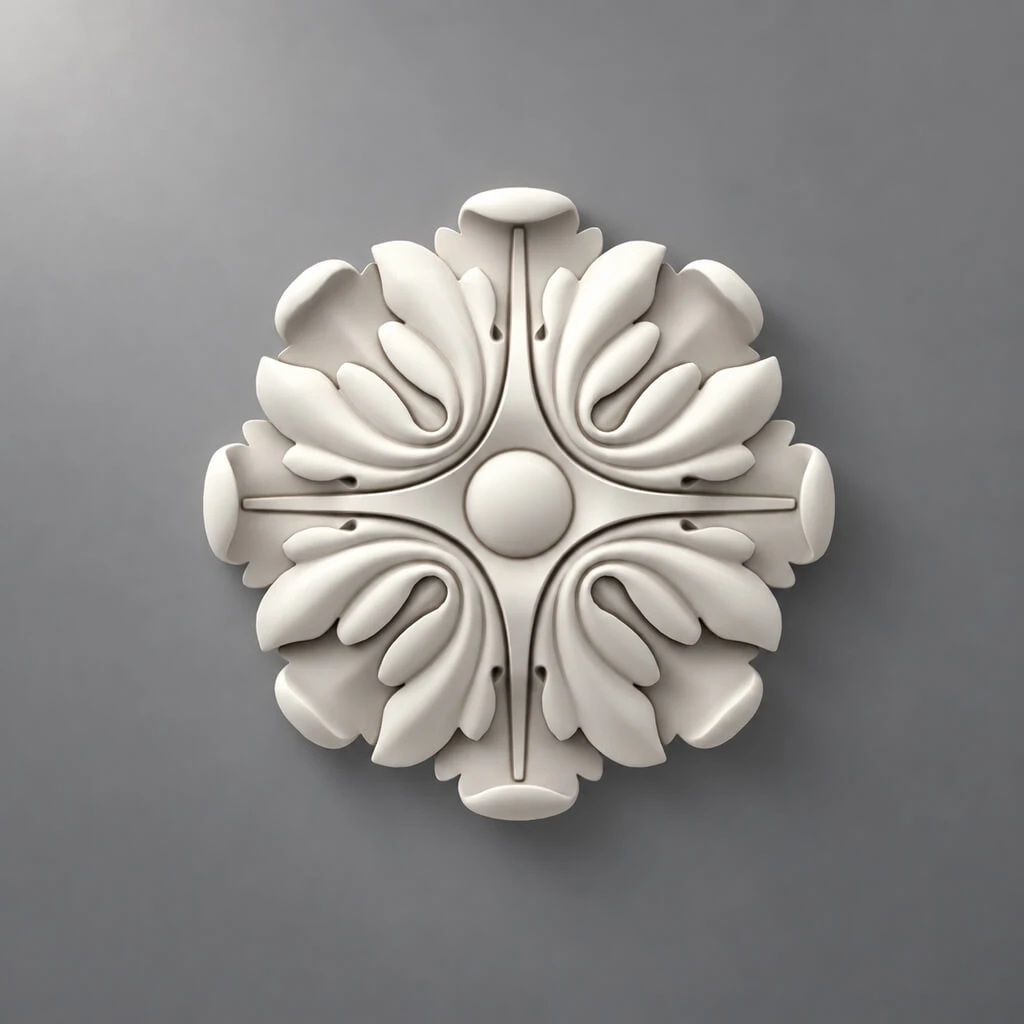
- Corner overlays and rosettes
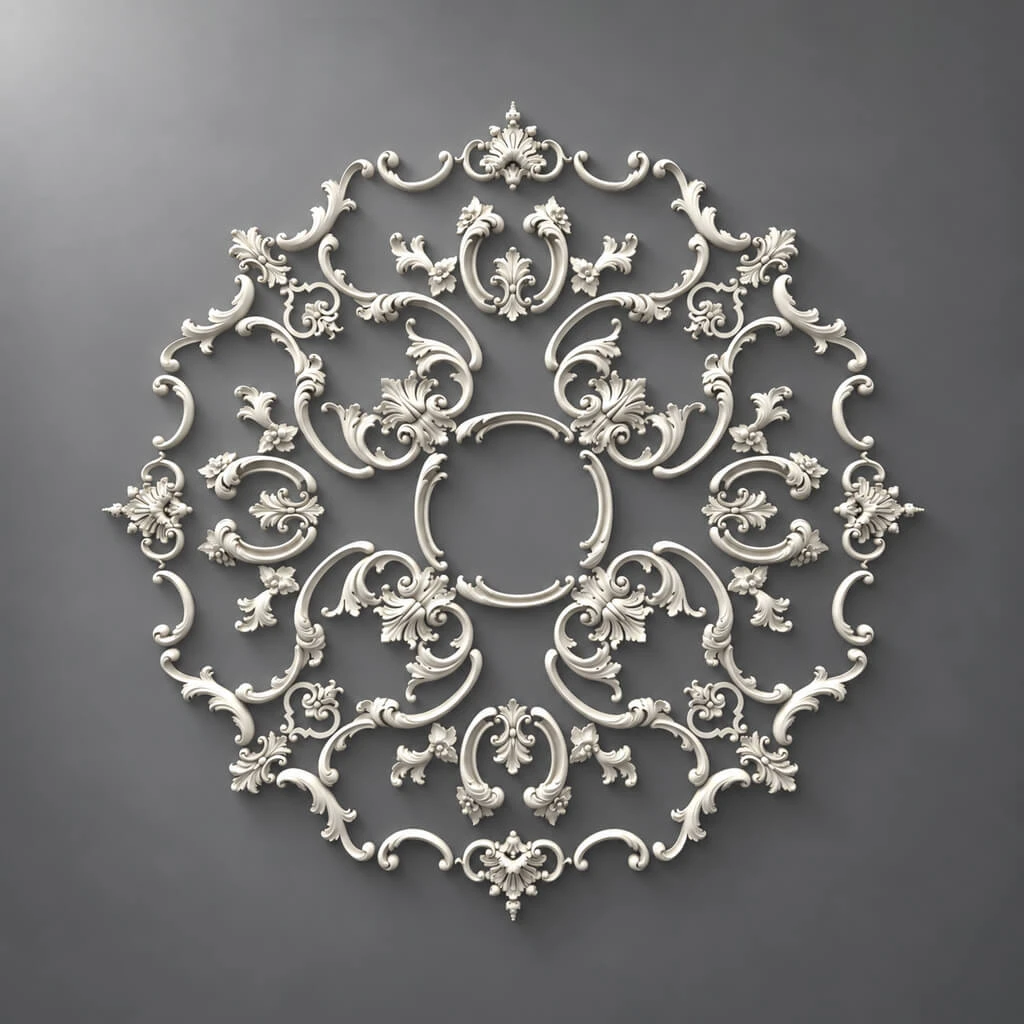
- Central rosettes
- Decorative inserts and friezes
- Carved chest styles and decor sets
- Classic: full decorative arsenal
- Neoclassical: restraint and proportion
- Provence: lightness and "life"
- Cabinet style: dark wood and strictness
- White carved chest: a separate discussion
- Carved decor: when "real" carving is needed
- How to create a complete set of decor for a chest of drawers: a step-by-step algorithm
- Finishing a carved wooden chest of drawers: how to do everything in one tone
- Varnish: natural wood
- Toning: wood with color
- Enamel: Color Without Texture
- Patina: the 'biography' of furniture
- Typical mistakes when creating a carved chest of drawers
- The overlay is too large
- Inconsistent style
- Handles not taken into account when placing overlays
- The base interferes with opening the bottom drawer
- Legs are not aligned with the body
- Finishing of different elements at different times
- Where to find wooden elements for the STAVROS carved dresser
- Frequently Asked Questions
- About the Company STAVROS
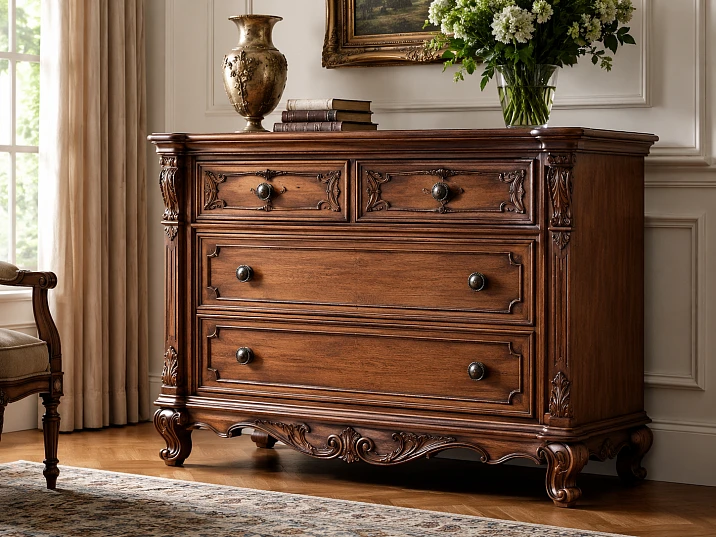
A dresser is one of the most personal pieces of furniture in a home. It stands in the bedroom or living room, it is always visible, its surface accumulates memories of things and moments. And that is why how it looks matters — no less than how many drawers it has.
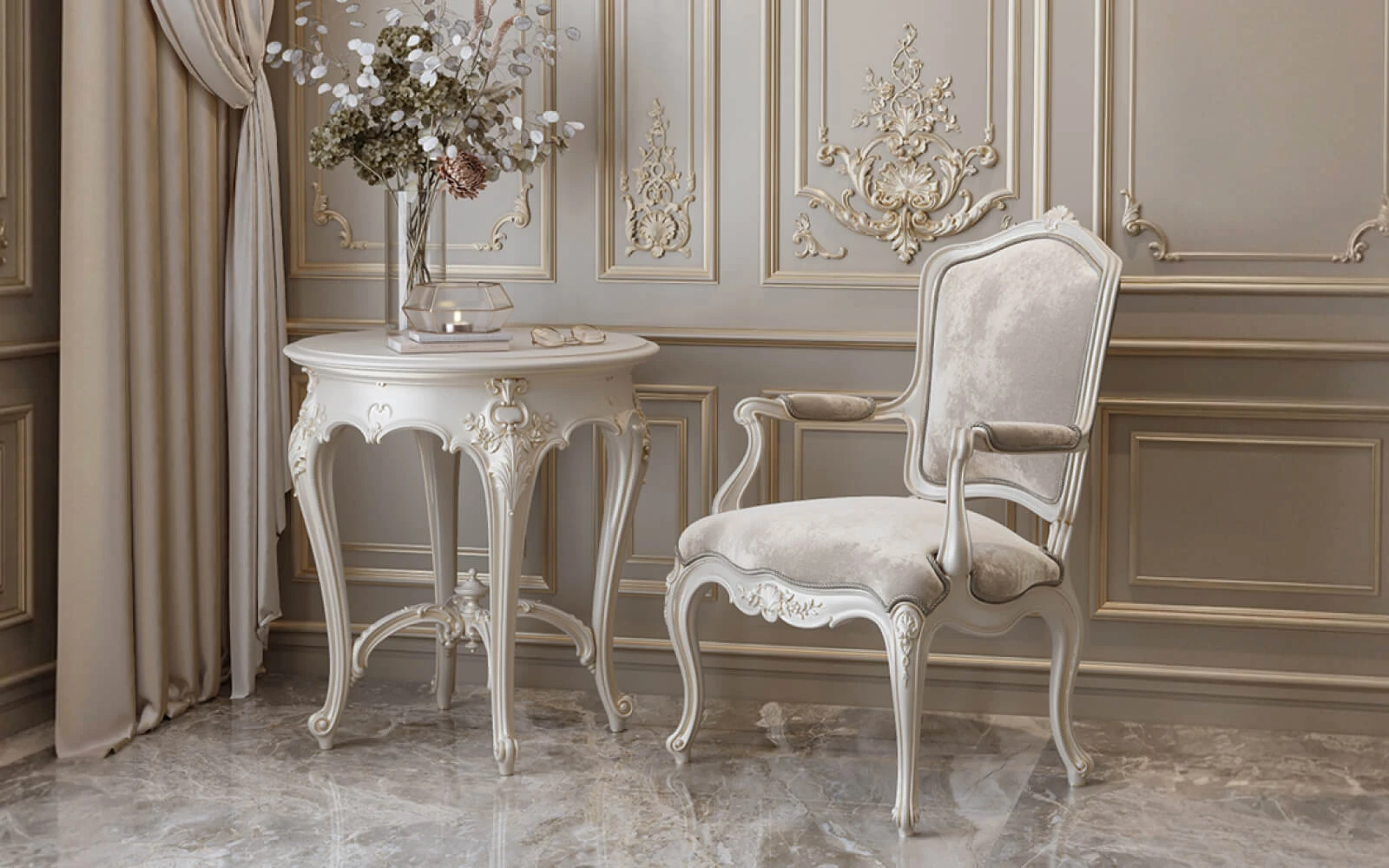
A carved dresser in a classic style is not just a drawer system. It is a statement about the interior. About the owner understanding the difference between furniture as storage and furniture as a work of art. And if you are now looking for how to create or design such a dresser — you have come to the right place.
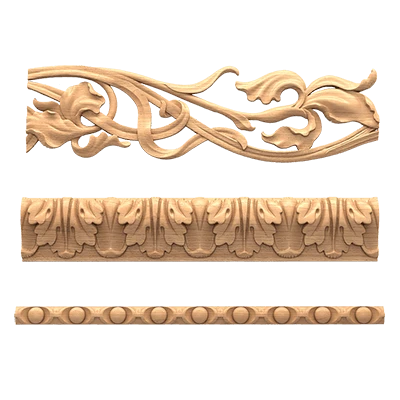
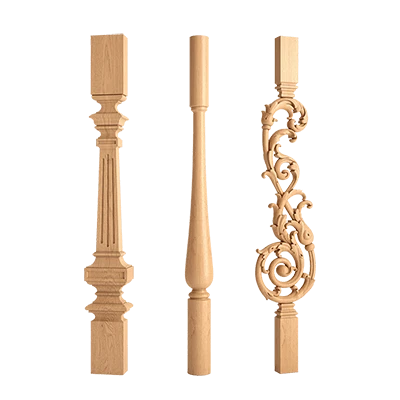
But it is important to set the record straight here. STAVROS does not sell ready-made serial dressers "as in a catalog." STAVROS's mission is different — to provide all the solid wood elements from which you can assemble a decorative system for any dresser or cabinet: carved appliqués, Furniture legs, Wooden handles, moldings and baseboards, Trim, decorative elements и Carved Decor.
This is a different level of approach. Not "buy ready-made," but "assemble your own." Like an artist choosing paints — rather than buying a finished painting.
What makes a dresser carved: the architecture of decor in miniature
Let's start with a fundamental question: what exactly turns an ordinary dresser with drawers into a carved wooden dresser? It is not one element. It is a system.
A carved dresser is built from several levels of decor — just like a classic building. There is a base (plinth or legs), a "body" (facades with overlays and moldings), and a finish (top profile). All three levels must work together — otherwise the dresser will be "partially carved," which can sometimes look worse than having no decor at all.
Facade overlays: the main accent
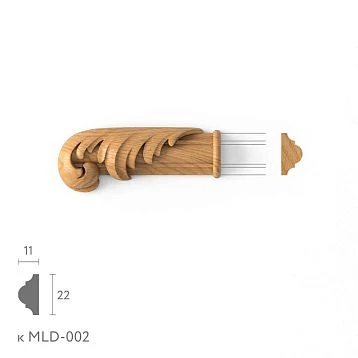
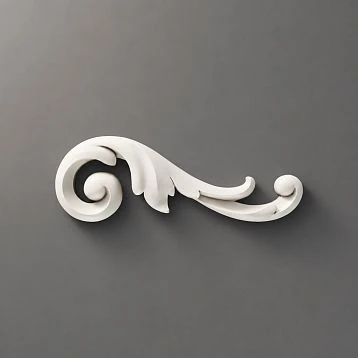
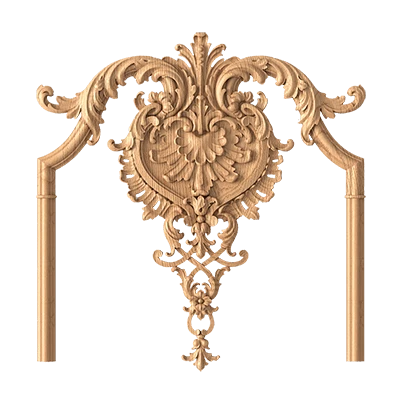
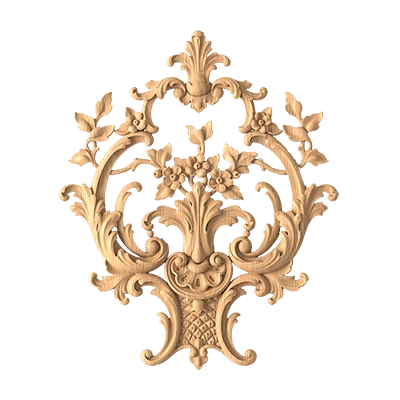
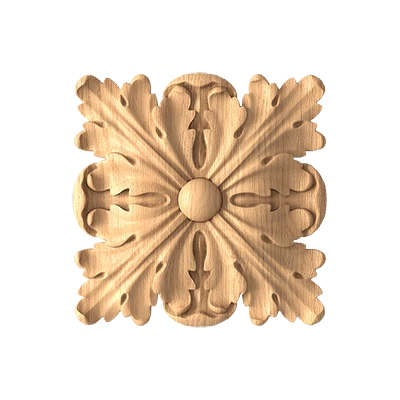
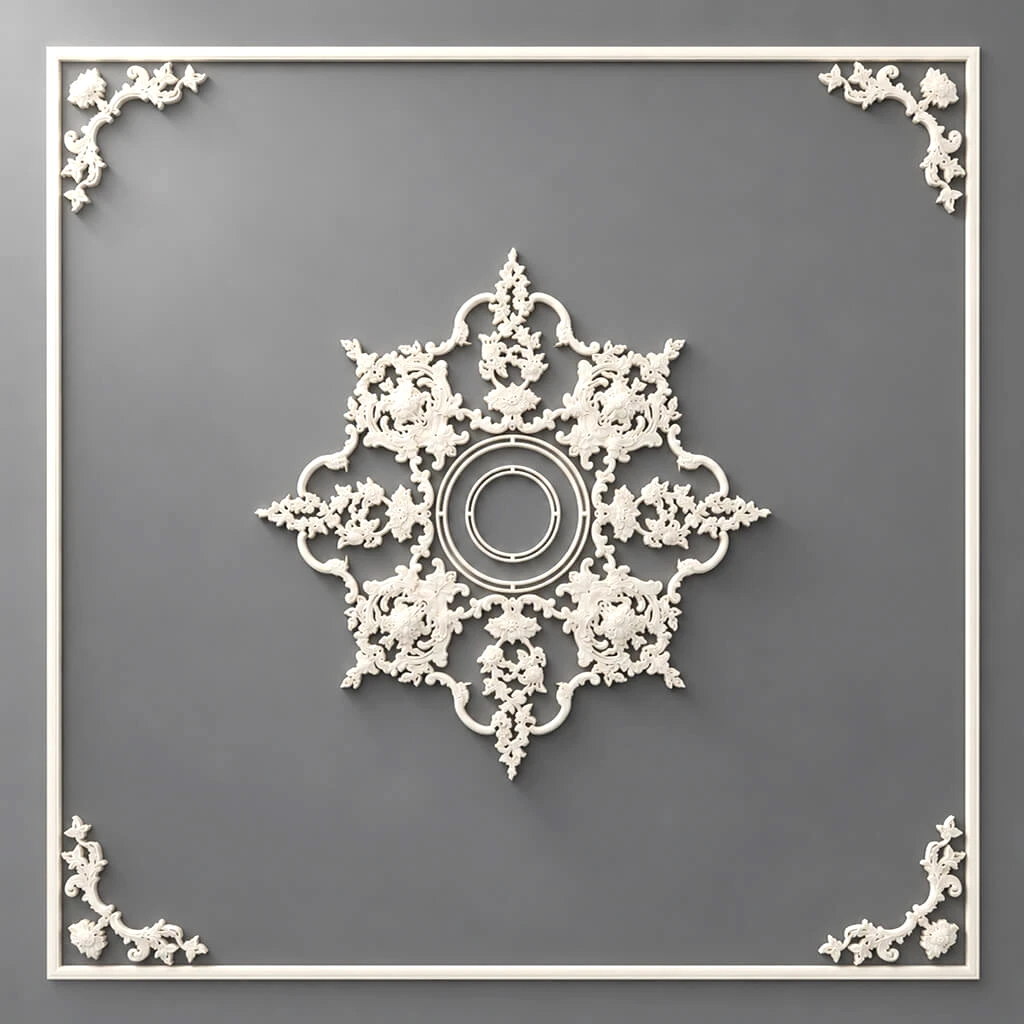
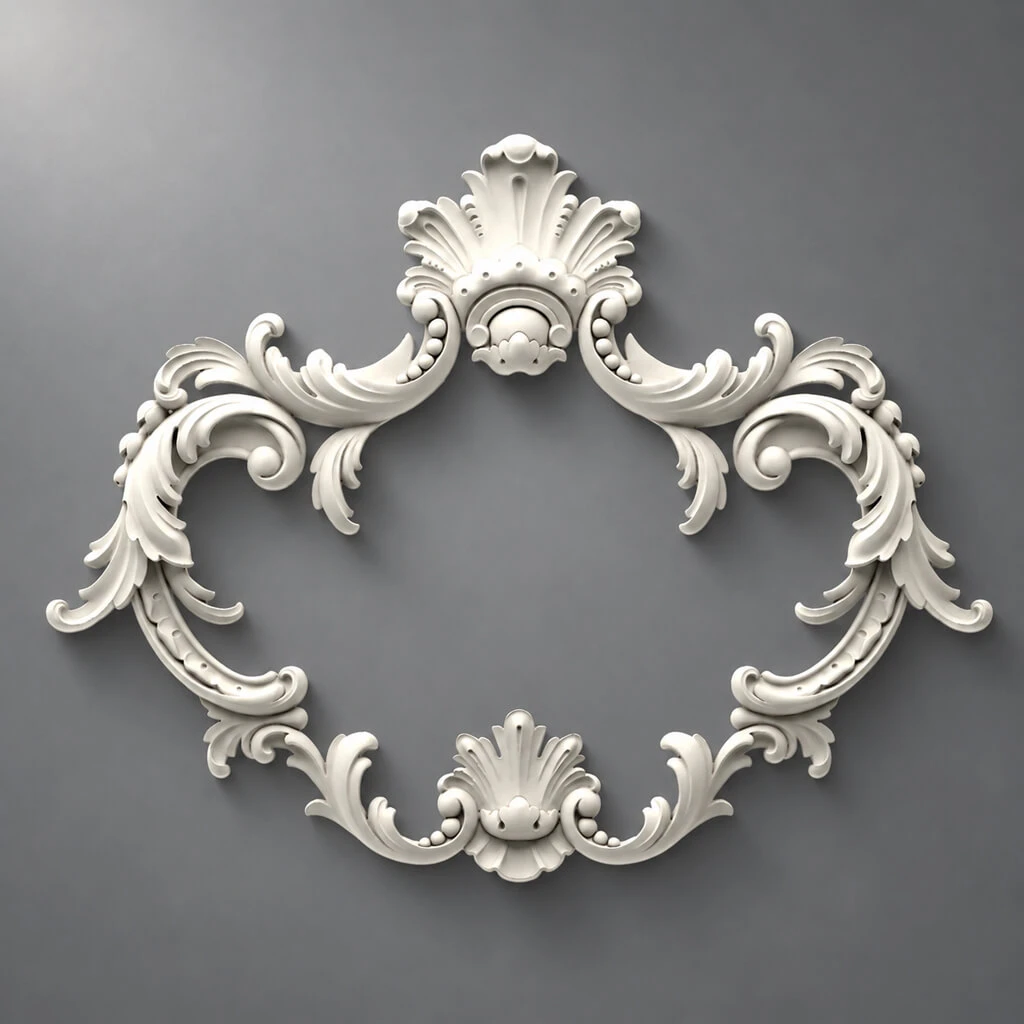
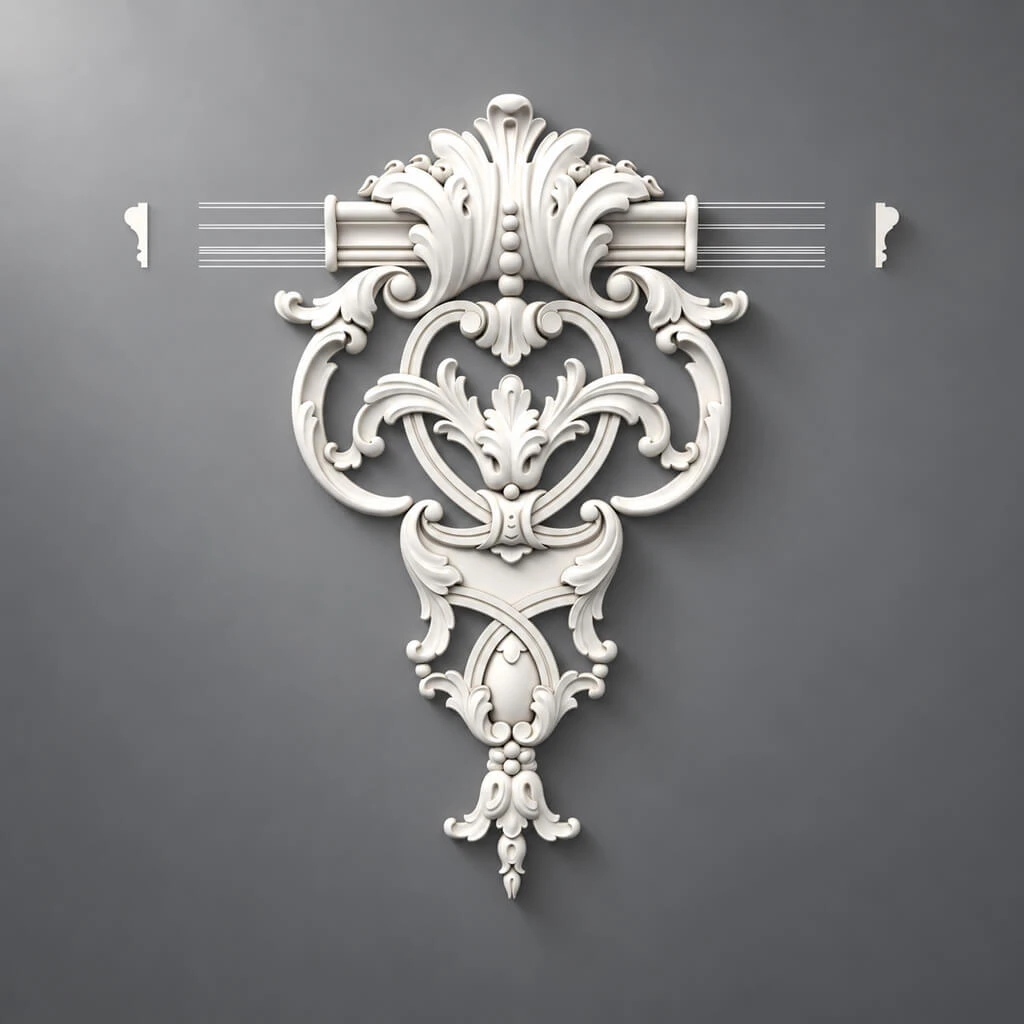
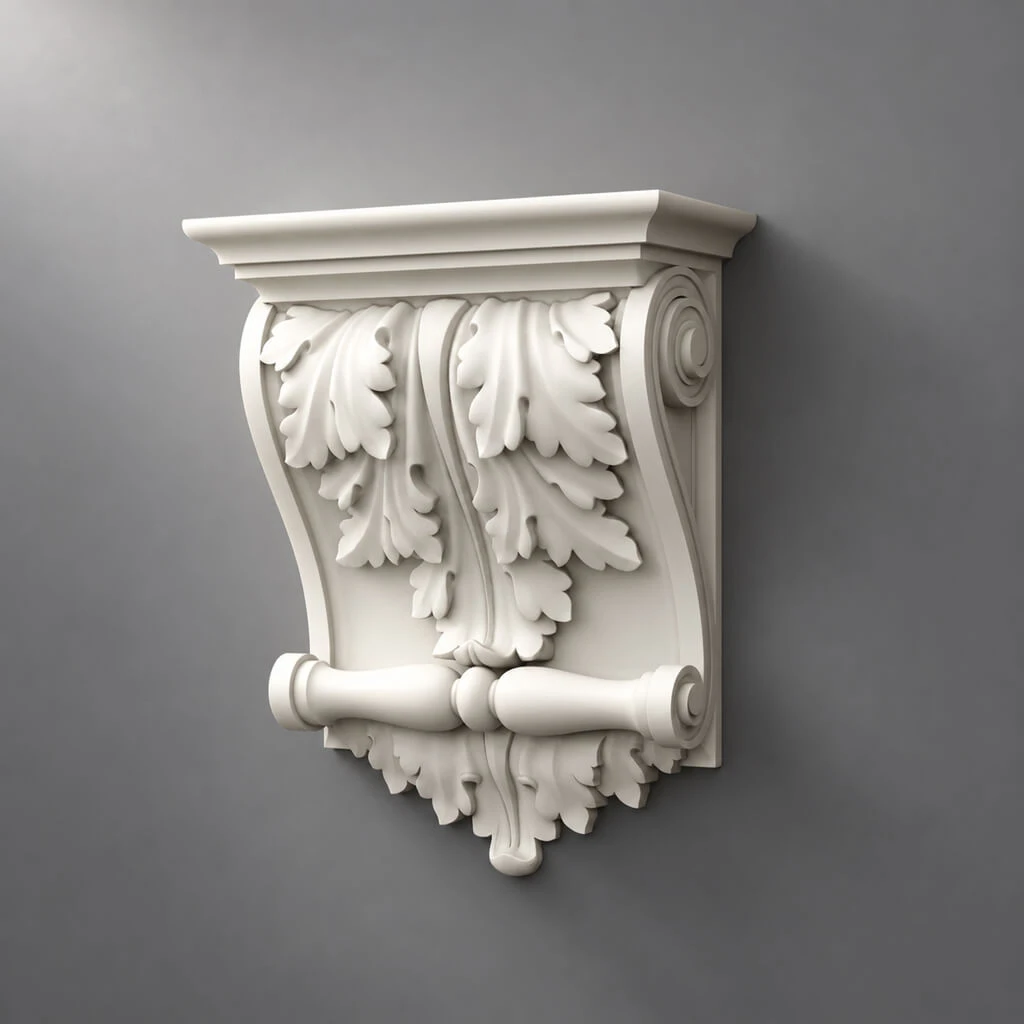
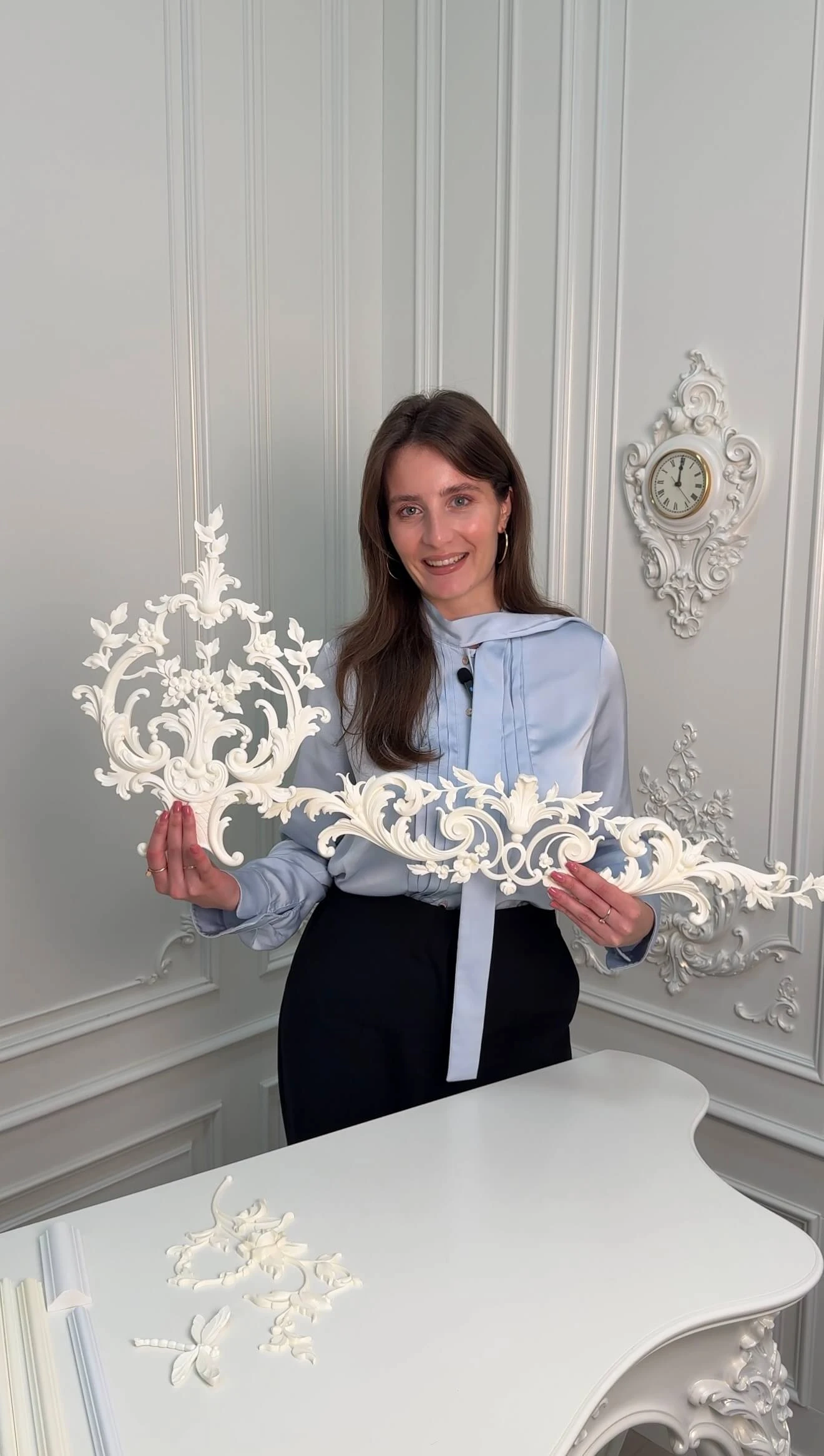
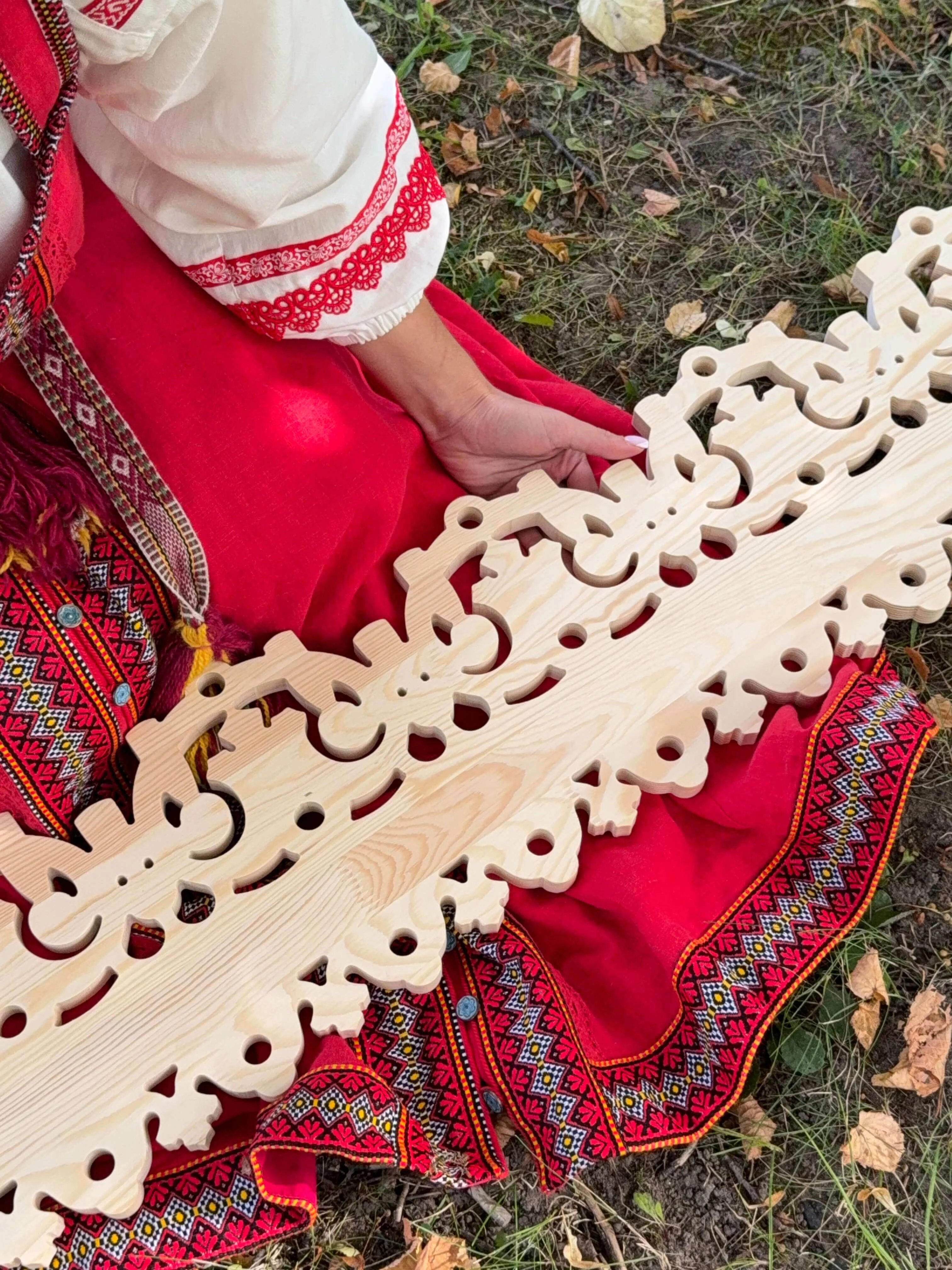
Carved decorative inserts for furniture are decorative wooden elements that are attached to the surface of a drawer or door. They create a visual center of the facade, adding relief and style.
The overlay can be:
-
central (in the middle of the drawer facade)
-
corner (in the corners of the molding frame)
-
horizontal (an elongated strip across the width of the drawer)
-
shaped (rosette, cartouche, mascaron, heraldic element)
The overlay sets the 'character' of the entire facade. It is by this that the style is read: whether it is classic, neoclassical, Provence, or Baroque.
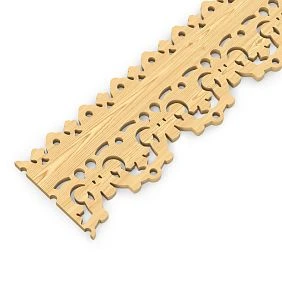
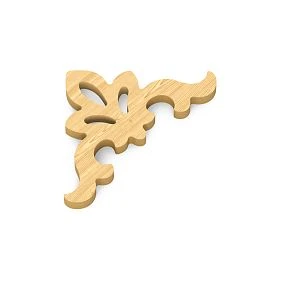
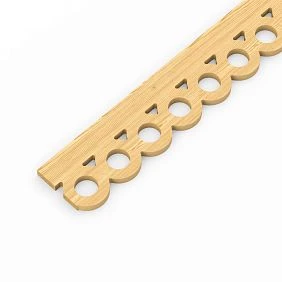
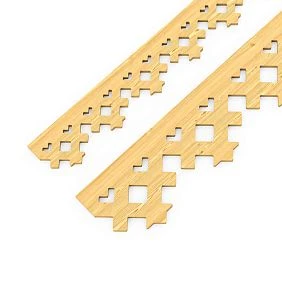
Our factory also produces:
Moldings: frame system
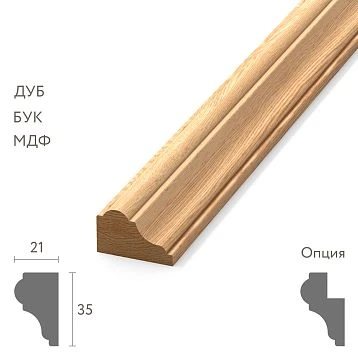
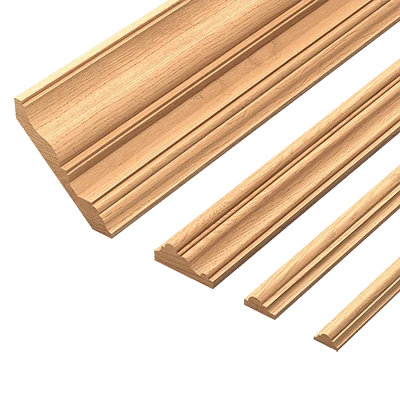
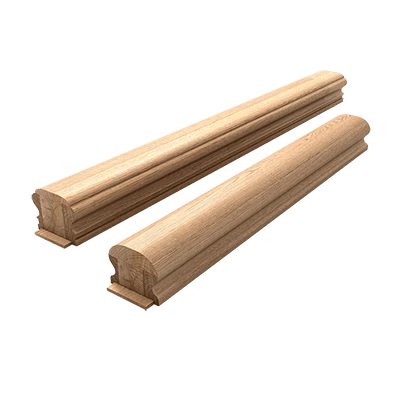
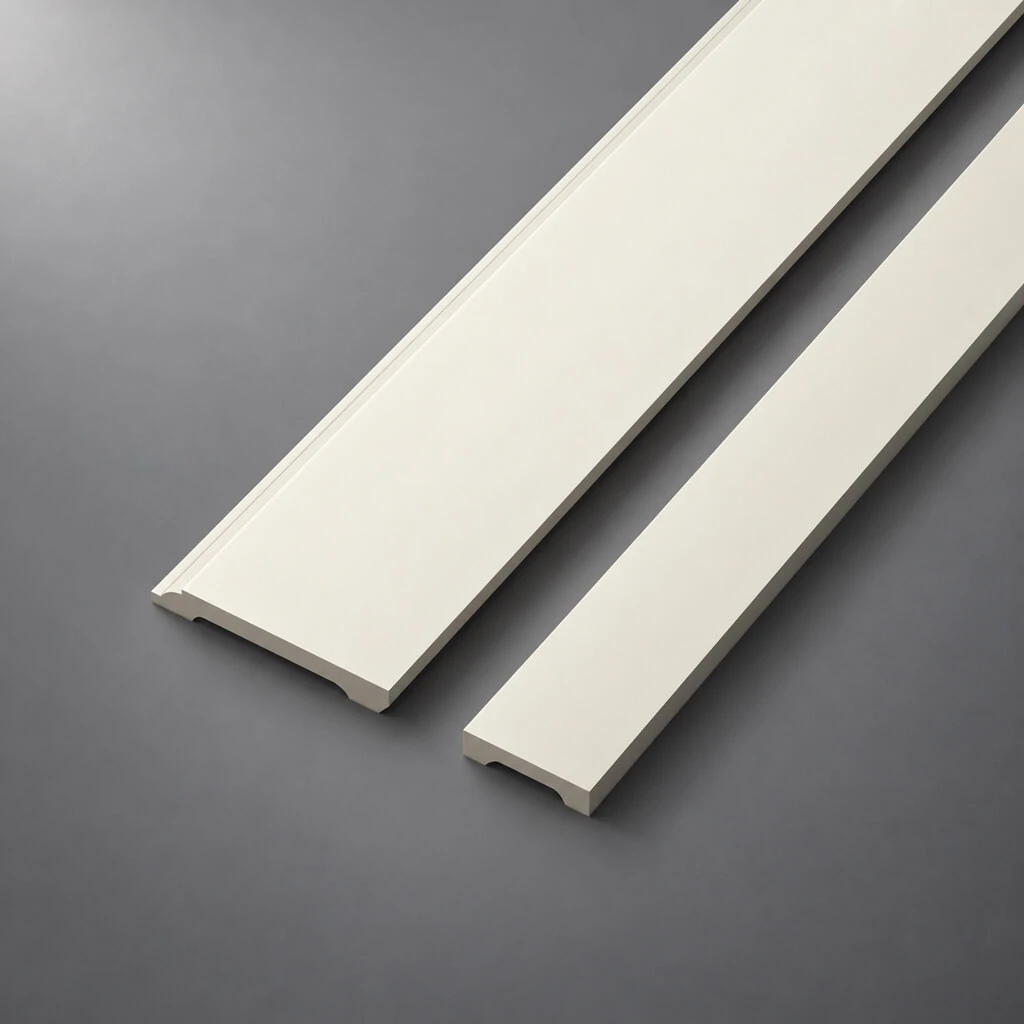
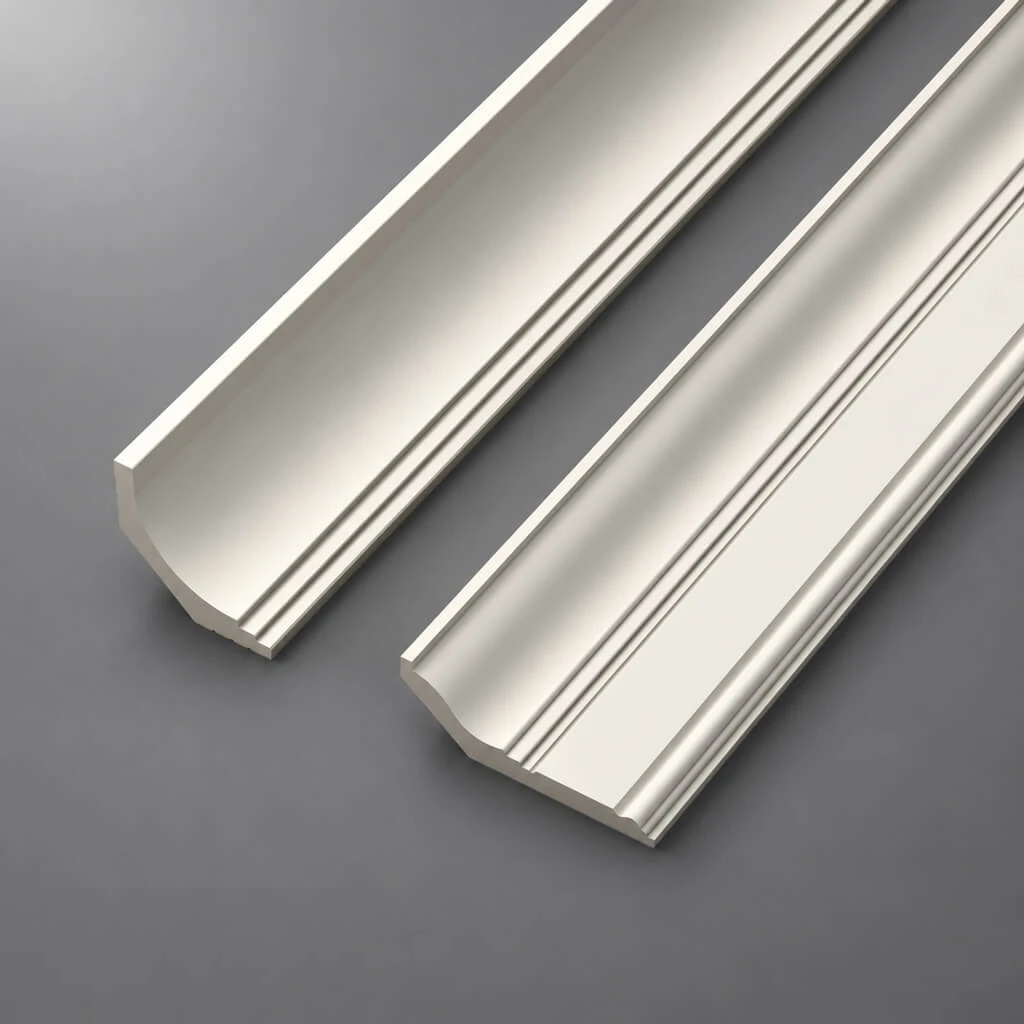
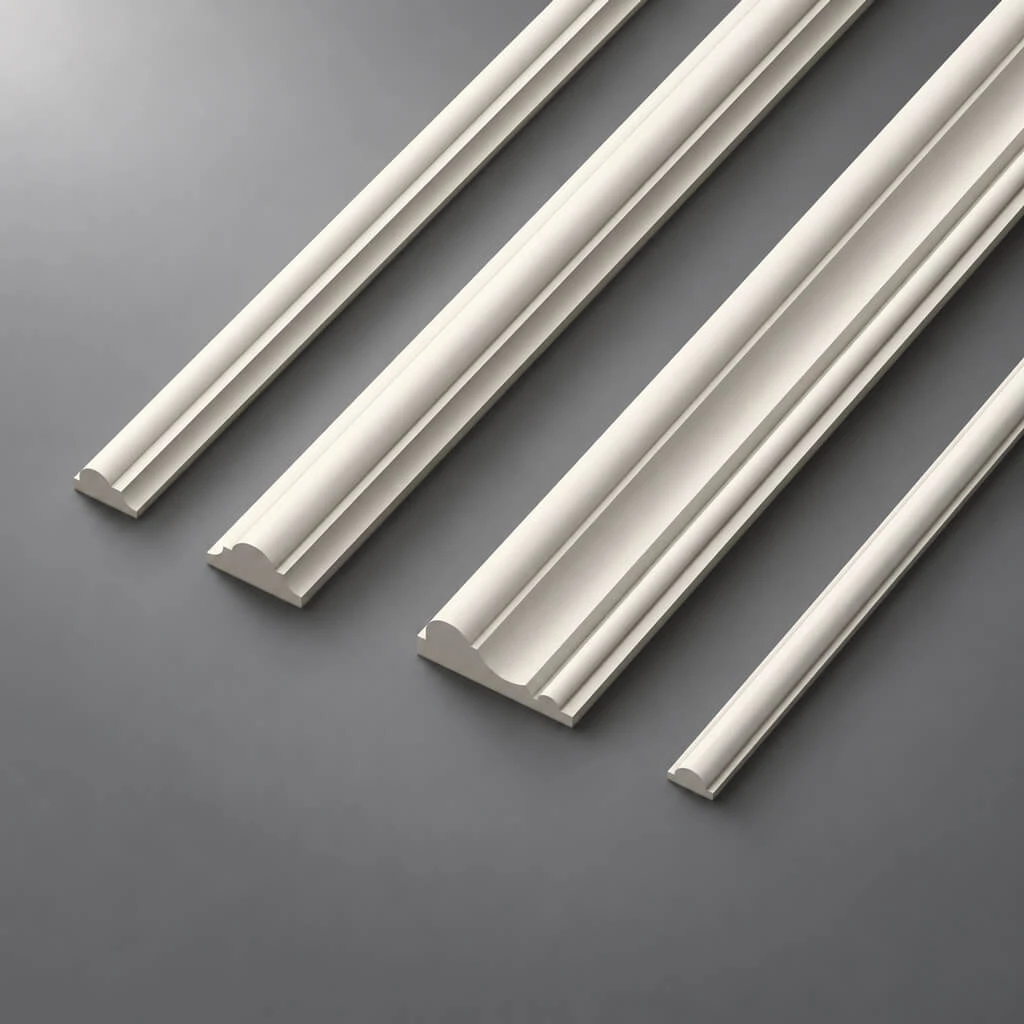
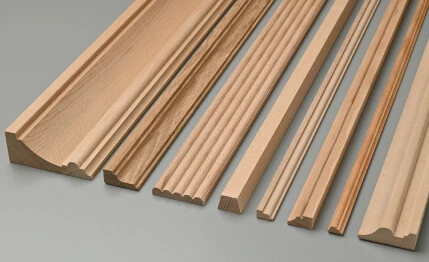
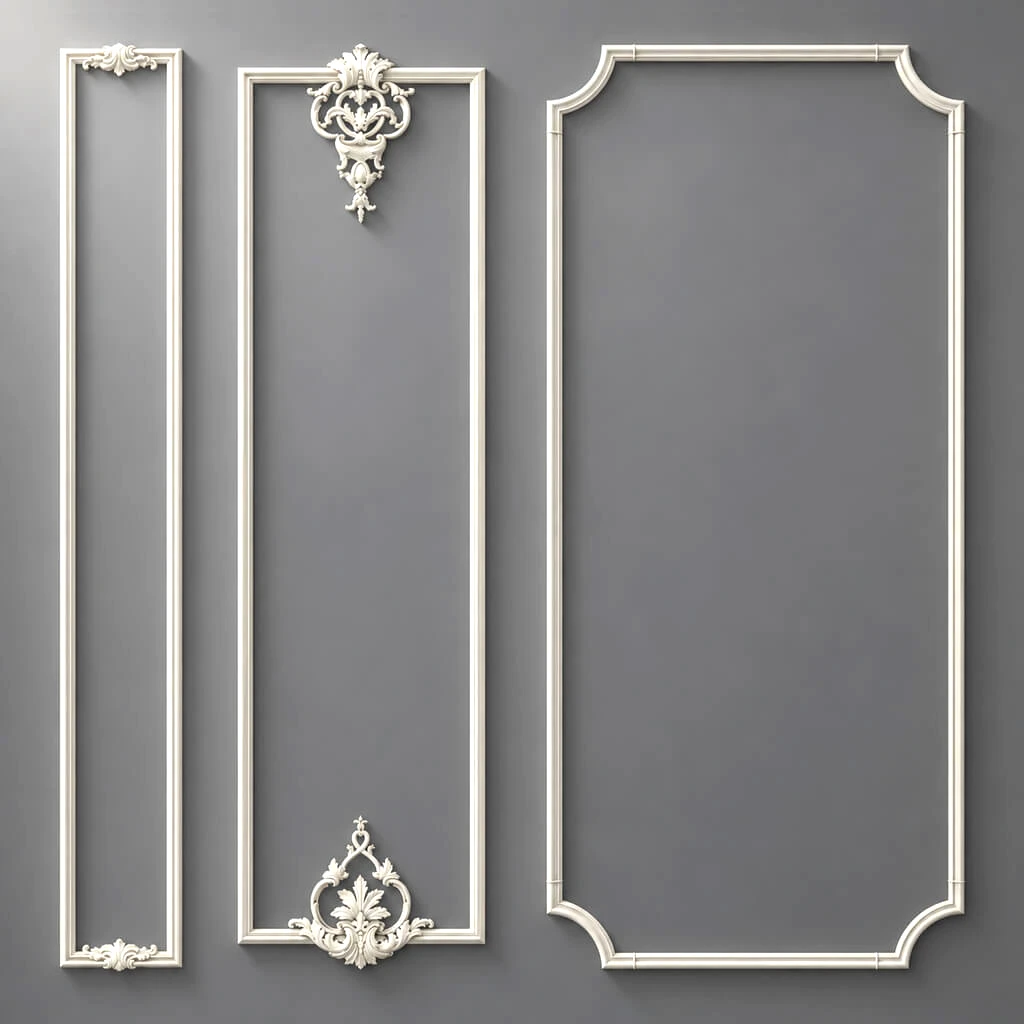
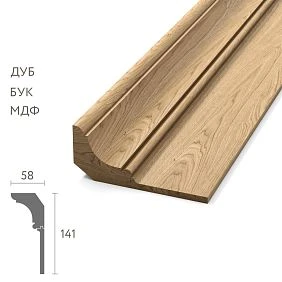
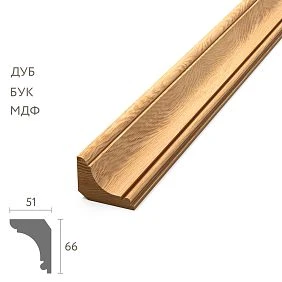
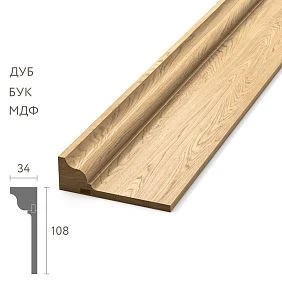
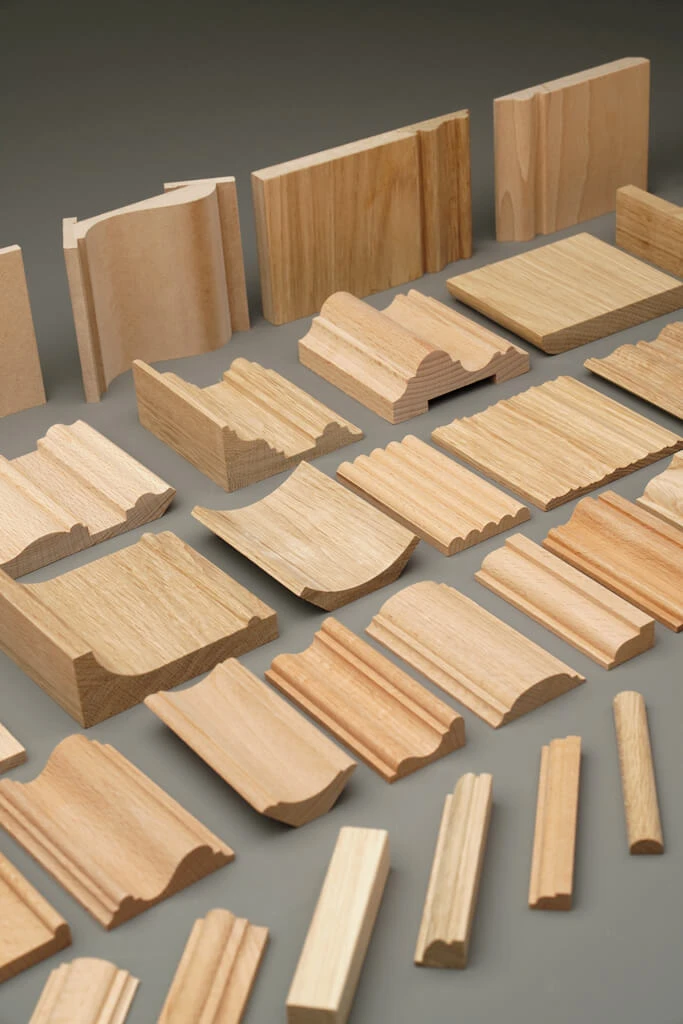
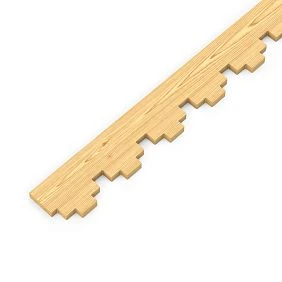
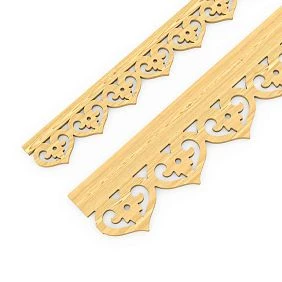
wooden moldings, cornices, and baseboards on the dresser facade create a frame around each drawer. This technique is one of the most common in classic furniture: a framed facade = a molding 'picture' on each door or drawer.
Molding-frame + central overlay = classic formula for a dresser's facade decor.
Get Consultation
Legs: support with character
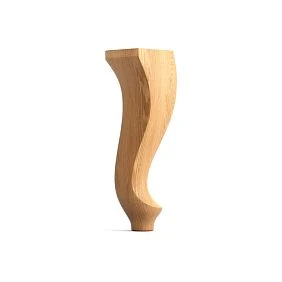
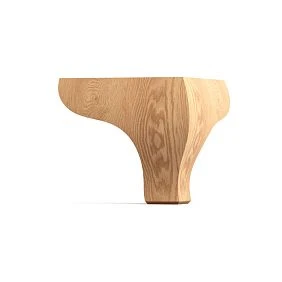
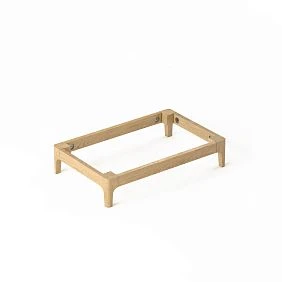
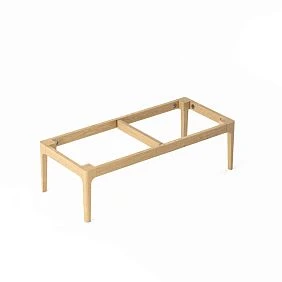
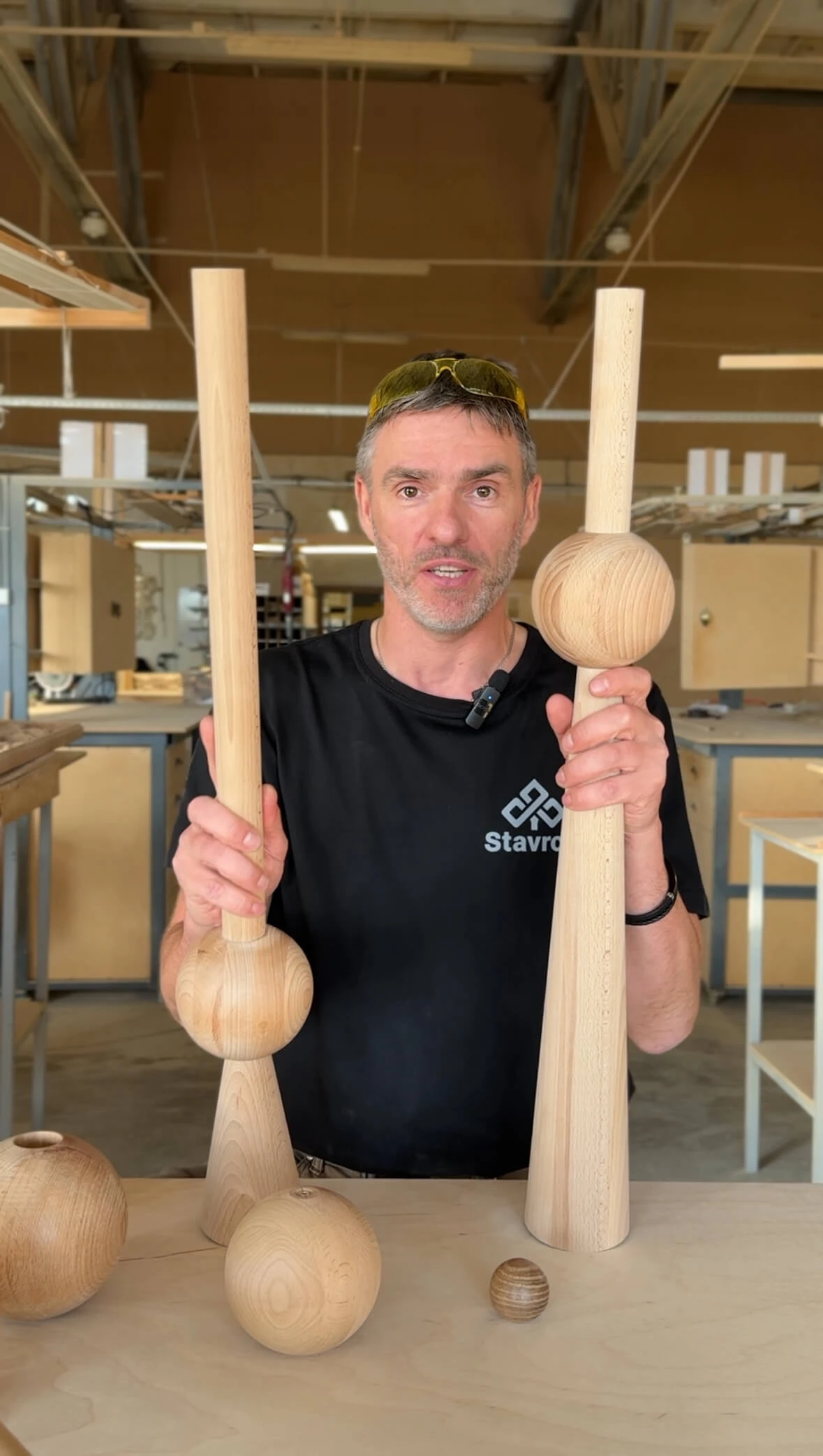
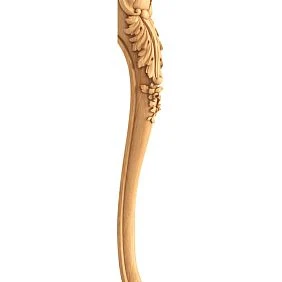
wooden furniture legs — the lowest point of the entire decorative program. They hold the body and set the dresser's "stance." Shaped legs with profiles, turned legs, carved supports — all of this radically changes the furniture's silhouette.
A carved dresser on legs looks different than the same body on a plinth. Legs make the furniture "alive," light, and "lift" it off the floor.
Handles: the final touch
Wooden furniture handles — a functional and decorative element simultaneously. In a carved dresser, handles should be consistent in style with the overlays and overall carving. A metal handle on wooden carved furniture is acceptable (and classically used), but a wooden handle creates a more organic unity.
Plinth: lower architectural belt
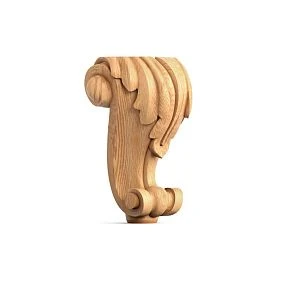
A furniture plinth for a dresser is the lower profile that covers the space under the body or creates a decorative "support." In classic furniture, the plinth is an essential element of "weightiness" and monumentality.
Carved dresser facade: how to compose a decorative program
The facade is what is visible. It is the face of the dresser. And here you need to think like a designer: not just "put an overlay," but build a system that will work as a single whole.
Step 1: Determine the facade format
First of all: how many drawers does the chest have? What is the size of each drawer?
A standard three-tier chest has three facades of different widths (if the sides taper) or the same width. A four-tier chest has four horizontal 'bands'. This determines the decorative rhythm.
For each drawer: the overlay should be proportional to the size of the facade. If the drawer is 80 cm wide, the overlay should be 20–30 cm wide in the center. If the overlay takes up more than 40% of the drawer width, it 'overpowers'.
Step 2: Choose the central overlay
The central overlay is the main accent. It can be:
Rosette — a symmetrical ornamental element. For classic and neoclassical styles. Size from 60×60 mm to 150×150 mm.
Cartouche — a horizontal or oval decorative shield. Suitable for large facades with a width of 60 cm or more.
Floral overlay — a branch, bud, acanthus leaves. For Provence and soft classic styles.
Geometric element — strict shapes without floral decoration. For neoclassical and cabinet styles.
Step 3: Build a molding frame
A molding frame on the drawer front is a classic "frame front" technique. solid wood moldings Four strips are cut from profile moldings to form a rectangular frame on the drawer surface.
Inside the frame is a central panel. At the corners of the frame are corner decorative elements: small rosettes or corner panels.
System: molding frame + corner rosettes + central panel = complete frame front.
Step 4: Coordinate handles with panels
Wooden furniture handles should be positioned so as not to compete with the central panel. Placement options:
-
Knob handles in the center of the drawer front → panel slightly below or above center
-
Horizontal pull handle at the bottom of the front → panel in the upper third
-
Paired handle-buttons on the sides → overlay strictly in the center
A wooden handle for a classic dresser should have the same degree of "expressiveness" as the overlay. A thin handle with a light ornament — for a calm overlay. A figured carved handle — for a rich cartouche.
Practical dimensions for a carved dresser facade
| Drawer width | Central overlay | Frame molding | Corner elements |
|---|---|---|---|
| up to 40 cm | 60–80 mm | 8–12 mm | 20×20 mm |
| 40–60 cm | 80–120 mm | 10–15 mm | 25×25 mm |
| 60–80 cm | 120–160 mm | 12–18 mm | 30×30 mm |
| Over 80 cm | 160–200 mm | 15–20 mm | 35–40 mm |
Furniture legs for a carved dresser: style, height, proportion
Legs are what the dresser "stands" on, both literally and decoratively. The choice between different types of legs changes not only the height of the furniture but also its entire character.
Types of legs for a classic dresser
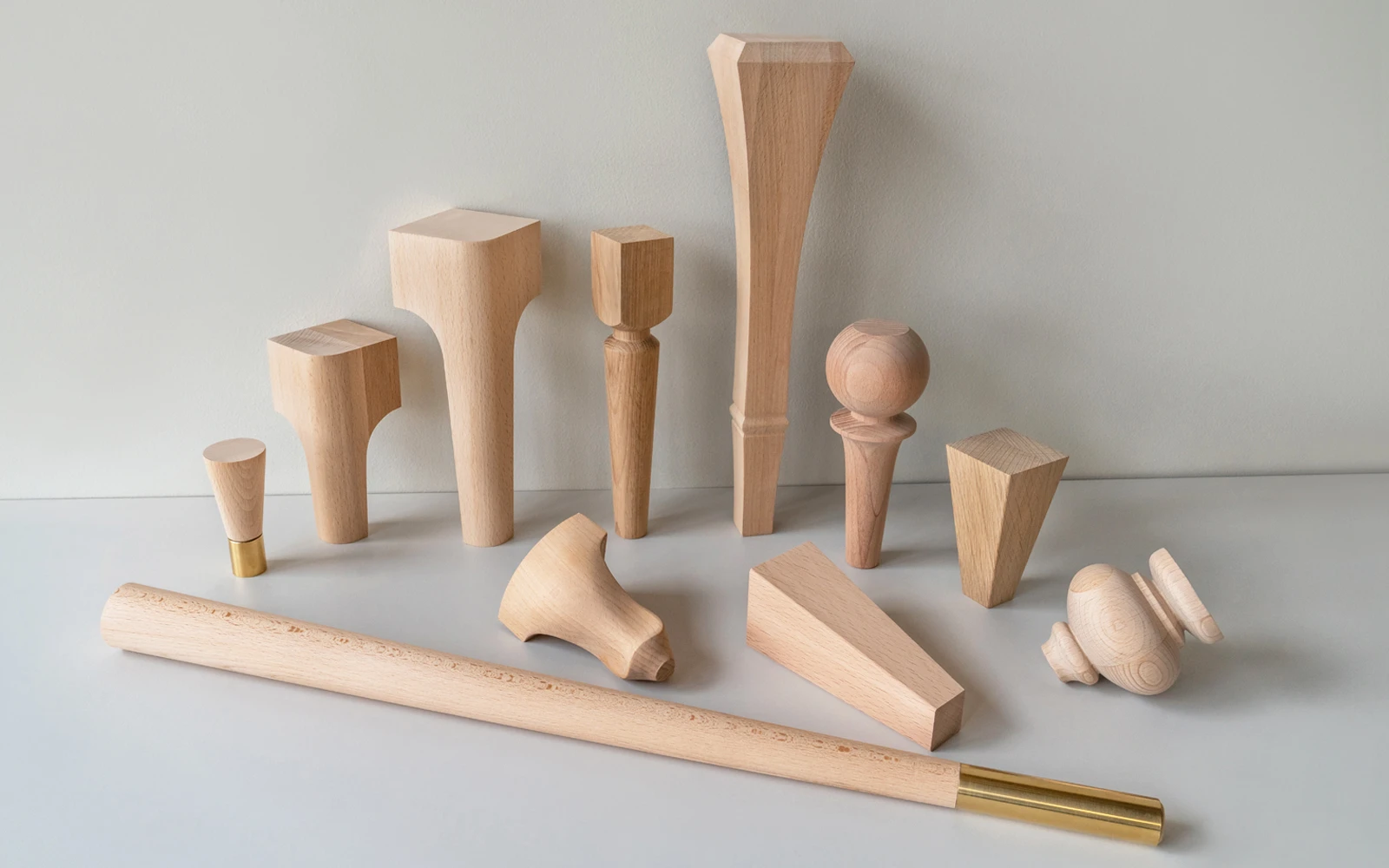
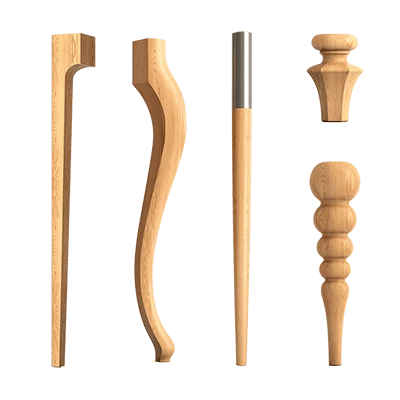
Carved figured legs. Turned, with profile belts, curved in cabriole or straight with relief. This is the most decorative type. For a chest of drawers in classical or baroque style. Height from 80 to 150 mm.
Conical turned legs. Slender, slightly tapering downwards. For neoclassicism, English style. Height 100–200 mm.
Cube-shaped legs with profile. Square in cross-section, with or without small ornament. Strict, restrained. For cabinet style. Height 40–80 mm.
Curved legs in Louis style. Cabriole — smooth curve with a "knee" and ending in a hoof or overlay. The most expressive solution for classicism and baroque.
Leg height and proportions
Leg height affects the "fit" of the chest of drawers. Too high legs make the furniture visually "unstable" — the body "floats". Too low — create an effect of "squatness".
Guidelines for a standard chest of drawers with a height of 85–95 cm:
-
High legs (120–200 mm): suitable for light, elegant furniture with thin fronts and small overlay
-
Medium legs (80–120 mm): universal option for most classical chests of drawers
-
Low legs (40–80 mm): for monumental chests of drawers with a heavy front and rich decor
for dressers and cabinets Legs are most often chosen in the range of 80–120 mm — this ensures an "architectural" fit without loss of stability.
Connection of legs with the rest of the decor
Legs must be "from the same world" as the facade. You cannot place elegant curved cabriole legs under a heavy rectangular body with large overlays — they will look like a randomly placed support.
If the facade is calm, with thin moldings and small overlays — the legs should be thin and elegant.
If the facade is rich, with carved cartouches and deep relief — the legs should have corresponding "weight": a wider cross-section, expressive profile.
Base for a chest of drawers: when a base is better than legs
Base and legs are two opposite solutions for the lower part of a chest of drawers. And the choice between them is fundamental for the image.
Legs or base: comparison
| Parameter | Furniture legs | Furniture base |
|---|---|---|
| Visual weight | Light, airy | Heavy, monumental |
| Style | Classic, baroque, neoclassical | Strict classic, study, Empire style |
| Open space under the furniture | Yes | No |
| Connection with the baseboard | Not attached | Matches the baseboard |
| Cleaning under furniture | Simpler | More difficult |
| Decorative potential | High (legs visible) | Medium (base as a belt) |
For a dresser in the living room, where it is visible "in full height" — legs create a more interesting silhouette. For a sideboard-dresser in the dining room or a "serious" office dresser — a plinth provides the correct monumentality.
Wooden base for a dresser: dimensions
Base height for a dresser: 50–80 mm. This is proportional to the body. A higher base (100+ mm) for a standard height dresser will 'weigh down' — the lower part becomes too noticeable.
Base profile: matched with the moldings on the fronts. If the front molding has three bands, the base should also have at least two to three bands, be 'richer' than the molding, but not 'overpower' the overlays.
What to make it from: Solid wood moldings and baseboards — the main material for the dresser base.
Plinth + legs: combined solution
There is an elegant intermediate option: a small plinth + shaped legs. A plinth 30–40 mm high covers the lower part of the body, while legs 60–80 mm high protrude beneath it.
This creates a decorative "step" at the bottom: the base = the first tier of the foundation, the legs = the second tier. This technique is used in some examples of French classical furniture.
Wooden handles as part of a carved image
The handle is a part that is touched by hand every day. It is the only decorative element with a tactile dimension. And that is why a wooden handle for a classic dresser is a deliberate choice, not a default one.
Formats of wooden handles for a dresser
Knob handle. A small protruding element, round or multifaceted. Diameter 25–50 mm. Attached with a bolt through the facade. Ideal for small drawers and lightweight furniture.
Horizontal rail handle. An elongated bar 80–160 mm long with two attachment points. For wide drawers. Can be turned, profiled, or smooth.
Bracket. A U-shaped handle with two attachment points. More "movement" when opening — suitable for heavy drawers.
Carved pull handle. Combined part: both a handle and a decorative element. Attached as an overlay, but has a protruding part for gripping.
Principles of coordinating handles with decor
First principle: the handle should not overlap the overlay. If the overlay is in the center of the facade, the handle is placed below the center or to the side.
Second principle: the finish of the handle matches the finish of the facade. White enamel on the facade → white handle or a handle with patina in white tones. Dark walnut on the body → a handle in the same tint.
Third principle: scale. A small drawer — a small handle. A large drawer — a proportionally larger handle.
STAVROS wooden furniture handles — solid wood products that accept any finish and combine with carved overlays and decorative elements from the same system.
Wooden decorative elements: accents and details
In addition to overlays and moldings, the following work in the dresser decor system wooden decorative elements — small details that serve as 'punctuation' in the decorative text.
Corner overlays and rosettes
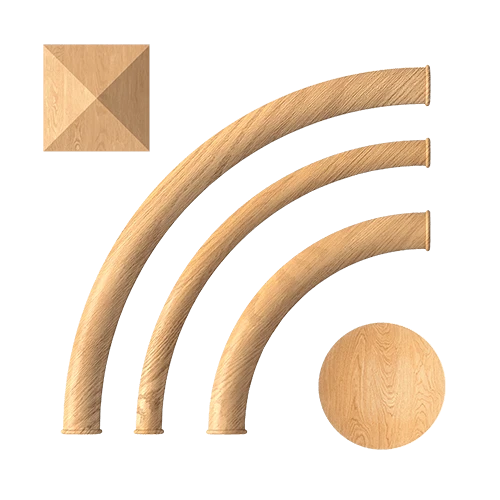
Installed in the corners of the molding frame on the drawer front. They mask molding joints and add a decorative accent. Size: 20–50 mm.
For classic: corner elements with floral or geometric motifs. For neoclassical: calm square corner overlays without ornamentation.
Central rosettes
Used as standalone front decor (without additional overlays) or as a 'final' element under a knob handle. A rosette under the handle is a classic technique: the handle is attached through the center of the rosette, which masks the attachment point and adds relief.
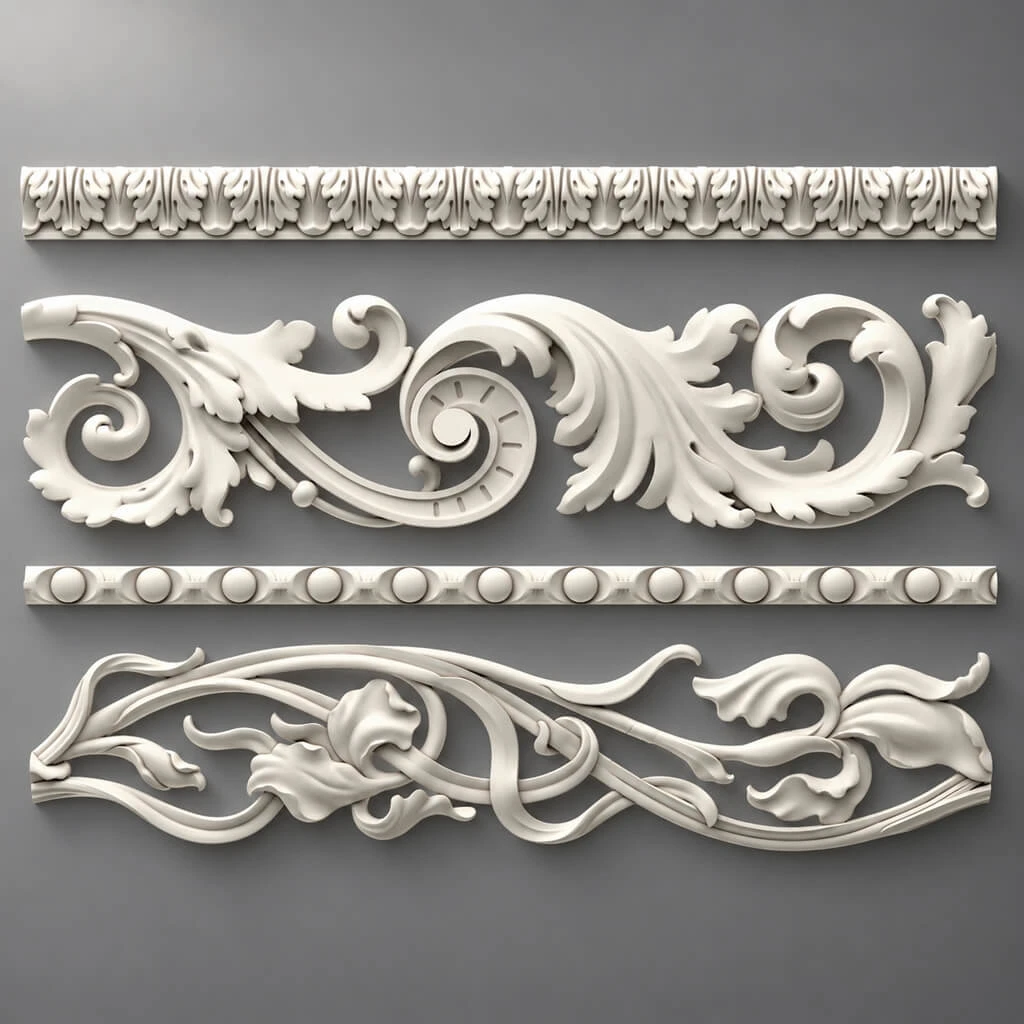
Decorative inserts and friezes
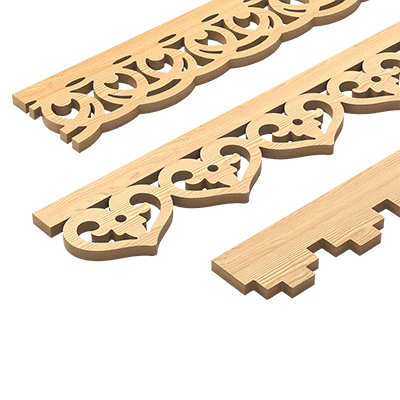
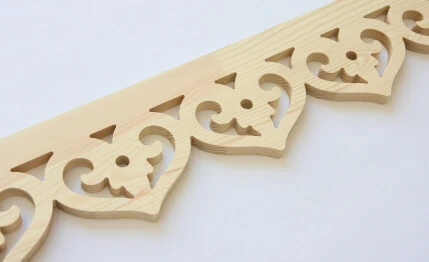
Horizontal decorative inserts between drawers — a miniature "frieze." A small carved strip between the first and second drawer. Adds a horizontal accent and divides the facade.
For this purpose, both Wooden trim with a simple profile.
Styles of carved chests and decor sets
This is the most practical section. Let's break down which set of elements is needed for each style.
Classic: full decorative arsenal
Look: rich, heavy, expressive. Dark wood, complex relief, patina.
What you need:
-
Central overlays with acanthus or cartouche — on each drawer
-
Molding frame with corner elements
-
Cabriole or turned legs with profile (80–120 mm)
-
Wooden handles — knobs or brackets
-
Upper cornice profile
-
Lower base (if without legs) or a small base plate under the legs
Finish: walnut stain + patina on protrusions. Or matte dark enamel with patina.
Neoclassical: restraint and proportion
Image: calm, laconic, geometric. Light or neutral colors.
What you need:
-
Molding frames without additional overlays — or with minimal overlay (thin geometric shape)
-
Corner overlays without ornament
-
Conical legs or strict square ones
-
Wooden rail handles
-
Laconic top profile
-
Base with two belts
Finish: matte enamel in "white antique", "gray pearl" or natural varnish.
Provence: lightness and 'life'
Look: soft, airy, with a slight 'aged' feel.
What you need:
-
Floral appliqués (small, without heavy relief)
-
Molding frames with soft profiles
-
Elegant legs of medium height (100–120 mm)
-
Wooden knob handles
-
Light top profile
-
Without a pronounced plinth or with a minimal one (40–50 mm)
Finish: white, cream, or light gray enamel. Light patina on protrusions.
Cabinet style: dark wood and strictness
Look: monumental, dark, "leather armchair nearby".
What you need:
-
Strict geometric overlays without floral elements
-
Molding frames with a thin profile
-
Square "cube" legs or very calm turned supports
-
Metal or dark wooden handles
-
Strict top profile
-
Expressive base (80–100 mm)
Finish: dark walnut, wenge, or ebony tint.
White carved chest of drawers: a separate conversation
A white carved chest of drawers is a special subject. It is one of the most popular requests, and for good reason. White furniture with wooden decor under enamel is a classic of Provence, neoclassicism, and the "French" style.
For a white carved chest of drawers, it is essential:
Everything is painted in one enamel. Overlays, legs, handles, base — a single color. White enamel does not tolerate discrepancies in shade: warm white + cool white = dissonance.
The depth of the relief is accentuated with patina. White color "dampens" the relief — protrusions and depressions merge. To preserve the decorative effect on a white facade, patina is used: the recesses are tinted in a gray or cream shade, the protrusions remain white. This "reveals" the relief of overlays and moldings.
Handles — metal or wooden under white enamel. Dark metal handles on a white chest of drawers — a classic contrast. Wooden handles under white enamel — a uniform, "invisible" solution.
Carved decor: when "real" carving is needed
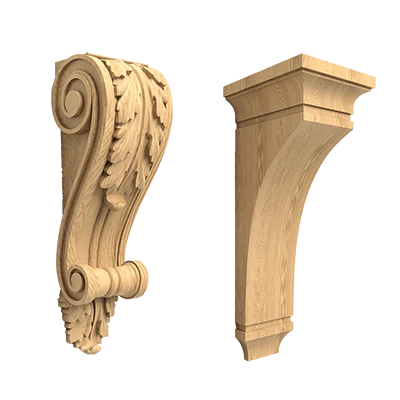
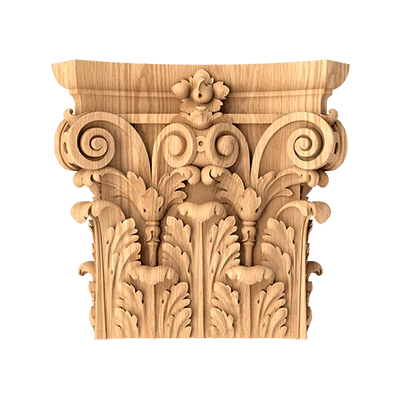
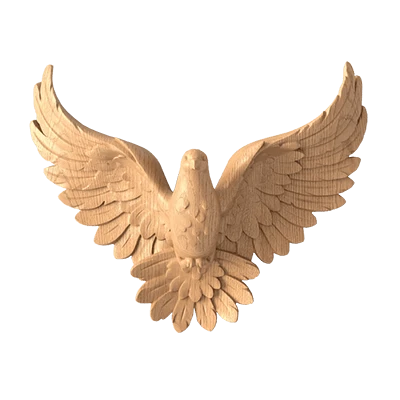
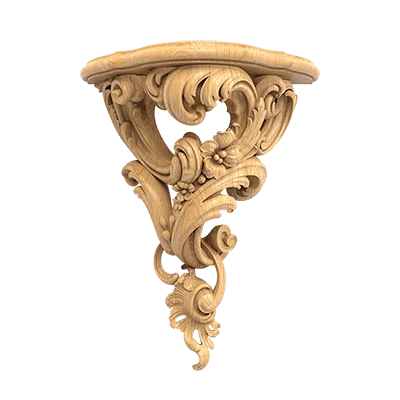
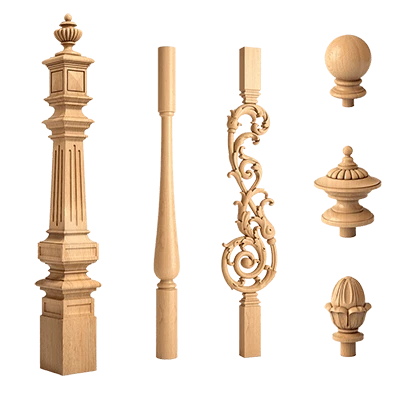
STAVROS carved decor — is a separate category that includes elements with deeper and more complex carving: acanthus leaves, scrolls, rocailles, garlands, mascaron, eagles, cornucopias.
For a carved wooden chest of drawers, carved decor is used:
-
On the side walls of the body (if the chest of drawers stands in the space, not against the wall)
-
On the top horizontal surface as decorative "appliqués"
-
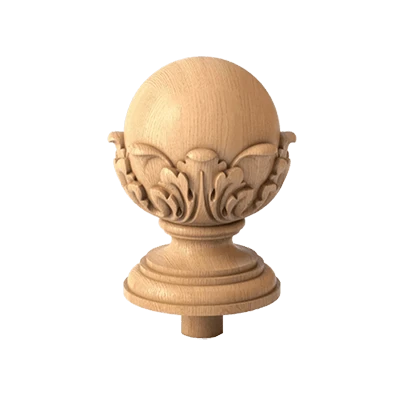
On the legs — carved finials and bands
-
On the corner posts — as vertical decorative elements
Carved decor is not a mandatory detail for every chest of drawers. But for a chest of drawers in a rich classic interior, in a study with boiserie or in a living room with decorative portals — it is the carving that creates that "something" that distinguishes furniture from an object.
How to create a complete set of decor for a chest of drawers: a step-by-step algorithm
Selecting decor for a carved chest of drawers is not a trip to the store for "something carved." It is a design project. Here is an algorithm that works.
Step 1: Define the style. Classic, neoclassical, Provence, cabinet, modern classic. Each style → its own system of elements.
Step 2: Measure the drawer fronts. Height and width of each drawer. This is the basis for calculating the size of overlays and moldings.
Step 3: Choose central overlays. One overlay per drawer. Or paired for wide fronts. Size according to the table above.
Step 4: Choose moldings for the frame. Profile, height, length for each drawer. Cut at 45° at the corners.
Step 5: Select corner elements. Small rosettes or corner overlays in the corners of the frames. Or clean joints of molding at 45° — without additional elements.
Step 6: Decide on the bottom part. Legs or a base. If legs — choose the type and height. If a base — choose the profile and height.
Step 7: Select handles. Type, size, finish. Check: the handle does not compete with the overlay.
Step 8: Decide on the top profile. A small decorative cornice on top or a simple profiled edge.
Step 9: Coordinate the finish. All elements — one color and tone. Only before installation.
Step 10: Check proportions. Is the overlay not too large? Do the legs match the body? Does the handle not overlap the overlay? Does the base not interfere with opening?
Finishing a carved wooden chest: how to do everything in one tone
Finishing is the final stage that either brings everything together into a cohesive whole or ruins all efforts.
Varnish: natural wood
Clear varnish preserves the texture of solid wood. An oak chest of drawers with carved overlays under matte varnish is an honest, natural beauty. The relief of the overlays is "revealed" in the grain texture.
Important: all elements from the same type of wood. Or — matched by tone. Different wood species under the same varnish will yield different colors: beech is lighter than oak, oak is warmer than birch.
Tinting: wood with color
Stain in walnut, wenge, light or dark oak — changes color, preserves texture. For classic and cabinet style — one of the best options.
All Solid Wood Items are tinted in one system: overlays, legs, handles, moldings. One color — one tone.
Enamel: color without texture
White, cream, gray, green, blue — any RAL or NCS color. Enamel covers the wood texture and provides a smooth matte or semi-matte surface.
For a white carved chest of drawers — enamel + patina in the recesses of the relief. For a painted chest of drawers in Provence or neoclassical style — matte enamel without patina, or with light patina in light gray.
Patina: the "biography" of furniture
Patina is a technique that adds "age" and "history." Dark base + enamel on top + rubbing of protrusions = an effect where the recesses of the relief are darker and the protrusions are lighter.
On wooden overlays, legs, and handles, patina reads especially well: the relief "comes alive," becomes voluminous and "authentic."
Typical mistakes when creating a carved chest of drawers
Overlay is too large
If the overlay occupies more than 40% of the drawer front width, it "swallows" the entire facade. Decoration should complement the space, not fill it.
Inconsistent style
Baroque-style overlays + Scandinavian minimalist legs + stainless steel handles — these are three different pieces of furniture in one. Everything should be from the same "vocabulary."
Handles not considered when placing overlays
An overlay directly under the handle attachment point is not allowed. The handle should be in an area free of decor, or the overlay must be specifically designed for the handle with an opening (handle-overlay).
Base interferes with opening the bottom drawer
The base protrusion must be calculated so that the bottom drawer opens freely. If the protrusion is too large, the drawer hits the base.
Legs not coordinated with the body
Thin, elegant legs under a heavy, massive body — visually unstable. The body "presses down" on the legs. Either choose legs with corresponding "strength," or switch to a base.
Finishing different elements at different times
Overlays painted today, legs — a week later from a different can. Even with the same color code, the difference will be noticeable. Everything — in one day, from one can.
Where to find wooden elements for the STAVROS carved chest of drawers
To create a classic carved wooden chest of drawers — all necessary solid wood elements:
-
Carved decorative inserts for furniture — central and side decorative elements of facades
-
wooden decorative elements — rosettes, corner overlays, inserts
-
wooden furniture legs — shaped and turned supports
-
Wooden furniture handles — knobs, rails, brackets
-
Solid wood moldings, cornices, and baseboards — frames, base, top profile
-
solid wood millwork — moldings, extensions, frieze strips
-
STAVROS carved decor — for rich classic projects
-
Solid Wood Items — full catalog
-
Chests and Dressers — system solutions for storage items
-
furniture solutions — decor for furniture projects
-
Cabinet decoration — related furniture projects
-
Kitchen solutions — if the chest is part of a kitchen system
Frequently asked questions
What makes a chest carved?
The carved character is created by a system of decorative wooden elements: overlays on drawer fronts, molding frames, corner rosettes, shaped legs, and coordinated handles. Together, they transform case furniture into an architecturally complete piece.
What elements are needed for a carved chest of drawers?
Basic set: central overlays + molding frames + legs or base + handles. The extended set adds corner decorative elements, a top cornice profile, and carved decor.
How to choose overlays for the chest facade?
You need to measure the width and height of each drawer, determine the center of the facade, and choose an overlay that occupies no more than 30–40% of the width. The style of the overlay should be consistent with the overall style of the furniture.
What is better for the bottom of the dresser: legs or a base?
Legs create a light, 'lively' look and lift the furniture off the floor. A base is for monumental, 'heavy' classic pieces. A combination (small base + legs) is optimal for sideboards and large dressers.
How to design a white carved dresser?
All elements are white enamel of the same shade. To maintain readability of the relief, a light patina in the recesses. Handles are wooden to match white enamel or dark metal for contrast.
Can wooden handles be combined with carved overlays?
Yes. A solid wood handle with the same finish as the facade creates organic unity. It is important that the handle does not overlap the overlay and is proportionate to the drawer.
How to make a chest of drawers truly classic?
Through three levels: lower (legs or base) + facade system (overlays + moldings + handles) + top finish (cornice profile). A complete system means a complete classic look.
About the company STAVROS
A carved chest of drawers is furniture with a biography. It does not become outdated. It does not get "boring." It fits into any next space. And that is why the wooden decorative elements for its creation should be made of real solid wood, crafted with precision and attention to proportion.
STAVROS — production of solid wood products for furniture and interiors. Overlays, legs, handles, moldings, cornices, baseboards, linear moldings, carved decor — a complete system for creating classic furniture with character.
When you select STAVROS elements — you are not just buying decor. You are assembling the decorative architecture of your piece. Detail by detail. Systematically. With an understanding of the result.
STAVROS — for those who know the difference between furniture and a work of art.