Article Contents:
- What to buy for a workspace: complete set
- Writing desk and wall — a single organism
- Vertical axis of the workspace
- Horizontal axis
- Wooden legs for a writing desk: selection and calculation
- Types of legs for a writing desk
- How many legs are needed for a writing desk
- Desk height: important calculation
- Wood species for desk legs
- Furniture handles for drawers and cabinets: tactile precision
- Types of handles for office furniture
- Handle placement
- Decorative shelf brackets: wood as support and decor
- Types of decorative brackets
- Calculating brackets for a shelf
- Brackets and moldings: linking into a unified system
- Polyurethane stucco in the workspace: architecture without extra weight
- Molding frames on the wall behind the desk
- Cornice along the ceiling line of the office
- Baseboard in the office
- Overlays on cabinet and drawer fronts
- Ready-made sets for the work area in a classic style
- Writing desk with drawers: basic classic set
- Work wall behind the desk: moldings and frames
- Shelves above the desk: brackets and molding frame
- Office cabinet: full decorative set
- Small workspace: neoclassical without excess
- Work area styles: which decor suits
- Classicism in the study
- Baroque in the home office
- Neoclassicism in the workspace
- "English Club"
- Mistakes when choosing decor for the workspace
- Choosing legs without considering the load
- Buying handles after marking the facades
- Placing active molding in front of the eyes
- Not considering the height of the desk and chair
- Not connecting the desk with the baseboard and moldings
- Buying brackets without weight calculation
- Not buying a spare molding
- Table: wood or polyurethane for each element of the work area
- FAQ: answers to popular questions about work area decor
- About the Company STAVROS
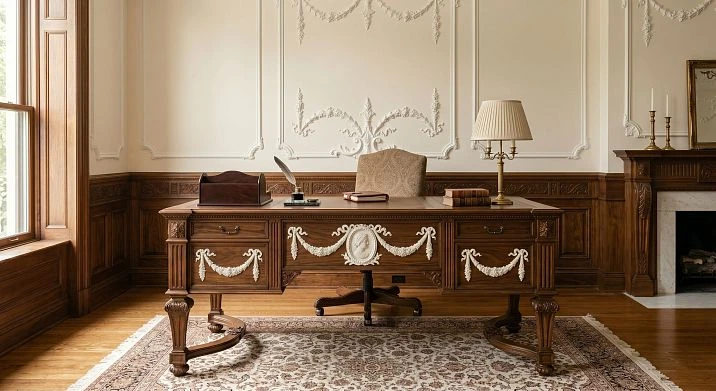
A home office is a space for thinking. A place where decisions are made, texts are written, books are read, negotiations are conducted. And if in the living room the interior works for the public, then the office is a personal statement. It is here that the owner's true aesthetic position is visible: what he considers beautiful, how seriously he treats details, whether he can create an environment that sets the mood for thinking.
Classic style writing desk is not just a tabletop and drawers. It is the architectural center of the work area: with the right wooden legs, well-thought-out furniture handles, decorative brackets under the shelves, polyurethane moldings on the wall behind, with a cornice, baseboard, and polyurethane wall decor, which create a unified work environment.
This article is a full commercial breakdown. What to buy, in what order to think, how to connect the desk, wall, and shelves into one system — without overloading the office with decor that will interfere with work.
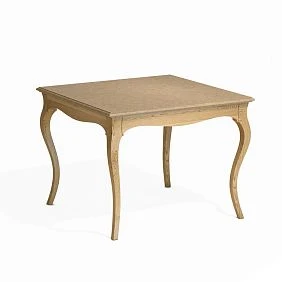
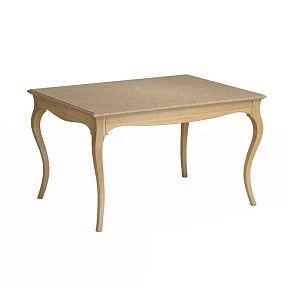
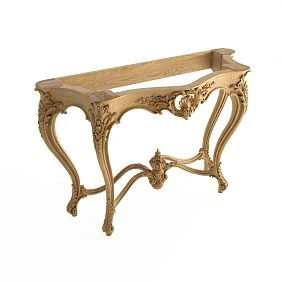
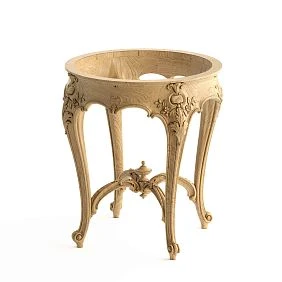
What to buy for the workspace: a complete set
Buying items one by one is the most expensive way to furnish an interior. Each time — a new delivery, a new wait, a new realization that something else is missing. The right approach is to order the entire set at once.
Wooden furniture elements:
-
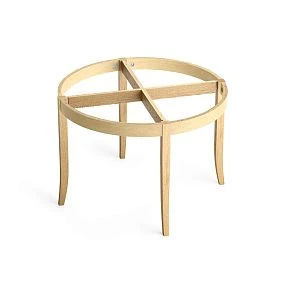
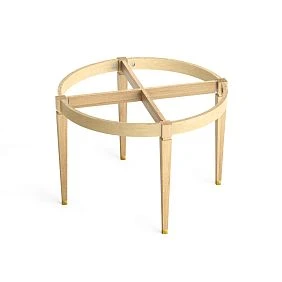
Wooden legs — for a desk or cabinet under the tabletop;
-
furniture legs — reinforced, for heavy desks with side cabinets;
-
Furniture Handles — for cabinet drawers, cupboards, side panels;
-
decorative bracket — wooden support for wall-mounted shelves above the desk;
-
decor for furniture — overlay wooden elements on drawer fronts and side panels.
Polyurethane decoration:
-
Moldings made of polyurethane — frame profiles on the wall behind the desk, horizontal lines, cornice;
-
Polyurethane appliqués — decorative accents on facades and wall panels;
-
Polyurethane moldings — relief elements of the cabinet ceiling line;
-
Polyurethane wall decor — wall frames, belts, architectural divisions of the wall behind the desk;
-
Decor for Molding — point inserts along horizontal profiles.
Installation and finishing materials:
-
— M8/M10 bolts + embedded nuts — for table legs;
-
— fasteners for wooden handles (M4 bolts);
-
— fasteners for brackets (wall anchors, bolts into the shelf);
-
— construction adhesive — what to glue polyurethane molding with;
-
acrylic sealant;
-
adhesive primer;
-
enamel or paint;
-
— oil or varnish for wooden elements;
-
— 15% spare moldings.




The desk and the wall are a single organism
Here's an observation that many miss when setting up an office: the desk almost always stands against the wall. Sometimes flush, sometimes with a gap, but the wall behind or in front is always the backdrop of the workspace.
This means one thing: you cannot choose a desk separately from the wall. What is on the wall — moldings, shelves, brackets, decorative frames — is inextricably linked to how the desk itself looks. A beautiful classic desk against a bare painted wall is an unfinished story. Conversely: an expressive wall with moldings and frames plus a simple desk without decor is also an imbalance.
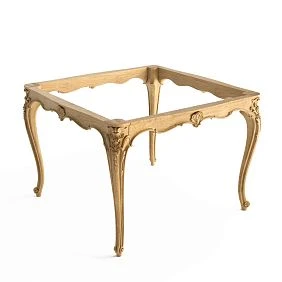
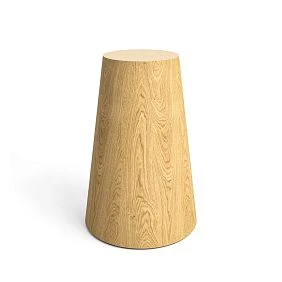
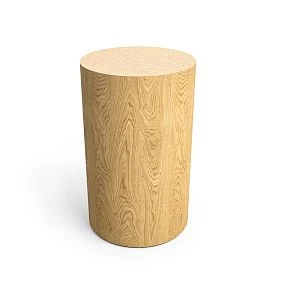
Our factory also produces:
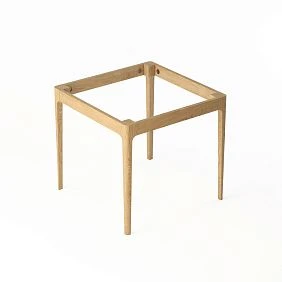
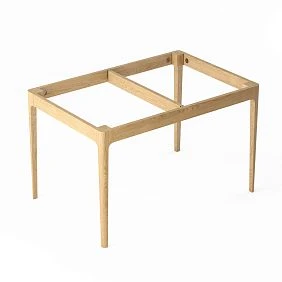
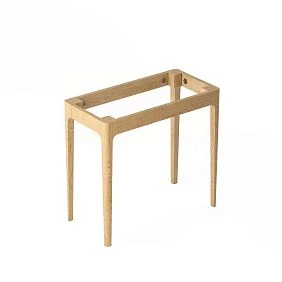
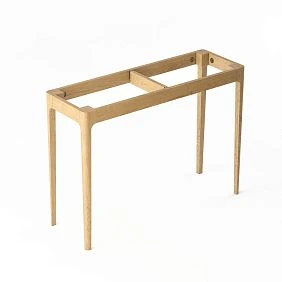

Vertical axis of the workspace
When you look straight ahead while sitting at a desk, your gaze moves from bottom to top: baseboard at the floor → side pedestals or drawers → tabletop → hutch or shelves → wall → ceiling. This is the vertical axis of the workspace.
or a wooden baseboard in the style of the furniture; side pedestals — Moldings made of polyurethane and handles; wall — frames made of decorative elements for furniture ; ceiling line — . Clear lines, created using modern technologies, emphasize the strict aesthetics of the room. Each decorative element harmoniously fits into the overall concept, creating a sense of order and thoughtfulness.Horizontal axis Polyurethane moldings.
Get Consultation
Horizontal axis
The width of the work area is a horizontal accent. A table 140–180 mm wide + shelves above the table of the same width or slightly narrower. If the wall behind the table is wider (e.g., 3 m) and the table occupies 1.6 m, the wall decor should cover the entire width, not just the table area.
Wooden legs for a desk: selection and calculation
Wooden legs for a desk is a responsible structural and aesthetic detail. Responsible because a desk with drawers weighs from 40 to 100 kg. Aesthetic because the legs determine the style and "character" of the furniture.
Types of desk legs
Straight square leg. Cross-section 50–65 mm, height 680–700 mm (standard desk height 740–760 mm minus tabletop thickness 40–60 mm). Strict, monolithic, for an office in the classicism or Empire style.
Tapered leg. A square leg tapering downward by 10–15 mm. Lightness while maintaining strength. For neoclassicism and modern classic.
Turned leg. Vase-shaped form with alternating expansions. Classic for office furniture. For a desk: height 680–700 mm, diameter in the wide part 50–60 mm.
Fluted leg. A straight leg with longitudinal flutes — parallel vertical grooves. An antique motif, both strict and decorative. Diameter 50–55 mm.
How many legs are needed for a desk
A table without side cabinets (just a tabletop on legs): 4 legs at the corners. For a tabletop 1600 × 800 mm — legs 50 × 50 mm square or turned cross-section.
Table with one side cabinet: 3 legs (2 on the free side + 1 at the corner point of the cabinet side) + the cabinet itself on furniture supports.
Table with two side cabinets: legs only in the central area (2 legs under the middle of the tabletop) or without visible legs at all — the cabinets bear all the load.
Table height: important calculation
Standard working height of a desk is 740–760 mm from floor to top surface of the tabletop. Ergonomic chair height: 440–490 mm from floor to seat. Sum plus seat height = distance from seat to tabletop 270–320 mm.
Formula for calculating leg length: table height − tabletop thickness − foot pad height.
Example: table height 750 mm − tabletop 40 mm − foot pad 5 mm = leg 705 mm.
Wood species for desk legs
Beech. Dense, uniform, ideal for painting. For a table with white enamel or cream paint.
Oak. Textured, heavy, premium. For oil or clear varnish — for a table in natural wood.
Ash. Expressive linear pattern. For varnish in a dark tone — for a study in the "English club" style.
Furniture handles for drawers and cabinets: tactile precision
A handle is the first contact with furniture. Every time a drawer is opened, it's the handle that's grasped. It's a tactile detail that works daily.
Furniture Handles for desks and cabinets — made of wood, in a unified style with legs and all office furniture.
Types of handles for office furniture
Bracket. An arc with two mounting bolts. Center distance: 64, 96, 128 mm. For standard-width drawers 300–450 mm — a 96 mm bracket. Arc shape: round cross-section (classic), faceted cross-section (Empire).
Pull. A horizontal or vertical bar with a center bolt. Length 80–150 mm. For wide drawers — 150 mm; for narrow ones — 80–100 mm.
Knob. A point handle on a single bolt. Diameter 30–50 mm. For small drawers, cabinet doors.
Placement of handles
On a drawer: handle along the horizontal axis of the drawer (center of the drawer in height), along the vertical axis — centered. If the drawer is narrow (height 80–100 mm) — handle closer to the upper third.
On a cabinet door: handle in the upper third of the door, along the vertical axis. When opening, the movement goes from top to bottom — a handle in the upper zone is convenient for gripping.
Rule: decorative elements for furniture On the front of the drawer or door, they should not intersect with the handle area. First, place the handle, then the decorative frame or overlay around it.
Decorative shelf brackets: wood as support and decor
Shelves above the desk are a vertical workspace. Books, documents, decorative items. And what these shelves rest on — Decorative Bracket made of solid wood — is not an invisible structure, but an architectural detail that is clearly visible.
Types of decorative brackets
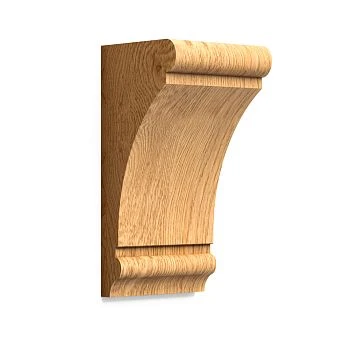
Straight bracket with a heel. Simple L-shaped form with a profiled finish. Strict, for neoclassicism and modern classic.
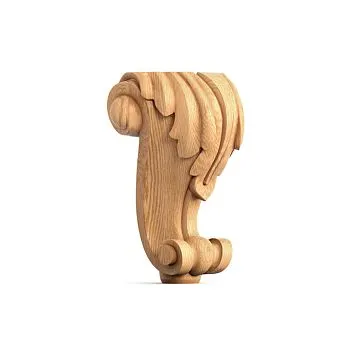
Figural bracket with a volute. Curved profile, S-shaped or with a curl. Classic and Baroque. Visible bracket length: 150–250 mm. Visible height: 100–200 mm.
Ornamental bracket. With carved decor, applied wooden elements. For a classic study with rich decor.
Calculation of shelf brackets
Load on the shelf: books — 15–25 kg/linear m, documents — 10–15 kg/linear m. For a shelf 1000 mm long with books: load 20–25 kg. Two brackets (at the edges of the shelf with an indent of 80–100 mm from the edge) — each carries 10–12 kg. For a wooden bracket made of beech: bending strength is sufficient with a horizontal branch cross-section of 30 × 50 mm and an overhang length of 200–250 mm.
Wall mounting: 2 dowels per bracket into a load-bearing wall, dowel diameter 8–10 mm, depth 60–80 mm.
Brackets and moldings: linking into a single system
Decorative Bracket on the wall always works better in the context of a molding frame. Scheme: a horizontal shelf with brackets is located inside a decorative area framed by polyurethane moldings. The bottom line of the frame runs at the level of the lower edge of the shelf. The top line is 150–200 mm above the upper edge of the shelf. The side lines are at the width of the shelf or slightly wider.
Result: the shelf with brackets is "built into" the architectural niche of the molding frame. This looks thoughtful and expensive.
Polyurethane stucco in the work area: architecture without extra weight
The work area is a special case in the discussion of polyurethane relief. Here, the decor should work unobtrusively: create an environment but not distract. Massive relief right in front of the eyes is a mistake. Calm horizontal lines, frame elements, a cornice above the work area are the right solution.
Molding frames on the wall behind the desk
Polyurethane wall decor in the form of frame moldings is a classic way to structure the wall behind the workspace. The frame creates a "field" — a rectangular area that the eye reads as a separate object.
Recommended layout for a wall 2400 mm wide behind a 1600 mm table:
-
Central vertical frame 1600–1800 mm wide, height from baseboard to ceiling cornice;
-
Inside the central frame — horizontal division into 2–3 sections (lower for shelves, upper for decorative area);
-
Side vertical sections 200–400 mm each — for books, decorative items.
Frame molding width: 20–30 mm. For high ceilings (3 m and above) — 25–30 mm. For standard (2.5–2.7 m) — 20–22 mm.
Cornice along the ceiling line of the study
A classic home study is a vertical with a cornice. polyurethane decor Along the ceiling perimeter of the study: ceiling cornice 60–80 mm around the entire room. In the work area — a calm cornice, without excessive relief. Accent part of the cornice — above the desk area or above the bookshelf area.
Decor for Molding Along the study cornice — point inserts every 300–400 mm. In the study, they work as a soft rhythmic accent.
Baseboard in the study
Baseboard — the lower horizontal line that "completes" the vertical wall at the floor. From of polyurethane moldings — baseboard 80–100 mm high for a study with a ceiling height of 2.7 m. With a ceiling of 3 m and above — baseboard 100–120 mm.
The baseboard profile should match the ceiling cornice profile: proportions are mirrored.
Overlays on cabinet and drawer fronts
Polyurethane appliqués for cabinet furniture fronts — frame profiles and central accents. Study feature: furniture is often painted in a single color with the walls. In this case Decorative stucco on the fronts and walls reads as a single whole — relief without color breaks.
Ready-made sets for the work area in a classic style
Writing desk with drawers: basic classic set
Task: table 1600 × 800 mm, without side cabinets, 3 drawers in the central part.
Set:
-
Wooden legs — 4 pcs., turned, beech, height 705 mm, diameter 50 mm;
-
Bolts M8 × 4 + embedded nuts × 4;
-
Furniture Handles — 3 brackets 96 mm for three drawers;
-
decor for furniture — 3 decorative overlays for drawer fronts, 100 × 60 mm;
-
Oil for legs and overlays (if for natural wood) or primer and enamel (for painting);
-
10% spare.
Working wall behind the desk: moldings and frames
Task: wall 2400 × 2700 mm, work area 1600 mm in the center, two side areas.
Set:
-
Moldings made of polyurethane — frame profile 22 mm. Central frame: (1800 + 2400) × 2 = 8400 mm; side frames: 2 × (400 + 2400) × 2 = 11,200 mm. Total: 19,600 mm = 19.6 linear m + 15% = 22.5 linear m;
-
Ceiling cornice: 2400 mm front + 2 × room depth (2 × 3000 = 6000) = 8400 mm + 15% = 9.7 linear m, profile 65 mm;
-
Decor for Molding along the cornice — 10 inserts;
-
Polyurethane wall decor — corner inserts into frames: 4 corners per frame × 3 frames = 12 pcs.;
-
Baseboard 90 mm along the perimeter: 2 × (2400 + 3000) = 10,800 mm + 15% = 12.4 linear m;
-
glue, sealant, primer, paint, spare.
Shelves above the table: brackets and molding frame
Task: 2 shelves above the table 1600 mm, at heights of 500 and 900 mm from the tabletop.
Set:
-
Decorative brackets — 4 pcs. (2 per each shelf), shaped profile with volute, beech, projection 200 mm;
-
Dowels 10 × 80 mm — 8 pcs. (2 × 4 brackets);
-
Bolts for attaching the shelf to the bracket — 8 pcs.;
-
Moldings made of polyurethane — frame profile around the shelf area, 20 mm: (1700 + 1200) × 2 = 5800 mm + 15% = 6.7 linear m;
-
Polyurethane appliqués — 2 corner accents above the top shelf;
-
Fasteners, glue, primer, paint.
Cabinet pedestal: full decorative set
Task: side cabinet for desk 500 × 700 mm, 3 drawers + lower door.
Set:
-
furniture legs — 4 pcs., conical, beech, height 80 mm;
-
Furniture Handles — 4 pcs.: 3 drawer pulls + 1 button for lower door;
-
decor for furniture — 3 overlay wooden elements for drawer fronts;
-
Moldings made of polyurethane — frame profile on lower door, 18 mm: (500 + 400) × 2 = 1800 mm + 15% = 2.1 linear m;
-
Polyurethane appliqués — 1 central accent for lower door, 70–80 mm;
-
Fasteners, glue, primer, paint.
Small workspace: neoclassical without excess
Task: compact desk 1200 × 600 mm, work area in a small room or niche, ceiling 2.7 m.
Set:
-
Wooden legs — 4 straight square, 45 × 45 mm, beech, height 695 mm;
-
Furniture Handles — 2 staples 64 mm for 2 drawers;
-
Moldings made of polyurethane — thin frame profile 15 mm on the wall behind the desk: one frame 1400 × 2400 mm = (1400 + 2400) × 2 = 7600 mm + 15% = 8.7 linear m;
-
Baseboard 70 mm along the niche perimeter: (1400 + 2 × 600) = 2600 mm + 15% = 3 linear m;
-
glue, sealant, primer, paint.
Work area styles: which decor suits
Classicism in the study
Strict symmetry. Legs — fluted, with fluting. Handles — rectangular section pulls or staples with faceted profile. Classic Furniture in the classicism style — dark walnut or cream enamel. Mouldings on the wall — strict, straight profiles without active relief.
Baroque in the home office
Luxury and relief. Turned legs with rich profile. Shaped wooden handles with relief pattern on the surface. Decor for Molding — active, with leaf motif. Decorative stucco — medallions, cartouches, corner inserts with plastic relief.
Neoclassicism in the work area
Geometry and purity. Straight conical legs. Simple brackets with a round arch section. Moldings made of polyurethane — straight shelf or chamfer profile. Cornice — 50–60 mm, without rich relief. Polyurethane wall decor — geometric frames, without ornamental inserts.
"English Club"
Dark wood, leather details, massive legs made of oak or ash under dark stain. Brackets — large, with figured profile. Shelves — oiled oak. Wall — dark green or dark blue. Moldings — thin profiles contrasting with the wall.
Mistakes when choosing decor for the work area
Choosing legs without considering the load
A desk with two pedestals filled with documents weighs 80–100 kg. Decorative legs made of soft wood with a cross-section of 30 × 30 mm will not handle it. For a heavy desk: leg cross-section at least 50 × 50 mm or the diameter of a turned leg in the narrow part at least 35 mm. Use furniture legs — they are designed specifically for load-bearing capacity.
Buy handles after marking the facades
One of the most common mistakes. The facade is marked for a molding frame, then a handle is ordered — and it turns out that the bolt hole lands right in the molding. First — the handle and its placement, then — the molding frame around it.
Place active molding in front of the eyes
A large relief overlay or medallion directly opposite the view at the desk is a visual distraction. During work, the eye fixates on active objects. Heavy molding on the wall directly opposite the desk is an irritant, not elegance. Active decor — behind side molding frames or above eye level.
Not accounting for desk and chair height
Desk height 750 mm + chair with adjustment 420–490 mm. If shelves are located lower than 400 mm above the tabletop — you'll have to bend over for every book. Minimum height of the lower shelf above the work surface: 450–500 mm.
Not connecting the desk with the baseboard and moldings
The baseboard is chosen separately, moldings separately, the desk separately. As a result: three different styles in one space. Solution: define one basic profile (e.g., a cyma recta) that will be used in the baseboard, the molding frames on the wall, and the ceiling cornice.
Buying brackets without weight calculation
Decorative Bracket made of wood is a load-bearing element. Overhang 200 mm, load 15 kg per bracket — requires a horizontal arm cross-section of at least 30 × 50 mm. A thin decorative bracket under a heavy shelf will sag or break.
Do not take a reserve of moldings
Moldings are cut at 45° in corners. In case of inaccurate cutting or measurement errors, a reserve is needed. Minimum profile reserve: 15% of the calculated quantity. For a study with full molding wall decoration, 20% is better.
Table: wood or polyurethane for each element of the work area
| Element | Material | Justification |
|---|---|---|
| Table legs | Wood | Load-bearing capacity and tactility |
| Drawer handles | Wood | Daily tactile contact |
| Shelf brackets | Wood | Load-bearing function + decor |
| Facade overlays | Wood or polyurethane | Tree for relief accent, PU for painting |
| Wall moldings | Polyurethane | Lightness, precision, for painting |
| Ceiling cornice | Polyurethane | Length, repeatability, precision |
| Baseboard | Polyurethane or wood | Depending on style |
| Frames around shelf area | Polyurethane | Architectural frame without load |
| Decorative corner inserts | Polyurethane | Repeatability, for painting |
FAQ: answers to popular questions about workspace decor
What to buy for a classic-style desk?
Wooden legs to match the furniture style, Furniture Handles solid wood for drawers, decor for furniture for facades, fasteners, finishing coating. For the surrounding work area: Moldings made of polyurethane, baseboard, cornice, glue, primer, paint, and spare.
Can you combine a wooden desk with polyurethane molding?
Yes, that is the correct system. Classic Furniture wood for tactile and load-bearing parts, Polyurethane moldings for wall panels, cornice, baseboard, and decorative architecture around the desk. Uniform painting for a monolithic look.
Which moldings are suitable for the work area?
Calm, 15–25 mm wide, without deep volumetric relief. Moldings made of polyurethane with a "shelf", "heel" or "fillet" profile — delicate and do not distract from work.
Where to use brackets in the work area?
decorative bracket — for hanging bookshelves, cantilever elements, decorative supports for side panels. Near the desk, symmetrically, in a unified style with the furniture.
How to make a home office look more expensive without visual overload?
Assemble a set: a good table with wooden legs and handles, neat moldings on the wall behind the table, ceiling cornice, baseboard, shelf brackets — all in a single color. polyurethane decor creates architectural structure, wood — tactile quality. Unity is key.
About the company STAVROS
The entire range for the work area and office furniture — Wooden legs, furniture legs, Furniture Handles, Decorative brackets, decor for furniture, Moldings made of polyurethane, Polyurethane moldings, Polyurethane appliqués, Wall Decor и Decor for Molding — is produced and supplied by STAVROS.
STAVROS is a St. Petersburg manufacturer of architectural decor and furniture components from solid wood and polyurethane. Over twenty years of production experience. Catalog with precise technical parameters, photos, and descriptions. Among the completed projects are the State Hermitage Museum, Konstantinovsky Palace, Alexander Palace, and Trinity-Izmailovsky Cathedral. Order from one unit. Contact us to confirm shipping to your destination.