




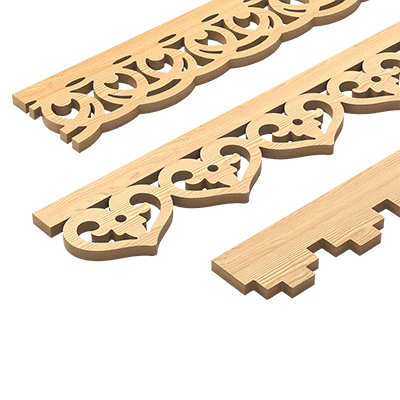
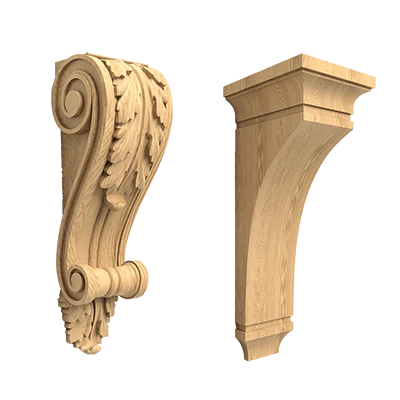
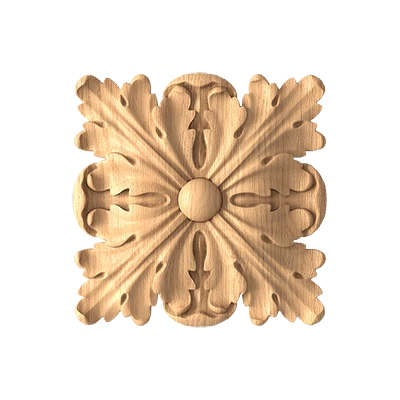
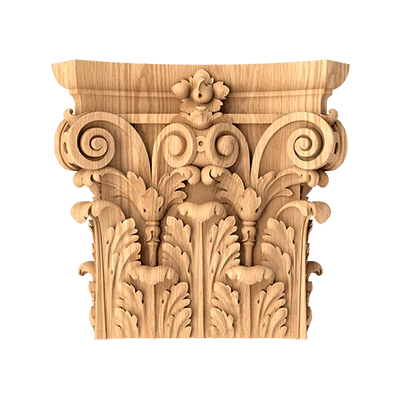

























Article Contents:
- Buy furniture moldings
- What is a furniture molding and why is it needed
- How is a molding different from a cornice and a baseboard
- Which furniture moldings to buy: breakdown by task
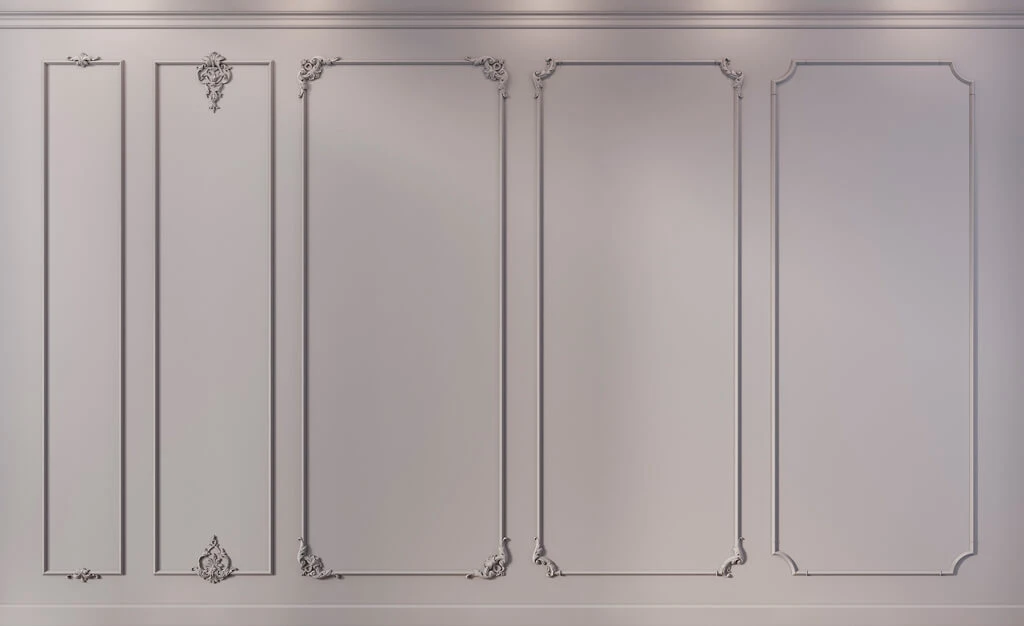
- Molding for facades in classic style
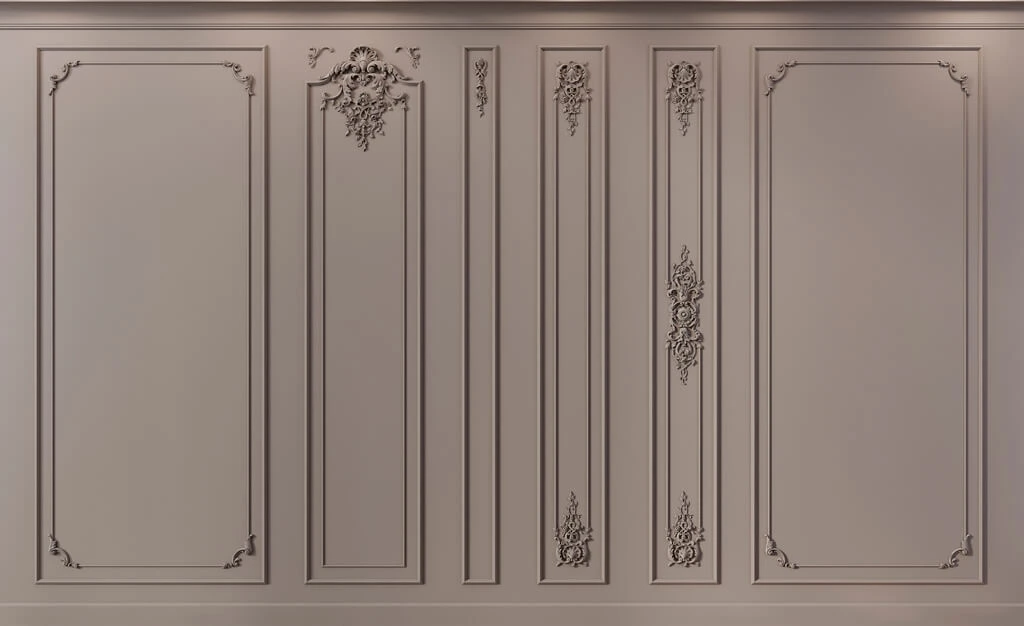
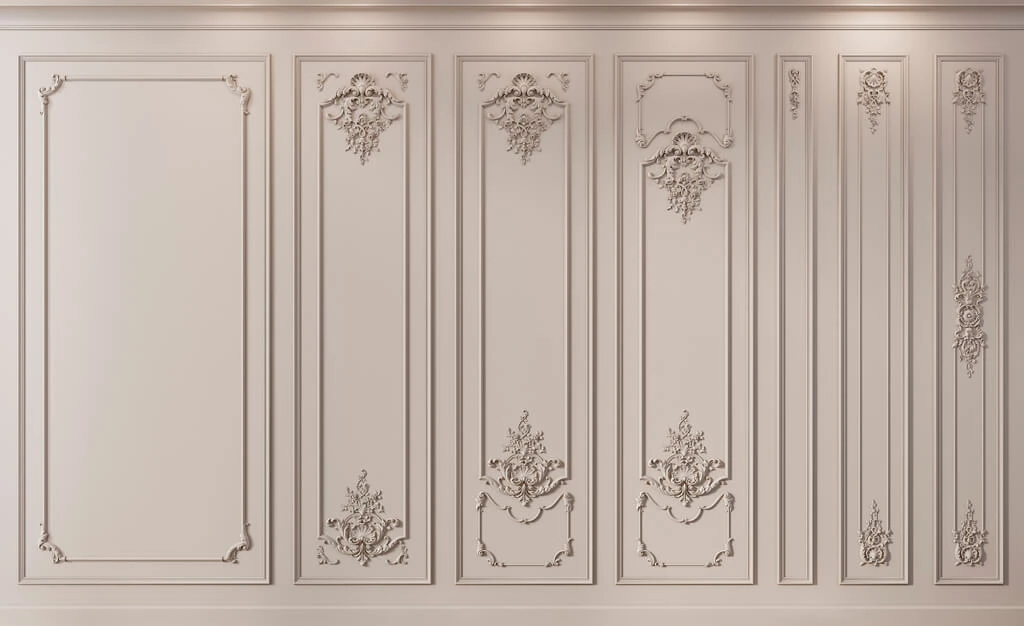
- Molding for facades in Baroque and Neoclassical style
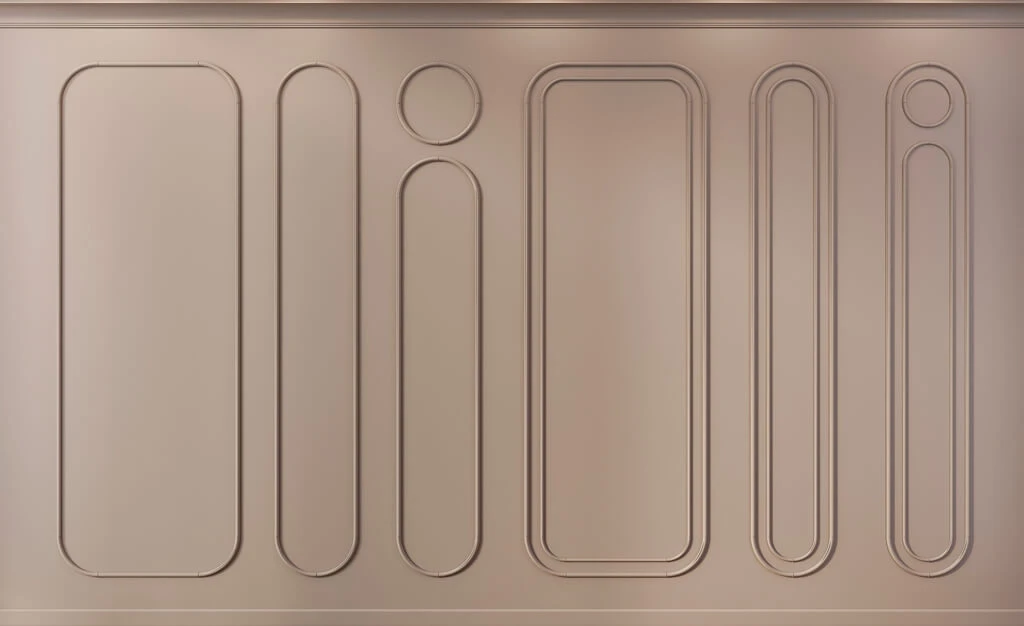
- Molding for modern furniture and geometric solutions
- Decorative furniture moldings: applications and scenarios
- Frames on facades
- Panel design
- Decorative horizontal and vertical lines
- Updating a chest of drawers and framing drawers
- Cabinet cornice and bottom trim
- Furniture moldings for facades: details and proportions
- Frame width and molding size
- Symmetry and repeatability
- Vertical frames and horizontal crosspieces
- Moldings for furniture restoration
- Updating an old cabinet
- Restoration of a chest of drawers and restoration of lost decor
- Kitchen update without replacing facades
- Furniture moldings: materials and their differences
- Wooden moldings: oak and beech
- Furniture moldings made of MDF
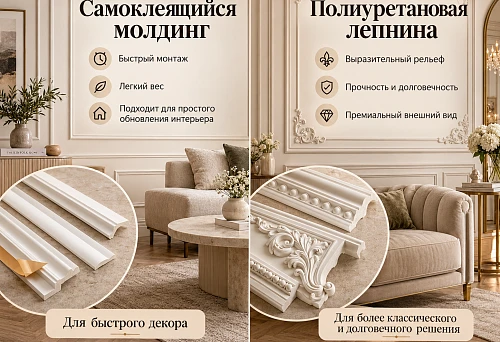
- Self-adhesive moldings
- What affects the price of furniture moldings
- How to choose furniture moldings: a step-by-step checklist
- Mistakes when buying furniture moldings
- Installation of furniture moldings: how to do it correctly
- Tools
- Work procedure
- Installation of solid wood molding: important nuances
- Where to buy furniture moldings with Contact us to confirm shipping to your destination.
- FAQ: answers to popular questions about furniture moldings
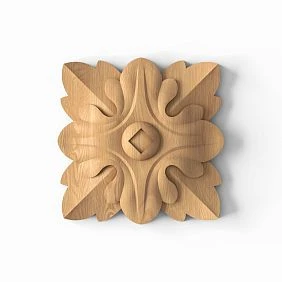
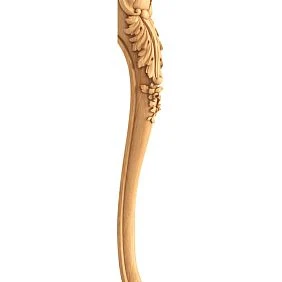
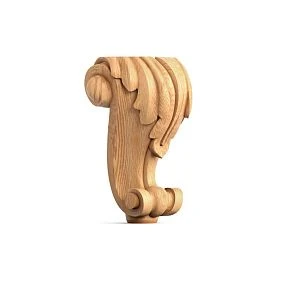
Buy furniture moldings
There are things in the interior that don't catch the eye — but without them, everything looks unfinished. Take a cabinet: solid, well-proportioned, with quality fronts. But something is off. Flat. Faceless. Boring. Add a frame on the front made of furniture moldings — and the cabinet ceases to be a box. It becomes an object. That's exactly how this small but fundamentally important decorative element works.
Today, you can buy furniture moldings for a variety of tasks: from classic furniture and kitchen sets to restoring an old dresser and creating frames on a smooth facade. The article covers everything: what a furniture molding is, where and how it is used, how to choose the material and profile, what affects the price, and how to avoid mistakes when purchasing.
What is a furniture molding and why is it needed
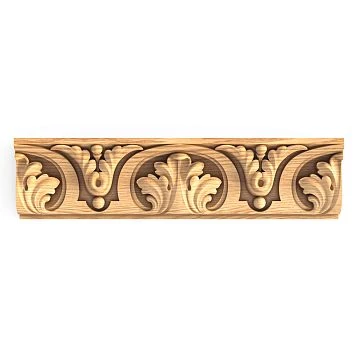
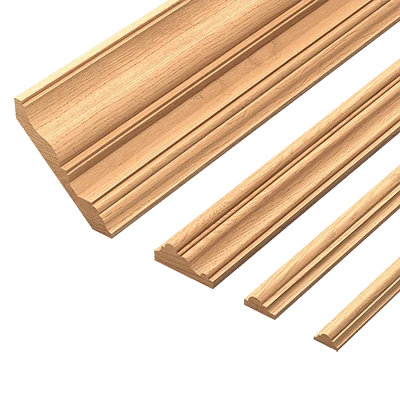
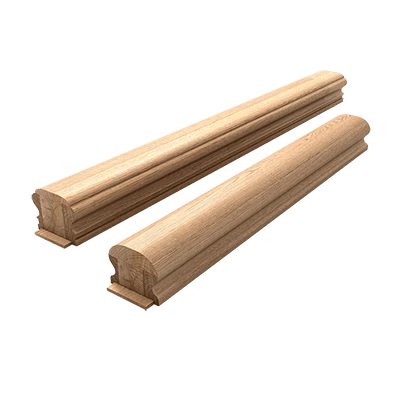
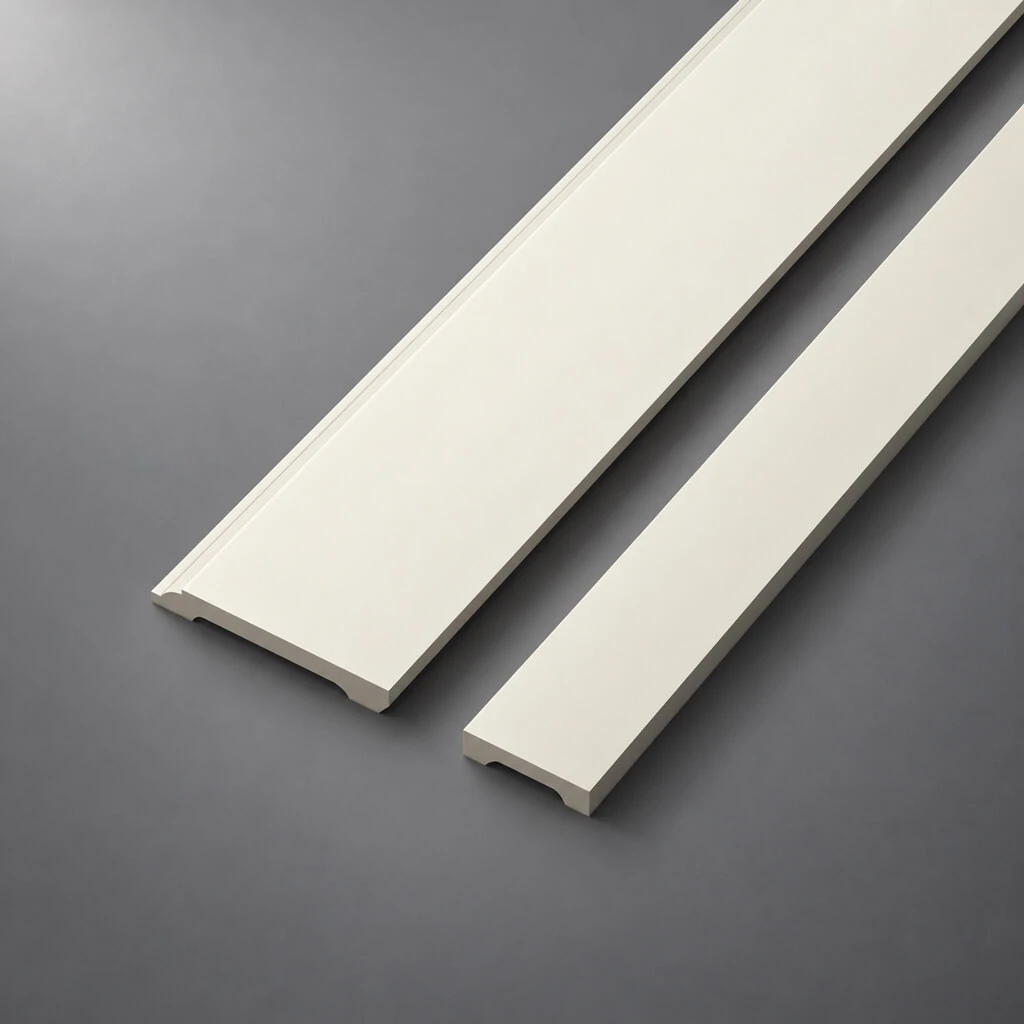
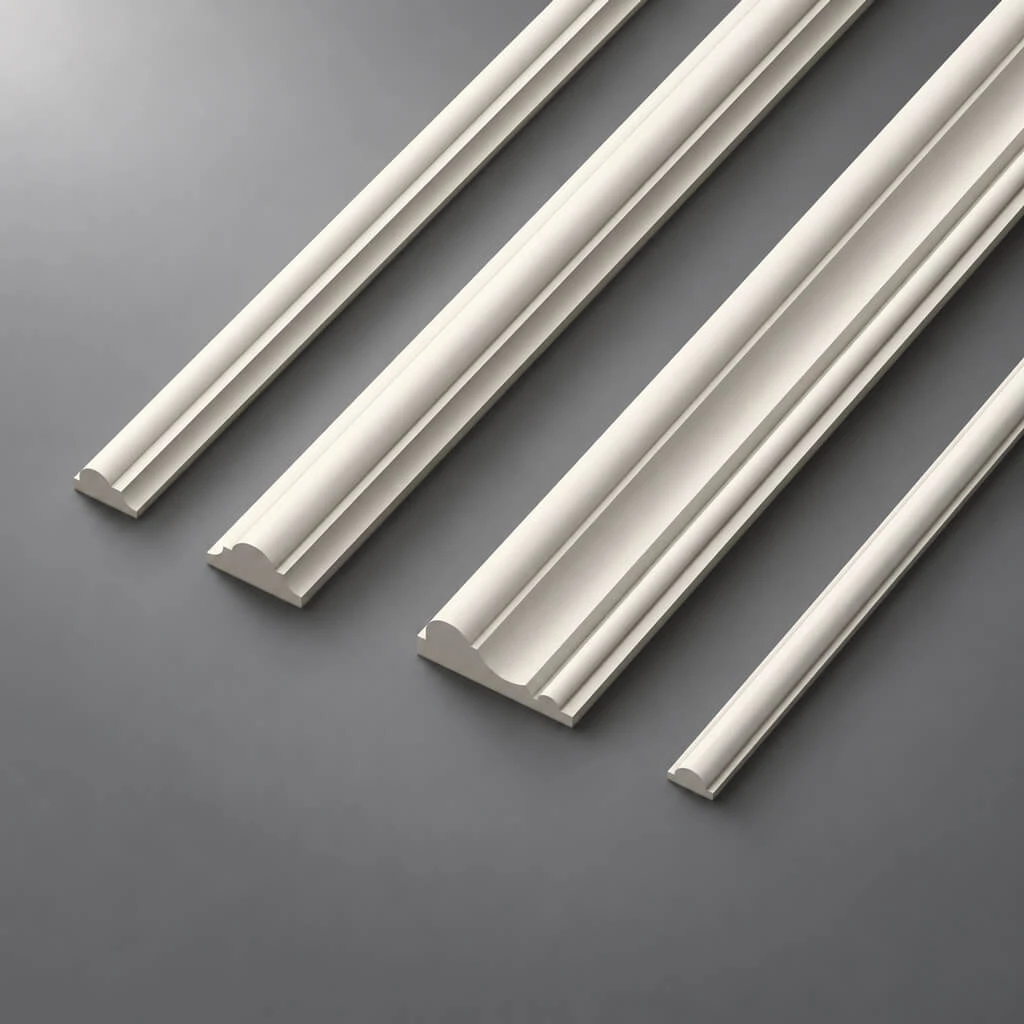
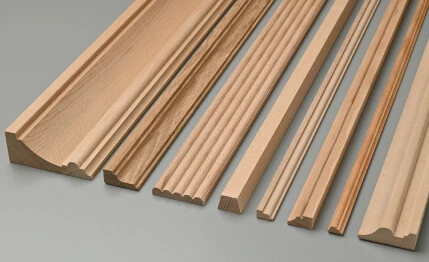
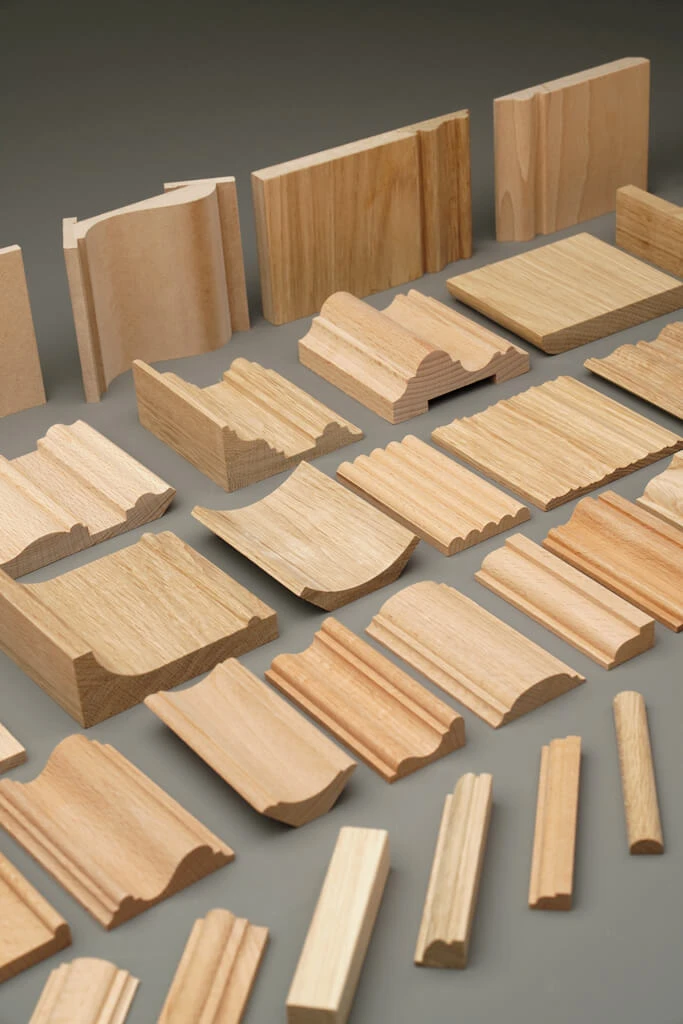
A furniture molding is a linear profile element that is attached to the surface of furniture to create a decorative effect. Translated from English, "moulding" means a stucco or profile element. In furniture production, molding performs several tasks simultaneously: it creates visual relief on a flat facade, forms a frame structure, marks zone boundaries, and gives the item stylistic expressiveness.
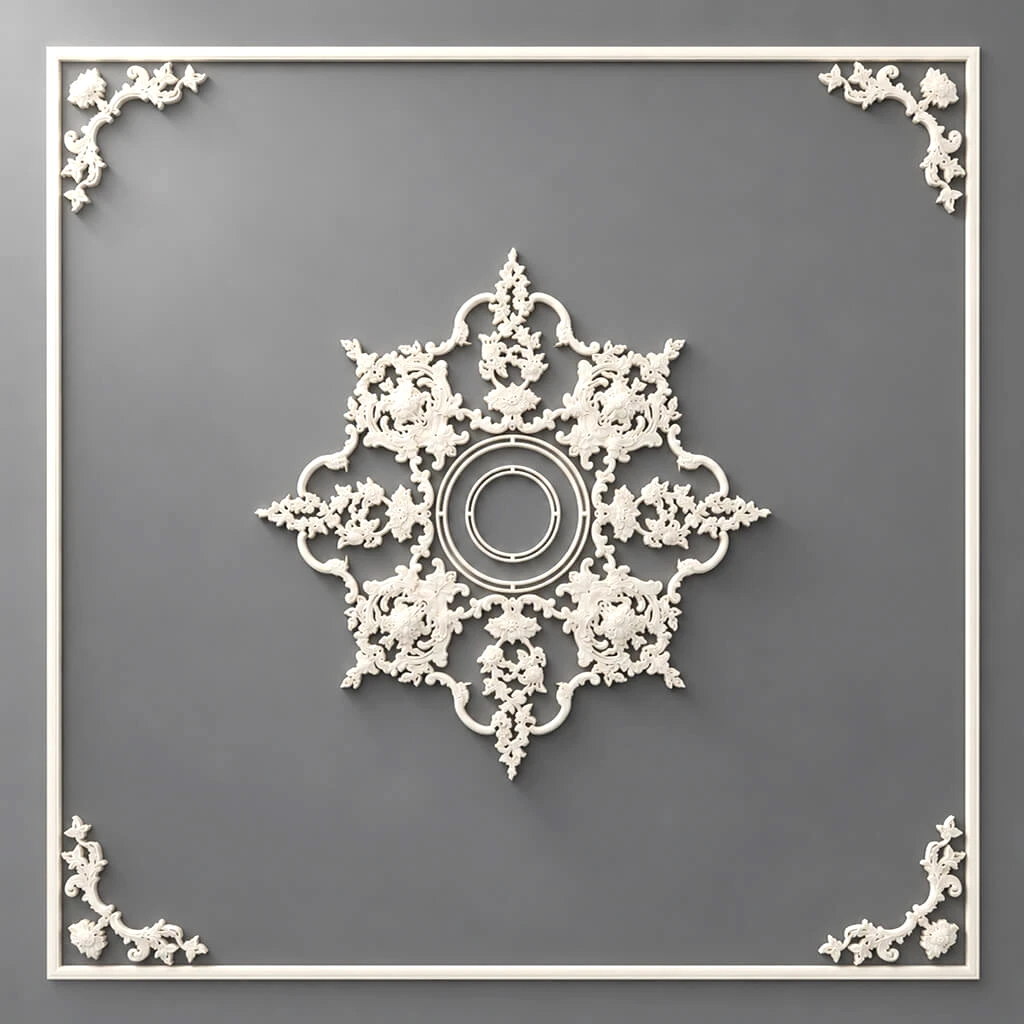
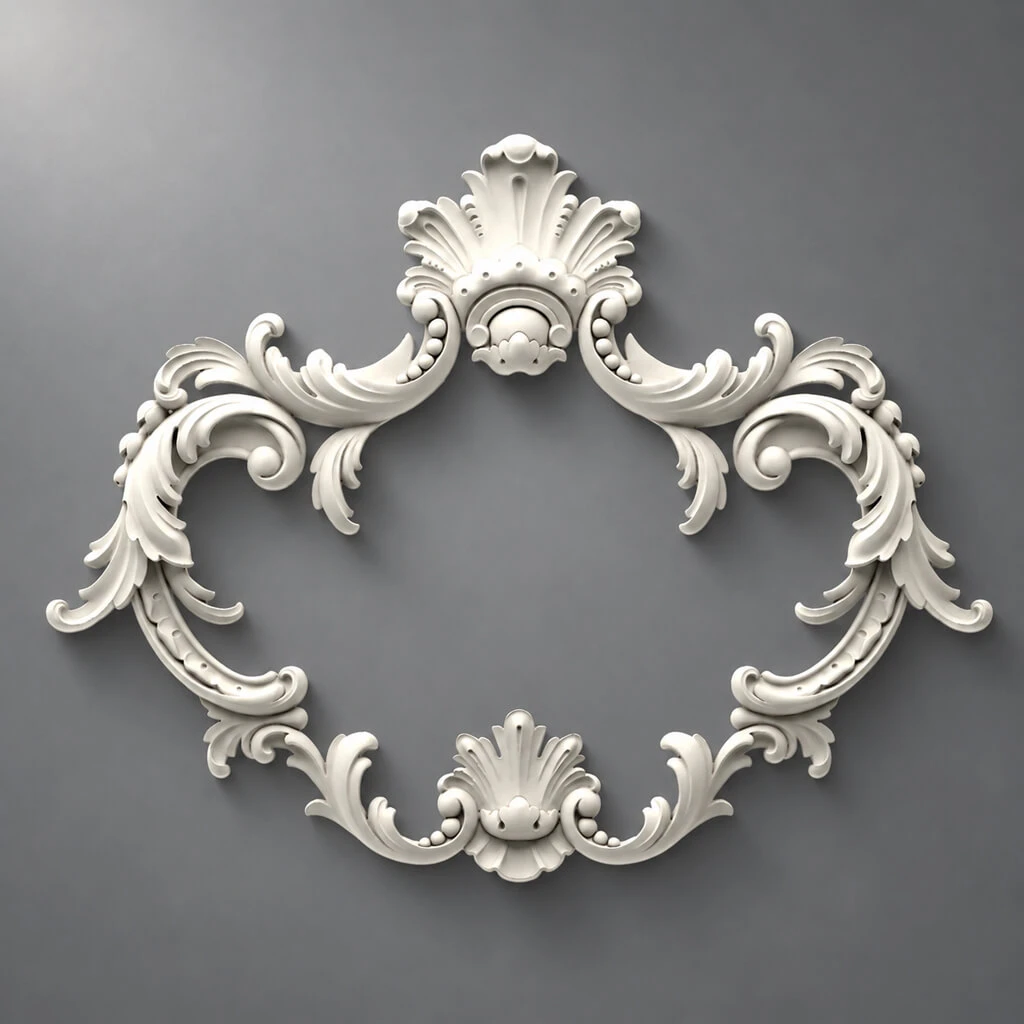
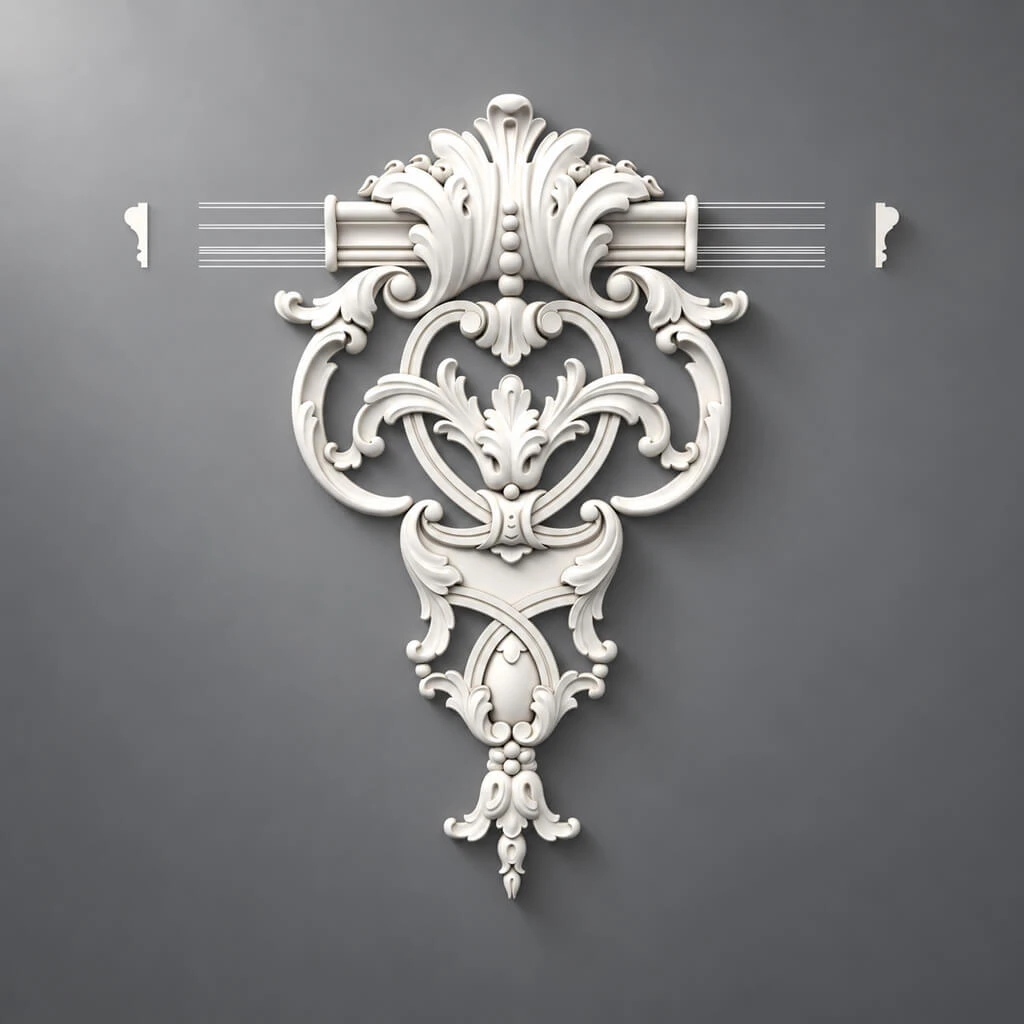
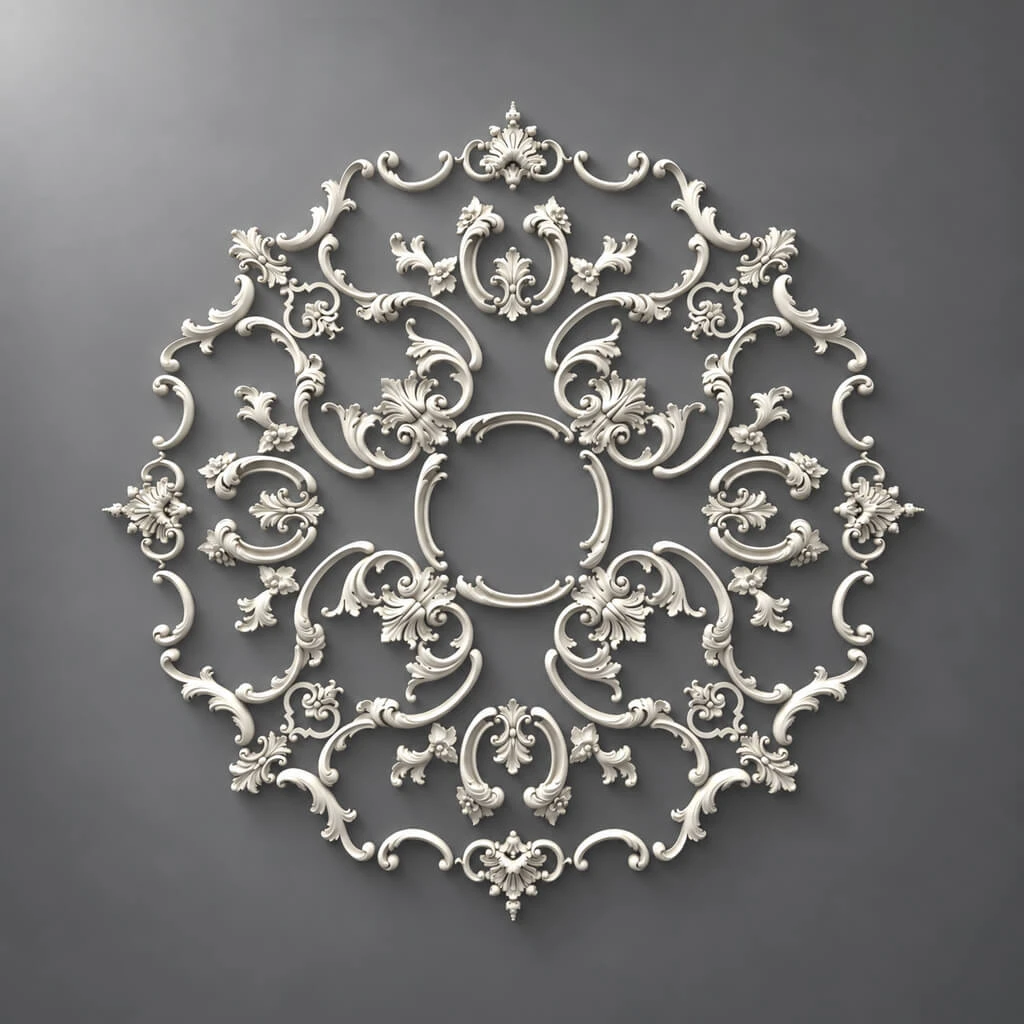
The fundamental difference between a molding and an overlay is its linear, elongated nature. If decor for furniture in the form of overlays are point or corner elements: rosettes, cartouches, corner ornaments — then the molding works as a line. It frames, outlines, and divides. From four moldings folded into a rectangle, a frame is born — and the facade is transformed.
Furniture moldings are used in the production and design of:
-
cabinets and wardrobes
-
kitchen sets and facades
-
chests of drawers, sideboards, credenzas
-
beds and headboards
-
doors of furniture sections and mezzanines
-
wall panels and decorative niches
-
frames for mirrors and paintings
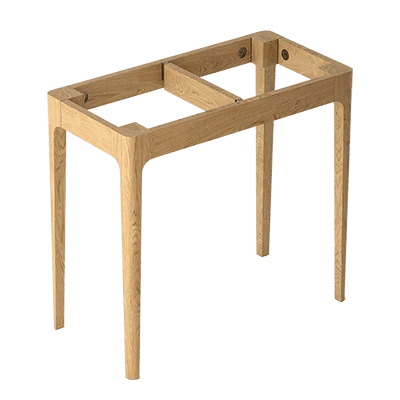
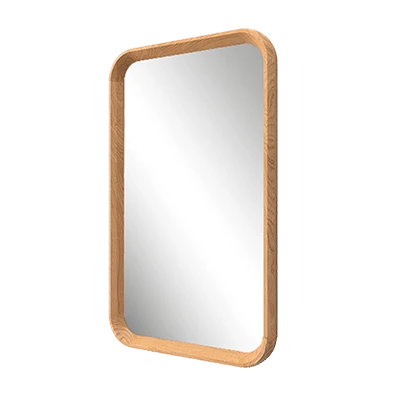
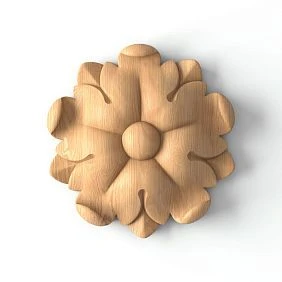
Our factory also produces:
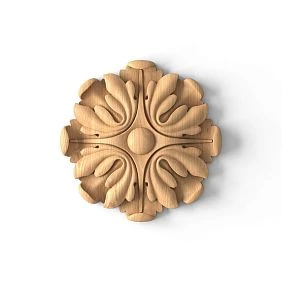
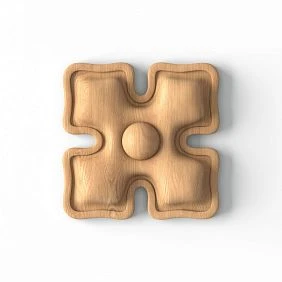
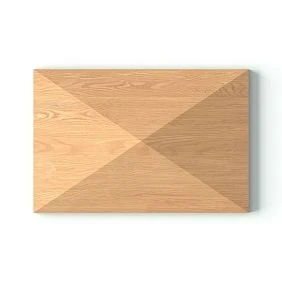
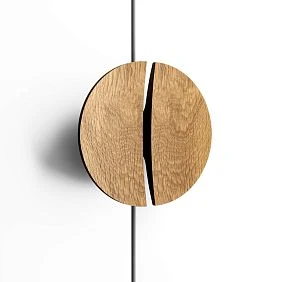
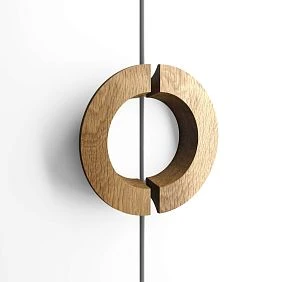
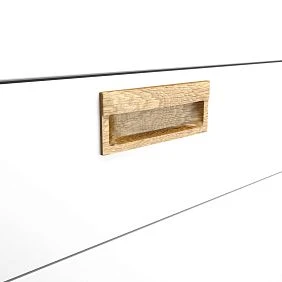
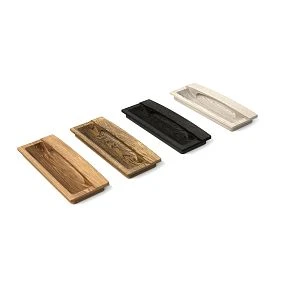
How molding differs from cornice and baseboard
The boundary between these concepts is often blurred, causing confusion when choosing. Let's explain simply:
-
Molding is a decorative profile used directly on furniture surfaces: facades, side panels, doors. Typically small in cross-section — from 10 to 50 mm.
-
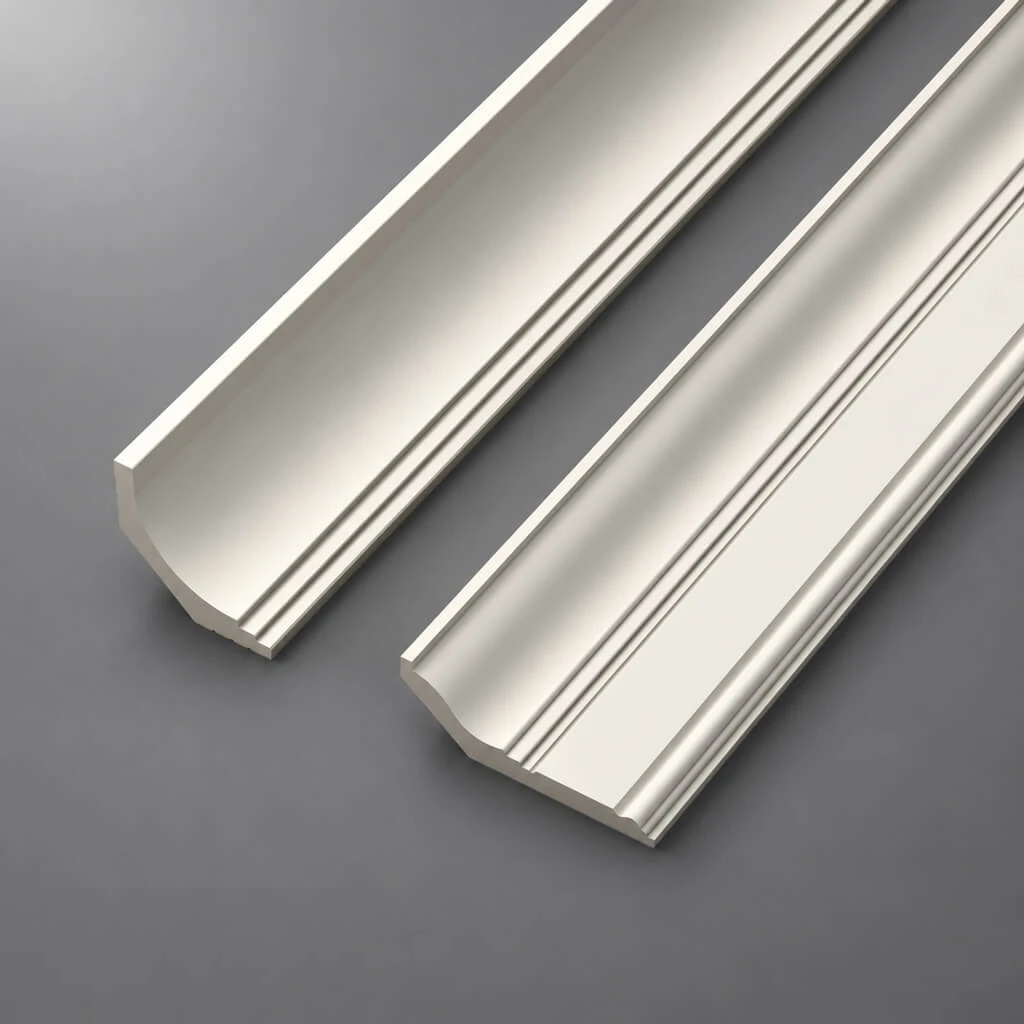
A cornice is an enlarged profile that decorates the upper belt of a cabinet or wall. It is also a type of molding, but large and architectural.
-
A plinth is solid wood baseboard used to decorate the lower part of walls and furniture. In a furniture context, it is the bottom frame of a cabinet or kitchen set.
You should buy furniture moldings when you need to enrich the facade with decor, create a frame structure, or add profiled relief without completely reworking the item.
Get Consultation
Which furniture moldings to buy: a breakdown by task
Before placing an order, answer three questions: what furniture needs moldings, what interior style are you creating, and what result do you want. The choice of profile, material, and installation method depends on the answers.
Molding for facades in a classic style
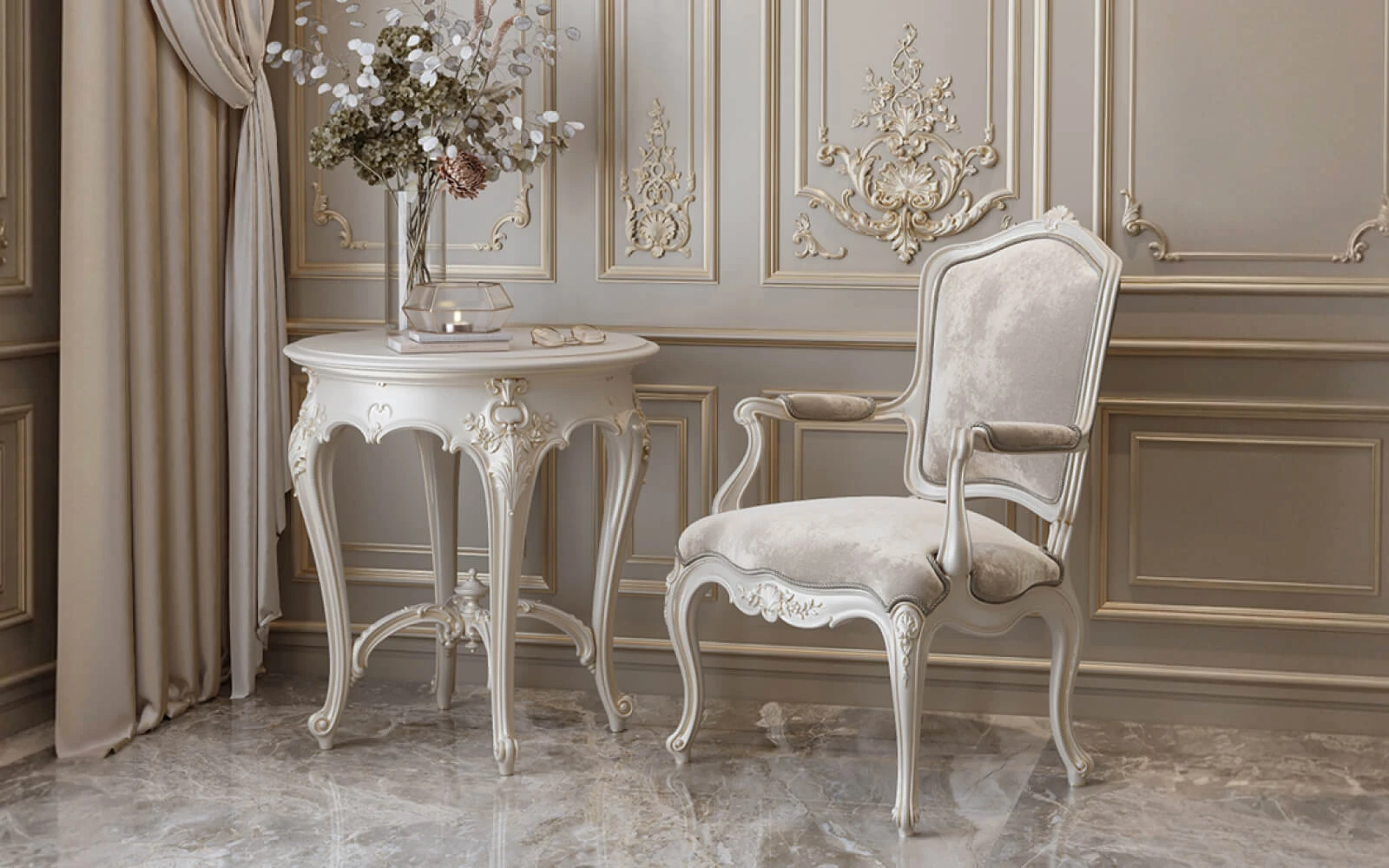
Classic is the main habitat of furniture molding. Classic Furniture without frame moldings is like text without punctuation: formally understandable, but hard to read. Moldings create that very divided facade structure that makes a cabinet or chest a "speaking" item.
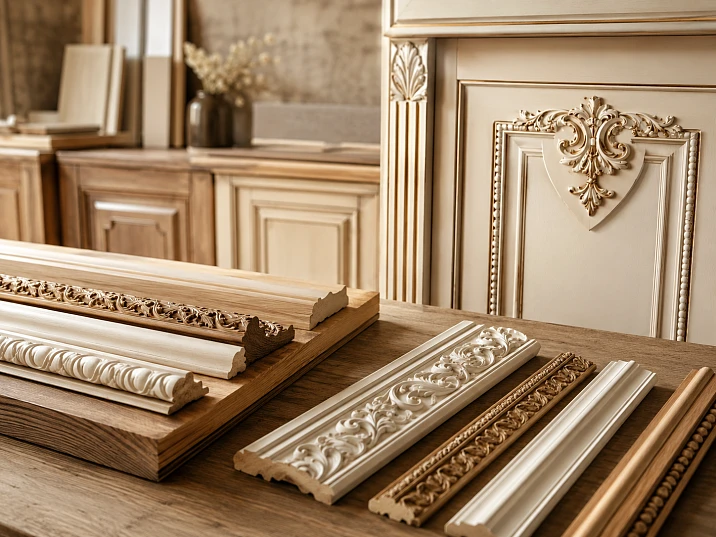
For classic styles, profiles with curved contours are chosen: ovolo, quarter-round, cyma recta, cyma reversa. These profiles came into the European furniture tradition from ancient architecture and remain to this day. You can buy furniture moldings for a classic facade in wood (oak, beech) — they provide a lively, warm texture and are well suited for tinting.
Molding for facades in Baroque and Neoclassical style
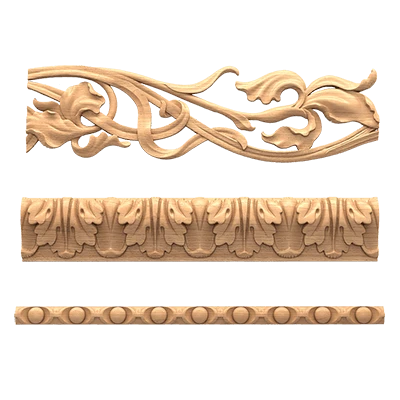
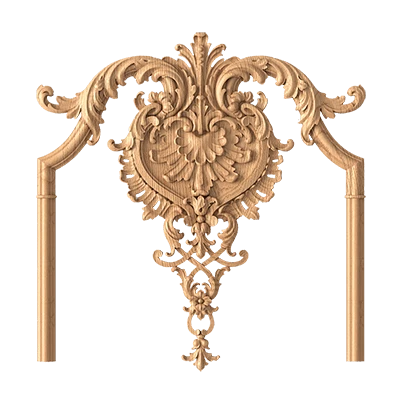
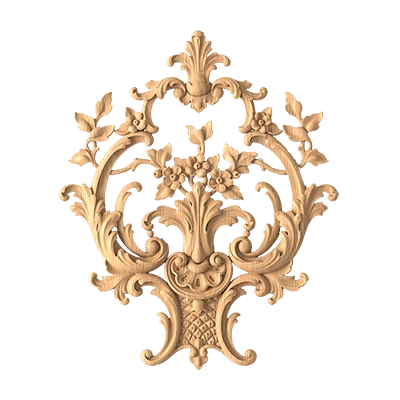
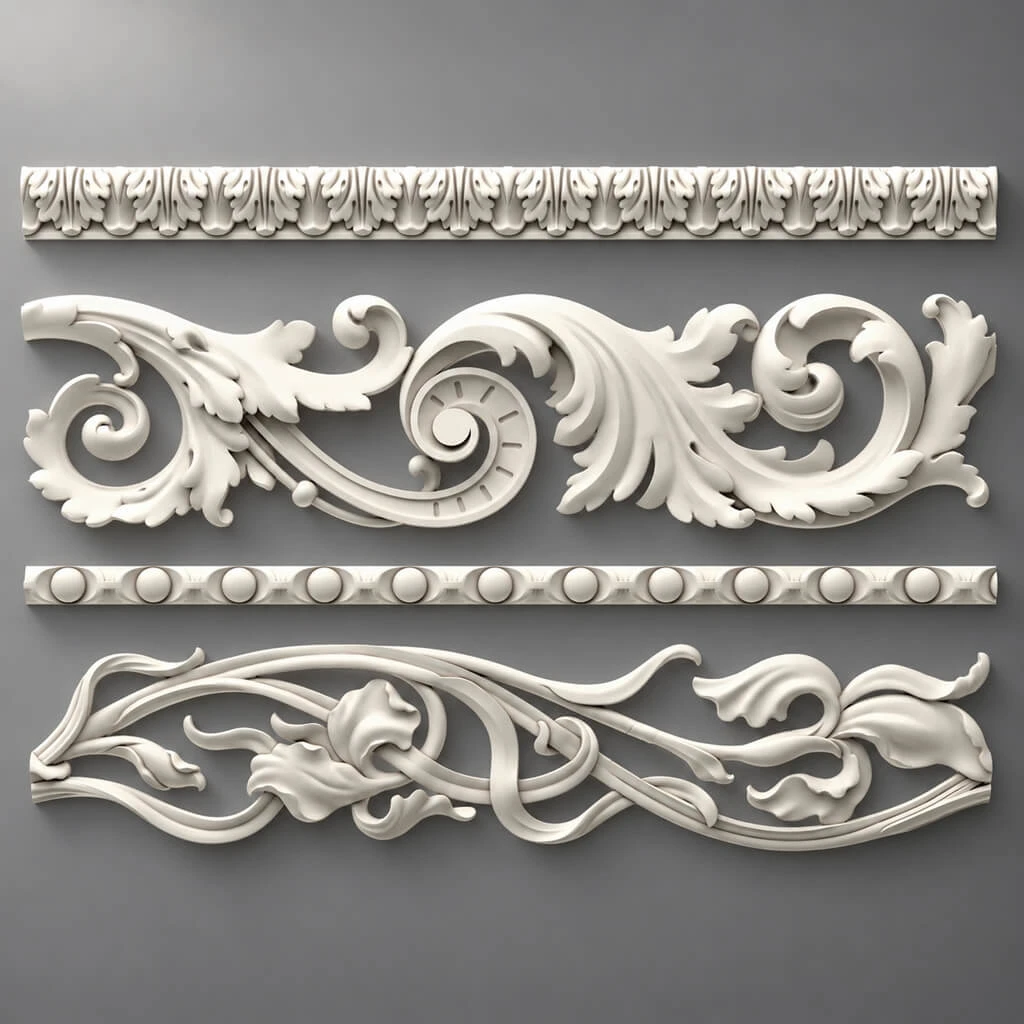
Furniture in Baroque style requires moldings with pronounced relief. A simple strip is not enough here — a profile with a sculpted character is needed: complex cross-section, multi-tiered silhouette, possibly with carved ornament. Such decorative furniture moldings in combination with carved decorative appliqués for furniture и with wooden appliqués create a rich facade program worthy of a Baroque interior.
Molding for modern furniture and geometric solutions
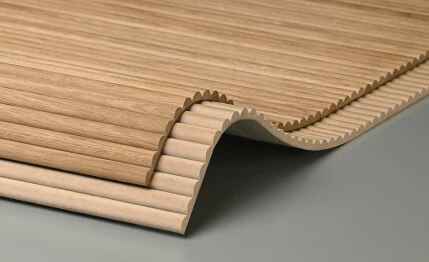
Moldings are not just for classics. In modern design, decorative furniture strips are used to create geometric frame solutions on smooth facades: rectangles, squares, grids, diagonal lines. Here, simple rectangular or semi-circular profiles of small cross-section are chosen. MDF furniture moldings are an ideal solution: they paint well in any color, provide a clear geometric outline, and are more affordable than wooden counterparts.
Decorative furniture moldings: applications and scenarios
It is worth buying decorative furniture moldings right after you have decided on the interior style and furniture composition. A decorative furniture molding is not an optional addition. It is part of the design solution.
Frames on facades
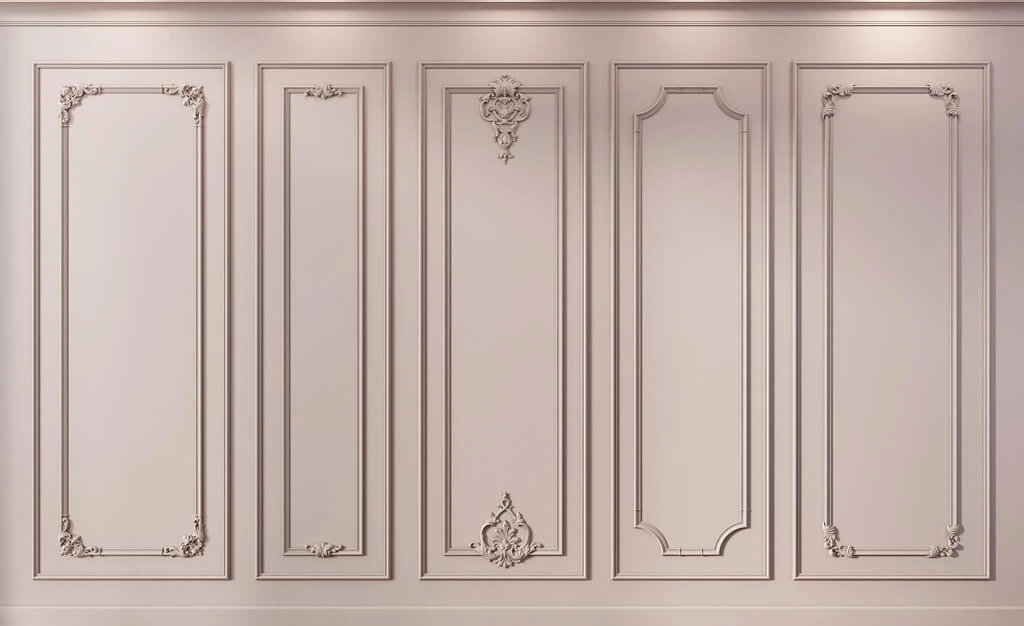
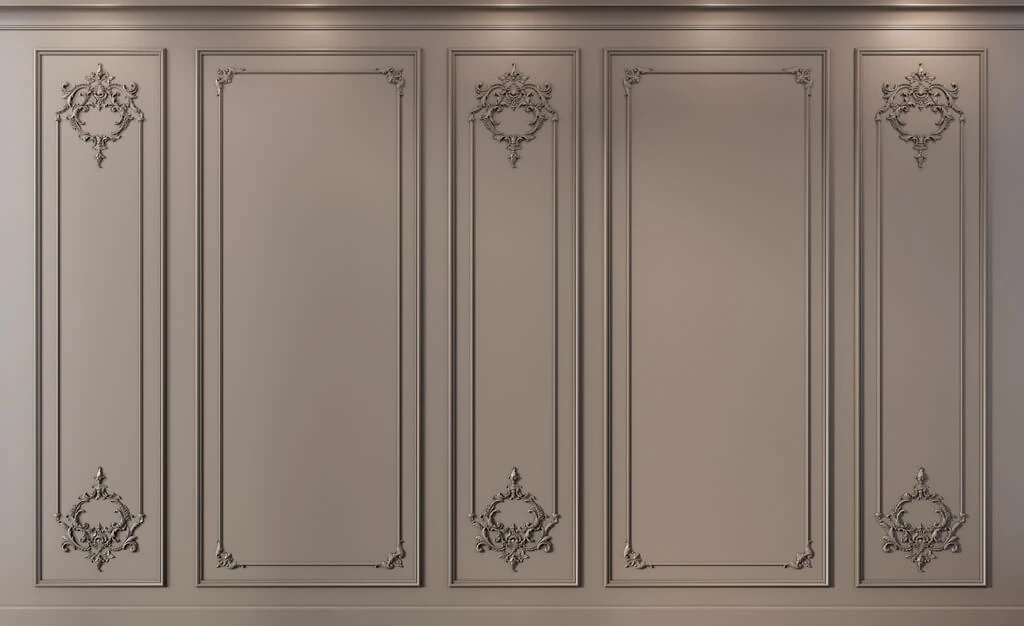
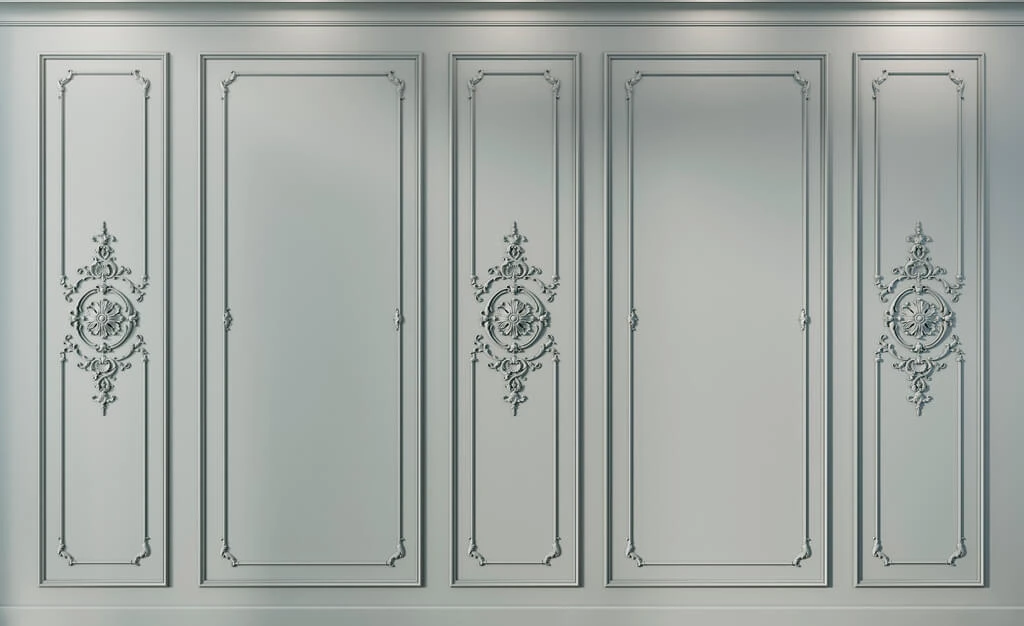
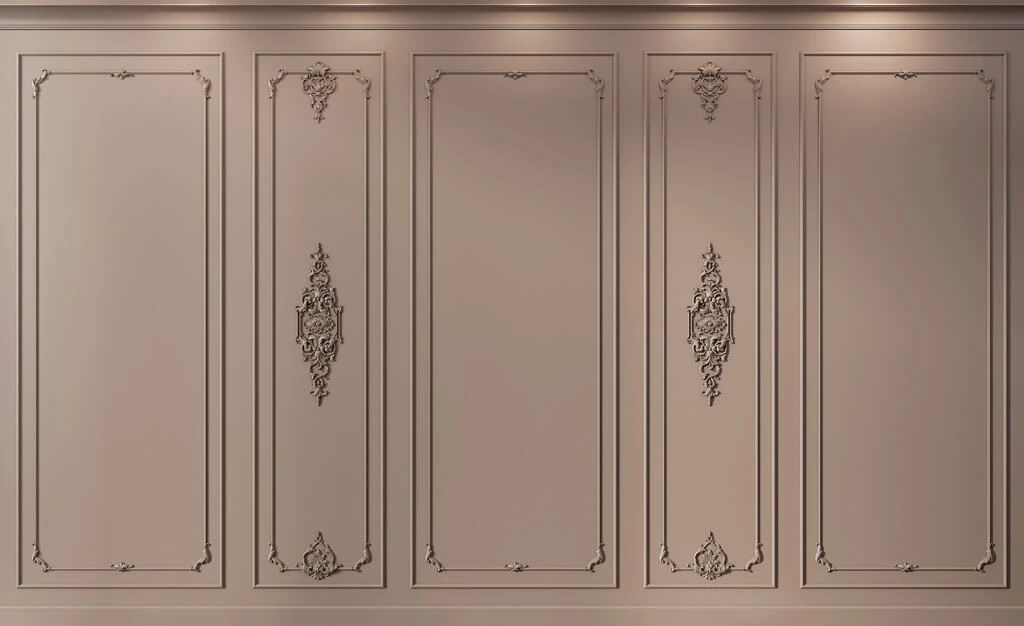
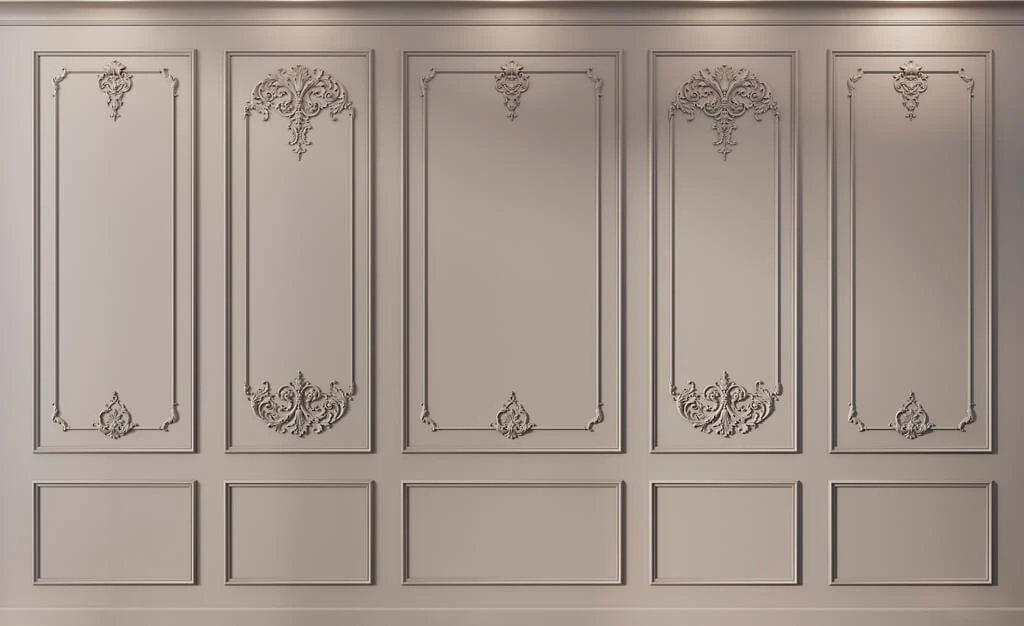
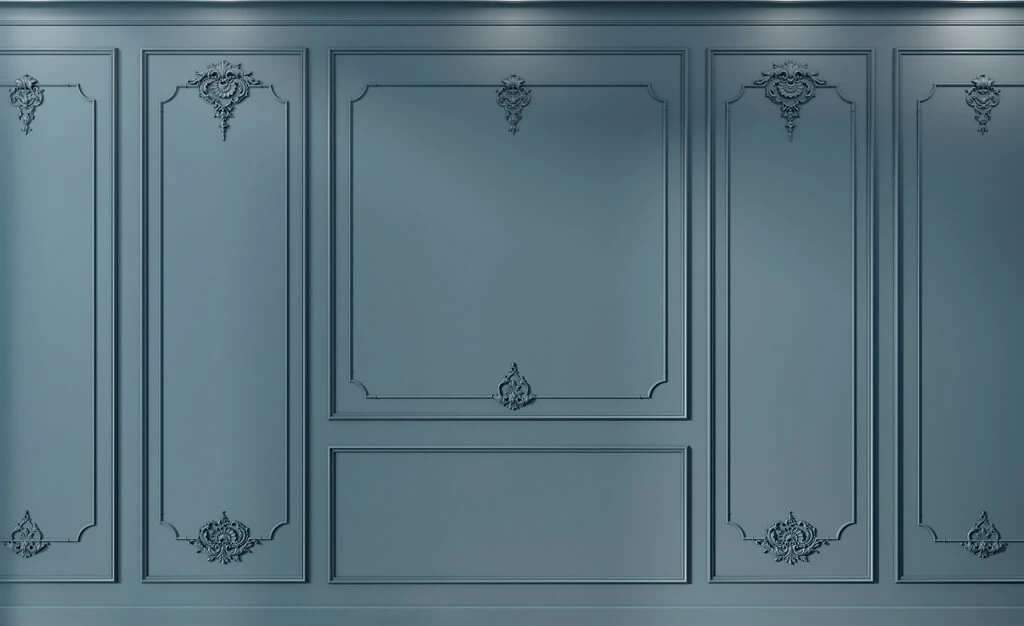
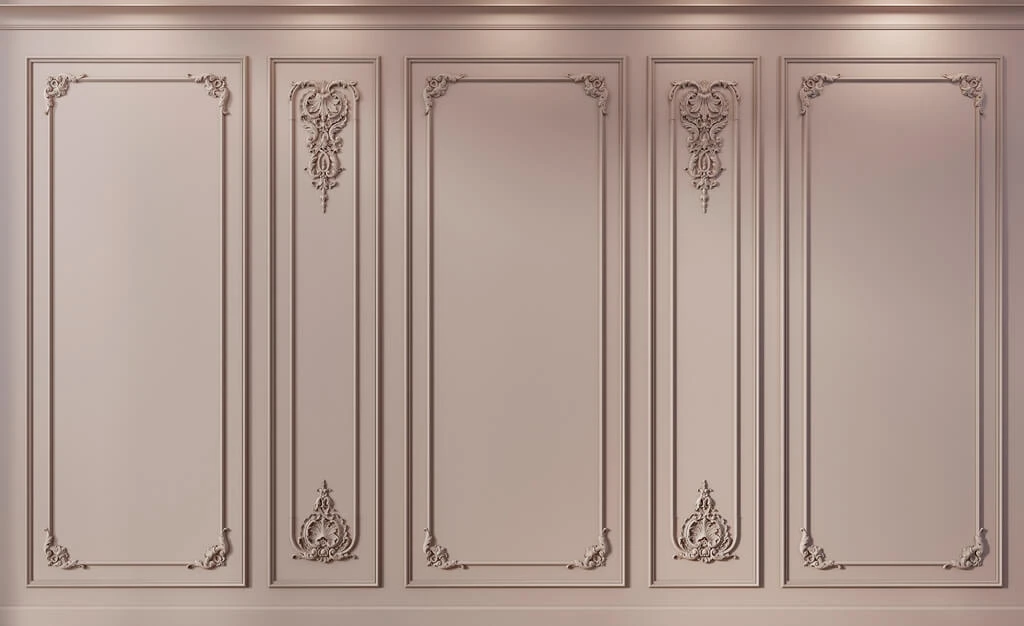
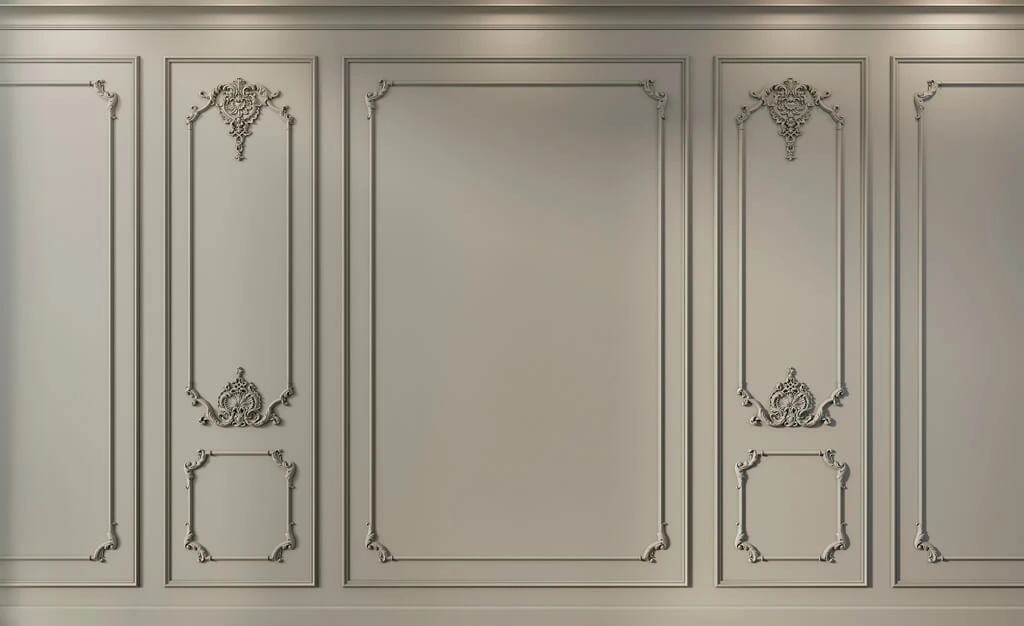
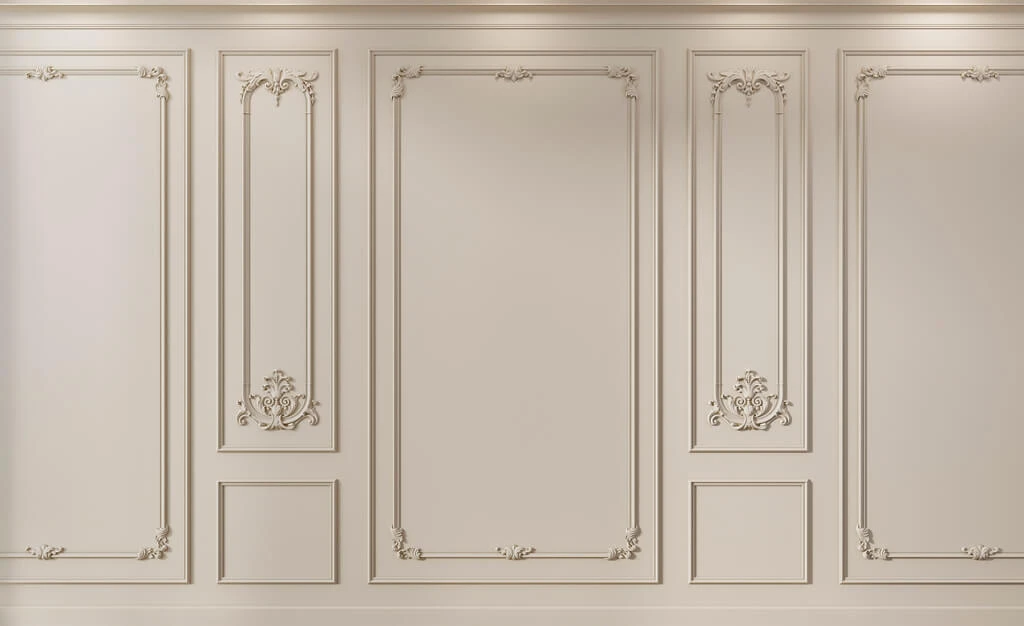
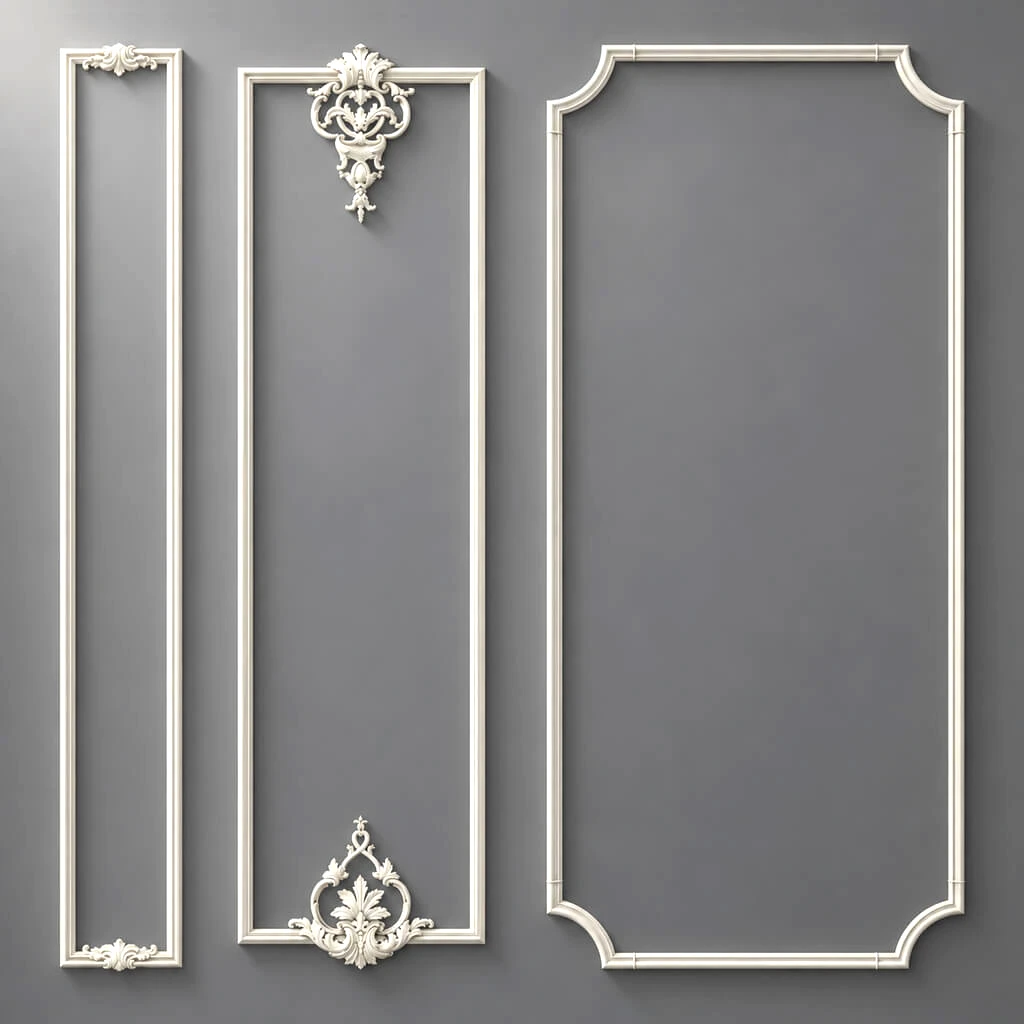
The most popular application is creating a frame structure on flat facades. The scheme is simple: four pieces of molding joined at a 45-degree angle form a frame. In the center of the frame, there can be a painted surface, veneer, glass, or decorative insert made of wood.
The frames repeat on each cabinet door or dresser drawer, creating a rhythmic structure. It is this technique that turns a simple MDF cabinet into "classic" furniture with an expressive facade.
Panel design
A panel is an insert in a frame-and-panel facade. Molding is used to frame it from the inside of the frame, creating additional relief and visual depth. Frame moldings for furniture in this context serve as a "fillet" — a smooth transition between the frame and the insert panel.
Decorative horizontal and vertical lines
Long horizontal moldings running across the entire width of the cabinet at different heights create a "belt" division of the facade. Vertical moldings imitate pilasters — protruding columns. Both techniques are part of the classical architectural language transferred to furniture.
Updating a dresser and framing drawers
A simple way to update an old dresser without buying a new one: install moldings around the perimeter of each drawer, repaint, and replace Furniture Handles. The result is an item that looks like new, with expressive classic detailing.
Cabinet cornice and bottom trim
Molding is used not only in the center of the facade, but also in the upper and lower zones of furniture. The cabinet cornice is assembled from several moldings of different profiles, creating a multi-tiered profiled crown. The lower trim — the "base" — is also formed from molding profiles.
Furniture moldings for facades: details and proportions
Moldings for furniture facades — the most technically precise section in this topic. Here, not only aesthetic choice is important, but also accurate calculation of proportions.
Frame width and molding size
First rule: the frame width must be proportional to the facade area. For a narrow door 400 mm wide, a frame 80 mm wide on each side covers the entire facade — this is a gross mistake. For small facades, choose moldings with a profile width of 10–20 mm. For large facades — 25–40 mm. For monumental cabinets in the Baroque style — 40–60 mm.
Wooden molding MLD-019 with a cross-section of 17×12 mm is an excellent example of an ultra-compact profile for fine detailing: it creates an elegant line on the facade without taking up extra space or "weighing down" the visual appearance of the item.
Symmetry and repeatability
The molding pattern must be repeated identically on each door. If on the left door the frame is shifted 5 mm higher than on the right, it is immediately noticeable. Marking before installation is mandatory. Carved furniture decor at nodal points of frames — intersections, centers — is permissible only with strict symmetry.
Vertical frames and horizontal crosspieces
A common mistake is to only install a perimeter frame and ignore the internal division. On a wide facade (from 600 mm), a single frame without horizontal or vertical crosspieces looks empty. Add a horizontal bar in the middle — and the facade immediately acquires the correct proportions.
Moldings for furniture restoration
Restoring furniture with moldings is a separate practice that deserves a separate discussion. This is one of the most affordable ways to transform old furniture without complete disassembly and buying new.
Updating an old cabinet
A Soviet "wall" cabinet with smooth flat facades is surprisingly easy to restore. The procedure is:
-
Sand the facades down to clean MDF or chipboard.
-
Mark the frame structure taking into account the proportions.
-
Glue the moldings with construction adhesive and additionally secure with pins.
-
Putty the joints, sand.
-
Prime the surface.
-
Paint in the chosen color.
-
Replace Furniture Handles и Furniture legs, if it is a cabinet piece on legs.
The result is a cabinet that looks custom-made in a classic style.
Restoration of a chest of drawers and restoration of lost decor
Old chests of drawers often lose some of their stucco or turned decor. Moldings allow you to restore lost elements: straight profiles accurately reproduce original cornices and trims. Combined with wooden decor for furniture и carved inlays the restoration becomes virtually invisible.
Kitchen update without replacing facades
Kitchen facades made of painted or film-coated MDF are a rewarding material for molding decor. Self-adhesive furniture moldings or glue-on moldings allow you to add frame detailing without replacing facades. The main thing is to choose the right profile compatible with the surface.
Furniture moldings: materials and their differences
Furniture moldings made of MDF to buy, wooden moldings from solid wood or self-adhesive — which option is correct? The answer depends on the task.
| Type of molding | When to use | Features |
|---|---|---|
| Wooden moldings from oak or beech | Classic furniture, solid wood, restoration, premium interior | Best texture, tintable painting, durable, more expensive |
| MDF furniture moldings | Paintable facades, kitchens, budget restoration, geometric solutions | Ideal for enamel, precise geometry, affordable price |
| Self-adhesive furniture moldings | Quick decorative repair, temporary solution | Easy installation, limited glue durability |
| Carved moldings | Baroque, classic, neoclassical, facades with rich decor | Expressive relief, hand or router carving |
| Simple rectangular strips | Geometric frames, modern design, Scandinavian style | Minimalist profile, clear line |
Wood moldings: oak and beech
Oak molding — for those who want not just decor, but a material with character. Oak is dense (750–880 kg/m³), heavy, with expressive texture. It accepts stains and translucent varnishes well, which emphasize the natural pattern. Used for natural classic furniture for staining or oil.
Beech molding — finer-grained, uniform structure. Density 700–780 kg/m³. Perfectly accepts enamel: the surface is even and smooth. Used for white or colored painting in classic and Provencal interiors.
Furniture moldings from MDF
MDF moldings are made from fiberboard with a density of 760–780 kg/m³. The main advantage is perfect geometry and a uniform surface without knots, cracks, or instability. Under enamel, MDF works better than wood: the surface is absolutely smooth. A mandatory condition is priming before painting.
Self-adhesive moldings
Self-adhesive furniture moldings are worth buying for temporary decorative solutions or budget updates. The main risk is the durability of the adhesive layer. In conditions of humidity and temperature fluctuations (especially in the kitchen), the adhesive eventually peels off. For a long-term solution, it is better to combine adhesive with mechanical fastening.
What affects the price of furniture moldings
Buying furniture moldings cheaply is possible if you understand what the price consists of. Not all moldings cost the same, and the difference in price reflects real differences in material, complexity, and quality.
Material is the first and main factor. A molding made of solid oak costs noticeably more than an MDF analog of the same profile. This is not an overpayment — it is a fair price for the resource: natural wood requires selection, drying, and processing.
Profile length — standard lengths are 2400 mm and 2600 mm. Non-standard lengths are made to order and cost more.
Section width and height — the larger the profile, the more material. A molding 50×30 mm is more expensive than a molding 17×12 mm, all other things being equal.
Profile complexity — a simple rectangular strip is cheaper than a profile with a curved section: oval, ogee, or quirk. A multi-step profile with several radii requires special milling tools.
Presence of carving — Carved furniture decor and carved moldings with hand or milled carving are a separate category. Hand carving is piecework, with a corresponding price.
Surface coating and preparation — molding "under enamel" (Standard) — machine sanding, more affordable. "Prestige" molding — hand sanding, ready for painting without additional treatment.
Number of elements — when ordering in bulk, the unit cost is lower than when purchasing individually.
Corner cutting — the service of cutting at 45° or quarter sampling is added to the cost. For MLD-019 molding quarter sampling is performed when ordering from 100 pieces.
Delivery — a large-sized order requires rigid packaging and transportation by a transport company. STAVROS adds a rigid packaging frame (390 rubles) to the order for safe delivery.
How to choose furniture moldings: a step-by-step checklist
The question "how to choose moldings for furniture" is not as simple as it seems. Here is a clear algorithm that works both for new furniture and for restoration.
Step 1. Measure the facade. Take precise dimensions: width, height, depth of the facade plane. Account for gaps between doors.
Step 2. Determine the frame width. The frame should occupy 12–18% of the facade width on each side. For a 600 mm facade, this is 72–108 mm of total frame width on both sides — that is, 36–54 mm on each side.
Step 3. Choose the style and profile. Classic — profiles with a curved cross-section. Modern style — straight rectangular or semi-circular profiles. Baroque — complex multi-step profiles with carving.
Step 4. Choose the material. Wood — for natural finish under stain or varnish. MDF — for painting with enamel. Self-adhesive — for quick decorative renewal.
Step 5. Calculate the length. Calculate the perimeter of each frame, multiply by the number of doors, add 15–20% reserve for trimming and defects.
Step 6. Consider the corners. 45° joints are standard for frame structures. If you don't have a miter saw with precise adjustment, order trimming service from the manufacturer.
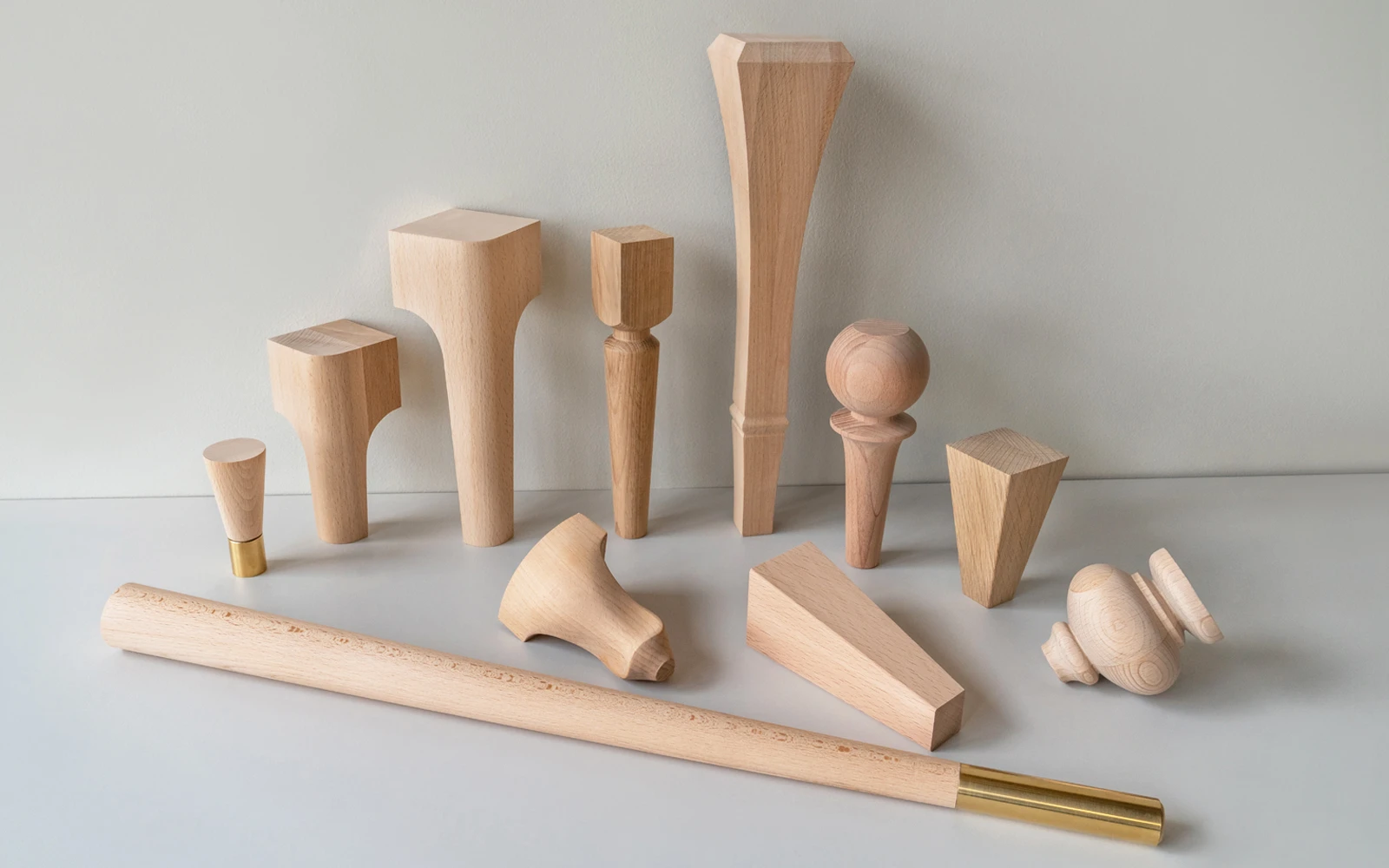
Step 7. Coordinate the moldings with the rest of the decor. Furniture Handles, Furniture legs, applied decor, Carved Elements — everything should read as a single stylistic program.
Step 8. Decide on painting. Oak molding — for stain or oil. Beech or MDF molding — for enamel. Purchase the necessary materials in advance.
Mistakes when buying furniture moldings
Experience shows: most problems when working with moldings arise not from ignorance of the profile, but from violating the basic rules of selection and installation. Here is a list of the most common mistakes.
They buy molding without measuring the facade. "I'll take three meters, I'll figure something out" — that doesn't work. Without precise measurement, you will either buy too little (and have to pay extra for an urgent reorder) or too much (and pay for the excess).
They don't account for the corner allowance. When cutting at 45°, each corner "eats" material. For a frame of four pieces, you need at least 10% additional reserve. Experienced carpenters allocate 15%.
They take a profile that is too wide for a small door. A wide molding on a narrow door makes the frame look "squashed" — the central field practically disappears. Proportions are the key rule of facade decor.
Moldings are not coordinated with handles and legs. A classic molding profile and a modern black metal handle bracket create a stylistic conflict. All details should speak the same language.
Different decor styles are mixed. Moldings from three different collections on one item is a sure way to get chaos instead of design. One source, one series, one style.
Painting is not considered. A wooden molding without primer under enamel results in uneven coverage, poor adhesion, and rapid peeling. Finishing technology is a mandatory part of the project.
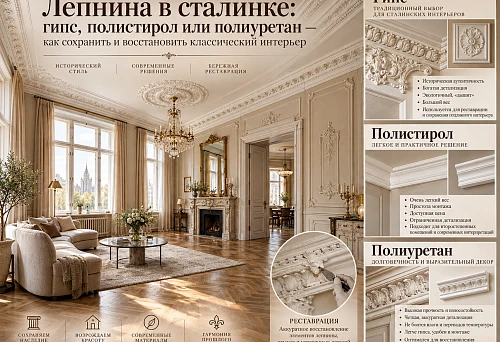
Furniture moldings are confused with wall moldings. Wall moldings and cornice moldings have a larger cross-section and are intended for architectural wall design. Using them on furniture facades means violating the scale. Furniture requires furniture moldings with an appropriate profile.
Profile compatibility with the restoration task is not checked. To reproduce historical decor, you must exactly match the original profile. A "similar" molding is not the same as an identical one.
Installation of furniture moldings: how to do it correctly
Installing moldings is a process that requires precision and tools. Do not try to do it "by eye": marking, precise cutting, and the right adhesive are the three pillars of a quality result.
Tools
-
Miter saw or miter box with precise angle adjustment
-
Tape measure and square
-
Pencil or painter's tape for marking
-
Construction adhesive (TYTAN Prof. Classic Fix or similar)
-
Mini brads or finish nails for temporary fixing
-
Wood filler for joint sealing
Work order
-
Mark the frame on the facade with a pencil according to pre-calculated dimensions.
-
Cut the moldings to length with mitered ends at 45°.
-
Apply glue to the back of the molding, let it open for 3–5 minutes (for contact adhesive).
-
Press the molding along the marking, secure with brads.
-
Check the symmetry of the frame relative to the center of the facade.
-
Let the glue dry for 24 hours.
-
Putty the joints and corners, sand until smooth.
-
Prime and paint.
Installing solid wood molding: important nuances
Wooden molding must be acclimatized in the workroom for at least 24–48 hours before installation. Base humidity — no more than 8–12%. Solid wood reacts to changes in humidity, so do not install moldings in a damp room: gaps may appear at the joints after drying.
Where to buy furniture moldings with Contact us to confirm shipping to your destination.
The question of where to buy furniture moldings is easily solved if you know the right address. Furniture moldings STAVROS — products made of solid oak, beech, and MDF of our own production, with over 20 years of experience in classic decor.
Buy furniture moldings in St. Petersburg and buy furniture moldings in Kazan — possible through the online catalog with delivery by transport companies CDEK and DPD throughout Russia. Orders are shipped from one piece. Items in stock — available, shipping time 3 business days. Custom-made products — 5–10 business days.
STAVROS was founded by two artists in 2002 and started with the restoration of the Constantine Palace in Strelna. Since then, the company has worked with the Hermitage, the Alexander Palace, and the Trinity-Izmailovsky Cathedral. It is not just a supplier — it is a manufacturer that understands historical decor from the inside.
To fully furnish furniture in a unified style, it is worth selecting the entire set of decor at once: Moldings, wall-mounted wooden decor, carved appliqués, Furniture Handles, Furniture legs and, if necessary, polyurethane molding for the walls. Only this way a cohesive interior is born, not a collection of disparate details.
FAQ: answers to popular questions about furniture moldings
Where to buy furniture moldings?
furniture moldings can be selected in the STAVROS catalog. Before purchasing, determine the dimensions of the facade, furniture style, material (wood or MDF), profile, and installation method. Delivery across all of Russia.
Which furniture moldings to choose for facades?
For classic style — moldings with a curved profile made of oak or beech. For painted facades — MDF for enamel. For Baroque — complex multi-step profiles with carved decoration. The width of the profile should be proportionate to the area of the facade.
How do furniture moldings differ from overlays?
Molding is a linear profile: frame, edging, decorative strip. Decorative Inserts — point or corner elements: rosettes, cartouches, ornaments. In a classic interior, both types are used together.
Are moldings suitable for restoring old furniture?
Yes. Moldings are one of the most affordable restoration tools. They add a frame structure to a smooth facade, restore a lost cornice or trim, and create a new decorative appearance without replacing the body.
What affects the price of furniture moldings?
Material, length, width and complexity of the profile, presence of carving, quality of sanding, quantity in the order, miter cutting and delivery. Oak solid wood moldings are more expensive than MDF; carved ones are more expensive than smooth ones.
Can a wooden molding be painted white?
Yes. Moldings made of beech or MDF accept enamel well. Procedure: dust removal → primer → matting → finish enamel in 2 coats with intercoat drying. Oak molding for white enamel requires an insulating primer to prevent tannins from bleeding through the coating.