





























Article Contents:
- What is included in furniture fittings for wholesale purchase: important distinction
- Who needs wholesale furniture fittings: eight types of buyers
- Furniture manufacturers
- Carpentry Workshops
- Interior designers and specifiers
- Kitchen manufacturers
- Classic furniture manufacturers
- Restoration workshops
- Furniture stores and showrooms
- Private artisans
- Wooden furniture handles wholesale: types, sizes, application
- Bracket handles
- Button Handles
- Handles with and without coating
- Material of furniture handles
- Furniture legs wholesale: from cabinet to sofa
- Types of wooden furniture legs
- Load-bearing characteristics
- Legs without coating
- Overlays and carved decor for furniture facades: how it works in production
- What Are Decorative Overlays for Furniture
- Types of decorative overlays
- Carved decor: when it is exactly what you need
- Overlay Material
- Moldings for furniture wholesale: frames, panels, belts
- How moldings are used in production
- Molding profiles
- Wooden millwork: cornices, baseboards, slats
- How to choose hardware in one style: a systematic approach
- Classicism and Baroque
- Neoclassicism
- Modern classicism
- Art of installation: installing trims
- What matters when wholesale purchasing wooden fittings: ten criteria
- Repeatability of products
- Quality of wood processing
- Breadth of Assortment
- Availability of elements in multiple sizes
- Option to order without coating
- Compatibility of fastening sizes
- Material: check the wood species
- Packaging for wholesale batch
- Minimum batch and order flexibility
- Delivery times and supply stability
- Wholesale furniture fittings in Moscow: what to consider when ordering
- Working with the catalog
- Selecting fittings for the project
- Delivery to Moscow and regions
- Samples before ordering
- Typical mistakes when wholesale purchasing furniture fittings
- FAQ: answers to key questions about wholesale purchasing of furniture fittings
- STAVROS: a systematic supplier of wooden furniture fittings
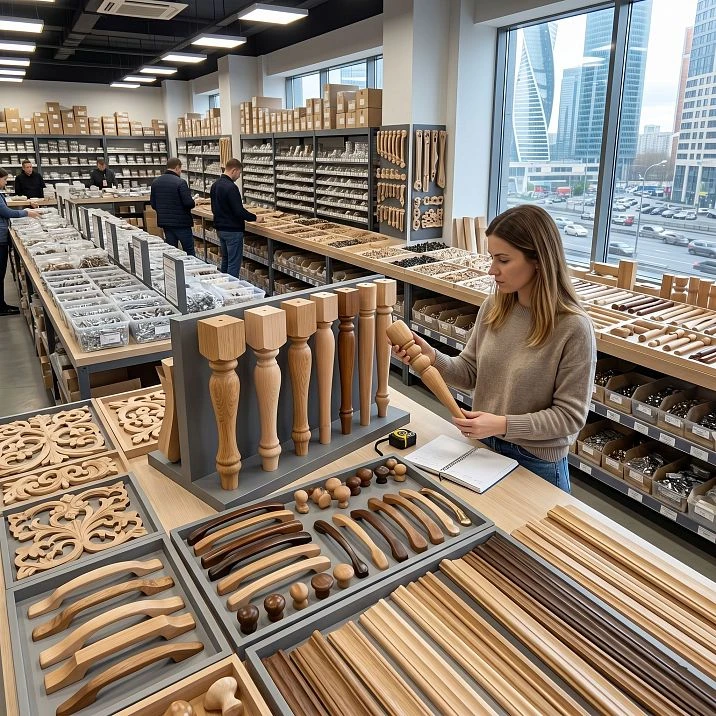
Furniture manufacturing is not just about cabinets, facades, and upholstery. It is also about hundreds of details that turn a set of wooden planes into a finished item: handles, legs, overlays, moldings, carved decor. These elements define the style, price segment, and recognizability of furniture. And they are often the ones where savings are made — at the expense of the result.
Wholesale furniture fittings in Moscow — this is not a request from a retail buyer choosing a single handle for a dresser. It is a request from a furniture manufacturer, a carpentry workshop, a designer outfitting a project, or a restorer who needs a batch of coordinated wooden elements for serial or custom furniture.
This article is about how to properly organize the wholesale purchase of wooden furniture fittings: what categories exist, what to choose for specific tasks, how to avoid buying incompatible elements, and where to find a supplier with the right assortment.
What is included in furniture fittings for wholesale purchase: an important distinction
When people say "furniture fittings," many manufacturers think of hinges, guides, locks, and ties. These are technical fittings — functional fastening elements. They are important, but that is not what this article is about.
Here we are talking about decorative and functional-decorative wooden fittings — elements that simultaneously perform a function and shape the appearance of furniture:
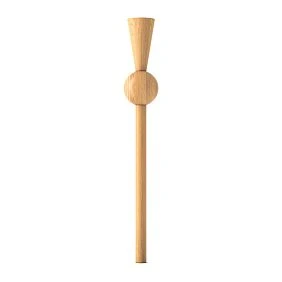
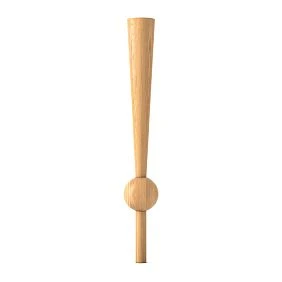
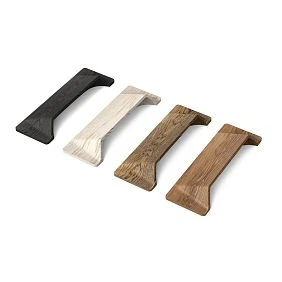
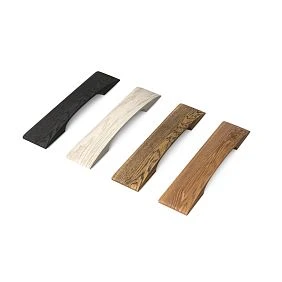
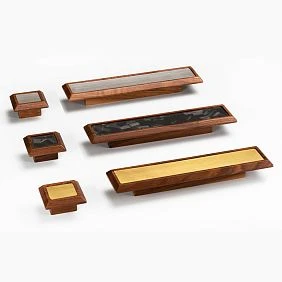
Wooden furniture handles. Handle brackets, knob handles, long profile handles — for doors, drawers, cabinets, kitchen fronts, interior doors.
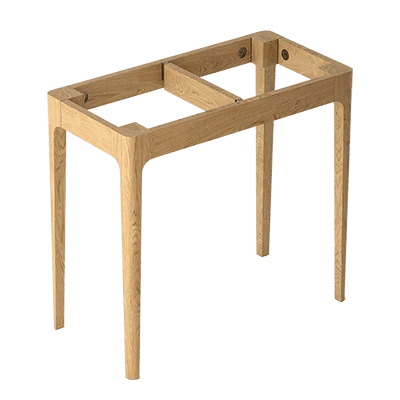
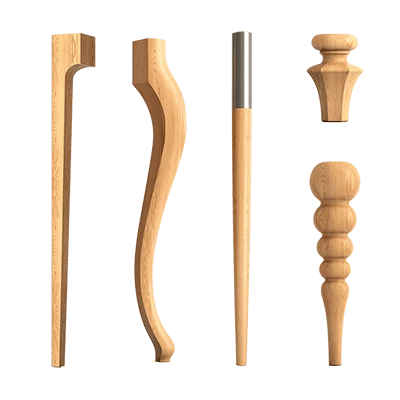
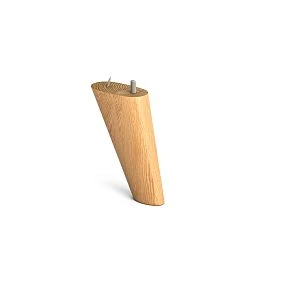
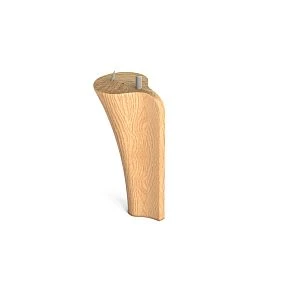
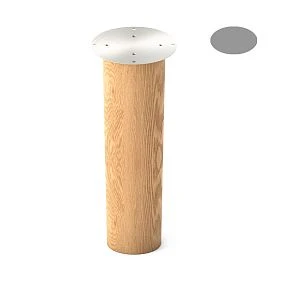
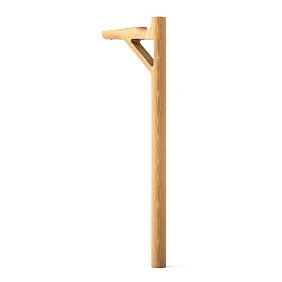
Furniture legs. Turned, shaped, tapered, classic, straight — support elements for nightstands, dressers, cabinets, tables, sofas, ottomans.
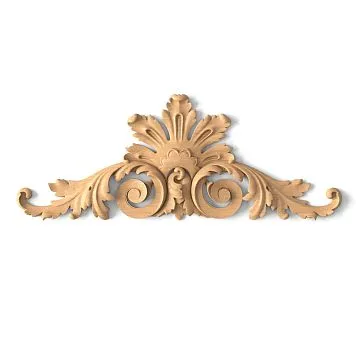
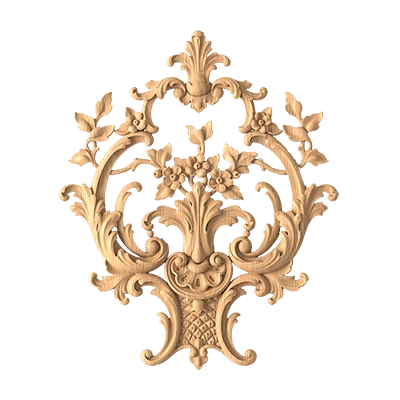
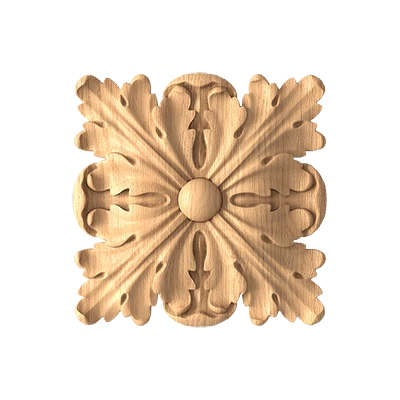
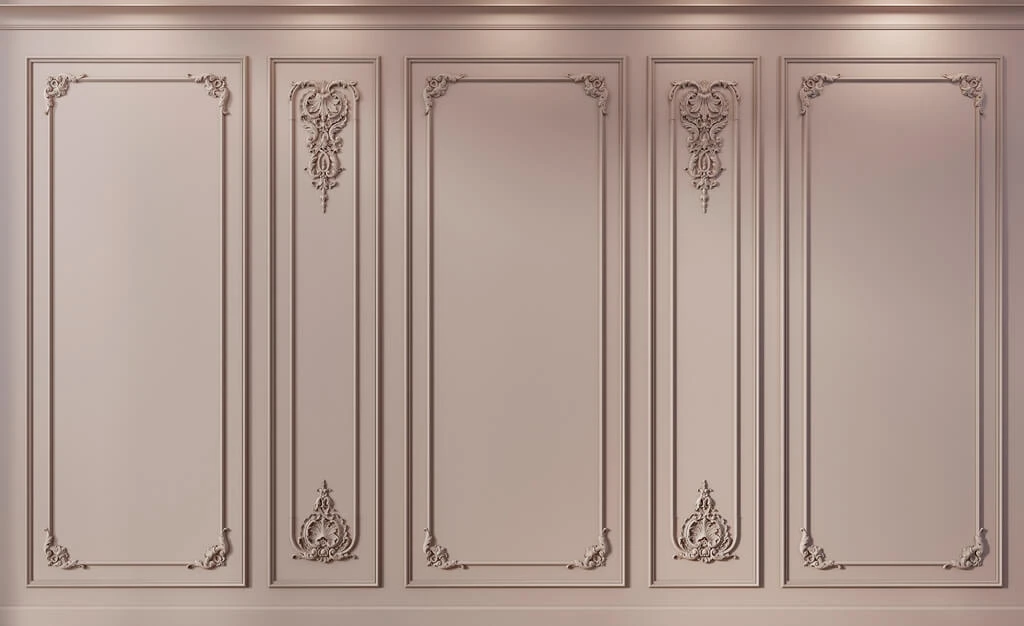
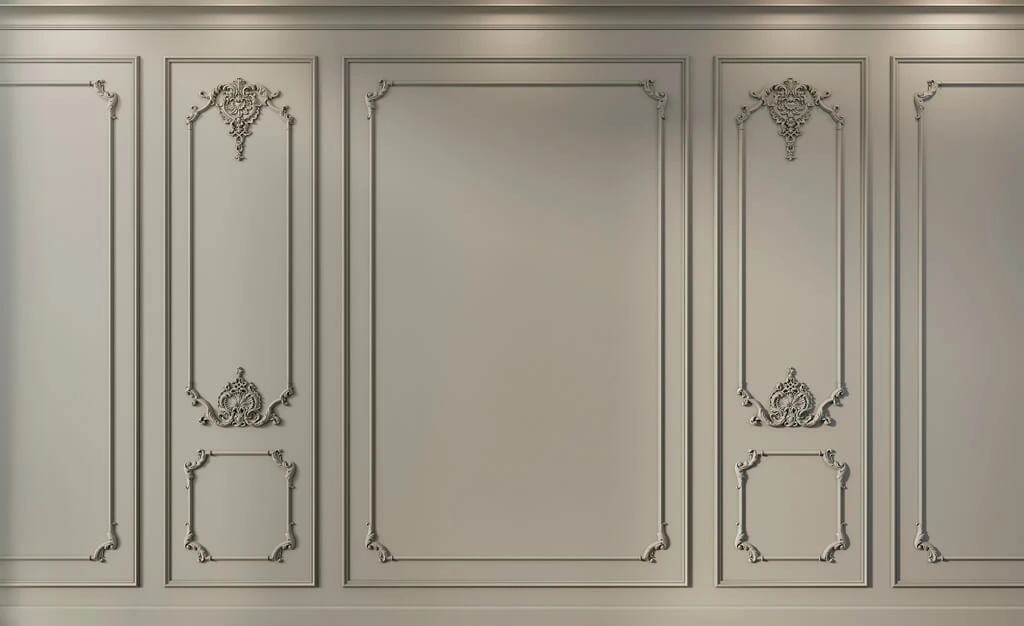
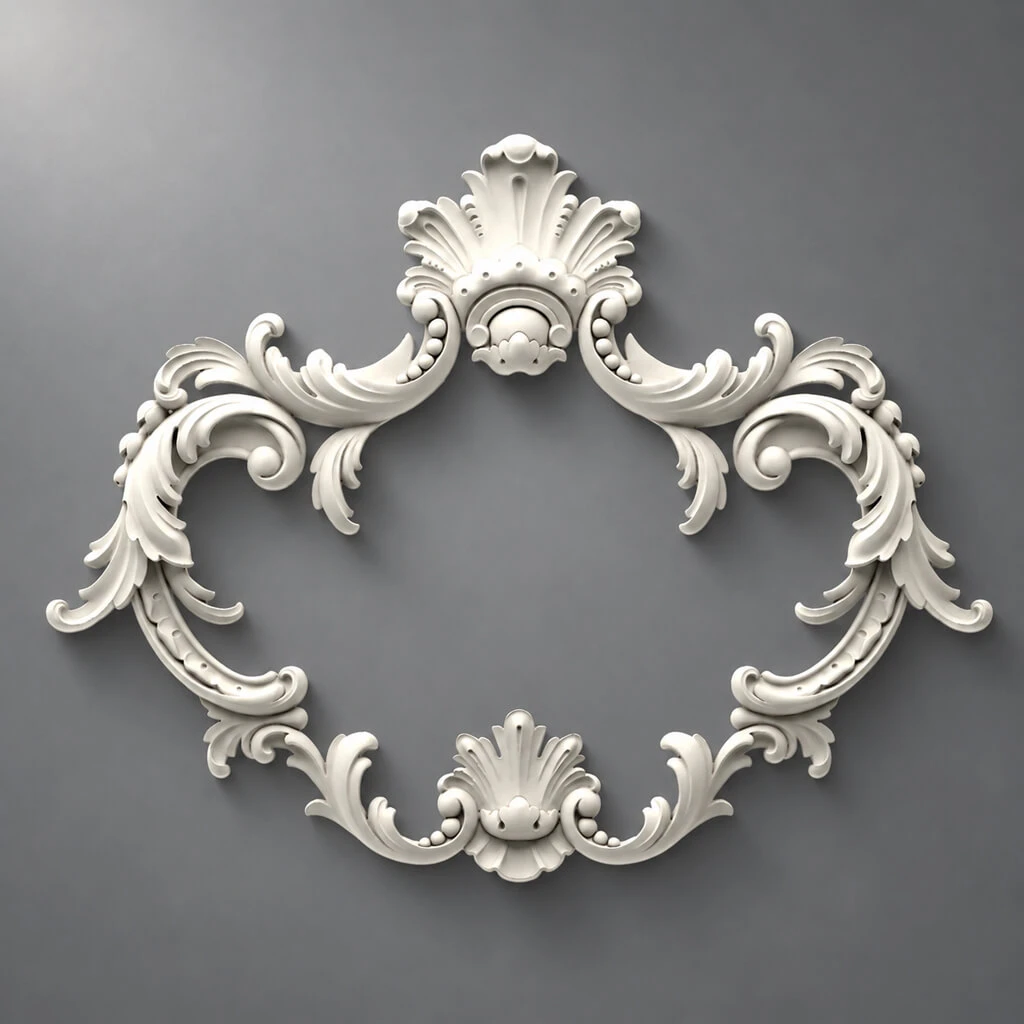
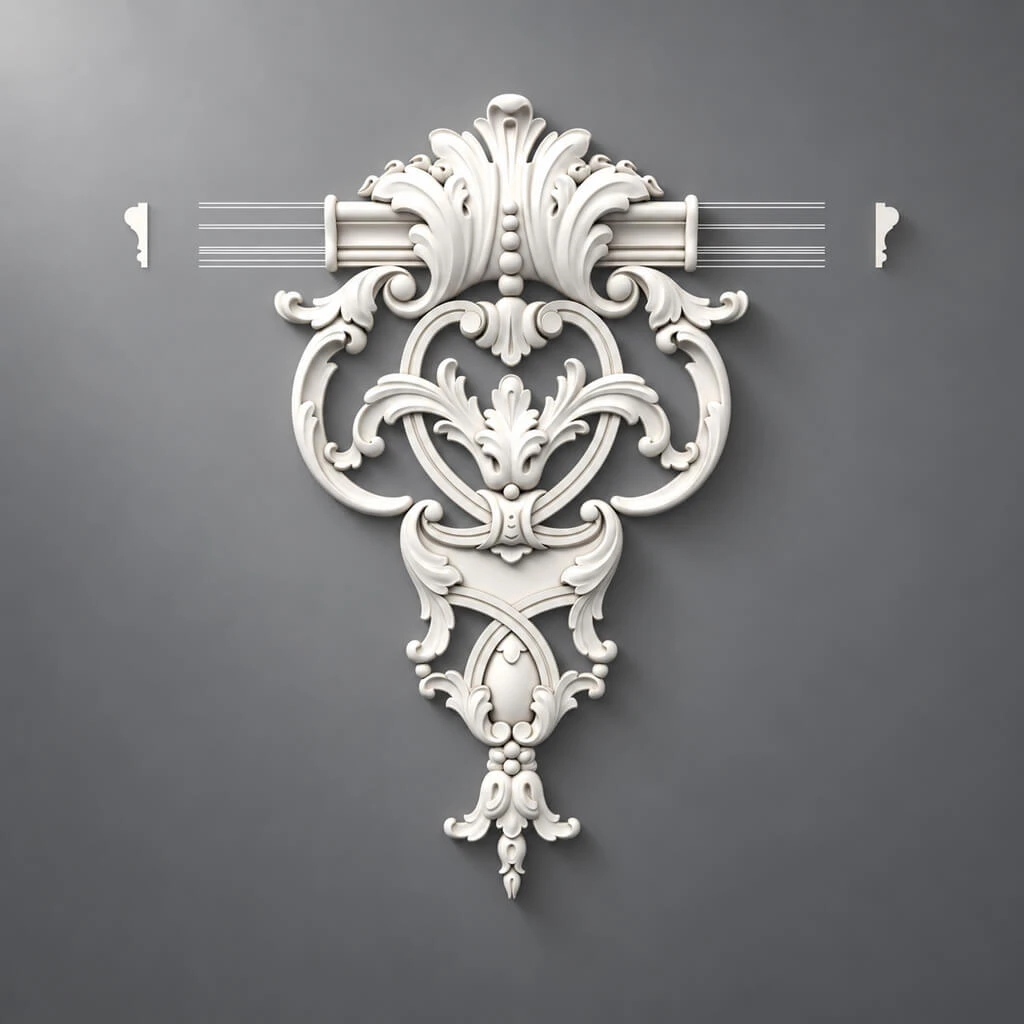
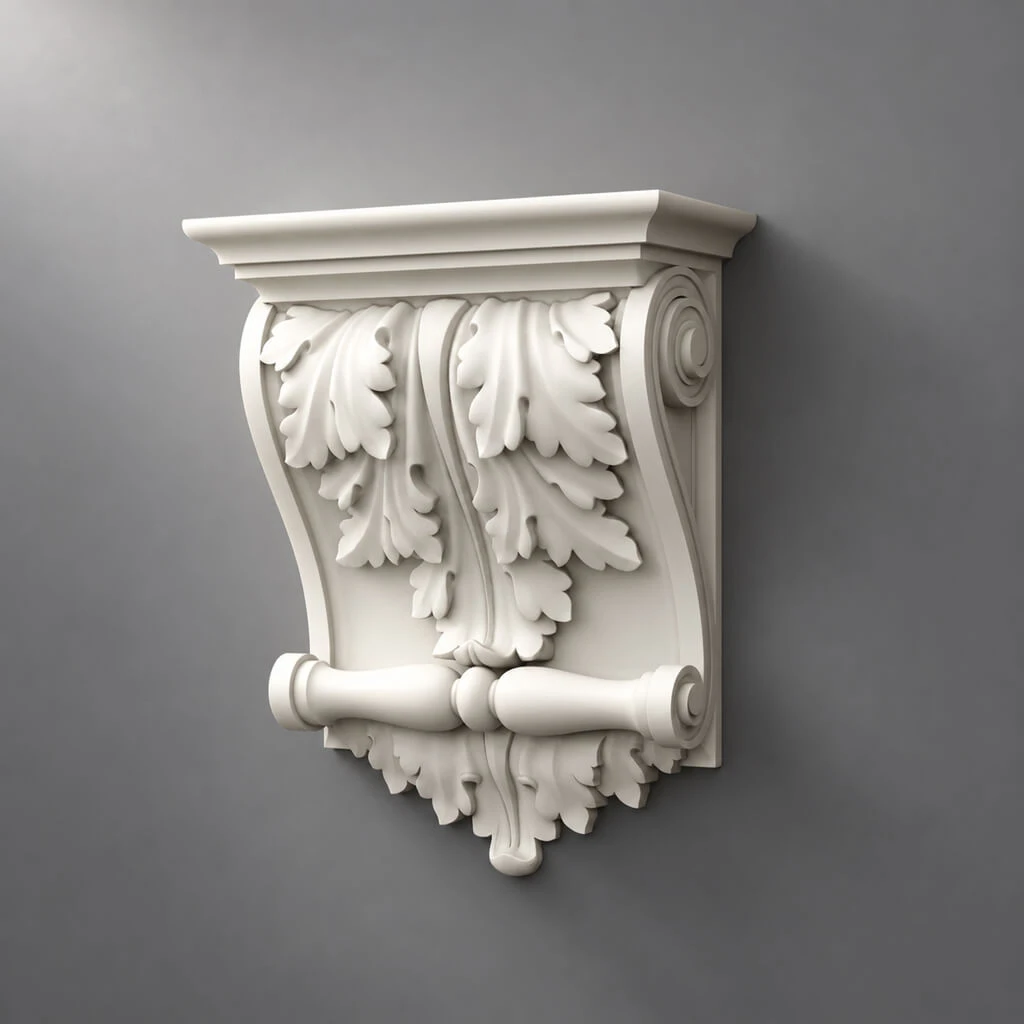
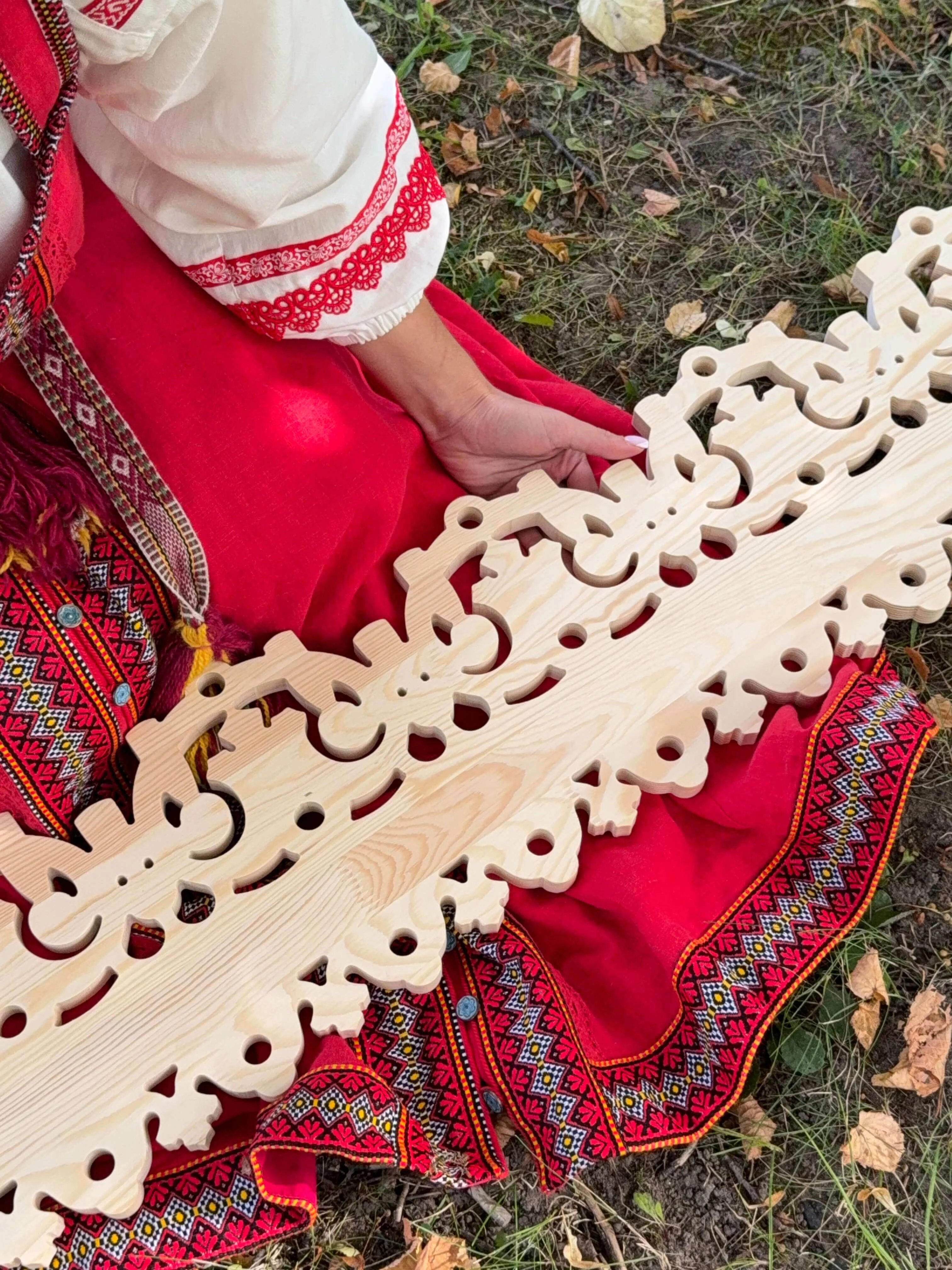
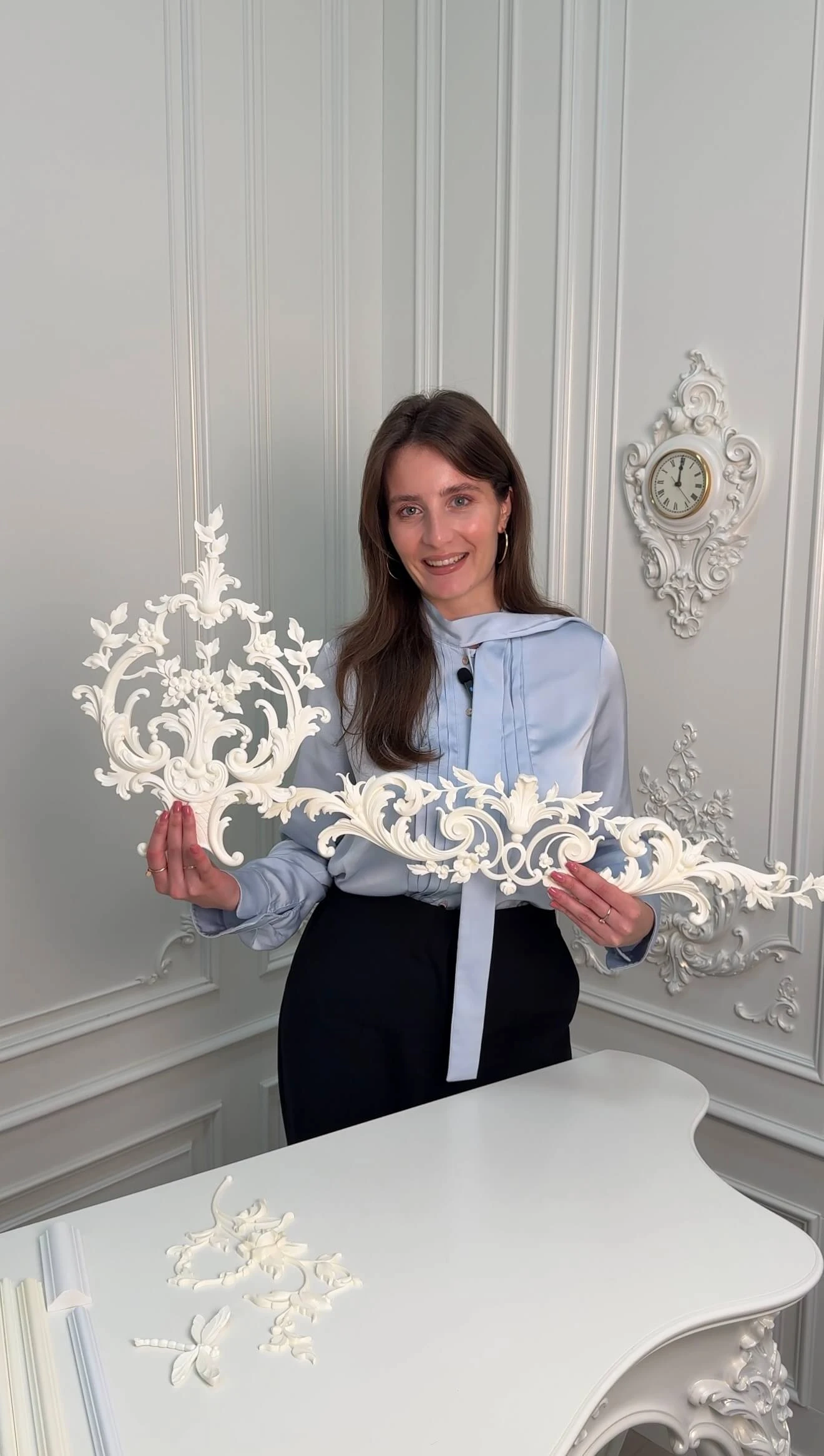
Decorative overlays. Carved or milled elements that are glued or attached to facades, doors, panels — to create decorative relief and stylistic character of furniture.
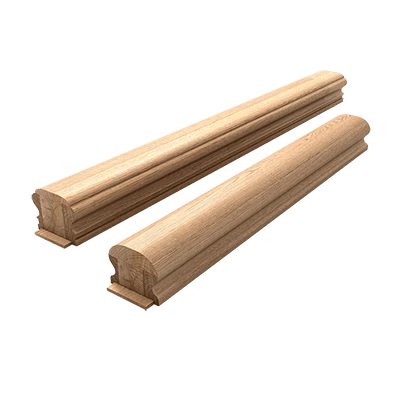
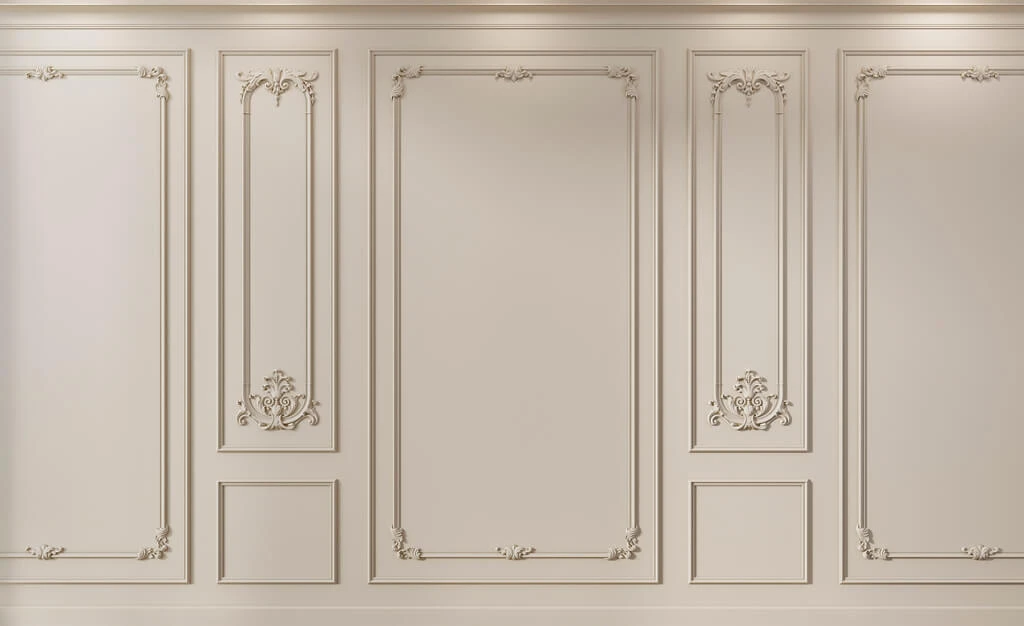
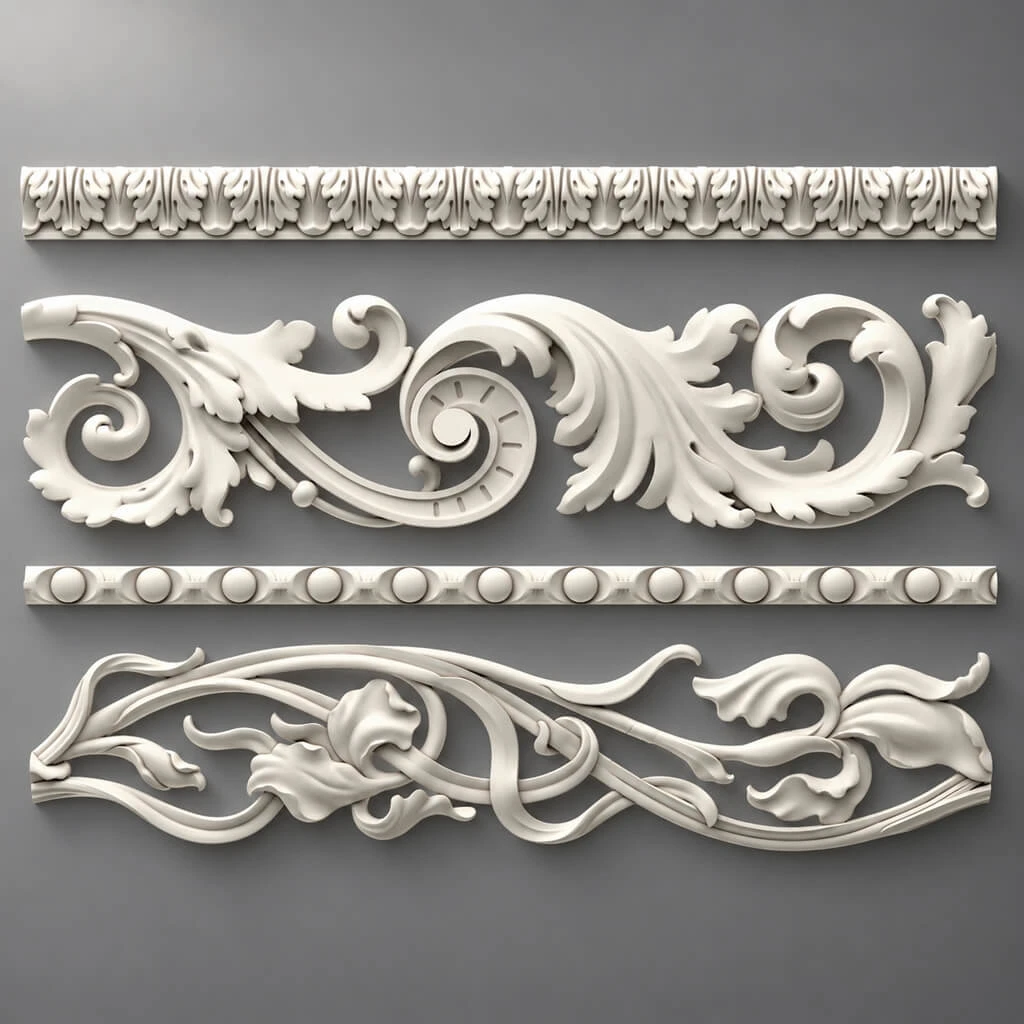
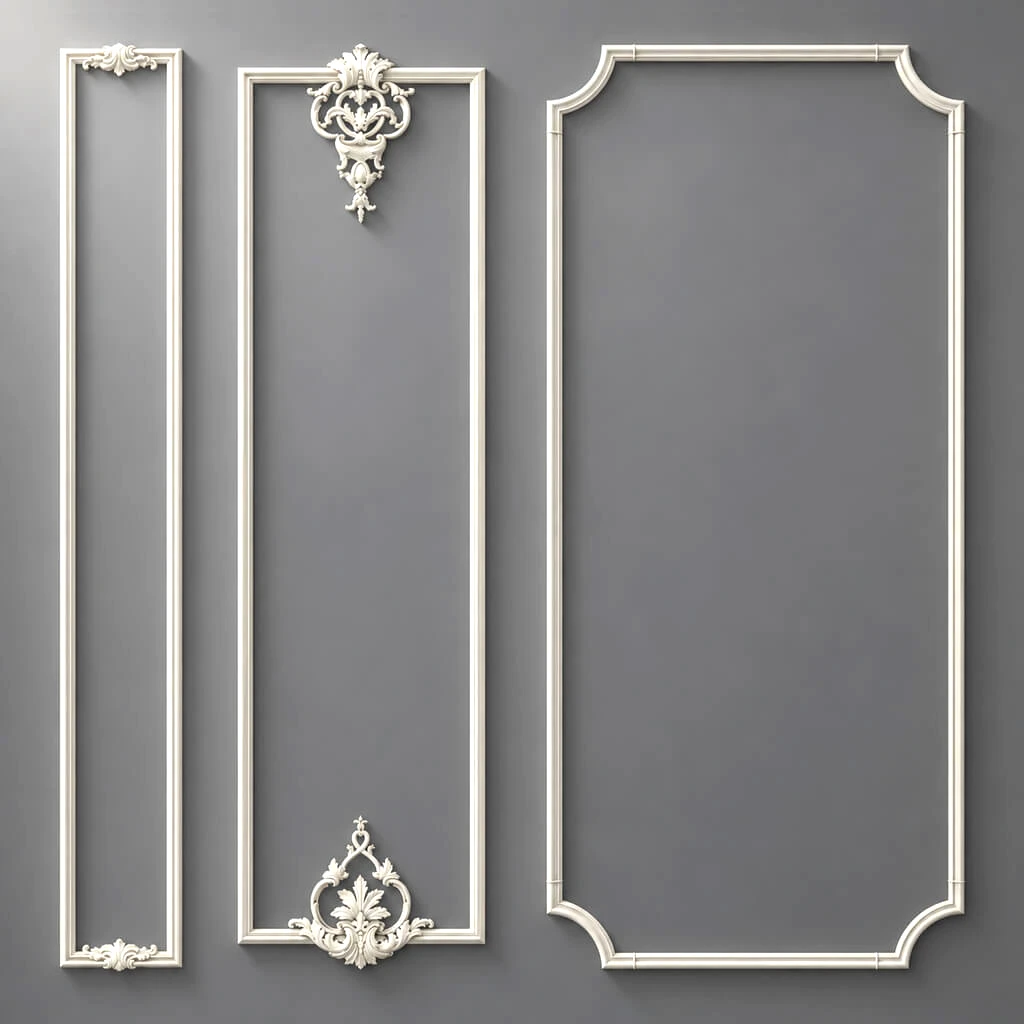
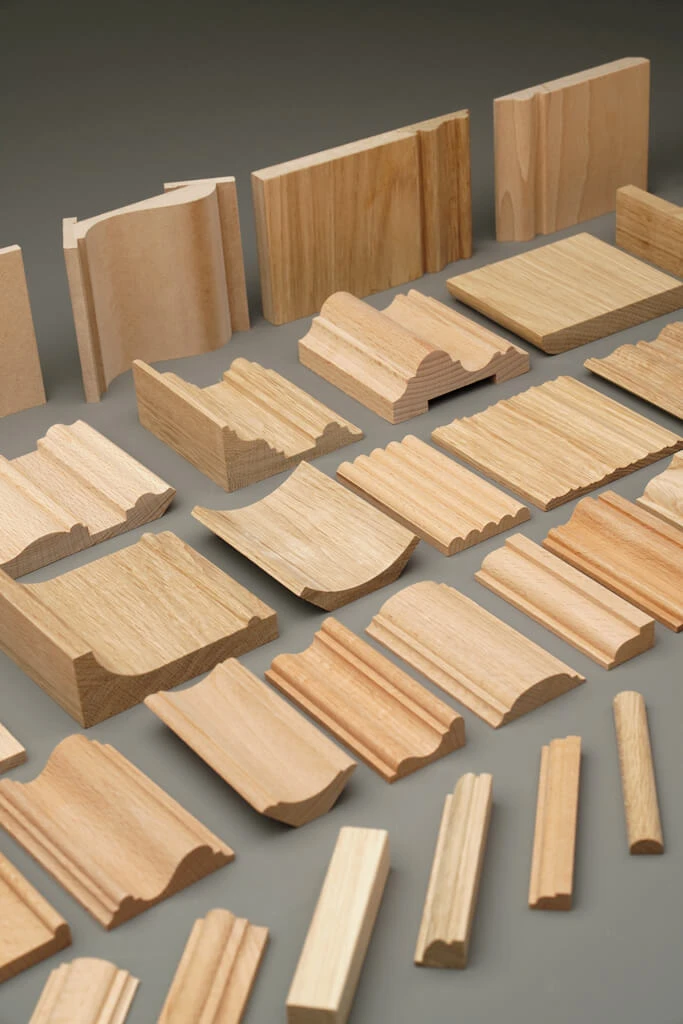
Moldings. Profiled wooden strips for framing, panels, transition zones, decorative belts on furniture and in interiors.
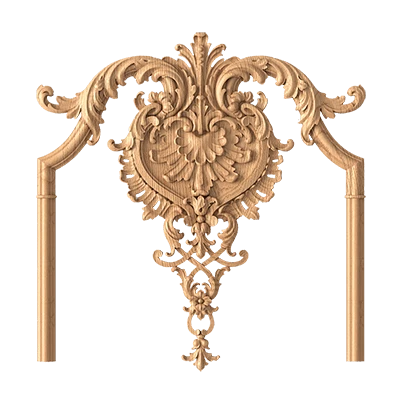
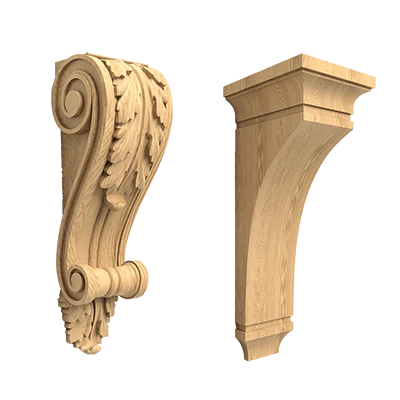
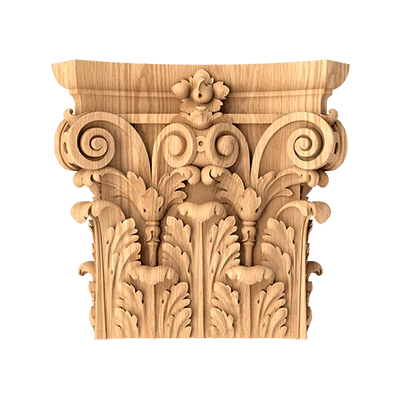
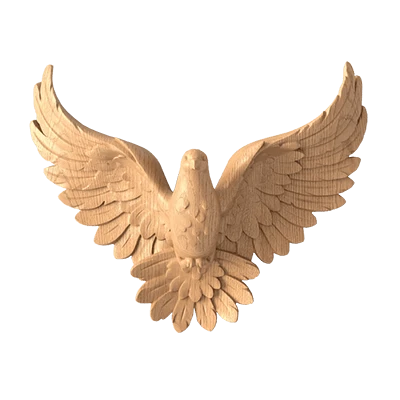
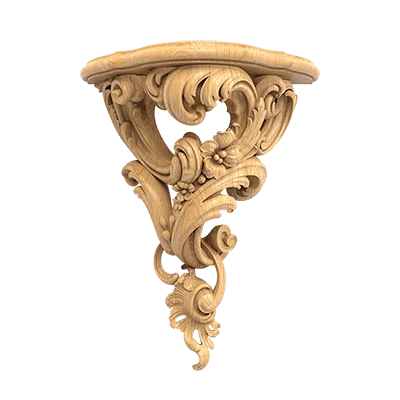
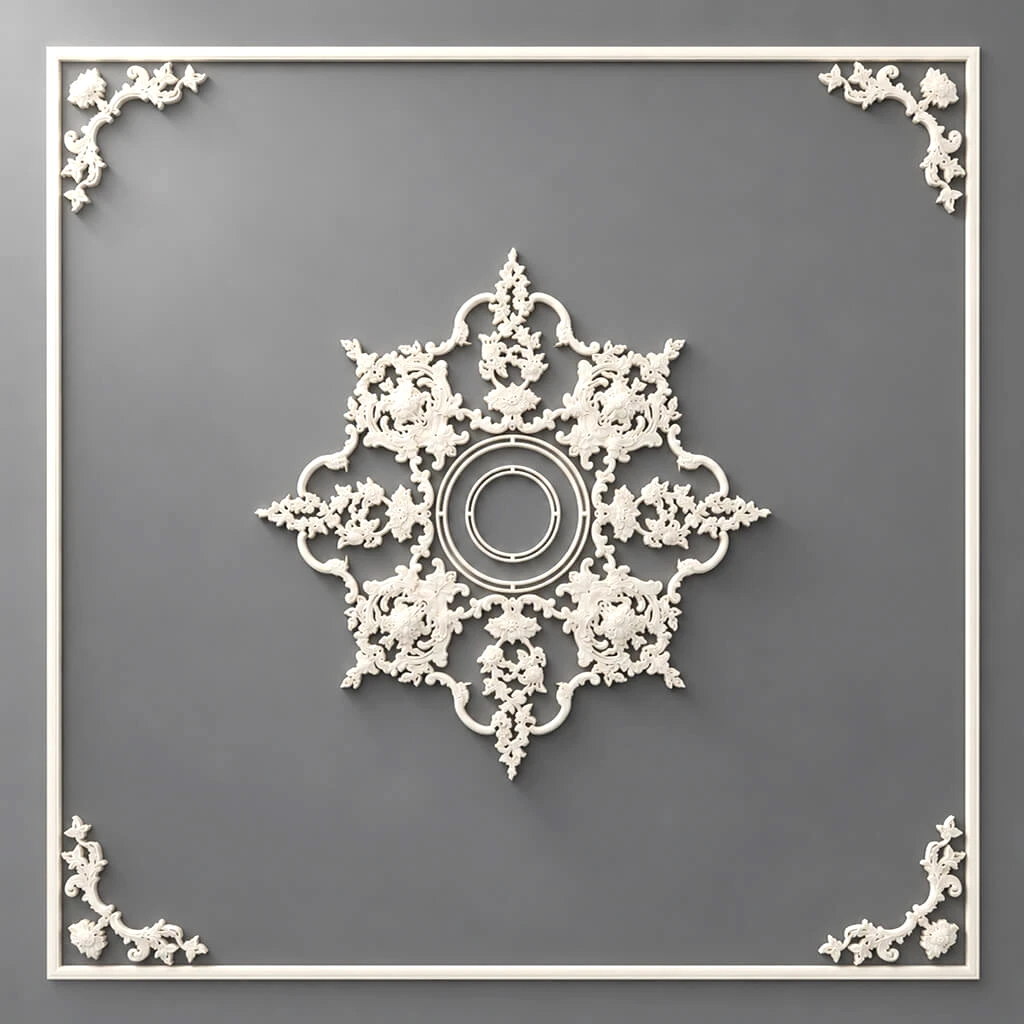
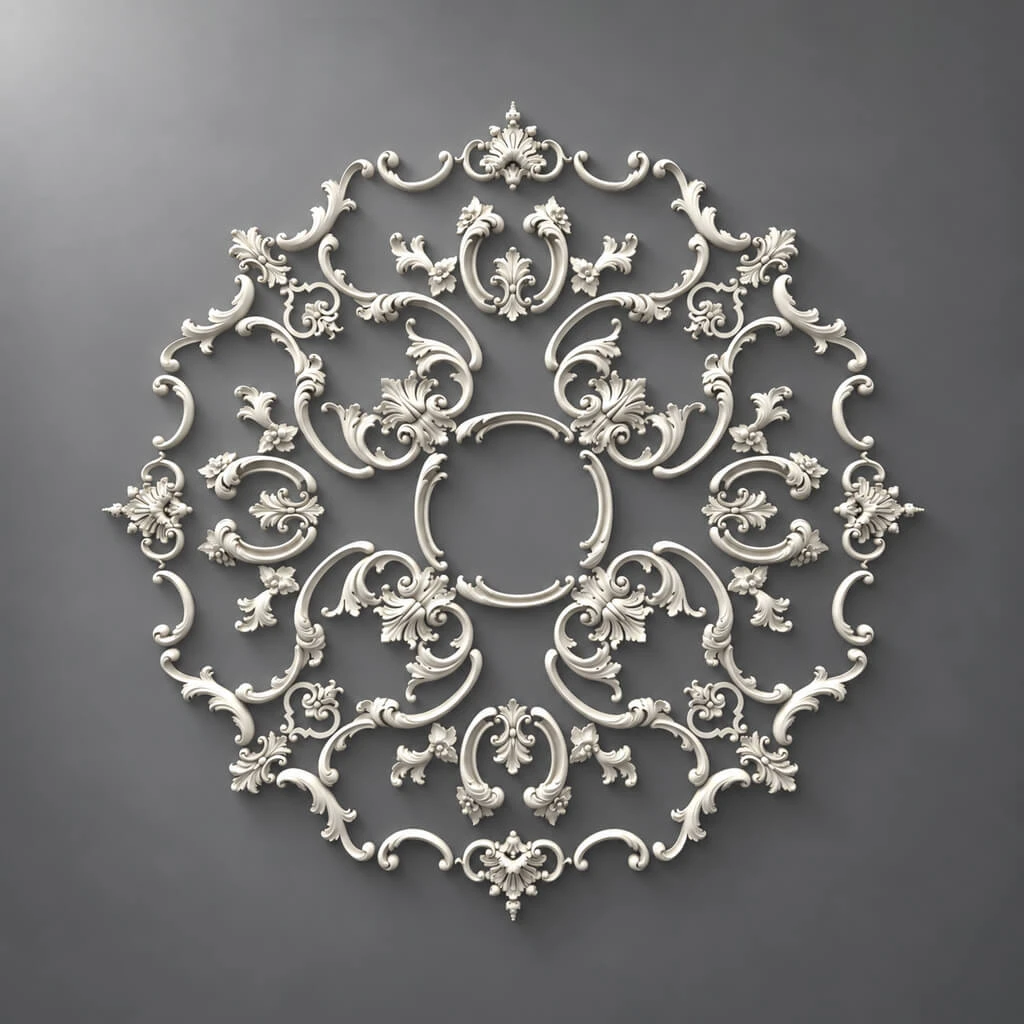
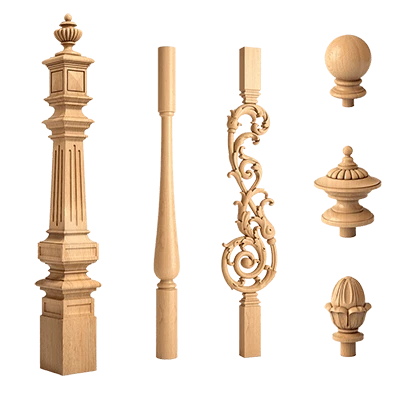
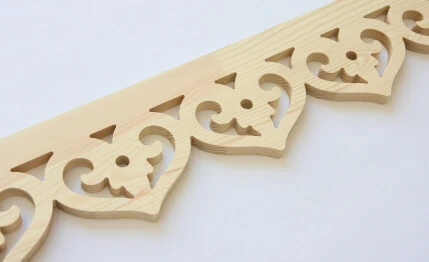
Carved decor. Ornamental carved elements — floral rosettes, corner decors, friezes, capitals — for classic and baroque furniture.
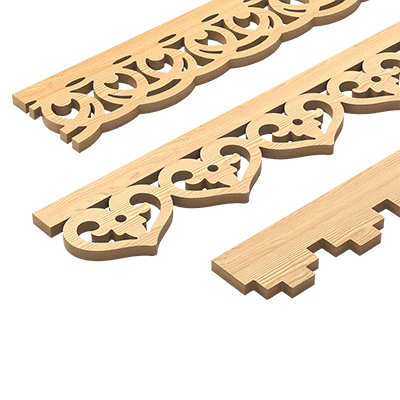
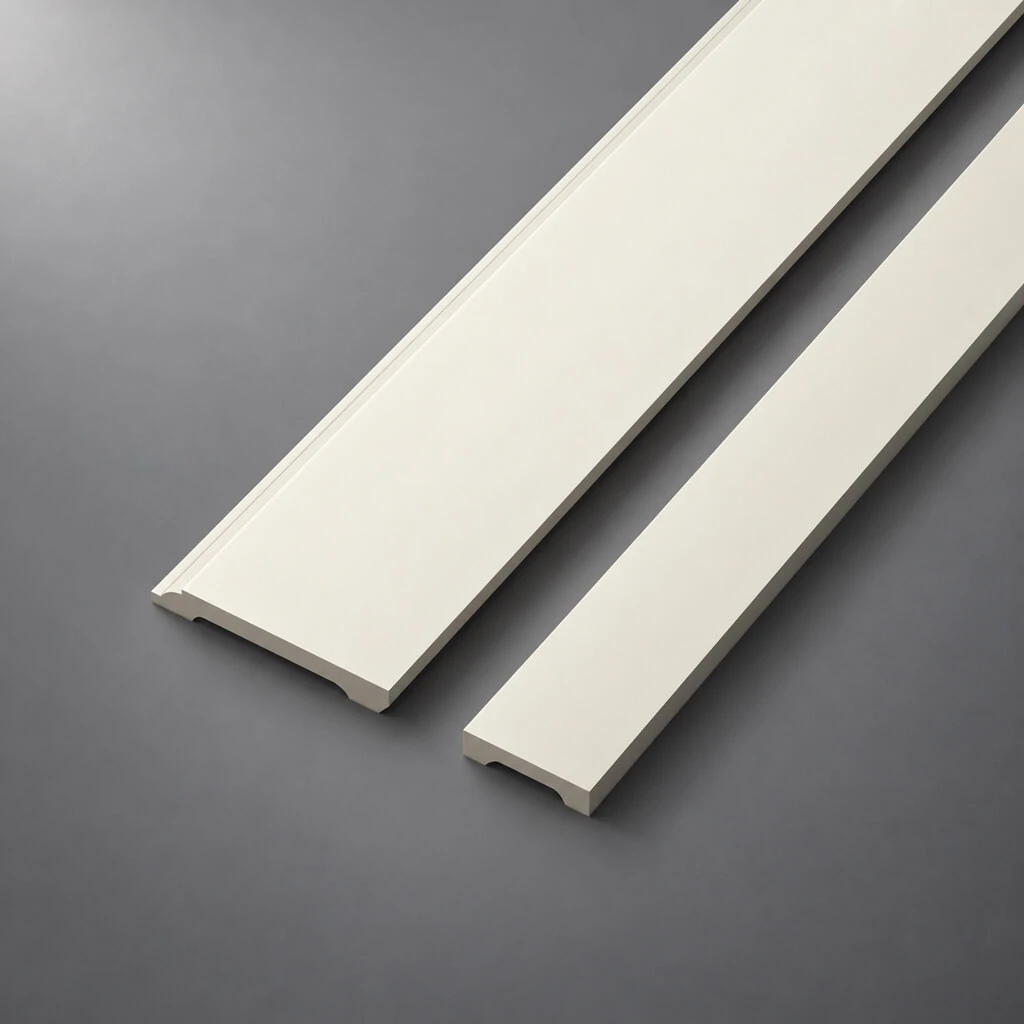
Wooden linear elements. Baseboards, cornices, profiled strips for finishing cabinet furniture components.
It is these categories that constitute wholesale wooden furniture fittings for production, workshops, and project outfitting.
Who needs wholesale furniture fittings: eight types of buyers
Before choosing the assortment, it's important to understand: who exactly buys such fittings and why. This affects the batch size, selection criteria, requirements for repeatability, and the format of working with the supplier.
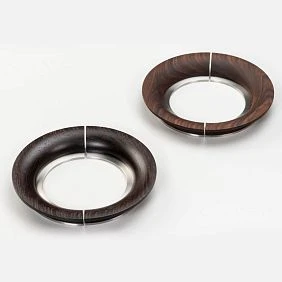
Our factory also produces:
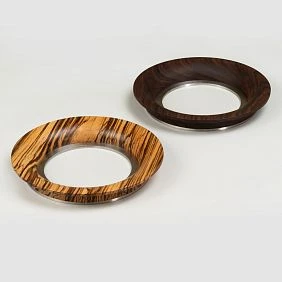
Furniture manufacturers
Factories and manufacturers producing dressers, cabinets, sideboards, nightstands, kitchens — they need a stable supply: identical handles, identical legs, identical overlays for the entire series. Key requirement: repeatability. The handle of article 'X' must be identical to the handle of the same article from the next batch.
Get Consultation
Carpentry workshops
Small custom furniture manufacturers — they need flexibility: the ability to purchase different elements for different projects, choose from a wide assortment, work with elements without coating for self-painting for a specific project.
Interior designers and outfitters
Project approach: the designer creates an interior concept and selects furniture fittings for a specific object — a house, apartment, hotel, restaurant. It's important for them that handles, legs, and decor are from the same style family.
Kitchen manufacturers
Kitchens are a high-load segment: handles are opened thousands of times, legs constantly bear weight. The purchase must consider not only aesthetics but also material strength.
Classic furniture manufacturers
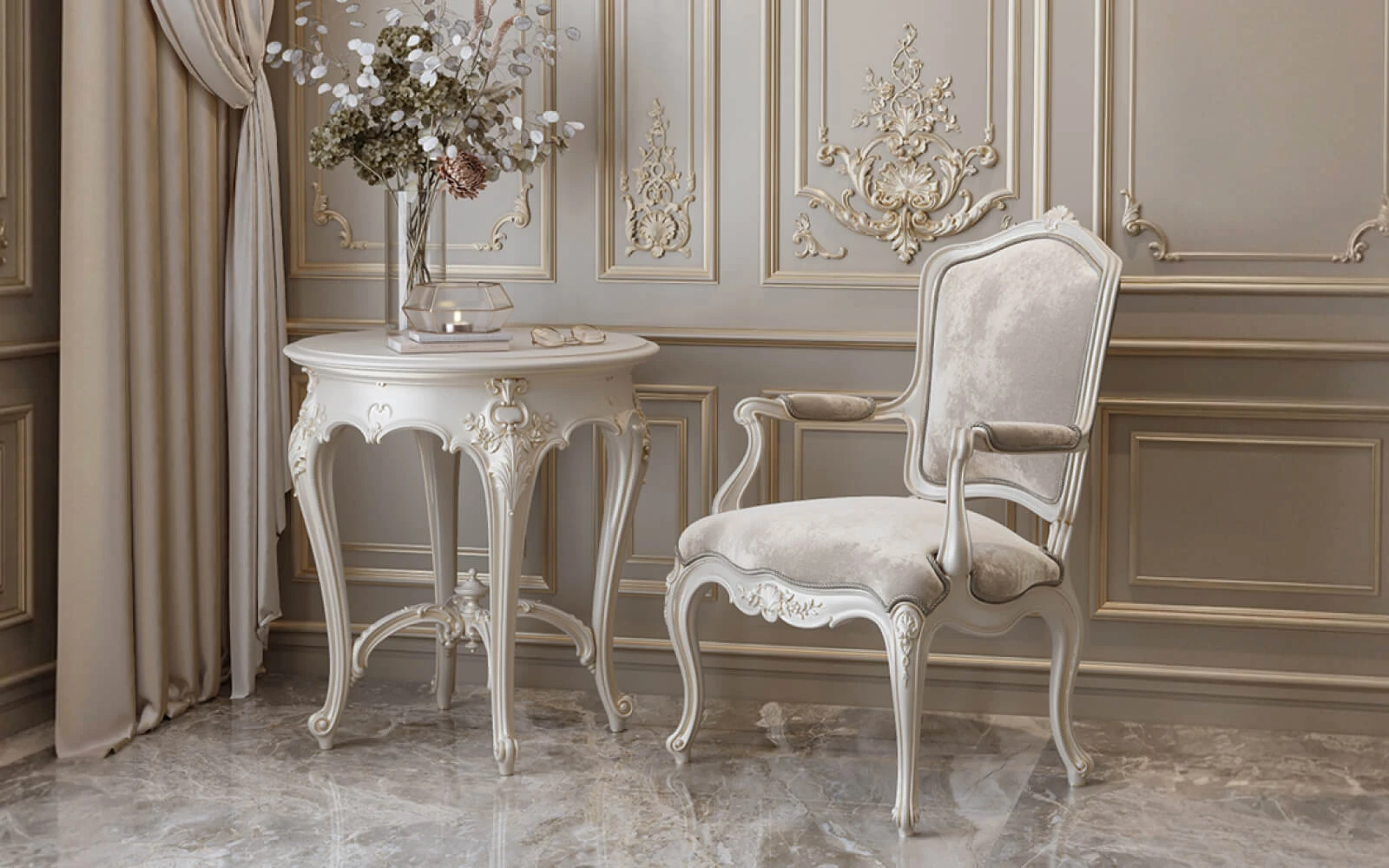
The most demanding segment in terms of decor. Manufacturers of classic cabinets, sideboards, and bedrooms need a full range: handles, legs, overlays, moldings, Carved furniture decor — all in a single classic style.
Restoration workshops
Restorers often look for elements that match the historical original: classic profiles, carved rosettes, turned legs. They need uncoated elements to match the original color of the furniture.
Furniture stores and showrooms
Some stores offer customers a choice of fittings: which handles to put on the selected cabinet or dresser. This requires an exemplary assortment — dozens of items in different styles and sizes.
Private artisans
Small batches: 10–50 pieces of one item. They work with custom furniture and often look for decorative elements that are hard to find in a retail store.
Wooden furniture handles wholesale: types, sizes, applications
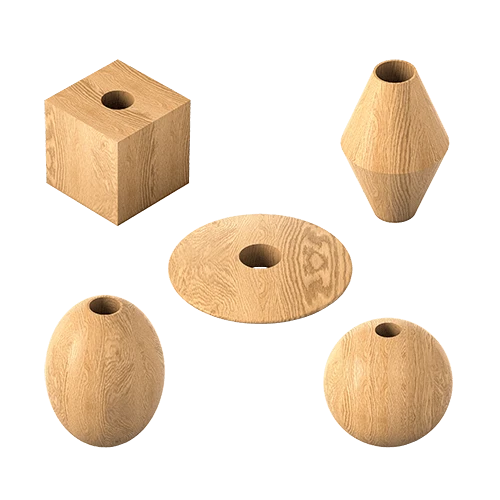
wooden furniture handles — the most in-demand category for wholesale purchases. This is the first thing a furniture buyer sees and touches. It is the handle that determines the "feel" of the item.
Pull handles (bail handles)
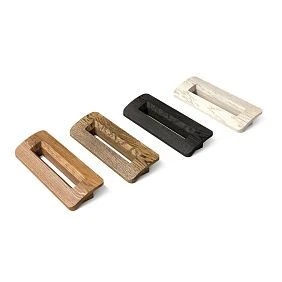
Elongated shape with two attachment points. Full hand grip. Application: cabinet doors, kitchen fronts, interior doors, dresser drawers. Center-to-center distance range: 64–250 mm.
For serial production of cabinets: center-to-center 128–160 mm — standard for standard fronts 40–60 cm wide. For kitchen cabinets: 128–160 mm. For tall cabinet doors: 200–250 mm.
When wholesale purchasing pull handles — check the stability of the handle diameter: within a single batch, the diameter must be identical. A deviation of 0.5–1 mm is noticeable when visually comparing on finished furniture.
Button Handles
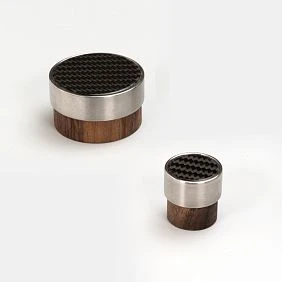
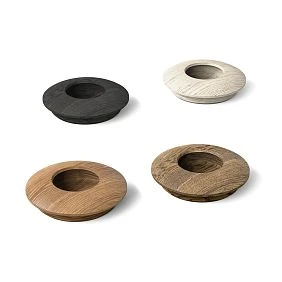
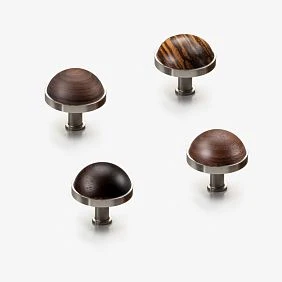
Compact shape with one attachment point. Finger grip. Application: small drawers, lightweight doors, nightstands, vanity tables, small cabinets. Base diameter: 25–50 mm, height: 20–40 mm.
For the production of chests of drawers with multiple drawers — knob handles are installed on each drawer in the center. For wide drawers — two knobs symmetrically are possible.
Handles with and without coating
uncoated wooden handles — for manufacturers that paint all furniture with a single coating: handles are included in the general painting cycle along with the fronts. This gives a perfectly matched color without visible difference in shade.
Wooden handles with coating — ready for installation: tinting + varnish or enamel. Saves time in production. Used where the handle should contrast with the front (dark handle on a light front) or match a specific tone from the supplier's range.
When wholesale purchasing, it is important: the shade of the coating between batches must match. A quality supplier controls color stability using samples.
Material of furniture handles
-
Beech: dense, with a fine, uniform texture, accepts any coating well. Optimal for serial production.
-
Oak: expressive texture, heavier and more expensive, for the premium segment.
-
Birch: neutral texture, more affordable than beech, a good choice for handles to be painted.
Furniture legs wholesale: from cabinets to sofas
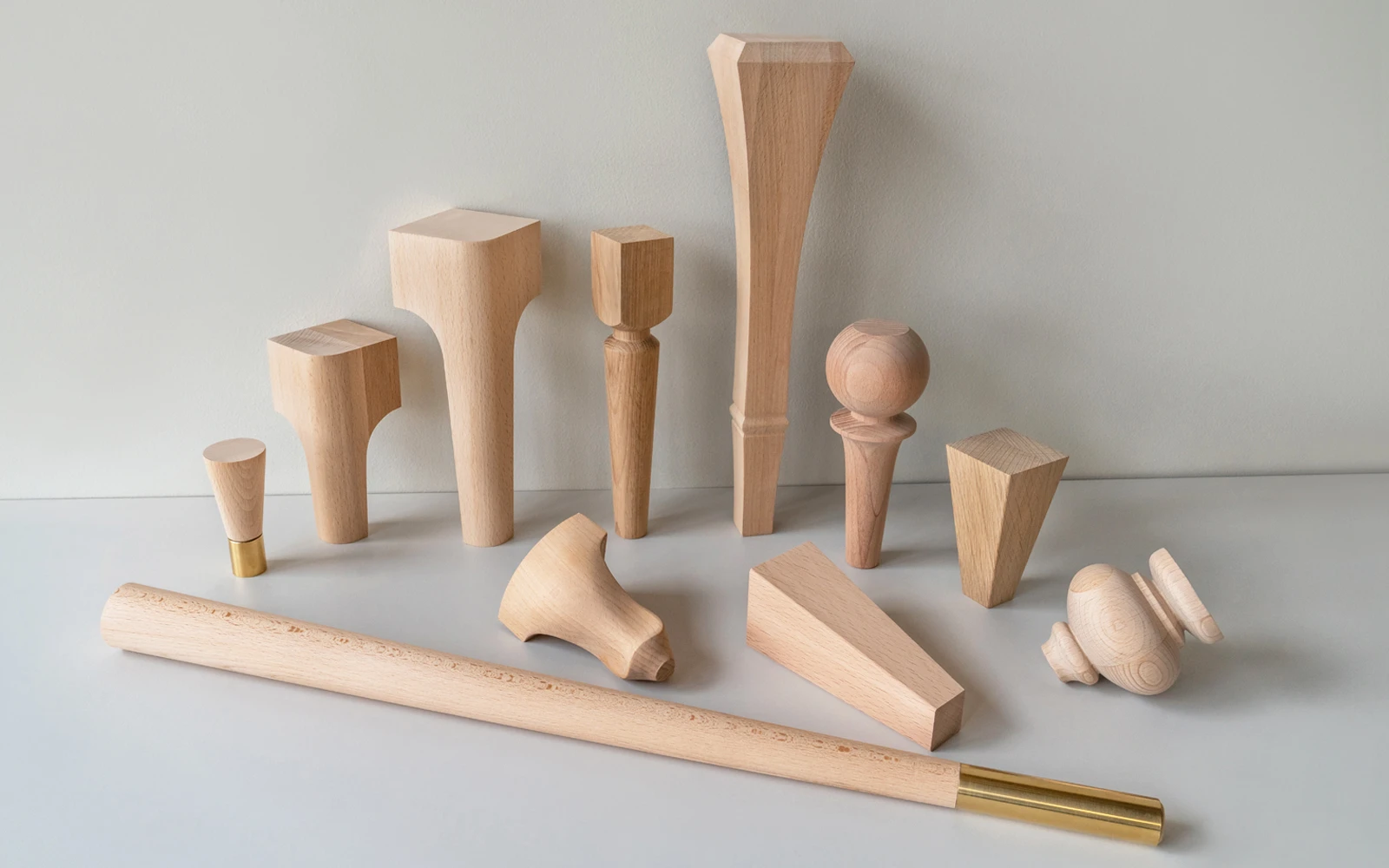
wooden furniture legs — the second most in-demand element for wholesale purchases in furniture manufacturing. A leg is literally the foundation of an item: it bears the load and sets the "character" of the furniture.
Types of wooden furniture legs
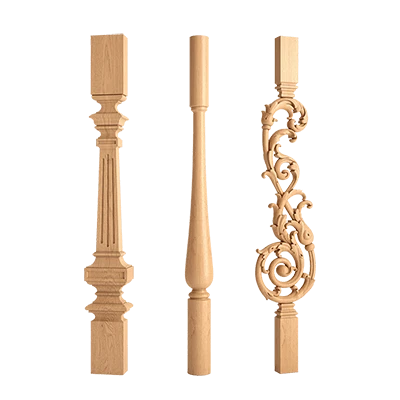
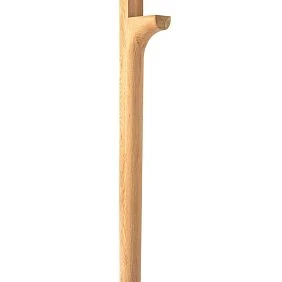
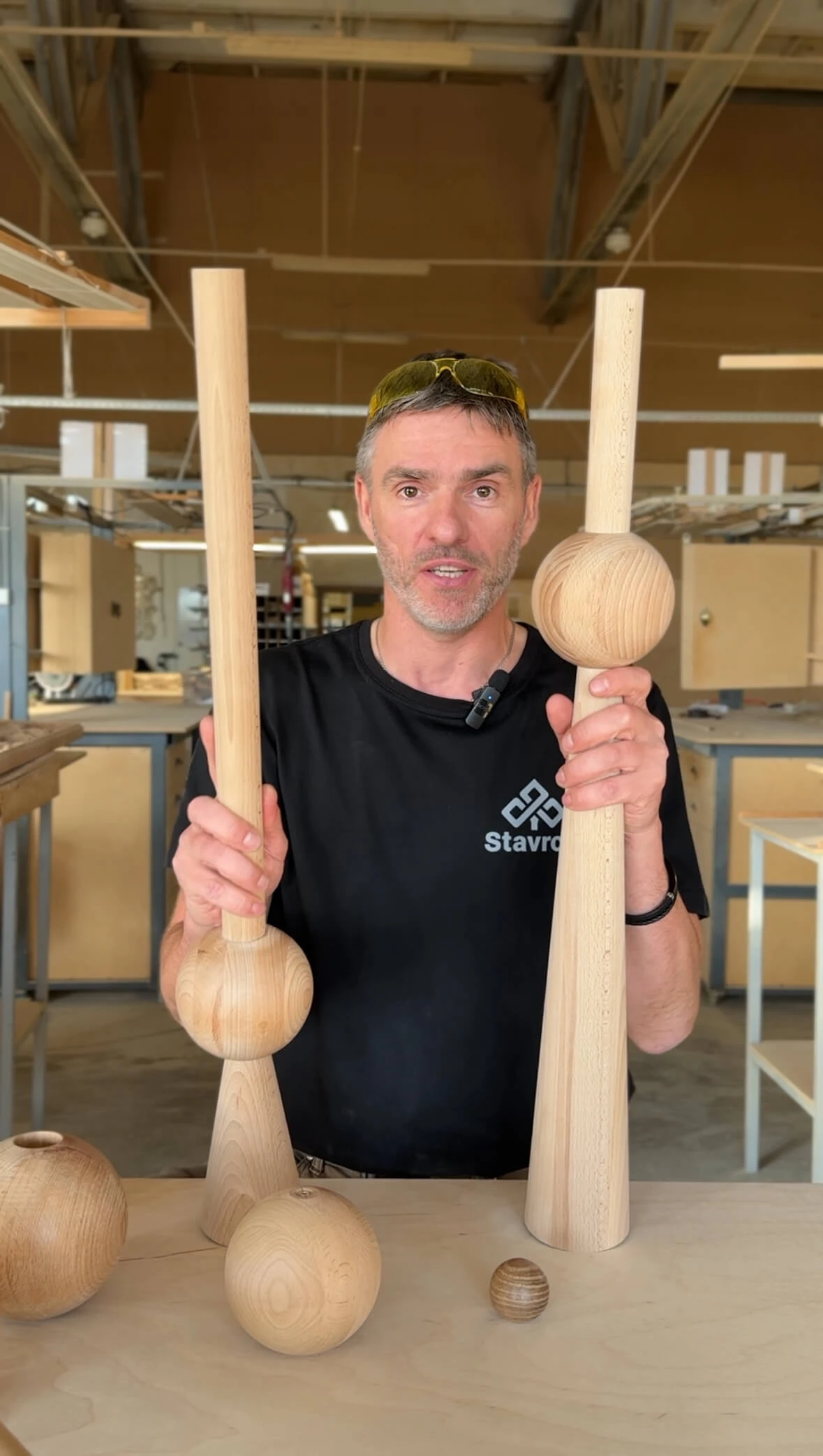
Turned classic legs. Profile with thickenings, grooves, chamfer. For classic, neoclassical furniture: chests of drawers, sideboards, cabinets, ottomans, armchairs. Height: 70–250 mm.
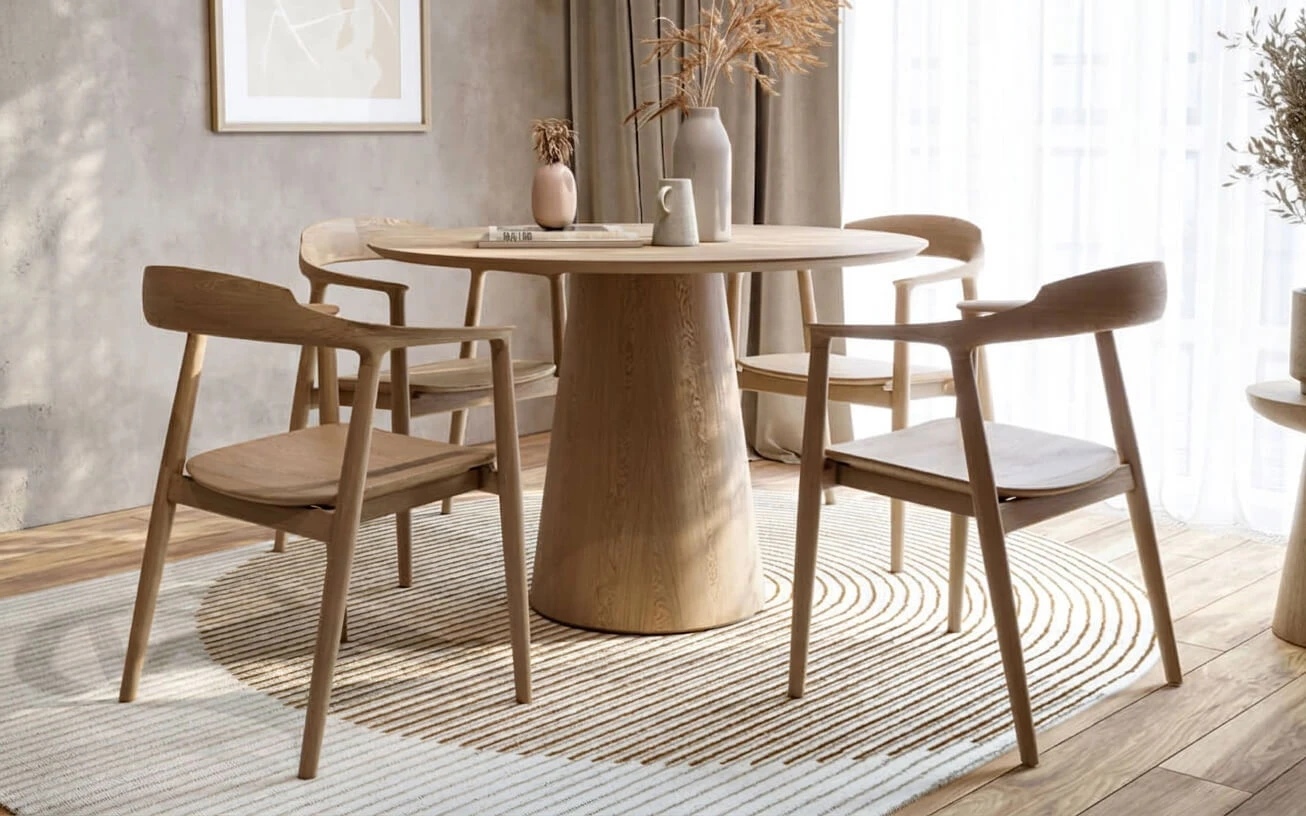
Tapered straight legs. Straight taper without decoration. For Scandinavian, minimalist, modern furniture: tables, cabinets, sofas. Height: 100–200 mm.
Curved cabriole legs. S-shaped profile, associated with French classic and baroque styles. For armchairs, sofas, ottomans, console tables.
Square and rectangular legs. Strict shape without turning. For modern classic and minimalism. Section size: 30×30 — 50×50 mm.
Cylindrical legs with insert for adjustment. Wooden leg with metal threaded insert for height adjustment. Used in cabinet furniture — wardrobes, cabinets — together with a closing furniture plinth.
Load-bearing characteristics
Legs for upholstered furniture (sofas, armchairs, ottomans) — load up to 150–200 kg total. Legs for chests of drawers and wardrobes — load up to 50–80 kg per leg. Legs for decorative cabinets — load up to 20–30 kg.
Wholesale purchasing rule: for legs under load — solid hardwood (beech, oak, ash). Not glued material, not MDF. A leg made of solid beech under a load of 80 kg does not loosen even after 10 years of active use.
Legs without coating
Furniture legs without coating — indispensable for manufacturers working with furniture for painting. Included in the general preparation cycle: sanding → priming → coating together with the body. The color of the leg perfectly matches the body.
For serial production, dimensional stability is important: the height of the leg must be the same in each batch with a tolerance of ±0.5 mm. Otherwise, the finished furniture "wobbles".
Overlays and carved decor for furniture facades: how it works in production
Decorative overlays and Carved furniture decor — this is what turns "just a wooden cabinet" into a "classic cabinet". This is a tool for a manufacturer who wants to produce furniture in a classic or neoclassical style without a full cycle of hand carving on each item.
What are decorative furniture overlays
Furniture Decoration from Wood — these are ready-made carved or milled elements made of solid wood that are attached to the surface of the facade, door or panel: corner decors, central rosettes, friezes, ornamental inserts.
The logic of application is simple: an MDF facade or a panel facade made of solid wood is neutral in itself. Gluing a decorative element in the center or in the corners turns it into a classic facade — without expensive manual work.
Types of decorative overlays
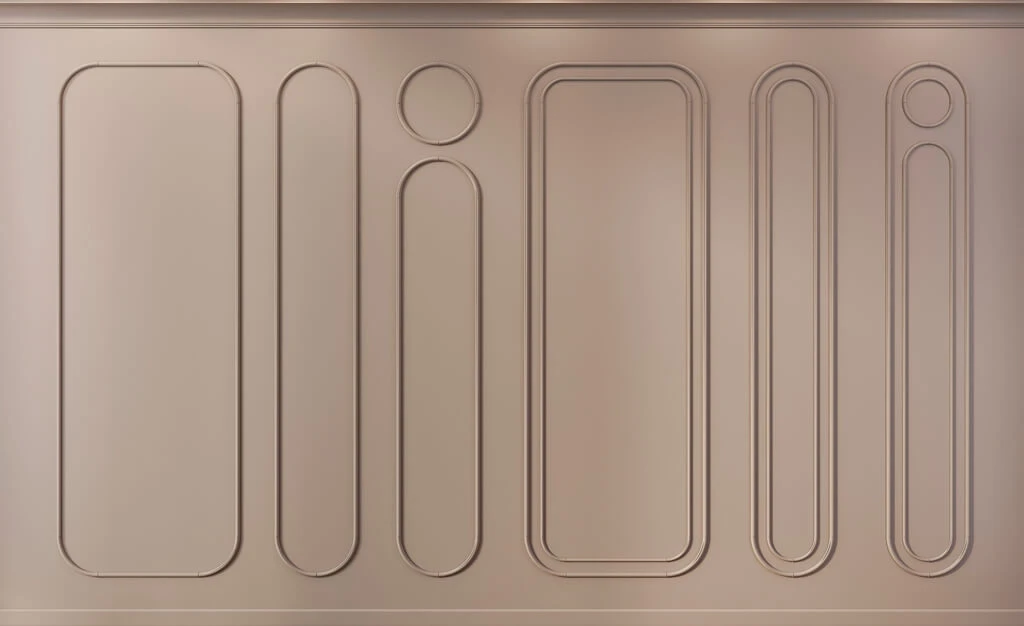
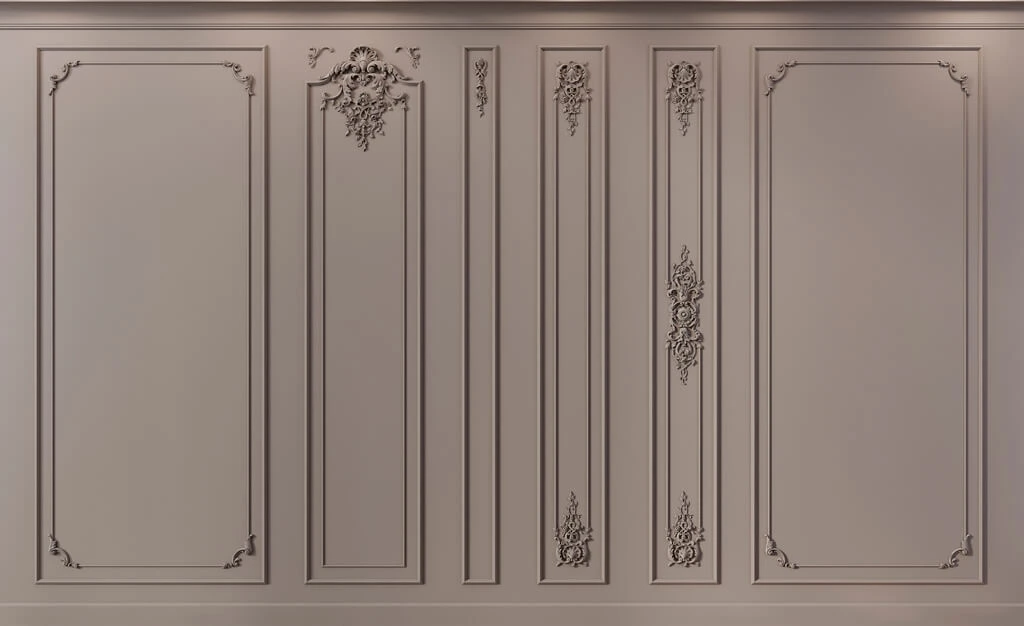
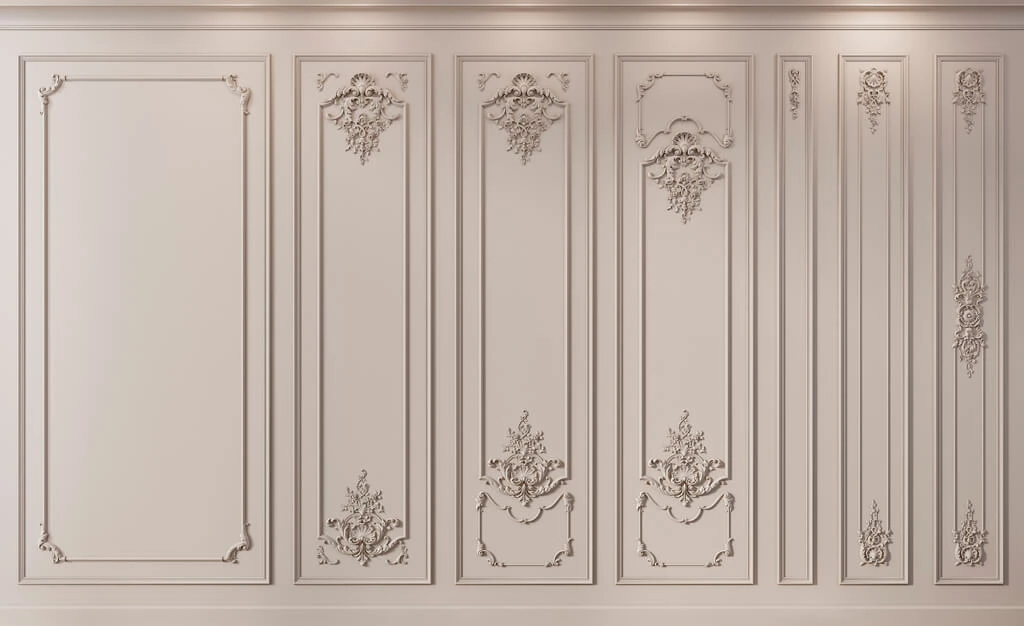
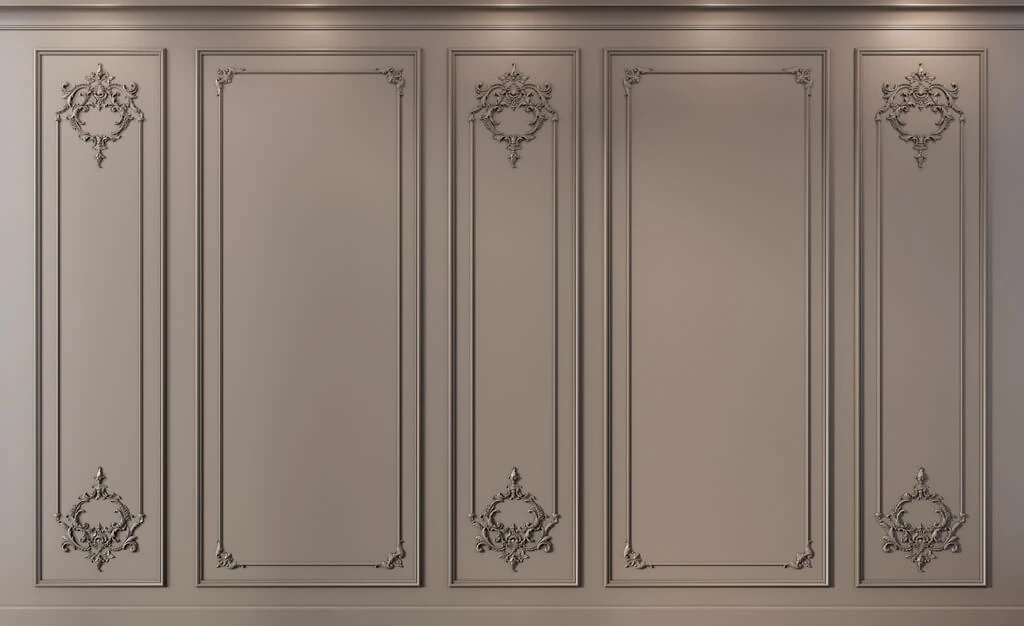
Corner decors. Symmetrical elements for four corners of the facade: leaf ornament, rocaille, acanthus. Create a frame effect around the central field of the facade.
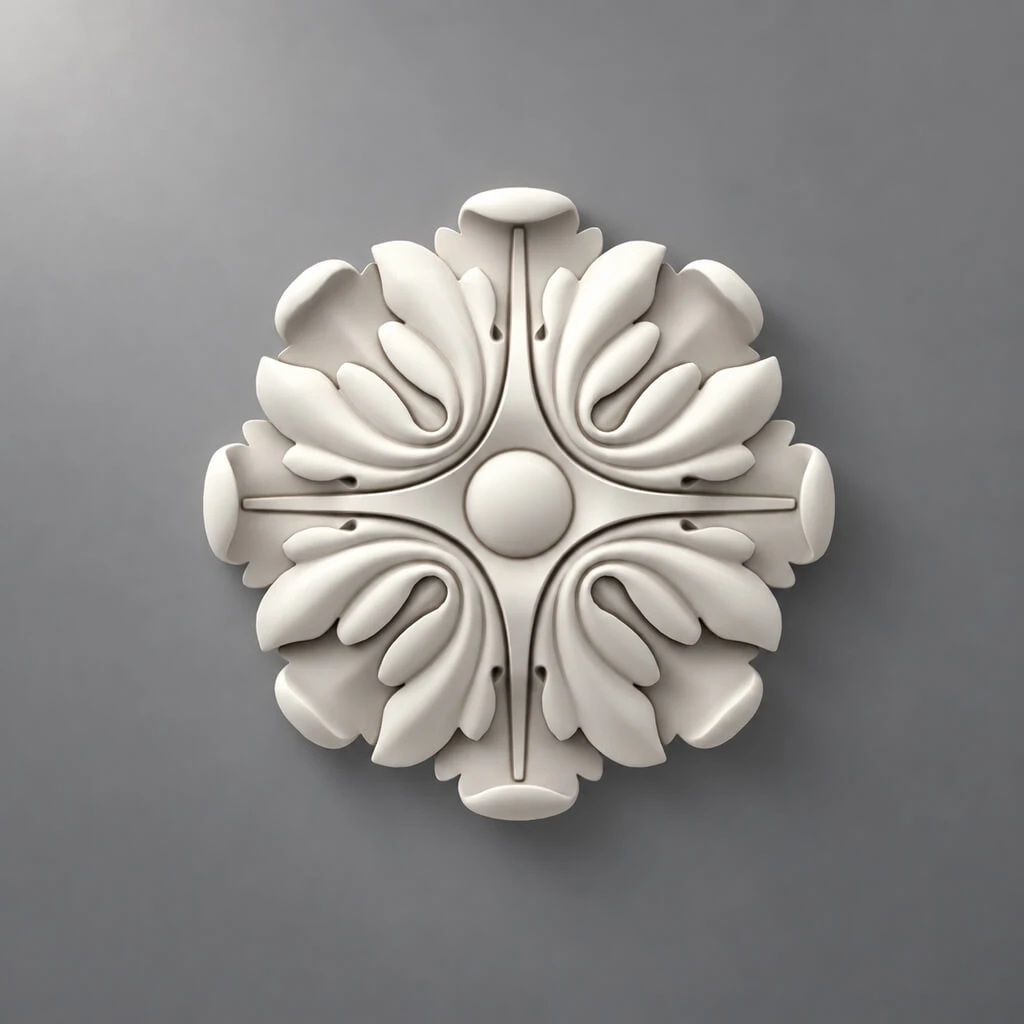
Central rosettes. Round or oval elements for the center of a door, drawer, or panel facade. A classic technique in furniture of the 18th–19th centuries.
Friezes and horizontal strips. Repeating horizontal ornament — for decorating the frieze above a row of drawers, the lower decorative belt, or a transition zone.
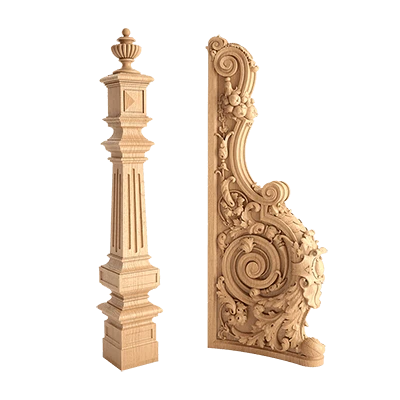
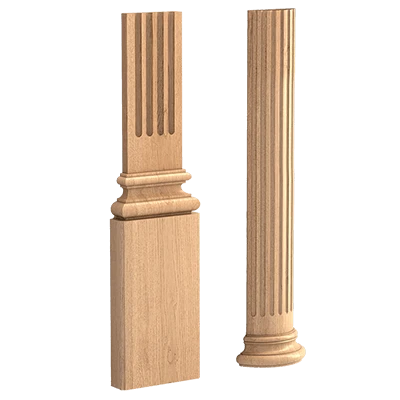
Capitals and bases. For furniture with column elements: corner posts of cabinets, buffet columns.
Carved decor: when it is specifically needed
Carved Decor — these are more complex elements made by milling or hand finishing from solid wood: flower garlands, acanthus leaves, intricate rocailles, figured capitals.
Used in the production of premium-class furniture — buffets, libraries, bedroom sets, banquettes, and console tables — where decor is a key element of price and positioning.
For wholesale purchase of carved decor, it is critical: the identity of the ornament imprint between batches. Two rosettes of the same article must be indistinguishable from each other, otherwise two symmetrical elements on one facade will create a visible dissonance.
Overlay material
Beech and linden are the most common materials for decorative overlays. Linden is softer and easier to carve, which is important for complex ornaments. Beech is denser and holds its shape better under load. For non-load-bearing overlays (decorative elements on facades), both materials are excellent.
Moldings for furniture wholesale: frames, panels, belts
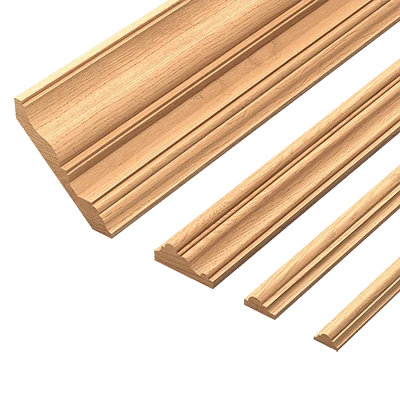
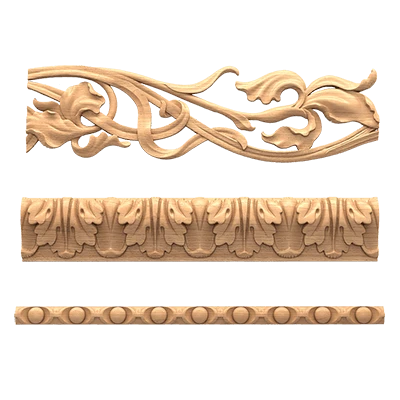
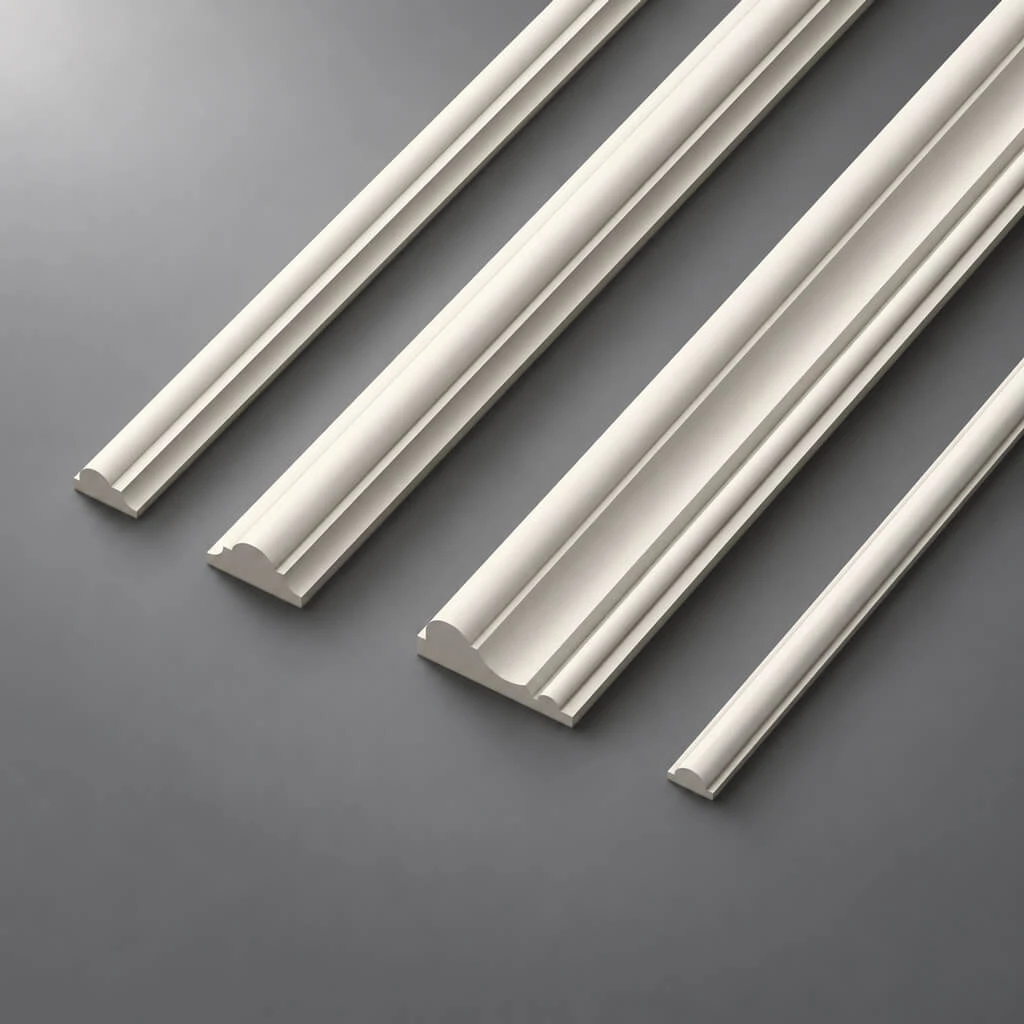
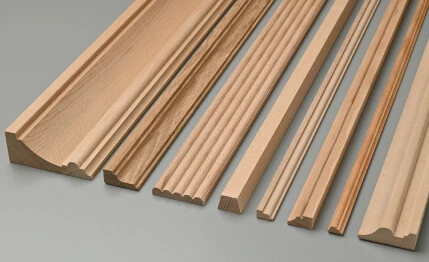
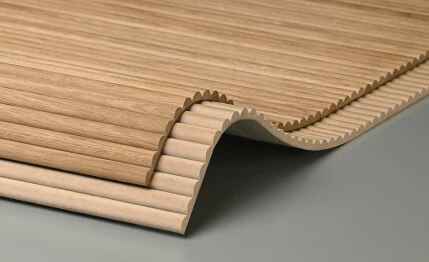
Moldings for furniture — profile wooden slats used to create frames, decorative divisions, transition zones, and visual structuring of furniture surfaces.
In furniture manufacturing, moldings are one of the most versatile decorating tools. With their help, a smooth MDF or plywood facade is transformed into a classic facade with a frame and field.
How moldings are used in production
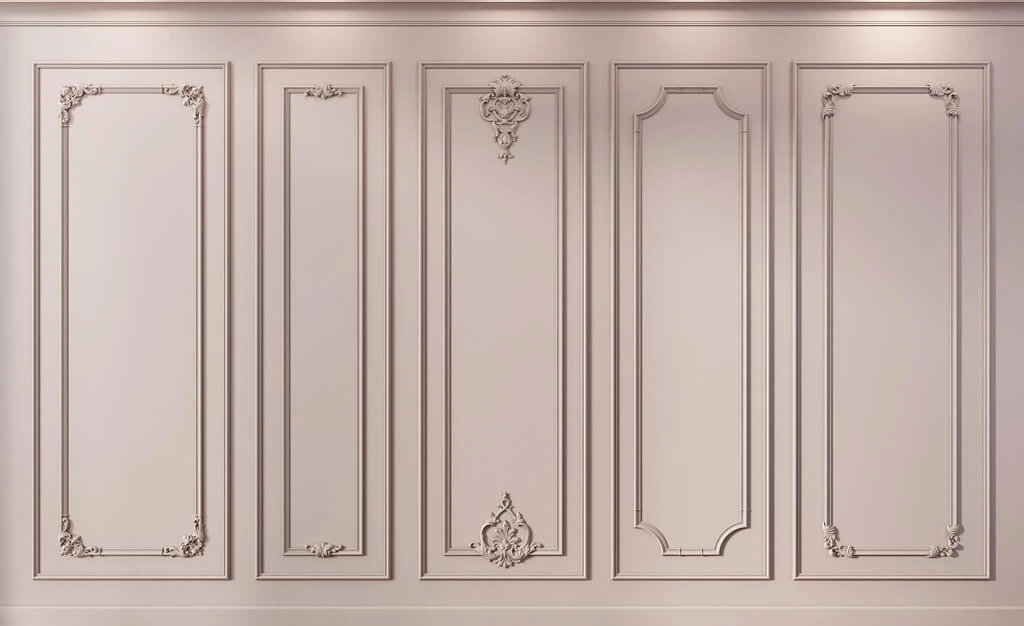
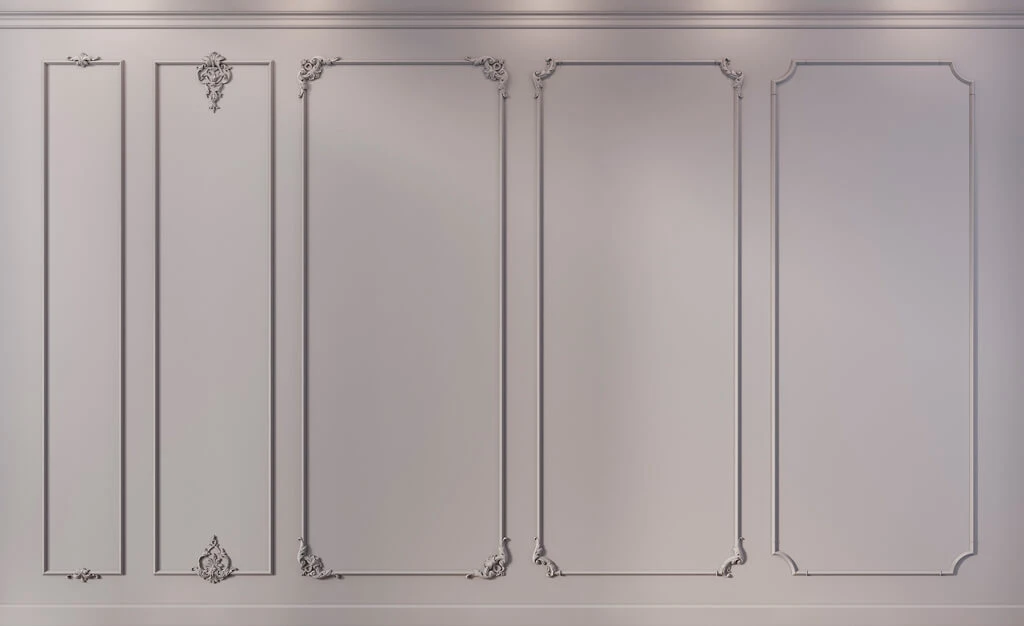
Frames on facades. The molding is glued along the perimeter of the facade, forming a frame around the central field. A simple technique that instantly gives the facade a classic or neoclassical character.
Panels and internal divisions. The molding divides a large facade into several zones: upper and lower fields, horizontal division. This is a classic technique for tall cabinet doors and buffet doors.
Decorative belts. A horizontal strip of molding between the tiers of a buffet, between the upper and lower zones of a cabinet — creates a decorative "belt" that visually divides the piece.
Body design. Molding along the perimeter of the top lid of a chest, along the upper edge of a nightstand, along the lower edge of a cabinet cornice — completes the shape of the piece and adds depth.
Molding profiles
Main profiles used in furniture manufacturing:
-
Quarter round (ovolo) — a convex semicircular profile. Soft, neutral.
-
Gooseneck (cyma) — S-shaped profile. Classic furniture and architectural profile.
-
Heel — reverse ogee. For lower cornices and baseboards.
-
Straight with chamfer — strict profile for neoclassical and modern classic styles.
-
Straight with double chamfer — more complex, for accent bands.
When buying moldings wholesale, the length of the rod is important: standard lengths are 2.4 m and 3 m. For production, it is important to order with a margin for waste when cutting at a 45° angle in frame corners.
Wooden millwork: cornices, baseboards, battens
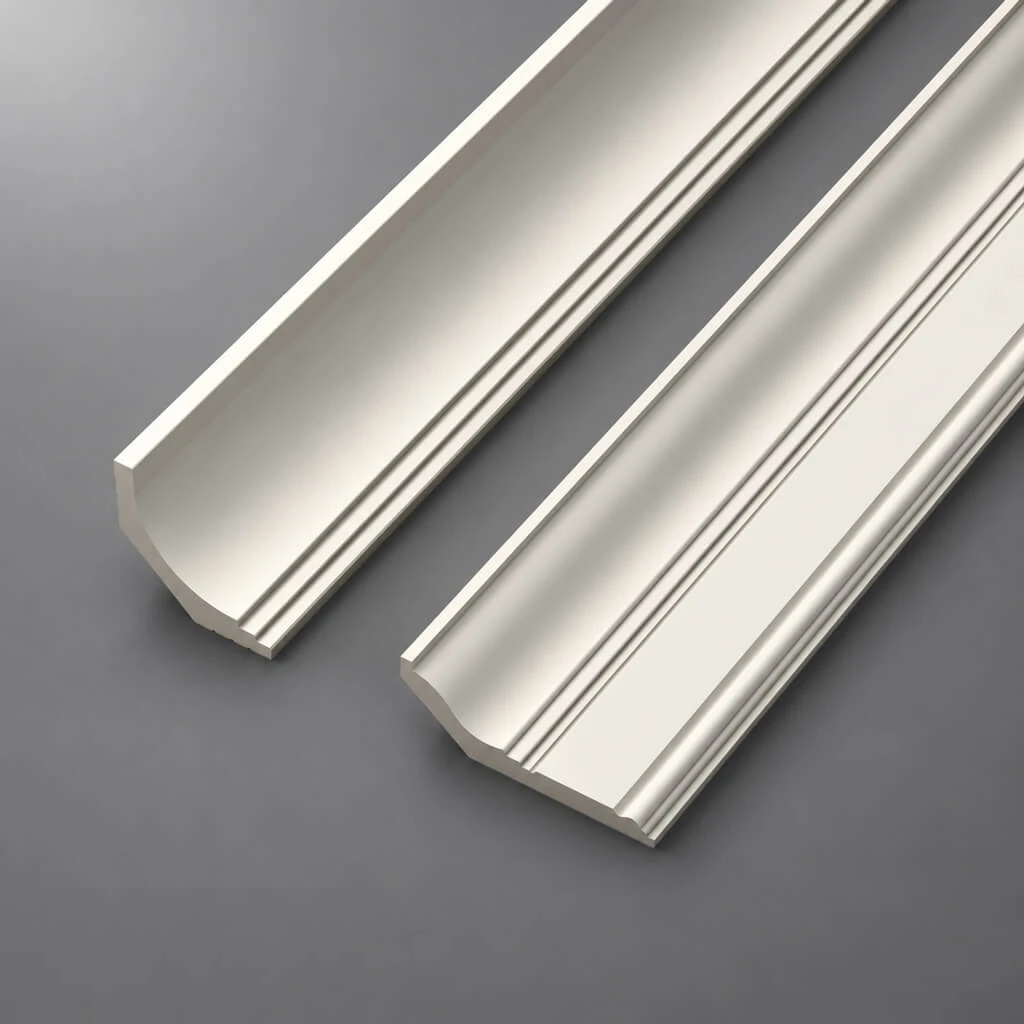
Wooden trim — cornices for the top of cabinets, baseboards for the bottom of cases, decorative battens for panels. This is a "framing" material that finishes furniture at the top and bottom.
For manufacturers producing cabinets and sideboards in a classic style, millwork is a mandatory wholesale purchase item: top cornice + bottom baseboard = a finished silhouette of the piece.
How to select hardware in a consistent style: a systematic approach
The most costly mistake in furniture manufacturing is to buy handles from one supplier, legs from another, overlays from a third, and moldings "whatever was available." The result: handles with thin posts, legs with a heavy classic profile, overlays with baroque ornament, moldings straight without decoration. The furniture is inconsistent — it is harder to sell, harder to justify the price.
Professional approach: a single stylistic system for the entire decorative furniture set.
Classical and Baroque
For furniture in this style:
-
Handles: brackets with a pronounced profile, turned buttons with a decorative handle, tinted in "dark walnut" or "patina"
-
Legs: turned with a classic profile (vase, ball, cone), tall, tinted to match the handles
-
Overlays: rosettes with leaf ornament, corner acanthus decors, friezes
-
Moldings: with a pronounced profile — ogee, cyma, complex composite cornice
-
Carved decor: capitals, garlands, rocailles — for upper belts
Neoclassicism
-
Handles: brackets with a straight cylindrical rod, buttons of strict shape, tinted in "oak" or white enamel
-
Legs: straight tapered or turned with a moderate profile
-
Overlays: geometric frames, small central rosettes, without complex ornament
-
Moldings: straight with chamfer, "quarter-round", thin ogee
Modern classic
-
Handles: minimalist-shaped brackets, long horizontal profiles, white enamel or natural lacquer
-
Legs: tapered or rectangular, moderate height
-
Overlays: neutral geometric elements, rectangular frames
-
Moldings: straight with one chamfer, neutral profile
Country and Provence
-
Handles: brackets with a slight curve, buttons with a handcrafted feel, oil finish or stain
-
Legs: tapered or slightly curved, in natural wood tone
-
Overlays: floral motifs, leaf ornament
-
Moldings: with a soft profile, without strict geometry
What is important when wholesale purchasing wooden fittings: ten criteria
Wholesale purchase of furniture fittings is not about "buying more for less." It is a strategic decision that determines the stability of the production process and the quality of the finished furniture.
Repeatability of products
The main requirement for serial production: each subsequent order must yield identical products. Dimensions, profile, coating shade — everything must be reproduced with a tolerance of no more than ±0.5–1 mm and ±5% in color.
Ask the supplier: what tolerances are used to manufacture your item? If the answer is vague, it poses a risk for serial production.
Quality of wood processing
The surface of wooden fittings must be sanded to P180–P220 before coating, without scratches, burrs, or unsanded areas. A handle with "roughness" provides an uncomfortable tactile experience for the furniture buyer.
When choosing a supplier: request samples before placing a wholesale order. A physical sample speaks more about processing quality than any description in a catalog.
Breadth of Assortment
A good supplier of wholesale wooden furniture fittings should offer:
-
Handles: at least 3–4 types of shapes in several sizes
-
Legs: at least 4–6 profiles in several heights
-
Overlays: several ornament styles
-
Moldings: several profiles in different sizes
This allows you to select everything in one place, without having to supplement the assortment from different suppliers.
Availability of elements in several sizes
A handle of one SKU should be available in several lengths (96, 128, 160 mm center-to-center) — for different facades. A leg of one SKU — in several heights (70, 100, 150, 200 mm). This ensures a unified style for different types of furniture.
Option to order without coating
For manufacturers working with furniture for unified painting — mandatory availability handles without coating и legs without coatingThese are not "unfinished" products — they are professional blanks for the production cycle.
Compatibility of fastening dimensions
Handle center distances, diameters of threaded inserts in legs, and the placement of mounting holes in overlays must all comply with standards or be clearly documented for integration into the production process.
Material: check the wood species
Good wooden fittings are made from hardwoods: beech, oak, ash. Softwoods (pine, poplar) are for decorative, non-load-bearing elements. Ensure the supplier declares the species, not just "solid wood."
Packaging for wholesale batches
Wooden fittings are damaged during transport: scratches, chips, moisture stains. High-quality wholesale packaging: each item in individual film or paper, packed in boxes without voids.
Minimum order quantity and order flexibility
For small productions and workshops, the ability to order small batches is important: from 10–20 pieces of one item. For large productions, calculating a large batch with a discount is important. The supplier should offer both schemes.
Delivery times and supply stability
Delivery times are critical for production planning: if legs are delayed by 2 weeks, production stops. Check with the supplier about stock availability for key items.
Wholesale furniture fittings in Moscow: what to consider when ordering
Moscow and the Moscow region are the largest furniture production market in Russia. Dozens of factories, hundreds of workshops, and thousands of designers are concentrated here, who need wooden furniture fittings for projects of various scales.
Working with the catalog
When wholesale purchasing wooden fittings in Moscow, start with the supplier's full catalog. It is important to see not only photos but also exact dimensions, wood species, available finishes, and article numbers. This allows you to make an accurate order without the need for repeated clarifications.
on STAVROS website a complete range of wooden furniture fittings is collected: handles, legs, overlays, moldings, carved decor, millwork — with a description of the material, dimensions, and finish options.
Selecting fittings for the project
For a project purchase (a designer or specifier buys for a specific object), it is important to be able to select the entire set: handles + legs + overlays + moldings in a unified style. A good supplier helps with this: consultation on element compatibility, selection of a stylistically coordinated set.
Delivery to Moscow and regions
STAVROS works with delivery across Moscow and to the regions. For small batches — courier delivery or pickup. For large batches — transport companies. Packaging is adapted for transporting wooden fittings without damage.
Samples Before Ordering
For new suppliers, it is fundamentally important: first samples, then the batch. A small test order of 5–10 pieces of key items allows you to evaluate the quality of processing, dimensional accuracy, and color matching of the finish to catalog samples. This is standard practice for professional buyers.
Typical mistakes when wholesale purchasing furniture fittings
Even experienced manufacturers make them. And each one is costly — in money, time, and reputation.
They buy technical-functional and decorative fittings as one. Hinges, guides, ties — one type of supplier. Handles, legs, moldings — another. Mixing the sources of these two categories in one tender is a bad idea.
They take handles, legs, and overlays from different styles. "Pretty handles," "strong legs," "cheap overlays" — three different motives from three different collections. Result: furniture without style.
They don't check the center-to-center distance of handles with already drilled facades. The facades are already drilled for 128 mm, but the handles are bought with a 96 mm center distance. Rework is a loss of time and material.
They order without a reserve for defects and replacements. Defects in furniture production are inevitable: 2–5% of facades, drawers, doors may be damaged. For each batch of fittings, a reserve of 5–10% is needed.
They paint fittings with a coating over a finished one. A "coating over coating" — poor adhesion, peeling in friction areas. Buy either fittings with the desired color, or without coating — for self-finishing.
They don't account for the load on legs. Decorative legs made of soft wood under a load of 60 kg — quickly deform. Check: wood species, cross-section, fastening unit design.
They mix metal and wooden fittings in one collection. Chrome-plated metal legs + wooden beech handles — a material conflict. Wooden fittings require a wooden environment.
They buy moldings without accounting for waste from cutting. A molding frame is four corner cuts at 45°. Waste is 15–25% of the length. Order with the appropriate reserve.
They don't require batch repeatability. Today one shade of tinting, six months later another. For serial production this is a disaster: furniture from the second batch differs from the first.
They don't compare the cost of "cheap × many" and "quality × correct." Cheap handles made of soft wood that wear out in a year are a warranty case and a lost customer. Proper wooden fittings are a one-time and long-term solution.
FAQ: answers to the main questions about wholesale purchase of furniture fittings
Where to Buy Wholesale Furniture Hardware in Moscow?
on STAVROS website — full catalog of wooden furniture fittings: handles, legs, overlays, moldings, carved decor, millwork. We work with manufacturers, workshops, and designers. Delivery in Moscow and to regions.
What is included in wooden furniture fittings?
Furniture handles (staples, knobs), furniture legs (turned, conical, shaped), decorative overlays, moldings, carved decor, wooden millwork (cornices, baseboards). This is a decorative and functional-decorative group — unlike technical fittings (hinges, guides).
Can I order furniture handles wholesale?
Yes. wooden furniture handles available in several shapes (staples, knobs), sizes (center distance 64–250 mm), with and without coating. Order in batches — from 10 pieces.
Which furniture legs are suitable for production?
For serial production — beech, standard profiles (conical, classic turned) with threaded inserts for fastening. furniture legs without coating — for productions with a single painting cycle.
What to choose for furniture facades: overlays or moldings?
Both tools are needed. Moldings — for creating frames and structural divisions. applique — for point decorative accents in the center and corners of the facade. The best result is a combination of both.
Is wooden furniture hardware suitable for furniture to be painted?
Yes, and this is the main scenario. handles without coating и Uncoated legs are included in the general cycle of surface preparation and are painted together with the facades.
Can I select handles, legs, and decor in the same style?
Yes. The STAVROS catalog features elements in several style directions: classic, neoclassic, modern classic, country. Consultation on selecting a stylistically coordinated set is available.
What fittings are suitable for classic furniture?
Turned legs with a classic profile, handle brackets with a pronounced handle profile, overlays with leaf or floral ornaments, moldings with a "goose neck" or "heel" profile, Carved Decor with ornamental motifs.
What is important when purchasing fittings for a carpentry workshop?
Wide assortment (many items in different sizes), possibility of small batches, availability of elements without coating, repeatability of products from batch to batch, samples before a large order.
Is there delivery of furniture fittings to Moscow?
Yes. STAVROS delivers to Moscow and the Moscow region, as well as to other regions via transport companies. Details are on the site.
STAVROS: a systematic supplier of wooden furniture fittings
Furniture production is a system. And fittings should be a system, not a set of randomly selected parts from different suppliers.
STAVROS offers a full range of wooden furniture fittings for wholesale purchase: Furniture Handles in several shapes and sizes, Furniture legs for any type of furniture, Decorative Inserts и Carved Decor for facades, Moldings и Wooden trim — all made from solid hardwood, with or without coating.
We work with furniture manufacturers, carpentry workshops, designers, and suppliers. Delivery within Moscow and to other regions. Samples available upon request before wholesale orders.
STAVROS — because the right hardware makes the right furniture.