































































Article Contents:
- What is wall skirting: clearing up confusion immediately
- Wall skirting and floor skirting: what's the difference
- Wall skirting and molding: when they're the same thing
- Wall skirting and panel profile
- Wall skirting and stucco
- What material to choose for wall skirting
- Wooden skirting and wall profile
- MDF profile for walls
- Polyurethane decorative wall profile
- When to choose what: a practical scheme
- What tasks wall skirting boards are purchased for
- For decorative frames and molding layouts
- For wall and slat panels
- For TV zone
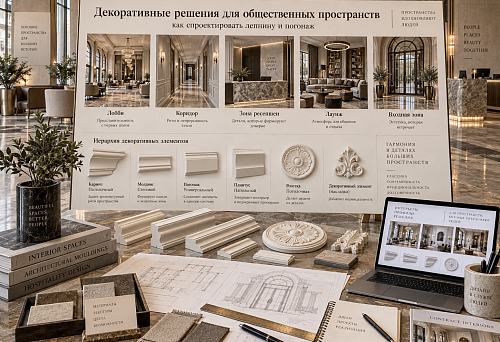
- For hallway and corridor
- for the bedroom
- living room
- For classic interiors
- For Modern Interiors
- How to choose wall skirting boards: five dimensions
- By interior style
- By profile width and height
- By relief
- By finishing method
- Combination with other elements
- What to combine wall skirting boards with: seven pairings
- With Mouldings
- With slatted panels
- With molding
- With cornices
- With wooden slats
- With decorative overlays
- With floor skirting board
- Installation and practical questions
- What to mount wall profile on
- Can wall skirting be painted
- How to join corners
- How to avoid overloaded decor
- Why it's advantageous to buy wall skirting at STAVROS
- FAQ: answers to questions about wall skirting

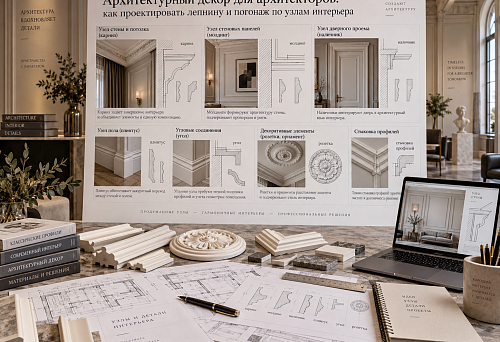
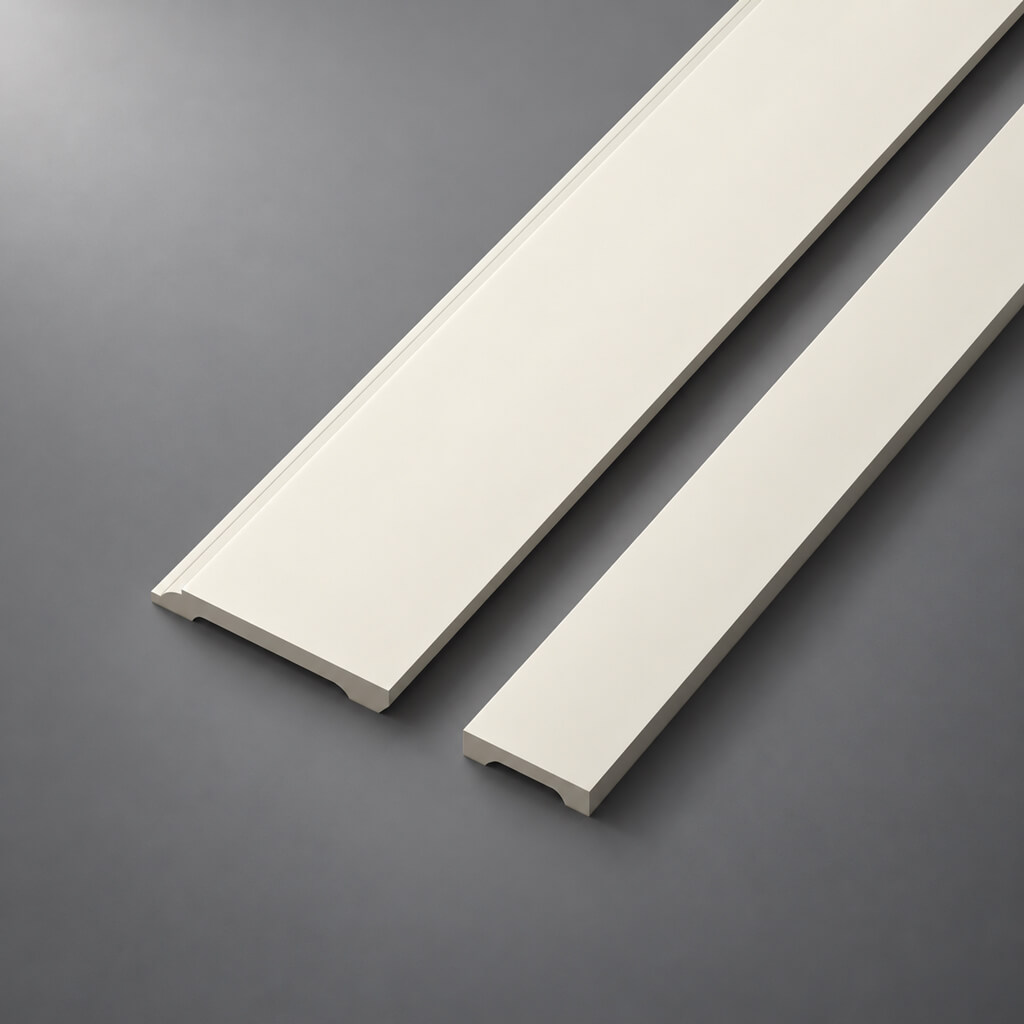
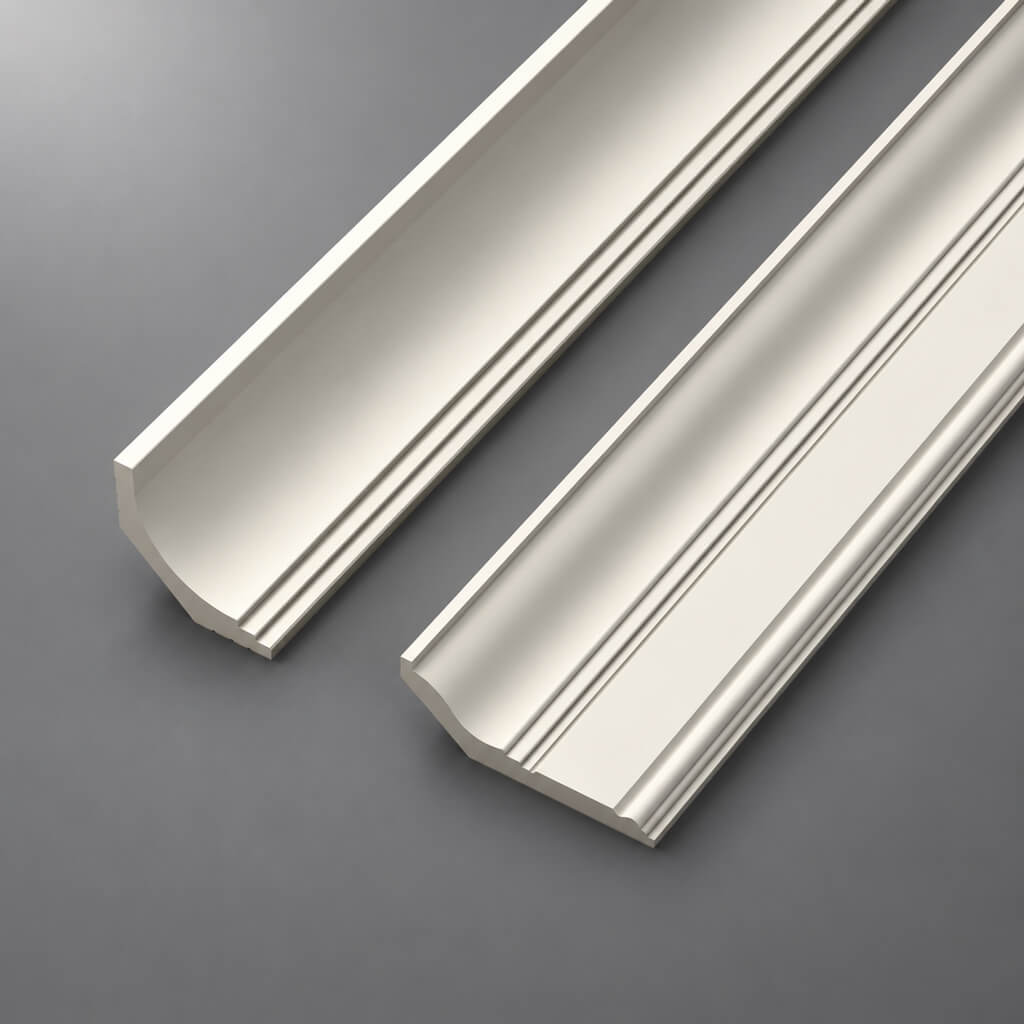
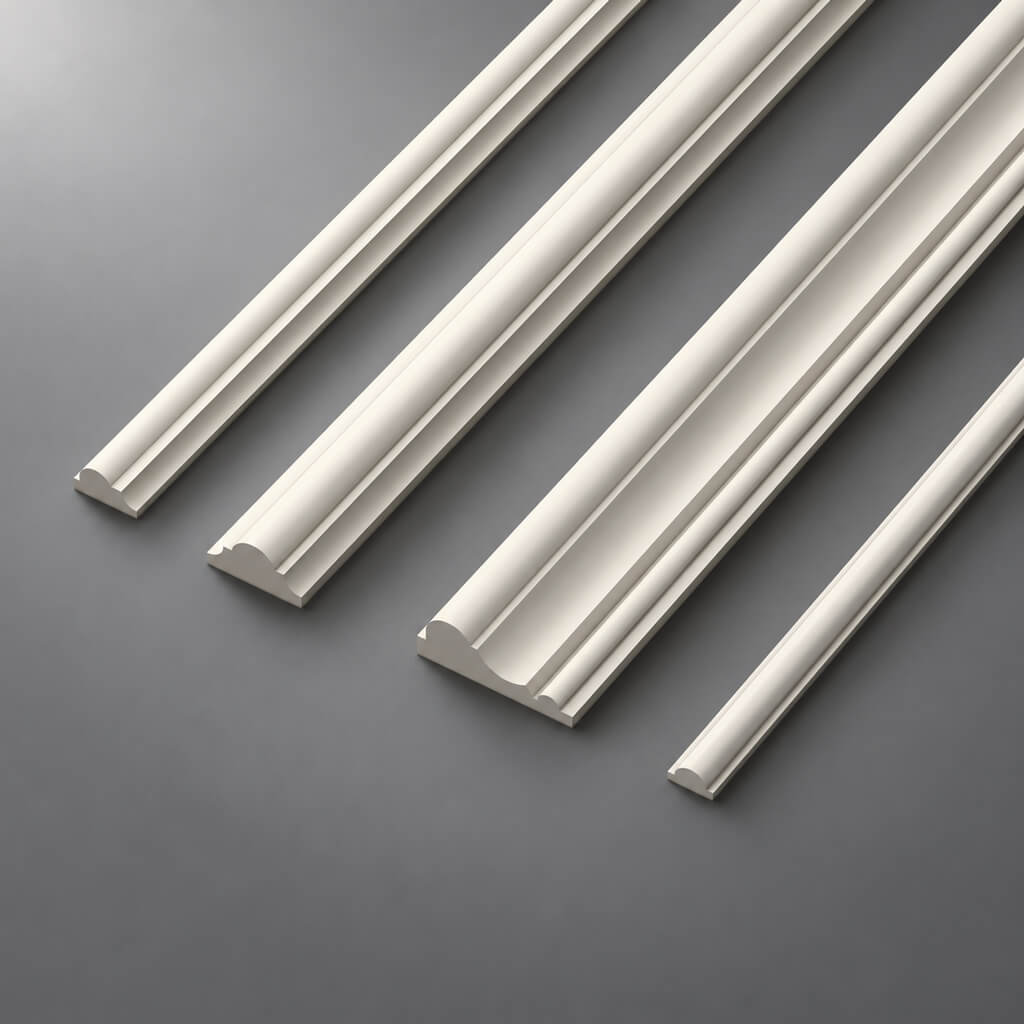
When people say 'wall skirting'—behind these three words lie several fundamentally different tasks. Some are looking for a frame for molding layout in the living room. Others—a profile for framing slatted panels. Still others want a wall decorative element for the TV area or hallway. And each says it in their own way, but means one thing: a wall decorative profile that will give the wall architectural expressiveness.
This is not a floor skirting board, although they may look similar externally. It is not molding in the literal sense, although polyurethane profiles are sometimes classified as such. Wall skirting is a decorative linear element that lives on vertical planes and is responsible for how the wall looks: as a frame, as a border, as a lower or middle band, as part of a molding system.
This article is a detailed guide to all options. Material, size, style, purpose — we'll break down every dimension of choice so that in the end you find exactly what you're looking for.
Go to the STAVROS catalog:
-
Moldings for walls to buy— wooden and MDF profiles in full assortment
-
Buy wooden molding— solid natural wood for wall layouts
-
Buy slatted panels for walls— wooden slats and panels for accent walls
-
Buy moldings— polyurethane products for classic decor




What is wall skirting: clearing up the confusion right away
The question 'what exactly to understand by wall skirting' is the first and most fundamental. The answer depends on the purpose.




Wall skirting and floor skirting: what's the difference
Floor skirting is attached horizontally at the floor. Its task is to hide the expansion gap between the floor covering and the wall. It is a functional element with decorative aspirations.
Wall skirting is a different product. It is mounted on a vertical surface anywhere—at the base of the wall, in the middle, around the perimeter of a panel zone, as a frame, as trim, as a dividing strip between finishing zones. Its task is primarily decorative: to create a visual structure for the wall.
Both products can have a similar cross-section. But their application, installation, and selection logic are different.
Our factory also produces:


Wall skirting and molding: when they are the same thing
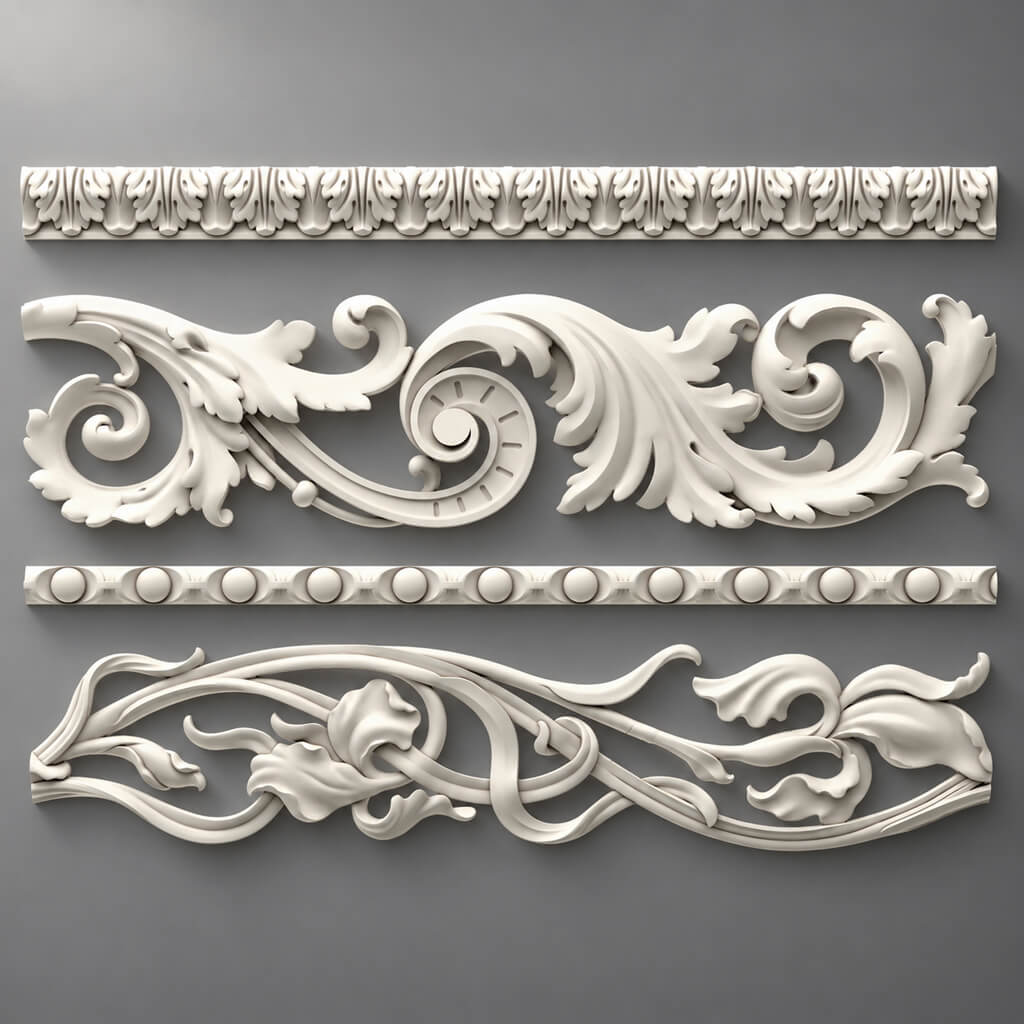
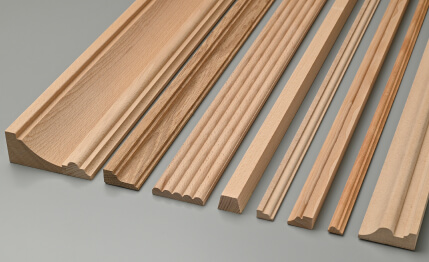
In colloquial practice and internet searches, 'wall skirting' and 'wall molding' are often synonyms.Buy wooden molding—this is precisely a decorative profile for the wall with various cross-sections: smooth, with a bead, stepped, shaped. The difference lies in terminology and partly in size. Molding is usually more refined, wall skirting is more neutral.
Get Consultation
Wall skirting and panel profile
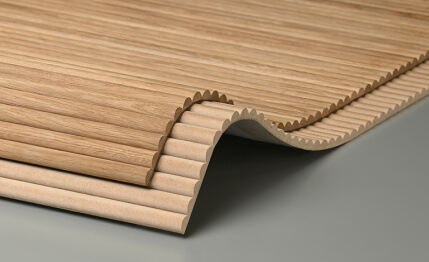
slatted panels for wallsrequire framing: a bottom profile, top profile, side profile. This framing profile is also wall skirting, just in a specific role. It covers the panel cut, creates a clean bottom line, and makes the installation look finished.
Wall skirting and stucco
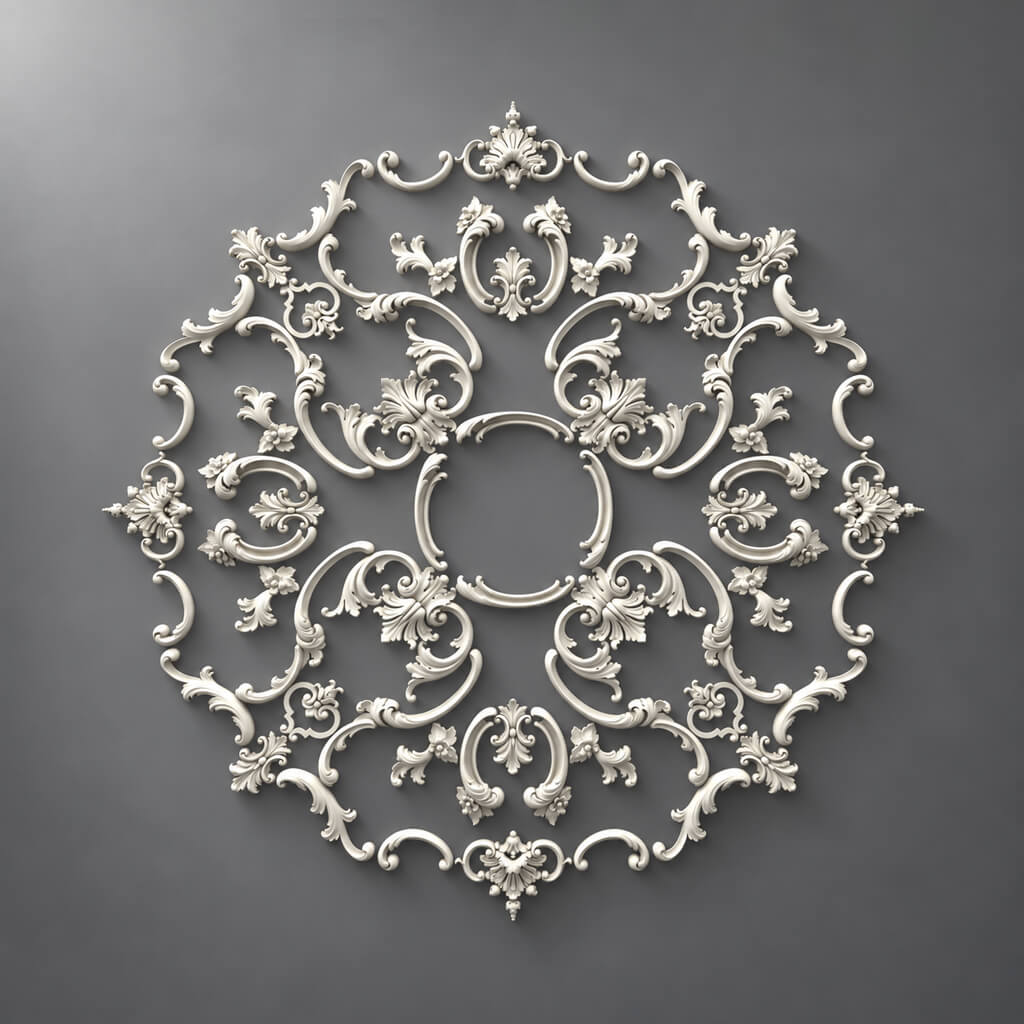
wall molding for sale—these are polyurethane or gypsum elements with relief, ornament, classical details. Stucco is richer, more voluminous, more artistic. Wall skirting is more concise and functional. But there is no strict boundary between them: a polyurethane wall molding can be both at the same time.
Which material to choose for wall skirting
This is a key decision. The material determines both the appearance and the price, as well as the installation and durability.
Wooden skirting board and wall profile
Buying a wooden baseboard— means choosing a natural texture, warm tone, and living surface. Wood on the wall is perceived differently than any substitute: it provides depth, ages beautifully, and allows for complete restoration.
Where wooden skirting board for the wall works flawlessly:
-
In interiors with wooden floors, solid wood furniture, and wooden doors — a unified material language
-
In classic, neoclassical, country, and library interiors
-
In molding layouts under varnish or white enamel
-
In TV zones with wooden panels or shelving made from natural materials
to buy wooden baseboardmade of oak or beech — is an investment in long-term results. Oakwooden moldingwith clear varnish on the living room wall creates a sense of a designed, not just renovated, space.
Important nuance: wooden wall skirting requires the same acclimatization and same 8–12% moisture content as any other wooden element. Fluctuations in room humidity can lead to deformation. For kitchens with significant steam and moisture fluctuations — consider this in advance.
MDF wall profile
buy MDF skirting boardfor the wall — the choice for those who value precise geometry, dimensional stability, and the ability to paint any color.
MDF does not react to moderate humidity fluctuations as sharply as solid wood. It accepts primer and paint well — the surface becomes perfectly smooth, without texture marks. This is exactly what's needed for molding layouts under white enamel in modern or neoclassical interiors.
MDF skirting board for painting, buy— means getting a surface ready for final painting. The most popular scenario: white molding frames on light gray or warm beige walls. This is a professional designer technique that gives the wall architectural structure without overloading it.
Polyurethane decorative wall profile
Polyurethane Itemsfor walls — these are classic relief profiles, shelf-moldings, complex shaped sections. Lightweight, not afraid of moderate humidity, easy to paint, hold profile detailing well.
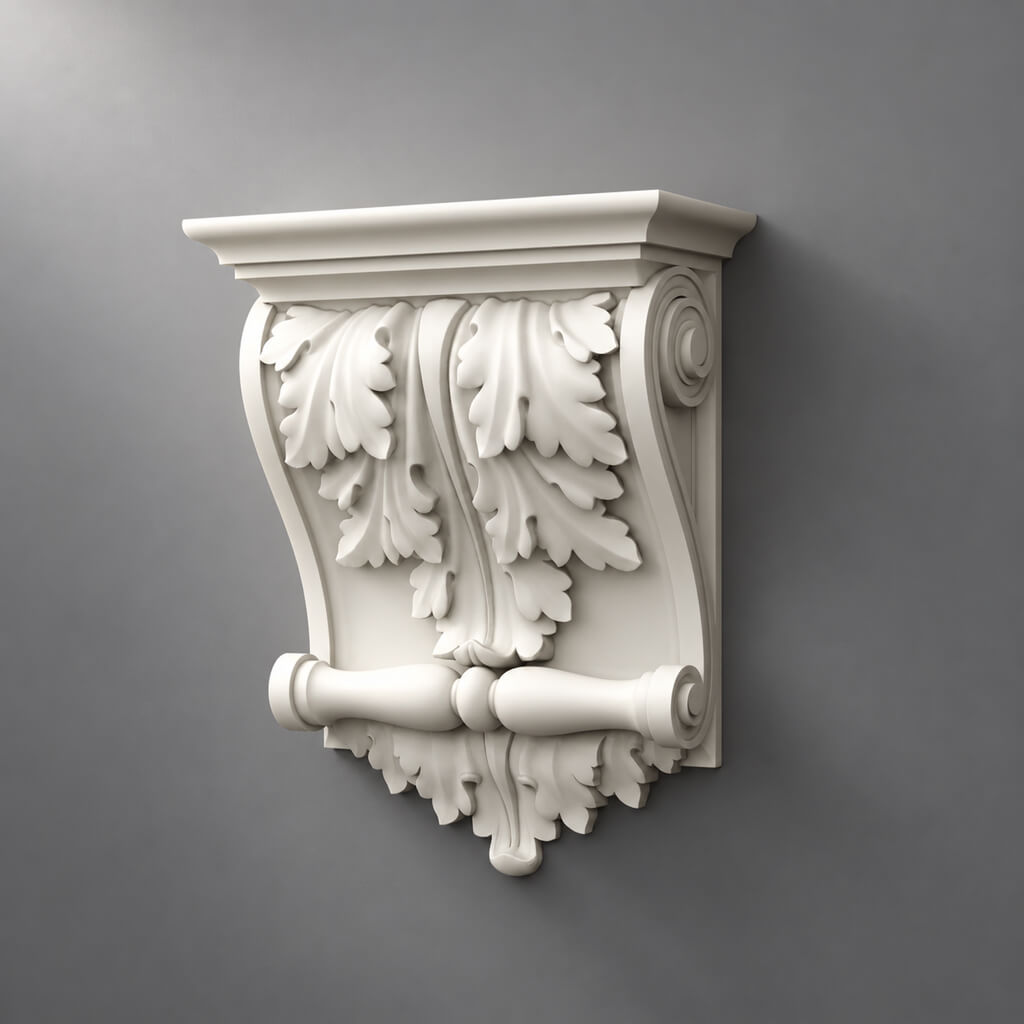
Polyurethane is the best choice for complex classical relief: twisted covings, ornamental belts, shaped cornices on walls. Where wood or MDF would produce too expensive and labor-intensive products —Polyurethane moldings, cornices, and skirting boardshandle it elegantly.
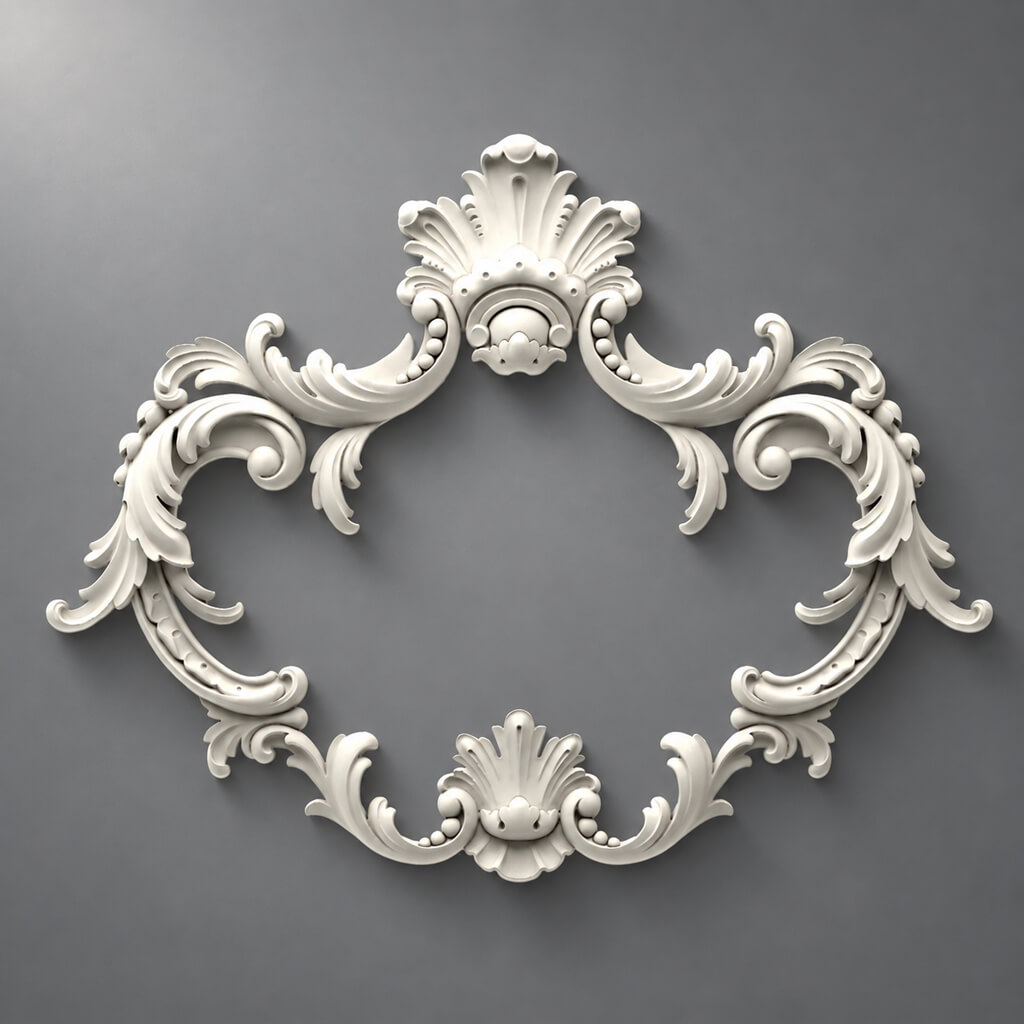
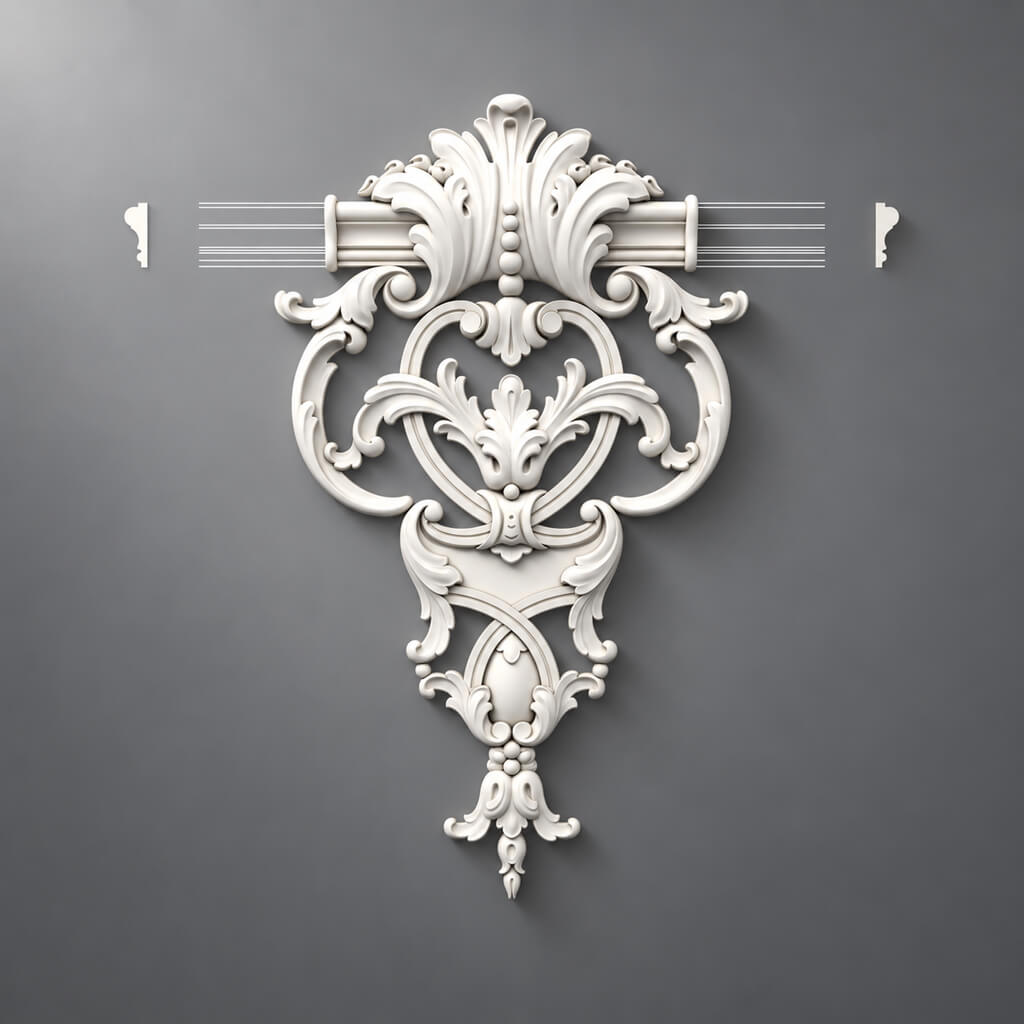
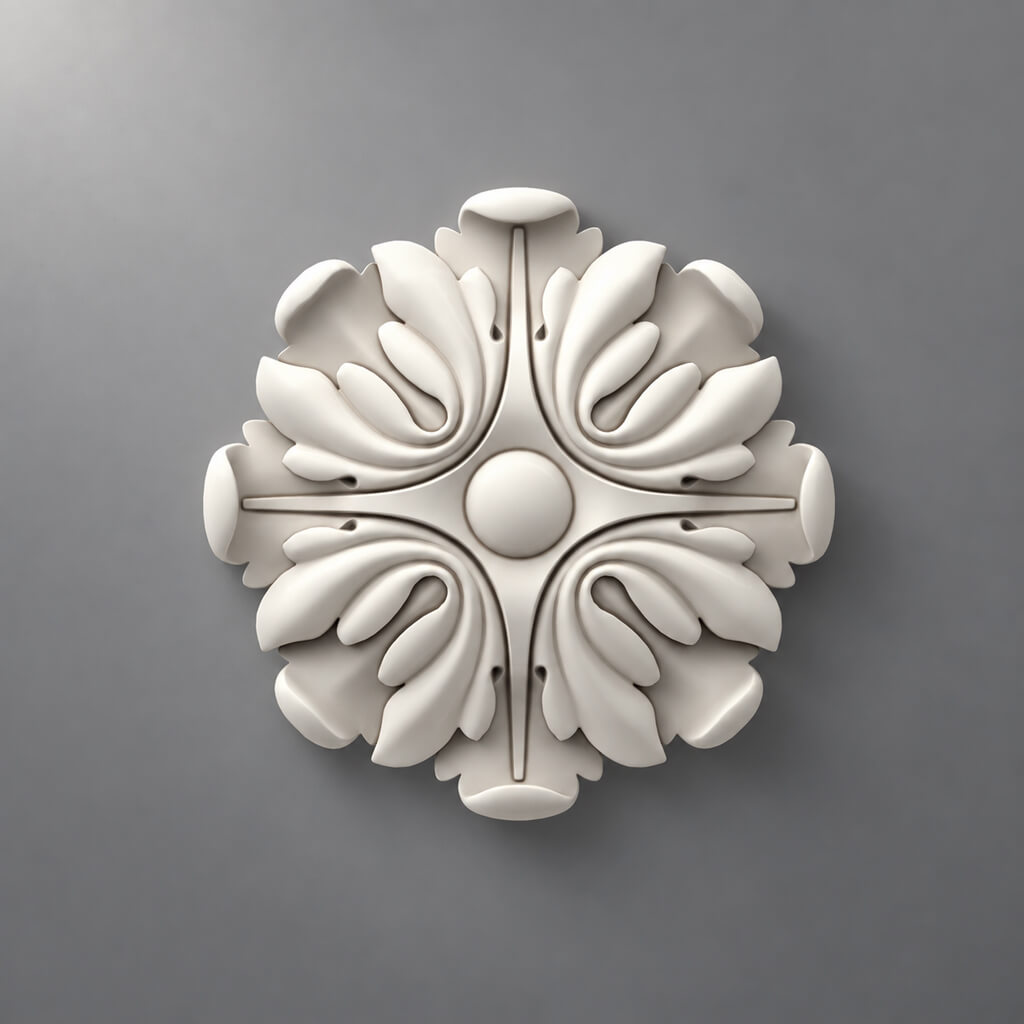
wall molding for sale— these are precisely polyurethane decorative overlays: medallions, rosettes, ornamental inserts in molding frames. A classical interior without these elements is incomplete.
When to choose what: practical scheme
| Task | Material |
|---|---|
| Wooden wall layout for varnish | Wood (oak, beech) |
| White moldings for painting | MDF or wood (beech) |
| Profile for framing slatted panels | Wood or MDF |
| Decorative wall frame in classic style | MDF for painting or polyurethane |
| Molded relief on the wall | Polyurethane |
| Modern concise profile | MDF or wood |
| Decorative overlays and accents | Polyurethane or wood |
What tasks are wall skirting boards purchased for
Let's examine specific scenarios — this is where understanding intent becomes more important than any theoretical knowledge about materials.
For decorative frames and molding layouts
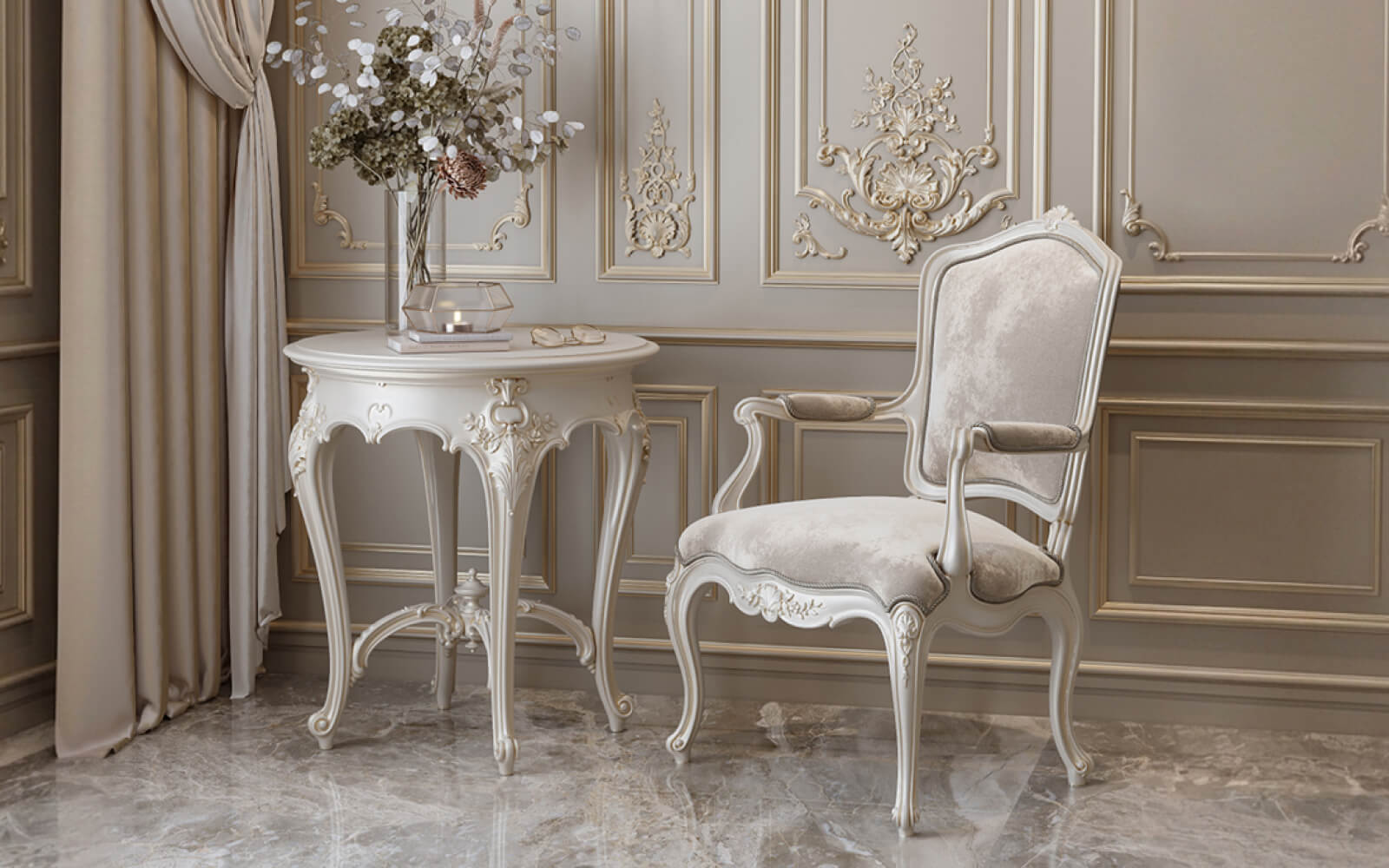
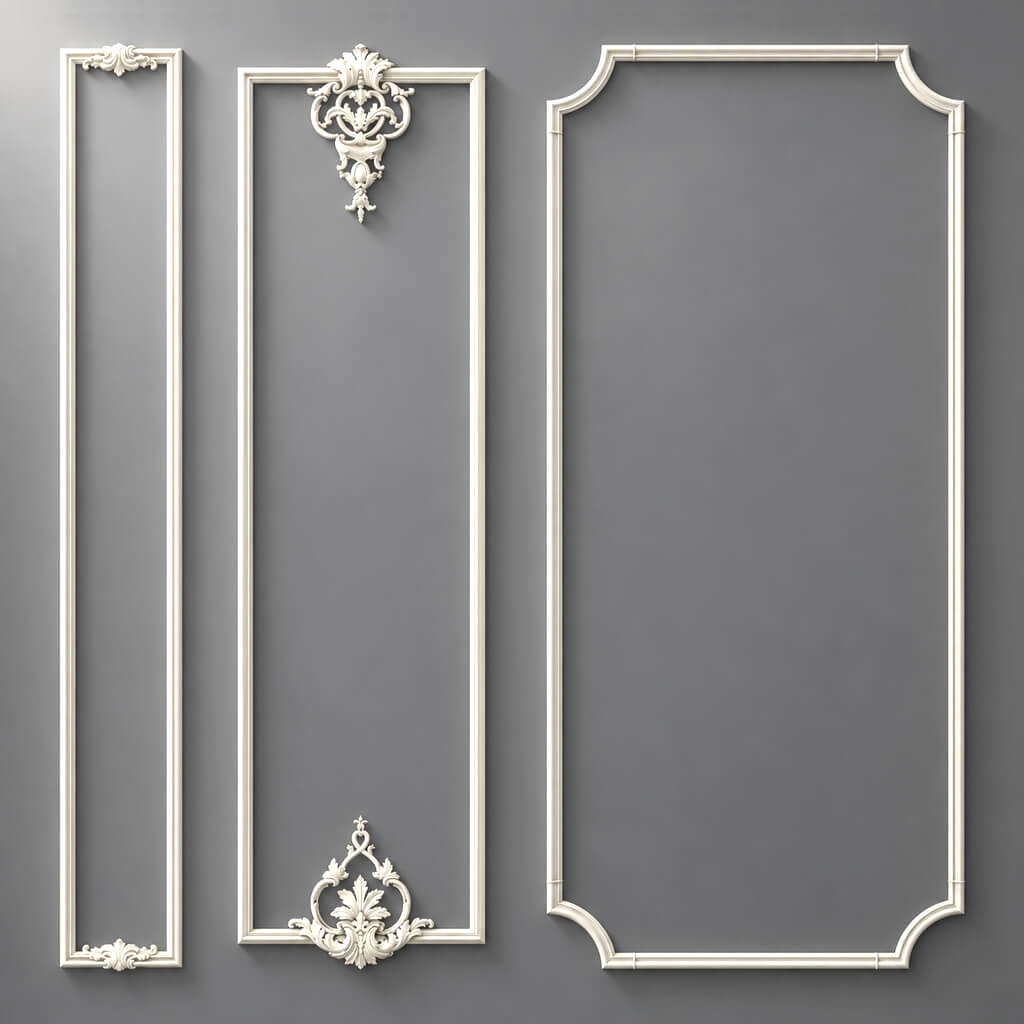
Molding layout — a system of rectangular or geometrically complex frames on the wall that make the surface multi-dimensional and architecturally rich. This is a classic designer technique used in 18th–19th century interiors and still works in modern classical and neoclassical living rooms.
Moldings for walls to buy— the first step to creating such a layout. A profile made ofwoodwith a classic shaped cross-section or MDF for painting white — this is the original component of the system.
The principle works like this: the wall is divided into rectangular 'fields,' each of which is framed bywooden moldingor MDF profile. Inside the frame — painting in a different tone, wallpaper, fabric, or wooden panels. Outside — a neutral wall background. The result is a wall with internal depth.
For wall and slat panels
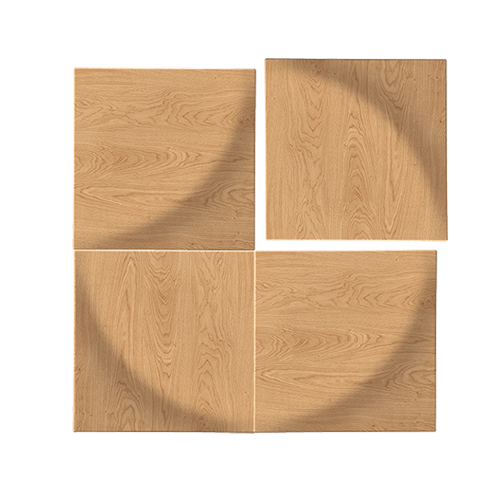
Buy slatted panels for walls— this is one of the most popular requests today. Vertical wooden slats on the wall create rhythm, texture, and the warmth of natural material. And it is here that wall skirting is needed as a framing element: a lower profile under the slat system, an upper transition to the ceiling.
Buy slatted panels for wall finishing— means simultaneously considering how to cover the lower end of the panels at the floor and the upper end at the ceiling. Without a framing profile, the slat panel looks unfinished.
For the TV zone
The TV zone is one of the main focal points in the living room. Visual attention is concentrated here, furniture is oriented towards it, and an accent wall is often created here.Buy oak wooden planks for walls— one of the most popular solutions for a TV background. Paired with a framing profile, this creates a complete visual block.
A simpler option: a molding frame around the TV zone withdecorative inlaysat the corners — a classic and always expressive technique.
For the hallway and corridor
The hallway is the most 'beaten-up' room in the house. Walls here suffer from bags, shoes, children, and umbrellas. A lower decorative belt made ofwooden wall skirting90–120 cm high — this is both wall protection and a beautiful solution. A dado panel or wall panel with a bottom skirting and top molding — a traditional English solution that still works.
For the bedroom
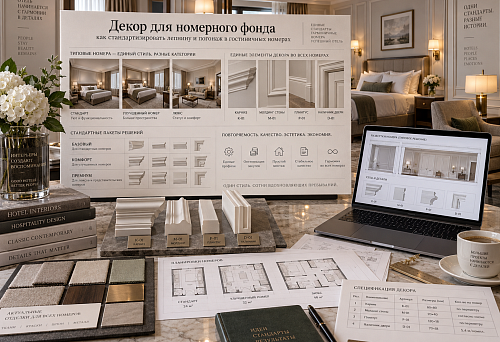
The bedroom — a place where you want peace and warmth.Wooden molding framesaround the headboard, a light white profile around the perimeter of the accent wall — this is not overload, but structuring. The wall gains proportions and scale that make the bedroom resemble not a hotel room, but a thoughtful personal space.
For the living room
In the living roomwall decorative profileworks in several scenarios. Molding frames around the perimeter or on accent walls — for classic style. Slats in the TV area with a profile — for a modern interior.wooden planks on the wallin combination with molding framing — for neoclassicism and soft modernity.
For a classic interior
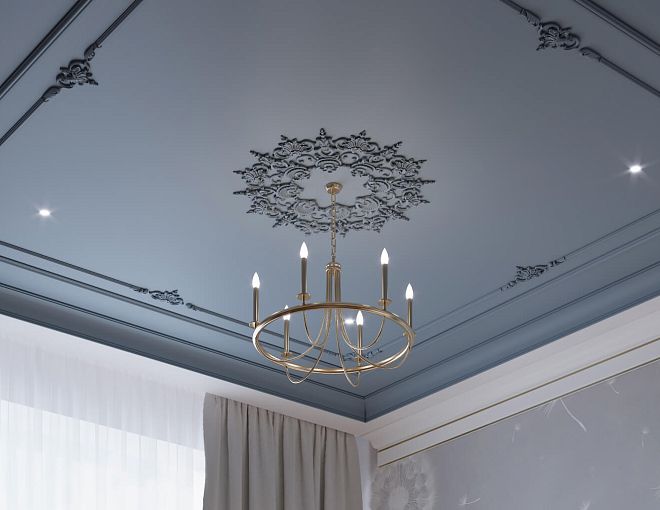
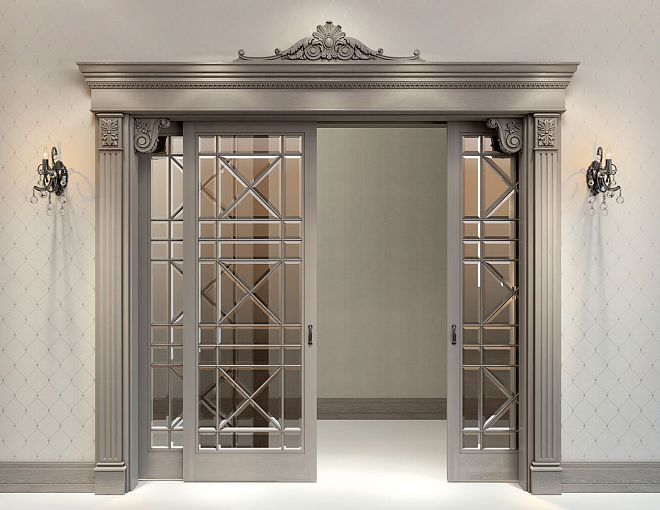
For classic style, the full arsenal is used:Buy wooden moldingfor frames,Buy moldingsfor relief details,wooden corniceon the ceiling. The lower wall belt — wall skirting or wooden panel. The middle — molding frames. The upper — cornice and stucco. A classic interior is an architectural system where each profile has its strictly defined place.
For a modern interior
Modern wall molding is minimalist, smooth, and without ornamentation.buy MDF skirting boardwith a straight profile for painting to match the wall color, installed in horizontal strips—this creates wall zoning without a classic load. Clean, modern, and luxurious in feel.
How to choose wall molding: five measurements
By interior style
Each style dictates its own profile. In minimalism—a straight, smooth strip. In Scandinavian—white MDF without relief. In neoclassicism—molding with a soft cove, white or wood-like. In classic—a shaped profile with a stepped cross-section,plaster overlayat the corners. In eclectic—you can mix, but with logic.
By the width and height of the profile
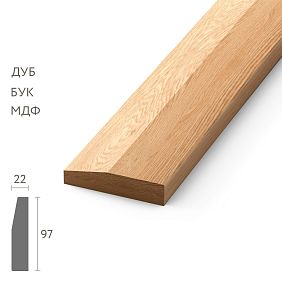
Wall molding for frame layouts: 20–50 mm width. Too narrow—it gets lost on the wall. Too wide—it dominates the frame. The golden mean—30–40 mm for most standard-height rooms.
For the lower wall belt (panel-skirting, protective belt in the hallway): 80–120 mm. It should be noticeable and read as a horizontal architectural line.
By relief
For painting white — smooth or with minimal relief. Paint makes the relief more expressive, so too complex a profile for painting gives an overloaded look. For wood varnish — a soft bead or chamfer looks organic.
By finishing method
For varnish → wood (oak, beech, ash). For white enamel → MDF or beech. For tinting → wood with porous structure (oak). For complex colored painting → MDF for painting. For classic relief → polyurethane.
Regarding combination with other elements
Wall profile does not exist in a vacuum. It is always part of a system:
-
Material of the wall baseboard = materialwooden corniceof the ceiling
-
Color of the molding = color of door and window frame trims
-
Tinting of the wall profile = tintingof the floor skirting board
-
Wood species in molding = wood speciesof slatted panelson the same wall
What to pair wall skirting with: seven combinations
With moldings
Moldings for wallsand wall skirting are parts of one system. Molding creates a frame, skirting is its lower horizontal element. One wood species, one profile, one finish — and the wall gains architectural completeness.
With slatted panels
buy wall slat panelswithout a framing profile means getting an unfinished structure. The lower skirting profile covers the end, provides a clean horizontal line, and connects the battens with the floor skirting.
With plasterwork
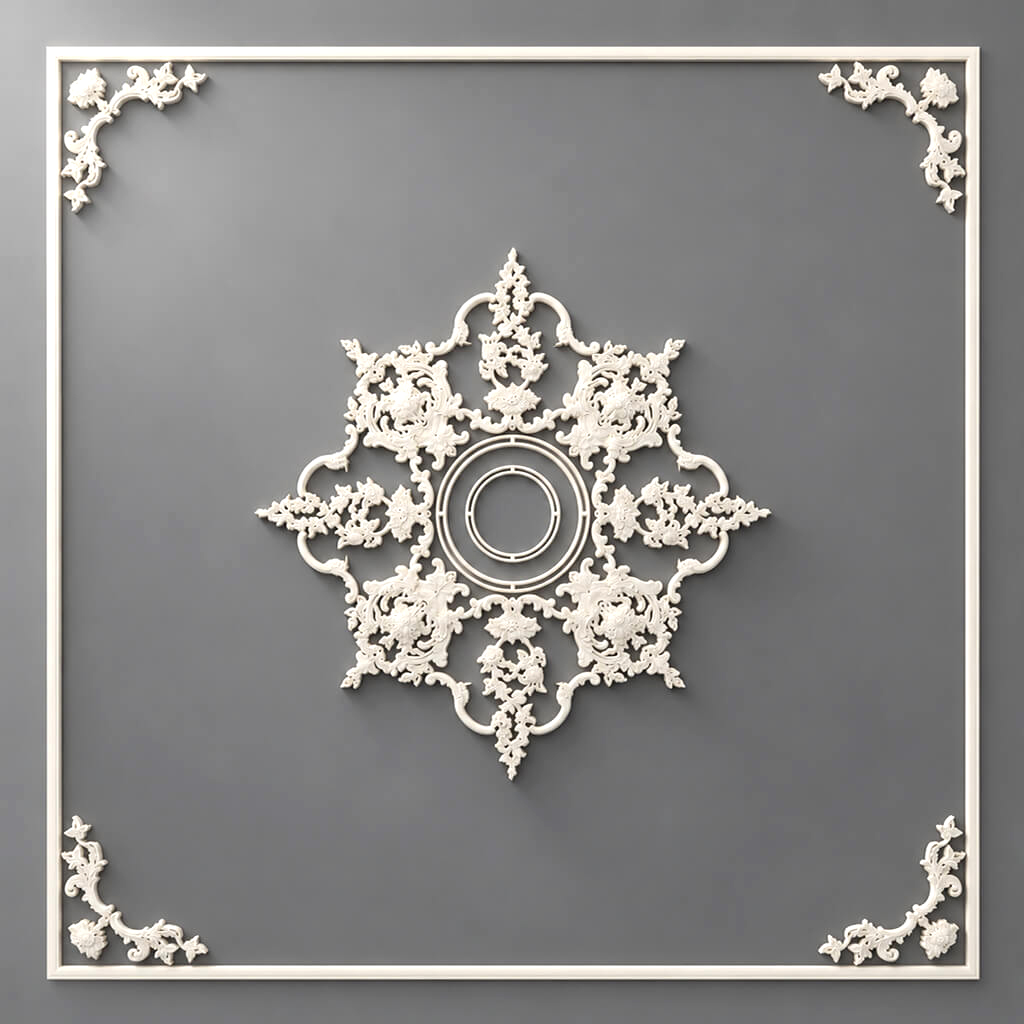
Buy Molded Decorationfor frame corners — this is the final accent of molding layout. Rosettes and medallions at frame corners turn simple geometry into classic ornamentation. Paired withwooden molding— a mix of materials that works organically in a classic interior.
With cornices
Buy wooden crownfor the ceiling, and below — wall skirting from the same wood species. The upper and lower horizontal lines of the wall form a 'frame', inside which the wall lives by its own rules.
With wooden battens
Buy oak wooden planks for walls— vertical rhythm. The lower wall skirting board is the horizontal foundation. Together they create a lattice structure on the wall, which looks expensive and deliberate in a modern interior.
With decorative overlays
Buy decorative elements— corner inserts, overlay elements, accent details. They enhance the molding layout and add individuality to the system.
With floor skirting board
The lower wall skirting board and the floor skirting board should speak the same language. This doesn't mean they have to be identical — but the material, tint, and character of the profile should be coordinated.Buying a wooden baseboard— for both the floor and the lower wall belt — a systematic approach.
Installation and practical questions
What to attach the wall profile to
For lightweight MDF and wooden moldings — liquid nails + hidden finishing nails for painting. For heavier wooden profiles — liquid nails + screws with putty over the heads. For polyurethane — special adhesive for polyurethane products.
The base must be dry, clean, and dust-free. Putty, plaster, drywall, painted wall — all options are acceptable with proper surface preparation.
Can wall skirting boards be painted
Yes.— is a horizontal element that frames the room at the bottom of the walls where the wall meets the floor. Skirting boards perform several functions: they hide the technological gap between the wall and floor covering (necessary for thermal expansion), protect the lower part of the wall from mechanical damage, create visual completion, and may conceal wiring.is primed and painted in any color with water-based or alkyd enamel. Wooden profile — painted after sanding and priming, or stained with varnish. Polyurethane — painted with acrylic paint.
How to join corners
Right angles (90°) — cut at 45° with a manual miter saw or a miter saw. For complex profiles — a copy template or template cutting. Wooden moldings allow joint puttying followed by painting.
How to avoid overloaded decor
The main rule: not all four walls at once. Molding layouts — maximum on two or three walls of the living room, or only on an accent wall. Lower wall belt — around the entire perimeter. Stucco details — pointwise, as accents.
Why it is profitable to buy wall skirting boards at STAVROS
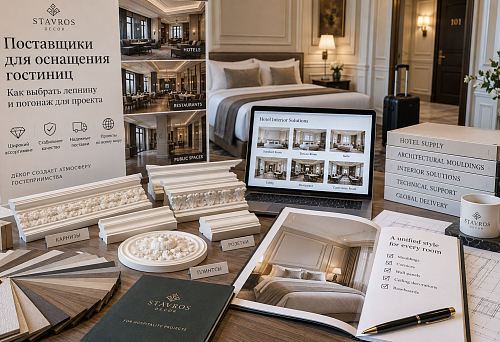
When the task is —Buy wall skirting boardmade of natural wood or high-quality MDF — not only the assortment is important, but also the systematic nature of the offer.
STAVROS offers a full range of wall decorative profiles:
-
Wooden moldingsmade of oak, beech and other species — for lacquer layouts, classic interiors, TV zones
-
— is a horizontal element that frames the room at the bottom of the walls where the wall meets the floor. Skirting boards perform several functions: they hide the technological gap between the wall and floor covering (necessary for thermal expansion), protect the lower part of the wall from mechanical damage, create visual completion, and may conceal wiring.— for modern white layouts and lower wall belts
-
Rafter panelswith framing profiles — for accent walls
-
Wooden planks— for vertical decorative solutions
-
polyurethane products— for classic moldings and relief decor
-
Decorative Inserts— corner inserts and accent details for layouts
All this — in a unified system. One supplier for the entire wall decor program: from the baseboard to the ceiling cornice.
FAQ: answers to questions about wall baseboards
What is a wall baseboard and how does it differ from a floor baseboard?
Wall baseboard — a wall decorative profile for molding layouts, panel framing, lower wall belts. Floor baseboard — a technical profile at the floor to close the gap between the flooring and the wall. Different tasks, different selection logic.
Which wall baseboard is best to buy?
Depends on the task. For wooden layouts under varnish —wooden from oak or beechFor white molding frames — MDF for PaintingFor classic relief decor — Polyurethane.
What is better for walls — molding, MDF, or wood?
This is not a contradiction: molding is a form, the material is wood or MDF. For painting — MDF, for varnish — wood. Both options provide good molding layouts, just with different characters.
Can wall profile be used together with slatted panels?
Yes, and it is the correct system. Rafter panels + framing profile — lower baseboard at the floor and upper one at the ceiling. Without this, the slats look unfinished.
Can wooden wall baseboard be painted?
Yes. Beech is perfect for white enamel. Oak is for tinted varnish or oil. After sanding and priming — any color.
Which profile to choose for a classic interior?
Figured with a bead or stepped section — made of wood or made of polyurethane. Complement with decorative corner overlays.
Which profile for a modern wall?
Straight smooth without relief. MDF or a wooden batten with a minimal profile. Paint to match the wall color or in contrasting white.
How to choose the size?
For molding frames — width 25–45 mm. For a lower wall belt — 80–120 mm. For the TV zone — match the width of the panel zone, profile 30–50 mm.
What is better for a TV zone?
wooden planks on the wall with a framing profile. Or a molding frame around the TV with decorative corner overlays.
How to combine wall skirting with floor skirting?
One wood species, one tint, a coordinated profile character. The wall skirting can be narrower and more delicate than the floor skirting, but should be made of the same material.
Where to buy decorative wall skirting?
In the STAVROS catalog:Moldings, Wooden profiles, MDF, Polyurethane— everything in one place.
Is professional installation necessary?
MDF and wooden wall moldings are installed using liquid nails and finish nails — suitable for DIY installation. Complex classical layouts with cuts for multiple angles — better entrusted to a professional.
A wall is not just a background. It is a plane that can be architecturally expressive, structured, alive — if properly designed.Buy wall skirting board— means taking the first step towards making the interior stop being just a 'renovation' and become a conscious space.
The company STAVROS manufactureswooden moldings and profiles, MDF skirting boards for painting, Rafter panels, polyurethane moldingandDecorative Inserts. A complete wall decor system — from the lower belt to the ceiling cornice — from a single source with proven material quality. STAVROS — where the wall becomes architecture.