
































































Article Contents:
- Why buy ceiling skirting and what problem it solves
- Technical function: boundary between surfaces
- Architectural function: proportions and scale
- Stylistic function: interior assembly
- Interior function: support for decorative system
- Which ceiling skirting to buy: wood, solid wood, or polyurethane
- Three main materials on the market
- Comparison table: wood vs polyurethane vs MDF
- When to Choose Wood
- When to choose polyurethane
- When to choose MDF
- Buy wooden ceiling skirting: when it's the best choice
- Natural texture and tactility
- Combination with wooden finishes
- Prestige and durability
- For which interiors wood works best
- Buy polyurethane ceiling skirting: when it's convenient and appropriate
- Stable geometry and lightness
- Decorative variety
- Painting convenience
- When polyurethane makes more sense than wood
- How to choose a ceiling skirting board to match your interior style
- Classic Interior
- Neoclassicism and Modern Classicism
- Modern Interior
- Interior with decorative accents
- How to choose the width and profile of a ceiling skirting board
- Narrow ceiling skirting board (up to 50 mm)
- Medium universal profile (50–80 mm)
- Wide decorative profile (80–120 mm and above)
- Smooth or ornamental pattern
- Which ceiling skirting board to buy for different rooms
- Living Room
- Bedroom
- Entry Hall
- Office
- Country house
- Apartment
- What to combine ceiling skirting with in interior design
- Ceiling skirting and moldings
- Ceiling skirting and wooden cornices
- Ceiling skirting and slatted panels
- Ceiling skirting and floor skirting
- Ceiling skirting and polyurethane stucco
- Where to buy ceiling skirting and what to consider before ordering
- Profile Geometry
- Coating quality or readiness for painting
- Catalog Systematics
- Manufacturer vs Intermediary
- How to Avoid Mistakes When Choosing Based on Photos
- Mistakes When Buying Ceiling Skirting Boards
- Mistake 1: Choosing Based Solely on Catalog Photos
- Mistake 2: Incorrect Width for Ceiling Height
- Mistake 3: Random Material Choice
- Mistake 4: Too Simple a Profile for a Classic Interior
- Mistake 5: Too Complex a Profile for Minimalism
- Mistake 6: Lack of Connection with Moldings and Floor Skirting
- Error 7: Buying without checking corner joints
- Conclusion: which ceiling skirting board to buy — three scenarios and three answers
- About the Company STAVROS
- Frequently asked questions about buying ceiling skirting boards

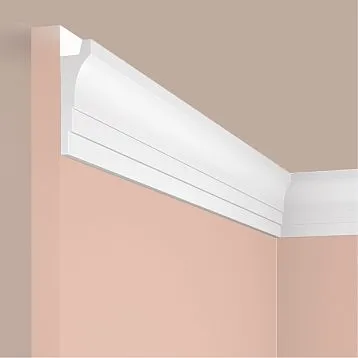
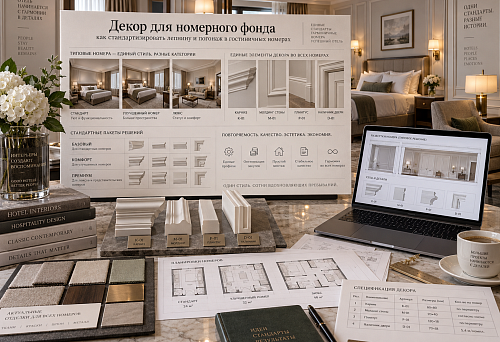
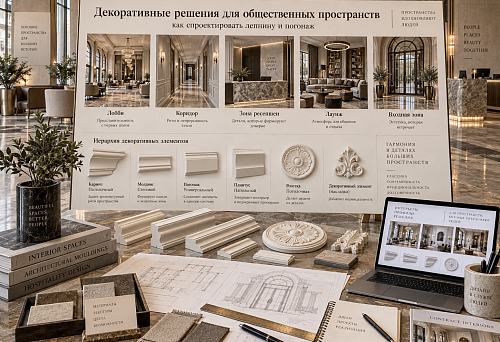
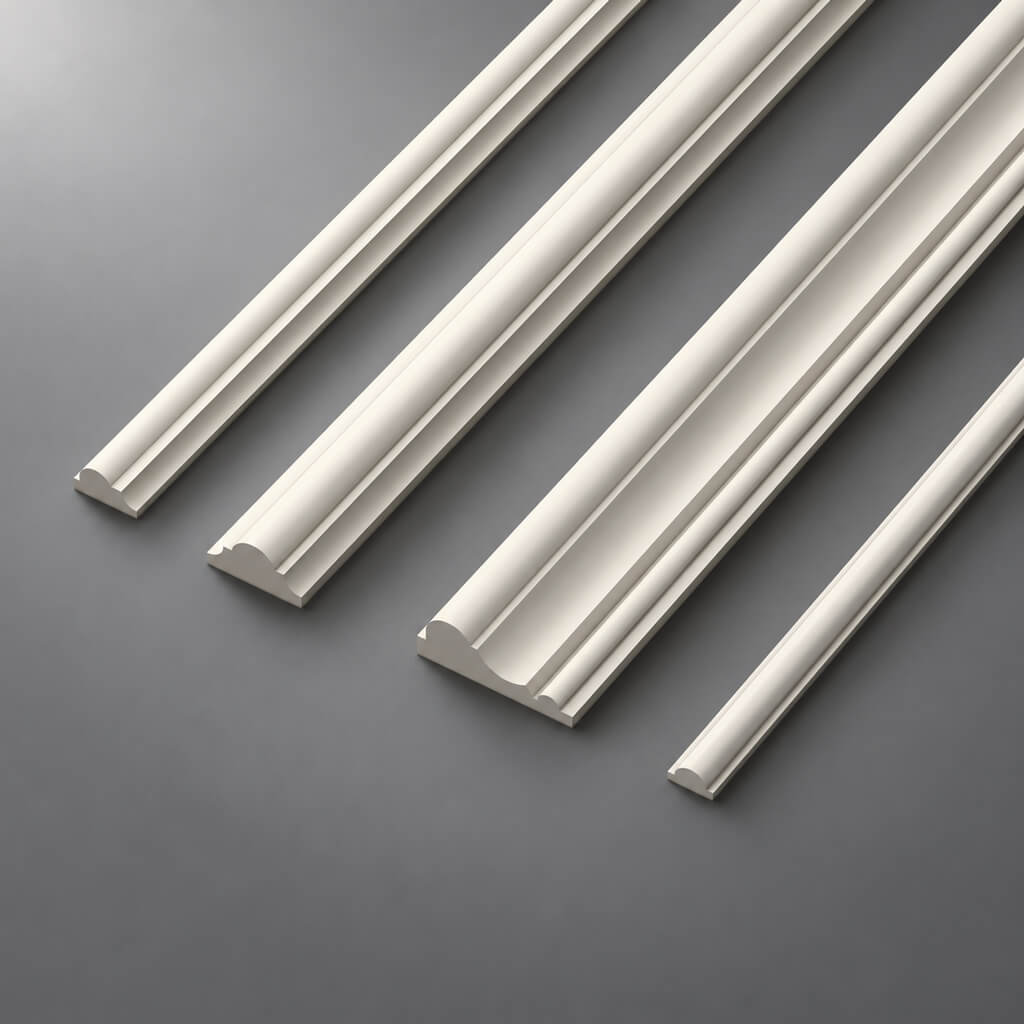
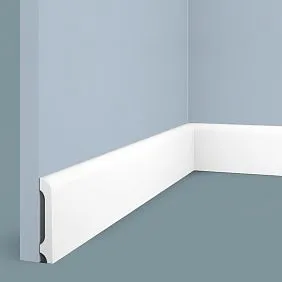
Buy Ceiling SkirtingChoosing a ceiling skirting board today is not difficult: the market offers hundreds of options made from different materials, in various profiles, for different interiors. The task is not just to buy, but to buy the right one. The one that matches the style, scale of the room, flooring, door elements, and overall logic of the space.
Ceiling skirting boardis not an additional element 'just to cover a gap.' It is a full-fledged participant in the interior. And its selection should be approached accordingly.
➡️ View STAVROS ceiling skirting boards and decorative profiles
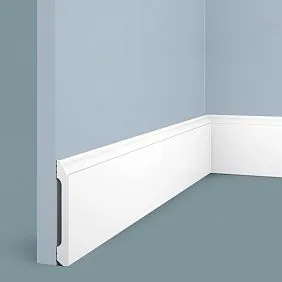
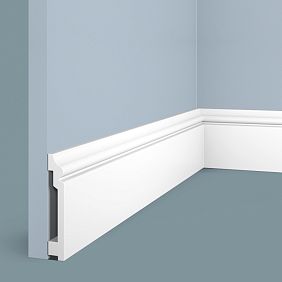
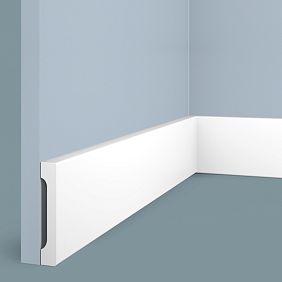
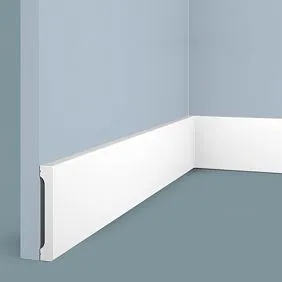
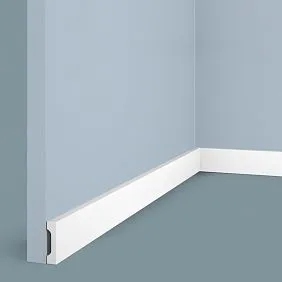
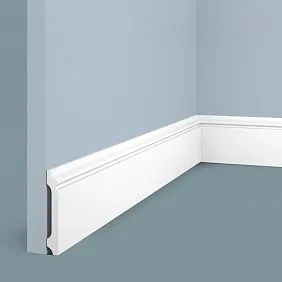

Why buy a ceiling skirting board and what problem does it solve
Before discussing which ceiling skirting board to buy — let's understand why it's needed at all. Because some clients still consider it a decorative 'excess.' This is a misconception.




Technical function: boundary between surfaces
During construction and finishing, walls and ceilings never meet perfectly. Thermal deformations, building shrinkage, different planes of finish coatings — all this leads to the joint between the wall and ceiling being either uneven or having a visible gap.Ceiling skirting boardcloses this joint — cleanly, precisely, decoratively.
Our factory also produces:


Architectural function: proportions and scale
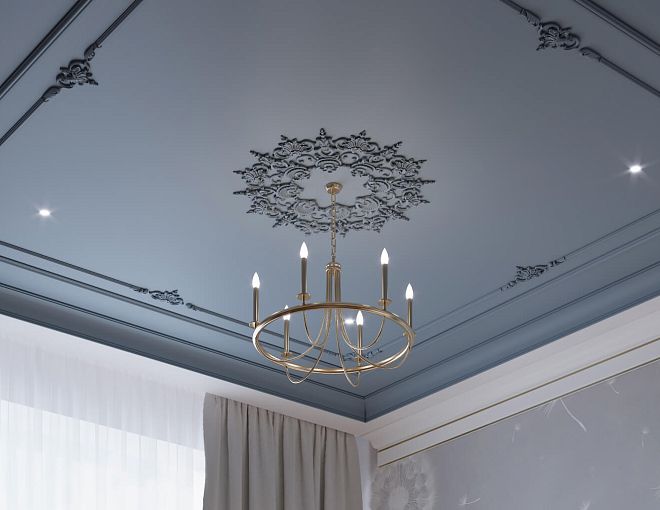
Ceiling skirting is the upper 'frame' of a room. It sets the visual height of the space, defines where the ceiling 'begins' and the wall 'ends'. A wide profile in a tall room makes it more cohesive and impressive. A narrow one — delicately finishes the contour without distracting attention.
Get Consultation
Stylistic function: interior assembly
Ceiling skirting coordinates the upper zone of a room with its overall style. In a classic interior without a ceiling cornice or skirting — it's like a picture without a frame. In a modern minimalist space — a thin smooth profile creates a clean horizontal line that 'completes' the room.
It is this function that determines which ceiling skirting to buy for a specific interior. And it is this one that is most often overlooked when choosing.
Interior function: support of the decorative system
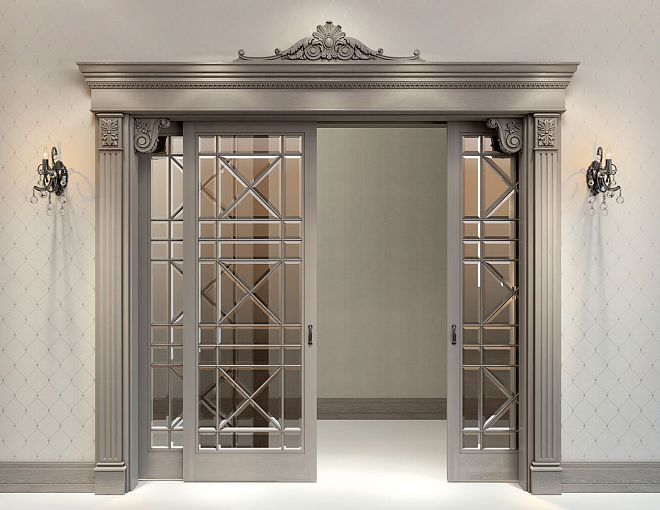
Wooden ceiling baseboardin a system with moldings, cornices, and architraves from the same line creates an architectural trim that works as a single whole. This is not a set of separate elements — it is a system that makes the interior professional.
Which ceiling skirting to buy: wood, solid wood, or polyurethane
The main selective question. And there is no universal answer here — there are parameters that determine the decision.
Three main materials on the market
Today, the ceiling skirting market offers three fundamentally different materials:
-
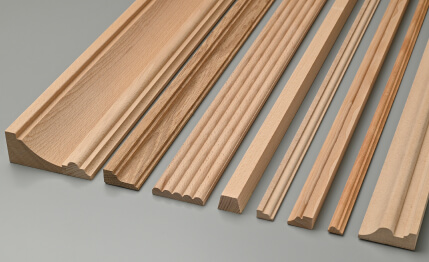
Natural wood (solid wood) — the most prestigious option with a living texture
-
Polyurethane — lightweight, flexible, with wide decorative possibilities
-
MDF — pressed board with good geometry for painting
Each material has its own area of application, its own price, and its own 'ceiling' in terms of visual result.
Comparison table: wood vs polyurethane vs MDF
| Parameter | Wood (solid wood) | Polyurethane | MDF |
|---|---|---|---|
| Texture | Live, natural | Homogeneous | Smooth |
| Weight | Medium | Lightweight | Medium |
| Flexibility | Low | High | Low |
| Painting | Any color / tone | Any color | Perfect surface |
| Service life | 20–30+ years | 10–20 years | 10–15 years |
| Status/prestige | Maximum | High | Medium |
| Best style | Classic, natural | Classic, baroque, neoclassical | Modern, minimalism |
| Price | Higher | Medium | Below |
When to choose wood
Wooden ceiling baseboard— the choice of those for whom the naturalness of the material is not an option, but a principle. In an interior with parquet, wooden doors, solid wood furniture, and wall finishes made of natural wood — only a wooden ceiling skirting creates an organic completion of the upper zone of the room.Wooden ceiling skirtingconveys warmth and character — something no synthetic material can reproduce.
When to choose polyurethane
Polyurethane moldings— the optimal choice when you need rich decorative relief at an affordable price. Polyurethane cuts easily, bends, and takes any shape. It is ideal for complex decorative profiles with ornaments, leaves, volutes — elements that would cost many times more in wood.Decorative stuccomade of polyurethane is the right choice for a classic interior with budget constraints and for scenarios where decorative expressiveness is important, not material premiumness.
When to choose MDF
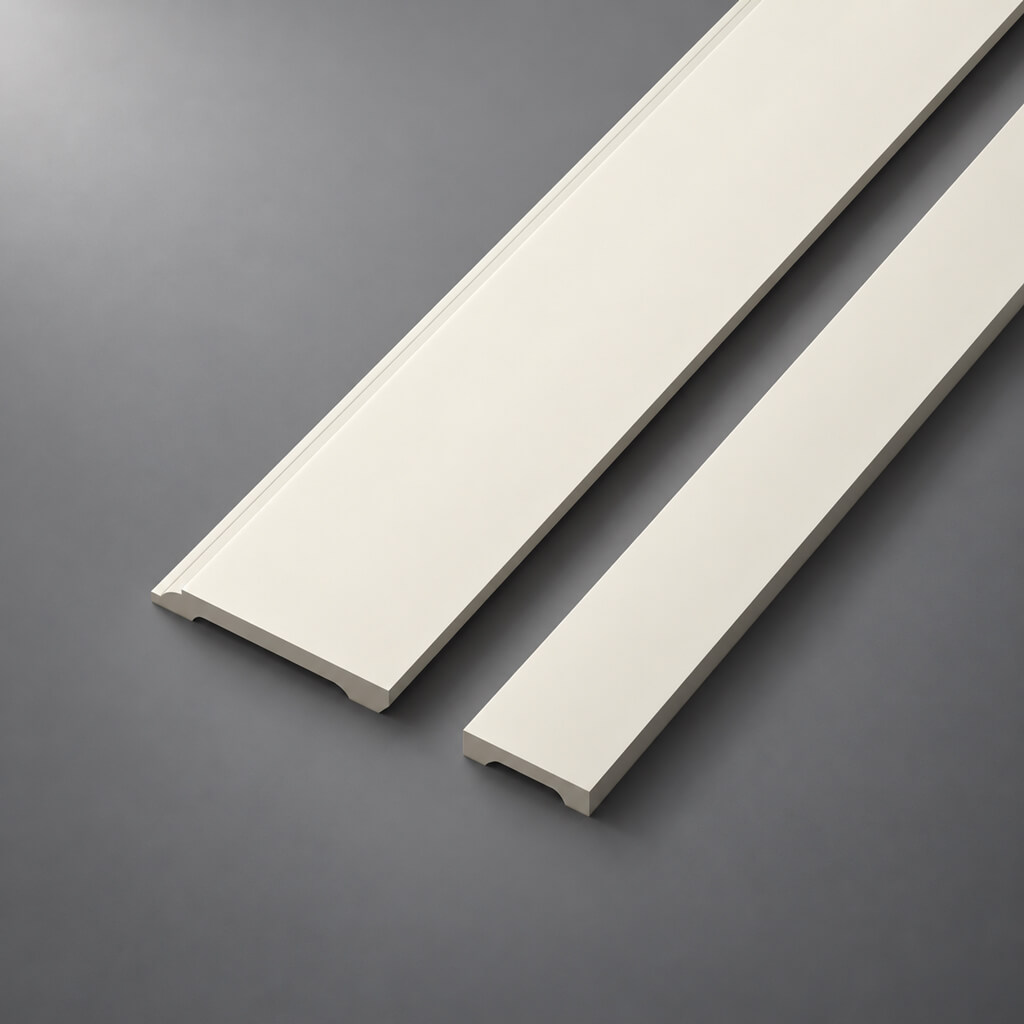
MDF profile — for a modern minimalist interior where a perfectly smooth surface for painting is needed. A laconic profile, white enamel, even geometry — this is the language of modern space, where the skirting is present but does not claim the role of a decorative hero.
Buy wooden ceiling skirting: when is it the best choice
Wood is a material that has no full substitutes where the living character of the surface is important. This is not marketing—it's the physics of the material.
Natural texture and tactility
When light falls on the surface of a wooden ceiling skirting—it refracts in the fibers, creating depth and 'liveliness' that polyurethane lacks. In daylight, in the light of a floor lamp or spotlights—each lighting reveals a new facet of the texture. This cannot be reproduced.
Buy wooden ceiling skirtingfrom a manufacturer with its own production—means getting a product with a consistent profile, stable geometry, and a finish that will last for decades.
Combination with wooden finishes
There is a rule that works without exceptions: natural wood combines with natural wood. Oak parquet +buy wooden ceiling skirtingfrom the same species—that's organic. Wooden doors with architraves + wooden skirting in a unified tone—that's a system. Everything else is a forced compromise.
Buy wooden ceiling moldingshould be used where all wooden interior elements belong to the same species and the same finishing system. Only then will the result be not 'similar,' but precise.
Status and Durability
Buy wooden baseboard for ceiling— is an investment. A solid oak or walnut baseboard properly treated with varnish or oil lasts 25–30 years or more. It can be sanded and repainted when changing the interior — an option not available with polyurethane.
Wood skirting board— is also a signal of overall finishing quality. In 'premium' and 'business' class interiors, wooden ceiling molding is perceived as the norm, not an exception.
For which interiors wood works best
-
Classic interior with parquet and wooden doors — wood is essential here
-
Neoclassical with restrained decor — wooden baseboard in white enamel or light tone
-
Study with dark furniture and parquet — wooden cornice or oak baseboard
-
Country house with natural materials in finishing — wood fits organically everywhere
-
Apartment with a formal living room — tall wooden ceiling baseboard in a system with moldings
Detailed guide on selecting and purchasing wooden ceiling baseboard — in the special STAVROS guide:Wooden ceiling baseboard.
Buying polyurethane ceiling skirting: when it's convenient and appropriate
Polyurethane has carved out its niche in the interior market for good reason. It has real advantages that make it the best choice in certain scenarios.
Stable geometry and lightness
polyurethane productsThey do not react to humidity and temperature fluctuations like wood does. Polyurethane does not dry out, does not warp, and maintains its shape under any conditions. During installation, it is significantly lighter than wood—especially important for long ceiling profiles at great heights.
Decorative variety
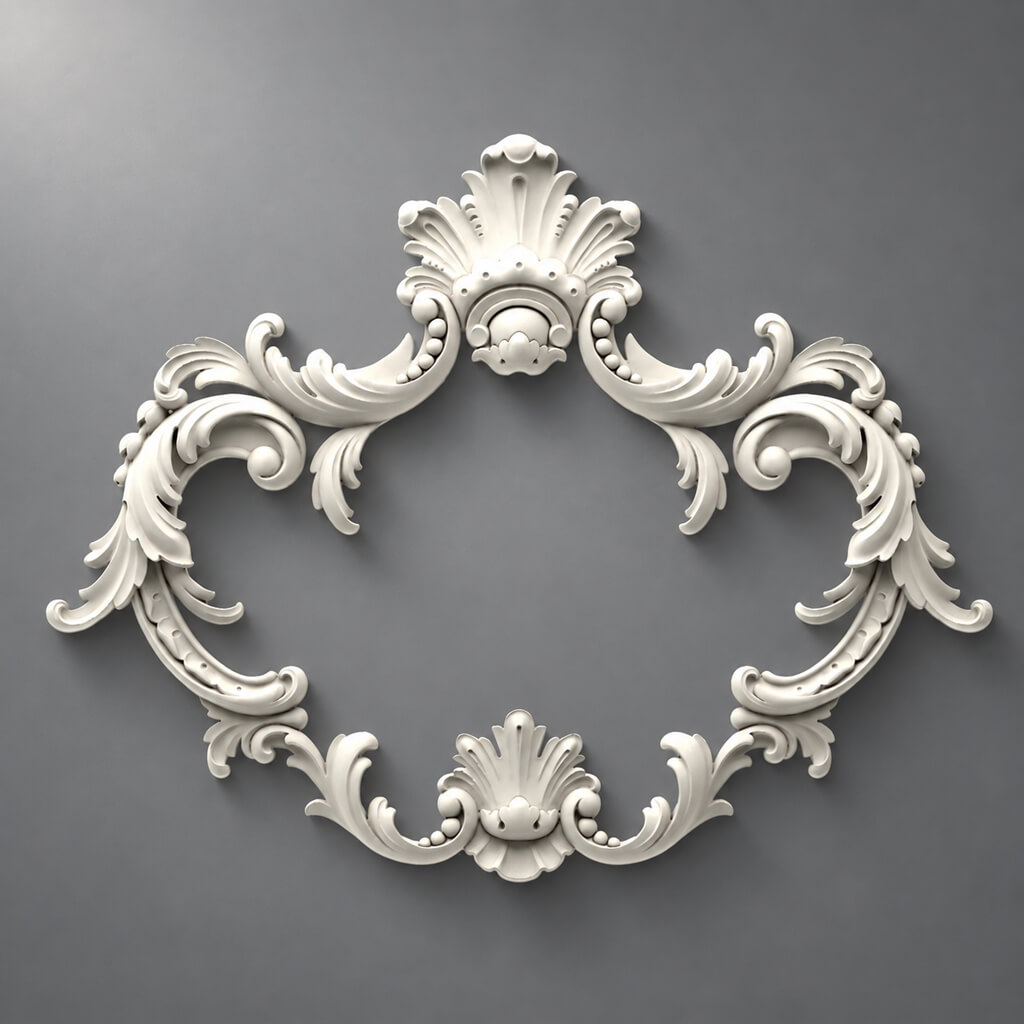
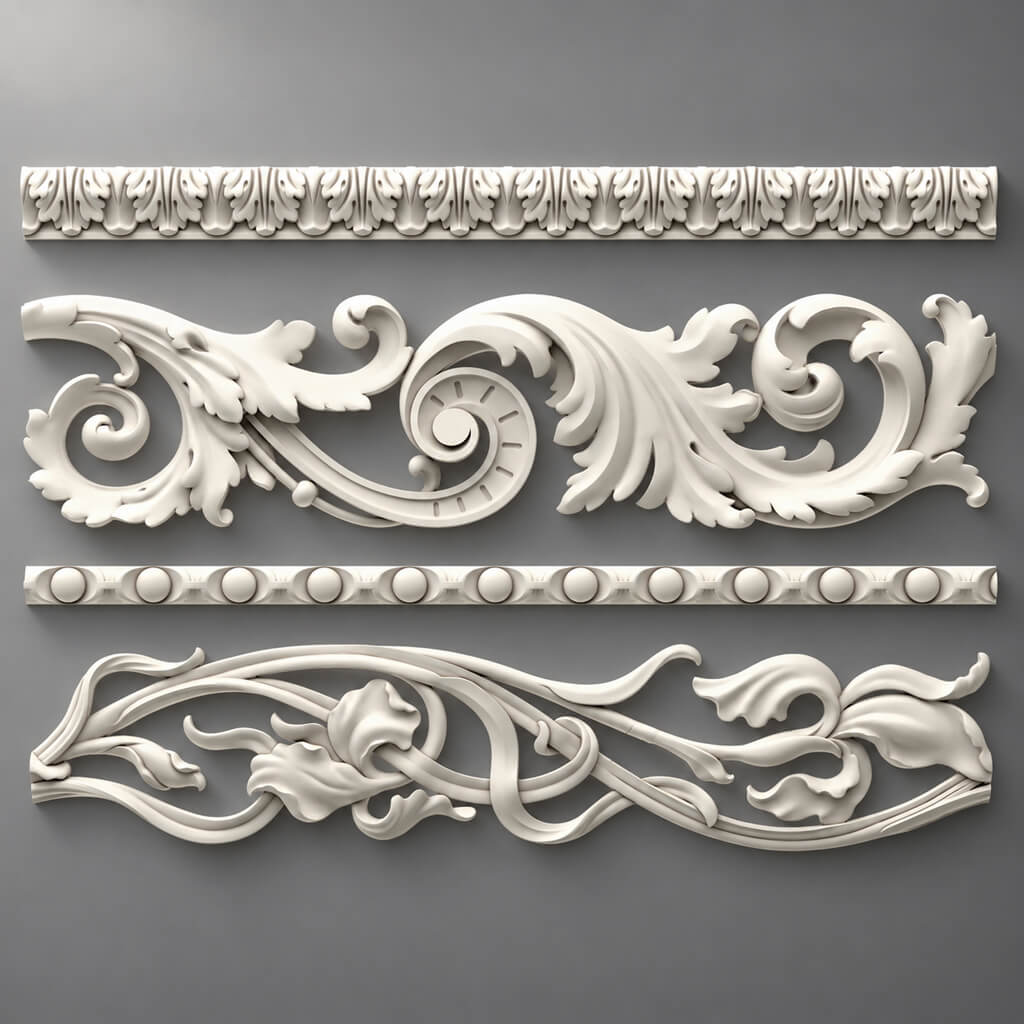
The main advantage of polyurethane is the ability to create complex ornamental profiles at a price many times lower than wooden counterparts.Ceiling moldingWith acanthus leaves, volutes, geometric meanders, rosettes—all of this is available in polyurethane on a much wider scale than in wood.
For a classic interior with a rich decorative scenario—Moldingsmade of polyurethane—is a practical and economically justified choice. An ornamentalCeiling baseboard woodenwith complex relief, made from solid wood, will cost many times more than a polyurethane counterpart of the same height and profile complexity.
Painting Convenience
Polyurethane ceiling skirting has a perfectly smooth surface that paint adheres to without prior priming—or with minimal preparation. This reduces time and labor costs during installation.Buy ceiling skirting for paintingmade of polyurethane means getting a ready surface that can be painted any color.
When polyurethane makes more sense than wood
-
Classic interior with rich ornamental decor on a limited budget
-
Room with high ceilings, where long spans of profile require minimal weight
-
Scenario with frequent repainting—during renovation or style changes
-
Interiors where the main focus is the decorative pattern of the profile, not the naturalness of the material
-
Bathrooms and high-humidity areas where wood requires additional protection
made of polyurethaneSTAVROS offers a wide range: from concise smooth profiles to rich Baroque cornices with full decorative relief.
How to choose a ceiling skirting board according to interior style
Room style is the second most important criterion after material. The skirting board profile should belong to the same visual language as the entire space.
Classic interior
Classicism dictates: rich profile, high projection, figured relief with traditional motifs.Buy ceiling skirting board in classic style— means choosing a profile with clear horizontal divisions, possibly with belts, rolls, and heels. Material: wood or polyurethane with similar relief.
Profile height — from 80 mm and above. In a spacious classic living room with a 3 m ceiling — a skirting board from 120 mm creates the correct 'base' for the upper zone.wooden cornice— in the system with ceiling skirting board — is a full architectural trim.
Neoclassicism and modern classicism
Neoclassicism is a restrained version of classicism: clean lines, minimal ornamentation, geometric precision. Here, a profile with one or two divisions works, without complex relief. White enamel or light tone. White wood — perfect. Smooth profile polyurethane — also works.
Buy ceiling skirting board for classic interiorIn the neoclassical version, it means finding a balance between expressiveness and conciseness. The profile should be 'readable' but not flashy.
Modern interior
Minimalism, contemporary, Scandinavian style — here the ceiling skirting board works for 'disappearance'. A thin profile of 30–50 mm, perfectly smooth, white or matching the ceiling color. The goal is to create a clean horizontal line without decorative weight.
Buy ceiling skirting board for a modern interior— means choosing a minimal, concise profile made of MDF or polyurethane. In a modern space, a complex ornament is a mistake, not a decoration.
Interior with decorative accents
If the room has a decorative niche, an accent wall with relief, artistic painting, or a complex ceiling — the ceiling skirting board should support this context, not compete with it. Here, a medium-complexity profile is used, coordinated with the main decorative accent in style and scale.
How to choose the width and profile of a ceiling skirting board
The width of the ceiling skirting board determines its visual weight and appropriateness in a particular room.
Narrow ceiling skirting board (up to 50 mm)
A delicate option for small spaces and modern interiors. It covers the joint without claiming expressiveness. Suitable for rooms with ceilings up to 2.7 m, in Scandinavian and minimalist styles.Buy white ceiling skirting boardNarrow profile — the most sought-after solution for modern apartments.
Medium universal profile (50–80 mm)
The workhorse of ceiling decor. Suitable for rooms with ceilings 2.7–3 m, for most styles — from modern to moderate classic. Provides a visible result without overwhelming the space. This is the best-selling range.
Wide decorative profile (80–120 mm and above)
Buy wide ceiling skirting board— means making the upper zone of the room a full-fledged architectural statement. In spacious living rooms with ceilings 3 m and above, in classic dining rooms, in executive offices — a wide profile creates a 'crown' for the space.
Important rule: wide skirting requires a high ceiling. In a room with a 2.5 m ceiling, a wide 120 mm cornice will visually 'lower' the ceiling — and the space will feel cramped.
Smooth or ornamental pattern
Smooth profile — for modern interiors and neutral spaces. Ornamental with relief — for classic, neoclassical, interiors with decorative elements. Principle: the relief of the profile should match the relief of the rest of the decor in the room.
Which ceiling skirting board to buy for different rooms
Each room is its own architectural challenge. Let's break down the main scenarios.
Living Room
Living room — the main stage of any residential interior.Buying a ceiling skirting board for the living room— means choosing an element that will be constantly visible and will actively participate in shaping the impression of the space.
In a classic living room with parquet and stucco — a wooden or polyurethane cornice with a rich profile, from 100 mm. In a modern one with laminate and minimalist furniture — a concise white skirting board 50–70 mm. In a spacious living room with a ceiling of 3 m or more — a high cornice becomes an architectural 'crown'.
It is in the living room that the ceiling skirting board best combines withwooden corniceand wall moldings — creating a complete architectural framing of the space.
Bedroom
In the bedroom, the ceiling skirting board should be delicate. This is a space of tranquility — nothing should 'shout' here.Buying a ceiling skirting board for the bedroom— means choosing a medium or narrow profile, warm or neutral shade. White — if the walls are light. Matching the walls — if you want a soft transition.
If the bedroom usesRack panelon an accent wall — the ceiling skirting board is selected in a similar wood type and shade. The verticality of the battens and the horizontality of the ceiling skirting create an architectural rhythm that makes the bedroom structured.
Entryway
The hallway — a zone of intensive use and the first impression of the apartment.Buy ceiling skirting board for the hallway— means choosing an element that immediately sets the standard for the entire finish. White in a laconic profile — for a modern hallway. Wooden to match the doors — for a hallway with wooden elements.
The height of the ceiling skirting in the hallway is typically 50–80 mm. Hallways rarely have high ceilings, and a large profile would visually 'compress' the space.
Office
Buy ceiling skirting board for the study— is a choice in favor of a serious, representative image. The study is a space for concentration and authority. A dark wooden skirting board or polyurethane with a classic profile combined with wooden shelves, leather furniture, and parquet — this is an interior language that says 'people who make decisions work here.'
Height — from 80 to 120 mm. Relief — moderate classic.Buy wooden ceiling cornicein the office — one of the most precise solutions for this space.
Country house
In a country house with exposed beams, brick walls, natural stone — wooden ceiling skirting is one of the most organic options.Buy ceiling skirting for a country house— means selecting a material that 'speaks' with the context: stone, wood, natural textures. Solid oak or pine with matte varnish or oil — a flawless solution.
Apartment
For an apartment, the strategy is the same as for floor skirting: a single ceiling profile along the entire perimeter — without changing material or shade when moving from room to room. This creates a sense of spatial integrity.Buy ceiling skirting for an apartmentfrom one manufacturer with a unified line — a guarantee of a coordinated result.
What to combine ceiling skirting with in interior design
Ceiling skirting is not a standalone element. It works within a system. The final result depends on how correctly this system is structured.
Ceiling skirting and moldings
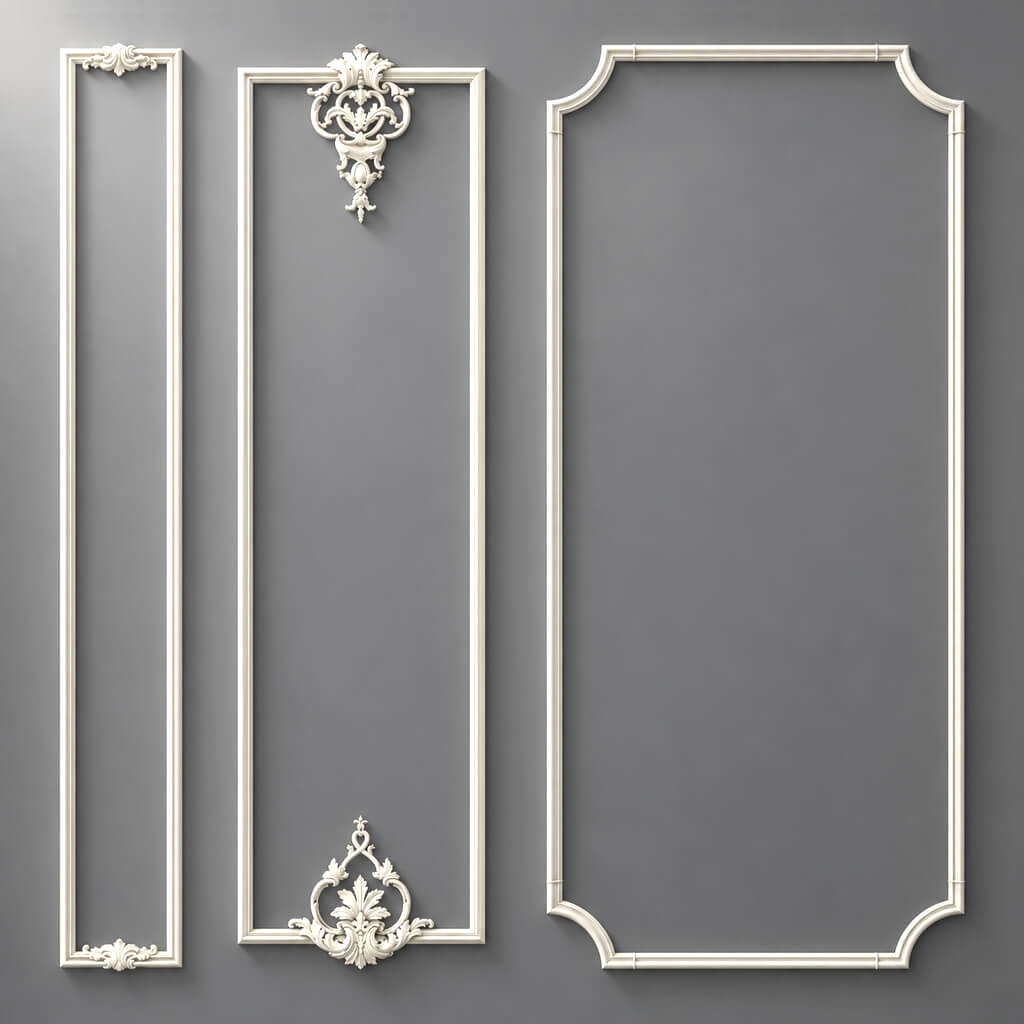
Moldings for walls to buyIn a system with ceiling skirting, this is a classic technique of architectural interior framing. Moldings create 'panels' on the walls—rectangular frames that give the wall scale and structure. The ceiling skirting above them is the top horizontal boundary of this entire system.
In classical and neoclassical interiors, moldings and ceiling skirting from the same line are an essential pair. This is not a decorative whim but an architectural norm that has existed for hundreds of years—and continues to work.
Ceiling skirting and wooden cornices
wooden corniceThis is a more complex profile used at the junction of the wall and ceiling with additional decorative functions: hidden lighting or curtain mounts are often placed behind it. In a system with ceiling skirting, the cornice creates a double horizontal accent in the upper zone—a powerful technique for representative spaces.
Wooden corniceFrom the same wood species as the ceiling skirting, this is a precise and systematic solution.
Ceiling skirting and slatted panels
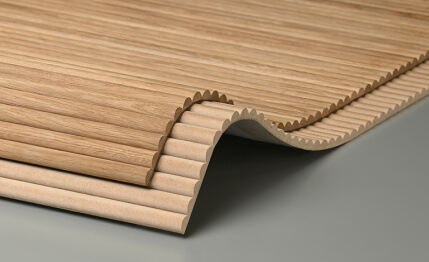
If ceiling skirting is selected as part of a cohesive interior composition, it makes sense to also considerslatted panels for wallsIn modern living rooms and bedrooms, ceiling decor works especially well paired with vertical wall finishes—which is why many clients simultaneously planbuy slatted panelsand ceiling molding.
Properly selected Rack panelhelps maintain the rhythm of the ceiling molding and makes the interior cohesive. The vertical lines of the battens and the horizontal line of the ceiling baseboard create a structure that makes the space visually more complex and expensive—without overloading it.
decorative slatted panelsin a system with a wooden ceiling baseboard—this is an interior pairing that works both in classic style (dark wood species, rich profile) and in a modern scenario (light wood species, concise straight profile).
Buy slatted panelsin the same place as the ceiling baseboard—means getting coordinated products from the same line, with the same wood species, shade, and finish. This is the only way to ensure genuine systematicity in the interior.
Ceiling baseboard and floor baseboard
The upper and lower 'frames' of a room should belong to the same system. This doesn't mean 'identical'—it means 'coordinated in language'. Wooden ceiling molding and woodenbaseboard for floorfrom the same wood species—this is an interior system where the top and bottom 'speak' the same language, creating a sense of architectural completeness.
Ceiling baseboard and polyurethane molding
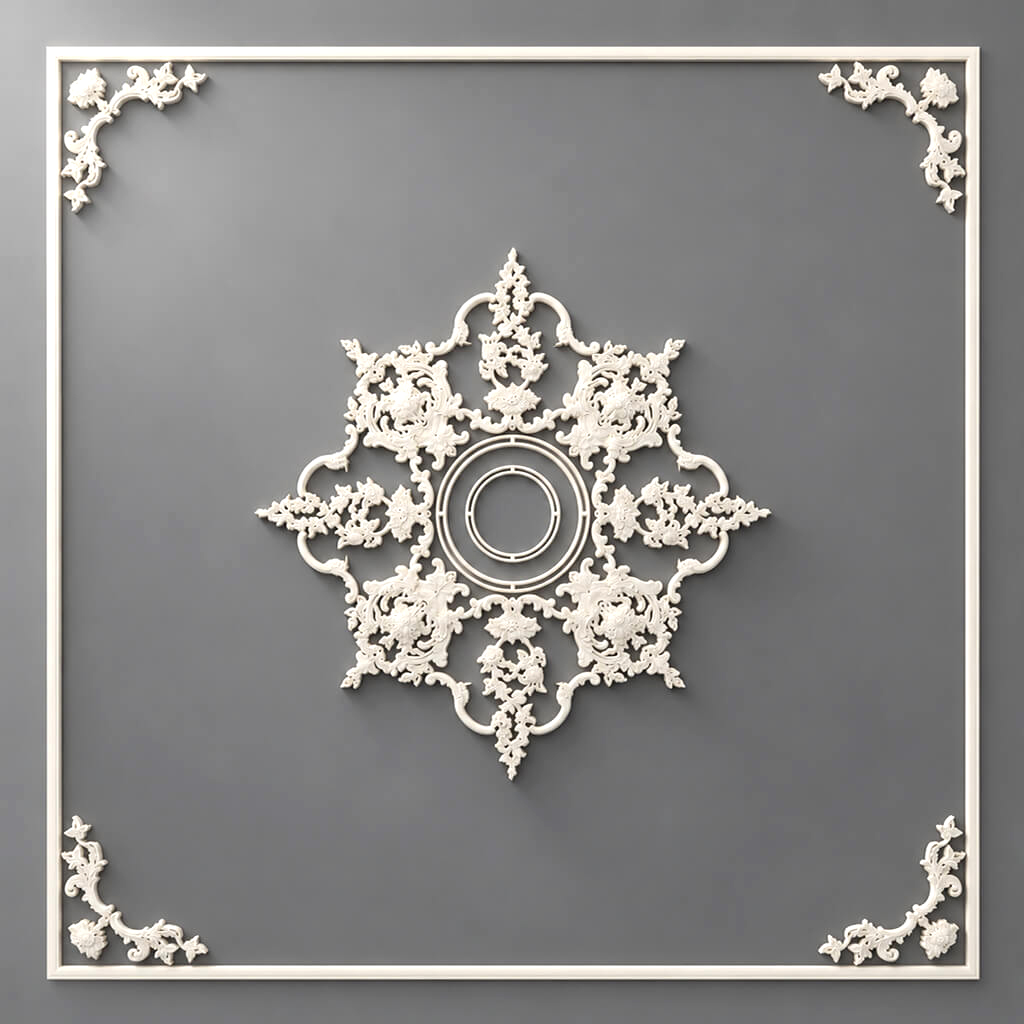
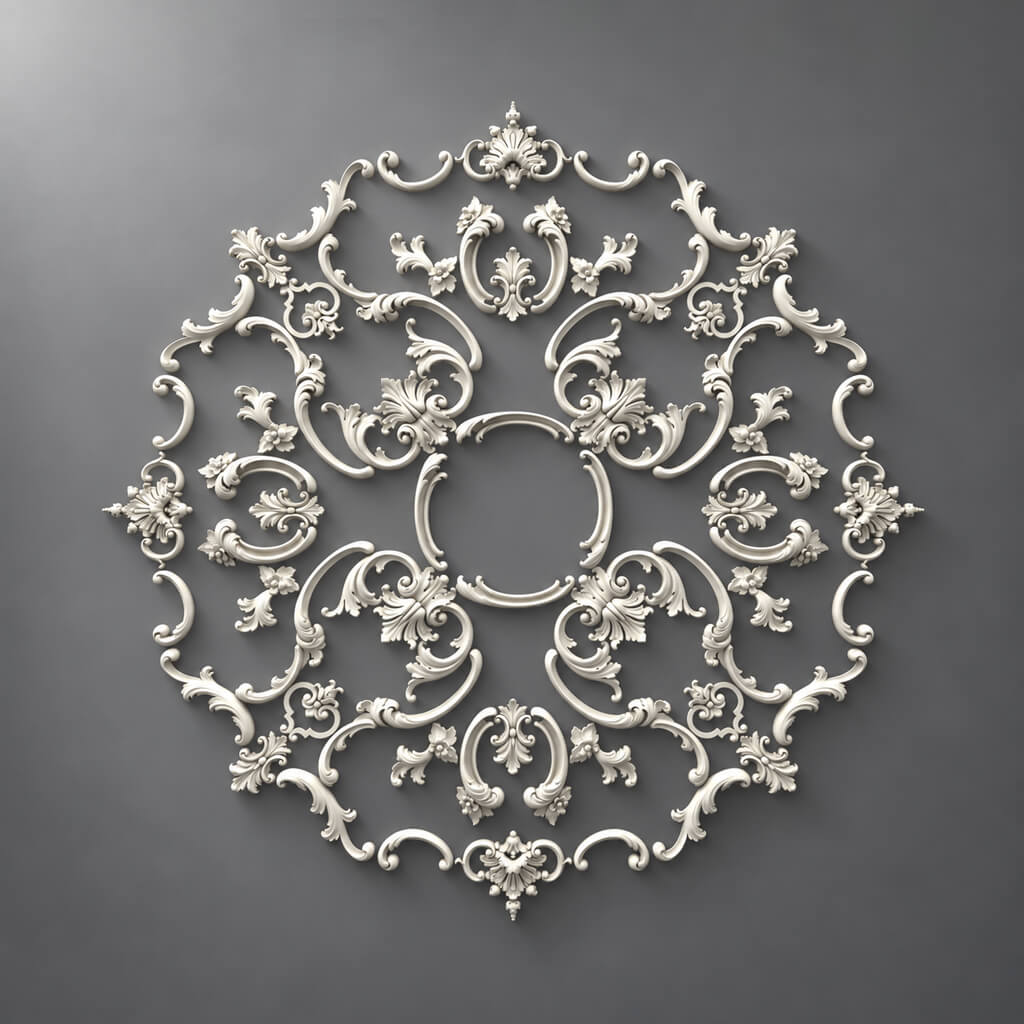
In classic and baroque interiorsCeiling molding—rosettes, coffers, decorative inserts—works in a system with the ceiling cornice.polyurethane productsSTAVROS allows you to create a complete decorative ceiling program: from cornice to central rosette for the chandelier — in a unified style and from a single material.
Where to buy ceiling skirting and what to look for before ordering
Choosing the right supplier is no less important than choosing the profile itself.
Profile geometry
The first thing to check: profile stability along the entire length of the strip. A crooked skirting does not adhere evenly to the wall and ceiling, creates visible gaps, and requires a large amount of putty during installation. A good product has an identical profile from start to end of the strip without shape tolerance.
Coating quality or readiness for painting
A coated skirting — varnish or enamel — should be applied evenly, without drips, bubbles, or bare areas. A skirting 'for painting' has a smooth, primed surface without foreign inclusions.Ceiling baseboard woodenwith poor-quality coating will start to darken within a year or two — saving on this is not justified.
Catalog systematics
The best supplier is one whose ceiling skirting, floor skirting, moldings, cornices, and panel strips are produced in coordinated lines. This allows you tobuy skirting for the ceilingin the system with the rest of the finishing elements — and achieve a stylistically cohesive result without searching for 'similar' items across a hundred different suppliers.
Manufacturer vs. intermediary
With a manufacturer — stable availability, consistent batches, direct consultations on selection and installation.Buy ceiling skirting from the manufacturer— means getting a quality guarantee without 'broken telephone'. For large volumes — it's also a price advantage.
How not to make a mistake when choosing from photos
A profile photo conveys the shape but not the scale. A skirting that looks 'medium' in the catalog may turn out to be either too small or too large in an actual room. Always clarify the actual dimensions: profile height, projection from the wall, projection from the ceiling. And check visually with samples or precise drawings before ordering.
Mistakes when buying ceiling skirting
Collected the most common ones — from real experience.
Mistake 1: Choosing only from catalog photos
We've already mentioned this, but I'll repeat: photos don't convey scale. Always check actual dimensions and, if possible, see live samples.
Mistake 2: Incorrect width for ceiling height
A too narrow skirting board in a tall room becomes an 'invisible' element. A too wide one in a low room feels oppressive and 'lowers' the ceiling. Always calculate based on ceiling height.
Mistake 3: Random material
A polyurethane ceiling skirting next to wooden parquet, wooden doors, and solid wood furniture creates a noticeable dissonance. The material of the ceiling skirting should align with the overall material logic of the interior.
Mistake 4: Too simple a profile in a classic interior
In rich classic style with parquet, moldings, and antique furniture, a smooth rectangular profile looks like incompleteness. Classic style demands a classic profile.
Mistake 5: Too complex a profile in minimalism
A Baroque cornice with ornamentation in a Scandinavian white apartment is a stylistic mistake that can only be corrected by removal.
Mistake 6: Lack of connection with moldings and floor skirting
A ceiling skirting board chosen in isolation from moldings and floor elements is a detail without context. As a result, the interior feels assembled, not designed.
Mistake 7: Buying without checking corner joints
Corners are the most vulnerable point when installing ceiling skirting. Make sure the manufacturer provides corner elements or clear templates for precise corner cutting.
Conclusion: which ceiling skirting to buy — three scenarios and three answers
Scenario 1: natural and status interior. Parquet, wooden doors, expensive furniture, classic or neoclassical style →Buy wooden ceiling molding from solid oak or walnut. High profile from 80 mm. In a system withwith wooden cornicesandwall moldings.
Scenario 2: decorative classic with rich relief. Ornamental profile, wide cornice, ceiling stucco → buy a ceiling skirting made of polyurethane with corresponding relief. In a system withceiling moldingsanddecorative molding from the same line.
Scenario 3: modern or neutral interior. Minimalism, Scandinavian style, contemporary →buy skirting for the ceilingmade of MDF or polyurethane, white or neutral, with a concise profile. In coordination withplank panelson the walls — if the interior involves accent finishing.
➡️ Buy ceiling skirting in the STAVROS catalog
➡️ Buy slatted panels — STAVROS catalog
About the company STAVROS
STAVROS is a Russian manufacturer of products made from solid natural wood and polyurethane for professional interior finishing. The company's catalog includes ceiling skirting boards, cornices, moldings, floor skirting boards, balusters, architraves, slatted panels, polyurethane stucco. All products are released in coordinated lines — with a unified profile, wood species, and coating system.
The STAVROS principle is a systematic approach. Every item in the catalog is designed to work together with other products. This is precisely what allows for building interior architecture — not assembling it from random parts.
STAVROS works with private clients, designers, architects, and construction companies. A stable warehouse, professional consultations, experience with large residential and commercial projects — this is the foundation on which the company's work has been built for many years.
Frequently asked questions about buying ceiling skirting
Which material is better for ceiling skirting — wood or polyurethane?
Depends on the interior and budget. Wood is for natural, status interiors with parquet and wooden furniture. Polyurethane is for rich decorative relief at a reasonable price. In modern interiors — MDF with a smooth profile.
How wide should a ceiling skirting board be?
Focus on ceiling height. Up to 2.5 m — 40–60 mm. 2.5–2.7 m — 60–80 mm. 2.7–3 m — 80–100 mm. Above 3 m — from 100 mm and above.
Can I buy a wooden ceiling skirting board for painting?
Yes. A wooden skirting board without a finish coating and with a primed surface is a standard option for painting in any color. Specify the type of delivery when ordering.
How does a ceiling skirting board differ from a cornice?
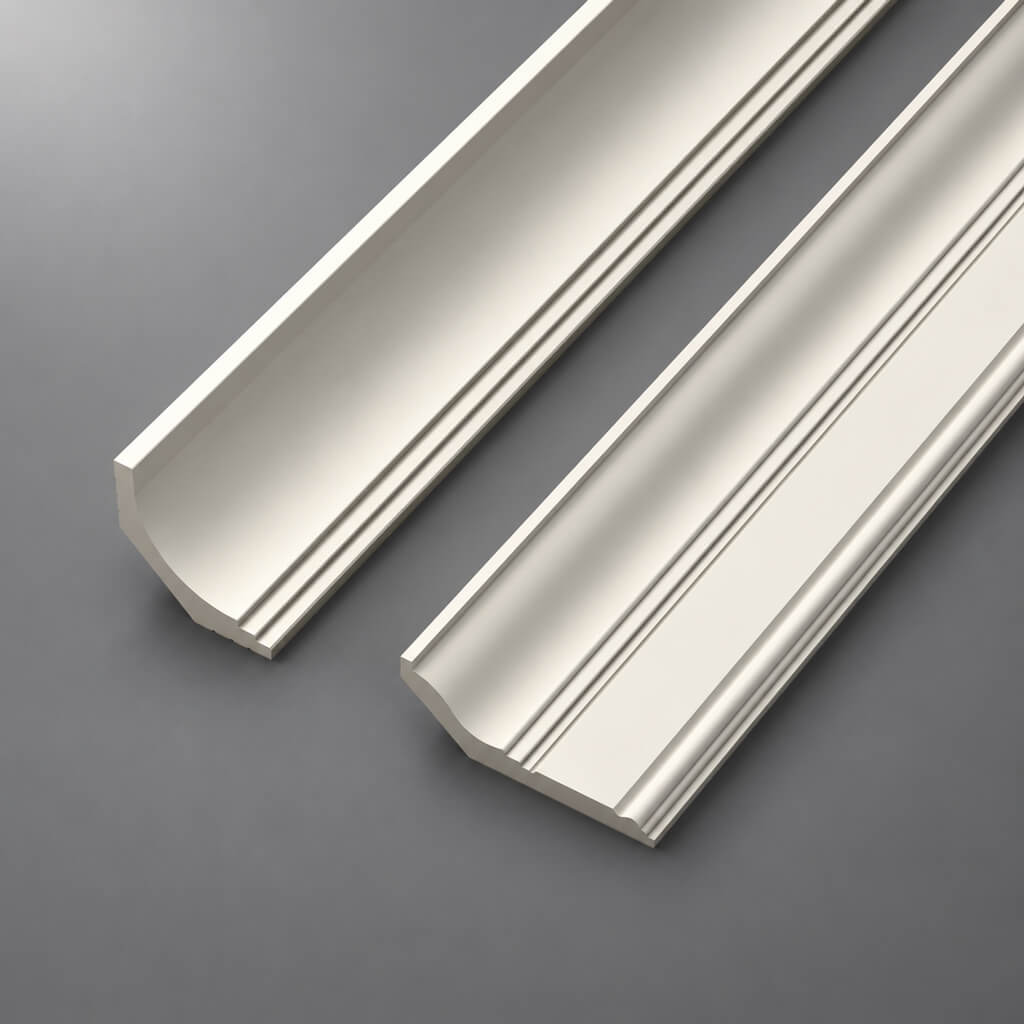
A skirting board is a relatively thin profile that covers the joint between the wall and ceiling. A cornice is a larger element with additional functions: hidden lighting, curtain mounting, complex relief. A cornice is more substantial and decorative.
Where to buy ceiling skirting board from the manufacturer?
In the STAVROS catalog — a manufacturer with its own production of solid wood and polyurethane products. Ceiling skirting boards, cornices, moldings, and slatted panels — from coordinated lines with a unified style.
Should ceiling skirting board be combined with slatted panels?
Not necessary — but the effect with proper combination is significant. Recessed wall panels in a matching wood species and shade with the ceiling skirting create an architectural rhythm that makes the interior structured and visually expensive.
What to choose for a classic interior — wooden or polyurethane ceiling skirting?
Both options work. Wood — if the naturalness of the material is important and there is a budget. Polyurethane — if ornamental relief is important at a reasonable cost. If there are other wooden elements in the interior — priority is given to wood.
How to properly combine ceiling skirting with moldings?
The profile of the ceiling skirting and moldings should belong to the same stylistic range: both laconic or both with relief. The best option is to order from the same product line from one manufacturer.