






























































Article Contents:
- Buy wooden slatted wall panels
- Which wooden slatted panels to buy for walls
- Where are wooden slatted panels used for interior finishing
- In the living room
- In the entryway
- In the bedroom
- In the study
- In commercial interiors
- What types of wooden slatted panels exist: complete classification
- Wooden slatted wall panels: complete checklist before purchase
- 1. Wall size and room height
- 2. Slat direction
- 3. Wood color and tone
- 4. Alignment with gender and doors
- 5. Adjacent to baseboard
- 6. Adjacent to ceiling
- 7. Sockets and switches
- 8. Lighting and shadows
- 9. Allowance for trimming
- 10. Delivery conditions
- What affects the price of wooden slat panels
- Wooden, MDF or wood-look panels: which to choose
- Wooden panels and interior styles: where wood works flawlessly
- Features of solid wood slatted panels: what you need to know
- Acclimatization
- Humidity in the room
- Oil or varnish coating
- Joints and gaps
- How to calculate the number of wooden slatted panels for a wall
- Mistakes when buying wooden slatted panels
- System: wooden panels + moldings + decor
- Where to buy wooden slatted panels in St. Petersburg and throughout Russia
- FAQ: Answers to Popular Questions
- About the Company STAVROS

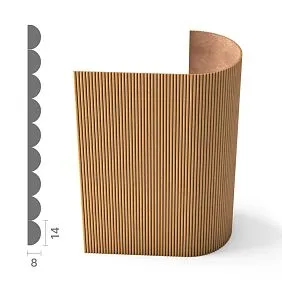
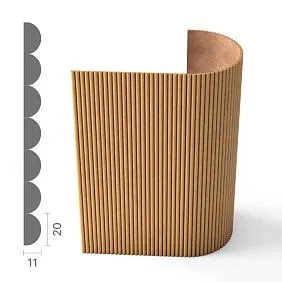
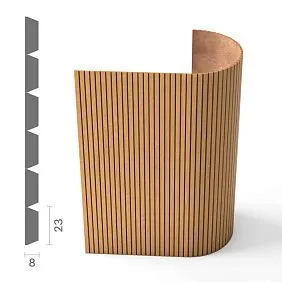
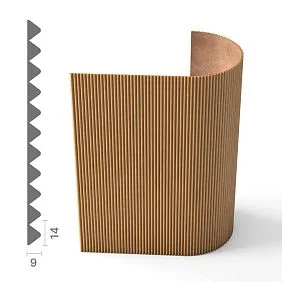
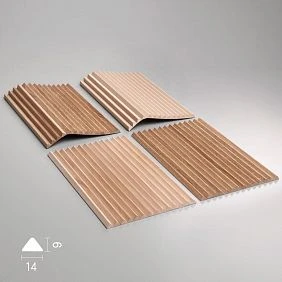
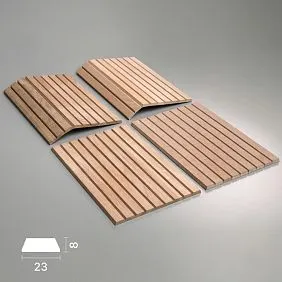
Buy wooden slatted panels for walls
Wood on the wall is not a trend. It is a choice for those who understand: an interior lives not in an Instagram card or a designer's render, but in the daily feeling of space. The tactility of natural fiber, the warm tone of oak in the morning light, the deep relief of the slat that changes with every hour as the sun moves — all of this cannot be faked by any synthetic material.
If you want to buy wooden slatted panels for walls — you have already made the most important decision. Now it remains to make the right one. This article will help: we will break down what types of wooden slatted panels exist, how they differ from MDF and wood-look panels, how to choose for a specific room, what affects the price, how to calculate the quantity without mistakes — and where to finally place an order without redoing everything in six months.
Read it like a conversation with a professional who has seen thousands of interiors and knows where the pitfalls are hidden and where the best solutions lie.

Which wooden slatted panels to buy for walls
Let's start with the main thing, because you came to make a purchase, not for theory.
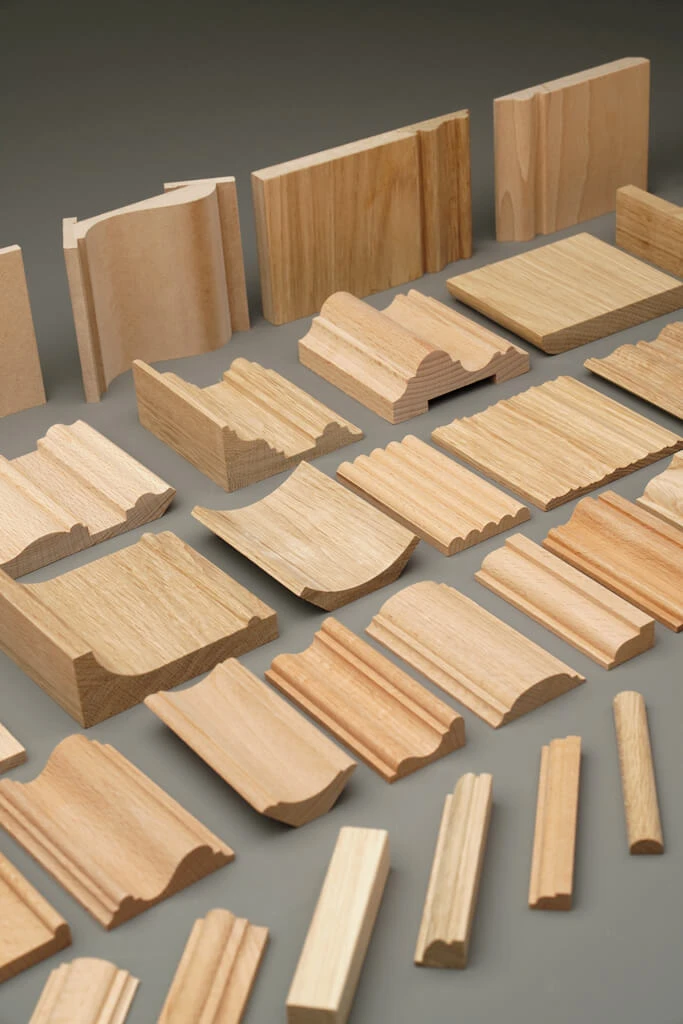
Buying wooden slatted panels means choosing from several product categories, each of which is called "wooden" to varying degrees of literal meaning. To avoid confusion, let's immediately outline the gradation.
Solid wood. The slats are milled from a single piece of wood — oak, beech, ash, cedar, walnut. Each panel is unique: the grain pattern never repeats. This is maximum naturalness, a premium visual effect, and a living surface that breathes and changes over time.
Veneered panels. The base is MDF or plywood, the face is natural veneer of a valuable species. The appearance is as close as possible to solid wood, the geometry is more stable, the price is lower. A good compromise for those who want natural texture without the whims of solid wood.
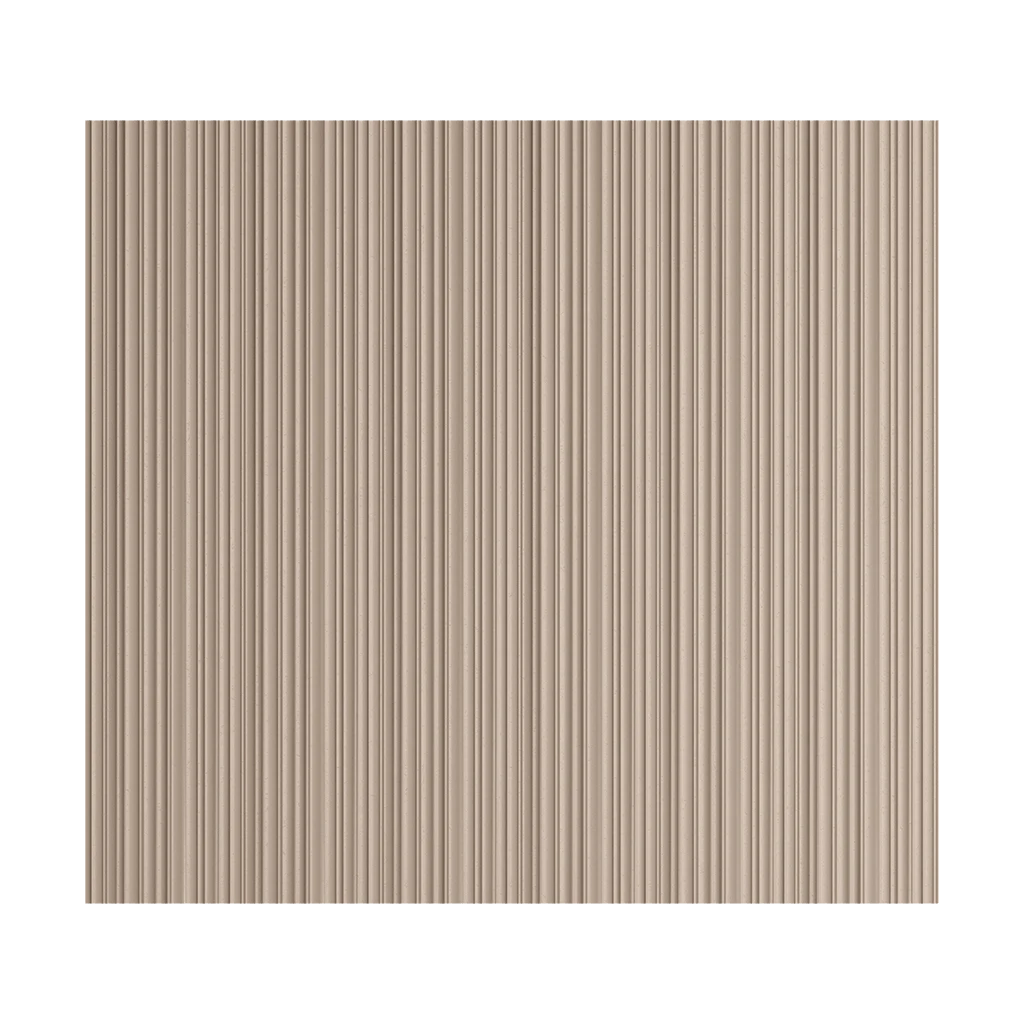
MDF with wood-look coating. Technically not wood — but visually and tactilely imitates it. wood-look slatted panels STAVROS is an MDF base with an embossed coating in the tone of oak or another species. Stable geometry, no risk of warping, a warm natural effect. For most residential interiors, it's the optimal choice.
MDF for painting. Paintable lath panels — a blank slate. White primer, any color according to RAL or NCS. Formally not "wooden", but from the same of slatted panelsthe same as the wooden series.
When someone is looking to buy wooden slat panels, in most cases they mean either solid wood or a convincing imitation with a natural effect. Both options are available in the STAVROS catalog.
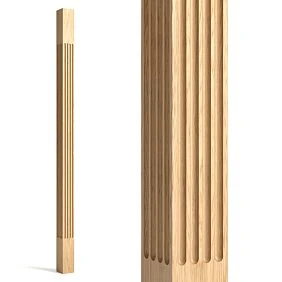
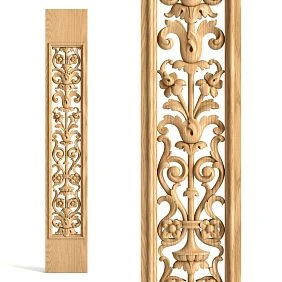
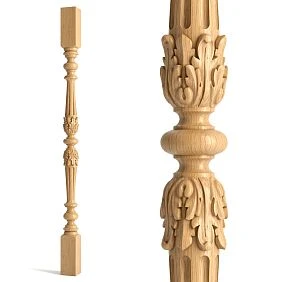
Our factory also produces:
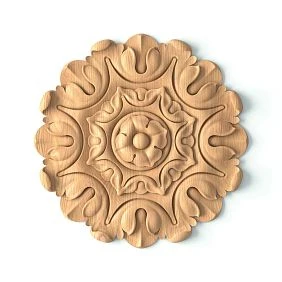
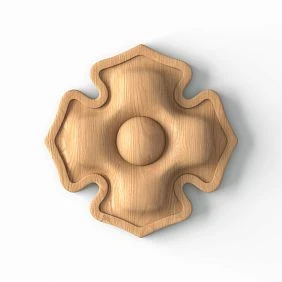
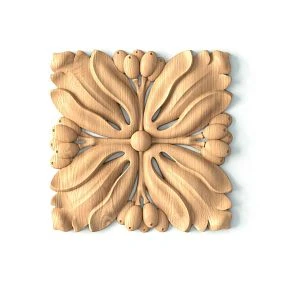


Where to use wooden slat panels for interior decoration
Wooden slat panels for interior decoration work in almost any room — if you know how and where to apply them correctly. Wood is a material with character. It does not tolerate random decisions.
Get Consultation
In the living room
The living room is a space where a wooden slatted wall fully reveals itself. Three scenarios that work flawlessly.
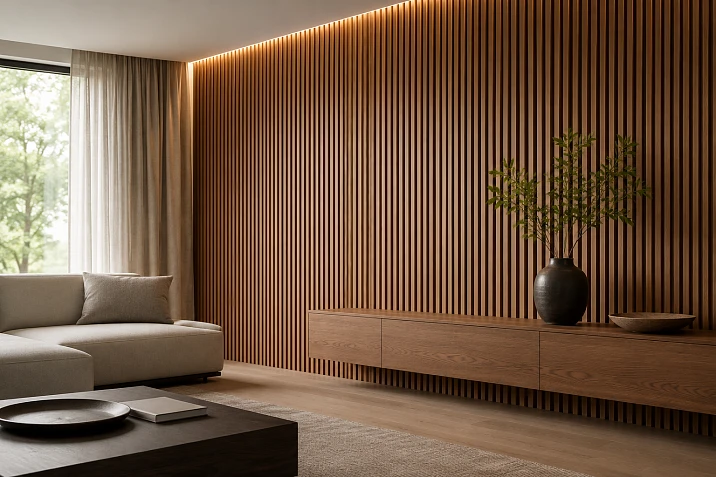
TV area with wooden slats. An accent wall with a TV made of wooden slatted panels turns an ordinary screen on a white wall into a well-thought-out architectural niche. The warm tone of wood as a background — and the TV stops 'hanging', it is built into the natural surface. Add hidden LED lighting in the gaps between the slats — the evening living room space changes dramatically: soft warm glow, the relief of the slats in the semi-darkness.
Sofa wall. Vertical wooden slats behind the sofa are not just decor. It is an architectural framing of the relaxation area, giving it weight and significance. Moldings made of polyurethane around the perimeter of the wooden section — a frame system that turns the finished area into a designed panel.
Decorative vertical in an open space. In apartments with combined spaces, a wooden slatted partition is the best way to divide zones without walls. The rhythm of the vertical slats reads as a boundary but does not create a physical obstacle. Light passes through the gaps — the space remains open.
In the hallway
The hallway is the first point of contact with the interior. And a place of constant mechanical impact: outerwear, bags, backpacks, children with schoolbags. Wood with a hard lacquer coating withstands this regime significantly better than wallpaper or decorative plaster.
Vertical Wooden slatted wall panels In the corridor, they work spatially: a narrow room visually stretches, the ceiling rises. The effect has been tested in practice — even with a corridor width of 80–90 cm, the vertical slatted rhythm removes the feeling of crampedness.
A high baseboard in a coordinated wood tone is a mandatory element. It connects the flooring and wall panel into a single architectural logic. Polyurethane wall decor — pilasters or corner elements — makes the hallway a complete space, not just a transitional zone.
In the bedroom
The bedroom requires a delicate approach. Wood here is not a screaming accent, but a warm natural background. The headboard of the bed made of of wooden slatted panels with a warm tone — an architectural completion of the bed area without renovation or major changes.
Natural wood in the bedroom works on several levels. Visually — a warm natural background. Tactilely — a living surface, pleasant to the touch. Sensorially — when heated, wood releases volatile organic compounds that create a feeling of a natural atmosphere.
For a Japandi-style bedroom — bleached oak or light ash. For Scandinavian minimalism — light slats with a narrow profile. For a cozy natural interior — a rich tone of walnut or wenge.
In the study
A workspace with wooden slats is an environment that organizes thinking. Not in a metaphorical sense — in a literal one. The structured rhythm of the surface, natural texture, and warm tone create an atmosphere of concentration without tension.
An office with wooden slatted wall panels A workspace is a space you want to work in. Not just a room with furniture, but an environment with character. Dark oak, rich walnut, or soft ash — each shade creates its own psychological context.
Open shelves made of the same wood as the wall panels are a strong architectural technique for a home office: the wall and furniture become a single wooden system.
In commercial interiors
Slatted wooden wall panels in a commercial interior are a statement of class. A reception desk with wooden slats behind the counter, a meeting room with a wooden accent on the end wall, an executive office with solid oak as the main finishing theme — all of this is instantly read by the visitor: people who value material quality work here.
Wooden slats in a commercial space are also an acoustic tool. The open gaps between the slats scatter sound waves and reduce reverberation. For meeting rooms with hard surfaces, the effect is tangible.
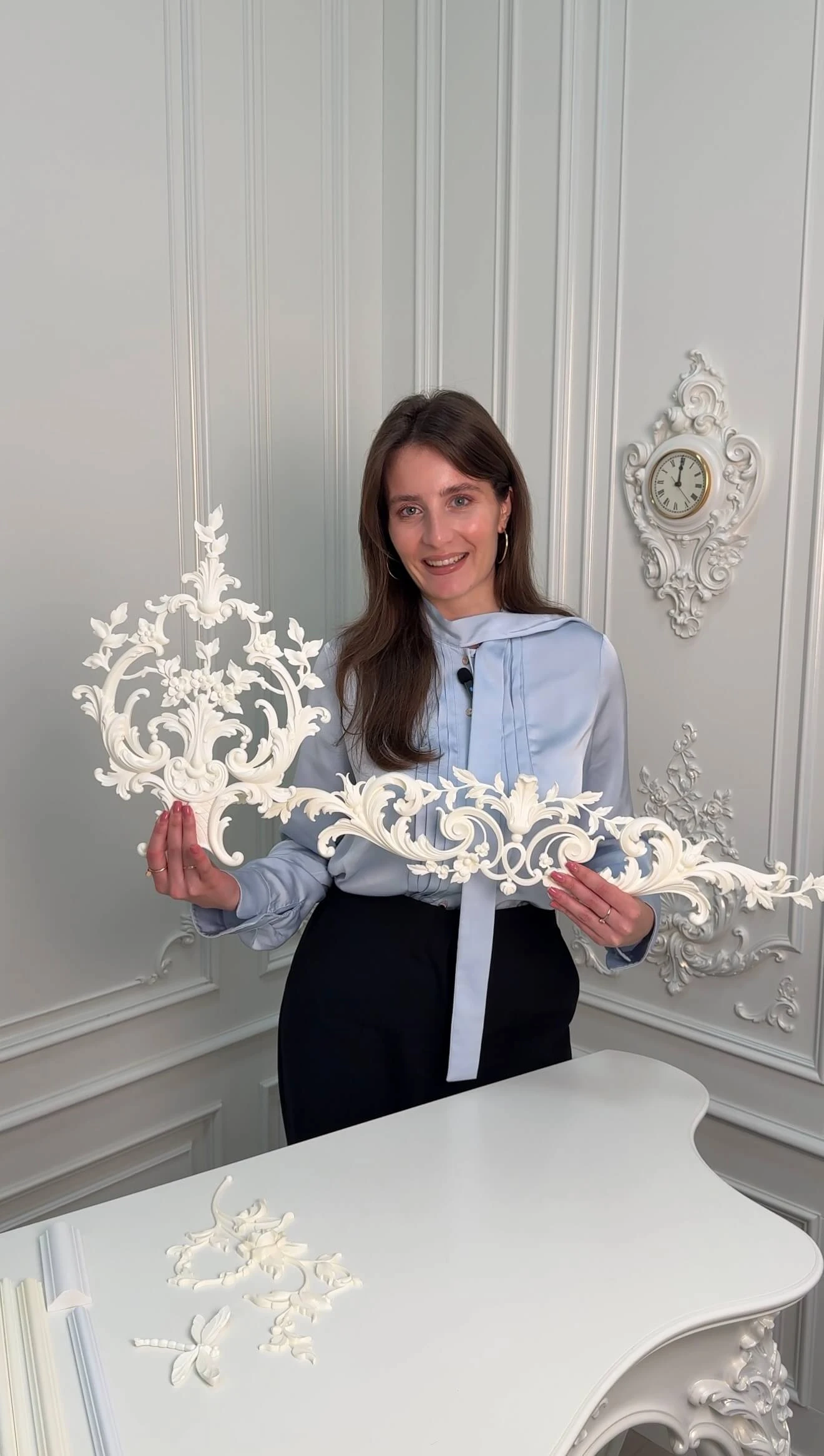
decorative polyurethane elements In combination with wooden slats, it creates architectural depth that cannot be achieved with a single material. The linear rhythm of wood as a base, the plastic stucco ornament as a point accent.
What types of wooden slatted panels exist: a complete classification
| Appearance | Characteristic | Where best to use | Budget |
|---|---|---|---|
| Oak solid wood | Solid wood, unique grain | Premium living rooms, offices, lobbies | High |
| Beech solid wood | Fine fiber, uniform structure | Bedroom, study, commercial interior | High |
| Solid ash | Expressive pattern, light tone | Scandinavian and japandi interior | High |
| Veneered | MDF + natural veneer | Living room, study, TV area | Medium — high |
| Wood-look MDF | Embossed like oak, walnut, wenge | TV area, hallway, bedroom | Medium |
| MDF for painting | White primer, any color | Designer projects with precise tone | Medium |
For most tasks in residential interiors — MDF with wood veneer or veneered panels. For a premium project without compromise — solid wood. For a designer project with an exact color — MDF for painting.
Wooden slatted wall panels: full check before purchase
Want to buy slatted wooden panels — and not regret it? Here's a checklist that covers all critical questions before you hit the "Order" button.
1. Wall size and room height
Measure the wall or area in millimeters: width and height. Not "about three meters", but 2980 mm or 3120 mm — precisely. The room height determines the panel length: standard 2700 mm works for most apartments. Ceiling 3000 mm — need a longer panel or a horizontal joint covered molding.
2. Slat direction
Vertical slats — classic. They lift the ceiling and create a sense of height. Horizontal — widen the wall, give a calmer natural rhythm. Diagonal — dynamic, non-standard, higher material consumption. Decide in advance — the direction affects the quantity calculation.
3. Wood color and tone
Warm oak with a golden hue, rich walnut, light ash, bleached oak — each tone creates its own feeling of space. Don't choose based on a monitor picture. Order samples and view them in your room under your lighting. Three minutes with a sample in hand — saves months of rework.
4. Coordination with gender and doors
Wooden slatted panels for walls — is not an isolated element. They exist alongside the flooring and door leaf. A rule that always works: the tone of the panels and the tone of the floor should be from the same "climate zone" — both warm or both neutral. A cold gray floor and warm honey slats are a conflict that is difficult to reconcile even with good furniture.
5. Adjacent to the baseboard
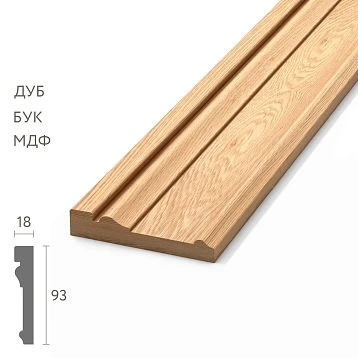
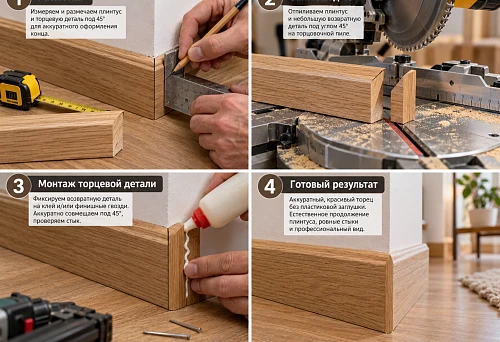
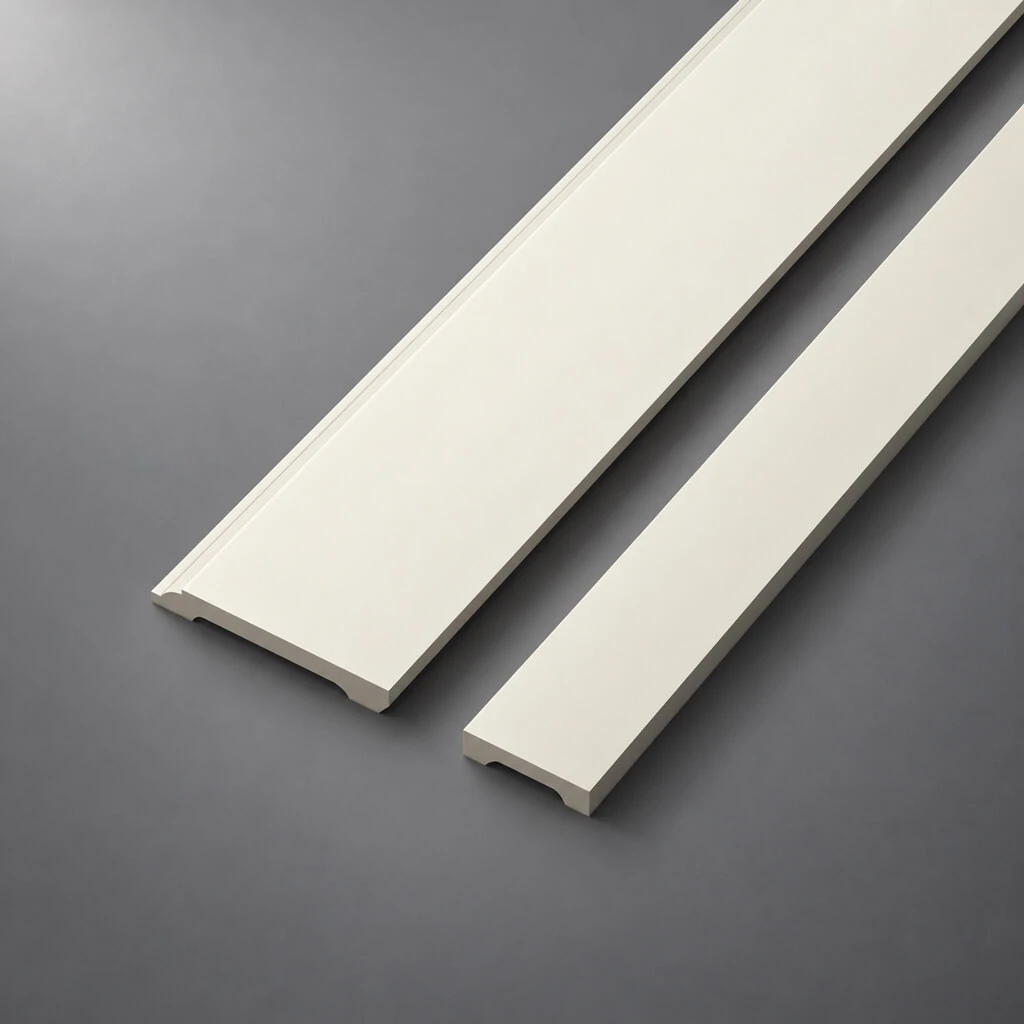
The baseboard is the finishing element of the lower junction of the slatted panel. If the baseboard is already installed, make sure the panel will sit flush with its back or overlap it correctly. If the baseboard has not yet been purchased, order it together with the panels. In the STAVROS catalog, baseboards and moldings are geometrically coordinated with the series of slatted panels.
6. Adjacent to the ceiling
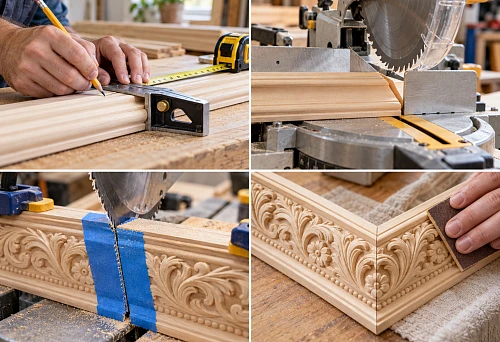
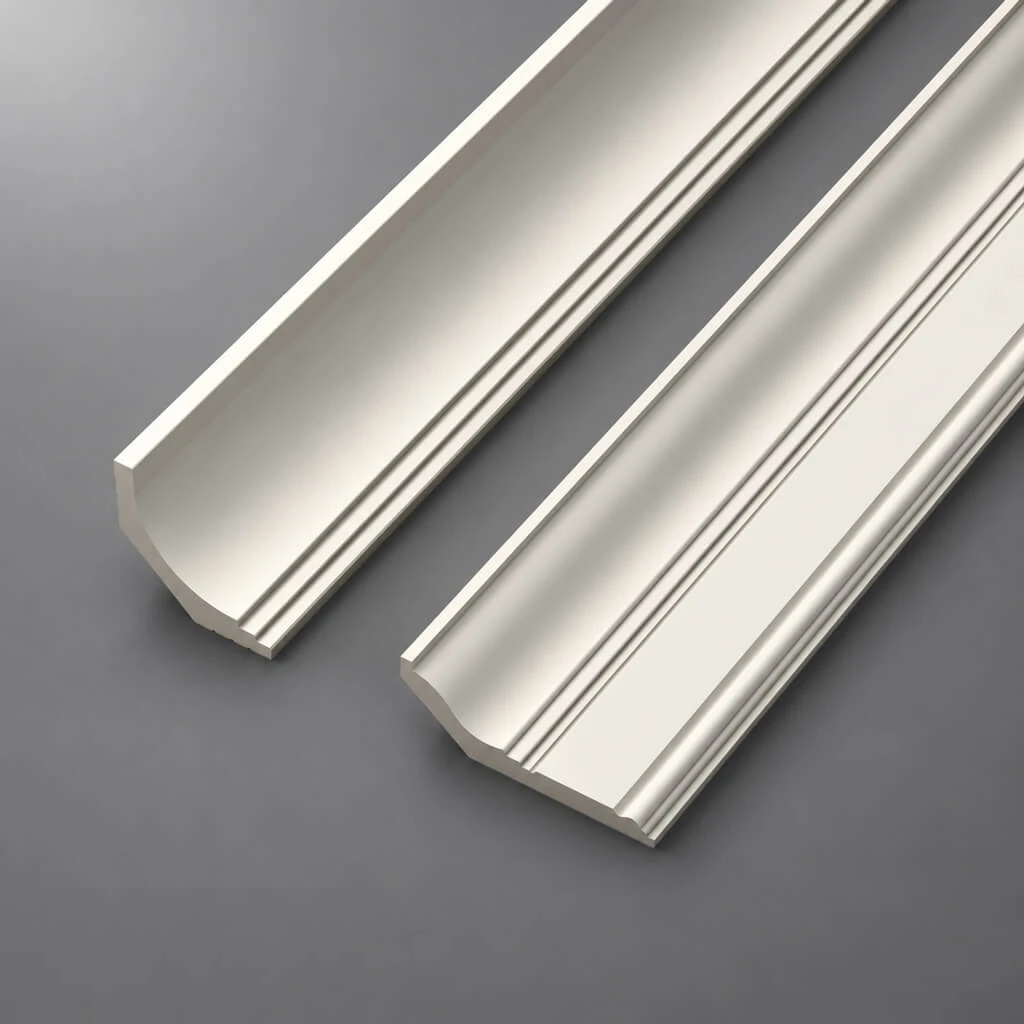
The top edge of the slatted panel is a molding or cornice. Without it, the edge is exposed, which looks unfinished under side lighting. Moldings made of polyurethane along the top edge is a mandatory element of the system. Also consider a ceiling cornice as a transition element between the wall and ceiling.
7. Sockets and switches
This is a technical point that is often ignored until installation. Sockets and switches in the finishing area need to be moved under the panel or cut holes exactly for placement. All this is planned before installation on paper or in an app — not during it.
8. Lighting and shadows
If you plan LED lighting behind the molding or in the gaps between slats, this affects the choice of profile. The gap must be sufficient, and the slat must be tall enough so that the light source is not directly visible. Decide before purchasing panels.
9. Trim allowance
Never order "exactly to the area." Trimming at corners, slopes, and doors results in waste. Standard allowance: 10–12% for a rectangular wall without openings, 15–20% for non-standard geometry.
10. Delivery conditions
Long wooden panels are a specific cargo. Clarify packaging and delivery conditions before ordering. Damage during transport is a problem best anticipated in advance: insurance, proper packaging, reliable transport company.
What affects the price of wooden slat panels
Pricing for wooden slat panels is a multi-factor story. Let's break down each component.
Material. Principally: solid wood is 2–4 times more expensive than MDF or more, depending on the species. Oak is a mid-price category among valuable species. Walnut, teak, padauk are more expensive. Beech, ash are slightly lower than oak. Veneered panels are an intermediate position between MDF and solid wood.
Wood species. Rare species are more expensive than common ones. The volume of the workpiece, the length of the log, the percentage of commercial timber—all of this is reflected in the cost of the finished product.
Presence of veneer. In veneered panels, the cost of valuable species veneer is a separate component. Beech veneer is cheaper. Stained oak veneer is more expensive.
Panel size. A long, wide solid wood panel requires a single piece of wood without knots or defects. This limits yield from raw materials and raises the price. MDF is significantly more democratic in this regard: length and width are not limited by the nature of the workpiece.
Slat width. A wide slat means more material and longer processing time. For solid wood, there are also raw material limitations.
Relief depth. Deep milling requires time and precise equipment setup. This is reflected in the processing cost.
Coating type. Oil is a soft coating that preserves the natural matte finish and tactility of the wood. Varnish is harder, more protective, with variable gloss. Clear varnish vs. tinted varnish — a difference of several technological stages. Manual sanding of the "Prestige" class is the highest surface standard, ready for installation without additional preparation.
Installation complexity. Solid wood panels require 48–72 hours of acclimatization, more careful edge treatment, and specific fasteners. Installation costs more than for MDF.
Order volume. Large orders get better terms. One supplier, one batch, one tone.
Delivery. Long-length goods, special packaging. Consider this when budgeting.
Additional elements. Moldings, baseboards, decorative polyurethane elements — the system cost is always higher than the cost of panels alone.
Wood, MDF, or wood-look panels: what to choose
An honest comparison without marketing fog.
| Criterion | Solid wood | Wood-look MDF | MDF for painting |
|---|---|---|---|
| Visual effect | Premium, unique, lively | Decorative, natural, predictable | Depends on color and paint quality |
| Tactile | Warm fiber, natural texture | Embossed surface | Smooth or matte enamel |
| Price | High | Medium | Medium |
| Geometric Stability | Depends on acclimatization and storage conditions | High | High |
| Repaintability | No (only refinishing with oil/varnish) | No | Full — any shade |
| Compatibility with PU moldings | Good | Good | Ideal |
| Care | Requires periodic oil/varnish renewal | Minimal | Minimal |
| Durability | 30+ years with maintenance | 15–20 years under normal conditions | 15–20 years under normal conditions |
| Best suited for | Premium areas, country houses | TV areas, bedrooms, hallways | Designer projects with precise tone |
The honest conclusion: for most tasks in city apartments and houses — MDF with wood veneer covers 80% of needs. For those for whom naturalness is a non-negotiable concept — solid wood.
Wood panels and interior styles: where wood works flawlessly
Wood is not a single style. It is a material with a plastic character that adapts to the context.
Japandi. Light ash or bleached oak with narrow slats — the basic Japanese-Scandinavian syntax. Naturalness without excess, minimalism with warmth. planks made of wood with a neutral coating + white walls + natural textiles = a complete japandi look.
Scandinavian minimalism. Light birch or pine, white wall, wood as the only warm accent. Slats with a small gap, a light profile, clear oil. No heavy moldings — only natural simplicity.
Eco and biophilic design. Maximum naturalness: oak with open pores, oil finish, alongside — live plants, natural stone, linen curtains. A wooden slat wall as a manifesto of natural aesthetics. Wooden slatted wall panels — the central element of such an interior.
Modern classic. Dark oak or walnut with a rich tone, Moldings made of polyurethane in white as a contrasting frame — the architectural contrast of wood and whiteness. Slat rhythm + classic moldings + decorative polyurethane elements = layers that read as a well-thought-out project.
Loft. Dark slat — wenge or thermowood with a burnt surface — against a backdrop of brick or gray concrete. Rough naturalness in an industrial context. Without moldings, without cornices — open ends as a principled stance.
Country house. Natural pine or spruce edging, log house, natural materials. Wooden slats here are not a design technique, but a continuation of the house's architectural logic.
Features of solid wood slatted panels: what you need to know
Solid wood is a living material. This is the main thing that distinguishes it from MDF. And this is what requires understanding.
Acclimatization
Wooden panels cannot be installed immediately after delivery. The solid wood must "acclimate" to the humidity and temperature of the room. Minimum 48 hours, ideally 72 hours. The panels are unpacked and left in the room in a horizontal or vertical position. Only after acclimatization will the geometry stabilize.
Why this is important: if non-acclimatized panels are installed, the wood may absorb or release moisture after installation and become deformed. This is especially critical when there is a large difference in humidity between the delivery conditions and the room.
Indoor humidity
Optimal humidity for wooden products is 40–60%. At humidity below 35%, the wood dries out and may crack. At humidity above 70%, it swells. This is not a problem under normal apartment or office conditions. The problem arises in rooms without heating in winter or with extreme humidity.
STAVROS production — controlled microclimate. Panels are manufactured at 20–24°C and 40–55% humidity. This is the standard for a living space — meaning after acclimatization, the geometry will not change.
Oil or varnish coating
Oil is an open coating. It penetrates the fibers without creating a film on the surface. Natural tactility is maximized: you feel the fiber under your hand, not varnish. Downside: requires periodic renewal (every 2–5 years, depending on intensity of use). Upside: scratches and scuffs are easily repaired with local treatment.
Varnish is a closed coating. It creates a protective film on the surface. It is harder and more resistant to mechanical damage. Disadvantage: if there is a deep scratch, the entire area needs to be re-varnished. Advantage: it maintains its appearance for a long time without maintenance.
For wall panels that are not subject to daily mechanical impact, oil is optimal. For hallways or commercial spaces with heavy traffic, varnish is best.
Joints and gaps
Wooden panels slightly change size across the grain when humidity changes — this is normal. During installation, leave a temperature and humidity gap of 1–2 mm between the ends. The joints are covered. molding — this rule applies to both wooden and MDF panels.
How to calculate the number of wooden slatted panels for a wall
A practical section for those who have already made their choice and want to accurately calculate the order.
Step 1. Record the dimensions of the wall or area.
Width and height — in millimeters. If there are openings, measure them separately. For non-standard shapes, make a diagram.
Step 2. Choose the direction of the slats.
-
Vertical: panel height = room height (or panel length ≤ height)
-
Horizontal: panel length ≤ wall width
-
Diagonal: 20–25% extra
Step 3. Calculate the area.
Wall area = width (m) × height (m). If there are openings (doors, windows) — subtract their area, but leave extra for trimming near slopes.
Step 4. Calculate the number of panels.
Quantity = wall area (m²) ÷ area of one panel (m²). Round up.
Example. Wall 3600 × 2700 mm = 9.72 sq m. Minus door opening 900 × 2100 mm = 1.89 sq m. Net area: 9.72 − 1.89 = 7.83 sq m. Panel 2700 × 120 mm = 0.324 sq m. Quantity: 7.83 ÷ 0.324 = 24.2 → 25 pieces.
Step 5. Add extra.
Rectangular wall without openings: +10–12%. Wall with openings: +15%. Non-standard geometry or diagonal direction: +20–25%.
Total in example: 25 × 1.15 = 28.75 → 29 pieces.
Step 6. Calculate additional elements.
-
Molding along the top edge: perimeter of the top edge of the finishing area + 10%
-
Baseboard: length of the bottom edge + 10%
-
Corner decorative polyurethane elements: by the number of corners and junction points
-
Joining moldings for horizontal joints
Step 7. Check with managers.
If in doubt, contact STAVROS. Calculation based on your measurements and diagram is free.
Mistakes when buying wooden slatted panels
Experience shows: the same mistakes are repeated over and over. A list to help you avoid them.
Mistake 1: choosing the shade only by screen.
"Warm oak" on a laptop monitor and "warm oak" in your living room with your lighting are different things. Order samples. Evaluate under both daylight and artificial lighting — in the morning and in the evening.
Mistake 2: not checking the joints in height.
A 2700 mm panel in a 2900 mm room — a 200 mm joint. Without molding, it looks unfinished. With molding, it's an architectural technique. Plan ahead.
Mistake 3: ignoring the baseboard.
The bottom edge of a slatted panel without a baseboard is an exposed end. A baseboard is not an option, but a mandatory element. Order it together with the panels.
Mistake 4: not coordinating with doors and flooring.
A wooden slatted wall in light oak next to dark flooring and dark doors is a tonal conflict that can only be fixed by completely replacing one of the elements. Coordinate the color scheme before ordering.
Mistake 5: not accounting for trimming.
"I'll order exactly by area" — and then they buy more, wait for a repeat delivery, and installation costs. A reserve is mandatory.
Mistake 6: choosing too active a texture for a small room.
A large wood pattern with pronounced pores on all walls of a small room creates visual pressure. In a small space, fine, even grain with a neutral tone or a limited finishing area works best.
Mistake 7: not considering lighting.
Wood relief under directional light is a play of shadows and natural texture. Lighting should be planned before installation. Afterward, it's more difficult and expensive.
Mistake 8: buying additional elements from another manufacturer.
The geometry of moldings and panels from different manufacturers almost never matches. The only reliable way to get a system is a single supplier.
Mistake 9: not acclimating solid wood.
Delivered and installed immediately. A week later, gaps in joints or warped slats appear. Acclimation for 48–72 hours is not a whim but a technological requirement.
Mistake 10: not planning outlets and switches.
In the area of slatted panels, outlets need to be integrated into the installation scheme in advance. Cutting a hole in an already installed panel is much more difficult than preparing it before installation.
System: wood panels + moldings + decor
A discussion of wooden slat panels is incomplete without discussing the system. The panel is not the final element, but the foundation.
Level 1: slatted surface. wooden slat wall panels as a foundation — rhythm, depth, natural texture.
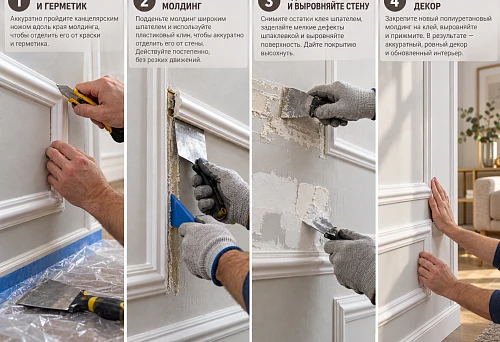
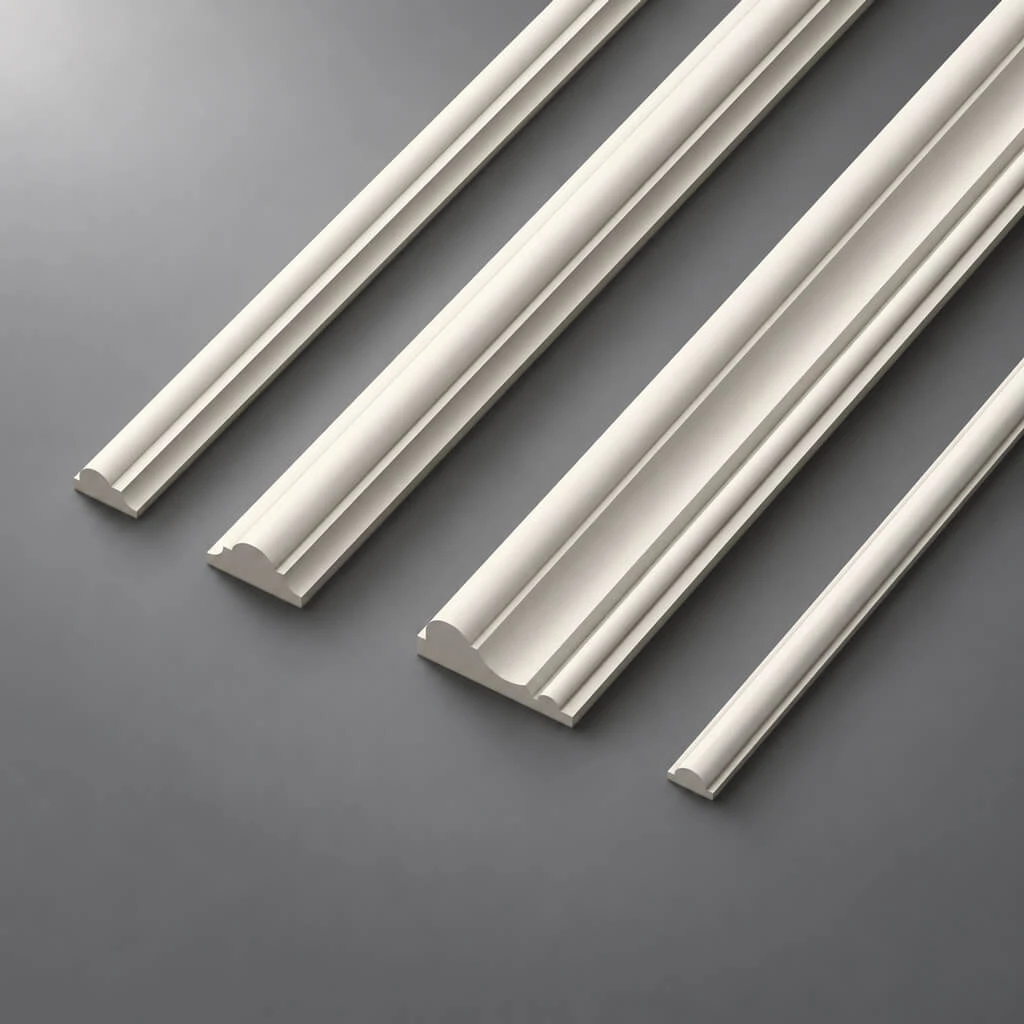
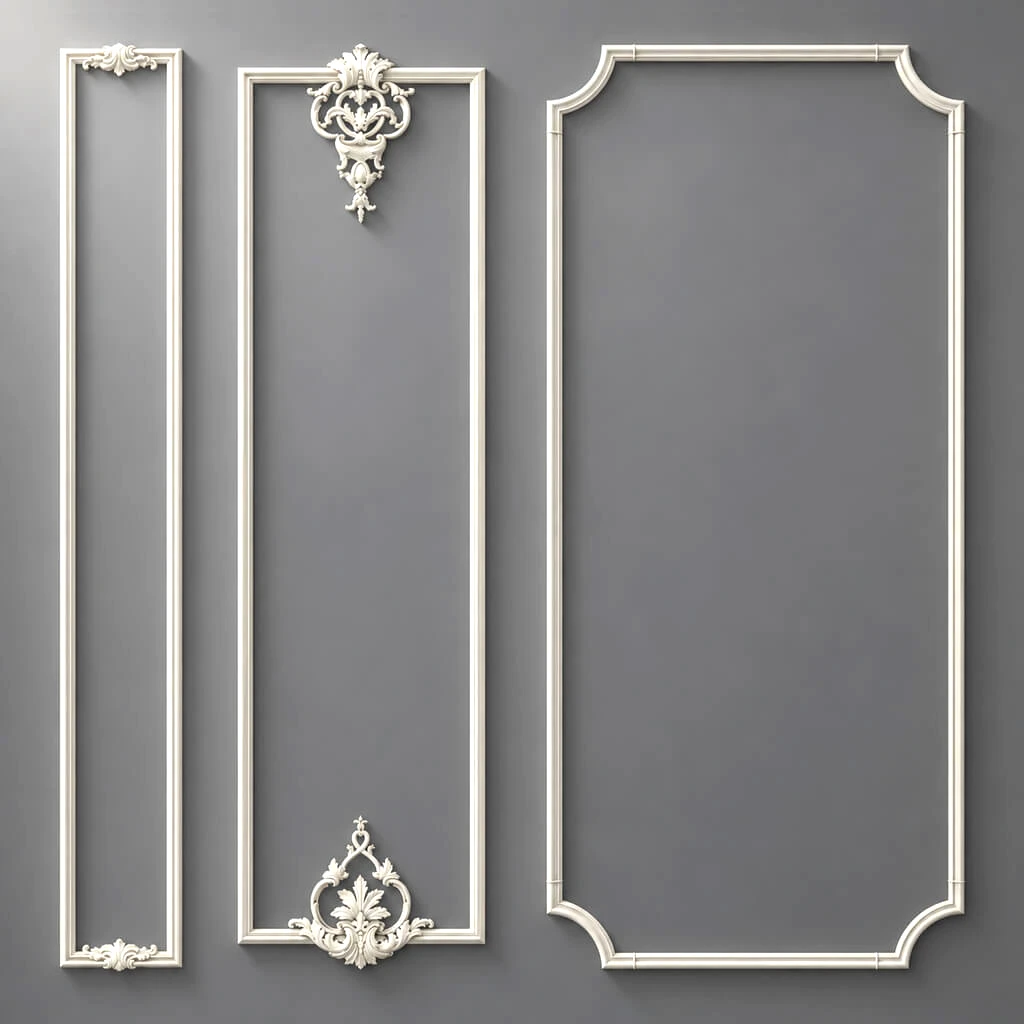
Level 2: molding system. Moldings made of polyurethane as a frame system around the slatted area. Top and bottom edges, horizontal dividing belts, transition to the ceiling.
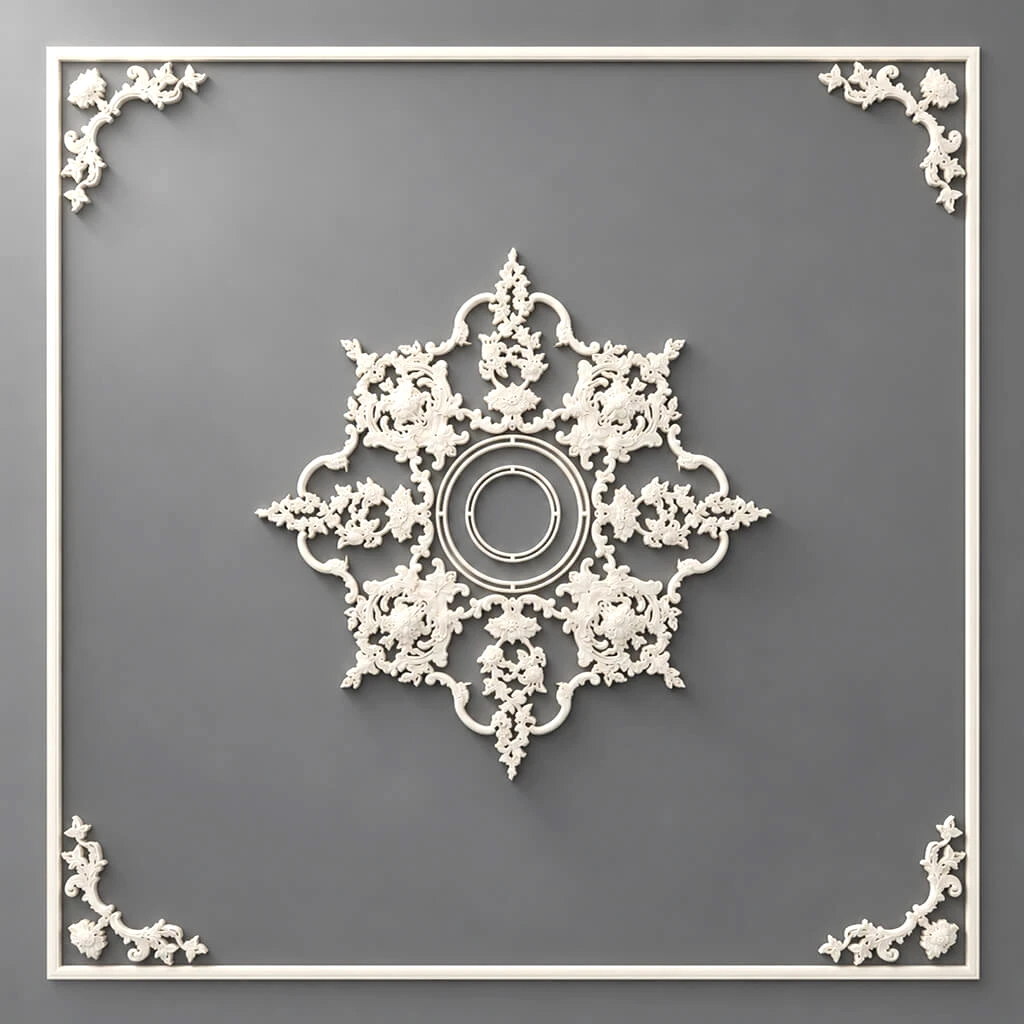
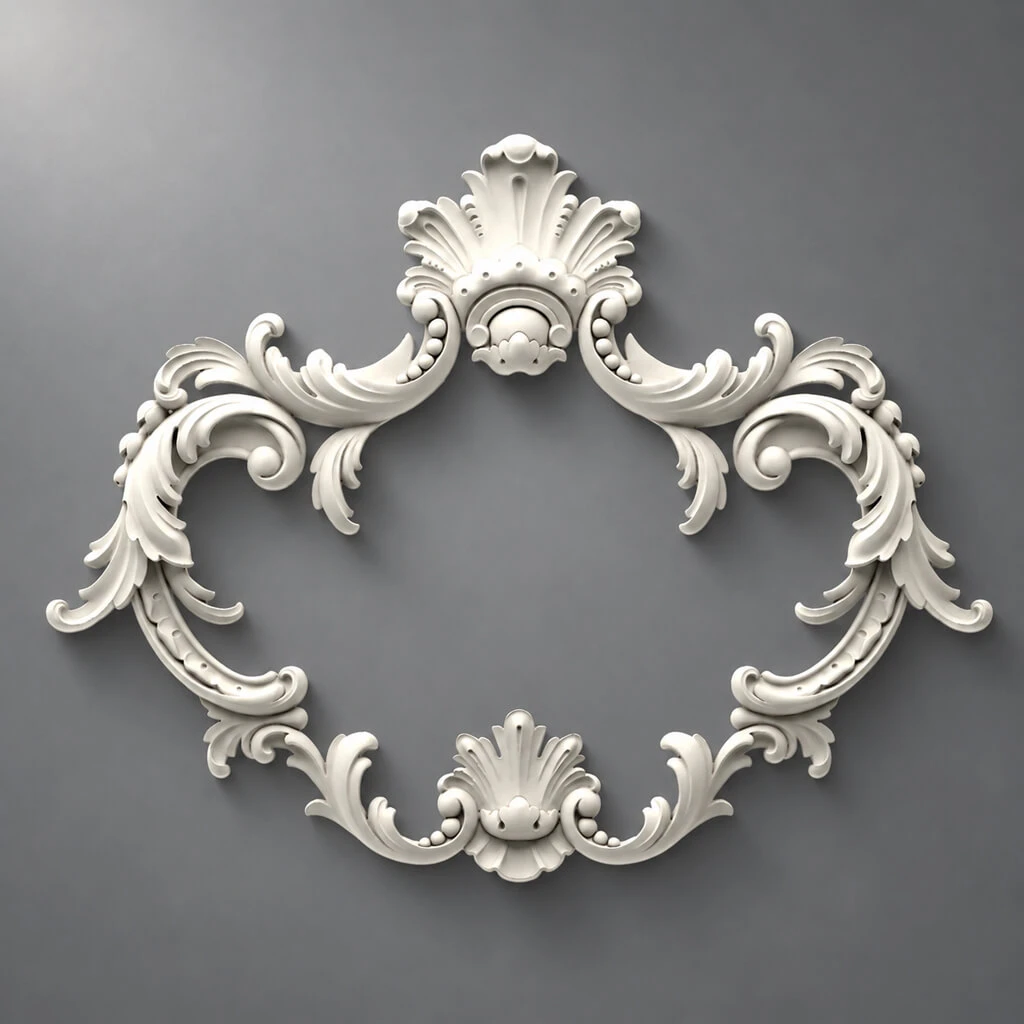
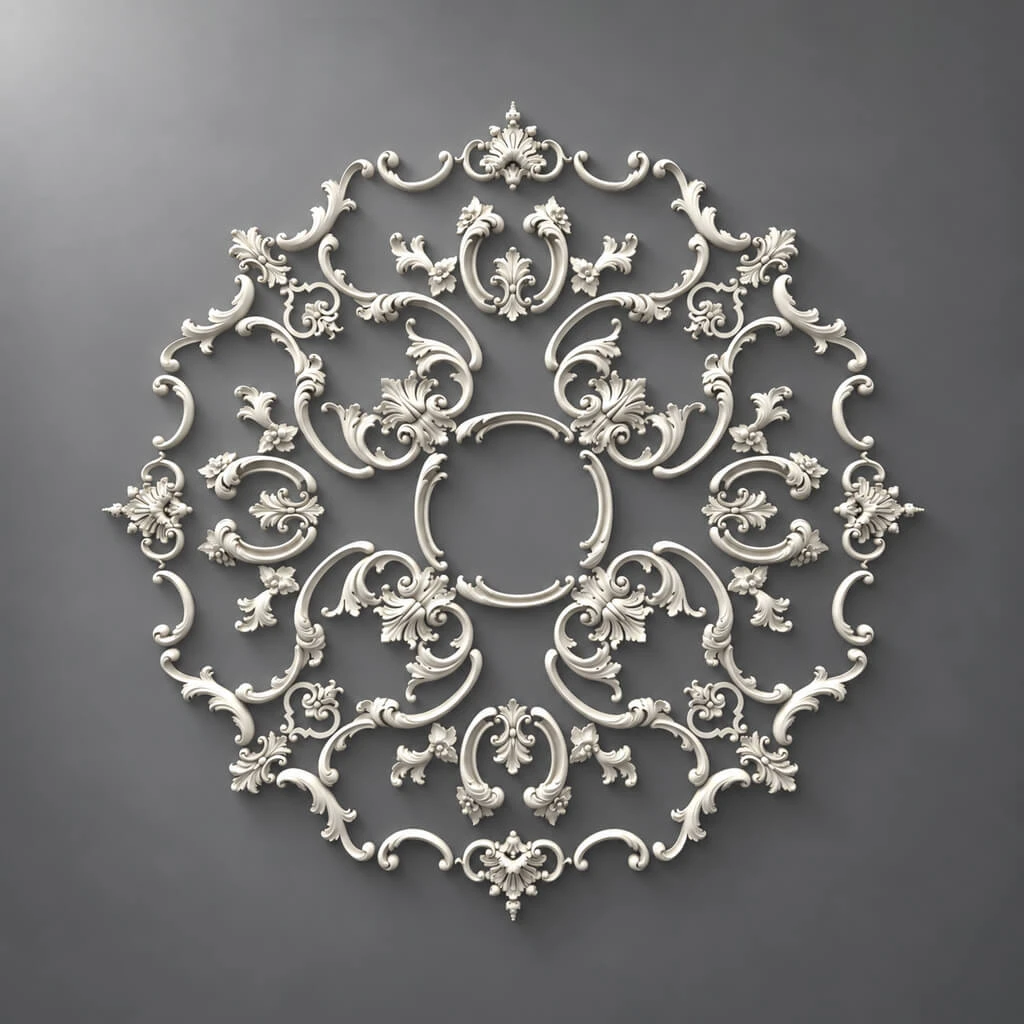
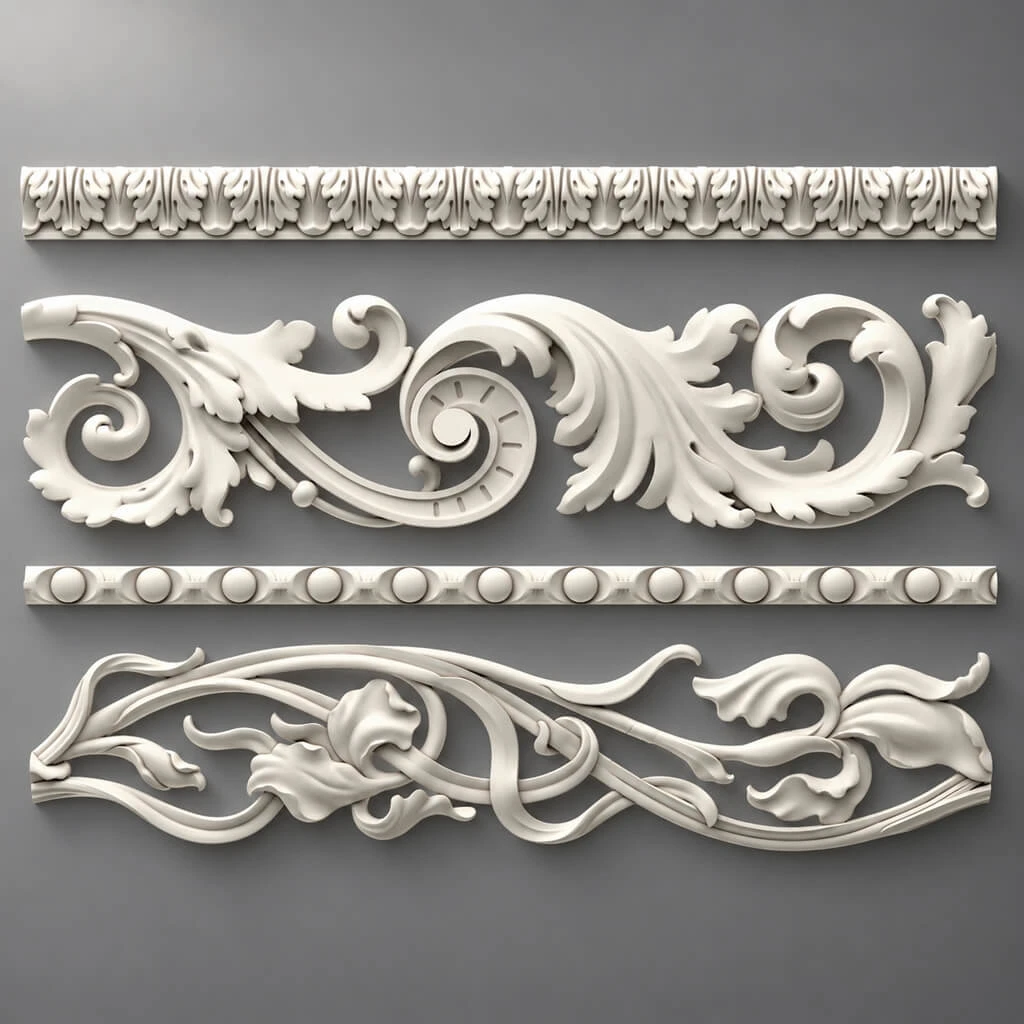
Level 3: decorative elements. decorative polyurethane elements in the corners of molding frames, rosettes at the intersection of moldings — point architectural accents.
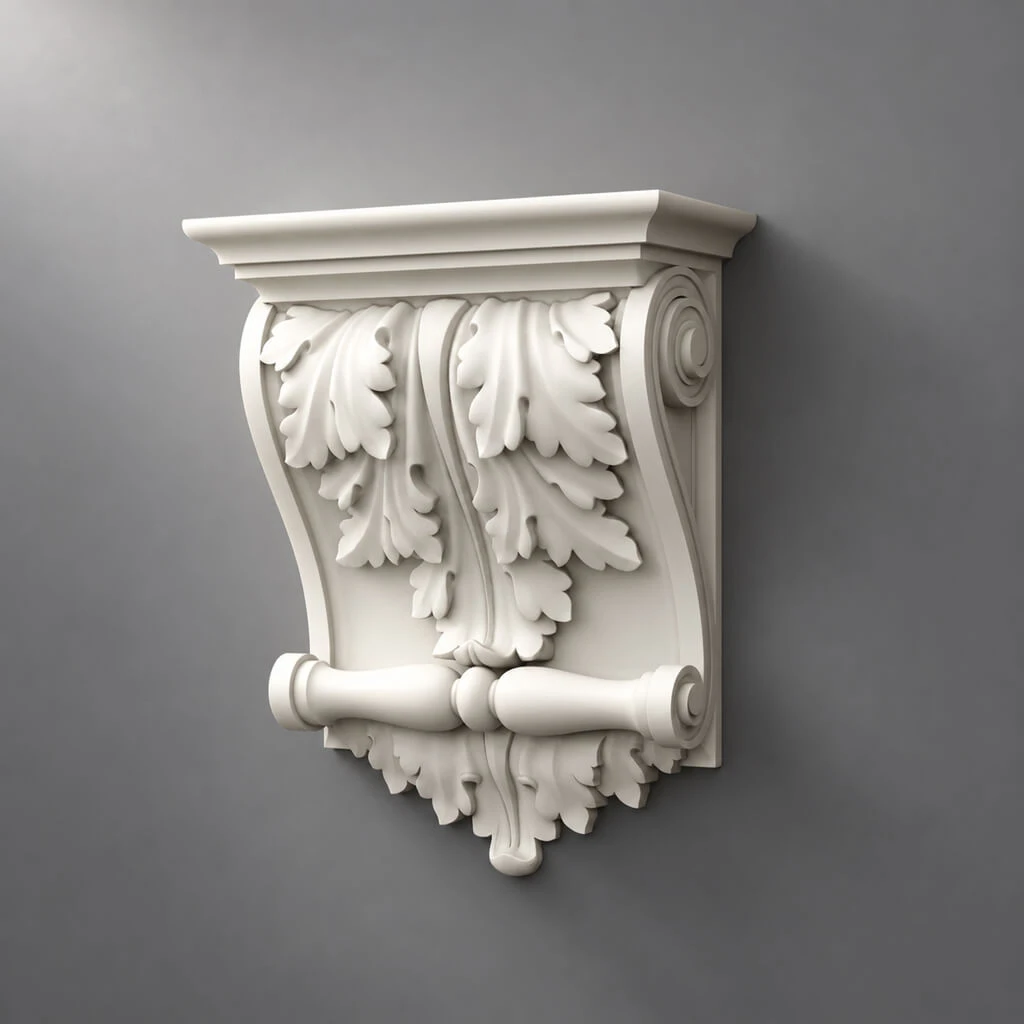
Level 4: overlays and wall decor. Polyurethane wall decor — pilasters, corner overlays, decorative inserts. Create volume against the slatted background.
Four levels — one system. Wood as a natural foundation and polyurethane decor as a flexible architectural element — this is a contrast of material languages that gives depth. This is what distinguishes an interior with history from a set of 'purchased things'.
Where to buy wooden slat panels in St. Petersburg and across Russia
If you are looking for where to buy wooden slat panels in St. Petersburg — STAVROS is located in St. Petersburg. Pickup, sample inspection before ordering, direct contact with production — all available.
Across Russia — delivery by transport companies. Wooden panels are packed in protective film and rigid pallets. With proper packaging, they arrive undamaged even over long distances.
Production time: 5–10 business days. Delivery: depends on the region. Total from order to receipt — 2–3 weeks. Plan ahead.
If you need to buy a wooden slat wall panel — the full range is in the catalog at stavros.ru. Rafter panels, wood-look panels, Panels for painting, Moldings, Decor — a unified system from a single source.
FAQ: Answers to popular questions
Which wooden slat panels to buy for walls?
Depends on the room and budget. For premium interiors — solid oak or beech. For most residential projects — MDF with wood texture and embossed coating: stable geometry, natural effect, lower price. Always order samples before making a final decision.
How are wooden slat panels different from MDF?
Solid wood — living natural texture, unique pattern of each panel, tactile warmth, requires acclimatization and periodic maintenance. MDF — stable geometry, predictable color, easy maintenance, excellent compatibility with moldings. The choice is between naturalness and predictability.
What affects the price of wooden slat panels?
Wood species, coating type (oil/varnish), panel size, relief depth, order volume, installation complexity, additional elements, and delivery.
Can I buy wooden slat panels for interior decoration?
Yes. That is their main application. Living room, bedroom, hallway, study, commercial interior — wooden slat panels are suitable for any residential or office space under normal operating conditions (without constant contact with water and high humidity).
Where to buy wooden slat panels in St. Petersburg?
At STAVROS — a St. Petersburg manufacturer with production in St. Petersburg. Pickup, samples, consultations. Delivery across all of Russia.
How to calculate the number of wooden slat panels?
Wall area (m²) ÷ area of one panel (m²) = quantity, round up. Add 10–15% reserve. For non-standard geometry — 20–25%. If in doubt, free calculation based on your measurements.
Is acclimatization necessary for solid wood panels?
Mandatory. 48–72 hours in the room before installation. This prevents deformation after installation.
Can wooden slat panels be combined with moldings?
Yes, and this is one of the best techniques. Moldings made of polyurethane geometrically consistent with STAVROS slat panels. The wooden rhythm as a base and the classic molding contour as a frame — a contrast that enhances both elements.
About the company STAVROS
STAVROS is a St. Petersburg manufacturer of decorative interior products with a history since 2002. The company's roots are in restoration projects: the Konstantinovsky Palace in Strelna, Hermitage facilities, the Alexander Palace. It is this history that has cultivated an approach to quality as a basic standard, not a competitive advantage.
Today STAVROS produces a complete system of decorative finishing: Rafter panels from MDF and solid wood, Panels for painting и wood-like, Moldings and cornices from polyurethane, decorative elements и PU overlays. Controlled production microclimate. "Prestige" sanding. Contact us to confirm shipping to your destination. Consultations and calculations — free of charge.
If you want to buy wooden slat panels for walls with confidence in quality, compatibility of all elements, and professional support from selection to installation — the STAVROS catalog and team of managers are at your service.