































Article Contents:
- When to choose wooden furniture handles
- How wooden handles differ from metal and plastic ones
- Which furniture suits wooden handles
- Furniture handles for a wardrobe
- Dresser handles
- Wooden handles for the kitchen
- Handles for cabinets and TV cabinets
- Handles for classic furniture
- How to choose the shape of a furniture handle
- How to choose the handle size for the facade
- Color and coating of wooden handles
- Wooden handles in different interior styles
- Classic and neoclassic
- Provence and Country Style
- Modern interior and minimalism
- Scandinavian Style
- Solid wood furniture
- Mistakes when choosing furniture handles: eight pitfalls to avoid
- Wooden furniture fittings: a complete system
- Where to buy solid wood furniture handles
- FAQ: Answers to Key Questions
- About the company

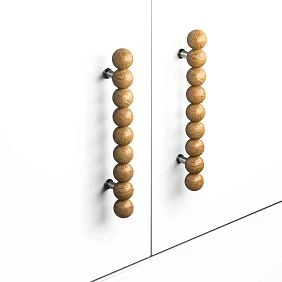
A furniture handle is a part that is touched by hands every day. That is why it is more important than it seems at first glance. When it comes to wooden furniture handles, the choice becomes both an aesthetic and tactile decision: natural solid wood in the hand is a feeling that neither metal nor plastic can replicate.
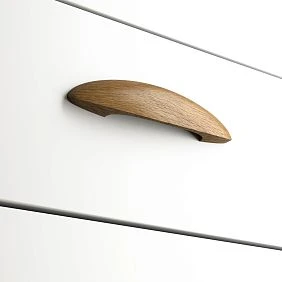
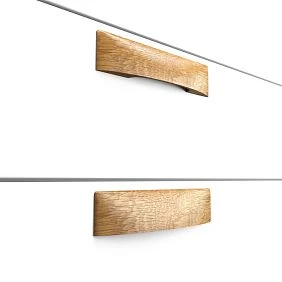
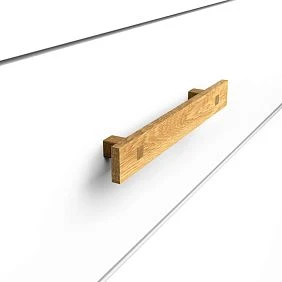
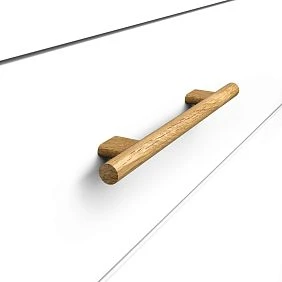
When to choose wooden furniture handles
There are several situations, in each of which Wooden furniture handles they become the best answer to a specific request. Not a general trend, not a fashionable hobby — but a precise solution for the task.
Replacing old hardware. The cabinet has been standing for ten years, the fronts are intact, but the plastic handles have long been annoying. Replacing handles is one of the cheapest and yet most noticeable ways to update furniture without remodeling. Wooden handles on old fronts change not only the appearance but also the feel of the furniture.
Updating a set. A kitchen set with white fronts is neutral, functional, but faceless. You can add character without replacing the entire set: change the handles to wooden ones — and the kitchen gains warmth and individuality.
Custom furniture assembly. Furniture manufacturers and carpenters who make solid wood products know: the hardware should be in the same ideology as the structure. A wooden handle on wooden furniture is a system, not a compromise.
Restoration of classic furniture. An antique chest of drawers, a vintage wardrobe, a grandmother's sideboard — these items require hardware made from the appropriate material. Metal on a classic wooden chest of drawers can work as an accent, but wood is organic.
Creating a unified style. When the interior has furniture legs from solid wood, wooden architraves and cornices, decorative elements from solid wood — handles made of the same material complete the system. Everything wooden works together as a well-thought-out ensemble.

How wooden handles differ from metal and plastic ones
This question should be examined honestly and without slogans — because each material has its own niche, and it's not worth confusing them.
Metal handles are versatile, durable, and affordable. Chrome, brass, bronze, matte nickel — a huge range of shapes and finishes. They work well in modern interiors, lofts, and industrial aesthetics. But metal has one property that becomes a drawback in warm interiors: it feels cold both to the touch and visually.
Plastic handles are the most affordable option, widely used by mass-market manufacturers. They are lightweight, easy to install, and resistant to moisture. But plastic does not age gracefully: it yellows, scratches, and loses its coating. And tactilely — it's cheapness that no color can hide.
Wooden furniture handles — this is a different level. The natural texture of wood is pleasant to the touch and visually rich. Wood does not chill the hand, nor does it create an unpleasant metallic sound upon accidental impact. A wooden handle accepts any type of finish: oil, wax, tinting, opaque paint. It can be tinted to match the facade, made contrasting, or left in its natural color.
Another fundamental difference: a solid wood handle allows for restoration. A scratch on wood can be sanded down and the finish renewed. A scratch on chrome-plated metal — cannot.
The only real drawback of wood is its sensitivity to high humidity. In the kitchen and bathroom, it is important to choose the right finish: oil or varnish with moisture-resistant properties. With proper treatment, Wooden furniture handle it lasts for decades without loss of quality.
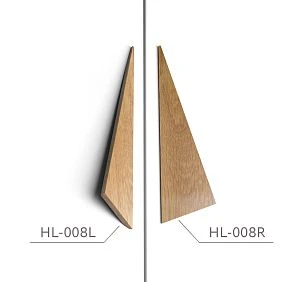
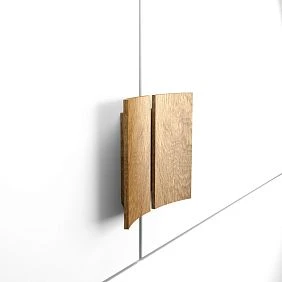
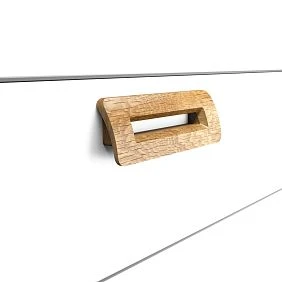
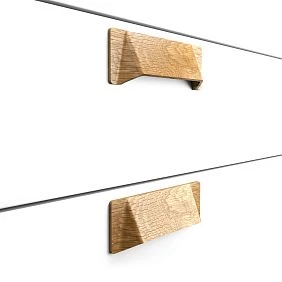
Our factory also produces:
What furniture are wooden handles suitable for
Get Consultation
Cabinet furniture handles
A cabinet is the largest piece of furniture in most rooms. Its doors are opened multiple times a day, and the handles experience constant load. A cabinet needs a handle with a good grip and sufficient mounting strength.
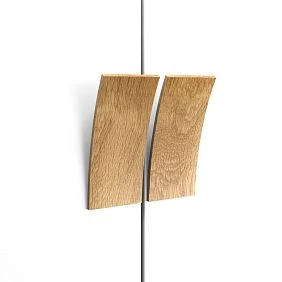
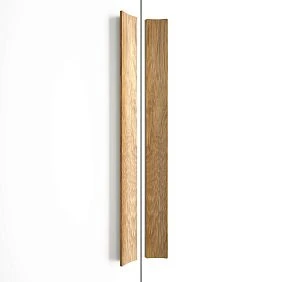
Cabinet furniture handles made of solid wood — an elongated shape 80–150 mm long with a center distance from 64 to 128 mm. For swing cabinets with tall doors — longer handles with a comfortable grip. For built-in wardrobes — button handles or profile handles that do not protrude into the passage.
The color of the cabinet handle is best matched to the tone of the facade or the tone of wooden details in the room: baseboard, cornice, mirror frame. This creates unity.
Dresser handles
A chest of drawers is furniture with many drawers. The handles here form a rhythmic row, and that is why their shape and size greatly affect the appearance of the furniture. Eight identical handles on the fronts of a chest of drawers is already a decorative pattern.
For a chest of drawers with classic fronts — wooden Wooden furniture handle in the shape of a "bracket" or with a figured profile. For a modern chest of drawers with flat fronts — a laconic elongated handle or a button with minimal decor. For a chest of drawers in Provence style — a figured handle with light decor, painted to match the facade color.
An important nuance: the handles on a chest of drawers should be identical in shape, but may differ in size — smaller ones on narrow drawers, larger ones on wide ones. This is a professional technique that makes the furniture visually more thoughtful.
Wooden kitchen handles
The kitchen is a space with heightened demands on hardware. Grease, steam, moisture, mechanical loads — all of this is normal in a kitchen. wooden kitchen handles must be treated with a durable coating: oil with wax or varnish are optimal options.
In the kitchen, wooden handles work particularly expressively precisely because most kitchen sets lack living material. Plastic, MDF, laminate, glass, metal — all of this creates a functional but lifeless environment. A wooden handle is a small but clear statement in favor of natural materials.
For the kitchen, handles with a length of 96–160 mm work well: this size is convenient for opening both wall-mounted and floor cabinets. For the oven and dishwasher — a longer handle or a profile handle that allows opening the door with the whole hand.
Handles for cabinets and TV cabinets
A bedside table, TV cabinet, hallway cabinet under a mirror — small furniture with small drawers. Compact handles are appropriate here: knobs with a diameter of 25–40 mm or short elongated handles with a center-to-center distance of 32–64 mm.
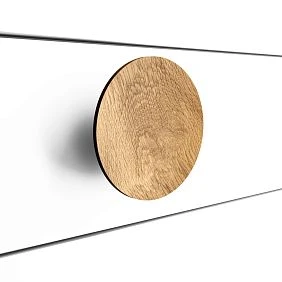
A wooden knob is one of the most elegant options for cabinets. It does not protrude, does not catch on clothing, and creates a minimalist accent. At the same time, the natural texture of wood makes it noticeably more interesting than a cast metal knob of the same shape.
Handles for classic furniture
Classic Furniture is a story in which hardware plays one of the main roles. On furniture with carved fronts, profiled frames, figured overlays — the handle must match the level of detail of the entire surface.
For classic styles, wooden handles with a figured profile, with slight decoration on the base, with soft rounded shapes are suitable. A carved wooden handle on a classic front is an organic continuation of the style. It does not contrast with the decor but complements it.
At the same time, a wooden handle for classic styles should be made of the same wood species as the fronts — or tinted to the same color. A mismatch of species with a close tone creates dissonance precisely in the texture: the eye reads it, even if it cannot articulate it.
How to choose the shape of a furniture handle
The shape of a handle is not just about aesthetics. It's about ease of use, visual effect, and matching the furniture style. Let's break down the main types.
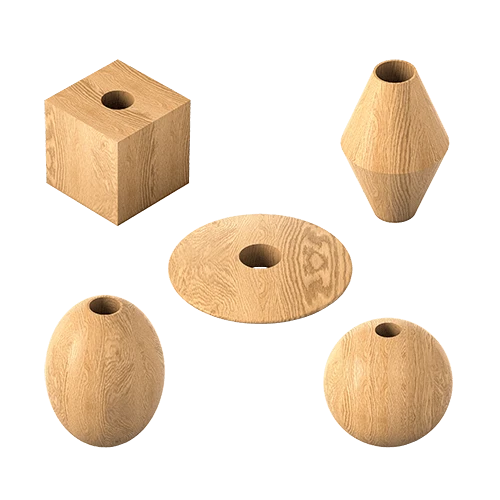
Knob handle — round or slightly convex, mounted on a single bolt in the center. Diameter — from 25 to 50 mm. Compact, delicate, suitable for small drawers, cabinets, and secretaries. Does not overwhelm the facade. A wooden knob in natural or tinted finish is a classic for Scandinavian, Provencal, and neoclassical furniture.
Pull handle (bracket) — mounted on two bolts with a fixed center-to-center distance. Length — from 64 to 256 mm and more. The most common type for cabinets, kitchen fronts, and chests of drawers. Comfortable grip, wide range of shapes: from completely straight to slightly curved.
Shaped wooden handle — with a profiled body, decorative elements on the ends or along the length. Suitable for classic, neoclassical, and Provencal styles. Creates a visual accent.
Carved handle — with surface decoration: floral patterns, geometric notches, figured processing. This is a bespoke product that raises the cost of hardware and makes furniture unique. For antique restoration and custom furniture making.
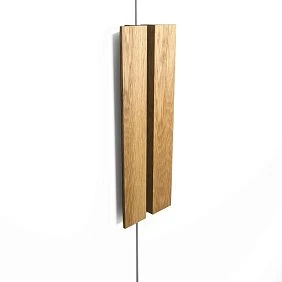
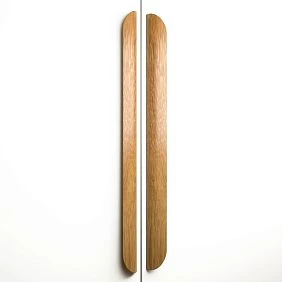
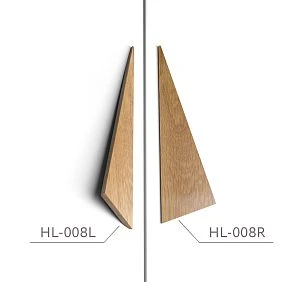
Minimalist modern handle — rectangular or semi-circular cross-section, no decoration, clean geometry. For minimalist and Scandinavian interiors. The simplicity of form here is not poverty but asceticism as a style.
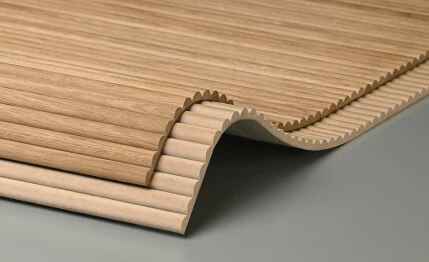
Profile edge handle — a handle without protrusion, built into a milled groove on the edge of a door or drawer. A popular technique in modern interiors: a facade without visible handles, opened by gripping the edge groove. A wooden insert profile in such a groove is one application of thin wooden molding.
| Handle type | Suitable for | Style |
|---|---|---|
| Button | Cabinets, small drawers | Provencal, Scandinavian, neoclassical |
| Pull bracket | Cabinets, kitchen, chests of drawers | Universally |
| Decorative | Classic facades | Classic, neoclassic |
| Carved | Antiques, exclusive furniture | Classic, Baroque |
| Laconic straight | Modern sets | Minimalism, loft, Scandinavian |
| Profile into groove | Modern handleless facades | High-tech, minimalism |
How to choose the handle size for the facade
Size is the parameter where mistakes are most often made. The reason is simple: people look at the handle separately, not at the handle on a specific facade. Yet it is the ratio of handle size to facade size that creates either harmony or disproportion.
Center distance (CD) is the distance between the centers of two mounting bolts. This is the main parameter when purchasing a pull handle. Standard values: 32, 64, 96, 128, 160, 192, 224, 256 mm. Before purchasing, be sure to measure the CD of existing handles or holes — or decide on new holes.
The overall length of the handle is always greater than the CD: usually by 20–40 mm on each side. A handle with a CD of 96 mm has an overall length of about 120–140 mm. It is the overall length that affects the visual weight of the handle on the facade.
Facade size and handle: for a narrow vertical cabinet facade with a width of 400 mm — a handle with a CD of 96–128 mm. For a wide horizontal facade of 900 mm — a handle with a CD of 160–256 mm. The handle should be comparable in length to about 1/3–1/2 of the facade width: then it looks appropriate.
The thickness of the facade affects the length of the mounting bolt. The standard facade thickness is 16–20 mm. The bolt must pass through the facade and securely fix the handle from the back side. For non-standard facade thickness — check the bolt length in advance.
Upper and lower kitchen facades. Professional tip: on upper wall cabinets, install handles slightly smaller than on base cabinets. Upper facades are lower in height, so a proportional handle is smaller. Base facades are taller and wider — the handle is larger. This is a subtle but effective detail.
Facade weight. A heavy swing facade made of solid wood requires a handle with a good grip and strong fastening. A lightweight MDF facade — a more compact handle. In this case, function influences the choice of shape: a long pull with a comfortable grip is more convenient than a compact knob when opening a heavy door.
Color and coating of wooden handles
Coating is what turns a handle from a blank into a finished product. And here wood has a huge advantage over metal: you choose the coating yourself.
Handles without coating — so-called "raw" handles. This is exactly the option produced at STAVROS: handles without coating made of solid wood. This is a deliberate decision: the manufacturer does not impose a final coating, because each interior has its own color, its own tone, its own system. A handle without coating can be painted to match the exact color of the facade, tinted to dark oak, or coated with clear oil for a natural look.
Tinting to match the facade is the most organic technique. The handle color equals the facade color. The handle "dissolves" into the facade, creating a minimalist effect: the shape is visible, but the material is not highlighted. Works well in modern interiors and in classic styles with complex decor where additional accents are not needed.
A contrasting handle is a deliberate distinction: a dark handle on a light facade or a light one on a dark one. This is a design accent that focuses attention on details and adds dynamism. Works in modern interiors, Scandinavian style, and some country solutions.
A white handle is one of the most popular requests for classic and Provencal furniture. A white wooden handle with matte enamel on a white facade is almost invisible but pleasant to the touch. On a colored facade, it is a soft accent.
Coordination with the system. Handles should be coordinated in tone with with matching legs, with solid wood furniture frames, with the baseboard and cornice in the room. Handles are a small element, but they complete the wood theme: when the hardware is in the same material and tone as the structural details, the interior feels like a cohesive whole.
Moisture resistance in the kitchen. For kitchen handles, oil with added hard wax or a two-component waterproof varnish is optimal. Such a coating withstands regular contact with water, grease, and detergents without loss of quality.
Wooden handles in different interior styles
Classicism and neoclassicism
In a classic interior, the handle is an extension of the furniture decor. Handles for classic furniture should have an expressive shape: a figured silhouette, smooth lines, decorative accents on the bases. Dark wood with a "walnut" or "wenge" finish, a figured bracket with a small profile — this is an image that is organic for collection of furniture in classic style.
Neoclassicism is more restrained. Here, the handle can be simpler in silhouette, but within the same material system. A neat elongated bracket with rounded ends, tinted to medium oak tone — this is a neoclassical option that does not overload the facade.
Provence and country
In Provence, handles are often painted together with the furniture — in white, cream, gray-blue, dusty pink. Wooden handles for painting are an ideal option for this style because solid wood accepts paint much better than metal. The shape is a knob or a small figured bracket.
In country style — natural wood, pronounced texture, warm brown tones. Here, the handle can be slightly rough in shape — deliberate "handcraftedness" is a virtue here.
Modern interior and minimalism
for modern furniture In a minimalist spirit, a laconic wooden handle with a rectangular or round cross-section without decoration is suitable. Length — 96–160 mm. Finish — clear oil or matte varnish. Here, wood works as a warm counterpoint to cold materials: glass, metal, concrete, white MDF.
Scandinavian style
Scandinavia values material honesty. A wooden handle in a natural color, without tinting, with a light oil finish — this is the quintessence of Scandinavian hardware. Shape — a knob or a short straight bracket. Wood species — beech or oak in a light natural shade.
Solid wood furniture
When the entire item is made of natural wood, handles made of the same material are the only logical choice. Hardware for solid wood furniture Should be from the same wood species or from one compatible in tone. Oak + oak handle = organic system. Oak + beech handle in "oak" tint — also acceptable if the tone matches exactly.
Mistakes when choosing furniture handles: eight oversights to avoid
A handle that is too small for a heavy facade. A wooden knob with a diameter of 30 mm on a massive cabinet door is not only unattractive but also inconvenient. A heavy facade requires a confident grip. A small handle puts stress on one mounting bolt, which reduces durability.
Center-to-center distance not checked. Ordered Wooden furniture handles With a center-to-center distance of 128 mm, and holes on the facades for 96 mm — you'll either have to drill new ones or change the handles. Always measure the center-to-center distance before ordering.
The thickness of the facade is not taken into account. The standard bolt is designed for a facade of 16–20 mm. A thick solid wood facade of 25–30 mm requires a longer bolt — without this, the handle will not be securely fastened.
Mixing different styles of hardware. Wooden handles in a classic style + metal hinges with a modern design — this is a stylistic contradiction. All hardware should be consistent in spirit.
The handle does not match the color of the furniture. A dark brown handle on a light beige facade without a conceptual justification is simply a mistake. Contrast should be a deliberate decision, not an accident.
Forgotten comfortable grip. A knob handle looks beautiful, but if it is opened several times a minute — it is inconvenient. Function is more important than aesthetics: for intensively used furniture, choose a handle with a comfortable full-hand grip.
Bought from a photo without checking the size. A photo in a catalog does not convey scale. A handle that looks large in the picture may actually be very small. Always check the actual dimensions — length, height, projection above the facade.
The coating and its compatibility with care are not taken into account. Oil coating on handles requires periodic renewal — once every year or two. Lacquer coating is more durable, but if damaged, it cannot be spot-repaired. Choose the coating based on the intensity of use.
Wooden furniture hardware: a complete system
When they say “wooden furniture hardware, they mean not only handles. This is a whole system of components made of natural wood that together create an organic look for the furniture.
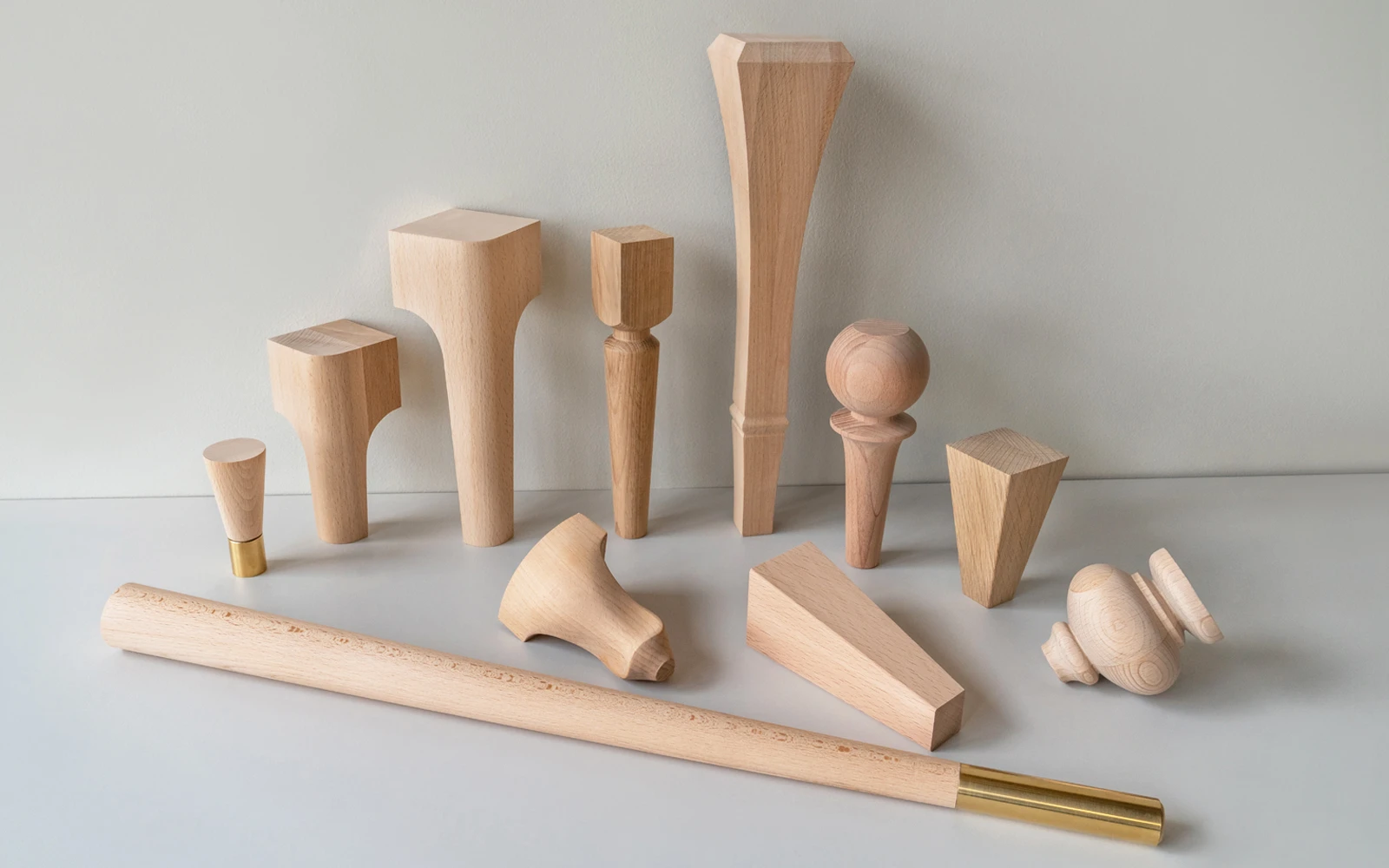
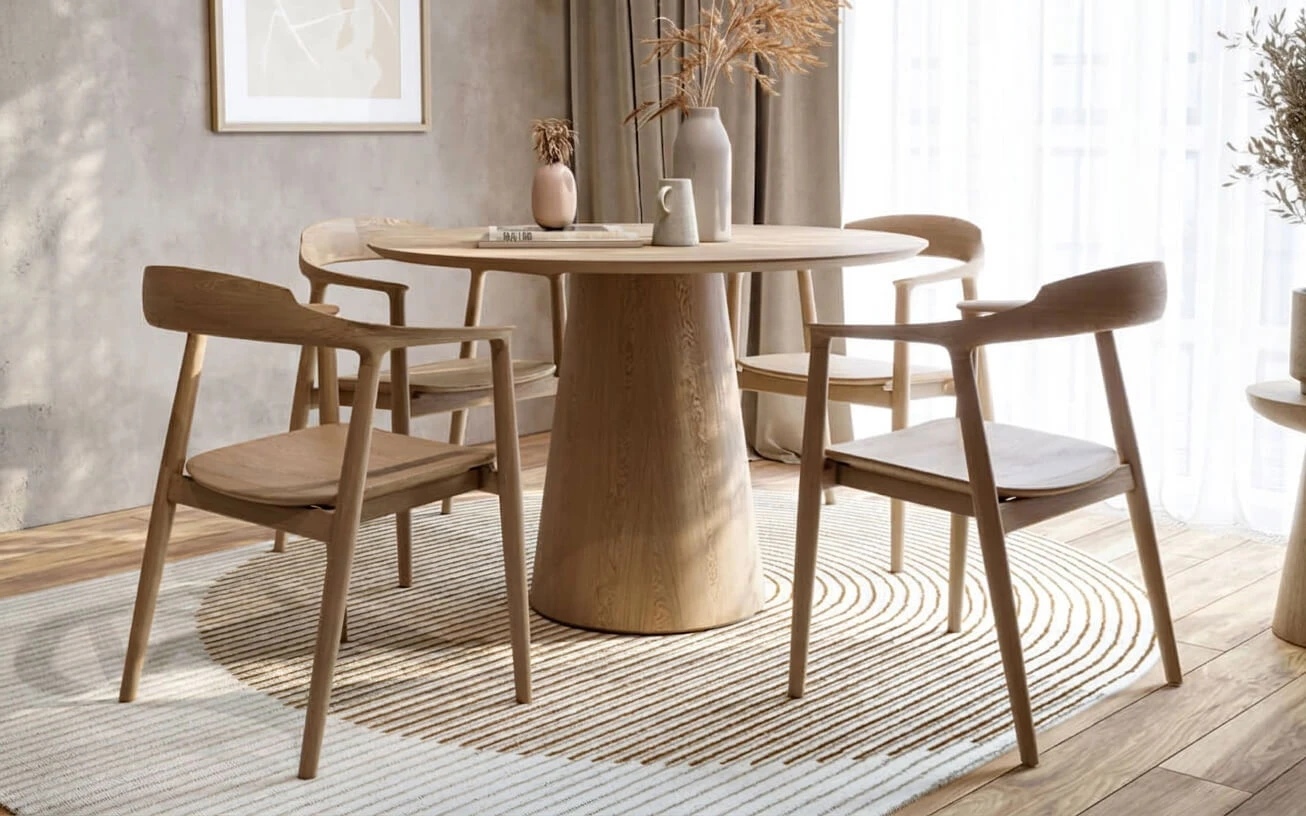
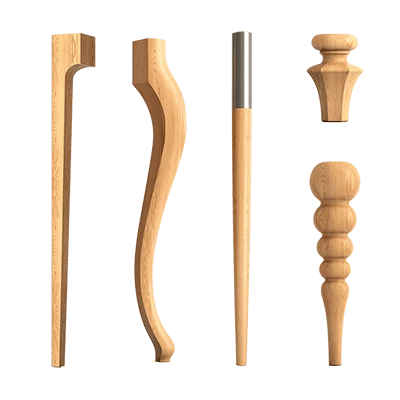
furniture legs from solid wood — a support that sets the style and height of the product. A turned leg for classics, a straight tapered leg for Scandinavian style, a massive square leg for loft — each option carries a stylistic message. Combined with wooden handles of the same species, the legs complete the furniture's appearance.
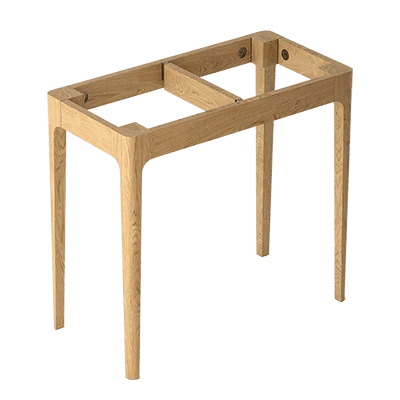
Solid wood furniture frames — the structural skeleton of sofas, armchairs, beds. An oak frame with oak wooden handles on the nightstand and wooden legs is a system perceived as a unified design language.
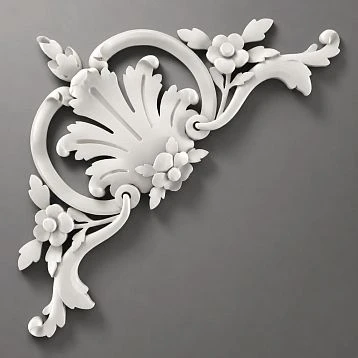
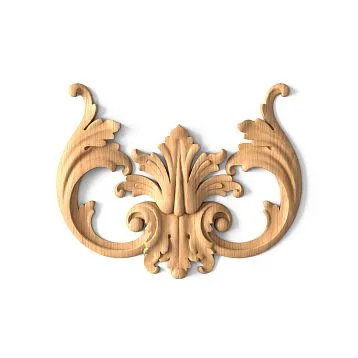
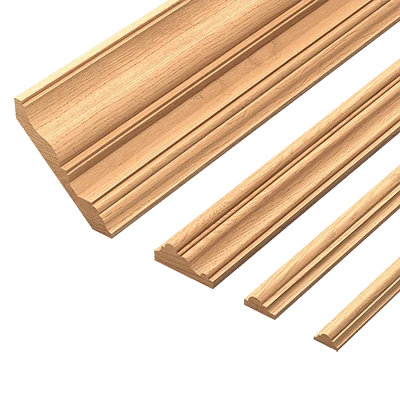
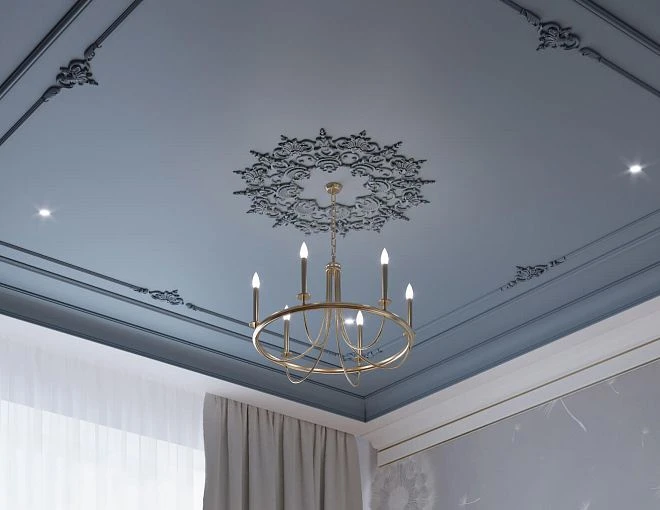
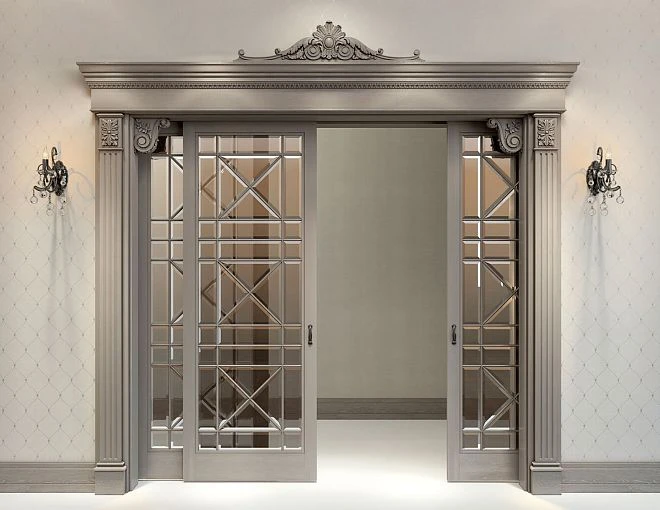
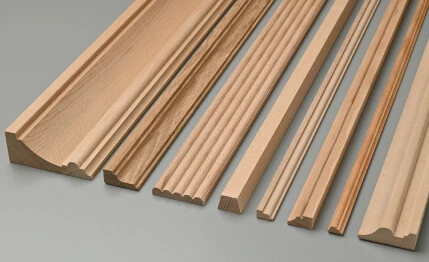
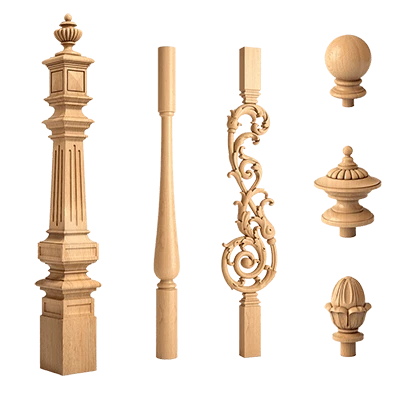
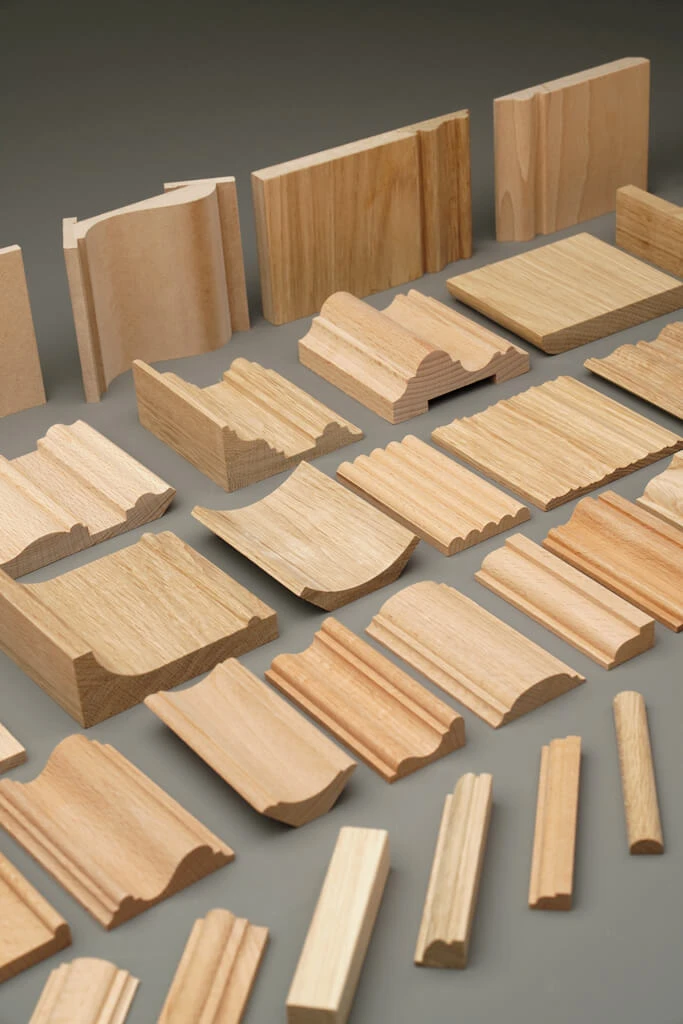
Decorative overlays, moldings, trims, architraves — all this Solid wood decorative elements, which enrich the furniture surface. In classic furniture, overlay elements on facades together with shaped handles create that very image of "real" furniture with history.
When all these elements — handles, legs, frame, decorative overlays — are made from the same wood species and matched in tone, the furniture looks like a professionally designed piece, not an assembled construction.
Where to buy solid wood furniture handles
If needed Buy furniture handles made of natural wood — not a plastic "wood-like" substitute, but real solid wood with a treated surface — choose them in the specialized section of wooden furniture components.
in the STAVROS catalog Wooden furniture handles made of solid wood in an unpainted form — for self-finishing to suit any interior. handles without coating — this is a conscious choice by the manufacturer in favor of flexibility: you decide what the final color and coating will be.
What you get when ordering wooden handles from STAVROS:
-
solid wood handles with a treated surface;
-
precise geometry and stable dimensions of each product;
-
supply without coating for self-painting or tinting;
-
compatibility with other solid wood furniture components: legs, frames, decorative elements;
-
possibility of selecting a complete set of fittings from one catalog;
-
Contact us to confirm shipping to your destination., pickup from Moscow and St. Petersburg;
-
consultation on the choice of shape, size and coating.
FAQ: Answers to Key Questions
Which wooden furniture handles to choose for a wardrobe?
For a wardrobe, an elongated bracket 120–160 mm long with a center distance of 96–128 mm is optimal. Material — solid oak or beech. Coating — matching the facade or contrasting as an accent. Cabinet furniture handles solid wood handles are comfortable to grip and durable for daily use.
Are wooden handles suitable for the kitchen?
Yes, provided the coating is correct. Oil with hard wax or waterproof varnish will protect the wood from moisture and grease. wooden kitchen handles — a popular choice for headset in natural tones, as well as for kitchens in country, Provence, and Scandinavian styles.
Can wooden furniture handles be painted?
Yes, and this is one of the main advantages. handles without coating Solid wood handles can be painted with any paint, tint, or oil. You can match the exact color to the facade, use a contrasting shade, or leave the natural texture.
How does a knob differ from a pull handle?
A knob is attached with one bolt, has a compact size (diameter 25–50 mm), and is suitable for small drawers and cabinets. A pull handle is attached with two bolts, providing a comfortable grip for large facades. The choice is determined by the size of the facade and frequency of use.
How to choose the size of a handle for a dresser?
The length of the handle should be approximately 1/3 of the drawer width. For a drawer 400 mm wide — a handle with a center-to-center distance of 96–128 mm. For a wide drawer of 600–700 mm — a center-to-center distance of 160–192 mm. It is recommended to use one center-to-center distance for all drawers on a single piece of furniture — this creates a unified rhythm.
What handles are suitable for classic furniture?
Figurative or carved wooden handles with a profiled silhouette. Tone — matching the facade color or slightly darker. Shape — a bracket with decorative bases or a figurative knob. Handles for classic furniture must match the style of facade decor — both in shape and material.
Where to buy wooden furniture handles made of solid wood?
In the STAVROS catalog: section solid wood furniture handles — a wide selection of shapes and sizes in an unpainted form. Next — Furniture legs, frames and decorative elements made of solid wood to create a complete system of wooden fittings.
About the Company
STAVROS is a Russian manufacturer of furniture components and decor from solid oak and beech. Own full-cycle production, wide range: furniture handles, legs, frames, brackets, molding products, decorative elements. All products are supplied unpainted for self-finishing. Custom orders by parameters are possible. Contact us to confirm shipping to your destination., pickup from Moscow and St. Petersburg. Special cooperation terms for furniture manufacturers, designers, and joinery workshops.