
































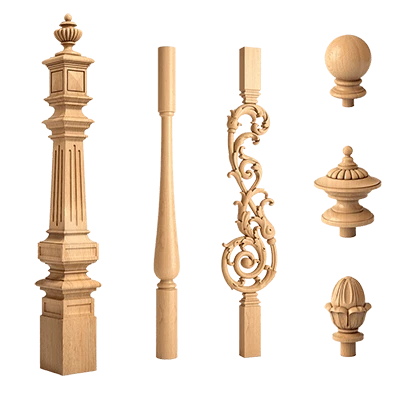
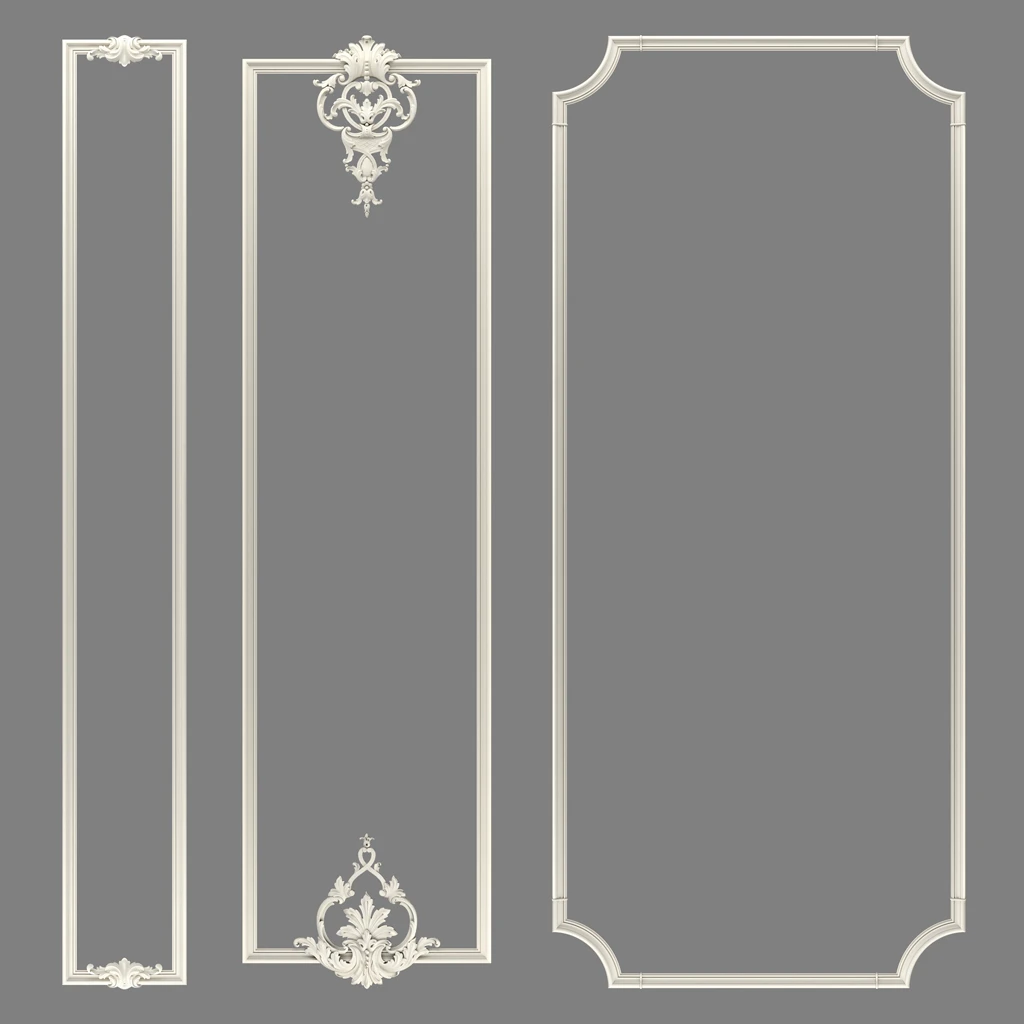
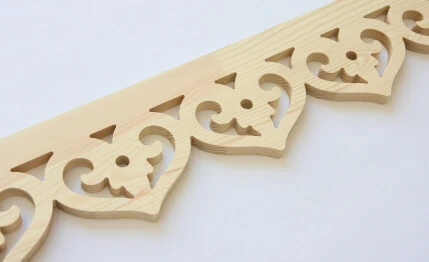
Article Contents:
- Which furniture elements are made from solid wood
- Where solid wood is needed and whether it can be combined with other materials
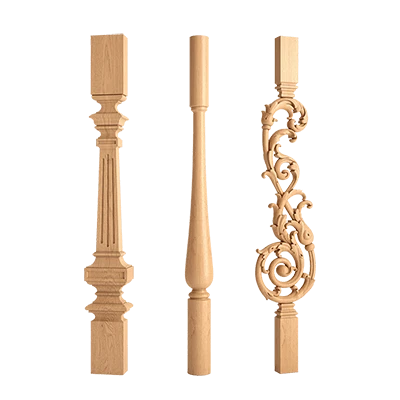
- Furniture legs: height and mounting first, then shape
- When it is more convenient to buy ready-made legs
- Proun HL-053-1: a compact button handle
- MLD-002: cross-section 22 × 11 mm
- N-502: narrow decorative element
- Chest of drawers with painted fronts
- Table with expressive wooden supports
- Updating an existing wardrobe
- Can wooden parts be used on MDF furniture?
- Do all elements need to be ordered in the same wood species?
- Can a finished part be drilled or trimmed?
- How many spare parts should I buy?
- How to tell if it's more cost-effective to buy ready-made?
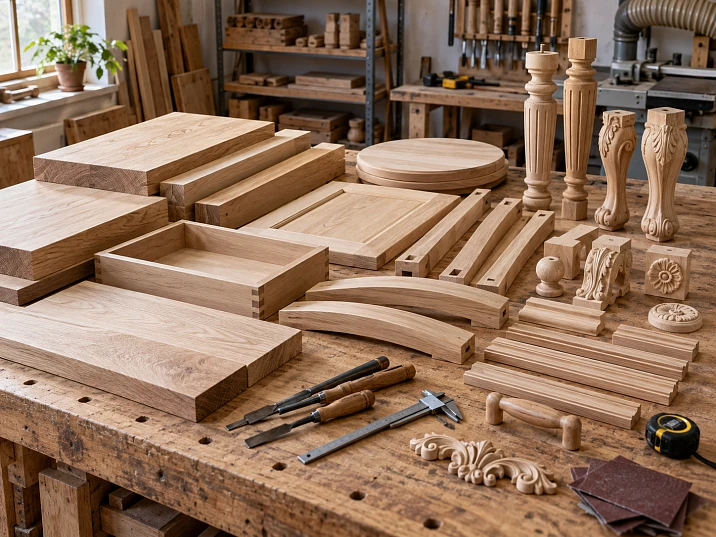
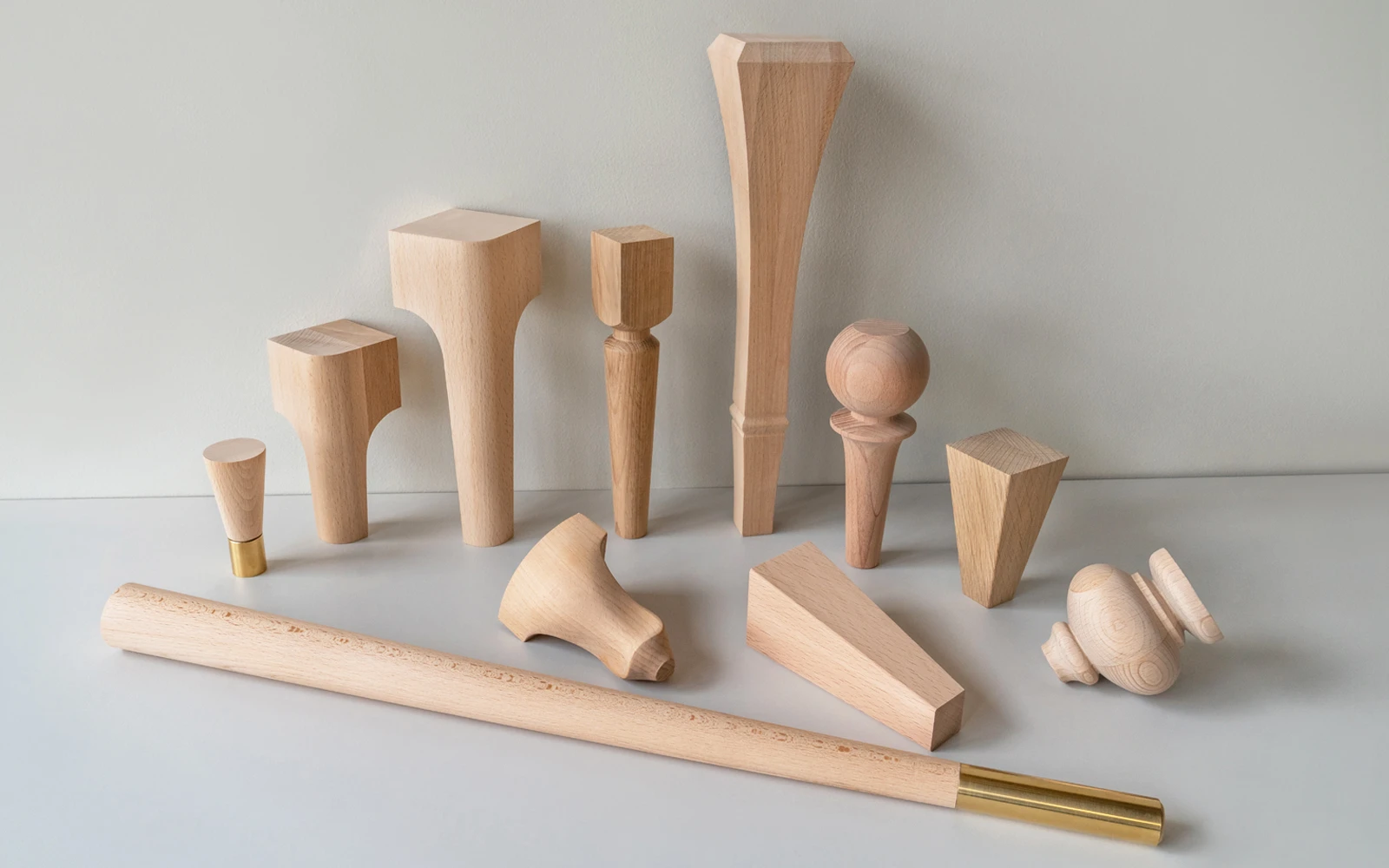
Legs, handles, facade frames, moldings, and carved overlays help give furniture the desired shape and character. Solid wood is often chosen for such parts: it can be turned, milled, sanded, painted, and finished with clear lacquer. At the same time, the body of a chest of drawers, wardrobe, or cabinet can be made from another material that suits the design and budget.
Some wooden elements are convenient to make in your own workshop. Others are reasonable to buy ready-made, especially when a complex shape is needed, several identical parts are required, or you don't have the right equipment. The decision depends on the specific project: a ready-made leg must match in height and mounting, a handle — in size and grip comfort, a molding — in cross-section and length.
Let's look at which solid wood elements are needed for furniture making, how oak and beech parts differ, and what to check before ordering. In the catalog of wooden furniture elements by STAVROS you can select individual components and match them against the drawing of the future piece.
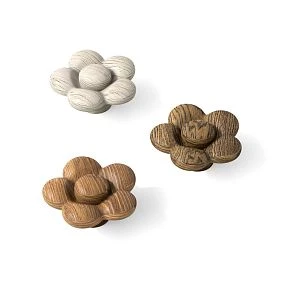
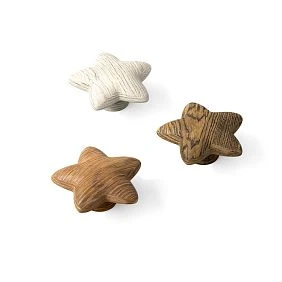

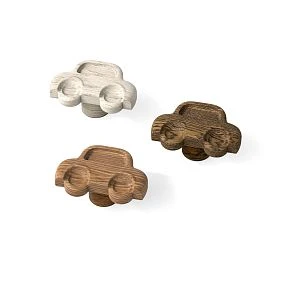
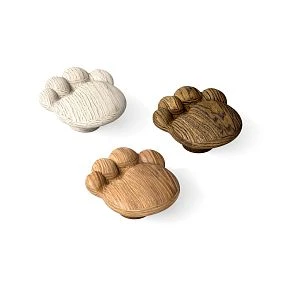
Which furniture elements are made from solid wood
Wooden parts have different roles. Supports and frame parts participate in the structure's work. Handles must be comfortable and securely fastened. Moldings and overlays primarily decorate the surface. This distinction helps avoid mistakes: a beautiful decorative element should not be considered a load-bearing support without the appropriate characteristics and suitable mounting.
| Element | What it is for | What to check when choosing |
|---|---|---|
| Furniture legs | Support the body or are part of the base, determine the height and silhouette of the furniture | Dimensions, mounting part, fastening method, and permitted use |
| Wooden handles | Allow opening doors and drawers, complement the facade design | Ease of grip, protrusion from the facade, holes and fasteners |
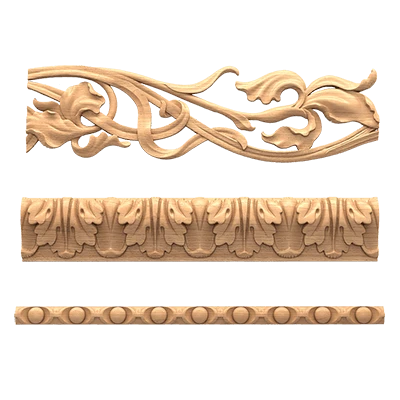
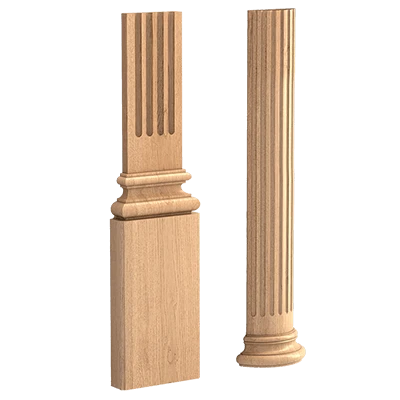
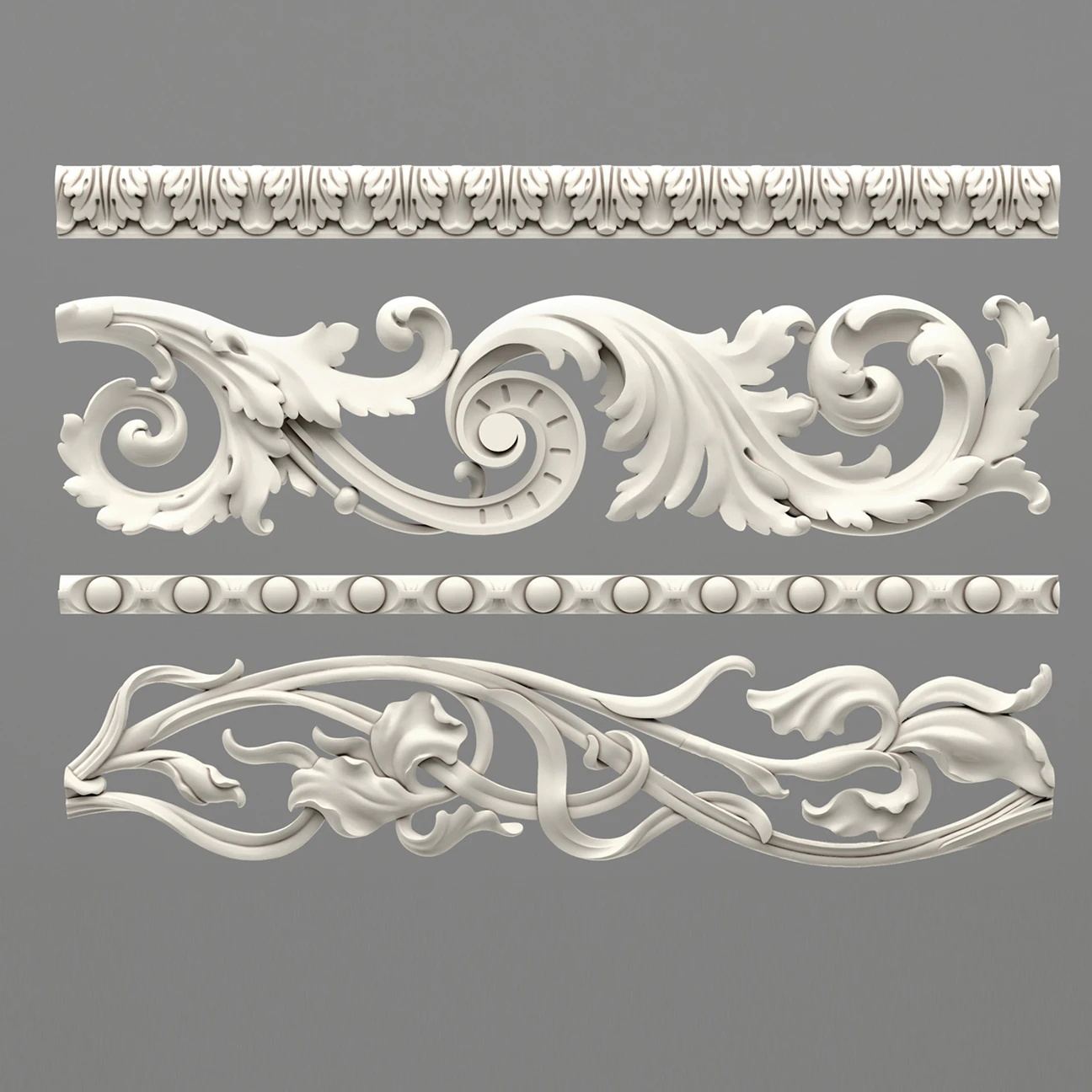
| Moldings and trims | Create frames, finish edges, divide the facade into sections | Cross-section, length, profile shape and joining capability |
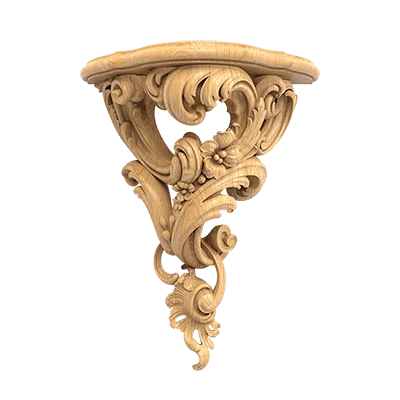
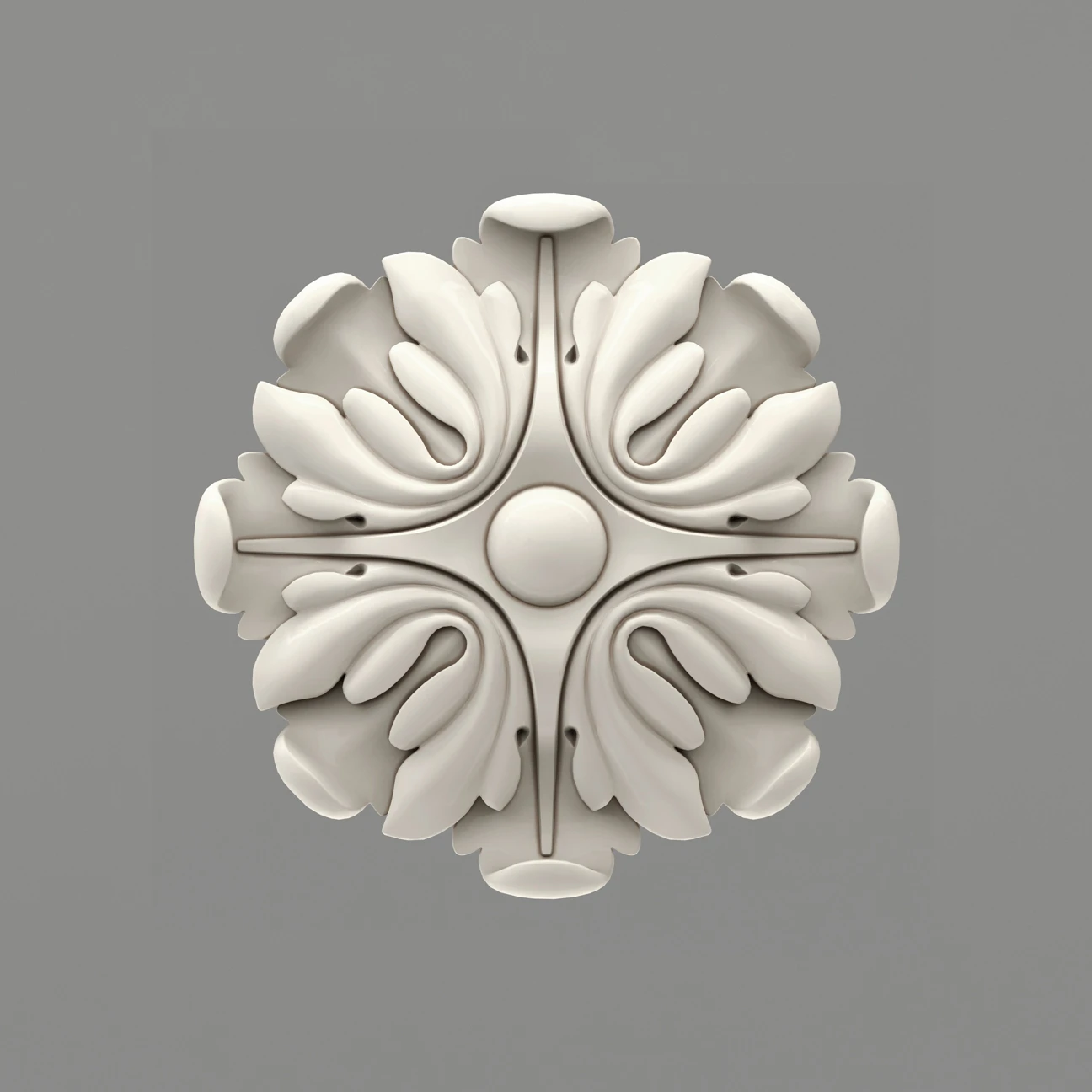
| Carved overlays and rosettes | Add ornament and three-dimensional accents | Pattern size, thickness, orientation and placement on the facade |
| Construction kit elements | Allow assembling a decorative support or other composition from compatible parts | Kit contents, mounting dimensions and assembly sequence |
| Frames and bases | Form the basis of the furniture item | Dimensions, completeness, connections and compatibility with the remaining parts |
It is best to start the selection with the dimensions of the furniture and its purpose. For example, for a small chest of drawers, the height of the supports, the stability of the carcass, access for cleaning and ease of opening the drawers are important. Only after that does it make sense to choose the carving pattern and the turned profile of the legs.

Where solid wood is needed and whether it can be combined with other materials
Solid wood is especially appropriate where a three-dimensional wooden form or an open texture is needed: in a turned leg, a shaped handle, a carved overlay, a facade frame. The material makes it possible to obtain a part with pronounced relief and to preserve the wood grain under a clear finish.
In a single product, solid wood, plywood, MDF and other furniture materials can be combined. For example, a chest of drawers with a veneered carcass is complemented by wooden legs and handles. Moldings and small overlays are installed on smooth painted facades. The quality of the result depends on the construction, processing and consistency of the parts.
A fully wooden carcass is also possible. When designing it, the change in the dimensions of the wood under fluctuations in humidity is taken into account: the direction of the grain, the connections and the possibility of movement of wide parts. The use of solid wood by itself does not mean that the furniture will necessarily warp. But replacing a panel part with a wooden board while keeping all the fastenings without checking the construction is often not enough.
Solid wood also does not necessarily represent a single solid block. A part can be glued from several wooden blanks. For a clear finish, it matters how well they are matched in tone and pattern. Under opaque enamel, the quality of the surface and preparation is more important. These features are best clarified for the selected item rather than determined only from a photograph.
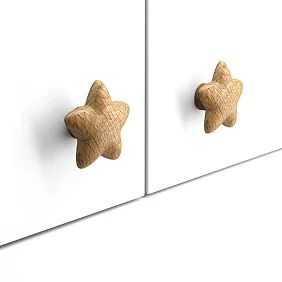
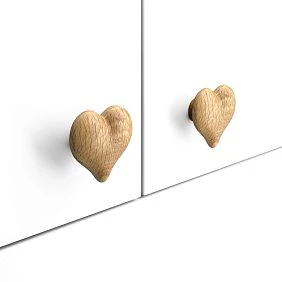
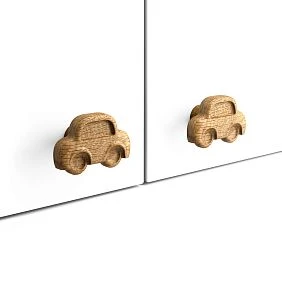
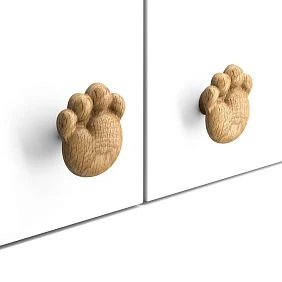
Our factory also produces:
Furniture legs: first height and mounting, then shape
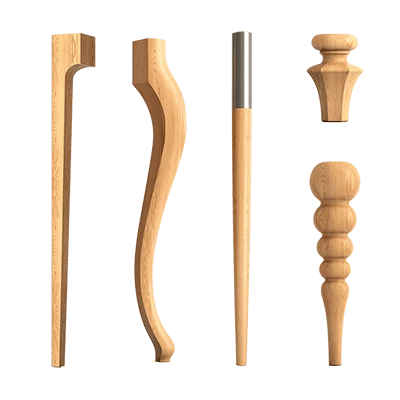
When choosing of wooden furniture legs it is easy to focus on the appearance. However, even a support that matches the style may turn out to be too high, interfere with the plinth or require a different mounting platform.
For a nightstand and a chest of drawers, the overall height of the item with the legs installed is checked. For a table, the thickness of the tabletop and the legroom beneath it are additionally taken into account. The length of the support itself is not always equal to the distance from the floor to the underside of the tabletop: part of the component may go into the joint or be attached through an intermediate assembly.
Before purchasing, it is worth answering a few questions:
- What is the leg attached to: the bottom of the cabinet, a mounting plate, or a frame under the tabletop?
- Is there enough space for the fasteners and tools?
- Are additional supports or braces between the legs needed?
- Will the wide part of the support protrude beyond the cabinet or interfere with an adjacent component?
- Is the selected model suitable for the furniture's purpose and the expected load?
A photograph and the wood species do not make it possible to determine the permissible load. If the relevant data is not available, the intended use must be clarified with the manufacturer and the furniture's construction must be checked. This is especially important for heavy tabletops, wide chests of drawers, and furniture that will be used daily.
Get Consultation
When it is more convenient to buy ready-made legs
Ready-made supports are useful when a set with an identical profile is required. The craftsman receives the chosen shape and can focus on the cabinet, joints, and finishing. This is especially convenient for turned and carved models, whose production requires dedicated tooling and experience.
A straight leg with a non-standard cross-section can often be easier to make yourself if the workshop has suitable dry wood and equipment. A complex profile from the catalog should be compared with the cost of making your own. When ordering, also check the quantity of individual supports: the product name does not always mean a set for the entire piece of furniture.
An unfinished leg is suitable for a project with custom finishing. But the absence of a coating does not eliminate the need for fitting, surface inspection, dust removal, and a test application of the chosen product. After drilling or trimming, the treated areas also need to be prepared for finishing.
Wooden handles: convenience matters more than an expressive shape
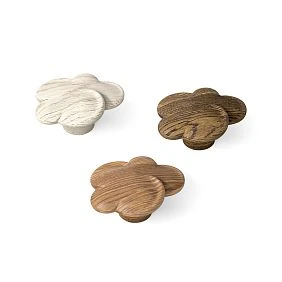
wooden furniture handles are chosen taking into account the size of the front, the opening method, and the overall design of the furniture. A small knob handle and a long pull handle solve different tasks. On a wide drawer, it is important to check whether it is convenient to open it with the chosen grip, and on a hinged door, whether the handle interferes with the wall or the adjacent front.
Before drilling holes, check the product drawing. For a handle with two mounting points, check the center-to-center distance. For a knob handle, assess the mounting location, the dimensions of the base, and the protrusion. The screw length is selected taking into account the thickness of the front and the mounting part of the handle. Dimensions cannot be transferred from a similar model.
For furniture intended for custom painting, you can choose unpainted wooden handles. To coordinate them with the front, make a test paint application. The same product on wood and on another base may look different, so the color match is checked on samples.
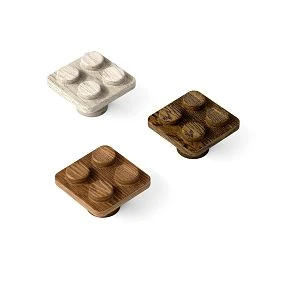
Proun HL-053-1: compact knob handle
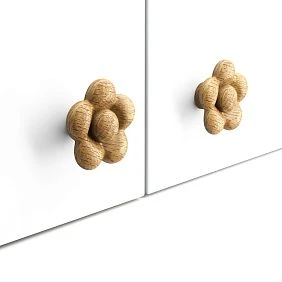
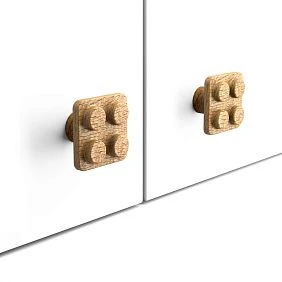
Wooden handle Proun HL-053-1 has dimensions of 28 × 28 × 29 mm and is available in beech and oak options. This is a compact model that should be evaluated as a knob handle.
When selecting, you can place a 28 × 28 mm template of the front part against the facade. It will help you assess the scale and placement of the handle. It is better to check the ease of grip on the actual product: a flat template does not show how comfortable it will be to use the protruding part.
To replace existing hardware, first inspect the old holes. The new handle must match the mounting pattern or cover the traces of the previous installation as part of a well-planned facade redesign. A color match alone is not enough for such a replacement.
Furniture moldings: how to choose a profile and calculate the length
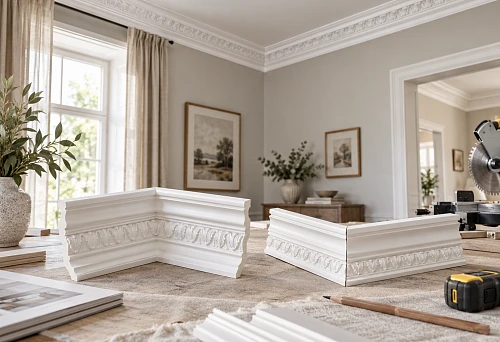
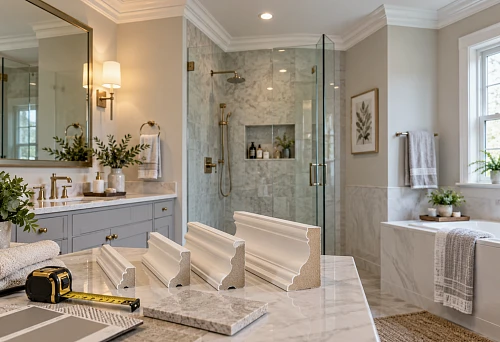
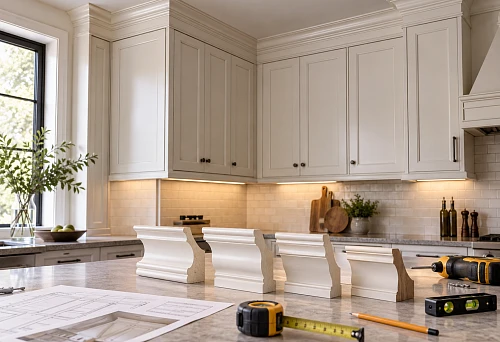
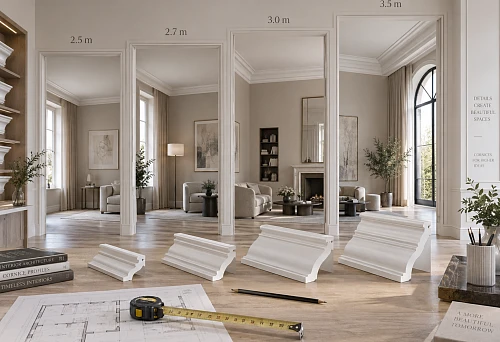
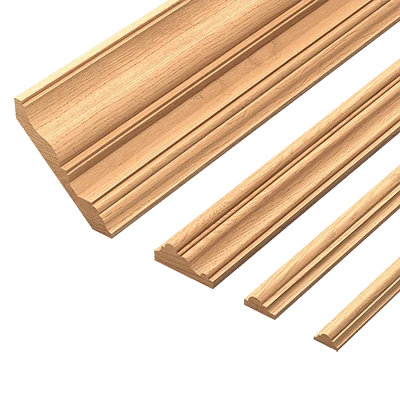
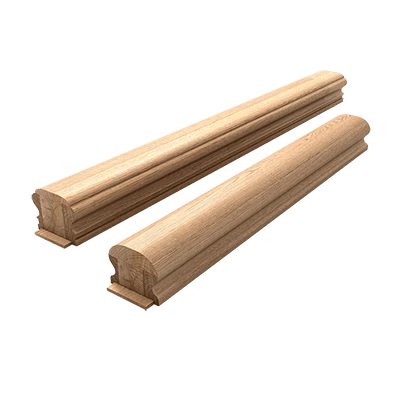
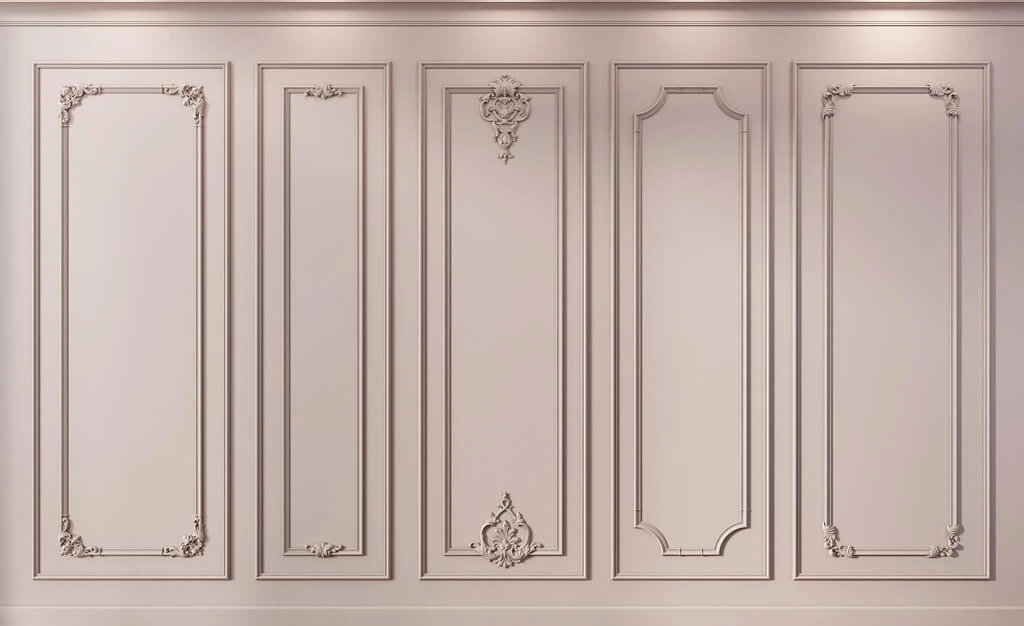
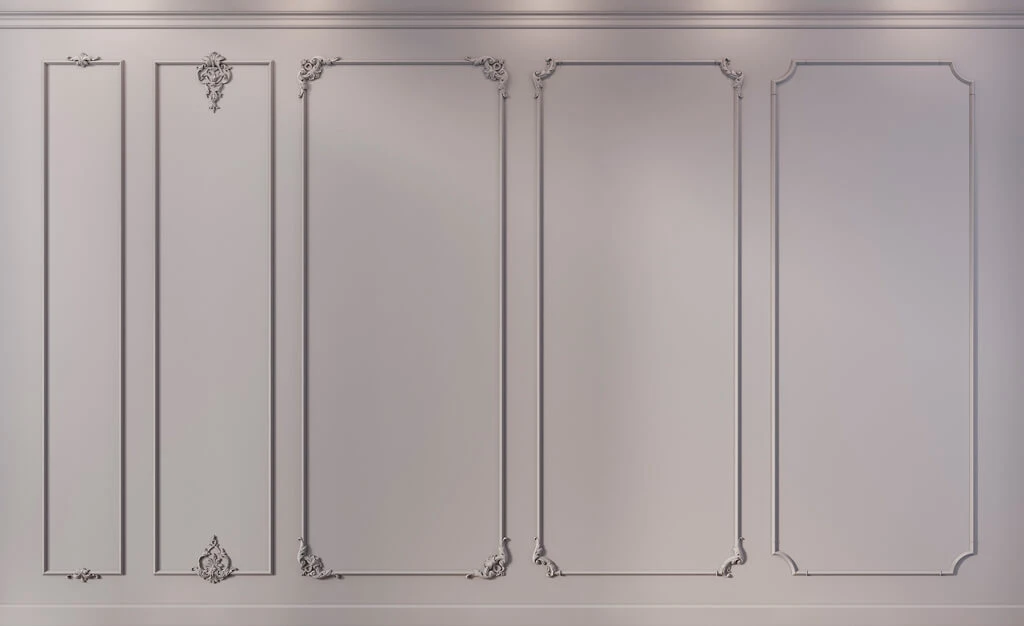
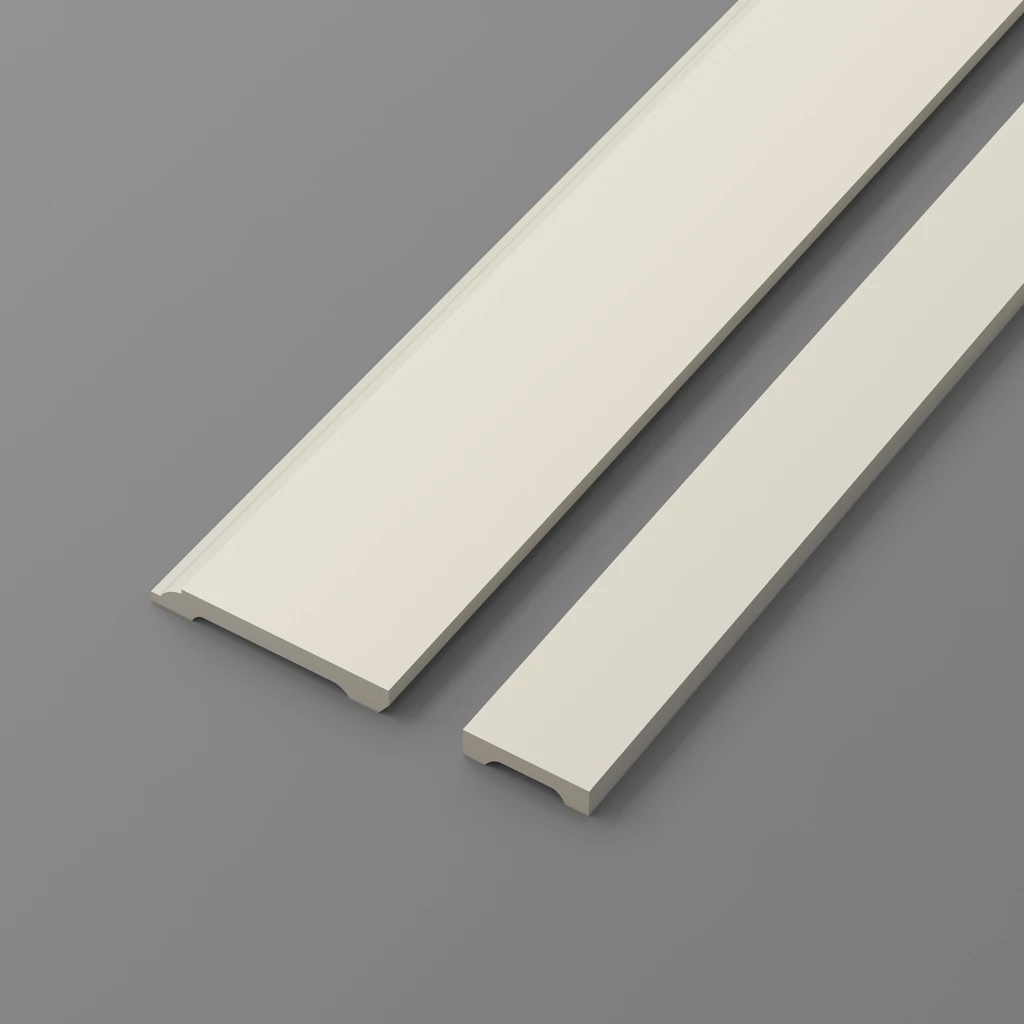
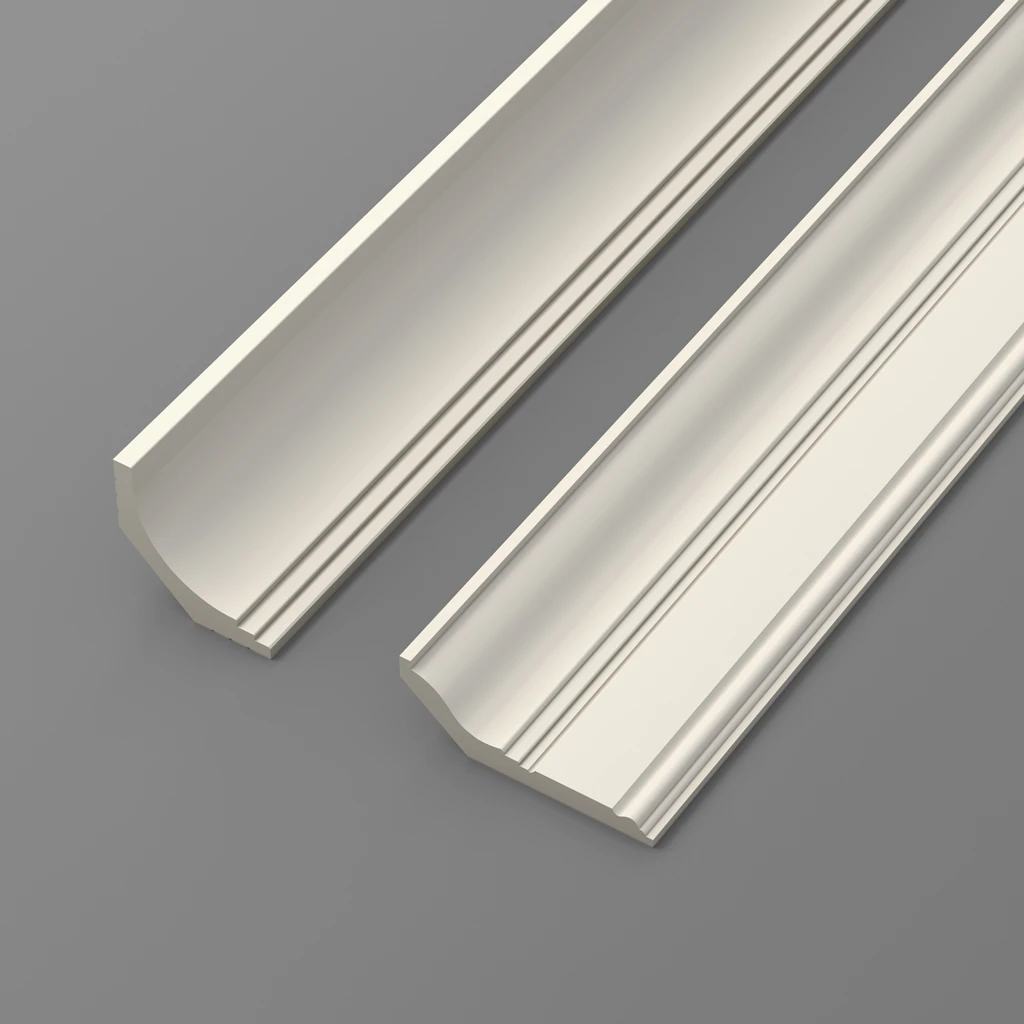
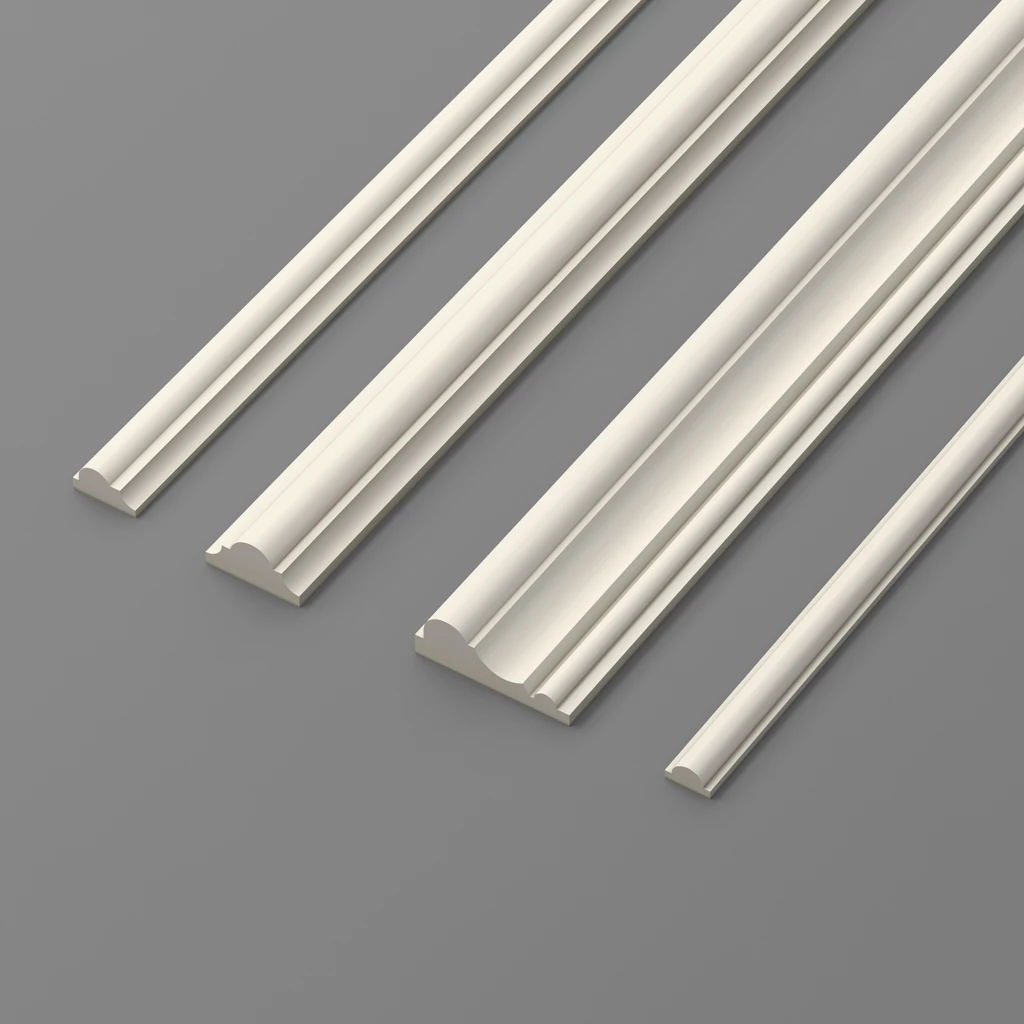
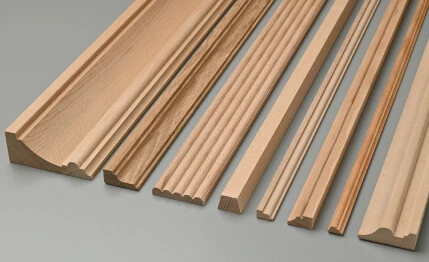
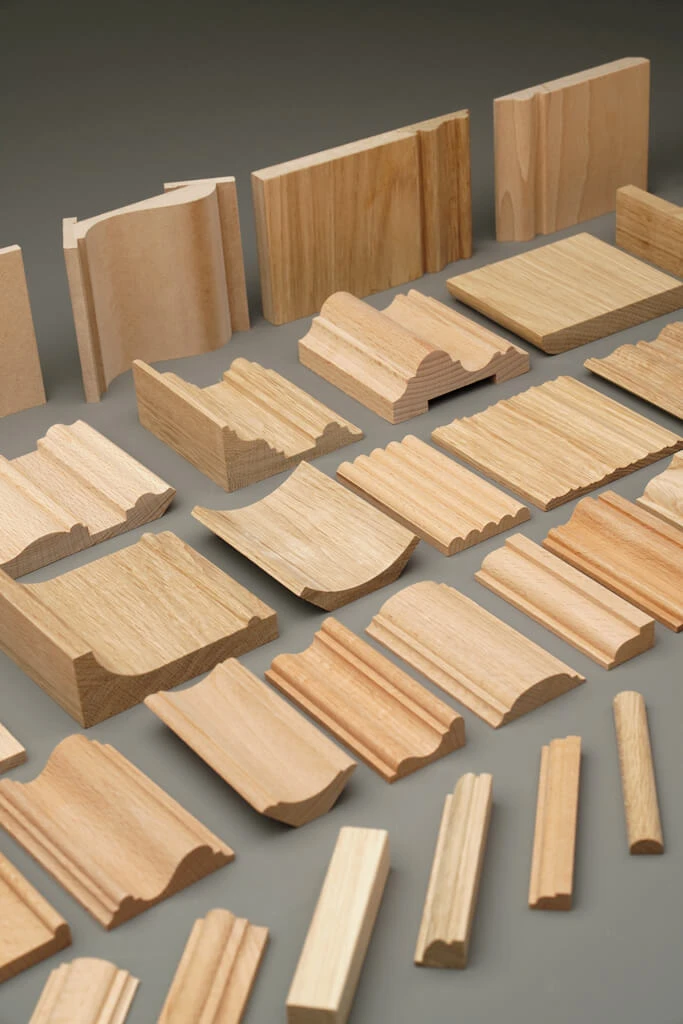
Moldings are used for frames on facades, finishing shelves and the edges of furniture parts. In the section wooden moldings and linear trim products the profile is chosen by cross-section and task: a narrow strip is suitable for a small frame, while a more prominent profile is for a large facade or an expressive border.
The drawing must show the width of the strip, its protrusion above the surface, and the distance to the edge of the facade. The frame must not interfere with the handle, hinges, or adjacent doors. If the facade is small, an excessively wide profile may leave too little space inside the frame.
The length is calculated by the individual segments that need to be cut. First, make a list of the sides of all frames, then distribute them among blanks of the chosen length. Add allowance for saw cuts, end trimming, and test joints. The total number of linear meters by itself does not yet mean that the required segments can be obtained without unnecessary joints.
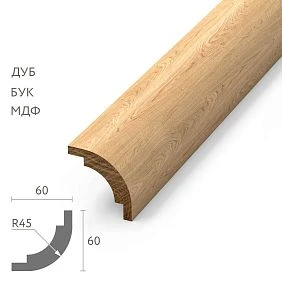
MLD-002: cross-section 22 × 11 mm
Wooden Moulding MLD-002 has a cross-section of 22 × 11 mm. For the beech and oak options, the product page lists lengths of 1000 and 2400 mm. When ordering, you need to choose a specific length and material: the same product page also has an MDF version with a different length.
For example, with a frame it is important to check in advance whether the longest side fits into the chosen blank. Then a trial corner joint is made and the profile is assessed on the surface. The final cutting and gluing are done after such a trial fitting.
The installation method depends on the base and the finish. The adhesive is selected for the materials being joined and the conditions of use, and the painting sequence is coordinated with the installation. A finished coating does not always provide a suitable surface for gluing, so this issue is resolved before the final finishing.
Carved overlays and decorative elements: choose the scale and placement
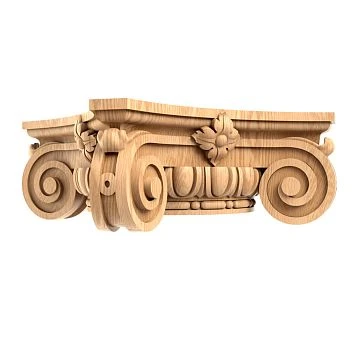
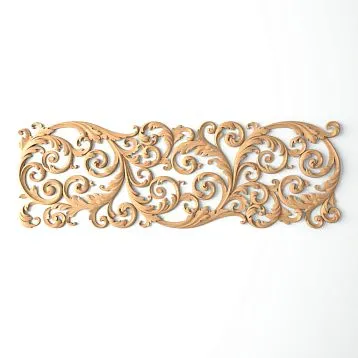
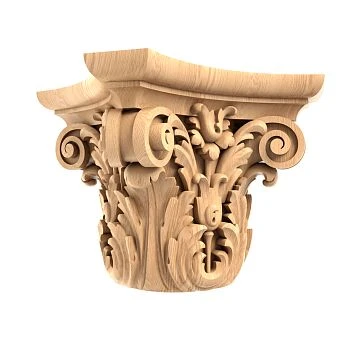
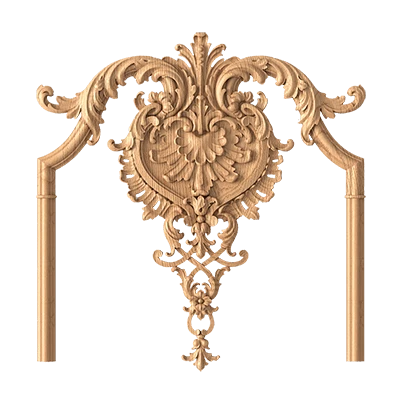
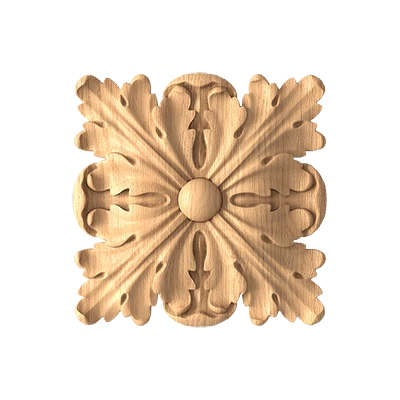
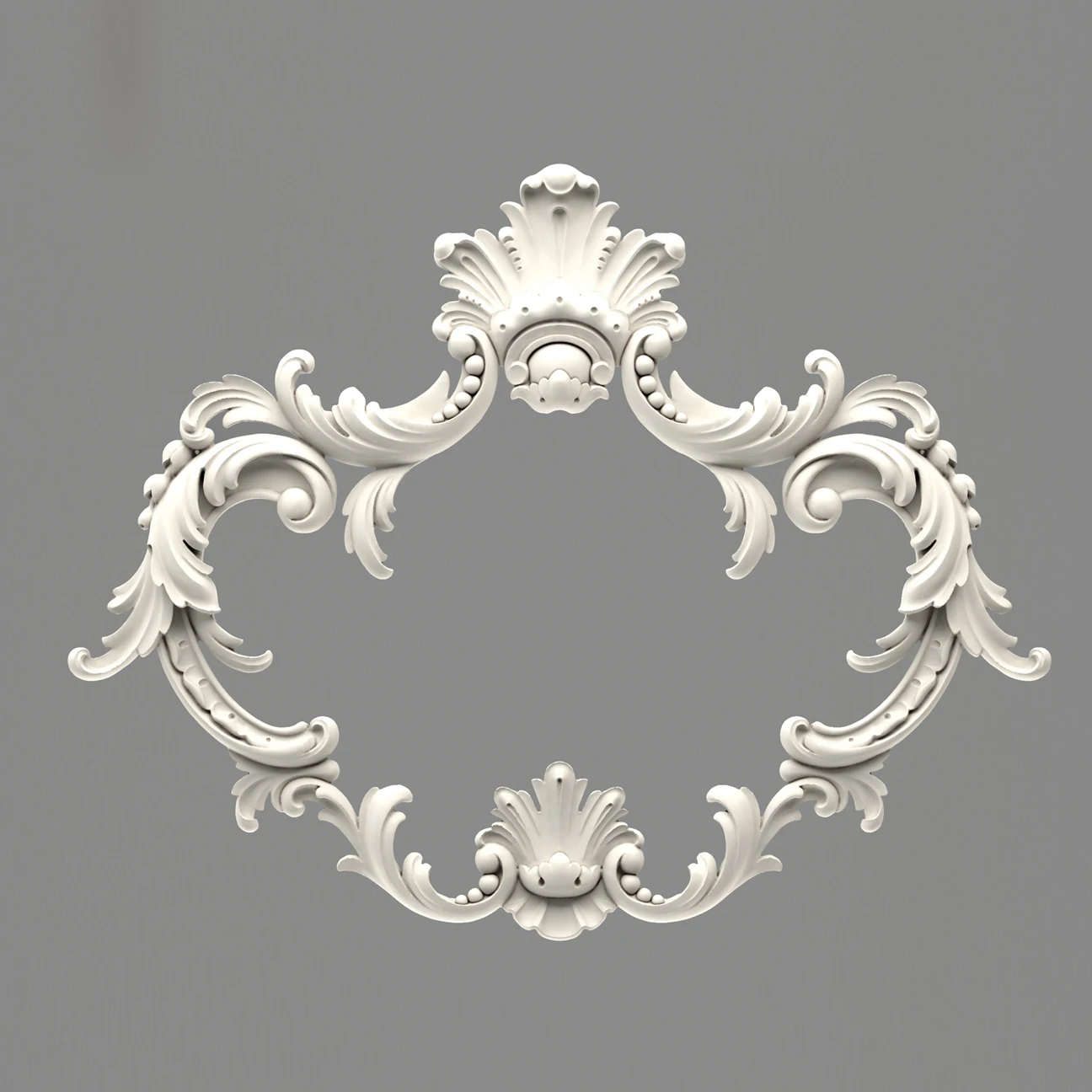
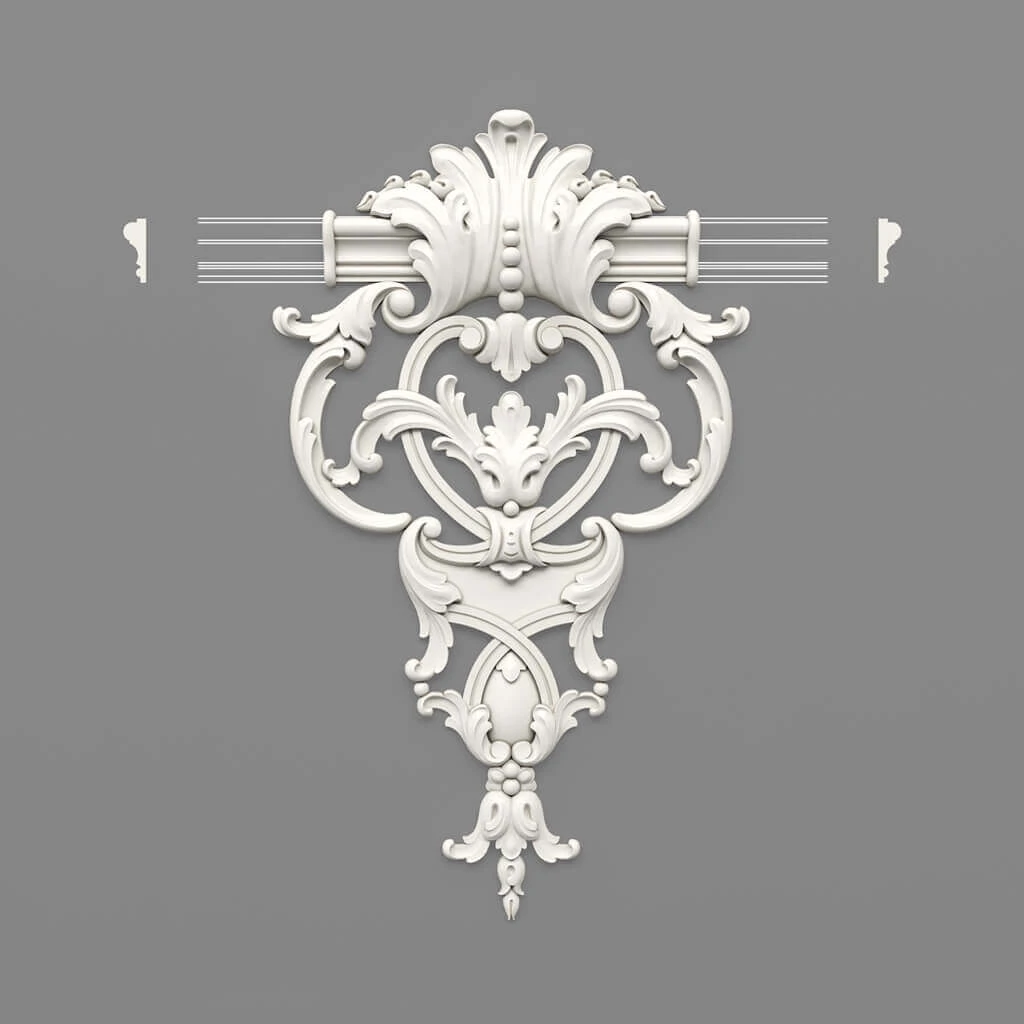
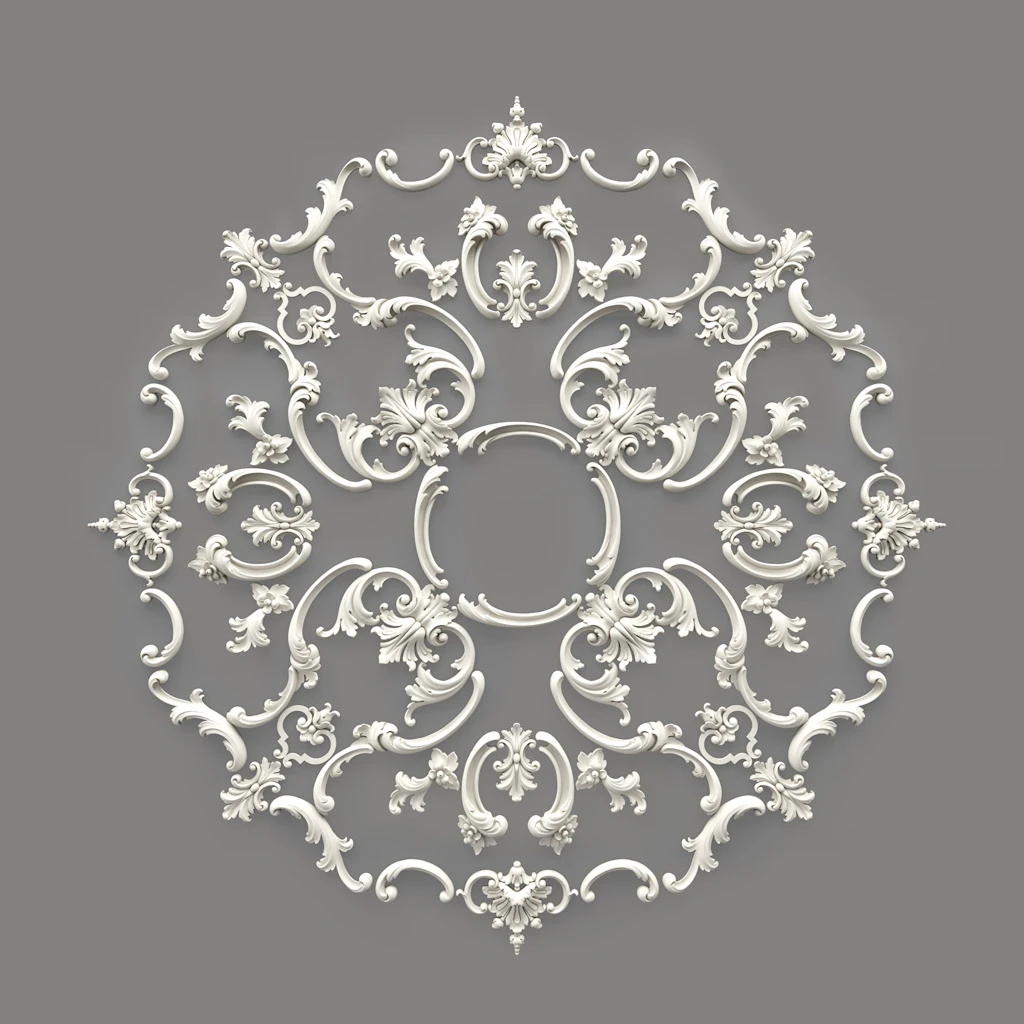
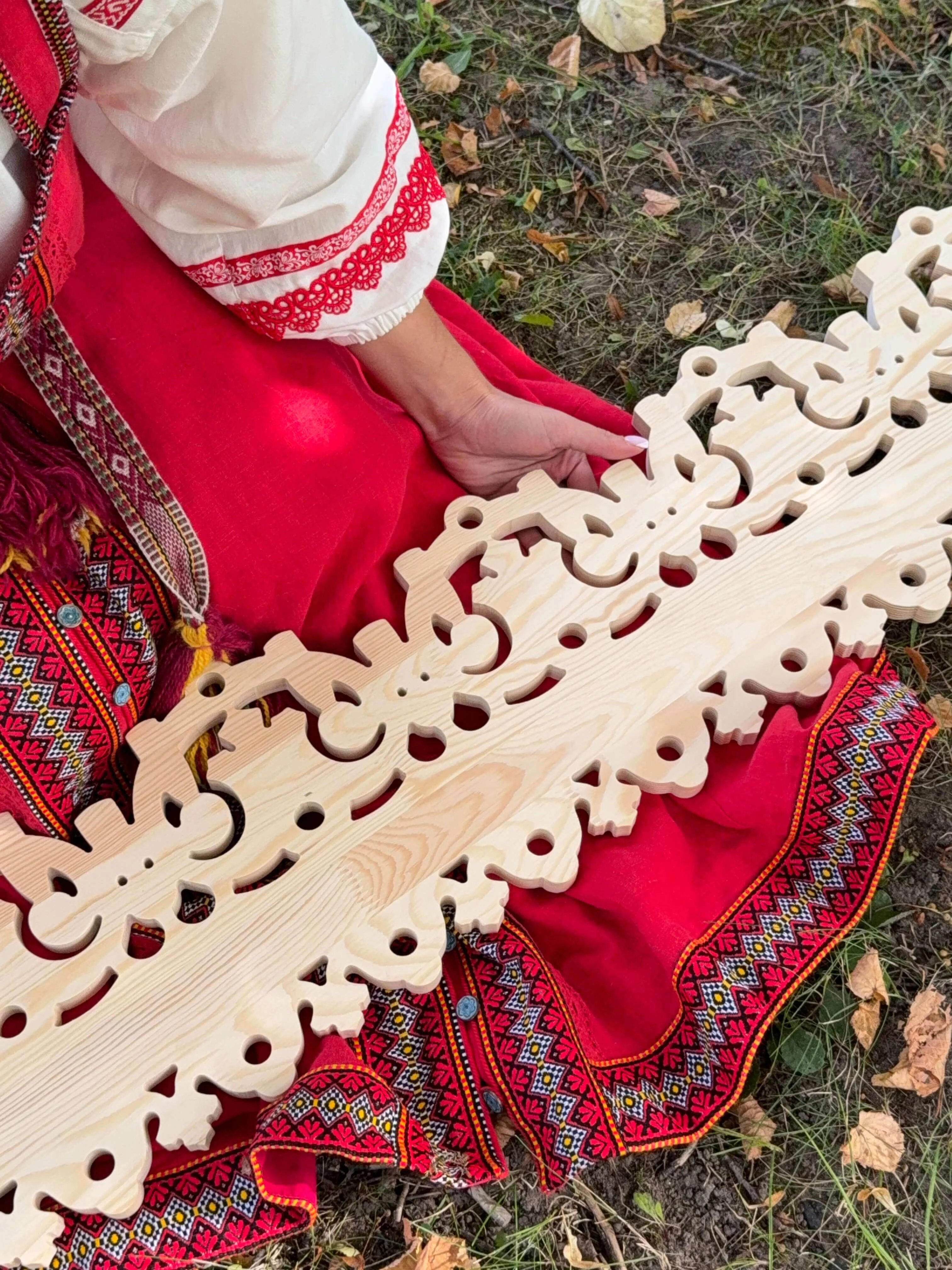
Wooden carved appliqués allow adding an ornament to a smooth facade, frame, or furniture post. A ready-made element is especially convenient when the pattern needs to be repeated on several items. The craftsman chooses the composition, then prepares the base and carries out the installation.
The decor is selected based on the free space on the surface. It is important to consider not only the height and width of the overlay, but also its thickness. A protruding ornament may interfere with opening the door, catch on an adjacent part, or end up too close to the handle.
For a preliminary assessment, a paper template is cut to the dimensions of the item and attached to the facade. This makes it easier to see whether there is enough space around the pattern, whether its axis coincides with the center of the facade, and whether it clashes with the frame. If several overlays are planned, it is worth trying on the entire composition at once.
N-502: narrow decorative element
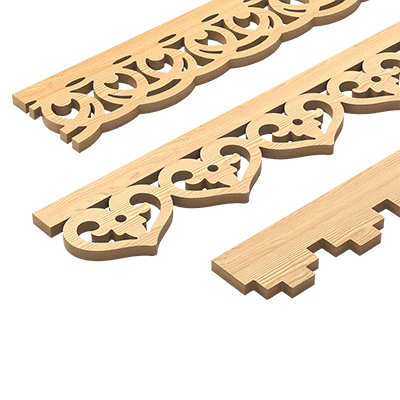
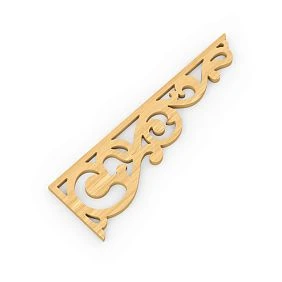
Wooden overlay N-502 measures 35 × 300 × 9 mm and is made of beech or oak. Its elongated proportions should be taken into account when choosing a place on a furniture post or facade: in scale it differs substantially from a wide central composition.
When test-fitting, enough free space should be left around the edges of the ornament. The overlay should not be trimmed just because it does not fit into the frame: first it is worth looking for a suitable size or reconsidering the placement. The possibility of modifying a specific part is clarified separately.
Help complete the composition wooden decorative elements. When combining them, evaluate thickness, pattern, and proportions. Several parts made from the same species do not necessarily look harmonious together: an overly large ornament next to a thin frame can overload a small facade.
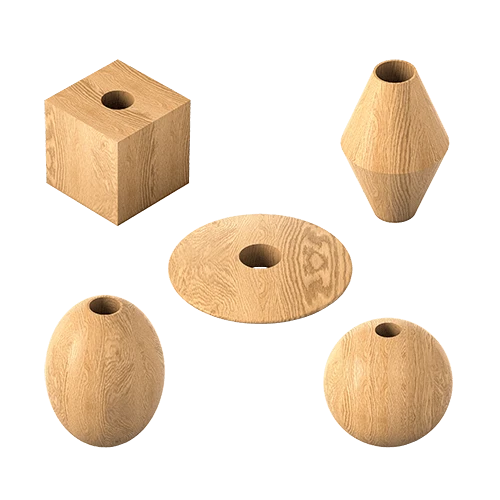
Wooden construction set: when it is convenient to assemble a support from modules
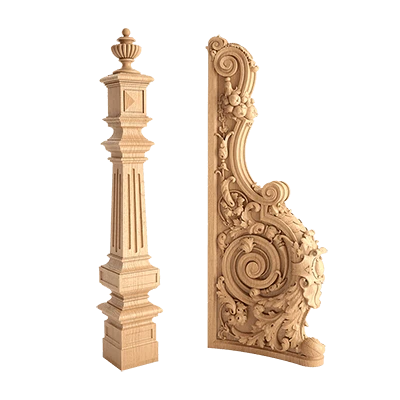
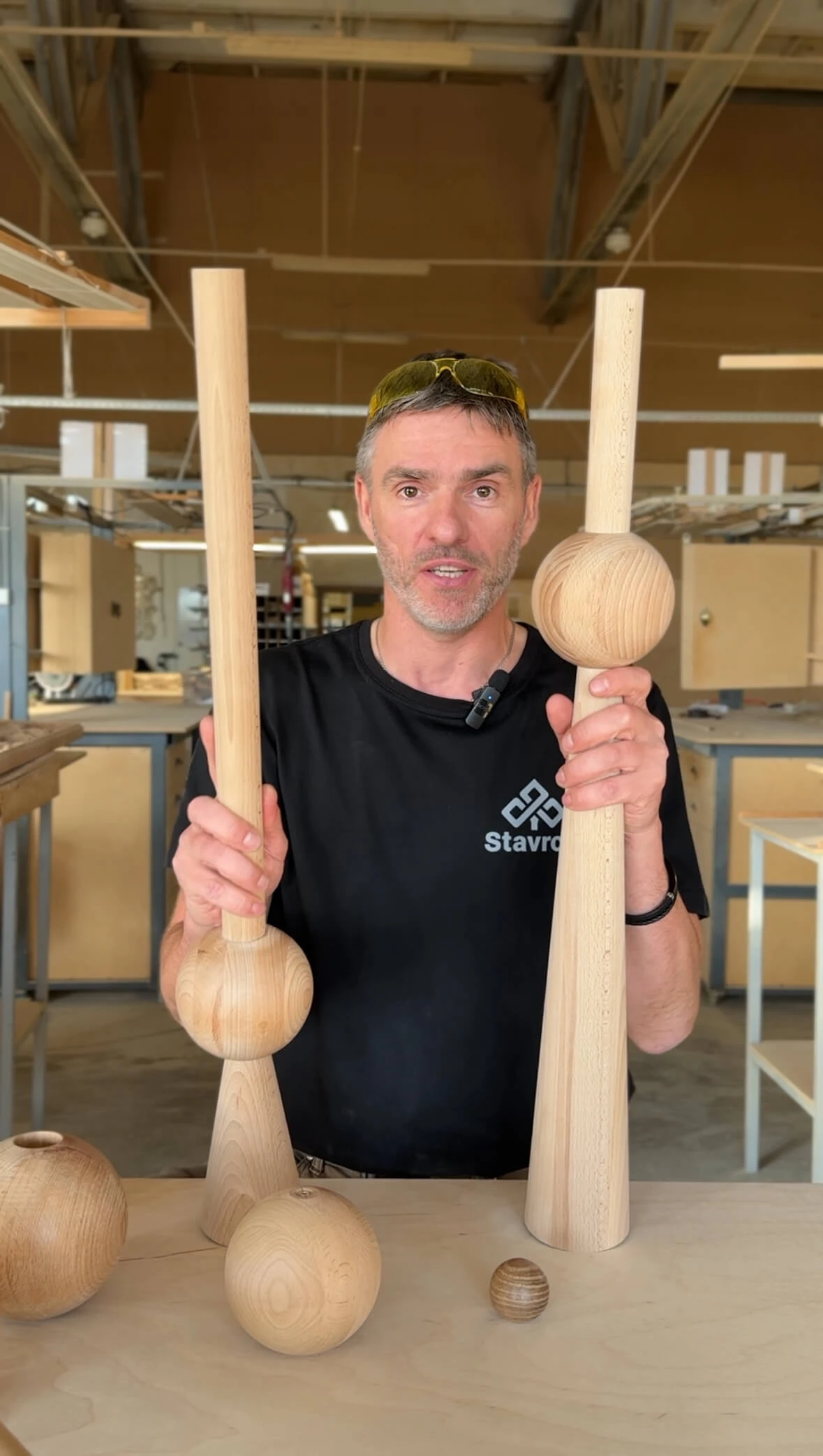
In the section wooden construction set for furniture elements for modular compositions are presented. This approach is suitable for projects that require an expressive form made from several parts. When selecting, compatibility of mounting dimensions and an understanding of how the finished assembly will be attached to the furniture are important.
Example — Furniture leg set KON-010The product card lists a composition height of 730 mm, a maximum width of 120 mm, and a central axis diameter of 34 mm. The set includes a wooden axis MLD-060 and geometric shapes from the KN series; it is supplied unassembled.
One KON-010 is designed for assembling one decorative leg. If the project includes four identical supports, the number of sets is calculated by the number of supports. Attachment to the furniture and the other base parts must be provided separately.
Before ordering such a composition, check the height of the entire item with the tabletop, the space for wide elements, and the connection design to the frame or body. Changing the module composition requires rechecking the dimensions. The ability to assemble another shape does not mean that any variant automatically suits the selected load.
Frames and bases: what remains to be done after purchase
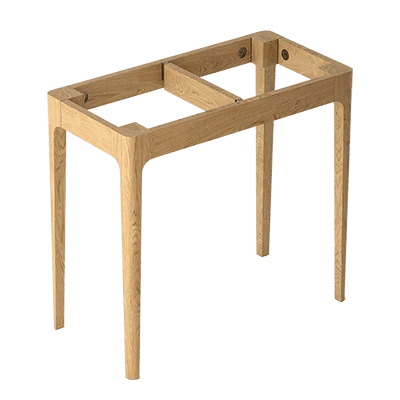
Ready-made furniture frames and table bases can reduce the amount of work involved in making the base of a product. But different models vary in completeness and delivery condition. You need to find out whether the assembly arrives pre-assembled, whether additional hardware is required, and what operations the craftsman performs.
For a table, check that the table base matches the dimensions and material of the tabletop. The position of the supports, the distance between them, the mounting method, and the stability of the finished item all matter. Wooden, glass, and stone tabletops may require different solutions. A table base that looks suitable should not be considered universal for any option.
If a chair or armchair frame is being purchased, agree in advance on the dimensions of the seat and backrest, the attachment of the soft elements, and the sequence of upholstery and finishing. The clearer the scope of work before ordering, the lower the chance that the finished frame will require unexpected rework.
It is convenient to compare buying with making your own by the result: what assembly the workshop will receive and how many operations remain until the furniture is finished. The name “frame” alone does not answer these questions.
Oak or beech: choose together with the future finish
Oak is often chosen for open wood grain. Its pattern becomes a noticeable part of the design of a leg, handle, or overlay. If the part must match the oak veneer of the body, check the shade and direction of the grain. The same species name does not guarantee the same color after applying stain or oil.
Beech is often chosen for opaque enamel coating: it has a calmer texture. However, oak can also be painted, and beech can be finished with transparent products. The choice depends on the desired surface appearance and the finishing system used.
| Task | What to focus on | What to check on the sample |
|---|---|---|
| Preserve pronounced wood grain | Consider oak and a suitable transparent or semi-transparent finish | Tone, lamella pattern, and combination with the carcass |
| Achieve a smooth painted surface | Consider beech with preparation for enamel | Quality of preparation, opacity, and surface appearance after drying |
| Make handles in the facade color | Select material and finish based on a test paint sample | Color, gloss, and difference on different substrates |
| Preserve the natural look of the glued part | Check requirements for selecting blanks for tinting | Transitions between slats and acceptable shade variations |
When ordering, it is important to distinguish between wood species, sanding quality, and preparation of the blank for finishing. These are separate parameters. The wording "for enamel" does not mean the item is already painted, and the absence of a coating does not guarantee the same preparation across all products.
For a furniture set, it is useful to agree on a sample in advance: for example, a leg and a handle with the chosen finish next to the front. It is best to evaluate them together and under the lighting in which the furniture will be placed. This approach helps you make a decision before painting the entire batch.
Make it yourself or buy ready-made parts
The main question is which operations the workshop can actually perform with the required quality and within the required timeframe. A straight rail of non-standard length can often be conveniently made on site. For a series of identical carved overlays or turned supports, buying ready-made items may prove more rational.
When comparing, you cannot consider only the cost of the board. Making it yourself includes selecting and preparing the blanks, setting up equipment, processing, sanding, and possible rework. A purchased part also involves costs: for delivery, acceptance, sometimes trimming, drilling, and finishing.
| Project conditions | What makes sense to consider |
|---|---|
| Simple shape, non-standard size, suitable wood, and available equipment | Making it yourself |
| A recurring complex profile that is available in the catalog is needed | Purchasing ready-made elements |
| Unique carving to a sketch | In-house manufacturing or a custom order with sample approval |
| Time is limited | Comparison of the full timeline: availability, manufacturing, delivery, and remaining operations |
| A recurring furniture series is planned | A trial batch and a cost estimate for the entire run |
For a fair calculation, both parts are brought to the same level of readiness. You cannot compare a painted leg with an unfinished block, or a finished overlay with milling time alone. First, determine what should be obtained as the output, then calculate all the necessary work.
There is also the question of workload. If manufacturing several complex parts delays the assembly of an entire order, purchasing can free up time for the main work. If the equipment is available and the shape has been mastered, in-house production may be more convenient. There is no universal savings percentage here.
How to select components for a specific project
Dresser with painted fronts
First, determine the dimensions of the carcass, the arrangement of the drawers, and the height of the furniture. Then choose supports with suitable mounting. If frames are needed on the fronts, they are drawn together with the handles: this shows whether there is still room to grip and whether the hole ends up on the molding.
All wooden parts are matched by finish on a sample. The number of handles is calculated by the fronts, the number of legs by the dresser's construction, and the length of the molding by the cutting plan for each frame. Carved decor is added after checking the free space.
Table with expressive wooden supports
Selection begins with the tabletop: its dimensions, material, weight, and intended use. Then the base construction is chosen. Complex supports can be the main decorative element, but the table's stability is ensured by the entire connection system.
Before purchasing, check whether it is comfortable to sit at the table, whether there is enough space between the supports, and whether the tabletop can be attached using the chosen method. If knock-down legs are used, their assembly and connection to the frame are planned separately.
Updating an existing cabinet
When reworking furniture, first assess the condition of the fronts and hinges. Then check whether adding overlays is acceptable in terms of thickness and weight. New handles are compared with the old holes. Moldings and decor are laid out on the front before gluing, checking that all doors open.
This order makes it possible to understand whether it is enough to replace the hardware and decorative parts or whether more serious preparation will be required. Buying a full set from a single image without measurements is inconvenient: some elements may not fit.
What to include in a request for wooden parts
For a small order, a clear list is enough. It should contain details that allow the seller to unambiguously identify the item and the craftsman to verify the received products. Phrases like "four wooden legs" or "molding for painting" are too vague for this.
| Request field | What to specify |
|---|---|
| Name and article number | Exact designation from the product page, including numbers and suffixes |
| Material | Beech, oak, or another selected option |
| Dimensions | Dimensions of the part and the length of the blank, if it is selected separately |
| Preparation and coating | Required finish: unfinished, primed, or painted; requirements for future finishing |
| Quantity | Number of items, sets, or strips with a clear unit of measurement |
| Fastening and completeness | What is included in the delivery and what needs to be ordered separately |
| Purpose | Installation location and project features that affect the selection |
For example, an entry for a conditional order might look like this: "Handle Proun HL-053-1, beech, 28 × 28 × 29 mm, unfinished, 6 pieces; preparation for enamel; confirm the fastener set based on the facade thickness." Here the quantity is determined by the specific project, not by the model name.
For moulding, a cutting plan is additionally drawn up. For a prefabricated set, specify how many finished supports are required. If some parameters are not yet determined, it is better to leave them as a separate question for the order than to record a presumed fastener size.
What to check upon receipt and before finishing begins
It is convenient to check components right away against the order, before painting and installation. First, verify the item codes, dimensions, material, and quantity. Then inspect the surface and completeness. For prefabricated products, check that all parts are present and try assembling the unit according to the manufacturer's instructions.
Particular attention should be paid to parts that will be located next to each other. For a transparent finish, evaluate how the grain pattern and shade combine. For legs, check that they match the chosen configuration and dimensions. For mouldings, check the profile and the length of the blanks. If a discrepancy is found, it is better to discuss it with the supplier before cutting and painting.
Next, perform a trial fit on the furniture: place the handles, lay out the frames and overlays, and check the mounting points of the supports. Open the doors and drawers and make sure the parts do not interfere with each other. For a complex order, such a trial fit is more useful than trying to assemble the entire set from memory right away.
Preparation and application of the coating are carried out according to the requirements of the selected materials. The work surface is cleaned of dust, and the result is first checked on a sample. The drying and readiness-for-assembly times are taken from the coating instructions, rather than being set the same for all compositions.
Frequently asked questions about ready-made solid wood elements
Can wooden parts be used on MDF furniture?
Yes, this combination is suitable for many projects. It is important to coordinate the fastening, surface preparation, and finishing. A handle, leg, and decorative overlay are installed differently, so the mounting method is chosen separately for each part.
Do all elements need to be ordered from the same species?
This is convenient when the open grain should look consistent. But using a single species by itself does not guarantee an identical shade. For opaque finishing, different materials can be considered if their preparation and properties suit the project. The final combination is checked on samples.
Can a finished part be drilled or trimmed?
The possibility of modification depends on the shape, dimensions, and construction of the product. Before processing, you need to understand where the hole or cut line will be located and whether the change will weaken the part. For a complex profile and an assembled support, it is better to agree on the modification with the manufacturer in advance.
How many parts should be bought as spares?
There is no single quantity. For moldings, the spare amount is determined by the cutting plan and test cuts. For finishing, a sample may be required, especially when matching color. Additional ready-made handles or legs are purchased based on the project and the possibility of subsequently ordering the same model.
How can you tell whether it is more cost-effective to buy something ready-made?
Compare the full costs of obtaining an identically prepared part. For doing it yourself, consider the material, processing, setup, and finishing. For buying, consider the price of the product, delivery, and the remaining operations. For a complex repeating shape, a ready-made solution deserves consideration first.
How to order solid wood elements for furniture making
Start with a list of parts and dimensions, then choose the species and finish. Use the product pages to check the dimensions, completeness, and condition on delivery. Separately agree on the fastening and on any issues that cannot be resolved from a photo. After that, you can assemble an order with a clear quantity for each item.
В At STAVROS you can buy ready-made wooden furniture parts: legs, handles, moldings, carved overlays, kit components and frames. Select them as parts of a single project — by size, purpose and compatibility. Then ready-made components will help you achieve the desired look of the furniture and determine in advance which work will remain for the workshop.