Article Contents:
- What is a wooden glazing bead and why is it needed
- Small detail with a big function
- Glazing bead and millwork: a broad context
- Where wooden glazing bead is used
- Versatile element: from window to display case
- How glazing bead differs from batten, molding, and picture frame
- Term confusion: sorting it out once and for all
- Table: comparison of related products
- How to choose the profile of a wooden glazing bead
- Profile is a structural solution, not just aesthetics
- Types of wooden glazing bead profiles
- How the profile affects the visual result
- How to choose the size of the glazing bead
- Size is precision, not approximation
- Key parameters for selecting the size
- Standard sizes of wooden glazing beads
- Material: beech, oak, solid wood for painting
- Why the wood species for the glazing bead is not a trifle
- Oak
- Oak
- Spruce
- Solid wood for painting — a universal formulation
- Humidity and glazing bead for kitchen
- Wooden glazing bead for furniture
- Glass facade: where the glazing bead lives
- Display cabinet and sideboard
- Buffet, sideboard, library
- Kitchen upper cabinets
- Restoration of old furniture
- Wooden glazing bead for windows and doors
- Window glazing bead: function under load
- Technological gap for glass in window glazing bead
- Replacing glazing bead in a wooden window
- Glazing bead for interior doors with glass
- Flat wooden trim and glazing bead: the line blurs
- Wooden corner as an adjacent element
- Common mistakes when buying wooden glazing bead
- Mistake 1: choosing only by photo
- Mistake 2: Not checking the groove size before ordering
- Mistake 3: Not accounting for glass thickness
- Mistake 4: Choosing too coarse a profile for a delicate frame
- Mistake 5: Not matching the glazing bead material with the product material
- Mistake 6: Buying exactly without extra
- Mistake 7: Installing glazing bead without pre-painting the ends
- Wooden glazing bead and related millwork: a complete system
- Millwork as a comprehensive solution
- Where to buy wooden glazing bead
- Complete catalog for working with glass and wood
- FAQ: popular questions about wooden glazing bead
- STAVROS: wooden millwork, glazing bead, and furniture decor from solid wood
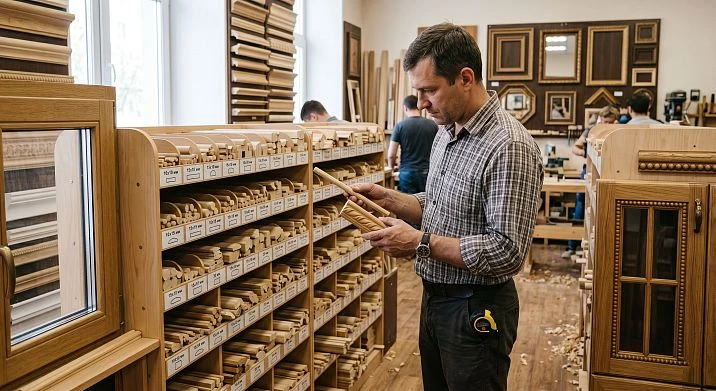
There are details that are invisible in the finished product — and that is precisely why their absence or incorrect choice immediately catches the eye. The wooden glazing bead is one of these. A thin strip that presses the glass into the window frame, frames the door leaf, secures the showcase front of a cabinet — it does not 'decorate' in the literal sense. It completes. It makes the product finished, professional, neat.
And when the glazing bead is chosen incorrectly — it is immediately visible: the glass 'wanders', the profile looks alien, the joints separate, the size does not match. That is why Buy wooden cleat — a task that requires understanding: what exactly you are buying, for which product, what profile is needed, and what material is suitable.
This article is a complete breakdown of everything you need to know before buying a wooden glazing bead: purpose, profile types, sizes, materials, application scenarios, and typical mistakes.
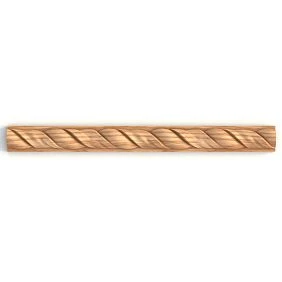
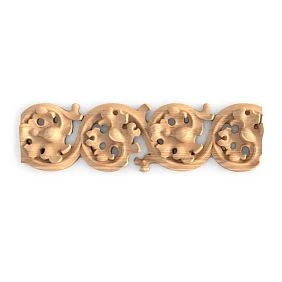
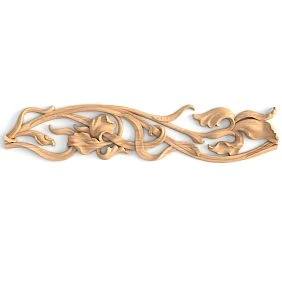
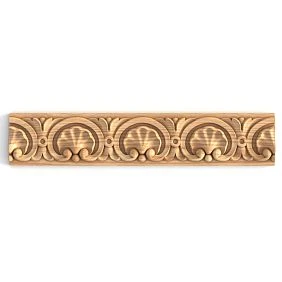
What is a wooden glazing bead and why is it needed




A small detail with a big function
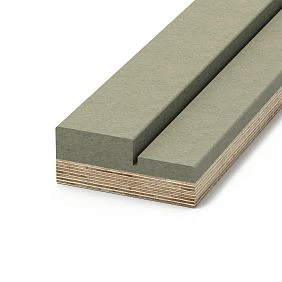
A glazing bead is a small wooden trim profile with a characteristic L-shaped or rounded cross-section. Its main task is to secure glass (or other sheet material: mirror, MDF, plywood) in the groove of the frame, preventing shifting, rattling, and falling out.
Technically, the glazing bead works as follows: the glass is placed into the frame groove, and the bead is inserted or nailed from the front side, pressing the glass against the opposite edge of the groove. This allows the glass to be removed at any time — just remove the bead.
But the function of the glazing bead is not limited to just fixing the glass. In furniture manufacturing and decorative finishing, it also performs other tasks:
-
Covers the end edge of the glass — makes the product safe and neat.
-
Forms a decorative line on the facade — creates a visual framing of the glass field.
-
Hides technological gaps between the glass and the frame.
-
Ensures removability — the glass can be replaced without disassembling the product.
-
Serves as a decorative accent in the interior — especially a wooden glazing bead with a shaped profile.
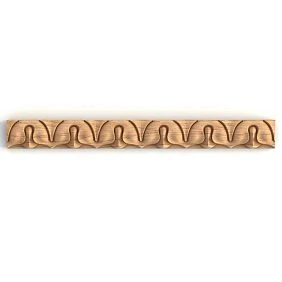
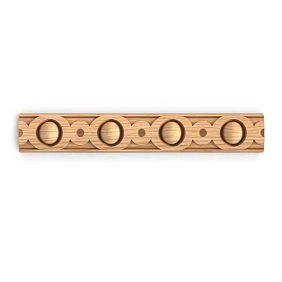
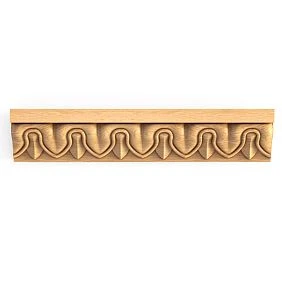
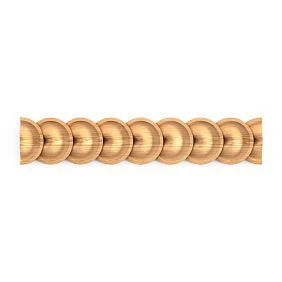
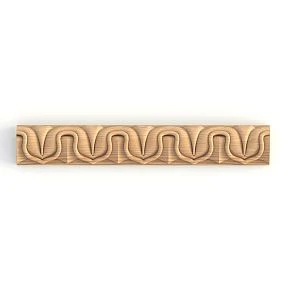
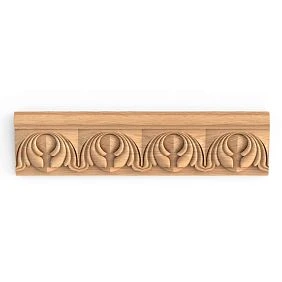
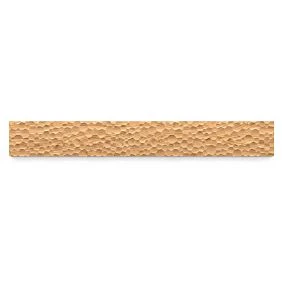
Our factory also produces:
Beading and moldings: a broad context
Wooden beading — part of the big world of wood solid wood trim. Moldings are all profiled wooden elements sold by linear meter: baseboards, cornices, architraves, slats, strips, moldings. Beading is one of the smallest in cross-section, but no less important in function.
Get Consultation
Where wooden beading is used
A multifaceted element: from window to display case
Application area of wooden beading is much broader than it seems at first glance. Most buyers look for it for windows — but it is the furniture sector that consumes beading in no less volumes.
Wooden windows. Classic application. A wooden window frame with divided sections, each glazed — that's beading in action. In old wooden houses, the beading often needs replacement: it dries out, cracks, loses its shape. Restoration of a wooden window almost always begins with replacing the beading.
Interior doors with glass inserts. Paneled doors with glazed sections are a standard design for classic interiors. Each glass insert is held by beading on both sides.
Furniture fronts with glass. Display cabinets, china cabinets, sideboards, buffets, library cabinets — wherever glass or mirror is present in the front, beading ensures their fixation.
Kitchen facades with glass. Glass inserts in upper kitchen cabinets are a separate scenario. Here, the glazing bead operates in conditions of high humidity and temperature fluctuations, so the material has higher requirements.
Decorative partitions. In interiors, wooden partitions with glazed sections are becoming increasingly popular — in the style of French windows or industrial loft with wood. The glazing bead fixes the glass in the cells.
Restoration of antique furniture. Antique sideboards, display cabinets, and bookcases with original glass often need replacement or restoration of the glazing bead. Proper selection of the profile to match the style of the piece is the restorer's task.
Decorative panels and frames. Wooden glazing beads are used as an element of decorative frames for mirrors, panels, and paintings.
How the glazing bead differs from a batten, molding, and baguette
Terminology confusion: settling it once and for all
A buyer encountering wooden moldings for the first time often gets lost in terminology. Glazing bead, batten, molding, baguette — are these different names for similar products? Or does each have its own function?
Answer: each has its own specialization, although in practice they often overlap.
Glazing bead — a profile with a characteristic clamping cross-section, specifically designed for fixing glass or other sheet material in the groove of a frame. A distinctive feature: one edge of the profile is flat (clamping), the other is the face, which can be rounded, shaped, or flat.
Wooden plank — a universal linear element with a rectangular or square cross-section without a specific profile. A batten is used in construction, decoration, lathing, frameworks, and furniture assembly. It is not "specialized" — it is a basic linear material.
Wooden molding — a profile strip designed to cover joints, design transitions, and decorative surface division. Decorative wooden molding may have a shaped profile — with rounded edges, chamfers, or milled patterns. The closest «relative» of a glazing bead, but with a different emphasis: not fixation, but decorative design.
Wooden Picture Frame — a profile element with an expressive, typically shaped cross-section. Used as Picture frame strip for framing, facades, transitions between planes. The decorative function prevails over the structural one.
Table: comparison of related products
| Product | Main function | Profile | Typical application |
|---|---|---|---|
| Glazing bead | Glass fixation | Clamping, L-shaped, rounded | Windows, doors, furniture facades |
| Rail | Linear element | Rectangular | Lathing, frames, wall decor |
| Layout | Joint closure, decor | Shaped, flat | Finishing, furniture panels |
| Molding | Decorative accent | Figurative, expressive | Frames, facades, cornices |
| Corner piece | Corner finishing | L-shaped | Internal and external corners |
Understanding these differences helps the buyer not to buy "something similar", but to choose exactly what is needed for a specific task. For fixing glass — glazing bead. For closing a joint — layout. For a decorative accent — baguette.
How to choose a wooden glazing bead profile
Profile is a constructive solution, not just aesthetics
Choosing a glazing bead profile is not a matter of taste. The profile determines how the bead will fit against the glass and frame, how securely it will hold the glass insert, and how it will look in the finished product.
Types of wooden glazing bead profiles
Flat glazing bead is the simplest profile: a rectangular cross-section without chamfers or rounding. Standard sizes: 10×5, 12×6, 15×6, 15×8 mm. Application: simple, utilitarian constructions where the appearance of the bead is secondary. Also used in restoration of products with straight rectangular grooves.
Glazing bead with a rounded face is the most common type. The front part of the profile is rounded, making the transition between the bead and the frame smooth and neat. Standard sizes: 8×6, 10×8, 12×8, 15×10 mm. Application: wooden windows, doors, furniture fronts — everywhere a "clean" technical solution with a good appearance is needed.
Glazing bead with a chamfer — the front face is cut at 45° or has a stepped profile. Creates an expressive shadow line between the bead and the frame. Suitable for furniture with geometric, modern, or classic decor.
Decorative (shaped) glazing bead — the front face has a complex molded profile: ogee, cove, ornamental groove. Essentially, it is a small decorative molding that also serves to secure the glass. Used in classic furniture, antique items, and high-end joinery.
How the profile affects the visual result
The same cabinet with the same glass can look completely different depending on the glazing bead profile:
-
Flat glazing bead 8×6 mm — almost invisible, "zero" visual effect.
-
Rounded 15×10 mm — a soft, neat accent.
-
With a 15×12 mm bevel — a geometric shadow line, modern character.
-
Decorative shaped — a full-fledged furniture molding, classic accent.
How to choose the size of the glazing bead
Size is precision, not approximation
If the profile is a matter of aesthetics, then size is an engineering issue. An incorrect glazing bead size means one of two things: the glass is loose (bead too small) or the bead does not fit into the groove (too large). Both options are defects.
Key parameters for size selection
Glass thickness. The first and most important parameter. The depth of the groove in the frame and, accordingly, the size of the glazing bead are calculated based on the glass thickness.
Standard glass thicknesses for furniture and windows:
-
3–4 mm — decorative inserts, lightweight furniture facades.
-
4–6 mm — standard window and door glass.
-
6–8 mm — reinforced glass for large facades and doors.
-
8–10 mm — tempered glass for heavy structures.
Groove width in the frame. The groove width determines the maximum allowable width (thickness) of the glazing bead. If the groove is 10 mm, the bead must fit into it with a small technological gap (0.5–1 mm).
Seating depth. The height (depth) of the bead must ensure reliable fixation of the glass: the bead must overlap the glass edge by at least 3–4 mm on each side.
Visual mass of the facade. The thinner and more delicate the facade frame, the smaller the cross-section of the bead should be. A wide, massive bead on a thin, elegant frame is a proportional mistake.
Standard sizes of wooden glazing beads
| Size (W×H) | Application |
|---|---|
| 8×6 mm | Light decorative inserts, thin glass 3 mm |
| 10×8 mm | Standard glass 4 mm, furniture facades |
| 12×10 mm | Glass 4–5 mm, windows and doors |
| 15×10 mm | Glass 5–6 mm, window frames, furniture doors |
| 18×12 mm | Glass 6–8 mm, large facades |
| 20×15 mm | Tempered glass, heavy structures |
Material: beech, oak, solid wood for painting
Why the type of wood for the glazing bead is not a trifle
It would seem: a glazing bead is a tiny element. What difference does the wood species make? The difference is fundamental — especially if the glazing bead is used in furniture with expensive finishes or in high-humidity conditions.
Beech
Beech is the leading species for glazing beads intended for painting or enameling. Its fine-grained, uniform structure without a pronounced grain provides a perfectly smooth surface for any paint or varnish coating. Density is about 700 kg/m³, ensuring good strength with a small cross-section.
When to choose beech: furniture fronts for painting, classic display cabinets with white or cream finishes, kitchen fronts, furniture restoration for painting.
Oak
Oak is a more expensive and more "prominent" material. Its pronounced natural grain makes oak glazing beads attractive for transparent finishes: varnish or oil highlights the texture. Density is about 720 kg/m³.
When to choose oak: furniture for clear varnish or oil, where the wood texture should be visible, items in the "natural wood" style.
Spruce
Pine is the most affordable material. A softwood (density ~520 kg/m³), it is easy to work with and absorbs well. Disadvantages: softness means a risk of deformation under mechanical load, and resin pockets cause unevenness when painting.
When to choose pine: window frames (traditional material for wooden windows), utilitarian structures, dachas, temporary items.
Solid wood for painting — a universal formulation
If the product description says "solid wood for painting" without specifying the species — ask for clarification. It could be beech, birch, or pine. For quality furniture intended for painting, beech or birch with a fine-grained structure is preferable.
Humidity and glazing beads for the kitchen
A separate topic is the glazing bead for kitchen fronts and window frames in high-humidity rooms. Requirements:
-
Coating — water-resistant varnish or enamel with good adhesion to wood.
-
Wood species — hard, stable (beech, oak, ash).
-
Priming before painting is mandatory, especially the ends.
Wooden glazing bead for furniture
Glass front: where the glazing bead lives
Furniture glazing bead — the most diverse application of this small product. Wooden decoration and a neat glazing bead is what turns an ordinary furniture front into a product with character.
Display cabinet and sideboard
A classic display cabinet with glazed doors is the basic scenario. Here, the glazing bead solves three tasks simultaneously: it secures the glass, covers the end gap, and creates a decorative framing line for the glass panel.
For a classic-style display case — a decorative glazing bead with a shaped profile. For modern furniture — flat or rounded. For a kitchen hutch — rounded, matching the same paint as the facade.
Sideboard, credenza, bookcase
These products often combine mirror and glass inserts with wooden frames. The glazing bead here is both a structural and decorative element. Special attention is paid to matching the bead profile with the product's style: an antique sideboard requires a shaped decorative bead, a modern bookcase requires a strict geometric one.
Kitchen upper cabinets
Glass inserts in upper kitchen cabinets are a separate furniture scenario with special requirements. Important here are:
-
Moisture resistance of the bead coating.
-
Precision in size selection — the glass in a kitchen cabinet must fit absolutely without play.
-
Color — exactly matching the facade tone, without the slightest discrepancy.
Restoration of old furniture
One of the most delicate scenarios. An antique cabinet with original glass: the old glazing bead has dried out, cracked, lost its shape. The task is to find a profile as close to the original as possible, so as not to disrupt the authentic appearance of the piece.
Here buy wooden glazing bead you need the widest possible selection of profiles — to find the most accurate match. Ideally, if you have a sample of the old glazing bead, compare the cross-section.
Wooden glazing bead for windows and doors
Window glazing bead: function under load
The window glazing bead operates under special conditions — at the boundary between the street and the room. It experiences:
-
Temperature fluctuations (from −30 to +40 °C and more).
-
Exposure to moisture: condensation, rain, humidity.
-
Mechanical loads when opening and closing the window.
-
Direct ultraviolet radiation on sunny sides.
This means: the window glazing bead must be made of a stable wood species (pine, oak, larch), coated with a reliable paint and varnish coating, and properly fitted to size — without excessive clamping of the glass (which expands when heated).
Technological gap for glass in the window glazing bead
This is a fundamental point that is often overlooked when replacing the glazing bead. Glass inserted tightly into the frame expands when heated — and if the bead clamps it too tightly, the glass may crack. Standard technological gap: 2–3 mm around the glass perimeter. The bead should press the glass against the frame, but not clamp it rigidly.
Replacing the glazing bead in a wooden window
Step-by-step scenario:
-
Carefully pry off the old glazing bead with a chisel or spatula — it is usually nailed with small nails or inserted into a groove.
-
Remove the glass — carefully, supporting it from both sides.
-
Clean the groove from remnants of old putty or silicone.
-
Select a new glazing bead — matching the groove size and glass thickness.
-
Install the glass on spacers (rubber or plastic) with a 2–3 mm gap.
-
Nail the glazing bead with small headless nails — every 20–25 cm.
-
Putty the attachment points, prime, and paint the glazing bead.
Glazing bead for interior doors with glass
Door glazing bead — less loaded than window glazing bead, but more visually noticeable: doors are at eye level, and the glazing bead is clearly visible. Here, the profile has higher aesthetic requirements.
For doors in a classic interior — a decorative glazing bead with a shaped profile, painted to match the door or in a contrasting color. For doors in a modern style — rounded or chamfered, minimalist.
An important technical point: in interior doors, the glazing bead is installed on both sides of the glass — both on the front and the back. Both glazing beads must be identical in profile.
Flat wooden fillet and glazing bead: the line blurs
There are cases when the boundary between the glazing bead and the fillet disappears. Flat wooden plank With a small cross-section — 10×6, 12×8 mm — it is functionally identical to a flat glazing bead. The difference is in emphasis: the fillet is more often used decoratively (glued to the facade, creating a frame pattern), while the glazing bead functionally "holds" the glass.
In furniture production, both elements are often used simultaneously: the glazing bead fixes the glass from inside the groove, and the fillet adds a decorative frame on the outside — creating a richer look for the glass insert.
Wooden corner as a related element
When working with glass facades and window structures Wooden corner bracket often used in conjunction with a glazing bead. The corner covers the inner corners of the frame — where the glazing bead "meets" when the frame turns. Matching the profile of the corner and the glazing bead in height of the face is a mandatory condition for a neat result.
Common mistakes when buying a wooden glazing bead
Mistake 1: choosing only by photo
A photo of the glazing bead does not convey the actual size. A profile that looks "neat and thin" in the picture may turn out to be 20×15 mm — too large for a thin furniture frame. Always check the actual overall dimensions in the product card.
Mistake 2: Not checking the groove size before ordering
The glazing bead is bought — but it doesn't fit into the groove. Or it fits, but with a huge gap. Before purchasing, measure the groove in the frame: its width and depth. The size of the glazing bead should match the groove with a clearance of 0.5–1 mm per side.
Mistake 3: Not accounting for the glass thickness
"I'll buy the glazing bead, then pick the glass" — wrong sequence. First, determine the glass thickness (based on the insert size and load) — then choose the glazing bead for that thickness. Otherwise, the glass either rattles in the groove or doesn't fit.
Mistake 4: Choosing too coarse a profile for a delicate frame
A wide massive glazing bead 20×15 mm on a thin elegant display frame — a proportional disaster. The scale of the glazing bead should match the scale of the product: a thin frame — a delicate glazing bead, a massive door — a larger profile.
Mistake 5: Not matching the glazing bead material with the product material
Pine glazing bead in beech furniture — different densities and different reactions to staining and painting. When applying the same paint or varnish, you will get different shades. Always use the same type of wood for the glazing bead and the frame.
Mistake 6: Buying 'flush' without a reserve
The glazing bead is trimmed during installation at the corners — with a reserve for cutting at a 45° angle. For a rectangular insert, 4 pieces are needed, each with trimming. Reserve — at least 15–20% of the calculated quantity.
Mistake 7: Installing the glazing bead without pre-painting the ends
The ends of a wooden glazing bead are especially susceptible to moisture. An uncovered end in a window frame is a direct path to swelling and deformation. Before installation — paint or prime the ends. After installation — mandatory final painting of the entire glazing bead.
Wooden glazing bead and related moldings: a complete system
Moldings as a comprehensive solution
A skilled craftsman or designer never buys a glazing bead separately from the rest wooden trim. All profile elements — glazing bead, layout, strip, corner, skirting board, baguette — work together and must be coordinated in terms of material, species, and finish.
Typical configuration for classic furniture with glazed fronts:
-
Glazing bead — for fixing glass.
-
Buy wooden trim — for decorative framing of the glass field from the outside.
-
Picture frame strip — for finishing the cabinet cornice and top frames.
-
Wooden angle — for inner corners of the frame.
-
decor for furniture — overlay elements on facades.
This is a comprehensive approach where all elements are purchased from one manufacturer, from one wood species, with the same coating — and the result looks like a professional joinery product, not a self-assembly from random parts.
Where to buy wooden glazing bead
Full catalog for working with glass and wood
buy wooden glazing bead — means choosing the right profile, the right size, the suitable wood species, and getting a product that will fit exactly in its place.
Full range for working with wooden glazing bead and related moldings:
-
solid wood millwork — glazing beads, trims, picture frame slats, moldings.
-
Wooden plank — universal linear element.
-
Wooden corner bracket — for finishing internal corners.
-
Wooden decor and overlays — for furniture facades.
-
Furniture and decor from solid wood — complete catalog of wooden products.
-
wooden beams — for frames and auxiliary structures.
FAQ: popular questions about wooden glazing bead
What is the difference between a glazing bead and a layout?
A glazing bead is a structural element for fixing glass in a frame groove. A layout is a decorative profile for covering joints and finishing surfaces. In practice, with a small cross-section, their functions overlap.
Can wooden glazing bead be used outdoors?
Yes, with proper finishing: weather-resistant varnish or oil with UV protection, end treatment, and regular coating renewal every 2–3 years.
Which glazing bead to choose for a kitchen cabinet?
Beech or birch, rounded or flat profile, coating — moisture-resistant enamel matching the facade. Size — to fit the glass thickness (usually 4 mm for upper cabinets).
Do I need to paint the wooden glazing bead before installation?
Preferably yes. Painting or varnishing the glazing bead before installation is much easier than working with a brush in a finished frame. It is especially important to treat the ends for moisture protection.
How to calculate the amount of glazing bead for a cabinet?
Calculate the perimeter of each glass insert, multiply by two (glazing bead on both sides), add up all inserts, add 15% reserve. If the cabinet has double doors 400×800 mm each — perimeter of one door: (400+800)×2 = 2400 mm. For four inserts × 2 sides = 19,200 mm = ~20 linear meters with reserve.
What to use to nail the wooden glazing bead?
Small headless nails — 'finishing' or 'brads'. Diameter 1.2–1.5 mm, length 20–25 mm. Drive carefully, without deep sinking — to avoid splitting the thin profile.
STAVROS: wooden moldings, glazing beads, and solid wood furniture decor
A wooden glazing bead is a small product with great responsibility. It is not visible in a finished window or display cabinet when everything is done correctly. But this 'not visible' is the highest quality criterion: the part fell into place, performed its function, and did not draw attention to itself.
STAVROS produces and supplies solid wood moldings — glazing beads, trims, battens, corner pieces, and picture frame moldings — for carpenters, furniture makers, restorers, and private customers. Here buy wooden glazing bead means getting a product with precise dimensions, the correct wood species, a smooth surface ready for painting, and a full range of matching moldings for any task.
STAVROS operates throughout Russia — with delivery to Moscow, Saint Petersburg, and other regions. If you need a wooden glazing bead or any other wooden molding element — you are already on the right website.