Article Contents:
- Short answer: when a wooden glazing bead is needed
- What is a wooden glazing bead
- Where wooden glazing bead is used
- Wooden glazing bead for windows
- Glazing bead for doors
- Glazing bead for furniture
- Glazing bead for display cases
- Glazing bead for decorative inserts
- How a glazing bead differs from a layout, strip, and molding
- How to choose the size of a wooden glazing bead
- How to choose a glazing bead profile
- Simple straight glazing bead
- Rounded profile
- Decorative trim
- Thin glazing bead
- Wider glazing bead for large facades
- Material and coating: what is important before purchasing
- Wooden glazing bead for furniture and window restoration
- How to combine glazing bead with other wooden decor
- Mistakes when choosing a wooden glazing bead
- What to buy together with a wooden glazing bead
- FAQ: Answers to Popular Questions
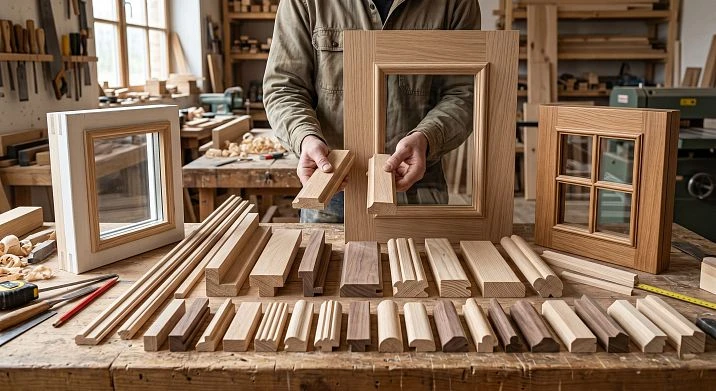
There are details that don't catch the eye — but it's them that hold everything together. Literally. A narrow wooden strip along the perimeter of the glass insert in a sideboard door. A thin profile pressing the glass against the frame of an old window. A neat line along the edge of a decorative panel in a cabinet. All of this is a wooden glazing bead. Modest, inconspicuous, irreplaceable.
It is underestimated during planning — and then people search for it in stores for a long time, not understanding why the finished furniture looks incomplete, the glass in the door is held unreliably, and the restored sideboard doesn't match the desired image. The answer is often simple: the right glazing bead is missing.
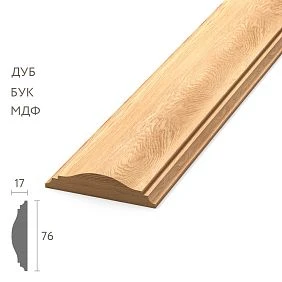
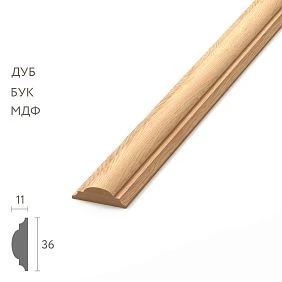
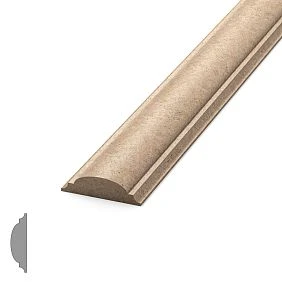
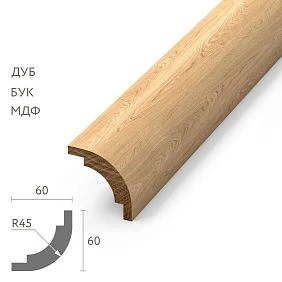
Short answer: when you need a wooden glazing bead
Straight to the point — so you don't waste time searching for the needed answer in the middle of the article.
wooden trim is needed in five main situations:
For fixing glass. In wooden windows, interior doors with glass, furniture fronts with glazing — the glazing bead presses the glass against the frame and holds it. Without the glazing bead, the glass will wobble, rattle, and gradually loosen.
For decorative framing. A neat wooden line along the perimeter of the glass insert makes it visually complete. Glass without a glazing bead looks "fallen out" in the opening. Glass with a glazing bead looks "inserted" into the frame.
For restoring wooden items. Old wooden windows, doors, and furniture lose their original glazing bead over time: it dries out, cracks, and comes off. Replacing the glazing bead is one of the most affordable and effective operations during restoration.
For designing sideboards, display cases, and cabinets. Furniture with glass doors — sideboards, china cabinets, kitchen uppers with glazing — requires neat glass fixing. The wooden glazing bead here is both a structural and aesthetic element simultaneously.
For decorative inserts and panels. Not only glass — thin MDF panels, decorative veneer, frame inserts made of thin materials are also fixed with a glazing bead. Here it acts as a framing profile.
One key principle: a glazing bead is needed when a thin wooden line is required to cover the groove and hold the insert. Not a wide baguette, not a batten — precisely a glazing bead: narrow, precise, neat.




What is a wooden glazing bead
Let's define the term — because confusion with terminology in this topic occurs regularly.
Wooden trim — is a narrow, long wooden profile of small cross-section, intended mainly for fixing glass or a thin decorative insert in a frame element. Its characteristic features: small width (from 8 to 30 mm), small height (from 5 to 20 mm), one or two working surfaces — the one that presses the insert and the one visible from the outside.
According to the profile shape, the glazing bead can be:
-
Straight — rectangular cross-section without decoration, for windows and furniture in a modern style
-
Rounded — with a convex or rounded front edge, a soft classic look
-
Shaped — with a small decorative profile on the front surface, for sideboards, classic furniture, and doors
By material: pine, beech, oak, ash. Each species has its own features for working with tools, sanding, and finishing. For painting and enamel — beech and pine. For tinting and varnish — oak and ash.
An important property of a wooden glazing bead is that it accepts any finish: white enamel, tinting stain, clear varnish, oil. After painting, it visually blends with the frame or facade — and this 'invisible seam' effect is exactly what is achieved in high-quality joinery finishing.
A glazing bead is not the same as a layout, batten, or molding. We will analyze the difference in detail in a separate section. For now, the main thing: a glazing bead is a tool for fixing and neat framing. Its place is in the groove for glass or insert.
Our factory also produces:
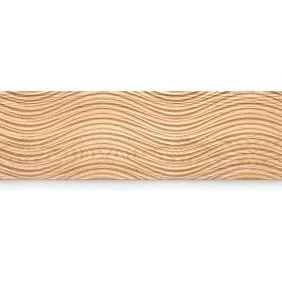
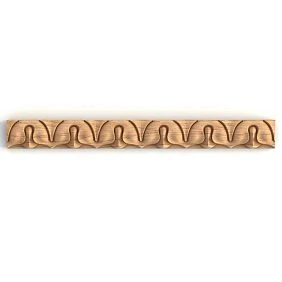
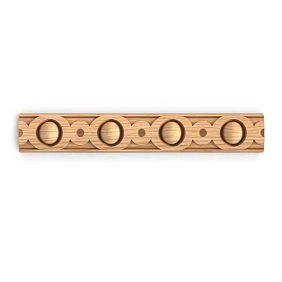
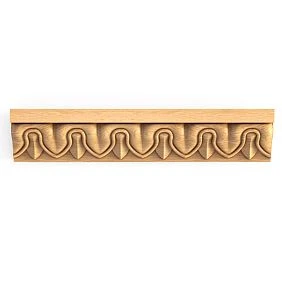
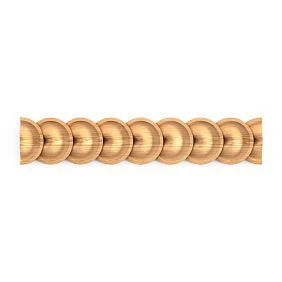
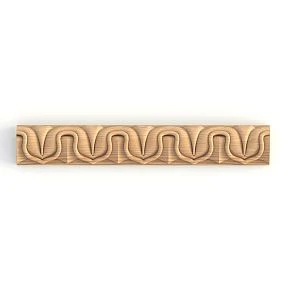
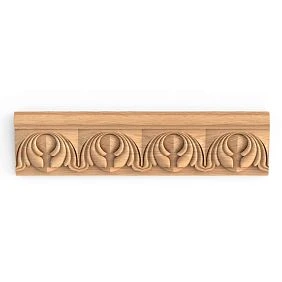
Where wooden beading is used
Get Consultation
Wooden glazing bead for windows
Wooden windows are a construction classic experiencing a steady revival. The wooden frame, natural thermal conductivity, and aesthetics of natural material make wooden windows relevant in country houses, cottages, restoration projects, and interiors where plastic is inherently inappropriate.
Wooden glazing bead for windows performs a critically important function: it presses the glass against the frame along the entire perimeter of the window unit. Without it, the glass is secured only with putty or sealant — which over time cracks, dries out, and creates gaps. The glazing bead provides mechanical fixation that works independently of the condition of the sealing material.
For window applications, the glazing bead is selected according to the following parameters: the width of the clamping shelf must overlap the mounting groove with a margin of 3–5 mm on each side; the profile height must correspond to the groove depth plus 2–3 mm protrusion above the frame plane; the face surface profile must match the frame profile: for a flat frame, a straight glazing bead; for a profiled frame with curves, a glazing bead with a rounded face edge.
The glazing bead in a wooden window is an element that is painted or varnished together with the entire frame. When repairing a window, it is often replaced first: it bears maximum loads from thermal expansion and atmospheric moisture.
Glazing bead for doors
Interior doors with glass inserts are one of the most decoratively rich types of doors in classic interiors. Transparent, frosted, tinted, and patterned glass in the door leaf create an effect of lightness and visual connection of spaces.
For interior door Buy wooden cleat it must take into account two factors: the thickness of the glass (usually 4–6 mm for door glazing) and the style of the door itself. For a classic-style door — a glazing bead with a rounded or shaped profile that matches the profiles of the door stiles and panels. For a modern-style door — a straight glazing bead with a precise rectangular cross-section.
For doors, the length of the glazing bead is also important: along the height of the door leaf, long pieces without joints are needed — or a minimum number of joints with precise fitting at 45 degrees in the corners.
The door glazing bead is always painted the color of the leaf. When replacing the glazing bead on an already painted door, the final coating is applied after installation to cover the seam between the bead and the frame.
Glazing bead for furniture
The furniture application of a wooden glazing bead is the most diverse field. There are no strict structural limitations here, but there are rich decorative possibilities.
Sideboard and china cabinet. A classic sideboard with glazed doors is one of the most "bead-intensive" pieces of furniture. For each glass section — the perimeter of the glazing bead plus transverse horizontal and vertical divisions (mullions), which are also framed with glazing bead. For a sideboard, a shaped or rounded glazing bead is chosen that matches the profiles of the fronts and cornice.
Upper kitchen cabinets with glazing. Kitchen fronts with glass are a powerful decorative technique that visually lightens the upper kitchen and allows "showing off" beautiful dishes. The glazing bead for a kitchen front must withstand the humidity of the kitchen environment — therefore, the coating is especially important here: polyurethane varnish or alkyd enamel in several layers.
Display case and cabinet with display sections. For a display case — a neat, precise glazing bead with a smooth profile. Flawless geometry is important here: any deviation from a straight line is noticeable through the glass at a great distance.
Glazing bead for display cases
Display case furniture is a separate story. A display case showcases the contents, meaning it itself must be flawless. The glazing bead for a display case is both a structural glass retainer and a decorative element that sets the style of the entire piece.
For a classic wooden display case, choose a glazing bead with a small decorative profile: a rounded edge, a thin groove along the base. This creates a shadow—a line that separates the glass from the frame and makes the glazing appear "built-in" rather than "inserted."
Precision is especially important for display cases: large-format glass (400×600 mm or more) requires a glazing bead that does not sag along its length. For the long sides, use a glazing bead made of hardwood (beech, oak) with a sufficient cross-section, at least 12×12 mm.
Glazing bead for decorative inserts
In addition to glass—thin decorative panels, veneer, woven inserts, decorative polycarbonate, matte acrylic panels. All these materials require careful framing when installed in frame structures.
For thin veneer (0.6–1.5 mm) or decorative film inserts—a glazing bead with a minimal clamping edge width of 8–10 mm. For MDF panels 4–6 mm thick—a glazing bead with a groove width of 6–8 mm and a clamping shelf of 12–15 mm.
A decorative insert secured with a glazing bead can be easily replaced when needed: remove the bead, take out the panel, install a new one. This makes the glazing bead a universal tool for updating furniture facades.
How a glazing bead differs from a layout strip, batten, and molding
This is a fundamental question that regularly causes confusion when purchasing. Let's break down each element and its function.
| Element | Main function | Typical application |
|---|---|---|
| Glazing bead | Securing glass and thin inserts | Windows, doors, furniture facades, display cases |
| Wooden molding | Joint covering, decorative lines, frames | Floors, walls, furniture surfaces, panel joints |
| Wooden plank | Wall decor, partitions, panels, interior accent | Walls, partitions, decorative screens, furniture decor |
| Wooden Picture Frame | Framing mirrors, paintings, panels, expressive frames | Mirrors, paintings, panels, decorative frames |
| Molding | Decorative frames on walls, facades, architectural decor | Walls, furniture facades, door trims |
Bead vs molding. Both thin, both wooden — but their purpose is fundamentally different. wooden floor It is glued or nailed onto the surface plane — it covers the joint, creates a frame or decorative line. The bead is inserted into a groove and presses the insert from the end. Molding is a surface element. The bead is a groove element.
Glazing bead vs. batten. Wooden plank — a rectangular or square profile for wall and surface decoration. The batten works as an independent decorative element: it creates a rhythmic vertical or horizontal pattern. The glazing bead is an auxiliary structural fixing element.
Glazing bead vs. picture frame molding. Wooden Picture Frame — a decorative profile with an expressive cross-section for creating frames for mirrors, paintings, and panels. Picture frame molding has a more complex profile and larger dimensions than a glazing bead. The glazing bead is thinner, simpler, and more functional.
Practical summary: if you need to hold glass — use a glazing bead. If you need to cover a joint on the floor or wall — use a transition strip. If you need a picture frame — use picture frame molding. If you need wall rhythm — use a batten. If you need a furniture frame — use molding.
How to choose the size of a wooden glazing bead
The right size is not "by eye." This requires precise calculation, which will take five minutes and save money and nerves.
Step one: insert thickness. Measure the thickness of the glass or panel that the glazing bead will hold. Window glass is usually 3–4 mm (single) or 18–32 mm (double-glazed unit). Glass for doors and furniture is 4–6 mm. Decorative panels are 3–8 mm.
Step two: groove width. The groove in the frame where the insert goes is the space where the glass sits and where the glazing bead later goes. Groove width = insert thickness + 1–2 mm on each side for installation clearance + width of the glazing bead's clamping flange.
Example: glass 4 mm, installation clearance 1 mm on each side, glazing bead clamping flange 8 mm. Total groove width: 4 + 1 + 1 + 8 = 14 mm. Plus glass seating depth — at least 10 mm for reliable fixation.
Step three: glazing bead profile height. Height = groove depth minus glass seating depth plus protrusion above the frame plane. For a neat appearance, the protrusion is 2–4 mm. Too large a protrusion looks rough; too small — the bead "sinks" into the frame.
Step four: face width. This is what is visible from the outside. For windows — 10–20 mm (enough to cover the groove, not too much to block light). For furniture display cases — 8–15 mm (the thinner, the more elegant). For classic-style sideboards — 12–20 mm with a decorative profile.
Length. Glazing bead is sold by linear meters. Calculate the perimeter of all inserts with a 10–15% allowance for corner cutting and inevitable waste. For a sideboard with six glass sections, each perimeter 300×400 mm = 1,400 mm → 6 × 1.4 m = 8.4 m plus 10% allowance = 9.3 m. Round up to a whole number of linear meters.
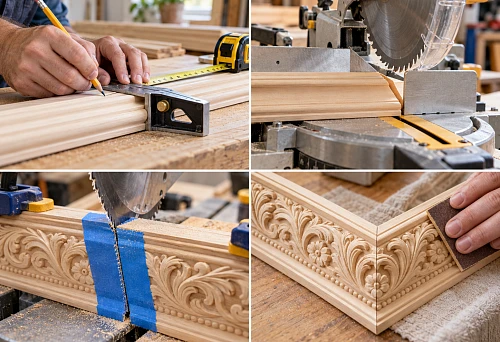
Corners. The glazing bead is joined at 45-degree angles. This requires precise end cutting. For a miter saw — a simple operation. For hand tools — use a miter box with a guide.
How to choose a glazing bead profile
The shape of the glazing bead face is its "face." It is the profile that determines how organically the bead fits into the style of a door, window, or piece of furniture.
Simple straight glazing bead
Rectangular cross-section without any grooves or rounding. This is the most neutral profile — it adds no decorative character, just neatly covers the groove.
Application: modern-style windows, minimalist or Scandinavian interior furniture, doors without decorative elements. Paired with wooden veneer a straight profile — a single neutral wooden system.
The advantage of a straight glazing bead is the ease of trimming and installation. There are no problems with joining profiles at an angle: a straight profile joins more accurately than a shaped one.
Rounded profile
A glazing bead with a convex or rounded front edge. The rounding can range from small (radius 2–3 mm) to pronounced (radius 5–8 mm, approaching a semi-cylinder).
This is the most versatile profile: soft enough for classic interiors, restrained enough for modern ones. For wooden windows with rounded frame profiles, a glazing bead with a rounded edge creates a profile rhythm. For classic-style furniture, a soft rounded profile adds warmth and tradition without excessive decoration.
Decorative profile
A profile with a small recess, step, 'fillet,' or a combination of roundings and flat surfaces. This is a glazing bead with character — it reads as a decorative element, not just a functional plug.
for classic furniture — a shaped glazing bead is mandatory. A sideboard with straight rectangular glazing beads will look boring. The same sideboard with a shaped glazing bead will look complete and decorative. The profile of the glazing bead in a classic sideboard should echo the profiles of door frames, cornices, and wooden cornice.
A shaped glazing bead is more difficult to cut at 45 degrees: the profile must join at the corner without steps or gaps. This requires precision and good tools.
Thin glazing bead
For small inserts and thin glass — a glazing bead with a cross-section of 6–8 mm × 8–10 mm. This is an elegant, almost invisible profile that minimally interferes with the visual appearance.
Application: small glass sections in nightstands, bookcases, small display cases, and decorative frames. For a thin glazing bead, the hardness of the wood species is important: a thin pine strip may crack during installation. Beech or oak is better.
Wider glazing bead for large facades
For large glass doors (500×700 mm and larger), for wide window units, for display cases of significant size — a glazing bead with a face width of 18–25 mm. A wide bead creates a more massive "frame" around the glass, which is visually correct for large inserts.
Proportion principle: the face width of the glazing bead should be proportional to the size of the glass insert. For a 200×300 mm insert — a 10–12 mm bead. For a 500×700 mm insert — an 18–22 mm bead. This is an intuitive rule that is not violated in good joinery.
Material and coating: what matters before purchase
Pine. The most affordable material for a wooden glazing bead. Easy to work with, takes paint well. Downside: soft, dents from point impacts. For a bead under white enamel or paint — pine is optimal. Before painting, a primer with a resin insulator is mandatory: pine resins will eventually bleed through the finish coat.
Beech. Dense, uniform wood with a neutral tone. Turns and mills well — profiles come out crisp. Under white enamel — an ideally smooth surface without a texture pattern. For a bead that will be visible in the interior — beech under enamel gives the best result.
Oak. For a bead that will be under clear varnish or stain — oak adds natural texture and a warm tone. Stronger than pine, better resists deformation with humidity changes. For wooden windows in a home with natural wood facades — an oak bead under oil creates a unified look with the frame.
Ash. Similar to oak in strength, but with light straight grain. For interiors in Scandinavian or modern classic aesthetics — ash gives the right tone under clear varnish.
Sanding quality. The bead surface should be evenly sanded to grit 120–150. Roughness on the face means coating irregularities. Fiber tear-out on a straight bead means relief under paint. Check the surface before purchase: run your finger along the face.
Geometry. The bead should be straight without twists or bends. Check: place on a flat surface. If it sits evenly — good. If one end is raised — there is a "propeller." Such a bead will create gaps and unevenness during installation.
Moisture content. The wood of the bead — moisture content no more than 8–10%. Over-dried bead (less than 6%) when placed in a room with normal humidity will swell and lift the fastening. Over-moistened (more than 12%) after drying will create gaps.
Coating. The wooden glazing bead is coated in one of two modes: before installation (primer and 1–2 coats) and after installation, the finishing coat — the best option. Or entirely after installation — convenient, but hard-to-reach areas (heels, corners) receive an insufficient coating layer. For windows exposed to external influences — full coating before and after installation.
Wooden glazing bead for furniture and window restoration
Restoration is when a person looks at an old sideboard inherited from their grandmother and thinks: throw it away or save it? Most often the answer is simple — save it. And the glazing bead plays one of the key roles in this matter.
Old wooden windows. In a wooden house that is 30–40 years old, the first thing that needs replacing is precisely the glazing bead. It has taken everything: ultraviolet light, rain, frost, thermal expansion. It cracks, warps, and comes loose. Replacing the glazing bead on all windows is an operation doable without special equipment: pull out the old one, cut a new one, nail it in, paint it. The result — the window looks renewed, the glass is held securely.
Before replacing the glazing bead in an old wooden window: clean the groove of old paint and putty, coat the groove with antiseptic, place a seal under the glass, insert the glass, secure with a new glazing bead using nails every 200–250 mm, treat the joints with sealant, paint.
Old furniture with glazing. A sideboard, china cabinet, bookcase — items where glass doors are held by a glazing bead. Over time, the glazing bead dries out, gaps appear, and the glass starts to rattle. Replacing the glazing bead takes one to two hours of work, the result — the door holds the glass securely again and looks neat.
For restoration, it is important to choose a glazing bead that matches the profile of the original. If the original glazing bead is rounded — the new one should also be rounded. If shaped — shaped. A profile mismatch on a restored item reads as a repair, not a restoration.
Adding glass to furniture without glazing. Sometimes the task is the opposite: take an ordinary cabinet with solid doors and turn it into a display case by cutting a glazed opening and securing the glass with a glazing bead. This is quite feasible with your own hands — provided you have a router for selecting the groove for the glass and a glazing bead of the appropriate cross-section.
Connection with furniture style. When restoring classic furniture — buy wooden glazing bead you need a shaped profile that fits into the overall decor. For a sideboard with wooden decor On facades, the glazing bead should be "in the same theme" as the overlays and handles.
How to combine glazing bead with other wooden decor
A glazing bead is part of the room's wooden decor system. Let's consider what it pairs with.
С wooden trim. Layout and glazing bead often work in pairs: the glazing bead secures the glass, the layout creates a decorative frame outside around the glazing. This is a classic solution for sideboards and display cabinets: the glass is held by the glazing bead from the inside, while on the outside, a layout with a more expressive profile creates the framing.
С solid wood moldings. Moldings frame panels on walls and solid facades. Glazing bead frames glazed inserts. In an interior with both elements, the profiles should be from the same stylistic group. A rounded molding pairs with a rounded glazing bead. A geometric molding pairs with a straight glazing bead.
С with wooden cornices. The cornice finishes the top of the furniture. The glazing bead frames the glass in the doors. When the profile of the cornice echoes the profile of the glazing bead, the furniture is perceived as architecturally unified. These are details that are not noticeable individually, but together create a sense of joinery quality.
С wooden furniture handles. A wooden handle and a wooden glazing bead on the same facade create a unified material accent. If both are from the same wood species with the same finish, it is a mono-style solution. If the handles are lacquered and the glazing bead is enameled, it is a contrast that must be intentional.
С furniture decor. Applied decor on facades is a key element for sideboards and display cabinets in a classic style. Decorative overlays and the glazing bead should be from the same wood species and with the same finish. Otherwise, different wooden materials will "meet" on the same facade, which will inevitably attract attention.
С floor baseboard. The baseboard is the lower horizontal line of the room's wooden decor. Its profile should echo the profiles of all wooden linear elements in the interior, including the glazing bead in the furniture. This is a level of detailing achieved in fully thought-out interiors.
С solid wood millworkFull linear assortment — from glazing bead to cornice — from a single source, from a single wood species, in a single style. When all wooden linear interior decor belongs to one system, that very integrity is achieved, which everyone dreams of but only a few realize.
Mistakes when choosing a wooden glazing bead
Let's analyze typical mistakes — so you don't encounter them.
Choosing a glazing bead without considering the glass thickness. If the glazing bead is designed for 3 mm glass, but you have 5 mm glass — it either won't fit into the groove, or it will sit very tightly and may crack during thermal expansion. Always first — glass thickness, then — glazing bead size.
Taking too wide a profile for a small insert. A glass section 150×200 mm with a 25 mm wide glazing bead means the effective glass area is halved. All the light and 'transparency' are blocked by the wide glazing bead. For small inserts — a thin glazing bead, no more than 10–12 mm.
Using a batten instead of a glazing bead. wooden plank — it's a rectangular profile for surface decoration. It doesn't have a clamping groove for glass. Nailing a batten over the glass is not a glazing bead: the glass is held only by point fastening forces, without a seating groove. The first impact — the glass will fall out.
Confusing a glazing bead with a molding. Buy wooden trim — for surfaces and decoration. Glazing bead — for grooves and fixation. The task determines the choice.
Not considering future painting. You bought a glazing bead for natural varnish, but then decided to paint the furniture white. A varnished glazing bead cannot be painted without sanding down to bare wood. If enamel is planned — buy an unpainted glazing bead and paint it together with the furniture.
Do not check the quality of sanding. A rough or torn bead under paint will create an uneven surface resembling orange peel. Under varnish — raised grain with bubbles. Sanding quality is money invested in the result.
Buy a profile that does not match the style. A figured ornamental bead paired with a minimalist door. A straight bar bead in a classic sideboard. These are stylistic errors that are noticeable and visually uncomfortable.
Do not measure the seat before purchasing. Buying "by eye" means buying twice. Five minutes with a tape measure and caliper before ordering is saved money and time.
What to buy together with a wooden bead
A bead is rarely used alone. Here is what makes sense to purchase together.
wooden floor — for decorative framing around glazed inserts, for frames and joints.
Pogonazh iz massiva — full range of wooden moldings: bead, trim, baguette, batten from one system and one wood species.
Picture frame strip — for decorative frames of mirrors, paintings, and panels in the same interior.
Wooden plank — for wall and furniture decorative accents.
Moldings from solid wood — for frames on blind furniture facades and wall molding panels.
wooden cornice — to finish the top of sideboards and cabinets in a system with glass doors.
with a classic profile creates a sense of solidity, reliability. — the lower horizontal of wooden decor in the same system.
wooden furniture handles — for facades with glazing in classical or neoclassical style.
Furniture decor — overlays — for decorating facades next to glazed sections.
Classic Furniture — ready-made items that can be supplemented and updated with wooden glazing bead, handles, and decor.
FAQ: Answers to popular questions
What is a wooden glazing bead used for?
Wooden trim used for mechanical fixation of glass and decorative inserts in wooden windows, interior doors, furniture facades, sideboards, display cabinets, and wardrobes. It is a narrow profile that fits into the frame groove and holds the insert around the perimeter.
How does a glazing bead differ from a layout?
Wooden molding — a surface element: it covers the joint, creates a frame or decorative line on the surface. A glazing bead is a groove element: it is inserted into the frame groove and presses the glass or insert. Different functions, different areas of application.
Can a glazing bead be used for furniture?
Yes, and this is one of its main applications. For sideboards, credenzas, display cabinets, kitchen facades with glass, bookcases with glazed sections — wooden glazing bead is a standard structural and decorative element.
Can you paint a wooden glazing bead?
Absolutely. Buy wooden cleat It can be left unpainted and coated with any finish: white enamel, tinting stain, clear varnish, oil. Before applying the first coat — sanding and priming. For pine, the use of an isolating primer against resin is mandatory.
How to choose the size of the glazing bead?
Measure the thickness of the glass or insert. Determine the width of the groove in the frame. The height of the glazing bead = groove depth − glass seating depth + 2–4 mm protrusion. The width of the face is proportional to the size of the glass insert: 8–12 mm for small sections, 16–22 mm for large ones. Don't forget to account for cutting waste when calculating the linear footage.