






























Article Contents:
- Why wooden skirting board is a different level
- Material that lives with you
- Strength and durability
- Restoration possibility
- When MDF is justified
- How to choose the height of a wooden skirting board: the main parameter
- Logic of proportion: skirting board and ceiling
- Approximate height values
- High wooden skirting board: when it is appropriate
- Low skirting board: minimalism or savings?
- Wooden baseboard profile: from strict straight to exquisite classic
- Straight (modern) profile
- Classic Profile
- Shaped Profile
- Wide wooden baseboard: a separate topic
- Wooden baseboard material: what is hidden behind the word 'wood'
- Spruce
- Oak
- Ash
- Birch, beech
- Glued pine panel
- Wooden baseboard for which floor: breakdown by floor covering types
- Parquet and engineered wood flooring
- Solid wood plank
- Engineered wood plank
- Laminate
- Tile (including wood-effect)
- Combined Coatings
- How to combine wooden baseboard with doors, architraves, moldings and furniture
- Baseboards and doors
- Skirting boards and architraves
- Skirting boards and moldings
- Baseboard and furniture
- Wooden baseboard in different interior styles
- Classic and neoclassic
- Modern classicism
- Russian style and country house
- Interior with stucco molding
- Kitchen-living room
- Wooden baseboard for painting: everything you need to know
- Why wood for painting is better than MDF
- Surface Preparation
- Colors for painting
- Wooden baseboard: ceiling and floor — what's the difference
- How to calculate the amount of baseboard: a practical scheme
- Installation of wooden baseboard: key points
- Acclimatization
- Corner Trimming
- Fastening
- Gap under the baseboard
- Finishing after installation
- Mistakes when choosing a wooden baseboard: breakdown by each point
- Too low a baseboard for high walls
- Color conflict with doors
- Profile mismatch with architraves
- Too simple profile for a classic interior
- Choosing plastic in an expensive interior
- Lack of allowance for trimming
- Incorrect choice of coating
- Frequently Asked Questions
- Which wooden baseboard is best to choose for the floor?
- What is better: wooden baseboard or MDF?
- What height should a wooden baseboard be?
- Can wooden skirting board be painted?
- How to choose a wooden baseboard for doors and architraves?
- Does a wooden baseboard go with laminate?
- How to calculate the amount of baseboard?
- Where to buy a wooden baseboard with delivery?
- STAVROS: wooden baseboard and a complete system of interior decor from solid wood
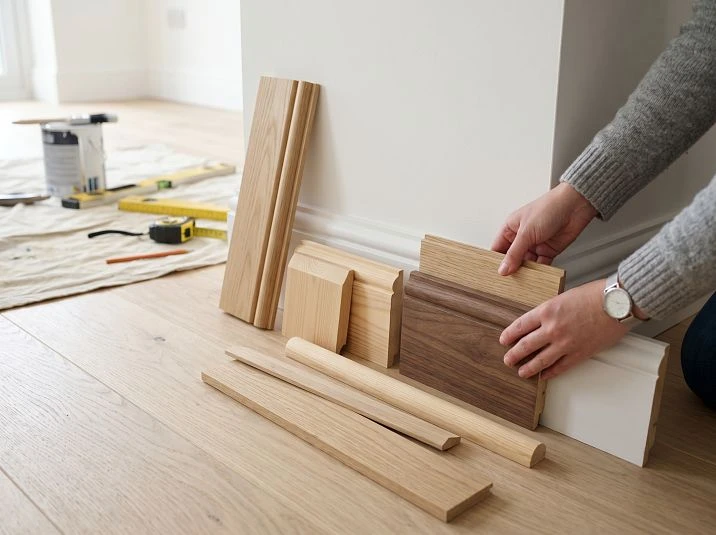
wooden floor baseboard — is not just a way to close the gap between the floor and the wall. It is an element of the architectural interior solution that is directly related to ceiling height, opening width, door color, furniture design, and the overall style of the space. And that is precisely why its choice requires understanding — not a random decision of "let's take something wooden."
This article is written for those who want to choose a wooden baseboard once and correctly. Without rework, without regrets.
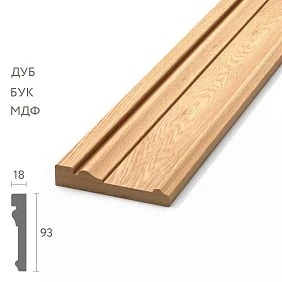
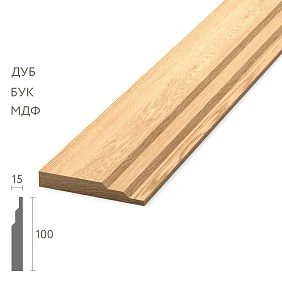
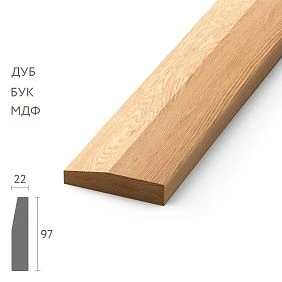
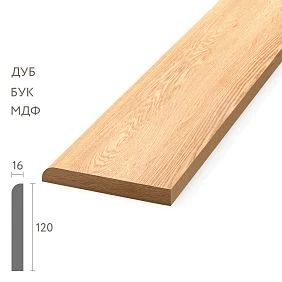
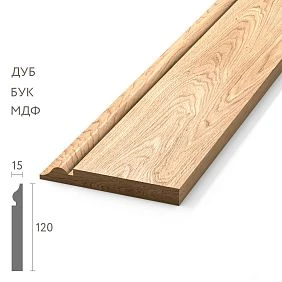
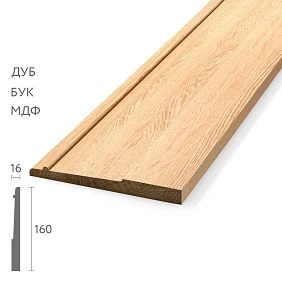
Why a wooden baseboard is a different level
Let's start with a question almost everyone asks: why pay for wood if MDF looks similar and costs less?
The answer is not obvious — until you see both options in the same space. And then it becomes absolutely obvious.
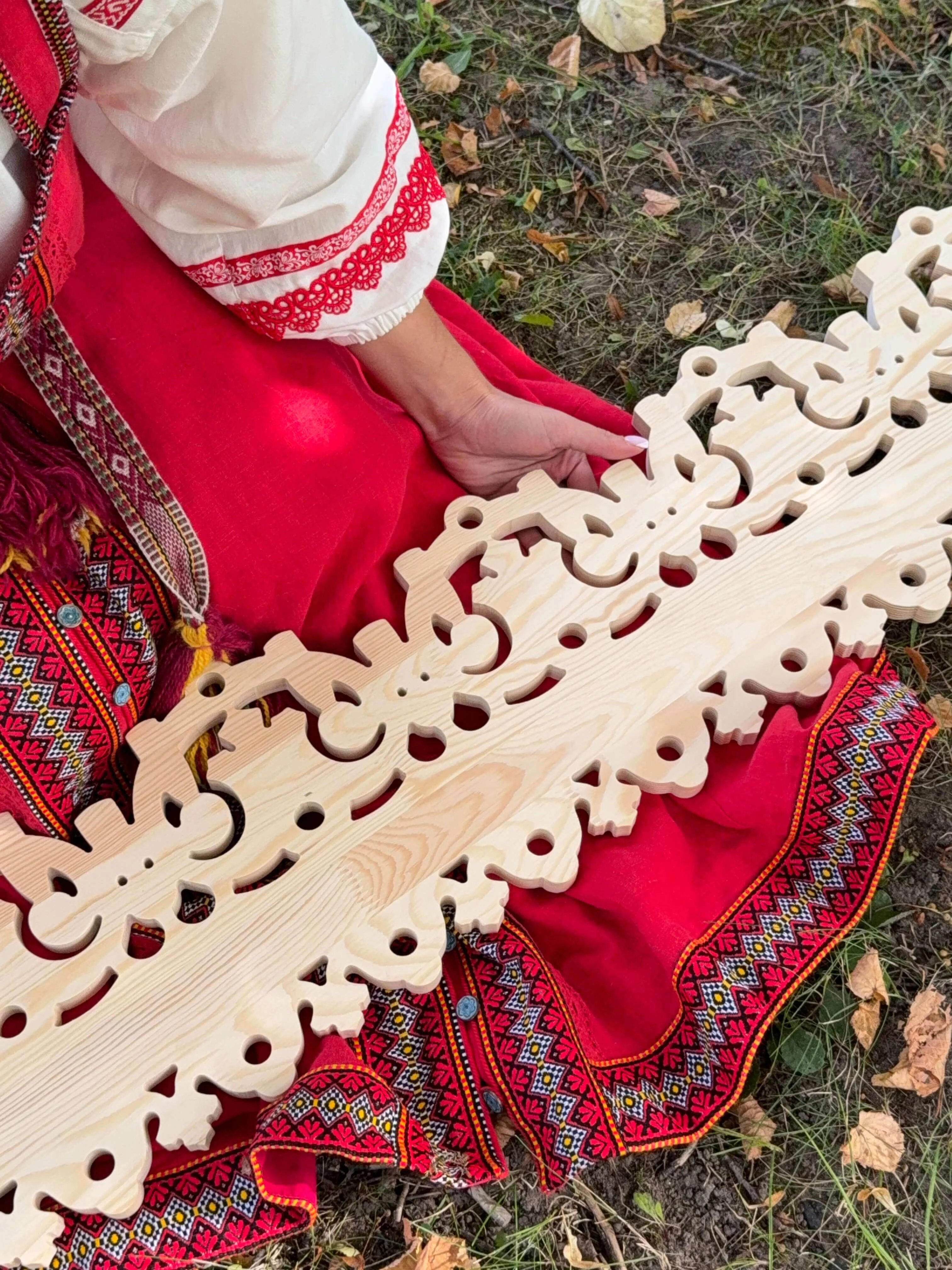
A material that lives alongside you
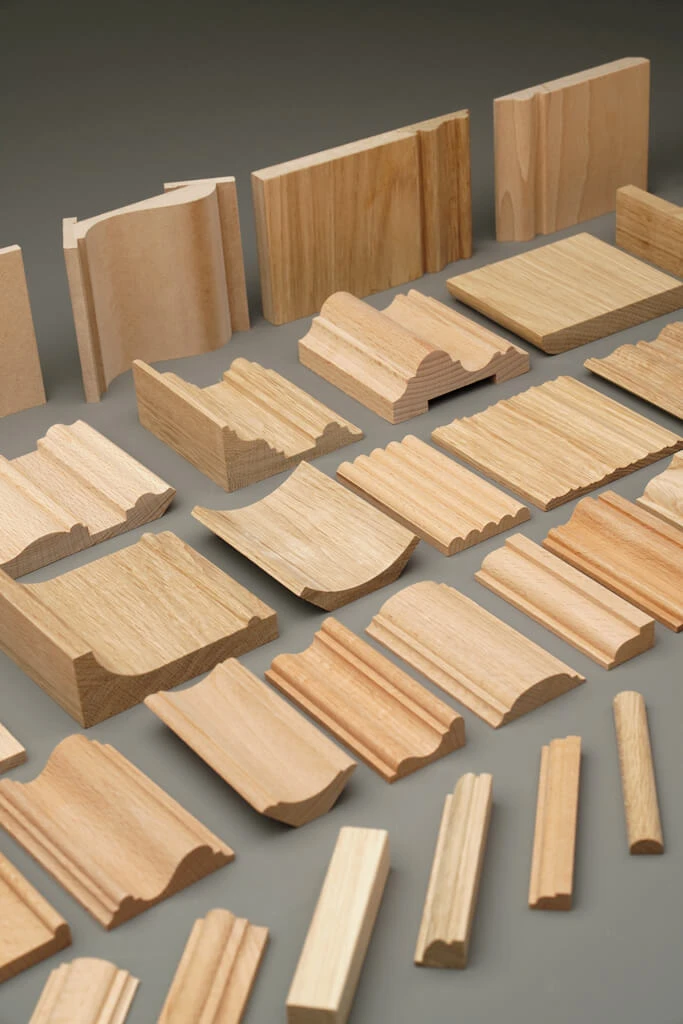
Wood is a living material. It has a texture that can be seen in side lighting. There is a tactility that you feel with your hand. There is a smell — especially in the first months after installation. And there is that elusive quality of "weightiness" that distinguishes the real from imitation.
MDF reproduces shape well. It holds the profile, is easy to paint, and is relatively stable. But it has no wood texture. In direct light, when the gaze slides along the baseboard, it is precisely this lack of texture that gives away its nature.
For an interior with parquet or solid wood flooring, with doors made of natural wood, with wooden architraves and furniture with wooden elements — Skirting made of solid wood it is the only organic solution. Everything else creates a mismatch that is felt subconsciously even when a person cannot articulate it.
Our factory also produces:


Strength and Durability
Wooden baseboard it withstands mechanical loads that are inevitable in the floor area: impacts from furniture, friction during cleaning, accidental contact with feet and chair legs. MDF in similar situations chips, breaks, loses profile edges. Wood — can be sanded, repainted, restored.
The service life of a wooden baseboard with proper installation and care is decades. It is not just a "finishing detail" — it is an element that will outlast several cycles of cosmetic repairs.
Get Consultation
Restoration Possibility
This is an argument rarely mentioned, but it is fundamental. After 10–15 years, an MDF baseboard will need to be completely replaced. A wooden one — just sand and repaint. The difference in long-term costs is obvious.
When MDF is justified
Honestly: MDF is justified in situations where there are no wooden floors, doors, or furniture. For example, in an interior with laminate, white walls, and plastic windows — MDF for painting will be quite appropriate. But if you have a classic interior, wooden parquet, or a country house with wooden elements — only to buy wooden baseboard means choosing an organic solution.
How to choose the height of a wooden baseboard: the main parameter
Height is the first thing that defines the character of a baseboard in a space. And this is where mistakes are most often made.
The logic of proportion: baseboard and ceiling
There is a simple rule that works flawlessly: the height of the baseboard should be proportional to the ceiling height. The higher the ceiling, the higher the baseboard. The lower the ceiling, the more modest the baseboard.
Why is this important? Because the baseboard is the "base" of the wall. In classical architecture, the wall is divided into three parts: the plinth (baseboard), the wall field, and the crown (cornice). A properly selected baseboard creates a sense of stability, of being "grounded" in the space. A too-small baseboard in a high room is like thin legs on a massive sideboard: visually unstable. A too-large one in a low room feels oppressive, "eating up" the height.
Approximate height values
| Ceiling height | Recommended skirting board height |
|---|---|
| Up to 2.5 m | 60–80 mm |
| 2.5–2.8 m | 80–100 mm |
| 2.8–3.2 m | 100–130 mm |
| 3.2–3.8 m | 130–180 mm |
| Above 3.8 m | 180 mm and more |
These are guidelines, not strict rules. Interior style makes adjustments: classic allows a higher baseboard relative to ceilings than modern minimalism.
High wooden baseboard: when it is appropriate
A high wooden baseboard — from 120 mm and above — is a strong architectural statement. It is appropriate in:
-
spacious living rooms with high ceilings;
-
classic interiors with moldings and cornices;
-
studies and libraries with wooden panels;
-
formal hallways of country houses;
-
interiors with wooden staircases and carved decor.
A high baseboard is well perceived in a hall where there is Classic Furniture — it creates a feeling of solidity, lived-in comfort, and architectural thoughtfulness.
Low baseboard: minimalism or savings?
A baseboard 40–60 mm high is appropriate in interiors with very low ceilings or in spaces with a distinctly modern, minimalist aesthetic. But if the ceilings allow, always choose a taller baseboard. It works better for the space.
Wooden baseboard profile: from strict straight to refined classic
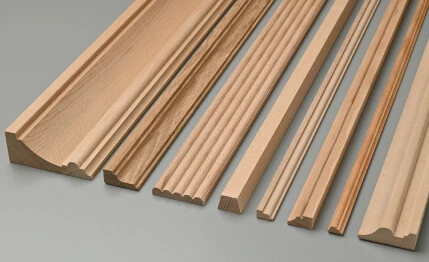
The profile is the cross-sectional shape of the baseboard. It is the profile that determines which interior style the product suits.
Straight (modern) profile
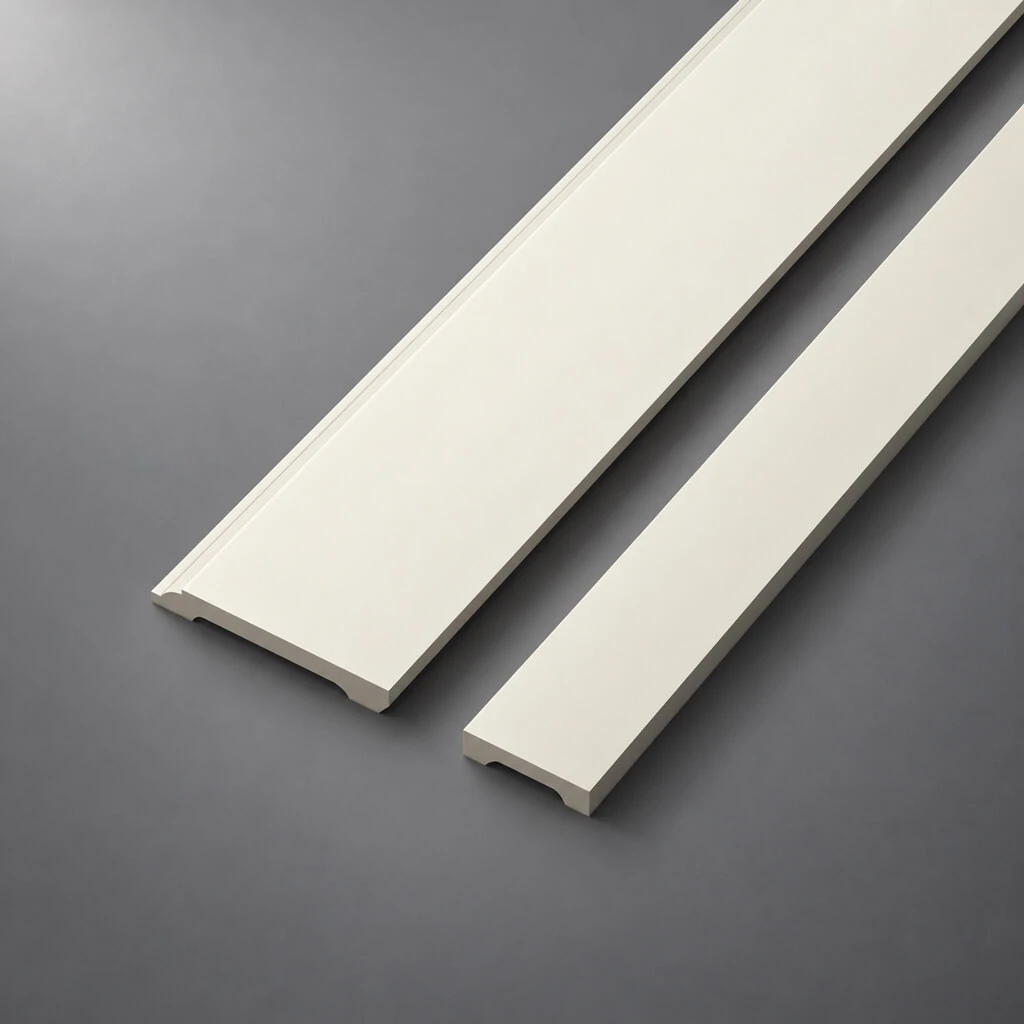
Rectangular or near-rectangular cross-section. Without pronounced curved lines, without complex shaping. Strict, concise. Suitable for:
-
modern classic;
-
Scandinavian style;
-
interiors with minimal decor;
-
rooms where the emphasis is on the wood texture, not on the profile shape.
A straight profile looks good with straight door casings and simple furniture.
Classic profile
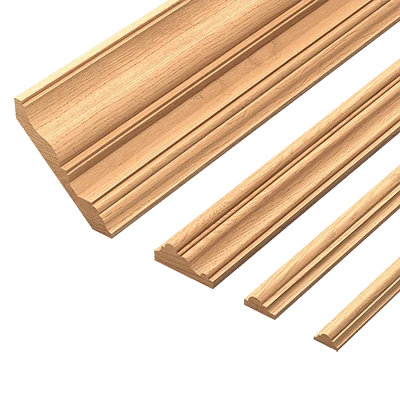
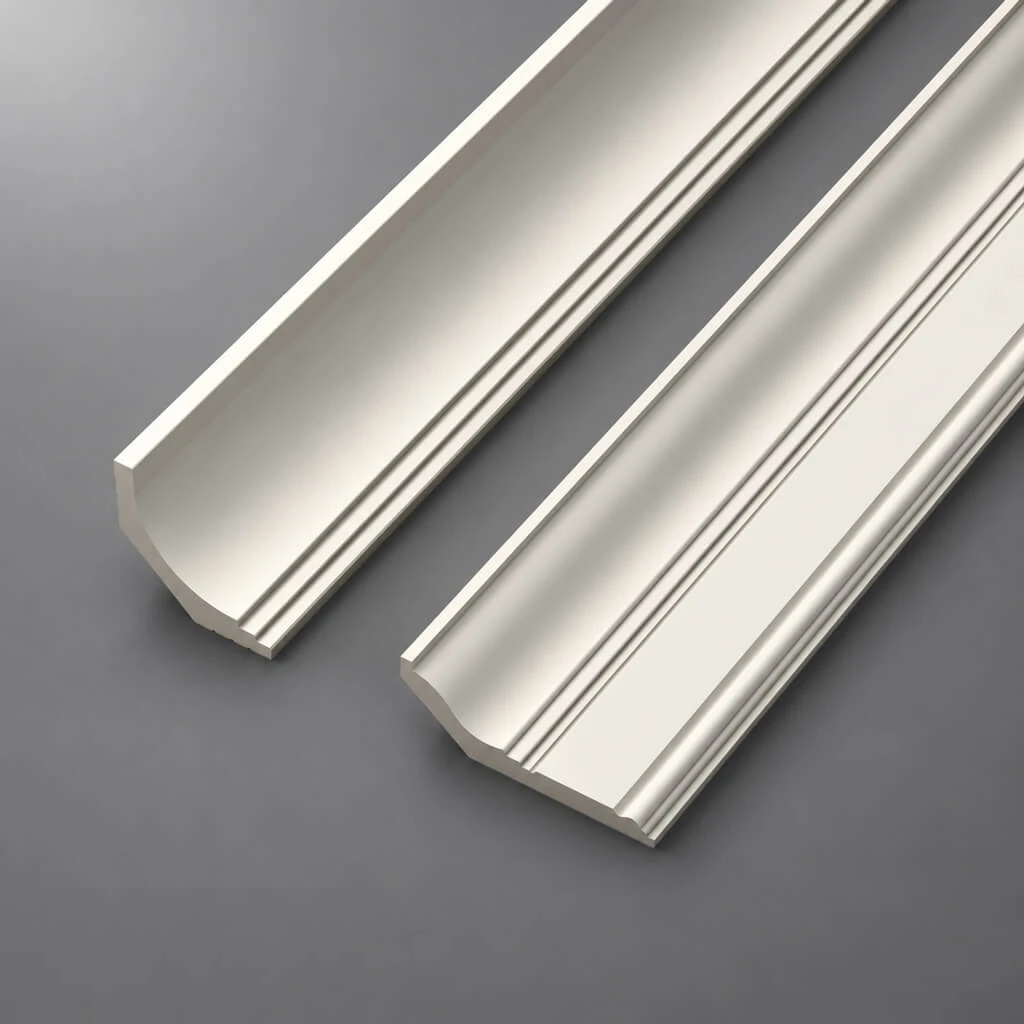
More complex cross-sectional geometry: steps, scotias, heels, shelves. This is the very 'classic' baseboard shape seen in historical interiors and homes with architectural trim. Suitable for:
-
classical interior;
-
neoclassicism;
-
interiors with moldings and wooden cornices;
-
living rooms with stucco or wooden panels;
-
studies and libraries.
The classic profile creates shadows in side lighting — this is how it "reads" on the wall as an independent architectural element.
Shaped profile
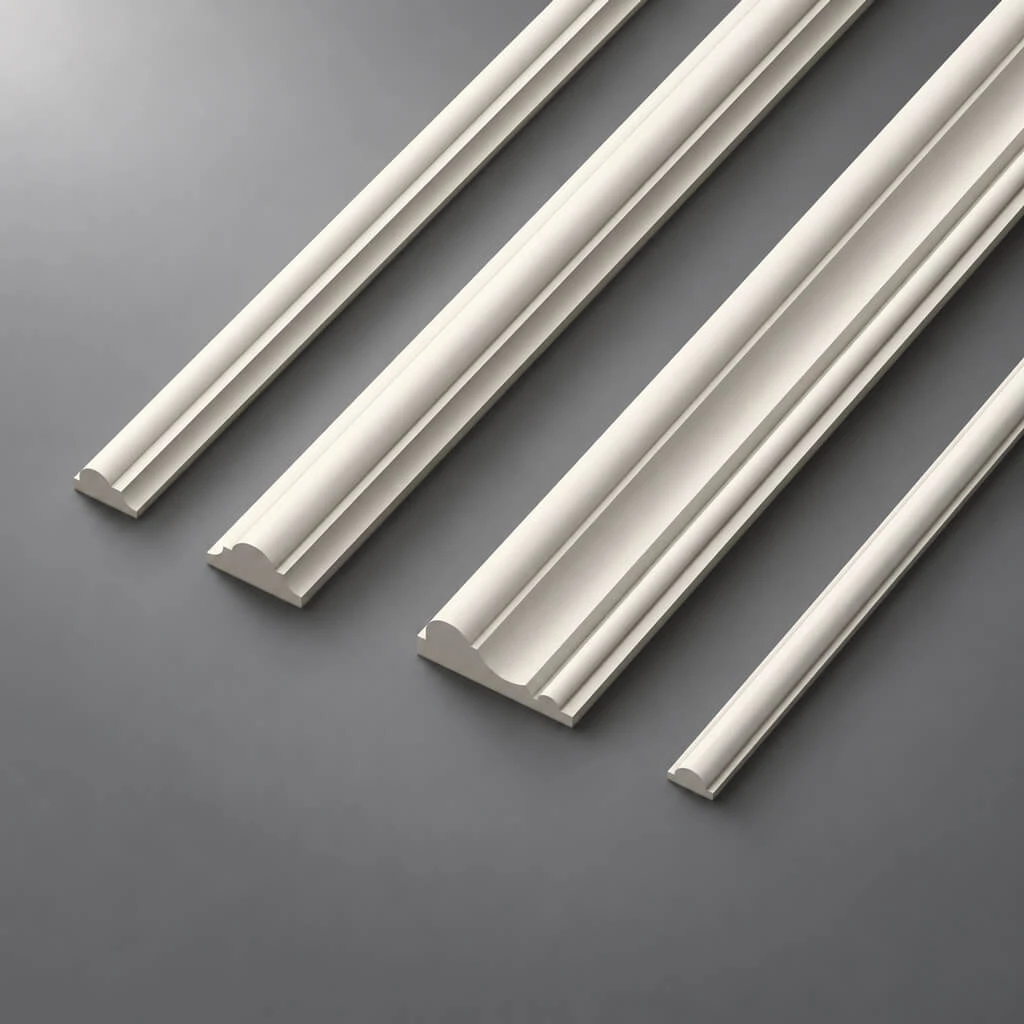
Complex profile with pronounced decorative elements: multi-tiered edges, carved details, expressive plasticity. This is the top level of decorativeness for a baseboard. Used in formal interiors, in rooms with rich decoration, in classic living rooms with a full decorative set: wooden moldings, cornices, carved decor.
Wide wooden baseboard: a separate topic
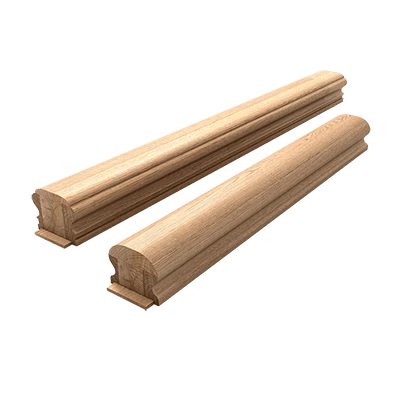
A wide wooden baseboard is a baseboard with a height of 120–150 mm or more. It can have either a simple or complex profile. Its feature is visual weight. A wide baseboard sets the scale of the space, creating a powerful "foundation" for the wall.
For classic living rooms with ceiling heights of 3 m and higher, a wide wooden skirting board for painting is an ideal solution. A white wide skirting board with a classic profile combined with white wooden casings cornices creates a complete architectural image.
Material of wooden skirting board: what is hidden behind the word "wood"
Not all wood is the same. A skirting board made of pine, oak, and ash are very different products in terms of strength, texture, color, and performance during use.
Spruce
The most common material for wooden skirting boards in Russia. Easy to process, affordable, holds coating well. For skirting boards for painting, it is the optimal choice. The texture of pine is neutral enough for any interior.
Nuance: a pine skirting board without coating or under clear varnish will yellow over time — this is a natural property of resinous coniferous wood. To preserve a light tone, use white enamel or UV-protective compounds.
Oak
Dense, hard wood with expressive texture. An oak skirting board is a serious, durable choice. An oak skirting board pairs well with oak parquet, oak doors, and classic solid wood furniture. Its texture — large, expressive — is clearly visible under clear varnish or oil-wax.
Ash
Light wood with a fine, elegant texture. An ash skirting board is a delicate choice for light interiors in Scandinavian or modern-classic style. It works well under bleached varnish or natural oil.
Birch, beech
Fine-textured woods. Skirting boards made from them are for painting, for interiors where wood texture is not the main decorative element.
Glued pine shield
The glued shield deserves special attention — it is the basis of many high-quality products. It is more stable compared to solid wood: it does not warp with changes in humidity, does not crack. For a floor plinth, which is in an area of changing temperature and humidity, material stability is critical.
All products from the assortment wooden products STAVROS are manufactured taking into account the requirements for material stability for long-term use in interiors.
Wooden plinth for which floor: breakdown by type of flooring
One of the most common questions: which plinth is suitable for a specific flooring? Here, both color, profile, and height are important.
Parquet block and parquet board
For classic parquet made of oak or ash — a plinth made of the same wood or a similar color. Height — medium or high (100 mm and more), profile — classic. Coating — varnish or oil, tinted to match the parquet.
The plinth should either match the color of the parquet or be slightly darker. A light plinth on dark parquet is a non-standard but possible technique in modern classics.
Solid wood board
Solid board is wood. Only a wooden baseboard goes with it. Preferably from the same species. Height depends on the ceilings. The finish should match or harmonize with the board's finish.
Engineered wood flooring
Engineered wood flooring has a wooden top layer. A wooden baseboard is also natural with it. If the top layer is oak, use an oak or pine baseboard painted to match.
Many laminate manufacturers produce matching accessories — baseboards, corners, and caps — in tones of their collections. This is convenient — you buy everything in one place, with guaranteed decor consistency.
A wooden baseboard works with laminate if the overall interior is oriented toward naturalness. If the laminate is "wood-look," a wooden baseboard enhances that impression. If the laminate is a cost-saving temporary solution, MDF is more honest.
Tile (including wood-look tile)
In a kitchen-living room with tile in the kitchen area and wood flooring in the living area, a wooden baseboard is installed in the "wood" zone, and the decision for the tile zone is made separately. A wooden baseboard on tile is acceptable, but the ends must be carefully treated as they are in a moisture-prone area.
Combined Coatings
If different floor coverings are used in one space (parquet + tile, solid board + laminate), a single baseboard is chosen based on the predominant flooring and interior style. Changing baseboards within one space creates fragmentation.
How to combine wooden baseboards with doors, architraves, moldings, and furniture
This is perhaps the most nuanced section. The baseboard is not an isolated element. It is in constant visual dialogue with doors, architraves, furniture, and other finishing details.
Baseboard and Doors
The wooden baseboard should be coordinated with the doors in color and style. This does not mean identical. It means from the same "family" of solutions.
Three combination models:
Tone-on-tone. The baseboard and doors are the same color — white, cream, or wood of the same species. A classic, foolproof solution. The interior looks cohesive and calm.
Contrast. Dark baseboard and light doors (or vice versa). A bolder solution, characteristic of modern interiors. Requires confidence in the overall concept.
Baseboard darker than doors. This is the most traditional approach for classical architecture: baseboard — dark, doors — medium, walls — light, cornice — lighter than walls. Hierarchy from dark at the bottom to light at the top.
Skirting boards and architraves
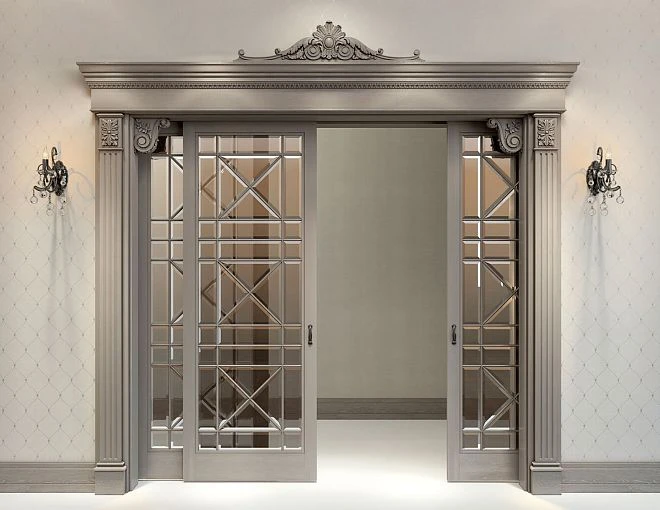
Wooden casings and the baseboard are a pair. They should be the same color, and ideally from the same product series. The profile of the trim and the profile of the baseboard do not have to match, but should be stylistically coordinated: both classic — or both modern.
Mismatch between trim and baseboard is one of the most common mistakes. When doors are framed with a complex classic trim, and the baseboard is a simple straight strip, it looks like an unfinished thought.
Baseboard and Molding
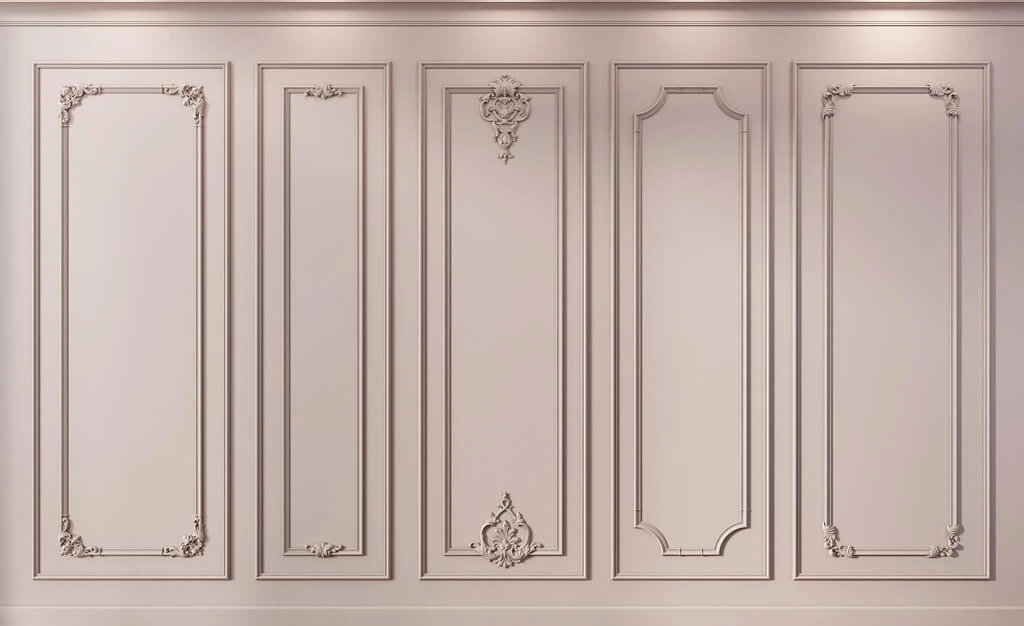
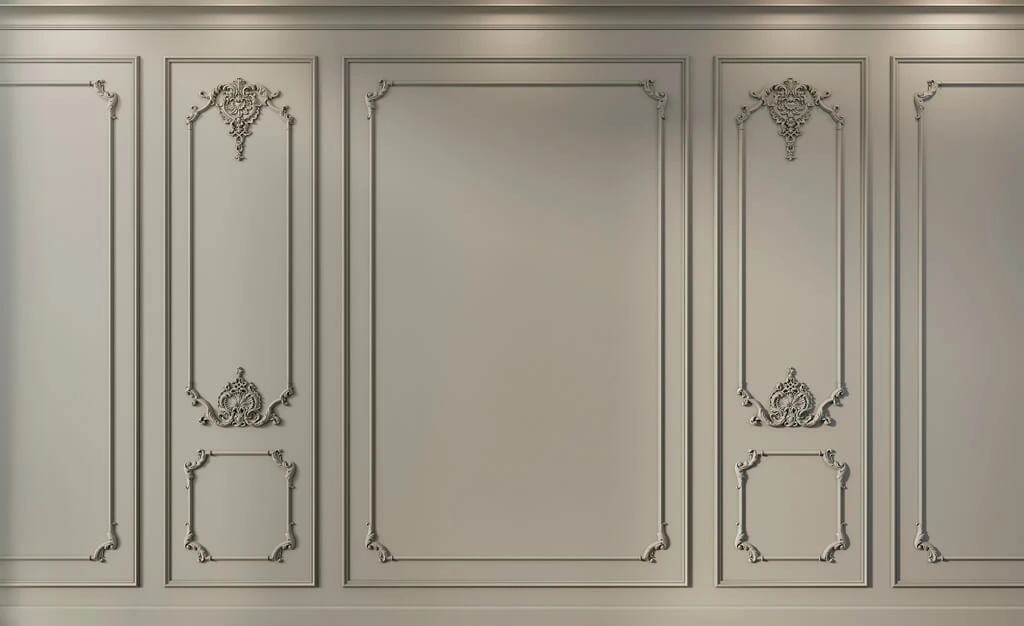
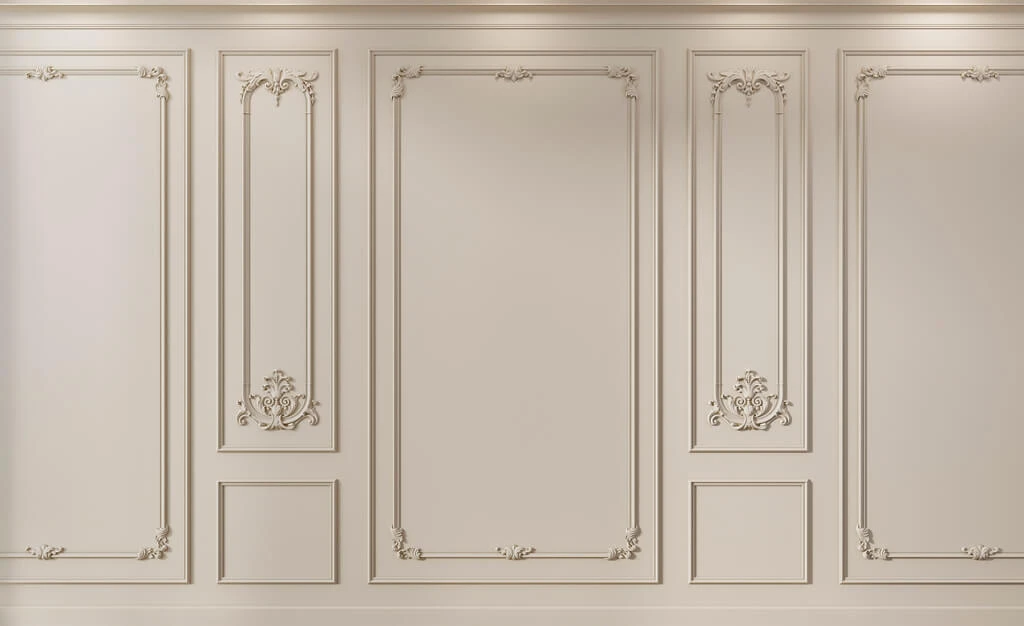
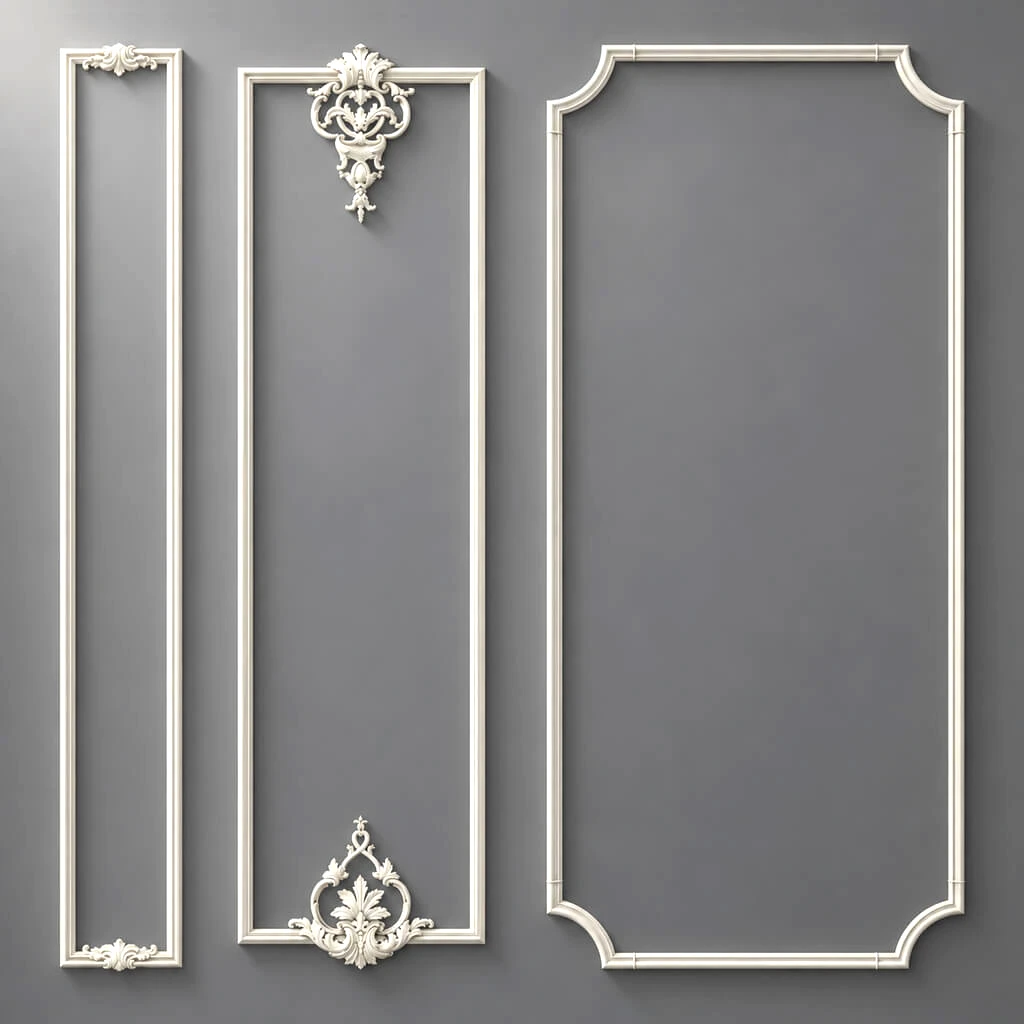
If the interior has Wooden moldings — on walls, around doors, in panel areas — the baseboard is the lower element of the overall decorative system. In this case, the profile of the baseboard should be coordinated with the profile of the moldings: the same style, coordinated proportions.
In a classic interior with a full decorative set, the sequence from bottom to top is: baseboard — wall panel or field — molding — wall field — wooden cornice. The baseboard in this system is the foundation.
Baseboard and furniture
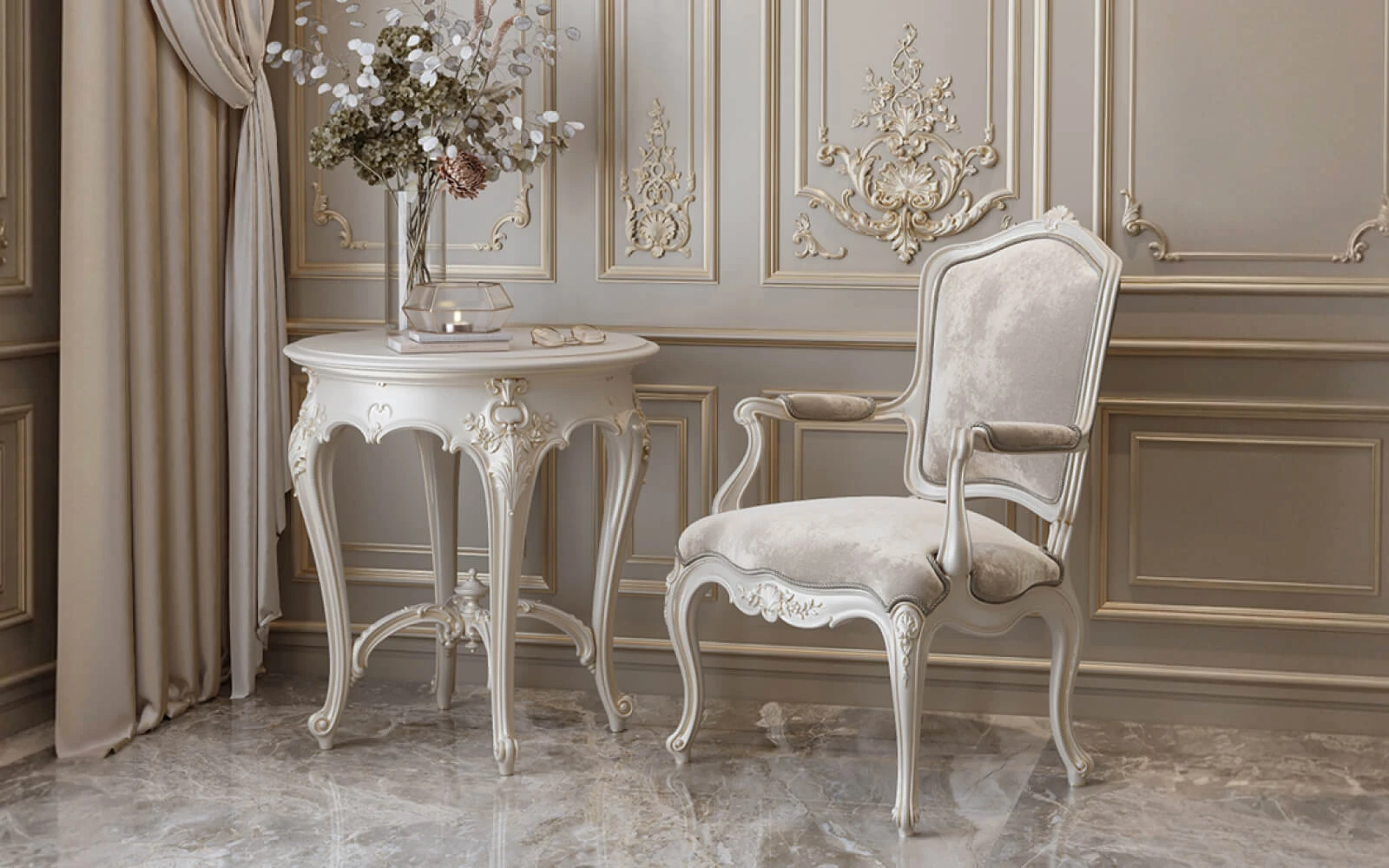
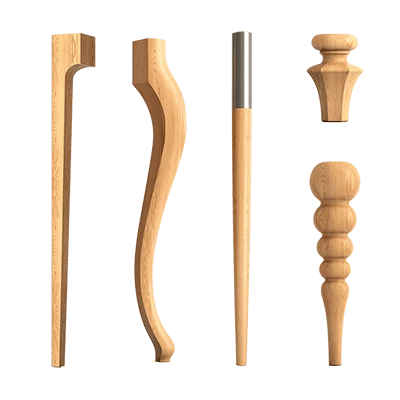
A wooden baseboard works well with solid wood furniture or furniture with wooden furniture legs. Material unity creates an organic space where each element "speaks" to the others.
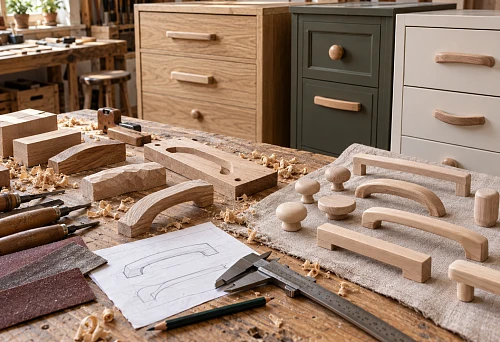
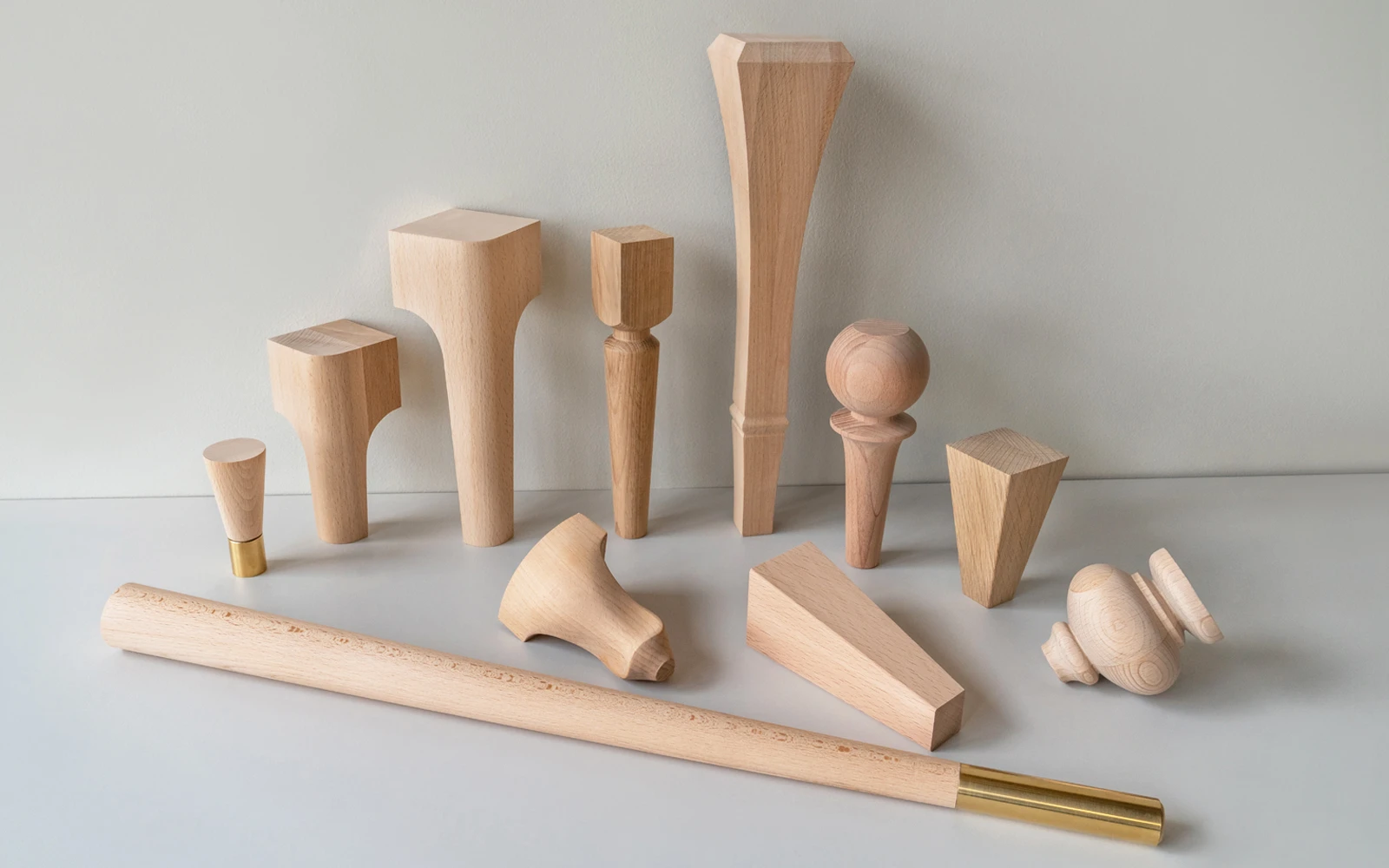
wooden furniture handles — is another way to enhance this unity. When handles, legs, casings, and baseboards belong to the same material "language," the interior acquires that impeccable coherence that is hard to put into words but is immediately felt upon entering the room.
Wooden baseboard in different interior styles
Style is the context in which the baseboard lives. Let's consider the main style scenarios.
Classicism and neoclassicism
For a classic interior, a wooden baseboard is a must-have element. Height — from 100 mm. Profile — classic or shaped. Color — white (for painting), cream, ivory, or matching wooden panels.
A white wooden baseboard with a classic profile combined with white moldings and cornices is the archetypal image of a classic living room. No MDF reproduces this image as accurately as real wood.
Modern classic
A more restrained version of the classic: a simple or moderately complex profile, neutral color. Height — medium (80–120 mm). A wooden baseboard for painting in white or light gray is ideal. The wood texture is not visible, but the quality of the material is preserved.
Russian style and country house
A country house with wooden walls, parquet or solid wood flooring, wooden stairs and furniture — an environment where a wooden baseboard is not just appropriate, but the only organic solution. Natural tones are suitable here: varnished pine, oiled oak, tinted coatings in warm nut-honey shades.
For such an interior, the baseboard height is 80–120 mm, the profile is moderately classic or straight with a chamfer. A complete "wooden" system: baseboard + architraves + window sills + cornices.
Interior with stucco molding
If the interior features gypsum or polyurethane stucco molding, a wooden baseboard is an important "reconciling" element. It connects the wooden floor with the stucco top. In such an interior, the baseboard is usually painted the same color as the stucco details — white or cream.
Kitchen-living room
In an open kitchen-living room space, a single baseboard connects the two zones. For the kitchen area, moisture resistance is important: the wooden baseboard here must be especially carefully treated with a finish coating on all sides, including the back. The height is moderate, the profile is practical, without excess.
Wooden baseboard for painting: everything you need to know
A separate and very popular topic is the wooden baseboard for painting. This is a baseboard with a carefully processed surface, intended for applying a final enamel.
Why wood for painting is better than MDF
Because wood holds paint longer. Because in case of mechanical damage, wood can be sanded and repainted, while MDF at the chip site exposes a colorless filler that cannot be fixed. And because wood does not swell in high humidity as much as MDF — meaning the coating on it lasts longer without cracks.
Surface preparation
Wooden baseboard for painting requires preparation:
-
Sanding with 120 grit, then 180–240.
-
Primer for enamel.
-
Puttying areas with pronounced pores (especially relevant for pine).
-
Light re-sanding with 240 grit after the primer has dried.
-
Applying the finish enamel in 2 coats.
Ends are primed and painted first.
Colors for painting
White wooden baseboard is the most common choice for classic and neoclassical styles. Cream and ivory are for warm, cozy interiors. Gray is for modern classic. Dark gray or anthracite is for bold, contrasting solutions. Natural walnut or oak is for interiors with an emphasis on wood texture.
Wooden baseboard: ceiling and floor — what's the difference
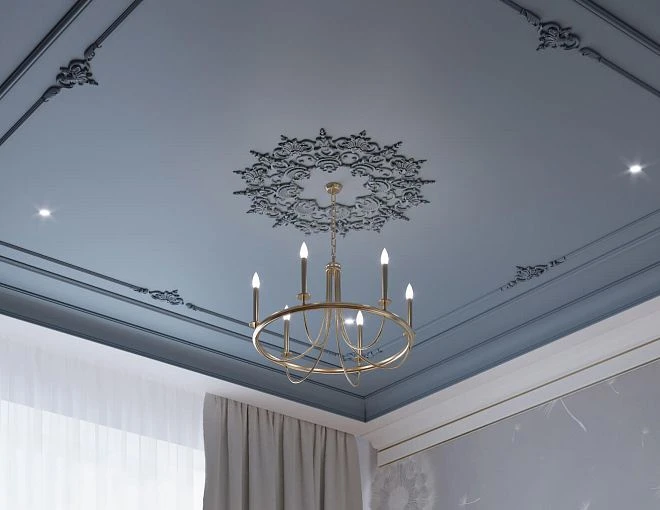
A question that often causes confusion. Wooden ceiling skirting board installed in the area where the wall meets the ceiling — where the cornice is located in the traditional architectural scheme.
Key difference:
-
Floor skirting board — the lower "frame" of the wall. Usually taller, more massive, with a horizontal bottom profile.
-
Ceiling skirting board (cornice) — the upper "frame". It can be more decorative, with a complex profile, as it is visible from above at an angle.
In a complete classical finishing system, they are coordinated: the same color, related profile. Skirting board at the bottom — cornice at the top — moldings on the walls. Three elements create a complete architectural interior.
How to calculate the amount of skirting board: a practical scheme
Calculation is a simple operation that is important to do before ordering.
Step 1. Measure the perimeter of each room where the skirting board will be installed.
Step 2. Subtract the width of door openings (skirting board is not needed there or a separate corner piece is required).
Step 3. Add 10–15% for cutting: corners (45°), joints, transitions are cut.
Step 4. The standard length of a wooden baseboard is 2000–2400 mm. Divide the total calculated length by the length of one piece to get the number of pieces.
Step 5. Add 1–2 units for unforeseen situations (incorrect cut, chip during installation).
Example: living room 6×5 m. Perimeter = 22 m. Two door openings of 0.9 m each = 1.8 m. Total: 22 − 1.8 = 20.2 m. 15% reserve = +3 m. Total to order: 23.2 m. With a plank length of 2 m = 12 pieces with reserve.
Installation of wooden baseboard: key points
Installing a baseboard is a relatively simple job, but with a few nuances that determine the quality of the result.
Acclimatization
Before installation, a wooden baseboard must stay in the room for at least 48 hours to acclimate to humidity and temperature conditions. This prevents deformation after installation.
Trimming Corners
Internal corners — cut at 45° using a miter saw or miter box. External corners — also at 45°, but mirrored. Precise corner cutting is the hallmark of professional installation.
Fastening
A wooden baseboard is fastened:
-
with nails (finishing nails 40–50 mm) through the front surface, countersinking the head and filling with putty;
-
with screws, countersinking and filling with putty;
-
liquid nails — for skirting boards with thin walls or when installing without through fasteners (combined with clamps during drying time).
Joints between elements on straight sections — at 45° (for a neat connection, not end-to-end).
Gap under the skirting board
When laying parquet or engineered wood flooring, the floor "floats" — it moves with changes in humidity. The skirting board should not rigidly press the floor against the wall: there should be a gap of 1–2 mm between the bottom edge of the skirting board and the floor to compensate for movement.
Finishing after installation
After installation — touch up fastening points, putty nail holes, apply a final coat of finish. The gap between the skirting board and the wall is sealed with acrylic sealant matching the skirting board color.
Mistakes when choosing a wooden skirting board: breakdown of each point
Too low a skirting board for high walls
A skirting board 60 mm high in a room with 3.2 m ceilings looks like a random detail with no architectural significance. The proportion rule is mandatory.
Color conflict with doors
Choosing a skirting board "to match the parquet" without considering that the doors are white and the architraves are also white. Result: the dark wood skirting board stands out from the system and "pulls" the space down. Always look at the skirting board in the context of doors and architraves.
Profile mismatch with architraves
Classic complex architrave + straight skirting board = incompleteness. Or vice versa: simple architrave + figured skirting board = chaos. The style must be unified.
Too simple profile for a classic interior
A straight skirting board in a classic interior with moldings and cornices is like a modern designer chair in a living room with antiques. Formally possible, stylistically — no.
Choosing plastic in an expensive interior
A plastic skirting board in an interior with parquet, wooden doors, and solid wood furniture is a mistake that is hard to justify with cost savings. The price difference is incomparable to the difference in perceived quality.
Lack of allowance for trimming
Buying exactly the perimeter means almost certainly having to buy more. A 10–15% allowance is mandatory.
Incorrect choice of coating
A wooden skirting board without a finish coating quickly darkens, accumulates dirt, and starts to crack. The choice of coating (enamel, varnish, oil) depends on the room: for the kitchen — moisture-resistant enamel, for the living room — varnish or oil, for the children's room — safe oil-wax.
Frequently asked questions
Which wooden skirting board is best for the floor?
Focus on three parameters: ceiling height (determines the baseboard height), interior style (determines the profile), and door color (determines the color). For classic style — a tall baseboard with a classic profile. For a modern interior — moderate height and a straight profile.
Which is better: wooden baseboard or MDF?
For interiors with wooden floors, solid wood doors, and wooden architraves — only wooden. MDF is justified in more budget-friendly spaces or where wood is absent as a material in the interior.
What height should a wooden baseboard be?
For ceilings 2.5–2.8 m — 80–100 mm. For ceilings 2.8–3.2 m — 100–130 mm. For higher ceilings — 130–180 mm and above. The higher the walls, the larger the baseboard should be.
Can wooden skirting boards be painted?
Yes, wooden baseboard can be perfectly painted with any facade or interior enamel. For a quality result — sanding, priming, two coats of enamel. Wooden baseboard for painting allows repeated repainting with sanding.
How to choose a wooden baseboard to match doors and architraves?
Baseboard and architraves are one system. Choose them from the same catalog, from the same assortment. Profiles should be stylistically coordinated, color — uniform or from the same palette.
Does wooden baseboard go with laminate?
Yes, especially if the laminate has a wood pattern and the interior is oriented towards naturalness. Wooden baseboard enhances the 'wooden' impression of the space.
How to calculate the amount of baseboard?
Room perimeter minus doorways plus 10–15% for trimming. Divide by the length of one element (usually 2 m). Add 1–2 pieces as a reserve.
Where to buy wooden baseboard with delivery?
In the STAVROS catalog — wooden baseboards made of solid wood, moldings, cornices, and related wooden decor with delivery across Russia.
STAVROS: wooden baseboard and a complete system of interior decor from solid wood
STAVROS company — manufacturer of wooden products for interior and facade. The catalog includes — solid wood baseboard several profiles and heights, Wooden moldings, Wooden cornices, Wooden casings, Furniture legs, Furniture Handles и Classic Furniture.
All products are made from glued pine or oak panel — a material stable to changes in humidity and temperature. Production is done on CNC with manual finishing, the surface is ready for final treatment without additional sanding.
The key advantage of STAVROS for interior decor: the ability to select a complete set — baseboard, cornice, molding, casing — in a unified style, from one assortment. This means consistency of profiles, a single material, and the same surface quality. It is this approach that turns a set of individual parts into a cohesive architectural idea.
The entire assortment, selection of sets, order placement with delivery across Russia — on the STAVROS website.