
























Article Contents:
- What is included in wooden fittings and decor for furniture
- Full arsenal — before choosing
- Why it's better to choose fittings and decor as a set
- System thinking is not about complicating, but simplifying
- Furniture looks more expensive when details match
- Wooden handles for furniture
- The first element everyone sees
- Types of Wooden Handles
- How to choose the handle size for the facade
- Wooden legs and decorative supports
- The silhouette of furniture starts at the floor
- Types of wooden furniture legs
- Decorative furniture support: a separate category
- How legs relate to handles and overlays
- Overlays and decorative elements for facades
- Transformation tool: how a simple facade becomes expressive
- Types of appliqués and their application
- How to calculate the size of the overlay for the facade
- Moldings and layouts for furniture facades
- Line — the most expressive tool of decor
- What molding does on a furniture facade
- Molding profiles: which one to choose
- Layouts and wooden baguette
- Brackets and additional elements
- Decorative bracket: function and form in one
- How to choose hardware to match furniture style
- Style navigator
- Classic and neoclassic
- Provence
- Modern classicism
- Scandinavian Style
- Dark furniture: special rules
- How to combine wood color, enamel, and finish
- Three paths — each with its own logic
- Scenario 1: Furniture with white enamel
- Scenario 2: Furniture with exposed wood texture
- Scenario 3: Combined finish
- How to coordinate furniture decor with the interior
- Step-by-step plan: how to assemble a system of fittings and decor
- An algorithm for those who want results, not chaos
- Common mistakes when choosing wooden fittings and decor
- Mistake 1: Different styles of handles and legs
- Mistake 2: Scale mismatch
- Mistake 3: Overloading the facade
- Error 4: Random color
- Mistake 5: Buying without an overall scheme
- Mistake 6: Mixing wood species
- Mistake 7: Ignoring the space
- FAQ: popular questions about wooden fittings and decor for furniture
There is a special moment in working with interiors when you realize: it's not about the furniture itself. It's about the details. Two completely identical white cabinets — one with plastic handles from a bag, the other with wooden knobs made of solid beech, on turned legs, with molding around the perimeter of the doors — look like items from different price categories. Although the body is the same.
Wooden fittings and decor for furniture — this is not a set of trifles that are "added at the last moment." It is a system that either works as a single whole or falls apart into random mismatches. And this is where most people make the main mistake: they buy handles in one place, legs in another, overlays in a third. And then they wonder why the furniture looks "not right."
This article is about how to assemble fittings decor as a single system. Without compromises, without random purchases, with an understanding of the principles of combining each element.

What is included in wooden fittings and decor for furniture
Full arsenal — before choosing
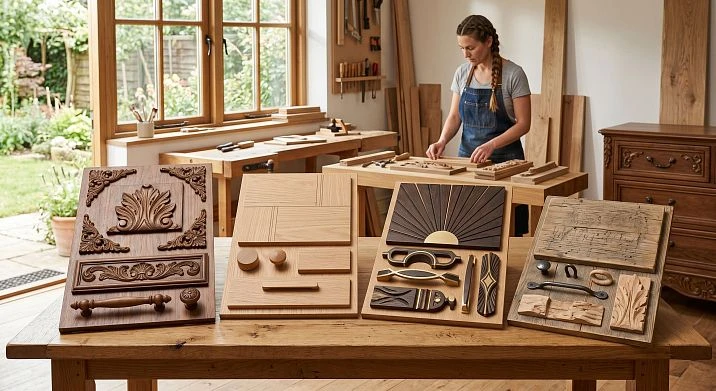
Before you start choosing, you need to understand: what does wooden Furniture and Decor as a system consist of. Many people know about handles and legs, but do not suspect how rich the toolkit of wooden decor for furniture is.
Furniture handles. The most noticeable and most frequently replaced element. furniture handle made of wood — this is the first thing the hand touches. Button, bracket, rail, shaped — each type carries its own stylistic role.
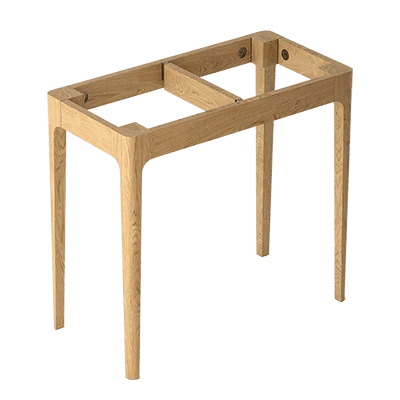
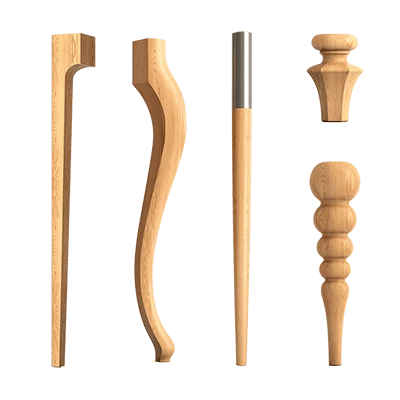
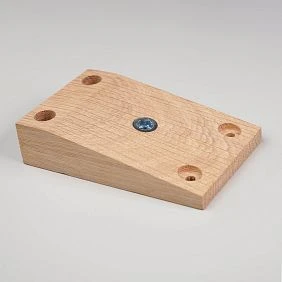
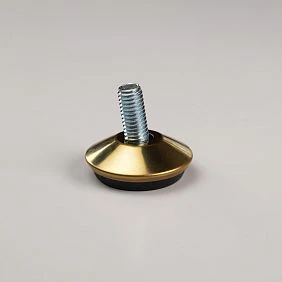
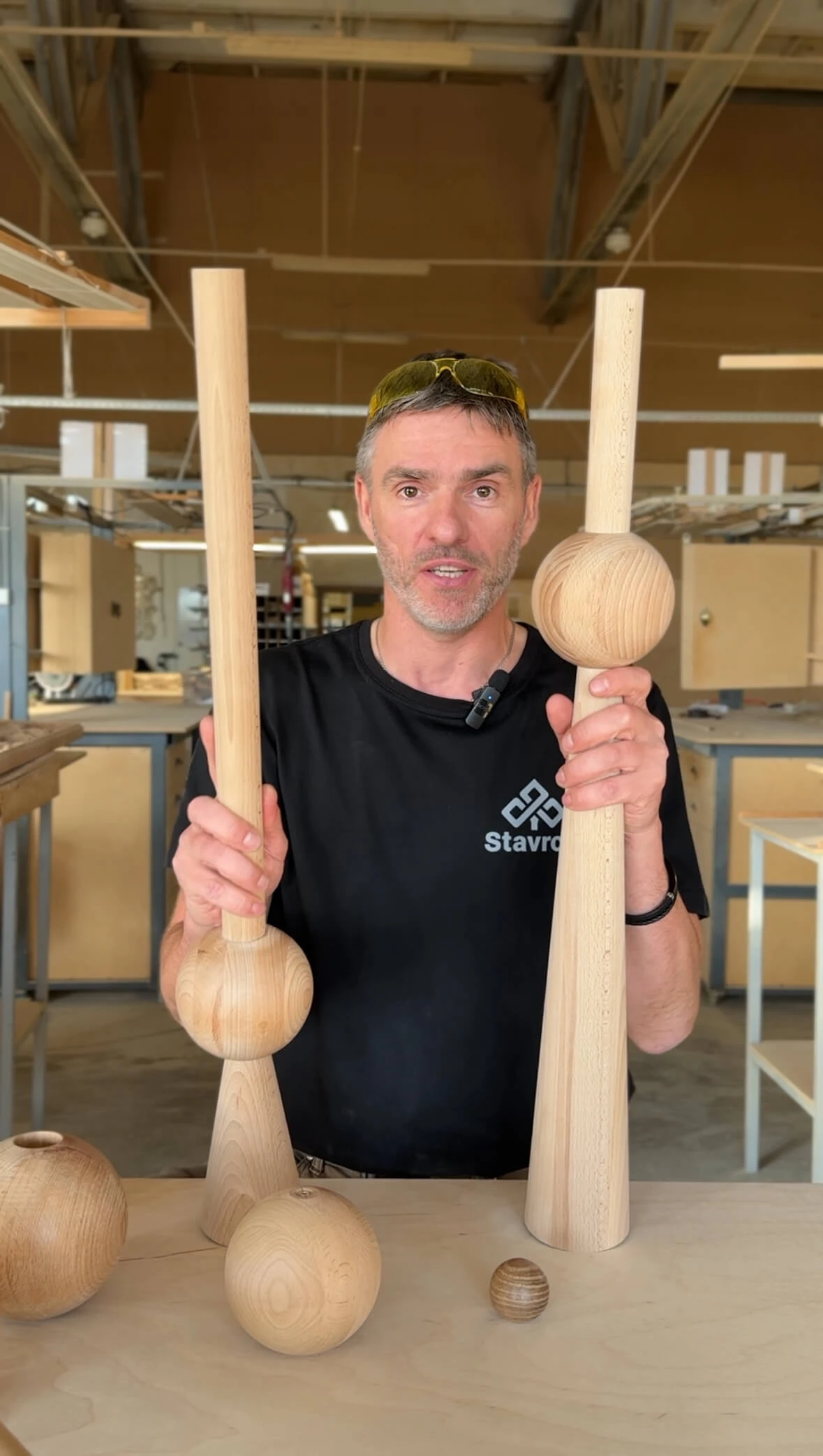
Legs and decorative supports. Wooden legs change the silhouette of furniture. This is not just a support — it is an architectural element that determines whether the object "flies" above the floor or "stands" on it monumentally.
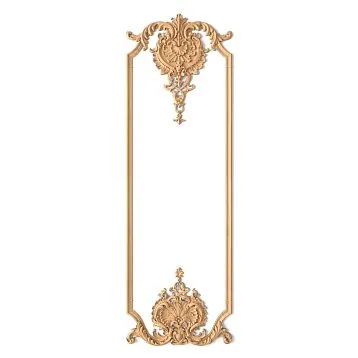
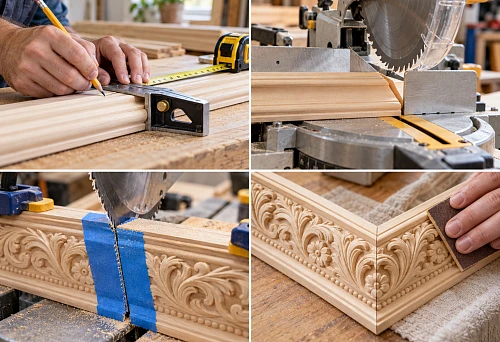
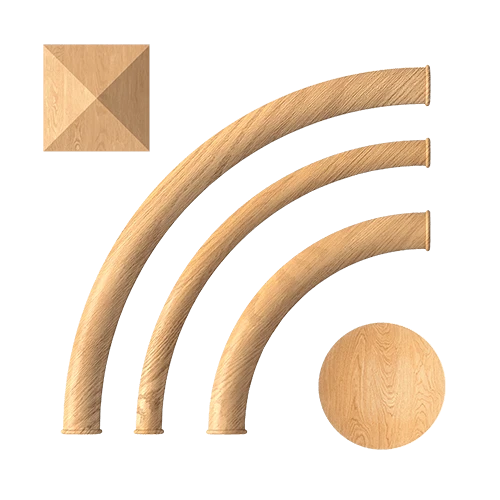
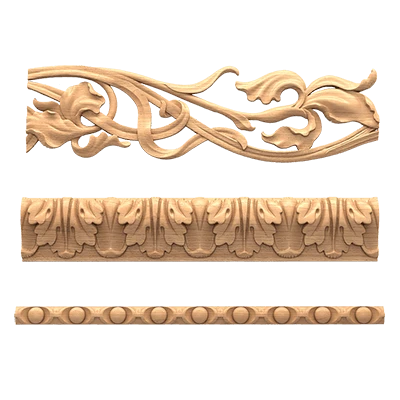
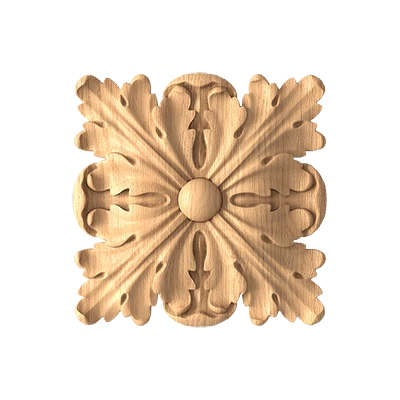
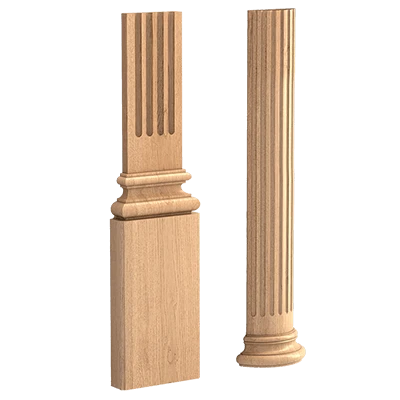
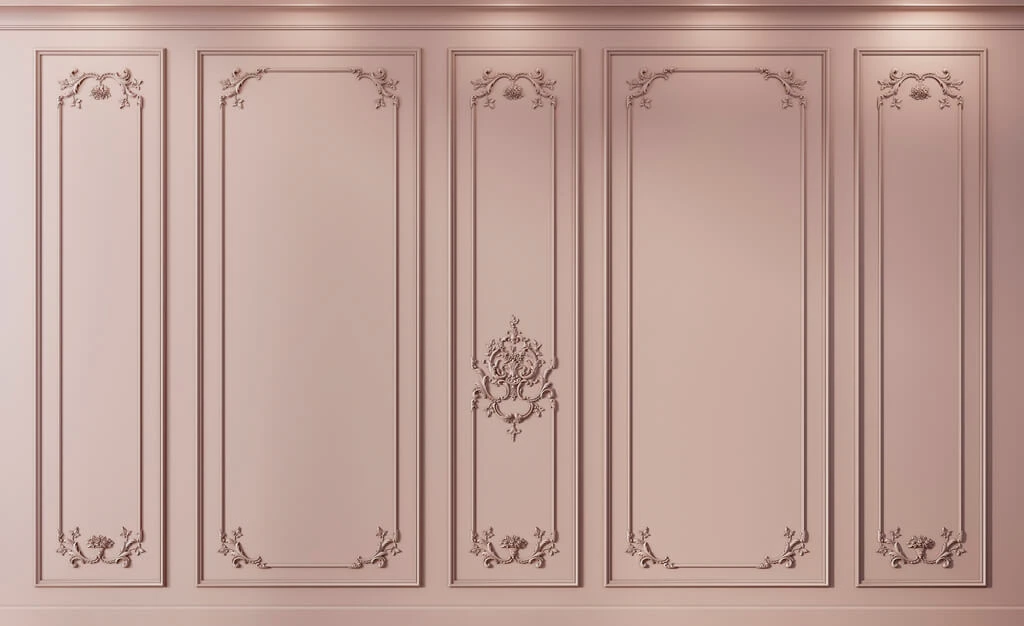
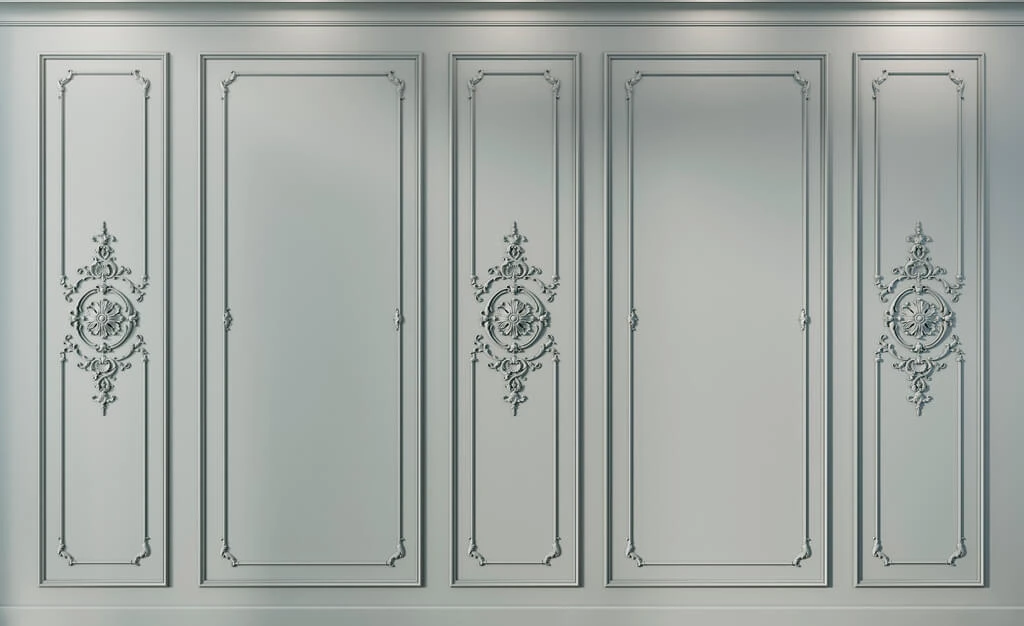
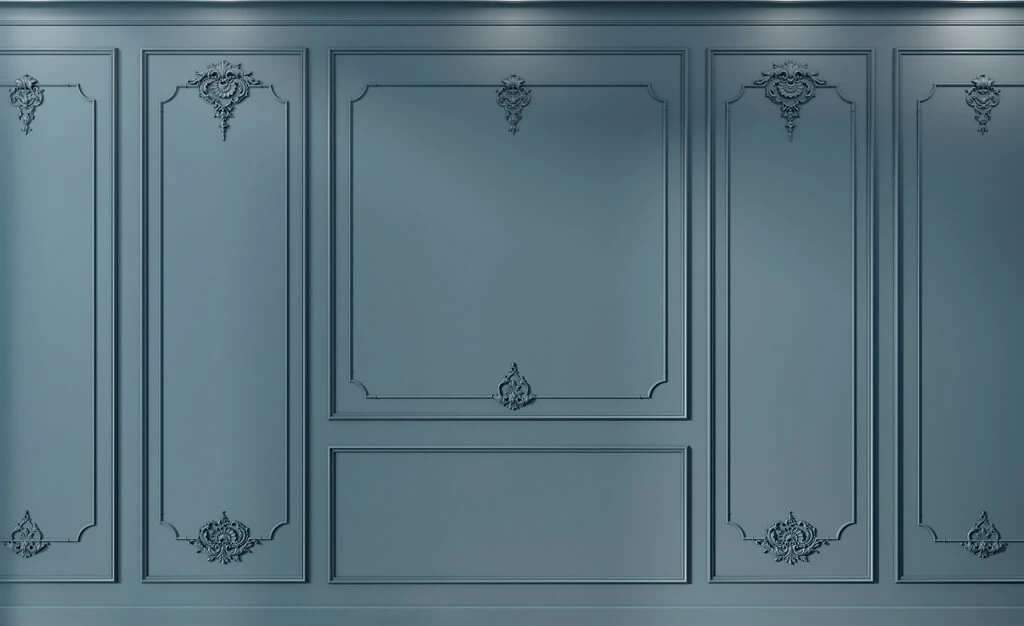
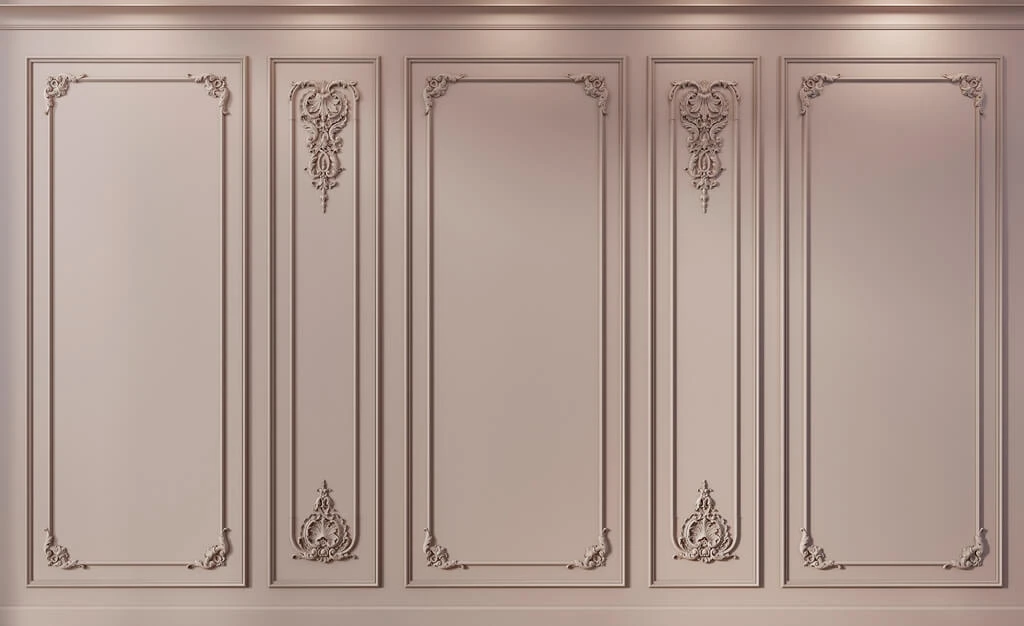
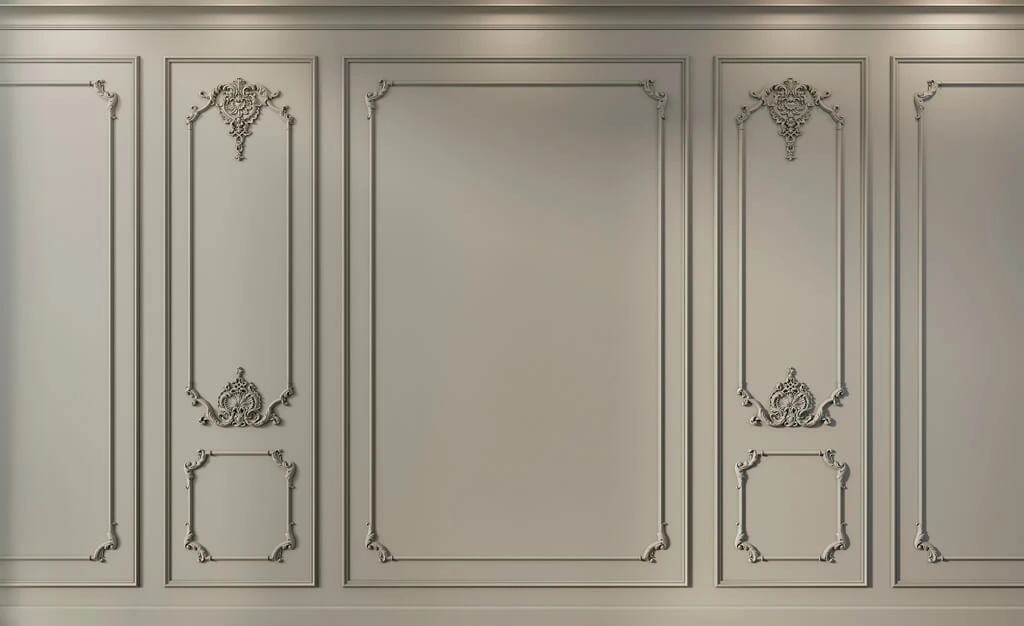
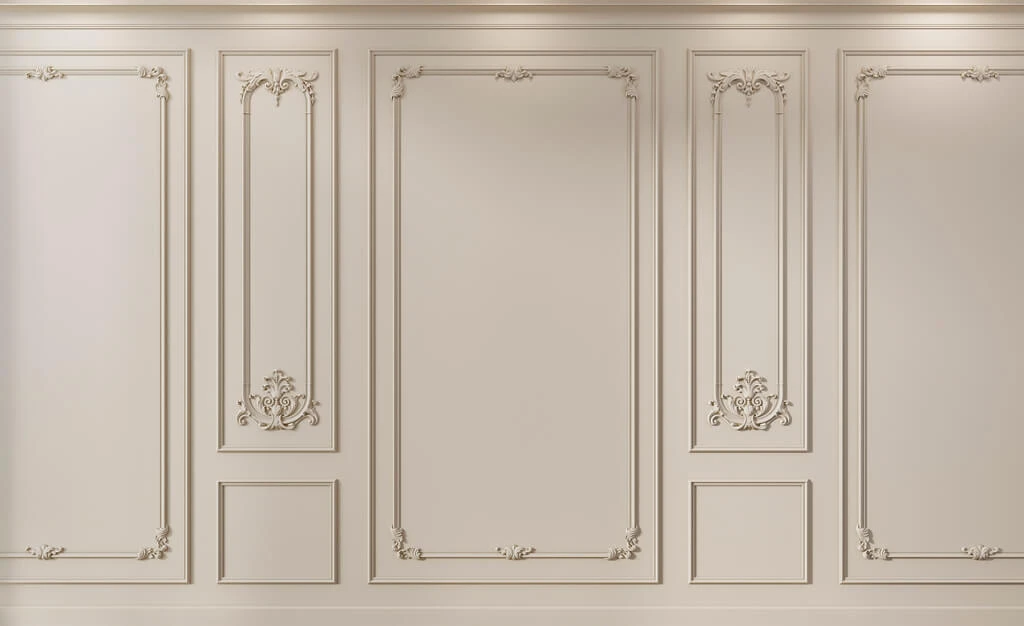
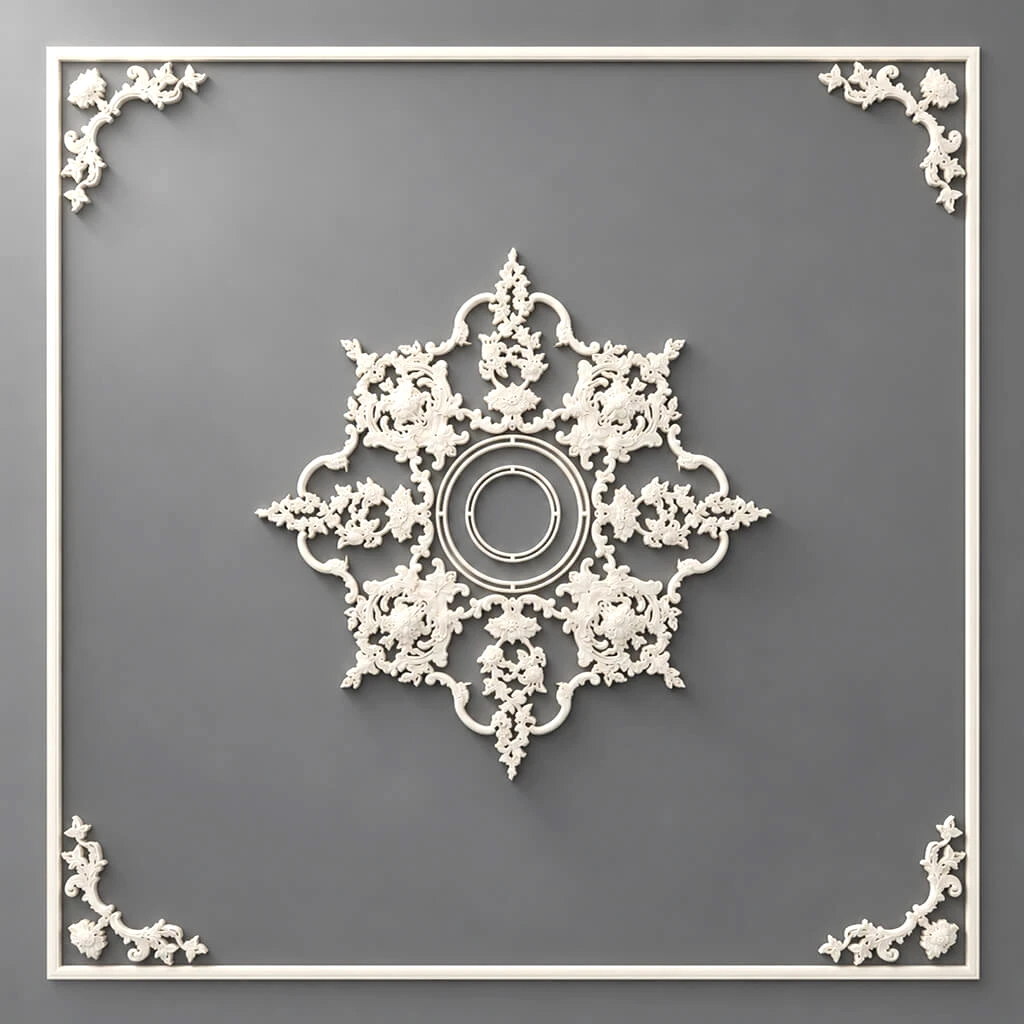
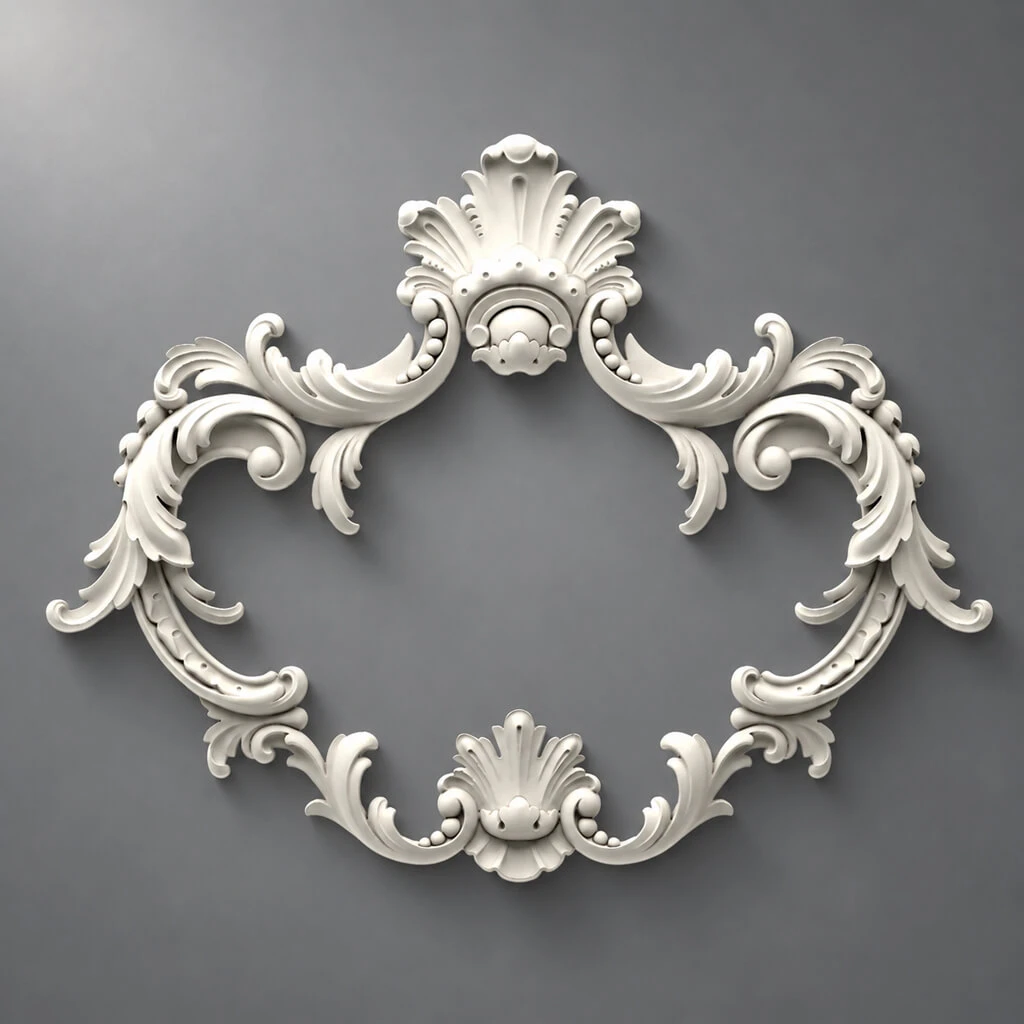
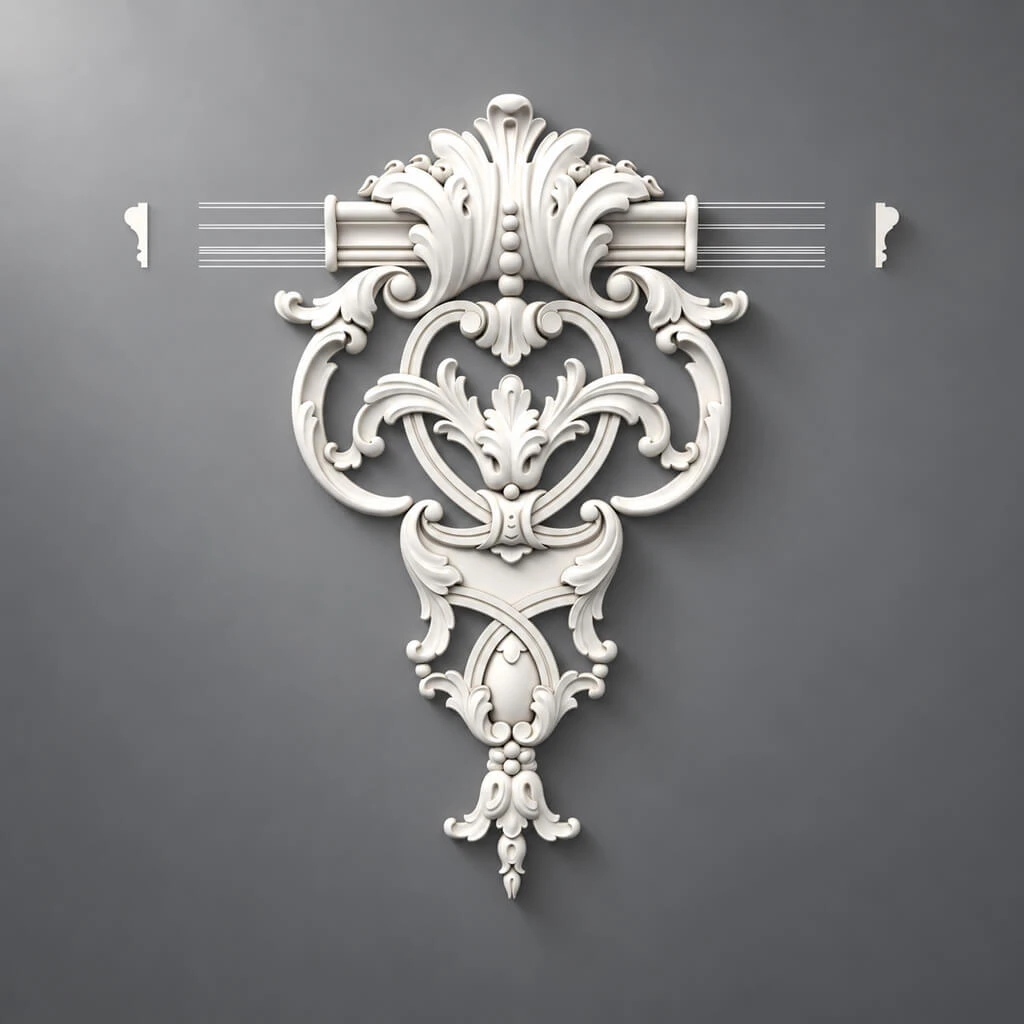
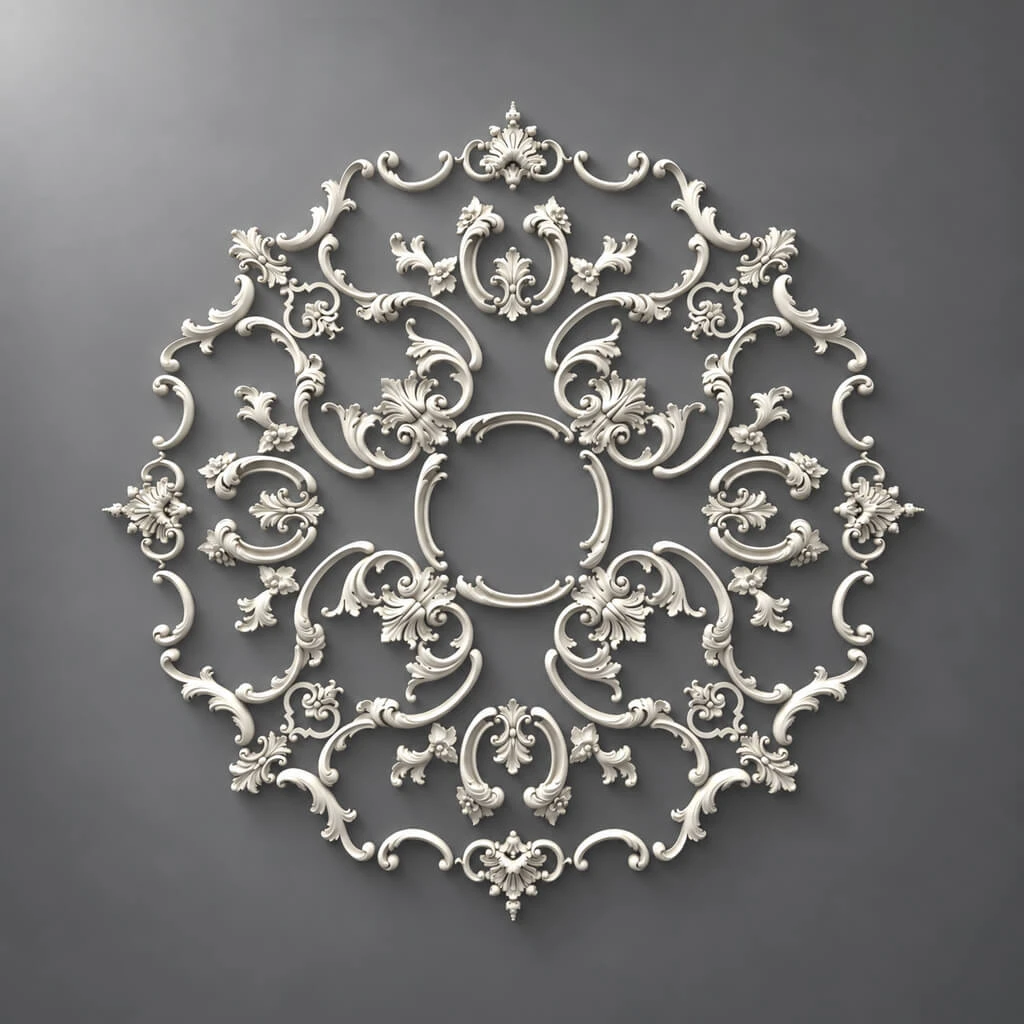
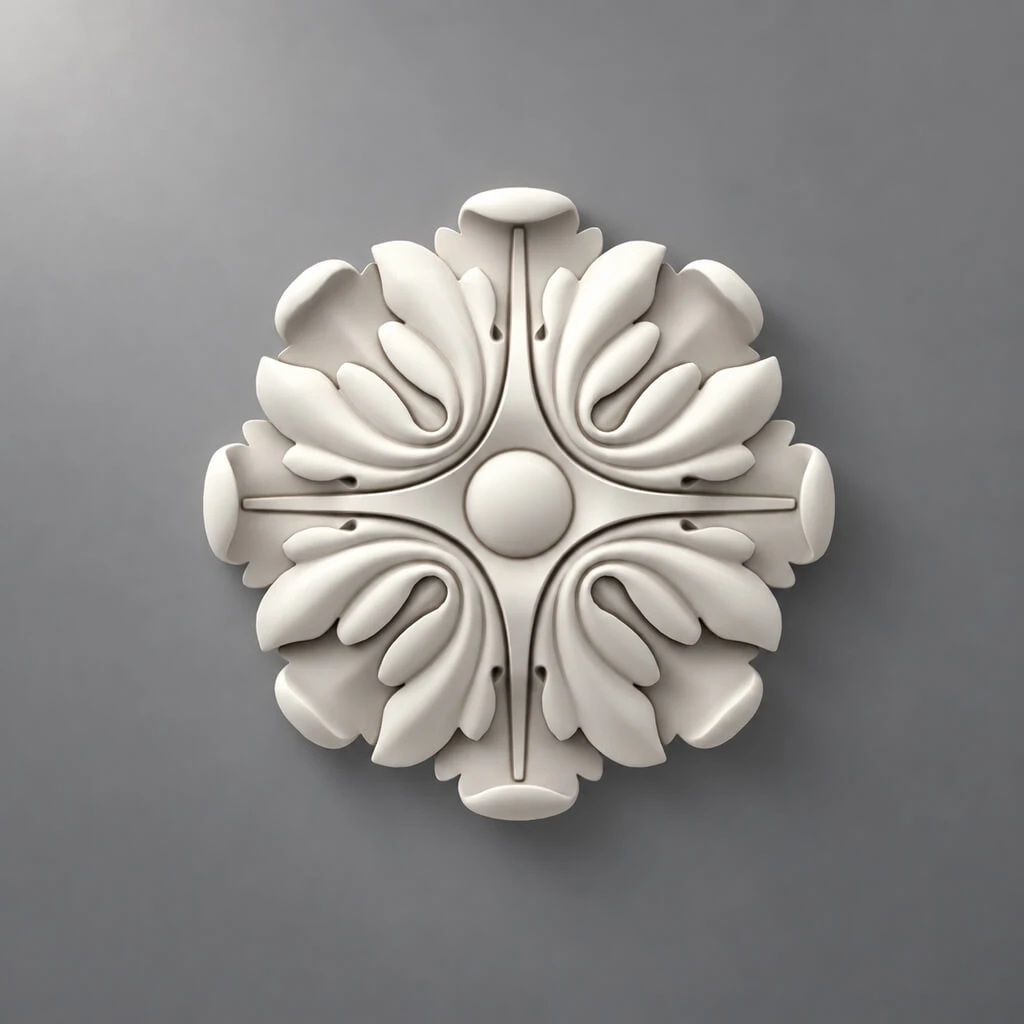
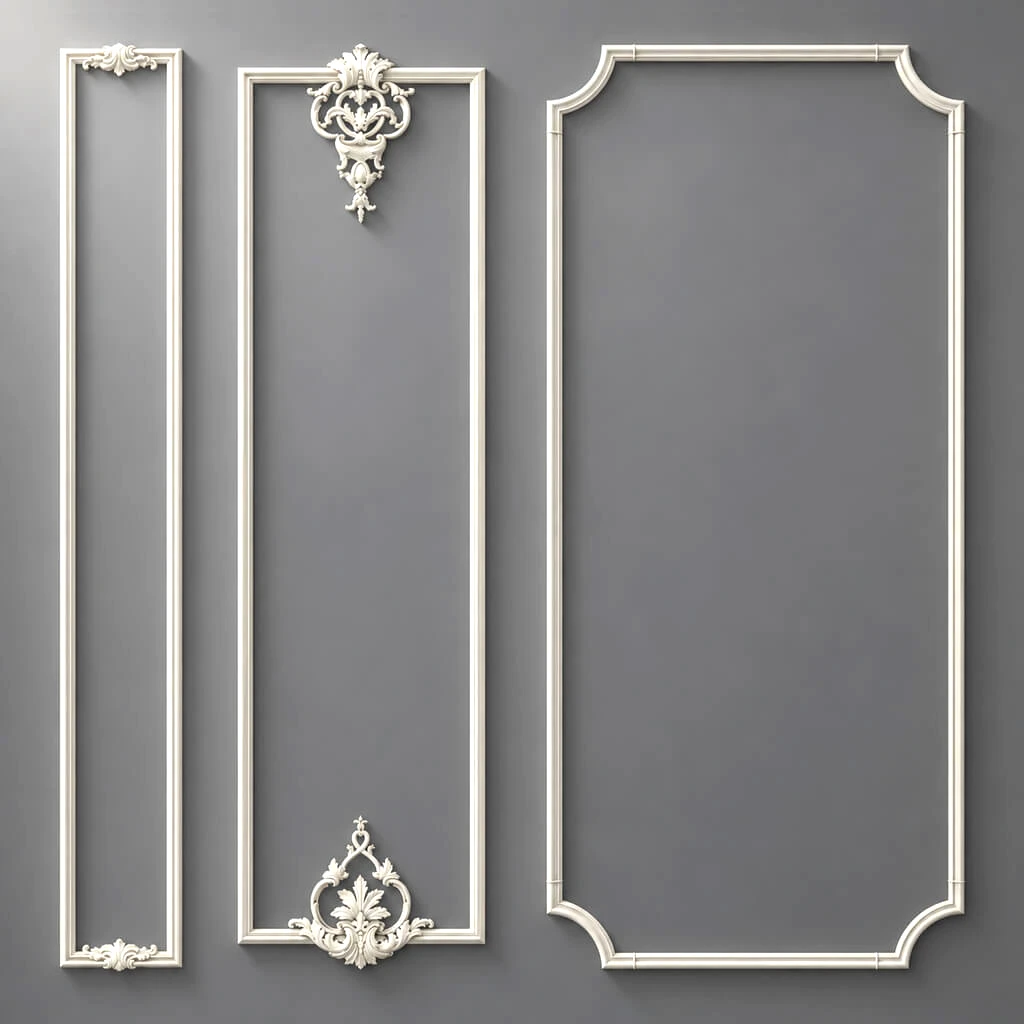
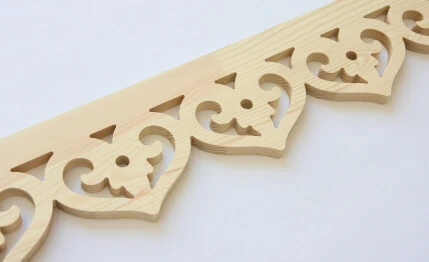
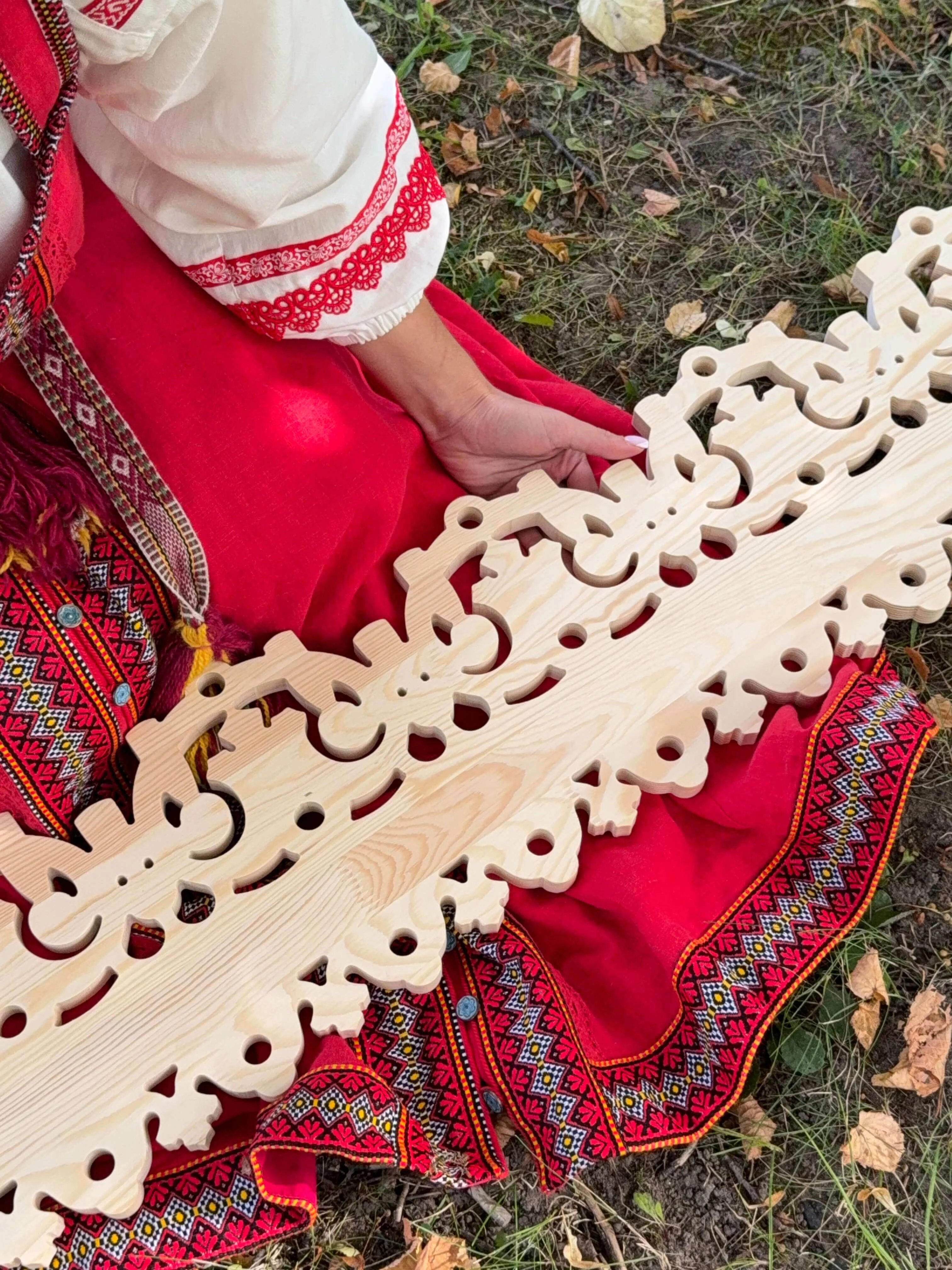
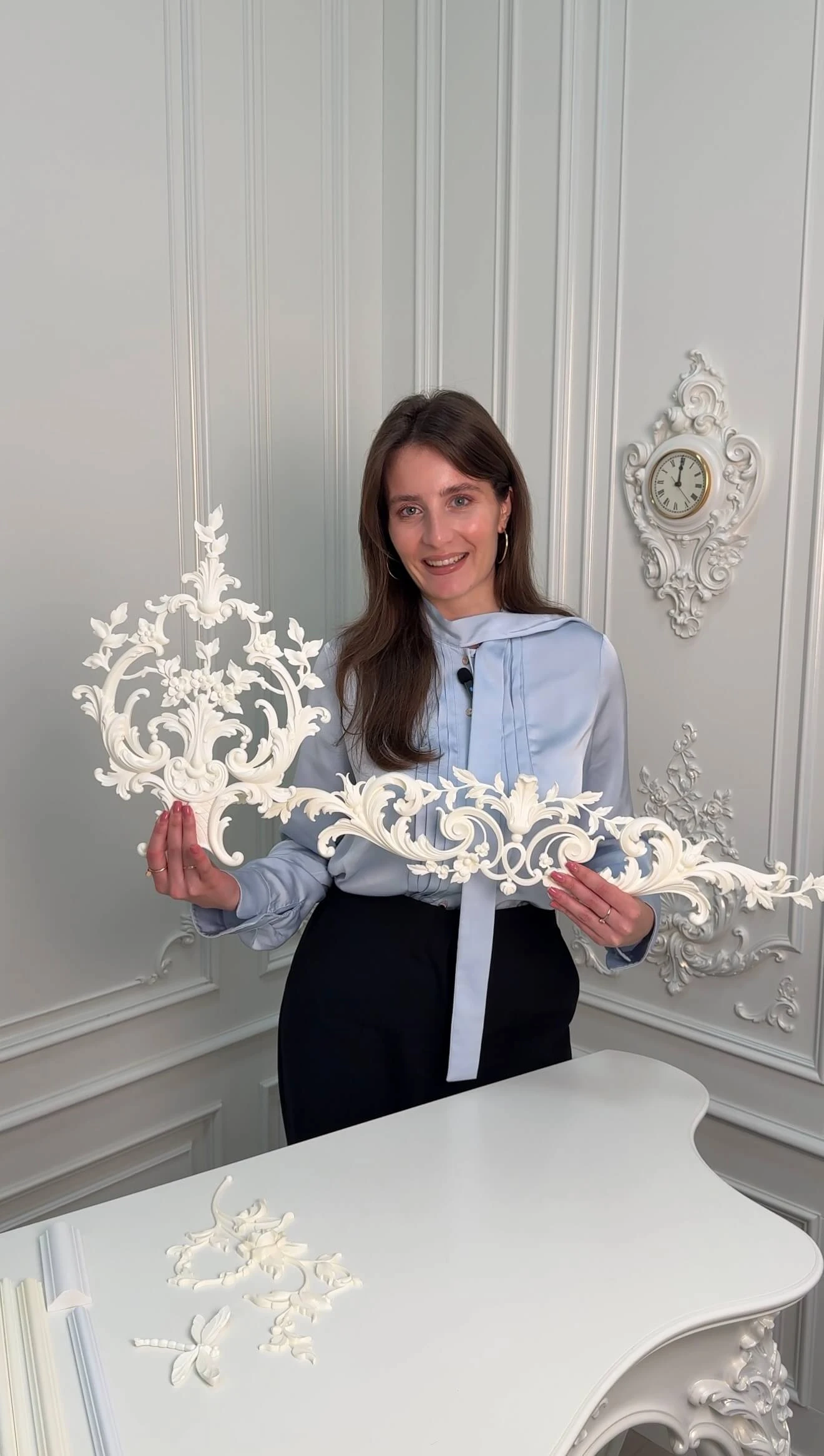
Decorative overlays. Flat or three-dimensional elements that are glued to the facade. decor for furniture made of solid wood: rosettes, cartouches, carved overlays, corner elements, ornamental friezes.
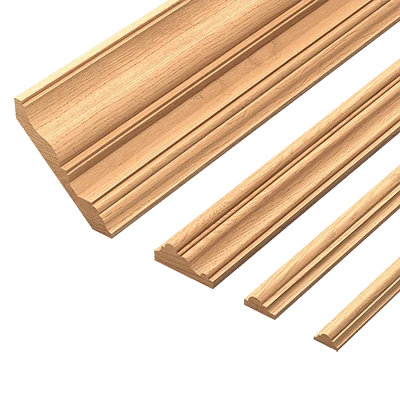
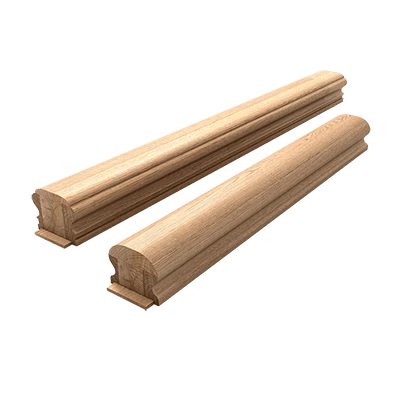
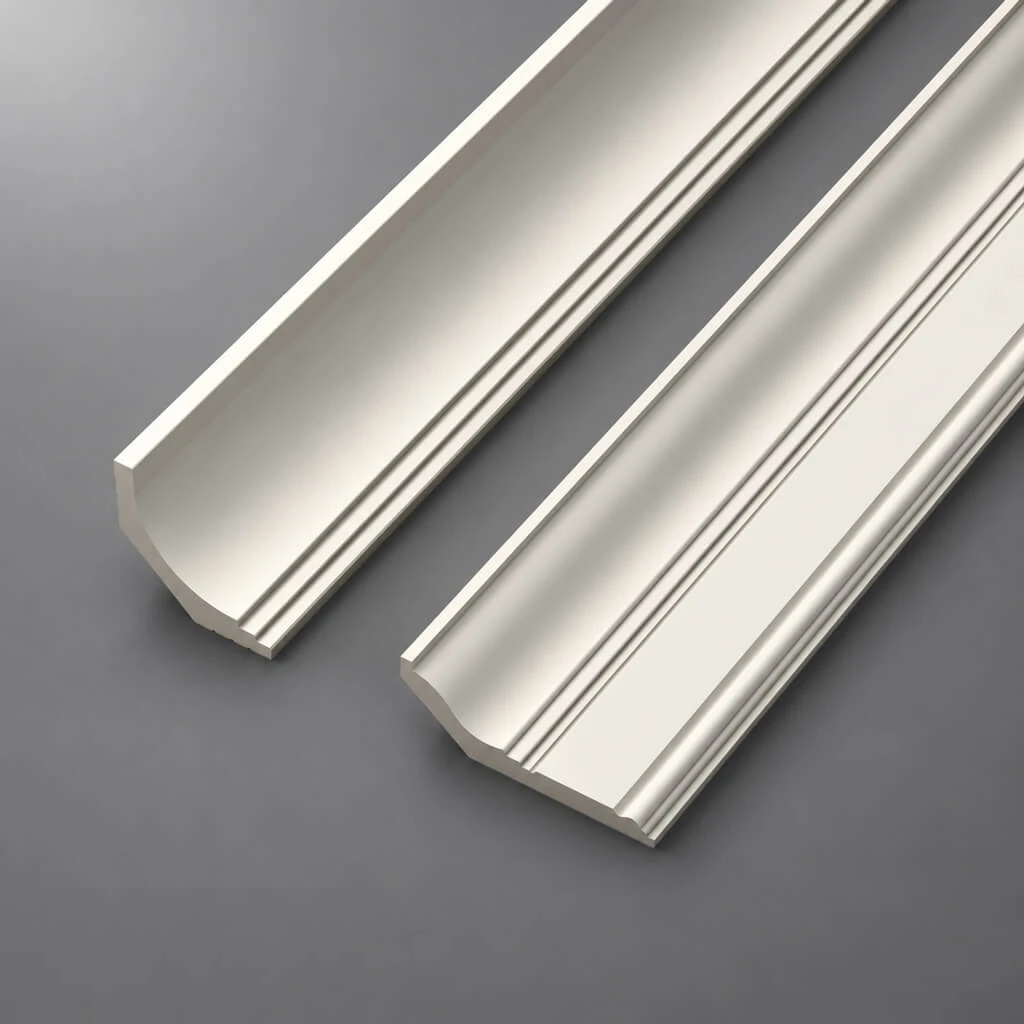
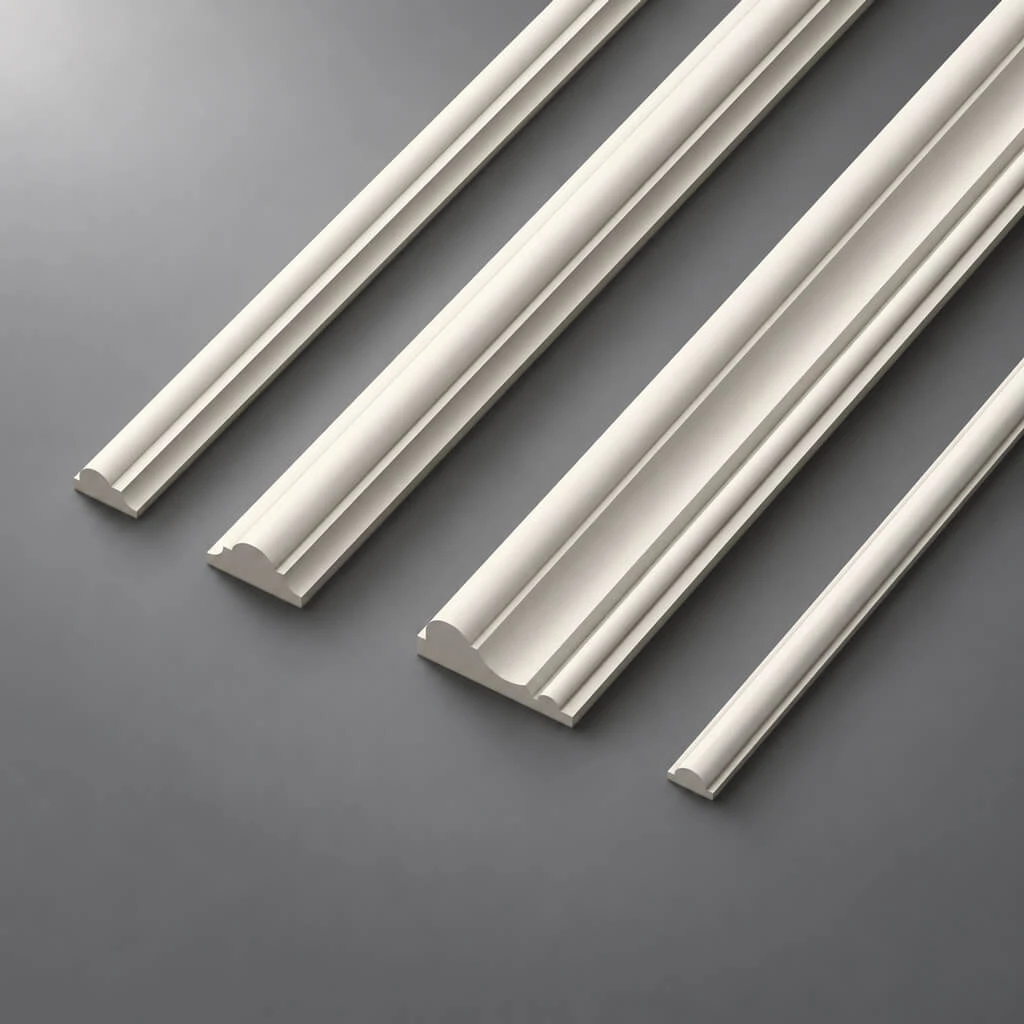
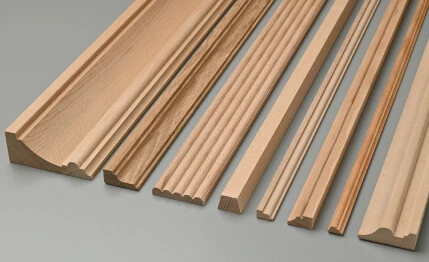
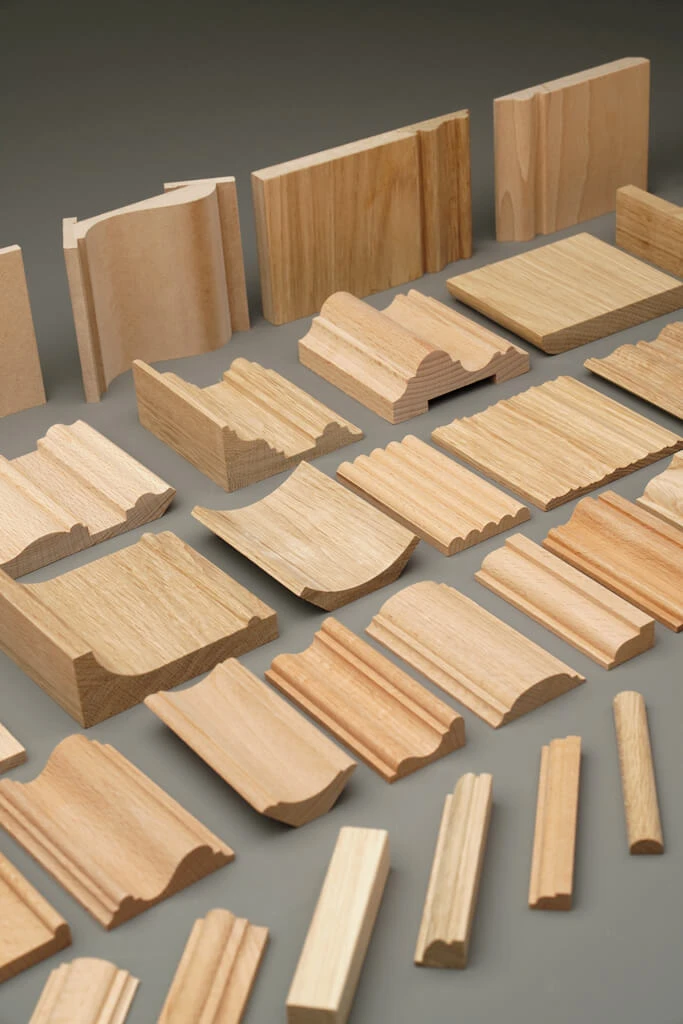
Moldings. Profiled long planks — create frames, horizontal lines, classic "panels" on the surface of facades.
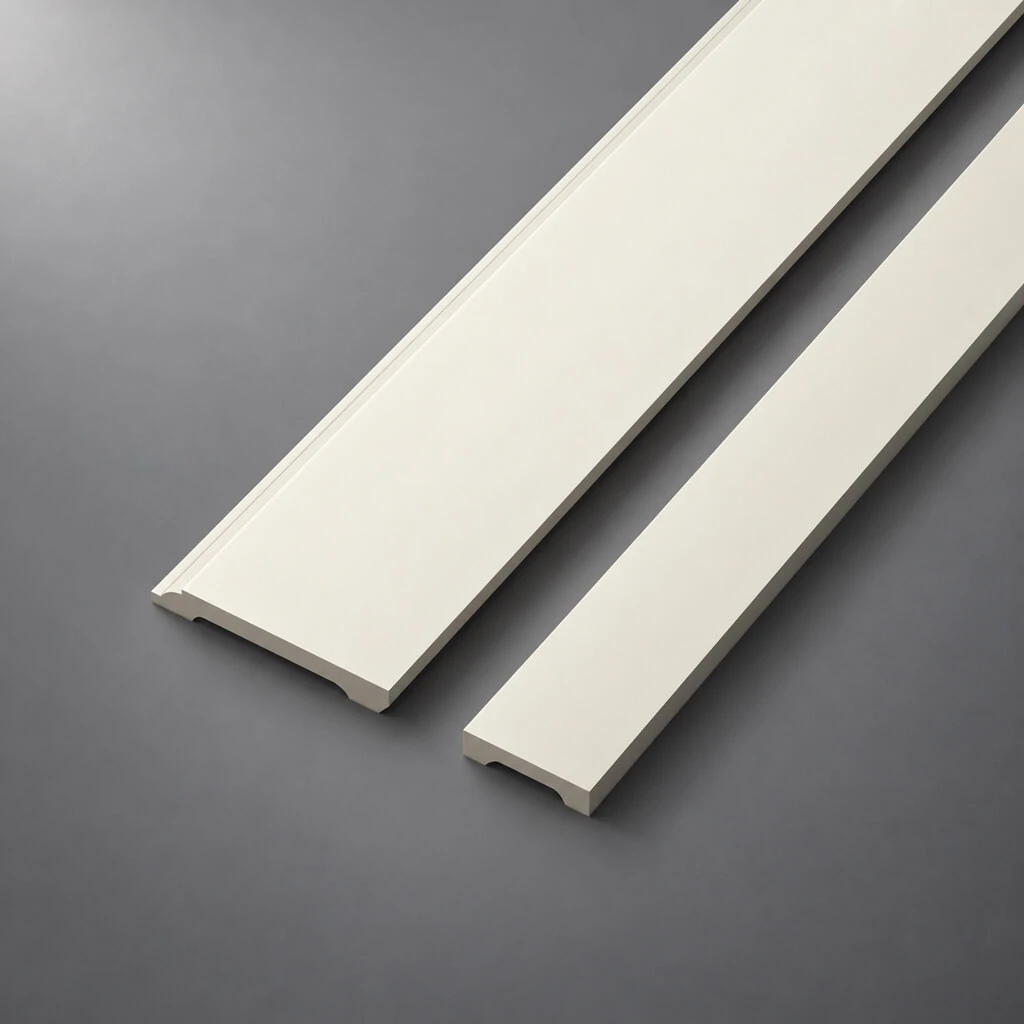
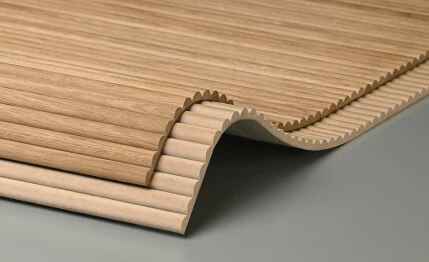
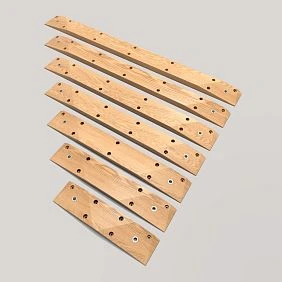
Layouts. Flat planks for zoning the facade, creating horizontal decorative transitions, imitating a frame structure.
Wooden baguette. Profiled framing for display inserts, mirror sections, decorative panels.
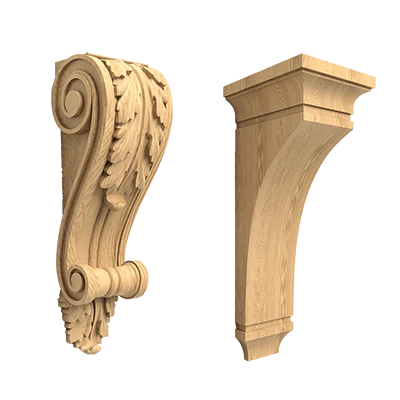
Decorative brackets. Load-bearing decorative elements in corner areas — under shelves, under hanging sections.
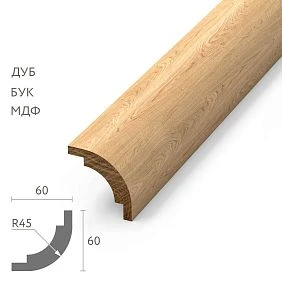
Decorative moldings. Cornice strips, base profiles for the top and bottom ends of cabinet furniture.
All these decorative elements for furniture do not exist separately, but as a system. That is why they should be chosen together — and that is why this article is needed.
Our factory also produces:

Why it's better to choose fittings and decor as a set
Get Consultation
System thinking is not a complication, but a simplification
It would seem: why tie a handle to a leg if it's just fittings? Because the eye works differently than logic. A person perceives an object as a whole — as an image. And if in this image the details 'speak different languages,' the brain registers a mismatch, even if the person themselves cannot articulate it. A feeling arises: 'something is wrong, but I can't figure out what.'
Three principles that explain why a set-based approach works better.
Principle 1: A unified stylistic language.
Rounded soft shapes with rounded soft shapes. Strict straight lines with strict straight lines. If a knob handle has smooth rounded edges, and a leg has sharp straight edges, these two elements 'conflict.' If both have the same profile character, they create a unified stylistic response.
Principle 2: A unified scale.
A large massive overlay on the dresser door + a thin miniature knob handle — the scale doesn't match. A heavy powerful leg + a light delicate carved overlay on the facade — the same conflict. The scale of all elements must be coordinated.
Principle 3: Unified material and tone.
Beech with beech, in the same tone of tinting or enamel. Mixing species with the same coating gives different results due to different porosity. Mixing tints is an obvious mismatch.
That is why decorative elements for furniture should be chosen from one catalog — as a single coordinated system.
Furniture looks more expensive when details match
This is not hyperbole. Designer handmade furniture is expensive in part because every detail is selected in a unified logic. Handles match legs, legs match the facade profile, the facade profile matches decorative overlays. All this is also available for serial case furniture — if you approach the selection of hardware and decor systematically.
Wooden Furniture Handles
The first element that everyone sees
furniture handle made of wood — it's a point of contact. Every time a drawer is opened, an item is taken from a cabinet, a plate is taken from a kitchen cabinet — the hand touches the handle. This is the most "tactile" of all decorative furniture elements.
And that's why a wooden handle made of natural solid wood is a completely different experience than a plastic or metal one. Warm, smooth, alive to the touch. It's a material that "responds" tactilely.
Types of wooden handles
Knob handle.
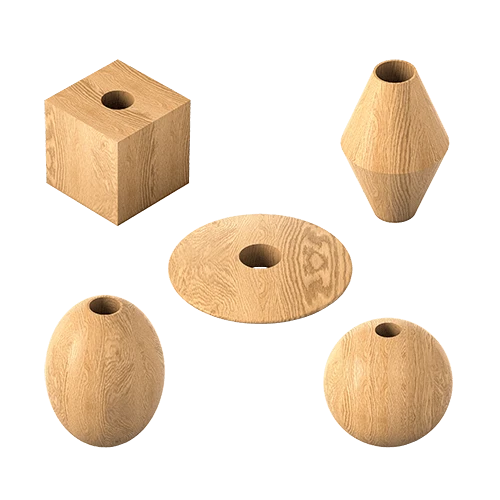
Compact volumetric element, fastened with one screw. wooden button handle — the most versatile type. Suitable for dresser drawers, wall cabinet doors, bedside tables, small wardrobe sections. The button shape varies: hemisphere, cylinder, barrel, rounded cone. Each shape has its own character.
Button diameter: 30–50 mm for small drawers and doors. 50–70 mm for large facades.
Handle-bracket.
Horizontal or vertical crossbar on two screws. wooden hook handle — for larger drawers, cabinet facades, kitchen lower and upper cabinets. Center distance: standard 96, 128, 160 mm (selected based on the center distance in the facade).
Bracket profile: round, square, D-shaped, shaped. For classics — with decorative edges or a soft profile. For modern classics — with a straight square cross-section.
Rail handle (long bracket).
Long horizontal bracket 300–500 mm. For wide kitchen cabinet drawers, for horizontal sections of wardrobes. Creates a striking horizontal accent on the facade.
Carved handle.
Figurative handle with decorative relief. For classic and neoclassical furniture. The carved ornament on the handle should echo the overlays and moldings on the same facade.
How to choose the handle size for the facade
The most common mistake: a handle that is too small on a large facade or too large on a small drawer.
| Front size | Recommended handle type |
|---|---|
| Drawer 200–300 mm | Knob 30–40 mm |
| Drawer 300–500 mm | Knob 40–50 mm or pull 96 mm |
| Door 500–700 mm | Pull 128–160 mm |
| Door 700–1000 mm | Bracket 160–200 mm or rail type |
| Cabinet front 1000+ mm | Rail type 300–500 mm |
buy wooden handles with or without coating — both options are available in the STAVROS catalog.
Wooden legs and decorative supports
The silhouette of furniture starts at the floor
Furniture without legs is a "box on the floor." With legs, it's an object that occupies space meaningfully: it stands, not lies. The height of the legs, their shape and profile determine the character of the entire piece.
Wooden legs — this is not only a support function. It is an architectural solution for the lower part of furniture. And it is here that the most common configuration mistake is made: they take "some legs" without considering the style of handles and overlays. The result is an object with internal contradiction.
Types of wooden furniture legs
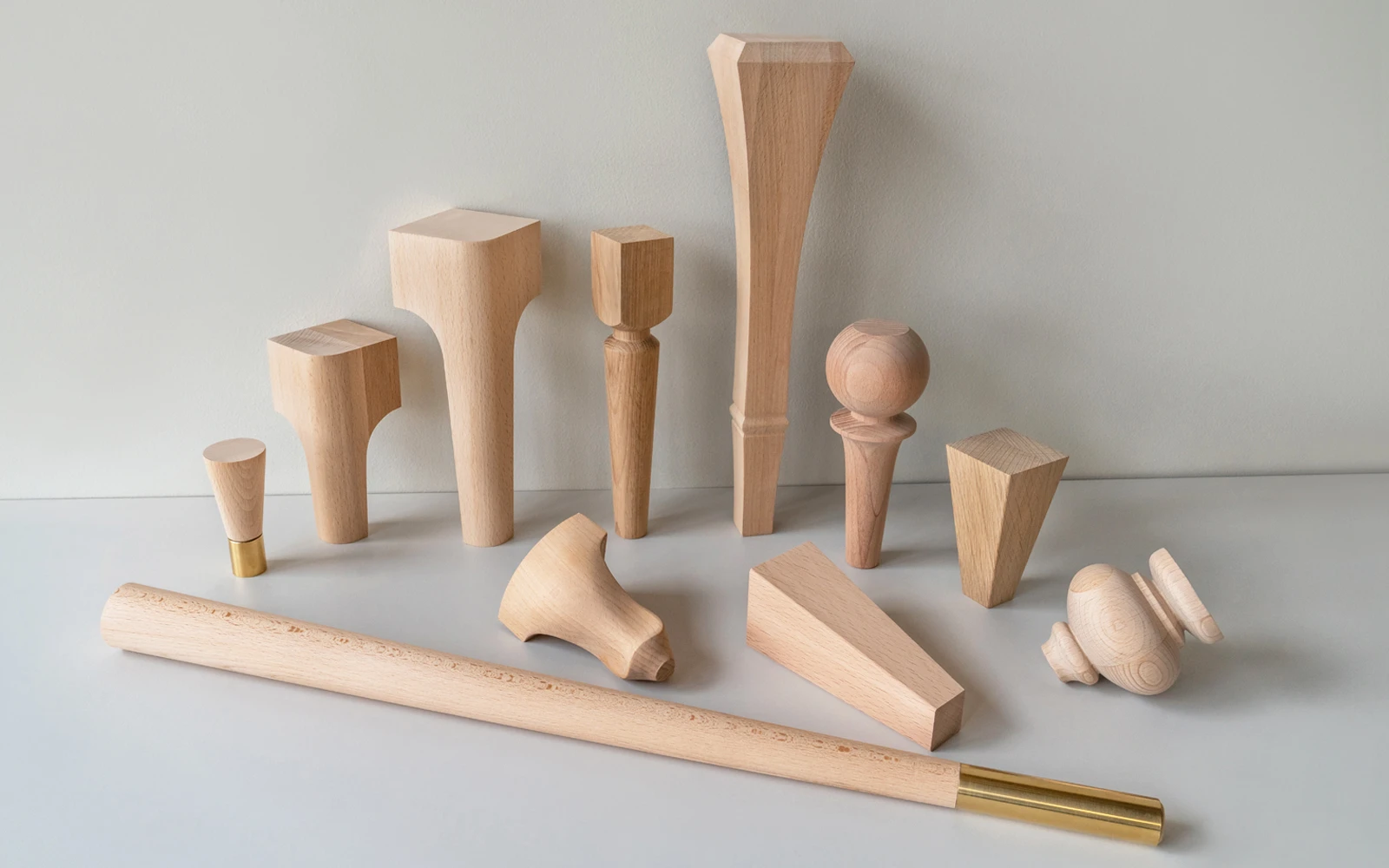
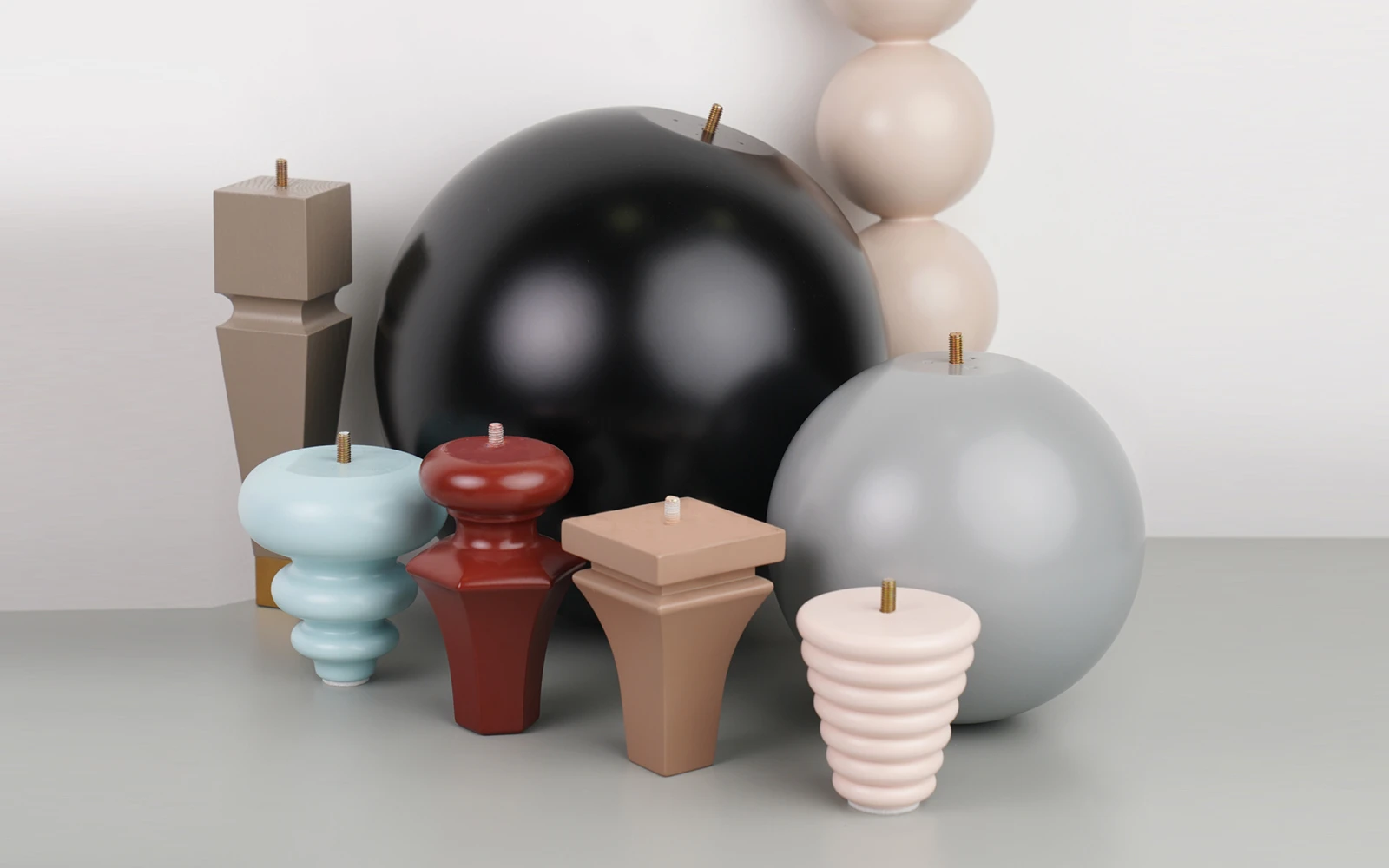
Tapered turned legs.
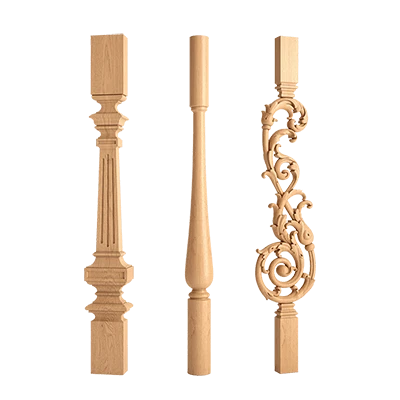
Taper towards the bottom. Mid-20th century classic: Danish style, Scandinavian minimalism. Height 80–150 mm. For sofas, armchairs, chests of drawers, bedside tables, beds with wooden bases. Create a feeling of lightness — furniture is "lifted" off the floor.
Straight square legs.
Strict rectangular profile, uniform cross-section along the entire height. For modern classics, neoclassicism with straight lines. Height 80–200 mm. Monumental, confident.
Ornate turned legs.
Several decorative transitions along the height: sphere, cylinder, cone, fillet. For classic furniture, sideboards, dressing tables. Pairs with ornate moldings and carved overlays.
Tall legs.
Legs 200–400 mm high create a completely special effect. Furniture "floats." For consoles, dressing tables, accent nightstands. More details on the use of such elements in the article about tall wooden legs for furniture.
Decorative furniture support: a separate category
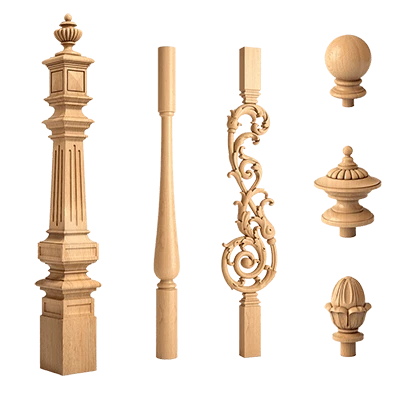
Decorative furniture leg support — a broader concept than just a leg. This is a support element whose shape is an independent decorative statement. Classic "paw" leg in Baroque style with claw and ball. Carved support with leaf motif at the base. Turned support in the form of a column with base and capital.
For classic sideboards, library cabinets, grand pianos — the decorative support carries architectural meaning: the furniture rests on a "pedestal."
How to choose and apply round wooden supports is covered in a separate article about round wooden furniture supports.
Buy furniture legs for a 200-room hotel project — this is not an ordinary deal, but a partnership requiring a special approach. without coating — for independent finishing to match the desired interior tone.
How legs relate to handles and overlays
This is a key question of a systematic approach. Legs and handles are two "accent" elements of furniture that are always visible. They must speak the same language.
Scenario 1: Classic.
Shaped turned legs with decorative transitions → knob handles or carved brackets with soft profiles → overlays with floral motifs → molding with a fillet. All details from the same imagery.
Scenario 2: Modern classic.
Straight square legs → brackets with square cross-section → geometric overlays → molding with a straight profile. Strict, clear, without excess.
Scenario 3: Scandinavian.
Turned conical legs → buttons with a light hemisphere → no overlays or minimal → thin layouts. Maximum conciseness.
Overlays and decorative elements for facades
Transformation tool: how a simple facade becomes expressive
Wooden decoration for furniture facades is a category that allows you to work with the surface like an artist with a canvas. A smooth flat facade is a blank slate. An overlay glued in the center or in the corners is already a statement.
Types of Appliqués and Their Application
Central overlays.
Decorative element in the center of the door: rosette, diamond, cartouche, rectangular ornamental element. Creates a visual accent. The eye goes to the center of the facade — like a painting in a frame.
Sizes: from 80×80 mm to 200×300 mm — depending on the size of the facade and the chosen scale of decor.
Corner overlays.
Four decorative elements in the corners of the facade. Create the feeling of a full frame without laying molding around the entire perimeter. For dresser doors, drawers, small cabinets — a light and elegant decor option.
Decorative friezes and horizontal stripes.
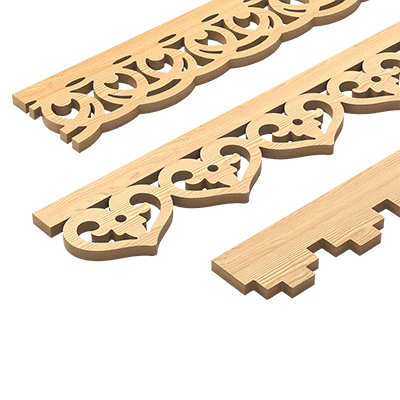
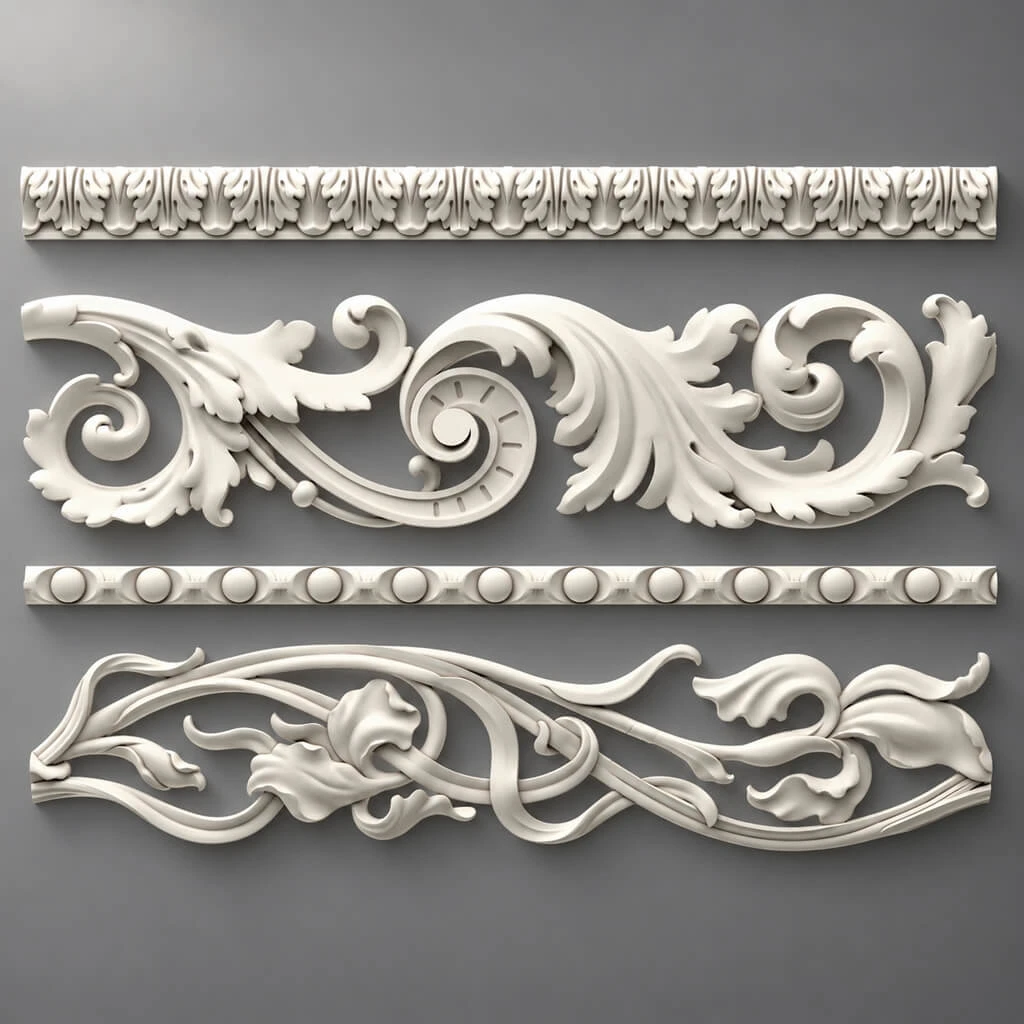
Striped ornamental overlays — for horizontal accent. Along the top edge of the facade, along the central horizontal transition. For classic buffets and sideboards — a frieze with a meander or floral ornament along the upper part of the body.
Carved overlays.
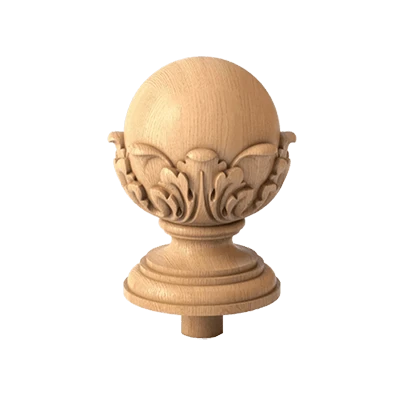
Overlays with pronounced three-dimensional relief — leaves, floral motifs, cartouches, baroque elements. For representative classic furniture, cabinet items, library cabinets.
How to calculate the size of the overlay for the facade
The overlay should not occupy more than 60–70% of the facade area — otherwise it creates a feeling of overload. It should not be less than 20% — otherwise it gets lost against the background.
For a cabinet door 600×800 mm — a central overlay 120×160 mm or corner overlays 60×80 mm each.
Detailed about furniture elements and the principles of their application — in a separate STAVROS material.
Moldings and trims for furniture fronts
Line is the most expressive tool of decor
Line. It is what transforms the facade. Moldings — these are profile lines that are glued to the surface and create relief, shadow, and rhythm.
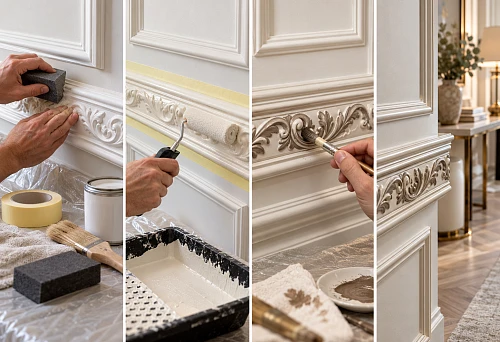
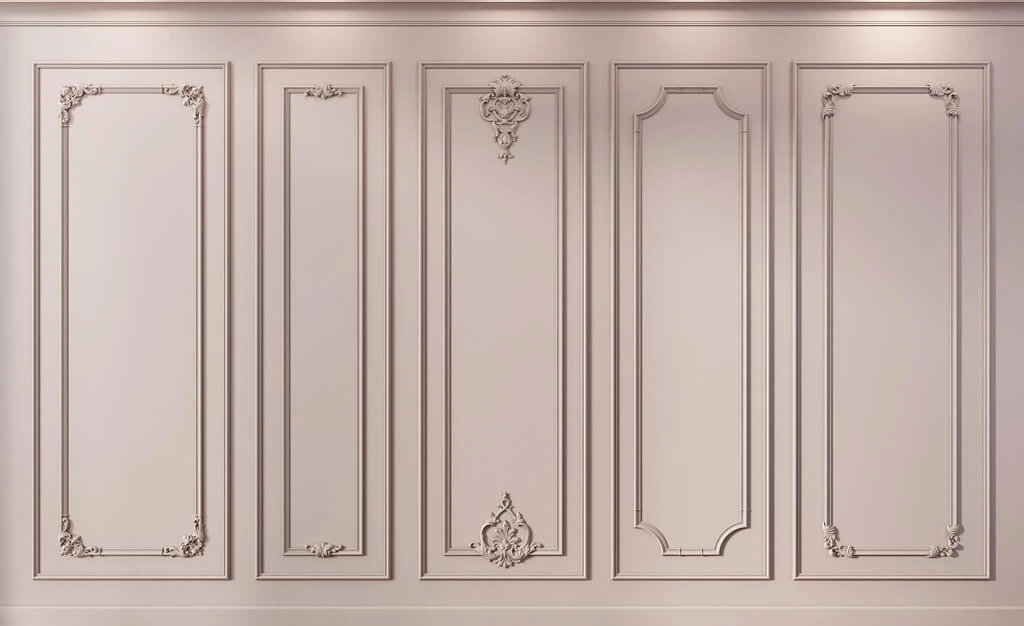
Wooden moldings for furniture facades work on the same principle as moldings on walls in a classic interior: they create a system of horizontal and vertical lines that make the surface not flat, but three-dimensional.
What molding does on a furniture facade
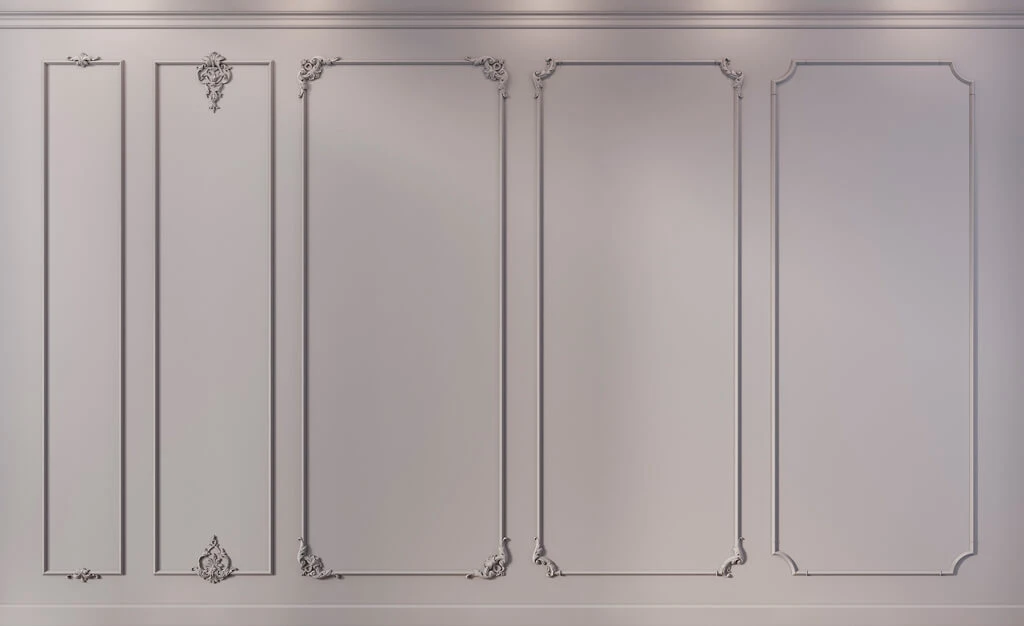
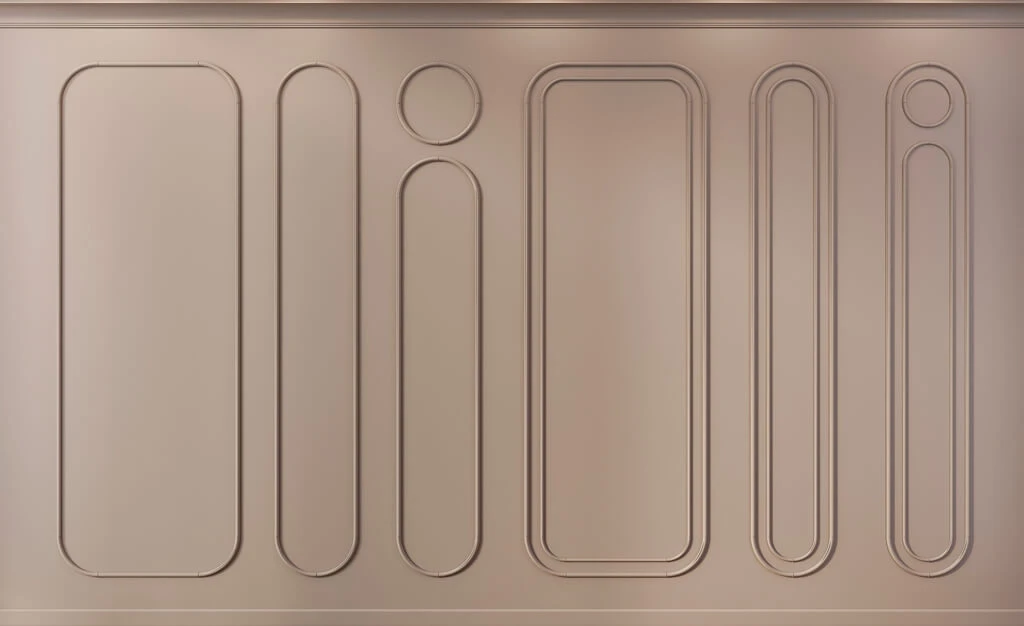
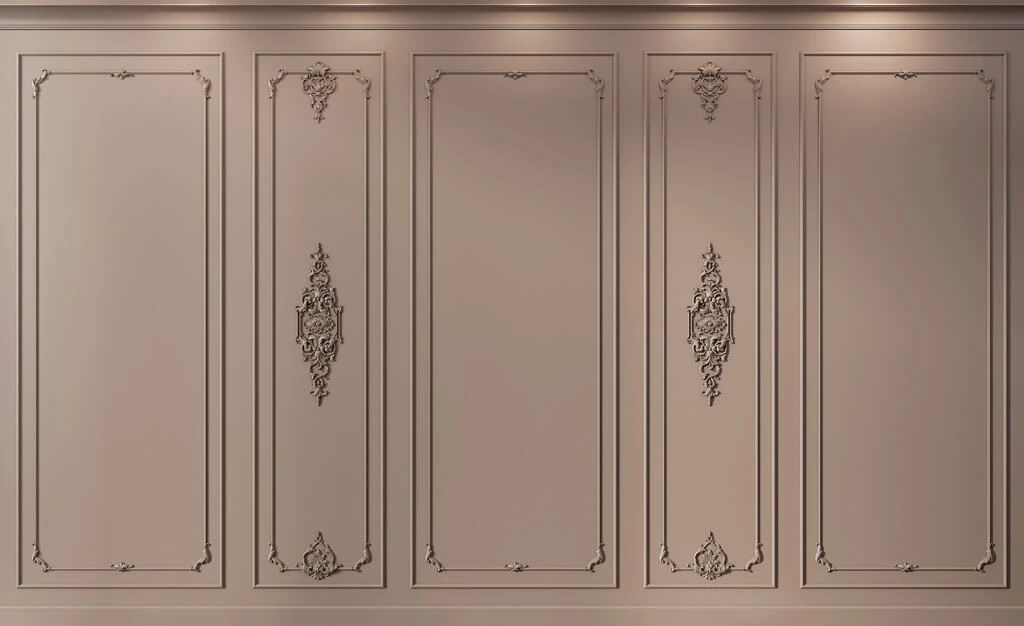
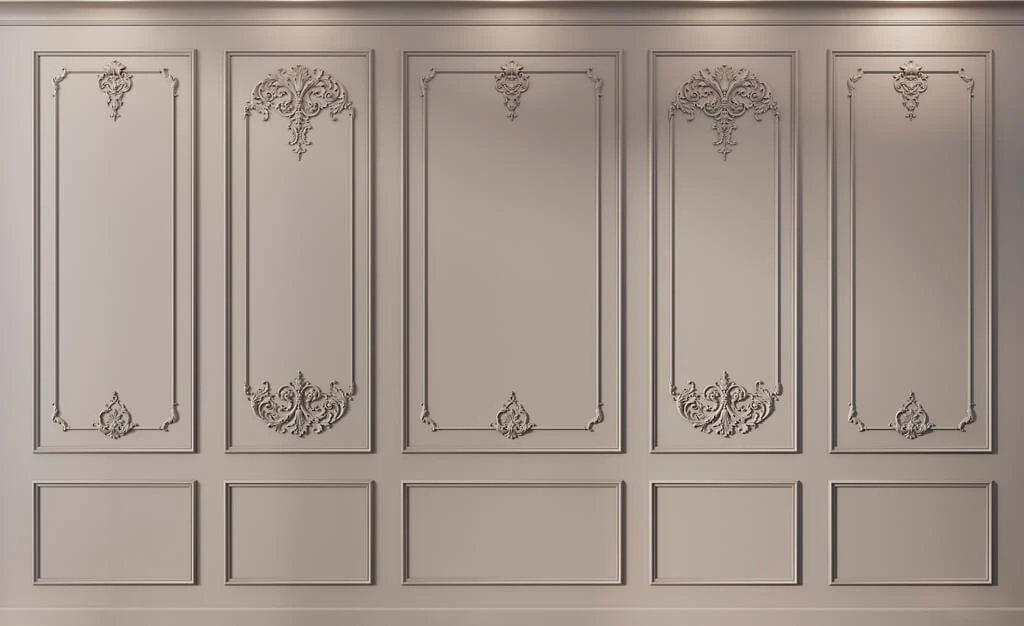
Frame ("panel"). The molding is glued along the perimeter of the door — resulting in a frame pattern. One or several frames vertically create a classic "multi-section" door. This is the basis of a classic furniture facade.
Horizontal strip. The molding on a horizontal line divides the facade into zones. For a tall cabinet — division into upper and lower parts. For a wide sideboard — an accent horizontal line at mid-level.
Vertical strip. For facades with a vertical rhythm: equally spaced vertical moldings create the impression of pilasters.
Molding profiles: which one to choose
-
Rectangular straight — for modern classics and minimalist solutions.
-
With a fillet (rounded top edge) — for classics and Provence.
-
Reverse curve (“S-shaped”) — for neoclassical style.
-
Compound (multiple profile elements) — for rich classical style.
The molding profile on furniture should match the style of handles and legs — this is the third time this principle is repeated. And not by chance: this is the most important rule of a systematic approach.
Trims and wooden molding
Flat wooden strip — a simpler option than profiled molding. For horizontal dividers and straight decorative lines without complex profiles.
Wooden Picture Frame used in furniture for framing display inserts and mirrors — a narrow profile around a glass section.
Brackets and additional elements
Decorative bracket: function and form in one
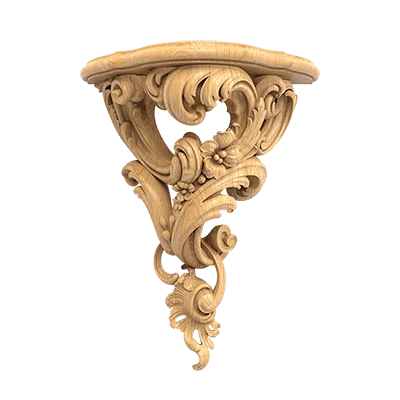
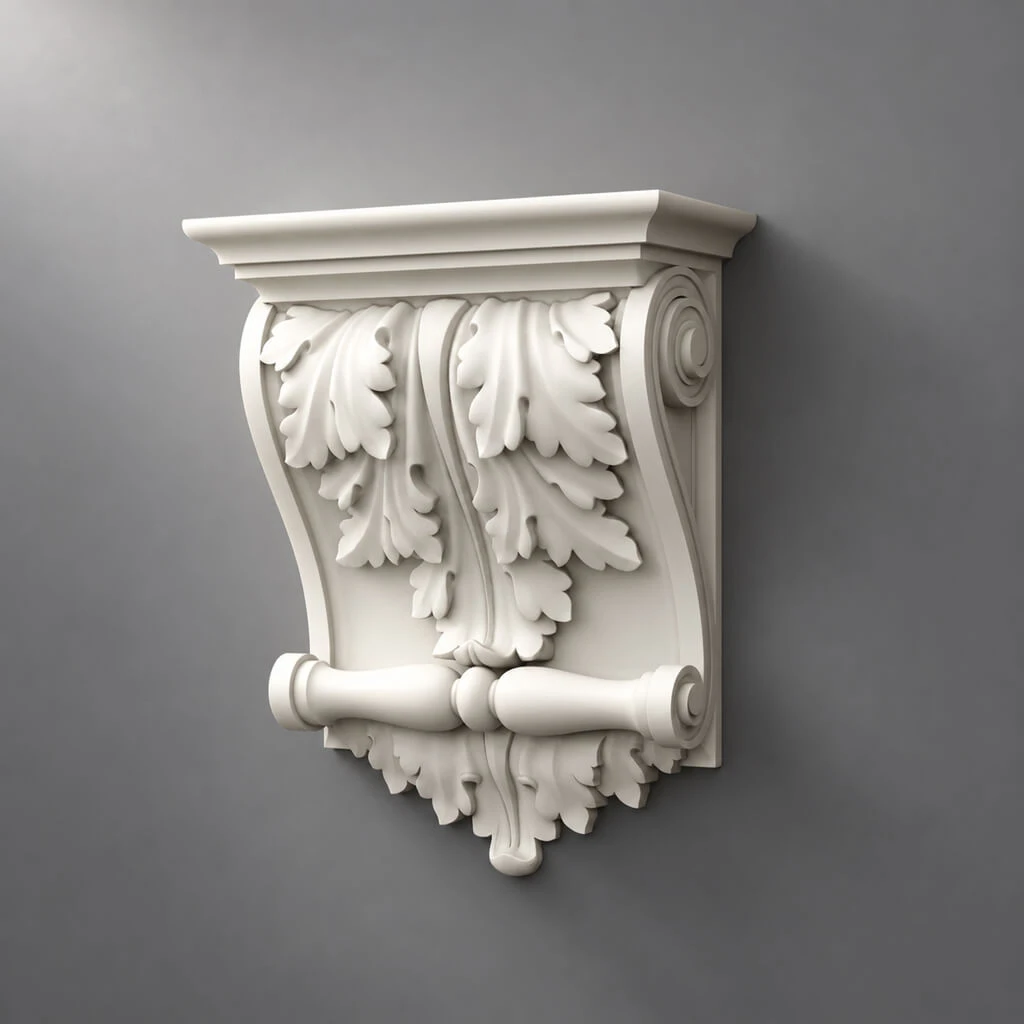
Decorative Bracket — a wooden supporting element in corner areas. Installed under shelves, under hanging sections, under cantilever furniture elements.
A decorative bracket bears real load — and simultaneously serves as a decorative accent. For a classical sideboard with open shelves — a bracket with a figured profile under each shelf. For a hanging console in a classical living room — a bracket with a floral motif.
The choice of bracket shape follows the same rules: the bracket shape matches the shape of handles, legs, and overlays on the same furniture.
How to choose hardware to match furniture style
Style Navigator
Style is not about "beautiful" or "ugly." Style is about consistency. Let's break down the key directions and the logic of choosing wooden hardware and decor for each.
Classicism and neoclassicism
The richest direction for wooden hardware. The entire arsenal works here: carved overlays, shaped moldings, turned legs with decorative transitions, knob handles with voluminous relief, or brackets with soft profiles.
Principle: more details — provided they all come from the same style family. Overload in classic style is not an excess of details, it's inconsistency.
Color: white enamel is a classic option. Dark walnut with gold details — for rich classic style. Warm cream — for neoclassicism with a soft palette.
Provence
A soft, romantic style. Furniture is slightly aged or matte in a pastel tone. Hardware: knob handles with soft rounded shapes, conical or S-shaped legs, simple moldings with a fillet, small overlays with a floral motif.
Principle: decor exists, but it is "quiet" and soft. No sharp corners, no strict geometry.
Color: white with slight aging, milky, mint, lavender.
Modern classic
Strictness and decor in balance. Straight lines of moldings, geometric overlays with clear edges, brackets with square or D-shaped profile, straight square legs. No carving, no rounded floral motifs.
Principle: one decorative motif — a facade frame made of molding. The rest is the shape of the body and color.
Color: white, dark gray, mocha, natural light veneer with white hardware.
Scandinavian style
Minimalism with natural wood. Conical thin legs made of light beech. Knob handles made of natural wood without coating. No overlays. Possibly — a thin wooden inlay as the only decorative element.
Principle: the fewer details — the better. Every detail is justified.
Color: natural light beech, white, gray-beige.
Dark furniture: special rules
Dark furniture — wenge, mocha, dark walnut — requires hardware that either matches the tone (dark legs, dark handles) or provides a deliberate contrast (light handles made of natural wood on a dark facade).
Metal handles on dark furniture give a cold contrast. Wooden handles made of natural light beech give a warm contrast that "softens" the dark piece and adds a lively natural touch.
How to combine wood color, enamel, and finish
Three paths — each with its own logic
All wooden fittings and decor for furniture exist in three basic finishing scenarios. The choice of scenario determines which elements are suitable and which are not.
Scenario 1: Furniture under white enamel
The most popular modern interior scenario. White or milky enamel on the body, overlays, moldings, legs. A single tone — everything white. Handles — either also white (for a monochrome approach) or natural wood without coating (for a warm contrast).
For white enamel: beech is the best material for overlays, moldings, and legs. The smooth surface accepts enamel without priming with a pore filler.
Key rule: all white elements — in one tone. Cold white and warm white next to each other — a visible mismatch.
Scenario 2: Furniture with open wood texture
Natural wood tone + clear varnish or oil. Handles, legs, overlays — in the same tone as the body. For this, all elements must be from the same species: beech + beech, oak + oak.
Toning: stain to the desired tone (walnut, oak, mocha) → varnish 2–3 layers with interlayer sanding. All elements are toned simultaneously or from the same batch — for tonal unity.
Scenario 3: Combined finishing
Dark body + white details: legs, handles, moldings in white enamel. Or — natural wood body + contrasting dark legs.
This is a deliberate design technique. It works provided the contrast is singular and clear: not three different tones, but two. White + dark. Natural wood + black.
How to coordinate furniture decor with the interior
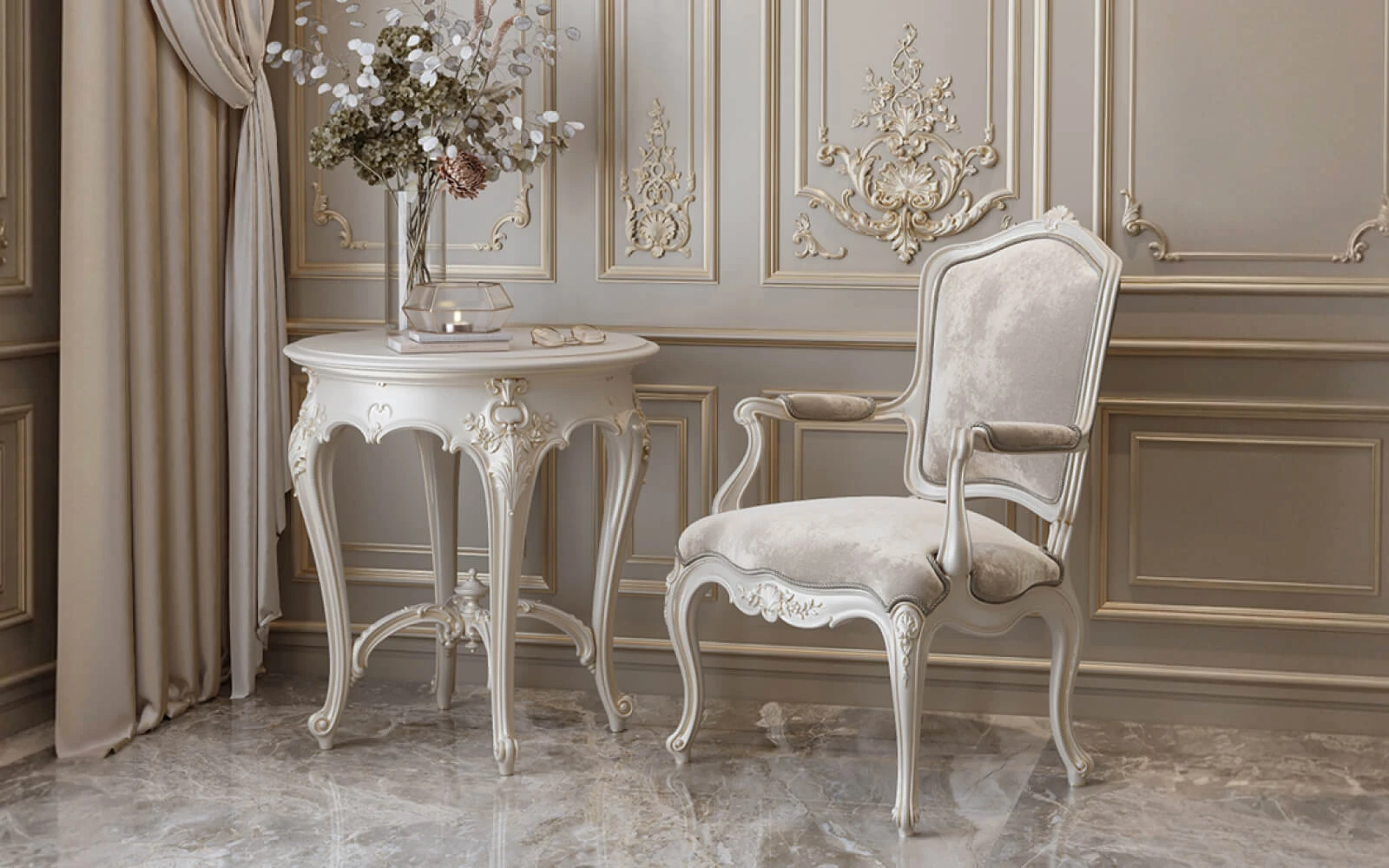
Wooden fittings and furniture decor are part of a broader interior context. Wooden legs and handles matching the parquet floor 'connect' the furniture to the floor. Moldings on furniture fronts matching the moldings on the walls — a unified system of space decor.
Furniture and decor from solid wood STAVROS products are made in uniform tones and from uniform wood species — so that furniture fittings, baseboards, cornices, and wall decor can form a coordinated system.
Step-by-step plan: how to assemble a system of fittings and decor
An algorithm for those who want results, not chaos
Step 1. Identify the item (or list of items).
Wardrobe, chest of drawers, cabinet, kitchen set — a list of specific items to be decorated.
Step 2. Determine the style.
One style for all items in one space. Classic, Scandinavian, Provence, modern classic.
Step 3. Determine the finishing scenario.
White enamel, natural wood, combination.
Step 4. Make a list of elements for each item.
Wardrobe: 2 pull handles + 4 corner brackets + molding around the perimeter of the doors + top cornice. Chest of drawers: 4 knob handles + legs + molding on the drawers.
Step 5. Select all elements from one catalog.
Single species, single style language, single tone.
Step 6. Trial layout.
Lay out all elements next to each other before installation — visually check consistency of scale and style.
Step 7. Installation and unified finishing.
Everything is painted or tinted at the same time — for color unity.
Common mistakes when choosing wooden fittings and decor
Mistake 1: Different styles of handles and legs
Classic carved handles + strict straight legs — a style conflict. Both elements are always in the same style family.
Error 2: Scale Mismatch
Large massive legs + a thin delicate knob handle 30 mm — a scale mismatch. The scale of all elements is proportional to the item.
Mistake 3: Overloading the facade
Central overlay + corner overlays + complex molding + carved handles — this is too much on one facade. Choose one or two decorative accents.
Error 4: Random color
Handles in one tone, legs in another, overlays in a third shade — three different wood tones on one item. Uniform tinting for all wooden elements.
Mistake 5: Buying without an overall plan
“I’ll buy beautiful handles, figure out the rest later” — a path to an inconsistent result. First — a plan of all elements, then — purchase.
Error 6: Mixing Wood Species
Beech + pine in the same tinting tone yield different results due to different porosity. Use a single wood species for all hardware and decor on one item.
Error 7: Ignoring Space
Wooden furniture hardware in a tone that matches neither the floor, nor the walls, nor other wooden interior elements — an "alien" object in the space. Always match the tone of furniture decor with the overall wooden palette of the interior.
FAQ: Popular Questions About Wooden Hardware and Decor for Furniture
Which wooden handles are best for kitchen cabinets?
Coated pulls are more practical than knobs for the kitchen: easier to grip when opening. The lacquered surface is easier to clean. Size: center-to-center distance of 96 or 128 mm for standard kitchen fronts.
Can wooden legs be installed on a heavy cabinet?
Yes — with proper fastening. Wooden legs for cabinets are attached via metal flange plates screwed into the bottom end of the body. Load capacity depends on the leg diameter and fastening type.
How to calculate the required amount of molding for furniture frames?
Perimeter of each frame × number of frames + 15–20% reserve for corner cuts.
What glue to use for wooden overlays on chipboard?
Contact glue "Moment Joiner" or liquid nails D3 — for overlays on laminated chipboard. Fix with masking tape or clamps until dry (4–6 hours).
Do I need to remove the legs when painting furniture?
If the legs are painted in the same tone — you can paint them installed, masking the floor. If in a different tone — remove, paint separately, install after drying.
How to choose the height of legs for furniture?
Legs 80–100 mm high — for sofas and chests of drawers. 100–150 mm — for bedside tables and small cabinets. 150–200+ mm — for consoles and high-raised accent pieces.
Can metal handles be combined with wooden legs?
Yes — provided that the metal and wood are consistent in style. Matte black iron + dark wooden legs — modern classic. Copper/brass + warm wooden legs in a "walnut" tone — classic with warmth.