










































































Article Contents:
- When furniture facades need decor
- The wardrobe looks too flat
- The kitchen looks cheap due to smooth facades
- The chest of drawers or cabinet doesn't fit into a classic interior
- The built-in wardrobe needs to be tied to the wall
- Furniture for painting requires a system
- What elements can be used for furniture facades
- Moldings
- Decorative appliqués
- Decor for moldings: corner blocks and inserts
- Sockets and small stucco elements
- Which furniture is polyurethane furniture decor suitable for
- Wardrobe: frames, cornice, and vertical rhythm
- Kitchen fronts: delicacy and durability
- Chest of drawers and nightstand: decor by drawers
- Sideboard and display cabinet: classic with a vertical accent
- Built-in wardrobe: connecting furniture and wall
- How to choose decor to match furniture style
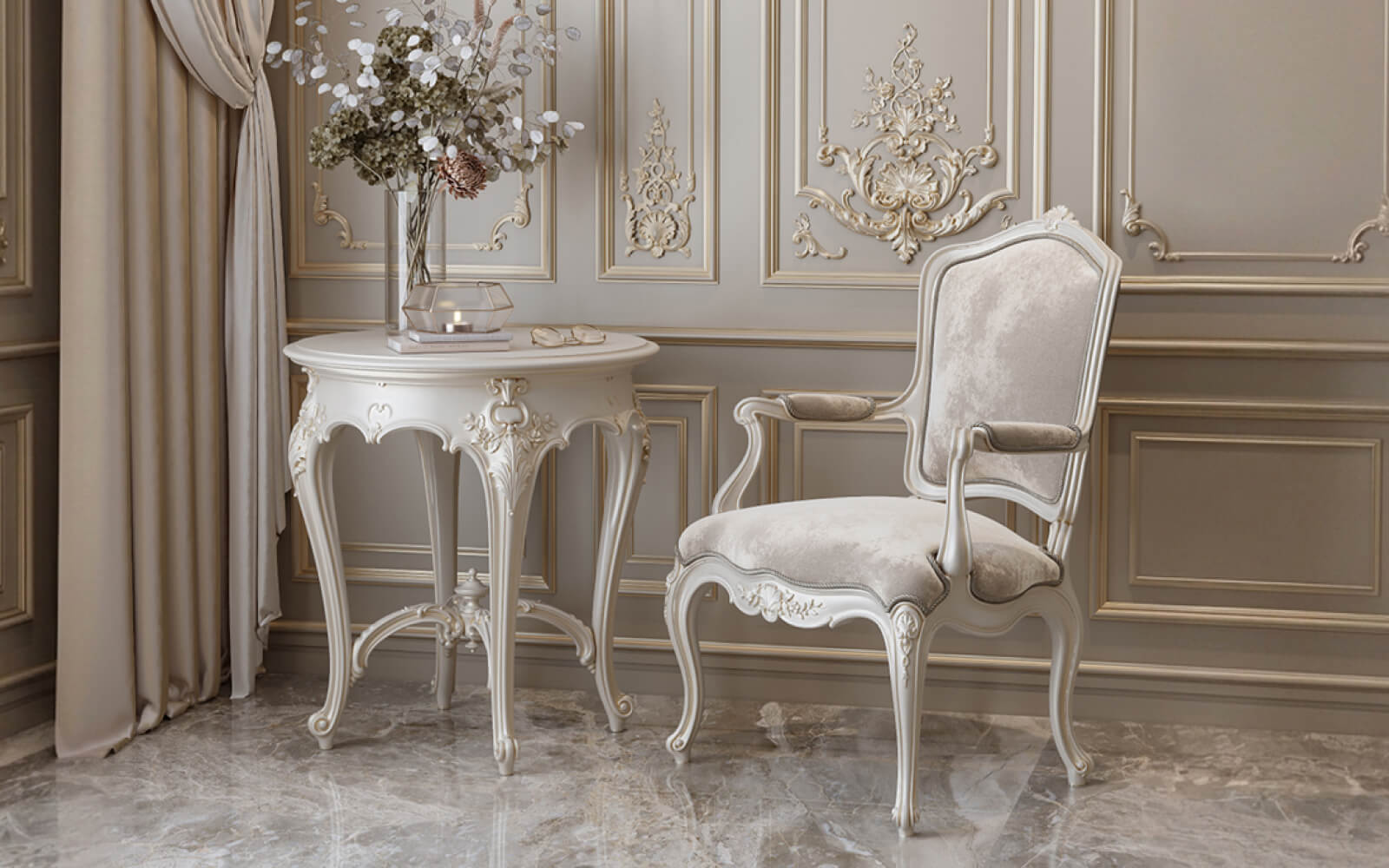
- Classic: rich relief and symmetry
- Neoclassical: conciseness without losing structure
- Modern classics: only lines
- Baroque and Empire style: maximum detailing
- Minimalism: decor as a hidden technique
- How to choose the size of moldings and overlays for facades
- Small facade — thin molding
- Tall cabinet — vertical accent
- Wide door — indentation from the edge
- Chest of drawers — decor by drawers, without overload
- Kitchen — simple profile
- Built-in wardrobe — consistency with the room
- What to buy for decorating furniture facades: a complete list
- Table for choosing decor by furniture type
- How to avoid mistakes when buying furniture decor
- Where to buy polyurethane furniture decor
- FAQ: answers to popular questions about furniture facade decor
- Can polyurethane stucco be used for furniture?
- Which moldings are suitable for furniture facades?
- Can polyurethane decor be glued to kitchen facades?
- What to buy for decorating a wardrobe?
- How not to overload furniture with decor?
- Can an old chest of drawers be updated with decor?
- How does polyurethane furniture decor differ from wooden?
- Where to buy polyurethane furniture decor?
- About the Company STAVROS
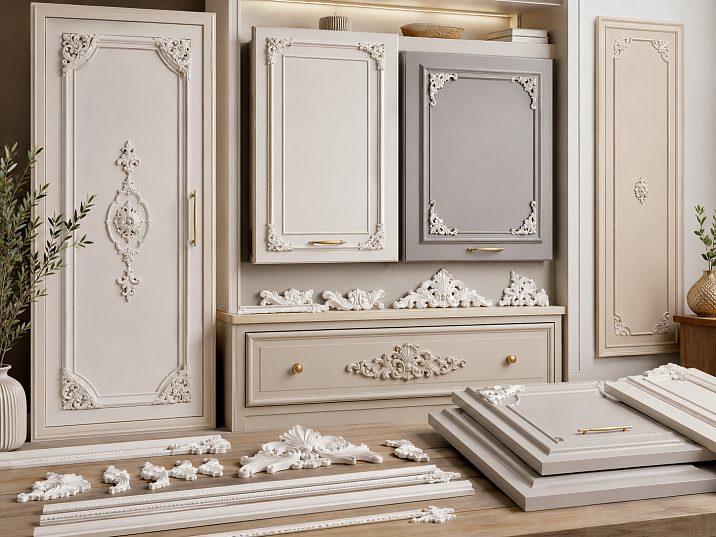
This is not a defect of the furniture. It is a defect of the surface: a smooth, flat facade without architectural relief is perceived as neutral, anonymous. It does not work for the interior — it simply exists in it. And Moldings for polyurethane furniture, this is exactly the tool that radically changes the situation. Not by rebuilding, not by replacing the body, not by repair. But with moldings, overlays, corner elements, and decorative details that turn a plane into architecture.
This article is a detailed navigator: what exactly to buy, for which furniture, in which style, at what scale. And — most importantly — how to avoid mistakes when purchasing.




When furniture facades need decor
The query 'how to update furniture without replacement' is one of the most popular in the category of interior improvements. And this is no coincidence: often furniture is physically sound but visually outdated, or simply does not fit into a new design project.
Let's break down specific situations in which polyurethane furniture decor becomes not a desire, but a practical necessity.




The cabinet looks too flat
Mass-produced cabinets — especially in the budget and mid-range segments — have completely flat fronts without any profiles or reliefs. Against a wall with moldings, cornices, or even just textured wallpaper, such a cabinet stands out from the interior. Adding moldings around the perimeter of each door creates a frame effect that visually integrates the furniture into the surrounding space.
Our factory also produces:
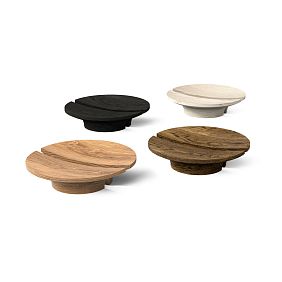


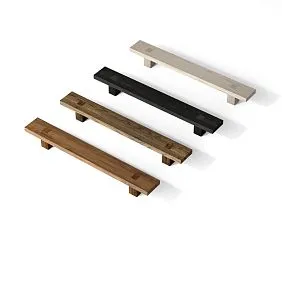

The kitchen looks cheap due to smooth fronts
A kitchen set without detailing is a cold monolith. Moldings on kitchen fronts are one of the most affordable ways to add a classic or neoclassical character without replacing the entire kitchen. Even a thin frame profile around the perimeter of each front visually elevates the set's class.
Get Consultation
The dresser or cabinet doesn't fit into the classic interior
The interior is being redesigned in a classic or neoclassical style, but the dresser remains from the previous renovation — with flat drawers and no detailing. Overlays around the perimeter of the drawers, decorative inserts, and repainting in a single color — and the dresser becomes an organic part of the new interior.
The built-in wardrobe needs to be connected to the wall
Built-in furniture is a special case. The wardrobe occupies a niche from floor to ceiling, but the boundary between the wall and the front remains rigid and artificial. Moldings, a cornice at the top, a baseboard at the bottom — and the wardrobe ceases to be perceived as an inserted object, becoming part of the room's architecture.
Furniture for painting requires a system
Furniture that is painted entirely — the body and fronts in a single color — especially benefits from decoration. On a painted flat surface, the relief of moldings and overlays creates a play of shadows that makes the surface lively and voluminous.
What elements can be used for furniture facades
decoration for polyurethane furniture — this is not one category, but several. Different elements perform different tasks, and the right choice starts with understanding what exactly is needed for a specific task.
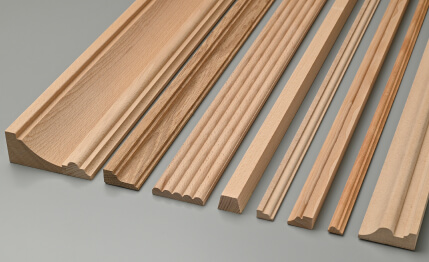
Moldings are linear profiles used to create framed compositions, zone walls, and frame openings. They come in various widths (from 20 to 150 mm) and relief complexity — from smooth to richly decorated.
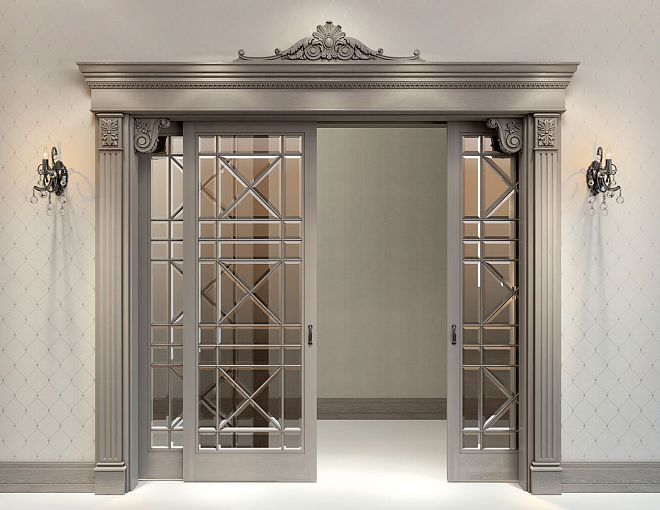
Moldings made of polyurethane — a basic element of furniture decor. This is a linear profile from which frames on facades are assembled: along the perimeter of each door, around mirror inserts, along the top or bottom edge of the facade.
For furniture use, moldings should be thin or medium in profile. A too massive molding on a small cabinet door or kitchen facade will look out of place — like an architectural element accidentally glued to the furniture. The optimal width for most furniture tasks is from 20 to 60 mm.
Molding creates a frame geometry on the facade. The frame turns a smooth surface into an architectural plane with an inner field and an outer border. This principle is the basis of classic furniture design: cabinets, sideboards, "old school" kitchens — all are built on a frame system.
Decorative appliqués
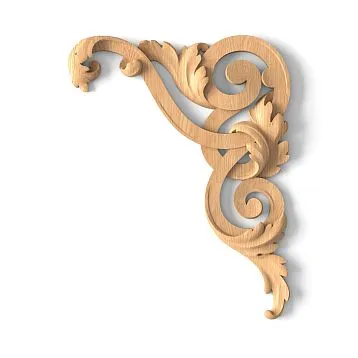
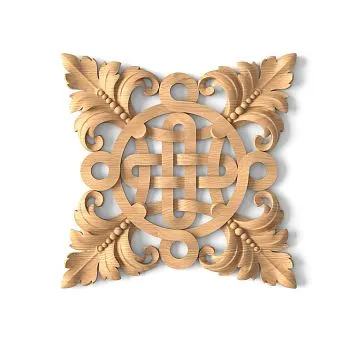
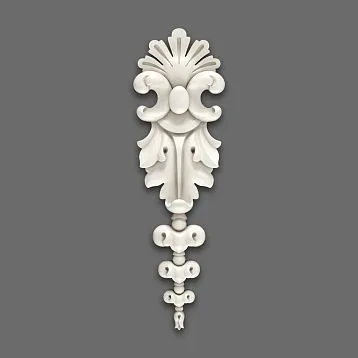
Polyurethane decorative appliques — individual ornamental elements that are glued to the facade surface. They can be:
-
Central — in the middle of the facade frame, as an accent ornament
-
Corner — at the intersection points of moldings instead of complex 45° miter cuts
-
Vertical inserts — between frames or along the central axis of the facade
-
Top accents — along the top edge of the facade or body
Overlays work especially well in combination with molding frames: the molding sets the geometry, the overlay enriches it with ornament. For classic and baroque styles, a central overlay with a floral motif is a mandatory element. For neoclassical and modern classic styles, a more restrained geometric ornament is used.
Decor for moldings: corner blocks and inserts
A special category is Decor for Molding: corner blocks, decorative inserts, and transition elements. Their task is to solve the problem of corner joints in frames.
When assembling a molding frame by hand, corners are cut at 45° — this requires precision and a special tool. A ready-made corner block is installed at the junction of two moldings and covers the corner without any cutting. The result is a neat, geometrically precise frame corner.
This is especially important for DIY installation. Without a special miter box or miter saw, precise 45° cutting is practically impossible. Corner blocks from molding decor completely solve this problem.
Rosettes and small stucco elements
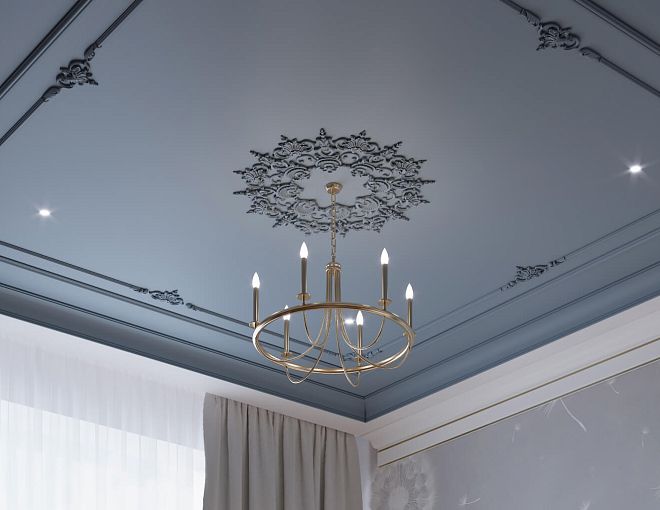
Small-diameter ceiling rosettes can be used on furniture as central decorative accents. They look especially impressive on buffet fronts, display cabinet doors, and decorative panels of built-in wardrobes. A small rosette in the center of a frame creates a classic accent and adds decorative weight to the facade.
What furniture is polyurethane furniture decor suitable for
Wardrobe: frames, cornice, and vertical rhythm
A wardrobe is the most "grateful" piece of furniture for decoration. Vertical doors provide enough space for molding frames, and this is where polyurethane decor works most effectively.
Frames on doors. A classic solution: molding along the perimeter of each door with an indent of 30–50 mm from the edge. For a two-door wardrobe, this means two frames. For a three-section sliding wardrobe, three frames. Frames can be single (one molding around the perimeter) or double (two moldings with a small gap between them).
Top cornice. A horizontal molding or cornice along the top of the wardrobe is an element that visually "completes" the furniture from above and creates a transition to the ceiling. In tall wardrobes placed flush against the ceiling, the cornice can become a connecting element between the furniture and the room's ceiling decor.
Vertical moldings. Vertical profiles along the central axis of the door or between sections is a technique that adds vertical rhythm to the wardrobe and makes it visually taller.
Decor around mirror inserts. If the wardrobe has a mirror, molding around its perimeter turns a functional element into a decorative accent.
Central overlays. An ornamental overlay in the center of the frame adds a classic motif to the door. For a bedroom in a neoclassical style, this is an excellent solution.
Kitchen facades: delicacy and durability
The kitchen is an area of high demands. Humidity, grease, intensive cleaning, proximity to the stove — all this must be considered when choosing and installing decor for kitchen facades.
What is possible. Polyurethane moldings on kitchen facades work well — provided they are properly painted. Polyurethane itself is moisture-resistant and does not absorb water. It is important to apply a high-quality finish: matte or semi-matte water-based paint with sufficient hardness and abrasion resistance. Such a coating can withstand regular wet cleaning.
What is not possible. Decorative overlays should not be placed in areas of direct contact with water (around the sink) or directly above the cooking surface. Heat and steam in these areas create an aggressive environment for any adhesive joint.
Optimal decor for the kitchen. Thin moldings (20–35 mm) for simple frames on upper and lower facades. The profile should have minimal horizontal shelves to prevent dirt accumulation. Simple geometry is easier to maintain.
Chest of drawers and nightstand: decor by drawers
A chest of drawers is a special case. Its surface is divided into horizontal sections by drawers, and the decor must account for this.
Drawer overlays. A decorative overlay in the center of each drawer is one of the most effective techniques for a chest of drawers. It accentuates each drawer individually and creates a vertical rhythm.
Moldings along the perimeter of the drawer front. A molding frame around the perimeter of each drawer transforms a flat surface into a classic panel. It is important that the molding does not extend beyond the edge of the drawer, otherwise it will interfere with opening.
Painting in a single color. After installing the decor, the chest of drawers must be painted: all surfaces, moldings, overlays in one color. This creates the effect of a monolithic piece, rather than "glued-on" decor.
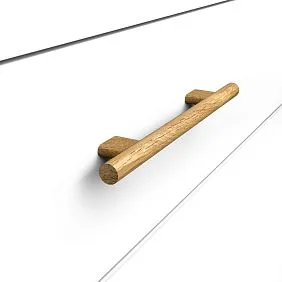
Matching hardware. A chest of drawers with moldings requires appropriate handles. wooden furniture handles In classic or neoclassical design, they organically complement polyurethane decor. Wooden handles painted in the same color as the body work particularly well.
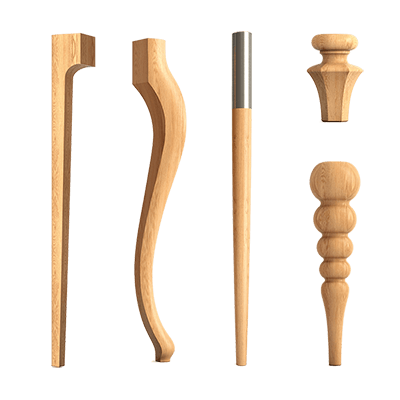
Legs as part of the system. If the chest of drawers has outdated or unsuitable legs, replacement of furniture legs and supports with classic-style turned wooden supports completes the transformation.
Sideboard and display cabinet: classic with a vertical accent
Historically, the sideboard is one of the most decorated pieces of furniture. Vertical lines, glazed doors on the upper section, decorative inserts — this is a classic system where polyurethane decor fits organically.
Vertical moldings. On tall display cabinet doors, a vertical molding along the central axis is not just decor, but a structural element that emphasizes the height and slenderness of the piece.
Glass framing. A molding around the perimeter of a glazed door turns a functional element into a decorative one. It is important that the profile is thin enough: a massive molding around the glass blocks the view of the display cabinet's contents.
Central decorative elements. On the lower solid section of the sideboard — frames made of moldings and a central overlay on each door. This is a classic detailing that gives the sideboard an expensive, refined look.
Top edge decor. A cornice along the top of the sideboard is a mandatory element for classic and neoclassical styles. It completes the piece from above and creates a visual "cap."
Built-in wardrobe: connecting furniture and wall
A built-in wardrobe is a special architectural task. It occupies a niche or an entire wall, and its goal is not just to store things, but to look like part of the interior, not like a separate piece of furniture "squeezed" into the space.
The most effective technique is using moldings and decor that visually unify the wardrobe's surface with the surrounding walls.
Cornice on the top. If the wardrobe does not reach the ceiling, a cornice along the top edge, coordinated with the wall's cornice line, creates a transition between the furniture and the ceiling. If the wardrobe is flush with the ceiling, the cornice covers the gap.
Moldings on facades. Frames on doors that echo the molding frames on the room's walls are a powerful technique for integrating furniture into the interior. The cabinet ceases to be perceived as a separate object.
Baseboard along the bottom. A baseboard profile along the lower edge of the cabinet, coordinated with the wall baseboard, covers the bottom gap and creates a horizontal connection with the floor line.
Decor near the cabinet. Molding frames on adjacent walls on both sides of the built-in cabinet create a unified architectural context. The cabinet becomes part of the system, not a foreign body in the interior.
How to choose decor to match the furniture style
The question of style is not an aesthetic philosophy but a practical task. An incorrectly chosen ornament or scale of decor ruins even technically competent installation. Let's consider specific style solutions.
Classic: rich relief and symmetry
Classic style is rich ornamentation, clear symmetry, detailing at every level. Suitable for classic furniture:
-
Moldings with expressive profile and stepped relief
-
Central overlays with floral or acanthus ornament
-
Corner blocks with decorative motifs
-
Cornice along the top with brackets or modillions
-
Double frames on tall doors
Painting: white, ivory, beige with tinting in the recesses of the ornament — patina. This creates a sense of age and handcrafted piece.
Neoclassicism: conciseness without loss of structure
Neoclassicism is classical principles with significantly reduced density of decor. For neoclassical furniture:
-
Thin moldings (20–35 mm) with a simple profile
-
Single frames without double contour
-
Overlays of minimal size or their absence
-
Corner blocks of simple geometric shape
-
Cornice along the top without excessive relief
Painting: white, gray-white, gray-green, restrained blue. Without patina or tinting.
Modern classic: only lines
Modern classic is structure without ornament. Molding here works not as decoration, but as an architectural element defining the geometry of the surface.
-
Thinnest moldings — from 15 to 25 mm
-
Only straight profiles, no relief
-
No ornamental overlays
-
Frames as pure geometry
-
Painting in the color of the walls or in a single neutral color
Baroque and Empire: maximum detailing
For Baroque and Empire styles, decor should be rich, ornamental, and multi-layered.
-
Wide moldings with a developed multi-step profile
-
Large central overlays with floral and acanthus motifs
-
Corner blocks with decorative inserts
-
Upper facade decoration with cornice and modillions
-
Additional ornamental elements within the frame field
Painting: white with gilding, milky with tinting, champagne with patina in recesses.
Minimalism: decor as a hidden technique
Using stucco decor in a minimalist interior is a delicate task. Only thin moldings, embedded into the surface or creating a barely noticeable relief, work here. Painting — strictly in the tone of the facade, so that the decor is only visible under side lighting. No ornament, no contrast.
How to choose the size of moldings and overlays for facades
Size is perhaps the most critical decision when selecting furniture decoration made of polyurethaneThere is no intuition here — only proportions.
Small facade — thin molding
For a kitchen facade 500–600 mm high, a molding 40 mm wide is already at the limit of appropriateness. The optimal width is 20–30 mm. A frame made of thin molding should create a framed accent, not take up most of the facade area.
Practical rule: the total width of the molding on both sides of the frame should not exceed 30% of the total facade width. If the door is 400 mm wide — a frame made of 25 mm molding on each side = 50 mm on both sides, that's 12.5% of the width. Correct. Molding 50 mm on each side = 100 mm, that is 25% — already borderline.
Tall cabinet — vertical accent
For tall doors (from 1800 mm), vertical moldings work better than horizontal ones. They emphasize height and create a slender silhouette. Horizontal division of a tall door into several frames is a more complex solution that requires symmetrical calculation.
Wide door — edge offset
For wide facades (from 600 mm), the frame should have a proper offset from the edge. Too small an offset creates a feeling that the molding is "pressing" on the edge. The optimal offset is 30–60 mm from the facade edge to the molding.
Chest of drawers — decor per drawer, without overload
For a chest of drawers, it is important that each drawer gets its own unit of decor, but is not overloaded. One overlay in the center of the drawer or a thin frame around the perimeter is the right solution. Multiple overlays on one drawer is already too much.
Kitchen — simple profile
For kitchen facades, choose moldings with minimal horizontal surfaces. Profiles with deep cornice steps accumulate grease and dust — this is a problem in the kitchen area. A simple rectangular or semicircular profile is the optimal choice.
Built-in wardrobe — consistency with the room
The decor of a built-in wardrobe should be scaled to match the wall decor. If the walls have moldings 40 mm wide — it is logical to use moldings of a similar or slightly smaller profile on the wardrobe. A too thin molding on the wardrobe next to rich wall decor will look alien.
What to buy for decorating furniture facades: a complete list
This is not just a list of items. This is a systematic purchase, where each element is responsible for its own stage — from fixation to the final result.
Decorative elements:
-
Moldings made of polyurethane — linear molding for frames with a 10–15% margin
-
Polyurethane decorative appliques — individually, according to the layout scheme
-
Decor for Molding — corner blocks (4 pieces per frame, if used)
-
Cornice along the top of furniture — for cabinets and sideboards
Hardware:
-
wooden furniture handles — if furniture is updated comprehensively
-
Furniture Legs and Supports — if the lower part of the body is changed
Consumables for installation:
-
Installation adhesive compatible with polyurethane — without aggressive solvents
-
Acrylic sealant — for joints of moldings and areas adjacent to the surface
-
Primer — for preparing the polyurethane surface for painting
-
Paint — acrylic, water-based, with sufficient coating hardness
Tools and auxiliary materials:
-
Painter's tape — for protecting adjacent surfaces during painting
-
Rubber spatula — for smoothing sealant in joints
-
Rag — for immediate removal of excess glue before it sets
-
Level and tape measure — for precise marking before installation
Decor selection table by furniture type
| Furniture | What to buy | Style accent |
|---|---|---|
| Cabinet | Moldings for frames, overlays, top cornice | Classic, neoclassic |
| Kitchen | Thin moldings, simple frames, durable coating | Neoclassicism, modern classic |
| Commode | Drawer overlays, perimeter moldings, handles | Classic, neoclassical, baroque |
| Buffet | Moldings, overlays, cornice, decor around glass | Classic, Provence |
| Built-in wardrobe | Moldings on facades, cornice, baseboard | Neoclassicism, modern classic |
| Cabinet | Thin overlays, handles, legs | Neoclassicism, modern classic |
How to avoid mistakes when buying furniture decor
Mistakes in furniture decor are fixable but nerve-wracking. A scale mistake means re-gluing. A painting mistake means repainting. A design mistake is doubly frustrating. Let's break down the most common blunders.
Choosing decor that is too large for a small door. A molding that looks appropriate on a tall cabinet will turn into a monumental frame around a postage stamp on a kitchen wall cabinet door. Always match the element's size to the facade area.
Mixing different patterns. An acanthus overlay with a baroque floral pattern and a geometric art deco molding on the same facade is not eclecticism. It's a visual conflict. All elements of one piece must come from the same style system.
Buying moldings without a layout diagram. Without preliminary calculation, it's impossible to determine the exact footage. Draw a diagram of each facade with frame dimensions and calculate the linear footage — only then determine the number of strips.
Not accounting for handles. If a handle is located in the molding frame area, the decor and hardware will interfere with each other. The handle should either be inside the frame or placed outside its boundaries. Plan handle placement before installing moldings.
Forgetting about the facade thickness. Molding adds a few millimeters to the facade surface. If the cabinet has tightly fitting doors or adjacent doors open in the same direction, check whether the molding will obstruct the opening of the neighboring door.
Gluing decor without a dry fit. Before final installation, always arrange the elements on the surface without glue. Assess symmetry, scale correctness, and placement relative to handles. Only after visual approval — glue.
Not accounting for painting. Unpainted polyurethane decor on a painted facade is a white element on a colored surface. Painting is a mandatory step. Include it in your work plan and supplies.
Using overly rich decor in the kitchen. In the kitchen, minimalism is practicality. Complex ornamentation with deep relief in the kitchen area means difficult maintenance. Simple profiles are the right choice.
Buying elements without a reserve. A 10% reserve of linear molding is the minimum. For complex layouts with corner joints — 12–15%. Reordering a single strip delays installation.
Where to buy polyurethane furniture decor
Before purchasing, draw a diagram of the facades: mark the location of frames, overlays, corner elements, and handles. Calculate the linear footage of moldings and add a 10–15% reserve. Determine the number of piece elements. After that, go to the catalog and select decor from one style line.
In the STAVROS catalog you can find and buy polyurethane furniture decor for any style: classic, neoclassical, modern classic, and furniture for painting. All necessary categories are collected here in one place: Moldings made of polyurethane, Polyurethane decorative appliques, Decor for Molding, wooden furniture handles и furniture legs — everything in one order, with clear sizes and photographs.
Assemble a complete set and transform your furniture — without replacing cabinets, without major renovations, but with a professional architectural result.
FAQ: answers to popular questions about furniture facade decor
Can polyurethane molding be used for furniture?
Yes, polyurethane decor is great for furniture facades. The material is lightweight, easy to paint, does not absorb moisture, and adheres reliably with glue. It is important to choose the right scale of the element, compatible polyurethane mounting adhesive, and apply a final paint coat.
Which moldings are suitable for furniture facades?
For furniture, choose thin and medium moldings with a width of 20–60 mm. The profile should be proportional to the facade area: the smaller the door, the thinner the molding. For kitchen facades, use simple profiles without complex relief.
Can polyurethane decor be glued to kitchen facades?
Yes, under certain conditions: moldings should not be installed in areas of direct contact with water or directly above the stove. For the kitchen, a durable final coating that withstands regular wet cleaning is essential.
What to buy for decorating a wardrobe?
For a wardrobe, you need moldings for frames on doors, decorative overlays, corner blocks, a top cornice (optional), glue, sealant, primer, and paint. For a complete update, add handles in a matching style.
How to avoid overloading furniture with decor?
Maintain scale: molding width should not exceed 15–20% of the facade width. Use one decor style throughout the furniture. Do not place more than one central overlay per facade. For kitchens and built-in wardrobes, use minimal ornamentation.
Can an old chest of drawers be updated with decor?
Yes, this is one of the best ways to transform it without replacing the body. Overlays on drawers, moldings around the perimeter, replacing handles, and repainting in a single color turn an old chest of drawers into a classic-style piece.
How does polyurethane furniture decor differ from wooden decor?
Polyurethane decor is lighter, moisture-resistant, does not deform with humidity changes, and paints well. Solid wood decor has a natural texture but requires more careful handling with humidity. Both materials are compatible with proper installation and painting.
Where can I buy polyurethane furniture decor?
Full range polyurethane products for furniture — moldings, overlays, decorative elements — is presented in the STAVROS catalog with exact dimensions and photos. There you can also select solid wood furniture handles and legs for a comprehensive update.
About the company STAVROS
Furniture is not just about storage and function. It is part of the interior that either works for the overall look of the room or simply takes up space. Decorative moldings, overlays, and stucco elements made of polyurethane are a way to make furniture work: visually, stylistically, architecturally.
STAVROS — a catalog of decorative stucco and furniture decor made of polyurethane, as well as fittings from natural solid wood. The assortment includes everything for comprehensive furniture decoration: from linear moldings and ornamental overlays to wooden handles and turned legs. Clear dimensions, photos in completed projects, the ability to select a decor system in a unified style line.
If you decide to update a wardrobe, transform a chest of drawers, design built-in furniture, or give kitchen fronts a classic character — start with the STAVROS catalog. Select decor, calculate the set, add a spare — and get a result that speaks for itself.