Article Contents:
- Why you can't start installing slatted panels with just any glue
- When slats can be glued and when a different fastening method is needed
- Smooth painted wall
- Concrete base
- Drywall
- Base with wallpaper
- Curved surfaces and columns
- Construction adhesive for lightweight decorative elements
- High initial tack adhesive
- When you need a transparent adhesive
- When white hybrid adhesive is better
- KUDO HIGH TACK for high initial tack
- TYTAN Prof. Classic Fix for universal installation
- What to consider: panel weight, substrate, contact area
- Why you shouldn't choose adhesive by price alone
- PAN-001 — fabric-backed slat panel
- PAN-005 — slatted panel with triangular profile
- PAN-007 — large vertical relief 23×8 mm
- OPAN-001 — compact module for walls and furniture fronts
- Need to glue slats on an accent wall in the living room
- Need to design an entryway
- Need to install slats on a column
- Need to design a furniture facade
- Need to create a commercial accent zone
- Choosing glue only by the word 'for wood'
- Gluing onto wallpaper without checking
- Not cleaning concrete from dust
- Not considering the weight of the panel
- Saving on initial fixation
- Not doing a test fit before gluing
- Confusing clear and white glue
- How to glue wooden slats to a wall?
- Which glue to buy for wooden slats?
- Can slatted panels be glued to concrete?
- Can wooden slats be glued to wallpaper?
- What to choose: KUDO HIGH TACK or TYTAN Prof. Classic Fix?
- Is additional mechanical fastening of slats required?
- How to prepare the wall before installing slatted panels?
- Where to buy glue for wood and slatted panels?
- Can slatted panels be installed on drywall?
- How to know if the surface is not suitable for glue?
- How does a slat panel differ from individual slats?
- Can the same glue be used for walls and furniture facades?
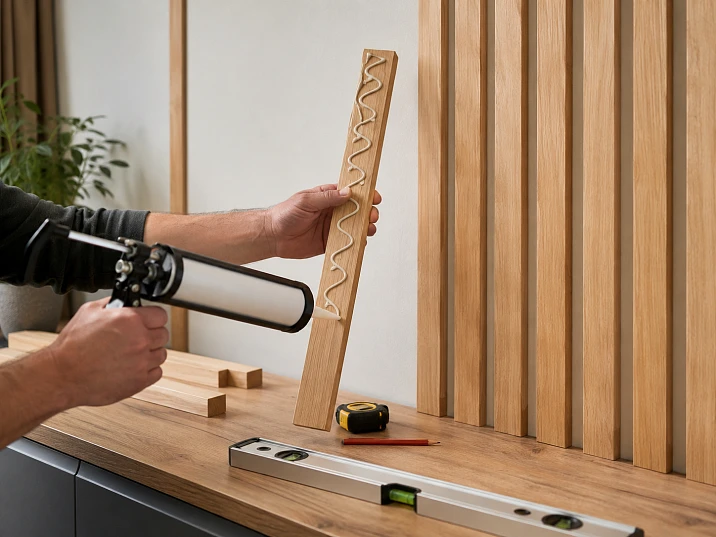
What to use to glue wooden slats to the wall is a question that arises almost immediately after choosing a slat panel. The buyer already knows where the accent zone will be: behind the TV, in the hallway, on a column, in the corridor, on a furniture facade, or in a commercial interior. But then the practical part begins: what base to attach the slats to, what glue to buy for wood, can you glue to concrete, what to do with a painted wall, will the installation withstand vertical load, and will the panels come off after a few weeks.
Slat panels are beautiful precisely when mounted evenly, tightly, and without random gaps. Even expensive material can be ruined by the wrong glue or an unprepared wall. If the base is dusty, the wallpaper holds poorly, the paint is peeling, and the glue is chosen only by price, the slats may come off along with the top layer of finish. Therefore, installation begins not with a tube of glue, but with an assessment of the wall, the weight of the panel, the contact area, and the conditions in the room.
At STAVROS, you can pre-select not only buy STAVROS slat panels for a wall, column, or furniture accent, but also installation materials. For vertical fastening, compounds with good initial grip are especially important because the panel needs to be held immediately after pressing it against the wall. Therefore, in the article, we will analyze what to use to glue wooden slats to the wall, when KUDO HIGH TACK glue is suitable, where transparent TYTAN Prof. Classic Fix is convenient, and what mistakes most often lead to problems during installation.
The main idea is simple: a slat panel is not just a separate wooden slat. It is a decorative module that must work in the interior for a long time, evenly and neatly. Therefore, it is better to buy wood glue not "any kind," but for a specific task: the panel material, wall type, weight, gluing area, visible or hidden seam, room humidity, and future finishing.

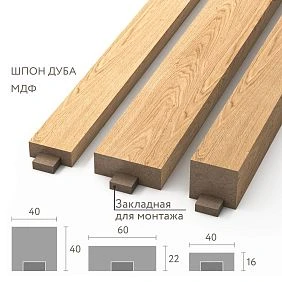
Why installing slat panels cannot start with just any glue
Wooden slats and slat panels often seem like lightweight decorative elements. In photos, they look simple: applied to the wall, pressed, and you get a beautiful vertical relief. But in practice, the panel works on a vertical surface, meaning the glue must not only bond the materials after drying but also hold the element in the first minutes of installation.
If the compound does not provide sufficient initial adhesion, the panel may slide, come off at the edges, or require complex temporary support. If the glue is poorly compatible with the base, it may stick to the slat but not to the wall. If the base is not cleaned, the installation will hold onto dust, weak paint, or an old layer of finish, not the wall.
Therefore, the question "which wood glue to buy" cannot be separated from the question "where exactly are we gluing." A painted wall, concrete, drywall, a column, a furniture facade, and a surface with wallpaper all require different assessments. Sometimes mounting glue works well. Sometimes the base needs to be reinforced first. Sometimes it is better to combine glue with mechanical fastening. And sometimes it is better to avoid gluing until the wall is prepared.




When slats can be glued, and when a different fastening method is needed
Glue works well where there is a strong, clean, and stable base. The slat panel must adhere to the surface with sufficient area, and the wall must withstand not only the weight of the decorative element but also the internal stress of the material. If the base is weak, no quality glue will save the installation: it will hold onto the top layer, which itself will come off the wall.
Our factory also produces:
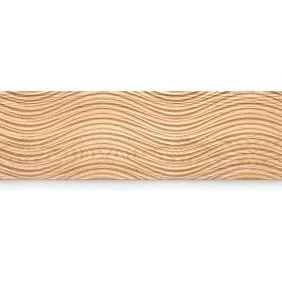
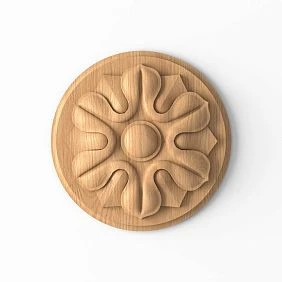
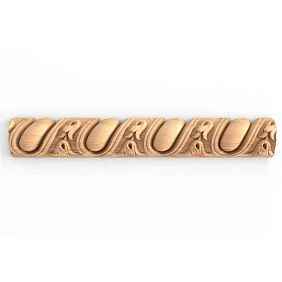
Smooth painted wall
A painted wall often seems like a convenient base for installation. It is smooth, understandable, without a loose layer, and looks good in the interior. But before gluing, you need to check how firmly the paint holds. If the layer is old, peeling, bubbling, or leaves marks with light mechanical impact, gluing slats directly on top is risky.
A good base should be dry, clean, and strong. The surface needs to be cleaned of dust, greasy marks, construction dirt, and weak areas. If the paint is glossy, too smooth, or has poor adhesion to the glue, it may need to be slightly prepared according to the technology chosen by the craftsman. For the buyer, the main takeaway is this: the glue does not hold an abstract wall, but a specific top layer. If this layer is weak, the panel may come off with it.
Get Consultation
Concrete base
Concrete seems durable, but it has its own problem: dustiness and absorbency. If you glue wooden slats to concrete without preparation, the compound may perform worse than expected. The surface needs to be dust-free, checked for crumbling, and if necessary, prepared with a primer or another method suitable for the chosen adhesive and installation conditions.
When a customer asks what to use to glue wooden slats to concrete, it's important for them to understand: the concrete must be not just hard, but ready for bonding. You cannot glue over cement dust, loose putty, remnants of old mortar, or damp areas. For vertical installation on a dense base, you can consider KUDO HIGH TACK adhesive for mounting slats, but before starting work, you should still check the application conditions in the product card and evaluate the base.
Drywall
Drywall is convenient for interior decorative areas: it is often used in TV zones, niches, partitions, dressing rooms, salons, and showrooms. But the strength of the installation depends not only on the sheet, but on its preparation, the finish layer, putty, paint, and the overall condition of the structure.
If the drywall wall is level, dry, well-puttied, and painted with a durable compound, gluing slatted panels can be a convenient solution. But if the structure vibrates, the sheets are poorly secured, the finish layer is weak, or the panel has noticeable weight, additional fastening should be discussed. The adhesive should not compensate for base errors.
Base with wallpaper
Installing wooden slats on wallpaper is one of the riskiest scenarios. Even if the adhesive holds well to the paper or non-woven layer, the wallpaper itself may peel off the wall. As a result, the slats will come off not because the adhesive is bad, but because the base turned out to be weak.
If you need to create an accent wall with slatted panels, it's better to decide in advance whether the area will be stripped of wallpaper. This is especially important for heavy panels, vertical relief, and areas where contact with hands, bags, furniture, or cleaning equipment is possible. In decorative renovations, there's often a desire to save time and glue over the old finish, but it's this step that later leads to rework.
Curved surfaces and columns
STAVROS slatted panels are used not only on flat walls but also for columns, curved surfaces, and complex interior areas. Here, the adhesive works under more challenging conditions: the panel must conform to the shape of the base, and the material stress may be higher than on a flat wall.
For such areas, it's especially important to check the panel's flexibility, contact area, surface preparation, and temporary fixation method. If the slats are mounted on a column, the panel edge should not protrude. If the surface is curved, the adhesive must hold the element evenly across the entire contact area. In complex cases, it's better to coordinate installation with a specialist in advance rather than choosing an adhesive based solely on its description.
What to use to glue wooden slats to a wall
For decorative slats and slatted panels, construction adhesives suitable for vertical installation of interior elements are most often considered. But within this category, there are differences: one compound is convenient for high initial adhesion, another for a transparent seam, and a third for universal installation. Therefore, the answer to the question of what to use to glue wooden slats depends on the task.
Construction adhesive for lightweight decorative elements
If the slats are lightweight, the base is level and strong, and the contact area is sufficient, construction adhesive can be a convenient solution. It allows you to avoid visible fasteners, keep the panel surface clean, and quickly assemble a decorative section.
But a lightweight decorative element does not mean 'any.' You need to consider the length, thickness, material, profile shape, and how the panel will behave after installation. The longer the slat and the smaller the contact area with the base, the more demanding the installation. If the panel is assembled into a module, it's important to understand exactly how it fits against the wall.
High initial adhesion adhesive
For vertical installation, initial fixation is often more important than it seems. When the panel is pressed against the wall, it should not immediately slide down or pull away at the edges. A compound with high initial holding strength helps secure the element in its design position and reduces the risk of shifting.
That is why for decorative slats, it is worth looking at KUDO HIGH TACK adhesive for mounting slats. This option is suitable where confident fixation on a vertical surface is important. Before purchasing, you need to check the product card, application conditions, compatible substrates, and application recommendations.
When a transparent adhesive is needed
Transparent adhesive is convenient where a visible seam is possible or the buyer wants to reduce the risk of visual marks. This could be for installing small elements, areas near the edge of a panel, decorative parts, or zones where the color of the adhesive should not stand out.
In such a scenario, you can consider TYTAN Prof. Classic Fix mounting adhesive. The transparent format is convenient when joint neatness is important, but the choice still depends on the substrate, panel weight, and installation conditions.
When white hybrid adhesive is better
White hybrid adhesive is convenient for many interior tasks, especially when the seam is hidden behind the panel or the white color does not affect the appearance. When installing slatted panels on a wall, the compound is usually behind the element, so color may not be the main parameter. Initial fixation, compatibility with the substrate, and strength after curing are more important.
If the panel is mounted vertically and the substrate is dense and prepared, a white high-fixation adhesive may be a more practical choice than a regular universal compound without pronounced holding strength. But before purchasing, you need to check the application conditions in the product card, because the adhesive is chosen based on the task, not the color of the packaging.
What glue to buy for STAVROS slatted panels
Once a buyer has chosen slatted panels, the question "buy wood glue" becomes more specific. A compound is needed to help mount the panel on a wall, column, prepared base, or decorative area. At STAVROS, for this task, you can look at the section what to use to glue wooden slats to the wall, where materials for installation and finishing are collected.
KUDO HIGH TACK for high initial grip
KUDO HIGH TACK should be considered when initial grip on a vertical surface is important. This is especially relevant for installing slats and panels on a wall, where the element needs to be held immediately after pressing. Such glue helps work more neatly: the panel is easier to align, press, and fix without constant shifting.
It is important for the buyer to check not only the glue name but also the application conditions: base, temperature, humidity, application method, fixing time, and compatibility with materials. If installation is on concrete, painted wall, drywall, or another surface, base preparation may differ.
TYTAN Prof. Classic Fix for universal installation
TYTAN Prof. Classic Fix in a transparent version is convenient where the seam may be visible or where the buyer wants a neat universal compound for interior tasks. It should be considered for situations where visual cleanliness is important and there is no need for a white seam.
Transparent glue does not eliminate base preparation. It also requires a strong surface, proper application, and sufficient contact between the panel and the wall. If the base is weak, the transparent compound will not solve the problem. It may hold well to the slat but come off with paint, dust, or wallpaper.
What to consider: panel weight, base, contact area
Choosing an adhesive starts with three parameters: the weight of the element, the type of base, and the contact area. The heavier the panel, the more demanding the installation must be. The smaller the bonding area, the higher the load on the adhesive. The weaker the base, the higher the risk of detachment.
A buyer often only looks at the phrase "for wood," but when installing slats to a wall, the adhesive works between two different surfaces: wood or panel on one side and the wall on the other. Therefore, it's important not only to buy adhesive for wood but also to understand whether it is suitable for the specific wall.
Why you cannot choose an adhesive based solely on price
Saving on adhesive can ruin the entire decorative area. The slatted panel, the craftsman's work, wall preparation, and the final appearance cost more than the difference between a random compound and an adhesive selected for the task. If the panel comes off, you will have to remove the element, clean the wall, buy new material, or redo the installation.
Adhesive is not chosen based on the principle of "what is cheaper," but on what it must do: hold a vertical element, work with a specific base, not spoil the appearance, prevent the panel from slipping, and ensure a neat result. Therefore, before ordering, it is better to open the KUDO and TYTAN product pages, compare the purpose, and choose a compound for your scenario.
Which STAVROS slatted panels can be mounted with adhesive
STAVROS slatted panels are presented as interior solutions for walls, columns, curved surfaces, furniture, and accent areas. They help quickly achieve a textured surface without assembling each slat individually. However, the possibility of mounting with adhesive always depends on the base, weight, contact area, and operating conditions.
PAN-001 — slatted panel on a fabric base
Slat panel PAN-001 suitable for interior accent areas where a neat rhythm of slats and quick module installation are important. The fabric base helps work with the panel as a ready-made decorative fragment, rather than assembling each slat individually.
When choosing an adhesive for PAN-001, you need to assess how well the panel adheres to the base, what contact area is involved in the installation, and how the wall is prepared. If the area is large, it is better to plan the layout and installation sequence in advance to prevent the texture from "drifting" vertically.
PAN-005 — slatted panel with triangular profile
PAN-005 is interesting because the triangular profile creates a more graphic relief. This panel works well in modern interiors, TV zones, hallways, commercial spaces, and decorative walls where an expressive vertical line is needed.
The more active the profile, the more noticeable installation errors become. An uneven line, uneven gap, weak edge fixation, or module displacement will be more visible. Therefore, the adhesive must help hold the panel straight, and the base must be prepared without loose areas.
PAN-007 — large vertical relief 23×8 mm
slatted panel PAN-007 for walls and columns suitable for a more prominent relief. The 23×8 mm format creates an expressive vertical texture that works well on walls, columns, and accent areas of the interior.
Large relief requires careful installation. The panel must fit tightly to the base, and the adhesive must hold it without shifting. If installation is on a column or curved surface, special attention must be paid to assessing the shape of the base and the method of temporary fixation until full curing.
OPAN-001 — compact module for walls and furniture facades
Compact slatted modules are convenient for small areas: furniture facades, decorative inserts, local accents, niches, partitions, and small wall fragments. In such tasks, adhesive is often chosen not only for strength but also for application neatness, to avoid damaging the edge or leaving a visible mark.
If the module is used on furniture, you need to consider not only wall mounting but also the facade material, future load, operating conditions, and finish. For furniture tasks, do not mechanically transfer the rules for mounting on a concrete wall. The base is different, so the approach must be different.
Commercial choice: what to buy for installing slatted panels
To avoid assembling a mounting kit randomly, it's easier to start from the task. First, choose slatted panels for a wall, column, or furniture accent. Then select the adhesive for the base. After that, add finishing materials if natural wood needs protection, highlighting, or preparation for further use.
| Task | What to buy | Why this is needed |
|---|---|---|
| Choose panels for the wall | buy STAVROS slat panels | Select the profile, relief, and format for the interior task. |
| Mount the panel on the wall | KUDO HIGH TACK adhesive for mounting slats | Achieve high initial adhesion on a vertical surface. |
| Need a transparent mounting compound | TYTAN Prof. Classic Fix mounting adhesive | Make installation neater where the seam color may be visible. |
| Buy everything for installation | what to use to glue wooden slats to the wall | View adhesives, oils, brushes, and other materials for installation and finishing. |
| Take a specific panel | Slat panel PAN-001 | Mount a decorative module on an accent wall or interior area. |
| Need a large relief | slatted panel PAN-007 for walls and columns | Decorate a wall, column, or curved interior area. |
What to buy together with glue and slat panels
Installing slat panels is rarely limited to a single purchase. Even if the right glue is chosen, a neat result may require base preparation, marking, tools, finishing materials, and samples. This is especially important when panels are placed on a prominent wall, in a commercial space, or on a column.
First, choose the panel itself. Then, the glue for the base. After that, consider the final protection of the wood if the project involves an open natural texture. For this, you can look at installation and finishing materials, including oils and tools available in the STAVROS section.
| What to add to the purchase | Why this is needed | When it is especially useful |
|---|---|---|
| buy STAVROS slat panels | Assemble an accent wall, column, or decorative area. | When decorating a TV area, hallway, salon, or showroom. |
| KUDO HIGH TACK adhesive for mounting slats | Secure the panel on a vertical base. | When high initial fixation is important. |
| TYTAN Prof. Classic Fix mounting adhesive | Perform careful installation with a transparent compound. | If the seam or edge may be visually noticeable. |
| Brush or finishing tool | Carefully apply oil, protection, or other finishing material. | When working with natural wood texture. |
| Oil or final protection | Emphasize the texture and protect the wood surface. | If the panel remains in a natural finish. |
| Panel sample | Coordinate texture, color, and relief before a large order. | For design projects and commercial interiors. |
How not to confuse glue for mounting slats with similar products
A buyer often enters the query "buy wood glue" and gets many different options: carpenter's glue, mounting glue, polyurethane compound, transparent glue, universal glue, furniture repair compound. But for slats on the wall, not just any wood glue is needed. A compound that works with vertical mounting and a specific base is required.
| What the buyer chooses | What not to confuse it with | Why this is important |
|---|---|---|
| Glue for mounting slats | Carpenter's glue for joining parts | Mounting glue works on the wall, carpenter's glue works on joining wood to wood. |
| Slat panel | Individual slat without base | The panel is already assembled into a module and mounts faster. |
| KUDO HIGH TACK | Regular glue without initial fixation | For vertical installation, initial holding strength is important. |
| TYTAN transparent | White glue | The transparent option is more convenient where the edge or seam may be visible. |
| Installation on wallpaper | Installation on a solid base | Wallpaper may peel off along with the slats, even if the glue is good. |
Practical selection for different situations
Need to glue slats onto an accent wall in the living room
For the living room, a straight vertical line, neat edges, and clean geometry are important. If the panel goes behind the TV or next to upholstered furniture, any misalignments will be noticeable. First, choose the panel profile, then evaluate the wall, and only then select the glue.
For such a task, you can start with the section where available buy STAVROS slat panelsand then select an adhesive suitable for the base. If the wall is painted and sturdy, mounting with adhesive can be convenient. If the surface is weak, it needs to be prepared.
Need to design the hallway
In the hallway, slats often come into contact with people, bags, clothes, and cleaning. Here, not only aesthetics but also the reliability of the fastening is important. If the panel is near the entrance, it may be accidentally bumped. Therefore, a weak base or mounting on wallpaper creates an increased risk.
For the hallway, it is better to choose an adhesive with good fixation and not skimp on wall preparation. If you are unsure which adhesive to buy for wood, compare KUDO HIGH TACK and TYTAN Prof. Classic Fix by their product cards and select a composition for the specific base.
Need to install slats on a column
A column is more complex than a flat wall. The surface may have a radius, and the panel must conform to the shape without protruding edges. Here, it is important to check in advance whether the selected panel is suitable for a curved surface and how temporary fixation will be ensured.
For an expressive relief, you can consider slatted panel PAN-007 for walls and columns. But before installation, you need to assess the base, radius, clamping method, and adhesive. On a column, installation errors are more noticeable than on a flat wall.
Need to design a furniture facade
On a furniture facade, the adhesive works differently than on a wall. The base may be MDF, wood, a painted surface, or other furniture material. The facade opens, closes, receives vibrations, and is touched by hands. Therefore, it is important not just to glue the slats, but to understand whether the fastening will withstand use.
For furniture tasks, it is better to agree in advance on the facade material, the weight of the decorative module, the future finish, and the fixation method. If the slats are large, heavy, or located on a moving part, additional fastening may be needed.
Need to create a commercial accent zone
In a salon, showroom, boutique, or office, a decorative wall works daily. Clients see it, people walk by, and the surface is cleaned more often. Therefore, installation must be especially neat. A mistake with glue in a commercial interior quickly becomes noticeable.
For such projects, it is useful to order a panel sample, approve the relief, check the color, and select installation materials in advance. If the panel will be in an area of active contact, it is better to discuss the fastening with a craftsman and not rely solely on general advice from the internet.
Wall preparation before installation
Even good glue does not work on a poor surface. Before installation, you need to check the wall: for dust, greasy marks, peeling paint, loose putty, damp areas, old wallpaper, or unevenness. The larger the panel and the more active the relief, the more important the preparation.
The wall needs to be cleaned and dried. Unevenness can hinder adhesion, and poor adhesion reduces the contact area. If the panel touches the wall only in separate spots, the load is distributed worse. Therefore, installing slats is not just about choosing glue, but also working with the plane.
Marking is also important. A slatted panel is built on a vertical rhythm, and even a slight misalignment can ruin the entire look. Before gluing, you need to mark the lines, check the level, test-fit the module, and understand how the edges will meet. After applying the glue, there may be less time for corrections than it seems.
Mistakes when choosing glue and installing wooden slats
Choosing glue only by the word "for wood"
Wood glue can be carpenter's, construction, polyurethane, hybrid, transparent, or universal. But wooden slats on a wall are not gluing two wooden parts together. Here, the glue must work between the slat and the wall base. Therefore, you need to look at the composition's purpose, not just the large label on the packaging.
Gluing onto wallpaper without checking
Wallpaper often becomes a weak link. It can hold for years if nothing is glued to it, but may peel off after installing decorative battens. Old wallpaper, poorly glued seams, and areas near wet zones are especially dangerous. It is more reliable to mount on a solid base.
Do not clean concrete from dust
Concrete dust reduces adhesion. If you glue a panel to a dusty layer, the adhesive will hold onto the dust, not the base. Before installation, the concrete must be prepared so that the surface is clean, strong, and suitable for the chosen compound.
Do not consider the weight of the panel
The heavier the decorative element, the more stringent the requirements for the adhesive and base. A small module and a large panel for a wall or column should not be mounted using the same logic. Before purchasing, you need to evaluate the weight, size, contact area, and operating conditions.
Save on initial fixation
For vertical installation, initial fixation helps prevent slipping and shifting. If the adhesive does not hold the element immediately, installation becomes more difficult: you have to use supports, tape, temporary fasteners, and the final line may shift. Therefore, for wall panels, compounds with high initial holding strength are often more convenient.
Do not do a dry fit before gluing
Before applying the adhesive, you need to hold the panel in place, check the level, joints, edges, abutments, and overall appearance. If you immediately apply the adhesive and start installation without a dry fit, you may discover a problem too late: the edge does not match, the socket was not accounted for, the panel hits the baseboard, or the relief deviates from vertical.
Confuse transparent and white adhesive
If the seam may be visible, the color of the glue matters. A transparent compound is convenient where visual neatness is important. White glue is suitable when it remains hidden or does not affect the appearance. But color should not be the only criterion: purpose and compatibility are more important.
Who is suitable for installing slatted panels with glue
Glue installation is suitable for those who are decorating an interior accent zone and want a clean surface without visible fasteners. This is a good scenario for a living room, hallway, bedroom, study, salon, showroom, boutique, reception area, decorative wall, or furniture fragment.
This method is especially convenient when the base is level, strong, and prepared, and the panel has sufficient contact area. The buyer gets a neat appearance, quick installation, and the ability to use ready-made slatted panels instead of installing each slat individually.
Glue installation is not suitable for load-bearing structures, heavy elements without checking the base, damp outdoor areas, loose walls, old wallpaper, peeling paint, and surfaces that themselves hold poorly. In such cases, first solve the base problem, and only then choose the glue.
How to buy glue and slatted panels at STAVROS
It is better to start the purchase with the decorative task. First, you need to understand what exactly is being decorated: a wall, column, niche, furniture facade, TV area, hallway, or commercial interior. Then choose the panel profile: calm, graphic, large, or compact. After that, you can select the glue for the base.
If you need ready-made panels for the interior, open the section buy STAVROS slat panels and compare options by profile, purpose, and visual effect. For wall installation, you can look at KUDO HIGH TACK adhesive for mounting slats, and if a transparent compound is important — TYTAN Prof. Classic Fix mounting adhesive.
When you need to buy wood glue, oils, brushes, and other materials near the panels, it's convenient to go to the general section what to use to glue wooden slats to the wallBefore ordering, you should check the product cards, the base, the size of the area, the number of panels, installation conditions, and the need for finishing.
FAQ
What to use to glue wooden slats to the wall?
For interior installation of wooden slats and slatted panels, construction adhesive suitable for vertical fixing and the specific base is usually chosen. It is important to consider the weight of the panel, the contact area, the type of wall, and initial fixation.
Which glue to buy for wooden slats?
If high initial fixation is needed, consider KUDO HIGH TACK. If a transparent composition is important, you can look at TYTAN Prof. Classic Fix. Before purchasing, you need to check the product card and compatibility with the base.
Can slatted panels be glued to concrete?
Yes, if the concrete is dry, strong, clean, and dust-free. You cannot glue over cement dust, loose putty, damp areas, or a weak layer of finish.
Can wooden slats be glued to wallpaper?
This is a risky option. The wallpaper may peel off along with the slats, even if the glue holds well. For reliable installation, it is better to glue onto a strong, prepared base.
What to choose: KUDO HIGH TACK or TYTAN Prof. Classic Fix?
KUDO HIGH TACK is convenient when high initial adhesion on a vertical surface is important. TYTAN Prof. Classic Fix in a transparent version is useful where the seam color may be visible. The choice depends on the base, panel weight, and task.
Is it necessary to additionally mechanically fasten the slats?
Sometimes yes. If the panel is heavy, the base is complex, the area is actively used, or there is a risk of detachment, additional fastening should be discussed with a specialist. The adhesive should not compensate for a weak wall.
How to prepare the wall before installing slatted panels?
The wall needs to be cleaned of dust, dirt, grease, and weak layers. The paint, putty, wallpaper, and surface evenness should be checked. The better the base is prepared, the more reliable the installation.
Where to buy adhesive for wood and slatted panels?
At STAVROS you can choose slatted panels, KUDO HIGH TACK, TYTAN Prof. Classic Fix, and materials for installation and finishing. It is better to buy panels and adhesive together for a specific task.
Can slatted panels be installed on drywall?
Yes, if the drywall structure is strong, level, and properly prepared. It is important to assess the finish layer, panel weight, and operating conditions.
How to understand that the base is not suitable for glue?
If the wall is dusty, crumbling, damp, covered with weak wallpaper, or the paint is peeling, you cannot glue the slats without preparation. First, you need to strengthen or clean the base.
How does a slatted panel differ from individual slats?
A slatted panel is already assembled into a decorative module. It is easier to mark and install than each slat individually. This helps to achieve an even relief faster and reduces the risk of uneven gaps.
Can the same glue be used for a wall and a furniture facade?
Not always. A wall and a furniture facade are different bases with different operating conditions. Before installation, you need to check the facade material, load, part movement, and glue recommendations.
Conclusion: the right glue starts with the right task
To understand how to glue wooden slats to a wall, you need to look not only at the glue but at the entire installation situation: which panel is chosen, what the base is, how level the wall is, whether there is wallpaper, the weight of the decorative element, whether the seam will be visible, and whether high initial adhesion is needed.
For STAVROS slatted panels, you can select not only a decorative profile but also installation materials. If you need an accent wall, column, TV area, hallway, or commercial interior, first choose the panel, then check the base, and only then decide which glue to buy for wood.
You can view on STAVROS buy STAVROS slat panels, choose KUDO HIGH TACK adhesive for mounting slats, compare it with TYTAN Prof. Classic Fix mounting adhesive and assemble a kit for neat installation. This approach helps not just to glue the slats, but to create a decorative surface that will look even, clean, and confident in the finished interior.