




























































Article Contents:
- What is openwork polyurethane molding
- Where to use openwork molding: seven scenarios
- On Furniture Facades
- On door and window openings
- On arches
- On ceiling beams
- In niches and wall panels
- On fireplaces and fireplace portals
- On ceiling frames and medallions
- How to choose the size and configuration of the molding
- How to choose the ornament style
- What to pair with openwork molding
- Calculating the amount of molding: a precise algorithm
- Installing openwork molding: a step-by-step guide
- Mistakes in selection and installation
- About the Company STAVROS
- Answers to popular questions
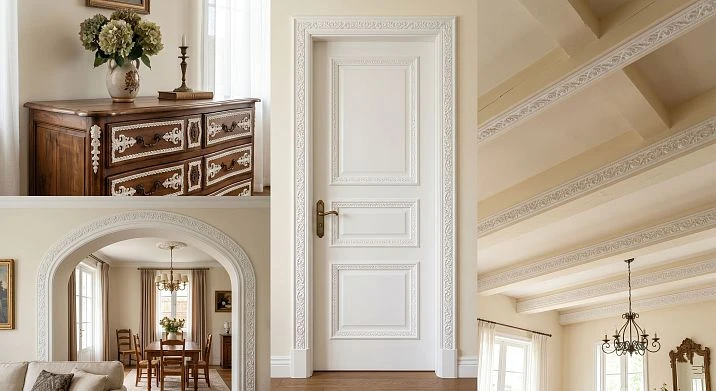
There is a category of decor that is thought about last — and in vain. Openwork polyurethane molding — this is not a large rosette, not a powerful cornice, and not a heavy molding. It is a thin ornamental strip that works where what is needed is not an architectural accent, but a light decorative flourish. It is glued to the edge of a furniture facade, along a door frame, along the contour of an arch, on a ceiling beam, deep in a niche — everywhere where a delicate detail is needed, not a monumental statement.
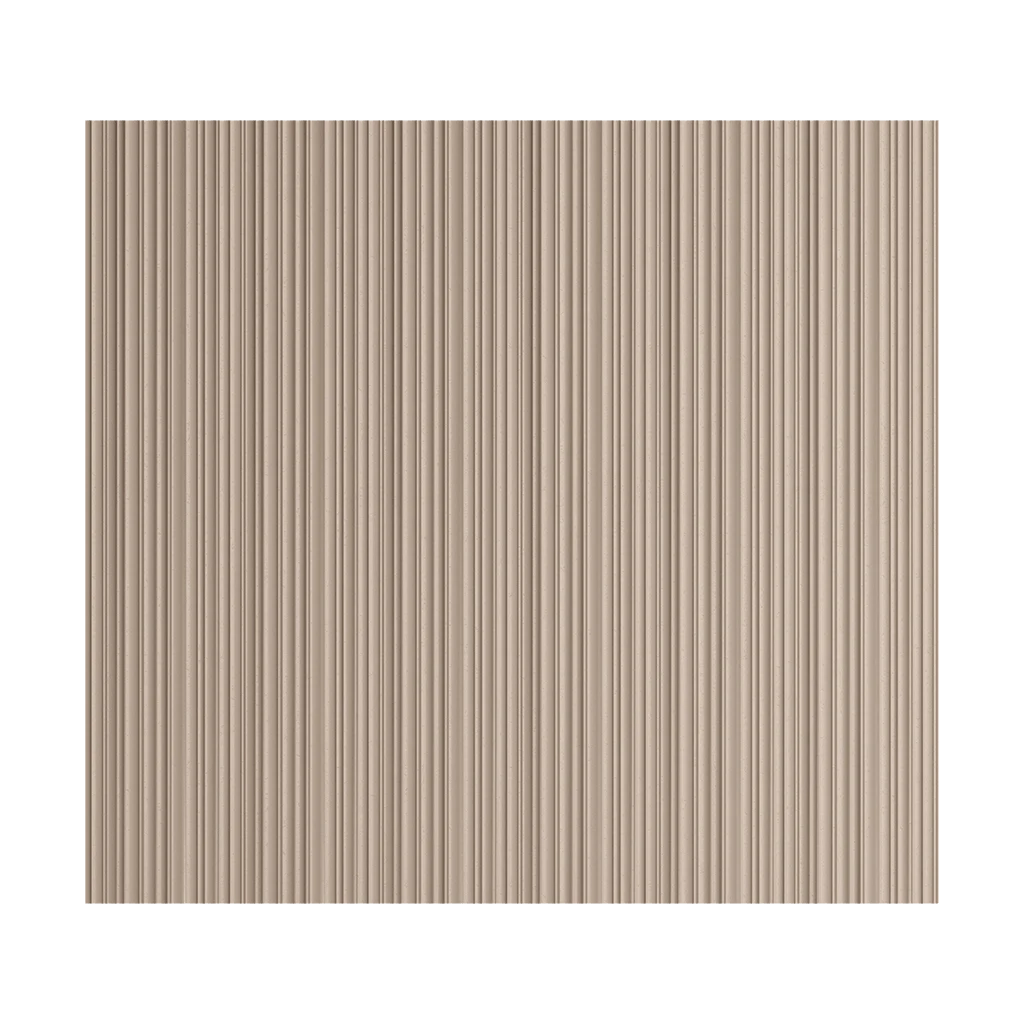
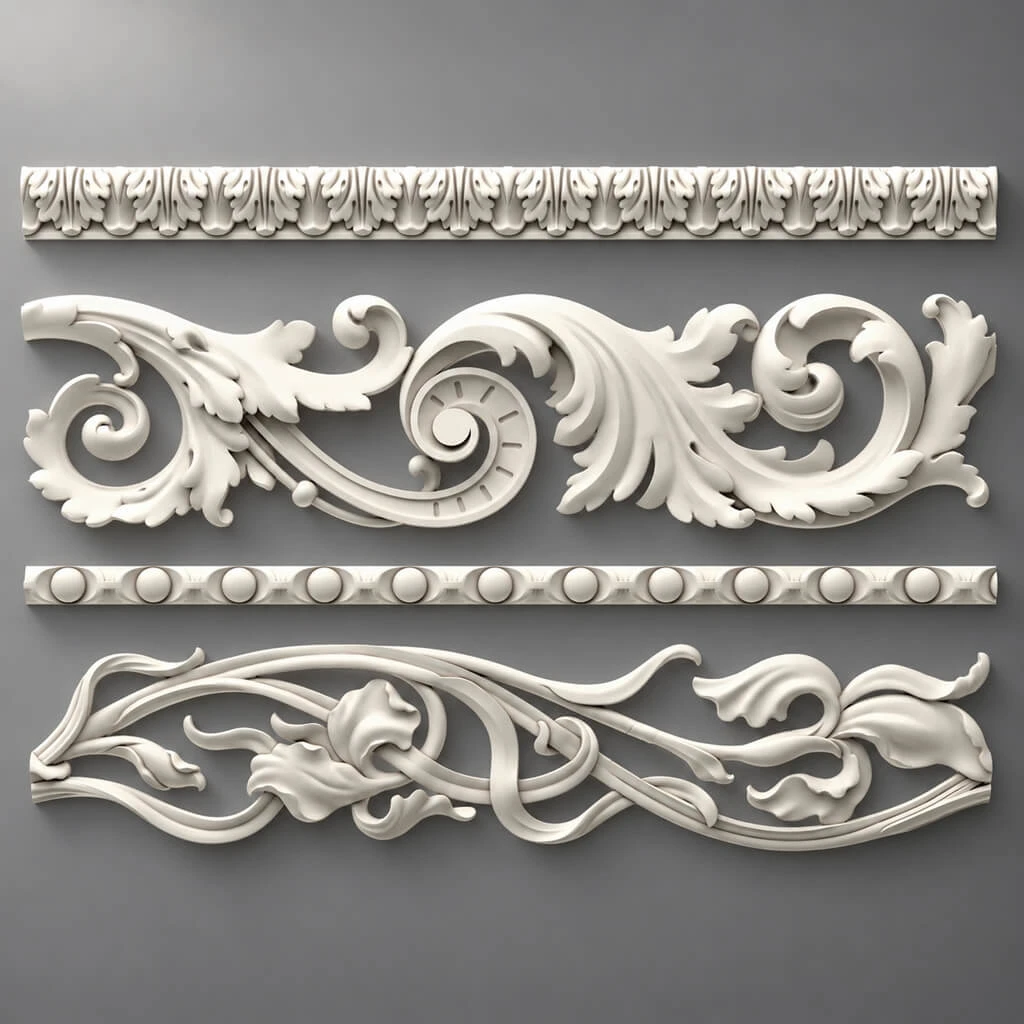
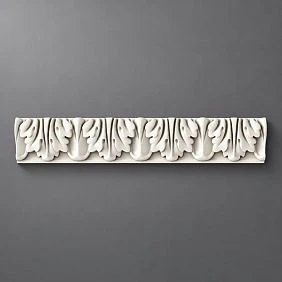
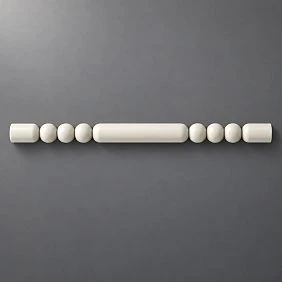
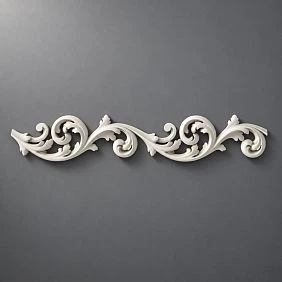
Decorative molding KPU-119 — 40 × 2000 × 7 mm is a good example of how much a small product can do. Width 40 mm, relief thickness 7 mm, length 2000 mm. Openwork pattern, white matte surface ready for painting, European-made polyurethane with moisture resistance confirmed by material characteristics. Small format, but a huge range of applications. This article provides a detailed breakdown of what polyurethane molding is, where to use it, how to choose the size and pattern, how to calculate the quantity, how to install it, and what to pair it with.
What is openwork polyurethane molding
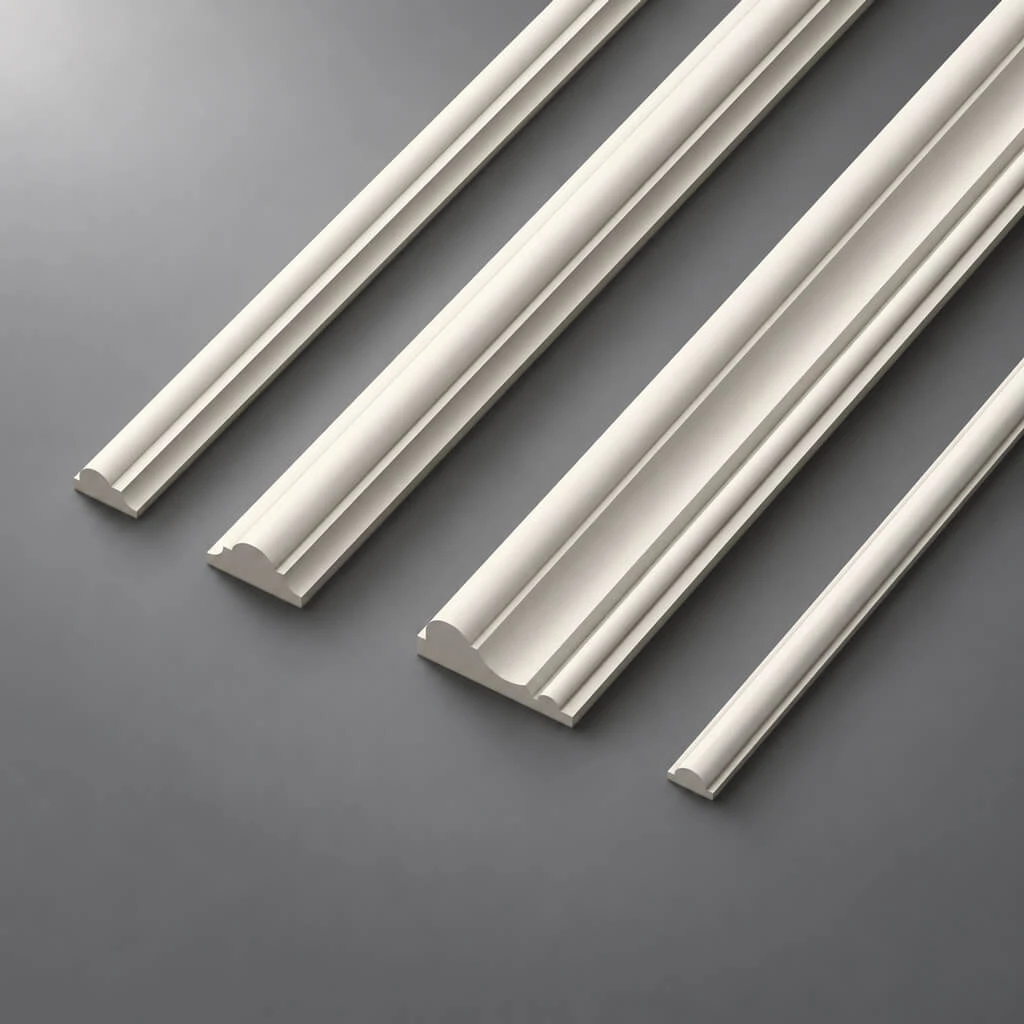
Pogonage is a term from professional vocabulary. It refers to a profiled or ornamental element used along the length: along an edge, contour, perimeter, or joint. Derived from the word "linear" — that which is measured in linear meters.
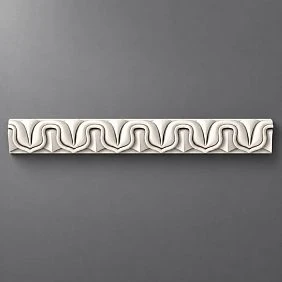
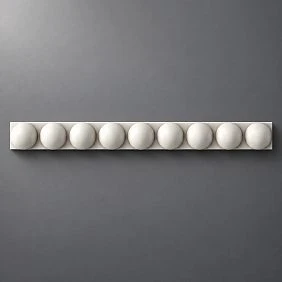
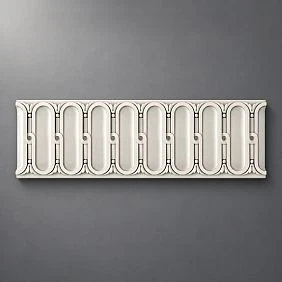
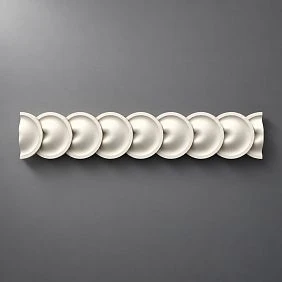
Openwork pogonage is a special case. Here, the key point is that the strip does not just create a line (like a molding), but carries an ornament: a plant curl, geometric weaving, a light classical pattern. This ornament is not a dense relief with high peaks and deep valleys, but an elegant openwork work: thin bridges, open openings, a see-through pattern.
It is important to understand the fundamental difference between openwork pogonage and other types of decor:
| Element | Main task |
|---|---|
| Openwork pogonage | Thin ornamental strip, delicate accent |
| Molding | Profile line or frame system |
| Frieze | Horizontal decorative belt of larger scale |
| PU overlay | Separate accent volumetric element |
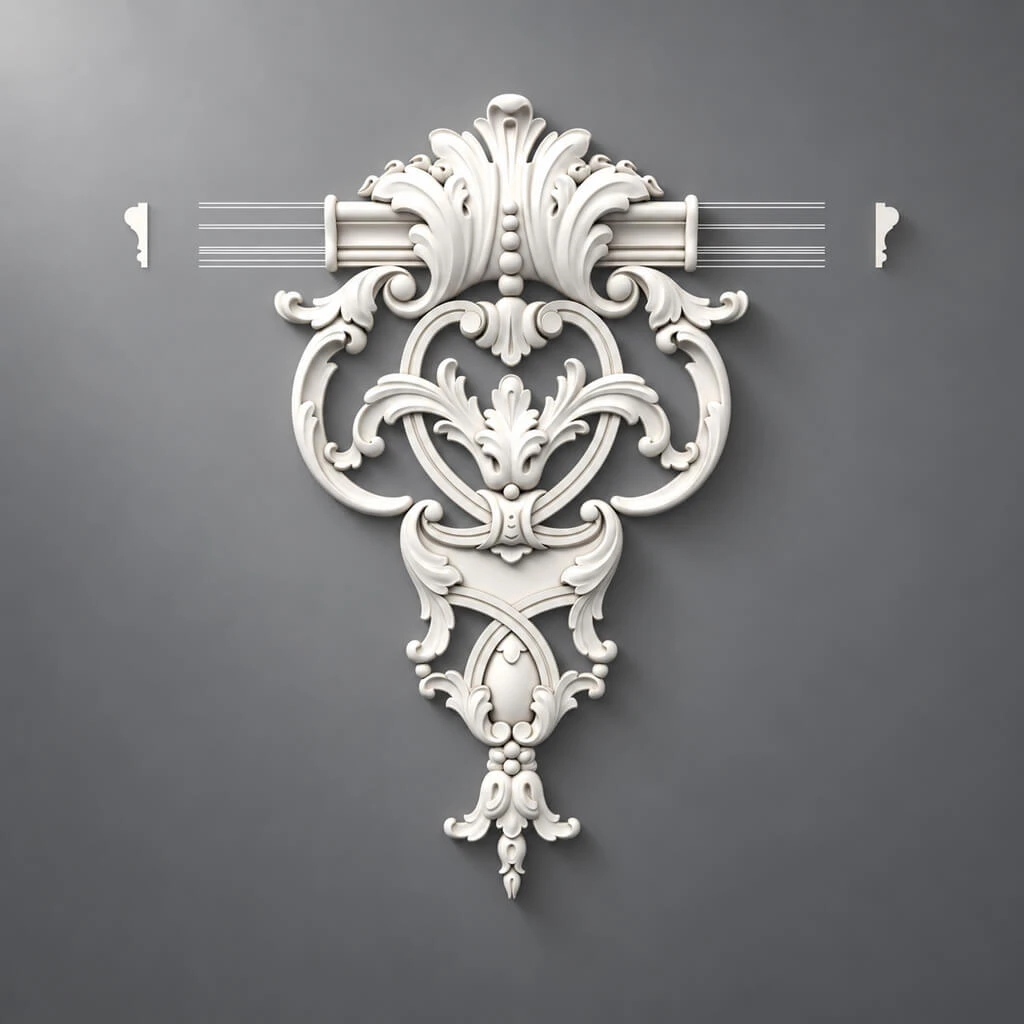
| Decor for moldings | Corner and central accent inserts |
Polyurethane pogonage is manufactured using cold pressure casting. The polyurethane is two-component, European-made — it accurately reproduces the smallest details of the ornament, does not deform during storage and transportation, and has stable geometry. The white matte surface is the finish — it accepts acrylic paint without prior priming, which significantly simplifies the final finishing.
Dimensions of KPU-119: width 40 mm, strip length 2000 mm, relief thickness 7 mm. It is a compact, lightweight element that is mounted with glue without mechanical fasteners and requires no special tools.
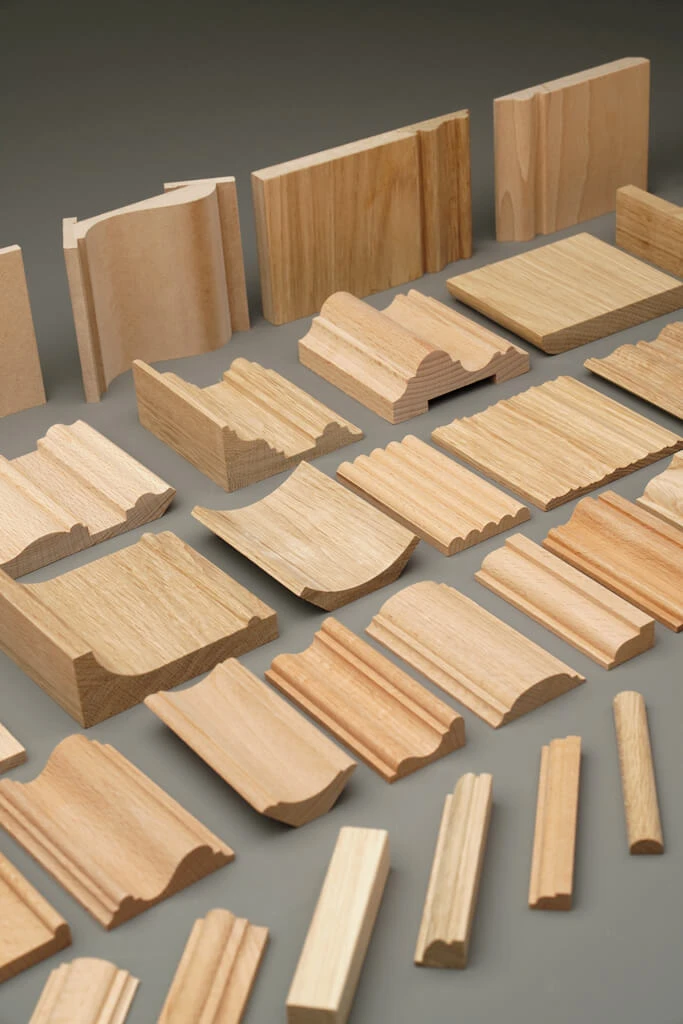
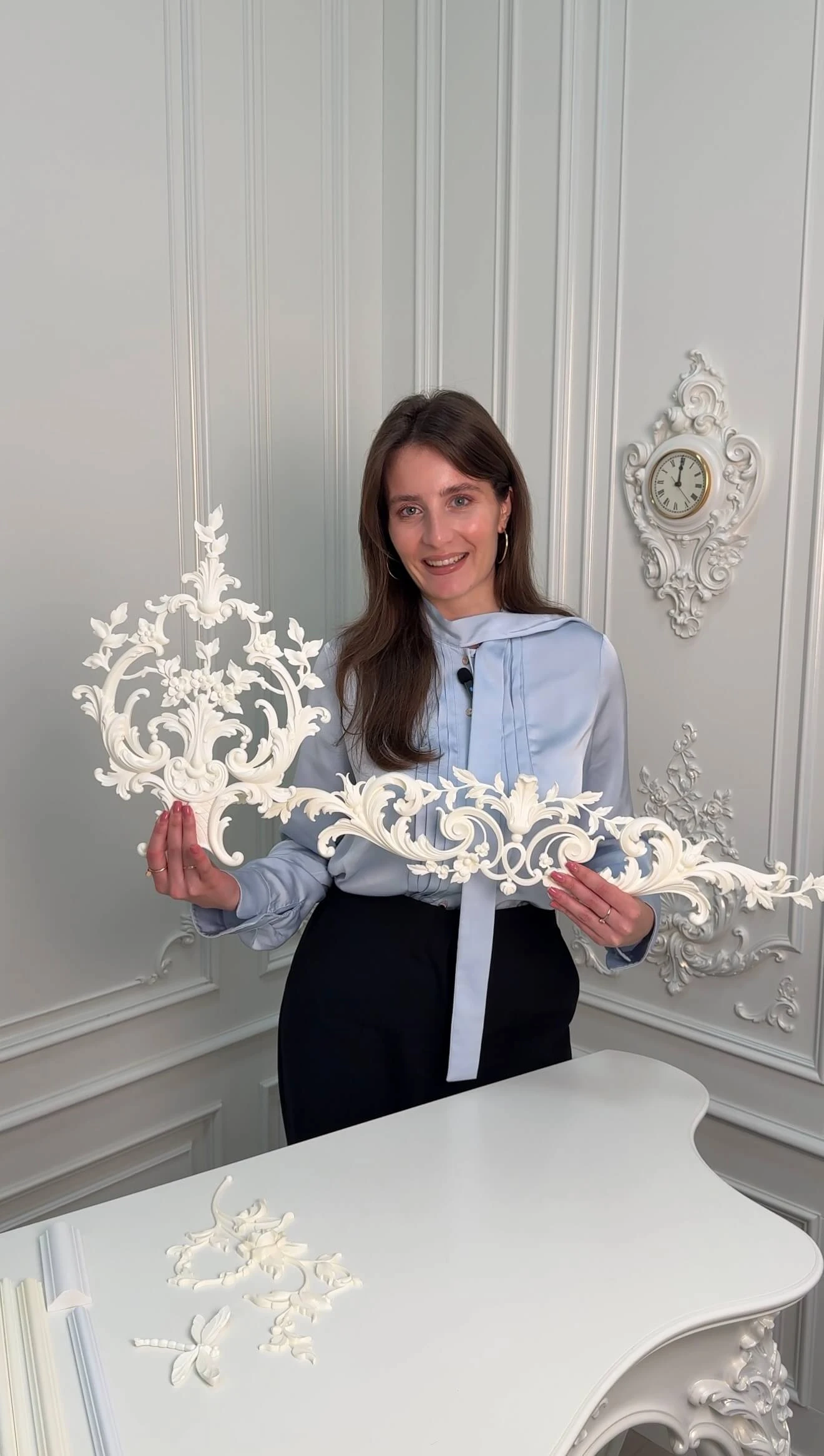
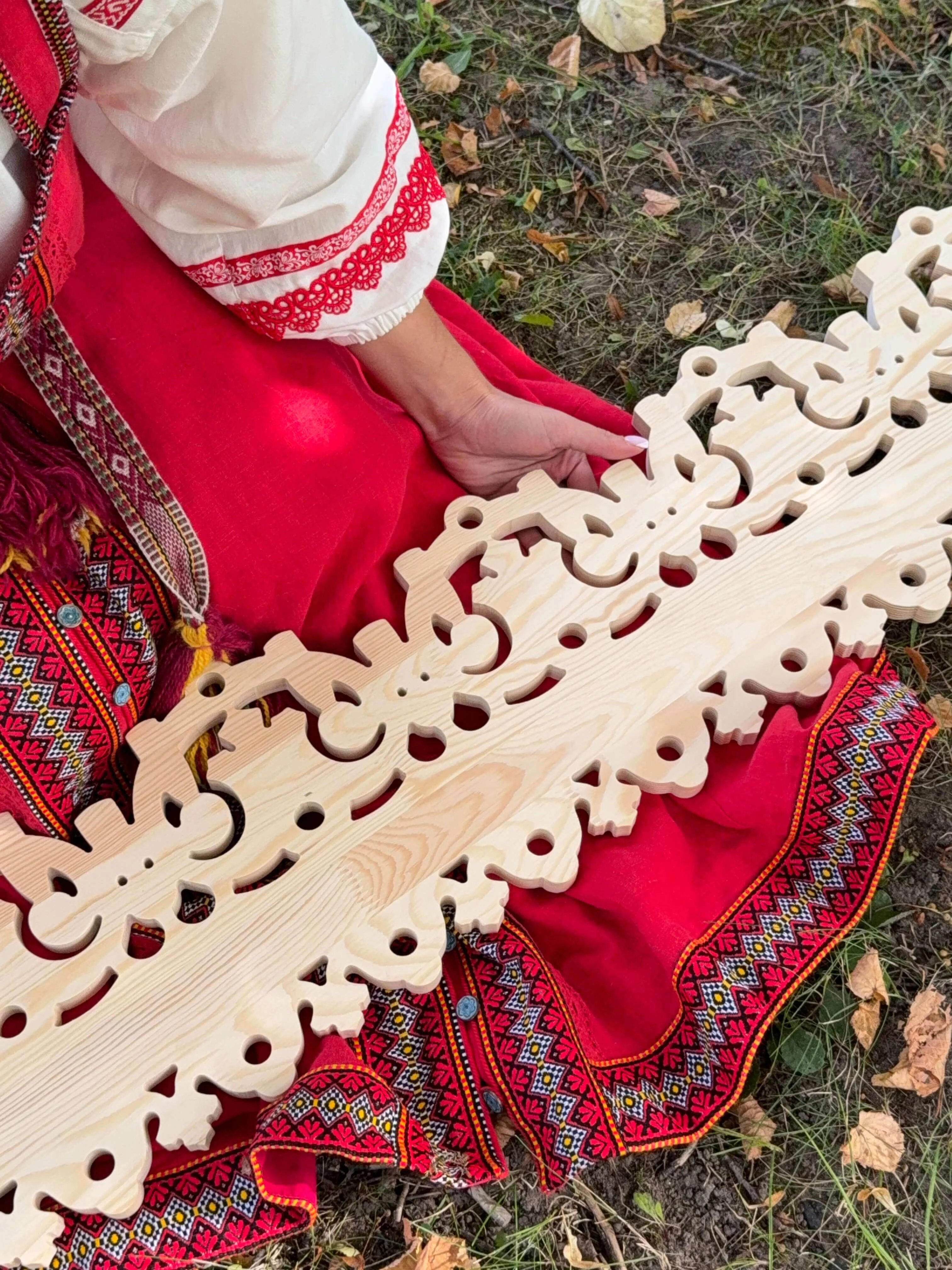
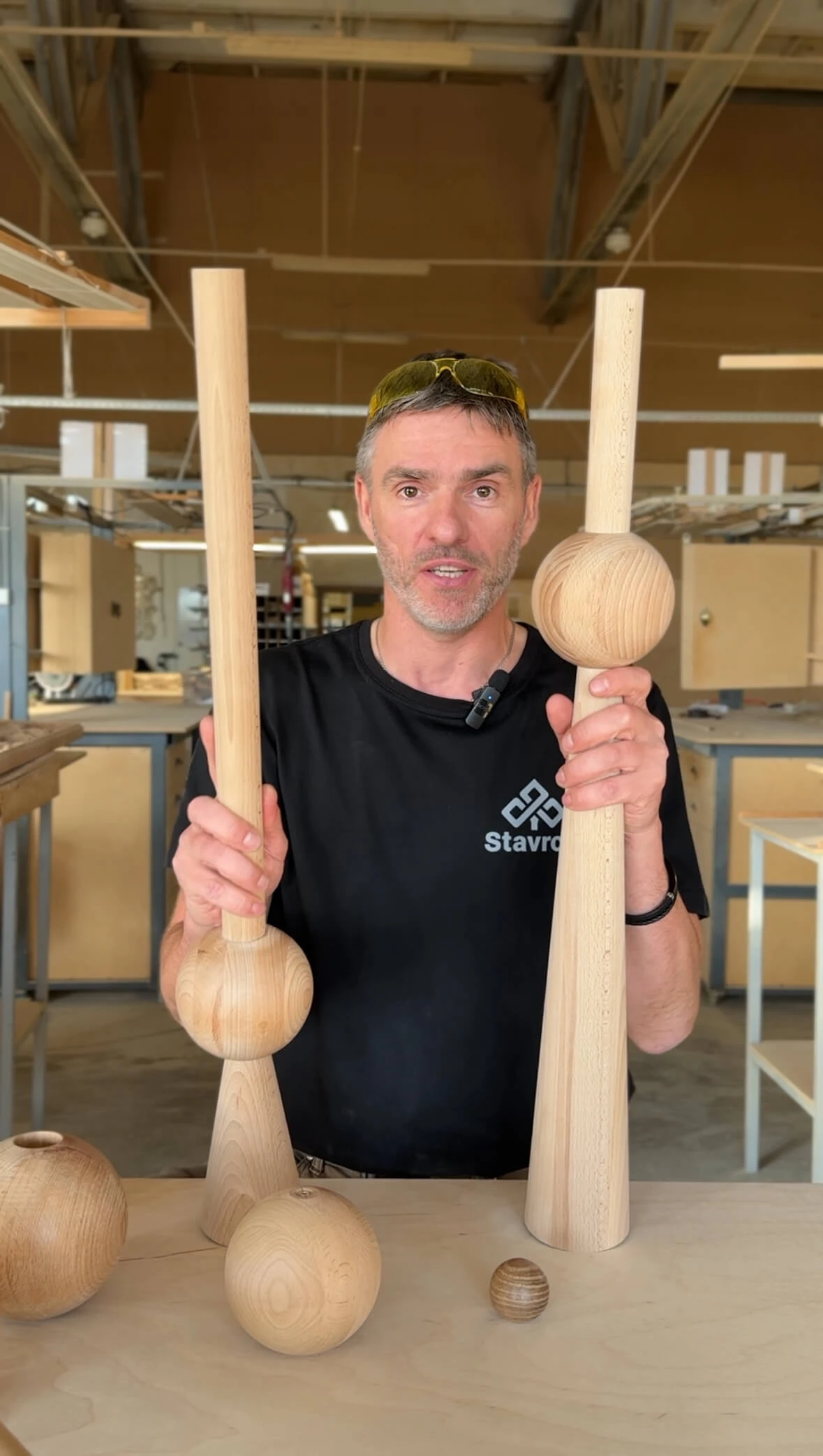
Where to use openwork trim: seven scenarios
Our factory also produces:
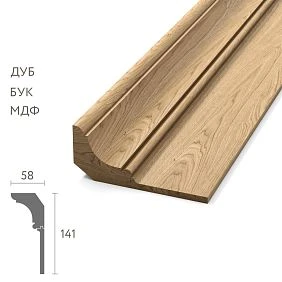
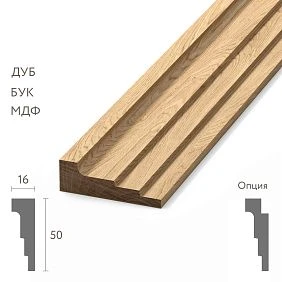
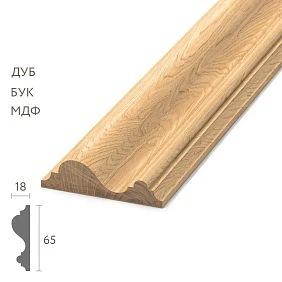
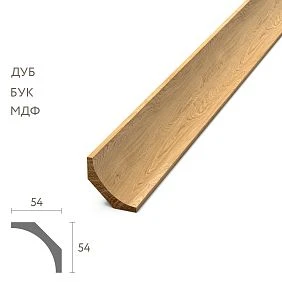
On furniture facades
This is perhaps the most potential-rich application scenario. Classic-style furniture — wardrobes with framed facades, chests of drawers, sideboards, wardrobes, bedside tables, dressing tables — all of this is space for fine ornamental decor.
Openwork polyurethane trim is glued along the perimeter of the facade panel as an ornamental frame or along horizontal and vertical dividers as a decorative belt. The effect: the furniture acquires a "handcrafted" look, a classic character, and a sense of bespoke manufacturing. At the same time, the material cost is incomparably lower than wood carving or ordering facades from a cabinetmaker.
KPU-119 with a width of 40 mm is the right scale for a standard cabinet facade 60–90 mm high: the strip is proportionate to the panel and does not overwhelm it. For larger facades — for example, a sideboard door 50–70 cm wide — wider ornamental strips from the catalog can be used. polyurethane molding.
Painting of facade decor — with enamel: in the color of the furniture body or with a slight contrast. Gilding patination on the relief is a technique for classic furniture in the Rococo, French Baroque, or Russian Classic style.
Get Consultation
On door and window openings
A door opening with a simple smooth casing is neutral. A door opening with an openwork decorative strip along the edge is already an architectural detail. This technique is used in classic interiors when you want to add decor without completely replacing the casing.
The trim is glued along the casing — on its front plane, parallel to the edge — or on the wall around the perimeter of the opening as an additional layer of ornament. The second option is especially good for openings without casings — in finished new buildings where the walls are plastered but the doors are installed "in a wrap." The openwork strip creates the illusion of a framed surround in just a few hours.
An important nuance: for a door opening, the strip must form a closed loop — along two verticals and the top horizontal. This requires precise cutting at 45° angles and a neat joint. The KPU-119 pattern allows sections to be joined with matching ornament — with correct calculation of strip lengths, the joint becomes visually seamless.
On arches
An arch is one of the most rewarding objects for openwork moldings. The semicircular or parabolic contour of the arch creates a single decorative line that naturally accepts an ornamental strip.
But there is a technical point here: standard polyurethane molding is a straight plank. For curved installation along the arch contour, the plank needs to be slightly preheated — with a construction heat gun at a temperature of 60–80°C — and fixed in shape until the glue hardens. Polyurethane becomes plastic when slightly heated and takes the desired bend. After cooling, the shape stabilizes.
For arches with a large radius (from 1.5 m), this is a simple operation. For arches with a small radius or complex contour, it is better to consult with STAVROS specialists in advance about a suitable product.
Openwork decor along the perimeter of the arch creates a "portal" effect — the arched opening turns into an architectural element with its own frame and ornament. In a classic interior, this solution works flawlessly.
On ceiling beams
Decorative ceiling beams are a technique widely used in houses, restaurants, offices, libraries, and country interiors. Natural or imitation wood, painted MDF beams are the background material. Openwork polyurethane molding is glued along the bottom edge of the beam or along its side faces as an ornamental belt.
The effect is twofold: the beam acquires a classic decorative character, and the space under the ceiling gains a sense of architectural detailing. This looks especially expressive in dining rooms and offices with wooden beams and whitewashed walls — the contrast of dark wood and white ornament creates a rich historical image.
When installing on a beam, the evenness of the base is important — the molding fits along the entire length, and any unevenness protrudes as "humps." For wooden beams, installation with a specialized polyurethane adhesive based on hybrid polymers is optimal — it works on both wood and PU.
In niches and wall panels
Niches in walls, wall panel systems, frame decorative inserts — all of these are an excellent environment for openwork decorative trim. The trim is glued along the perimeter of the niche as an inner frame, adding depth and ornamental interest without excessive relief.
The "frame within a frame" technique is particularly effective: the outer contour of the niche is framed with molding, the inner one with openwork trim. Between them is a painted surface of a contrasting color. This three-layer frame system creates visual depth comparable to a real architectural niche.
In wall panel systems, trim is used as an ornamental divider: it is glued along the vertical posts or horizontal belts of the panel frame, adding detail without creating new levels of relief.
On the fireplace and fireplace portals
A fireplace portal with openwork decor is a classic solution. An openwork trim along the upper frieze, along the side pilasters, or along the inner contour of the portal opening creates a rich decorative look without complex and expensive custom decor.
KPU-119 with a width of 40 mm is a good choice for a delicate accent on the fireplace portal. For richer fireplace decor, you can consider wide overlay trims from the catalog — PU overlays in combination with trim, they create a rich decorative system.
On ceiling frames and medallions
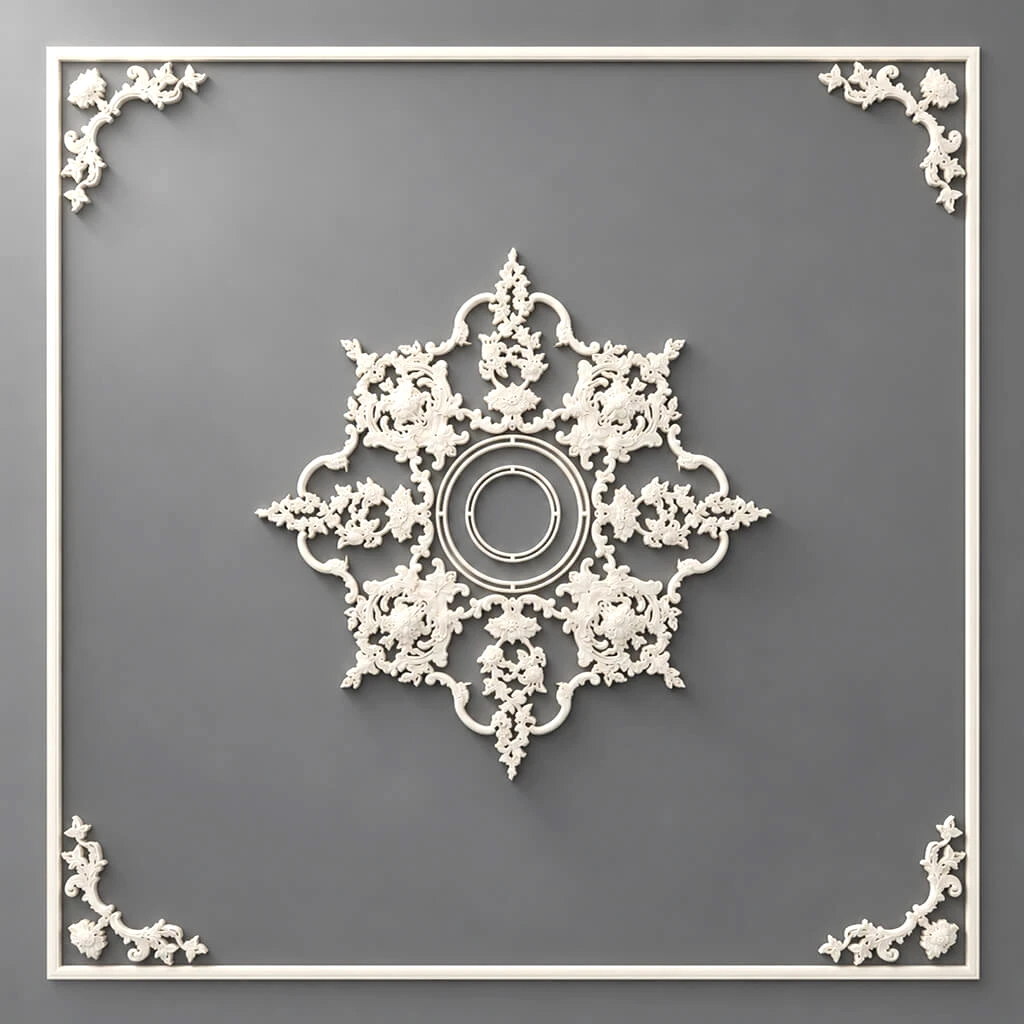
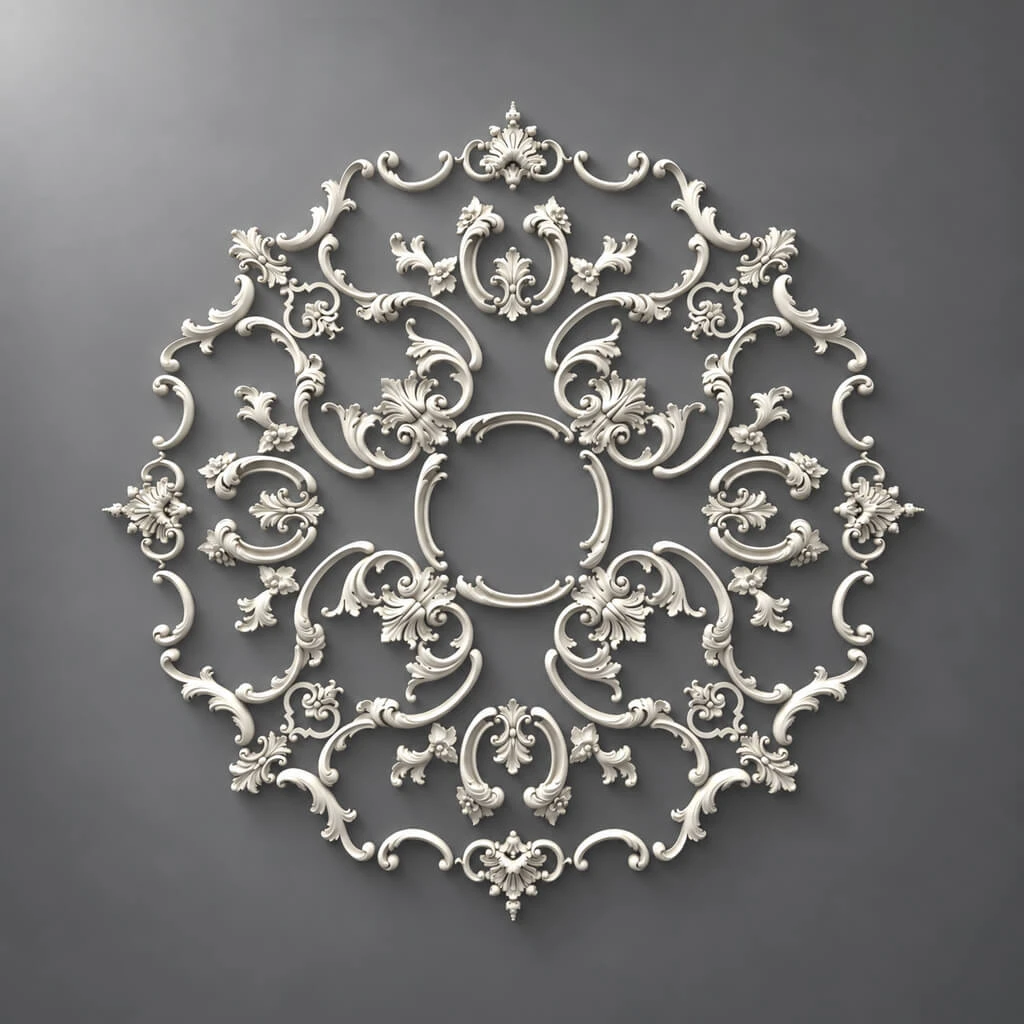
Polyurethane trim is also used as an additional decorative layer in ceiling molding systems. Along the outer or inner perimeter of the ceiling frame, an openwork trim adds ornamental detailing that is absent in plain molding. This is especially appropriate in ceiling systems with multiple contours — for example, an outer contour made of wide molding, an inner one made of openwork trim.
How to choose the size and configuration of the trim
Choosing openwork molding is not just about the pattern. It involves four parameters simultaneously.
Width. KPU-119 is 40 mm. This is an average width for universal use: wide enough for the ornament to be readable; delicate enough not to overload the surface. For furniture with facades 60–90 mm high, it is optimal. For large architectural elements (wide arches, large doors, beams with a cross-section of 200 × 200 mm), wider strips can be considered.
In the polyurethane molding Various models are available — from compact KPU-125 (840 rubles) and KPU-105 (860 rubles) to larger KPU-020, KPU-034, KPU-006, and others. Width and pattern vary — before ordering, it is worth comparing several options visually.
Strip length. Standard is 2000 mm (2 linear meters). This is a good length: sufficient for most facade applications and for sectional laying along long elements. During installation, section joints should fall on inconspicuous areas — for example, behind a corner element or in an area covered by other decor.
Relief thickness. KPU-119 is 7 mm. This is a delicate thickness that provides a slight chiaroscuro but does not create a volumetric protrusion. When painted in the surface color, the ornament "sinks" and creates an almost bas-relief effect. When painted white on a dark background, it reads as a clear openwork pattern. When patinated, it imitates gilding.
Scale of the decorated surface. The width of the openwork molding should be proportionate to the decorated object. Guideline: the strip width is 5–15% of the width of the decorated surface. For a cabinet facade 400 mm wide — molding 30–60 mm. For an arched opening 1200 mm wide — molding 60–120 mm.
How to choose the ornament style
An openwork pattern is not an abstraction. Each ornament carries a stylistic affiliation.
Classic openwork with a floral pattern — acanthus leaves, grapevine, floral rosettes, rococo curls. Such an ornament is organic in interiors of classicism, baroque, neoclassicism, French Provencal. It pairs well with furniture in the style of Louis XVI, fireplace portals, classic ceiling systems.
Geometric openwork — woven lattices, meander, Greek ornament, regular cells. Appropriate in neoclassicism, Empire, Art Deco, modern classic. Creates a sense of order and architectural rigor.
A delicate ornament for neoclassicism — simple, without Baroque excesses. Laconic ribbons with a soft pattern. They work well when painted in the same color as the surface — creating an almost invisible texture that is felt but not emphasized.
The main rule: the ornamental language of the molding must match the ornamental language of the rest of the decor in the space. An openwork ribbon with a Baroque floral pattern next to geometric minimalist moldings is a stylistic dissonance that an experienced eye notices immediately.
What to combine openwork molding with
Decorative molding is rarely used alone. It is part of a system — and the more precisely it is built, the more convincing the result.
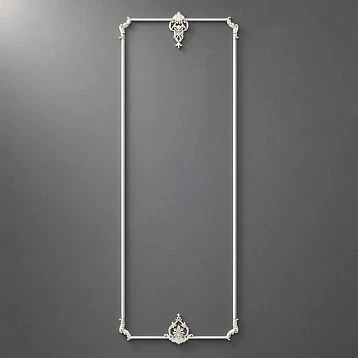
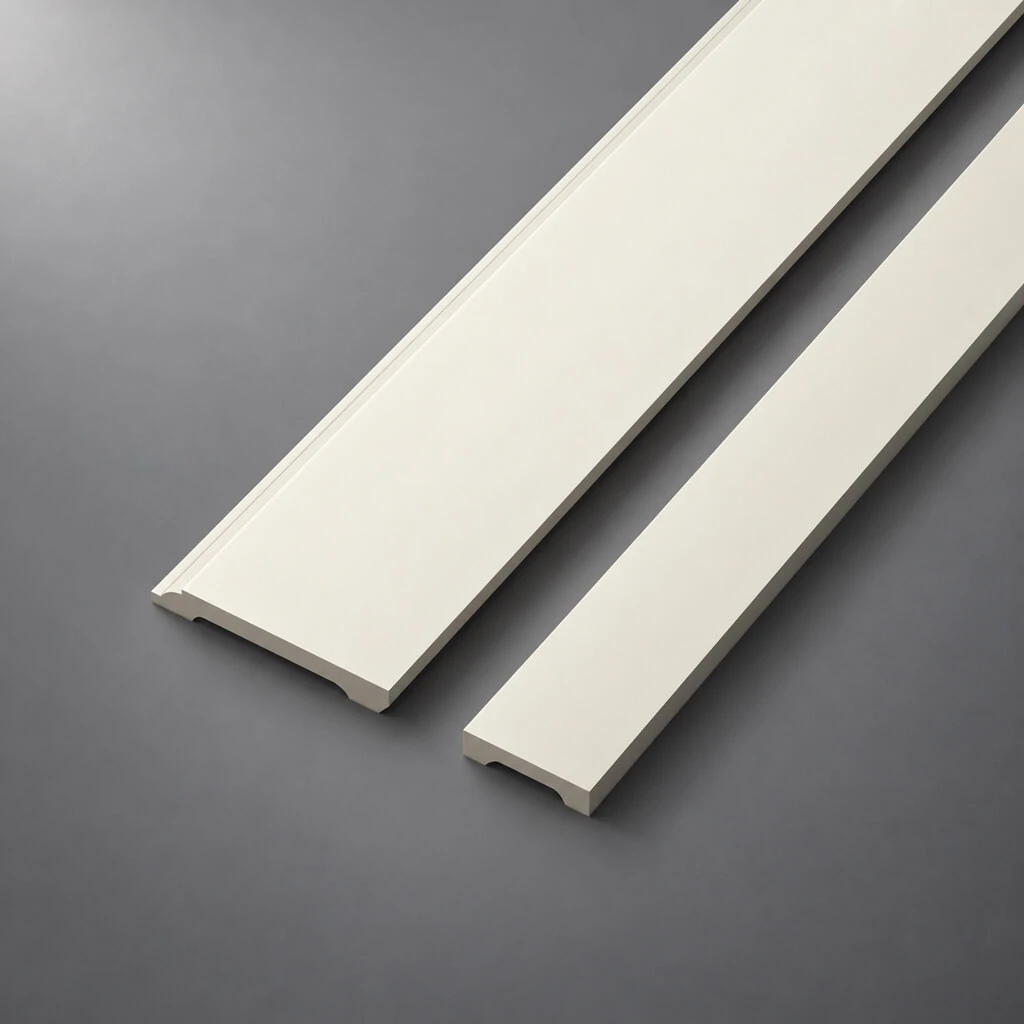
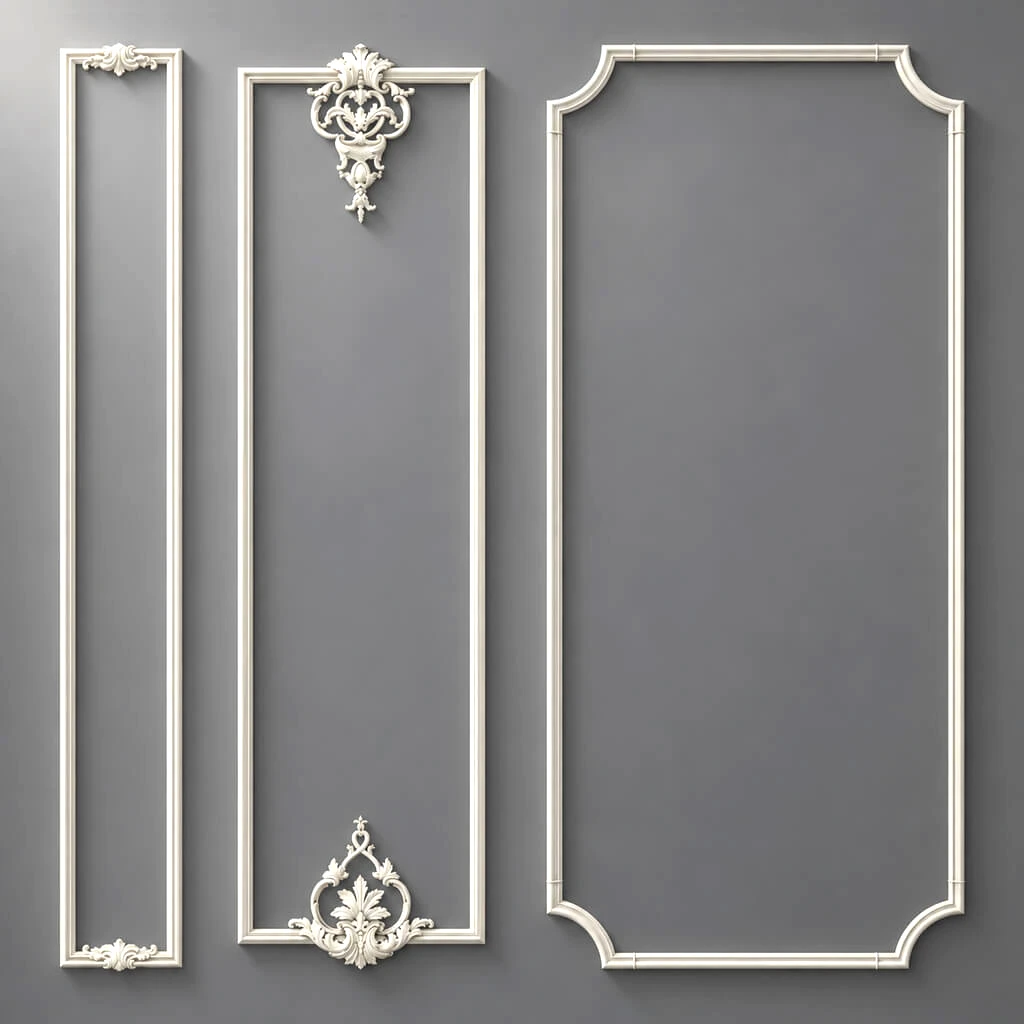
Molding + moldings. Moldings made of polyurethane create a frame system — outlines, rectangles, horizontal and vertical lines. Openwork molding adds an ornamental detail inside these frames. They work together: the frame is the structure, the molding is the decoration.
Molding + decor for moldings. Decor for Molding — corner rosettes, central accent elements, connecting inserts. In combination with an openwork ribbon, it forms a complete wall or furniture system: corner — molding — openwork ribbon — molding — corner.
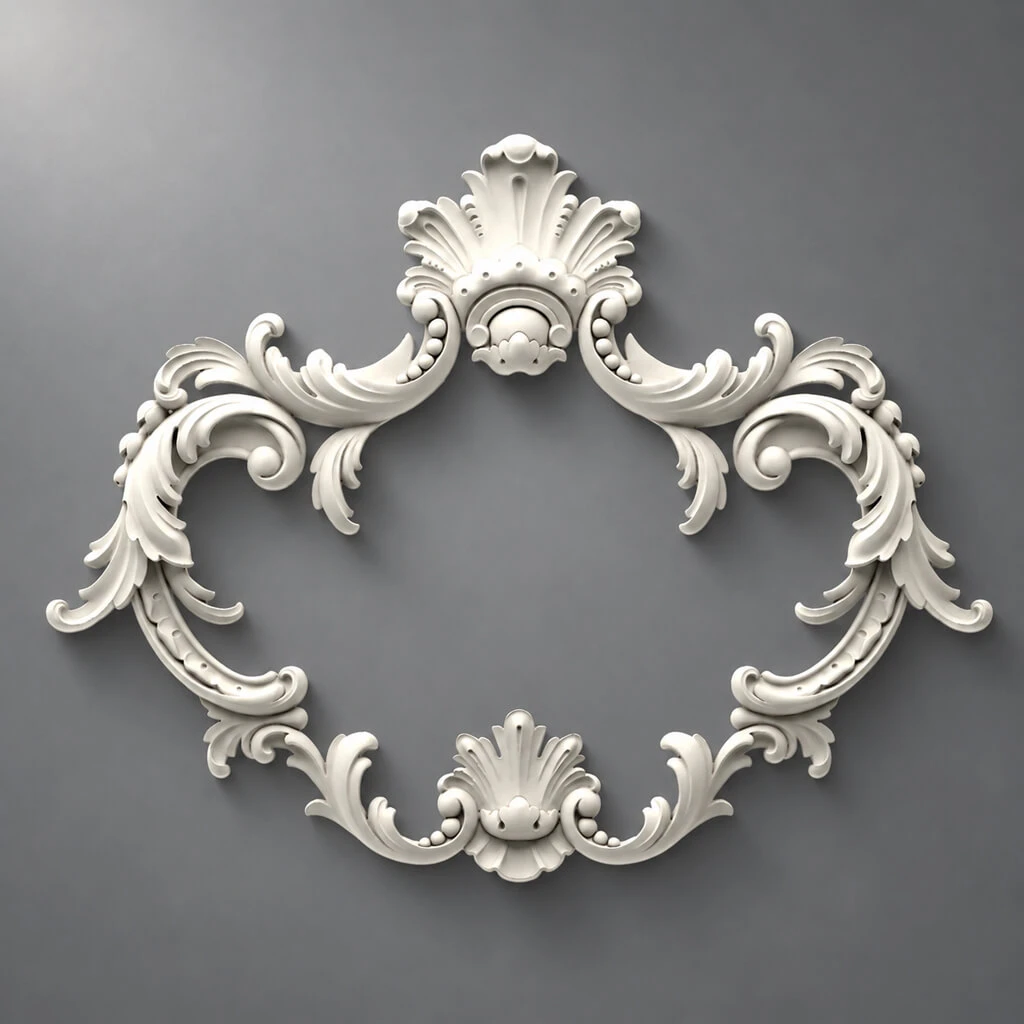
Molding + PU overlays. PU overlays — three-dimensional decorative elements: rosettes, cartouches, mascaron, ornamental overlays. Openwork molding creates a continuous line, overlays create point accents. Together — a classic 'background and accent' relationship.
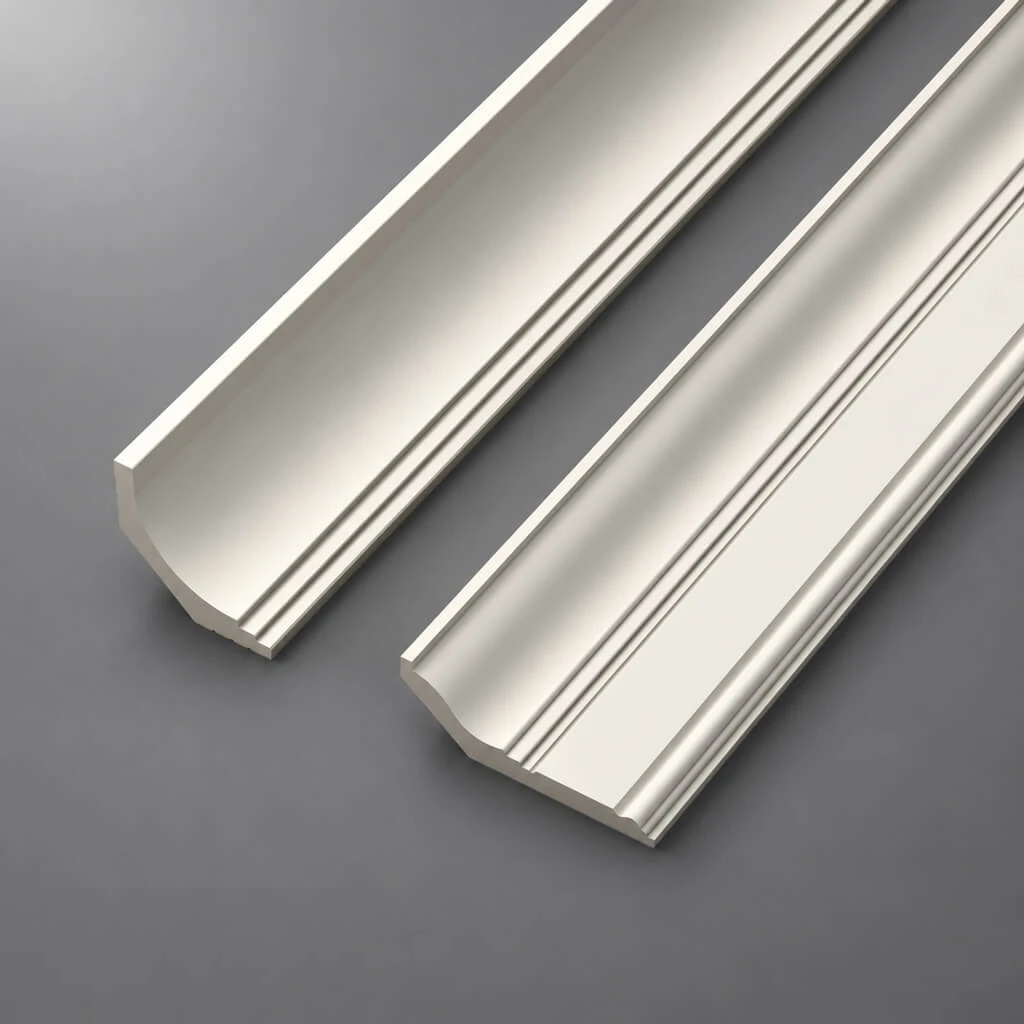
Molding + cornice. The ceiling cornice creates the upper horizontal line of the interior. The openwork molding on the trim below the cornice is an additional ornamental tier. This is the principle of classical architecture: each transition between planes is marked by a decorative line.
Molding + brackets and capitals. Polyurethane brackets and capitals are used on pilasters, under beams, in arched openings. The openwork molding along the contour of the pilaster or along the belt between the capital and the abacus is a subtle but expressive detail characteristic of classical architecture.
Molding + stucco decor. molded decoration made of polyurethane — rosettes, leaves, floral elements, relief overlays. Together with the openwork band, they form the ornamental narrative of the entire space.
Calculating the amount of molding: an accurate algorithm
Molding is sold in planks of 2000 mm. The calculation seems simple, but several nuances are often overlooked.
-
Measure the total length of all installation areas — each facade, each opening, each beam or arch separately.
-
Divide by the length of the plank (2000 mm) — we get the number of planks without reserve.
-
Add a margin of 15–20% for trimming at corners and joints — each corner consumes about 80–100 mm of extra material on two parts.
-
Check pattern matching — the openwork ornament has a repeating rapport. If it needs to align at the joint, additionally account for the length of one rapport. Joints with pattern matching — +5–10% to consumption.
-
Consider the installation direction — vertical and horizontal strips on the same facade will require planks of different lengths with different cut orientations.
-
Round the total up to a whole number of planks — fractional planks are not sold.
-
Order in one batch — for identical geometry and pattern of all planks.
Example calculation for a cabinet: one facade 600 × 800 mm, linear footage along the perimeter. Perimeter: (600 + 800) × 2 = 2800 mm = 1.4 linear m. With a 20% margin: 1.68 linear m. Need 1 plank of 2000 mm (enough with margin) + 1 plank as a reserve for trimming at corners. Total: 2 planks per facade.
Installation of openwork molding: step-by-step breakdown
Installing polyurethane molding is a simple operation but requires precision and patience. The openwork pattern is delicate, and the slightest inaccuracy in trimming or adhesive joint is immediately visible.
Tools: miter saw with a fine-tooth blade or a hand hacksaw for metal, square, sharp knife for finishing, mounting adhesive for polyurethane based on hybrid polymers (e.g., KUDO "Glues Everything HIGH TACK"), acrylic white sealant, brush, spatula.
Base preparation: the surface must be dry, clean, free of grease stains. Loose surfaces (foam, old paint) are reinforced. MDF and wood — dust off and lightly prime for better adhesion.
Marking: the installation line is marked with a marker or painter's tape. For facade work — frame marking with all four sides indicated.
Cutting corners: internal corners — 45° from each strip. Cut with a miter saw. Before gluing — dry fit to check joint tightness. A loose joint = a visible gap even after painting.
Applying glue: glue is applied to both surfaces to be joined — the trim and the base. Leave open for 3–5 minutes to activate. Then press the trim to the base with light force for 5–10 seconds.
Joining: joints between strips should fall in inconspicuous areas. Gaps in joints are filled with white acrylic sealant — applied with a thin syringe, smoothed with a wet finger.
Painting: a base coat of acrylic paint is applied with a synthetic bristle brush — it covers all elements of the openwork pattern. The second coat — after complete drying.
Errors in Selection and Installation
For openwork trim — a thin and delicate element — errors in calculation and installation are especially noticeable.
They buy trim without calculating the length of the section. "I'll take five strips and see from there" — a classic mistake. Result: either a shortage for the final section or excess waste. Always calculate precisely.
They don't add allowance for cutting at corners. The openwork strip tears at the corner cut point if the cut is careless. A 15–20% allowance is mandatory.
They don't check the 7 mm thickness as a relief protrusion. On an overhanging furniture edge, the 7 mm thickness creates a protrusion. You need to check in advance whether it interferes with opening doors, drawers, or adjacent elements.
They place openwork decor next to overloaded stucco. The openwork strip is a delicate element. Next to large baroque overlays, it gets lost and creates chaos. The rule: either rich relief + simple frame, or laconic relief + openwork strip.
They don't think through the pattern alignment. The openwork ornament has a rapport — a repeating cycle. At the joint of two strips, the rapport must match. If the strips are cut without considering the rapport, the joint is noticeable.
They use thin trim where a large molding is needed. KPU-119 with a width of 40 mm cannot replace an 80 mm molding. These are different tools for different tasks.
They install without preliminary marking. The installation line must be marked before applying the glue — otherwise, the strip shifts by a fraction of a millimeter, and the frame becomes asymmetrical.
They paint before final fitting. First — complete installation with fitting of all joints and sealing with sealant. Then — painting.
They don't consider the base material. PVC, melamine coating, glossy surfaces — require special preparation for the glue. Standard installation glue does not provide the necessary adhesion on such surfaces.
They buy trim separately from moldings and adjacent decor. Different articles, different ornament styles — a stylistic gap. Select the entire decor system in one logic.
About the company STAVROS
STAVROS is a Russian manufacturer of architectural decor from polyurethane and wood since 2002. Founded by artists Andrey Ragozin and Evgeny Tsapko as a workshop for carved wooden products. Already in 2003, the company worked on the reconstruction of the Konstantinovsky Palace in Strelna. Among the completed historical projects are the Hermitage, the Alexander Palace, the Trinity-Izmailovsky Cathedral, and the Sheremetev Mansion.
Today STAVROS offers a full range polyurethane molding decoration: Trim, Moldingscornices, baseboards, PU overlays, Decor for Moldingceiling rosettes, brackets and capitals and decor for ceilings. Production is in Saint Petersburg. Showrooms are in Saint Petersburg and Moscow. Contact us to confirm shipping to your destination. and the CIS. Shipment from the warehouse — from 3 working days. 264 reviews with a rating of 5.0.
Answers to Popular Questions
What is openwork polyurethane molding?
A thin decorative ornamental polyurethane tape used along the length of decorated surfaces: furniture, doors, arches, beams, niches. KPU-119 — 40 × 2000 × 7 mm, white matte surface for painting.
Where is decorative molding used in interiors?
On furniture facades, around door and window openings, along arch contours, on ceiling beams, in wall niches, around fireplace portals, inside molding frames on walls and ceilings.
How does molding differ from trim?
Molding is a profile line or frame system without ornament. Openwork molding carries an ornamental pattern and works as a decorative tape. Both elements complement each other in the interior system.
Can molding be used on furniture?
Yes. KPU-119 is specifically described as an element for decorating furniture facades. The width of 40 mm is proportionate to standard facades.
Is molding suitable for door and window openings?
Yes. Molding is installed around the perimeter of the casing or along the edge of the opening as an additional ornamental layer. For rectangular openings — standard installation with 45° corner cuts.
Can you glue molding onto an arch?
Yes, with preheating using a heat gun. Polyurethane at 60–80°C is pliable and takes the shape of the curve. After cooling, the geometry stabilizes.
How to calculate the amount of millwork?
Total length of all sections ÷ 2000 mm + 15–20% reserve for trimming. If pattern matching is required, additionally account for the length of one pattern repeat.
Can polyurethane molding be painted?
Yes. The white matte surface accepts water-based acrylic paints without priming. It can be painted any color, patinated with gold or silver.
How to combine molding with trim and appliqués?
Molding is a frame, molding is an ornamental strip inside or along the frame. PU appliqués are point accents. The style of all elements must match.
Where to buy openwork polyurethane molding?
In the Stavros catalog — Polyurethane trim, including KPU-119Showrooms in St. Petersburg and Moscow. Phone: +7 (800) 555-46-75. Contact us to confirm shipping to your destination., shipment from 3 business days.