

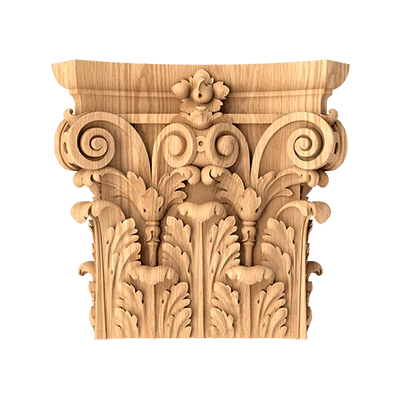
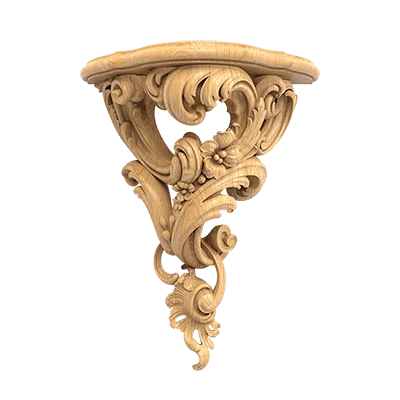
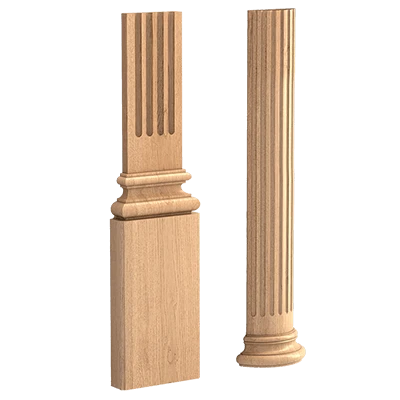
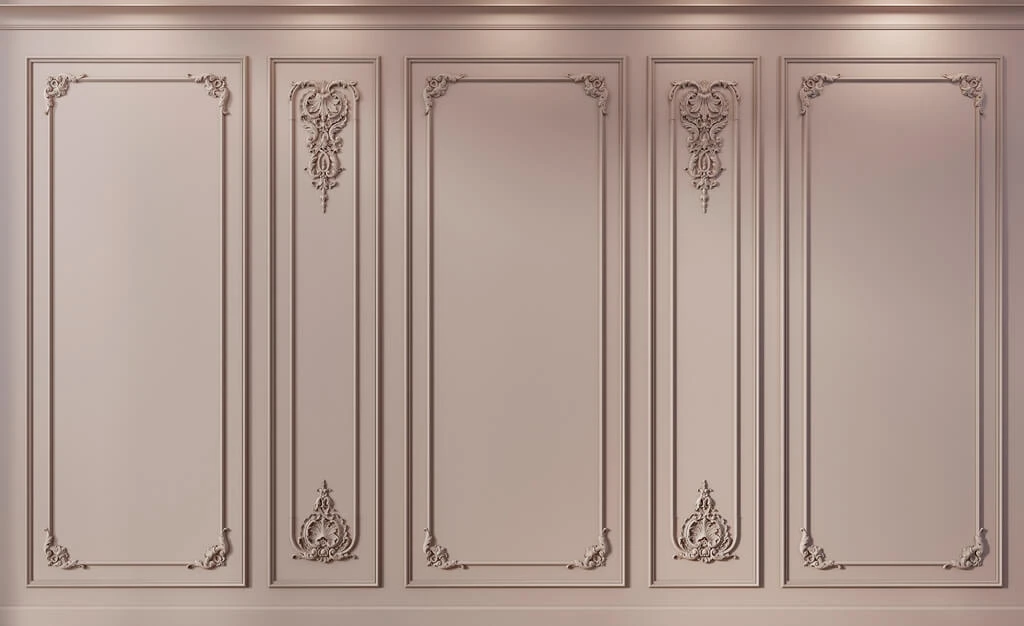
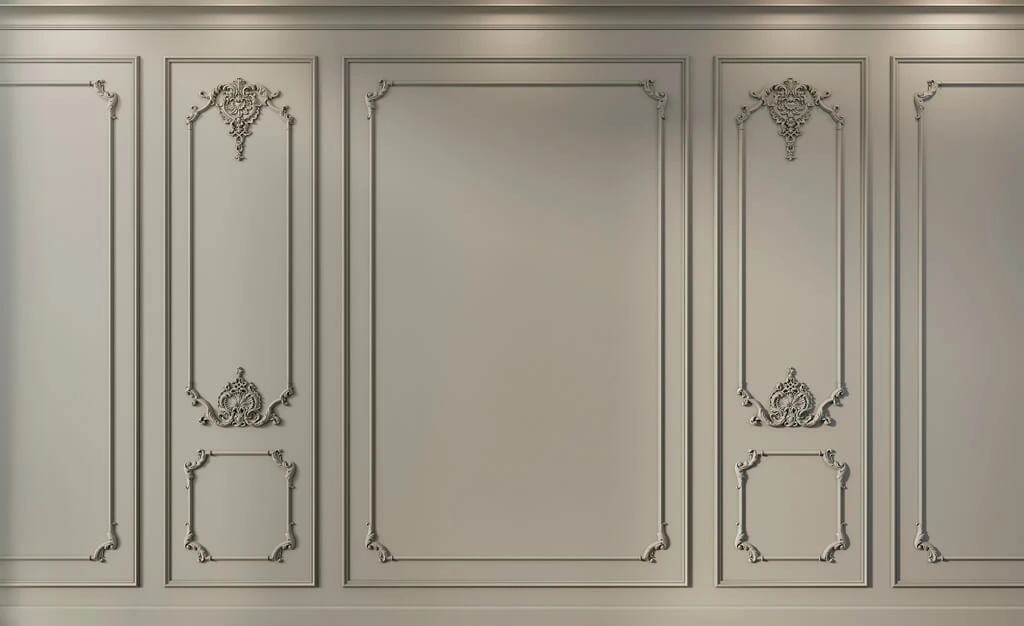
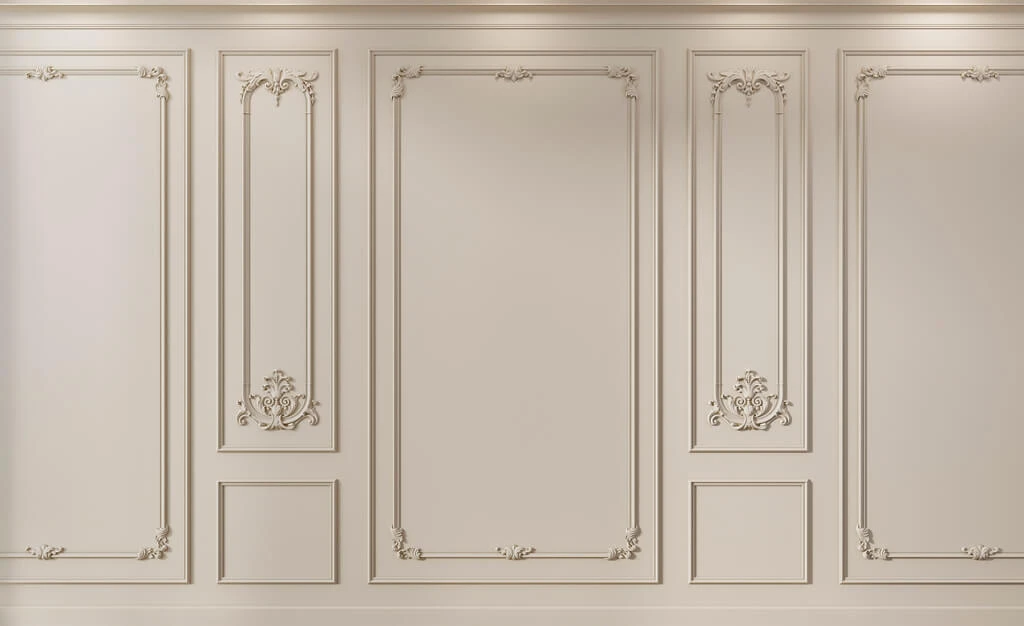






















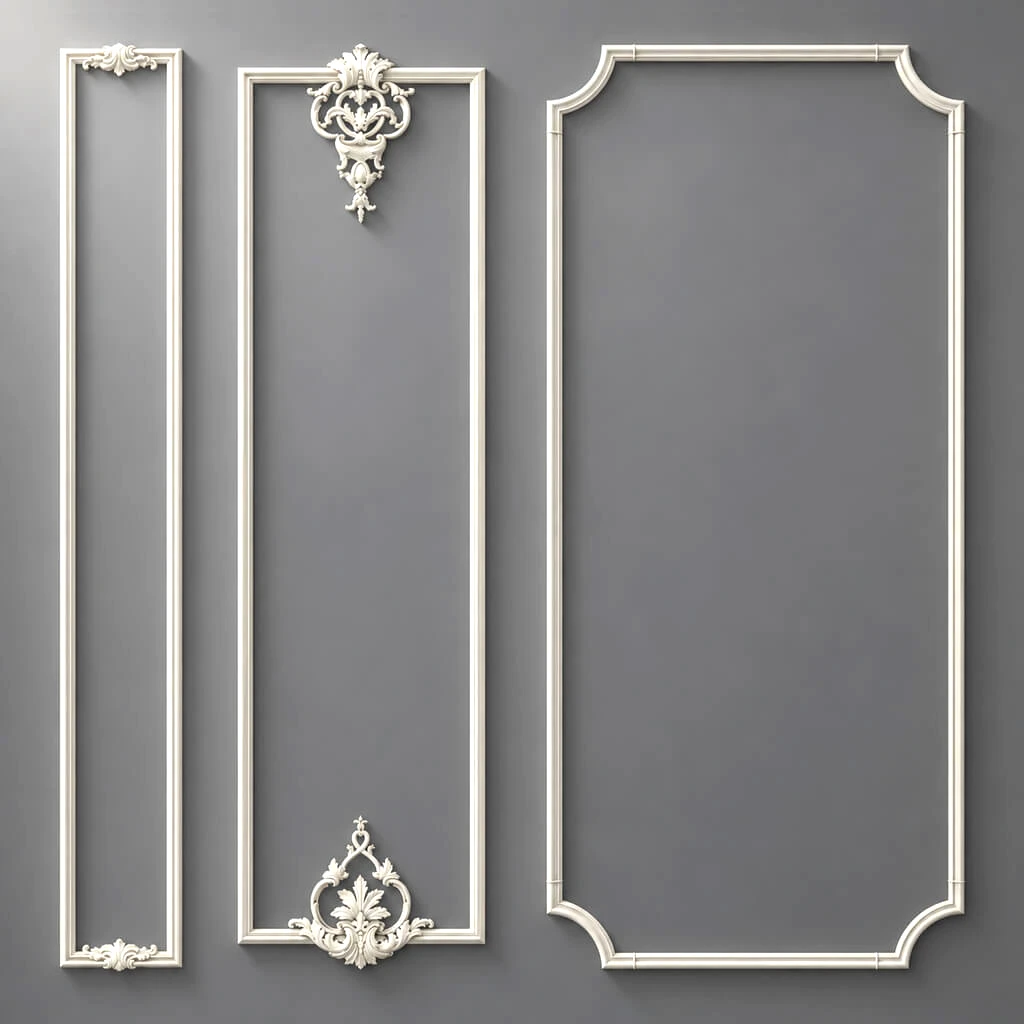
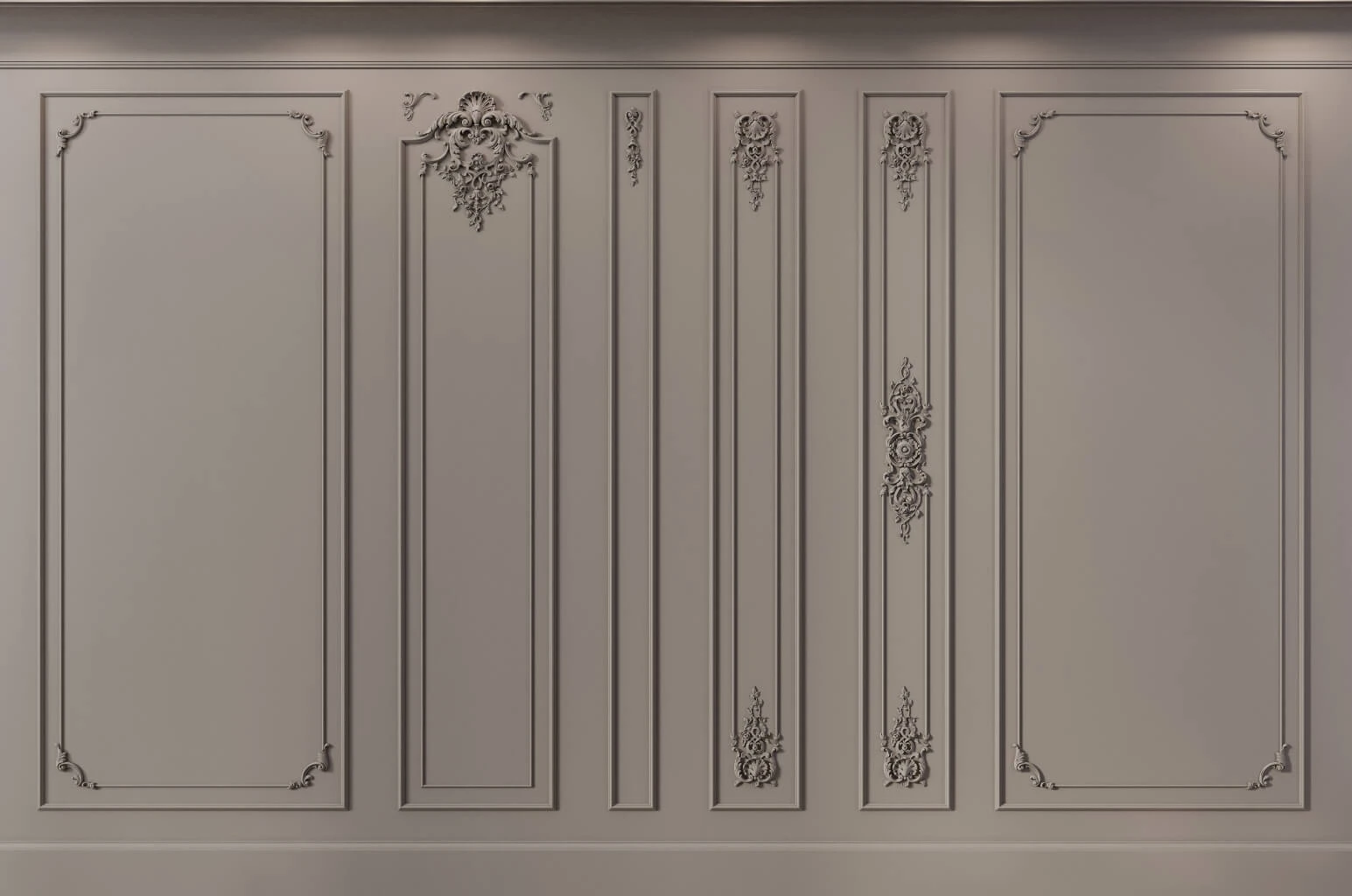
Wall panel decoration idea "Versailles Light" INTPU-016
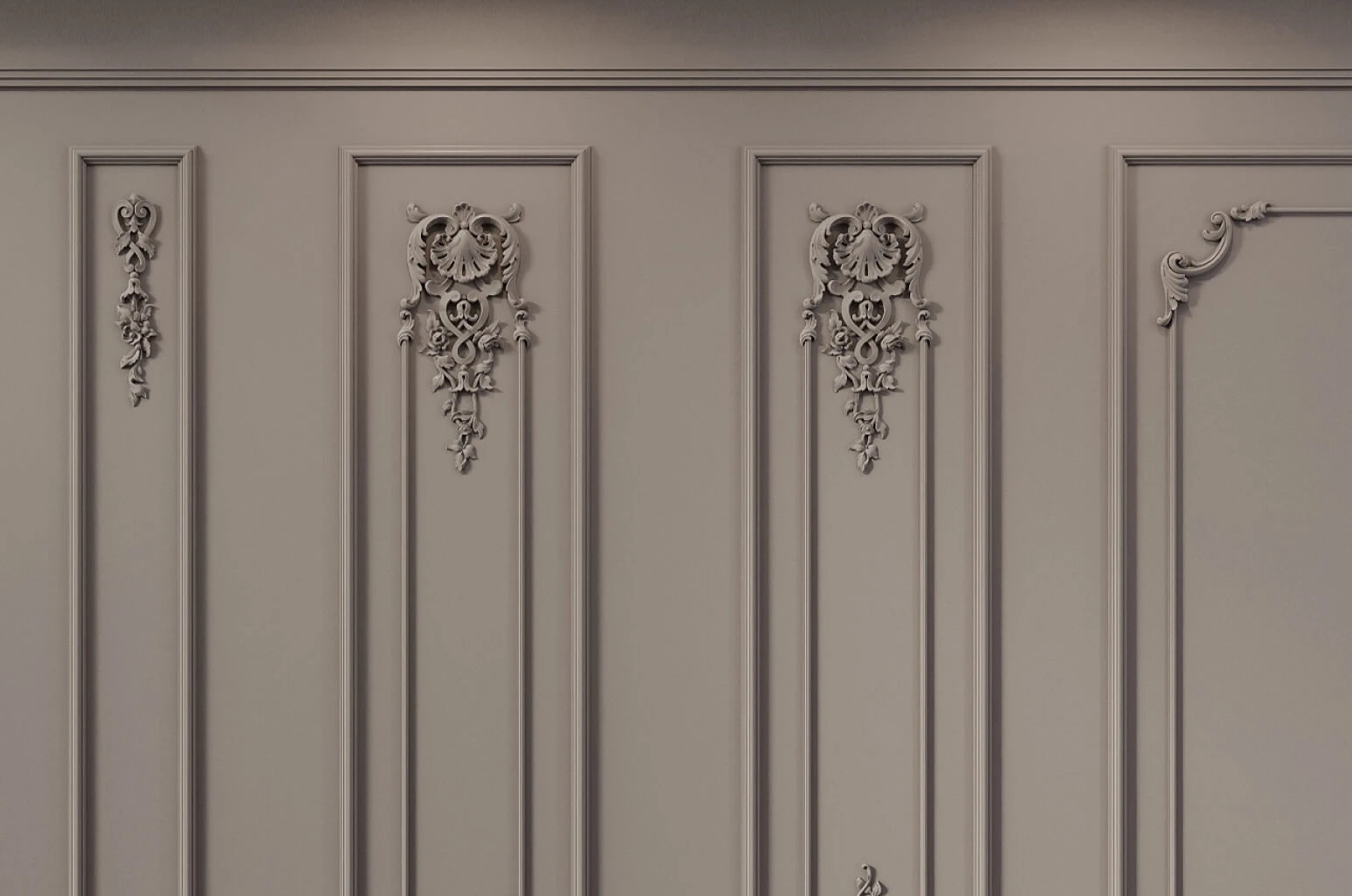
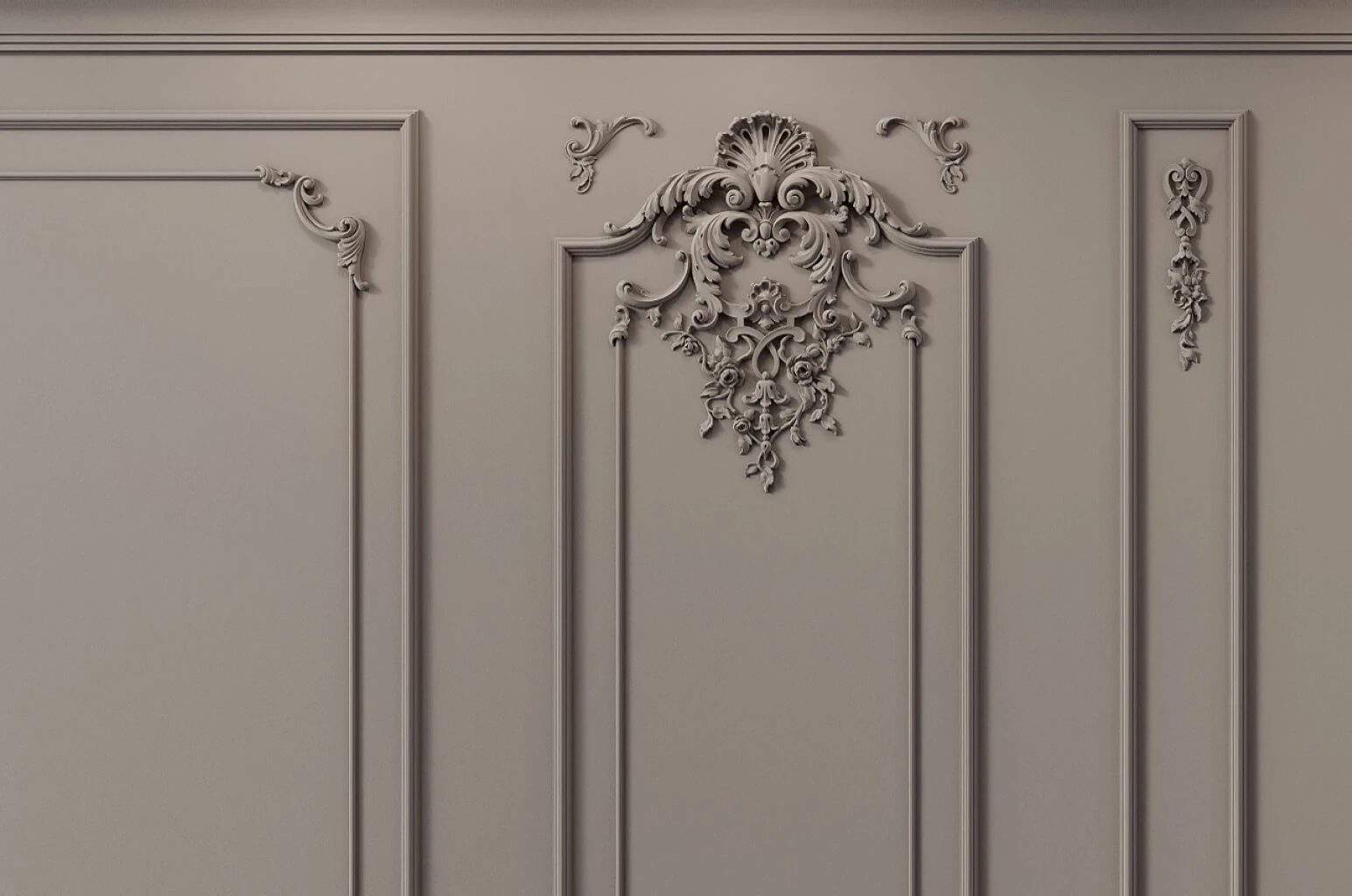
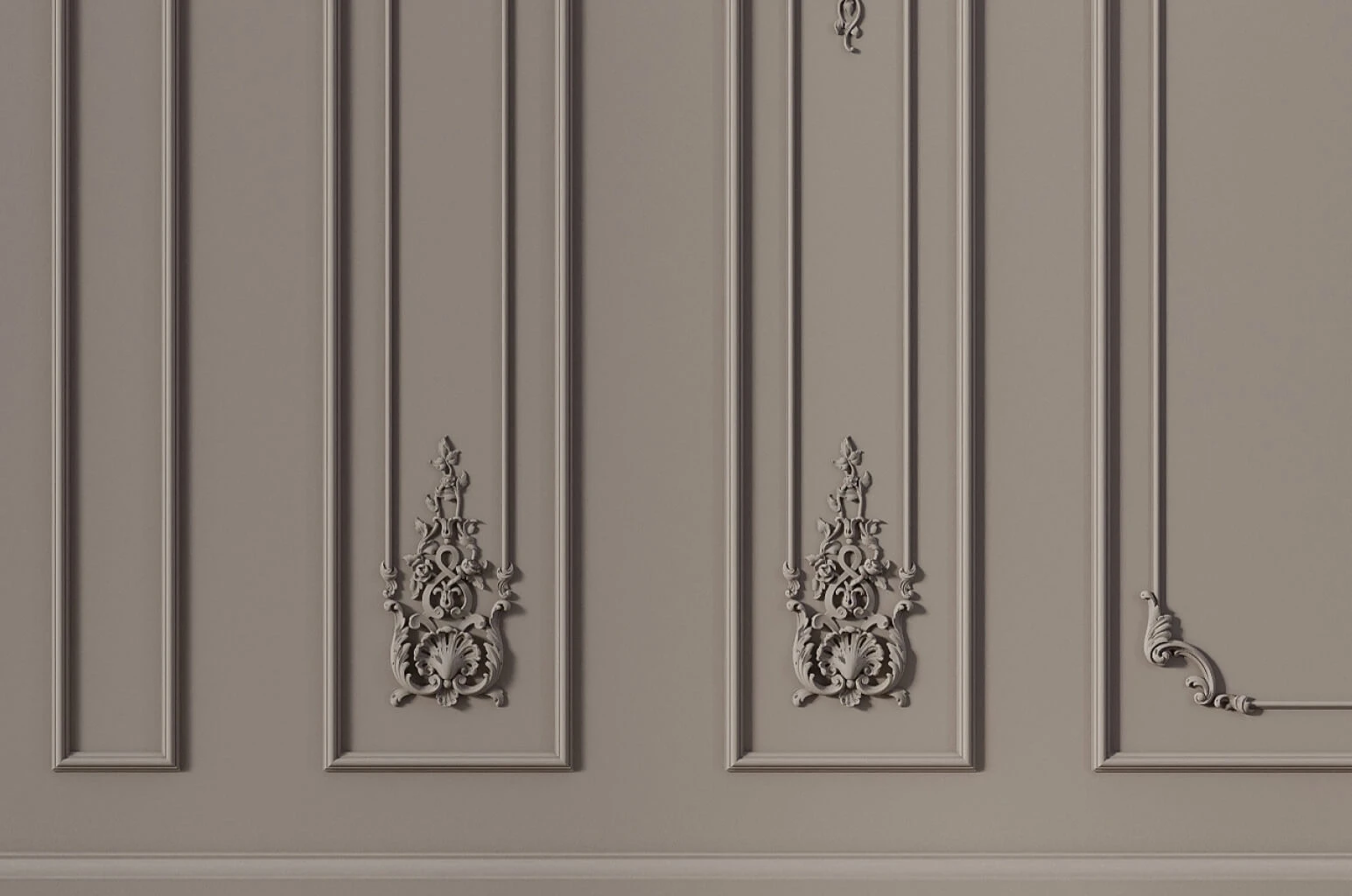
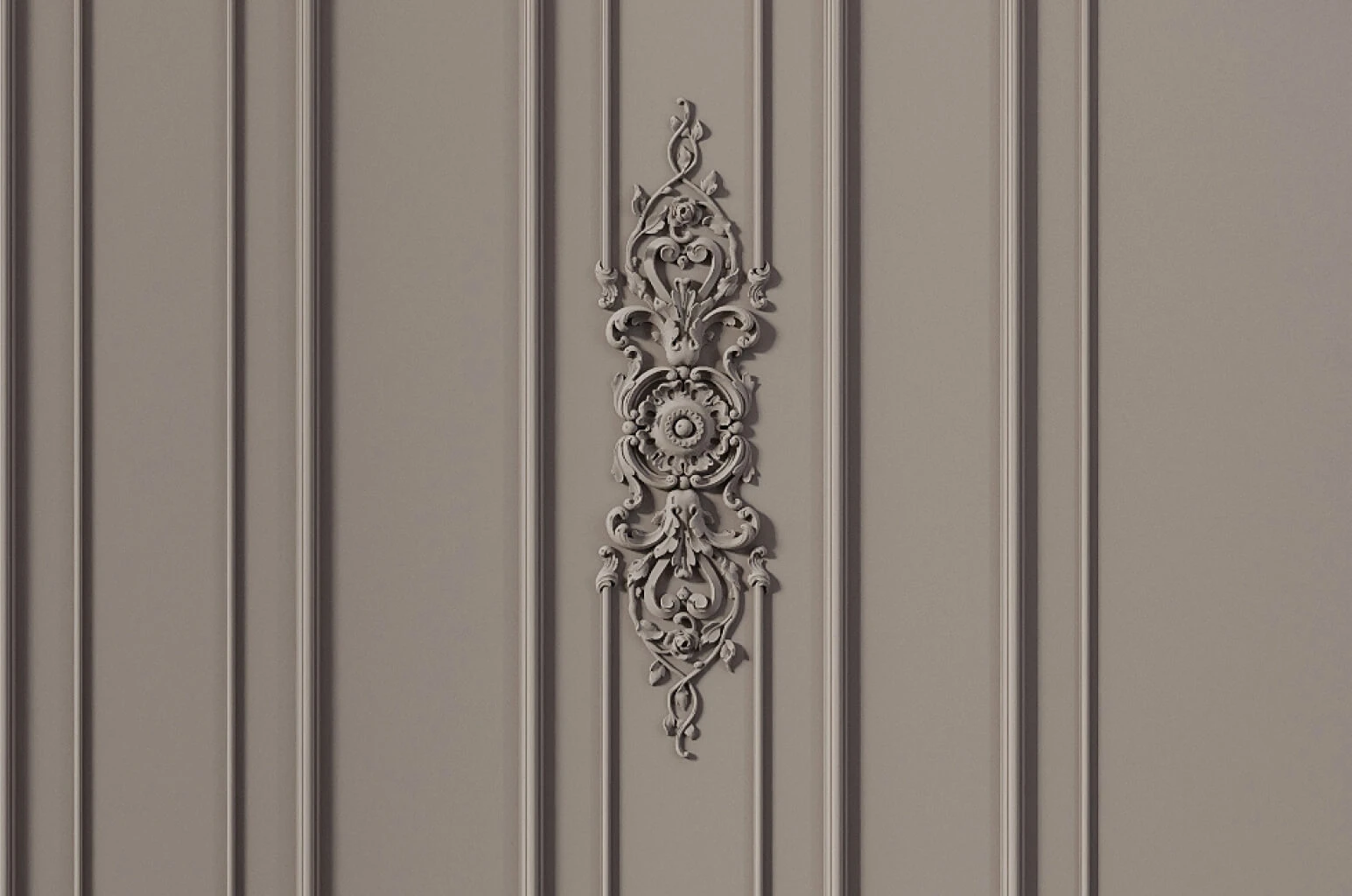
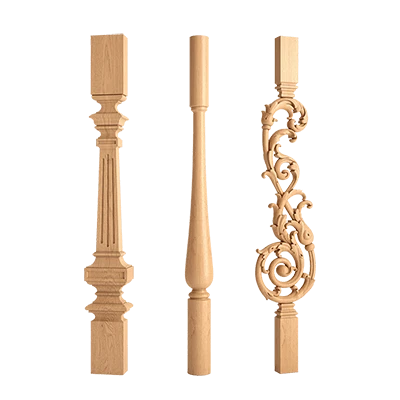
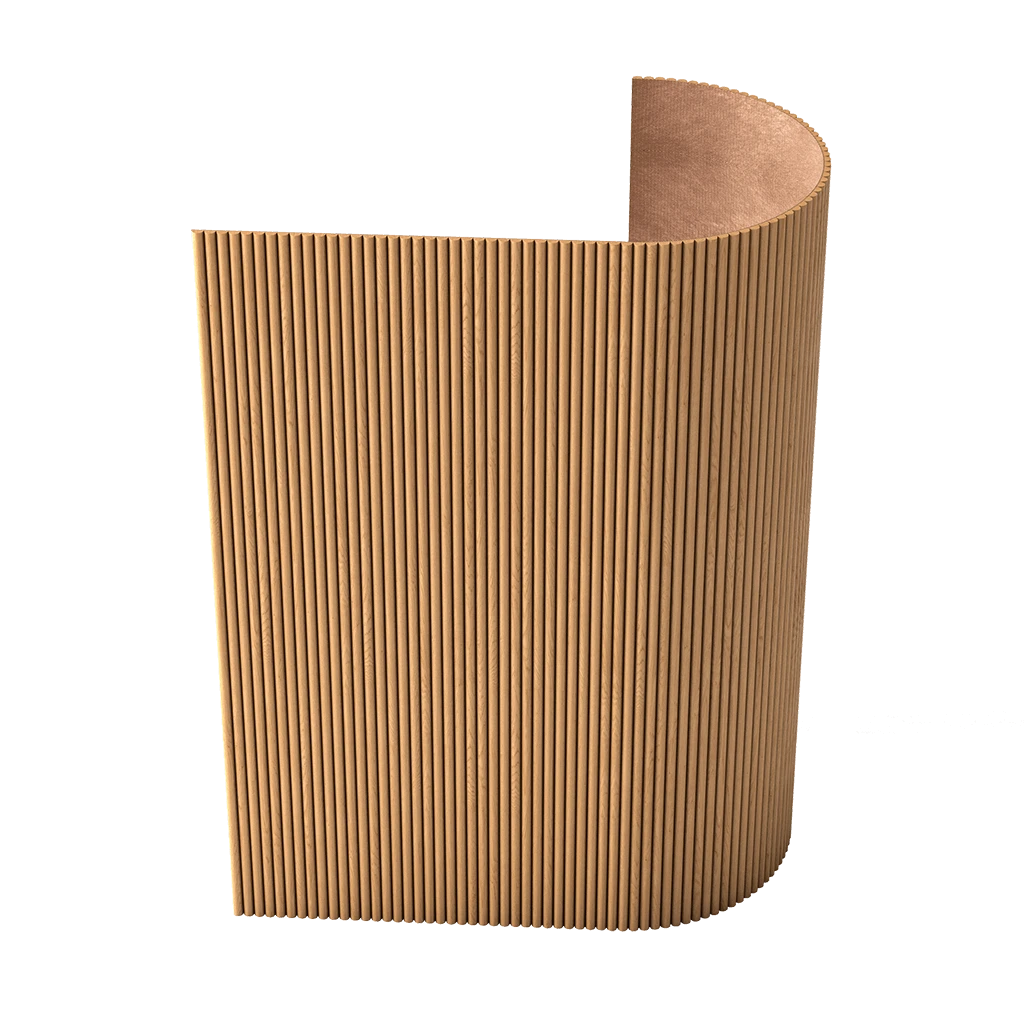
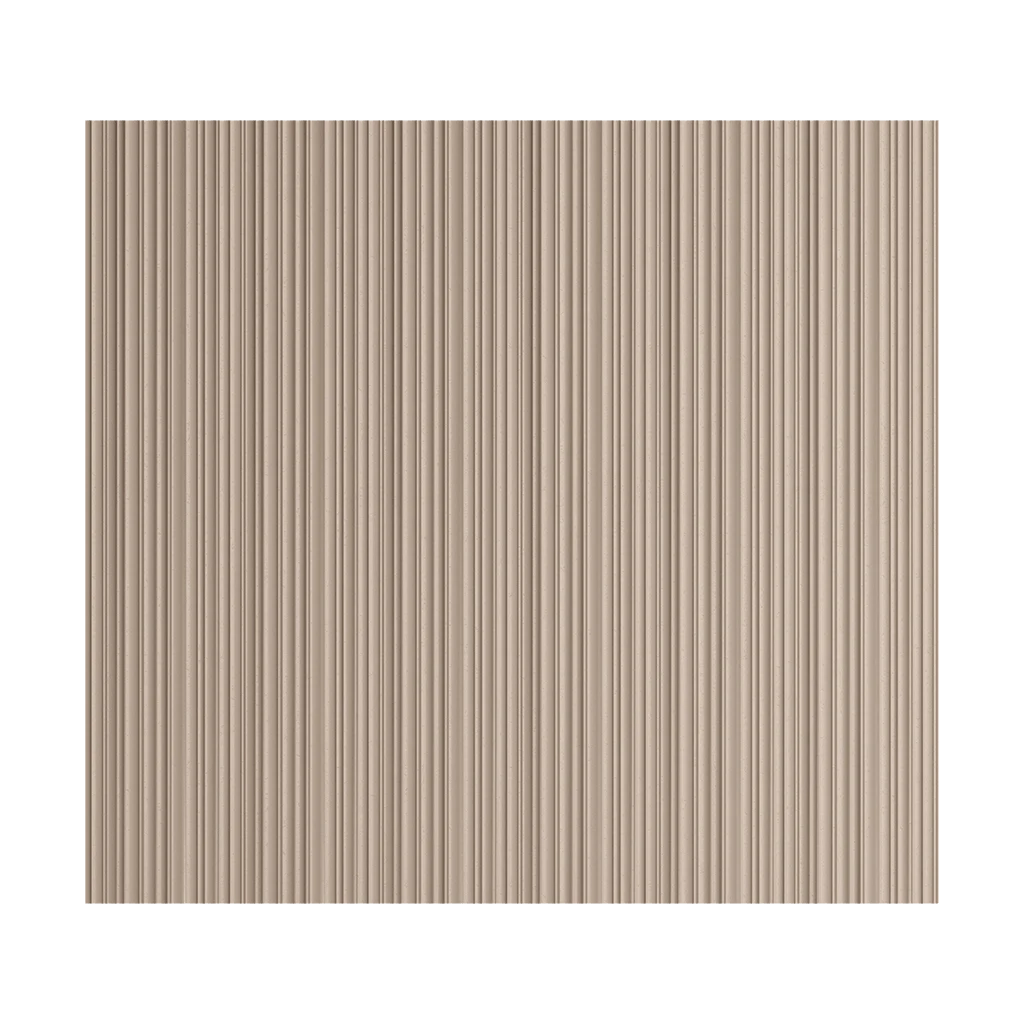
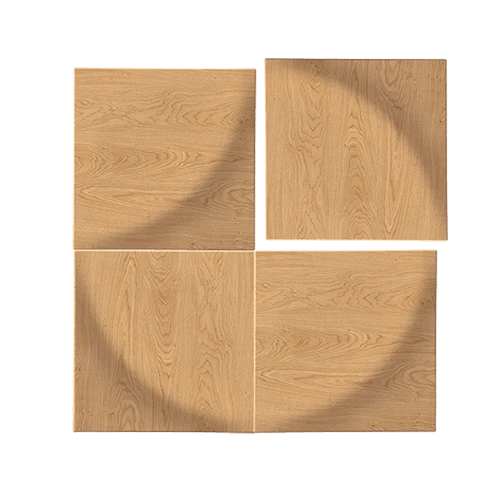
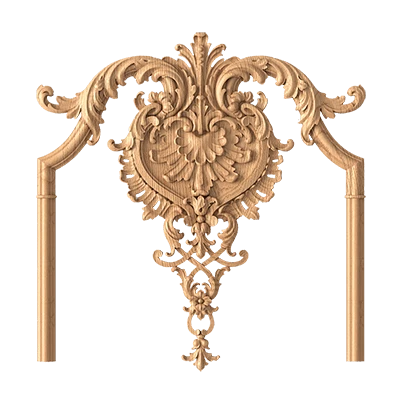
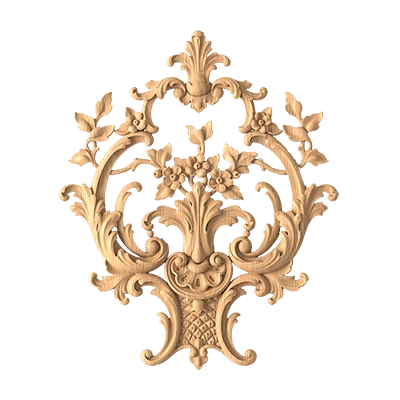
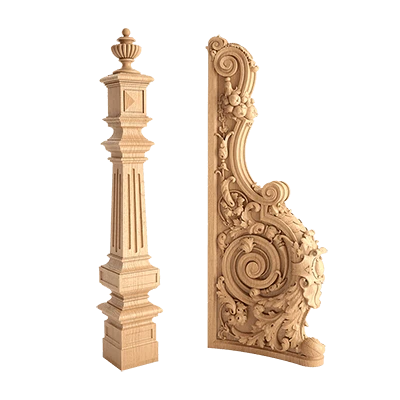
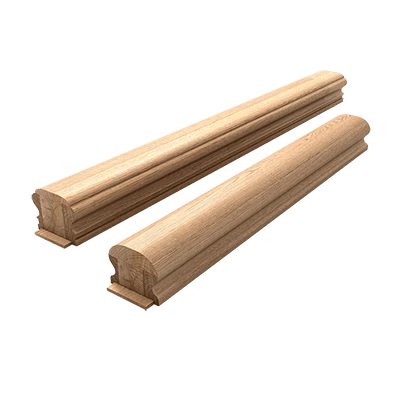
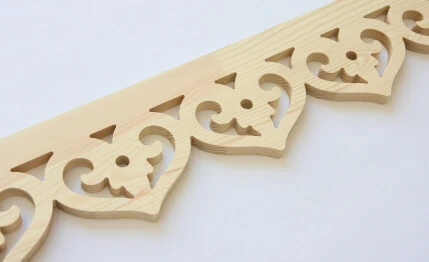
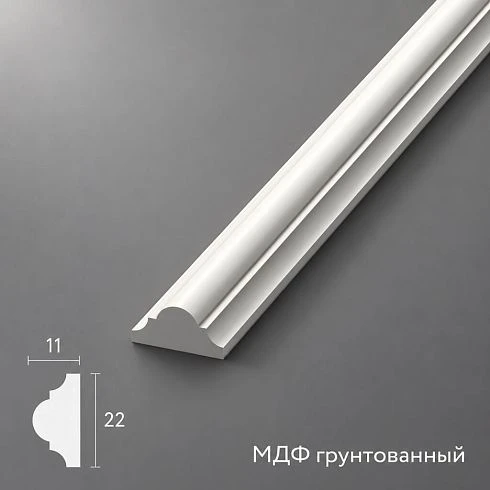
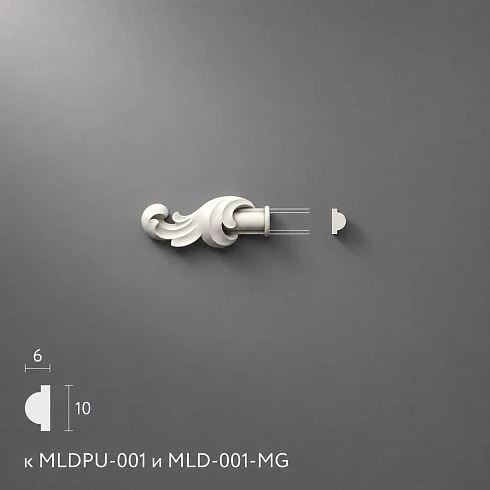
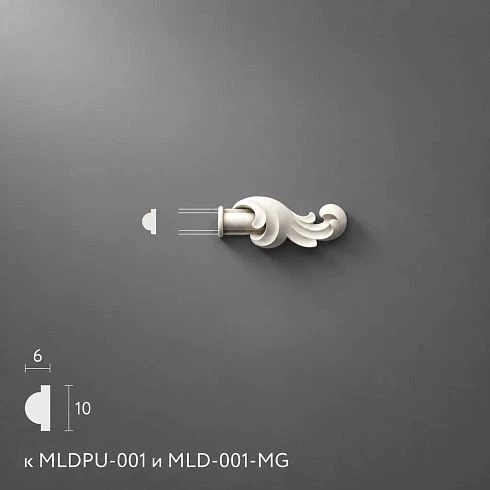
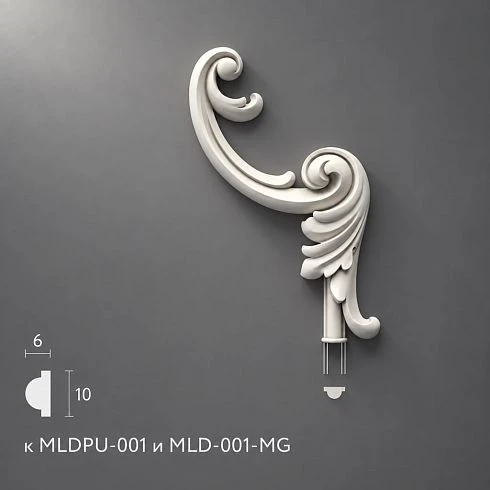
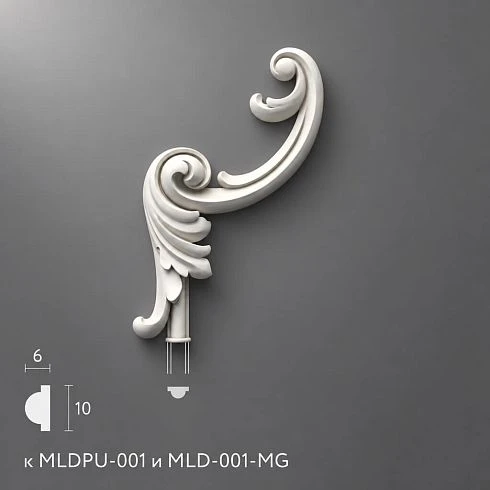
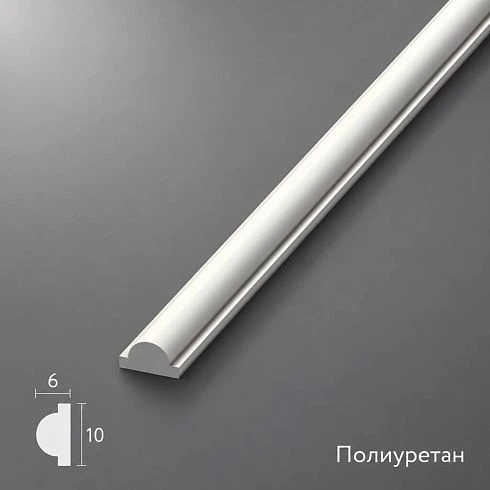
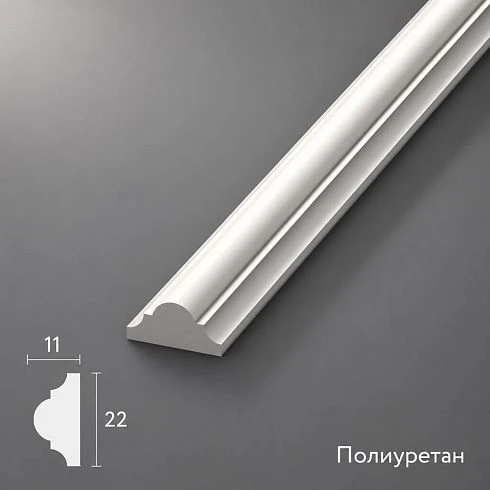
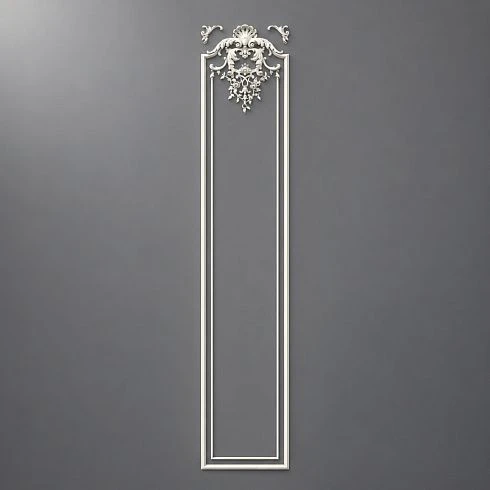
Used elements from the STAVROS array
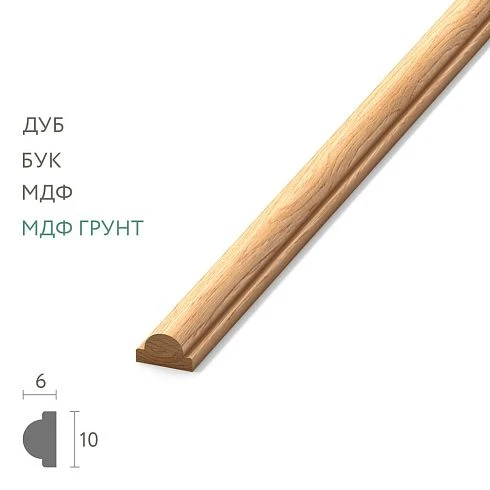
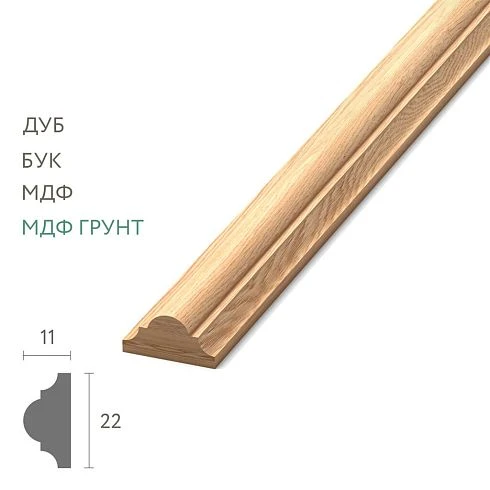
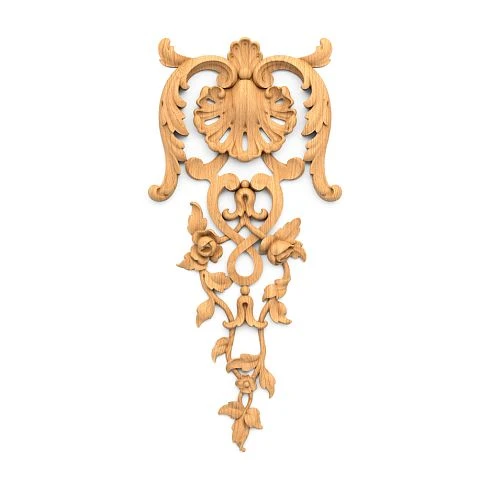
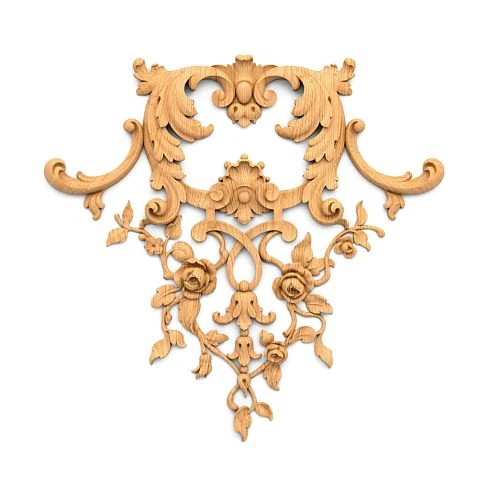
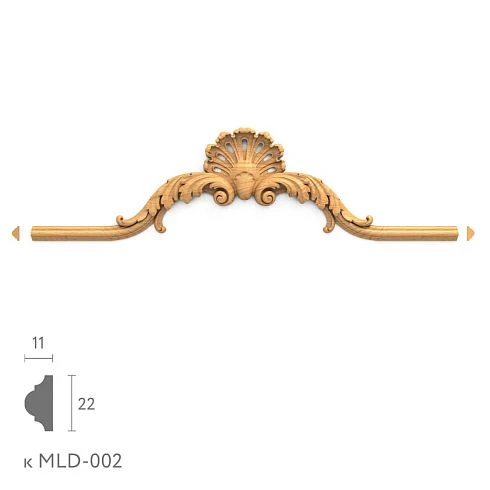
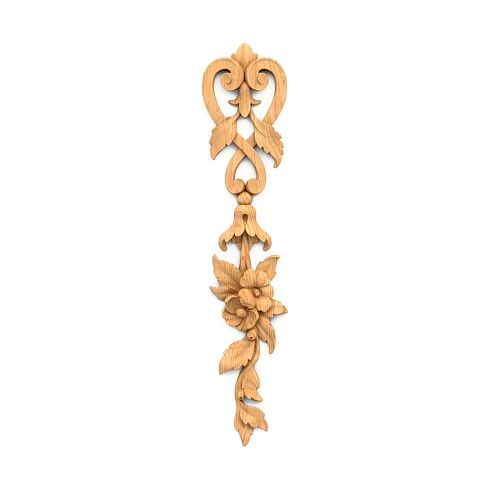
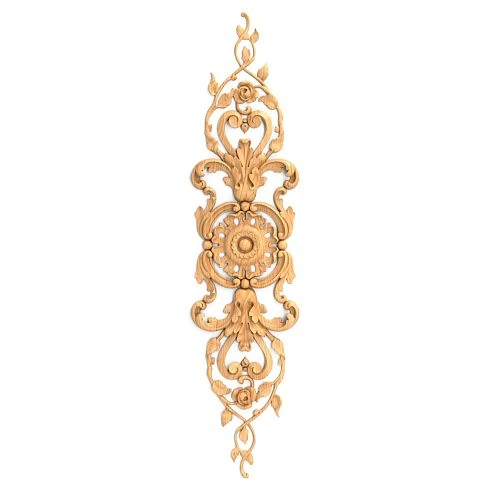
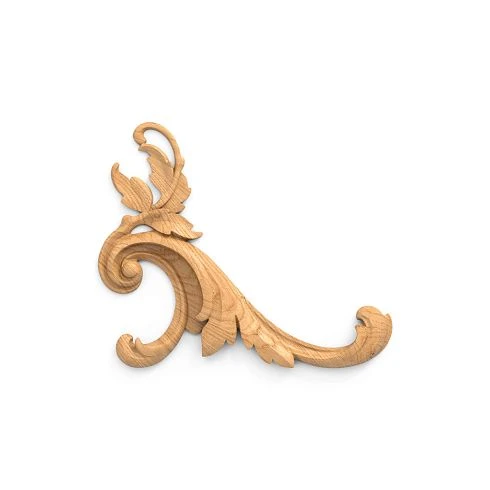
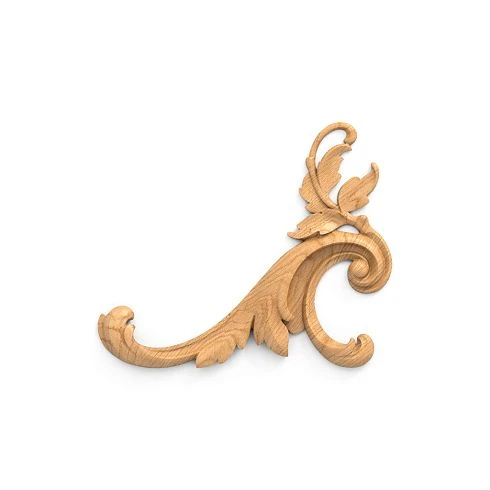
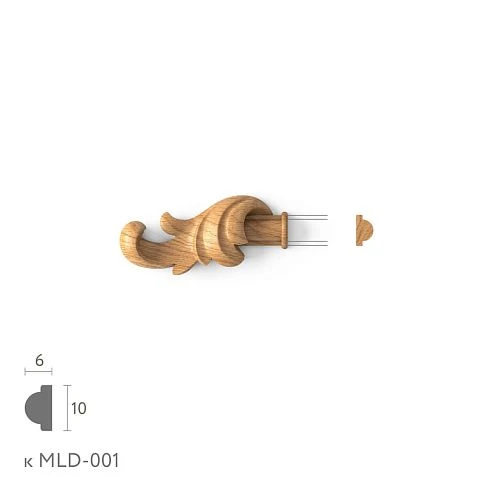
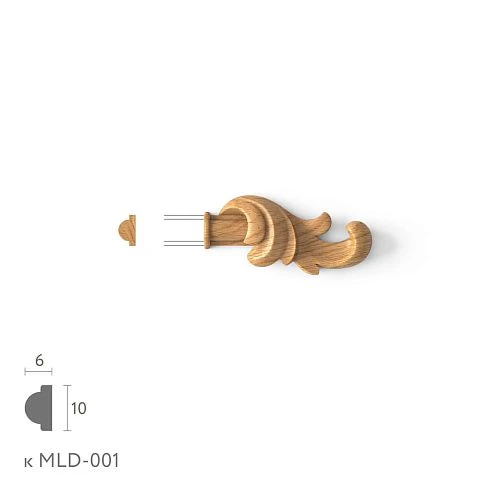
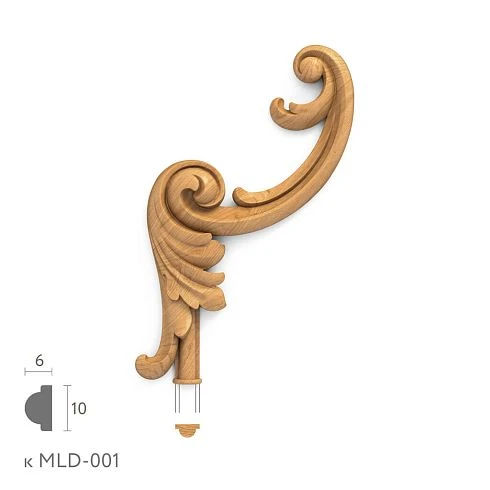
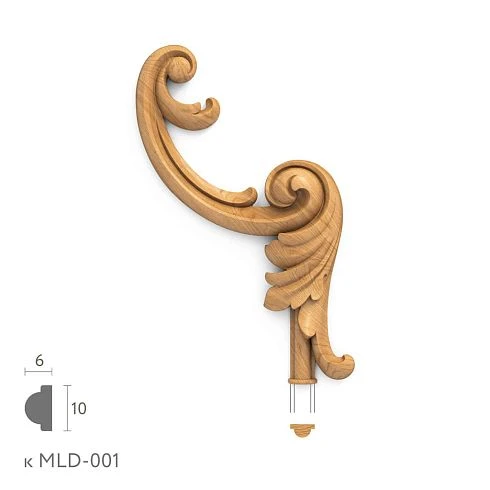
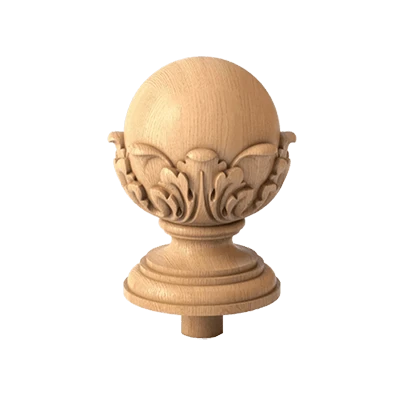
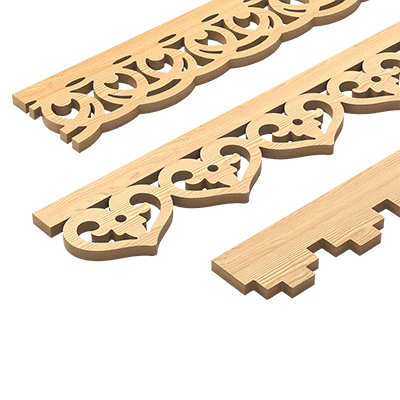
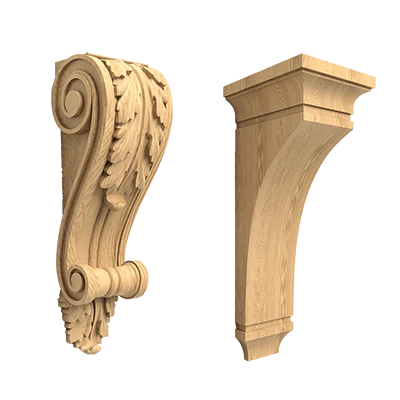
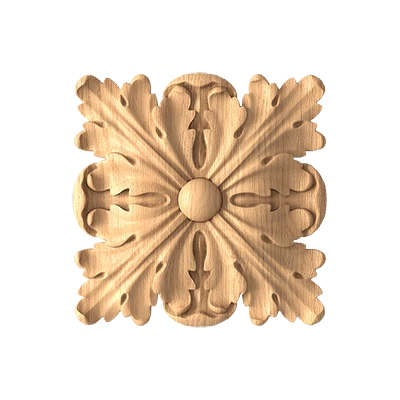
Polyurethane elements used: STAVROS
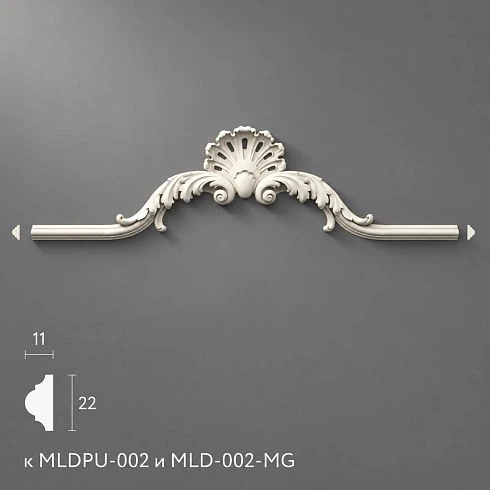
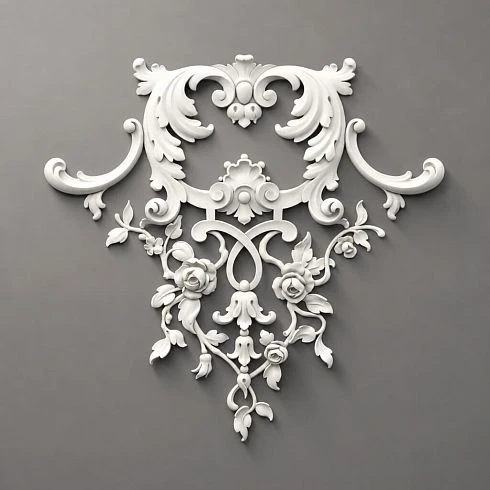
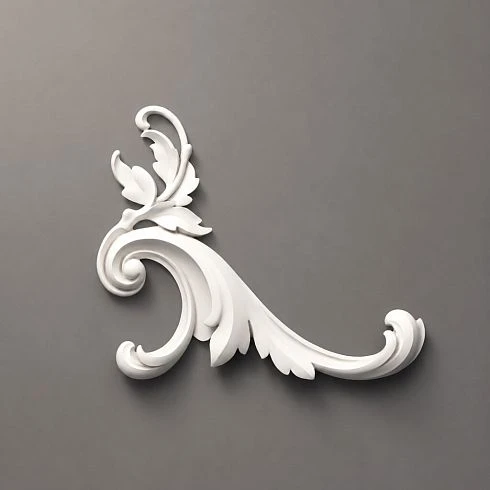
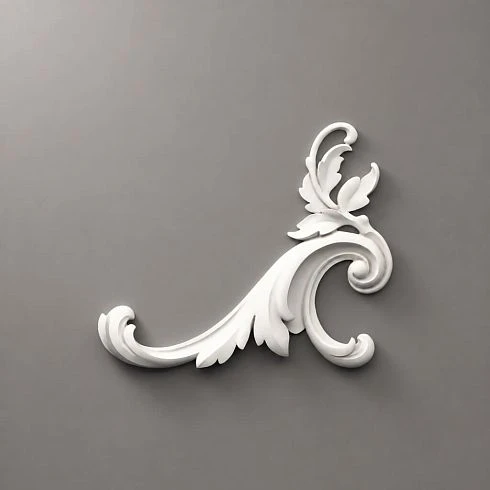
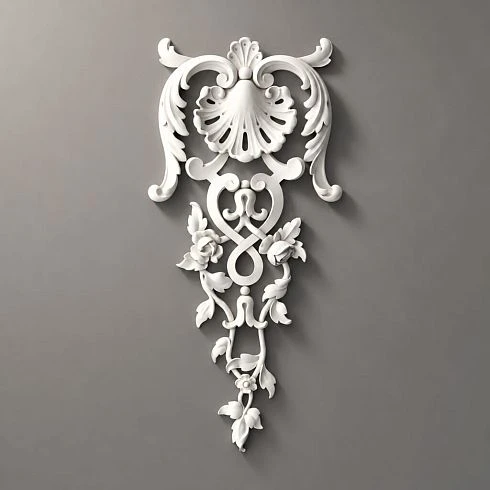
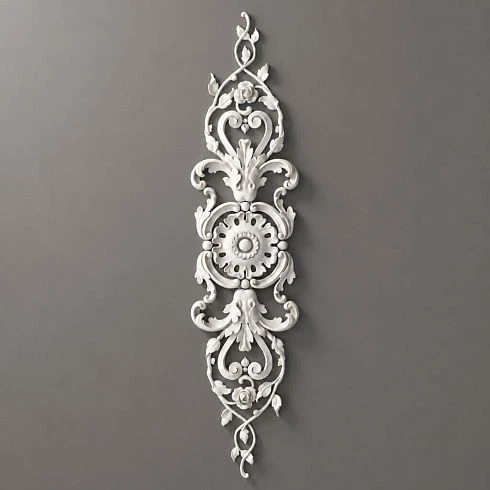
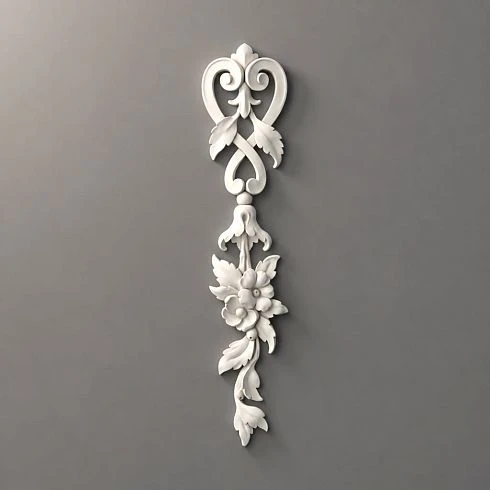
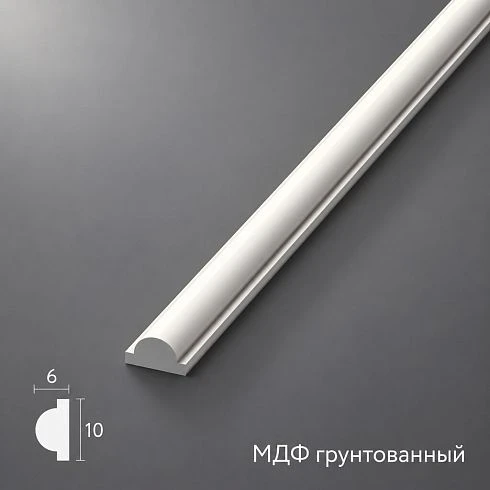
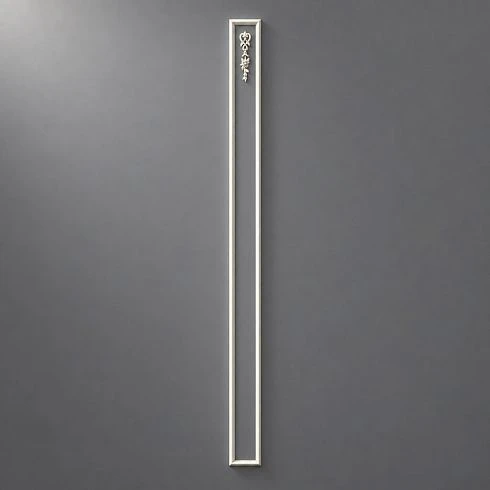
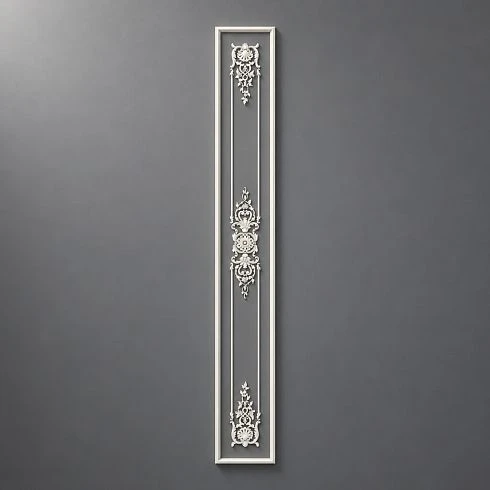
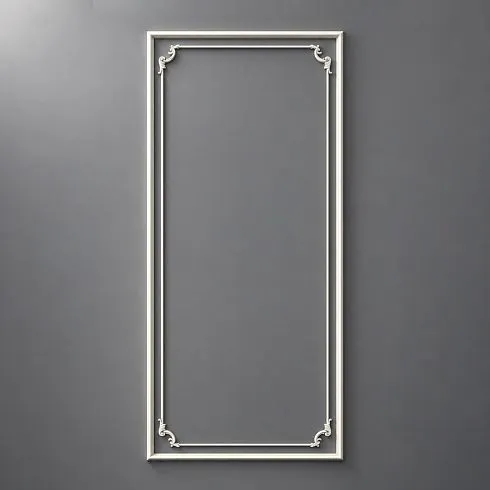
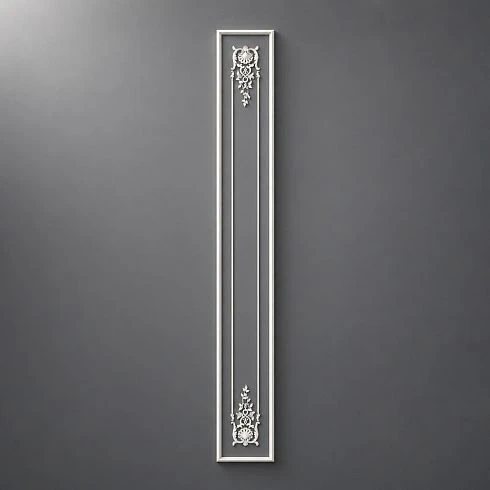
We will help you implement the project
Measurements
You send us furniture, interior, and preferences dimensions
Design
Our specialists will create a project (paid service, from 2000 rub.)
Kitting
After project approval, you receive a specification
Implementation
We will select partners in your city for painting and mounting decor
You may also be interested in
Frequently asked questions
Our showrooms are located in Saint Petersburg and Moscow. Production is located in Saint Petersburg.
Moscow contacts: /contacts_all/
Contacts of Saint Petersburg: /contacts_all/
Send us the product codes, quantities and delivery destination. Contact our team to confirm availability and order details.
Please contact us to confirm shipping availability, costs and delivery times for your destination.
Delivery cost depends on the size, weight of the item, and delivery address.
Please ask our team to confirm shipping costs and delivery arrangements for your destination before placing an order.
Prices and availability of items on the website are always current. Data is updated daily.
Note: items in stock are stored on the warehouse in unpolished form and shipped within 3 working days.
If the item is not in stock, average production time: 5–10 working days.
This is the quality of polishing of the items.
Standard — machine polishing, at a more attractive price.
Prestige — detailed hand polishing, items do not require further work.
More details: /information/kachestvo/
This is the type of veneer of the items.
Under enamel: produced by gluing wooden laminates without color and texture matching. Contrast tonal and textural differences are noticeable. This blank should be chosen if the item is intended for opaque coating.
Under tinting: produced by gluing wooden laminates with color and texture matching. Tonal and textural differences may occur. This blank should be chosen if the item is intended for semi-transparent finish.
More details: /information/kachestvo/
Beech — dense, non-porous wood, most often used for items covered with enamel.
Oak — dense, porous wood with clearly visible natural grain. Due to its strength and decorative properties, it is often used in items with semi-transparent coating, highlighting the wood pattern.
Custom-made, if non-standard items are required, we can produce products from other types of wood, including blanks provided by the customer, manufactured according to our technical specifications.
All our furniture legs can withstand a vertical load of at least 100 kg.
Average production time for custom-made items: 5–10 working days.
Most items are stored on the warehouse in unpolished form. We need time to polish and pack orders.
Yes, we manufacture non-standard items according to individual projects, but we only accept orders with a minimum quantity.
We can manufacture items of the desired size, but we only work with bulk orders. For details, please consult the sales department manager.
Yes, some of our products can be used outdoors. For example, polyurethane items, as well as carved door casings made of pine.
Other items are produced to order using PUR glue, if minimum quantity is available. No warranty is provided for such products, as outdoor conditions are considered aggressive.
Please contact our team to confirm available finishes, minimum quantities and a quotation for your order.
- Dust removal. After sanding, the surface must be dusted.
- Priming. Apply primer in an even layer.
- Matting. After the primer has fully dried, the surface should be matted (lightly sanded for better adhesion).
- Finish coating. Apply finish coating: lacquer or enamel, in 2 layers, with interlayer drying.
More details: /information/sovety/
Apply adhesive to the decor. Attach to the surface and press briefly. Then, remove the decor from the surface and leave it open for 3–5 minutes. Press the decor firmly onto the surface and hold for 5–10 seconds.
More details: /information/sovety/
Ideally, you should prepare a design project before placing an order.
You can do this yourself by downloading drawings of our products from our website, or you can order a project from us.
If the number of decorative elements and fittings is small, our company's manager can assist you with selection.
Unfortunately, this service is not provided.
The packaging method depends on the type of items, but in each case, we ensure sufficient protection for safe transportation.
We most often use corrugated cardboard and stretch film. Fragile items are additionally secured on a rigid base to prevent damage during transport.
Please confirm the minimum order quantity for your selected products and finishes with our team.
Please contact our team to discuss measurement and installation requirements for your project and destination before ordering.
Also see
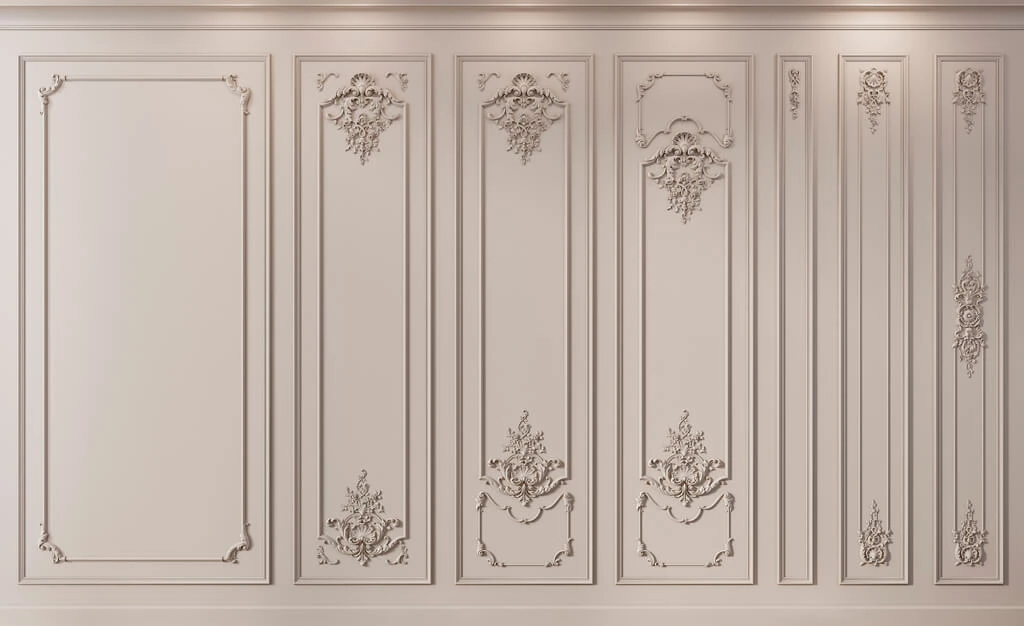
Idea for decorating wall panels Versailles Light INTPU-016 for a classic interior
There are walls that remain silent. Smooth, painted, neat — and completely empty in terms of meaning. Furniture is in place, the chandelier hangs, curtains are chosen — yet the wall still stays a background without character. It is precisely this emptiness that classic wall decor saves from: not flashy, not loud, but convincing and expressive. INTPU-016 is one such solution.
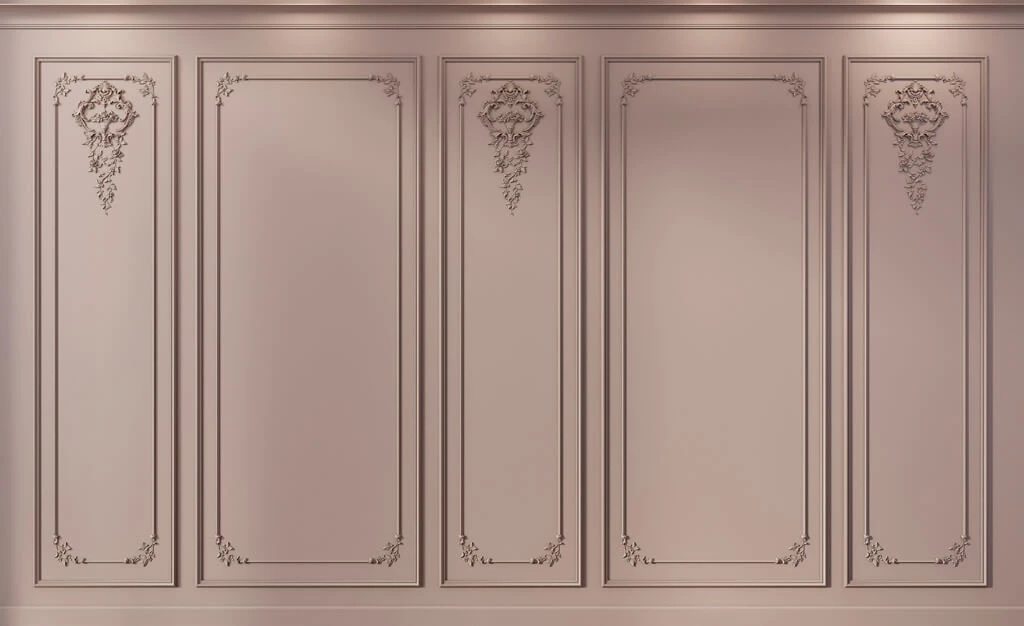
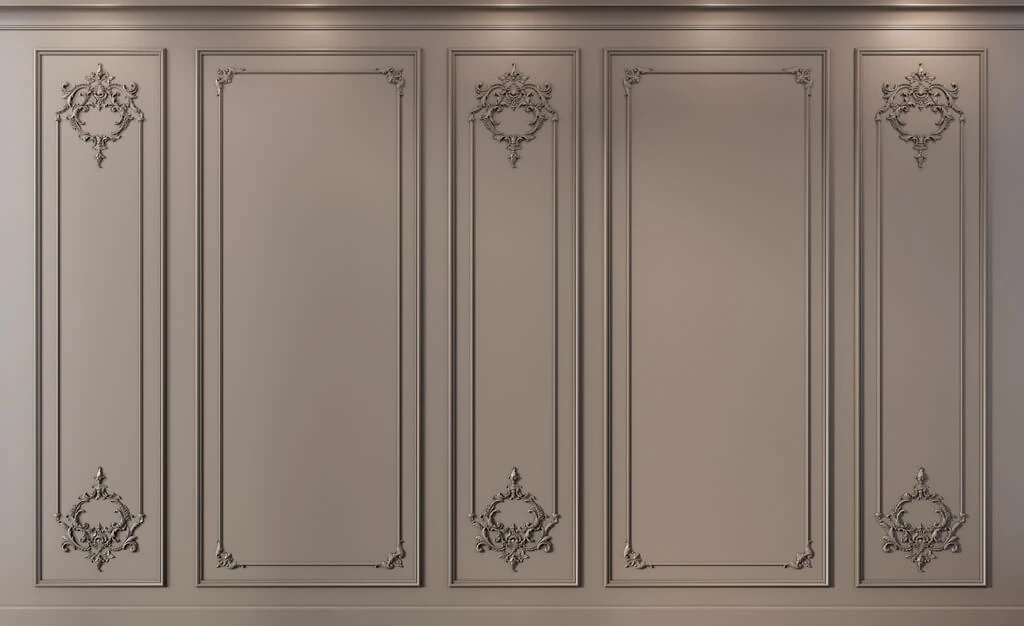
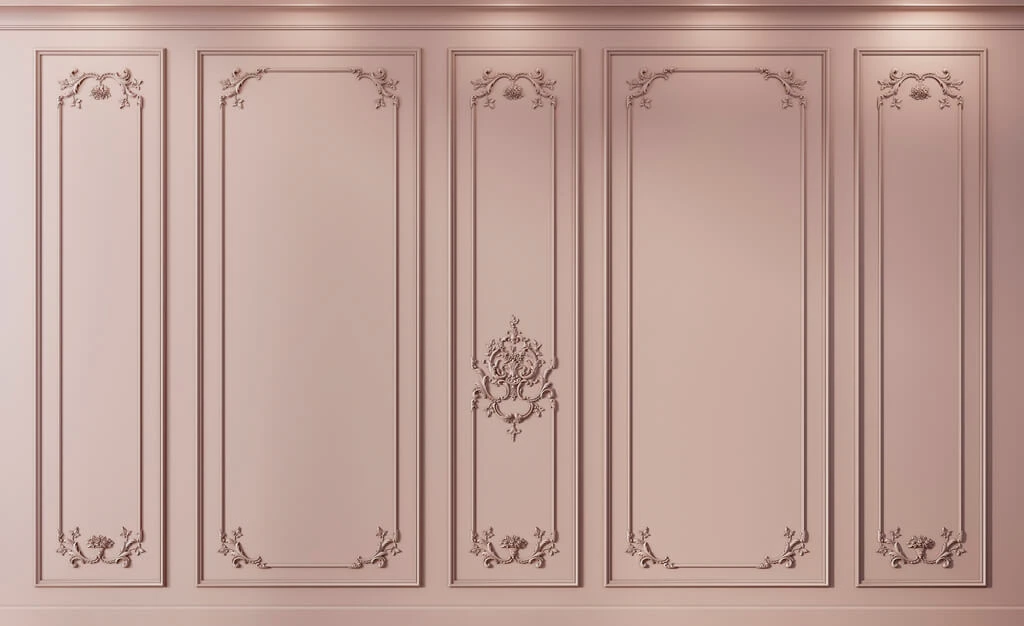
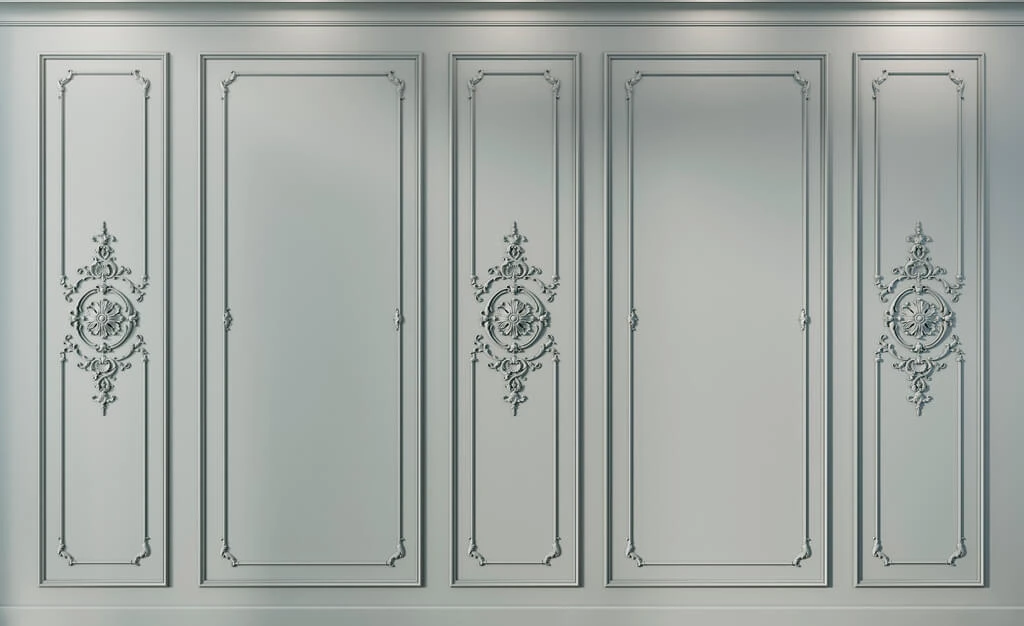
The idea for decorating wall panels "Versailles Light" INTPU-016 is a ready-made architectural concept for classic and neoclassical interiors, where rectangular frames made of moldings, decorative overlays, corner elements, and vertical panels are assembled into a single symmetrical composition. Such classic-style wall decor does not require palace stucco or excessive ornamentation — it works through proportions, rhythm, and precisely placed accents. The wall becomes architectural, complete, and visually expensive. Without overload. Without randomness.
What is the idea of INTPU-016
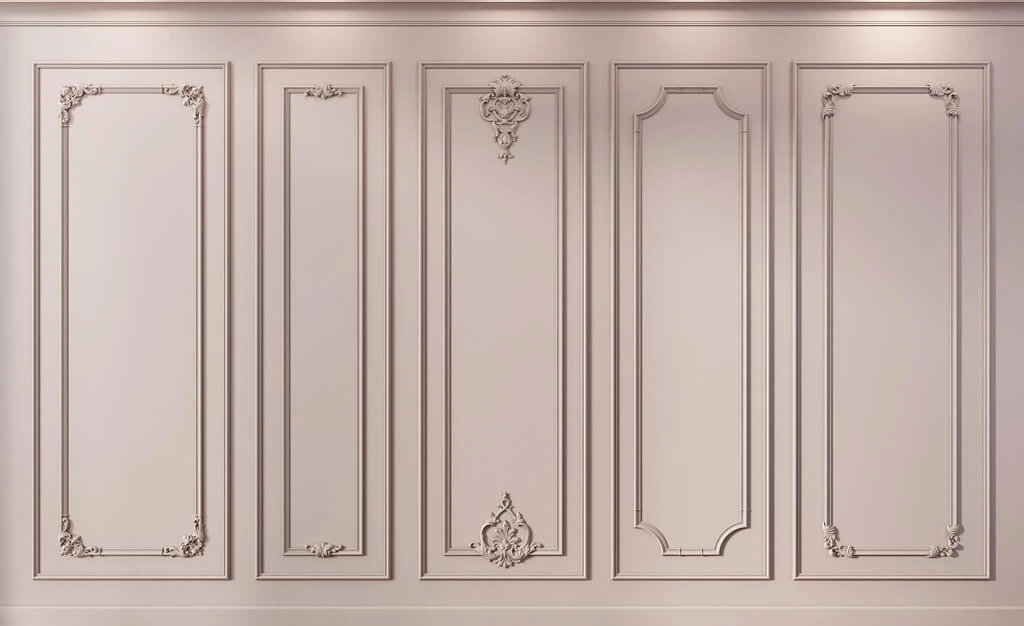
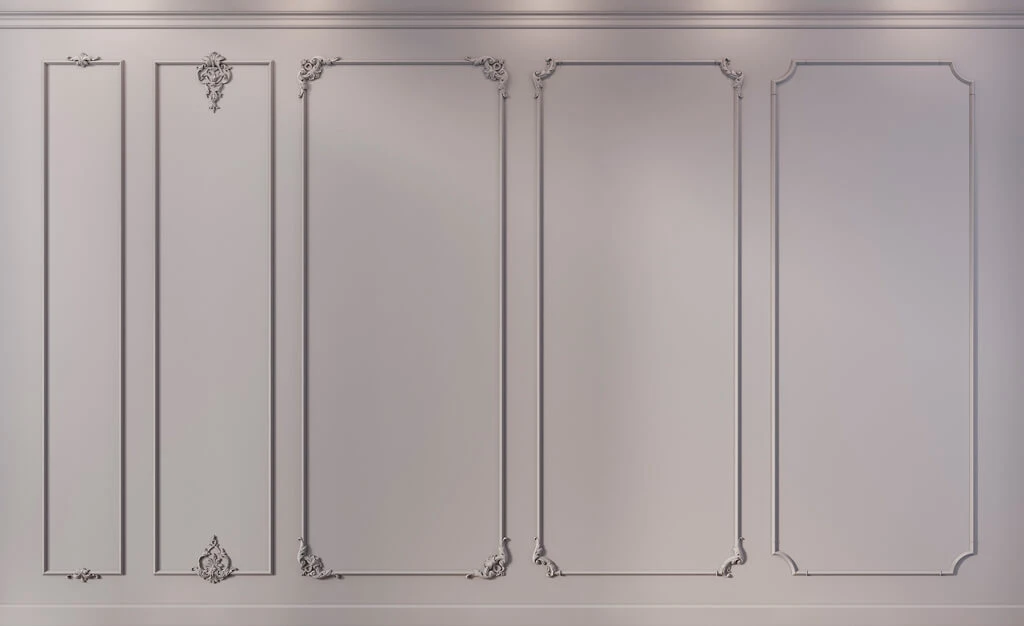
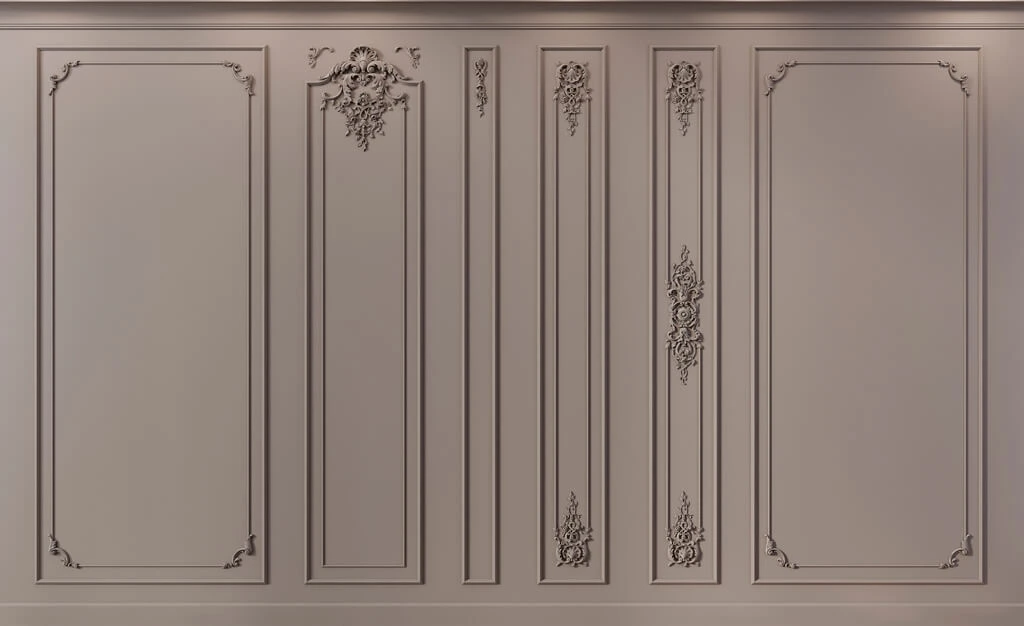
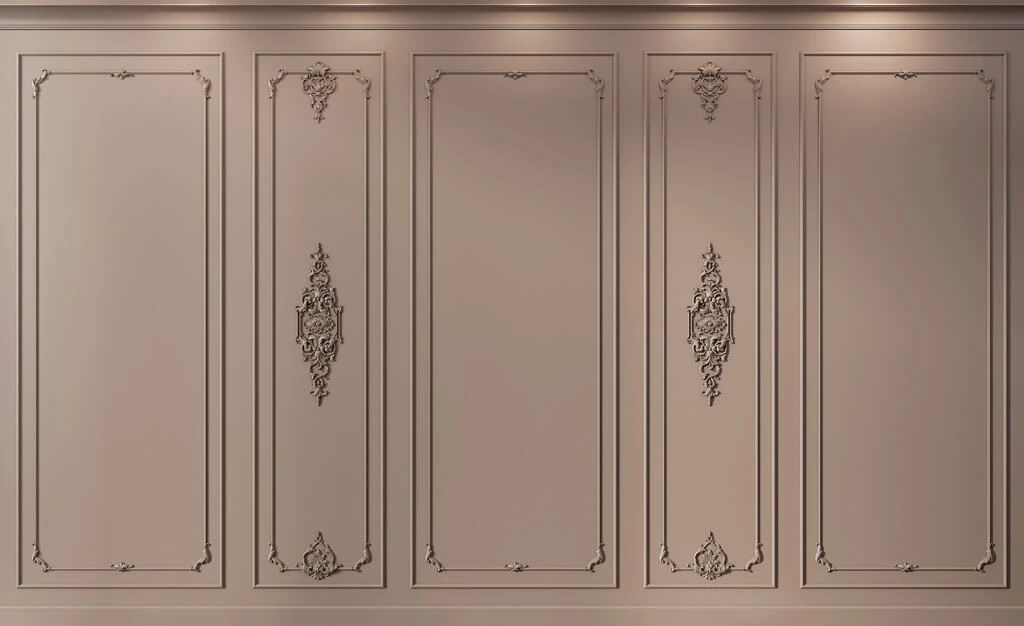
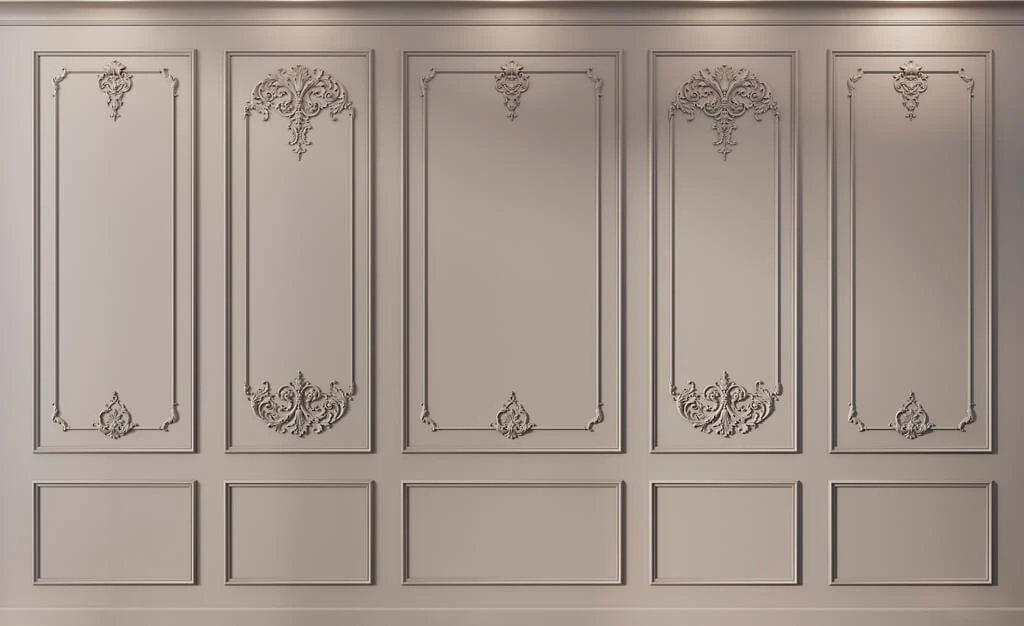
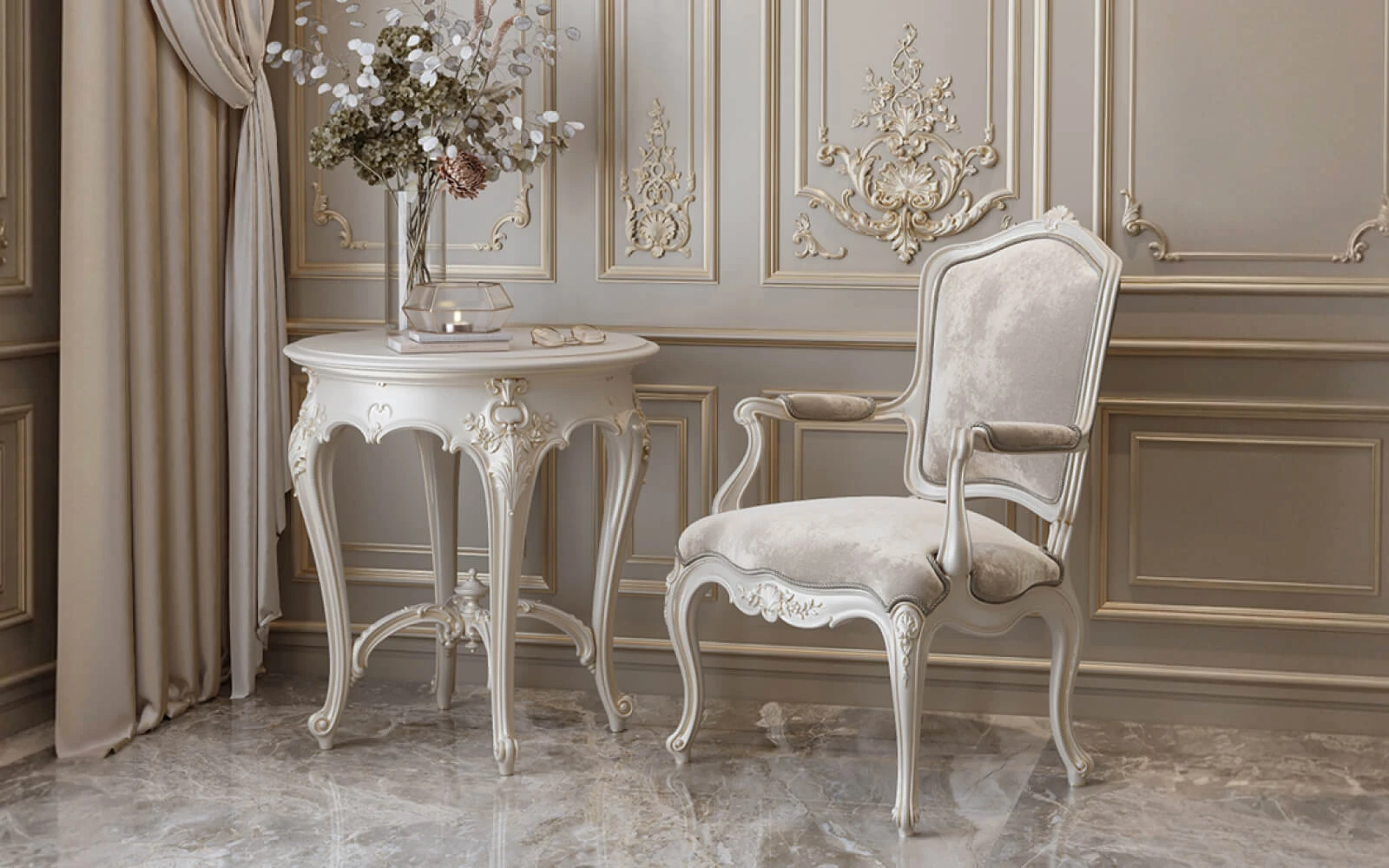
If you look at the photo carefully, not as a beautiful picture, but as a system, a clear logic is visible. The long wall is divided into large rectangular panels. Each panel is framed with a molding border — strict but not heavy. Inside the frame is a decorative overlay: an ornamental element located in the center. Corner elements fix the intersections of the moldings and give the joints a finished look. Narrow vertical modules between large panels create pauses and stretch the entire composition vertically.
The color scheme of INTPU-016 is a calm gray-beige monochrome. The moldings, overlays, and wall background are painted in the same or similar shades. This is a fundamentally important choice: it is monochrome that makes stucco wall decor look "expensive" — the relief is read through shadows, not through color contrast. The wall looks whole, as if it was built that way, rather than decorated after finishing.
Vertical lines in INTPU-016 work as an optical tool: they visually elongate the room, make ceilings higher, and create a sense of more space. The symmetrical arrangement of all elements gives a classic feeling of order and tranquility — what people come for in interiors with classic wall decor.
What makes INTPU-016 recognizable
-
Large rectangular panels with a molding frame as the basis of the composition
-
Central ornamental overlays inside each panel
-
Corner elements at the intersection points of moldings
-
Narrow vertical modules — pauses between wide panels
-
Monochrome or close-toned painting
-
Classic symmetry, readable at first glance
-
No visual overload despite high decorative richness
The «Versailles Light» wall panels in INTPU-016 work like an architectural score: each element takes its place, each pause is justified, each accent is precise. This is classic in the best sense of the word — not museum heaviness, but a living and modern elegance.
Where to use Versailles Light wall panels
The range of application for the INTPU-016 idea is wide — from private apartments to large commercial spaces. Wherever classic expressiveness and architectural order on the wall are needed, this decor will be appropriate and convincing.
Living room. This is the main space of an apartment or house — and here the wall should work to impress. Decorating the living room wall with moldings and overlays turns an ordinary living room into an interior with character. The wall behind the sofa, the wall with a fireplace, the wall opposite the entrance — any of them becomes an accent with INTPU-016.
Bedroom. The wall behind the headboard is the main visual zone of the bedroom. Decorating the wall behind the bed in neoclassical style with INTPU-016 creates a monumental and calm background that makes the interior more prestigious without disturbing the atmosphere of peace.
Study. A workspace in a classic interior requires special decor: strict, composed, speaking of a certain taste and status. Decorating the study wall with INTPU-016 moldings creates exactly this image — without unnecessary fuss, with dignity.
Hall and entryway. The first impression is formed in the entryway. The long hall wall with classic INTPU-016 wall panels welcomes guests as a good interior should: with quiet confidence.
Staircase hall. The vertical nature of INTPU-016 is ideally compatible with high staircase spaces. The panels stretch along the staircase, creating a solemn and complete image.
Restaurant and hotel. In commercial spaces, classic wall decor signals the establishment's value level. A hotel with molding panels in the lobby and a restaurant with classic frames on the walls is perceived as more prestigious and thoughtfully designed. INTPU-016 is suitable for waiting areas, reception desks, restaurant halls, and banquet rooms.
Beauty salon and showroom. An interior that sells premium services must look premium. Classic-style decorative panels in a salon or showroom create a sense of reliability and high quality.
Theaters, cultural institutions, official meeting rooms. Everywhere where the representative nature of the space is important, INTPU-016 will be organic and convincing.
Why Versailles Light is suitable for classic wall decor
The question deserves an honest answer. Among all the variety of classic decorative systems — why exactly 'Versailles Light'? What distinguishes it from heavy palace stucco, on the one hand, and minimalist moldings without ornament, on the other?
The answer is in the name itself: 'Light' — lightweight. This is classic with a light breath. Ornamental overlays are present — but they are pointwise, dosed, placed where an accent is needed, not everywhere indiscriminately. The moldings create an architectural frame — strict and clear, but not heavy. The overall image reads as a 'classic interior of an intelligent person', not a palace hall with gilding.
Classic wall decor in neoclassicism requires exactly this balance: enough ornament for the interior to be 'classic', and enough restraint for it to remain modern. INTPU-016 finds this balance point and holds it.
An important practical advantage: 'Versailles Light' works perfectly under monochrome painting. Many other classic systems require a two-tone solution (background one color, moldings another), otherwise they look unconvincing. INTPU-016 is excellent in a single shade: the relief is read through the play of shadows, the ornament remains noticeable due to the volume, and the wall looks like a single architectural whole.
Collection Versailles Light STAVROS created specifically for this application: not overloaded, but complete, not simple, but not heavy. This is a fine balance achieved through well-proportioned elements and a thoughtful logic of their combination.
Three principles of classic wall decor in INTPU-016
Proportions. The size of the panels, the width of the moldings, the height of the corner elements — all are selected in accordance with classical canons. The system looks good at any ratio of wall length to height.
Symmetry. Classic wall decor is built on symmetry: the left half of the wall mirrors the right. This creates visual order and is calming — exactly what is sought in a classic interior.
Dosed ornament. Ornamental overlays are placed sparingly — in the center of panels or at the top of piers. They work as accents, not as a background. This is fundamentally important: stucco decor should adorn, not clutter.
Wall decor in the living room, bedroom, or study
Each room sets its own task for decor — and INTPU-016 solves each one in its own way.
In the living room, the main challenge is to create a wall that holds the space and simultaneously serves as a backdrop for life. Classic-style wall decor behind the sofa with INTPU-016 delivers exactly this result: the wall becomes an architectural statement but does not overpower furniture, paintings, or people. Large panels create a monumental rhythm, overlays add elegance, and monochrome painting unites everything into one calm whole.
If the living room has a fireplace — INTPU-016 turns the fireplace area into a full-fledged architectural niche. Moldings frame the portal, panels organize the wall space, and corner elements create complete intersections. The fireplace wall in a neoclassical interior with such decor is a separate work of art.
In the bedroom, INTPU-016 works as a monumental backdrop behind the bed. This wall is most often visible when entering the room — and it determines the first impression. Wall decor behind the headboard with molding panels creates the effect of a built-in portal: the bed seems integrated into the architecture, not placed in front of an ordinary wall. This is that very feeling of 'thoughtfulness' that so many bedrooms lack.
In the study, INTPU-016 solves the task of status. The backdrop behind the desk or library shelves with classic molding panels creates an image of a person with traditions and taste. Decorating a study wall with moldings is one of the oldest interior techniques that never goes out of style because it is based on fundamental aesthetic logic.
In the hall and entryway, a long wall serves as an excellent canvas for INTPU-016. The "gallery rhythm" technique—repeating panels with overlays—creates a ceremonial corridor that sets the tone for the entire interior. A guest walking through such a hall, even before seeing the living room, understands: people with a certain attitude toward space live here.
What elements are used in the composition
The INTPU-016 system consists of several groups of elements, each performing its function in the overall wall architecture.
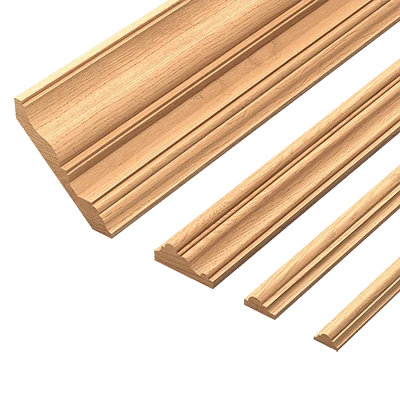
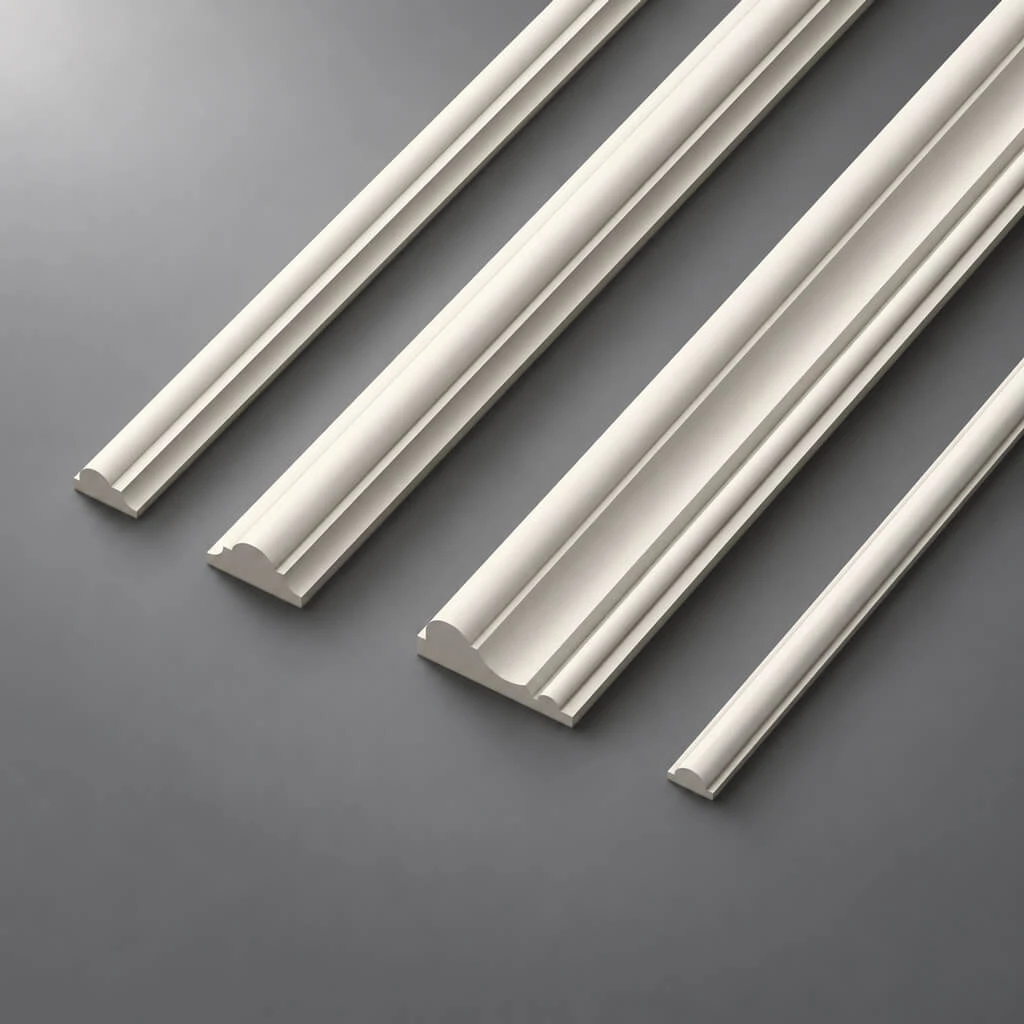
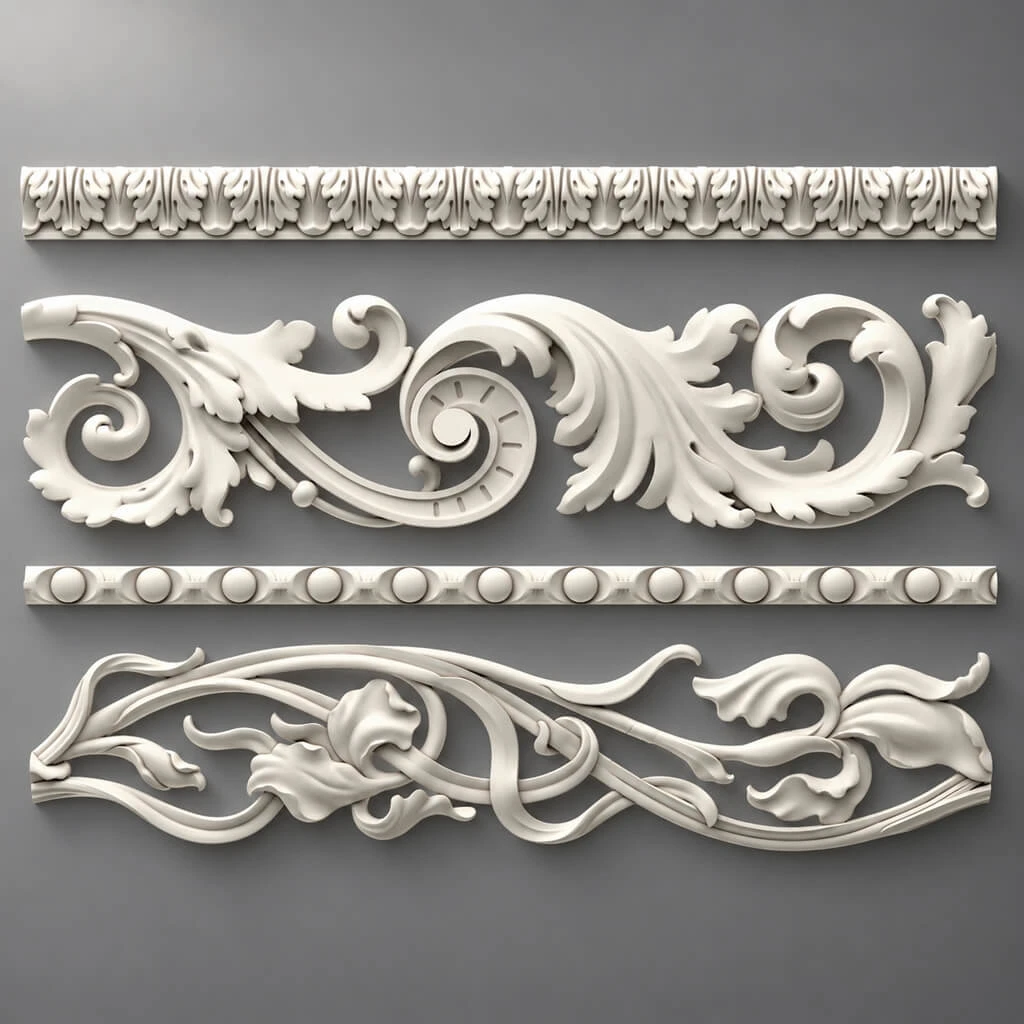
Moldings for frames are the main structural layer. Straight horizontal and vertical profiles form rectangular frames around each wall panel. The molding cross-section is selected according to the room's scale: for small rooms—a thin, neat profile; for tall, formal spaces—a more massive one. The assortment moldings from STAVROS polyurethane allows you to choose the right option for any task.
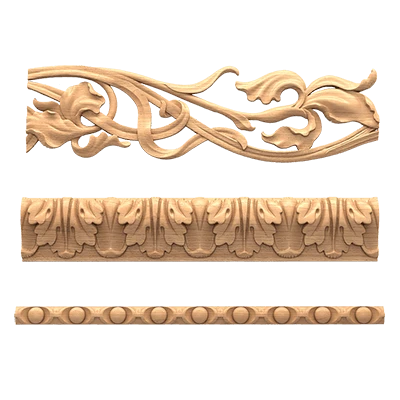
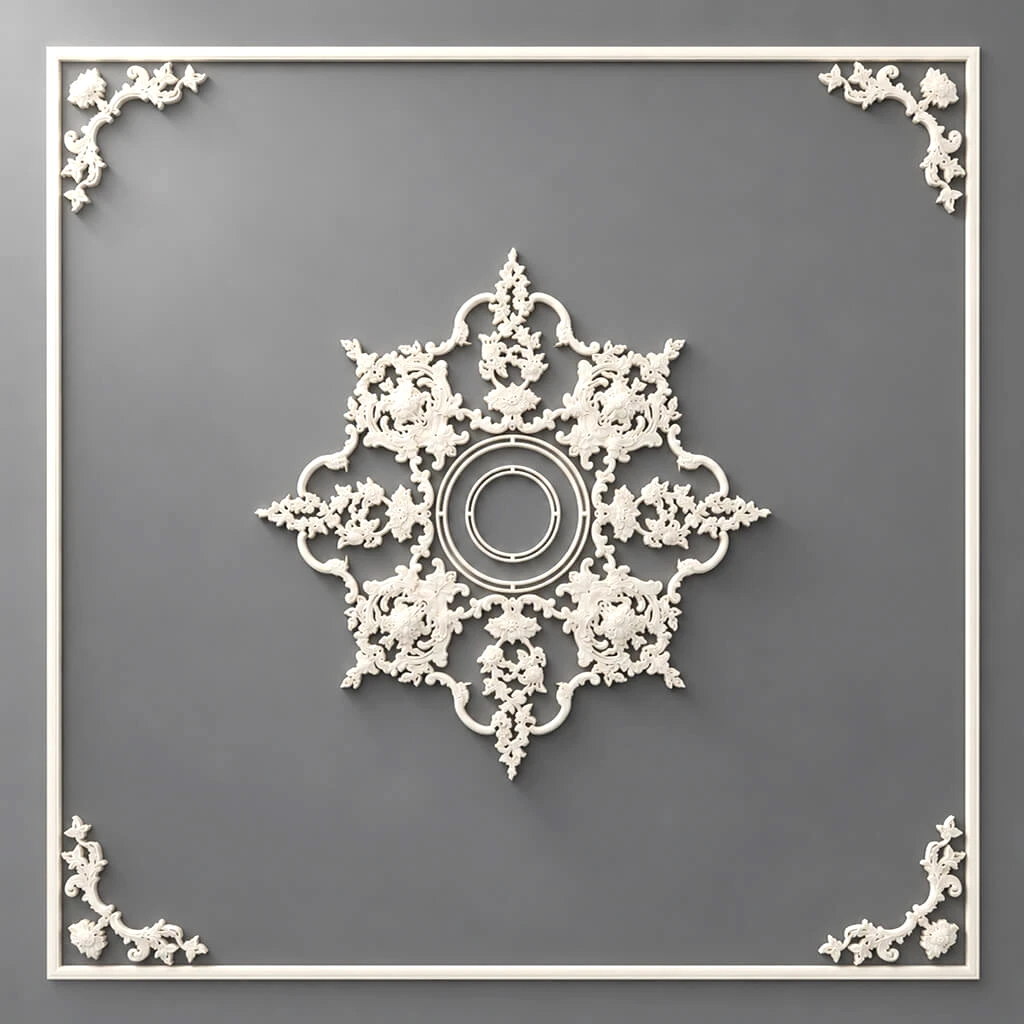
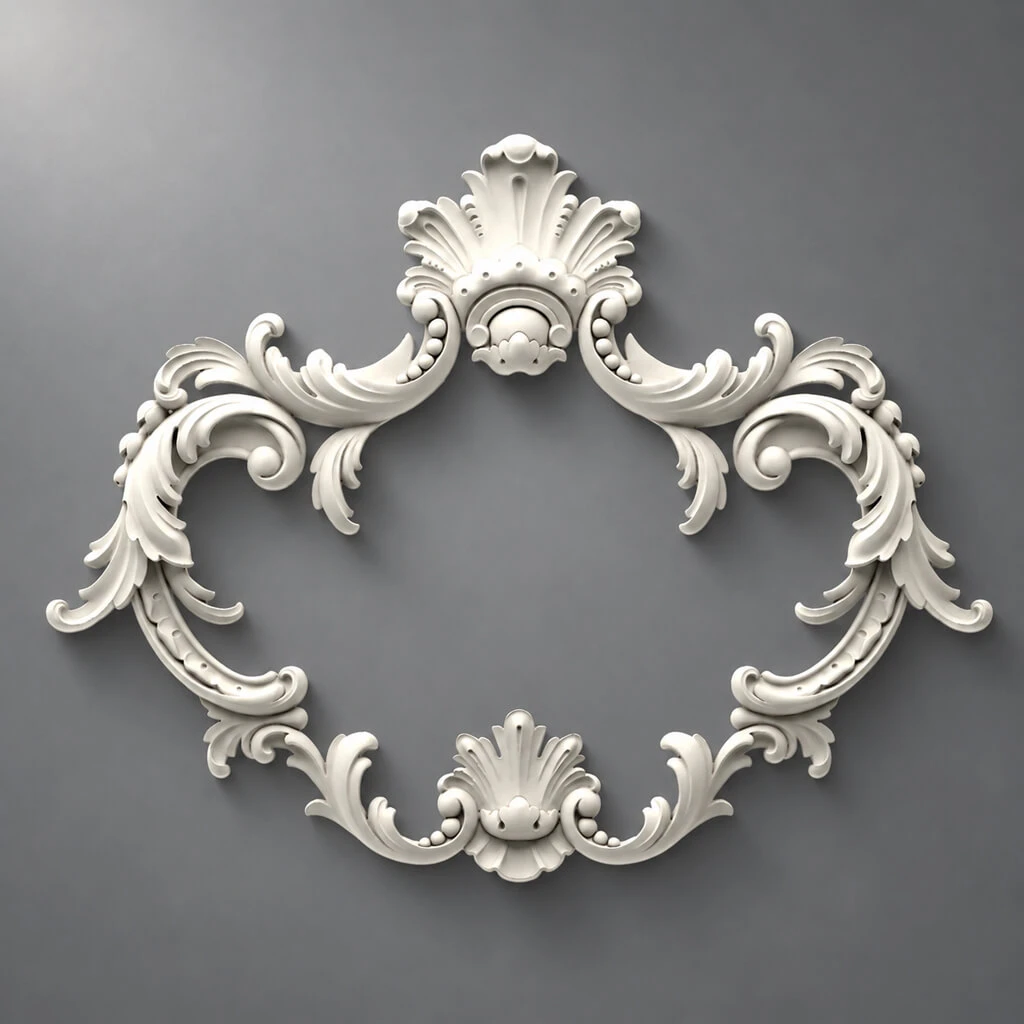
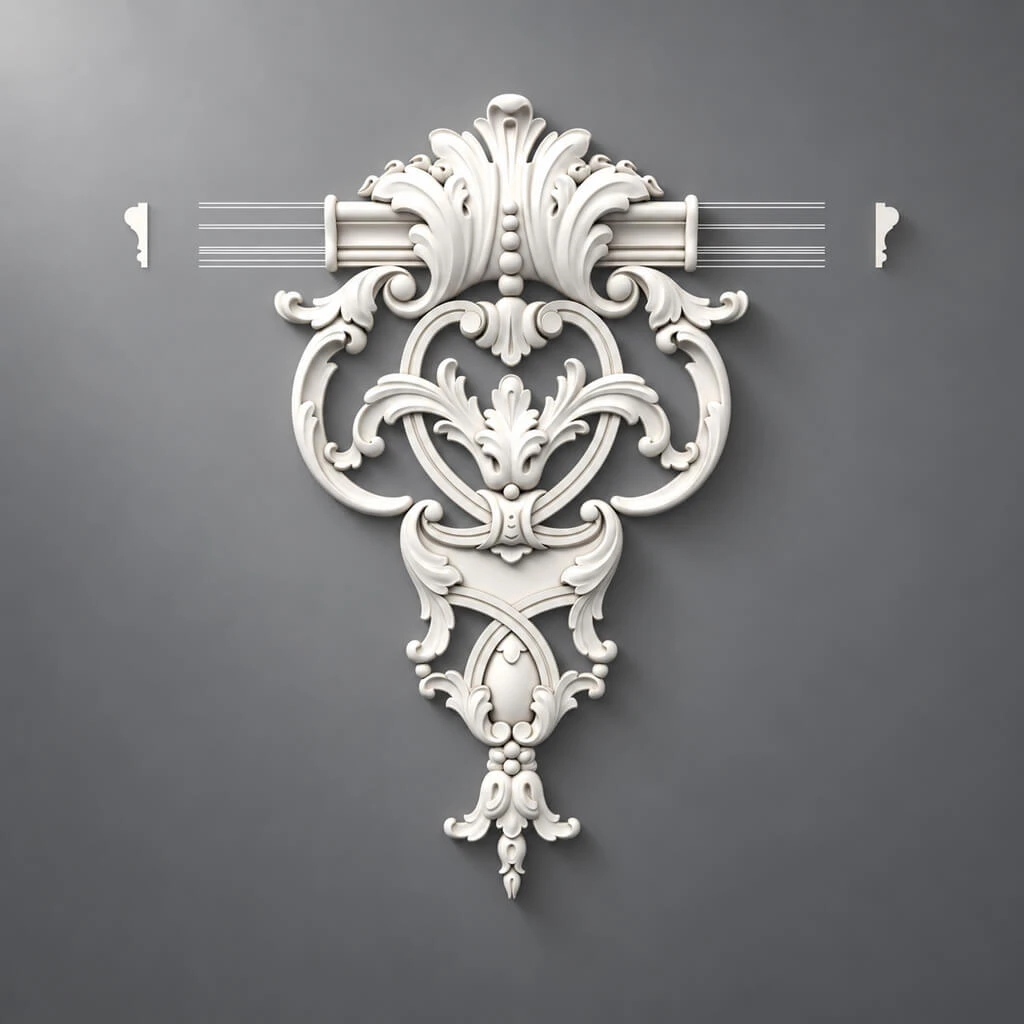
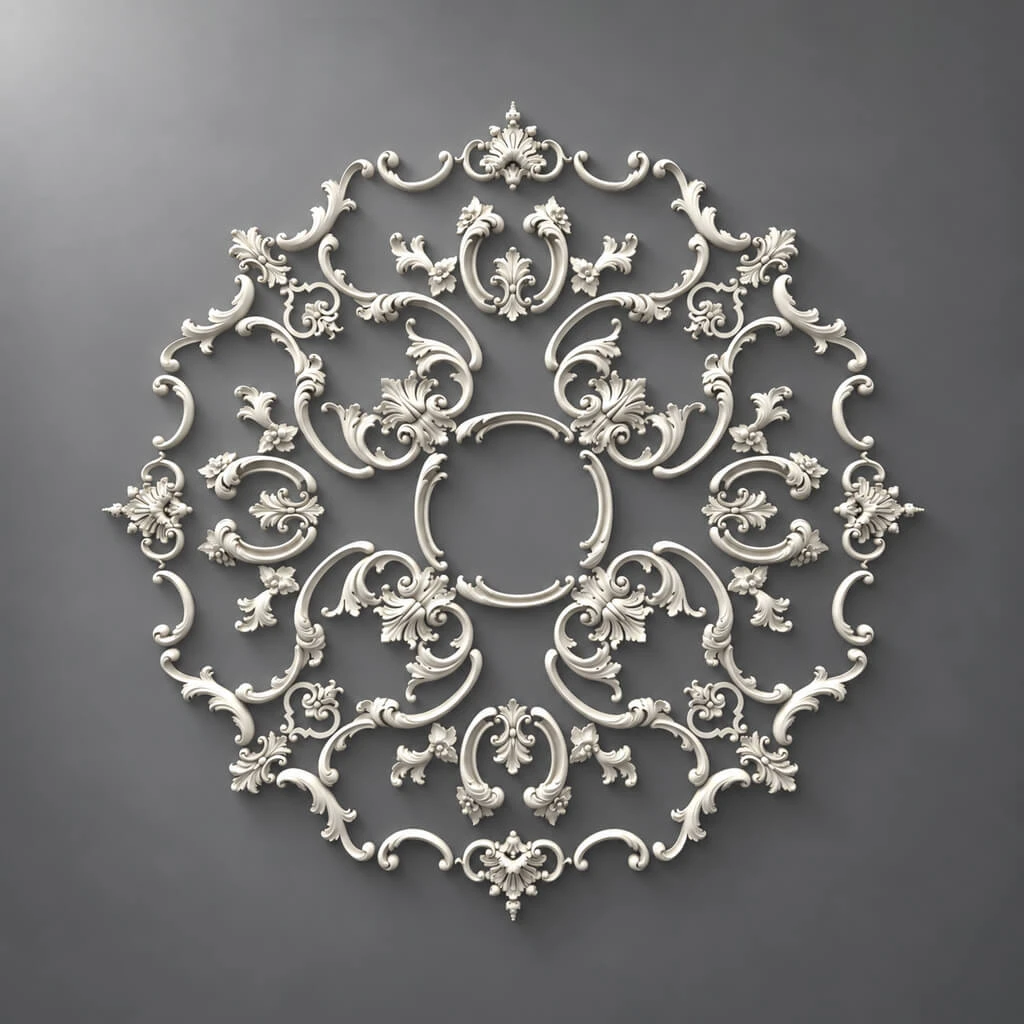
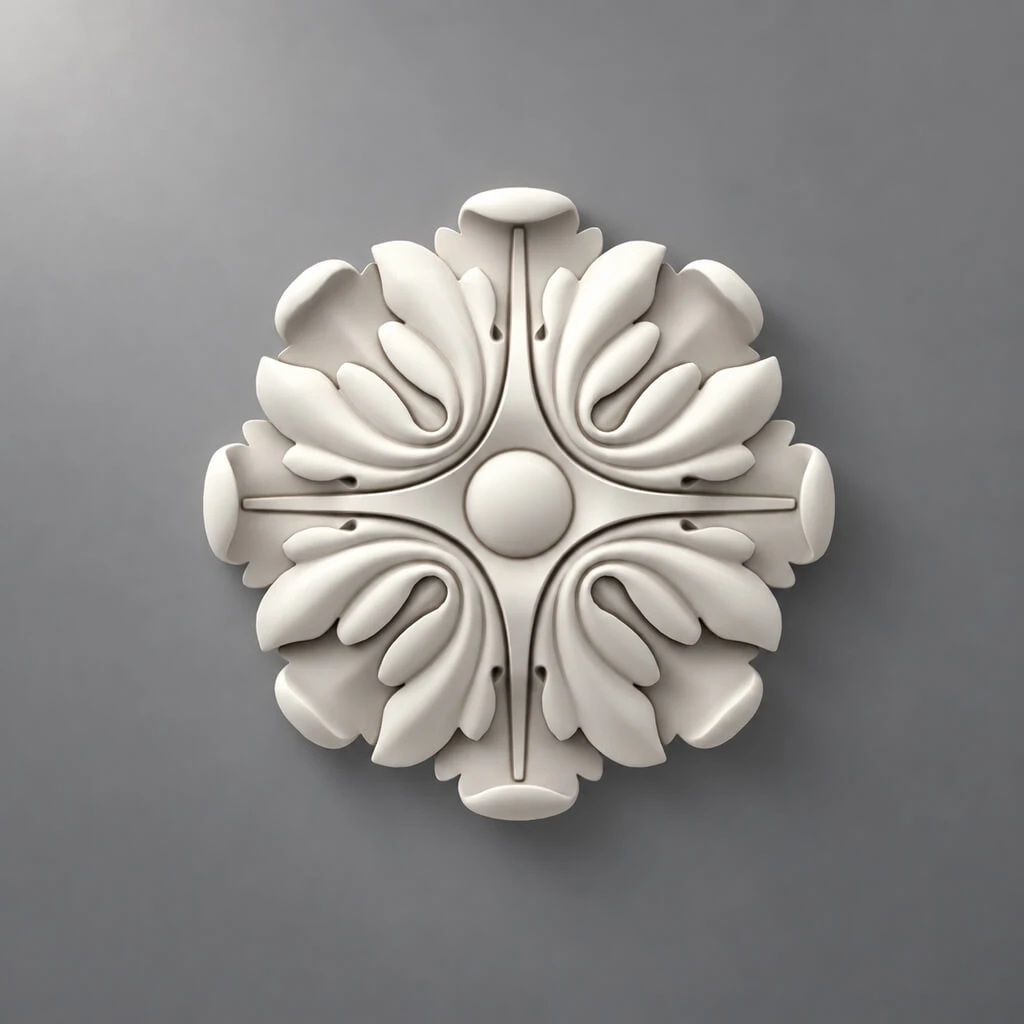
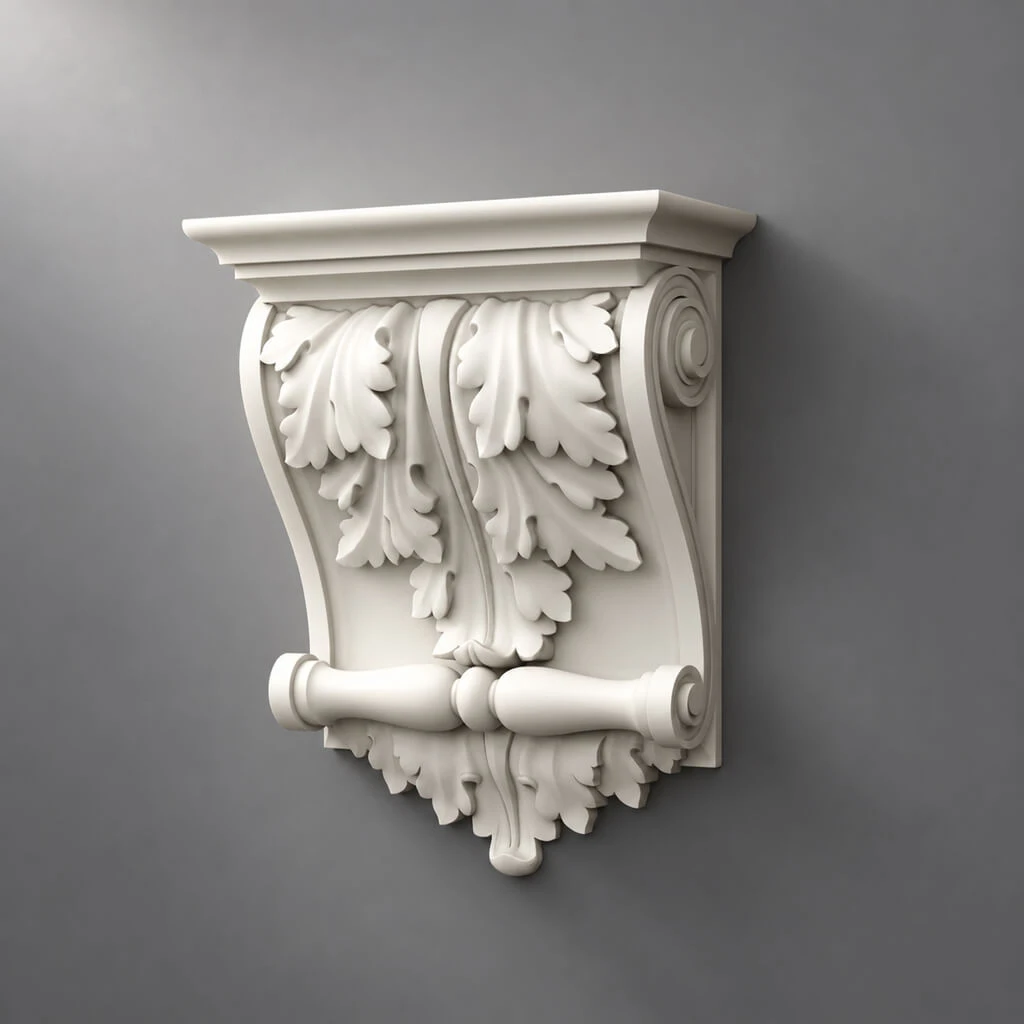
Decorative overlays are the ornamental layer. They are placed inside the frames—either in the center or in the upper third of the panel. In the "Versailles Light" collection, the overlays are designed in a classic ornamental style: acanthus leaves, cartouches, geometric and floral motifs. STAVROS PU decorative overlays —this is an independent product category with a wide range of shapes and sizes.
Corner elements are the functional-decorative layer. They mask the joints of moldings at frame corners and simultaneously become independent decorative details. Without corner elements, molding joints require precise 45-degree cuts; with corner elements, installation is simplified, and the result looks more professional. Decor for STAVROS moldings includes a wide selection of corner blocks for different styles and scales.
Vertical dividing profiles are the spatial layer. Narrow vertical moldings between wide panels create pauses, making the wall rhythm more complex and airy. They also visually elongate the room in height.
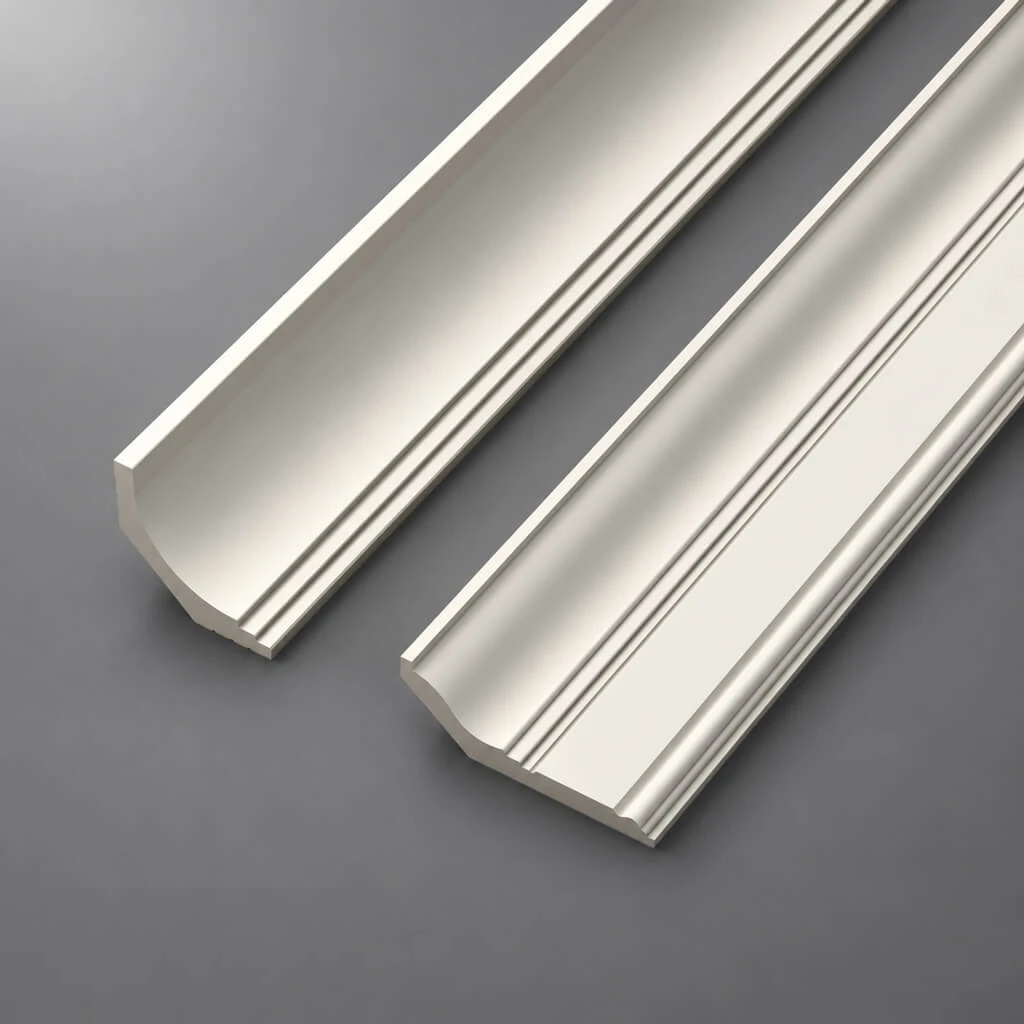
Cornices are the top finish of the wall system. A ceiling cornice in a classic interior is a mandatory element: without it, wall panels look unfinished. The cornice creates a clear boundary between the wall and ceiling, which is a crucial architectural technique.
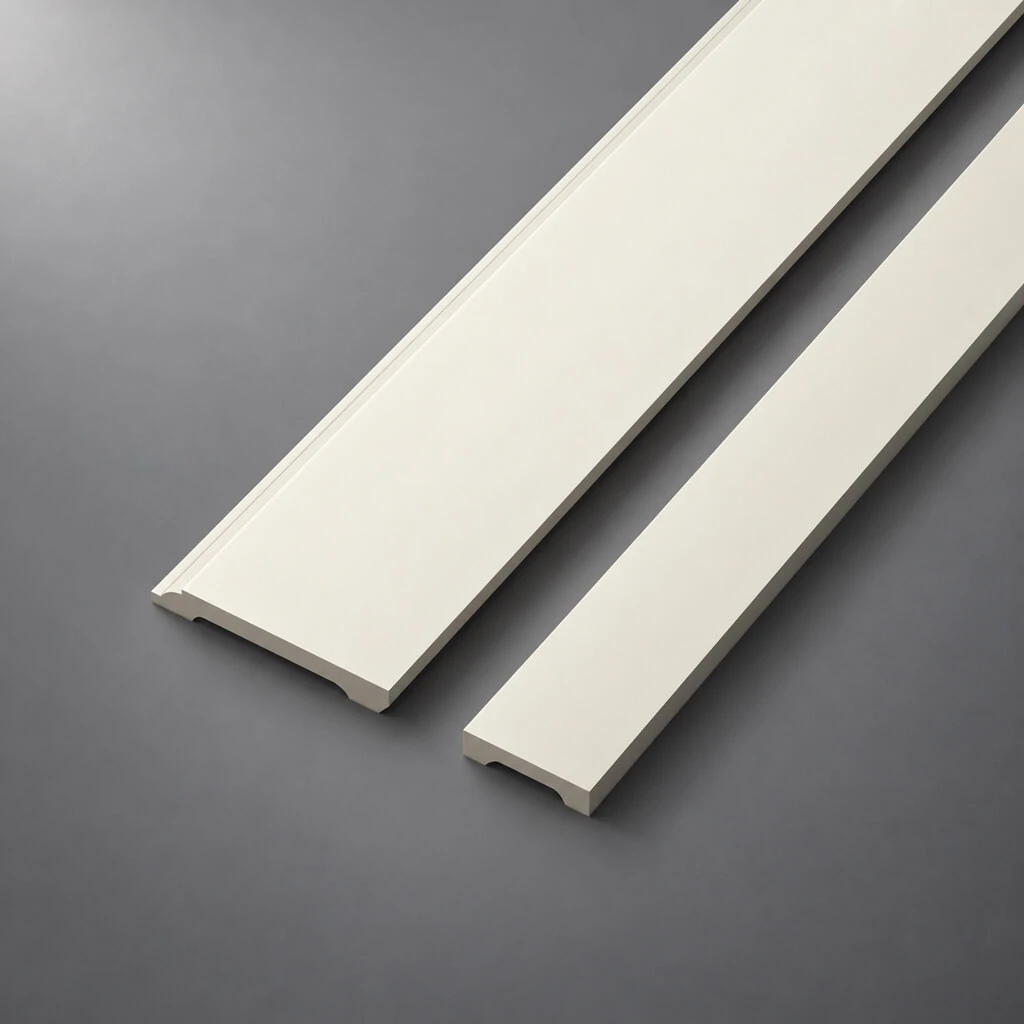
Baseboards are the lower finish. A high baseboard in a classic interior is as essential as a cornice. It creates a visual foundation for wall panels and adds monumentality to the room.
All of the listed elements are part of the system of STAVROS polyurethane wall decor and are made from high-density polyurethane — a material that accurately reproduces classic profiles and ornaments, does not deform, is easy to paint, and lasts for decades without losing its appearance.
Polyurethane as a material for classic stucco decoration
Why polyurethane specifically, and not plaster, wood, or fiberglass? The answer is direct and specific.
Plaster stucco is heavy: large elements require a supporting structure. It is brittle: an accidental impact causes a crack. It cannot withstand moisture: in bathrooms, facades, and rooms with temperature fluctuations, plaster deforms. Wooden profiles are more expensive, require precise processing, and are even more afraid of moisture.
Polyurethane polyurethane products from STAVROS are free from all these drawbacks. They are lightweight — attached with glue without dowels or anchors. They are elastic — do not crack upon impact, but regain their shape. They are moisture-resistant — work in kitchens, bathrooms, and loggias. They are technologically advanced — accurately reproduce any classic profile, cut with a regular hacksaw, sanded, and painted with any paint. And they provide the same visual result as traditional stucco — at significantly lower costs and installation complexity.
How symmetry works in classic wall decor
Symmetry is not just an aesthetic principle. It is a tool for psychological impact on a person. A symmetrical space is perceived as "correct," "calm," and "reliable." That is why classical architecture was built on symmetry: palaces, temples, grand halls — everywhere a clear axis and mirror reflection.
In interior decor, symmetry works the same way. When the left half of the wall mirrors the right, the eye rests — it doesn't need to "figure out" a chaos of random elements. That is why the classic wall panels with stucco in INTPU-016 create a sense of peace even in lively living rooms or business offices.
The symmetry of INTPU-016 is constructed as follows: the wall is divided into equal sections from the central axis. Large panels are arranged symmetrically, narrow vertical dividers alternate with them evenly, and decorative overlays are placed in the center of each panel. The cornice and baseboard fix the upper and lower boundaries. The result is a wall that looks like it was designed by an architect, not assembled from individual parts.
Classic frames made of moldings on the wall work well on both wide and narrow areas. For wide areas, large rectangular panels are used—they "hold" the large space. For narrow piers, vertical narrow modules with a central overlay are used. The combination of wide and narrow panels in one composition creates rhythmic variety that enlivens a long wall and makes it more interesting.
Monochrome stucco wall decor is a separate conversation about the power of monochrome. When all elements—moldings, overlays, corner details, and the background—are painted in one shade, the wall turns into a three-dimensional relief. Light glides over the protruding parts of the moldings, shadow accumulates in the recesses. This is three-dimensional painting where the artist is architectural decor.
What to combine with moldings and stucco decor Versailles Light
INTPU-016 wall panels are a system that requires a competent context. By itself, perfectly executed, in the wrong environment it can get lost or come into conflict with the interior.
Ceiling cornice. Without a cornice, the upper edge of the wall panels looks unfinished. A ceiling cornice is a mandatory element in a classic interior. It creates a clear architectural boundary and "closes" the wall system from above. The STAVROS assortment includes cornices of various profiles that are stylistically compatible with "Versailles Light."
High baseboard. A similar role from below: a high baseboard (12–20 cm) adds monumentality to the room and creates a visual foundation for the wall panels.
Classic furniture. Sofas with straight backs, armchairs with wooden armrests, tables with turned legs—this furniture rhymes with the geometry of INTPU-016. Furniture in the "modern classic" style with straight lines and quality fabrics works just as well.
Mirrors in classic frames. A mirror with a molding frame or carved details, integrated into the panel composition, is an ideal addition. It echoes the language of the wall panels and visually expands the space.
Sconces. Wall lamps in a classic style—with crystal pendants, brass shades, or glass arms—are installed between panels or in the center of a wide panel. They add light, accent, and life.
Parquet and stone floor. Herringbone parquet made of light or dark oak is a classic for a classic style. Natural stone in neutral tones works just as well.
Curtains. Heavy draped curtains made of linen, cotton, or velvet in neutral or warm shades. They create softness and volume that balance the strictness of molding panels.
Fresh flowers and plants. Tall planters with branches, white orchids in minimalist pots, an olive tree in a wooden tub — they bring organic elements into the geometric world of INTPU-016.
Paintings and graphics. In a classic interior, paintings fit organically into molding panels — they can be placed inside the frame, using the frame itself as a mat.
What disrupts the INTPU-016 concept
-
Bright accent colors in furniture or textiles — they destroy the monochrome discipline of classic decor
-
Minimalist furniture without decorative details — too contrasting a style, the conflict is immediately noticeable
-
Plastic window slopes and doors — they nullify the effect of expensive decor
-
Ceiling molding only from paint without a profile — incompleteness at the top is immediately visible
How to replicate the INTPU-016 idea in your interior
Practical guide — for those who have made a decision and want to implement it competently.
Step 1. Wall measurement. Measure the length and height of the accent wall to the nearest centimeter. Note all architectural obstacles: sockets, switches, door frames, niches.
Step 2. Determining the main zone. Decide what is the main object: sofa, bed, fireplace, desk, mirror. The size and location of the main object affects the scale of the panels.
Step 3. Dividing the wall into panels. Divide the wall into wide and narrow sections. The standard rhythm of INTPU-016 is alternating wide and narrow sections. Wide section — 70–100 cm, narrow — 25–40 cm. Specific dimensions are determined by the length of the wall and the proportions of the room.
Step 4. Selecting moldings. Choose a molding profile. For living rooms with ceilings of 2.7–3.0 m — medium-section molding (20–35 mm). For formal spaces with high ceilings — a more massive profile. Focus on STAVROS polyurethane moldings.
Step 5. Choosing decorative overlays. Select ornamental overlays from the Versailles Light collection. The size of the overlay should be proportional to the width of the panel: in a wide section — a larger overlay, in a narrow one — a small vertical one. STAVROS PU decorative overlays offer a wide range for different tasks.
Step 6. Corner elements. Select corner blocks compatible in style with the chosen moldings. The corner element should fit into the joint of the moldings without gaps — for this, its size is selected according to the width of the profile.
Step 7. Paint color. Choose a shade. For INTPU-016, calm neutral colors are most effective: white, gray-beige, taupe, warm gray, soft cream. A two-tone solution (moldings lighter than the background) adds a classic touch. Monochrome — more modern and strict.
Step 8. Marking. Apply markings with a laser level. Every horizontal and vertical line must be absolutely accurate — any misalignment on the finished wall is immediately visible.
Step 9. Installation. Installation of polyurethane moldings is done using special glue. Joints are puttied and sanded until the transition is invisible. Full technology with description of all stages — in the article about installing polyurethane moldings and in the professional guide on installing polyurethane molding.
Step 10. Painting. Painting is done after the glue and putty have completely dried — no earlier than 24 hours after installation. 2–3 coats of acrylic paint are recommended with intermediate sanding between coats.
Typical mistakes when implementing INTPU-016
-
Inaccurate marking — even 2 mm deviation on a long wall causes noticeable skew
-
Skipping primer — paint lays unevenly, surface looks plastic
-
Incorrectly chosen overlay size — too large overwhelms, too small gets lost
-
Installation without corner elements — molding joints require either precise cutting or overlays
-
Using glossy paint — it highlights all installation imperfections and looks cheap
Who the INTPU-016 idea is suitable for
Classic wall decor has its own audience — specific, with clear preferences and values.
Apartment and house owners who value tradition, order, and visual discipline. Those who care that the interior looks "solid" and "with character" — not emphatically trendy, not provocatively modern, but dignified and tasteful.
Interior designers working in classical, neoclassical, and "modern classic" styles. INTPU-016 provides a ready-made system that can be adapted to a specific project in minimal time.
Architects designing residential complexes with a classical finishing concept.
Developers of premium housing, furnishing apartments with finished finishes. Classical wall decor in apartments increases their perceived value and accelerates sales.
Owners of restaurants and hotels creating a classical or neoclassical atmosphere. In an expensive restaurant with molding panels, guests feel different — more festive, more significant.
Renovation studios and contractors regularly executing projects in the classical style. For them, INTPU-016 is a standardized solution that is easily reproduced across different sites.
Owners of beauty salons, yoga studios, and wellness spaces with a classical concept. Decorative wall overlays in a classical style create an atmosphere that clients associate with quality and reliability.
Buy decor for Versailles Light wall panels
The implementation of the INTPU-016 idea begins with the correct selection of elements. The entire necessary range is collected in the STAVROS offer — a manufacturer that specializes specifically in architectural decor made of polyurethane.
The starting point is — Versailles Light collection by STAVROS: ready-made sets of elements developed in a unified style. The sets include moldings for frames, corner elements, decorative overlays — all stylistically coordinated and ready for installation.
For individual selection, use several categories of the assortment. Polyurethane wall decor — a wide selection of shapes and solutions for wall panels. Moldings made of polyurethane — profiles of various cross-sections and styles, from thin fillets to massive ceiling cornices. PU decorative overlays — ornamental elements for placing accents inside panels. Decor for Molding — corner blocks, keystones, rosettes, and medallions.
All products fall under the category polyurethane products from STAVROS — a material with a density of 150 to 420 kg/m³, ensuring precision of relief, durability, and ease of installation. The surface is ready for painting without additional sanding; acrylic and latex paints of any shade apply evenly and last for years.
Buy wall moldings, buy stucco decor for walls, buy classic wall decor, buy decorative wall overlays, order classic-style wall decor — all these tasks are solved through the STAVROS assortment. For large projects — restaurants, hotels, residential complexes — wholesale terms and project-specific packages are available.
The ready-made wall decor solution INTPU-016 adapts to any size: reduce the number of panels for a small room, increase the scale of elements for a grand hall, change the shade to match your color concept. The Versailles Light collection is built on the principle of scalability — the same system works in a modest hallway and in a hotel banquet hall.
An interior that is memorable and maintains its level for years begins with the right architectural solution. Start with INTPU-016.
Frequently asked questions
Will INTPU-016 suit a neoclassical interior?
Yes, and this is one of the most organic applications for this concept. Neoclassicism requires a classic form, but a lighter one — without palatial heaviness. INTPU-016 precisely meets this demand: symmetry and molding frames create a classic character, while a measured ornament does not overload the modern space.
Where is the best place to use Versailles Light decor?
Best results on long accent walls: behind the sofa in the living room, behind the bed in the bedroom, in the hallway, in the study. Works well in restaurants, hotels, and official commercial spaces. For small rooms, one accent wall is recommended, the rest neutral.
Can moldings and overlays be painted the same color as the wall?
Yes, and this is the strongest solution for a classic interior. Monochrome painting makes the wall architecturally monolithic: the relief is read through shadows, the ornament remains expressive, and the wall looks like the result of an expensive renovation, not a set of glued-on details.
What elements are needed to replicate the INTPU-016 idea?
Moldings for frames (straight horizontal and vertical), decorative overlays, corner blocks, additional profiles for vertical dividers, cornices, and baseboards. The exact set is determined by the wall size, room height, and the chosen rhythmic panel scheme.
How does Versailles Light differ from heavy classic stucco?
Versailles Light is a lightweight classic. Ornamental overlays are placed pointwise and do not fill the entire wall surface. The base is created by molding frames with clear geometry, and overlays are used as accents. This makes the collection applicable not only in grand palace interiors but also in modern apartments, offices, and commercial spaces.
How difficult is installation if you haven't worked with moldings before?
Installation of polyurethane moldings is one of the most accessible types of decorative work. The key requirement: precise marking and the right glue. For a first project, it is recommended to start with a small wall and be sure to study the full technology in the guide. installing STAVROS polyurethane stucco.
Can INTPU-016 be adapted for a colored interior?
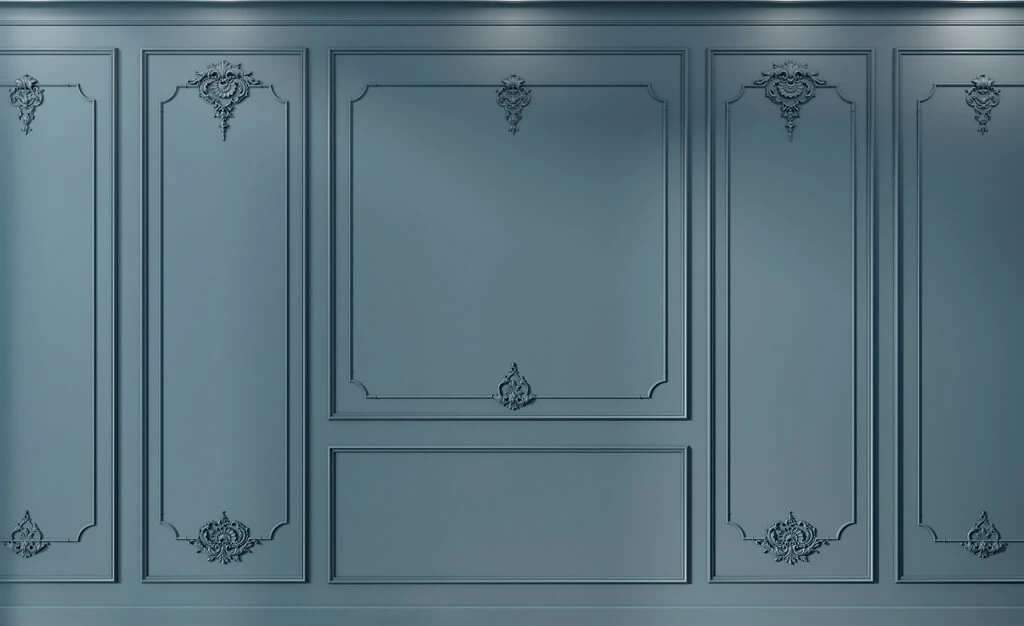
Yes. The basic version is neutral monochrome. But nothing prevents implementing INTPU-016 in dark green, dark blue, deep beige, or graphite shades. Moldings accept any paint — the concept remains, only the color character of the space changes.