



























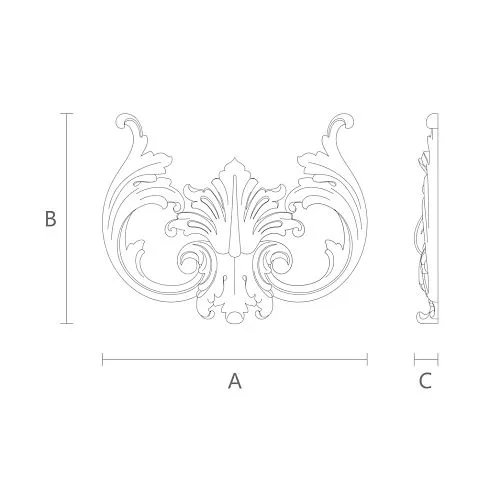
Dimensions and Options
Description
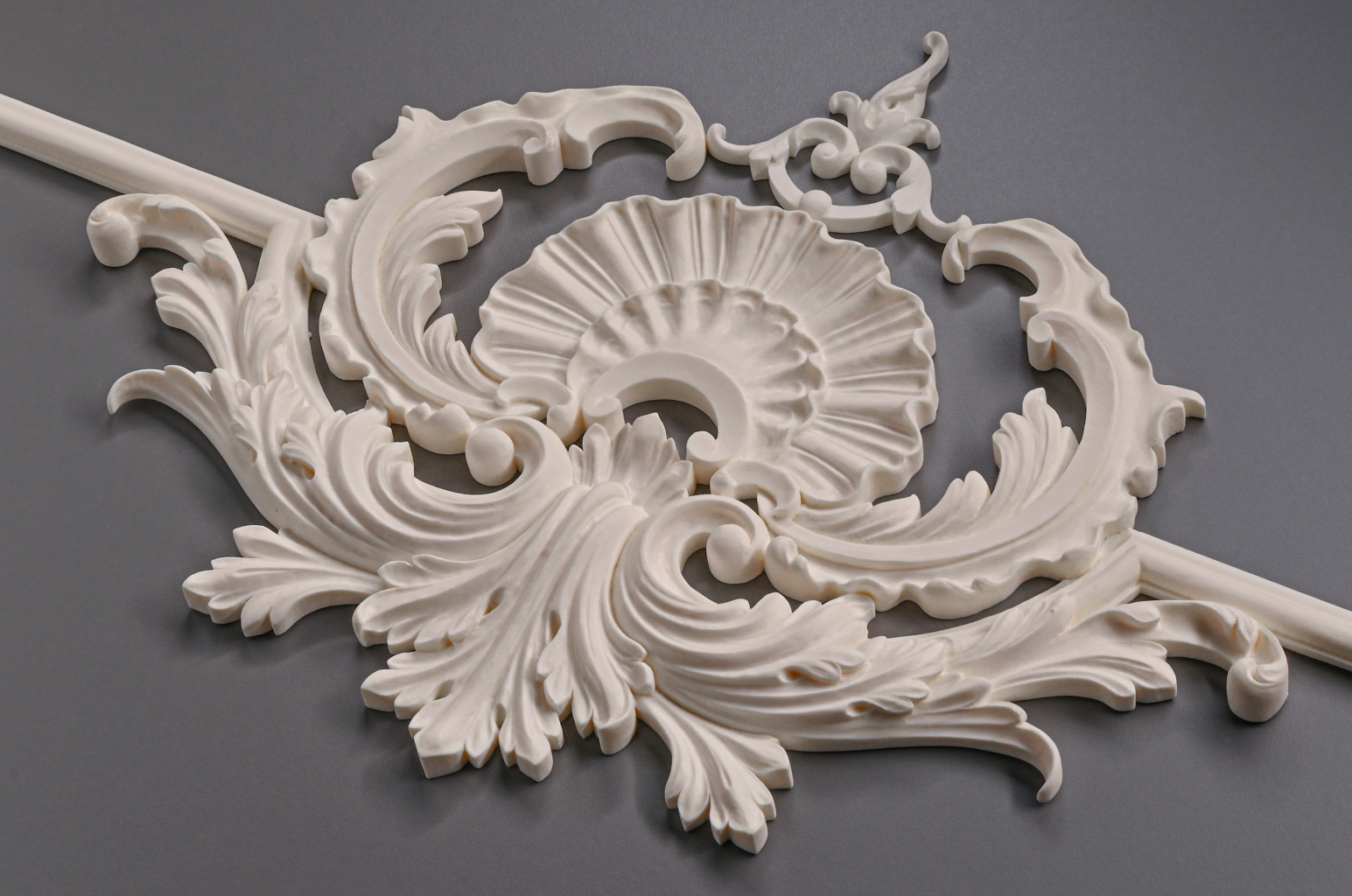
The corner NPU.VRS-018 unfolds along the two sides of a right angle: the relief composition is assembled so that the pattern is perceived as a whole at the point where the framing turns. The size of 196 × 196 mm and relief height of 14 mm make the element a noticeable accent within the decorative field.
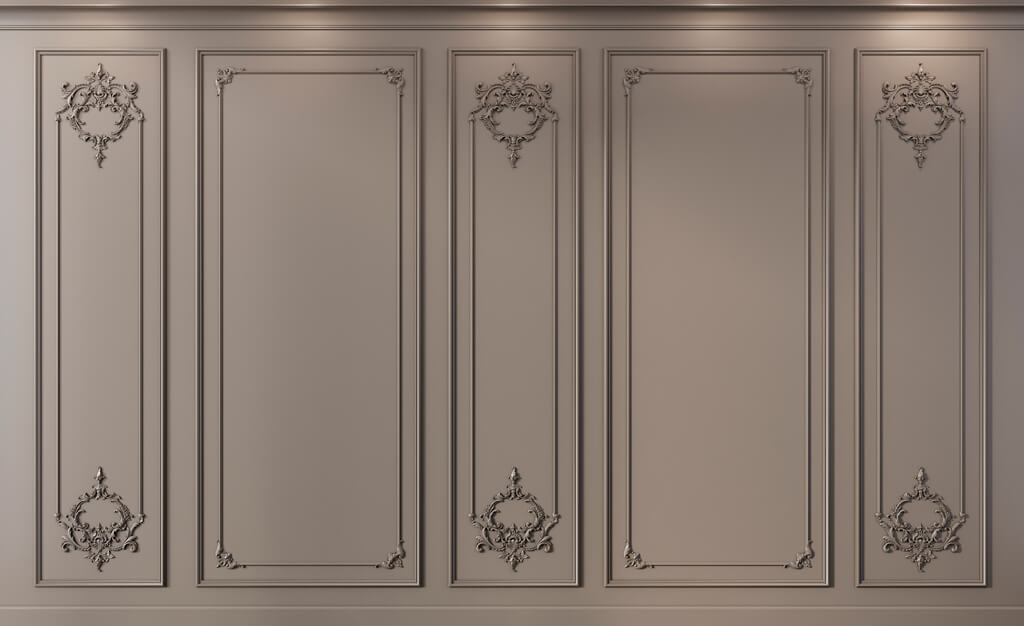
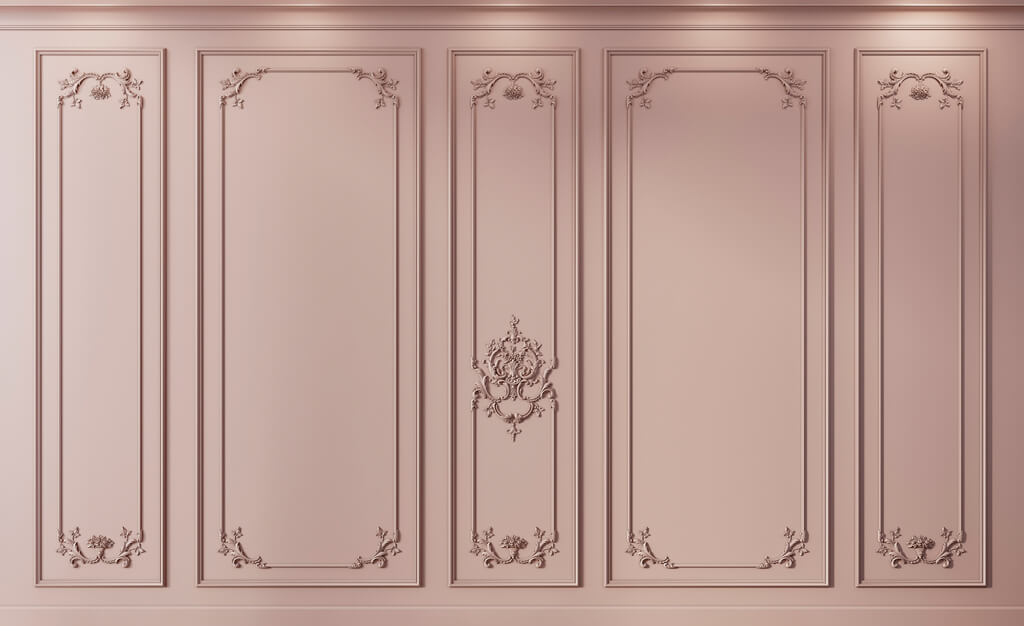
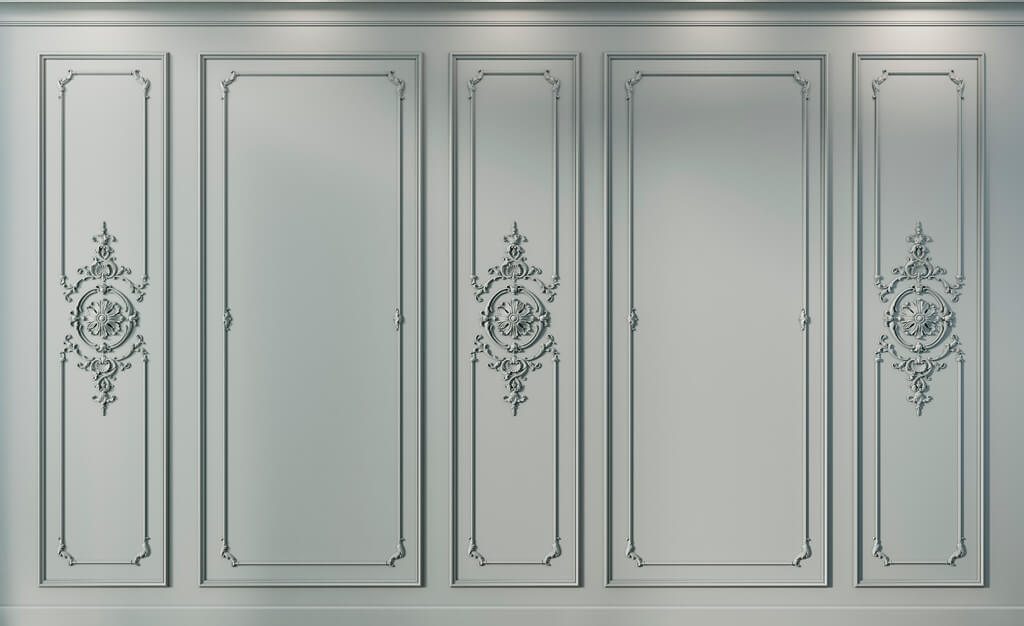
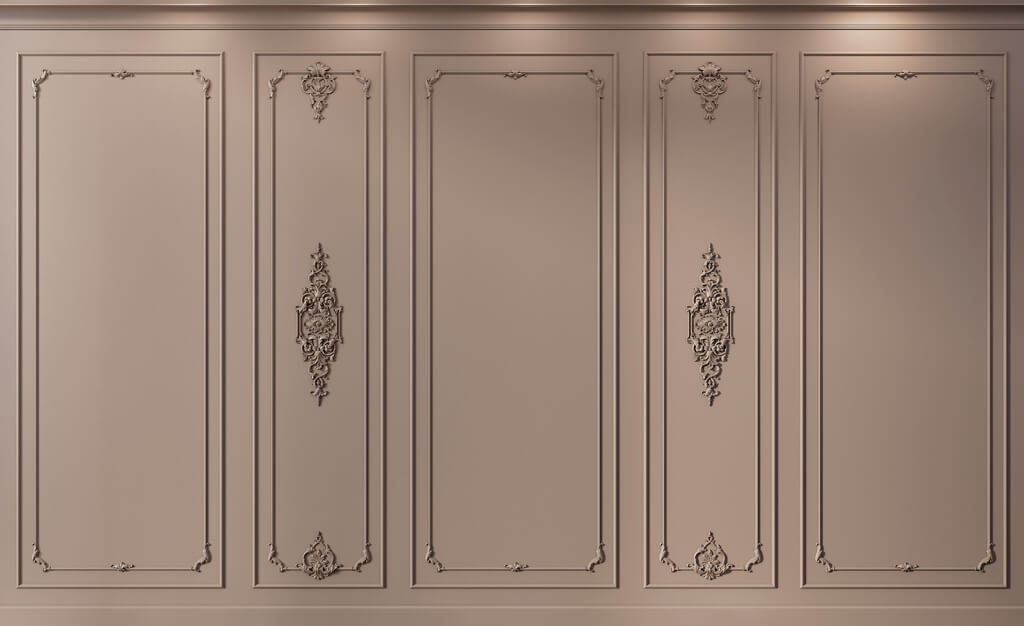
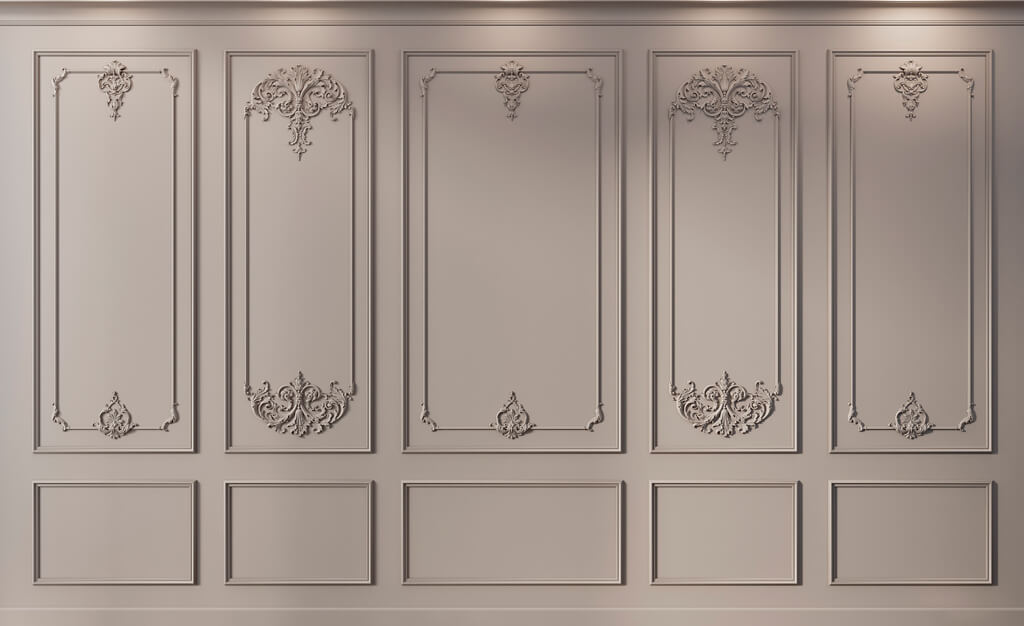
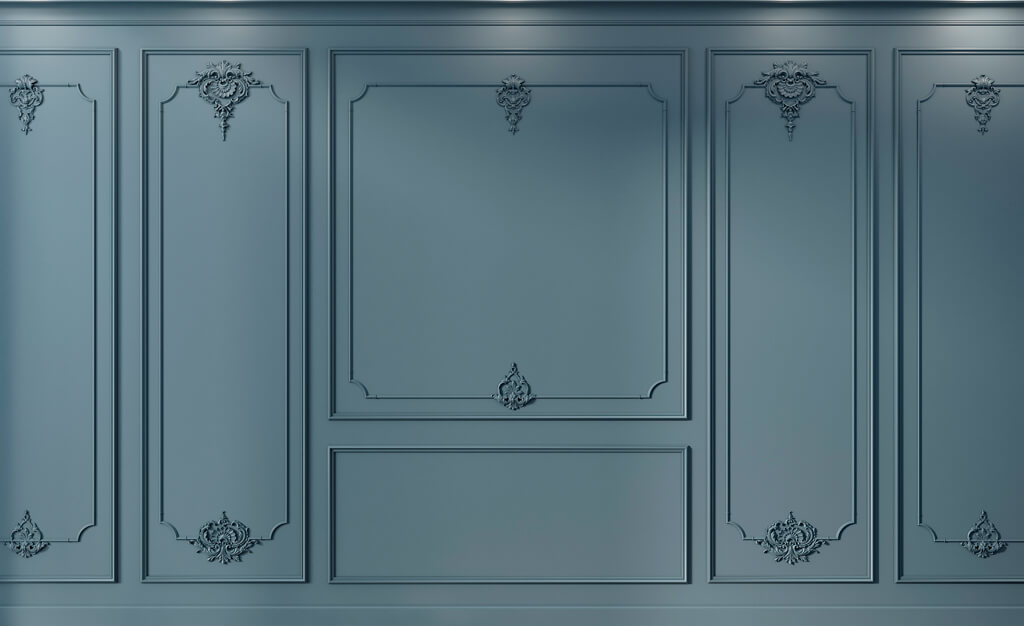
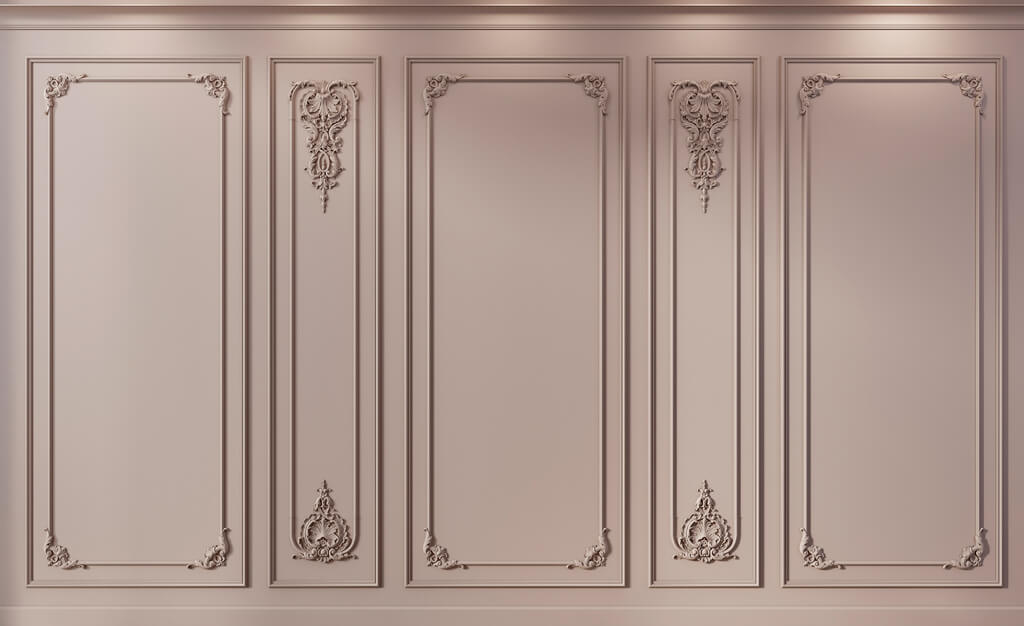
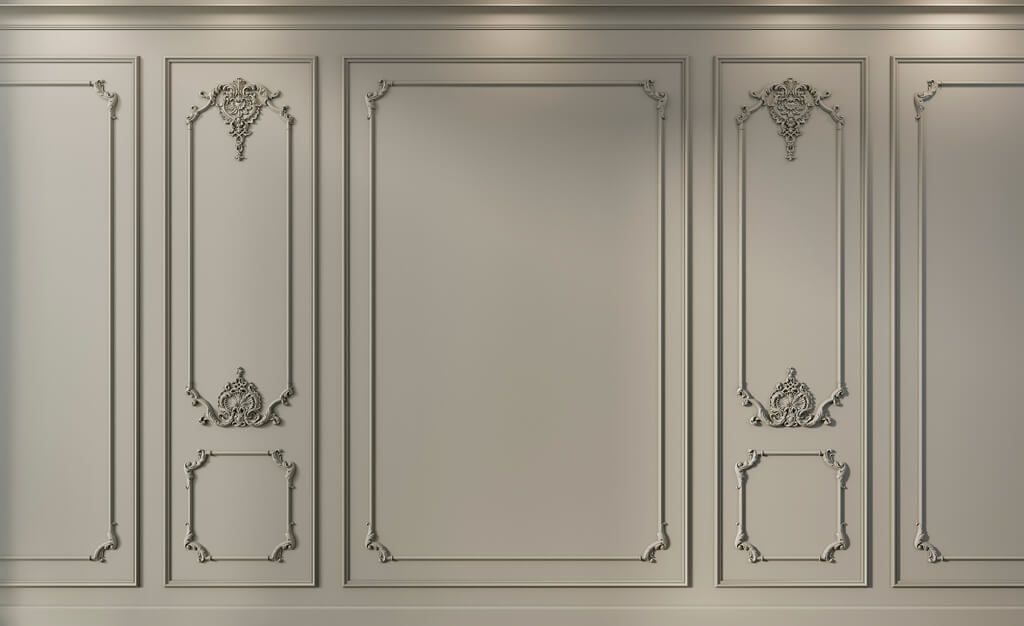
In the interior: The overlay is suitable for finishing corners on wall panels, frames, and coffers. It is convenient to combine with moldings and repeat in two or four corners, creating a rhythmic framing.
Have questions?
Customers also buy








Ekaterina Y.
October 5, 2026
An excellent team! A huge selection of products! I recommend that craftsmen, designers, decorators, and home stagers take a tour of the production facility to immerse themselves and be inspired.
Alexander U.
October 2, 2026
I have been working with Stavros since 2024, and the quality of the products is top-notch. Customers are happy!!!
Elena G.
September 29, 2026
Daria is a very competent specialist; she provided consultation and helped us select items. They were sent promptly.
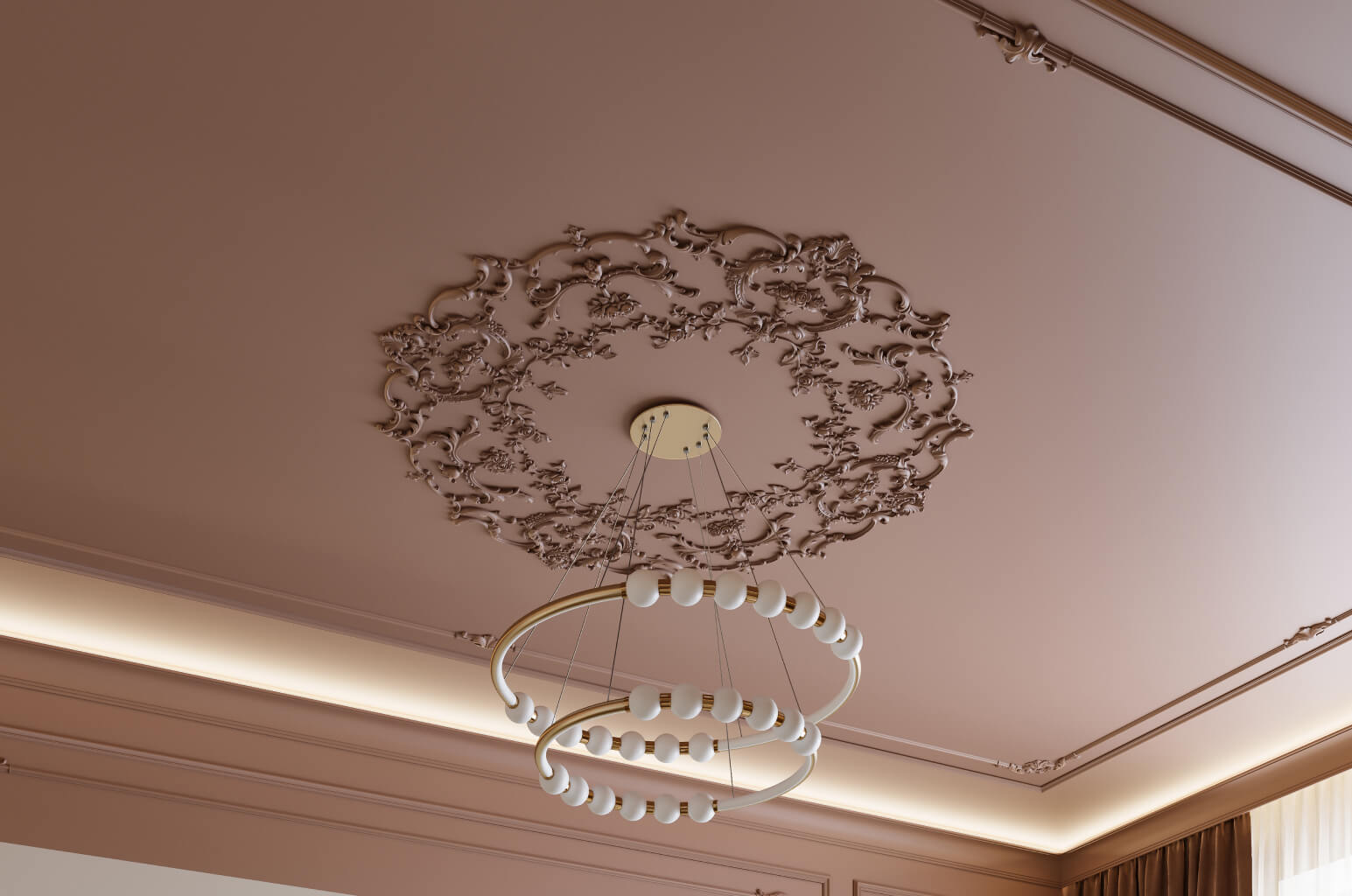
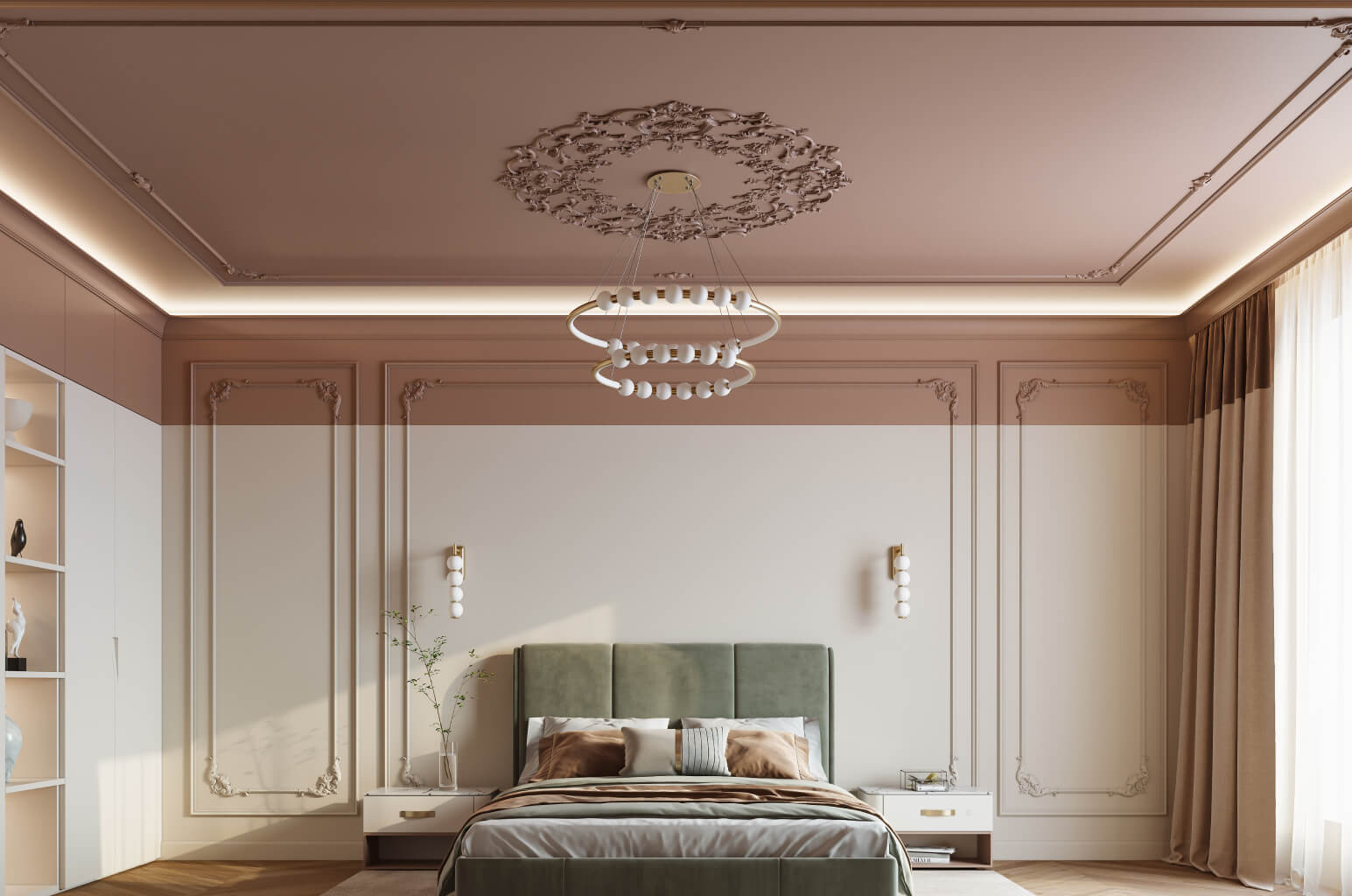
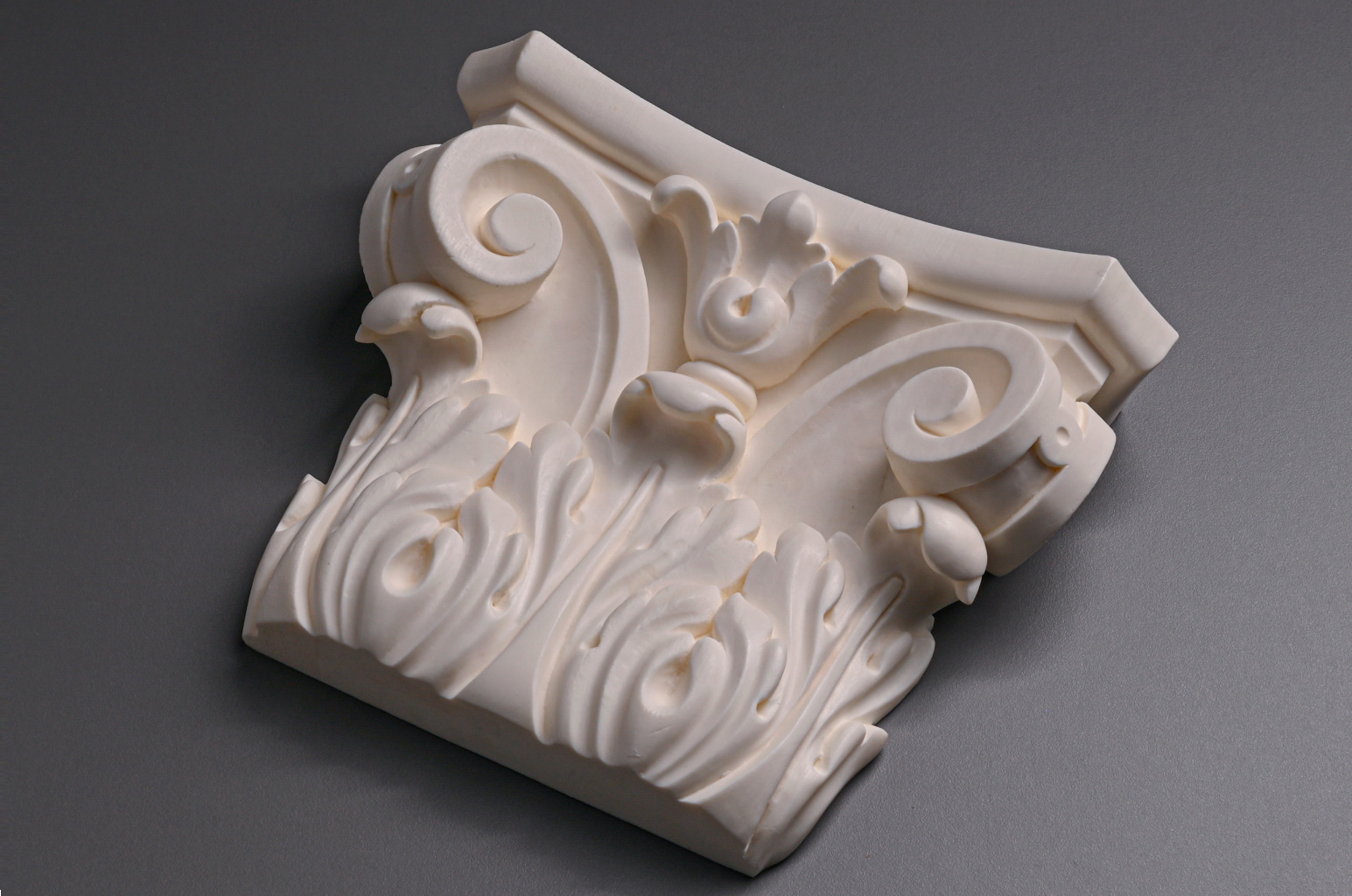
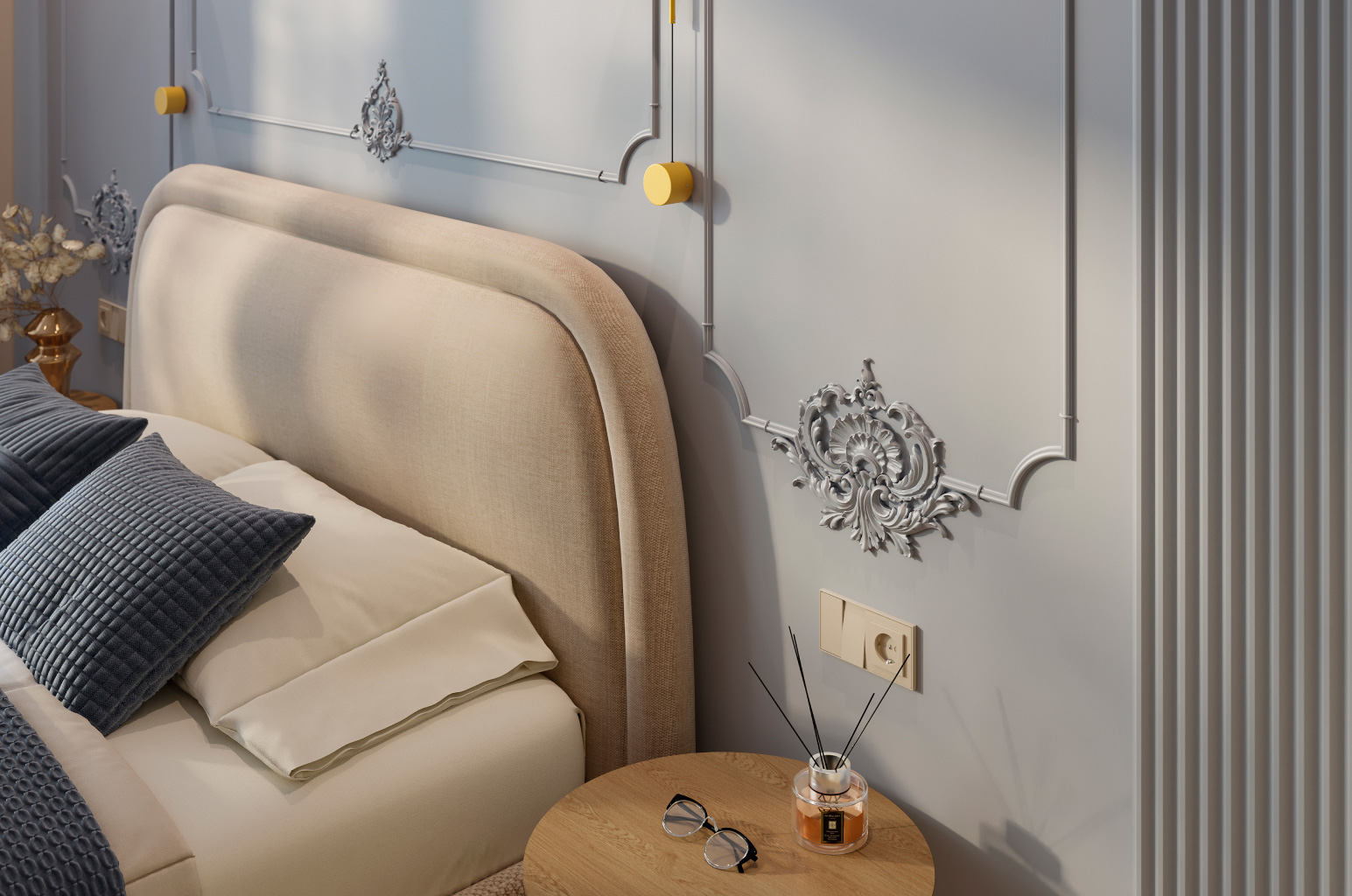
Polyurethane stucco decor
We have been on the market for over 20 years and are ready to offer you the best combination of aesthetics, quality, and practicality. Our polyurethane is not just a material, but a reliable foundation for flawless details, resistance to moisture and cracks, as well as convenient and quick installation. The company's success began in 2002, when two artists – Andrey Ragozin and Evgeny Tsapko – created a small creative workshop for making carved wooden products. The work of the craftsmen was quickly noticed, and within a year they were invited to participate in the reconstruction of the Konstantinovsky Palace in Strelna.
Every product in our range is the result of years of experience, thoughtful technology, and attention to detail. We constantly update our collections, follow and shape trends in interior design ourselves. From elegant neoclassicism to bold Art Deco, you will find the perfect accent for the interior of your dreams.
Choose durable polyurethane decor STAVROS — beauty proven by time and real projects, not just words.
STAVROS Guarantees
Quality of products without complaints
We save your time, peace of mind, and budget
Large warehouse program
We solve your tasks with maximum speed
Adherence to production deadlines
Streamlined process reduces all risks
Delivery from 1 piece throughout Russia
Quality service regardless of order volume
Your positive business reputation
Reliable partner — the foundation of your business
More polyurethane molding products








Frequently asked questions
Our showrooms are located in Saint Petersburg and Moscow. Production is located in Saint Petersburg.
Moscow contacts: https://www.stavros.ru/contacts_all/?tab=msk
Contacts of Saint Petersburg: https://www.stavros.ru/contacts_all/?tab=spb
- Send request by email [email protected]
- Write to us at Telegram
- Write to us at WhatsApp
- Order by phone +7 (800) 555-46-75
- Visit our showroom in Saint Petersburg and Moscow
Yes, we ship orders throughout Russia and to CIS countries.
We cooperate with transportation companies such as СДЭК and DPD.
You can also arrange pickup of your order through any convenient transportation company for you.
Delivery cost depends on the size, weight of the item, and delivery address.
When placing an order, the delivery cost is calculated automatically and displayed as a separate line on our website.
Prices and availability of items on the website are always current. Data is updated daily.
Note: items in stock are stored on the warehouse in unpolished form and shipped within 3 working days.
If the item is not in stock, average production time: 5–10 working days.
This is the quality of polishing of the items.
Standard — machine polishing, at a more attractive price.
Prestige — detailed hand polishing, items do not require further work.
More details: https://www.stavros.ru/information/kachestvo/
This is the type of veneer of the items.
Under enamel: produced by gluing wooden laminates without color and texture matching. Contrast tonal and textural differences are noticeable. This blank should be chosen if the item is intended for opaque coating.
Under tinting: produced by gluing wooden laminates with color and texture matching. Tonal and textural differences may occur. This blank should be chosen if the item is intended for semi-transparent finish.
More details: https://www.stavros.ru/information/kachestvo/
Beech — dense, non-porous wood, most often used for items covered with enamel.
Oak — dense, porous wood with clearly visible natural grain. Due to its strength and decorative properties, it is often used in items with semi-transparent coating, highlighting the wood pattern.
Custom-made, if non-standard items are required, we can produce products from other types of wood, including blanks provided by the customer, manufactured according to our technical specifications.
All our furniture legs can withstand a vertical load of at least 100 kg.
Average production time for custom-made items: 5–10 working days.
Most items are stored on the warehouse in unpolished form. We need time to polish and pack orders.
Yes, we manufacture non-standard items according to individual projects, but we only accept orders with a minimum quantity.
We can manufacture items of the desired size, but we only work with bulk orders. For details, please consult the sales department manager.
Yes, some of our products can be used outdoors. For example, polyurethane items, as well as carved door casings made of pine.
Other items are produced to order using PUR glue, if minimum quantity is available. No warranty is provided for such products, as outdoor conditions are considered aggressive.
Yes, we paint items when ordering products for a total amount of 150,000 rubles or more.
- Dust removal. After sanding, the surface must be dusted.
- Priming. Apply primer in an even layer.
- Matting. After the primer has fully dried, the surface should be matted (lightly sanded for better adhesion).
- Finish coating. Apply finish coating: lacquer or enamel, in 2 layers, with interlayer drying.
More details: https://www.stavros.ru/information/sovety/
Apply adhesive to the decor. Place it on the surface and press briefly. Then, lift the decor from the surface and leave it open for 3–5 minutes. Press the decor firmly onto the surface and hold for 5–10 seconds.
More details: https://www.stavros.ru/information/sovety/
Ideally, you should prepare a design project before placing an order.
You can do this yourself by downloading drawings of our products from our website, or you can order a project from us.
If the number of decorative elements and fittings is small, our company's manager can assist you with selection.
Unfortunately, this service is not provided.
The packaging method depends on the type of items, but in each case, we ensure sufficient protection for safe transportation.
We most often use corrugated cardboard and stretch film. Fragile items are additionally secured on a rigid base to prevent damage during transport.
We ship all items starting from 1 piece.
Room measurements and item installation can be performed by our partners — carpentry companies represented in most regions of Russia.
Often searched in category Molded decor
4184
4157
3603
2844
347
244
Corner polyurethane overlay with floral ornament for classic wall and panel decoration
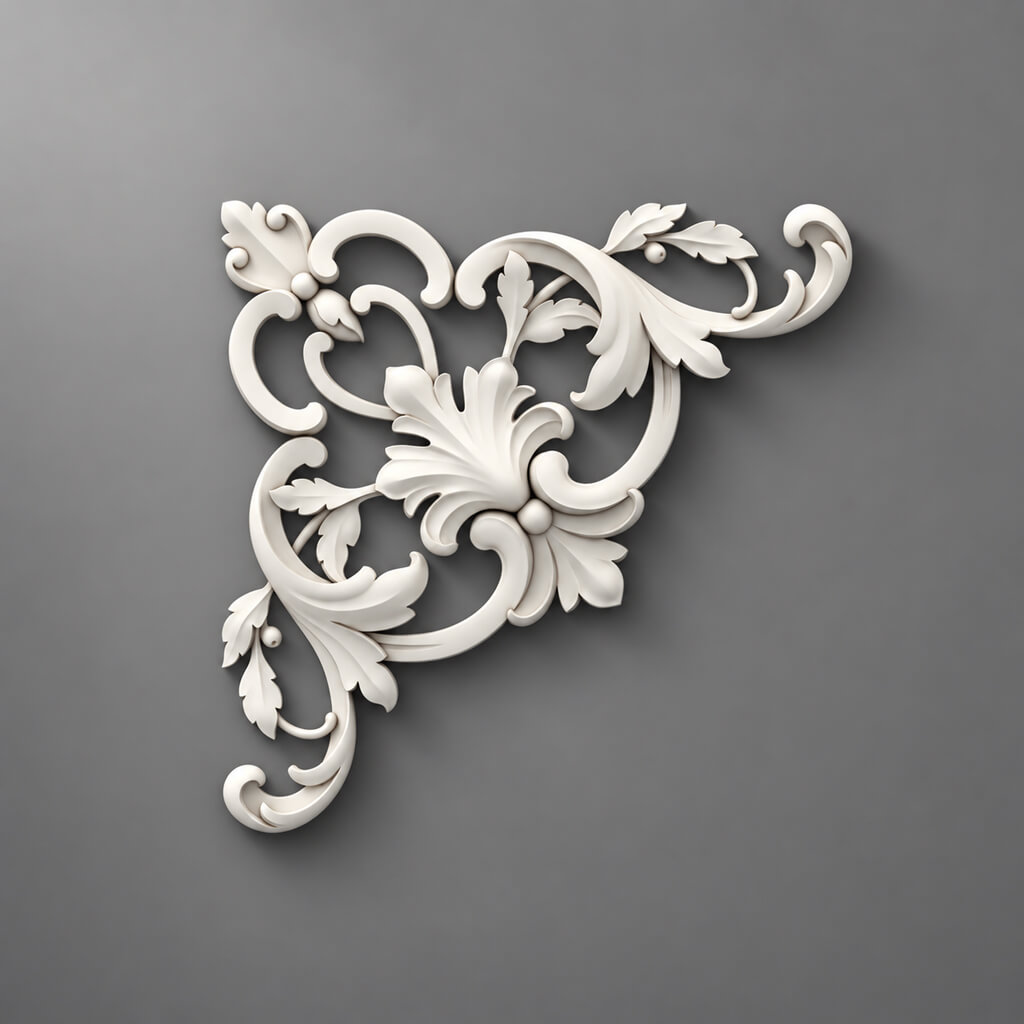
Stucco decor NPU.VRS-018 is an expressive corner decorative element made of polyurethane with a rich floral ornament built on a combination of smooth scrolls, stylized leaves, voluminous shoots, and a large central plant motif. The composition has a characteristic L-shaped geometry and is intended for cases where an ordinary straight frame or molding is not enough: the overlay allows you to artistically decorate the corner of a decorative composition, make the transition between horizontal and vertical lines more complex, and give the wall panel a finished classic character.
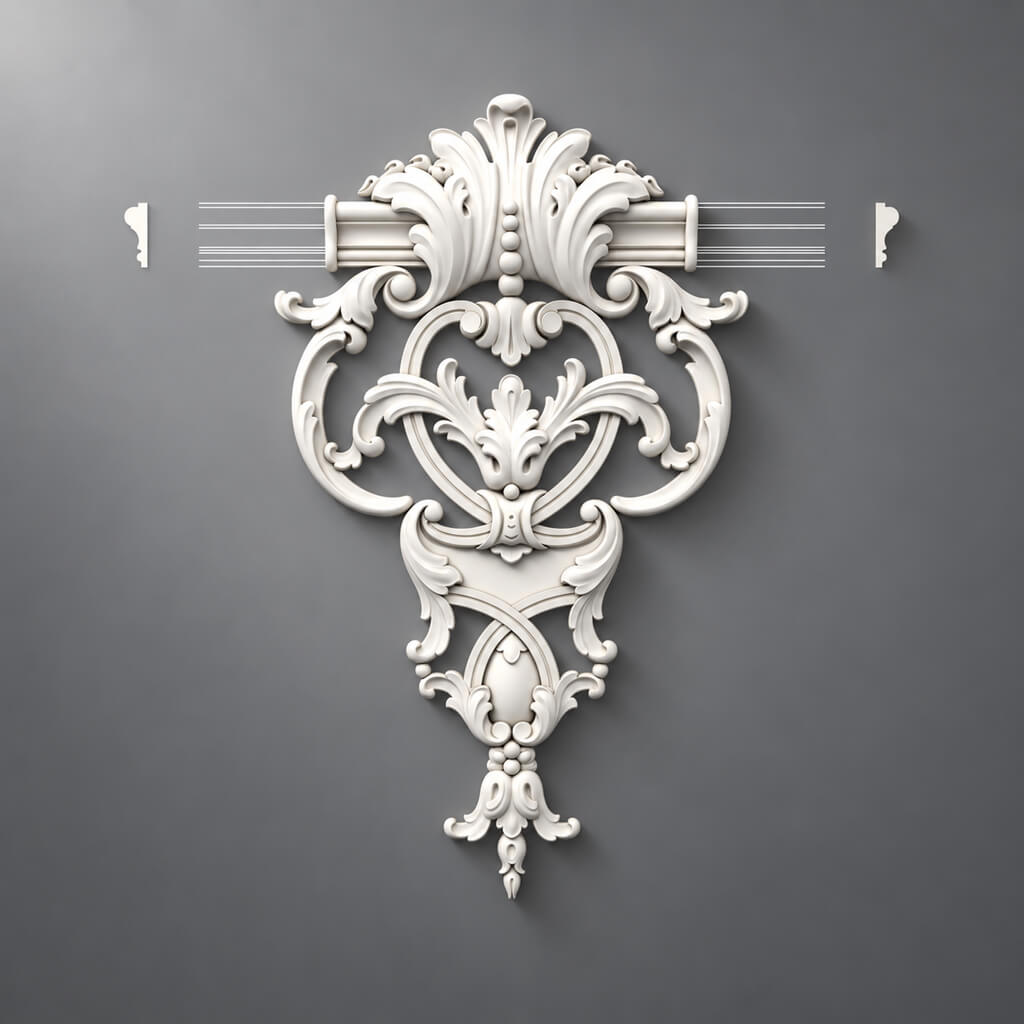
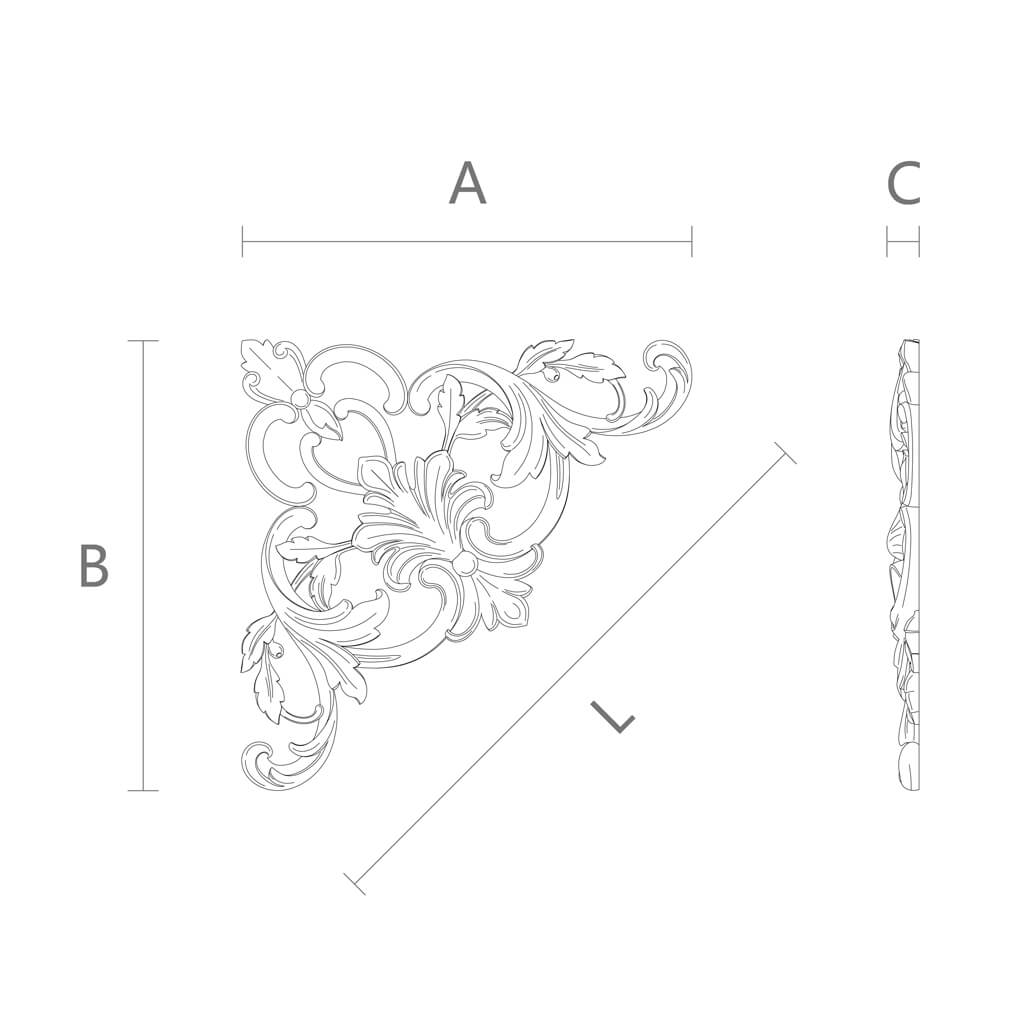
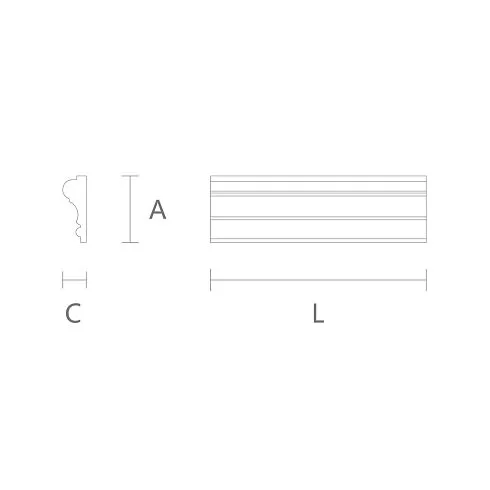
The product size is 196 × 196 mm, the relief thickness is 14 mm, and the L dimension according to the technical diagram is 265 mm. Thanks to the almost equal dimensions on sides A and B, the ornament is conveniently perceived precisely as a corner composition. It occupies a fairly noticeable area, but at the same time does not turn into a large architectural panel. Therefore, NPU.VRS-018 can be used as an independent decorative accent or as part of a more complex system of moldings, frames, panels, and other stucco elements.
The main feature of the model is not simply the presence of a floral pattern, but the thoughtfully designed plasticity of the composition. The ornament does not look like a mechanically bent strip of decor. The leaves and scrolls are connected to each other in such a way that the movement of the pattern naturally changes direction in the corner area. As a result, the vertical and horizontal parts are perceived as a single artistic whole.
Exact dimensions of NPU.VRS-018
For designing a decorative layout, it is important to focus on the actual dimensions of the product, and not only on its appearance in the photo.
Main model parameters:
- A — 196 mm;
- B — 196 mm;
- C — 14 mm;
- L — 265 mm;
- material — polyurethane.
Parameters A and B define the overall dimensions of the decorative overlay along two main directions. They are identical — 196 mm each, which emphasizes the corner character of the element.
Parameter C shows the maximum thickness of the product — 14 mm. Such relief allows the ornament to be clearly visible on the surface of a wall, panel, or facade: individual leaves, scrolls, and the central part gain noticeable volume, while side lighting creates soft shadows.
Parameter L in the diagram is 265 mm. When preparing a project, the technical drawing of the product should be used, especially if the decorative overlay must fit into a pre-calculated frame of moldings.
Ornament architecture: scrolls, leaves, and a central plant motif
NPU.VRS-018 belongs to the type of stucco decor where the decorative effect is created not by a single figure, but by an entire system of interconnected elements.
In the central area there is a three-dimensional plant motif resembling an unfolding leaf or a stylized palmette. Smooth curved lines radiate from it, gradually transitioning into thinner shoots and scrolls.
Along the perimeter of the composition are leaf elements of various sizes. They do not repeat mechanically but change direction and shape, making the pattern look alive. Some leaves support upward movement, others turn it to the side, and still others form visual terminations of individual branches.
Large C-shaped and S-shaped scrolls are especially important. They are the ones that connect the main parts of the composition and create the flowing lines characteristic of classical ornament.
Between the massive relief details, enough free space is left. This makes the pattern openwork. The wall or other surface remains visible between the decorative elements, so the overlay is not perceived as a heavy solid plate.
Why this element works especially well in the corner of a decorative frame
When creating classical wall moldings, one of the difficult tasks is finishing the corners.
The simplest option is to join two molding sections at an angle. This solution is suitable for strict geometric frames. But if the interior requires more complex decorative plasticity, a simple joint may not be enough.
NPU.VRS-018 makes it possible to turn the corner from a technical junction point into the artistic center of the composition.
The ornament grows in two directions at once. One part visually continues the horizontal, while the other supports the vertical. Thanks to this, the overlay can connect two sides of the decorative frame.
At the same time, the composition remains fairly open. It does not form a heavy solid corner, but creates an openwork transitional space of leaves and scrolls.
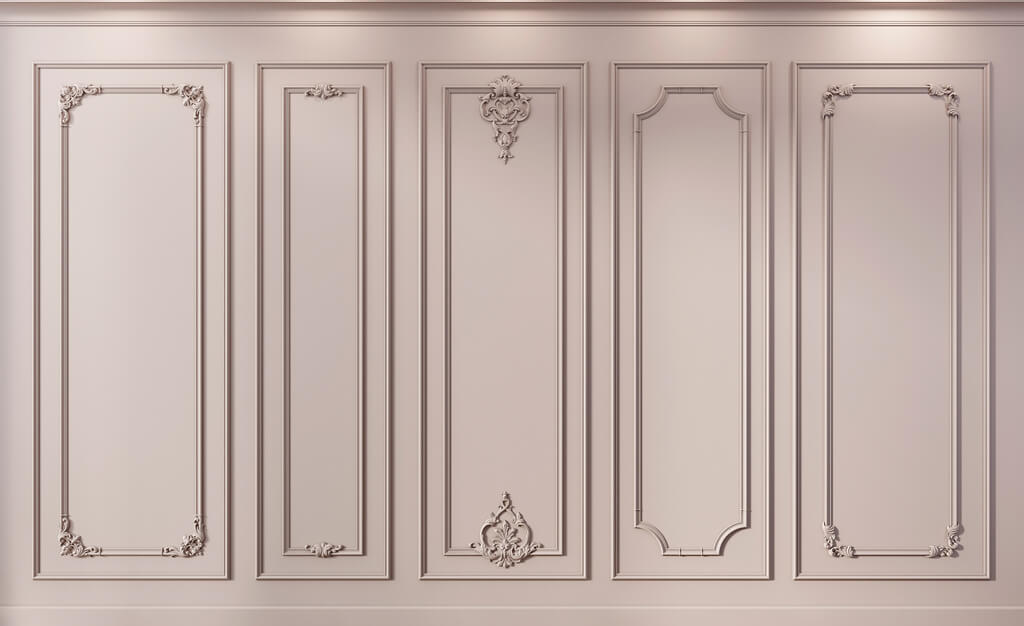
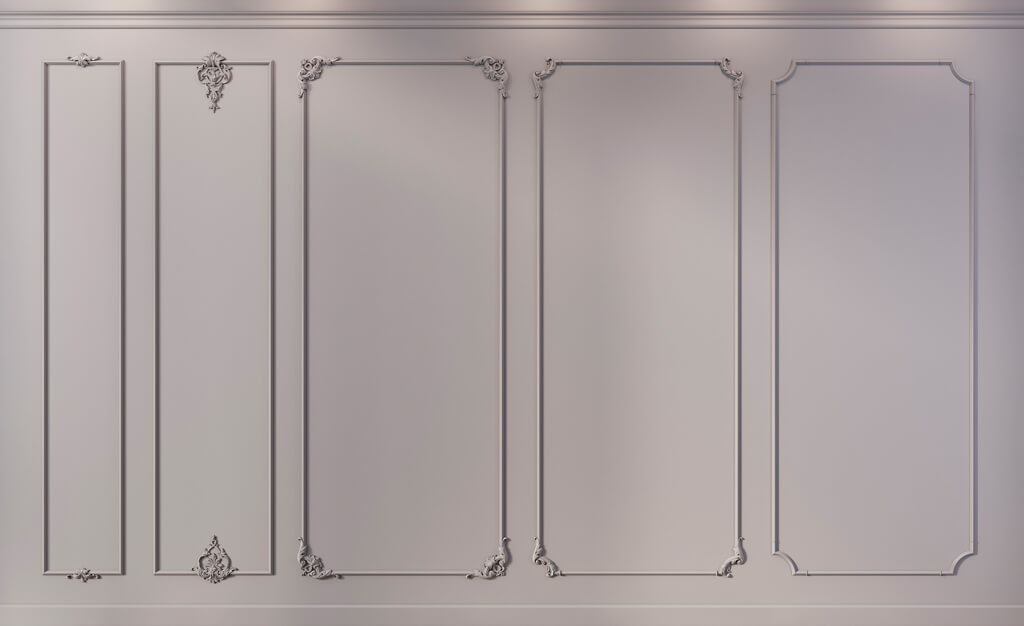
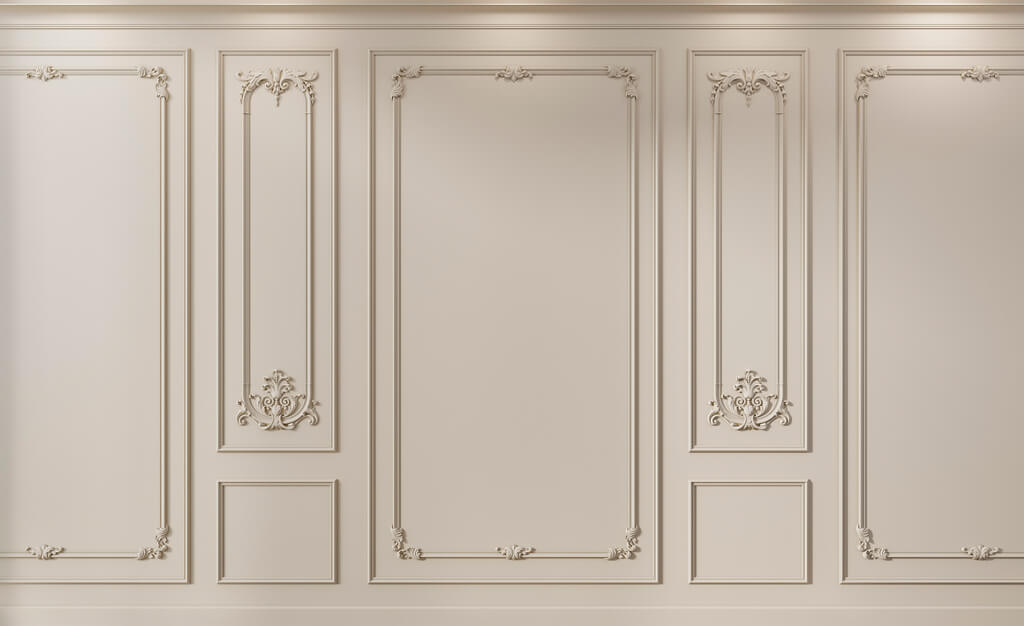
This technique is especially well suited for large wall frames, decorative panels, boiserie finishing, door portals, and interior compositions with a pronounced classical style.
Stucco decor for walls
One of the most natural applications of NPU.VRS-018 is wall decor.
The overlay can be used inside a frame made of moldings, in the corner area of a decorative panel, or as a standalone ornament on a painted wall.
On a large empty surface, such an element helps avoid a feeling of emptiness. At the same time, it takes up significantly less space than a full-fledged panel or a large decorative panel.
NPU.VRS-018 looks especially striking against a solid-color background. When the wall and the stucco are painted in the same color, the pattern is revealed through the interplay of light and shadow. A depth of about 14 mm allows individual elements of the ornament to cast small shadows, so the composition remains noticeable even without color contrast.
In interiors with more decorative finishes, a different approach can be used: highlighting the stucco with a shade, metallic accents, or decorative patina. The specific finishing method depends on the overall concept of the room.
Decorative overlay for frames made of moldings
A classic molding frame gives the wall architectural structure, but on its own it can look rather austere.
Adding an ornamental overlay changes the character of the entire composition.
NPU.VRS-018 can be used in the corner of the frame, where the floral pattern visually continues both lines of the molding. With the right choice of profile, it creates the impression that the geometric and floral decor were originally designed as a single system.
During planning, it is important to determine the distance from the overlay to the molding in advance. The elements do not necessarily have to touch. Sometimes a small gap between them makes the composition feel lighter.
Another option is to position the molding as close as possible to the ornament, creating a richer classical design.
In any case, it is advisable to first create a scaled layout, especially if several frames of different sizes are used on one wall.
NPU.VRS-018 as a corner element of a decorative panel
The overlay is well suited for creating larger wall compositions.
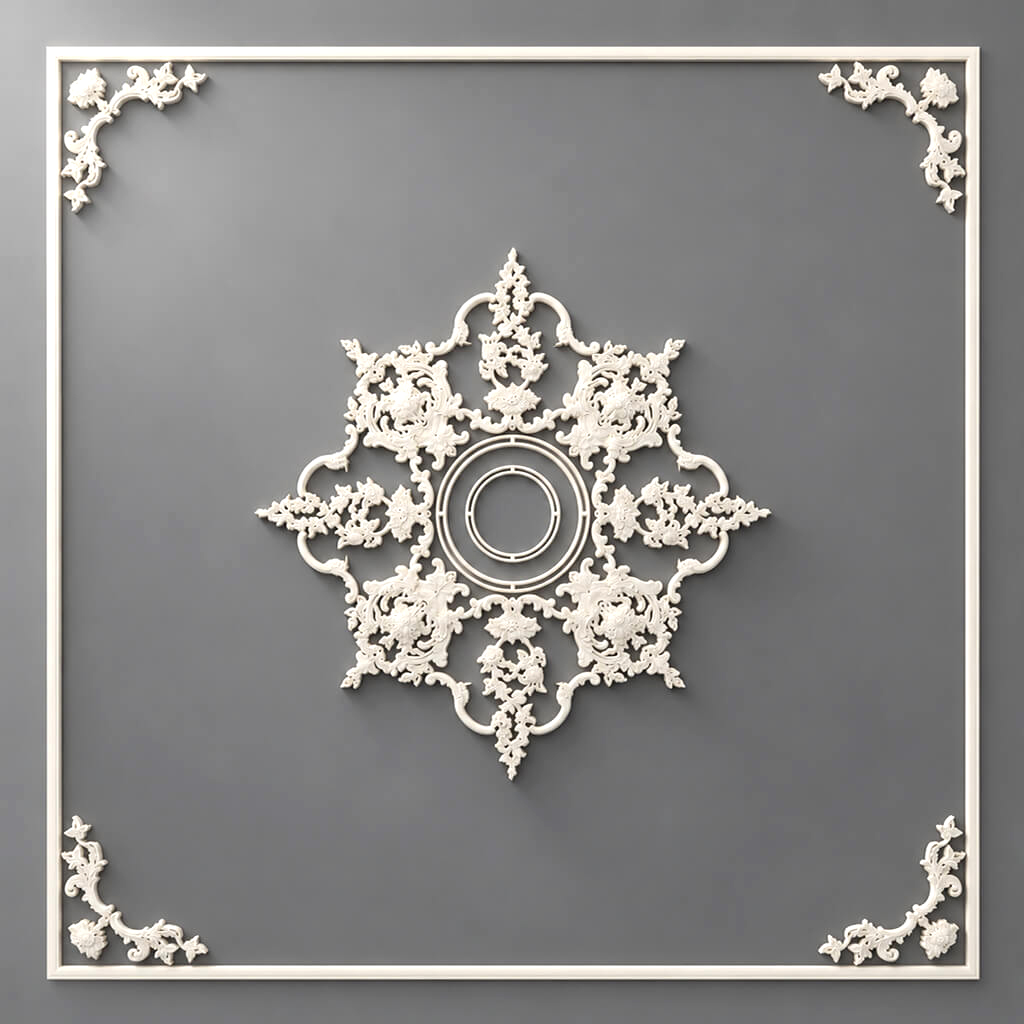
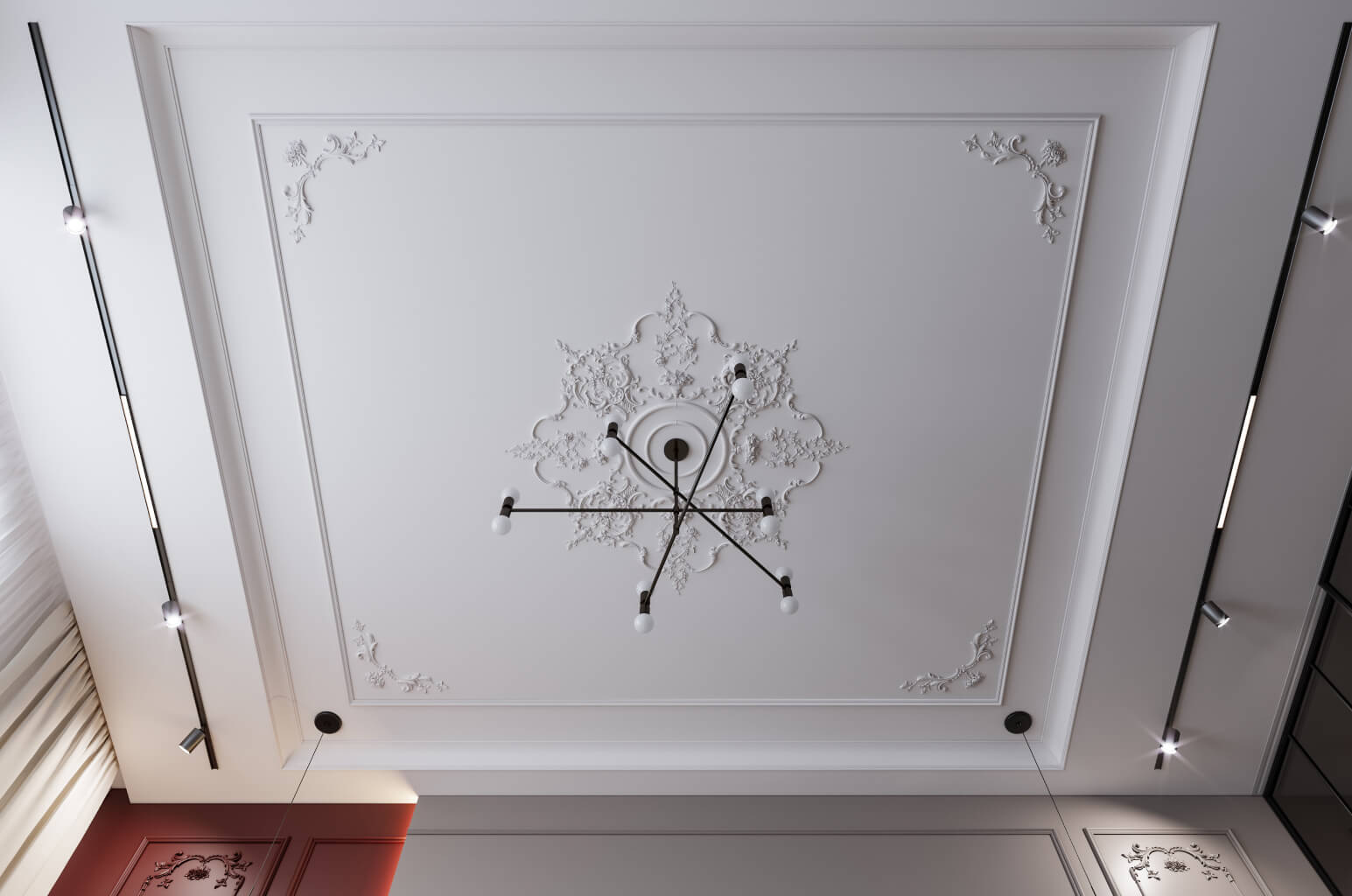
You can use four such corner elements around the central area of a wall or panel. With the appropriate orientation, they form a decorative frame that can contain a mirror, a work of art, a textile insert, wallpaper, decorative plaster, or simply a solid-colored surface.
This principle allows you to achieve a complex classical design without having to completely fill the wall with three-dimensional stucco.
The ornament works as a visual frame, but instead of rigid geometry, a supple botanical movement is used.
For particularly large panels, NPU.VRS-018 can be combined with straight moldings, rosettes, and additional overlays. The main thing is to maintain scale and not overload the space with too many equally active elements.
Decor for boiserie and wall panels
In projects with classical wall panels, stucco decor is especially useful, as it allows a transition from simple joinery geometry to a more artistic design.
NPU.VRS-018 can be used as an ornamental overlay in the corner of a panel or inside a decorative panel.
If the panel has a rectangular shape, the floral element softens the strict geometry. The smooth lines of the leaves create a contrast with the straight verticals and horizontals.
This combination often looks more expressive than a fully ornamental surface. The geometry sets the order, and the molded element becomes the accent.
For large spaces, a repeating rhythm can be created: several identical panels receive the same corner decor. As a result, the wall looks complex but retains its architectural logic.
Suitable for decorating door portals and openings
Another use case is the decorative finishing of doors and interior openings.
NPU.VRS-018 can be placed in the upper corner of a portal, inside a decorative frame, or above the architrave.
It is important to consider the scale of the door. An element measuring 196 × 196 mm is already quite noticeable, so on a narrow modern architrave it may look too active. However, in a wide classical portal, its dimensions are revealed much better.
You can build a symmetrical composition with a pair of corner elements or, conversely, use an asymmetrical decorative solution depending on the project concept.
An expressive accent for a classical interior
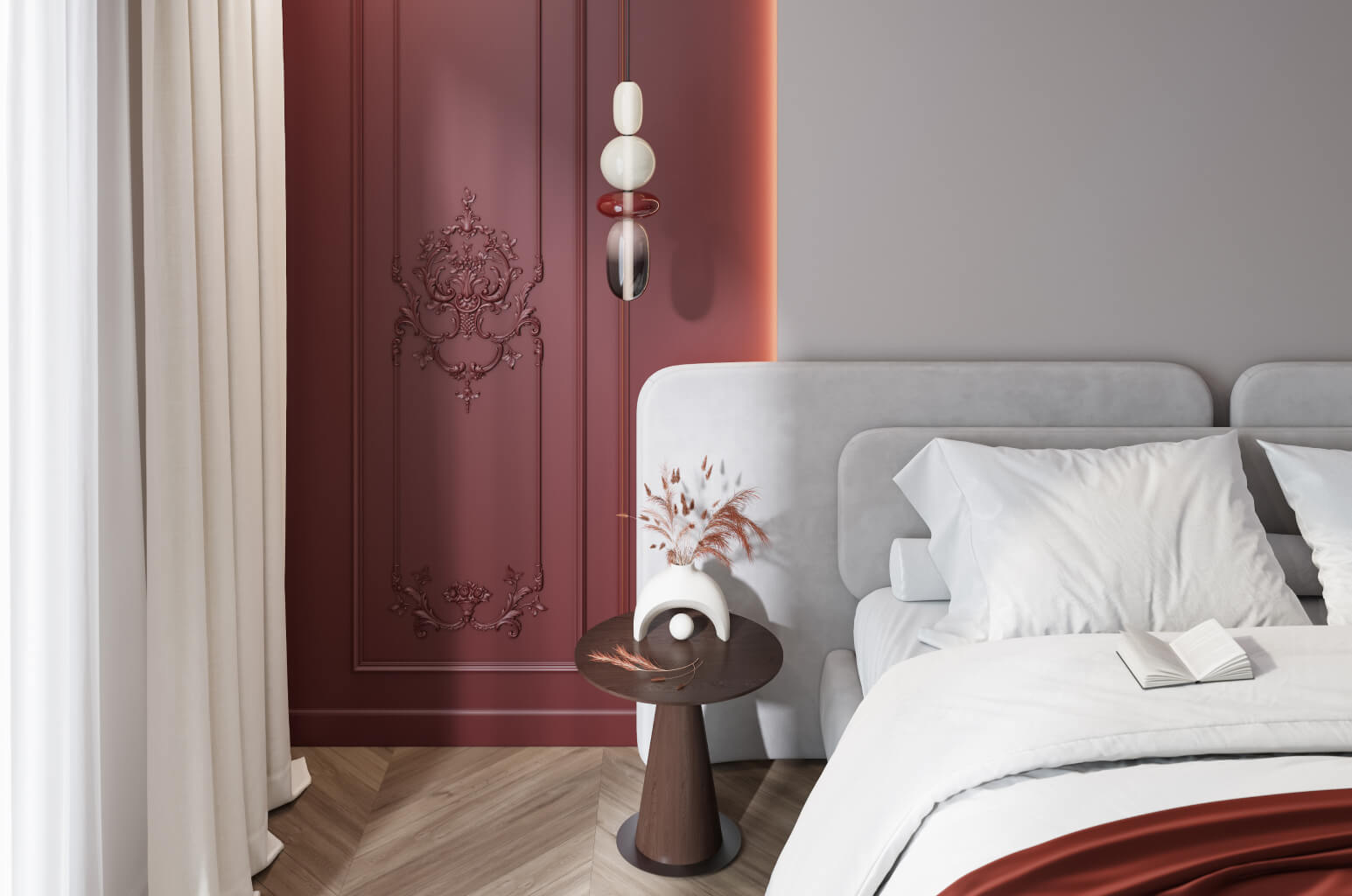
The floral ornament NPU.VRS-018 is especially harmonious in interiors that use historical or historicizing decorative techniques.
This could be classicism, neoclassicism, an interior with baroque motifs, French styling, eclecticism, or a modern space with individual classical details.
At the same time, it is not necessary to decorate the entire room with stucco molding.
Sometimes one complex decorative fragment works better than many small elements. For example, NPU.VRS-018 can be used only on an accent wall or in the area of a mirror, console, fireplace, or decorative panel.
This approach is especially relevant for modern neoclassicism, where it is important to maintain a balance between historical ornament and clean surfaces.
Floral plasticity without the feel of heavy stucco molding
Despite the rich pattern, NPU.VRS-018 remains visually quite airy.
This is due to the large number of open areas between the individual parts of the ornament. The outline does not form a solid square measuring 196 × 196 mm. Instead, the decorative mass is distributed across individual leaves and scrolls.
This structure is especially useful in small rooms, where massive stucco molding could look too heavy.
The openwork composition provides decorative richness but keeps the background visible.
Polyurethane as a material for complex ornamentation
NPU.VRS-018 is made of polyurethane.
For decorative elements with complex relief, this material allows for rendering a large number of fine details — leaf edges, curves of shoots, transitions between convex and recessed areas.
This is especially important for this kind of ornamentation. If the edges are made too rough or the relief is simplified, the composition loses a significant part of its expressiveness.
The polyurethane base is also convenient for interior installation due to the relatively low weight of the decorative elements. However, the mounting method must always be selected taking into account the substrate, the size of the part, and the mounting compound used.
Thickness 14 mm and expressiveness of the relief
Size C is 14 mm.
For a wall decorative element, this is an important characteristic. The overlay does not look like a flat printed pattern: it has volume that varies across the entire area of the ornament.
The most protruding leaves and central elements create a light-and-shadow pattern, while the thinner branches form smooth transitions.
The volume is especially well defined under side lighting. Light from a window, wall sconce, or directional ceiling fixture emphasizes the relief and makes the ornament visually deeper.
Therefore, when designing an interior, it is useful to evaluate the stucco decor not only frontally, but also taking into account the actual direction of light in the room.
Size 196 × 196 mm: a noticeable but manageable scale
The 196 × 196 mm dimension allows NPU.VRS-018 to be used in compositions of various sizes.
This is not a miniature decorative detail that can only be noticed from close up. The ornament is large enough to work on the wall and be perceived as a standalone element.
At the same time, the size remains convenient for creating repeating frames and panels.
For a very large wall, one element may not be enough — in that case, the composition can be developed with moldings or other overlays.
In a small room, on the contrary, NPU.VRS-018 can serve as the main decorative accent without additional complex elements.
Symmetry and asymmetry in the use of NPU.VRS-018
The ornament itself has a complex directional composition. Therefore, before installation, it is important to determine its orientation.
If several identical elements are used in one system, it is necessary to determine in advance whether they should repeat the same direction or form a visually symmetrical layout.
You cannot simply place the overlays arbitrarily: the direction of the large scrolls and leaves noticeably affects the movement of the entire composition.
For the project, it is useful to make a preliminary wall diagram. Even a simple sketch allows you to see where each plant shoot is directed and how it interacts with neighboring elements.
Possibility of independent decorative use
Although the shape of NPU.VRS-018 is well suited for corner schemes, the product does not necessarily have to be used only within a frame.
The overlay can become a standalone wall decoration.
For example, it can be installed in the corner of a decorative wall section, next to a mirror, above a console, or in the transition zone between two architectural lines.
On an open surface, the ornament is perceived almost as a small bas-relief. This method of application is suitable if you want to emphasize the beauty of the pattern itself and not surround it with a large number of other elements.
Mirror decoration
Ornamental corner overlays are well suited for decorating mirror compositions.
NPU.VRS-018 can be used next to a mirror frame, forming a decorative continuation of the corner.
This solution looks especially striking on a large rectangular mirror, where the strict form of the glass contrasts with the plasticity of the floral ornament.
Depending on the project, the decor can be placed in just one corner, use a pair of elements diagonally, or create a more complex composition.
Use on furniture fronts and interior structures
With suitable surface dimensions, NPU.VRS-018 can be used not only on walls, but also in the decorative finishing of furniture and interior surfaces.
For example, a large overlay can be part of the front of a built-in wardrobe, a decorative panel, a screen, a niche, or a portal.
However, when used on furniture, it is necessary to take into account the thickness of the element, 14 mm. The ornament protrudes noticeably above the base surface, so its placement should not interfere with opening doors and interacting with hardware.
On moving elements, reliable fastening is also especially important.
Light and shadow as part of the appearance of NPU.VRS-018
Relief molding is never perceived the same way under different lighting.
Under soft frontal light, NPU.VRS-018 looks relatively calm: the overall silhouette and structure of the floral pattern are clearly readable.
With side lighting, more contrast appears between the protruding and recessed areas. The ornament becomes more graphic.
With directional lighting, individual leaves can cast pronounced shadows, which enhances the decorative effect.
Therefore, in interiors with well-thought-out lighting, such a molded element can change character throughout the day.
Monochrome painting for modern neoclassicism
One of the most versatile ways of finishing is painting the wall and the decorative overlay in the same color.
In this case, NPU.VRS-018 does not contrast with the background in color. All expressiveness is built on the relief.
This technique allows the use of a fairly complex classical ornament even in a modern interior. The decor is present but does not look overly ornate.
White is only one of the options. Deep gray, muted beige, complex green, blue, or another shade can look interesting depending on the concept of the room.
Contrasting finishing for a more decorative effect
If you need to emphasize the ornament, the overlay can be separated from the background by color.
Contrast makes the outlines of each leaf and curl more noticeable.
However, with a complex pattern, one should be careful with the number of colors. Too fragmented coloring can make the composition visually overloaded.
Most often, one main color is enough and, if necessary, moderate accentuation of the most protruding parts.
Patination and highlighting the relief
In classic interiors, decorative aging and patination techniques can be used.
Due to the uneven depth of the relief, NPU.VRS-018 is suitable for the following techniques: a darker shade can remain in the recesses, while the protruding parts, on the contrary, can be slightly lightened.
This makes the pattern visually deeper and allows the smallest details to be emphasized.
This finish is especially appropriate in interiors that feature aged mirrors, brass, bronze elements, decorative plaster, or classic furniture.
How to integrate ornament into a modern interior
Complex molding does not necessarily require a fully classic space.
NPU.VRS-018 can also be used as a contrasting accent in a modern interior.
For example, a strict monochrome wall can receive just one complex ornamental composition. In this case, historical plasticity becomes an art object against the backdrop of a minimalist space.
The main thing is not to try to use too many different decorative languages at the same time.
If the molded applique becomes the main accent of the wall, it is advisable to make the other elements more subdued.
The importance of scale in design
When choosing decorative moulding, it is not enough to evaluate only the beautiful pattern. It is necessary to compare its size with the surface area.
NPU.VRS-018 has dimensions of 196 × 196 mm. On a small furniture door, it will be a large and active element. On a wall panel two to three meters high, it will become a local accent.
Therefore, before ordering, it is recommended to apply the actual size to the project or directly to the surface — for example, using a paper template.
This helps to understand the real scale much more accurately than an image on a screen.
Installation must be planned together with the overall layout
Before installing the decorative element, it is advisable to mark out the entire composition.
If NPU.VRS-018 is used together with mouldings, the boundaries of the frame and the central axes are determined first. After that, the position of the overlay is refined.
If several identical elements are used, it is important to check the distances between them.
In classic decor, a small error in symmetry is clearly noticeable, especially when elements are repeated.
Also, before installation, the condition of the substrate must be taken into account. The surface must meet the requirements of the selected installation technology and adhesive compound.
How to choose a place for the applique
NPU.VRS-018 works best where there is enough visual space for its pattern.
If a complex floral decor is placed close to a large number of other ornaments, individual scrolls may cease to be legible.
It is useful to leave a calm field around the applique.
It is precisely the contrast between the empty surface and the complex relief that makes such an element expressive.
For frame systems, this means that not every free area needs to be filled with additional stucco molding.
The role of the central element of the composition
On close inspection of NPU.VRS-018, it is clear that the central area of the ornament is visually heavier than the periphery.
Here are located the most voluminous leaves, from which thinner lines radiate.
This is important to consider when placing it. The central part becomes a kind of focal point, while the scrolls guide the eye further along the composition.
Therefore, the overlay connects the two lines well, yet it does not look like an ordinary technical corner connector.
Detailed molding for close and distant perception
Good interior decor should work at multiple distances.
From a distance, NPU.VRS-018 is perceived as a large corner plant silhouette.
At medium distance, the main scrolls and groups of leaves become noticeable.
Upon close inspection, finer details are revealed — veins, variations in relief, small offshoots, and smooth transitions of forms.
Thanks to this, the overlay remains interesting both in the overall view of the interior and upon direct inspection.
Where NPU.VRS-018 is especially appropriate
This decorative element is worth considering for:
- finishing walls in a classic interior;
- creating corners of decorative frames;
- wall panels and boiserie;
- decorative panels;
- framing mirrors;
- door portals and wide openings;
- interior niches;
- furniture and built-in decorative structures;
- neoclassical accent walls;
- compositions of moldings and polyurethane stucco.
At the same time, the product is not tied to a single scenario. Its final role depends on the project.
What to check before ordering
Before choosing NPU.VRS-018, several parameters should be checked.
First, whether there is enough space for a product measuring 196 × 196 mm.
Second, whether the 14 mm thickness matches the required relief depth.
Third, it is necessary to determine the orientation of the ornament in the specific composition.
Fourth, if the overlay is used together with moldings, the visual compatibility of their profiles and scales should be checked in advance.
Fifth, if several identical panels are being installed, it is better to draw up a complete layout plan for the elements before installation begins.
Why a corner ornament changes the perception of the entire decorative system
In classical decoration, small details often have a disproportionately large influence on the overall result.
You can make a neat rectangular frame from moldings, and it will remain a strict geometric construction.
Adding a single complex corner ornament immediately changes the character of the composition.
It brings in plasticity, movement, a more pronounced historical association, and additional depth.
That is why NPU.VRS-018 should be considered not as a separate "decorative detail," but as a tool for shaping the architecture of the wall.
NPU.VRS-018 for thoughtfully designed classic decor
The NPU.VRS-018 stucco decor combines a compact format for a complex ornament with rich botanical plasticity. The size of 196 × 196 mm allows it to be used both as a standalone applique and as part of a larger decorative system. The thickness of 14 mm ensures a well-defined relief, while the L dimension of 265 mm helps precisely align the element with the project layout.
Botanical scrolls, large leaves, and openwork gaps create a design that is both complex and fairly light. The ornament works especially well in the corners of frames, panels, and decorative borders, where it naturally connects the horizontal and vertical directions.
The product material is polyurethane. It allows for a finely detailed three-dimensional design and enables the decorative applique to be used in various interior compositions.
NPU.VRS-018 is suitable for projects that require not just filling a surface with stucco, but creating an expressive corner accent: designing a wall panel, complementing a frame made of moldings, highlighting a mirror or a doorway, or creating a standalone botanical ornament on the wall.
As a result, the decorative element becomes not a random overlay, but part of a cohesive architectural composition — with a clear direction of lines, carefully detailed relief, and characteristic classical plasticity.
Your request has been sent!
Our manager will contact you within 5 minutes