





























Article Contents:
- When you need exactly thin moldings
- How thin moldings differ from classic stucco
- Where to use thin moldings on walls
- In the living room
- In the bedroom
- In the hallway and corridor
- In the study
- In a small apartment and studio
- What decor schemes can be made with thin moldings
- One large frame
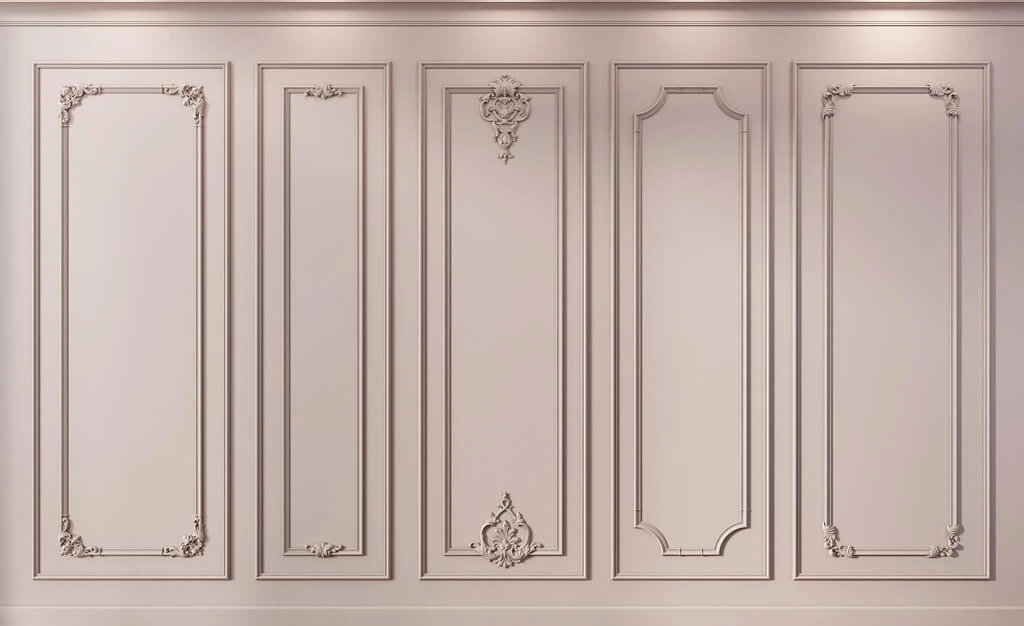
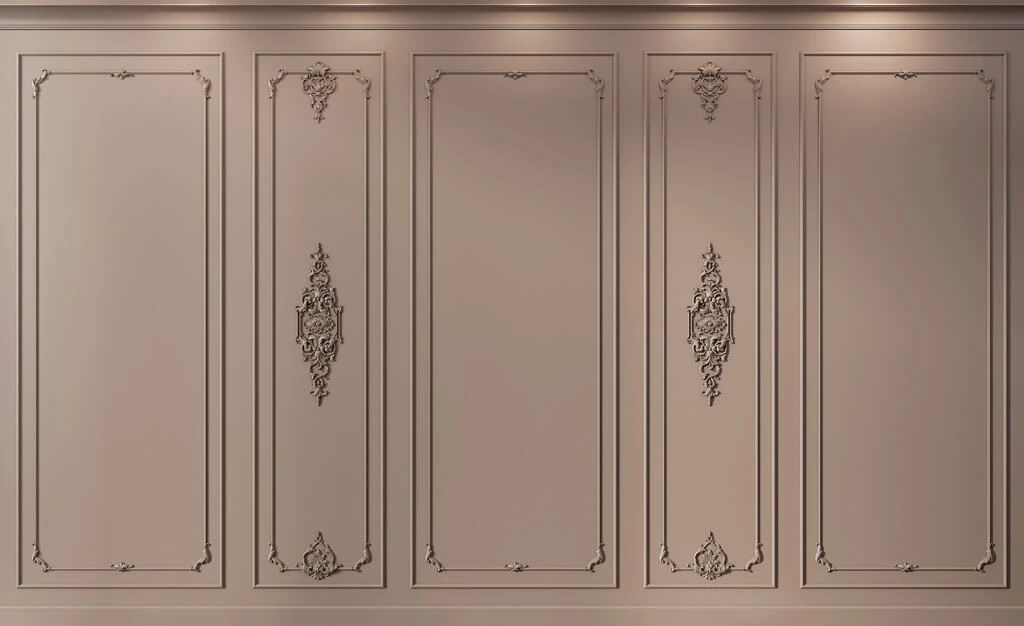
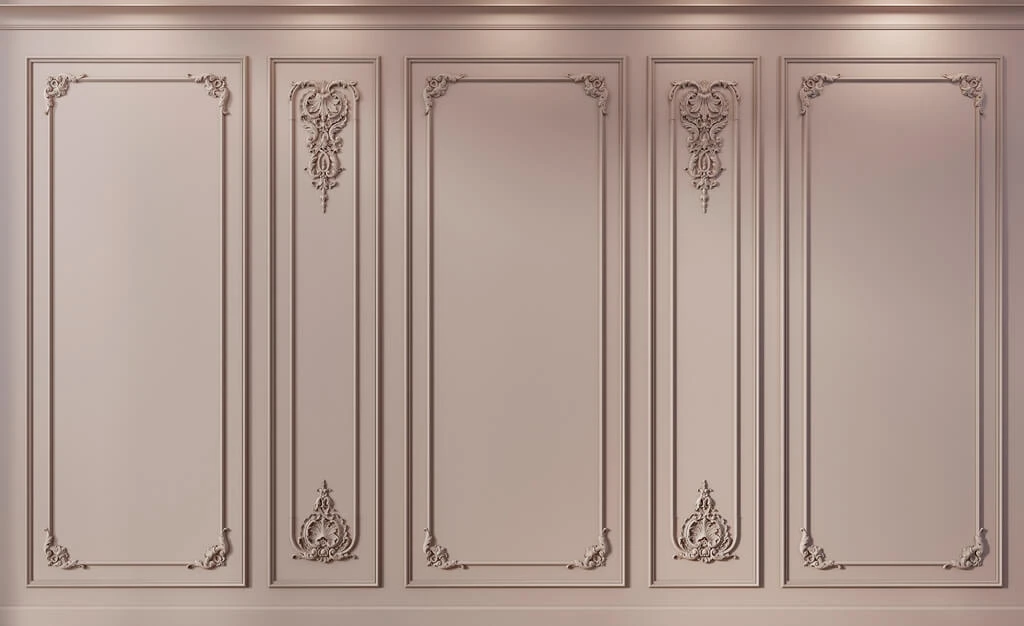
- Several vertical frames
- Horizontal wall division
- Moldings in wall color
- Contrasting thin moldings
- How to choose the width and profile of a thin molding
- Profile width by room type
- Profile type
- Coordination with baseboard and cornice
- Thin moldings and ready-made kits: what to choose
- Individual moldings
- Ready-made decor kits
- Decor for moldings
- PU overlays
- Which styles suit thin moldings
- Neoclassicism
- Neoclassic Light
- Jatoba
- Modern classicism
- Minimalism
- Mistakes when choosing thin moldings
- Too thin profile on a large wall
- Too many frames in a small room
- Moldings are not tied to furniture
- Equal indents are broken
- The profile does not match the baseboard
- Moldings intersect with sockets
- Moldings are chosen without considering ceiling height
- Too contrasting color in a small room
- What to buy for easy wall decor
- Frequently asked questions
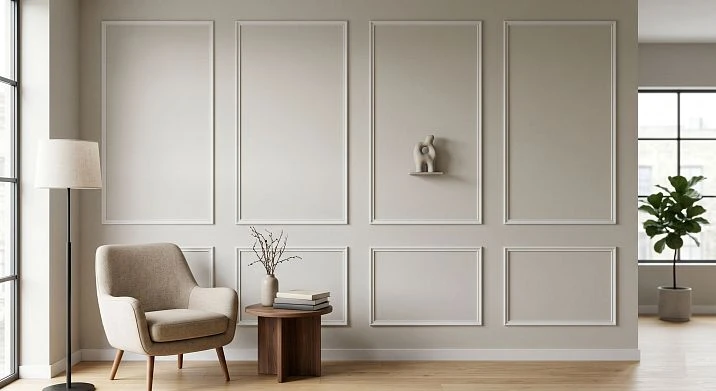
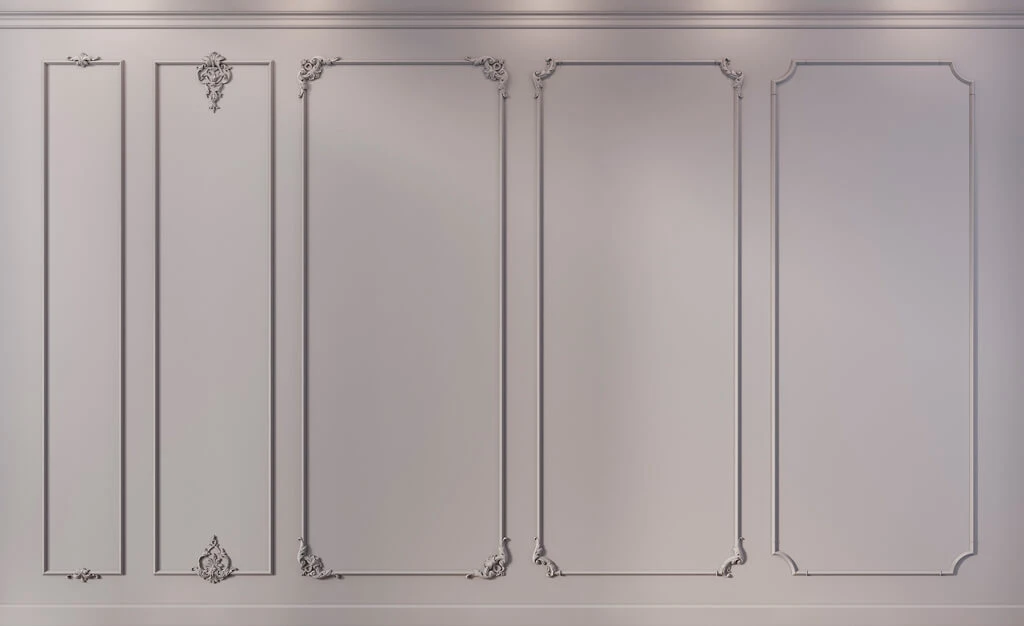
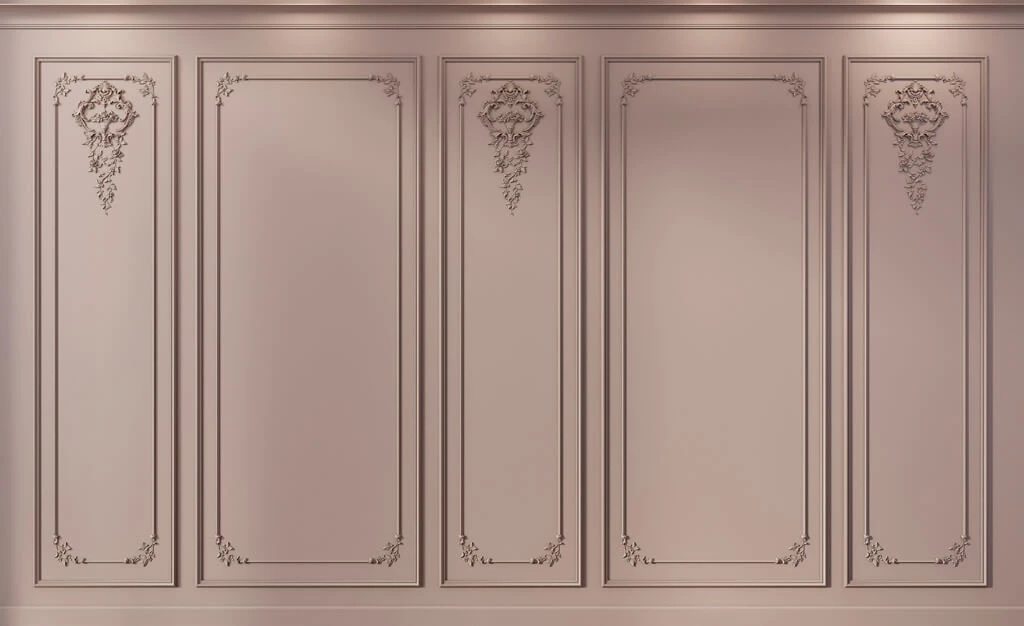
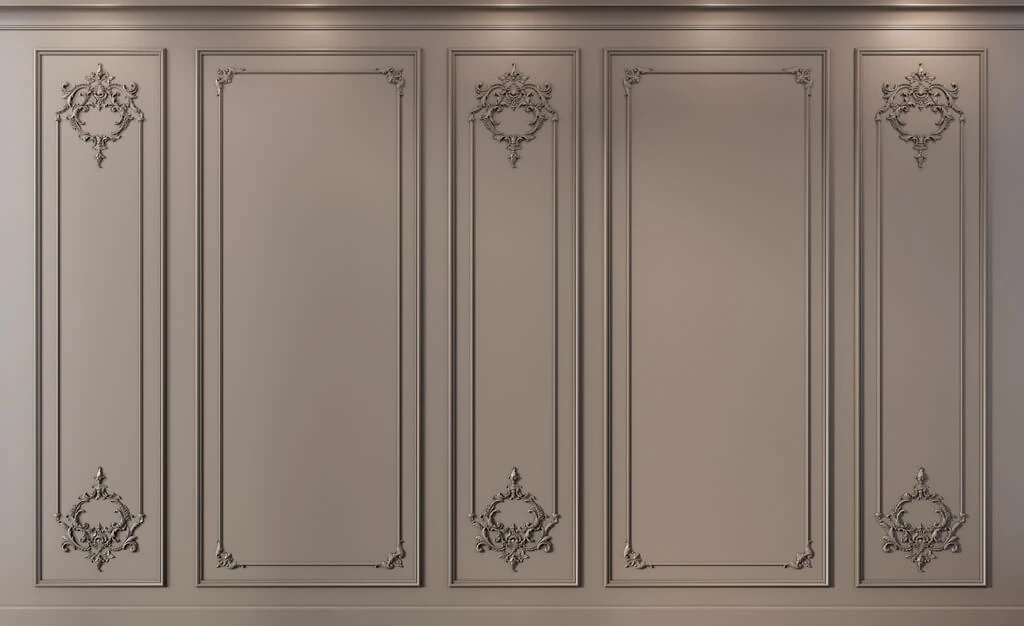
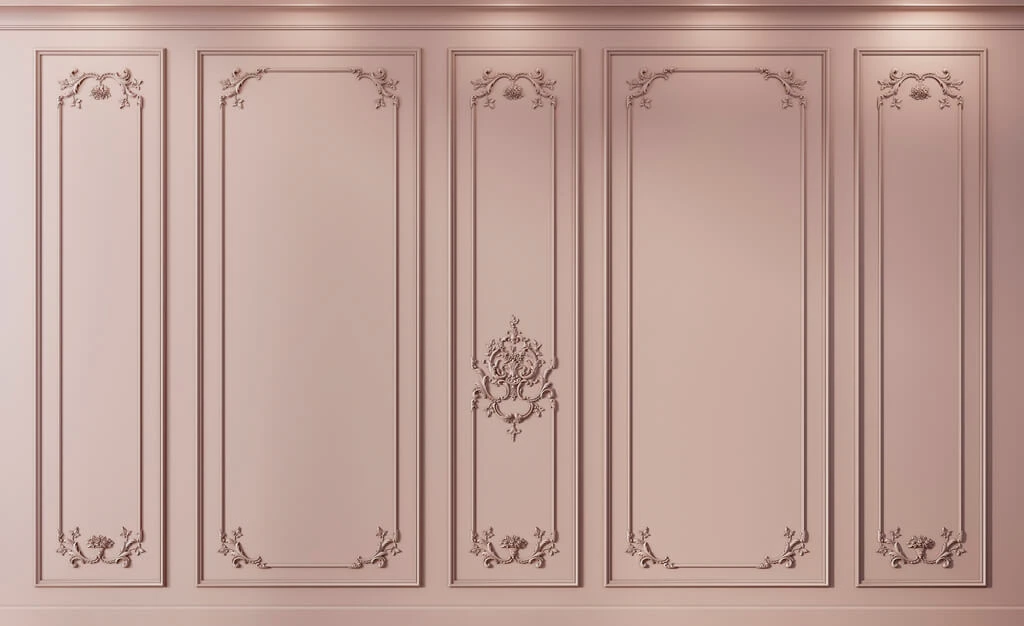
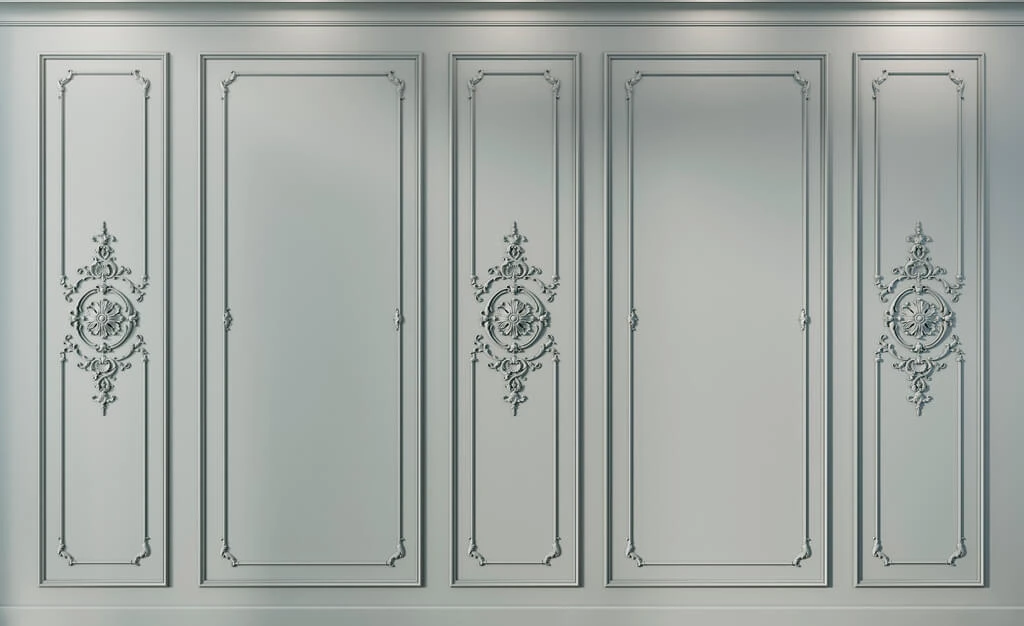
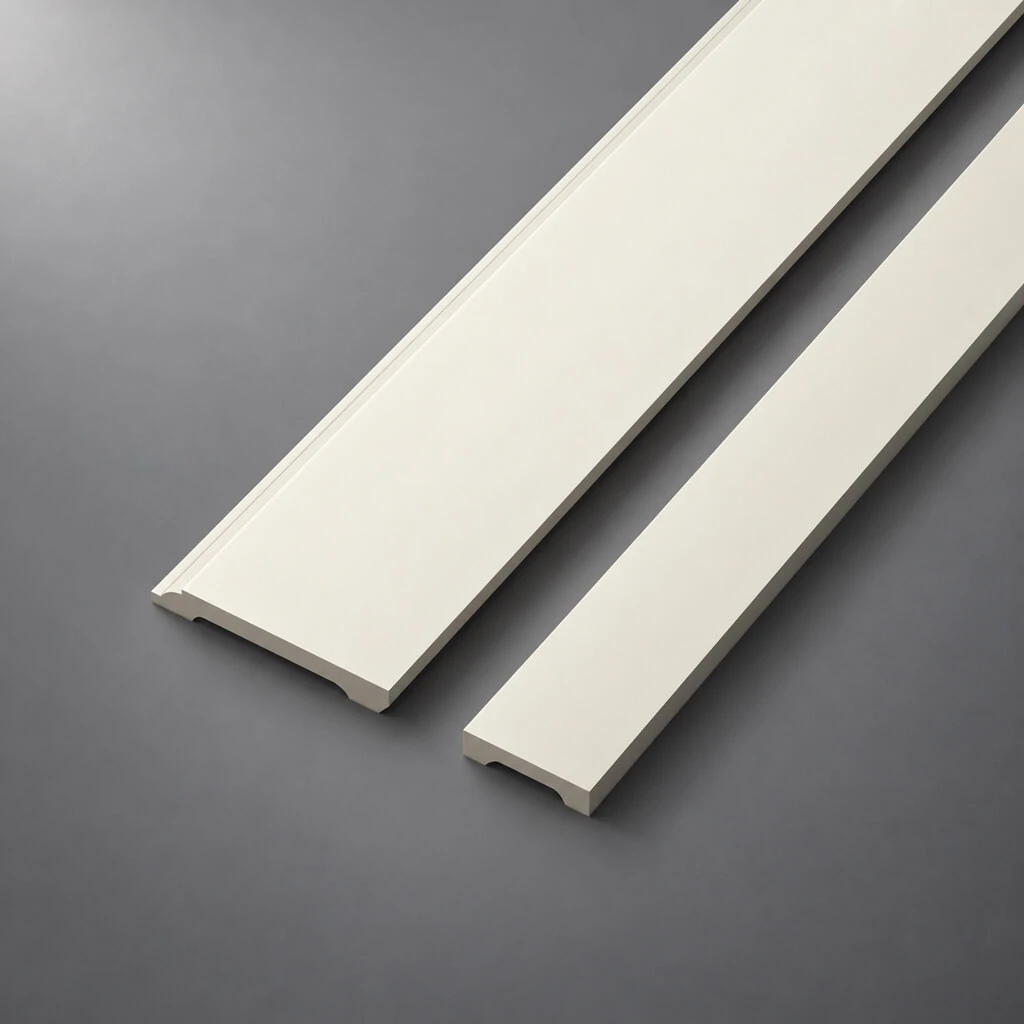
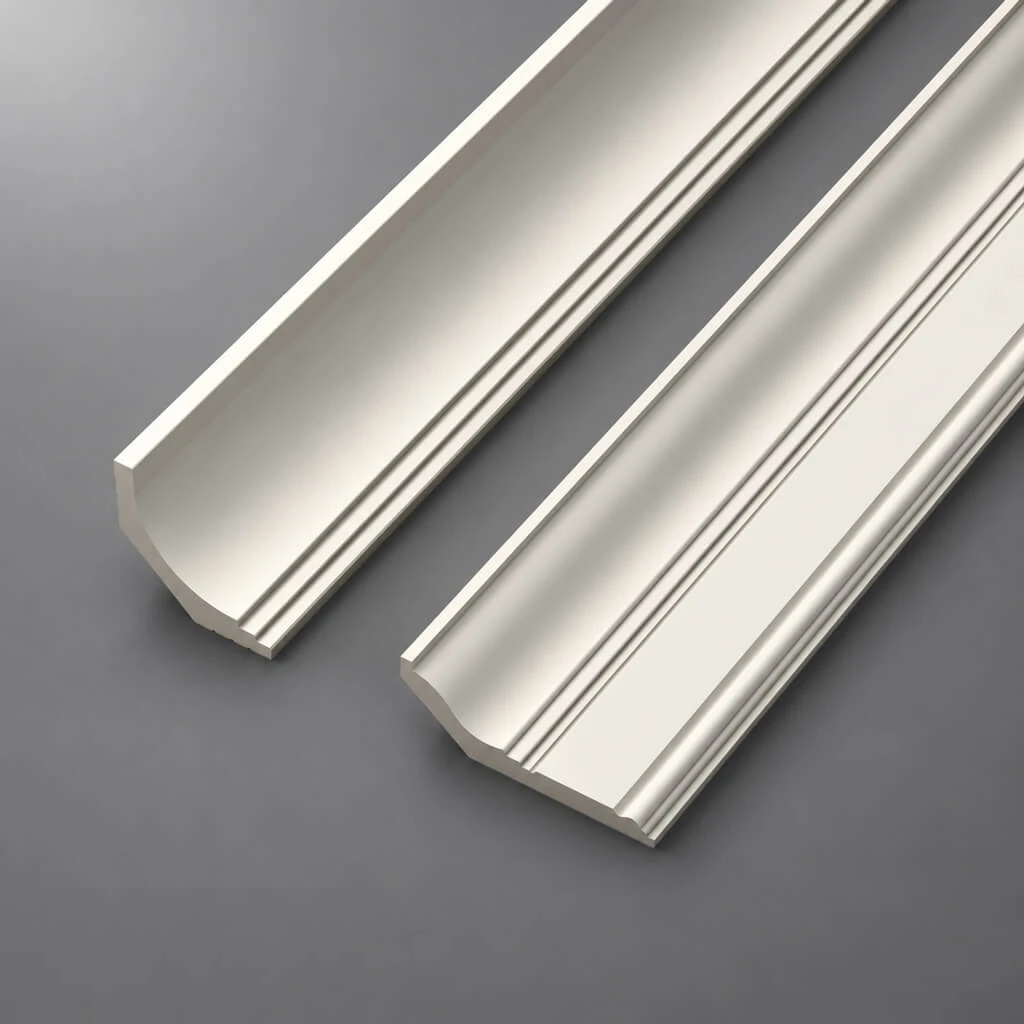
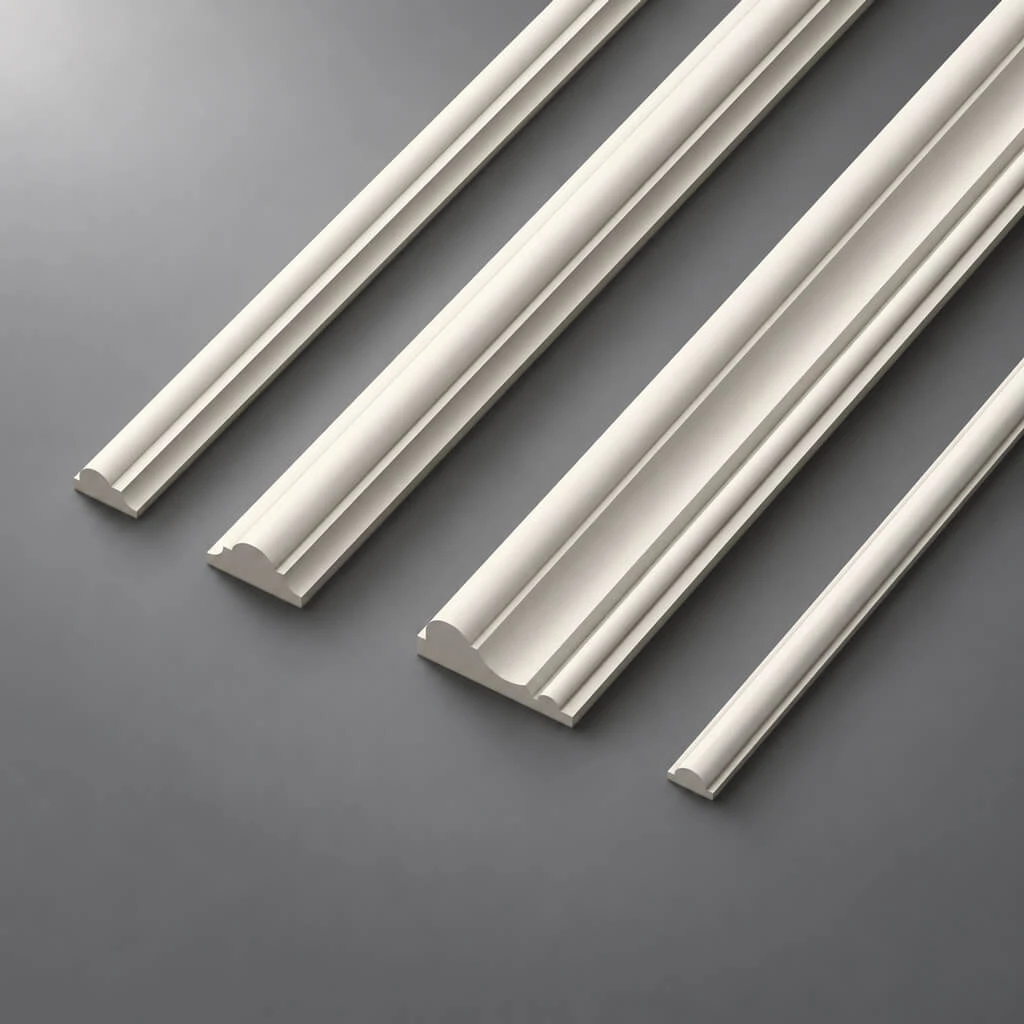
Today, most apartments have ceilings of 2.6–2.8 m, open layouts, light neutral walls and furniture in a calm modern style. Here, massive classic stucco will look not like luxury, but like a mismatch. Here you need a different story — thin polyurethane moldingswith a laconic profile that adds architecture, rhythm, and depth to the wall without claiming grandeur.
This is not a compromise or simplification. It is a precise choice of tool for the task. A thin molding in the right place makes the interior more expensive and smarter — just as an expensive tie transforms a simple suit. It doesn't shout. But it speaks.
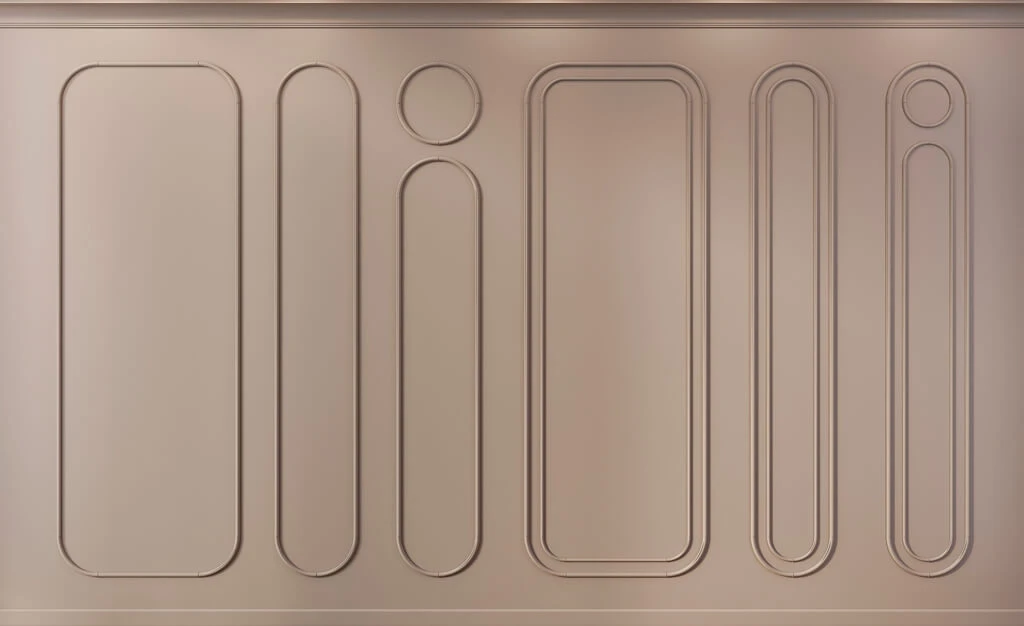
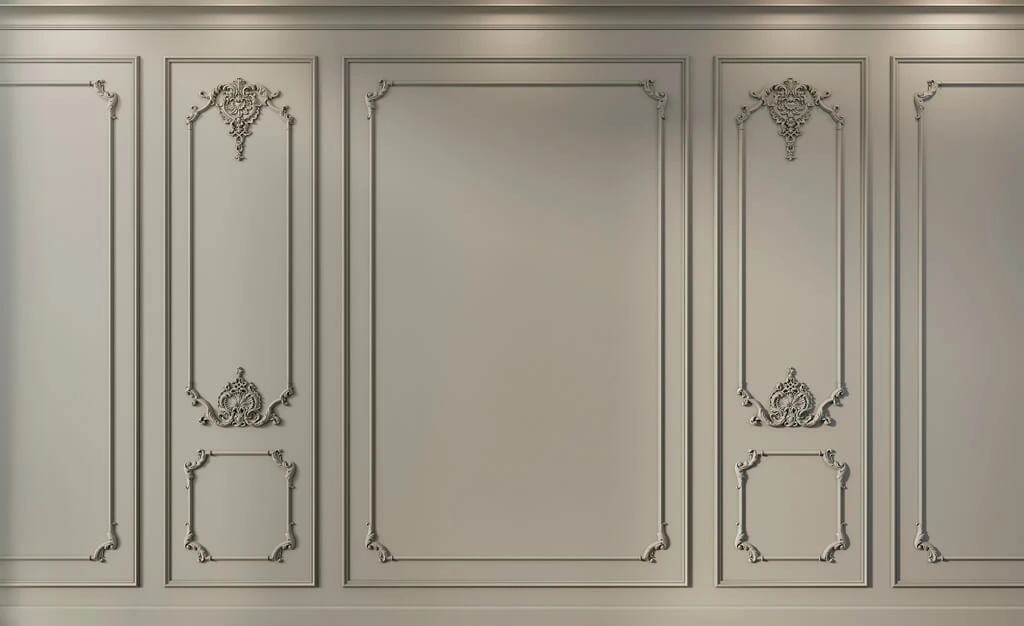
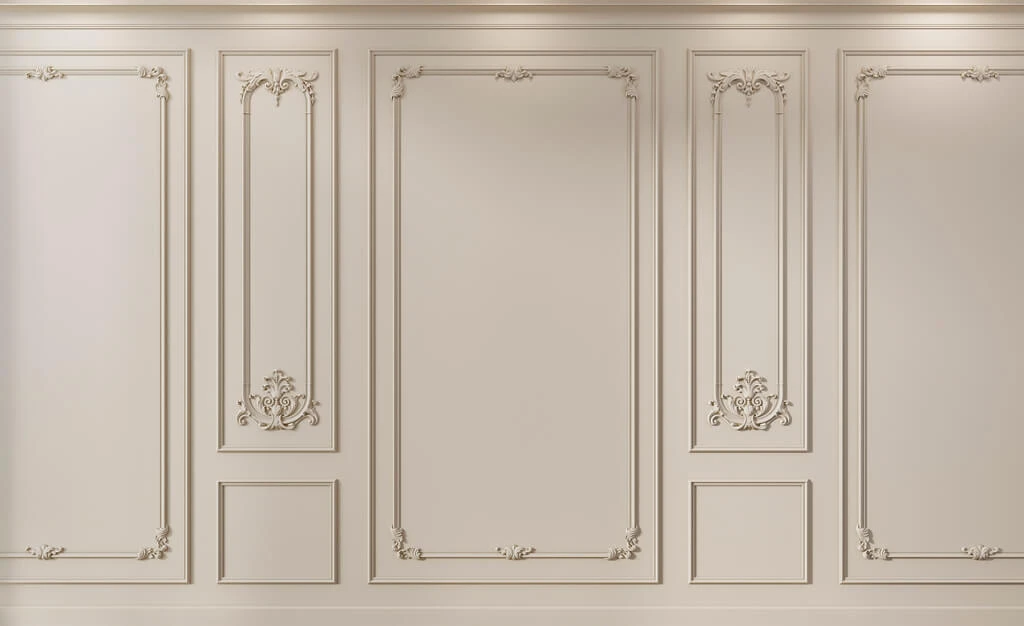
If you need neat wall decor without heavy classical stucco, choose thin polyurethane moldings. They are suitable for frames, vertical lines, modern wall compositions, and light zoning.
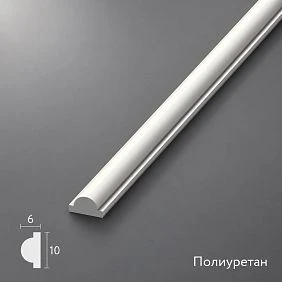
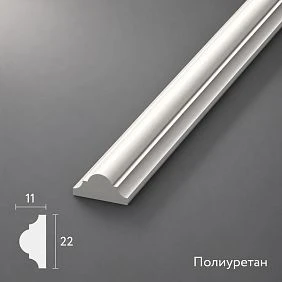
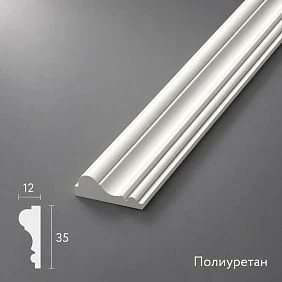
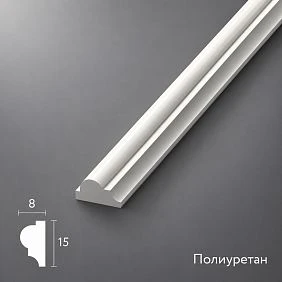
When thin moldings are needed specifically
Ask yourself one simple question: what do you want to achieve — a rich classical interior or a modern, thoughtful one with a light architectural detail? If the latter, your choice is already made.
Thin decorative moldings are needed in a few specific situations.
Small apartment or studio. Here, a wide profile physically presses on the space. A molding of 40–50 mm on the wall of a 14 m² room will look excessive. A thin profile of 18–26 mm works delicately, creates structure, and does not eat up visual space.
Low ceilings. A ceiling of 2.5–2.7 m is standard for most Russian apartments. Heavy profiles visually lower the ceiling even further.stucco decor for walls with low ceilings— is a separate topic, but the main principle is simple: the lower the ceiling, the thinner the profile.
Modern style. Minimalism, Japandi, Scandinavian style, modern classic — all these directions imply restrained decor.Modern wall moldingswith a smooth or minimally profiled section organically fit into the aesthetic without disrupting it.
Wall with active furniture or decor. If a large painting, a mirror in an expressive frame, or a sconce hangs on the wall, a thin molding creates a framing system without competing with these elements. A wide profile in the same situation creates a 'struggle' for attention.
Want it to look more expensive, but without excess. A thin molding in the color of the wall is an almost invisible but perceptible architectural technique. A wall with it looks different than without it: more structured, more thoughtful, more complete. At the same time, the decor does not catch the eye — it simply exists.
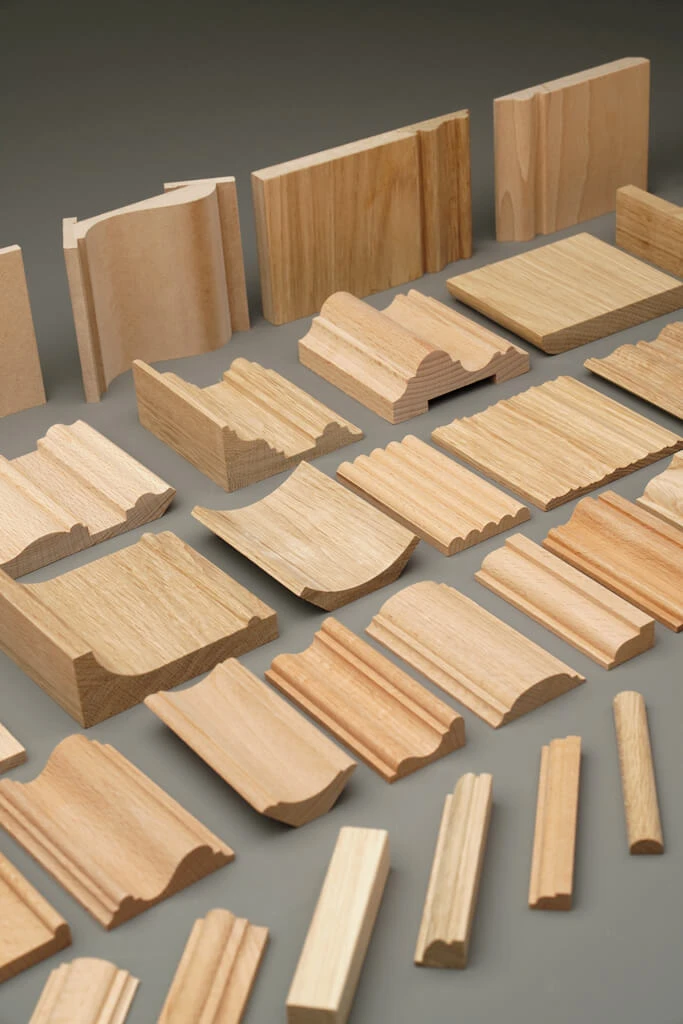

How thin moldings differ from classic stucco
This is not a question of 'better or worse'. It is a question of scale, style, and context.
| Parameter | Thin moldings | Classic stucco |
|---|---|---|
| Profile Width | 15–32 mm | 40–80 mm and more |
| Relief | Minimal or moderate | Pronounced, with ornament |
| Style | Modern, neoclassic light, japandi | Neoclassicism, classic, Versailles |
| Ceiling height | 2.5–3 m | From 2.8–3 m and higher |
| Room area | Any, including small | Medium and large |
| Feeling | Lightness, geometry, rhythm | Ceremoniality, decorative richness |
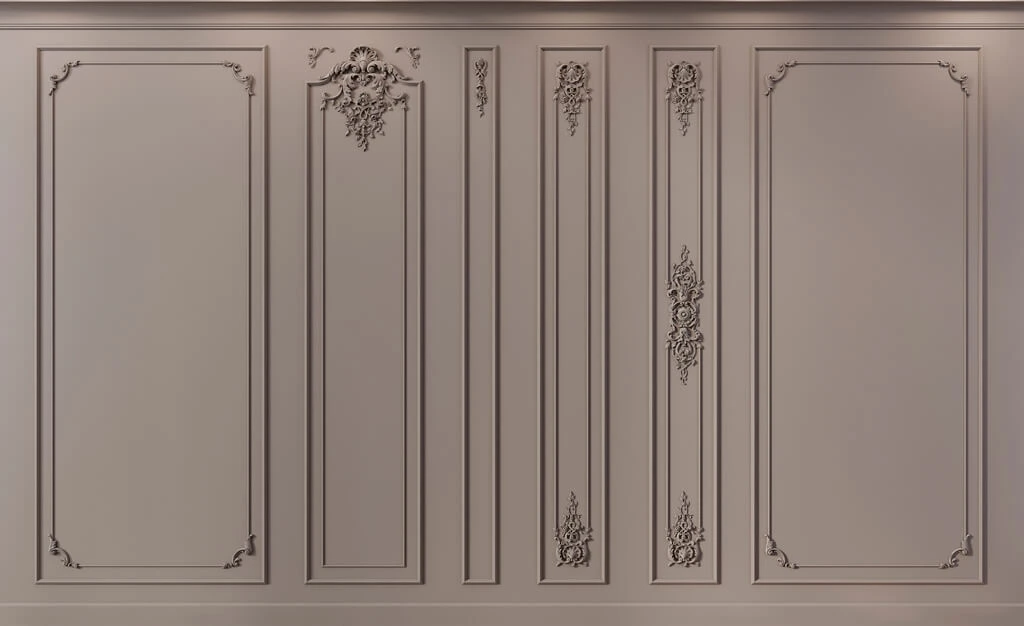
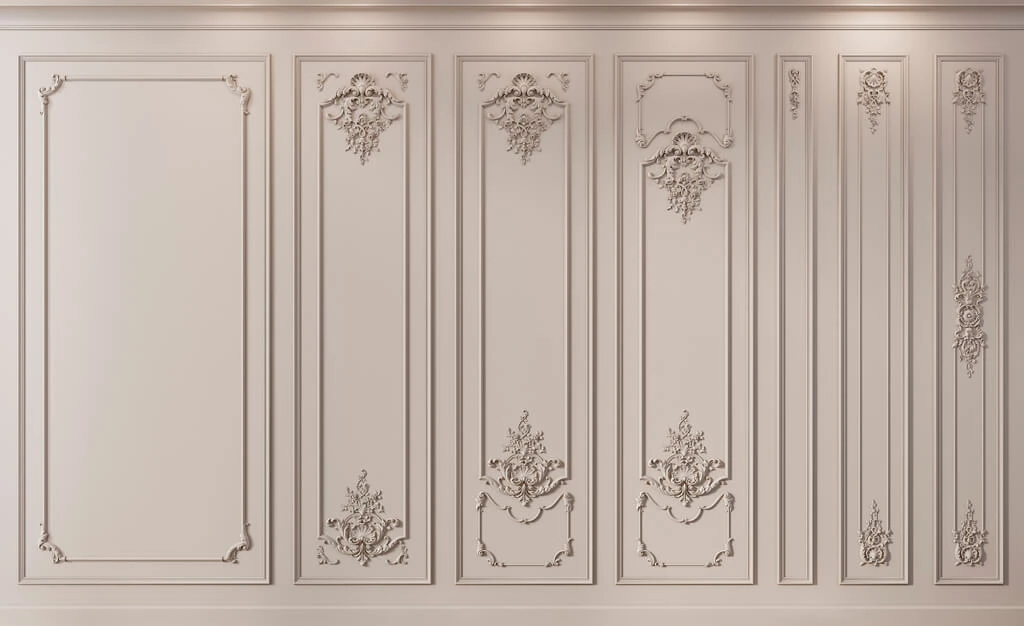
A thin molding is not "worse" than a wide one — it solves a different problem. If a wide profile creates a solemn architectural accent, then a thin one adds a fine line that structures the wall without changing its character.
Light stucco decor for wallsmade of polyurethane is a modern answer to the request "make the wall more interesting without heavy classics." And this answer is in great demand precisely because most modern apartments require exactly this approach.
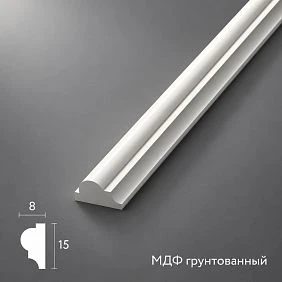
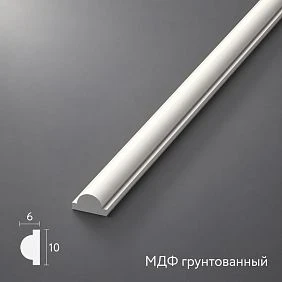
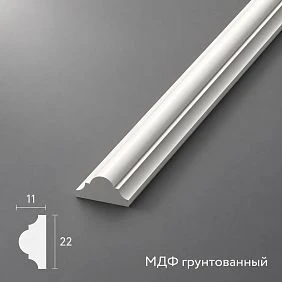
Our factory also produces:


Where to use thin moldings on walls
Get Consultation
In the living room
Living room — the main area for wall decor. Herethin moldings in the living roomwork in several key points.
Wall behind the sofa. One or three frames covering the sofa area — a classic and win-win technique. For a thin profile of 22–30 mm — a frame in the color of the wall or with a slight contrast.polyurethane wall decor behind the sofa — with detailed diagrams of proportions.
TV zone. Symmetrical verticals on the sides of the TV panel, horizontal below and above the screen. Thin moldings work graphically here: they create a "frame" around the technical element, turning it from a utilitarian object into part of a decorative system.Polyurethane TV zone decor — about the principles of designing a TV wall.
Wall with a console and mirror. A frame of thin moldings around the mirror or above the console.Decor of a wall with a mirror — with examples for different formats.
Accent wall. One wall is fully decorated with a frame system of thin moldings — matching the wall color or with a slight contrast.Accent wall made of polyurethane — about the principles of building an accent system.
In the bedroom
The bedroom requires delicacy. That is why thin moldings are especially organic here: they structure the space without pressure or decorative aggression.
Wall at the headboard. A headboard frame made of a narrow profile is one of the most popular decorative techniques for the bedroom. Frame width = bed width + 20–40 cm. Height — from the floor to 170–190 cm or to the ceiling with high ceilings.Stucco molding set for the bedroom— with ready-made solutions and calculations.
Vanity wall. Thin moldings around the vanity mirror create a "boudoir frame" that works both functionally (focusing attention) and decoratively.
Wall opposite the bed. A symmetrical frame system or one large frame. This is the area you see when waking up — it should be calm, structured, but not intrusive.
In the hallway and corridor
The hallway is a challenging space for decor: narrow, transitional, with low lighting.Thin moldings in the hallwaywork precisely because they don't eat up the already modest space.
Three techniques:
-
Horizontal molding belt at a height of 100–110 cm: divides the wall into upper and lower parts, creates a sense of structure in a narrow space.
-
Frames in the spaces between doors: small rectangles with wallpaper inserts or solid color paint.
-
Mirror framing: thin molding around the mirror as a standalone element. Additionally, symmetrical vertical profiles on the sides.
Vertical wall decor made of polyurethane— in a long corridor, vertical lines of thin moldings create rhythm and visually structure the monotonous wall.
In the study
A study is a place where the wall "works" as a backdrop for thought and concentration. Here, structure is needed without decorative overload.Thin moldings in the study — this is a working atmosphere with architectural dignity.
Wall behind the desk: vertical moldings on the sides of the workspace, a horizontal band above the monitor.Wall decor in the study — with options for studies of different character: from minimalist to representative.
In a small apartment and studio
Thin moldings for a small apartment — this is not just aesthetics, it's the psychology of space. Properly placed narrow profiles create a sense of a well-thought-out, organized space that feels larger than it actually is. Precisely because it has structure.
One rule: a maximum of two to three zones with decor, the profile — the thinnest, moldings — in the color of the wall.
What decor schemes can be made with thin moldings
One large frame
The simplest and most effective technique. One rectangle of thin moldings on an accent wall — behind the sofa, bed, or dining table. No corner inserts, no ornament — only pure geometry.
Why does it work? Because the contrast between the relief of the molding and the flat wall creates a visual accent even without color contrast. A wall with one large frame made of thin moldings in the same color looks more thoughtful, "expensive," and architectural than the same wall without a frame.
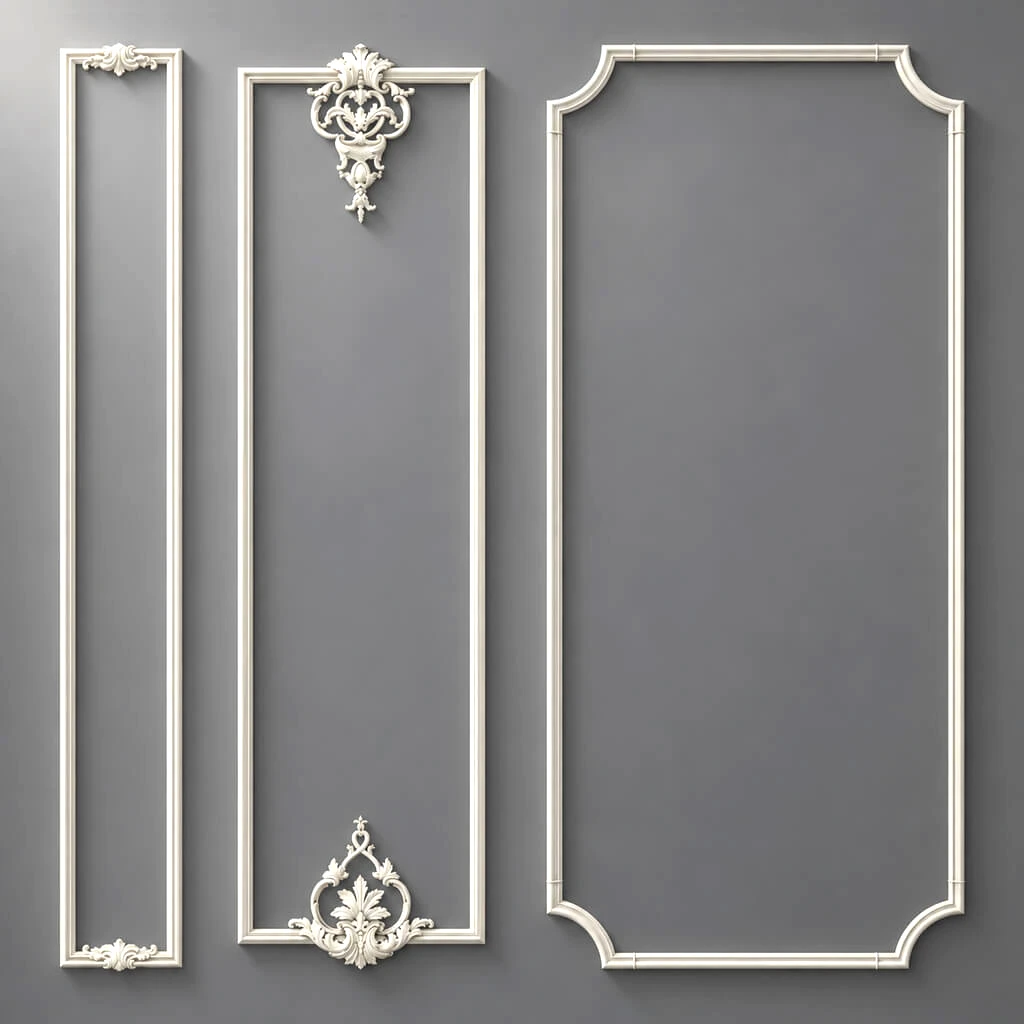
Ready-made molding frames for the wall — if you don't want to cut and calculate it yourself.
Several vertical frames
Two, three, or four identical frames in a row — a horizontal panel system. For a wide living room wall, this is an ideal solution: the rhythm of identical rectangles creates a sense of order and richness simultaneously.
Proportion of vertical frames: the height of the frame should be greater than the width — approximately 1:1.5 or 1:2. Too square frames look grounded, while vertically elongated ones look sleek and neat.
symmetric polyurethane wall decor — about the principles of rhythm and symmetry in a system of multiple frames.
Horizontal wall division
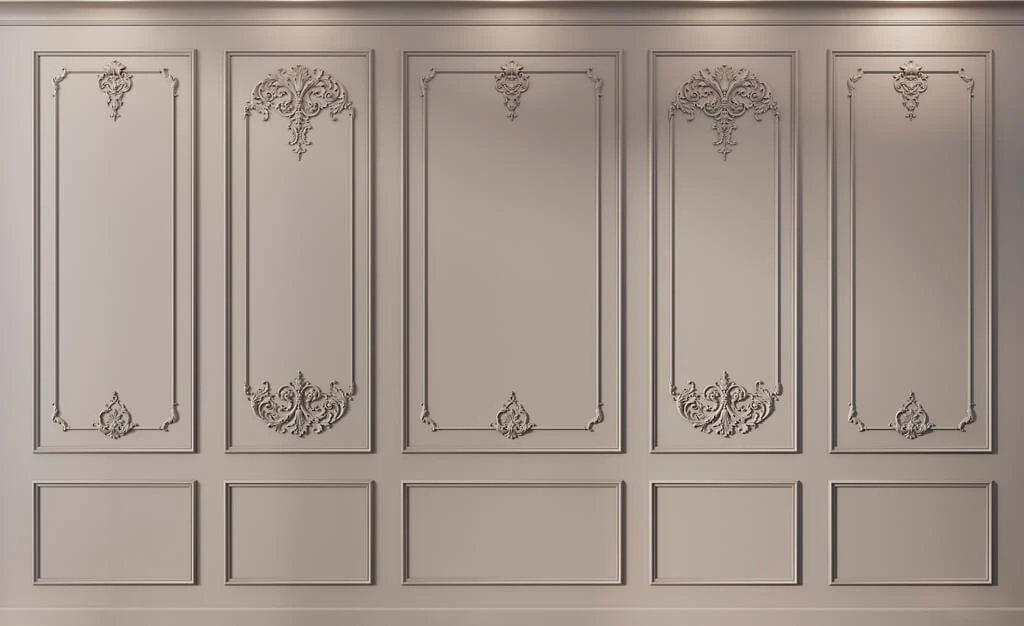
One horizontal molding at a height of 90–120 cm divides the wall into a lower "panel" zone and an upper "wall" zone. This technique — a direct descendant of boiserie — creates a sense of height, structures the space, and works well in hallways, dining rooms, and studies.
For small apartments: a horizontal molding at the height of the sofa back (approximately 85–95 cm) — a simple way to visually divide the wall without a frame system.
Moldings in the color of the wall
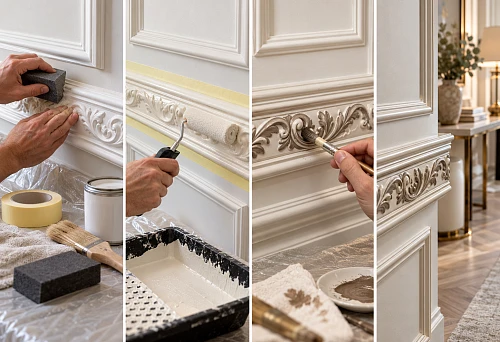
This is the most delicate and most "professional" technique. The moldings are painted exactly the same color as the wall — so that the relief is visible only in side light. The wall looks monochrome, but at the same time it has depth, structure, and architecture.
stucco decor in the color of the wall or contrasting — with an analysis of both approaches. For Japandi and minimalism — only in the same tone. For neoclassicism — both in the same tone and with a soft contrast.
Contrasting thin moldings
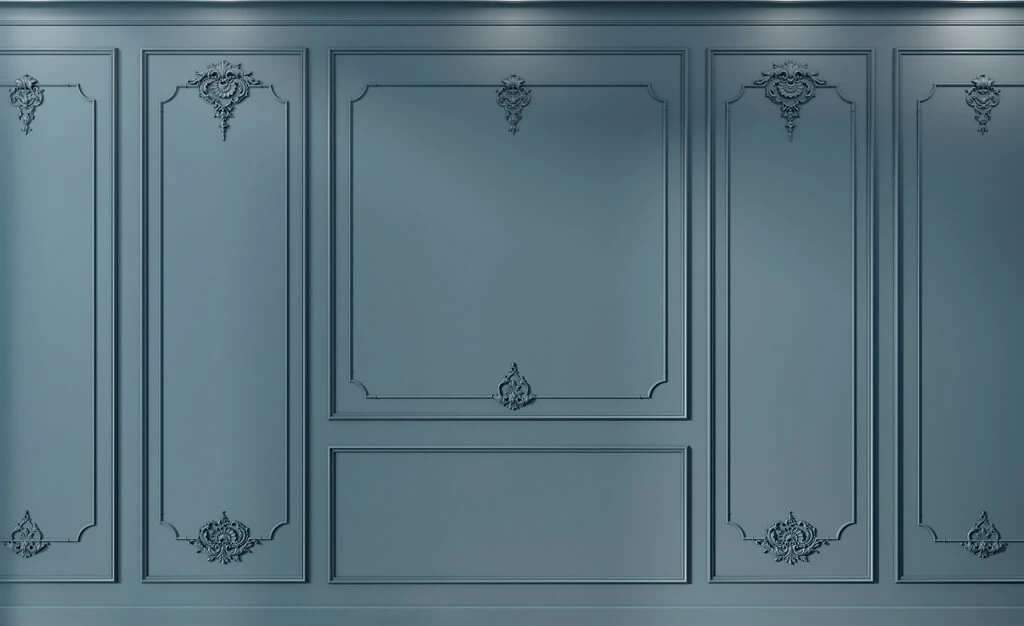
White thin moldings on a dark gray wall. Dark profiles on a light background. Golden moldings on a deep green wall — this is graphic, bold, expressive.
Contrast enhances the significance of each molding line. If a molding in the same tone as the wall is a whisper, then a contrasting one is a clear phrase. Important: the stronger the contrast, the more flawless the installation must be.installing polyurethane molding — with instructions for clean corners and joints.
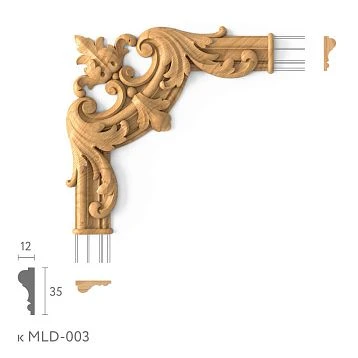
For simple geometry, it is enoughof polyurethane moldings, and for a more expressive wall, addDecor for MoldingorPolyurethane decorative appliques.
How to choose the width and profile of a thin molding
This is practically the most important choice before purchasing. A mistake at this stage — and the result will be either "unnoticeable" or "not what you wanted."
Profile width by room type
| Room | Ceiling | Recommended width |
|---|---|---|
| Studio, small apartment | 2.5–2.7 m | 15–22 mm |
| Bedroom, study | 2.6–2.8 m | 18–28 mm |
| Living room, hallway | 2.7–3 m | 22–35 mm |
| Kitchen-living room | 2.7–3 m | 20–30 mm |
| Large living room | 3 m and above | 28–40 mm |
Profile Type
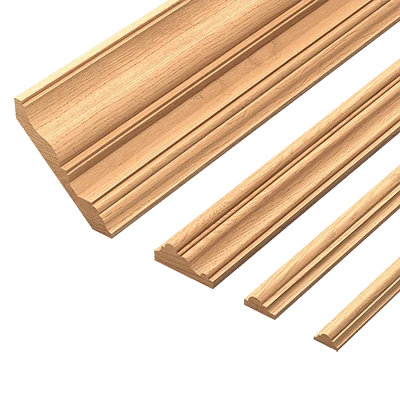
Smooth rectangular cross-section — the most laconic option. Ideal for minimalism, japandi, modern interiors. Visually — just a line on the wall. No ornament, no relief — only pure geometry.
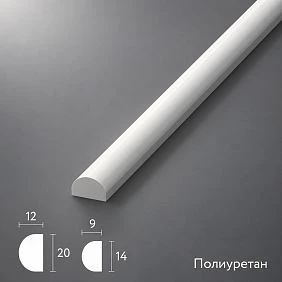
Semicircular cross-section (ovolo) — a profile with a soft rounding. Slightly richer than rectangular, but still laconic. Works well in light neoclassicism and modern classic.
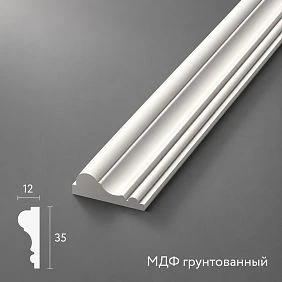
Stepped profile — several parallel lines or steps in the cross-section. Creates a more pronounced relief with a relatively small width. For neoclassicism and modern classic.
Profile with light ornament — engraved or relief pattern within a width of 25–35 mm. For neoclassicism and Versailles Light light version.
Coordination with baseboard and cornice
The width of the wall molding should be coordinated with the width of the floor baseboard and ceiling cornice. If the baseboard is 60 mm and the wall molding is 18 mm, the proportions do not work. Optimal ratio: wall molding = 30–70% of the baseboard width.
how to combine stucco decor with baseboards and cornices — with a coordination table by styles and formats.
Thin moldings and ready-made kits: what to choose
Individual moldings
Narrow wall moldings in a linear format — if you have non-standard wall sizes, unusual layout, or a custom concept. You determine the width and height of the frames, the number of profiles, and the layout scheme yourself.
This requires calculations: you need to know the exact wall dimensions, determine the frame proportions, and calculate the linear footage.how to calculate moldings and stucco decor for a wall — with a step-by-step calculation guide.
Ready-made decor kits
Ready-made molded decor kits— if you need a fast and guaranteed result. The kit already includes profiles of the required width, corner elements, and decorative accents — all in a unified style, already tested as a system.
Advantage: you don't need to think about proportions and consistency of details. The system is already balanced — and the result is predictable.
Decor for moldings
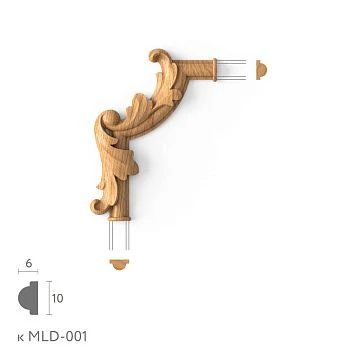
Decor for Molding— corner inserts, decorative "locks", rosettes in the corners of frames. They are needed when a simple frame without corner elements looks too empty — for neoclassicism and modern classic.
Important: decor for moldings should be proportional to the profile. For a thin molding 20–25 mm — a small square insert 30–40 mm. For a profile 30–35 mm — an insert 45–55 mm. Mismatch in scale is an error that catches the eye.
PU overlays
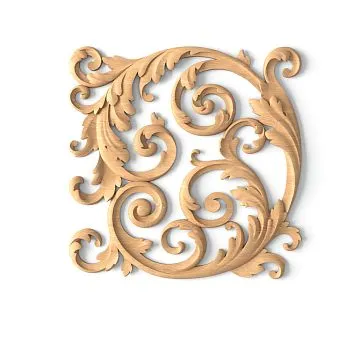
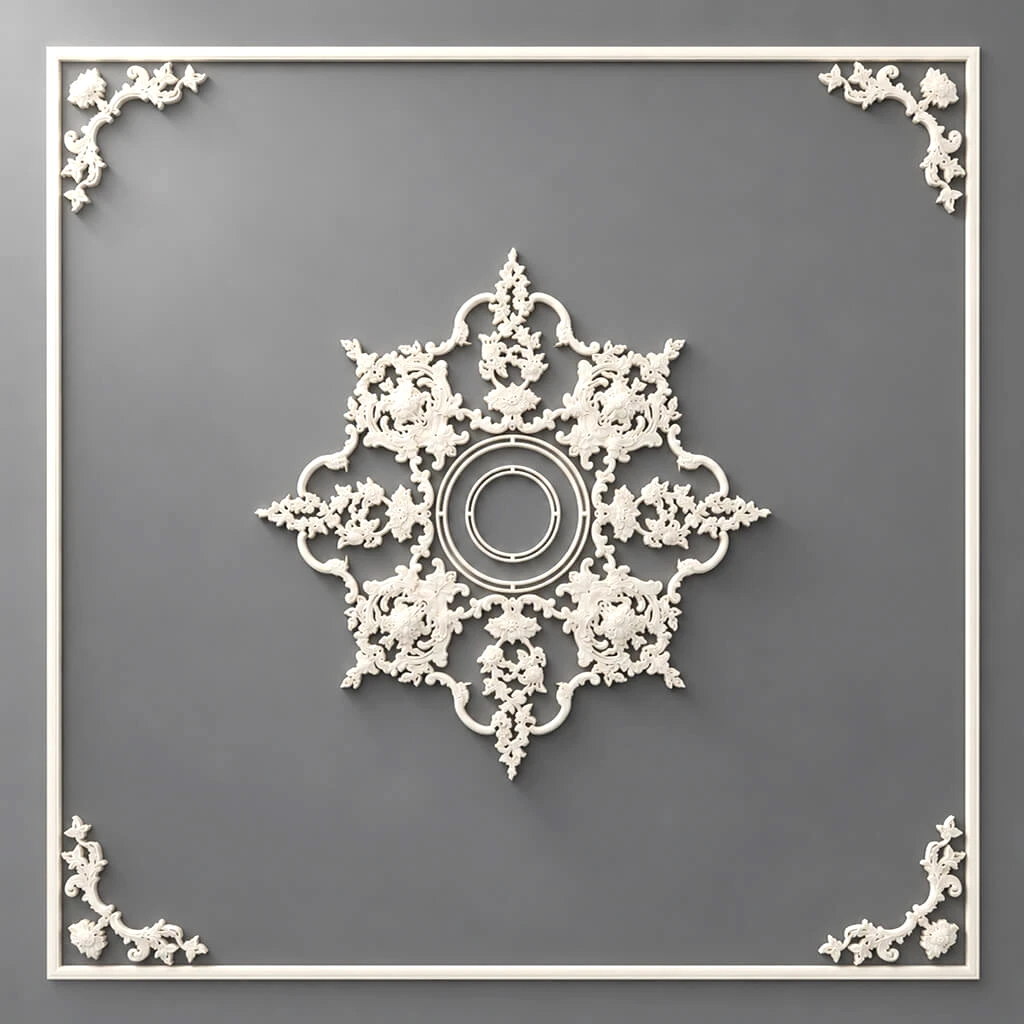
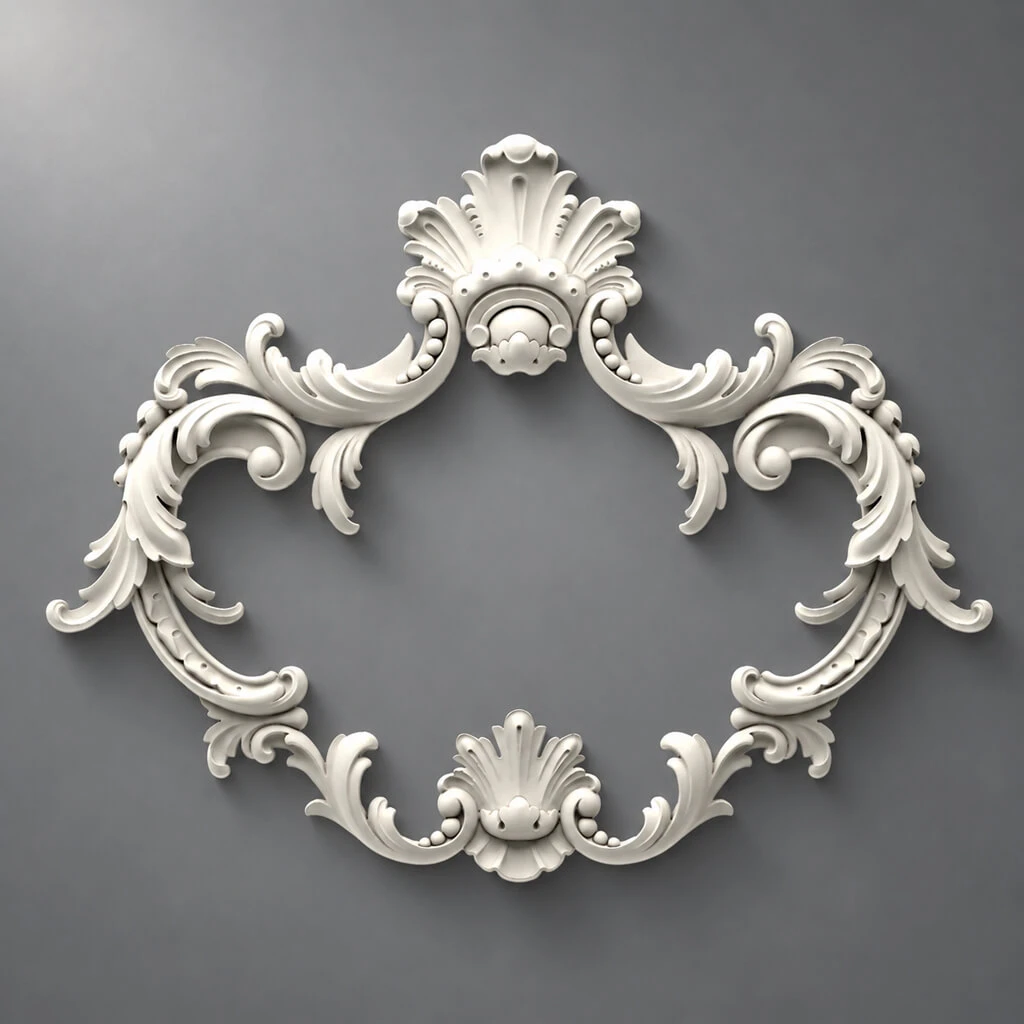
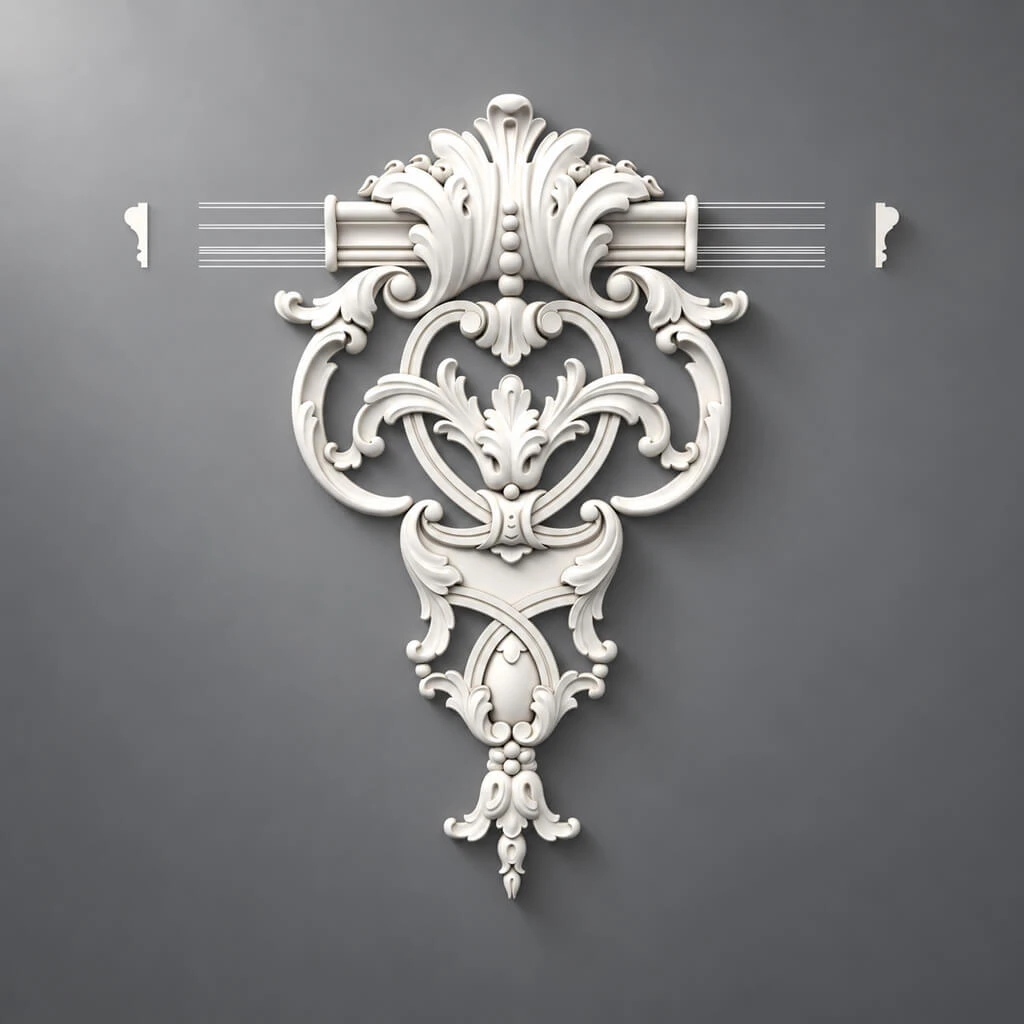
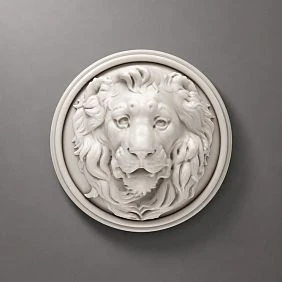
Polyurethane decorative appliques— three-dimensional elements for centers of frames or accent points. For thin moldings — small overlays: rosettes with a diameter of 80–120 mm, cartouches, miniature ornamental elements. They add a focal point without weighing down.
Which styles are suitable for thin moldings
Neoclassicism
Moldings for neoclassicism— these are symmetrical frames, moderate relief, corner decorative inserts. In neoclassicism, thin moldings work in the "neoclassicism light" variant: profile 22–32 mm with soft relief, frames without ornament or with minimal corner inserts.
The main principle of neoclassicism: symmetry is mandatory. Frames are strictly symmetrical relative to furniture and the wall axis. Color: white or cream on neutral walls.
Neoclassic Light
Light decor in the Neoclassic Light style— the most organic collection specifically for thin moldings. Profiles 20–30 mm, frames without ornament, moldings matching the wall color or with a soft contrast. This is the modern language of neoclassicism: structure is present, decorative load is minimal.
Suitable for living rooms, bedrooms, and studies with ceilings 2.6–3 m. Universal for most modern apartments.
Japandi
Continuing the article from where it left off:Thin moldings in the Japandi style— this is absolute minimalism. Profile 15–22 mm with a smooth cross-section. Must match the wall color. No corner inserts, no overlays, no ornament. Only a line — horizontal, vertical, or a rectangular frame. A Japandi wall speaks quietly, but speaks precisely.
Color palette: linen, gray-beige, clay, muted green, warm gray. Moldings — in the same shade as the wall, or half a tone darker for a barely noticeable relief. Furniture: natural wood, woven textures, unglazed ceramics. Against this background, even the thinnest molding becomes a significant element.
Modern classic
Modern classic — a style that combines architectural rigor with decorative restraint. Large frames made of thin moldings 25–35 mm, smooth profile, moldings matching the wall color or with a soft contrast — white on light gray, cream on warm beige. No ornament, no rosettes: only geometry and proportions.
This style works well in large living rooms and bedrooms with furniture in neutral colors.Stucco decor for walls for painting— about choosing the profile and frame scheme for painted walls in modern classic.
Minimalism
Minimalism is the strictest context for moldings. Here, their presence should be almost imperceptible: a very thin profile of 15–18 mm in the exact tone of the wall, one frame, no additional elements. This is decor that is felt but not seen — and that is precisely its value for a minimalist interior.
Important: in minimalism, installation must be flawless. Any gap, any unevenness in the corner will be noticeable with such a thin profile and zero contrast.installation of polyurethane molding — with special attention to the precision of corners and joints.
Mistakes When Choosing Thin Moldings
Talking about mistakes is more important than describing ideal scenarios. Because this is where most people lose money and get a result that disappoints them.
Profile Too Thin for a Large Wall
A 15 mm molding on a wall 4 m wide with a 3 m ceiling — this decor simply won't be read. It will look like a random scratch, not an architectural element. The minimum width for walls in a standard living room is 22–24 mm. For a large wall — 28–32 mm.
Too Many Frames in a Small Room
Five frames in a 12 m² room — this is not "rich decor," it's visual chaos. A small space perceives decor more acutely; any overload becomes suffocating. In a small room — a maximum of one or two frames, and only on one wall.stucco decor for a small apartment — with principles for working with limited space.
Moldings are not tied to furniture
The frame is not aligned with the sofa's axis, but shifted to the side. Or it is placed too high — above the sofa back, which overlaps it. The molding on the wall should be "tied" to the furniture: centered on the axis of the sofa, bed, or table, and start above the furniture level.polyurethane wall decor behind the sofa — with precise rules for tying.
Equal indents are violated
The left indent of the frame from the wall edge is 40 cm, the right is 55 cm. This is immediately perceived as an error. All indents in the frame system must be equal: between frames, between the frame and the baseboard, between the frame and the cornice.
The profile does not match the baseboard
A thin 20 mm molding with a modern smooth profile — and next to it an 80 mm baseboard with a classic complex cross-section. These are incompatible details in one interior. The baseboard, wall molding, and ceiling cornice must belong to the same style family and be consistent in scale.
Moldings intersect with sockets
The frame is designed on the wall, but a socket or switch ends up right on the molding line. This is a critical error: the socket cannot be moved without an electrician, and the molding cannot be cut. Before any installation — mark all electrical points and communications on the wall drawing.
Moldings are chosen without considering ceiling height
With a ceiling of 2.5 m, a frame 180 cm high takes up almost the entire wall. Only 20–30 cm remain to the ceiling, which looks cramped. For low ceilings, frames should be more modest in height: 120–150 cm maximum, with sufficient clearance at the top.stucco decor for walls with low ceilings — with a table of recommended frame heights depending on the ceiling.
Too contrasting color in a small room
Black moldings on a white wall in a 10 m² room is a bold solution that requires a very precise design context. In most cases, contrasting moldings in a small room feel oppressive and shrink the space. For small rooms — moldings in the same tone as the wall or with a difference of 1–2 tones.
What to buy for easy wall decor
Full list of elements to implement any of the described schemes:
-
thin polyurethane moldings — linear profiles 15–35 mm for frames, vertical lines, and horizontal bands.
-
polyurethane wall moldings — a full range of profiles of various cross-sections and sizes.
-
Light wall decor made of polyurethane — decorative elements and panels for accent areas.
-
Ready-made molded decor kits — balanced systems without the need for independent calculation.
-
Decor for Molding — corner inserts and elements for frame systems.
-
Polyurethane decorative appliques — for central accents in frames and accent zones.
-
Polyurethane Items — full catalog of all STAVROS stucco decoration elements.
If you want a ready-made solution in a light style, check out the STAVROS collections: Neoclassic Light, JapandiandNeoclassical. They already include elements for harmonious wall decor — profiles, corner inserts, accent details in a unified style.
Frequently Asked Questions
Which moldings are considered thin?
Profiles with a width from 15 to 32–35 mm are considered thin. For comparison: classic stucco starts from 40 mm and above. The optimal range for most modern apartments is 20–30 mm.
Are thin moldings suitable for a small room?
Yes, thin moldings are the optimal choice for small spaces. A profile of 15–22 mm does not overwhelm the space, creating structure without overload. The main thing is not to make too many frames: one or two on an accent wall is enough. stucco decor for a small apartment — with specific recommendations.
Can thin moldings be glued to a painted wall?
Yes. A painted, puttied wall is an ideal base. Acrylic or latex paint provides good adhesion for mounting glue. The only condition: the paint must be completely dry (at least 7–10 days after application).installing polyurethane molding — step-by-step instructions.
What is better: thin moldings or a ready-made kit?
It depends on the task. Individual moldings are for non-standard sizes and custom schemes. A ready-made kit is for a quick and guaranteed result without calculations. If you are working with wall decor for the first time, a ready-made kit is more reliable.Ready-made molding frames for the wall — about the principles of working with ready-made systems.
How to choose moldings for the wall behind the sofa?
Frame width = sofa width + 30–50 cm on each side. Frame height — from 15–20 cm above the sofa back to the ceiling cornice or to a height of 180–200 cm from the floor. Profile — from 22 mm for a calm interior, from 28 mm for a living room with high ceilings.polyurethane wall decor behind the sofa — with detailed diagrams.
Are thin moldings suitable for neoclassicism?
Yes, in the "neoclassical light" format: profile 22–32 mm with a soft relief or stepped section, symmetrical frames, corner inserts in a calm classical ornament. For traditional neoclassical with high ceilings — profile 35–50 mm.Neoclassical Stucco Decor — a collection with elements selected for this style.
Can moldings be painted the color of the wall?
Yes, and this is one of the best techniques for a modern interior. Polyurethane moldings are perfectly painted with acrylic paint. Moldings in the color of the wall create a delicate structure: the relief is readable in side light but does not visually dominate.stucco decor in the color of the wall or contrasting — with a detailed analysis of both options.
How to combine thin moldings with baseboard and cornice?
The principle of coordination: all profiles in the room should belong to the same style family. For thin moldings 20–28 mm — baseboard 45–70 mm in a calm modern or classical profile, ceiling cornice 40–60 mm. A too massive baseboard next to a thin molding creates an imbalance.how to combine stucco decor with baseboards and cornices — with a coordination table for different styles.