











































Article Contents:
- Why slat panels have conquered the interior finishing market
- Materials for slat wall panels: comparison without illusions
- High-density MDF
- Solid oak and ash
- MDF with natural wood veneer
- Paint-ready slatted panels
- Slat panels for walls: classification by construction
- Flat slat panels
- Slat wall panels with bevel
- Modular slat wall panel
- Acoustic slat panels
- Soft slat panels
- Decorative Slat Panels: Function Through Beauty
- Slat Panels in Interior Design: Specific Spaces and Tasks
- Living room: accent wall behind the sofa
- Bedroom: Headboard
- Home Office: Background for Concentration and Status
- Entrance Hall: A Lasting First Impression
- Children's Room: Safety and Aesthetics
- Restaurant, Cafe, Meeting Room
- Wall Finishing with Slat Panels: Seamless Installation Technology
- Acclimatization
- Foundation Preparation
- Hidden fastening
- Compensatory gaps
- Painting After Installation
- Slat Facade Panels and Interior Finishing: Different Tasks, Different Solutions
- Slat Panels for Walls: Parametric Table for Decision Making
- Solid Wood Molding: How to Properly Finish a Slat Structure
- How to Choose and Buy Slatted Panels: Buyer's Checklist
- Step 1: Define the Room and Task
- Step 2: Choose the Structural Format
- Step 3: Determine the Slat Parameters
- Step 4: Choose the Finish
- Step 5: Calculate Materials with a Margin
- Step 6: Order Samples
- Slatted Panels and Modern Trends 2025–2026
- Slatted Panels and Stairs: The Vertical Architectural Thread
- FAQ: Answers to Questions Asked Before Purchase
- About the Company STAVROS
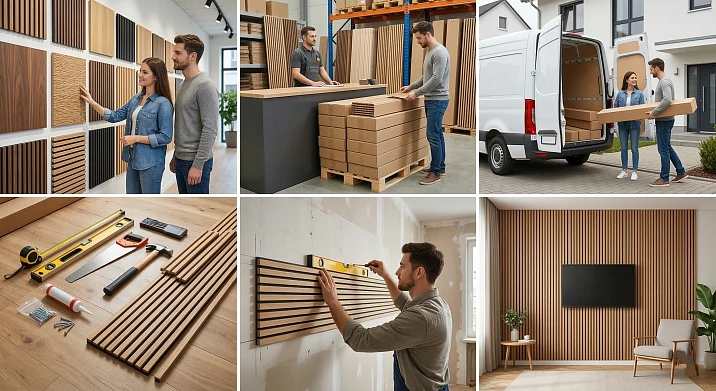
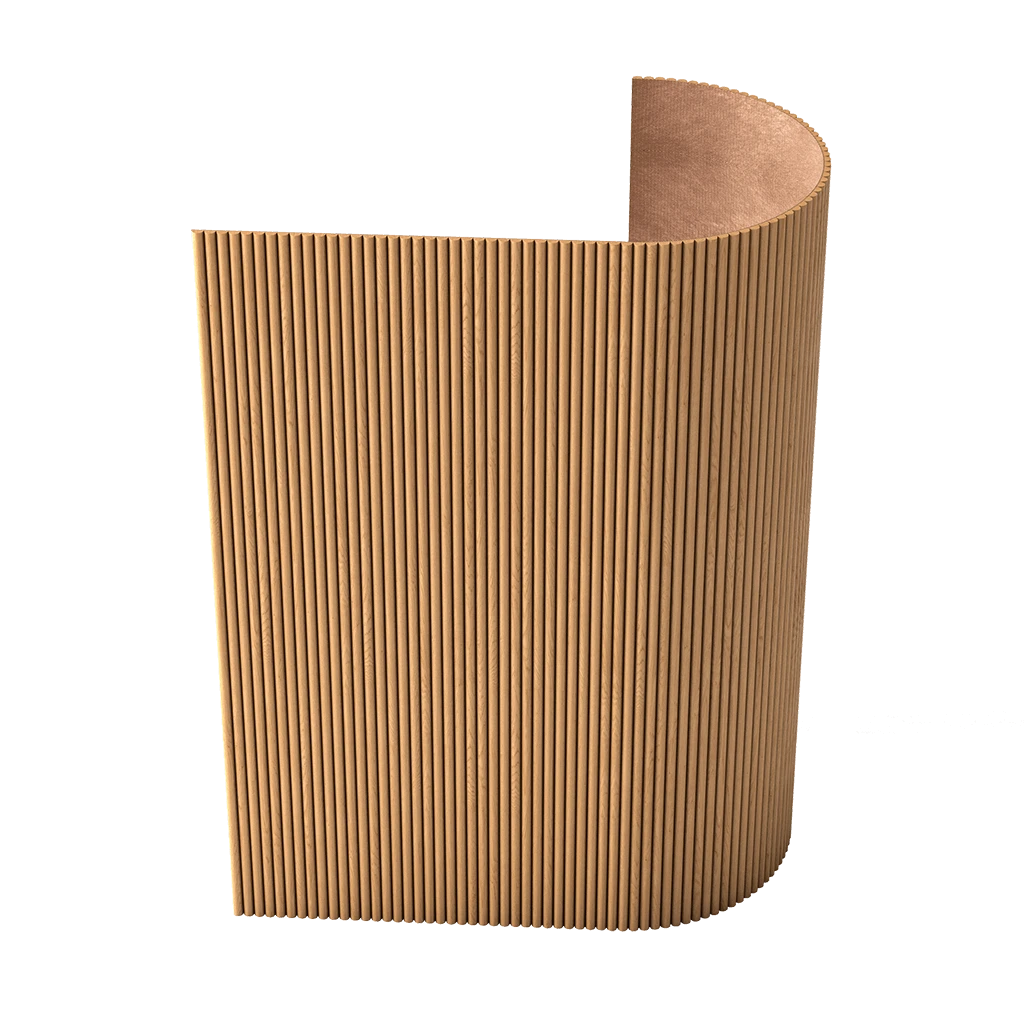
There are solutions that change an apartment once and for all. Not cosmetically—architecturally.slatted wall panels for interior wall finishing—belongs precisely to this category. One properly clad wall fragment can completely transform the perception of the entire space: add depth where there was emptiness, create rhythm where chaos reigned, impart warmth where everything was cold and faceless.
But behind this effect are specific decisions that need to be made before purchase. Which material? What slat width? Paint-grade or veneer? MDF or solid wood? Vertical or horizontal? Acoustic panels or decorative? These are not rhetorical questions—each answer determines whether you'll get an interior that will delight for twenty years, or a finish that will disappoint in two.
This article is a systematic guide for those who want to buy slatted wall panels consciously: understanding the material, seeing the whole picture, and not leaving it to chance.
Why slatted panels have conquered the interior finishing market
Twenty years ago, slatted wall panels were the domain of design projects with substantial budgets. Today—it's a mass-market product with a huge assortment, affordable prices, and a clear installation technology. What happened?
First, the demand changed. People grew tired of the monotony of painted and wallpapered walls. They wanted materiality, texture, depth—qualities that wallpaper and paint fundamentally cannot provide. Slats answer this demand directly: they create real relief, real shadow, a real sense of an architectural surface.
Second, production advanced. Precise CNC milling machines made MDF slats with geometric precision of ±0.1 mm accessible to the mass market. The quality of surface treatment and the range of finishes expanded manifold.
Third—ease of installation.slatted panels for wall finishinginstall significantly faster than tile or complex plaster. The modular system allows covering a 15–20 m² wall in one day—with the right skills and proper tools.
The result is a market where PVC slats at 120 rubles per linear meter coexist alongside solid oak panels at 4000 rubles. The buyer's task is to understand exactly what they need and what is worth paying for.



Materials for Slatted Wall Panels: A Comparison Without Illusions
Beforebuy slatted wall panels— you need to clearly understand what material you are dealing with. The market offers four main options, each with its own logic of application.
Our factory also produces:


High-density MDF
MDF — medium-density fiberboard — is currently the primary material for producing slatted panels in the mid-range and above segments. The reasons are clear: absolute geometric precision (slats leave the factory with a tolerance of ±0.1 mm), clean edges without chips, a perfect surface for painting, and stable behavior under humidity changes in enclosed spaces.
slatted MDF panel— it is primarily a canvas. Paint it with a matte enamel in the desired shade — and you get a surface of any RAL color with precise geometry and a finish impossible to achieve with any other material. Key characteristic: a density of at least 780 kg/m³ for load-bearing slats — this is the criterion that separates a professional product from a budget one.
Emission class: E1 — minimum for living spaces; E0 — for children's rooms and bedrooms.
Get Consultation
Solid oak and ash
Natural wood in slatted panels is not just a material. It's a finishing philosophy. Each solid oak slat carries a unique grain pattern, its own tone, its own tactile story. Under clear oil, the oak surface takes on a bronze-honey hue; under white tinting — Scandinavian purity; under graphite — a brutal strength.
Oak Slat Panel— this is a product that looks the same after twenty years as on the day of installation, and if desired, can be renewed by sanding and applying a new finish without dismantling. Solid wood requires adherence to acclimatization conditions and strict humidity control in the room (40–65%), but rewards this with a durability that no synthetic material can provide.
MDF with natural wood veneer
A compromise and very successful option: the stability of an MDF base combines with the visual and tactile authenticity of natural veneer. Oak, walnut, or ash veneer is glued onto an MDF slat — and the surface gains the texture of living wood with the geometric precision of industrial production. This solution is finding increasingly wider application in 'comfort' and 'business' class projects.
Slatted panels for painting
A separate segment deserving special attention.Paintable lath panelsThese are MDF battens with a primed surface, ready for the application of a final matte enamel. The main advantage is absolute color freedom: any shade from the RAL, NCS, Pantone catalog. The ability to repaint the wall after five years without dismantling is real long-term flexibility that neither veneered nor laminated panels offer.
Batten wall panels: classification by construction
Let's examine the structural types—this affects the visual result no less than the material.
Flat batten panels
Battens of the same height, evenly distributed across the supporting base. A classic of the genre. They create a strict, rhythmic pattern. They work well with lighting: with side lighting, the gaps between the battens produce soft shadows, and the surface gains texture without aggression. Suitable for any rooms and styles—from Scandinavian minimalism to classic.
Batten wall panels with a chamfer
A chamfer—a beveled edge at a 30–45° angle—is made on the edges of the battens. The chamfer enhances the shadow pattern at the joint of the battens and gives the surface a more complex, 'jewelry-like' character. With matte painting under side lighting, a wall with chamfered battens looks like a sculptural relief.
Modular batten wall panel
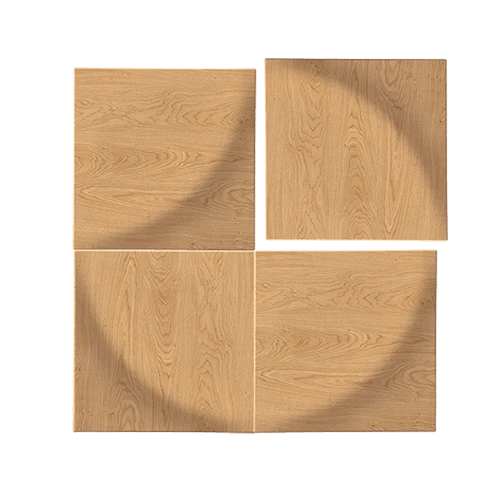
slatted modular wall panelThis is a construction with a supporting base made of MDF or plywood, to which the battens are already attached at the factory. A finished module, typically sized 600×2400 mm or 1200×2400 mm, arrives on-site—it only needs to be fixed to the wall. Installation speed is maximum; the accuracy of batten placement is factory-grade. An ideal solution for commercial projects with tight deadlines.
Acoustic slatted panels
acoustic slat panels— is a structure with a perforated load-bearing base and acoustic filler (melamine foam or mineral wool) behind the slats. The perforation allows sound waves to pass through the base; the filler absorbs them. The result is reduced reverberation and echo in the room. In home theaters, recording studios, meeting rooms — the acoustic function is primary; decorative — a pleasant bonus.
Soft slatted panels
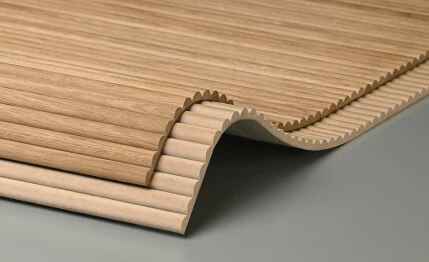
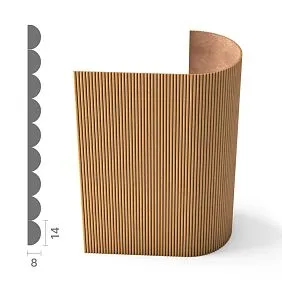
soft slat panels— is a relatively new segment, opening up fundamentally new possibilities. The load-bearing base made of flexible material allows panels to be mounted on curved surfaces: arches, columns, rounded niches. Where a rigid MDF base requires expensive carpentry preparation, a soft panel is mounted directly, following the geometry of the surface.
Decorative slatted panels: function through beauty
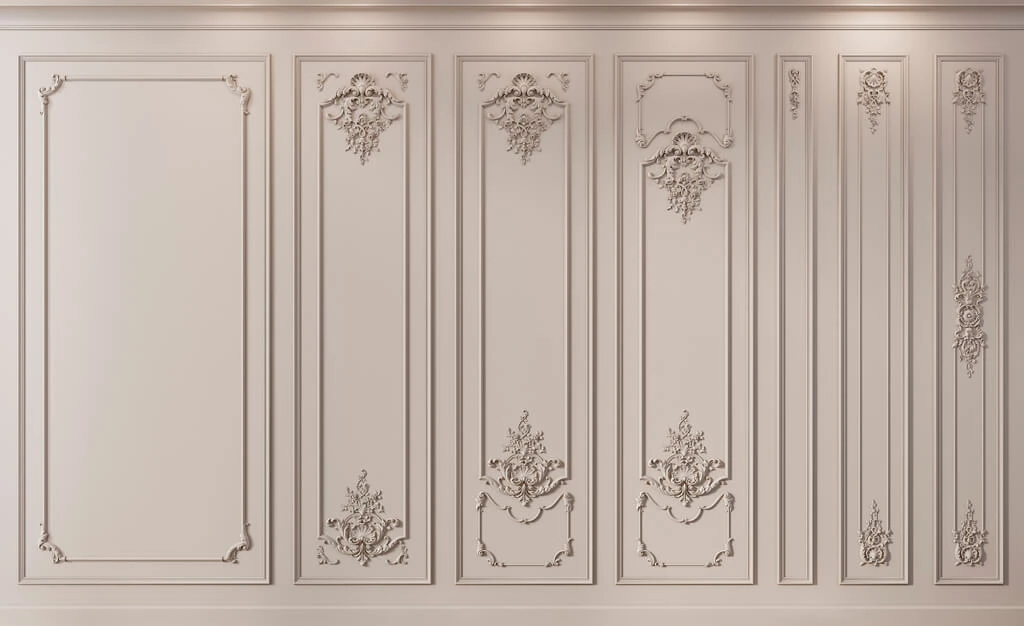
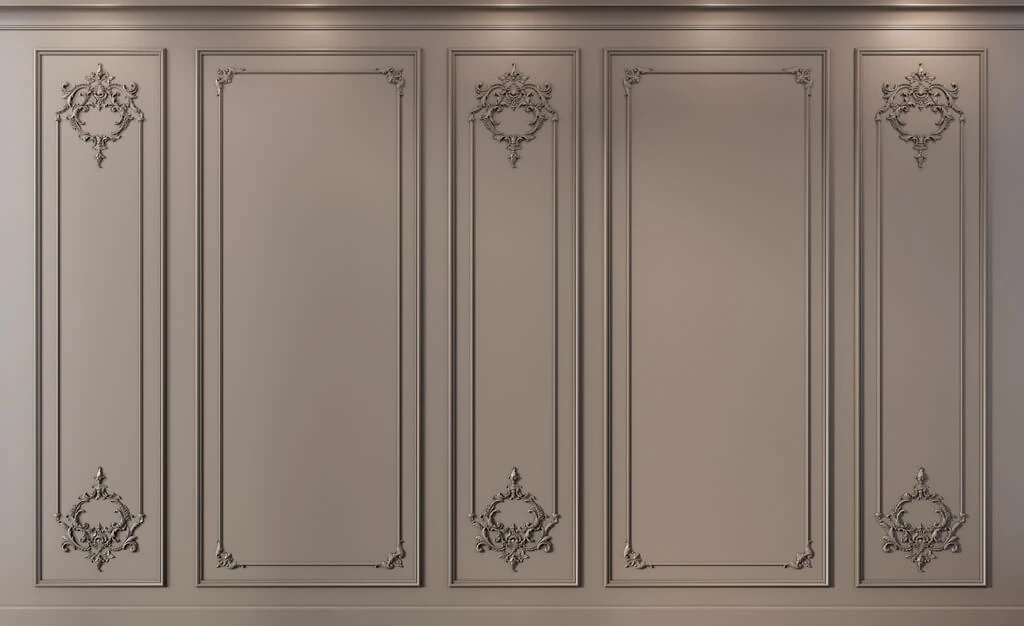
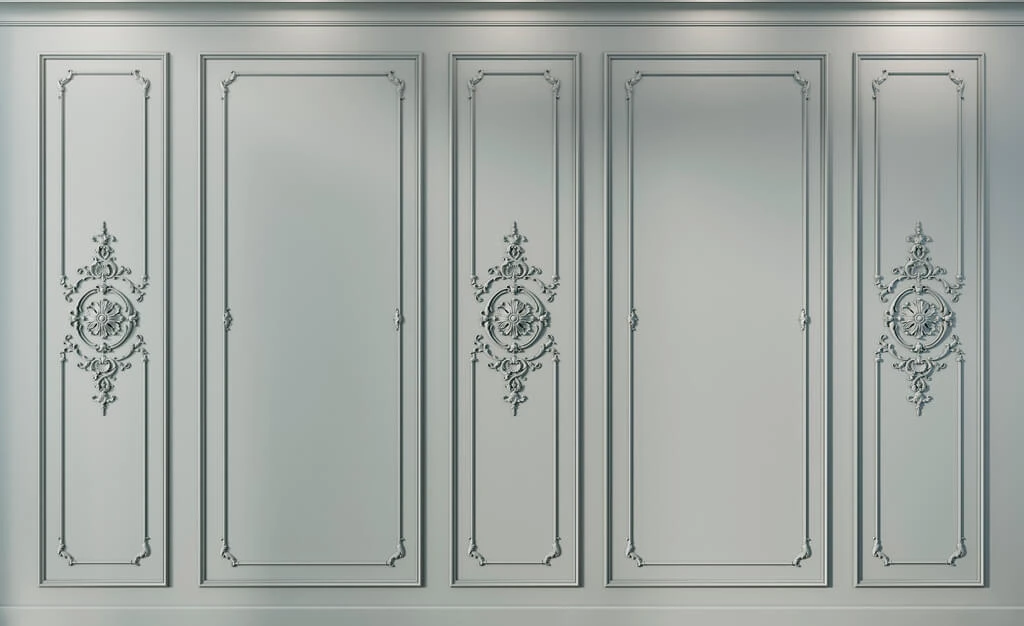
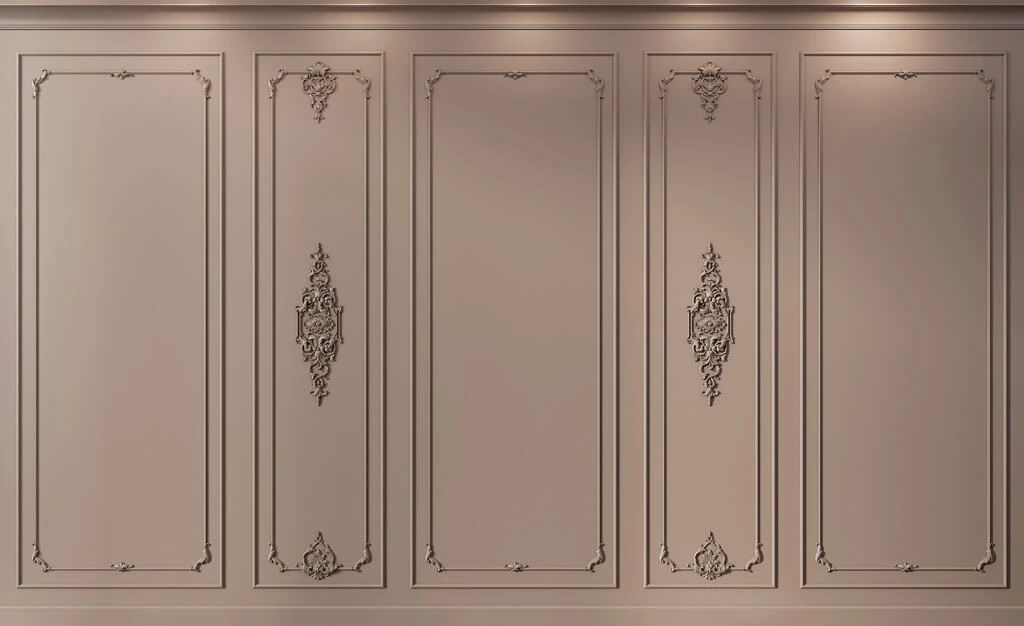
decorative slatted panels— is a category where aesthetics are primary, and functionality (sound absorption, wall leveling) is an accompanying value. It is decorative panels that form the basis of the market for residential interiors.
What makes a decorative slatted panel truly effective?
Rhythm of the slats. The distance between the planks is a musical rhythm in space. A uniform step is a calm, meditative rhythm. A variable step (alternating narrow and wide gaps) is a more dynamic, lively character. Asymmetric rhythm is an original designer solution.
Ratio of slat width and gap. A narrow slat with a wide gap is an 'airy', light structure through which the load-bearing base is visible or guessed. A wide slat with a narrow gap is a dense, heavy structure that conceals more than it reveals.
Tone of the slat and tone of the base. Contrast of tones (dark base + light slats or vice versa) greatly enhances visual depth. A monochrome scheme (slat and base of the same tone) is a delicate texture without sharp accents.
Finish under lighting. A matte finish on slatted panels in interiors is standard. Gloss reflects glare that competes with the slat's shadow pattern and blurs it. A matte surface absorbs light evenly—shadows are sharp, relief is expressive.
Slatted panels in interiors: specific spaces and tasks
Theory is good, but practice is more convincing. Let's look at specific interior situations with a real task statement.
Living room: accent wall behind the sofa
This is the most in-demand applicationslatted wall panels. The wall behind the sofa is the main visual focus of the living room. The slatted panel here works as an architectural statement: it creates depth, captures attention, sets the tone for the entire space.
Recommended parameters: slat width 40–60 mm, gap 10–16 mm, MDF density 780+ kg/m³, painted with matte enamel after installation. A two-tone scheme with a dark supporting base and light slats—maximum visual depth. Integration of LED strips into the gaps at the base level—for evening lighting with a 'floating' slats effect.
Bedroom: headboard
In the bedroom, the task is not to impress, but to create coziness and a sense of framing. Delicate relief: slats 30–40 mm, gap 8–12 mm, neutral tones (soft white, powdery beige, warm gray). Warm lighting 2700 K integrated behind the slats—and the headboard turns into a source of soft diffused light for evening reading.MDF Slatted Wall Panelin such a configuration—this is the most delicate and yet expressive headboard possible.
Home office: a background for concentration and status
Saturated, dark tones—anthracite, dark blue, forest green. Wide slats 60–80 mm with accent relief. A dark slatted wall behind the desk is a psychological background for concentration and simultaneously a flawless background for video calls. An added bonus: the relief surface diffuses sound, reducing reverberation in the office.
Hallway: the first impression that lasts
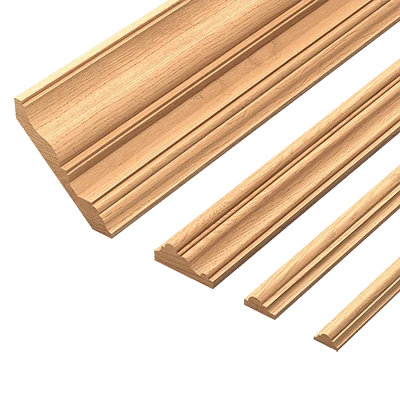
The hallway is a meeting place. The first seconds in an apartment form an impression that remains for a long time. Vertical slats on the long wall of the corridor create a rhythm that guides the eye inward and visually elongates the space. In combination withwooden floor baseboardand narrow wall lights, the hallway transforms from a transit zone into an architectural space.
Children's room: safety and aesthetics
For a children's room — only E0-class MDF with water-soluble enamels. Bright, saturated tones: warm yellow, soft green, sky blue. Slats 30–40 mm wide with a frequent rhythm create a cheerful, lively surface. Horizontal placement of slats at table level and above creates zoning: the work area is marked by a textured surface.
Restaurant, cafe, meeting room
In commercial spaces,Slatted wall panelssolve two tasks simultaneously: create a prestigious image and improve acoustics. Solid oak or veneered MDF slats in warm tones serve as the establishment's business card, which a guest reads at first glance.acoustic slat panelsin dining areas reduce noise levels and make conversation comfortable even at full capacity.
Wall finishing with slat panels: installation technology without gaps
Wall finishing with slatted panels— a process where each stage affects the final result. Skipping acclimatization leads to deformation in a month. Not leveling the first plank results in losing the rhythm of the slats across the entire wall. Not leaving expansion gaps causes bulging due to seasonal material movement.
Acclimatization
At least 48 hours in the installation room. For solid wood — 72 hours. The material must acclimate to the temperature and humidity of the room where it will be used. This is not an empty formality: MDF and solid wood change linear dimensions with humidity variations. If panels are installed immediately after delivery from a cold warehouse to a warm room, material shifts after installation will cause visible deformations.
Foundation Preparation
Wall flatness requirement for adhesive installation — no more than 3 mm over 2 m. For installation on battens, wall unevenness is not critical — the battens correct the plane.
For installation on battens, the plane of the battens themselves is crucial — all elements must lie strictly in the same plane, verified with a laser level. Metal profile 27×60 mm or wooden beam 25×40 mm; spacing — 400–500 mm; wall attachment — with anchors spaced 500–600 mm.
Hidden fasteners
For MDF and solid wood slat panels — only hidden fasteners: clips inserted into the groove of the supporting base, or finish nails into the side edge of the slat. Visible screws on the front surface are a technical error that immediately ruins the visual result.
Expansion gaps
At the floor, ceiling, and end walls — a 4–6 mm gap. It is concealed by baseboard at the floor and ceiling molding at the top.the wooden floor baseboardin the same tone as the panel — is the final touch, without which the structure looks unfinished.
Painting after installation
This is a key rule for paintable slat panels: the finish enamel is applied only after installation. The goal is to conceal the joints between modules under a uniform layer of paint. If panels are painted before installation, the joint will always be visible. Painting technology: priming in two coats with intermediate sanding, then matte finish enamel in two coats.
Slatted facade panels and interior finishing: different tasks, different solutions
Slatted Façade Panels— is a separate world with fundamentally different requirements. The facade operates under direct ultraviolet light, temperature fluctuations from -40 to +60°C, rain, snow, and biological exposure. Materials and coatings for facades are incompatible with interior ones — and vice versa.
But the logic of facade architecture actively influences interior design: horizontal battens, which came from the facade solutions of Scandinavian houses, now adorn living rooms and corridors; vertical plank facades have found reflection in the interior architecture of Japanese interiors. This is a cultural transfer of aesthetics that enriches both directions.
If you are planning a unified batten concept from facade to interior — choose a manufacturer that offers both lines: this guarantees visual consistency and unity of surface language.
Batten panels for walls: parametric table for decision-making
| Parameter | Value | Impact on Result |
|---|---|---|
| Slat width | 25–100 mm | Scale of rhythm, correspondence to room size |
| Gap between slats | 5–30 mm | «Air» in the pattern, visibility of the supporting base |
| Batten height | 12–40 mm | Shadow depth, relief expressiveness |
| Thickness of load-bearing base | 9–16 mm | Structural rigidity, fastener reliability |
| MDF density | 720–850 kg/m³ | Durability, geometric accuracy |
| Module length | 2400–3000 mm | Ceiling height compliance, number of joints |
| Finish | For painting / veneer / enamel | Visual result, maintainability |
| Emission class | E0 / E1 | Environmental safety |
Solid wood molding: how to properly finish a slatted structure
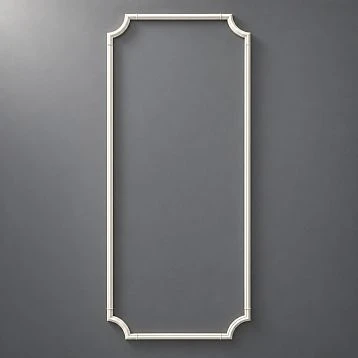
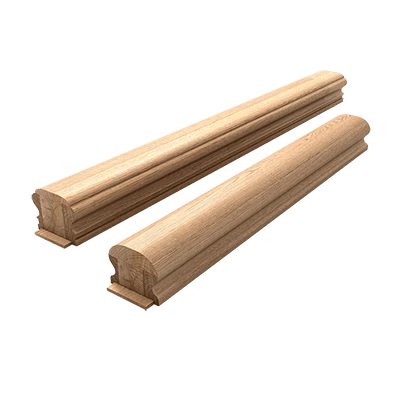
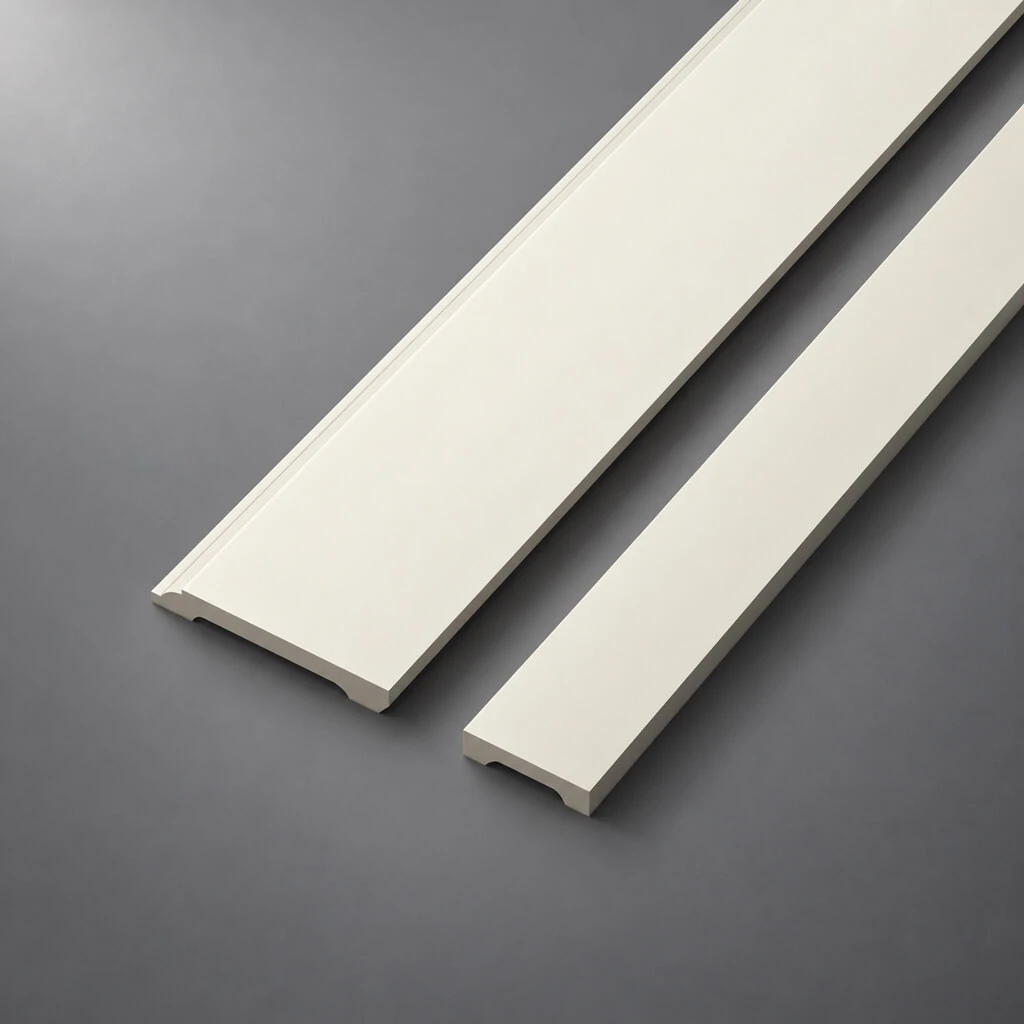
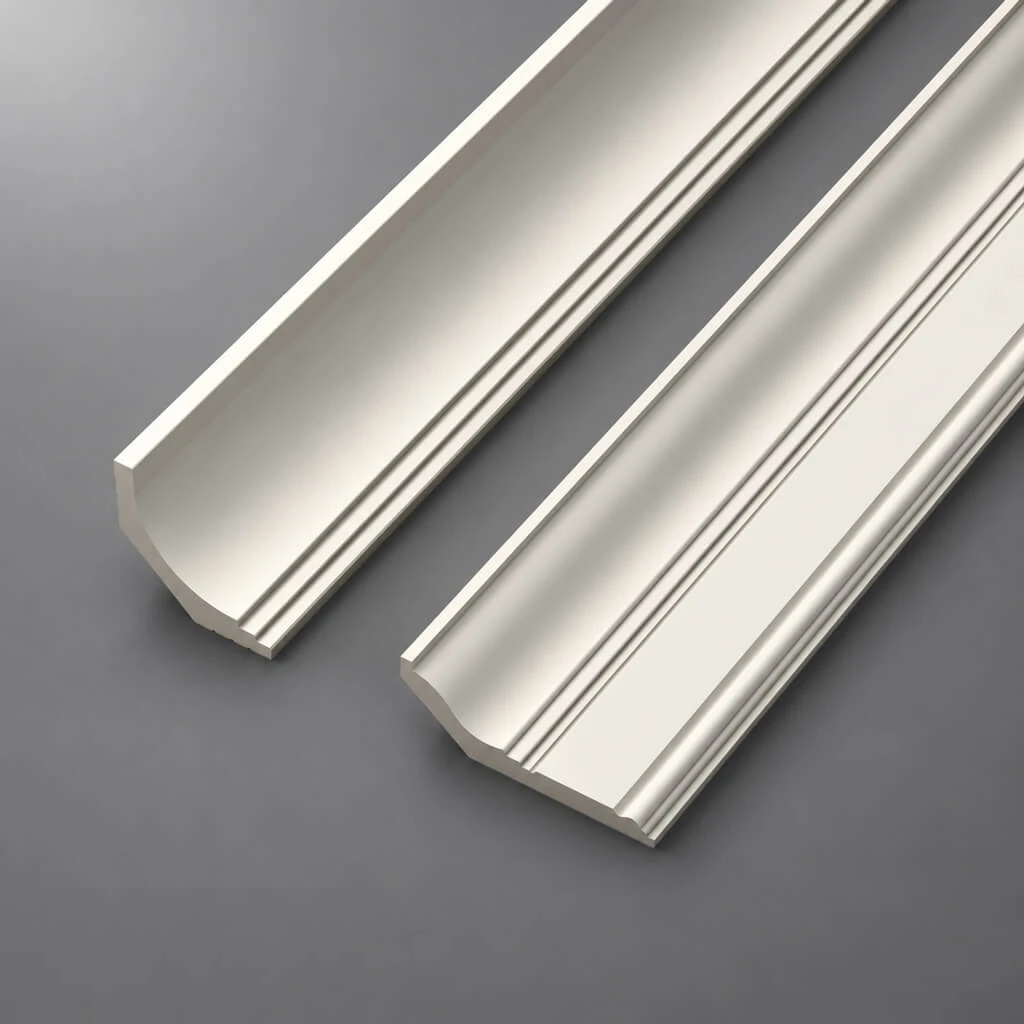
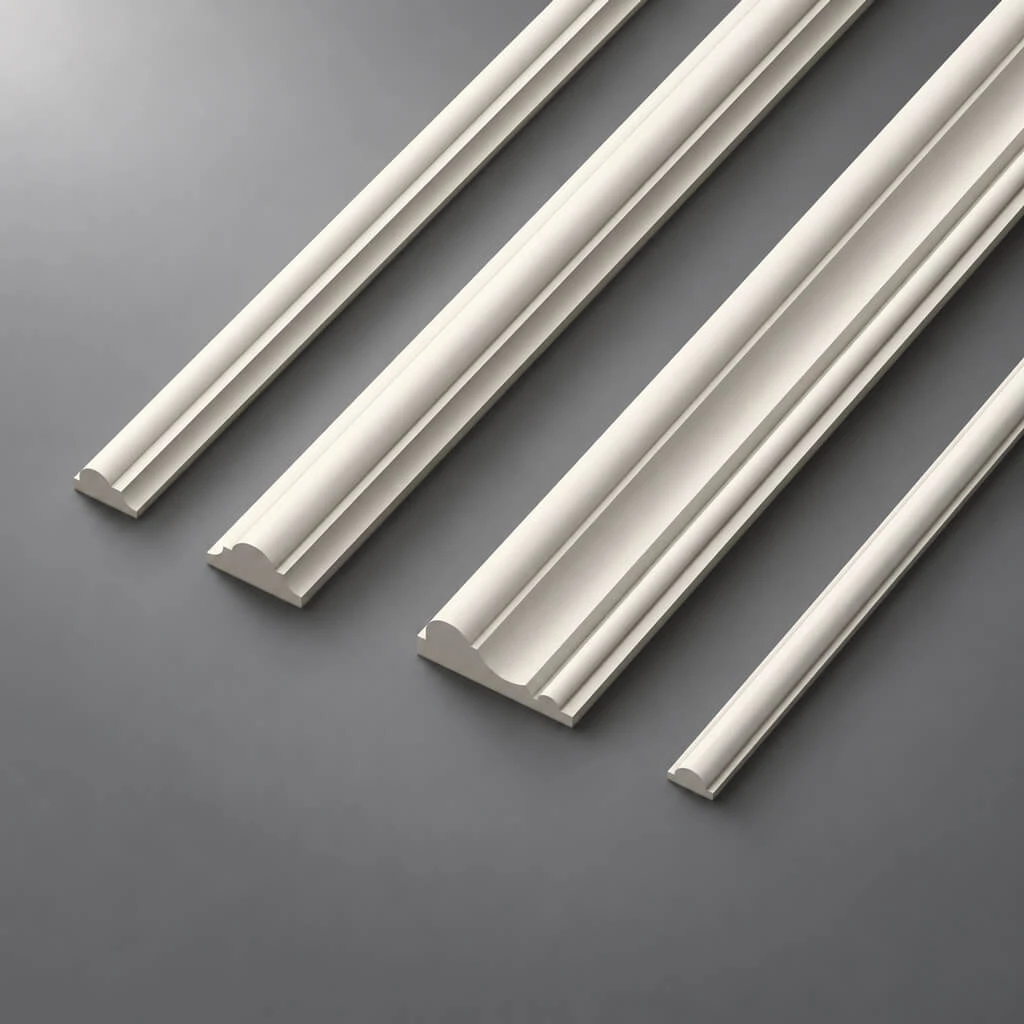
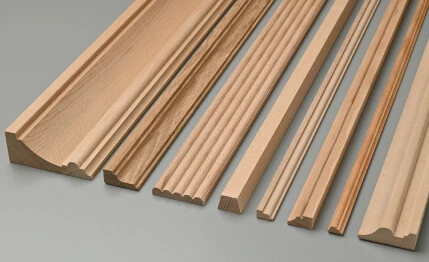
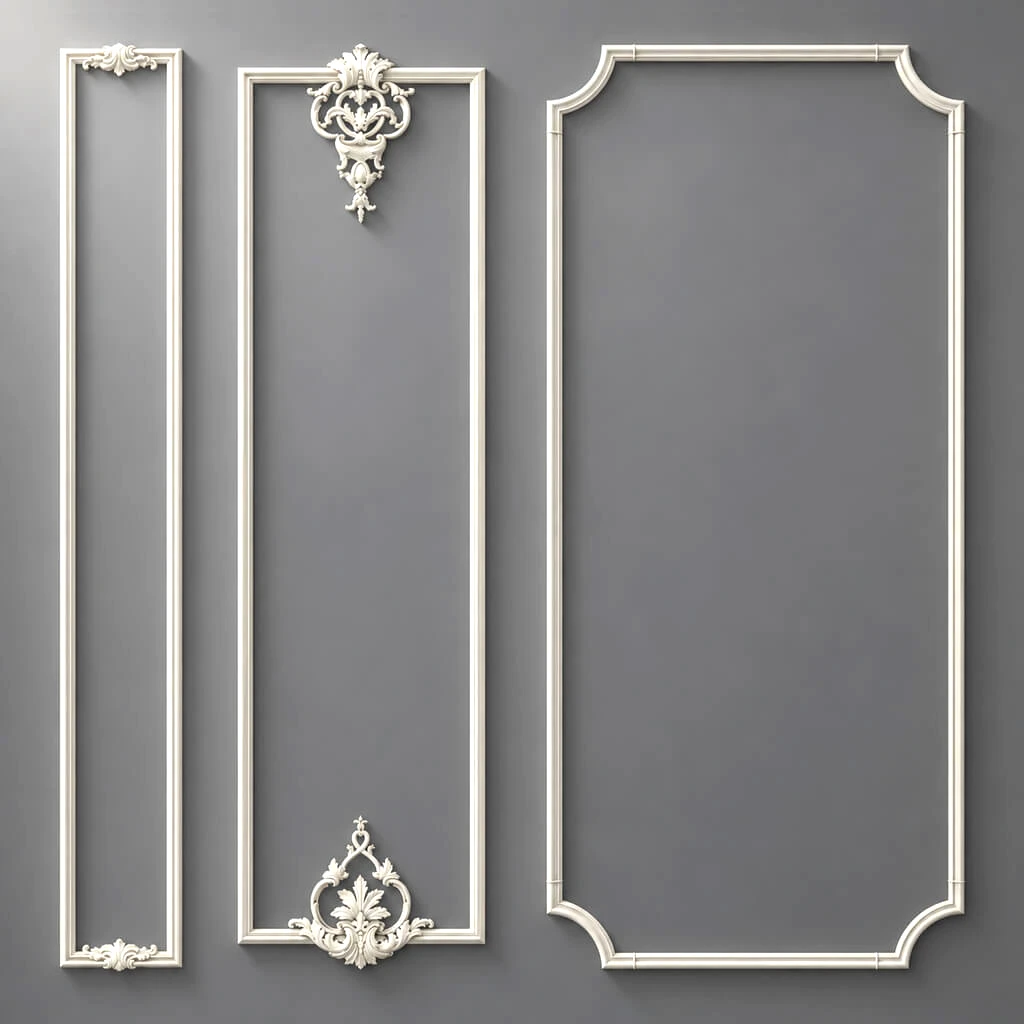
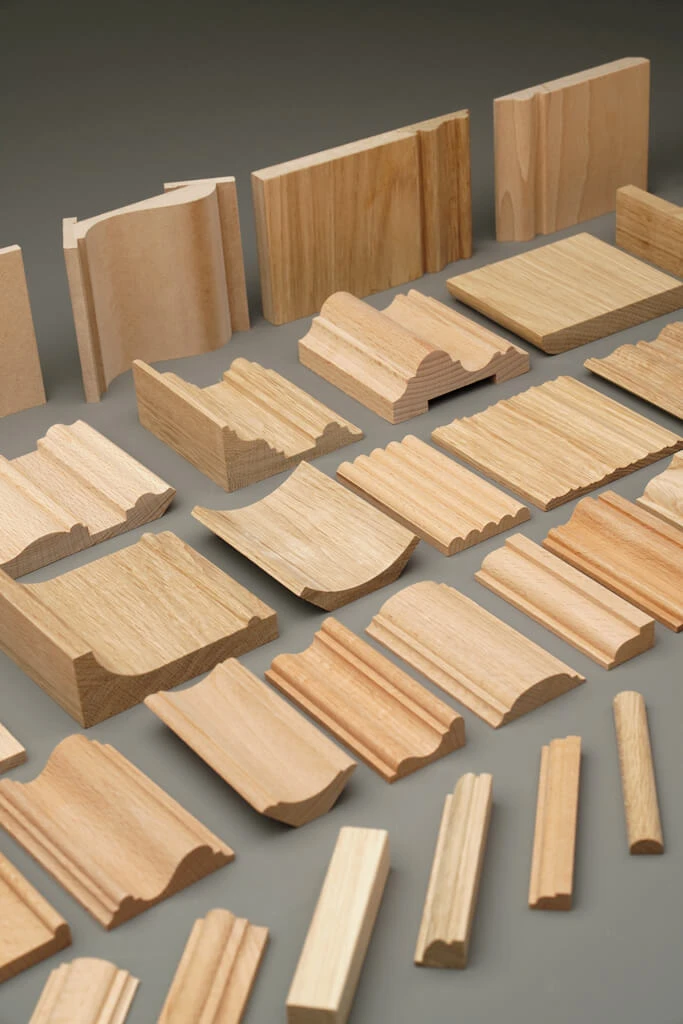
A slatted panel on the wall is the main element. But without proper framing, even a perfectly installed surface looks incomplete.Pogonazh iz massiva— baseboards, moldings, cornices, trims — are the structural framework that completes the slatted wall and connects it to the floor, ceiling, and openings.
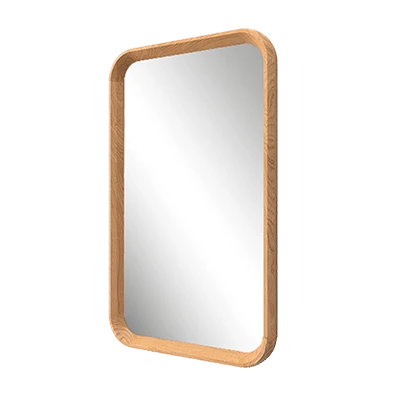
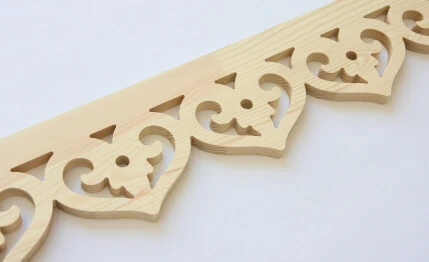
Wooden planksFramed by mirrors, niches, and doorways — this technique extends the material of the slatted wall into adjacent spatial elements, creating a continuous material thread.buy wooden skirting boardMade from solid oak in the same finish as the slatted panels — this results in a complete structure that reads as a single architectural element, not a collection of separate details.
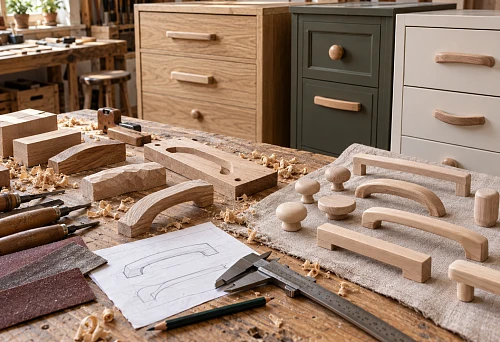
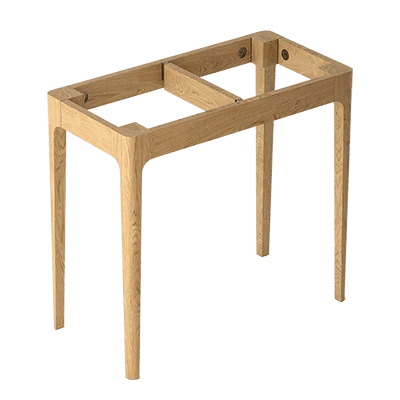
Furniture HandlesNatural wood on built-in furniture or sliding wardrobes in a room with slatted wall panels — another point of material continuity. Wood on the wall, wood in hand — the space gains a tactile sequence.
How to choose and buy slatted panels: a buyer's checklist
Before placing an order, go through this list. Each point is based on real mistakes made during the first purchase of slatted panels for interior finishing.
Step 1: Determine the room and purpose
-
Living room (living room, bedroom, study) → MDF E0/E1 or solid oak
-
Children's room → only MDF E0 with water-based coatings
-
Bathroom, toilet → moisture-resistant MDF HMR or PVC
-
Commercial space with acoustic requirements → acoustic slatted panels
Step 2: Choose a constructive format
-
Accent wall in a living room → flat or 3D battens, painting after installation
-
Quick installation on a commercial project → modular batten wall panel
-
Curved surface → soft batten panels
-
Space zoning → horizontal battens with LED lighting
Step 3: Determine batten parameters
-
Room up to 15 m² → batten width 30–50 mm
-
Room 15–30 m² → width 40–70 mm
-
Room over 30 m² or ceilings above 3 m → width 60–100 mm
Step 4: Choose a finish
-
Want a specific color now → factory enamel coating
-
Want the option to change color in the future → paintable panels
-
Want a natural texture → veneer or solid wood with oil/varnish
Step 5: Calculate material with a margin
Wall area + 10–15% for cutting and defects. When ordering from the manufacturer, clarify the possibility of adding from the same production batch — different batches may have slight differences in coating tone.
Step 6: Order samples
This is not an extra step, but a mandatory one. The coating on the monitor screen and the coating in the actual lighting of your room are different things. Order samples and view them in your lighting, in your interior.
Slat panels and modern trends 2025–2026
The market for slat panels for interior finishing is evolving. Understanding current trends will help make a choice that will look fresh not only today, but also in a few years.
Saturated tones of the load-bearing base. Dark green, deep blue, terracotta — as the color of the load-bearing MDF base with white or cream slats. Color becomes an architectural tool.
Wide slats. A shift from frequent small-scale rhythm to wide, monumental planks of 70–100 mm — an architectural scale previously available only in public spaces.
Horizontal orientation. Horizontal slats, originating from Scandinavian architectural tradition, are becoming an equal alternative to vertical ones — especially in rooms with ceilings below 2.7 m.
Minimal gap. Slats with a 3–5 mm gap — an almost continuous surface with deep, thin shadows between the planks. A restrained, intelligent pattern for those who don't want loud decor.
Material mixing. MDF slats for painting combined with individual solid oak slats — tinted or with natural oil. Every three to five slats — one slat of natural wood. This technique creates a spatial rhythm where the natural material sets accents within a lacquered painted plane.
Slatted panels and staircase: a vertical architectural thread
If there is a staircase in the house, slatted wall panels on the staircase wall are one of the most effective techniques for creating a vertical architectural connection between floors. Vertical slats along the flight, ascending from the first to the second floor — this is a rhythm that physically accompanies movement on the stairs and makes it part of the architectural experience.
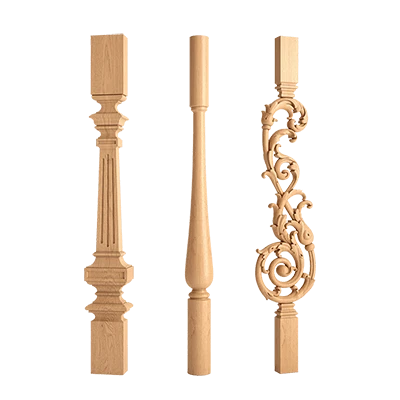
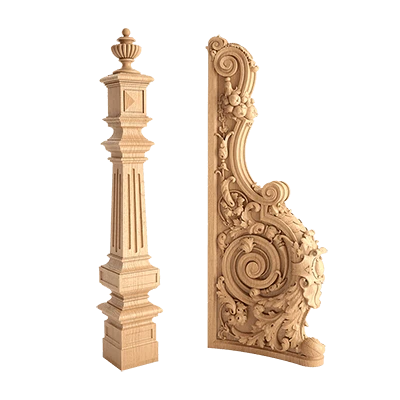
balusters for staircasesSolid oak in the same tint as the slatted panels on the wall — this is a unified material language for the staircase space. The staircase ceases to be just a functional element and becomes an architectural statement — a continuation of the same story that the slatted walls in the living room begin.
FAQ: answers to questions asked before purchase
What are slatted wall panels for interior finishing?
These are decorative structures made of parallel planks (slats), fixed to a supporting base or mounted directly on the wall. The material of the slats is MDF, solid wood, veneered MDF, or PVC. They create a rhythmic textured surface with shadows between the slats.
Which material is better — MDF or solid wood?
It depends on the task. MDF offers precise geometry, a perfect surface for painting, stability under humidity changes, and a wide range of finishes. Solid oak has a living texture, natural warmth, durability of 30–50 years, and the possibility of renewal through sanding. For most residential projects, MDF with paint or veneer is the optimal choice in terms of result and cost.
Can slatted panels be installed independently?
Yes — with basic construction skills and a laser level. Key requirements: acclimatization of the material, a level frame in one plane, hidden fasteners, expansion gaps, painting after installation. Modular panels are installed significantly easier than assembled ones.
How much do slatted panels cost?
MDF for painting — from 1200 to 2500 rub/m². With factory painting — from 2000 to 4500 rub/m². Oak veneer — from 3500 to 7000 rub/m². Solid oak — from 5000 rub/m². PVC — from 300 to 800 rub/m².
How to care for slatted panels?
Regularly: a soft brush or vacuum with an attachment along the slats — once every 1–2 weeks. Wet cleaning: slightly damp cloth, neutral detergents without abrasives. Repainting if necessary: sanding, priming, applying enamel — without dismantling.
What are acoustic slatted panels and do I need them?
Acoustic slatted panels have a perforated load-bearing base and sound-absorbing filler. They improve acoustics in rooms with high reverberation: home theaters, studios, meeting rooms. For a standard living room, decorative panels without acoustic filler provide a moderate sound-absorbing effect — sufficient to reduce echo.
Slatted panels on the wall — vertically or horizontally?
Vertical slats visually increase ceiling height—a classic for rooms with low ceilings. Horizontal slats widen narrow spaces and create a calmer, more 'grounded' character. Diagonal placement is an original designer technique for non-standard tasks.
Can slatted panels be installed on the ceiling?
Yes. Ceiling slat structures work for zoning space, improving acoustics, and creating architectural character. For ceilings, lightweight structures are preferred—MDF slats on a supporting base or profiled slats on hidden fasteners.
How to calculate the number of panels?
Measure the wall area (m²). Add 10–15% for trimming, corners, and possible defects. When using modular panels—divide the total area by the area of one module and round up.
Do I need to level the wall before installing slat panels?
When installing on battens—no. The battens correct the plane. When using adhesive installation without battens—the wall must be level (deviation no more than 3 mm over 2 m).
About the company STAVROS
STAVROS is a Russian manufacturer of wooden architectural elements for interiors with a full production cycle and strict quality control at every stage. If you've decided tobuy slat panels for interior wall finishingand want a result that will remain flawless in twenty years—STAVROS offers exactly what you need.
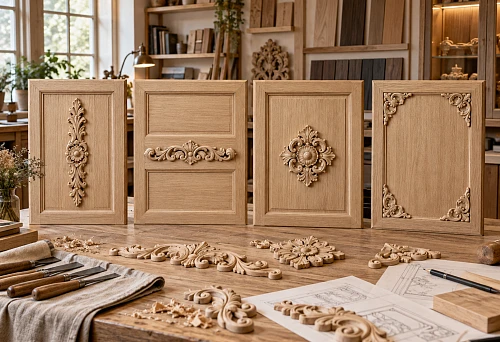
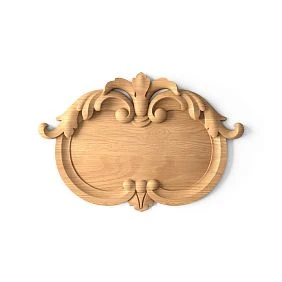
In the STAVROS catalog —slatted panels made of MDF and solid oakwith precise geometry and a rich range of finishes;slatted panels for wallsin various formats to suit any interior context;Wooden planksfor decorative and structural tasks;Pogonazh iz massiva— skirting boards, moldings, cornices for finishing slatted structures;buy wooden skirting boardmade from solid oak and ash in a wide selection of finishes;Furniture Handlesmade from natural wood;balusters for staircaseshandcrafted;Classic Furniturefor those who appreciate detail and quality of execution.
STAVROS works with private clients, designers, and architects across Russia. Samples of finishes, professional consultation on parameter selection, delivery, and full support from the first question to the finished result. The space you create deserves material that won't let you down. Choose STAVROS — choose results.