



































Article Contents:
- Tyumen and finishing: why a special approach to materials is important here
- Which slat panel materials are stable in the Tyumen climate
- What is important to understand about slat panels before purchasing
- First question: for which surface and load?
- Second question: which style and architectural language?
- Third question: how will lighting be organized?
- Where and how to competently buy slat panels in Tyumen: online vs offline
- Pros and cons of each purchasing channel
- How to read specifications when buying slatted panels online
- Walls: Which Slatted Panels Suit Each Zone
- Living room: accent behind the sofa and zoning the space
- Bedroom: wood as a relaxation tool
- Hallway and corridor: rhythm as an architectural tool
- Kitchen: between aesthetics and practicality
- Ceiling: slatted panels as the fifth dimension
- First condition: ceiling height
- Second condition: direction of slats
- Third condition: framing
- Polyurethane Decor: Where and How to Use Molding in a Modern Interior
- Cornices and Ceiling Rails: The Basic Level
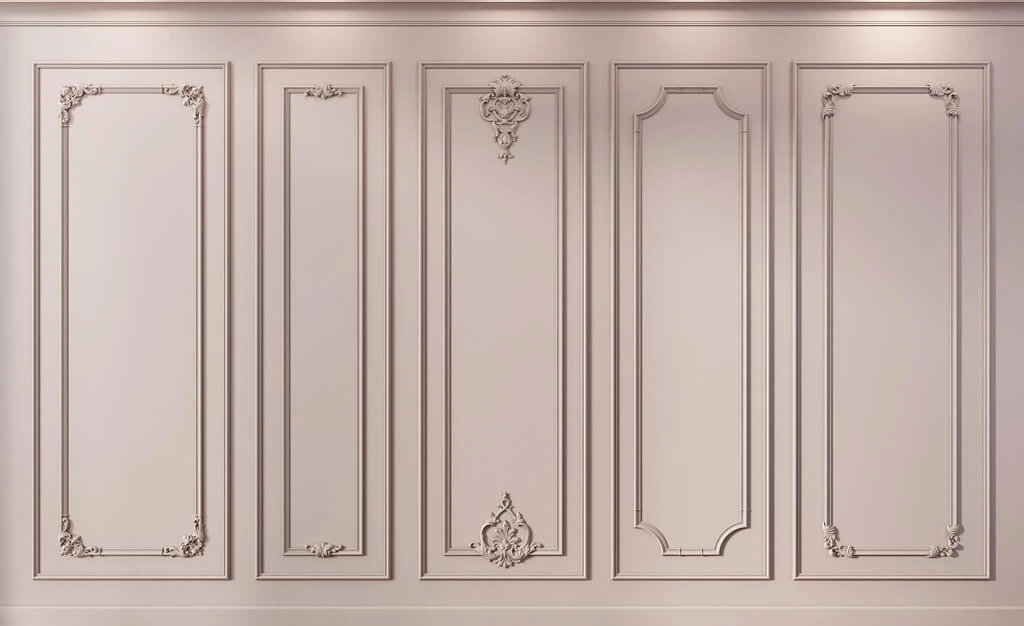
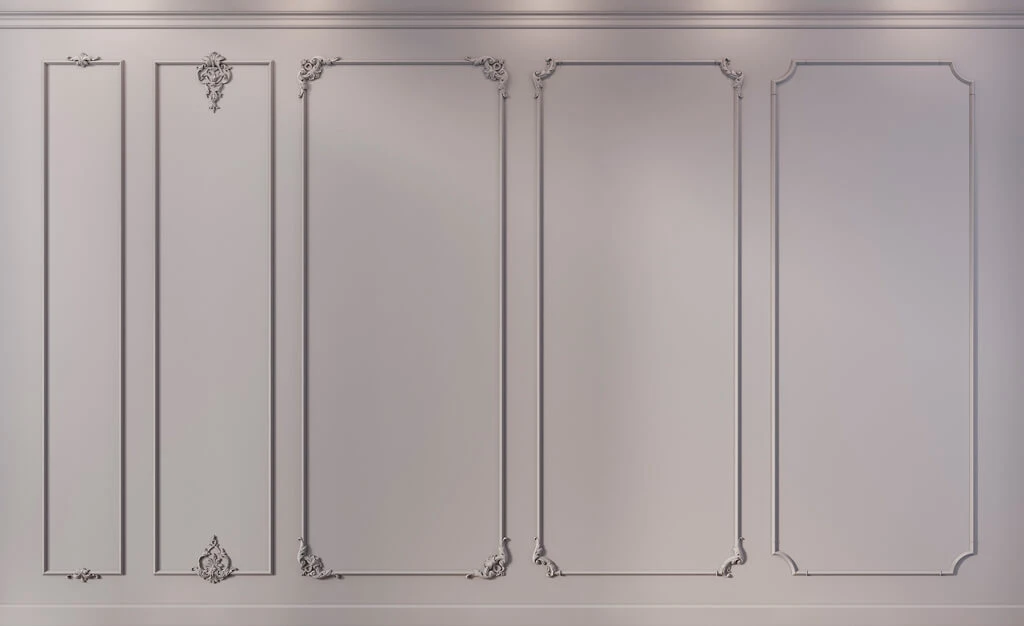
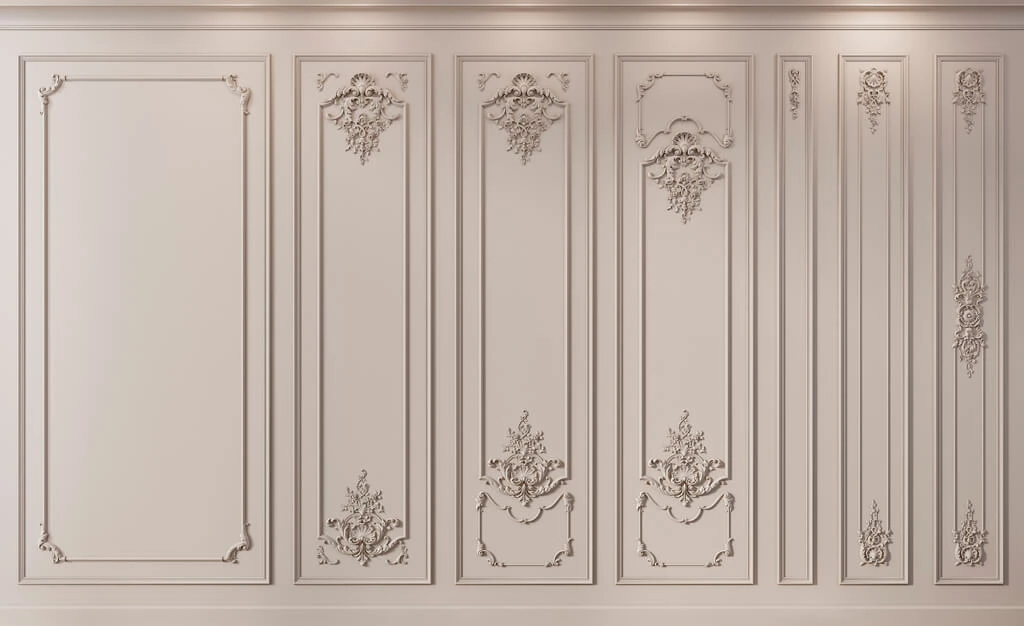
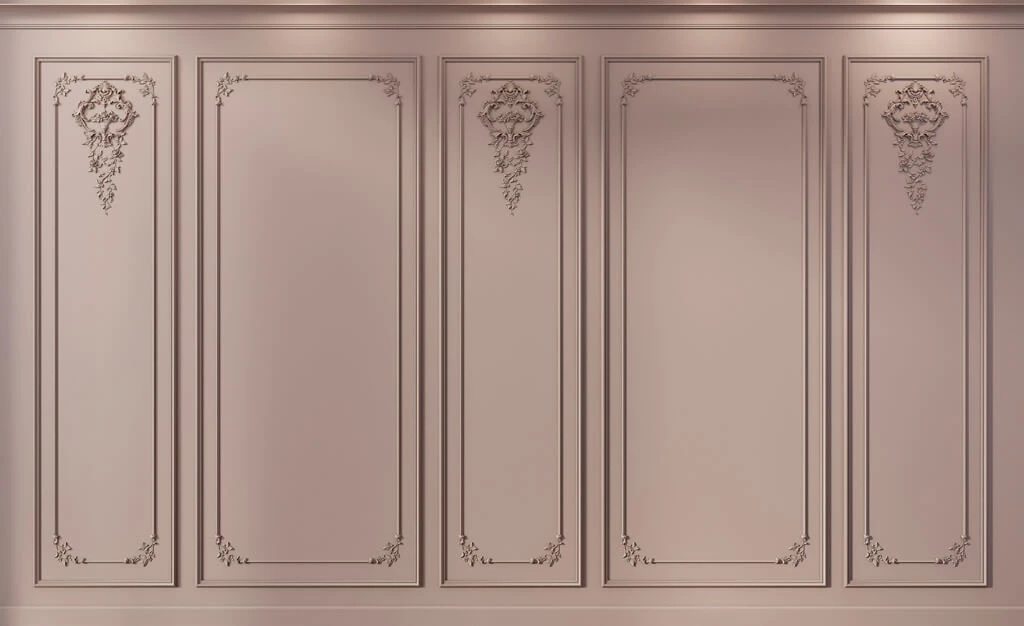
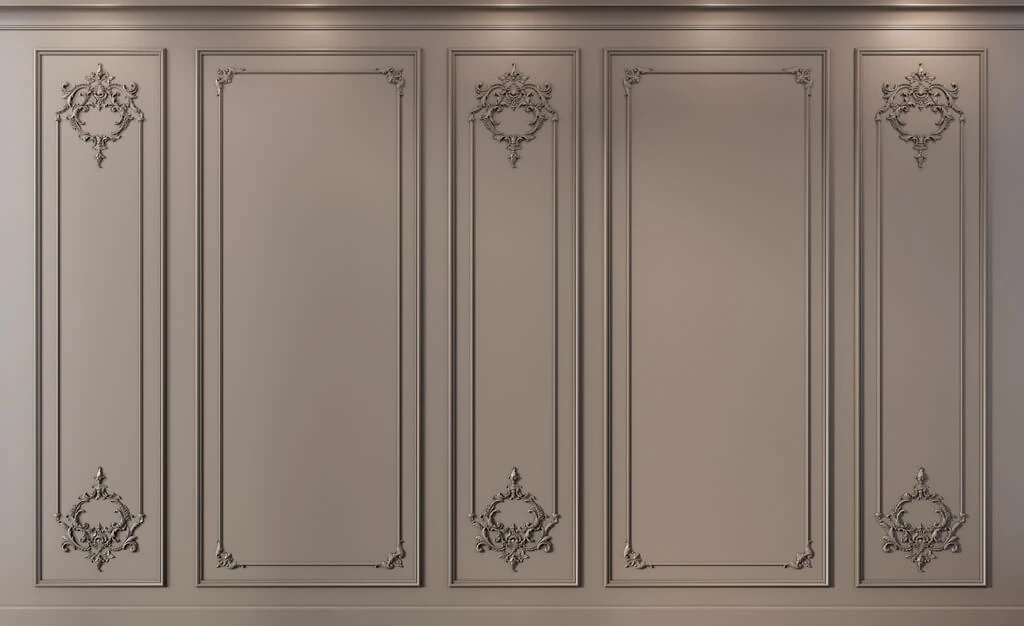
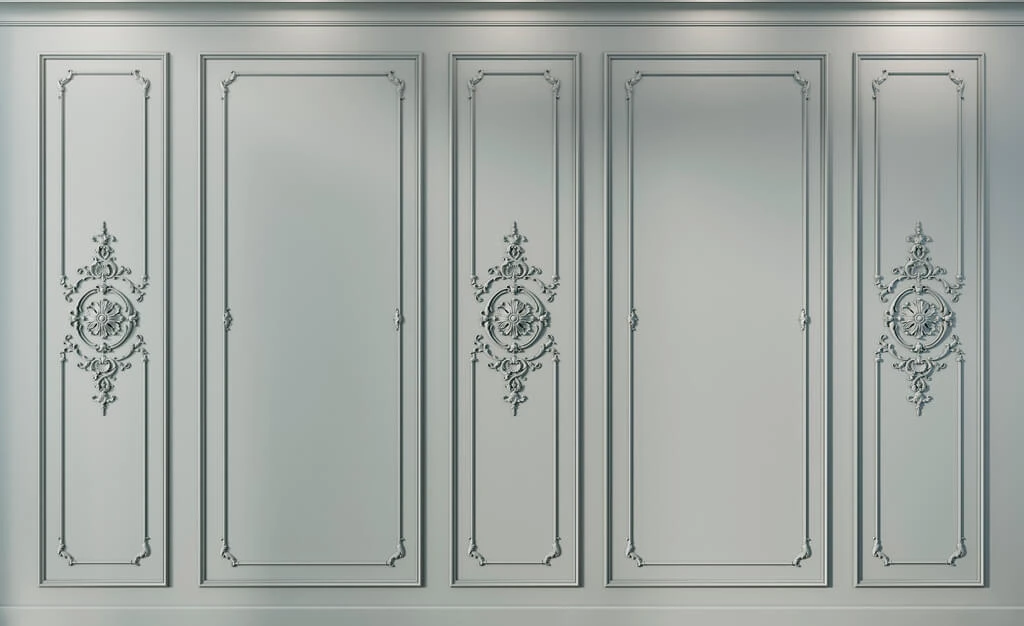
- Moldings and Frames: How to Turn a Wall into an Architectural Object
- Architraves and door/window framing
- How to Combine the Rhythm of Slatted Panels and the Relief of Molded Decor
- Specific Combinations That Work
- How to Assess Material Quality: Not by Photo and Not by Price
- Assessment of Slatted Panels
- Assessment of Polyurethane Decor
- Mistakes in Buying Slatted Panels by Photo and Price: What Happens in Reality
- First Mistake: Color Does Not Match the Screen
- Second mistake: scale does not match the actual space
- Third mistake: additional elements were not taken into account
- Fourth mistake: different batches were taken
- Fifth mistake: forgot about the stucco framing
- Slatted panels for facades in the Tyumen climate: a separate conversation
- Modular systems: when slats become a constructor
- Flexible slatted panels: non-standard surfaces and curvilinear architecture
- STAVROS: a system supplier for Tyumen projects
- FAQ: answers to popular questions about slatted panels and stucco for Tyumen
Tyumen is a city that is being built and rebuilt rapidly. New residential complexes, an active commercial real estate market, private houses — all this creates a colossal demand for finishing materials. And it is here, in this flow of choice, that mistakes are most often made: they buy at the first price, take what is available in the nearest store, focus on the picture on the phone. The result is an interior that you want to redo in two years.
This article is for those who want to do things differently. For those looking for where to buy slatted panels in Tyumen and how to simultaneously selectpolyurethane moldingso that everything works together as a unified system. There will be no generalities here — only specific selection logic, tested by the experience of thousands of projects.
Let's start with the main thing: what exactly makes an interior strong? Not expensive. Not 'beautiful in photos.' Precisely strong — the kind that doesn't become outdated, doesn't disappoint, works for years. The answer is systematicity. When every material is chosen not in isolation, but within the logic of the whole. When the slatted panel and the polyurethane cornice speak the same language. When the texture of wood and the relief of stucco decoration enhance, rather than suppress, each other.
That's exactly what we'll talk about.
Tyumen and Finishing: Why a Special Approach to Materials is Important Here
Tyumen has a sharply continental climate. Winters are long and frosty. The heating season lasts almost half a year. This means the air in apartments and houses in winter is catastrophically dry: humidity drops to 20–30% against a norm of 40–60%. In summer — the opposite, humidity is high, temperature fluctuations with open windows are significant.
What does this mean for finishing? That natural wood without proper treatment will behave: drying out in winter, swelling with fluctuations. This is not a reason to avoid wood — it's a reason to choose the right materials and the right coatings.

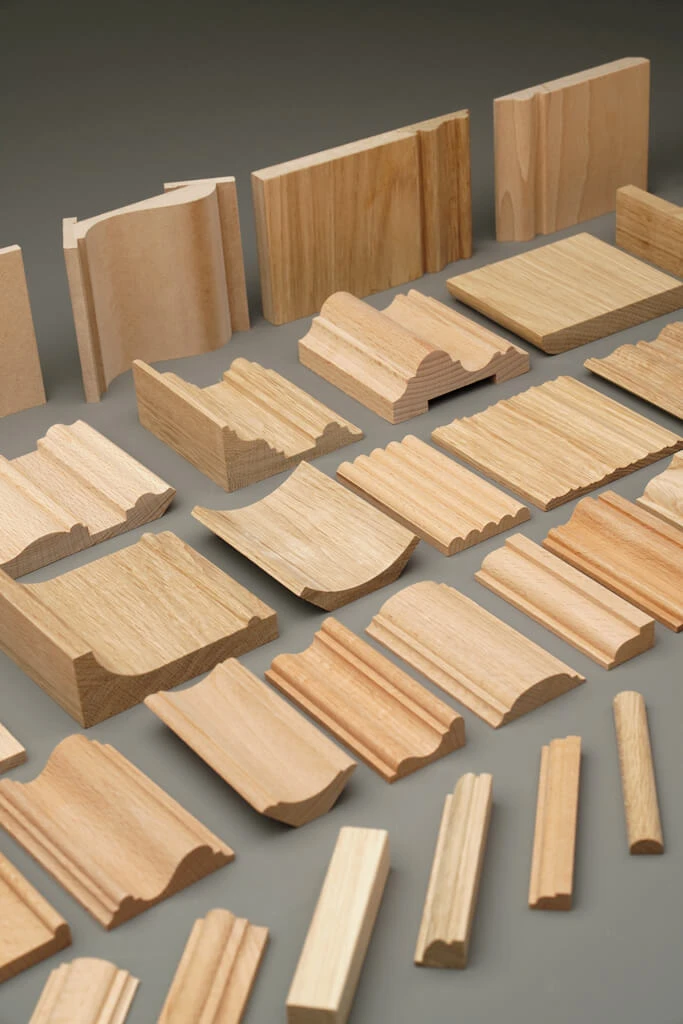
Which slatted panel materials are stable in the Tyumen climate
When choosing where to buy slatted panels in Tyumen, first clarify: how is the surface treated? The coating determines stability.
Oil with wax — the best choice for solid wood in residential spaces with central heating. Oil penetrates the wood structure, doesn't create a film that cracks when drying, allows the wood to 'breathe'.Wooden slat panelsWith an oil finish in the Tyumen climate, they last a long time and require minimal maintenance — periodic oil treatment every 2–3 years.
Water-based lacquer — creates a protective film, but during severe drying in the dry season, microcracks may appear. Suitable for stable rooms with climate control. In apartments without a humidifier — questionable.
MDF with film coating — most stable to climatic fluctuations. Does not dry out, does not swell.MDF batten panel on the wall— the optimal choice for a Tyumen apartment, if there is no goal to have the live texture of natural wood.
Thermowood — specially treated wood with altered cell structure. Practically does not react to humidity and temperature. Ideal for rooms with unstable microclimate — verandas, saunas, open-plan kitchens.
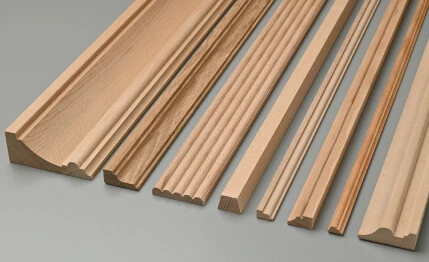
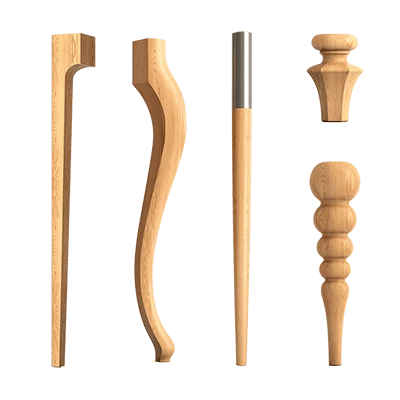
Our factory also produces:
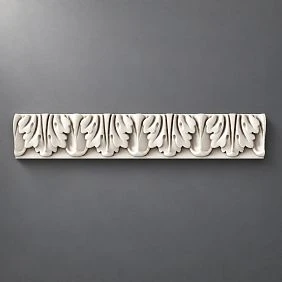
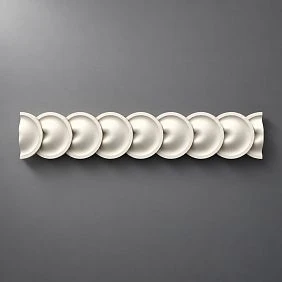
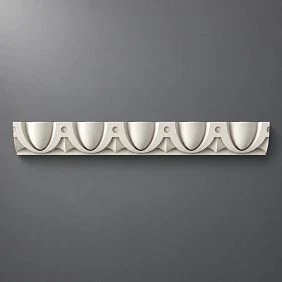
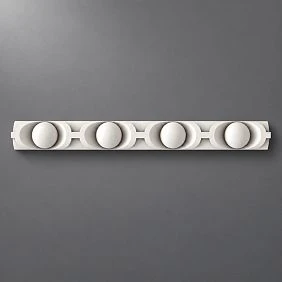
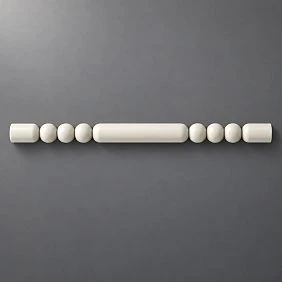
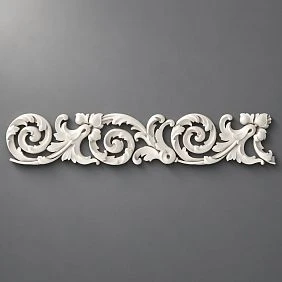
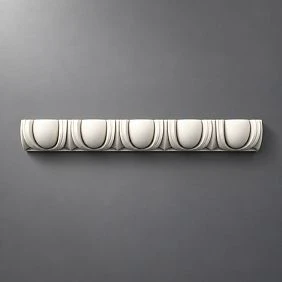
What is important to understand about slatted panels before purchasing
Before buying slatted panels in Tyumen — in a store, online, or through a manufacturer — you need to answer three basic questions. They are not asked in most retail outlets. But everything depends on the answers.
Get Consultation
First question: for what surface and load?
slatted panels for wallsand slatted panels for the ceiling are different systems. Wall slats work under mechanical loads: they are touched, leaned on, sometimes hit. Ceiling slats bear a different load — they must hold the fastening without deformation, not sag, not resonate from vibration.
Panels forinternal wall finishingand facade panels are fundamentally different in moisture resistance and UV stability. Buying interior slats and installing them on the facade is a path to replacement after just one season.
Second question: what style and architectural language?
Types of slat panels— these are not just different types of wood. They are different architectural statements. Scandinavian minimalism requires white or light MDF with narrow slats and wide gaps. Neoclassicism — warm oak with a dense rhythm and framing moldings. Loft — dark thermowood or brushed ash with a rough texture. A style mistake cannot be corrected with paint.
Third question: how will the lighting be organized?
This is a question that is almost never asked in the store — and that's a big mistake. A slatted surface comes alive through the play of shadows between the slats. If the lighting is ceiling-mounted and directed strictly downward — there will be no shadows, and the slats will turn into a monotonous plane.Slatted panels with lighting— is not a designer's whim, but a tool for managing the material. Hidden lighting in the gap between the slats turns an ordinary wall into an architectural accent.
Where and how to buy slatted panels correctly in Tyumen: online vs. offline
The Tyumen market for finishing materials today offers hundreds of options. Construction hypermarkets, local stores, warehouses, online stores with delivery. How not to get lost?
Pros and cons of each purchasing channel
Construction hypermarkets (local chains) — convenience, the ability to see in person, quick pickup. Minus: limited assortment, standard solutions, often no consultation on systematic application. Slatted panels in such stores are a basic assortment without rare species and formats.
Local specialized suppliers — wider assortment, custom orders possible, consultation available. Minus: no guarantee of a systematic approach — the supplier sells what they have, not what you need.
Manufacturers' online stores — full catalog, systematic approach, possibility to order samples, delivery to Tyumen. Main plus — you work directly with the manufacturer, without intermediary markup and without random assortment. Minus — you can't touch before ordering, but this is solved by ordering samples.
For a Tyumen buyer, the optimal strategy: choose and order samples online from the manufacturer, compare under your lighting, confirm the order. This takes more time than 'walk in and buy' — but the result is incomparable.
How to read specifications when buying slatted panels online
When placing an order for Slatted wall panels online, pay attention to:
-
Wood species and origin — is it specified specifically or vaguely ('wood', 'natural veneer')?
-
Moisture resistance class — critically important for kitchens and bathrooms.
-
Exact dimensions — length, width, thickness. Standard length is 2400–2700 mm, but non-standard is needed for high ceilings.
-
Finish — oil, varnish, paint, unfinished. The type of finish determines care and durability.
-
Availability of additional elements—starting profiles, corner strips, finishing rails. Without them, installation will be incomplete.
Walls: which slatted panels are suitable for each zone
Wall finishing with slatted panels—not a single solution, but a whole range of possibilities. Let's consider each zone separately.
Living room: accent behind the sofa and zoning of space
The living room is the main space of the house. Here, slatted panels primarily serve as an accent element: the wall behind the sofa, the TV area, a partition between the living room and dining room.
Slatted panels in the living room interioroffer several scenarios:
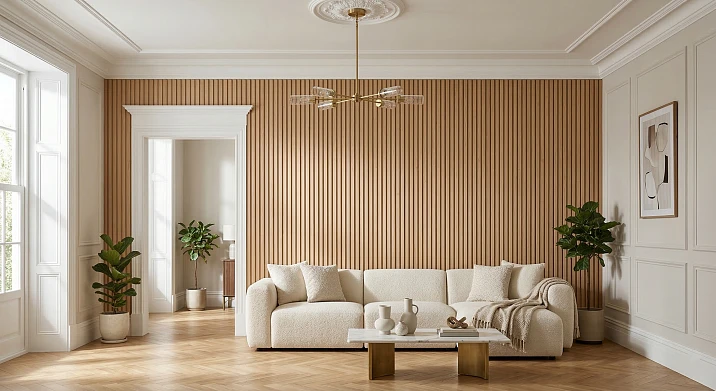
Scenario 'warm accent': oak or ash slats in a warm tone behind the sofa, from floor to ceiling, dense rhythm of 80–100 mm. The remaining walls—light neutral plaster. Perimeter cornice made of polyurethane in warm white. This works in any apartment with ceilings from 2.5 m.
Scenario 'monochrome graphics': white or light gray MDF slats across the entire wall behind the TV, wide gap of 25–35 mm, hidden lighting in the grooves. Minimalistic, modern, works with any furniture in dark and neutral tones.
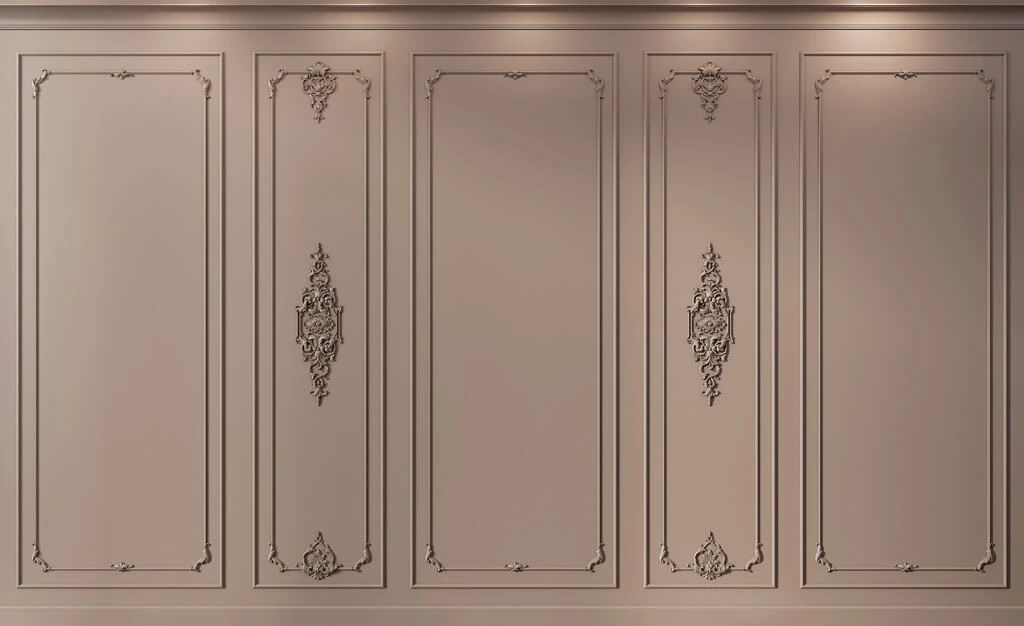
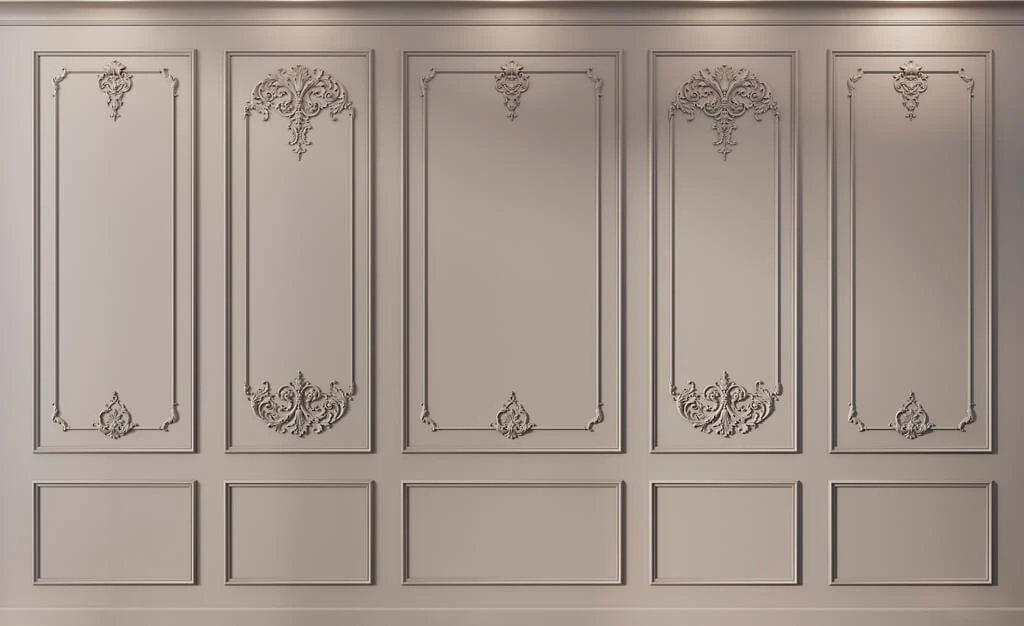
Scenario 'framed accent':slatted panels for wallsoccupy the lower third of the wall, with a polyurethane molding along the top edge, above—paint matching the slats or a contrasting accent color. This is a classic European technique that works flawlessly.
TV area with slatted panels— a separate topic. A common mistake here: installing slatted paneling behind the TV without considering how the dark screen 'cuts' into the warm wood. Solution: either choose light enough slats that don't create a sharp contrast with the turned-off screen, or use hidden lighting that 'softens' the transition.
Bedroom: wood as a tool for relaxation
slatted panels in the bedroom— is a conscious choice in favor of a living surface. A wall behind the headboard with slatted paneling creates that very feeling of a 'warm cave' which promotes deep sleep. Neuroscientists confirm: organic textures reduce levels of anxiety and stress. This isn't marketing — it's the physiology of perception.
For the bedroom, choose:
-
Warm tones: walnut, honey, smoky brown, dark chocolate — depending on the overall color scheme.
-
Oil finish — it doesn't shine, doesn't create glare, gives the surface a matte depth.
-
Slat width from 70 mm — thin slats in the bedroom create an anxious, fine rhythm.
-
Cladding height: either a full wall, or the lower half with molding — avoiding 'cut-off' middle solutions.
Slatted panels in the bedroom interior— in Tyumen apartments with dry winter air — choose an oil finish. It allows the wood to adapt to humidity without the film cracking.
Hallway and corridor: rhythm as an architectural tool
Slatted panels in the hallway interiorThey solve a problem often attempted with color—visually lengthening and widening a narrow corridor. Vertical slats along the corridor's long axis create a perspective effect: the gaze runs forward, making the space appear deeper.
In a narrow hallway less than 1.2 m wide—slats only on one wall (preferably the far wall or the one without a door). Both walls—only in corridors wider than 1.5 m, otherwise the 'tube' effect is intensified.
Material for the hallway: moisture-resistant MDF or solid wood with varnish coating—the hallway is a high-traffic zone with variable humidity (wet clothes, winter footwear). A polyurethane cornice around the perimeter is mandatory: without it, the hallway ceiling looks like a box lid.
Kitchen: between aesthetics and practicality
Slatted panels in the kitchen—a cautious territory. Not because it's impossible, but because it's easy to make a mistake here that will have to be redone.
The main rule: slats in the kitchen—only outside the zone of active exposure to steam and grease. This means—not above the cooktop, not in immediate proximity to the sink without good ventilation. Permissible zones: the dining area, the sofa corner area in a kitchen-living room, the lower part of the wall at a safe distance from the stove.
Material: WPC or moisture-resistant MDF with film coating. Natural solid wood without special treatment in the kitchen is a risk. Optionsof slatted panels in the kitchen photoswill help you see correct solutions in real interiors.
Ceiling: slatted panels as the fifth dimension
The ceiling is the most underrated surface in Tyumen apartments. Most people install suspended ceilings, drywall, or simply paint them. Meanwhile, it is the ceiling that defines the scale and mood of the space.
Batten panels for ceilingsin residential interiors is a solution that was exotic five years ago and has become the norm today. It works under several conditions.
First condition: ceiling height
The minimum working height for a slatted ceiling is 2.5 m. At lower heights, the slats start to feel oppressive. The optimum is 2.7 m and above. In Tyumen's new buildings, ceilings of 2.6–2.8 m are a good starting point.
How to make a low ceiling with slats comfortable: light-colored slats, wide gaps, hidden upward-directed lighting (toward the actual ceiling), a polyurethane cornice around the perimeter—this creates a visual effect of a 'floating' slatted ceiling.
Second condition: slat direction
For rectangular rooms—slats along the long wall: create a sense of depth. For square rooms—any direction, but diagonal is better: adds dynamism.Slatted panels for the ceilingwith your own hands is a technically feasible task, but it requires precise calculation and the correct fastening system.
Third condition: framing
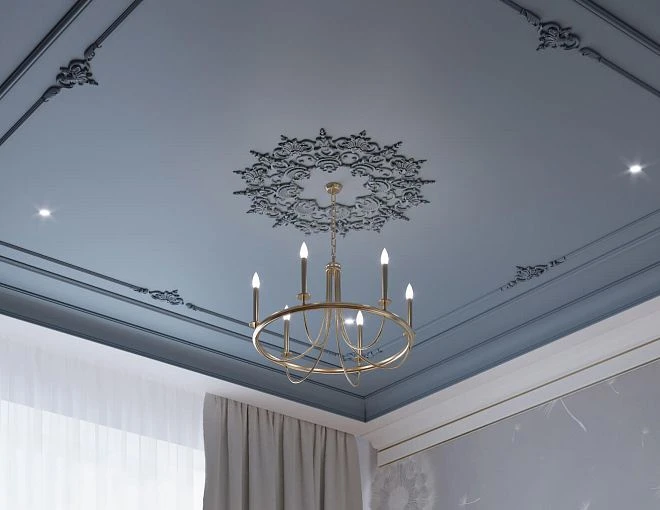
A slatted ceiling without a cornice around the perimeter is an unfinished solution.molded decoration made of polyurethaneIn the form of a cornice or ceiling molding, it creates a 'frame' for the slatted field. This visually separates the slatted area from the walls and adds a finished look.
Polyurethane decor: where and how to use molding in a modern interior
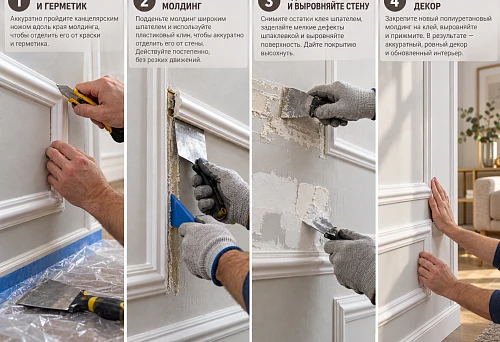
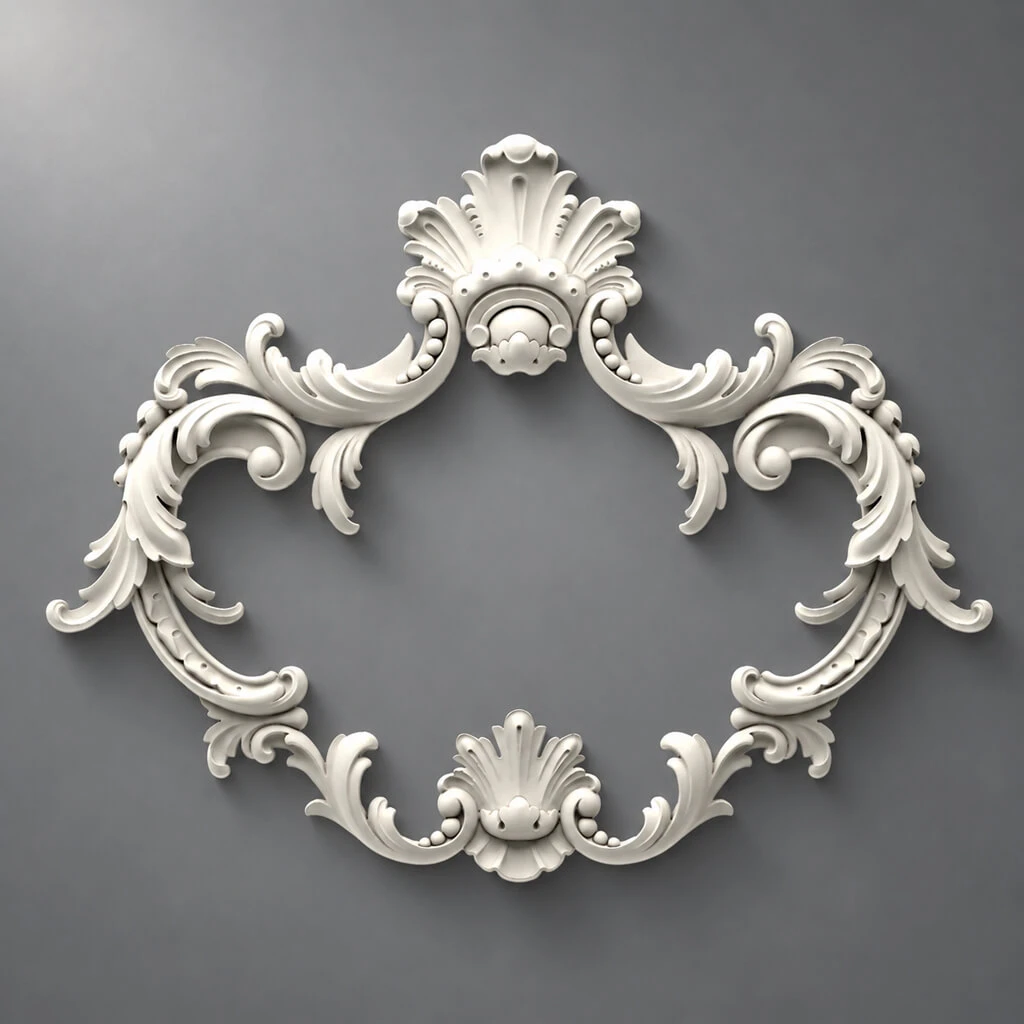
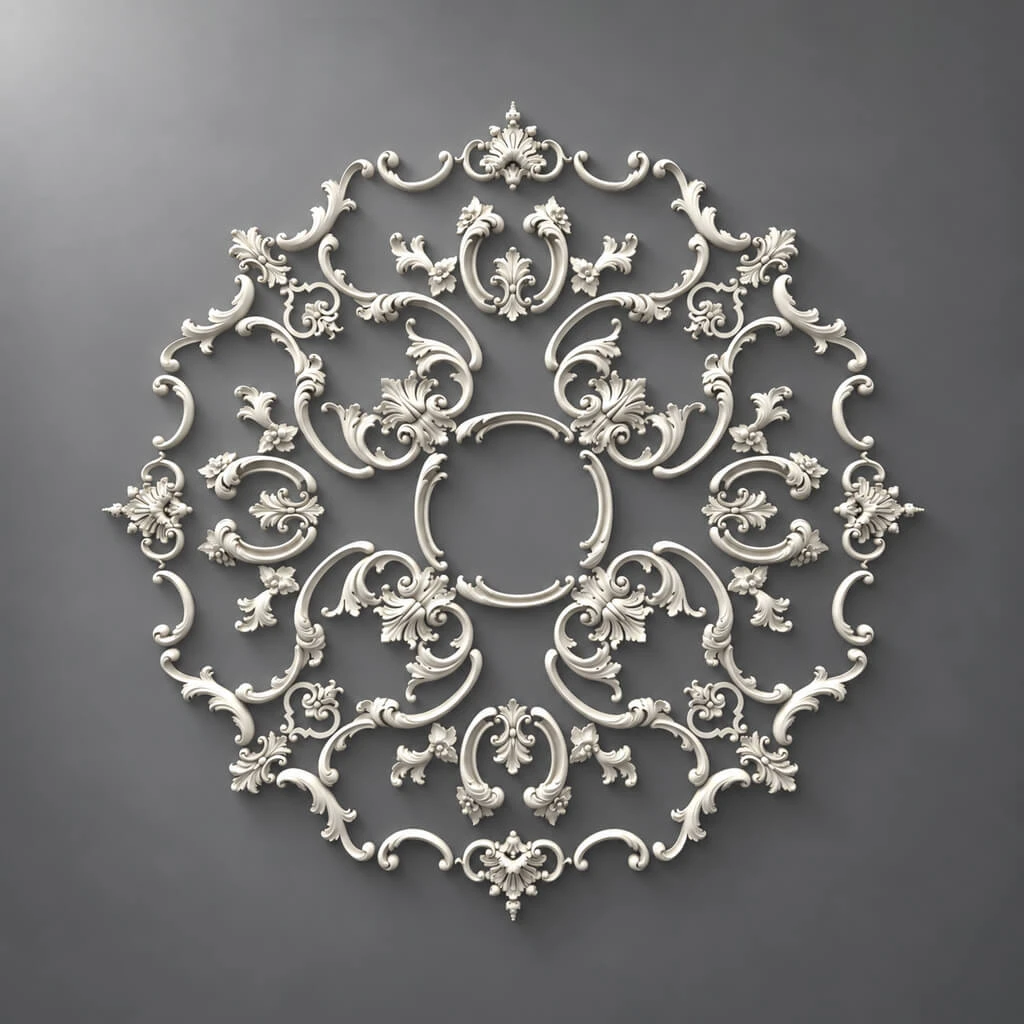
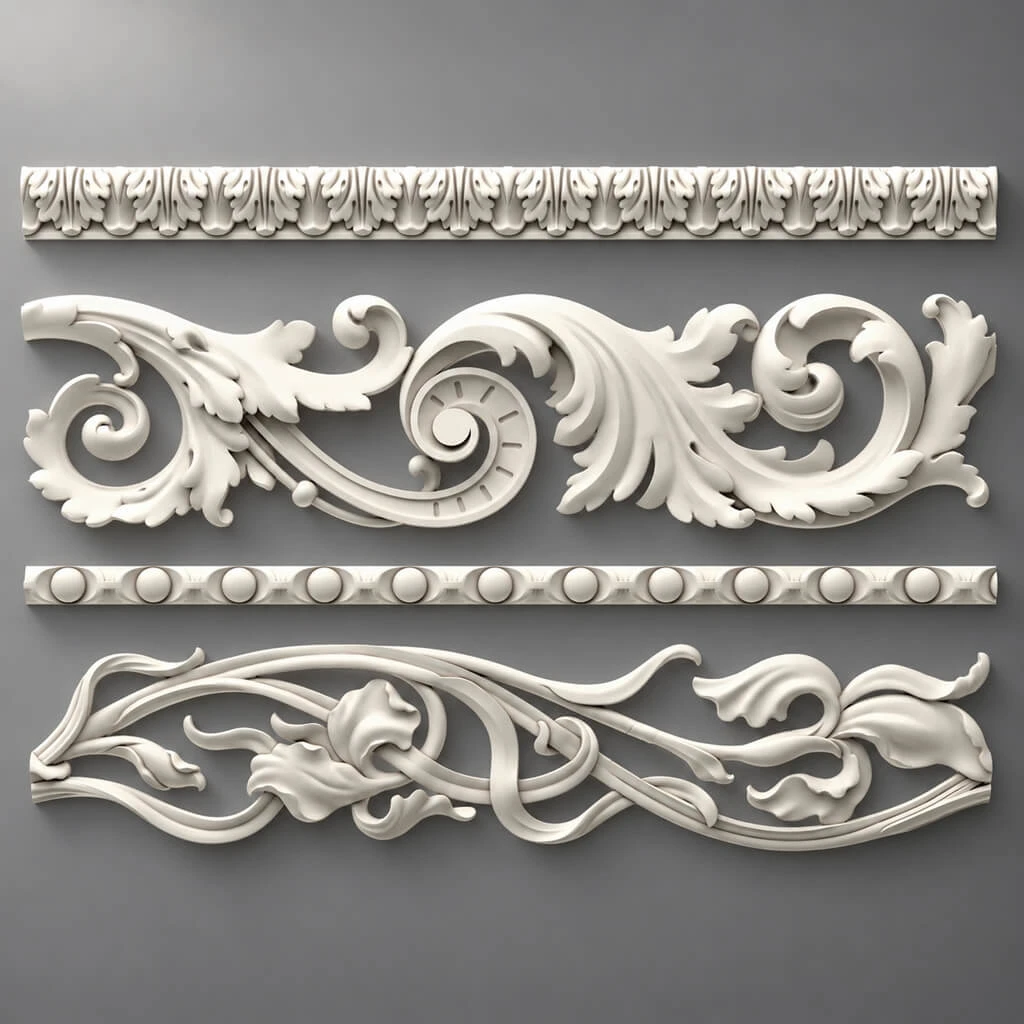
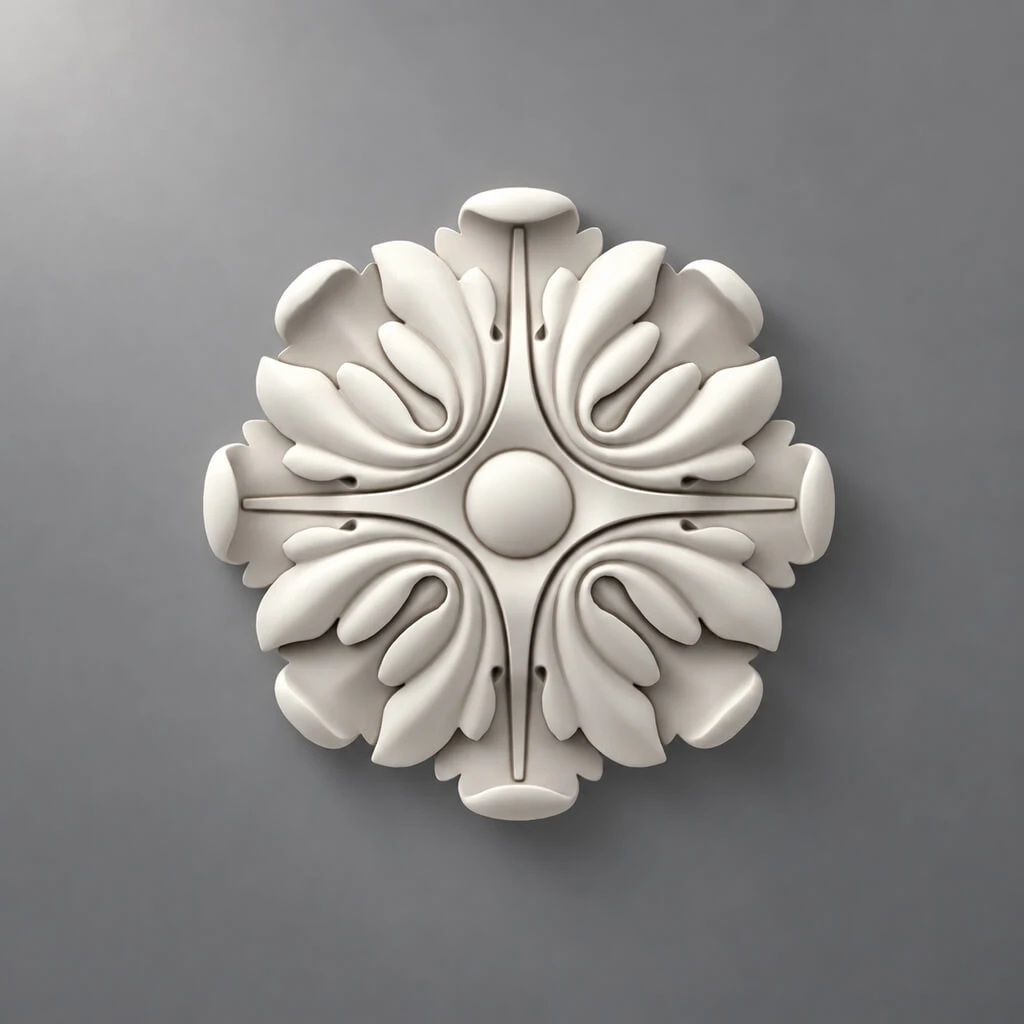
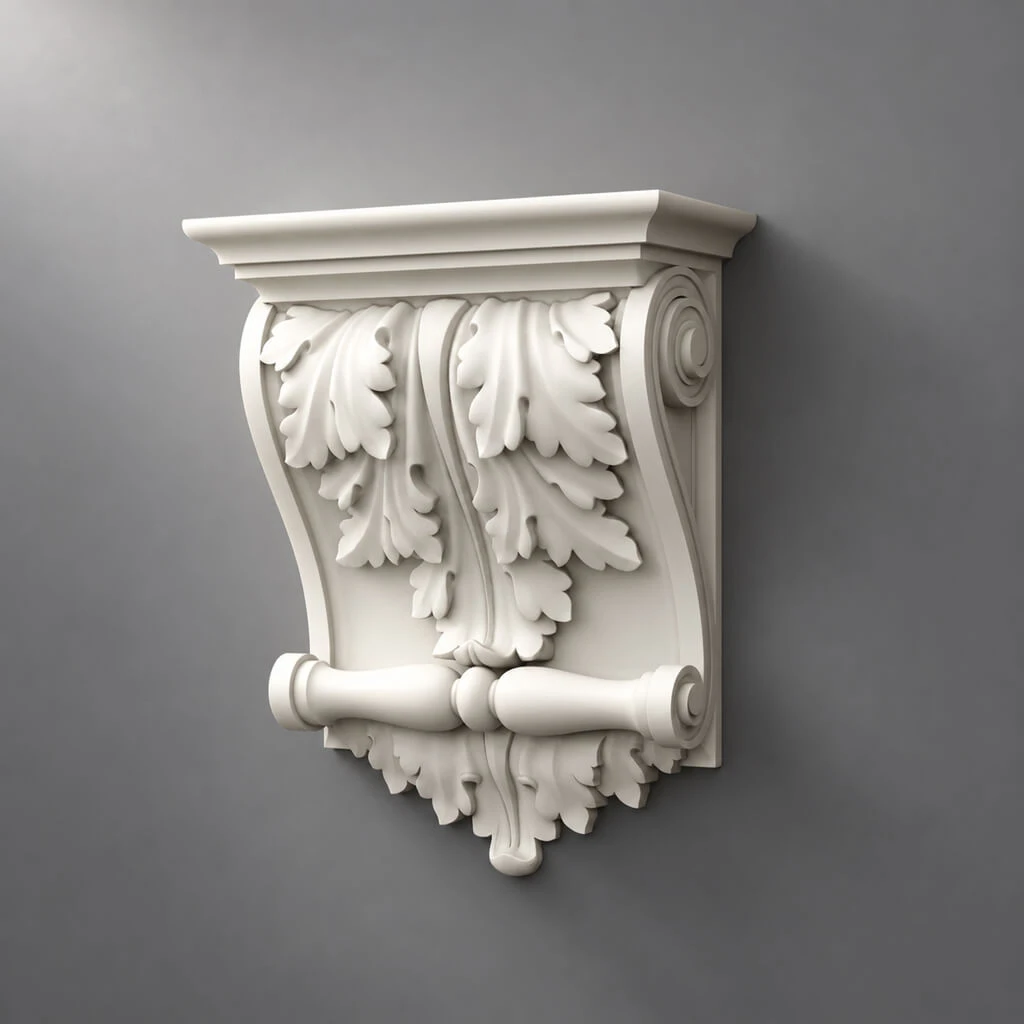
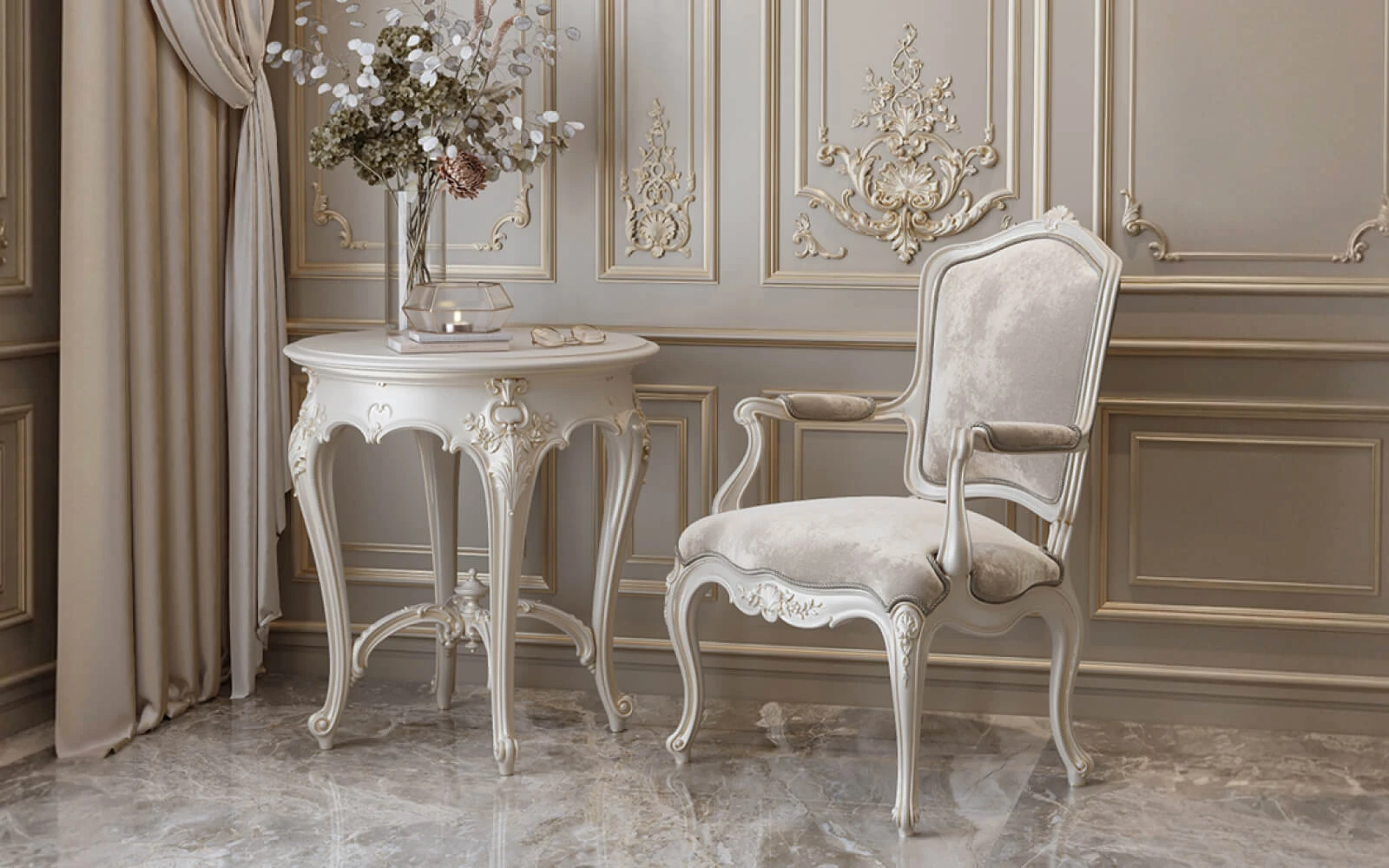
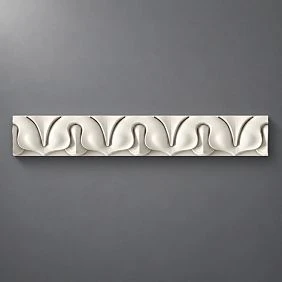
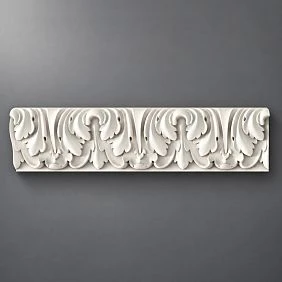
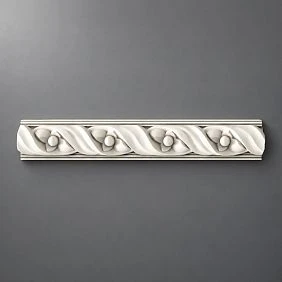
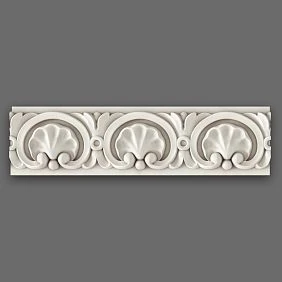
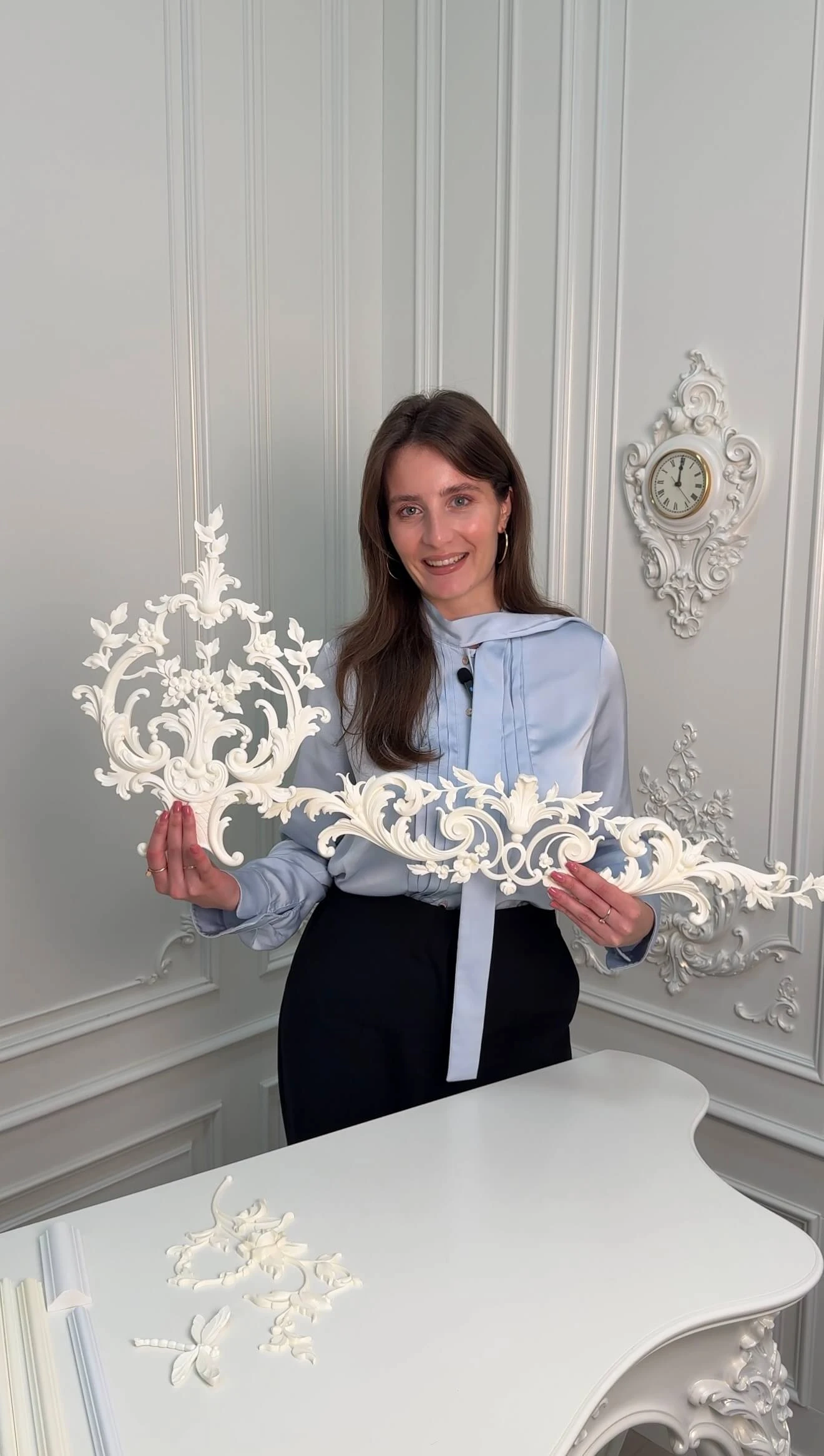
Many people, upon hearing the word 'molding,' imagine heavy plaster swirls in old apartments. Today's reality is completely different.Polyurethane moldings— is a lightweight, precise, technological material that can be both a strict geometric profile in a minimalist interior and a complex classical ornament in neoclassicism.
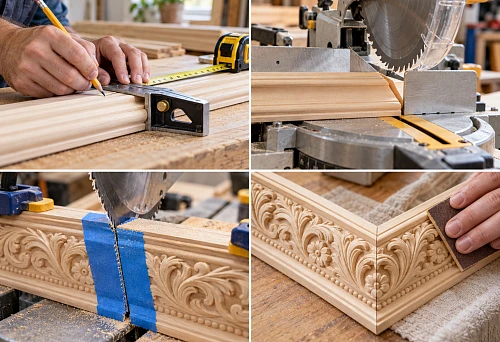
Polyurethane is not afraid of humidity, does not deform from temperature changes, is easily cut with an ordinary hacksaw at an angle, and is glued with mounting adhesive. In the Tyumen climate with its fluctuations, this is a particularly important advantage over plaster.
Cornices and ceiling moldings: the basic level
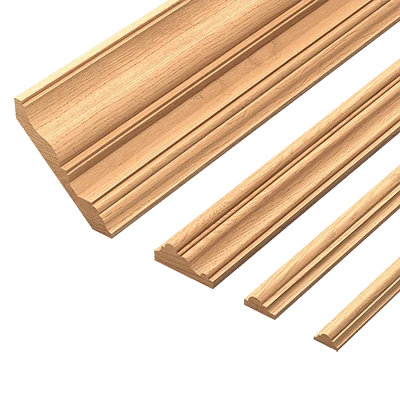
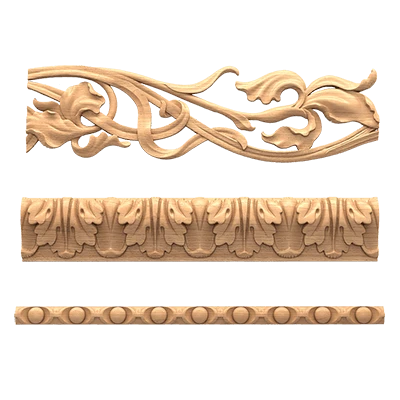
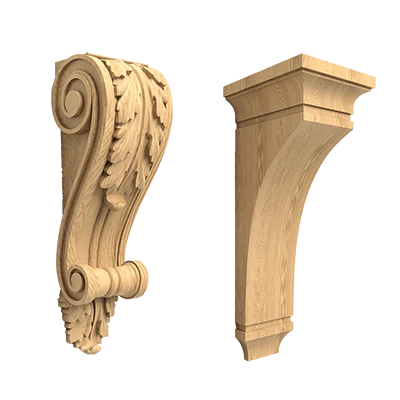
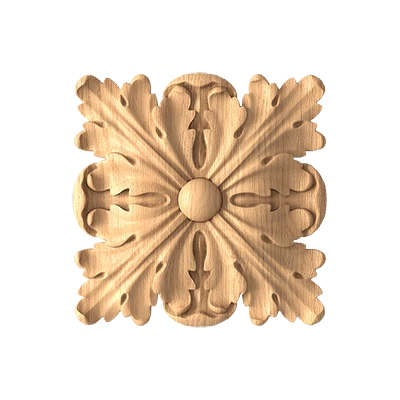
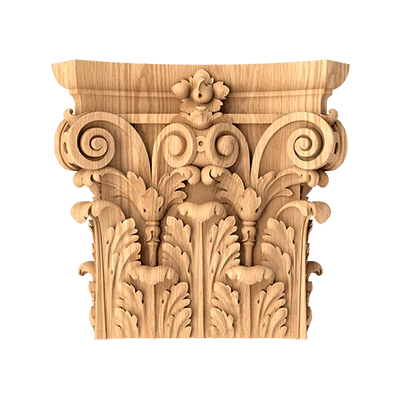
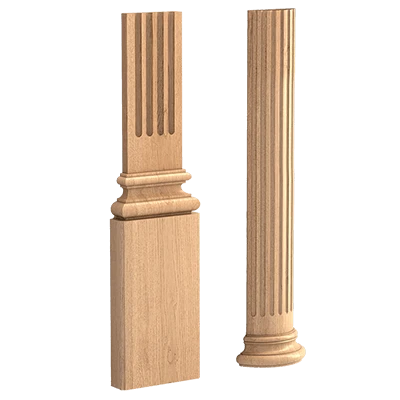
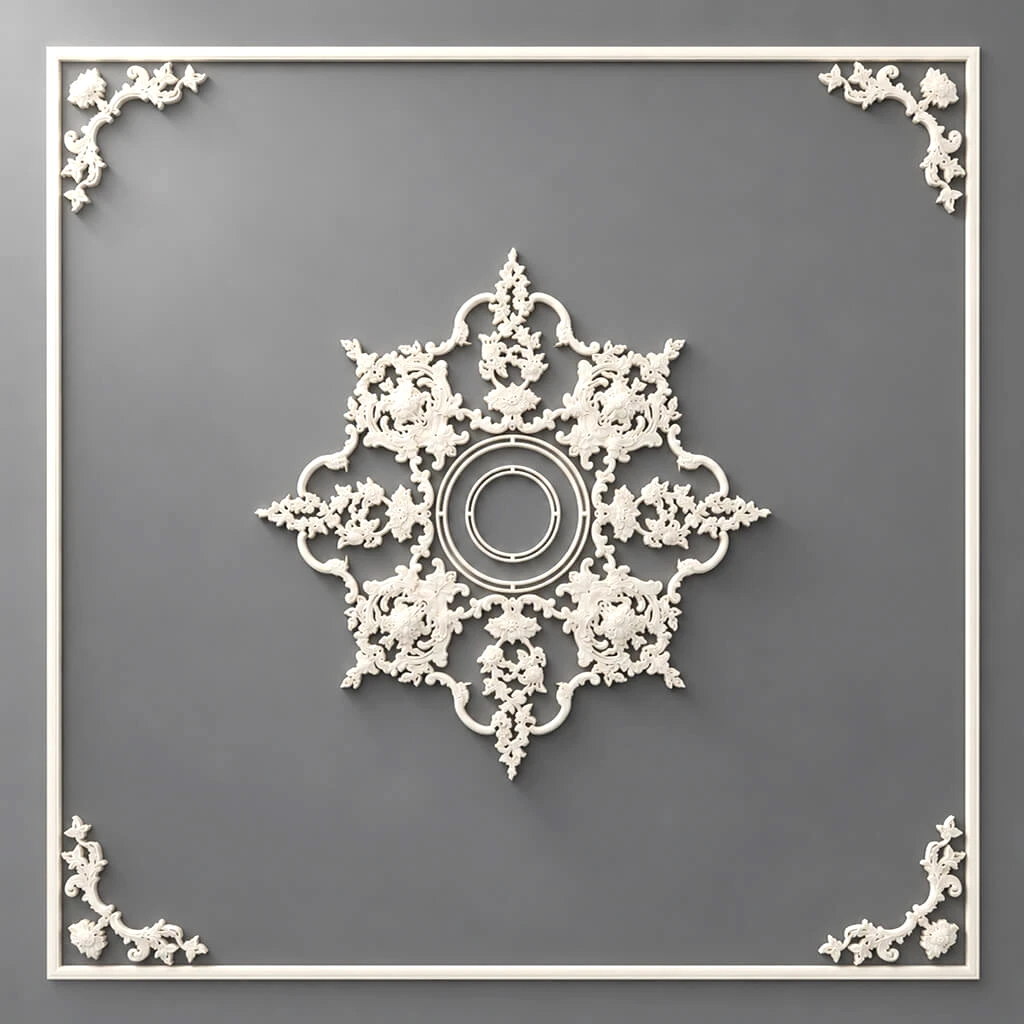
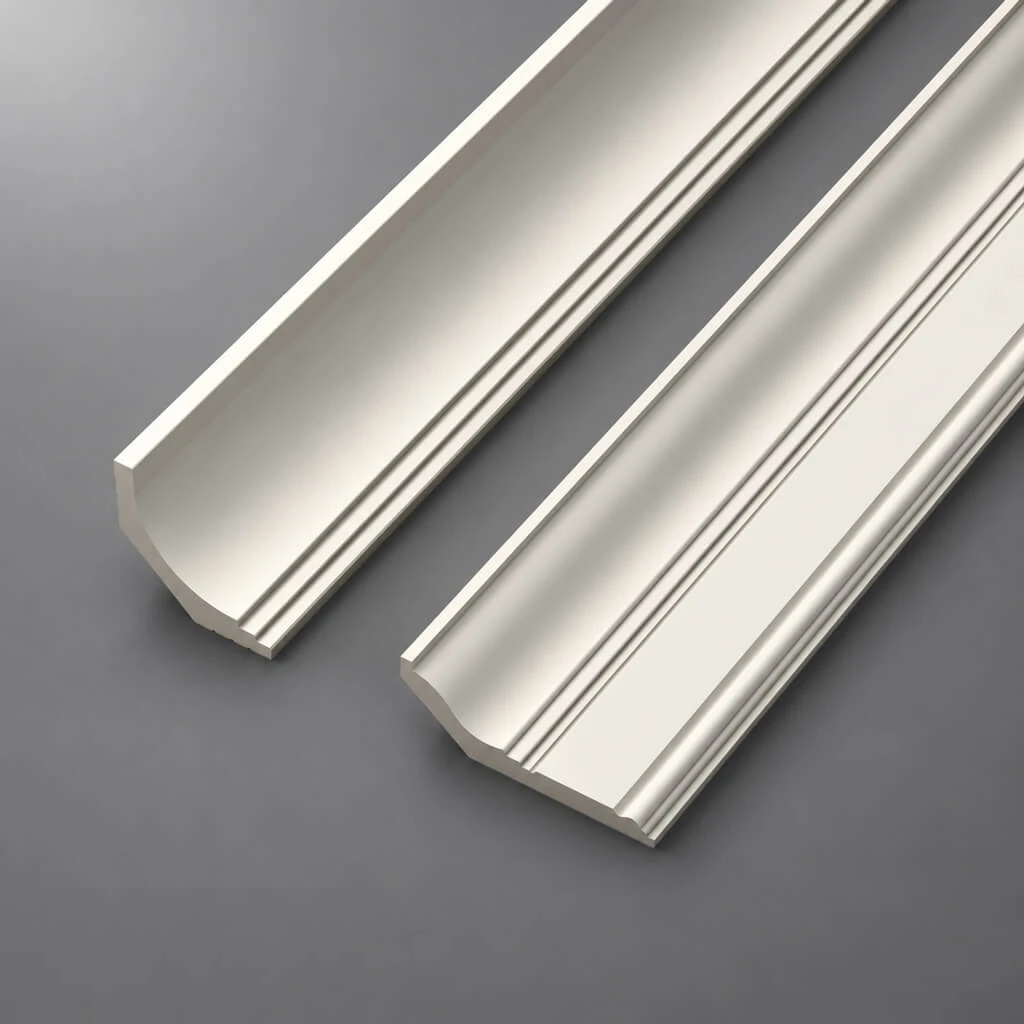
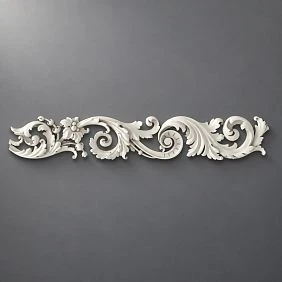
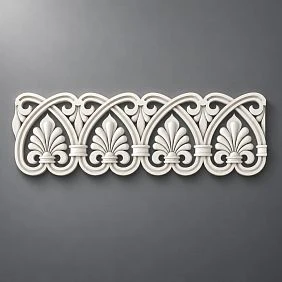
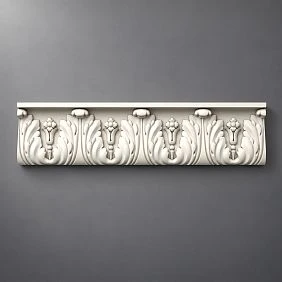
You can buy ready-made stucco matching the Baroque style. Calculate the quantity: linear meters of cornices and moldings, number of rosettes, pilasters, consoles, corner elements. Add a ten to fifteen percent allowance for trimming.in the form of a ceiling cornice is the first and most practical step. The cornice solves several tasks simultaneously:
-
It conceals the joint between the ceiling and the wall—the most problematic spot in any finish.
-
Creates a horizontal line that visually raises the ceiling.
-
Frames a slatted ceiling or slatted walls like a 'frame'.
-
Masks possible unevenness and gaps due to building settlement.
How to choose a cornice: the profile height corresponds to the room height. Up to 2.6 m — 50–70 mm profile. 2.7–3 m — 80–120 mm. Above 3 m — large profiles up to 200 mm are possible. Profile style — strict geometric for modern interiors, with ornament — for classic.
Moldings and frames: how to turn a wall into an architectural object
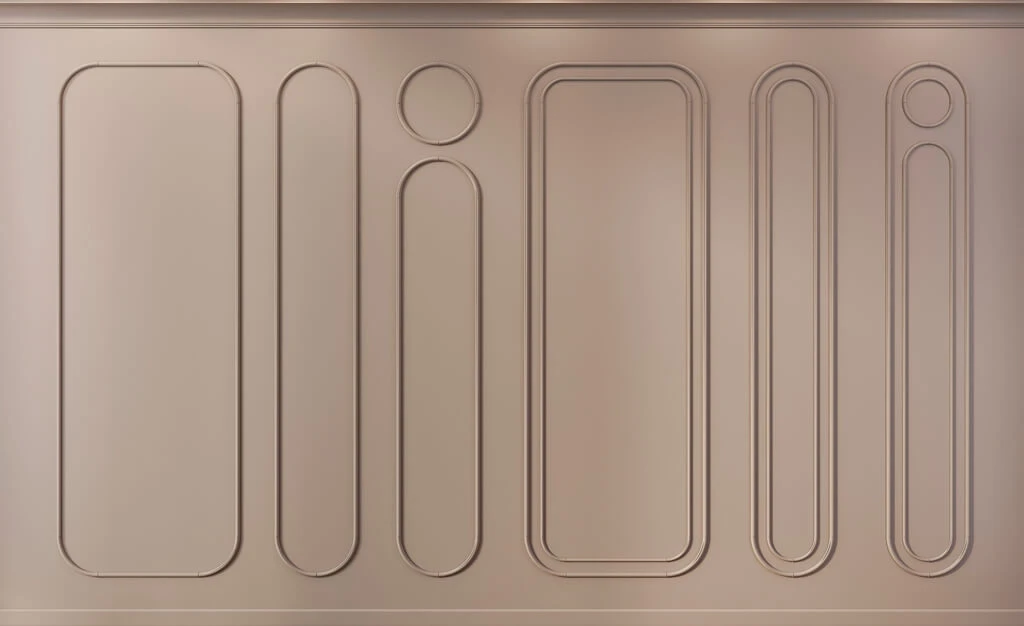
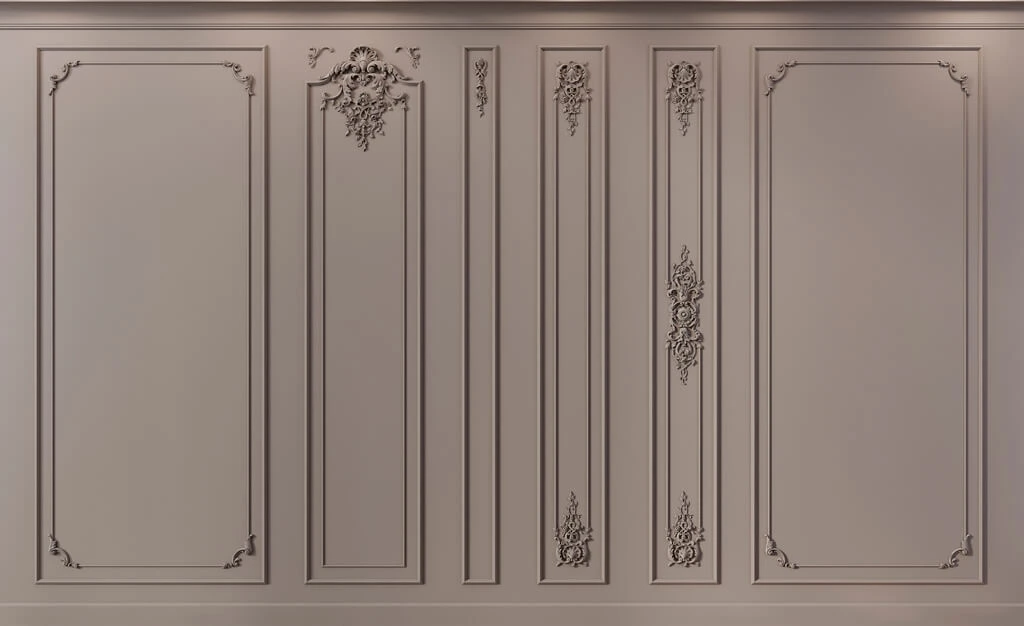
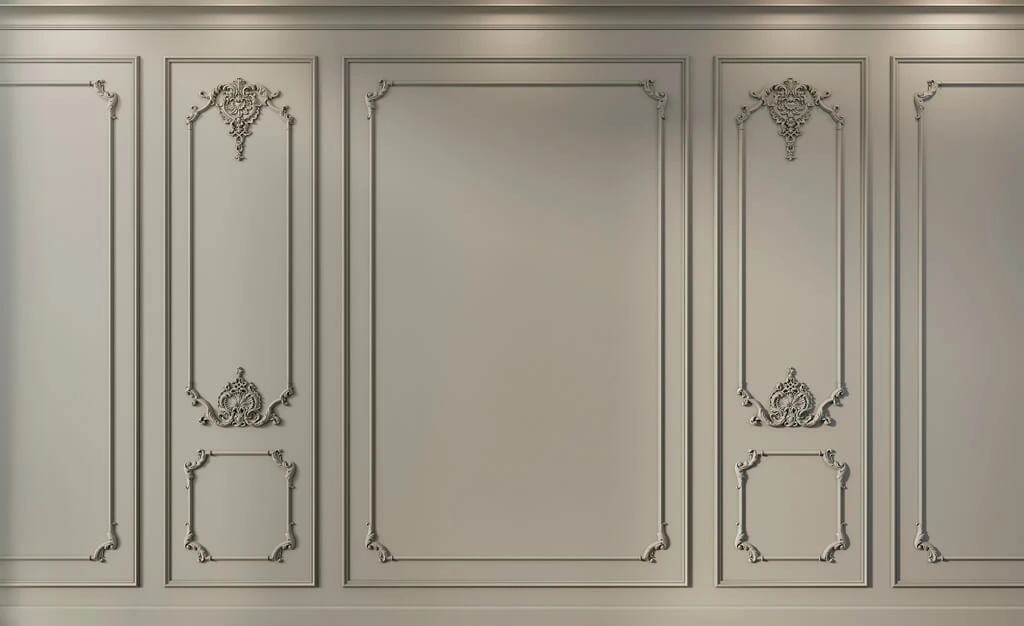
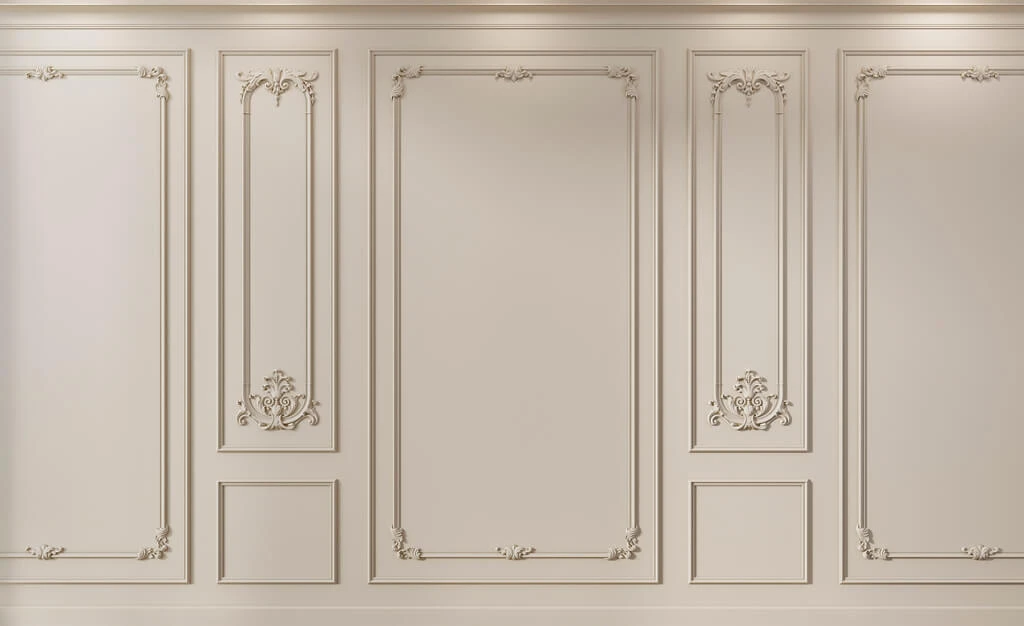
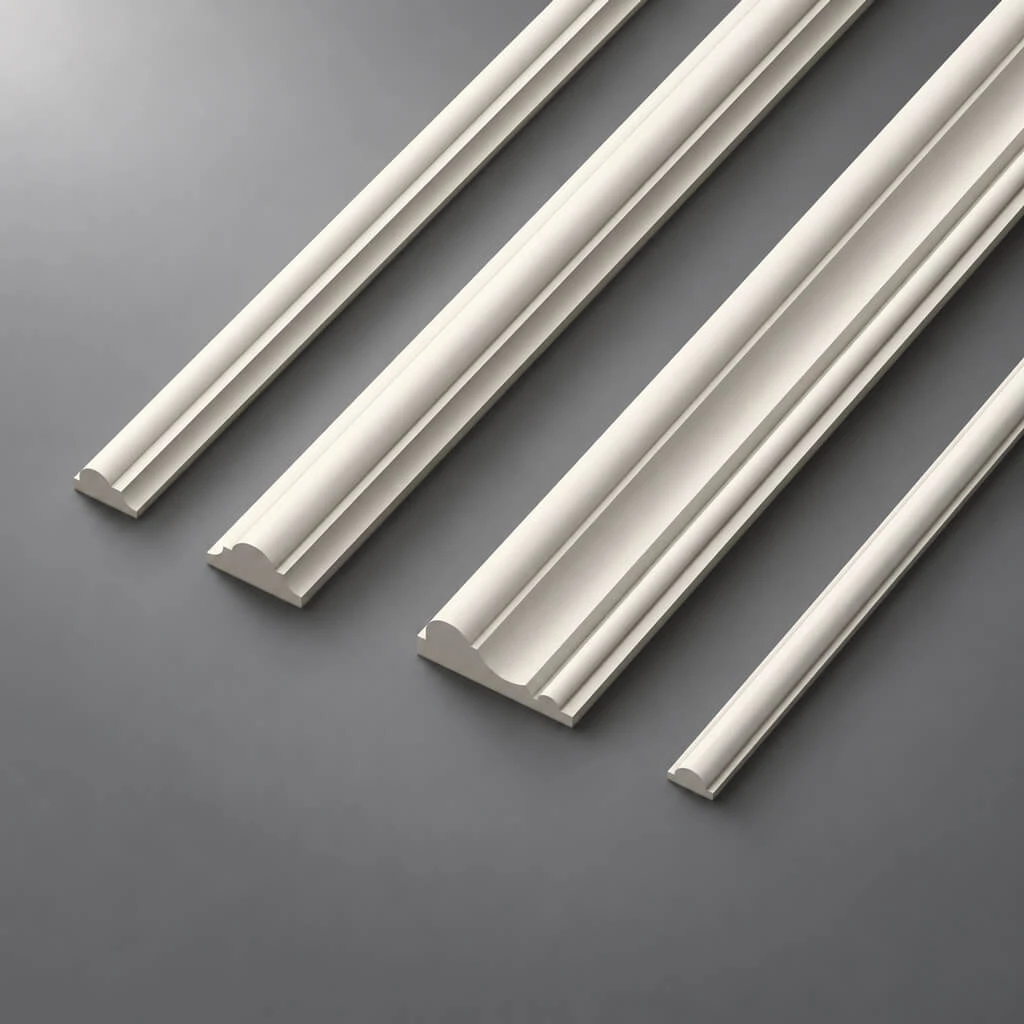
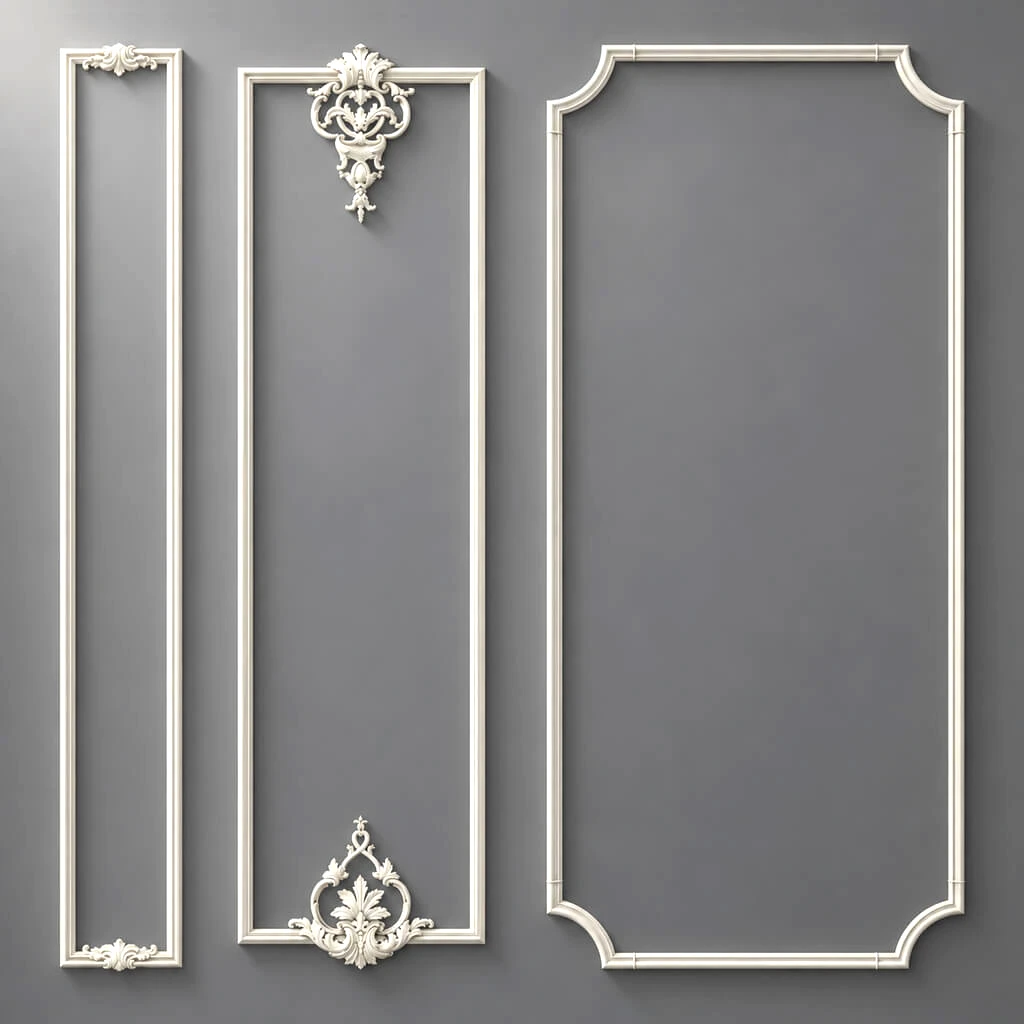
Moldings are polyurethane profiles that form frames on walls. This is a technique that came from architectural classicism — framing panels and piers with frame molding. In a modern interior, it works differently: not as a historical quote, but as a geometric accent.
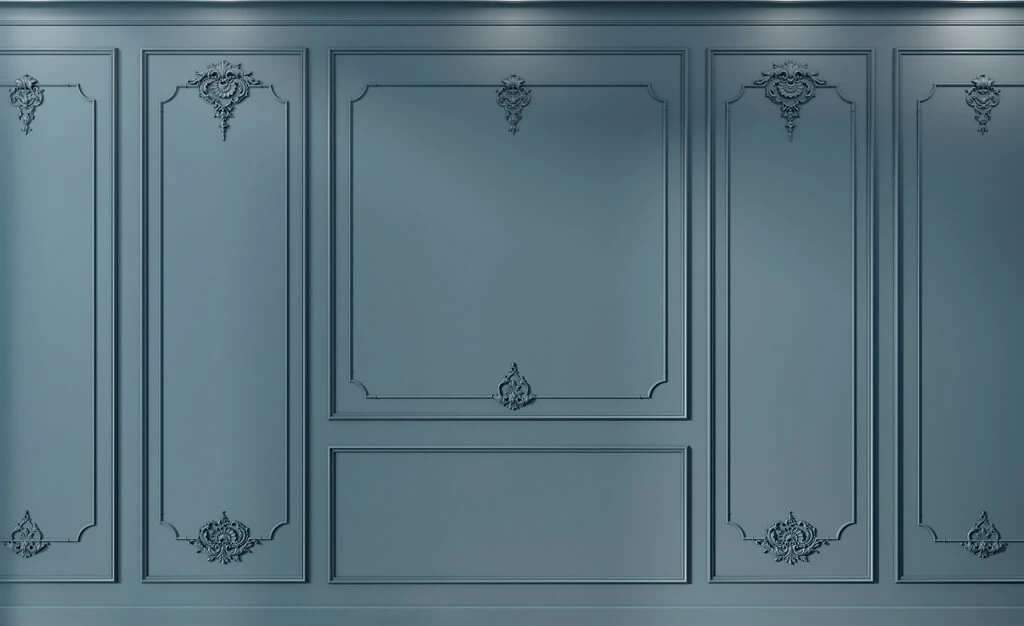
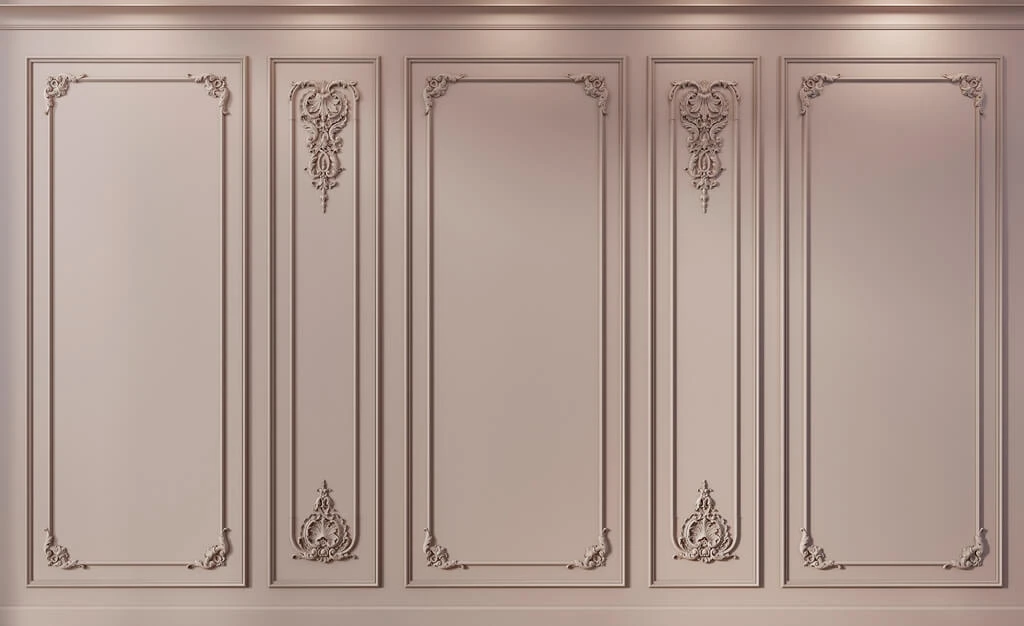
A wall decorated with molding frames over solid paint is many times more interesting than just a painted wall. Especially if the frames are matched to the wall color or in a slight contrast.slatted wall panels for interior finishingIn combination with frame moldings on adjacent walls — this is a complete interior technique, working in any style from classic to art deco.
Casings and framing of openings
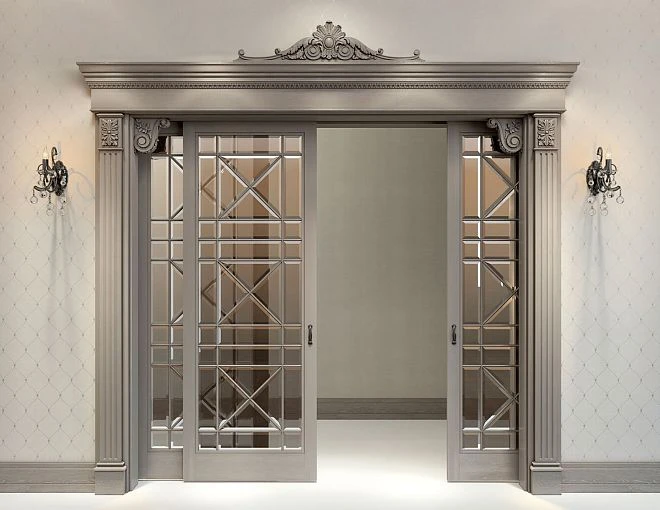
A polyurethane door or window casing is a detail that literally 'closes' the architecture. An opening with casing is a complete architectural element. Without casing — a hole in the wall. It sounds harsh, but it's true.
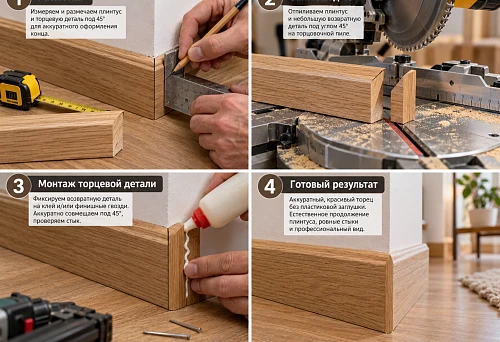
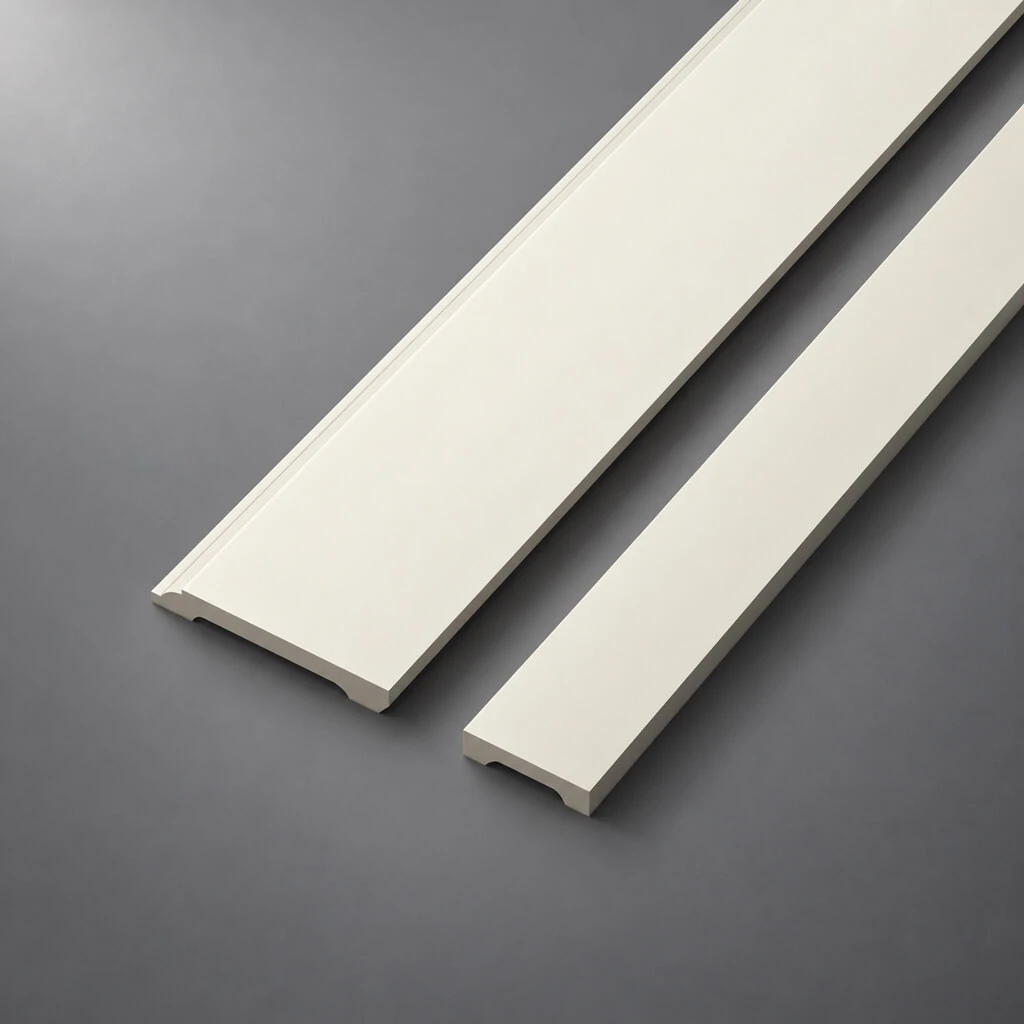
In Tyumen apartments with slatted wall panels, door casings must overlap the ends of the slats — otherwise, an untidy border will be visible at the joint. Casing width — at least 60 mm, preferably 70–80 mm. Profile — matches the cornice style.
How to combine the rhythm of slatted panels and the relief of stucco decor
This is where most people go wrong: they choose slatted panels and stucco separately — and get an interior where two decorative languages compete instead of collaborating.
Rule one: one dominates, the other accompanies. If there is a powerful slatted wall in the room, the molding should be delicate: a thin cornice, modest molding, without a rosette. If the walls are clean with frame moldings, you can afford a more saturated ceiling cornice.
Rule two: tonal unity.Wooden slat panelsWarm-toned moldings require warm white or cream. Cold gray slats require neutral or slightly cool white. Dark espresso slats are a bold option: a dark ceiling cornice or, conversely, contrasting white.
Rule three: scale correspondence. A thin 40 mm slat requires a thin 50–60 mm cornice. A wide 120 mm slat requires a cornice from 90 mm. A mismatch in scales creates visual discomfort that is difficult to explain in words but is immediately felt by the eye.
Specific combinations that work
| Slatted panel | Molded decor | Style |
|---|---|---|
| Natural oak, 90 mm slat | 100 mm cornice with profile, 50 cm rosette | Neoclassical |
| White MDF, 60 mm slat, 30 mm gap | 60 mm geometric cornice | Scandinavian |
| Dark thermowood, 80 mm slat | Cornice 70 mm straight profile | Loft, industrial |
| Gray oak, 100 mm slat | Frame moldings, 90 mm cornice | Modern Classic |
| Graphite MDF, 70 mm slat | Cornice 80 mm, thin molding | Art Deco, dramatic |
How to evaluate material quality: not by photo and not by price
Price is a poor guide for assessing the quality of finishing materials. Expensive can be overpriced. Cheap can be unexpectedly good. Other criteria are important.
Evaluation of slatted panels
Geometry. Take a slat and look along its axis. Is it straight? Without twisting? A good slat has perfect geometry. A twisted slat will create waves and unevenness during installation.
Joining. Connect two battens end to end. Is the gap minimal? Is the joint clean? Good material has precise geometry along its entire length—this is especially important forslatted panels made of MDFthose produced by machine and should be perfectly calibrated.
Surface. Oil finish: run your finger over it—matte, slightly 'alive' to the touch, not slippery. Varnish finish: smooth, even, without bubbles or drips. MDF film: flat, without blisters or edge delamination.
Back side. Look at the reverse side of the batten. Quality solid wood is evenly finished, without rough tear-outs. MDF is flat, without delamination.
Evaluating polyurethane decor
Weight. Polyurethane is light—that's its advantage. But too light means too porous, with low density. A good polyurethane cornice feels noticeably denser than a 'hollow' one. Tap it—the sound is dull, without resonance.
Pattern. The ornament is clear, without blurred lines, symmetrical. Casting defects—blurred edges, bubbles on the surface—are signs of low-grade product.
Flexibility. Try gently bending the sample—some elasticity is acceptable. If the cornice breaks with light effort—poor polymer quality.
Mistakes when buying batten panels by photo and price: what happens in reality
First mistake: color doesn't match the screen
The monitor or smartphone screen shows one thing. The actual material under your lighting is another. Warm oak in a photo looks amber. In your apartment with cool LED lights, it may appear grayish-brown. Order physical samples and compare under your own lighting.
Second mistake: scale doesn't match the actual space
In online photos, beautiful wide slats are 150 mm. You take them into a 12 m² room. The result — the slats 'eat up' the wall, the space shrinks. The scale of the slats must correspond to the scale of the room.Slatted panels in interior design— it's always about working with proportion, not reproducing a liked picture.
Third mistake: additional elements not considered
Bought the slats. Great. But forgot about the starter profile, corner strips, finishing rail. During installation, it turns out that without them, corners aren't closed, joints with the floor look amateurish.installation of slatted panels on the wall— it's a system, not just 'screw on the planks'.
Fourth mistake: took different batches
The color of slatted panels of the same article may slightly differ from batch to batch — especially in solid wood. If you took half the volume now, and the second half a month later from a new batch — the joint may be noticeable. Order the entire volume in one order with a 10–15% reserve.
Fifth mistake: forgot about stucco framing
We bought slatted panels, installed them, and the ceiling and walls were left without framing. The result is a beautiful panel hanging in 'nothingness'.Relief Decoration— this is not an additional option, but part of the system. Cornices, molding along the top edge of the panels, trims — without them, a slatted wall looks unfinished.
Slatted panels for facades in the Tyumen climate: a separate conversation
The Tyumen climate is a serious test for facade materials. Frosts down to −40°C, summer heat, snow, rain, ultraviolet.Slatted Façade Panels— for such conditions, only special materials.
Thermowood: wood that has undergone high-temperature treatment in a steam environment. Acquires a dark, uniform color, practically zero water absorption, high resistance to fungus and rot. For Tyumen conditions — one of the best options.
WPC (wood-polymer composite): a polymer matrix with wood filler. Does not rot, does not delaminate, resistant to UV. Wide color palette. Minus — at −40°C it may become more brittle under mechanical impact. Choose brands with confirmed low-temperature testing.
Larch: the only coniferous species that is resistant to moisture without chemical treatment. The resin composition of the wood itself acts as a preservative. For Tyumen — a traditional and proven choice.Slatted panel on the facade— made of larch — is durable and organic.
Modular systems: when slats become a constructor
slatted modular wall panel— this is a fundamentally different product compared to linear rails. A module is a ready-made element of a fixed size (most often 600×2400 mm or 600×1200 mm), in which the rails are already mounted on a supporting substrate.
Advantages of the modular system:
-
Quick installation — the module is attached as a whole, not rail by rail.
-
Uniform spacing — the geometry is set by production, no manual errors.
-
Convenience for DIY —DIY Batten Panelsin modular format is significantly easier than working with linear materials.
-
Transportation — more compact and convenient for delivery to Tyumen.
Disadvantage: less freedom in rail spacing and gap width. You take what the manufacturer has assembled into the module.
Flexible rail panels: non-standard surfaces and curvilinear architecture
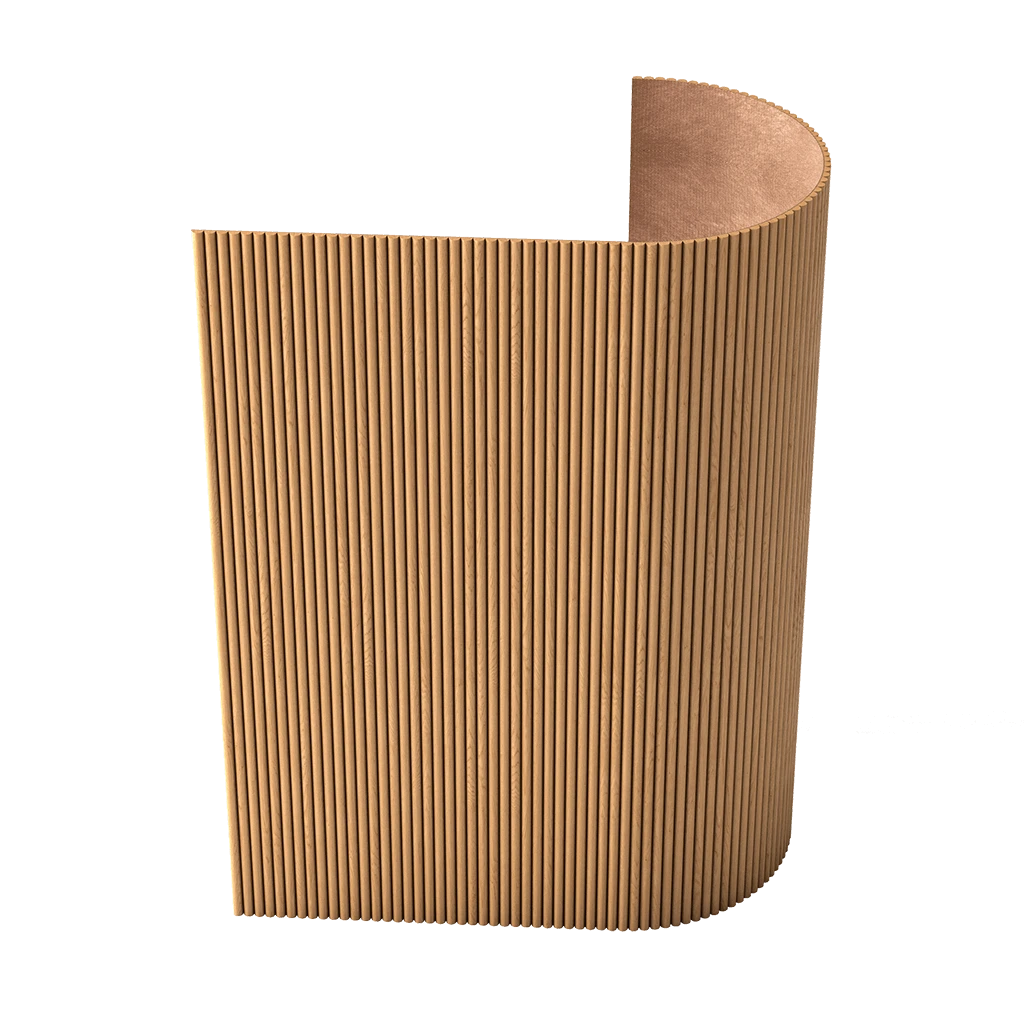
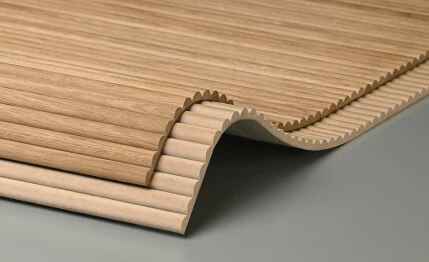
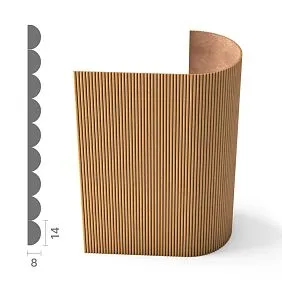
soft slat panels— this is a product for those who want a rail surface on an arch, column, radius wall, or curvilinear ceiling. Flexibility is achieved through a fabric or polymer base to which rails are attached with a specific spacing.
In Tyumen, flexible slat panels are relevant for:
-
Decorating arched openings between rooms.
-
Cladding columns in open-plan living rooms.
-
Radius niches in children's rooms and bedrooms.
-
Curvilinear partitions in studios.
Installation of a flexible panel requires a properly prepared substrate — the base must be clean, level, and have the correct bend geometry.
STAVROS: a system supplier for Tyumen projects
If you're looking for where to buy slat panels in Tyumen and don't want to assemble your interior from random items of different suppliers — STAVROS is exactly what you need.
STAVROS is a manufacturer and supplier that offersRafter panelsandpolyurethane decoras a unified finishing system. There are no random items here — there is a well-thought-out catalog where every slat, every cornice, every molding is created with an understanding of how they work together.
In the STAVROS catalog —Slatted wall panelsMade from oak, ash, thermally modified wood, and MDF in a wide range of sizes and finishes. Contact us to confirm shipping to your destination. includes Tyumen — your order arrives with clear installation instructions and a system of additional elements.
Polyurethane moldingSTAVROS offers cornices, moldings, trims, and profiles, selected in unified profile series. You can choose a cornice and molding from the same series — and achieve guaranteed tonal and stylistic unity.
Work with STAVROS systematically: create a list from a single point, receive samples and compare, calculate volume using a matrix of zones and needs. This is how interiors are built that look expensive, cost reasonably, and last long.
FAQ: answers to popular questions about slatted panels and molding for Tyumen
Can slatted panels be ordered online with delivery to Tyumen?
Yes. STAVROS delivers across all of Russia. Before ordering, it is recommended to request samples — they will help ensure the correctness of the tonal choice under your lighting.
Which material for slatted panels is best suited for the Tyumen climate with dry winters?
For residential spaces — solid wood with an oil finish or MDF with a film. Oil allows the wood to adapt to humidity without cracking. MDF with a film is maximally stable against climatic fluctuations.
How to calculate the number of slatted panels for a wall?
Wall area (m²) multiplied by the fill factor (slat width / (slat width + gap)). Add 10–15% to the result for cutting and reserve. When ordering, specify the panel length — this affects the number of joints.
Is it mandatory to use molded decor together with slatted panels?
No. But in most cases, a cornice around the perimeter makes the solution visually complete. Without framing, a slatted panel looks like an unfinished structure.
How to avoid color mistakes when ordering online?
Always order physical samples. Look at them under both daytime and evening lighting in your space. Do not make a decision based on photos on a screen.
What gap between slats to choose for a bedroom wall?
Optimally — 15–25 mm. A wide gap creates airiness but requires hidden lighting for effect. A narrow gap — warmth and coziness without additional equipment.
Is polyurethane decor suitable for a hallway in a Tyumen apartment?
Perfectly suitable. Polyurethane is not afraid of humidity fluctuations, lightweight, and easy to install. A cornice in the hallway is one of the simplest and most effective investments in the completeness of the interior.