
























Article Contents:
- What is a wall decor kit
- Why a ready-made kit is more convenient than selecting elements individually
- No need to understand molding systems
- Reduced risk of scale errors
- The composition looks complete
- Easier to calculate the number of elements
- Convenient to repeat the rhythm on multiple walls
- Choosing the level of decorativeness
- What types of wall decor kits are available
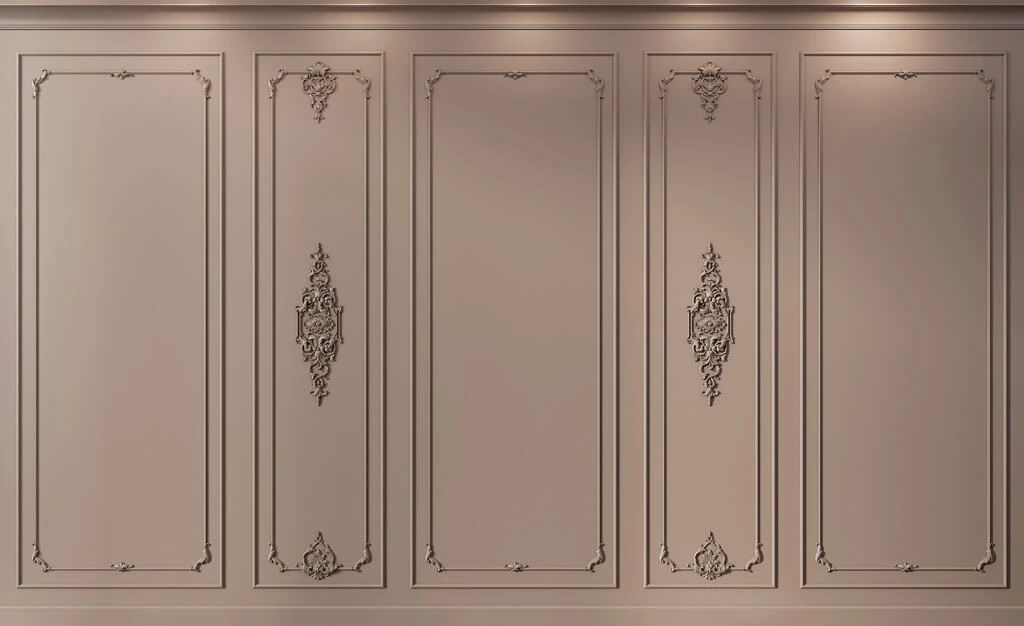
- Vertical decorative posts
- Frame decorative panels
- Accent wall kits
- How to choose a decor kit for your interior style
- Neoclassicism
- Japandi and modern interior
- Classic and the Versailles collection
- Where to use ready-made wall decor kits
- Living Room
- Bedroom
- Hallway and corridor
- TV Area
- How to calculate the number of kits for a wall
- One kit — a single accent
- Two sets — a symmetrical pair
- Three to five sets — a rhythmic series
- Mistakes when choosing a wall decor set
- Where to buy polyurethane wall decor sets
- FAQ: answers to popular questions about wall decor sets
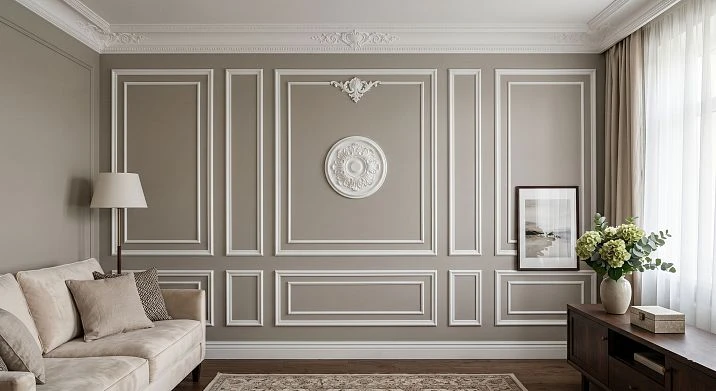
Imagine this: you want to beautifully decorate a wall — with molding frames, corner inserts, a central accent. You open a catalog. One molding is here. Corner elements are there. Overlays are on another page. Rosettes are in a separate section altogether. How do you know what goes with what? How do you avoid mistakes with proportions? How do you ensure the molding profile and overlay depth are visually compatible?
It is precisely to completely eliminate this issue thatpolyurethane wall decor sets. A ready-made system: everything is already selected, coordinated in scale and style, designed as a single wall composition. The buyer only needs to choose a collection, determine the number of sets — and start installation.
Polyurethane wall decorin the format of ready-made sets — this is not a compromise or a "simplified" version of full-fledged decor. It is a design solution where a significant part of the professional work has already been done for the buyer: selection, proportioning, stylistic consistency. The result is an interior that looks like it was designed by an experienced decorator.
What is a wall decor kit
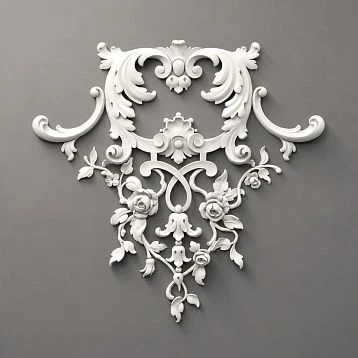
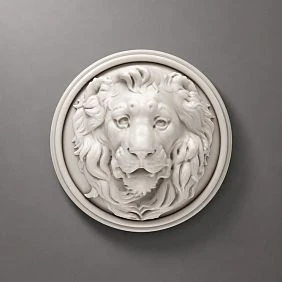
Before discussing selection, it's important to understand the concept.set of stucco decor— it's not a set of random elements in one package. It's a designed system where each element performs a specific function within the overall wall composition.
Depending on the type of kit, its composition may include:
-
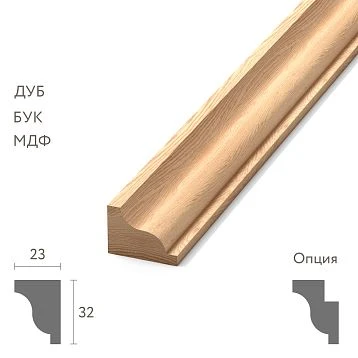
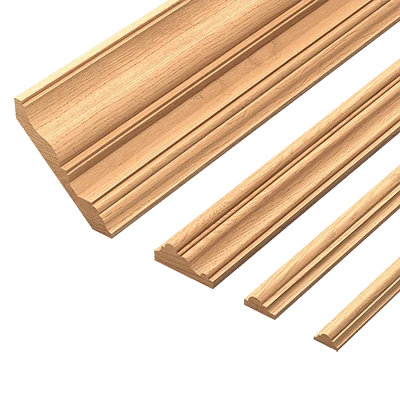
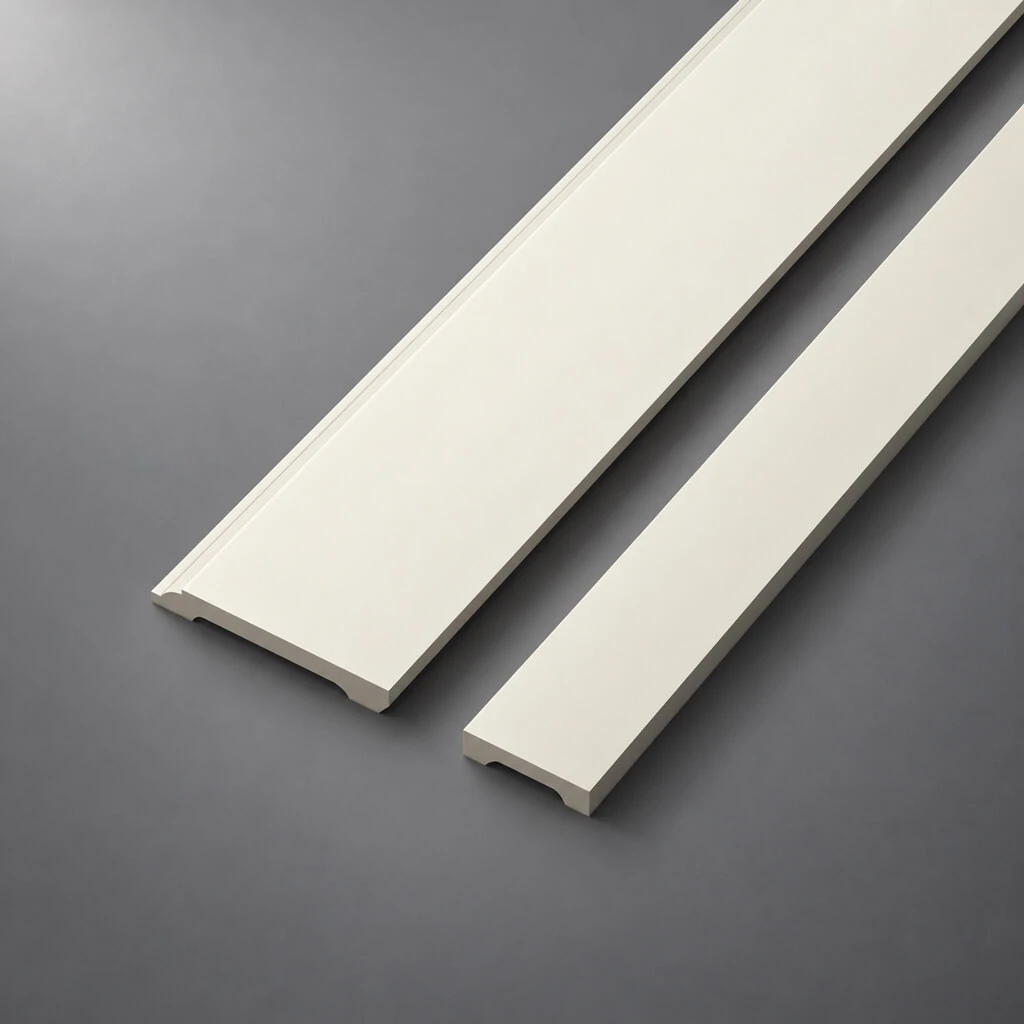
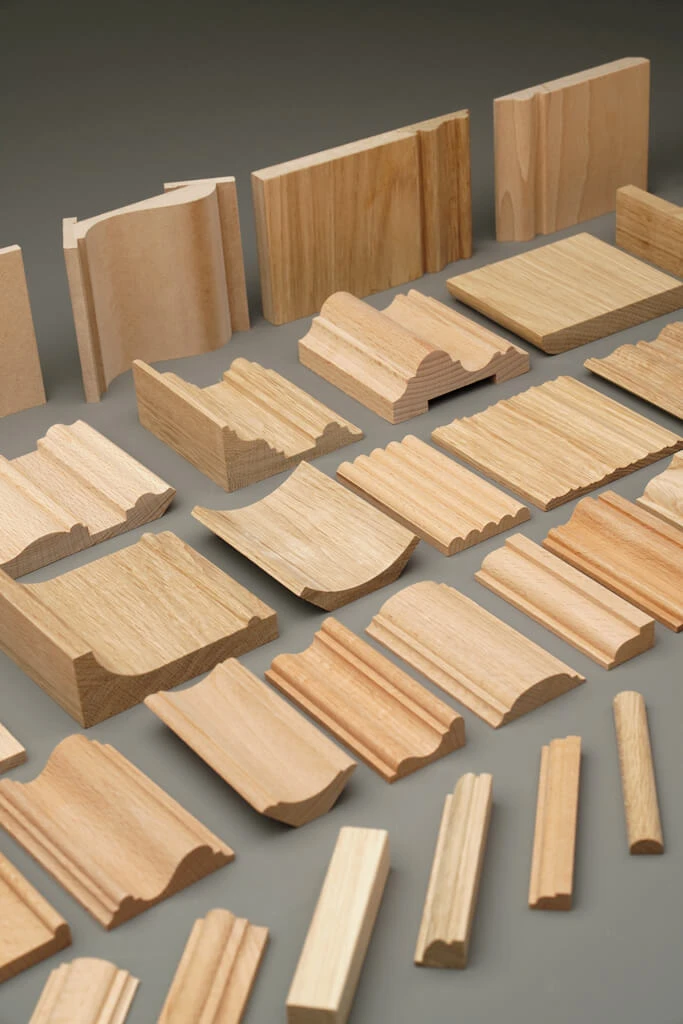
Molding profiles — linear strips for creating a frame or outline. Horizontal, vertical, along the perimeter of the frame field;
-
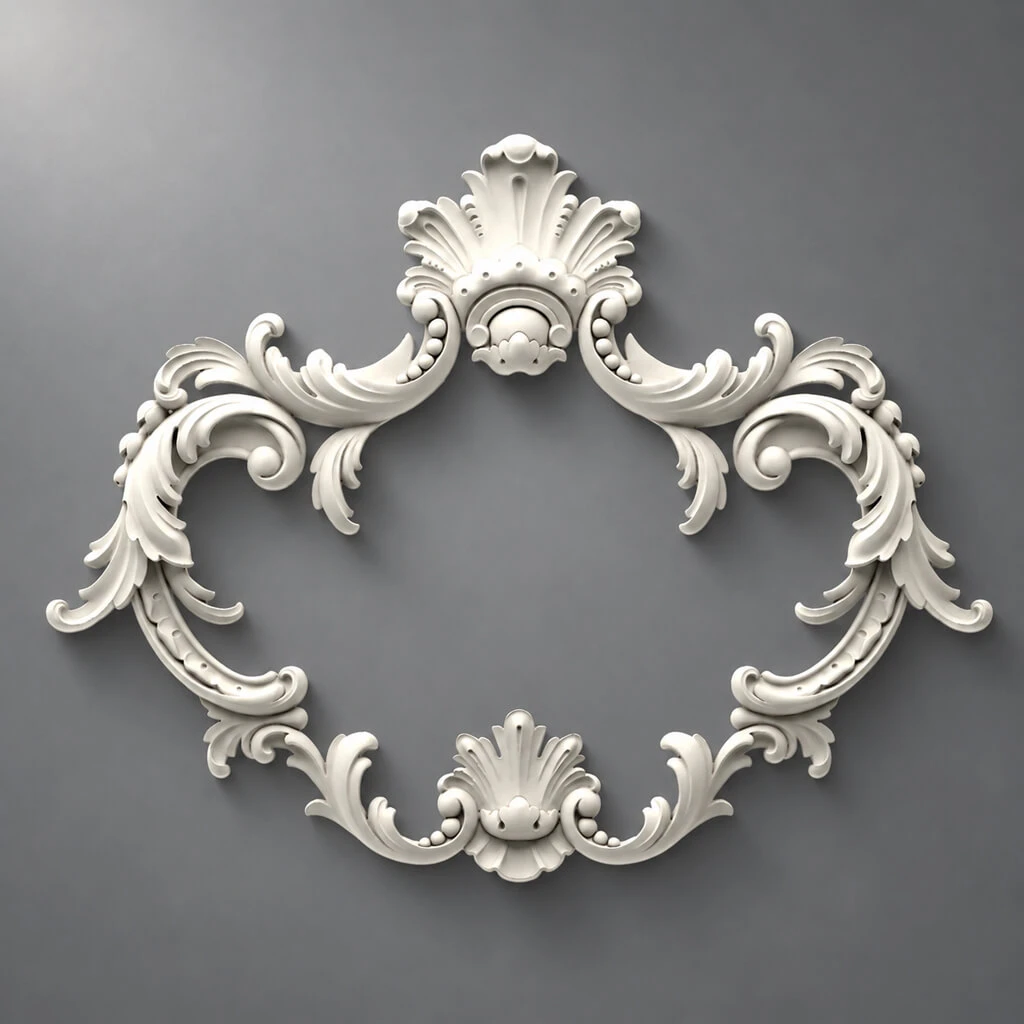
Corner decorative inserts — elements for designing the intersection points of moldings. They cover joints and create an ornamental node;
-
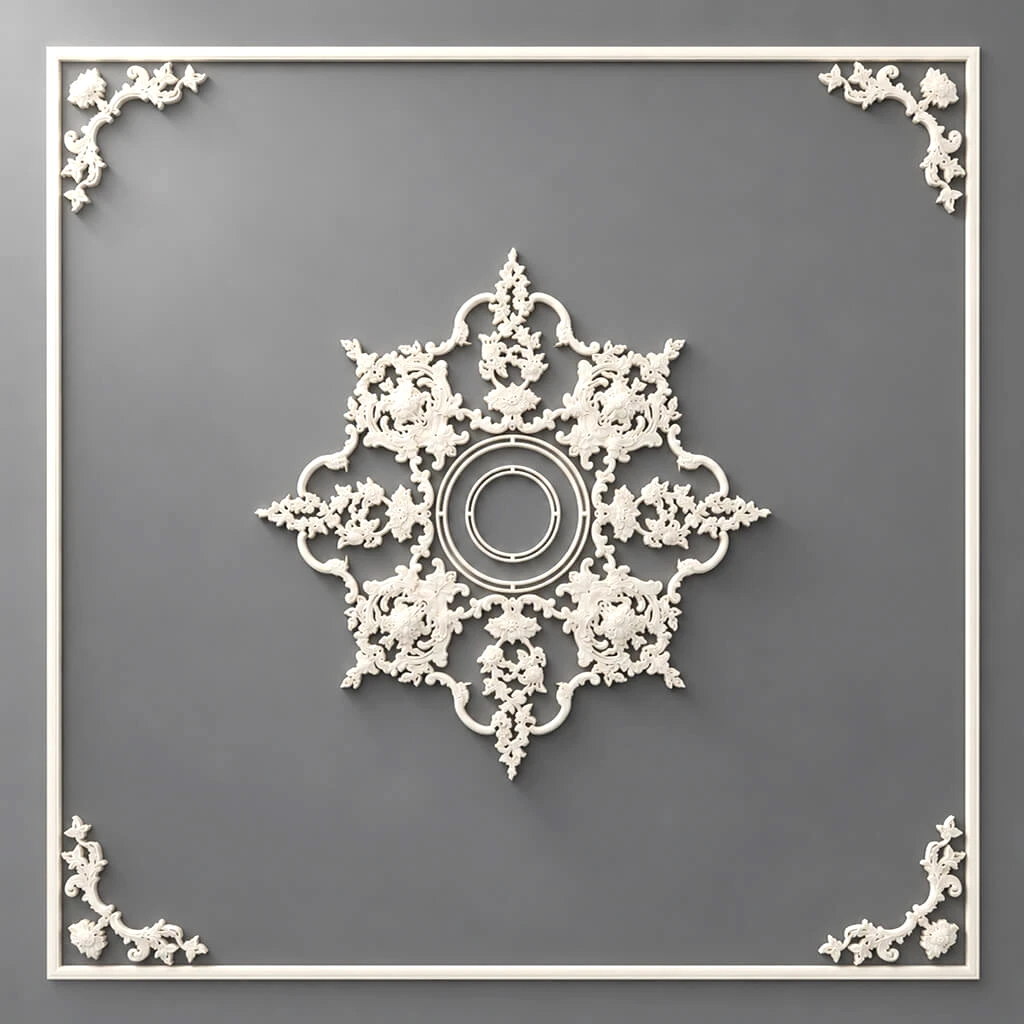
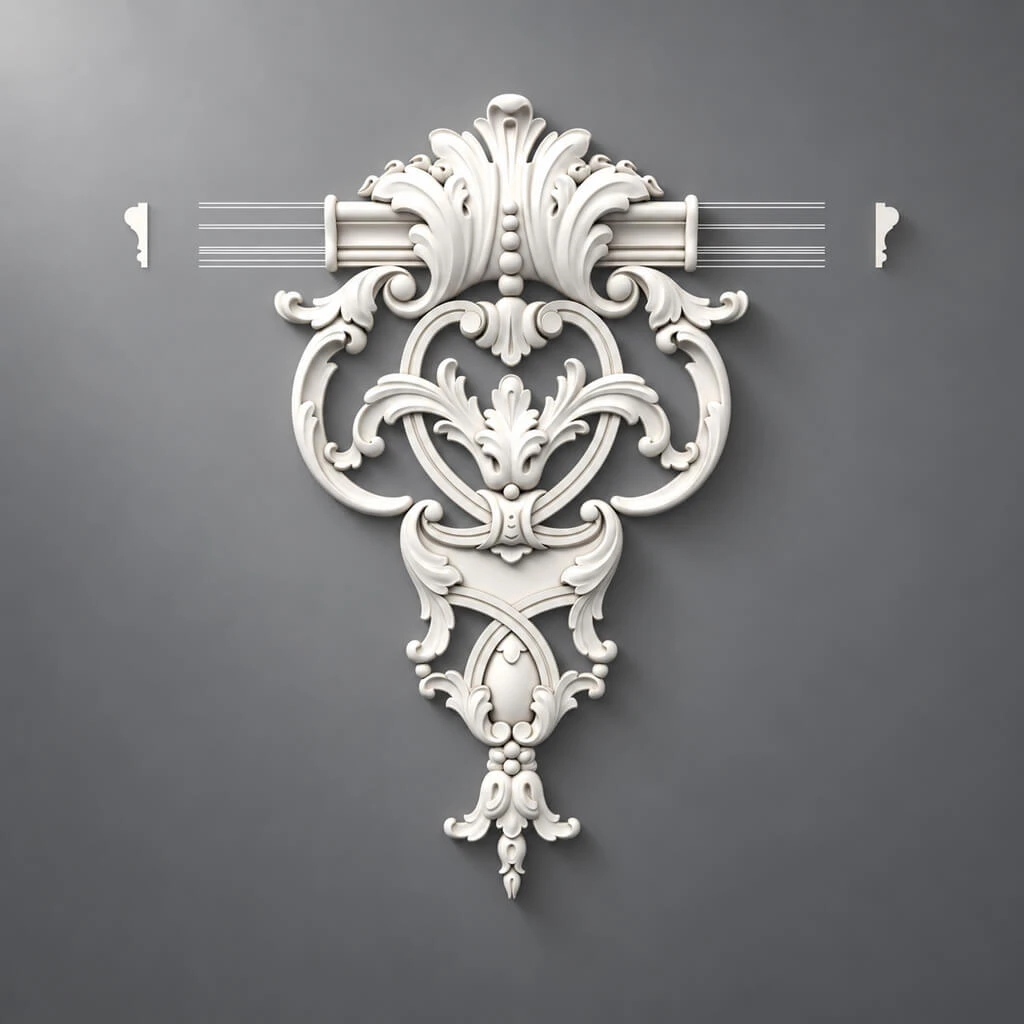
Central overlays or rosettes — a focal accent in the center of the frame field or at an arbitrary point on the wall;
-
Intermediate ornamental inserts — elements in the center of long horizontal runs, creating rhythm and detail;
-
Side accents — a pair of symmetrical elements on the sides of the central axis.
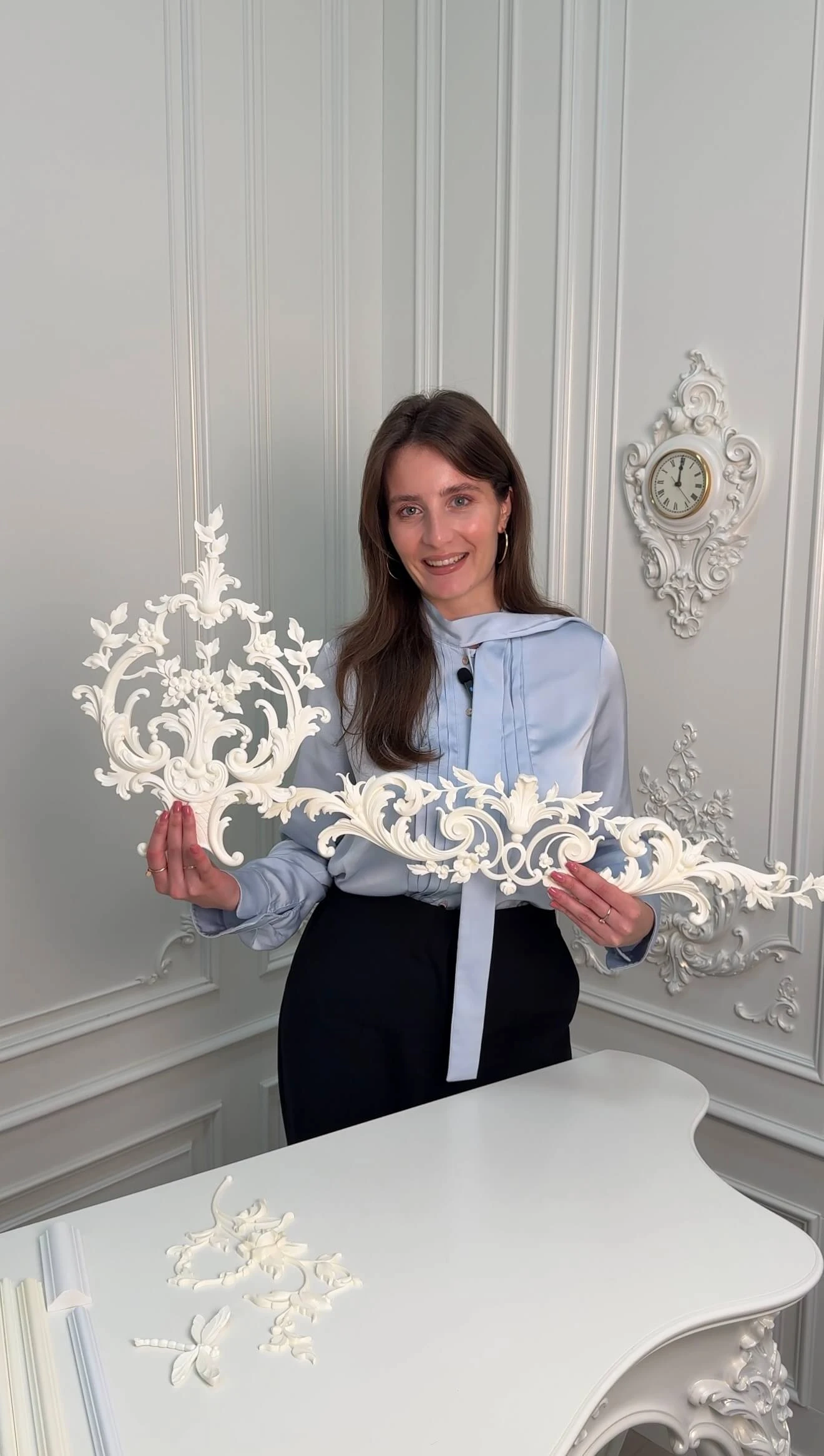
ready-made wall decor setdiffers from a set of disparate elements by two key properties. First, all elements in it belong to one collection and are designed in a unified style. Second, the proportions of the elements are coordinated: the width of the molding matches the scale of the corner insert, the depth of the overlay matches the thickness of the profile, the size of the rosette matches the intended frame field.
Sculptural wall decorationin the form of ready-made kits is convenient in several scenarios:
-
A private buyer without experience with architectural decor gets a ready-made solution without needing to understand molding systems;
-
An interior designer saves time at the selection and specification stage: takes a kit, multiplies by the number of repetitions — the specification is ready;
-
A construction crew gets a clear system for installation: the kit's composition determines the sequence and installation points for each element.
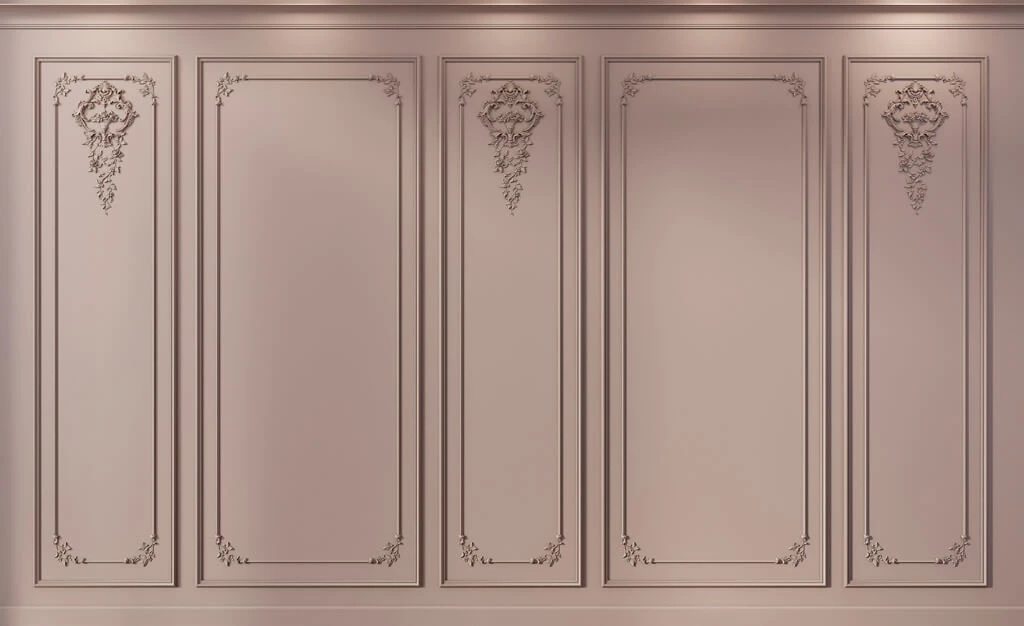
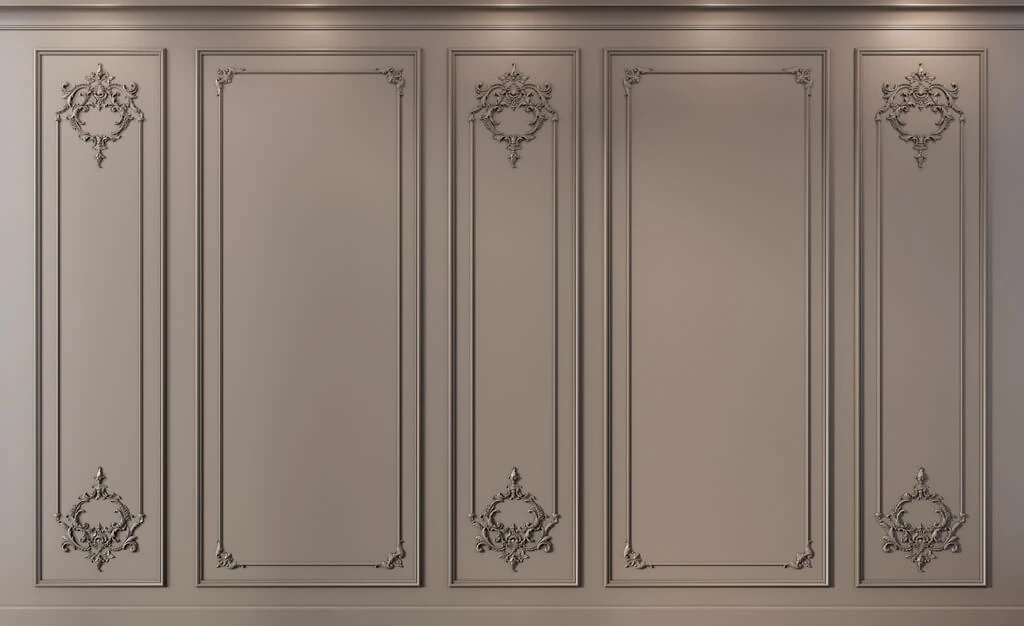
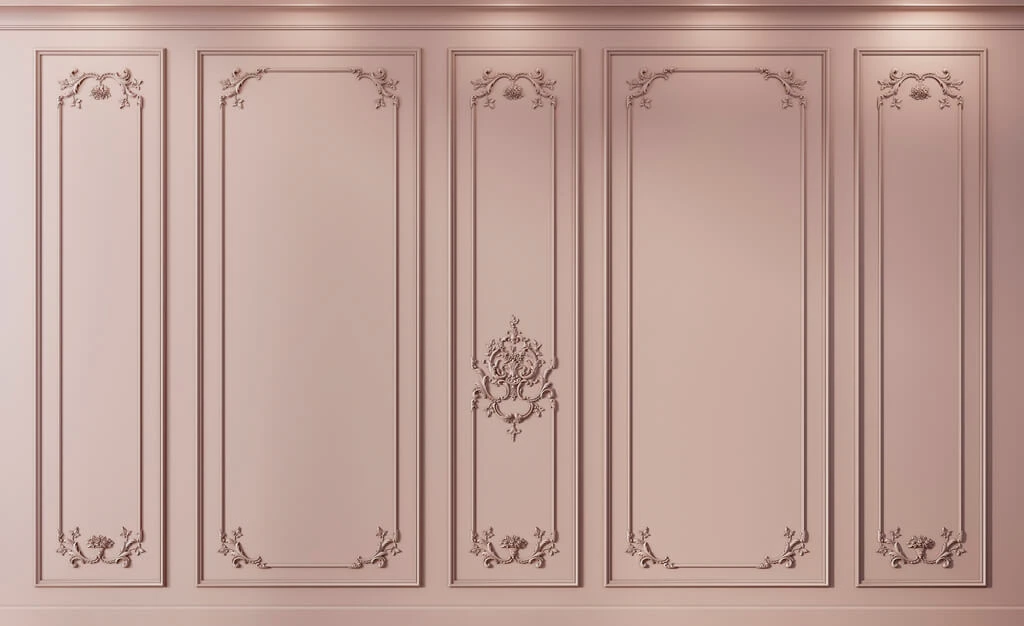
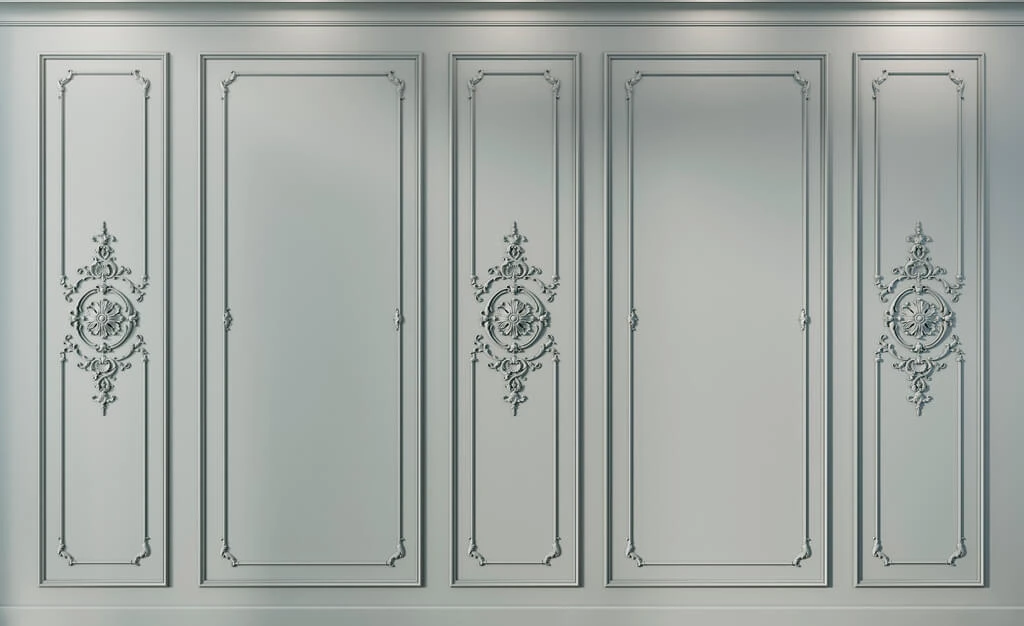
Ready-made stucco kitsSTAVROS are structured by collections and formats. Collections: "Neoclassic", "Neoclassic Light", "Japandi", "Versailles", "Versailles Light", "Botanical Garden", "Petersburg", "Peterhof", "Tsarskoye Selo", "Pavlovsk". Formats: vertical stands, frame panels, accent kits for one wall. The variety of formats allows you to cover any task — from a minimalist accent to full architectural design of several walls.
Why a ready-made kit is more convenient than selecting elements individually
This question is asked by everyone who encounters wall decor for the first time. "Why buy a kit if you can assemble it yourself?" The answer is not that self-assembly is impossible. The answer is that self-assembly requires expertise that most buyers lack. And that mistakes are costly — both in money and in results.
Our factory also produces:
No need to understand molding systems
Professional selection of moldings for a specific wall is a task that includes knowledge of collections, understanding of proportions, and experience with wall compositions. Without this experience, there is a high risk of choosing a molding that will be "lost" on a large wall, or a corner insert that visually does not match the selected profile.
Ready-made solutions for wall decor take care of this task: all the selection work has already been done by the collection's developers.
Get Consultation
The risk of scale errors is reduced
The most common mistake in wall decor is a mismatch between the scale of the elements and the scale of the wall. A molding that is too thin on a high wall. A corner insert that is too small for a wide profile. A rosette that is too large in a narrow frame.
inwall decor kit all proportions are already verified. The corner insert is made for a specific profile. The rosette is designed for a specific frame field size. This is not an assumption — it is an engineering solution built into the kit's design.
The composition looks complete
Architectural decor is a system. A single molding without corner elements is an incomplete structure. A corner insert without a molding is a detail without context. A rosette in the middle of an empty wall is a question without an answer.
Ready-made stucco kit is a complete statement. All elements are connected into a single system. The result of installation is a finished decorative panel, not a set of individual parts on the wall.
Easier to calculate the number of elements
When selecting independently, calculating the quantity is a separate task: how many linear meters of molding are needed for one frame? How many corner inserts? How to account for the margin? Where to consider trimming?
With a kit, it's different. One kit = one frame panel. Need three panels on the wall — three kits. Need four accent posts in the piers — four kits. The logic is clear, the calculation is simple.
Convenient to repeat the rhythm on multiple walls
Rhythm is a key principle of wall decor. A repeating element at equal intervals creates an architectural rhythm that is perceived as part of a well-thought-out space.
Ifbuy a wall decor kitand use it several times with the same step along a wall or across multiple walls — the rhythm will be preserved automatically. All repetitions are identical: the same elements, the same proportions, the same profiles.
Choosing the level of decorativeness
The STAVROS collections are structured by decor density: from minimalist ("Neoclassic Light", "Japandi") to rich ("Versailles", "Peterhof", "Pavlovsk"). This allows you to selectready-made polyurethane wall decorfor any task: a calm modern interior or full-fledged palace-level classic.
What types of wall decor sets are available
The formats of sets in STAVROS are designed for specific usage scenarios. Understanding which one you need means answering the question: what task does the wall face?
Vertical decorative posts
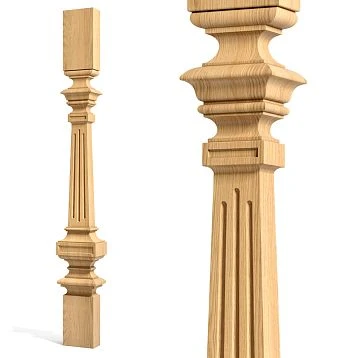
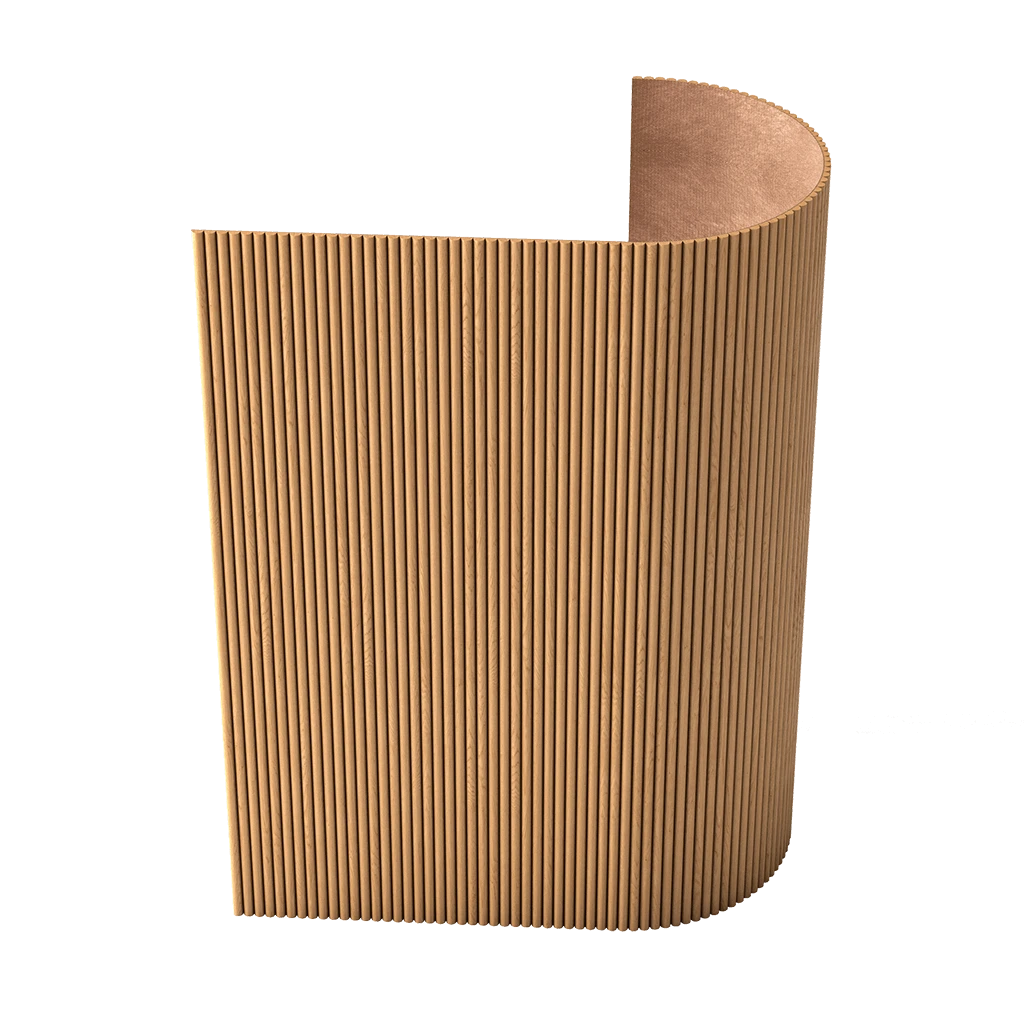
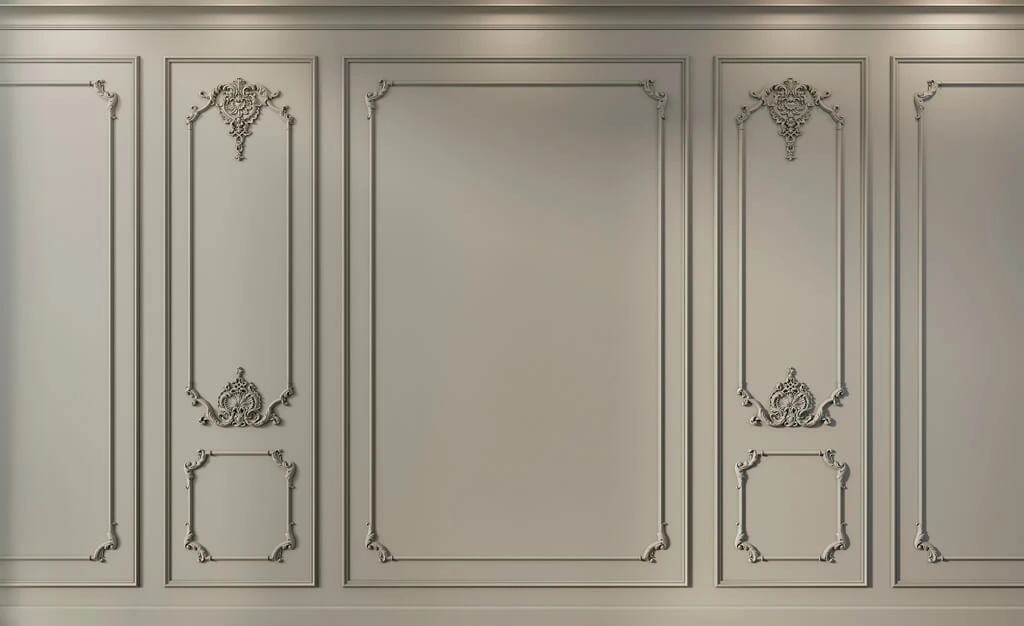
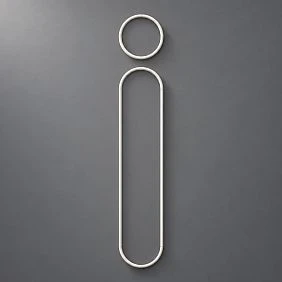
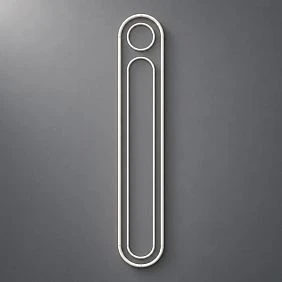
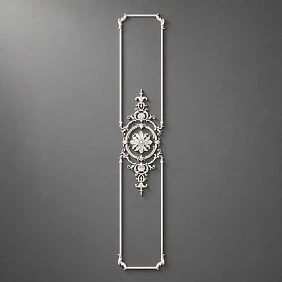
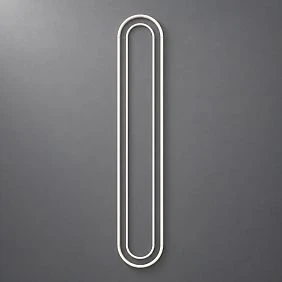
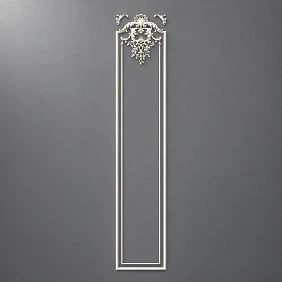
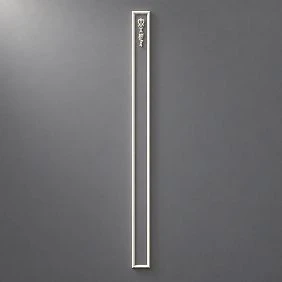
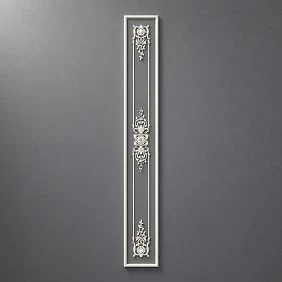
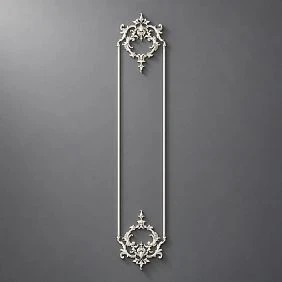
A vertical decorative stand is a molding profile running from the baseboard level to the ceiling cornice level, with an ornamental accent (insert or overlay) in the center or upper part.
Where this format works:
-
Spaces between windows. A vertical stand in the space between windows turns passive space between windows into an architectural wall element.
-
Areas on the sides of a door or arch. Two symmetrical sets on the sides of a doorway is a classic technique from palace hall architecture.
-
Corridor. A series of vertical stands at equal intervals along a long corridor wall creates a rhythm that visually organizes and decorates a long narrow space.
-
Area on the sides of a mirror or painting. Two vertical sets on the sides of a mirror is an elegant framing that does not overload the space.
polyurethane wall decorin the format of vertical stands is the most concise type of set. Suitable for modern interiors, japandi, neoclassicism, and for rooms where high density of decor is undesirable.
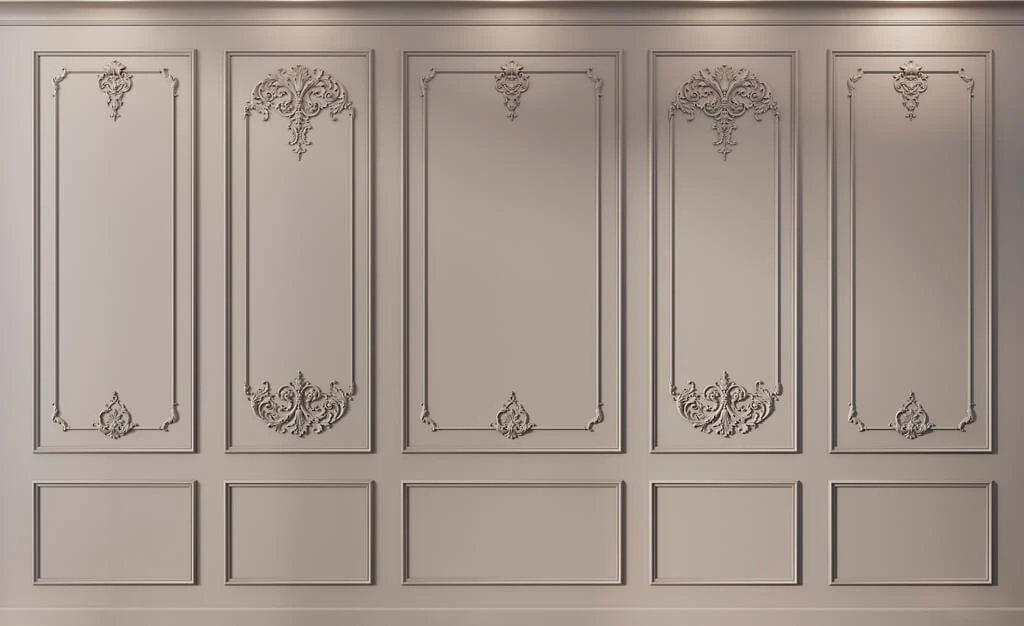
Frame decorative panels
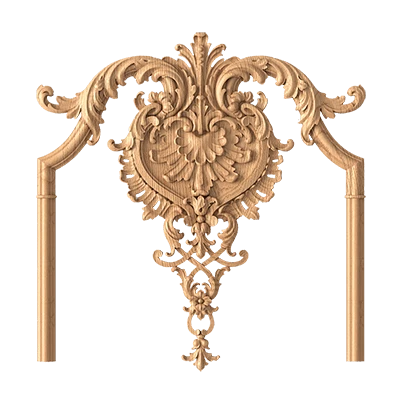
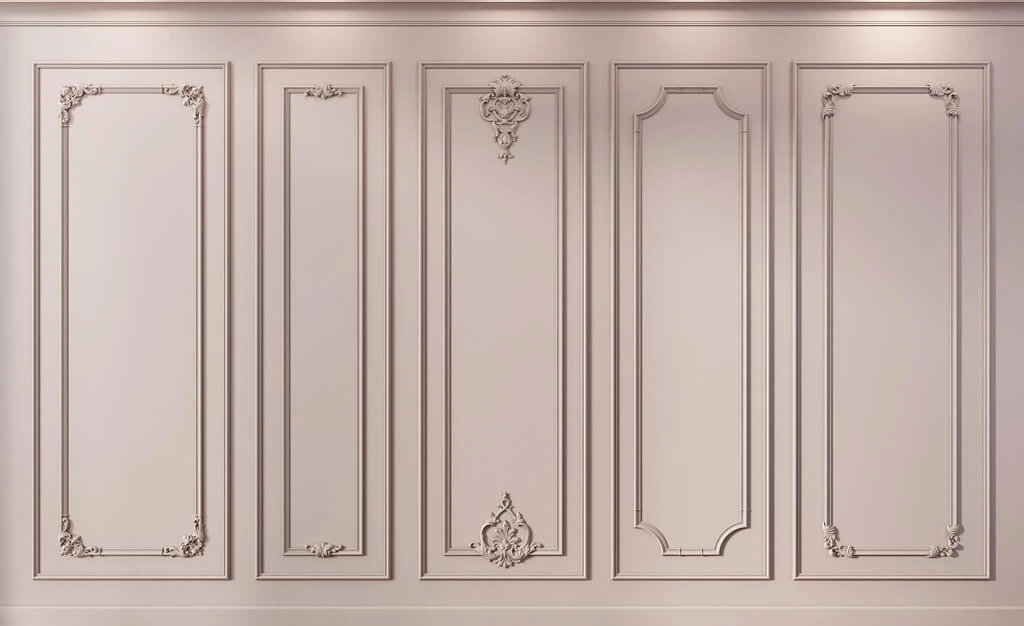
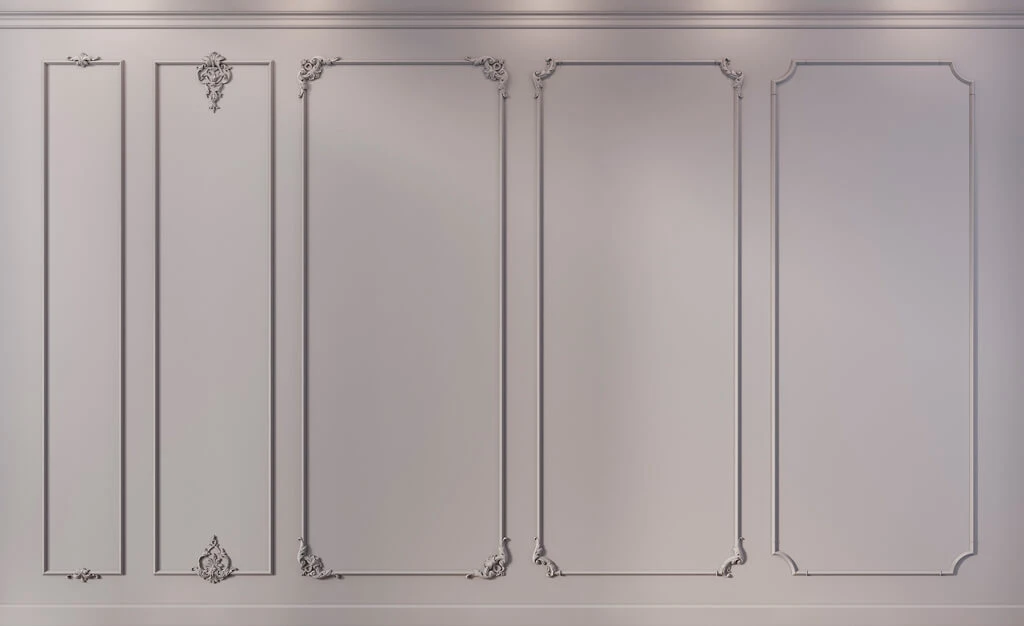
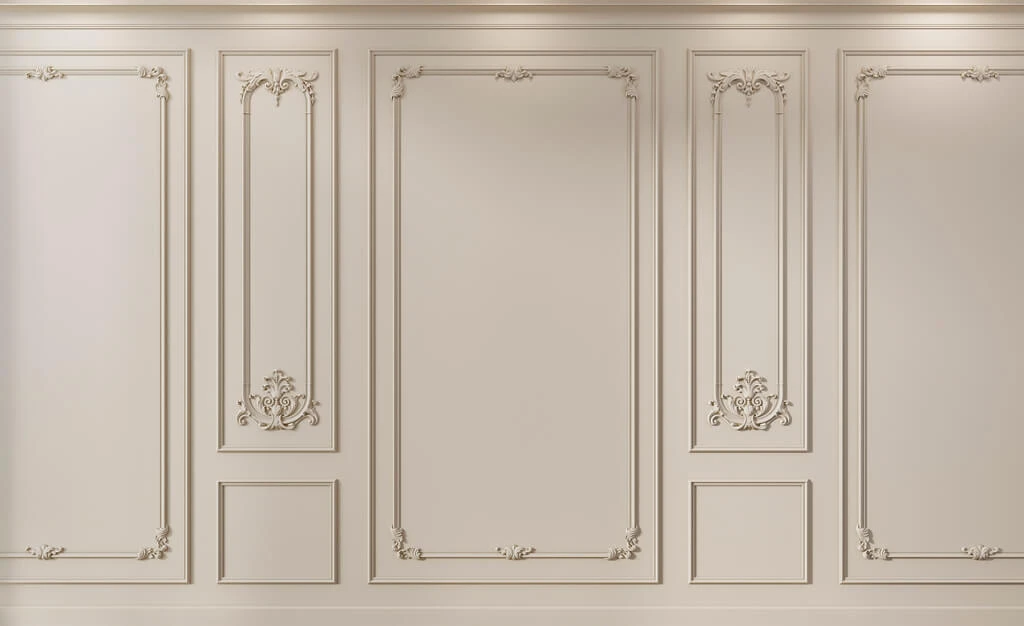
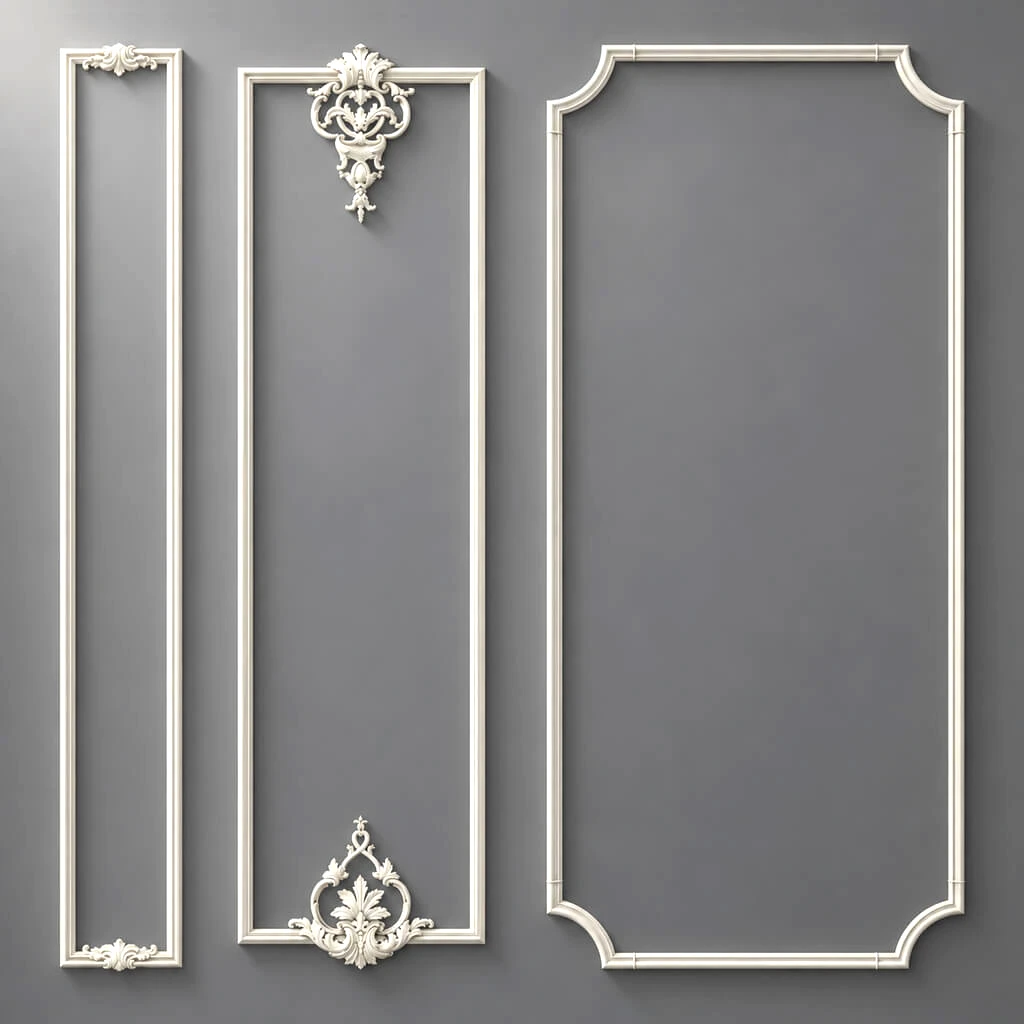
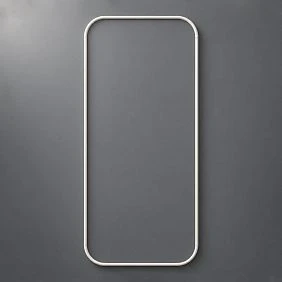
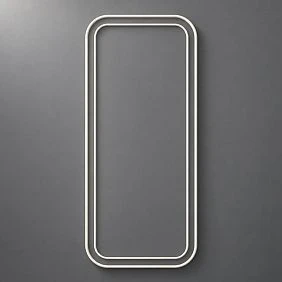
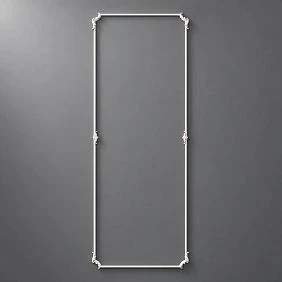
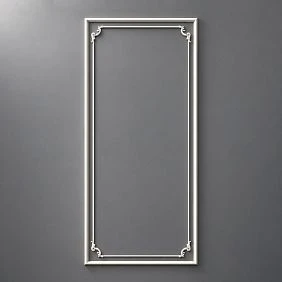
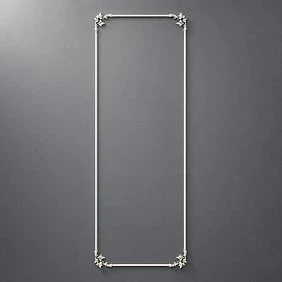
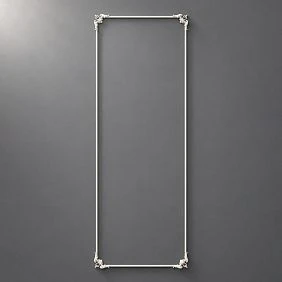
A decorative frame panel is the most popular and most striking format. Four molding strips form a rectangle. At each corner, there is an ornamental insert. In the center, there is an accent element (rosette, medallion, overlay). Together, it forms a complete architectural panel.
Polyurethane decorative panelsin the frame format are divided into:
-
Single vertical frames — a narrow rectangle with an aspect ratio of 1:1.4–1.7. Used as a single element on a small wall or as one "module" in a row.
-
Single horizontal frames — a wide rectangle with an aspect ratio of 1.5:1–2:1. For areas behind a sofa, behind a bed, above a dining table.
-
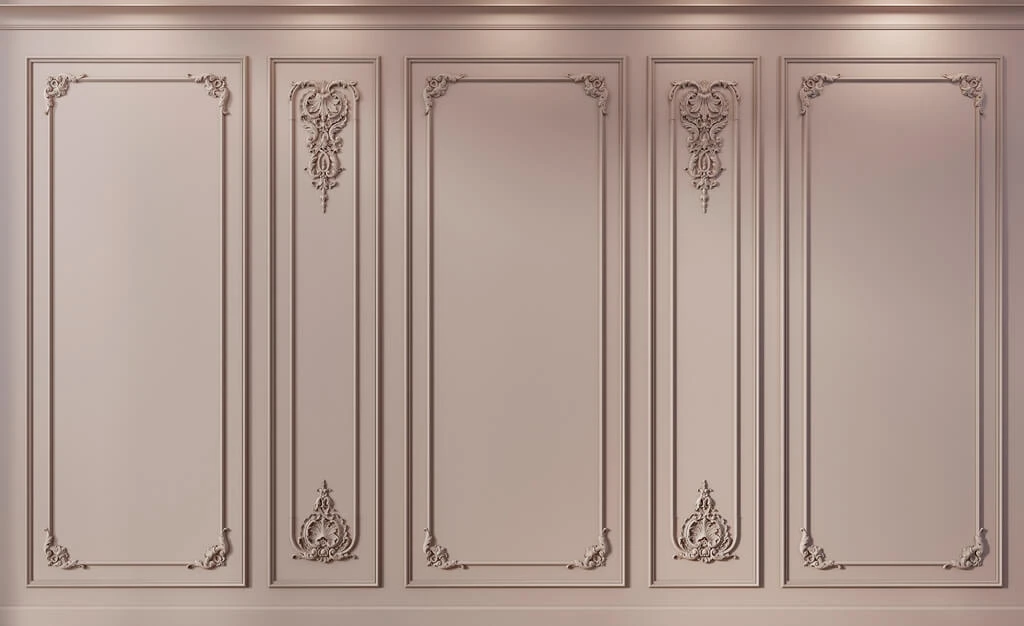
A system of several frames in a row — two, three, or four identical sets across the width of the wall. A classic "gallery" — the most architecturally expressive option.
polyurethane wall moldingsin the composition of STAVROS frame kits are profiles from the same collection as the corner inserts. Consistency of profile and elements is a condition that is inherently met in the finished kit.
Decor for Molding— corner and intermediate inserts — are included in STAVROS frame kits. This is an important point: there is no need to separately search for compatible corner elements.
Composition of moldings on the wallin the frame format is the main technique of classic, neoclassical, and modern classic interiors. It is the frame panel that creates what is commonly called a "wall with character."
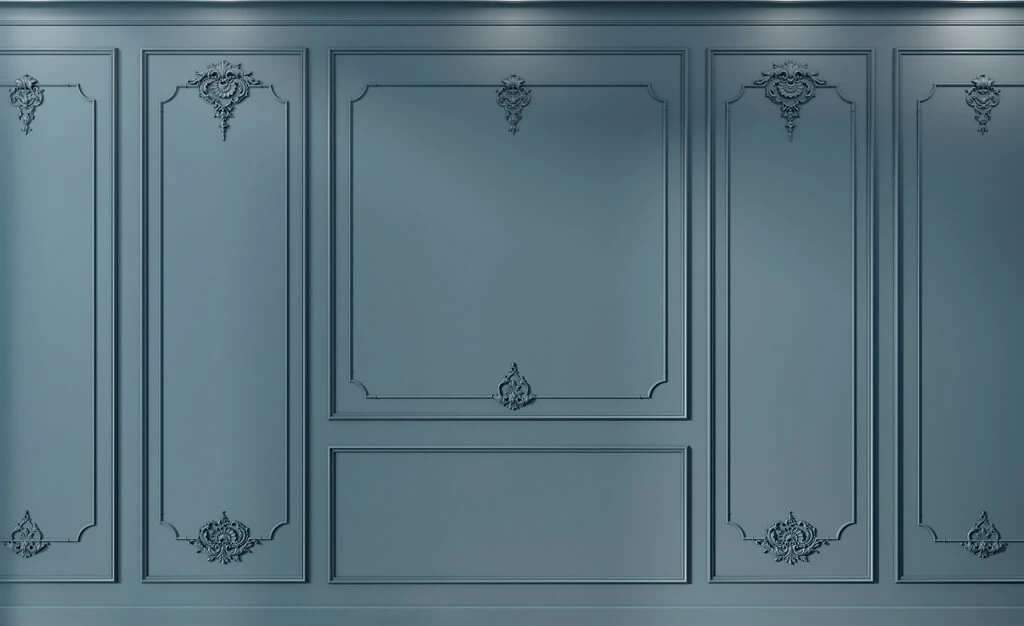
Kits for an accent wall
There should be one accent wall in each room, and it carries the maximum decorative load. Accent wall kits are the most saturated format: they have more elements, a more expressive pattern, and a more complex installation system.
The composition of an accent wall kit includes:
-
a horizontal molding belt across the entire width of the wall;
-
a frame panel or a system of frame panels;
-
corner ornamental elements;
-
a central accent element (large rosette or medallion);
-
possibly — side symmetrical overlays.
Decorating the wall behind the sofa in this format is the main task in the living room. Decorating the TV area with polyurethane is the second most common scenario. Decorating the wall at the head of the bed is the key task in the bedroom.
Wall Decorin the accent kit format is available in all STAVROS collections — the difference is only in the density of the pattern and the richness of details.
How to choose a decor kit for your interior style
Style is not just a word in an interior description. It is a system of rules that determines what is acceptable and what is not. STAVROS collections are designed with these systems in mind — each collection covers a specific stylistic range.
Neoclassicism
Neoclassicism is a style where classic meets contemporary. Neither cold minimalism nor heavy historical stucco. Symmetry, order, quality relief — and without Baroque overload.
For neoclassical interiors, STAVROS has developed two collections with different levels of saturation:
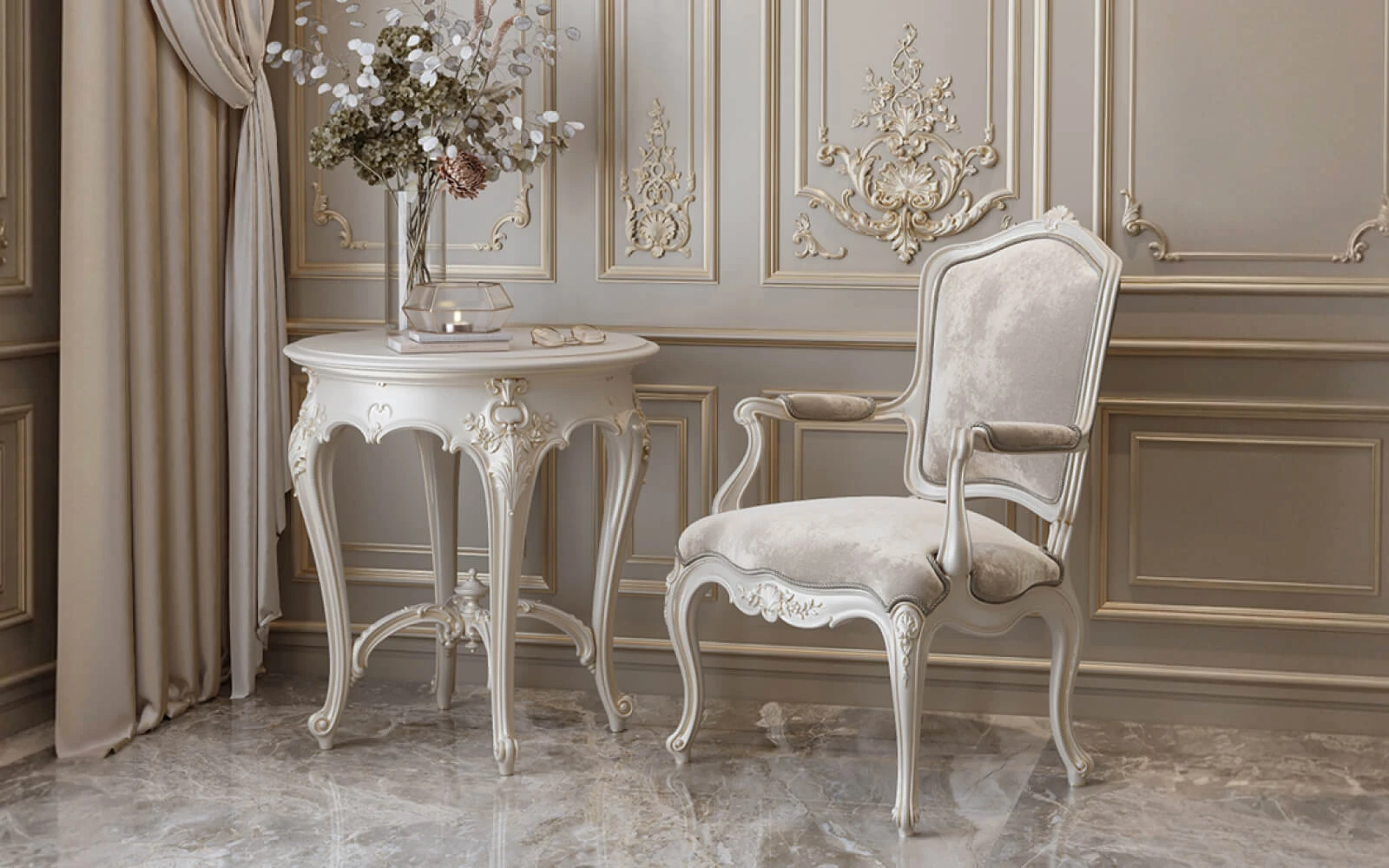
Collection "Neo-classic" — this is full neoclassicism: framed panels with corner inserts of medium ornament, profiles with chamfers and soft curves, central accents with moderate detailing. Wall stucco in neoclassicism is exactly what this collection offers.
Neoclassic Light collection — a simplified version with even more laconic corner elements and less depth of relief. Suitable for those who want to structure the wall but do not want rich ornamental decor. Wall decor neoclassicism in a "light" version — bedroom, study, library.
An important rule for neoclassicism: all elements are white or cream. No patination, no gold. Purity of relief — and nothing else extra.
Japandi and modern interior
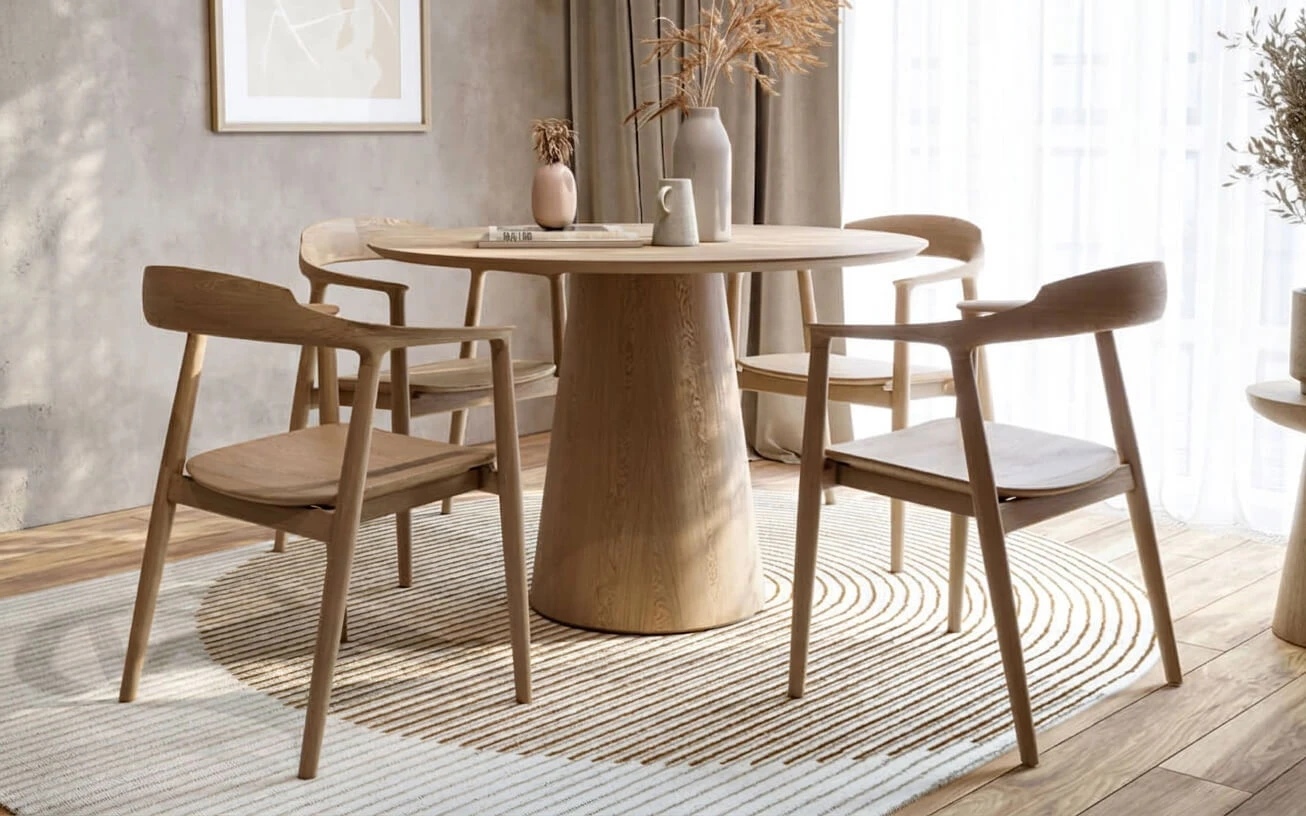
Japandi is a hybrid style combining Japanese minimalism with warm Scandinavian aesthetics. Neutral tones, natural materials, extreme restraint in decor. It sounds like "no decor at all" — but in reality, it is the delicate relief on the walls that creates in Japandi that very "living surface" that distinguishes a thoughtful interior from simply painted walls.
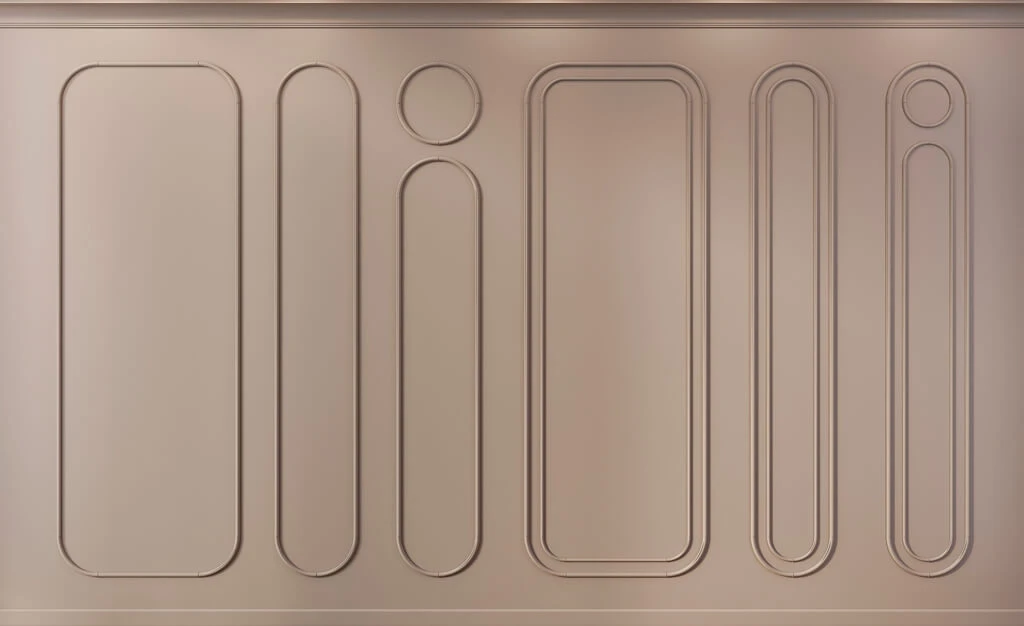
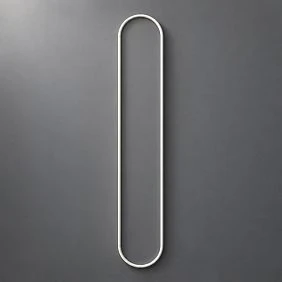
Japandi collection in STAVROS — these are flat molding profiles of minimal cross-section, corner inserts with geometrically clean shapes without ornament, minimalist central elements. Modern wall decor is exactly like this: almost unnoticeable individually, but fundamentally important as a whole.
The laconic polyurethane wall decor in this collection works in two scenarios:
-
thin vertical posts as a rhythmic element on an accent wall;
-
frame panels with minimal corner elements in neutral tones.
Color solution for Japandi: decor in the tone of the wall or one tone lighter. No contrast. Relief is not color.
Classics and the Versailles Collection
If neoclassicism is balance, then classicism is maximum. Deep ornament, rich frame panels, saturated corner elements, large central rosettes. The wall as an architectural work.
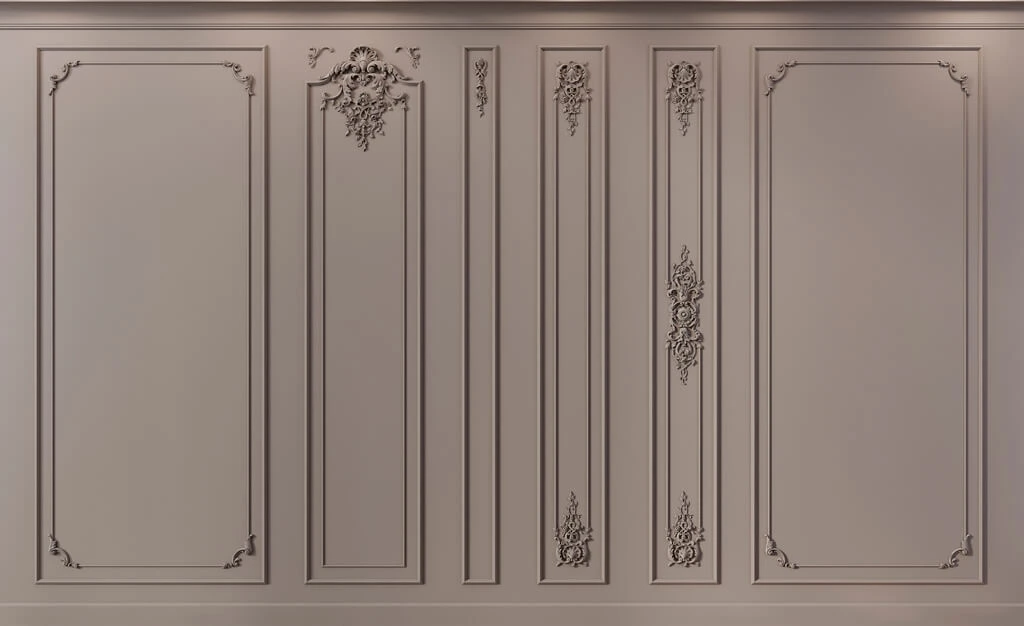
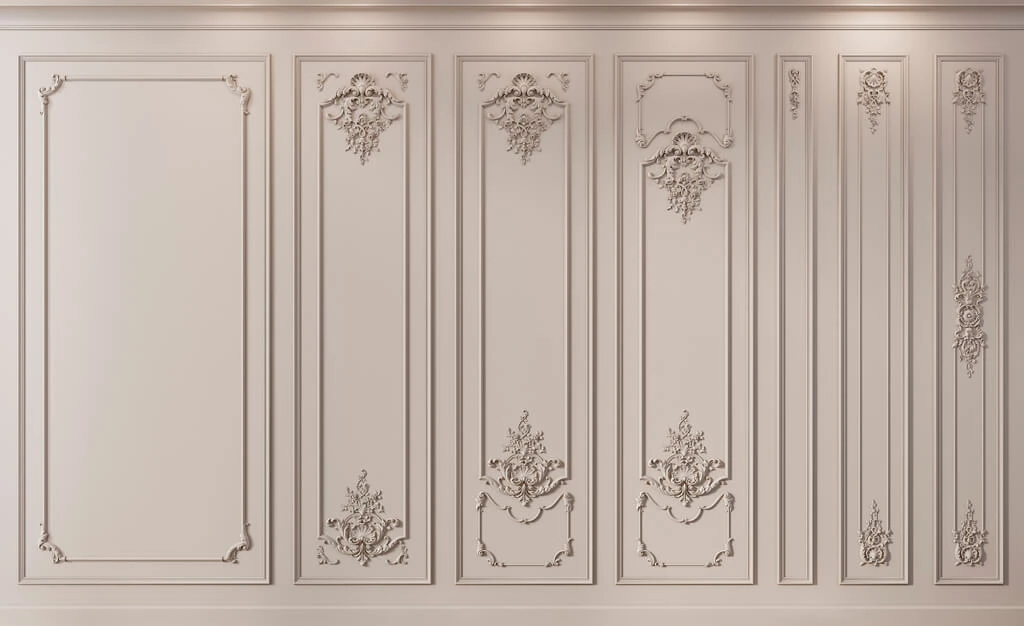
«Versailles» collection — full-fledged classics: wide profiles, corner inserts with leaf ornament, rosettes with multi-level relief rows, horizontal belts with ornamental friezes. Classic wall decor is exactly this.
Versailles Light Collection — the same stylistic range, but with a lower density of ornament. For interiors that want to be 'a bit classic' rather than a full historical immersion.
A set of stucco for a classic interior from the Versailles collection is a frame panel with corner elements featuring a three-level ornament, a central rosette with a diameter of 300–400 mm, and additional side overlays. Wall decor in the Versailles style is always symmetry, always richness of details, always gold in the finish if you want to achieve maximum historical effect.
Where to use ready-made wall decor sets
Logic of applying different set formats — by room.
Living Room
Living room is the main room, and this is where decor sets work at full strength.
Decor set for living room in frame format — wall behind the sofa. Layout: horizontal frame, width equal to sofa length plus 25–35 cm on each side, height 50–65 cm. Corner inserts in four corners. Central rosette or medallion. Molding belt horizontally above the frame — across the entire wall width.
Stucco molding for living room wall — from the Neoclassic, Versailles, and Peterhof collections. For a modern living room with open plan — Neoclassic or Japandi.
TV wall in the living room is handled differently: frame panel around the TV perimeter + horizontal molding belt under the TV. No central rosette — the TV itself is the visual center.
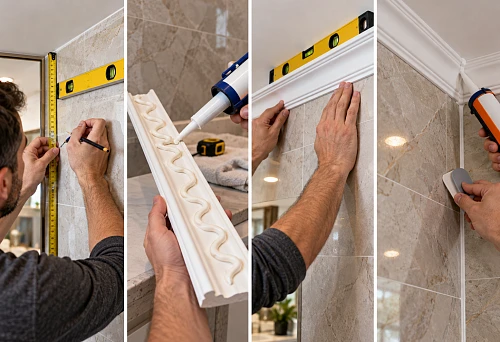
Decorating a living room wall with STAVROS sets is a one-day installation task. All elements are included in the set, the installation plan is clear from the kit's design, and fixing is done with mounting adhesive.
Bedroom
In the bedroom, decor is not about display but atmosphere. Stucco molding on the bedroom wall — delicate, calm.
Decor set for bedroom in frame format — wall behind the bed headboard. Layout: horizontal frame matching bed width plus 20–30 cm on each side. Lower molding flush with the top edge of the headboard. Frame height 45–60 cm.
Wall decor at the headboard creates an architectural 'framing' of the bed area. The bed no longer just stands against the wall — it stands in a space with a thoughtfully designed visual context.
For the bedroom — the "Neoclassic Light" and "Japandi" collections. Not "Versailles" — too rich for a relaxation space. Not "Pavlovsk" — too strict. Delicacy and tranquility are the bedroom's priorities.
Hallway and corridor
Ready-made decor for the hallway is a horizontal molding belt along the entire wall length + a frame around the mirror. One set for the mirror, one or two for the wall — enough for a hallway of any size.
Wall decor in the corridor is based on the rhythm of vertical posts. Sets are installed at equal intervals along the long wall. Interval — 60–80 cm for a narrow corridor, 80–120 cm for a wide one. Vertical posts visually make the corridor "taller" and "more architectural."
polyurethane wall decorIn the hallway and corridor, choose from more concise collections: "Neoclassic Light," "Neoclassic," "Japandi." A rich ornament in tight spaces is a mistake.
TV area
Decorating the TV zone with polyurethane is a separate task that has appeared in interior design relatively recently but has become one of the most in-demand.
TV zone decor set: frame panels on the sides of the TV + a horizontal molding belt under the screen. Additionally: frames made of moldings under the TV create a "stand" in the wall plane. Without overlays and sockets — the screen itself is the main element.
Important: for the TV zone, it's better to choose thinner profiles (35–50 mm) than for the living room as a whole. A large molding profile competes with the TV frame and creates a visual conflict.
How to calculate the number of sets for a wall
This is one of the most practical questions asked when choosing decor. The calculation logic is simple and systematic.
One set — a single accent
One set of decor is installed as a standalone element at a specific point on the wall. Examples:
-
one set above the fireplace — a central accent of the main wall in the living room;
-
one set in the center of the wall behind the bed — an architectural headboard in the bedroom;
-
one set in a narrow wall section — a decorative element for a narrow vertical area.
Ready-made molding frames for the wallin a single version — a minimalist yet convincing technique.
Two sets — a symmetrical pair
Two identical sets, installed mirror-symmetrically relative to the vertical axis of the wall, is the most classic decorative principle. Examples:
-
two sets on either side of the TV — framing the TV zone;
-
two sets on either side of a mirror in the hallway — symmetrical framing of a functional area;
-
two sets on either side of a door or arch — architectural framing of an opening.
A symmetrical pair creates a sense of balance and order — the two qualities that distinguish a well-thought-out interior from a random one.
Three to five sets — a rhythmic series
Set of stucco decor for a long wallin a series of three to five repetitions — this is architectural rhythm. Identical sets at equal intervals along a long wall create a feeling commonly called a 'hall.' A wall 5–6 meters long with three vertical posts every 120–150 cm is almost like a palace hall wall, only on a residential scale.
Calculating the step for a rhythmic series:
-
wall width ÷ (number of sets + 1) = step between centers of sets;
-
the first and last set are at a distance of half a step from the edge of the wall.
Example: wall 480 cm, three sets. Step = 480 ÷ 4 = 120 cm. First set — 60 cm from the edge, second — 180 cm, third — 300 cm, fourth — 420 cm. Equal rhythm, symmetry, architectural logic.
Mistakes when choosing a set of wall decor
A ready-made set is not insurance against all mistakes. Mistakes are still possible — at the stage of selection, calculation, and installation.
They buy individual elements without an overall composition. Sometimes buyers, wanting to save money, take part of a set: only corner inserts without moldings, or only a rosette without a frame. The result is predictable: elements without a system are not decor, but just details on the wall.
They choose a set that is too small for a large wall. A set designed for a wall 2.5 m wide, installed on a wall 5 m wide, will be lost. Rule: the scale of the set is selected based on the actual scale of the wall.
They do not consider the ceiling height. A set with a 25 mm profile is for rooms with a ceiling of 2.5–2.8 m. For a room with a ceiling of 3.2 m, the same set will be too small. The width of the molding in the set should correspond to the height of the room.
They put too rich decor in a small room. The "Versailles" collection in a room of 12 sq. m is an overload. Rich decor requires space. In small rooms — "Neoclassical Light" or "Japandi."
They mix different collections without stylistic logic. Even if individual elements from different collections seem similar, they can conflict in profile depth, ornament scale, or stylistic "language." One room — one collection.
They do not make a layout diagram before purchasing. A diagram on paper is a mandatory step. Where is the furniture? Where are the electrical outlets and switches? Where are the doorways? All these elements must be accounted for in the layout diagram of the sets.
They do not consider furniture, outlets, switches, doorways. A molding frame installed directly over an electrical outlet in the wall is an irreparable mistake. The layout diagram must be coordinated with the plan of all engineering and architectural elements.
Details of installation technology — in articlesinstallation of polyurethane moldingandinstalling polyurethane molding.
Where to buy sets of polyurethane wall decor
STAVROS offers a full range of ready-made solutions for wall decor.
buy a wall decor kitavailable in the «Wall Decor» section: all collections, all formats, filter by style and kit type.
set of stucco decorin the «Neoclassic» collection — a starting option for most modern interiors: neoclassicism, modern classic, eclecticism with classic accents.
Buy polyurethane wall decoracross all collections: «Neoclassic», «Neoclassic Light», «Japandi», «Versailles», «Versailles Light», «St. Petersburg», «Peterhof», «Tsarskoye Selo», «Pavlovsk», «Botanical Garden».
Buy Polyurethane Molded Decoration— in the section of overlays and decorative elements: individual corner inserts, ornamental overlays, rosettes, medallions to complement ready-made kits.
polyurethane wall moldings— a separate section for selecting additional linear meters of molding for a kit or for self-assembly of a frame system.
FAQ: answers to popular questions about wall decor kits
Can I install the decor kit myself?
Yes. All elements are mounted using assembly adhesive («liquid nails» for plastic). No special tools are needed. You will need: a level, tape measure, pencil, glue, painter's tape for fixation during drying. Detailed technology — in the article on installing stucco molding.
Does the kit need to be painted after installation?
Yes. All polyurethane products are supplied white and require final painting. Before painting — adhesion primer. Paint: acrylic or alkyd in any color.
How do I know which set is suitable for my wall?
Measure the width and height of the wall, the ceiling height, and mark the location of furniture, sockets, and openings on the diagram. Then choose the set format (vertical, framed, for an accent wall) and a collection that matches the interior style. If in doubt, start with "Neoclassic": it is the most versatile collection.
Can I combine sets from different collections in one room?
No — if we are talking about mixing on one wall. In different rooms — yes. For example, "Neoclassic" in the living room and "Japandi" in the bedroom is a deliberate choice, not a mistake.
What size set is suitable for a wall with a 2.7 m ceiling?
For a 2.7 m ceiling, a profile width of 45–55 mm is recommended. Framed set: frame width — 70–80% of the wall width, height — 40–55 cm for a horizontal frame behind the sofa or 60–75% of the wall height for vertical frames.
How do I calculate how many sets I need for a 4-meter wall?
Optimally — three sets: one central and two symmetrical on the sides. Or two sets — a symmetrical pair on either side of the central axis of the wall. Four sets will create a rich series — suitable for a living room with a high ceiling.
Can I install a set on a wall with wallpaper?
Yes. The mounting adhesive works on wallpaper provided the wallpaper has good adhesion to the wall. The wallpaper under the decor must lie flat, without bubbles or peeling.
What is included in the standard STAVROS decor kit?
The composition depends on the format. A frame kit typically includes: molding profiles for four sides of the frame, four corner inserts, and a central accent element. Vertical post: molding profile + one or two accent elements. The full composition of each kit is listed on the product page on the website.