










































Article Contents:
- Which panels are chosen most often
- MDF for painting
- Solid oak for tinting
- Flexible panels on fabric base
- MDF panels for painting — in numbers
- How decorative molding works in modern interiors
- What has changed in the material
- Functions of molding in modern spaces
- Molding in minimalism: how it works
- Where the combination of panels and molding is especially appropriate
- Living room: accent wall with stucco molding
- Bedroom: headboard as an architectural detail
- Hallway and corridor: rhythm and scale
- Kitchen: backsplash and accent
- Ceiling: the fifth dimension
- How to determine the appropriate scale and rhythm
- Slat width and room height
- Spacing between slats: open and closed rhythm
- Stucco scale: rule of proportionality
- When to break the rhythm
- What to look for in the product card
- Base material
- Dimensions and completeness
- Coating and readiness for installation
- For moldings: look at the profile
- How to avoid decorative overload
- Principle of one dominant
- Rule of 'three materials'
- Color Unity
- Not 'more is better'
- Slat panels in interior: style determines choice
- Modern minimalism
- Scandinavian Style
- Neoclassicism and Modern Classicism
- Loft and Industrial Style
- Installation: what to know in advance
- Surface Preparation
- Tools
- Panel joining
- Molding: Installation Order
- Slatted Panels with Lighting and Molding: When Light Becomes Part of the Design
- FAQ: Answers to Popular Questions
- About the Company STAVROS
There are questions people have been searching for honest answers to for years. One of them is how not to make a mistake with finishing when the market offers thousands of options, each of which presents itself as the 'trend of the season.' Slatted panels, plaster molding, polyurethane overlays, paintable MDF — all of this exists simultaneously, and the task of choosing the right combination turns into a real quest. Especially if you live in Tula but want an interior like in a European design magazine.
This article is not about trends. It's about logic. About howRafter panelswork in conjunction withdecorative moldingworks, why this combination is not accidental, and how to implement it correctly — in the living room, bedroom, hallway, or kitchen. No fluff, no generalities. Only specifics that actually help.

Which panels are most often chosen
Before talking about combinations, it's worth understanding: what exactly are slatted wall panels as a category. These are not just 'boards on the wall' — this is a structural solution in which the uniform rhythm of parallel slats creates an architectural surface. Rhythm is the key word. It interacts with light, forms shadows, and visually changes the geometry of the room.
Among all the market's diversity, several positions maintain steady demand.


MDF for painting
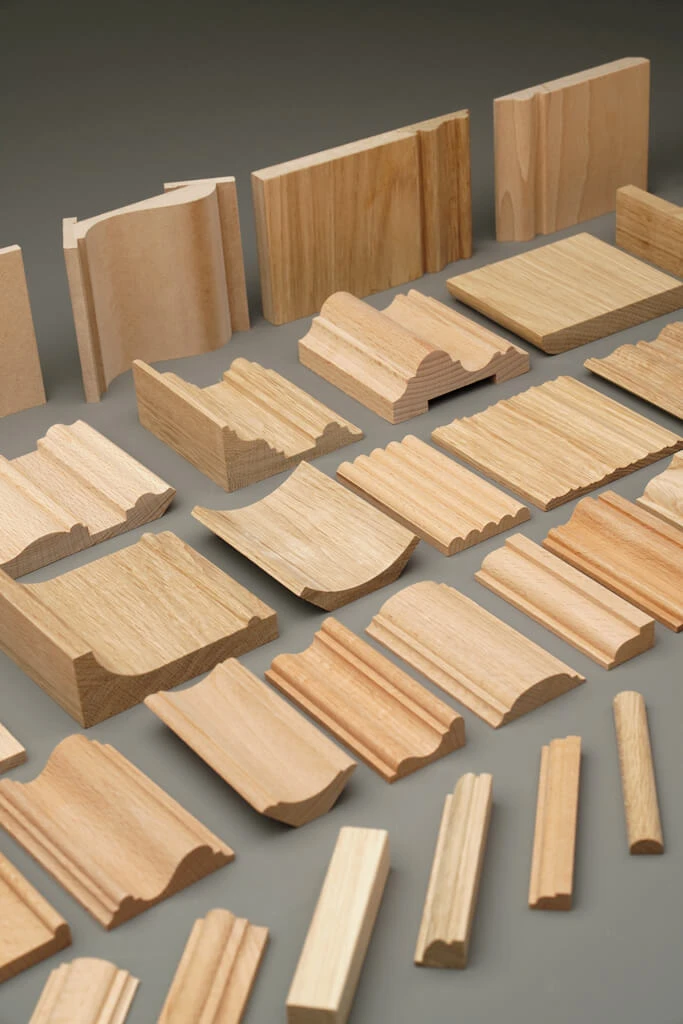
This is the workhorse of the modern interior.Slatted wall panelsMDF panels with a density of 750–850 kg/m³ provide a perfectly smooth surface that accepts any enamel — matte, satin, semi-gloss. Want the panel to 'dissolve' into the wall? Paint it to match. Want to make it an accent? Choose a contrast. Anthracite, powder pink, olive, deep blue — there are no color restrictions.
This is precisely the logic used by designers who work with color as their primary tool.slatted MDF panelIn an interior, it's a canvas on which you paint yourself. And this explains its leadership in search queries: people are looking not just for a material, but for an opportunity for self-expression.
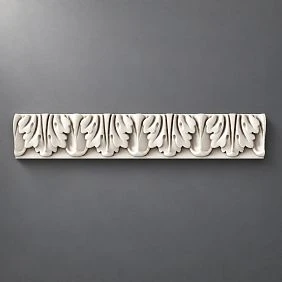
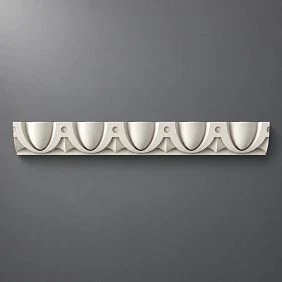
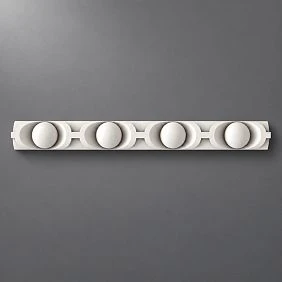
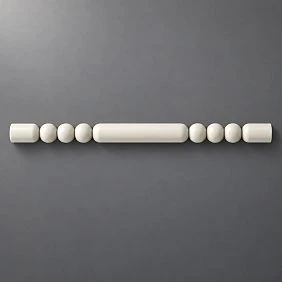
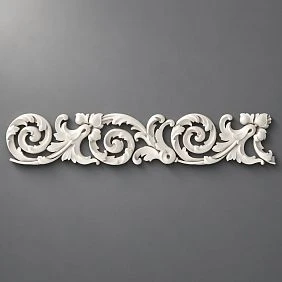
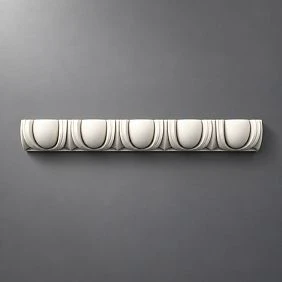
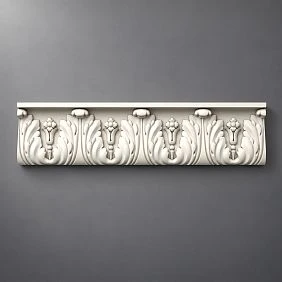
Our factory also produces:

Solid oak for tinting
If MDF is about color, thenWooden slat panelsoak is about texture and a living surface. Each slat carries a unique natural grain pattern that neither veneer nor film can replicate. Under transparent oils, oak reveals a warm golden tone; stains give a cool Scandinavian gray, wenge, or tobacco cognac.
Today, oak slatted paneling is the choice of those who value authenticity. Not imitation. This is precisely why it is so often ordered for bedrooms and studies — spaces where the tactility of the material is felt every day.
Get Consultation
Flexible panels on a fabric base
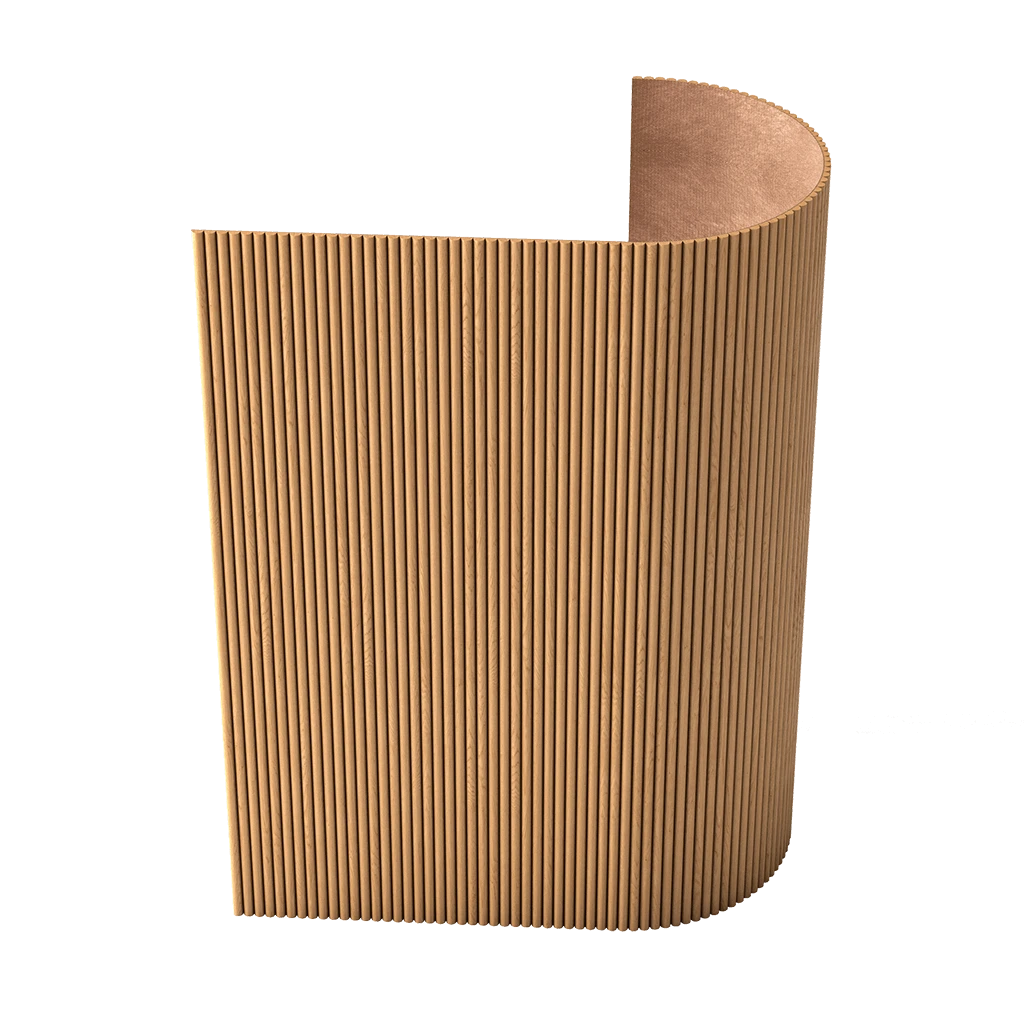
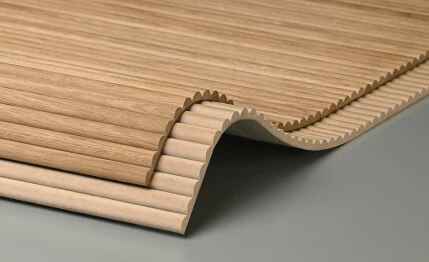
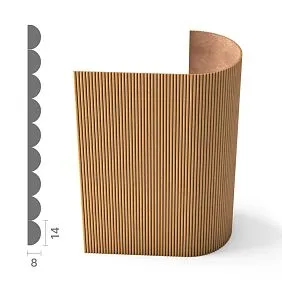
A separate story issoft slat panelson a fabric base. Their appearance changed the rules: now slatted finishing is possible not only on flat walls, but also on columns, arches, rounded corners, and curved furniture fronts. The panel follows any curve without deforming the slats and joins seamlessly. This opened up a completely different range of solutions for architects.
MDF panels for painting — in numbers
Looking at search statistics, the query 'slatted panels buy in Tula» and related formulations gather tens of thousands of inquiries monthly across Russia. This speaks not of a trend — it speaks of an established need. People aren't just curious, they are actively searching for where to buy slatted wall panels to solve a specific task in a specific space.
How decorative molding works in modern interiors
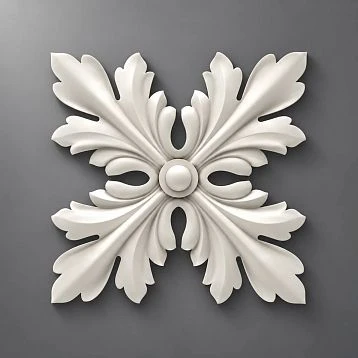
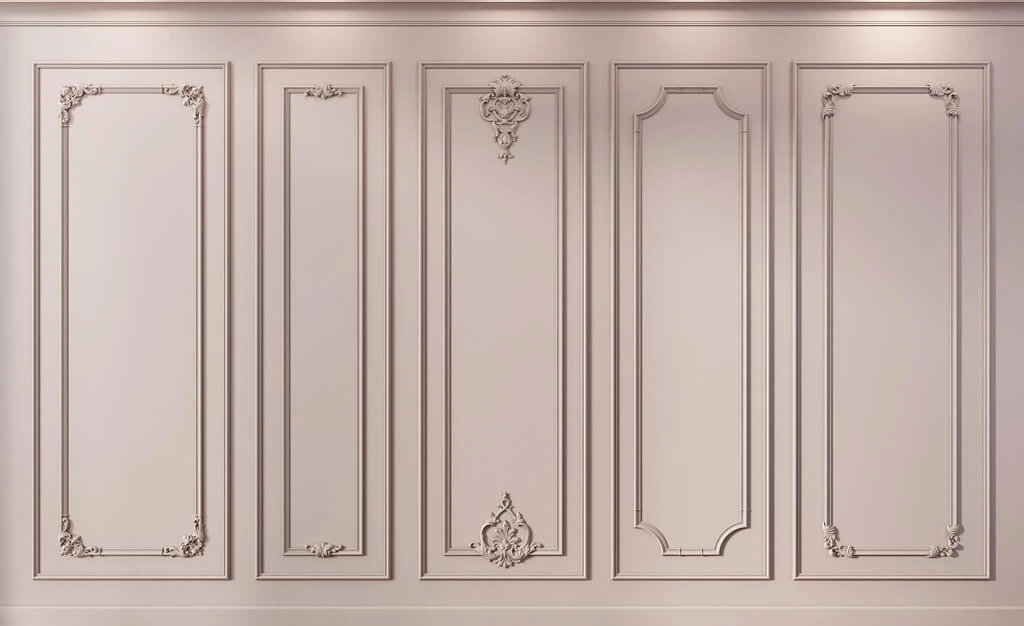
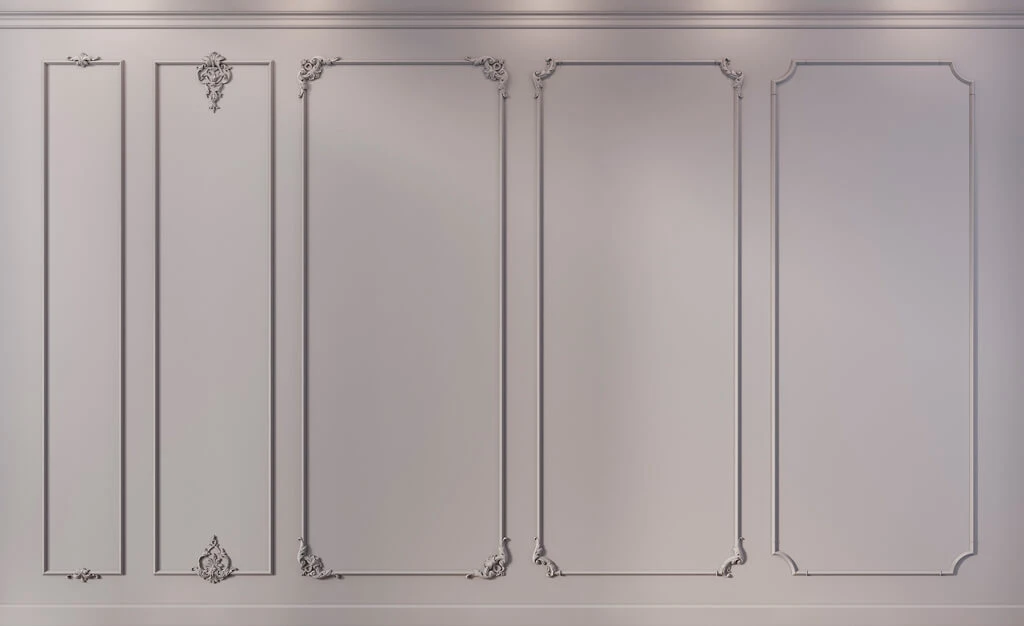
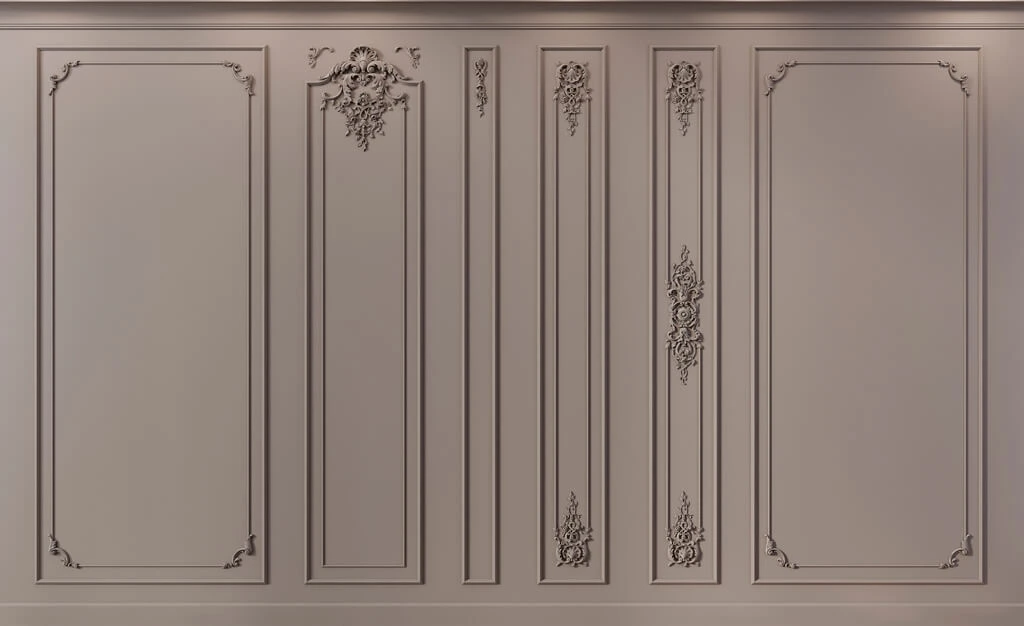
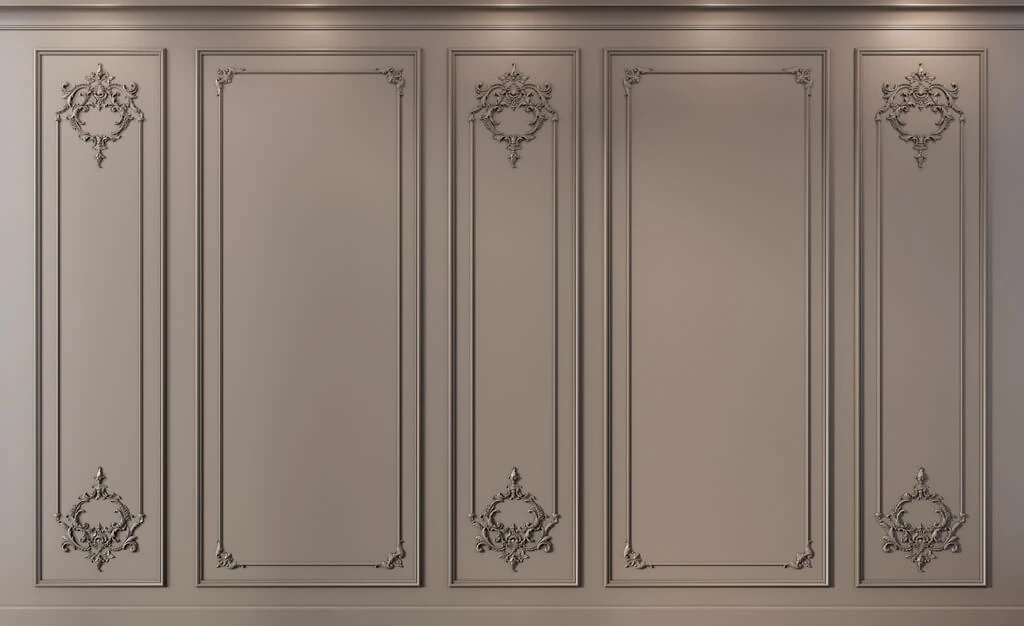
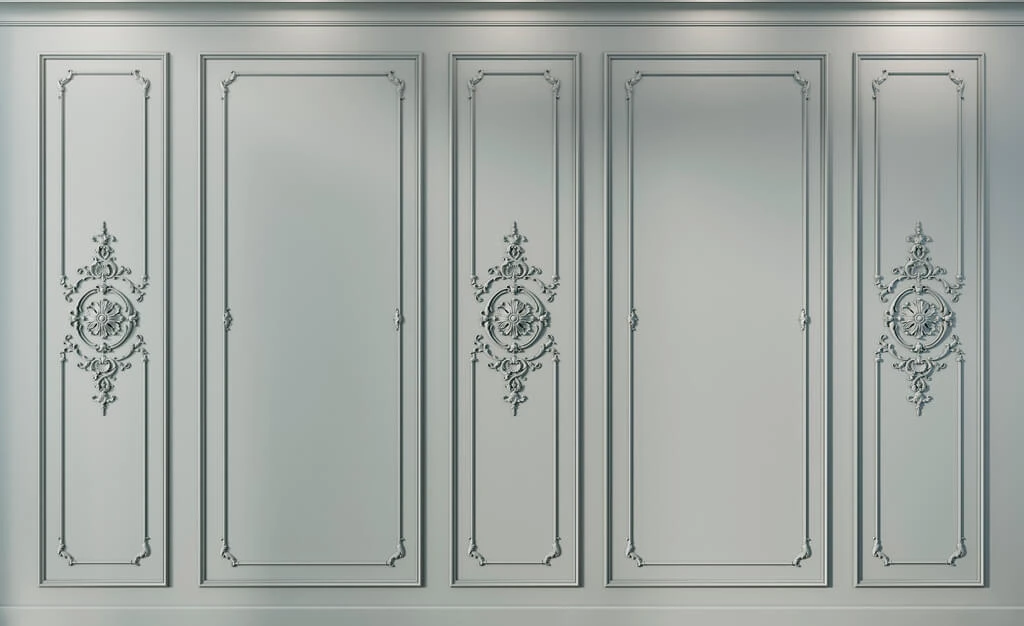
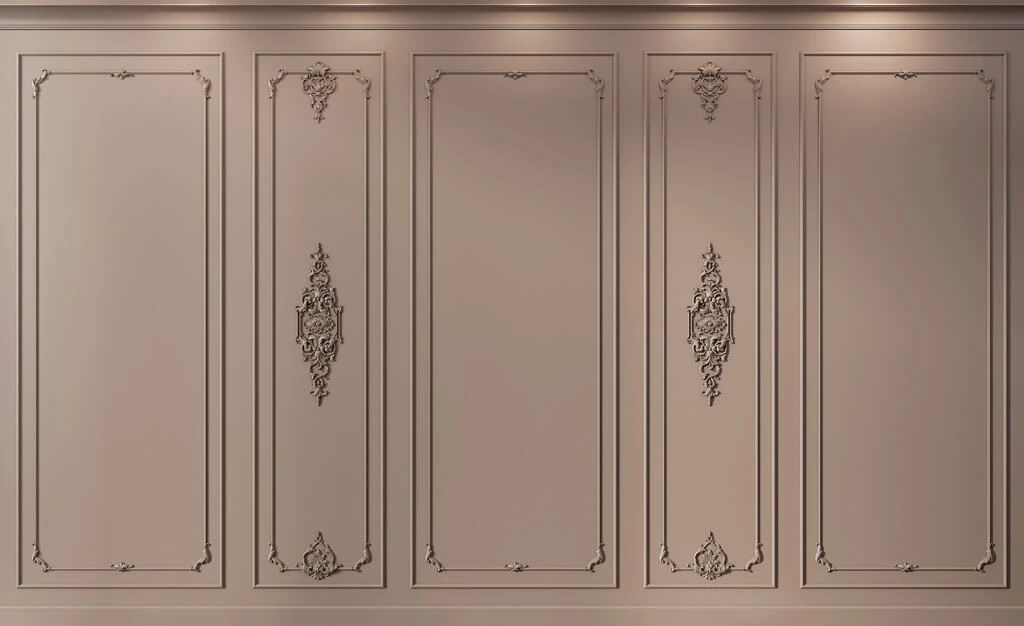
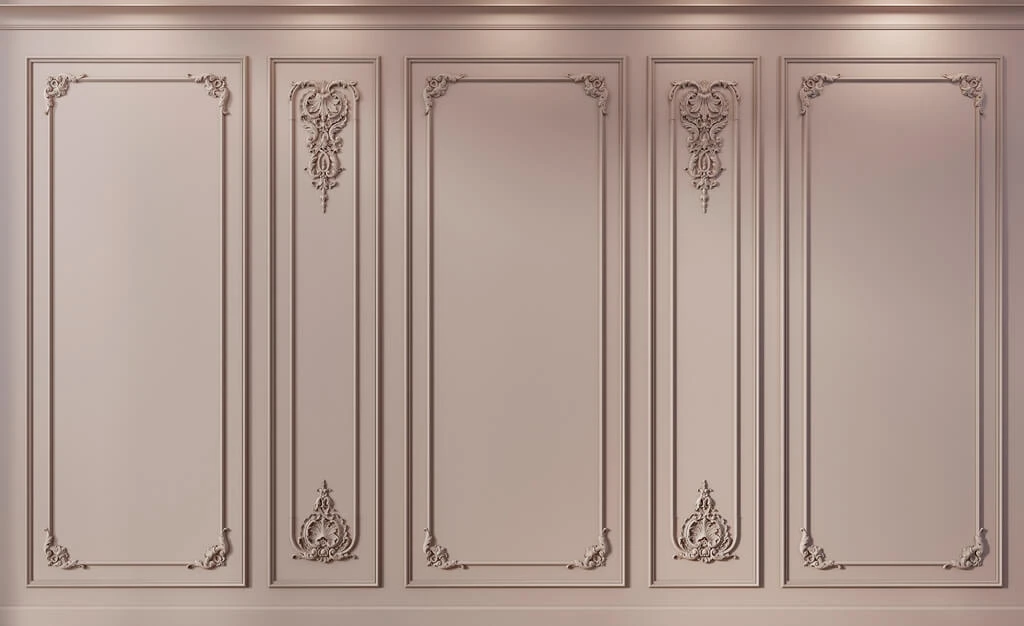
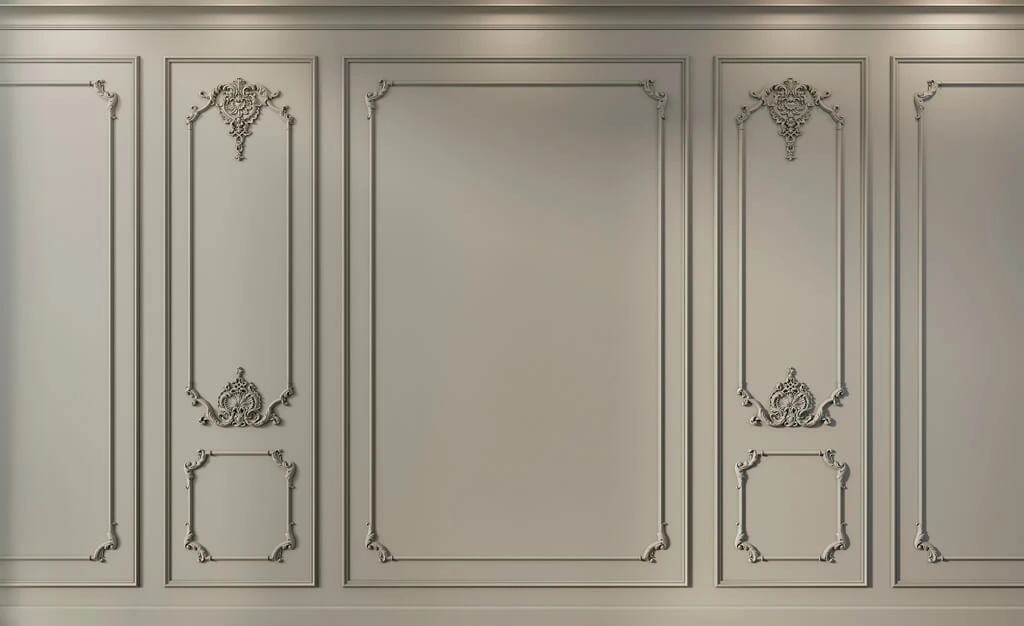
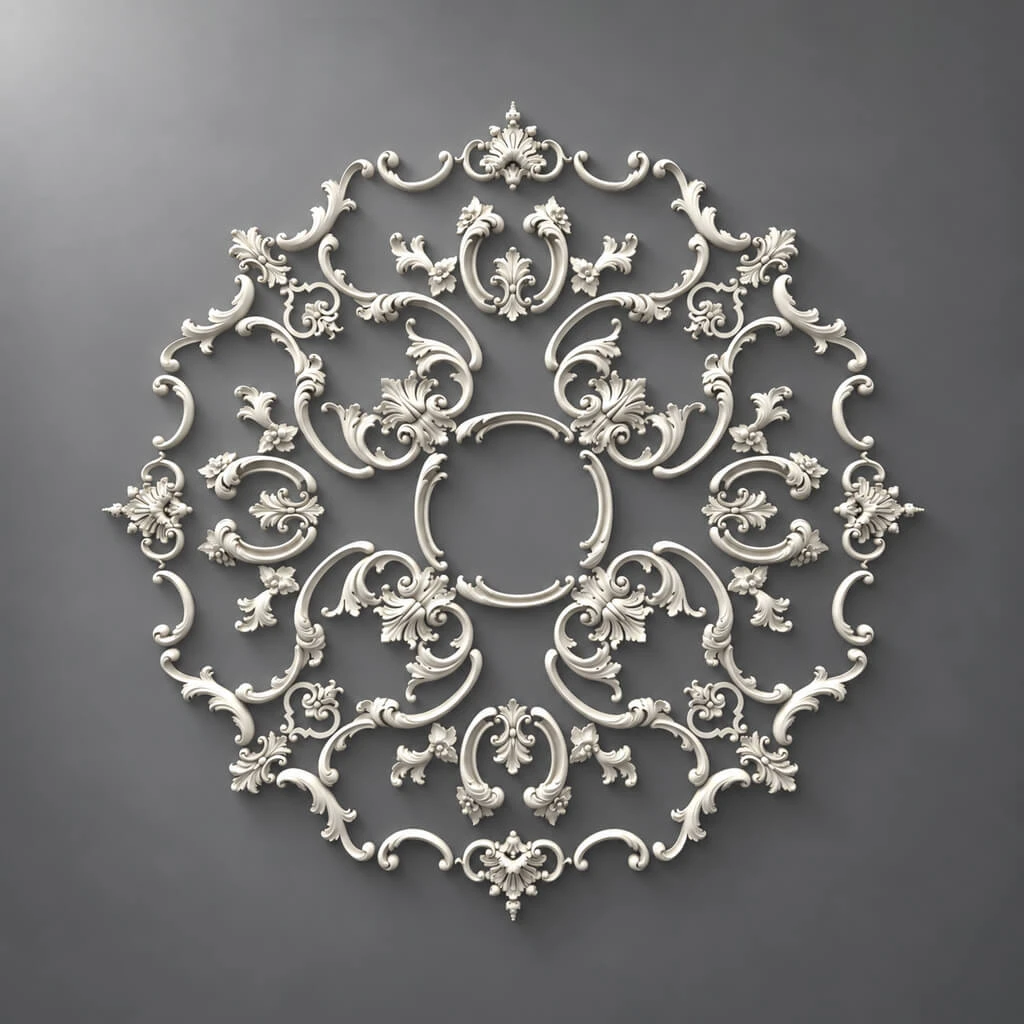
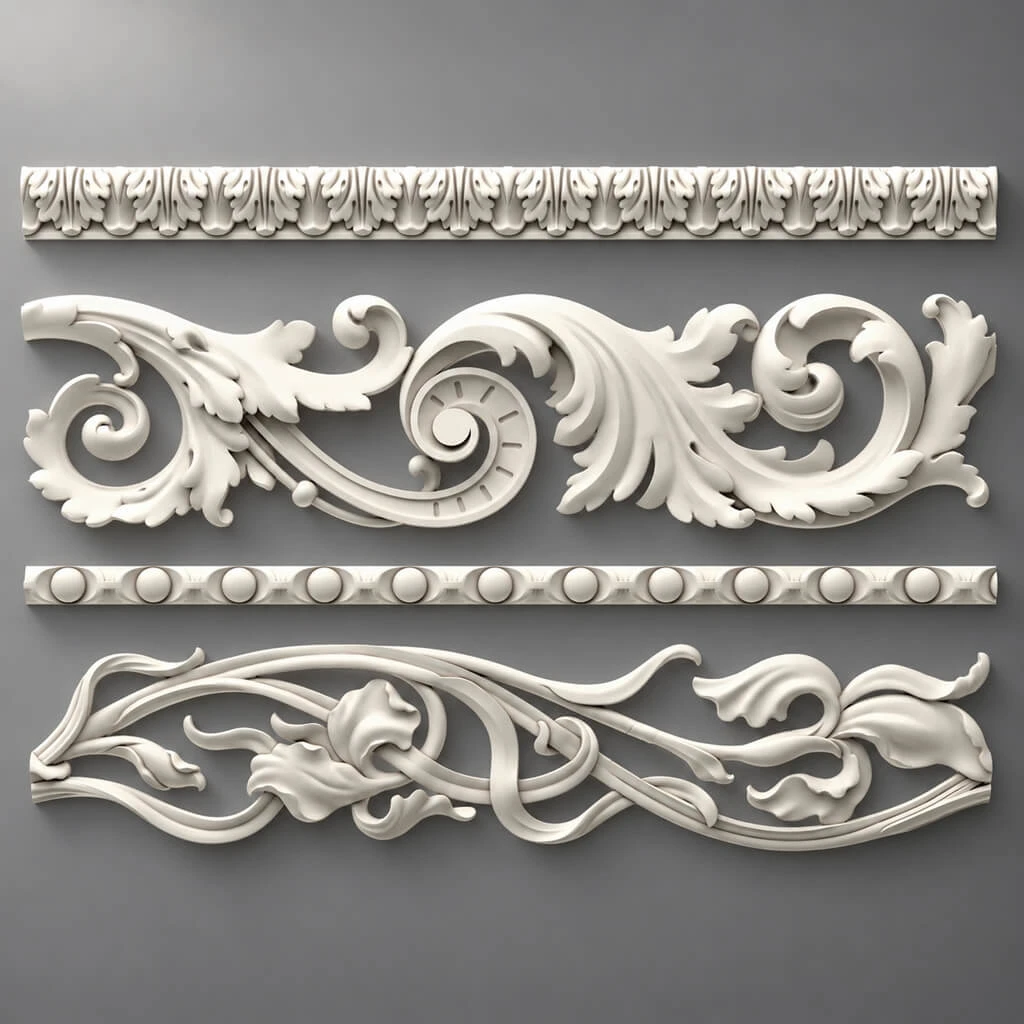
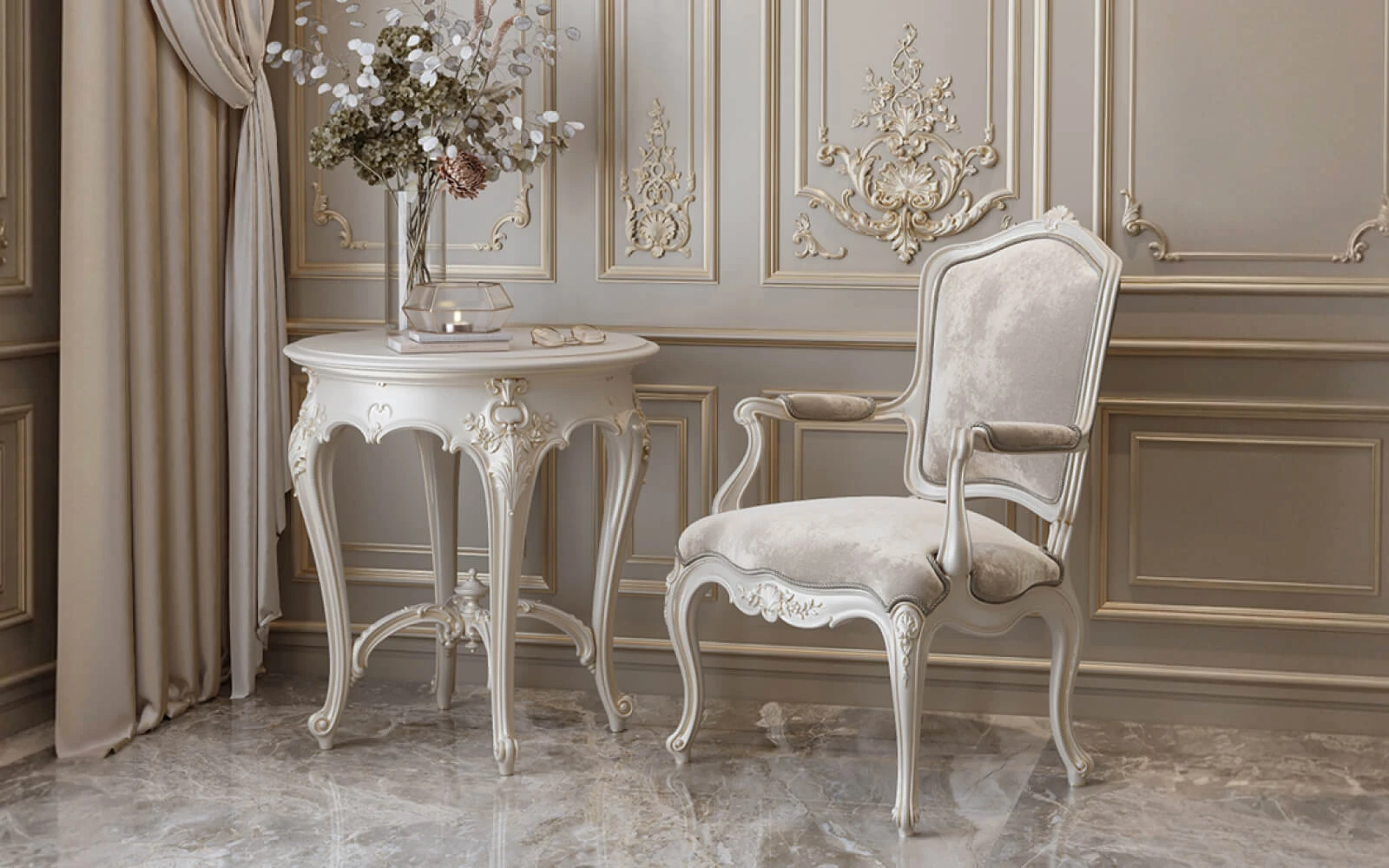
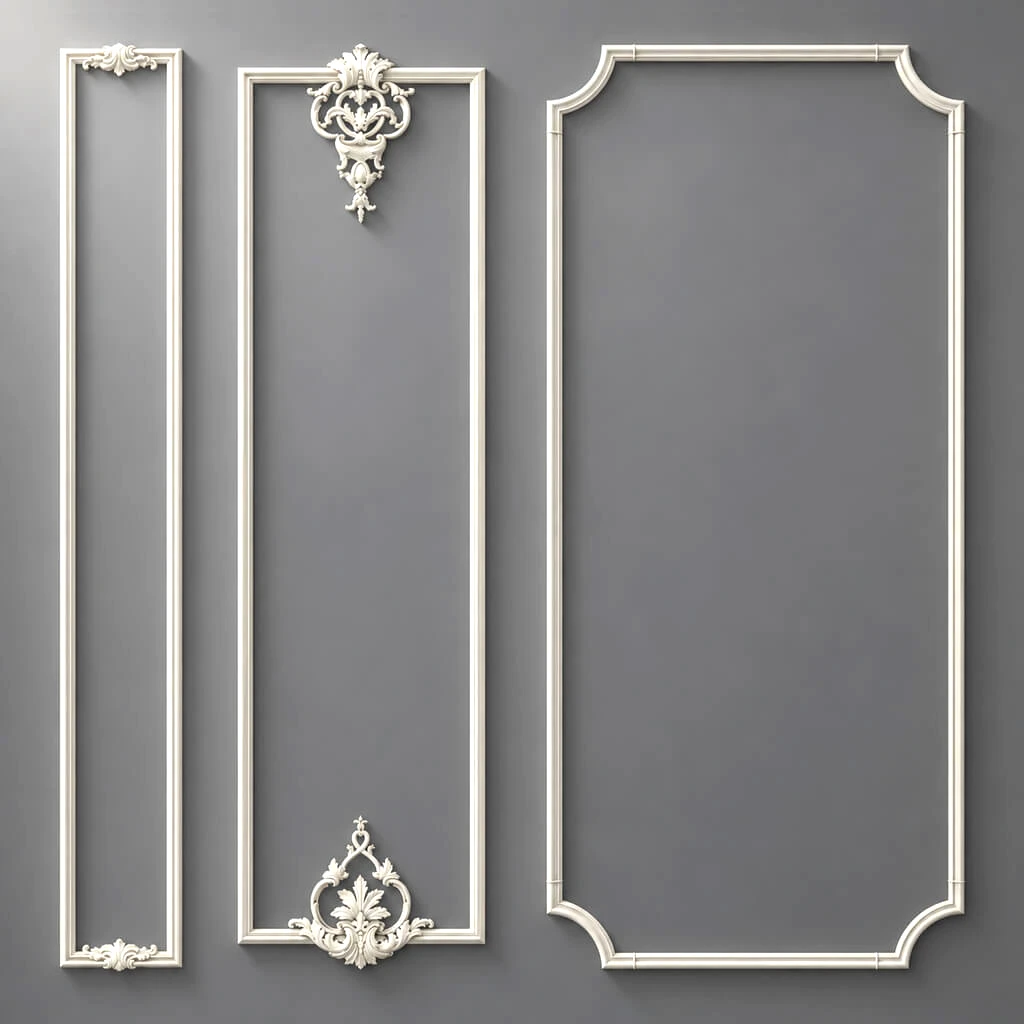
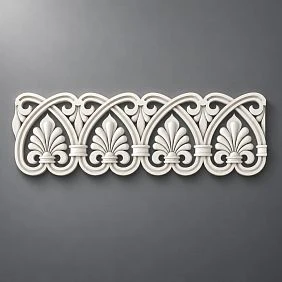
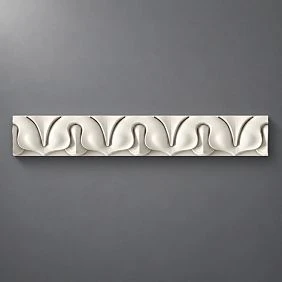
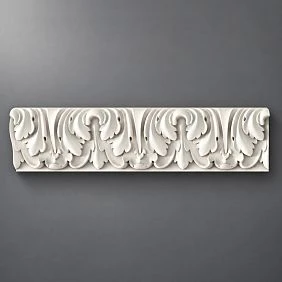
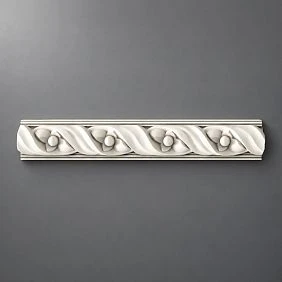
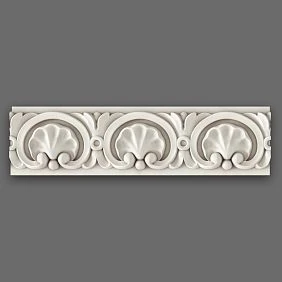
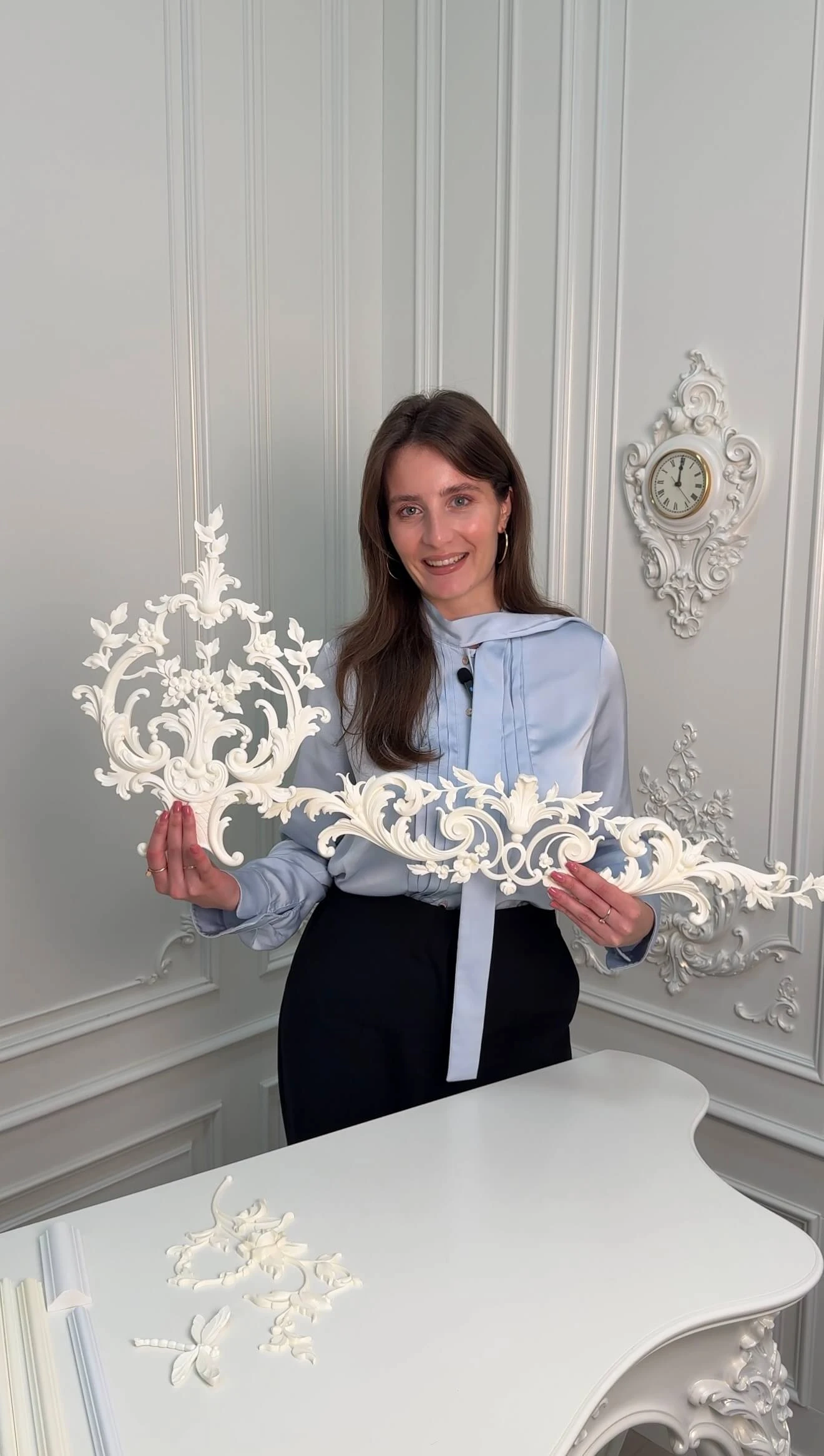
Many think that molding is about baroque, palaces, and excess. This is a profound misconception that has cost many interiors their character. ModernDecorative stucco— is a fundamentally different product and a fundamentally different logic of application.
What has changed in the material
Traditional gypsum molding is heavy, afraid of moisture, complex to install, and expensive for manufacturing complex forms.Decorative polyurethane molding— is a fundamentally different story. A lightweight material, resistant to moisture, unafraid of temperature fluctuations, with precise factory geometry. It is fixed with mounting adhesive without reinforced fasteners, easily cut to fit corners, and painted any color.
This means: molding has ceased to be a privilege of large budgets and specialized crews. Today it is a material accessible to anyone who understands why and how to use it.
Functions of Molding in Modern Spaces
Let's list them specifically — without the lyrical fluff:
-
Surface zoning. Mouldings and overlays divide the wall into fields, creating a visual structure where there is none. This works in both classic and contemporary interiors.
-
Transition between zones. A cornice between the wall and ceiling removes the 'dirty' joint and creates a sense of completeness.
-
Accentuation. A single overlay above a doorway or in a niche becomes an architectural gesture that organizes the viewer's gaze.
-
Concealing defects. Where there is a joint or crack — moulding turns the problem into a design detail.
-
Playing with light.decorative polyurethane elementswith oblique lighting create expressive chiaroscuro, adding depth to the surface.
Moulding in minimalism: how it works
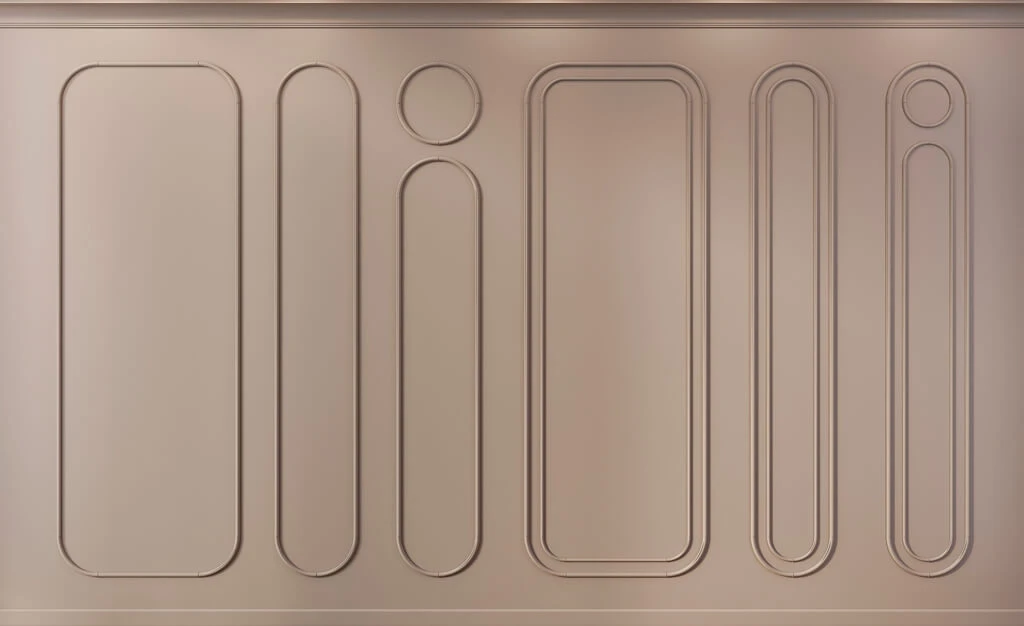
The most frequent question: 'Doesn't moulding contradict the contemporary style?' No — if you choose the right forms. A thin, flat moulding on a white wall is not classicism, it's contemporary geometry. A simple cornice without ornament is not rococo, it's a clean transition line. That is precisely whyDecorative polyurethane moldingtoday is present not only in traditional spaces but also in Scandinavian apartments, lofts, and minimalist offices.
Key principle: the cleaner the interior style, the simpler the molding form should be. The richer and more ornamental the style, the more complex and saturated the decor can be.
Where the combination of panels and molding is especially appropriate
Recessed panels and molding are seemingly two different tools. The first is about rhythm and linearity, the second is about plasticity and volume. But it is precisely this difference that makes their combination so powerful. They do not compete—they complement each other.
Living room: accent wall with molding framing
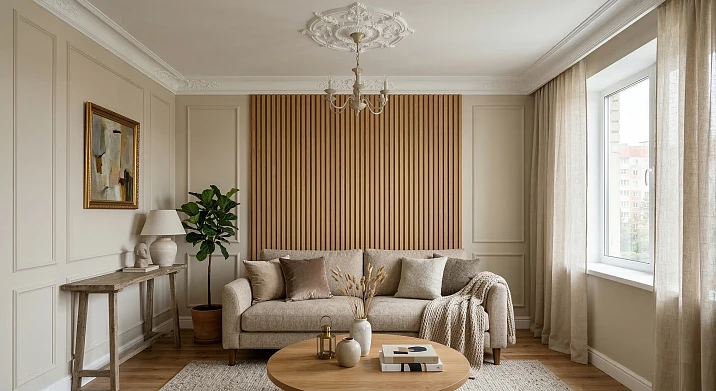
Slatted panels in the living room interiorMost often placed behind the TV or sofa. This is a classic solution that works. But when the same wall is framed with moldings—around the perimeter, like a frame—a qualitative shift occurs: the panel ceases to be just 'finishing' and becomes an architectural object within the room.
This technique is especially effective in spacious living rooms with ceiling heights from 2.8 m. The vertical rhythm of the slats 'pulls' the gaze upward, and the horizontal line of the cornice completes this movement. The result is a sense of proportionality and completeness that cannot be bought in any furniture store.
Bedroom: headboard as an architectural detail
slatted panels in the bedroomPanels behind the headboard—a solution that over the past five years has gone from designer exoticism to the norm. But most stop at a simple option: panels from floor to ceiling, without additional details.
Add a thin molding along the top edge of the panel field—and you get a clear boundary that visually 'fixes' the headboard area as an independent architectural element. This is a subtle but powerful technique. It makes the bedroom resemble a professionally designed space, not a random assortment of finishing materials.
Hallway and corridor: rhythm and scale
Slatted panels in the hallway interiorThey solve a specific problem: in a narrow space, the vertical rhythm of battens visually stretches it upward. Molding here works differently—as an 'entry' marker: a small overlay above the opening or a molding along the top edge of the panel field signals: here one space ends and another begins.
This is called architectural scenography. Professional designers use this technique constantly. And it is completely accessible to anyone who understands the principle.
Kitchen: backsplash and accent
Slatted panels in the kitchen—a topic that requires caution. Not every material is suitable for kitchen conditions. MDF with a quality lacquer coating or oak with protective oil can handle moderate loads. But where splashes and constant steam are possible, it's better to place panels outside the immediate cooking zone—in the dining area or on the wall opposite the work surface.
Molding in the kitchen is a cornice along the top perimeter of the furniture set or a small overlay above the window. Nothing excessive. But this detail is enough to turn a kitchen from 'just renovated' into 'designed'.
Ceiling: the fifth dimension
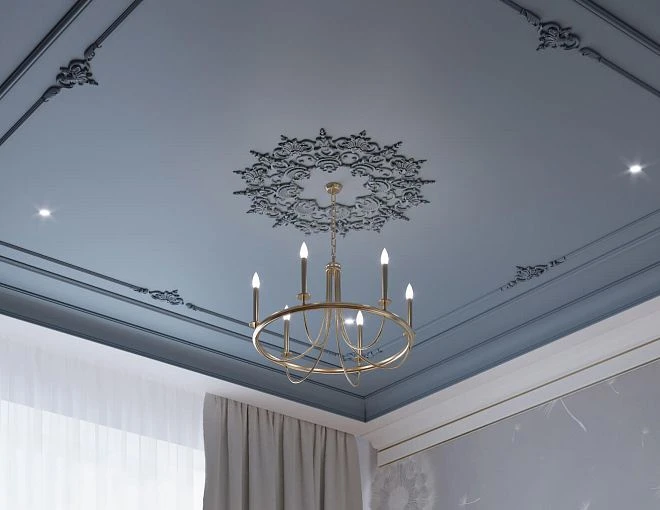
The ceiling is often forgotten—and in vain.Batten panels for ceilingsThey radically change the perception of height. The horizontal rhythm of battens on the ceiling creates a 'hovering' effect—cozy, intimate, like in a Scandinavian cottage. The molding cornice along the perimeter then becomes a clear frame that separates the ceiling field from the walls. This is an elegant, mature solution.
How to determine the right scale and rhythm
Perhaps this is the most underrated aspect of finishing selection. People spend a long time choosing the color, material, manufacturer—and completely forget about scale. And yet, it is precisely scale that determines whether the interior will look professional or 'something is off, but it's unclear what'.
Batten width and room height
There is a simple rule: the lower the ceiling, the narrower the slat should be. In a room with a 2.5 m ceiling, a slatted panel with a slat width of 30–40 mm creates a dense, rich rhythm that works to visually elongate the space. Wide slats of 60–80 mm in the same room will give a feeling of a 'heavy' wall.
In high rooms from 3 m — the opposite is true: a wide slat spacing does not create clutter, maintains monumentality, and is suitable for representative spaces.
Spacing between slats: open and closed rhythm
The rhythm of a slatted panel is determined by the ratio of the slat width to the gap between them. A closed rhythm (slat wider than the gap) creates a dense, 'fabric-like' surface — it is quiet, background, and works well as a neutral backdrop. An open rhythm (gap wider than the slat) — a dynamic, 'airy' surface, it draws attention to itself.slatted modular wall panelwith an open rhythm — always an accent, not a background.
Scale of molding: the rule of proportionality
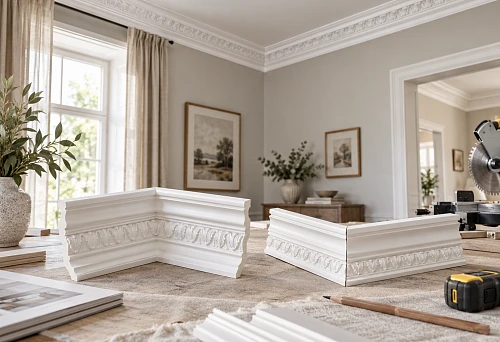
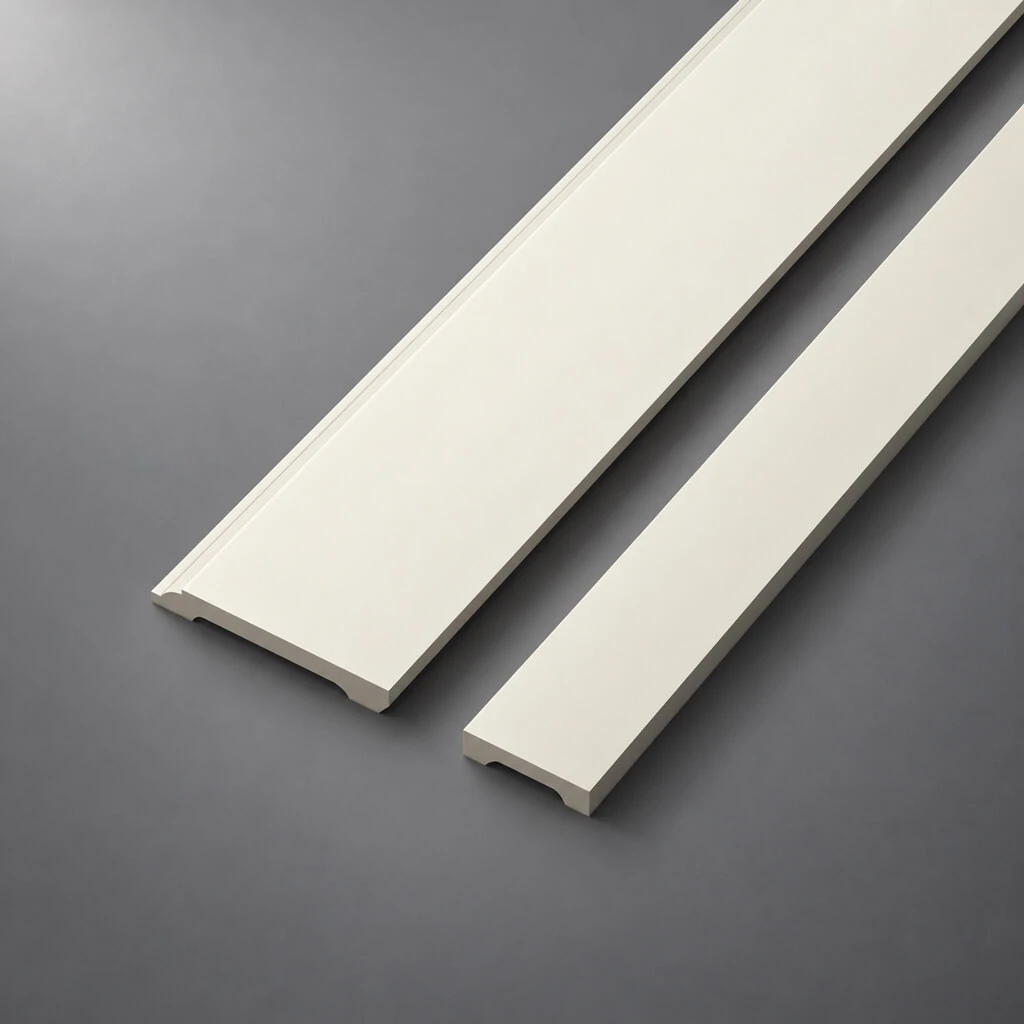
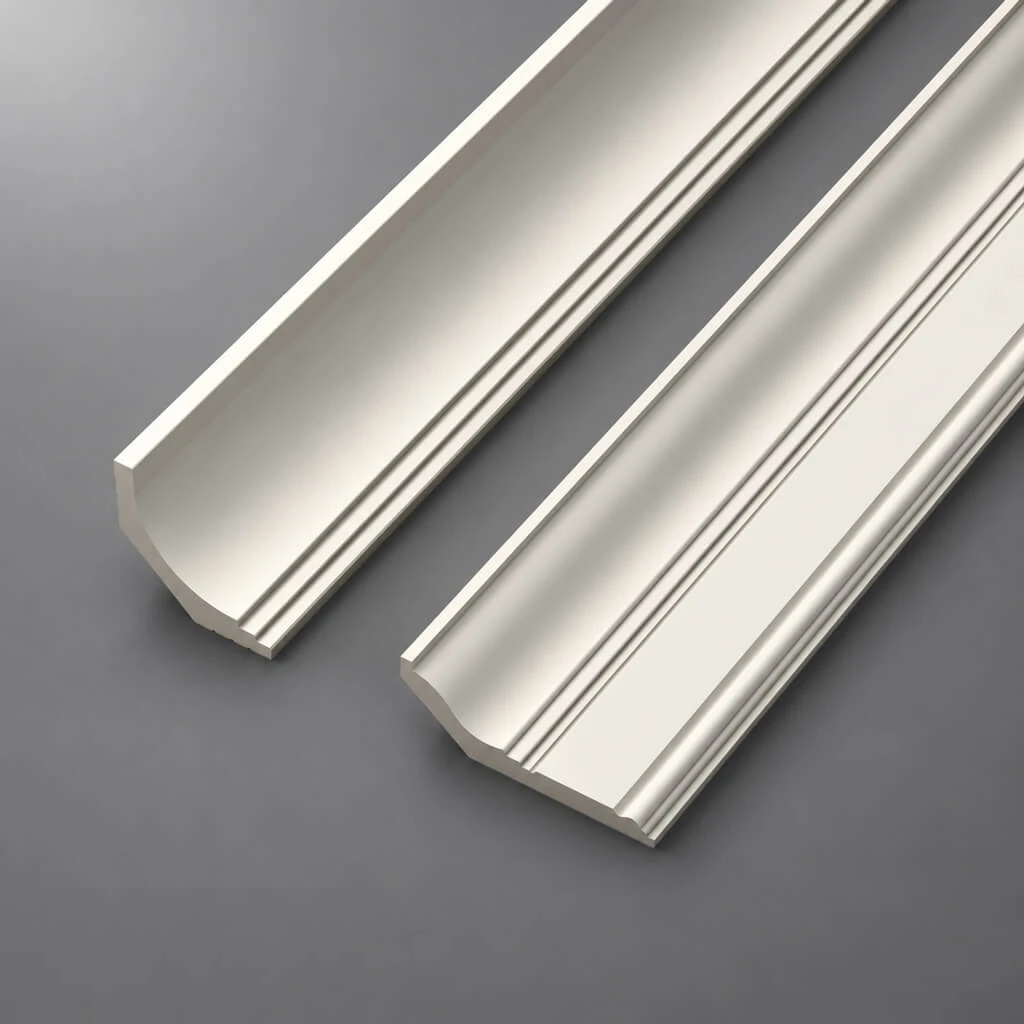
Molding should be proportionate to the room. A thick profiled cornice in a room with a 2.4 m ceiling will feel oppressive — visually lowering the ceiling even further. A thin flat molding in the same room — will add a line without losing height.
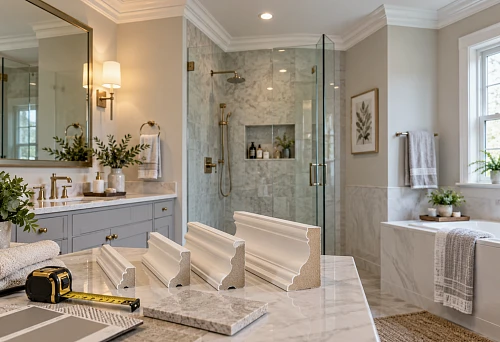
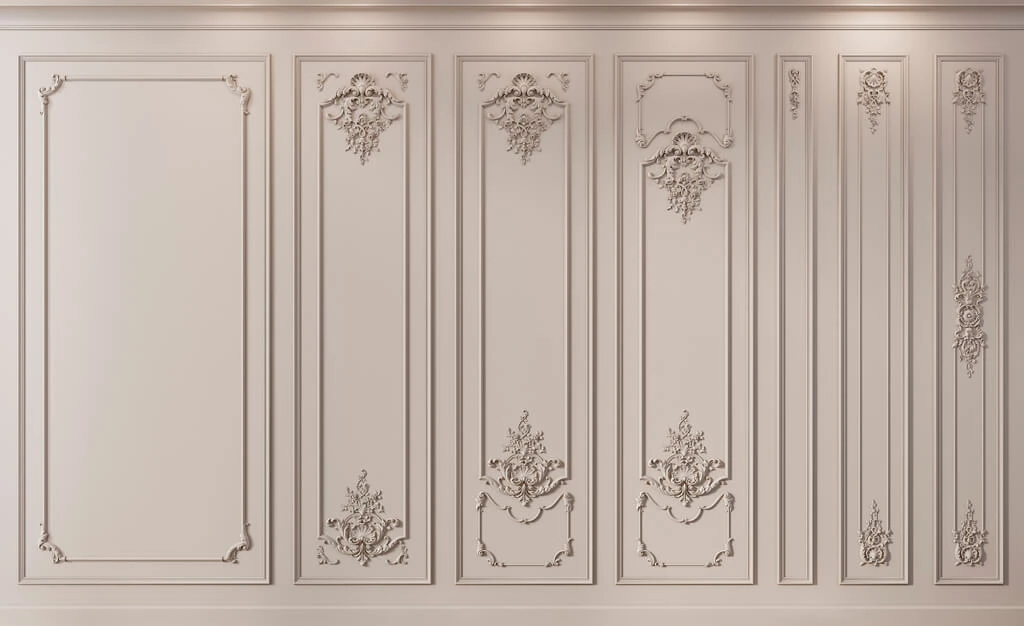
In high halls, on the contrary, thin molding will 'get lost' — here you need mass, volume, depth. Classic division: cornice at the ceiling, a waist-high molding at a height of 90–120 cm from the floor, and a lower baseboard. Three horizontals organize the wall, making it readable and architecturally clear.
When the rhythm needs to be 'broken'
Sometimes the uniform rhythm of a slatted panel looks monotonous — especially on very long walls. A professional technique: break the panel field into several sections using moldings. This creates a hierarchy within the monotonous surface — a main field and side ones, a center and edges.Wall finishing with slatted panelswith such structuring looks much more professional than simple 'panels from wall to wall'.
What to look for in a product card
When it's time to choose a specific product andBuy slatted panels for wall finishing, the product card turns into a set of mysterious numbers and characteristics. Let's break down what's important here.
Base Material
MDF — homogeneous structure, ideal geometry, paints well. Doesn't like constant moisture — not suitable for bathrooms. For living rooms, offices, hallways — excellent.
Solid oak — living texture, durability, resistance to mechanical wear. Requires protective coating (oil, varnish). A bit more expensive, but lasts for decades.
WPC (wood-polymer composite) — for rooms with high humidity or for facade applications.DCP slatted panels are not afraid of water, do not rot, do not deform.
Dimensions and completeness
Pay attention: whether the panel is sold as a module (with underlay, ready for installation) or as individual slats. The module is easier to install and ensures uniform spacing. Individual slats offer more flexibility but require precise marking.
Specify the length: standard slat lengths are 2400 mm and 2700 mm. If the room height is non-standard — look for the possibility of ordering the required size or plan for joining.
Coating and readiness for installation
Paintable lath panelsare supplied without finish painting — you paint them yourself, in the desired color, under the conditions of already installed finishing. This is convenient if you want to precisely match the interior color, pick a shade to specific wallpapers or furniture.
Panels with a ready-made coating — faster to install, do not require painting work. But the color is fixed: what you chose when ordering is what you get.
For molding: look at the profile
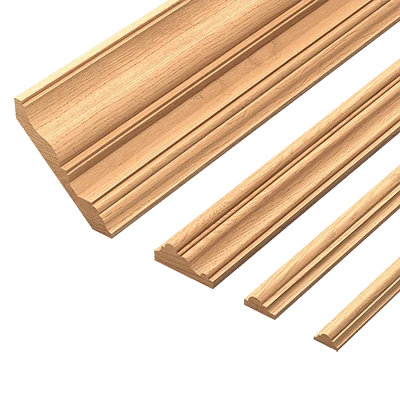
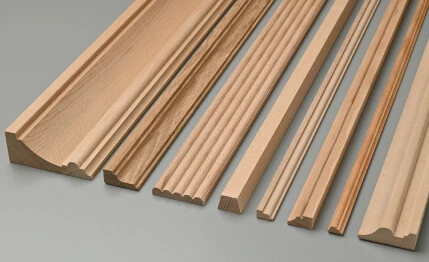
For a molding element, the profile — its cross-section — is critically important. It is the profile that determines how the molding will look on the wall. A flat profile — modern, laconic. A multi-step classical profile with reverse curves — traditional, ornamental.decorative polyurethane elementshave clear factory geometry — what you see in the photo is what you get in reality.
Another important parameter is the possibility of joining at a 45° angle. Good molding can be cut for a corner without losing profile quality. Check in the description or with the manager.
How to avoid going overboard with decor
This is perhaps the most important section. Because this is precisely where most people lose the right path. An interior overloaded with decor does not look rich — it looks anxious. The eye has nothing to rest on, the space screams from all sides at once.
The principle of one dominant element
Each room should have one main decorative accent. One. If it's a slatted panel behind the TV — that's the main one. In this case, molding is an auxiliary tool that structures the space but doesn't compete with the panel.
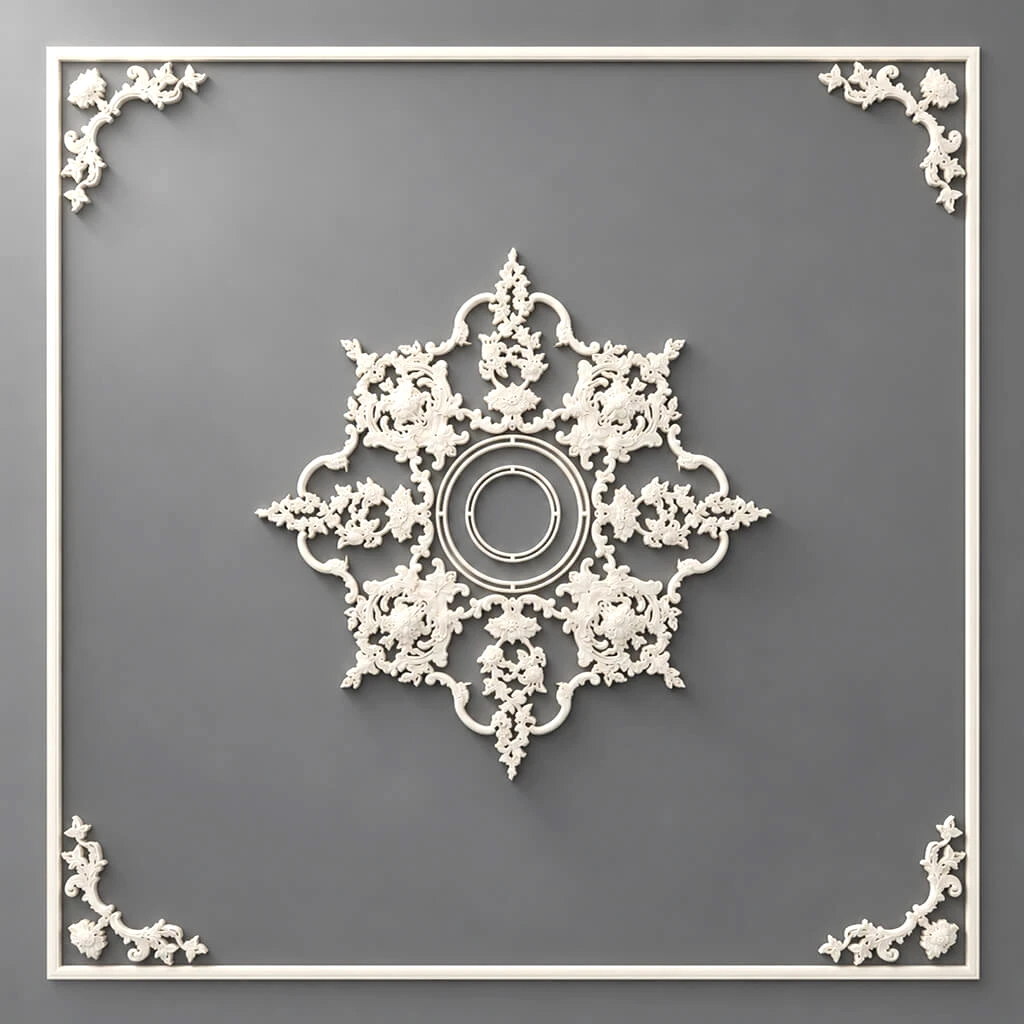
If the main accent is decorative ceiling molding with cornices and a rosette — the walls should be calm. Slatted panels can be present in one area here but shouldn't cover the entire perimeter.
The 'three materials' rule
Professional designers rarely use more than three different finishing materials in one room. Four or more is almost always excessive. Applied to our topic: if a room has slatted panels, molding, and, say, textured plaster — that's already three materials. Adding anything else requires great caution.
Color Unity
The simplest way to unite different decorative elements is to paint them the same color. White slatted panel + white molding + white walls = a clean architectural composition without visual noise. Volume and relief are read through shadows, not through color contrasts.
Contrast combination is a more complex technique requiring precise sense of proportion. Dark panels + white molding + light walls only work when all three elements are clearly calibrated in area and scale.
Not 'more is better'
slatted panels for wallsdon't have to cover all four walls. One accent wall is often stronger than four. The same with molding: molding on one wall as a 'frame' is an accent. Molding on all walls at once becomes a background that stops working as an accent.
Restraint is not poverty. It's confidence in your solution.
Slatted panels in interior design: style determines the choice
Let's go through specific styles — no abstractions. Each style has its own logic, and you need to select both panels and moldings to match it.
Modern minimalism
Here, MDF slatted panels painted to match the wall color work well. The rhythm of the slats is present but doesn't shout — it's revealed with side lighting. Molding is a thin, flat ceiling perimeter molding, no ornaments. Color palette — white, light gray, warm beige.
Scandinavian style
Oak wood slatted panels with light oil finish are the perfect choice. They bring natural warmth to an otherwise restrained interior. Molding is wooden or completely absent. Emphasis on texture, not decoration.
Neoclassicism and modern classicism
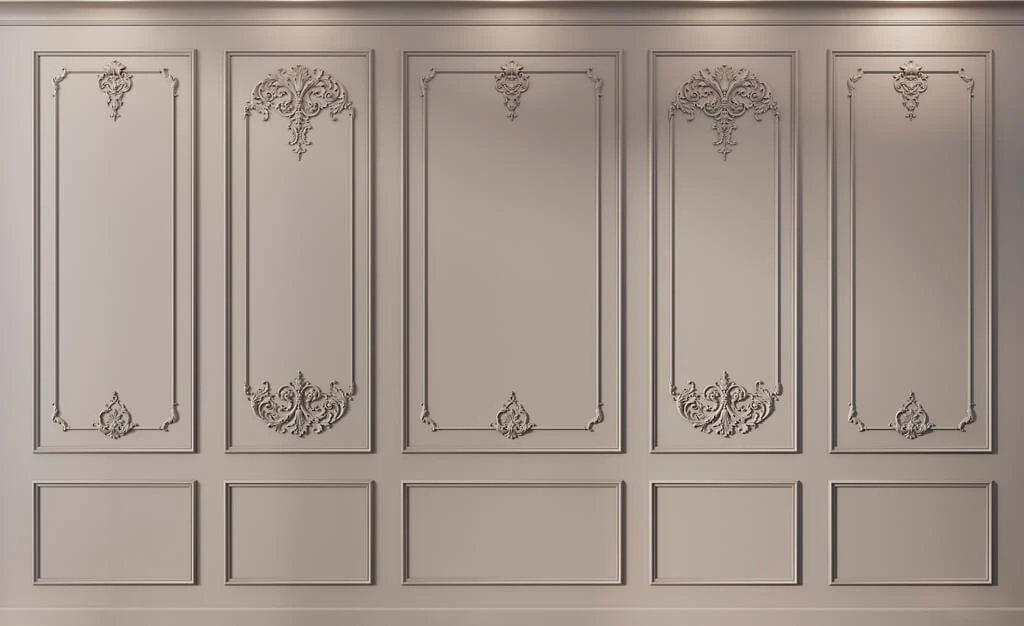
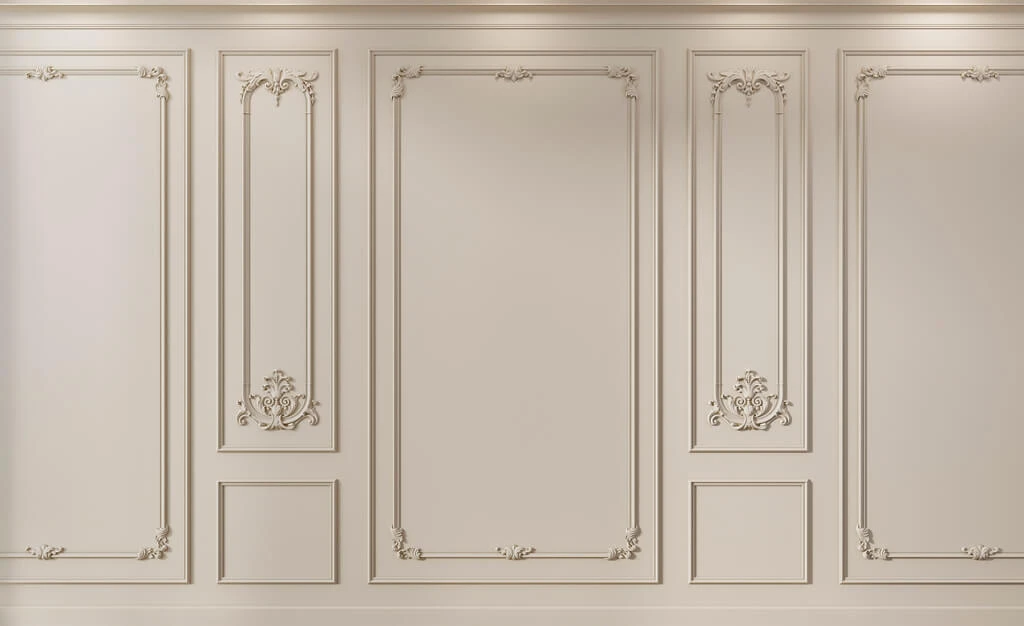
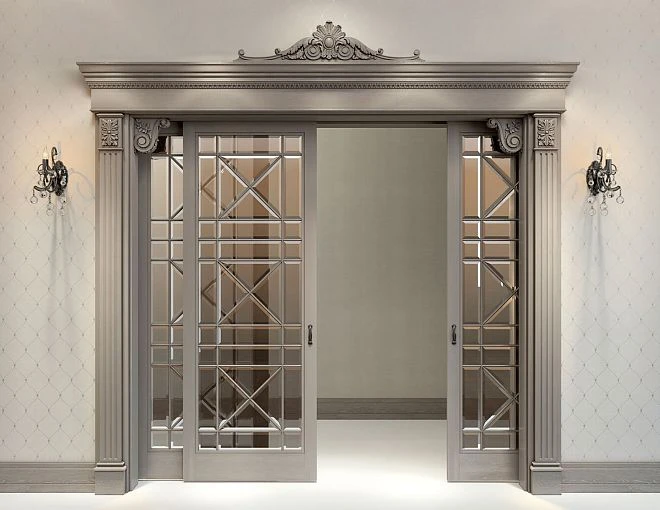
This is where the combination of slatted panels and moldings unfolds to its full potential.Wall slat panels in interiorHere — the lower wall zone (panel field up to 110–120 cm height), and above — classic plaster or wallpaper. The boundary between them is a waist-height molding. A ceiling cornice with profile completes the composition. The result is a clear three-part wall structure: panel — field — cornice. This is the very articulation we see in old European mansions.
Loft and industrial style
Here, slatted panels are combined with raw surfaces: brick, concrete, metal. Molding in its 'pure' form is inappropriate — but metal moldings or industrial profiles serve the same structuring function.Slatted Façade PanelsIn loft interiors, they are used as decorative screens separating functional zones.
Installation: what you need to know in advance
Installationslatted wall panels for interior finishing— a process accessible for DIY. But it's better to know a few things in advance to avoid redoing work.
Surface preparation
The surface must be clean, dry, and free of loose fragments. Serious unevenness is addressed in two ways: puttying and leveling or installation on a metal profile frame.How to install slatted panelsFrame installation is the preferred option for uneven walls: the frame levels the plane and creates an air gap where acoustic material can be placed.
Tools
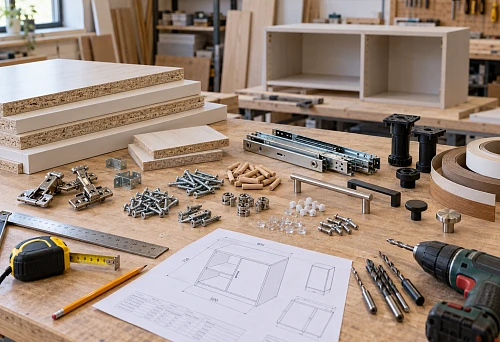
Minimum set: miter saw (or hand saw with a straight cut), mounting adhesive, headless finishing nails or stapler, level, tape measure, pencil. Forinstallation of slatted panelsadhesive installation, a household glue gun and an adjustable wrench are sufficient.
Panel joining
A good slatted panel provides a seamless connection when joining two modules—the slats of adjacent panels form a single continuous rhythm. This is exactly what needs to be checked when selecting: ask or verify in the catalog how the modules join. If the slat spacing is the same, the joint will be invisible.
Molding: installation order
Installation of batten panelsalways precedes molding installation. First—panels, then—moldings on top of or next to them. This is the logic of finish installation: molding conceals and finishes the edges of panels, not the other way around.
Slatted panels with lighting and molding: when light becomes part of the design
A separate topic is integrating lighting into the slatted structure.Slatted panels with lightingcreate an effect that cannot be captured in a photograph—it must be seen in person. The LED strip, placed in the gap between the substrate and the wall, produces a soft, diffuse glow that 'spills' out from behind the slats from below or above.
At the same time, a molded cornice along the upper edge of the panel field can conceal an LED strip that illuminates the ceiling—this is the so-called 'hidden lighting.' The effect: the ceiling glows on its own, the light source is invisible, and the space gains a soft volume. A technique from professional hotel projects—and completely feasible in a home interior.
FAQ: Answers to popular questions
Can you buy slatted wall panels in Tula with delivery?
Yes. STAVROS company provides delivery throughout Russia, including Tula and the Tula region. The catalogof slatted panelsis available online, and orders can be placed on the website or by phone.
MDF slatted panels or solid oak—what to choose?
If freedom in color choice and a more affordable price are important to you—MDF. If living texture, natural material, and durability are important—solid oak. Both options are of professional quality; the difference lies in aesthetic concept and budget.
Is decorative polyurethane molding suitable for the bathroom?
Decorative polyurethane moldingis moisture-resistant and does not swell from steam, unlike plaster. For the bathroom—a quite suitable material provided there is normal ventilation.
Is a specialist needed for installing slatted panels?
No. Installing slatted panels can be done independently with basic tools and precise marking. A detailed installation guide is available on the STAVROS website in the articles section.
How to combine molding with slatted panels in a small room?
Choose a thin molding profile (no more than 30–40 mm in height), paint it to match the wall color, use panels only on one accent wall. Do not overload the space with details—one slatted wall plus a perimeter cornice made of molding is sufficient for a full effect.
What is the Stella slatted panel?
Stella MDF Wall Slatted Panel— a specific model from the STAVROS catalog. It is a panel on an MDF backing with uniform slat spacing, designed for interior wall finishing. Available for painting, compatible with most interior styles.
Where are DPC slatted panels used?
DCP slatted panels— designed for rooms with high humidity (bathroom, balcony, terrace) and for facade applications. They do not rot, do not deform from water, and are UV-resistant.
How to determine the required number of panels?
Measure the area of the surface to be finished in square meters. Add 10–15% for cutting and waste. The product card always indicates the area of one module—divide the total area by the module area to get the number of pieces.
About the company STAVROS
If you are looking for where to buy slatted wall panels in Tula or orderdecorative polyurethane elementswith delivery — STAVROS company offers a full range of materials for professional interior finishing.
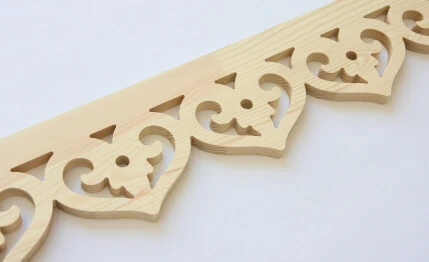
STAVROS specializes in the production and sale of products made from solid wood and polyurethane:of slatted panelsfrom MDF and oak,decorative stucco and moldings, polyurethane trim products, and alsosolid wood trim. The catalog features a wide selection of items for any style, budget, and task.
STAVROS is not a store that sells 'whatever is available.' It is a manufacturing company that knows the product inside out and can provide professional consultation on material selection, quantity calculation, and installation technology. Delivery is available throughout Russia. Orderslatted panels buy in Tulaand get a consultation on the official STAVROS website.