
































Article Contents:
- Where slat panels are used on the facade: zones and application logic
- Private house facade: full cladding and zonal accent
- Entrance group: the first impression
- Gable and attic level
- Terrace and relaxation area
- Balcony
- Accent exterior wall
- What types of facade slat panels are there
- Wooden slat panels for facade
- Wood-look panels: WPC and film coatings
- Metal slat panels
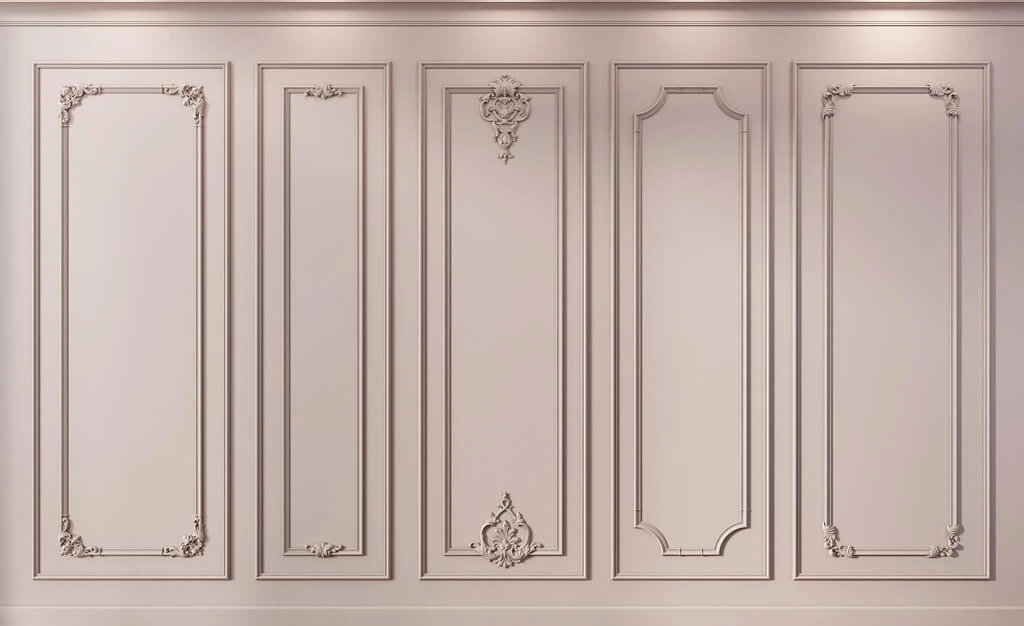
- Decorative facade panels with relief
- Vertical slat panels on the facade
- Why a baseboard is not a trifle
- How to finish the bottom edge of slat panels on the facade
- Option one: slat panels above an open foundation
- Option two: metal base profile
- Option three: wooden facade baseboard
- Option four: contrasting color of the lower zone
- Option five: panels down to the blind area
- How to combine slat panels with facade trim
- Vertical rhythm of slats and window opening
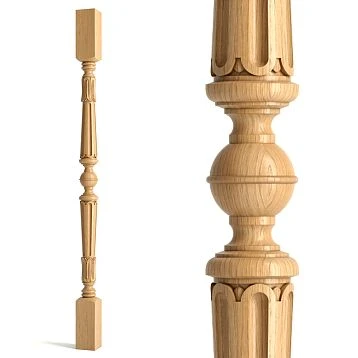
- Wooden trim and house carving
- Color of trim and slat panels: three approaches
- Slat panels and facade cornice: how to finish the facade at the top
- Wooden cornice on a slatted facade
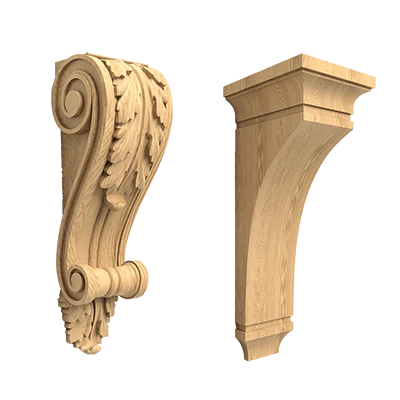
- Brackets as an additional decorative element
- Cornice and pediment
- Color of facade slat panels: choosing wisely
- Natural wood: honesty and warmth
- Dark facade panels: strength and modernity
- Light panels: air and space
- Panels matching the entrance group color
- Contrasting base
- Polyurethane products on a facade with slatted panels
- Mistakes when choosing facade slatted panels
- Where to buy facade decor and wooden elements for exterior wall finishing
- FAQ: Answers to Popular Questions
The facade is the face of the house. Not the interior, which only guests see, but what is visible to every passerby, every neighbor, and above all — to yourself every time you approach your home. That is why mistakes in facade finishing are felt more acutely than mistakes inside: they cannot be hidden behind furniture, they will not be covered by a curtain. They simply exist — and they are visible.
Slatted panels for the facade — one of the most expressive tools of modern architectural finishing. The vertical rhythm of the slats creates a living, breathing surface that changes throughout the day with the lighting. But choosing beautiful panels is only the first step. Then the real work begins: how to design the lower edge at the base to avoid a rough break; how to bring the panels to window openings without an ugly gap; how to harmonize the vertical rhythm of the facade with the horizontal cornice; how to connect the facade slatted panels with the trim, entrance group, and facade decoration into a single architectural story. This is exactly what we cover — in detail, authentically, with specific solutions.

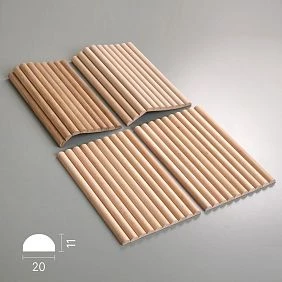
Where are slatted panels used on the facade: zones and logic of application
Facade slatted panels are not a universal covering for the entire house. They work as an accent or zoning element, and understanding where exactly to apply them is more important than choosing the color.
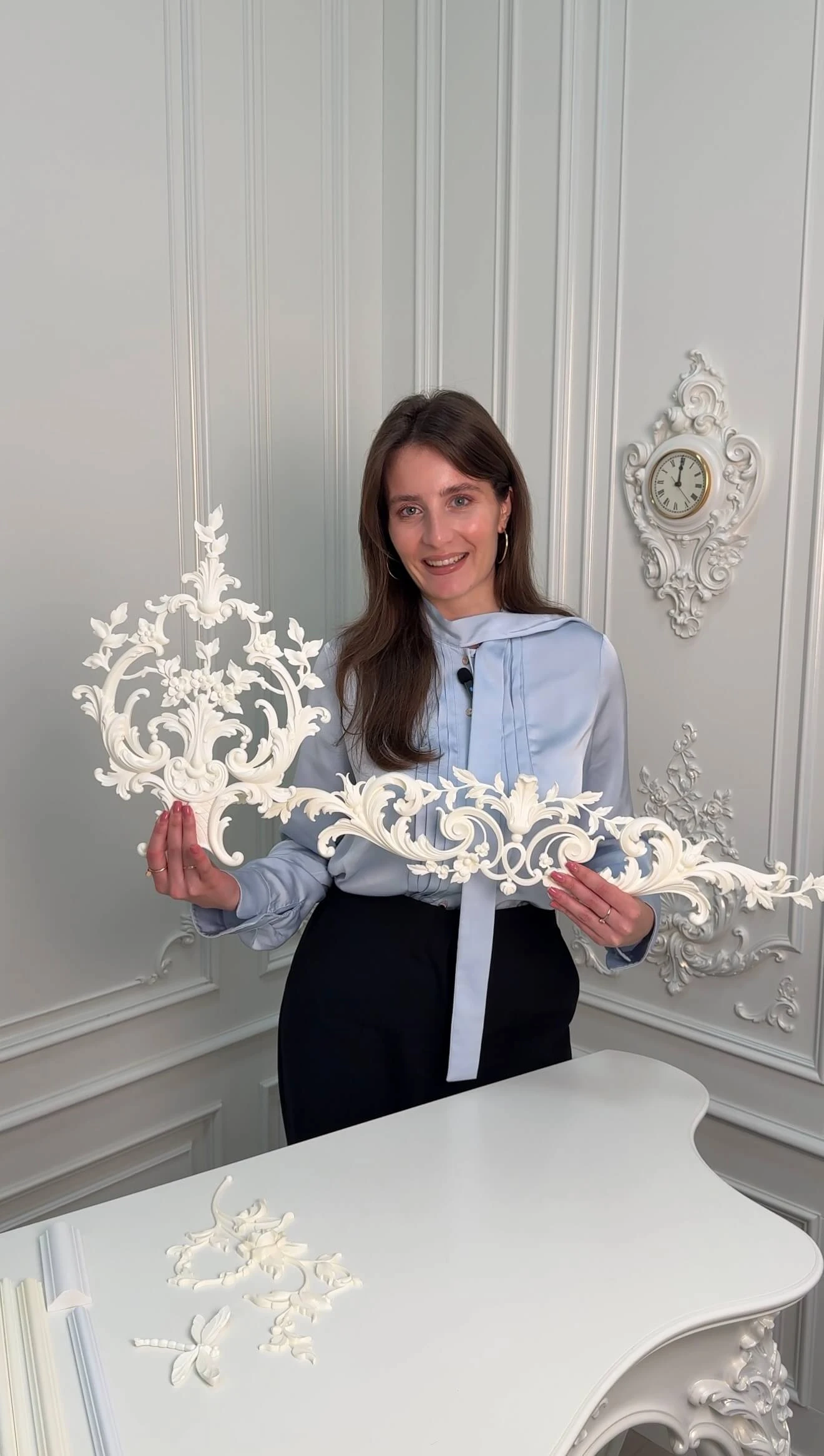
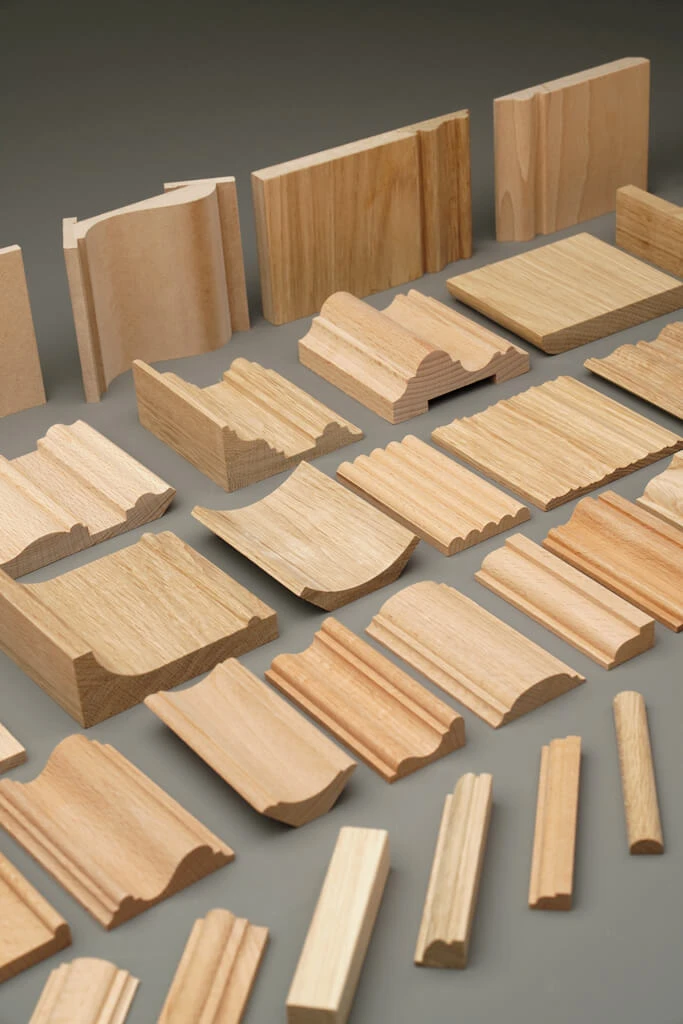

Private house facade: full cladding and zonal accent
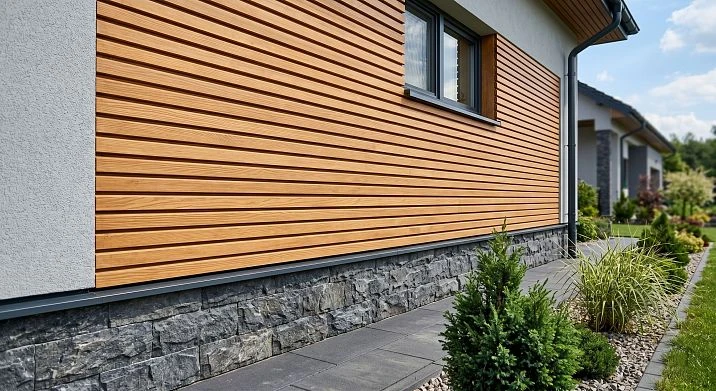
Slatted facade panels can cover the entire perimeter of the house — then the vertical rhythm creates a unified character for the building, expressive and recognizable. But more often they are used differently: they highlight individual zones against a background of plaster, brick, or other material. Wooden slats on the facade of a country house next to light plaster are a classic of Scandinavian architecture that works well in the Russian climate as well.
The key rule of zonal application: slatted panels should occupy a meaningful architectural zone — an entire wall, an entire upper or lower part, an entire gable. Random "pieces" of slatted panels on the facade look like unfinished repairs.
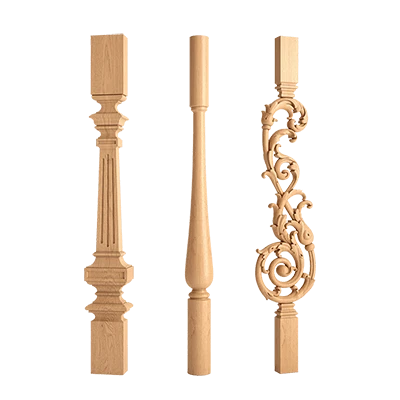
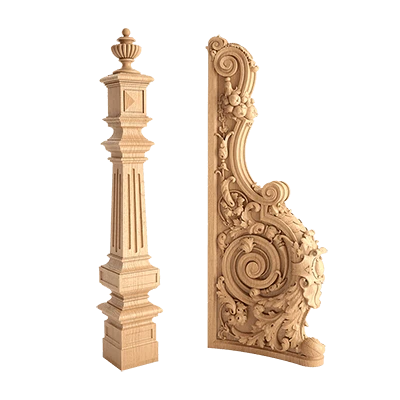
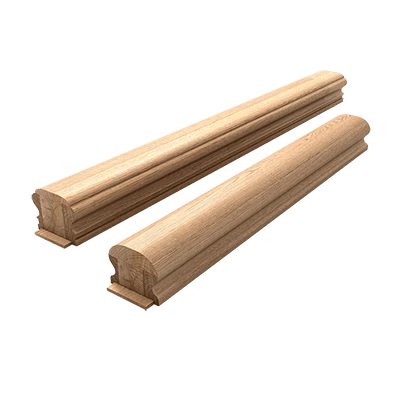
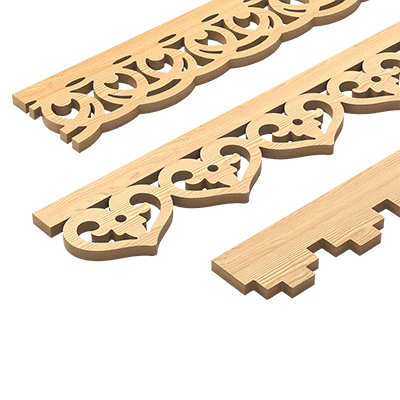
Our factory also produces:


Entryway group: first impression
The entrance group — porch, canopy, area around the front door — is the architectural center of the house. Slatted panels here create a framing: a vertical wooden rhythm on the sides of the door, a slatted ceiling under the canopy, an accent wall above the porch. The combination of slatted panels with wooden casings around the front door and wooden cornices above it creates a complete, representative entrance group.
Get Consultation
Gable and attic level
The gable — the triangular completion of the facade under a gable roof — is traditionally highlighted with a different material or color. Vertical slatted panels on the gable work excellently in combination with wooden carved decorative elements around the perimeter: this is an architectural tradition that never goes out of style.
Terrace and lounge area
Slatted panels on the terrace walls create a semi-enclosed space with the feel of a wooden "tent." The vertical rhythm of the slats partially shields from view, creates a play of light and shadow, and sets a cozy wooden character for the open space. For the terrace, material protection is especially important: varnish or oil with a UV filter is a must for durability.
Balcony
Slatted panels on the balcony railing or on the wall behind the balcony are a delicate architectural technique. The panels can cover the wall under the balcony railing, creating a protected space, or serve as an accent cladding of the balcony slab from below, adding a horizontal wooden accent to the overall facade composition.
Accent exterior wall
One of the most common techniques in modern facade architecture is one wall or one volume of the building highlighted with slatted panels against a neutral plaster background. This works both in small country houses and in large-scale suburban projects: the wooden "block" creates a sculptural accent, making the facade interesting and non-uniform.
What types of facade slatted panels are there
The choice of material for exterior finishing is fundamentally different from the choice for interior. Outdoors, there is moisture, ultraviolet radiation, temperature fluctuations, wind, and fungus. Each material handles these conditions in its own way.
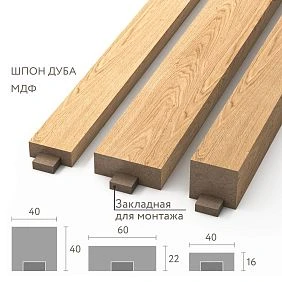
Wooden slatted panels for the facade
Wood is a traditional and highly expressive material for facade slatted panels. Properly treated wood—primarily hardwoods such as oak, larch, and thermally modified pine—can last for decades on exterior walls. Larch is especially valued in facade finishing: its resinous structure provides high resistance to atmospheric moisture. Oak offers a noble natural tone and a pronounced grain pattern.
Protective coating is critically important: facade oil or facade varnish with UV filter, antiseptic, and moisture-repellent impregnation. Without proper coating, wood turns gray within one season, cracks, and begins to rot from the bottom ends and areas adjacent to damp structures.
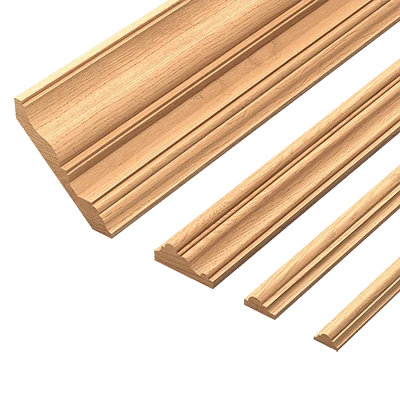
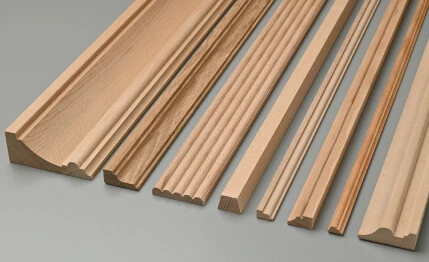
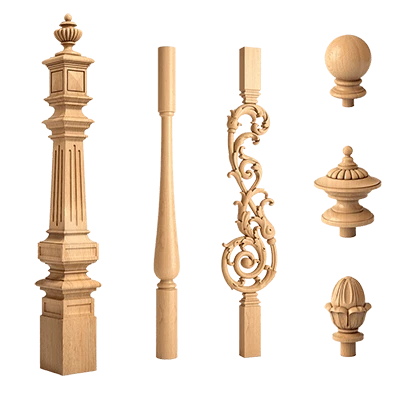
Wooden trim For ends, joints, and lower sections, it is selected from the same species and treated with the same compound—so all transitions look organic.
Wood-look panels: WPC and film coatings
WPC—wood-polymer composite—is a popular choice for facades precisely because it requires no regular maintenance. There is no need to reapply a protective coating every two to three years. Externally, WPC mimics wood texture, but upon close inspection and tactile contact, the difference is obvious: the surface is uniform, "perfect," without the living variability of real grain.
For those who value the appearance of wood but are not ready for regular upkeep, WPC is a reasonable compromise. For those who want genuine wood on the facade, only natural materials will do.
Metal slatted panels
Aluminum and steel slatted panels for facades are a choice for modern, austere, often commercial architecture. They provide clean lines, are durable, resistant to moisture, and require no maintenance. But they have a different character: cold, industrial, neutral. For a country wooden house in a warm, natural style—not the right choice.
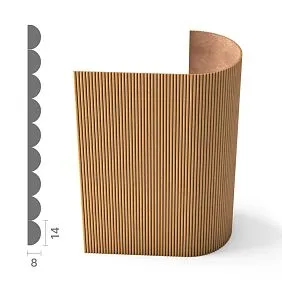
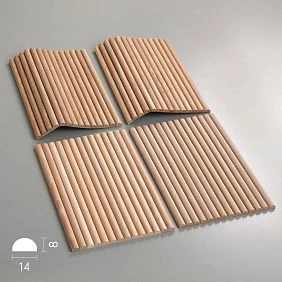
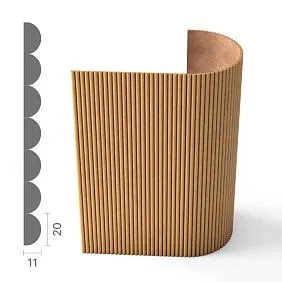
Decorative facade panels with relief
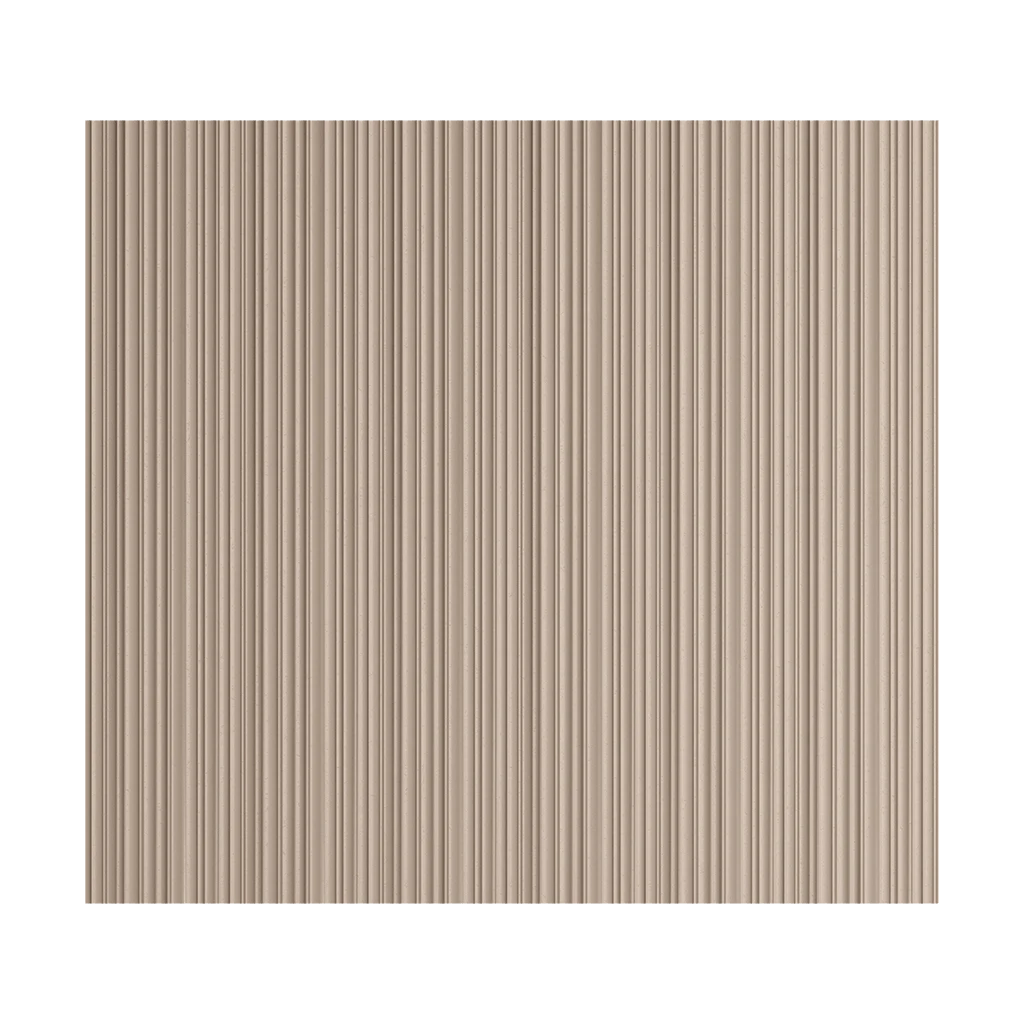
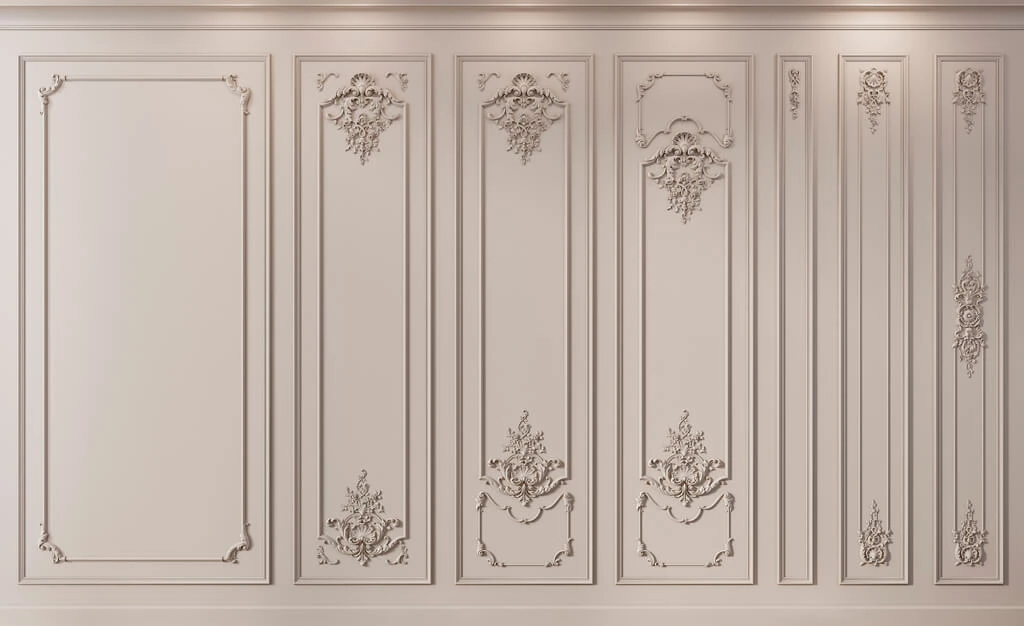
Decorative slatted panels with pronounced slat depth create a sculptural surface that reads even from a distance. Deep slats cast sharp shadows—the facade comes alive at any time of day. They are especially effective in accent areas: above the entrance, on the gable, in the terrace area. Carved wooden decoration combined with expressive slat panels creates a facade that is hard to mistake for a typical country house.
Vertical slat panels on the facade
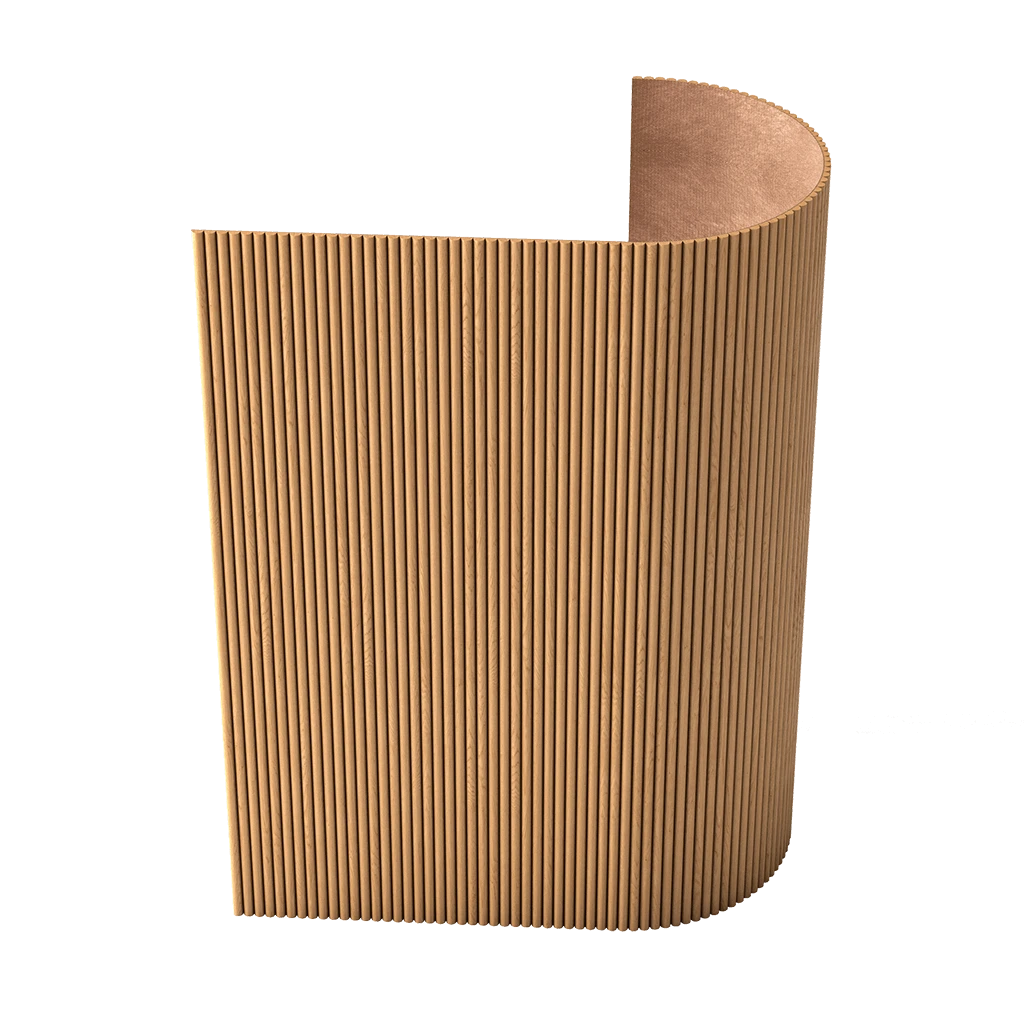
Vertical installation is a classic of slatted exterior wall cladding. Vertical slats elongate the building, making it taller and slimmer. It is this vertical rhythm that creates the play of light and shadow that makes a wooden facade so expressive throughout the day.
Horizontal installation of slat panels is an alternative solution that "flattens" the volume horizontally. This works well for low, elongated structures — bathhouses, utility blocks, garages. For a residential building, the horizontal creates a grounded effect — in most projects, vertical slat panels are preferable.
Why the baseboard is not a trifle
Let's talk about what is usually kept silent in most articles about facades: the bottom edge of slat panels. This is where the most common mistakes are hidden, this is where the facade either looks finished or reveals the incompleteness of the work.
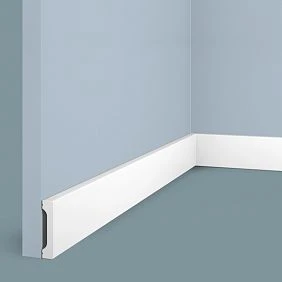
The baseboard is a decorative and structural element that covers the joint between the slatted facade panels and the base area of the building. It is a horizontal dividing line between two zones of the facade: between the wooden slats above and the base cladding below.
Why is it needed? There are several reasons, and each is important in its own way.
First: protection of the bottom edge. The bottom end of facade slat panels is the most vulnerable spot. Moisture from rain and melting snow rises from here through the capillaries of the wood. Rot also begins here if the end is not protected. The base profile or facade baseboard covers the end, diverts water, and extends the service life of the entire cladding.
Second: architectural logic. The base and the wall are different structural zones. It is customary to make a visual distinction between them — a horizontal line that reads as the "foundation" and "body" of the building. Without this line, the facade looks devoid of a base, like a painting without a frame.
Third: hiding the technological gap. When installing slatted panels on a batten, a gap inevitably remains between the lower end of the panels and the base surface — a ventilation gap necessary for air circulation under the cladding. This gap must be closed so that leaves, debris, and small creatures do not get under it, but air continues to circulate.
Fourth: aesthetics. A properly selected baseboard — dark for a dark base, light for light panels, contrasting as a deliberate line — makes the facade architecturally mature. The difference between a facade with and without a well-thought-out lower node is instantly noticeable.
How to design the lower edge of slatted panels on a facade
Specific solutions for the lower node — from simple to complex.
Option one: slatted panels above an open base
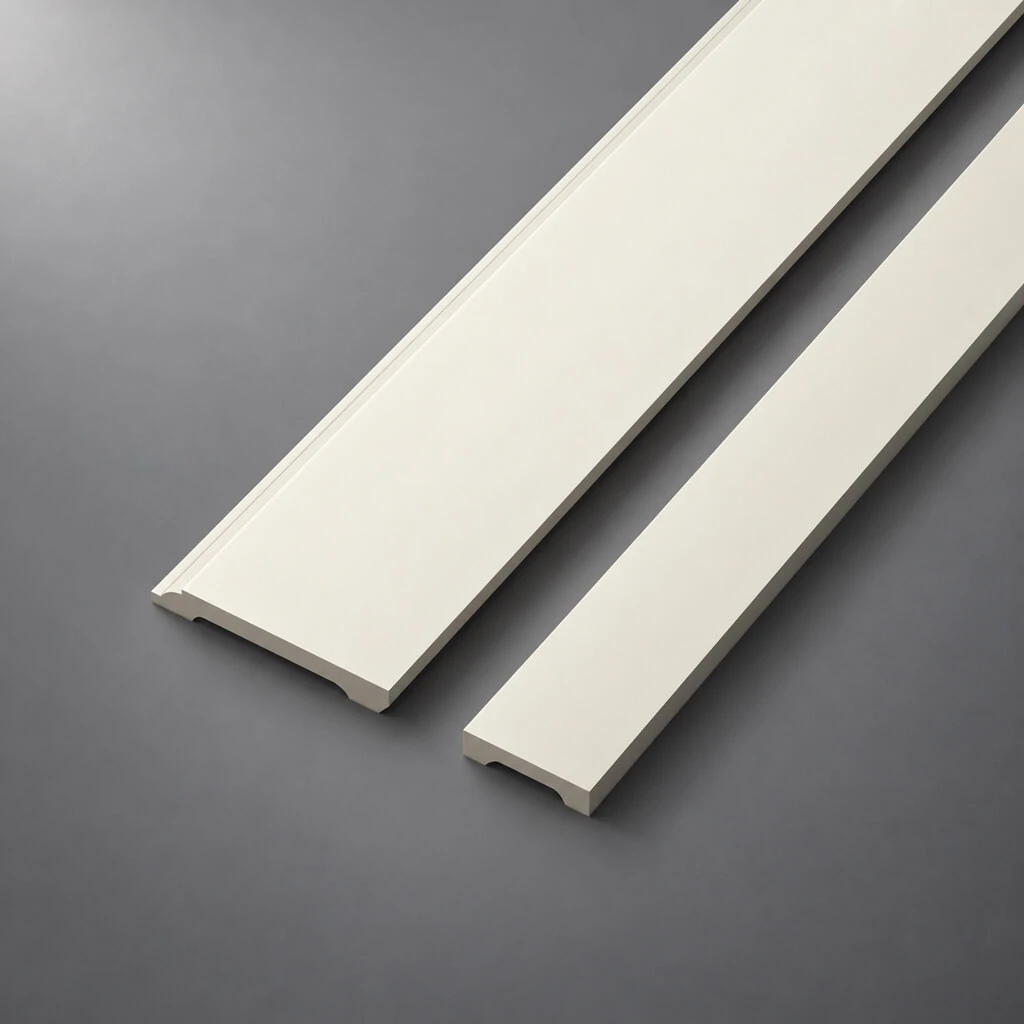
The most common approach: slatted panels start above the base level, the base is finished separately with plaster, stone, or tiles. Between them is a horizontal profile strip that marks the boundary and hides the lower end. Facade Decoration in the form of a wooden profile strip along the demarcation line creates a clear horizontal line that "holds" the entire facade.
Option two: metal base profile
A metal base profile — J-shaped or L-shaped — is mounted along the lower edge of the batten before installing the panels. The lower end of each panel fits into the profile groove. From the outside, only the decorative shelf of the profile is visible — a clean horizontal line without a gap and without an open end. The metal is resistant to moisture and mechanical loads, requires no maintenance.
Option three: wooden facade baseboard
Wooden trim Made from the same material as the facade panels, cut into a horizontal baseboard — this is a historically established solution for wooden houses. A wooden horizontal strip at the bottom of the facade serves as both an architectural element, protection for the lower end, and a visual completion of the wooden system. It requires regular maintenance along with the panels themselves.
Option four: contrasting color for the lower zone
When the base is painted or finished in a dark color — dark gray, anthracite, black — and the slatted panels are light or in a wood tone, the boundary between them reads on its own. In this case, the base profile can be minimal — just a technological flashing. The contrast of tones does all the work.
Option five: panels down to the blind area
When the slatted panels are brought all the way down to the blind area line — this is a bold, clean solution. It requires special protection for the lower part: hydrophobic impregnation, antiseptic, and a drainage gap above the blind area. Without these measures, the lower 15–20 cm of the panels will begin to deteriorate within a few years.
How to combine slatted panels with facade trim
Windows on the facade are not just openings. They are architectural accents around which the rhythm of the facade is built. Facade trim frame the window openings, creating vertical-horizontal frames that interact with the vertical rhythm of the slatted panels.
Vertical rhythm of the slats and the window opening
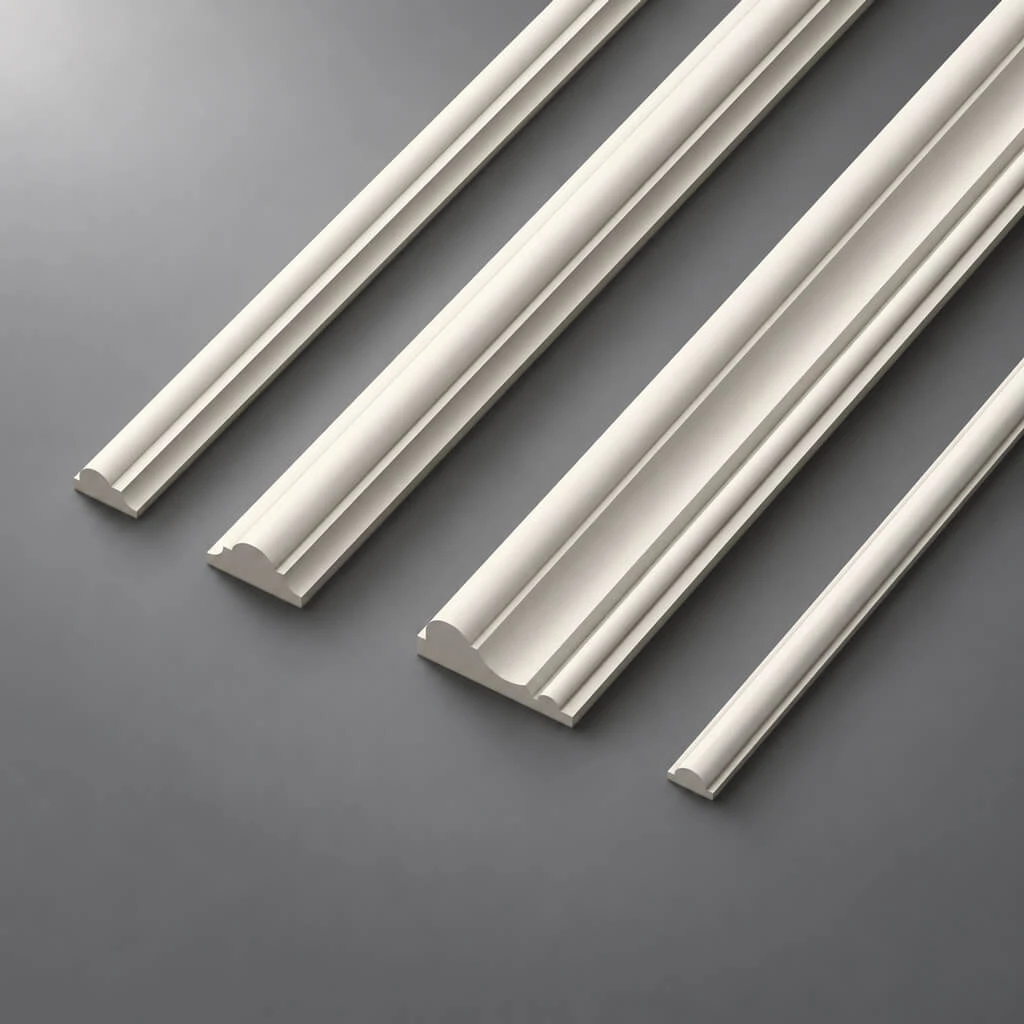
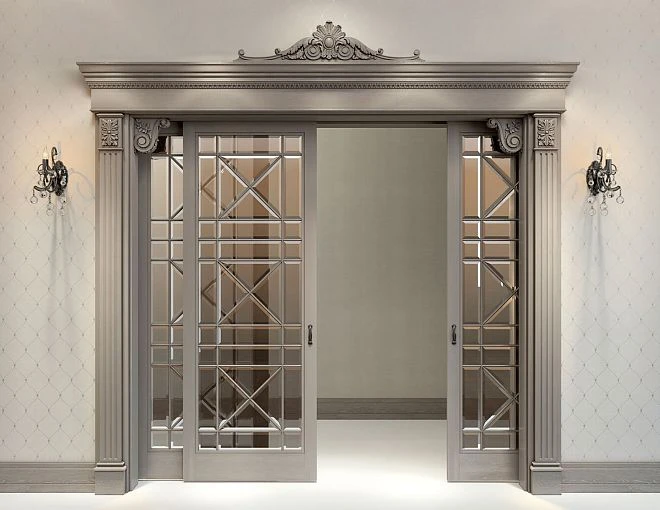
When slatted vertical panels reach a window opening, you need to decide: do the panels go under the casing, or does the casing cover the edge of the panels? The correct answer is the second. The casing is mounted over the slatted surface, creating a wooden frame around the window directly against the background of the slats. This is both technologically correct and visually expressive: a wooden window frame on a wooden slatted background — a natural ensemble.
If the casings are white or painted in a neutral color — they create a contrasting frame that highlights the window from the wooden rhythm of the facade. This is a more modern, strict solution.
If the casings are wooden, of the same tone as the panels — they "blend in" with the wooden facade, creating a unified textured surface on which the windows are read through the geometry of the frames, rather than through color contrast.
Wooden casings and house carving
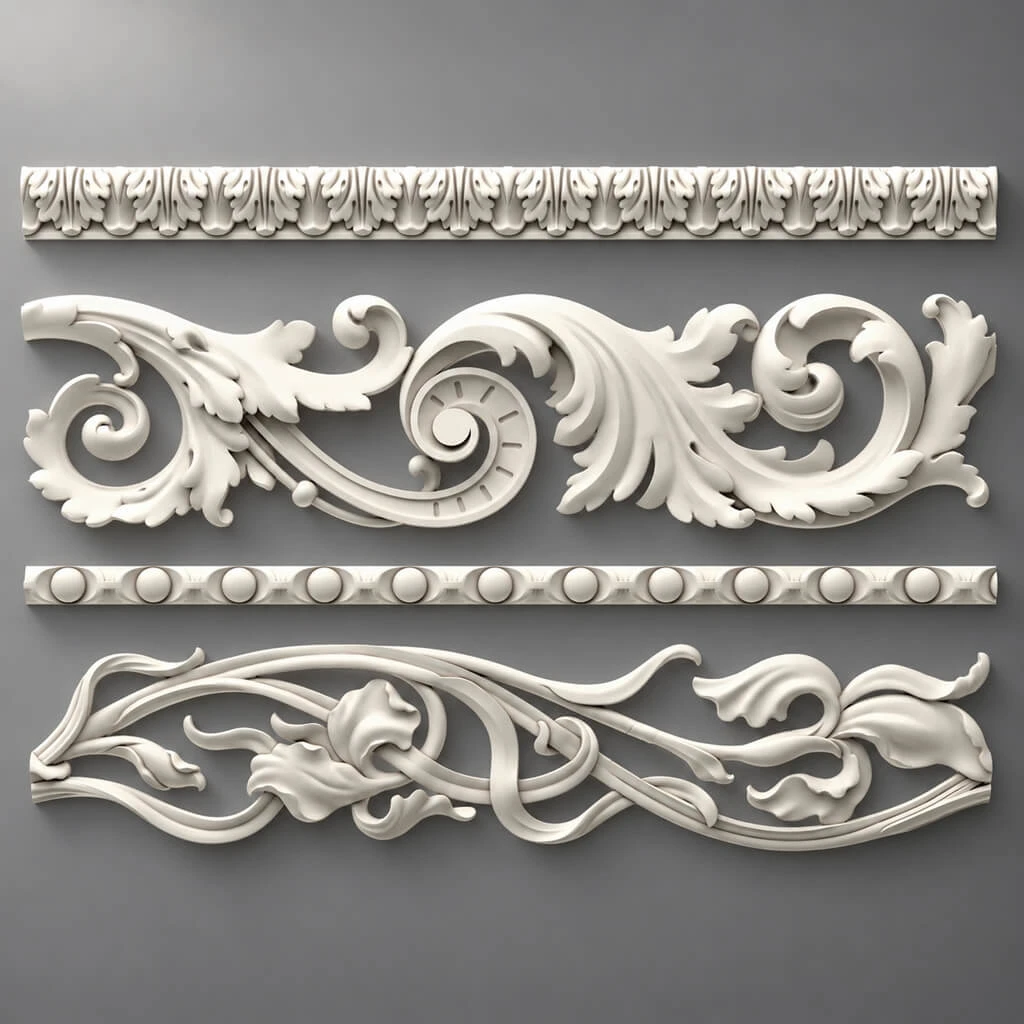
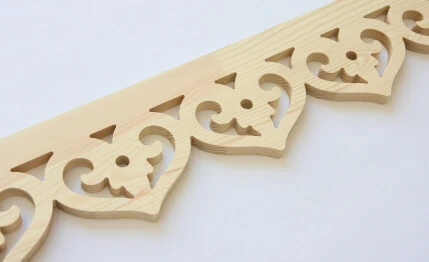
House Carving — this is ornamental decor that traditionally adorned window casings, gable boards, and cornices of wooden houses. On a modern facade with slatted panels, carved decor around the perimeter of the windows creates a combination of the laconic architectural rhythm of the panels and traditional wooden ornamentation. This works in the style of Russian eclecticism, in rustic modern, in eco-style with ethnic motifs.
Important: if you choose carved decor for the casings, it must be coordinated with the character of the slatted panels in terms of scale. A thin openwork cutout next to powerful wide slats is a dissonance. A delicate geometric ornament on the casing next to moderately relief slats is harmony.
Color of casings and slatted panels: three approaches
| Approach | Panels | Trim | Effect |
|---|---|---|---|
| Unified system | Natural oak | Natural oak | Wooden monolith, natural integrity |
| White accent | Dark Slats | White | Sharp contrast, each window is a separate accent |
| Tinted contrast | Light battens | Dark trim | Windows are 'recessed' into the facade, strict architectural graphics |
Slat panels and facade cornice: how to finish the facade at the top
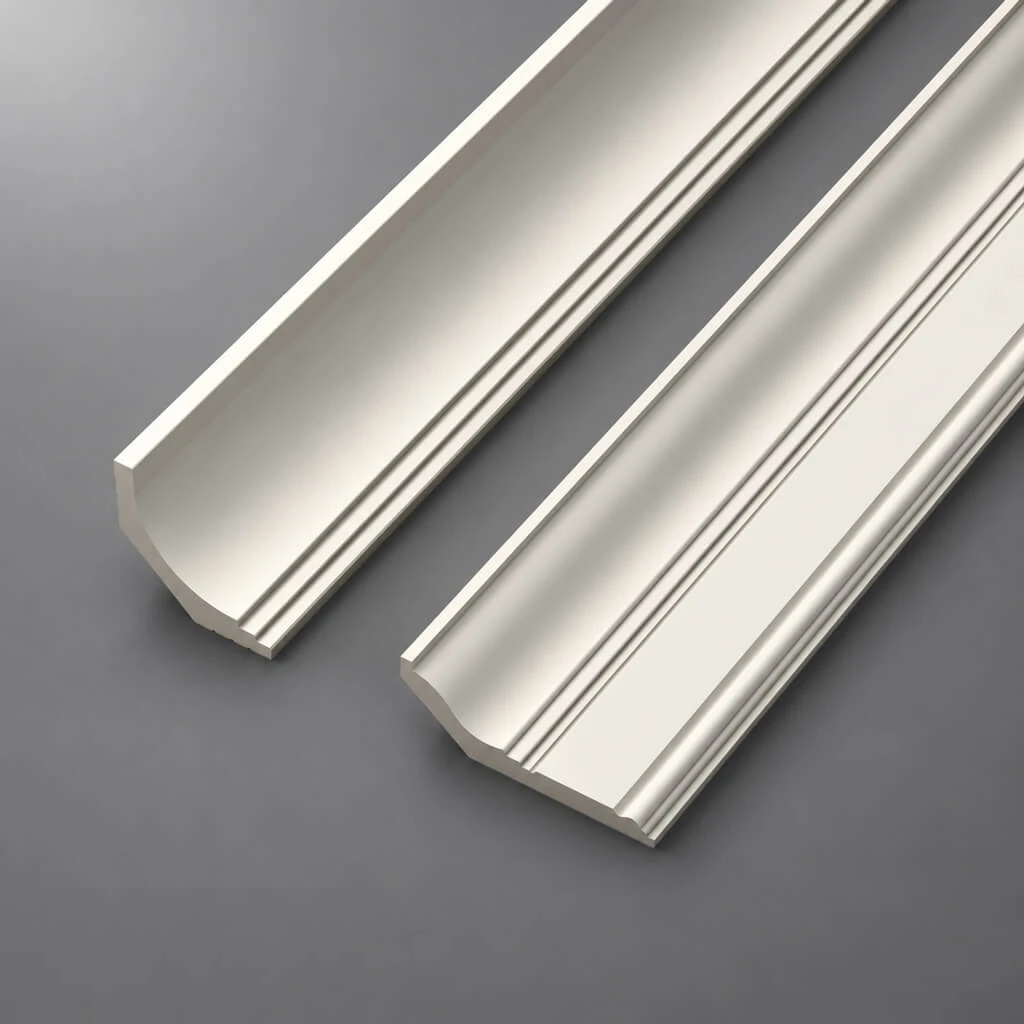
If the lower edge of the facade is resolved with a baseboard, then the upper edge is resolved with a cornice. The cornice is a horizontal decorative element that runs along the transition line from the wall to the roof. It hides the upper end of the slat panels, diverts water from the wall, and creates an architectural completion of the facade plane.
Wooden cornice on a slat facade
wooden cornice It is chosen from the same wood species as the facade panels — and this is fundamental. A foreign profile along the upper edge of the slat facade destroys unity. A wooden cornice made of oak or larch, treated with the same protective compound as the panels, creates a clear horizontal line on the facade — the upper boundary of the slat field.
The cornice performs several functions simultaneously: decorative (completion of the vertical rhythm), structural (protection of the upper end and wall from rain), architectural (scaling of the facade). A cornice with an overhang of 50–80 mm effectively diverts water from the surface of the slat panels — this significantly extends the service life of the finish.
Brackets as an additional decorative element
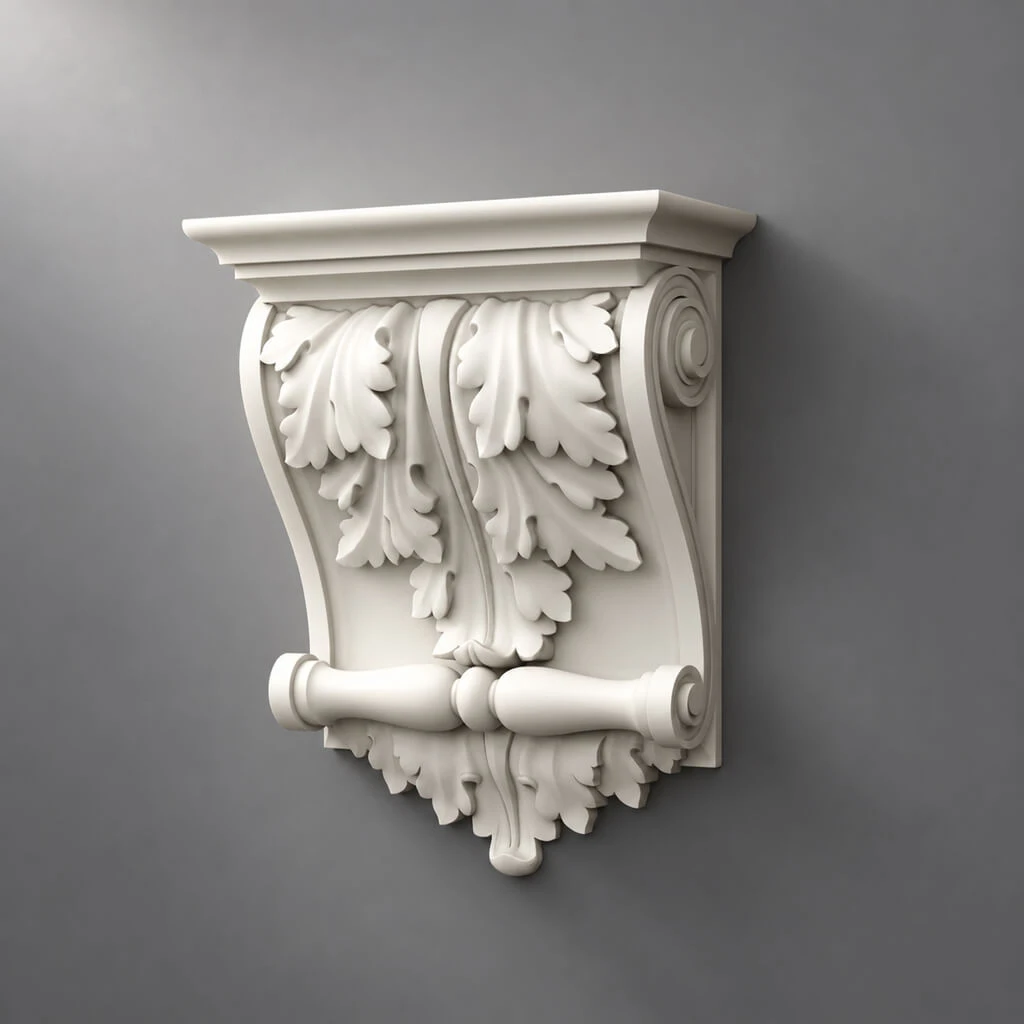
Polyurethane brackets under the cornice, a rhythmic support is created along the entire length of the facade. This is a classic technique rooted in wooden architecture: sub-cornice brackets make the horizontal line of the cornice visually weighty, "supported" from below. On a slatted facade with a vertical rhythm, the brackets add a horizontal counterpoint — the cornice becomes not just a strip, but an architectural belt.
Polyurethane brackets are resistant to moisture, UV radiation, and temperature fluctuations, do not rot or crack — for outdoor use, this is an important practical advantage over wooden ones.
Cornice and pediment
On a gable facade, the cornice runs along the horizontal part and transitions into vergeboards along the slopes. Wooden trim for vergeboards, it is selected from the same system as the cornice. A pediment with slatted panels and wooden vergeboards designed as a unified system is an architectural whole, not a "made do with what was found."
Color of facade slatted panels: choosing wisely
Color is what is visible from a distance of 50 meters. It forms the first and most lasting impression of the facade.
Natural wood: honesty and warmth
The natural shade of wood — golden oak, light larch, amber pine — makes the house warm, lively, and natural. This works well surrounded by trees, in a countryside setting, and in rustic and Scandinavian styles. Downside: without regular maintenance, the natural tone changes — the wood turns gray, darkens, and acquires an uneven color. To prevent this, regular impregnation with facade oil or renewal of the varnish coating every 3–5 years is required.
Dark facade panels: strength and modernity
Dark gray, coal, almost black facade slat panels are the modern design code for a country house. Such facades look confident, strict, and architecturally mature. Dark panels pair well with white trim, a light entrance group, and a light wooden cornice. The contrast of dark and light creates dynamics that make the house interesting from any perspective.
An important detail: dark color on wooden facade panels is typically pigmented oil or opaque facade varnish. Properly applied dark coating retains a stable tone longer compared to transparent compounds.
Light panels: air and space
White, cream, light gray slat panels make the facade light, somewhat airy. They look especially good in combination with a dark base, dark trim, and a roof in graphite or anthracite tones. A light wooden facade + dark base is a classic design technique that creates the feeling of a house 'floating' above the ground.
Panels in the color of the entrance group
When the slat panels at the entrance and the door are in the same tone, the entrance group reads as a single architectural volume. Everything around is in a different tone, the entrance area is in its own. This creates a focal point: the house 'shows' the entrance.
Contrasting base
A dark base + light slat panels is a proportion where the house looks stable and clearly structured. The dark base 'grounds' the building, the light panels lift it upward. This combination is most often used in modern country architecture.
Polyurethane products on a facade with slat panels
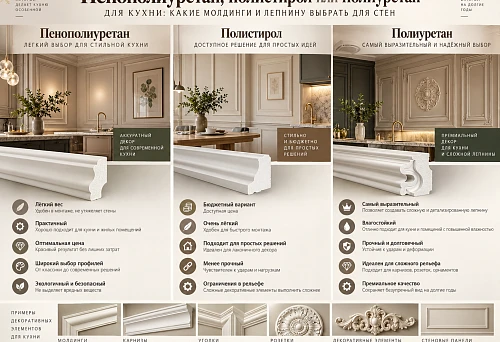
Polyurethane facade decor is a topic that is undeservedly overlooked. Polyurethane Items have a number of properties that make them optimal for outdoor use: they do not absorb moisture, do not deform with temperature changes, do not rot, and do not crack from frost. They are produced with a surface that imitates the texture of natural wood or stone — and readily accept any paint.
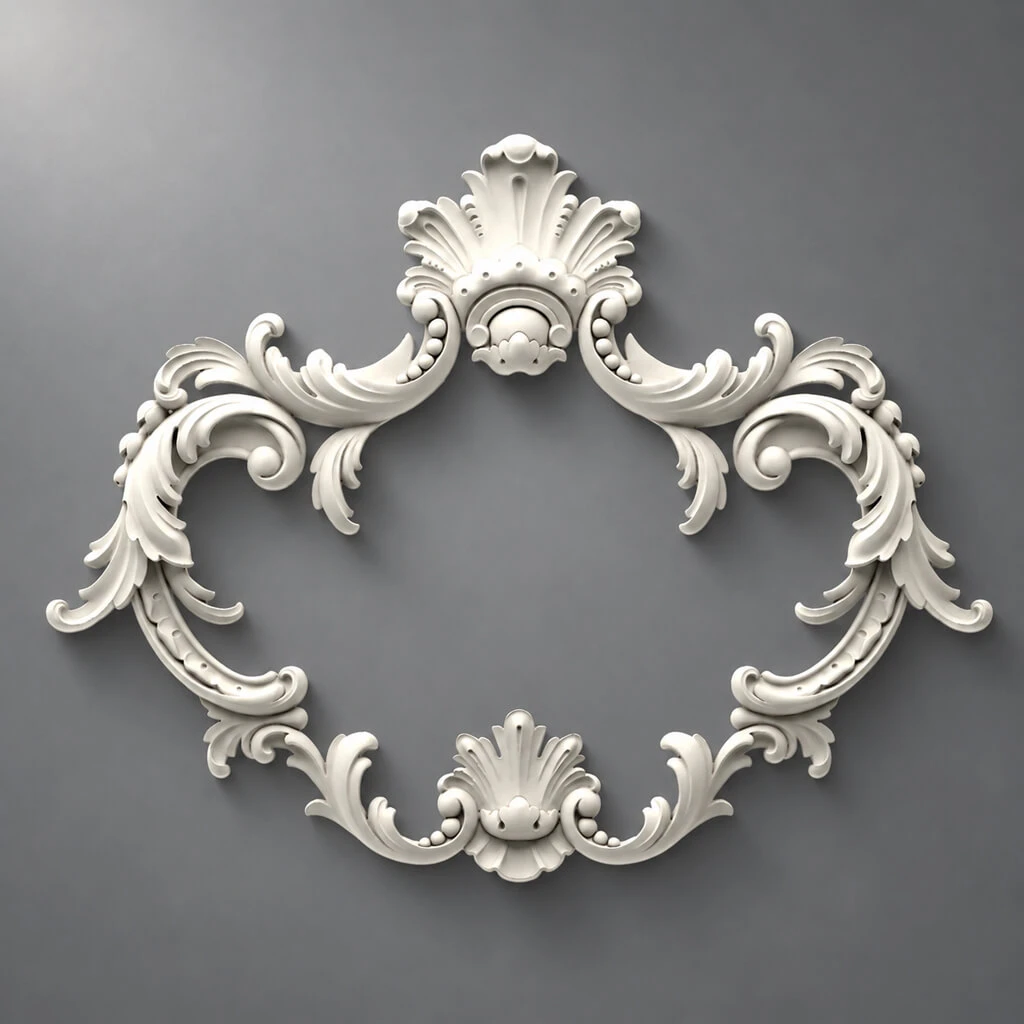
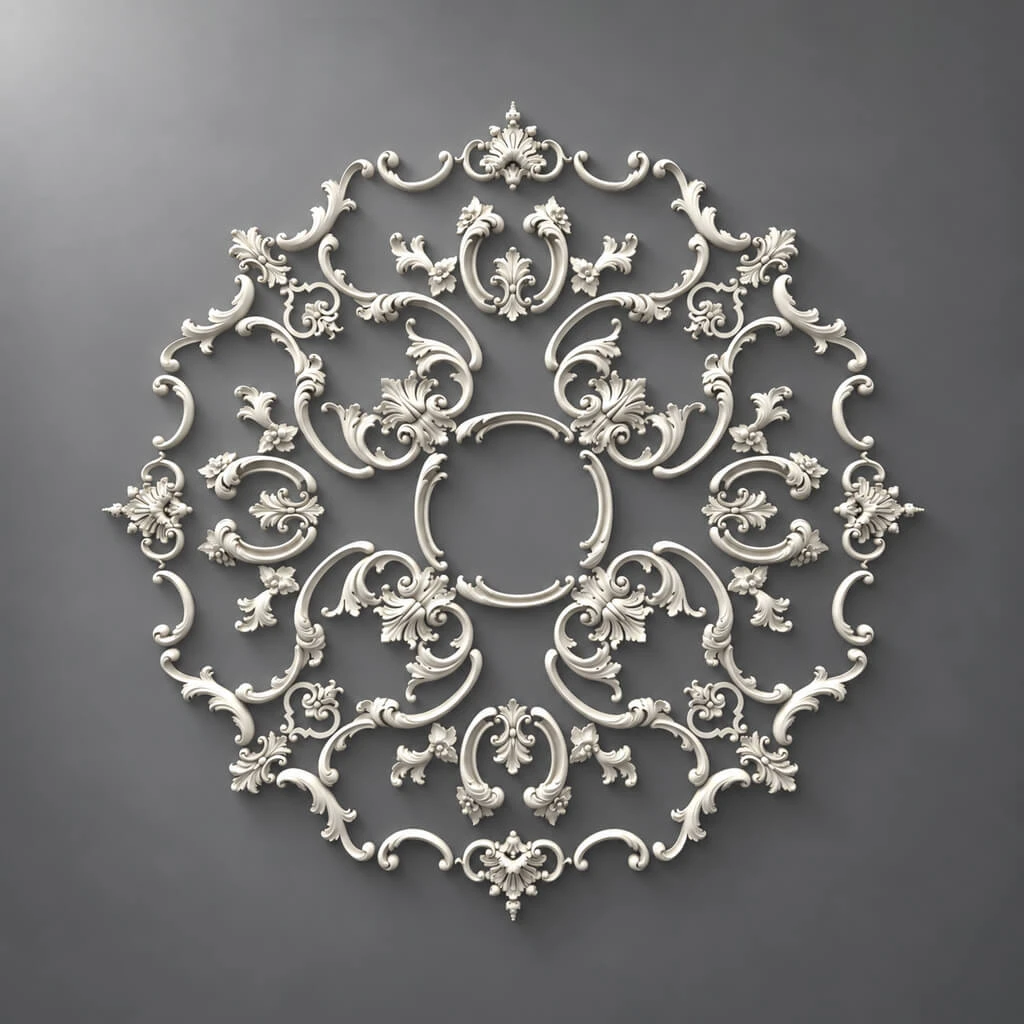
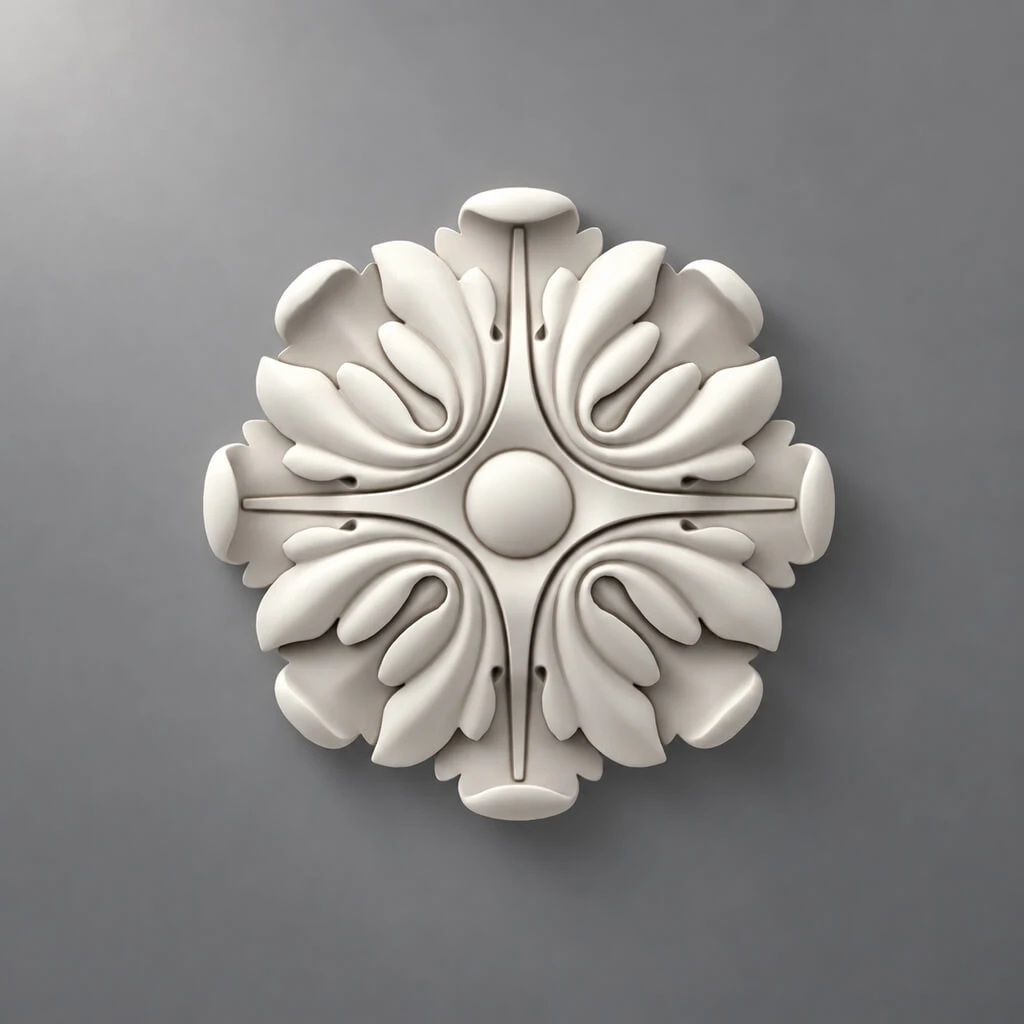
On a facade with slatted panels, polyurethane elements are used for tasks where durability without maintenance is needed: cornice brackets, decorative pilasters at corners, overlay elements above window openings (sandriks), decorative keystones. These elements enhance the architectural logic of the facade, adding depth and variety without the risk of rot or deformation.
Mistakes when choosing facade slatted panels
A facade is expensive and long-lasting. Mistakes here are not fixed in a single weekend. Here are the ones that occur most often.
-
Choosing panels without a well-thought-out base unit is the most common and most noticeable mistake. A beautiful facade with roughly cut slats at the base looks like unfinished work.
-
Not providing a ventilation gap under the cladding — wood without ventilation on the facade rots from the inside. A ventilated facade is not an option, but a requirement.
-
Not protecting the bottom end of each slat before installation. The end grain of wood absorbs moisture most actively. Without special impregnation, the bottom ends will be the first to start deteriorating.
-
Mixing too many materials on one facade — wood, metal, brick, decorative plaster, porcelain stoneware. Each of them is fine on its own, but together without architectural logic they create chaos.
-
Not coordinating the color of the base with the panels in advance — choosing the base color after panel installation and discovering they conflict.
-
Not covering the ends of the panels at the corners — open cuts at the building's corners will start cracking from humidity changes in the very first winter season.
-
Not coordinating slat panels with the cornice and roof — the vertical rhythm of the panels and the horizontal line of the cornice must be matched in scale. A thin cornice next to massive slats looks like a random detail
-
Not accounting for window casings when developing the panel layout — slats should be distributed across the wall width so that no narrow, unsightly offcuts remain at the edges of window openings
-
Ignoring facade lighting — slat panels create a sculptural surface that comes to life in light. Without exterior lighting, the facade loses all its expressiveness in the evening
Where to buy facade decor and wooden elements for exterior wall finishing
Facade architecture is a system. Slat panels, base profile, cornice, brackets, casings, gable boards, corner strips, trim for junctions — all these elements must work together, be manufactured with consistent tolerances and from matched wood species. When one element is bought here, another there, and a third wherever, the result will inevitably show it.
The STAVROS catalog features all wooden and decorative elements for facade finishing that work as a unified system:
-
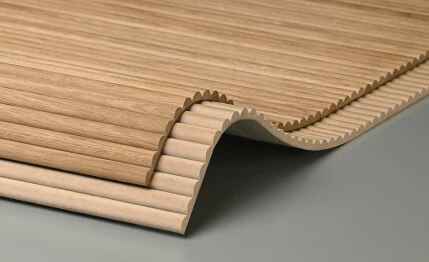
Rafter panels — for interior and exterior walls, made of solid oak and MDF with coating, various slat profiles
-
Facade Decoration — a full range of decorative elements for exterior home finishing
-
Wooden casings — for window and door openings on the facade, oak and beech, several profiles
-
Wooden cornices — for finishing the upper edge of facade panels, matched by wood species with other wooden elements
-
Wooden trim — layouts, end strips, gable boards, additional profiles for all junction points
-
House Carving — carved decorative elements for architraves, cornices, and pediments
-
Carved wooden decoration — applied ornamental elements to enrich a wooden facade
-
Polyurethane Items — cornices, pilasters, decorative overlays resistant to outdoor conditions
-
Polyurethane brackets — under-cornice supports, decorative brackets for facades, resistant to moisture and temperature fluctuations
-
Wooden items — a full range of solid wood products for interior and exterior finishing
Systematic selection means all elements come from one source, are manufactured to uniform standards, and are designed to work together. Then the cornice fits the panels without trimming, the architrave covers the end without a gap, and the trim for corners matches the panel in thickness. Everything works — and the facade looks as intended.
STAVROS — production of solid wood products: oak, beech, ash. A full range for exterior and interior finishing. Facade decor, slatted panels, cornices, architraves, trims, carved elements — all from one source, with precise tolerances, quality coatings, and experience supplying country houses, commercial projects, and residential complexes across Russia.
FAQ: Answers to popular questions
Can slatted panels be used on the facade?
Yes, provided several conditions are met: the material must be suitable for outdoor use (wood, WPC, metal), the protective coating must be facade-grade with UV filter and moisture protection, installation must be on a ventilated batten with a gap, and the lower ends must be specially treated and covered with a base profile. Under these conditions, a facade with slatted panels will last 20–30 years without loss of appearance.
What to use to close the bottom edge of slatted panels on the facade?
A base metal profile (J or L-shaped), a wooden facade plinth of the same species, or a horizontal profiled strip from millwork. The choice depends on the panel material, base structure, and color design solution. The main rule is that the bottom end of the panels must not be exposed.
How to combine slatted facade panels with trim?
Two working options: a unified system (panels and trim of the same species and tone, a wooden ensemble) or a contrasting highlight (trim in white or neutral color against a background of wooden slats). Intermediate, mismatched options look random — it's better to avoid them.
Which panels are best for the facade?
For a warm, natural character of the house — wooden panels made of larch or oak with a facade coating. For minimal maintenance — WPC. For a strict modern look — metal slatted panels. For decorative accent areas — wooden panels with carved decor and facade cornices.
Is a cornice needed above the slatted panels?
A cornice is always needed when the panels reach the roofline. It hides the top end, diverts water, and architecturally completes the facade. Without a cornice, the top edge of the slatted finish is exposed to moisture and looks unfinished.
How to match the color of slatted panels with the base?
Dark base + light panels — a classic solution for a structured, stable facade appearance. A single tone for base and panels — a monumental solution for a 'monolithic' building image. A contrasting base in a different material — a way to create an expressive horizontal foundation line without a special profile.
Where to buy trims and cornices for facades with slatted panels?
The STAVROS catalog features wooden trims, cornices, moldings, house carvings, brackets, and a full range of facade decor. All elements are made from solid wood and coordinated by system, allowing you to select a complete set for facade finishing from a single source.
How to correctly calculate the number of slatted panels for a facade?
The wall area (height × width minus openings) is divided by the area of one panel. Add 15% to the result for cutting and fitting around openings. Cornices, trims, corner strips, and base profiles are calculated in linear meters separately along the perimeter of the corresponding zones.