


























Article Contents:
- Buy a classic solid wood cabinet: choose by purpose, size and style
- What is a classic solid wood cabinet: don't confuse it with a chest of drawers or a console
- Where to use a classic cabinet: five scenarios
- Bedroom: bedside area
- Living room: TV area and accent furniture
- Hallway: functional accent at the entrance
- Bathroom: cabinet under the sink
- Office and Library
- Classic TV cabinet: everything about the TV area
- Height: the main parameter
- Width: larger than the TV or smaller?
- Space for equipment: niches, drawers, cables
- Combination with interior: moldings, baseboards, and mirror frame
- Classic vanity cabinet: wet zone and its requirements
- Moisture-resistant coating
- Ventilation
- Height under the sink
- Facades and handles for the bathroom
- Combination with mirror and overall bathroom style
- Classic bedside table: bedroom as a relaxation zone
- Height: comfort over aesthetics
- Width: enough for what's needed
- Drawer or door: which is more practical
- Pair installation and ensemble
- Material of a classic cabinet: oak, beech, MDF, or veneer
- Oak: first-class classic
- Beech: precision and restraint
- MDF: a reasonable compromise
- Veneer: beauty without the price of solid wood
- How to choose the cabinet size: a precise checklist
- 1. Measure the wall or niche
- 2. Determine the purpose
- 3. Check the height relative to other objects
- 4. Calculate the depth
- 5. Account for door opening
- 6. Check the leg height
- 7. Leave gaps near the wall
- 8. Choose handles and legs in advance
- Decor of a classic cabinet: facades, overlays, handles, patina
- Carved facades
- Decorative appliqués
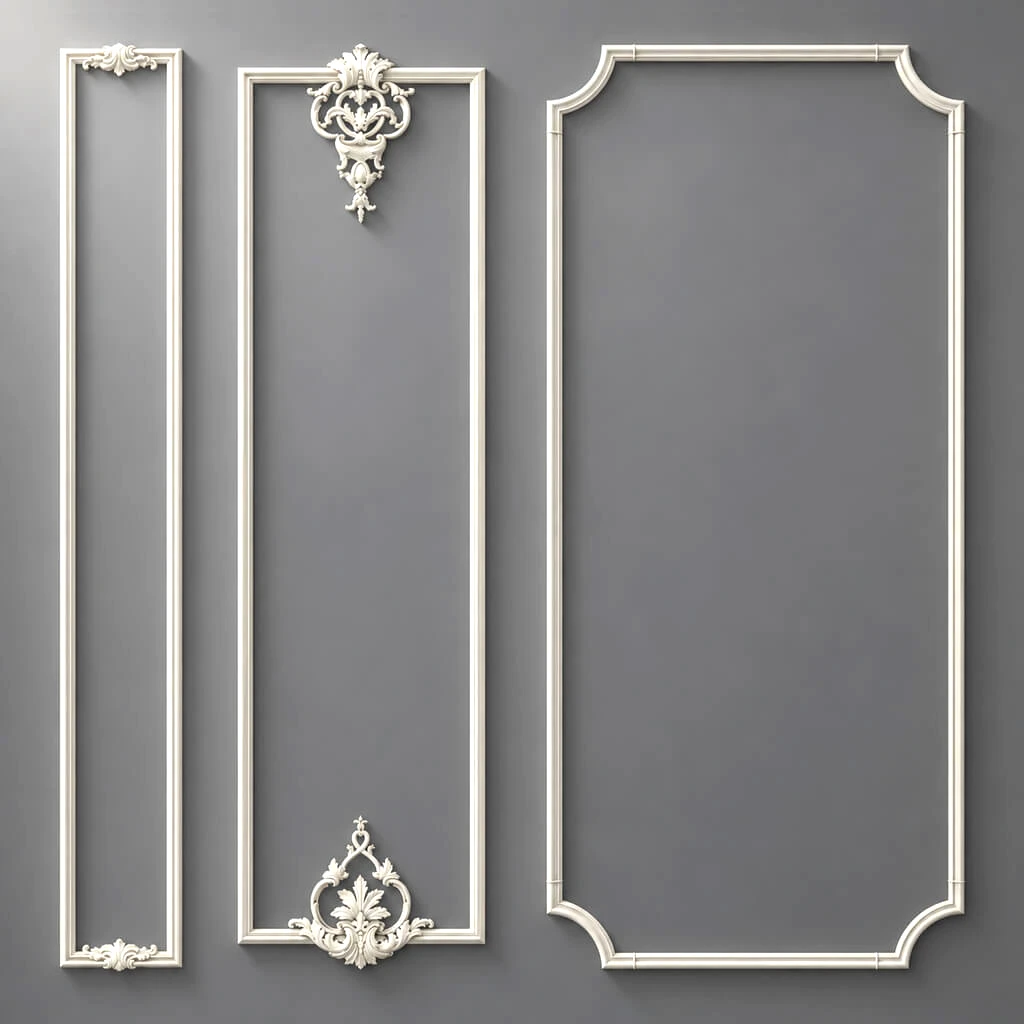
- Moldings
- Shaped legs
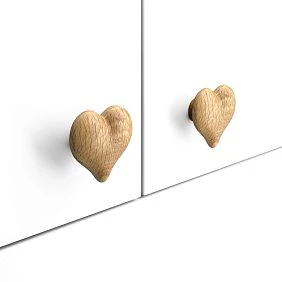
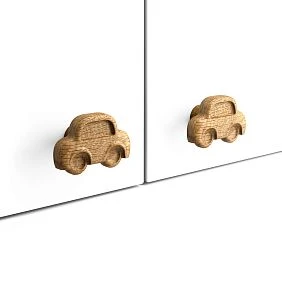
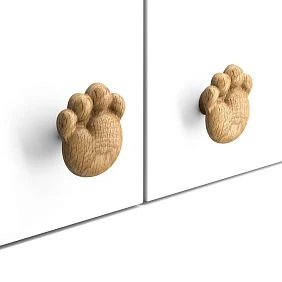
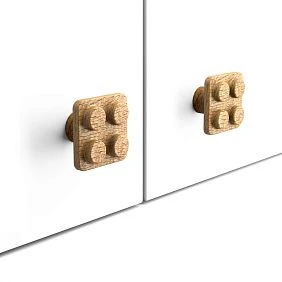
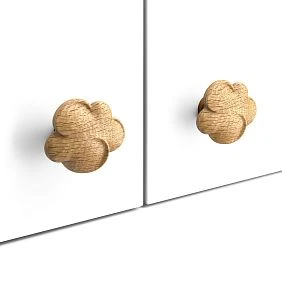
- Wooden Handles
- Patina and aging effects
- Mistakes when buying a classic cabinet: 10 real-life cases
- Why STAVROS: reasons to choose
- FAQ: answers to common questions about classic solid wood cabinets
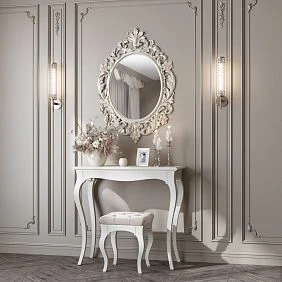
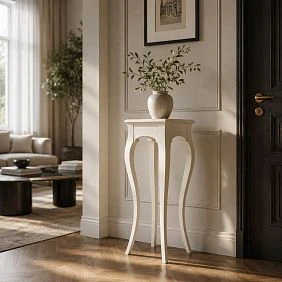
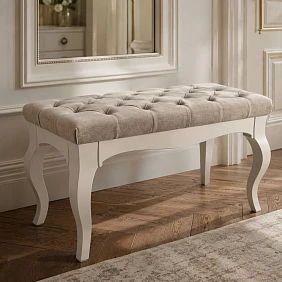
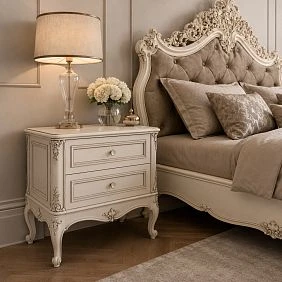
Buy a classic solid wood cabinet: selection by purpose, size, and style
There is functional furniture, there is decorative furniture — and there is furniture that can be both at the same time. A classic solid wood cabinet is exactly that item. It works as storage, a TV stand, a vanity base, or a bedside accent — and remains a full-fledged interior statement. Not just a "box with doors," but a piece of joinery craftsmanship where form and function are inseparable.
Buying a classic solid wood cabinet means making a decision that will affect the perception of the entire space. A cabinet that is too large in a narrow hallway will "block the air." A cabinet without considering the height for a TV will turn watching into a neck strain. The wrong finish — and the entire furniture group will fall apart. Therefore, choosing a cabinet deserves as serious an approach as choosing a bed or sofa.
This article is a practical guide: by scenarios, sizes, materials, decor, and mistakes. No fluff, with specific guidelines for each room.


What is a classic solid wood cabinet: don't confuse it with a chest of drawers or a console table
It would seem that terminology doesn't need explanation. But in reality, confusion constantly occurs: a person is looking for a cabinet, but in their mind, it's either a console, a chest of drawers, or a shelf with drawers. Let's figure it out once and for all.
A cabinet is a compact piece of furniture with drawers, doors, or open niches. Height is typically from 40 to 90 cm. Width is from 40 to 160 cm depending on the purpose. The main function is storage in a small volume and visual organization of space.
A chest of drawers is a large piece of furniture with several rows of drawers, wider and lower than a wardrobe. If a cabinet is a "small chest of drawers," then a chest of drawers is a "serious relative of the cabinet."
A console is a narrow, primarily decorative piece with a shallow tabletop and open construction. Without drawers, without doors, usually against a wall.
A bedside table is a compact option (30–60 cm wide) with one or two drawers or a small door. It stands by the bed.
A TV cabinet is a wide (80–160 cm) low piece for a television and equipment. The height is designed so that the screen is at a comfortable eye level for a seated person.
A vanity cabinet is a piece for a bathroom or toilet, designed for a wall-hung or built-in sink, with moisture protection.
A classic solid wood cabinet is any of the listed formats, made in a classic style: with shaped legs, carved fronts, moldings, handles of a corresponding profile, and finish matching the classic aesthetic. The material is solid wood (oak, beech, ash, pine) or MDF with a high-quality veneer or lacquer coating.
All of this can be found in the catalog classic furniture STAVROS — the section covers different types of products, including classic cabinets as a separate product group.
Our factory also produces:
Where to use a classic cabinet: five scenarios
Before choosing a specific model, you need to answer one question: why and where? Because a "classic cabinet" for a TV area and a "classic cabinet" for a bathroom are different structures with different requirements for material, size, and finish.
Get Consultation
Bedroom: bedside area
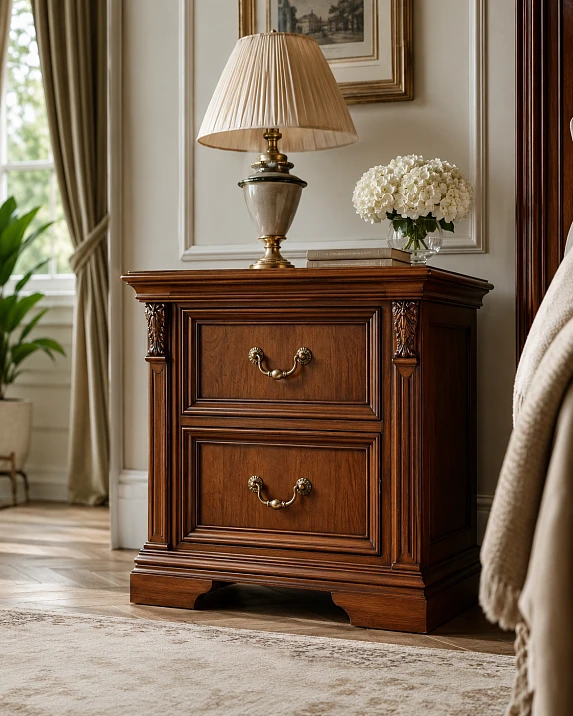
In the bedroom, a classic cabinet is primarily a bedside table. It stands on one or both sides of the bed, serving as a nightstand for a book, a glass of water, a phone, or a lamp. The height should match or be slightly above the mattress level — usually 50–65 cm. The width is 40–60 cm, no more: the bedside area is already small.
In a classic bedroom set, bedside cabinets are part of the ensemble: they match the finish of the bed, dresser, and mirror. A single cabinet in the bedroom also works — if its style, color, and material echo other furniture.
Living room: TV area and accent furniture
In the living room, a classic cabinet is used in two ways. The first scenario is as the base of the TV area: a wide, low cabinet under the television with sections for equipment, cables, and discs. The second is as an accent piece: a cabinet against the wall, under a mirror or painting, with a vase or decorative items on the tabletop.
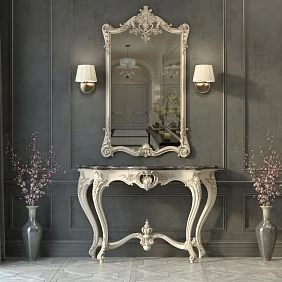
In the living room, the cabinet works in an ensemble with classic consoles и classic mirrors — all three items can be placed in one zone or distributed around the perimeter of the room.
Hallway: functional accent at the entrance
The hallway is the first thing a person sees when entering the home. And the last thing they see when leaving. A classic console table by the entrance — for keys, gloves, small items. In a narrow hallway — a compact console or a small table up to 80 cm wide. In a spacious private home foyer — a larger piece with several drawers and open niches.
A feature of the hallway: the table is visible from different angles, well-lit, and perceived immediately. That is why the quality of the finish, legs, handles, and fronts is especially important here.
Bathroom: vanity cabinet under the sink
This is a separate scenario requiring special attention. The bathroom is a wet area, and furniture for it must be designed for these conditions: moisture-resistant coating, edge protection, proper ventilation. A classic vanity cabinet under the sink in the bathroom is not just furniture; it is a structural element that supports the sink and hides the plumbing.
Office and library
In a study, the cabinet works as a piece next to the sofa or against the wall: for storing documents, books, writing supplies. In a classic study — massive, dark, with a pronounced oak texture and corresponding details.
Classic TV cabinet: everything about the TV zone
The TV cabinet is the most popular variety in this category. And the most complex in terms of selection, because aesthetics and strict technical requirements come together here.
Height: the main parameter
Comfortable screen height when viewing while seated — the center of the screen at eye level (approximately 100–120 cm from the floor). The standard height of a TV stand is 40–60 cm. If a 55-inch TV has a height of 70 cm, the center of the screen will be at approximately 40 + 35 = 75 cm — below the optimum. Solution: raise the stand with taller legs or choose a model with a height of 55–65 cm.
Rule: stand height + half the screen height = screen center height. Calculate this before purchasing.
Width: larger than the TV or smaller?
The ideal width of a TV stand is equal to the screen diagonal or slightly wider. A stand significantly narrower than the screen looks unstable and cheap. A stand 160 cm wide for a 55" TV is a reasonable choice, providing space for decorative items on either side of the screen.
Standard diagonals and recommended stand width:
-
43" (107 cm) — stand from 90 to 120 cm
-
55" (139 cm) — stand from 120 to 160 cm
-
65" (163 cm) — stand from 150 to 180 cm
Space for equipment: niches, drawers, cables
A modern TV area rarely consists of just a TV: receiver, game console, audio system, subwoofer. Buying a classic TV stand means providing space for all of this. Look for models with open niches (for frequently used equipment), closed doors (for everything else), and cable holes in the back panel.
Combination with the interior: moldings, baseboards, and mirror frame
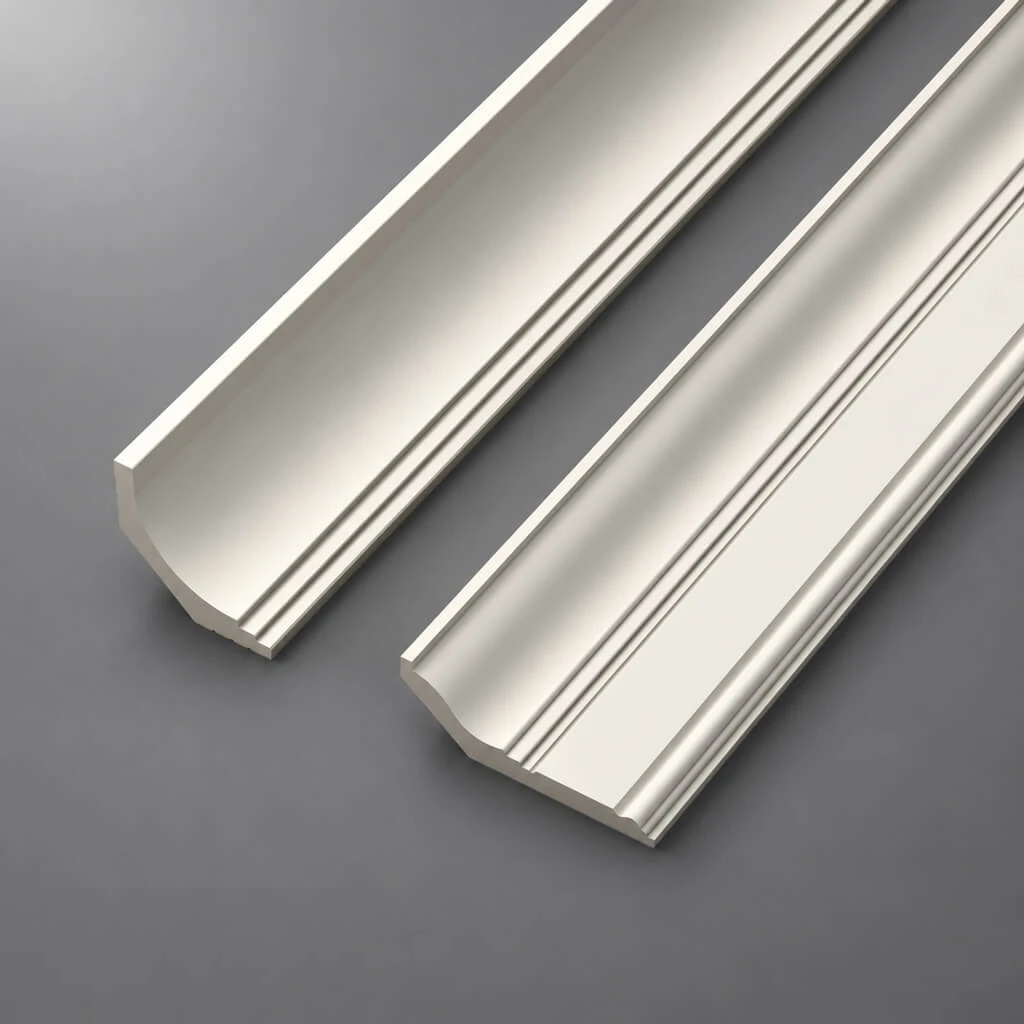
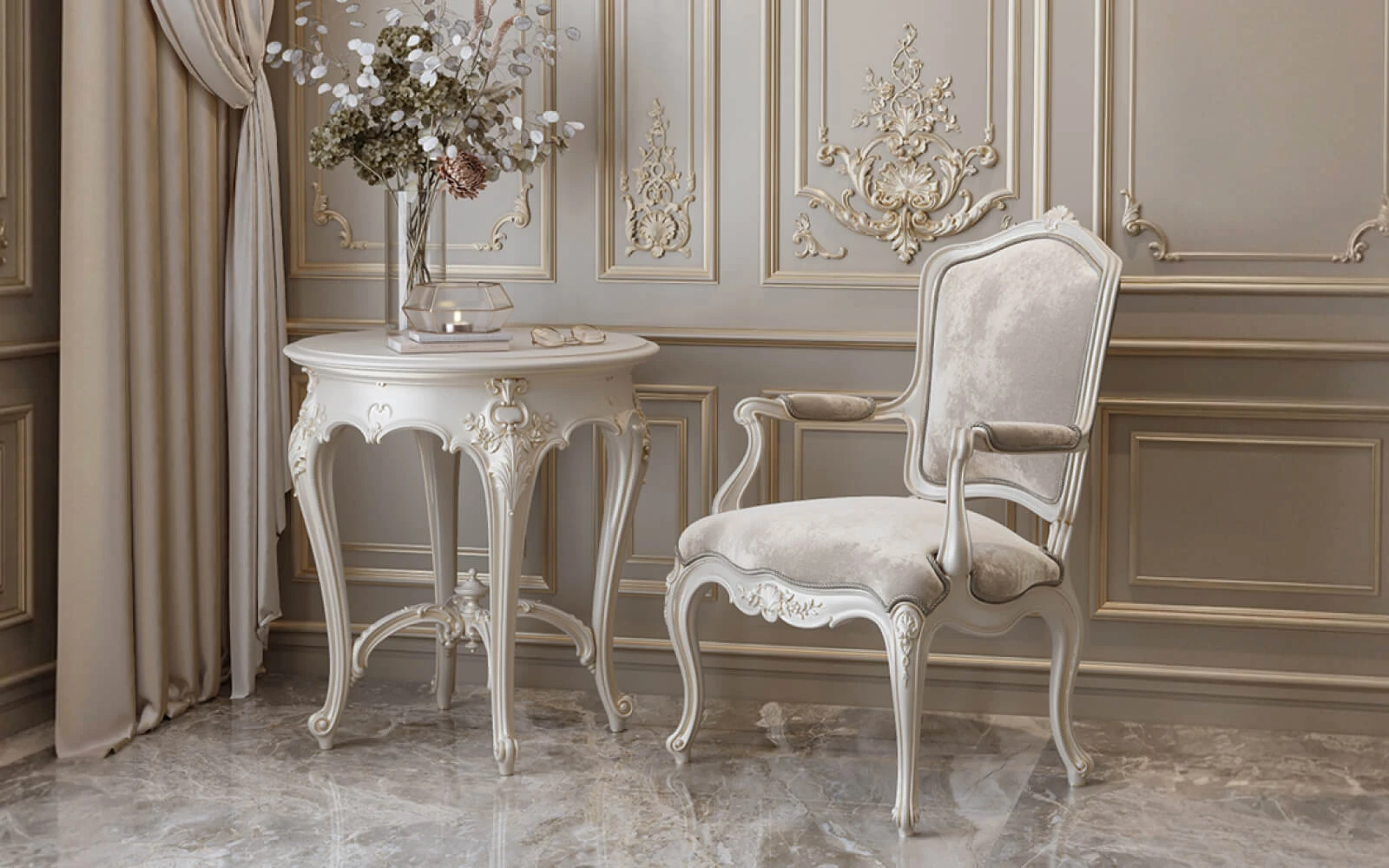
A classic TV cabinet is not an isolated item; it exists in context. On the wall above it is a TV, on the sides are paintings or mirrors. At the base of the wall is a baseboard. On the ceiling is a cornice or molding. The more precisely the cabinet's finish matches the tone and profile of wooden moldings and other interior details, the more organic the TV area looks.
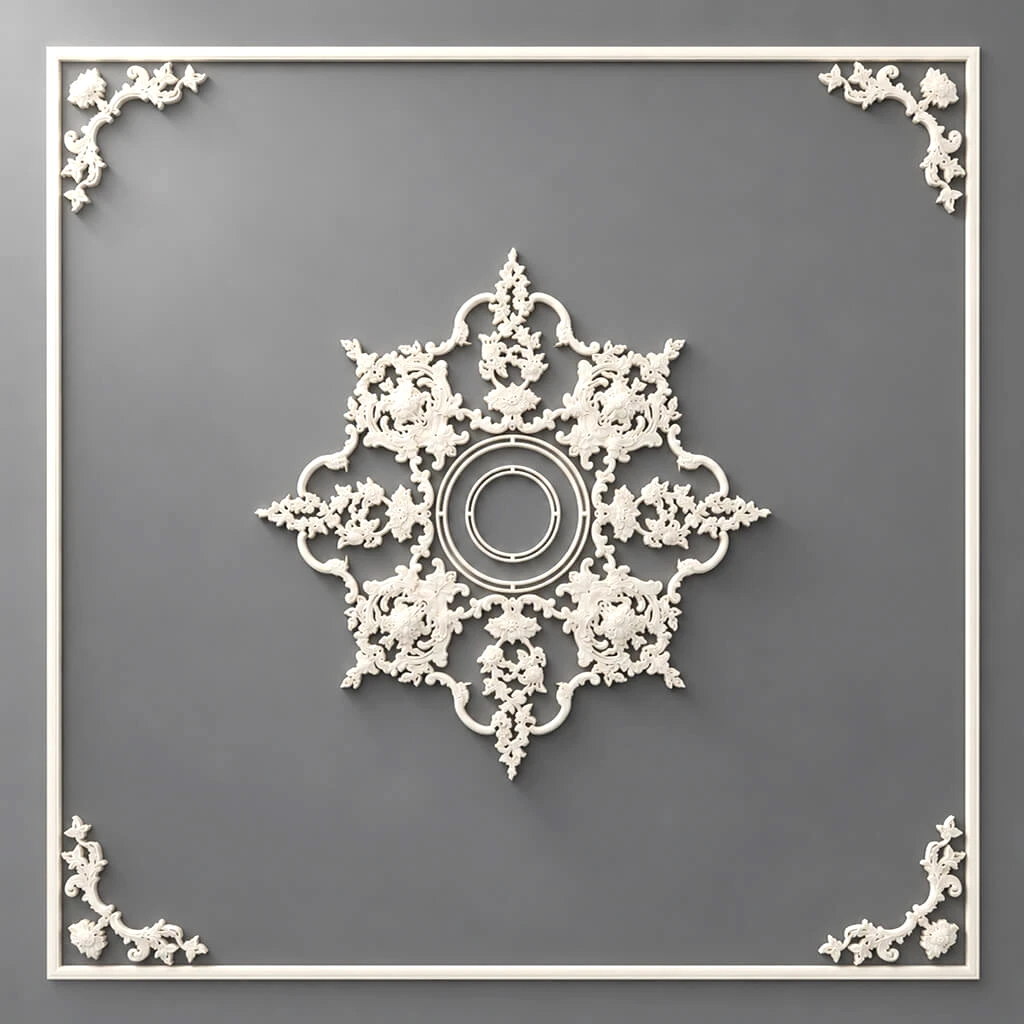
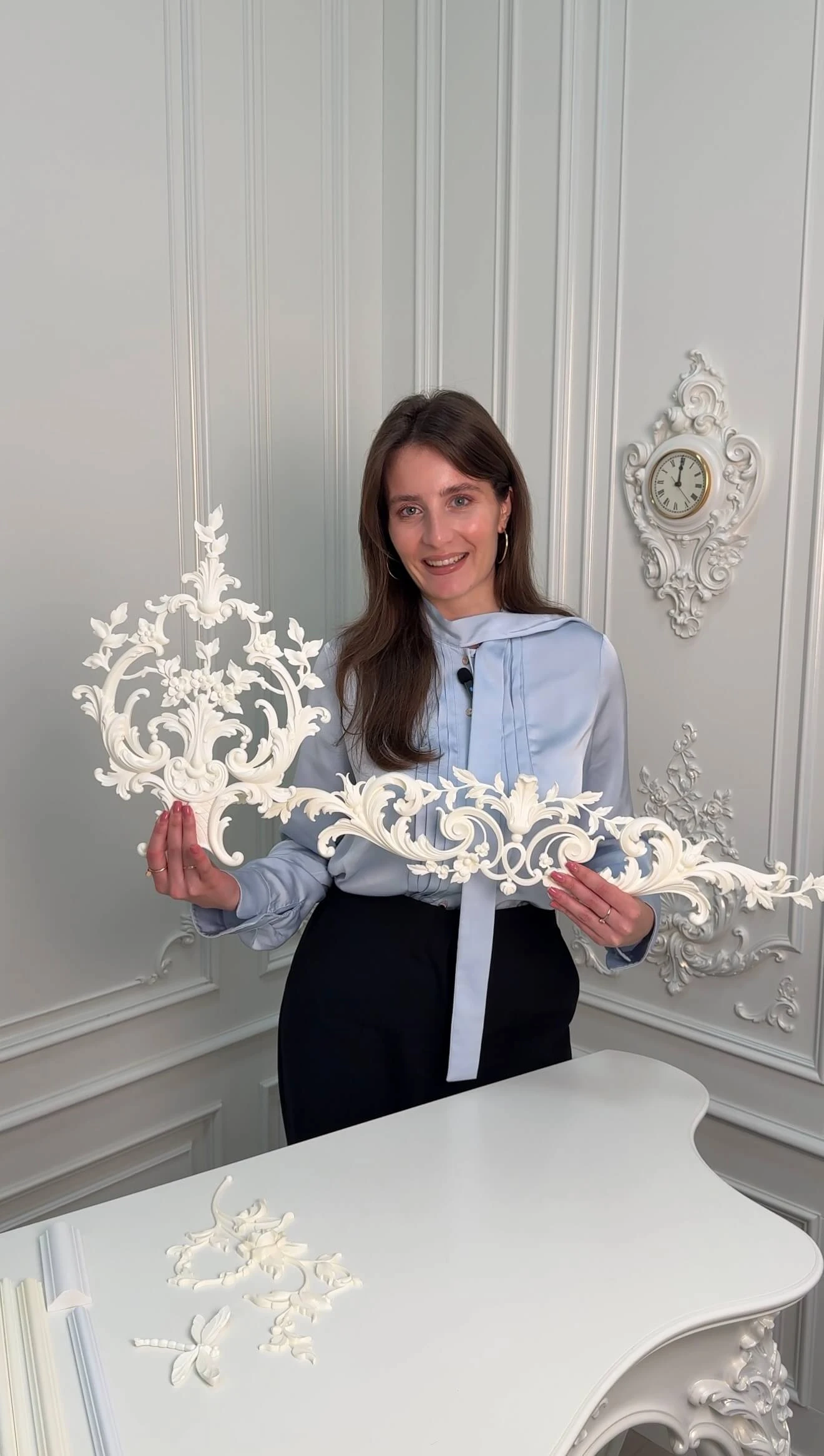
If wooden moldings are installed in the living room and Decorative wooden inlays on the facades or walls, the TV cabinet should work within the same system. Oak to oak, patina to patina, matte lacquer to matte lacquer.
Classic vanity cabinet: wet area and its requirements
The bathroom topic requires a separate discussion — not because it's a different style, but because it's a different operating environment. A classic vanity cabinet works in an environment with constant humidity fluctuations, direct splashes, steam, and condensation. Wooden furniture for this must be specially prepared.
Moisture-resistant coating
Open oil or unprotected wood in a wet area is a source of problems. For the bathroom, a lacquer or polyurethane finish applied in several layers is necessary, especially on horizontal surfaces and edges. Edges are a critical area: an unprotected edge swells first.
Ventilation
The cabinet under the sink should not be airtight: residual moisture is always present under the siphon. A proper cabinet has ventilation gaps in the back wall or at the bottom to allow air circulation and prevent the wood from rotting from the inside.
Height under sink
The standard sink height is 85 cm from the floor. The cabinet under it has a height of 80–82 cm (the sink adds the rest). An integrated sink (washbasin in the countertop) requires precise adjustment in height and cutout for the bowl. Check the sink parameters before ordering the cabinet.
Facades and handles for the bathroom
In high humidity conditions, metal handles risk oxidation. Nickel-plated, chrome-plated, or those made of resistant alloys are preferable. Wooden handles in the bathroom are possible if they have a moisture-proof coating. Catalog wooden furniture handles STAVROS contains items suitable for use with coating.
Combination with mirror and overall bathroom style
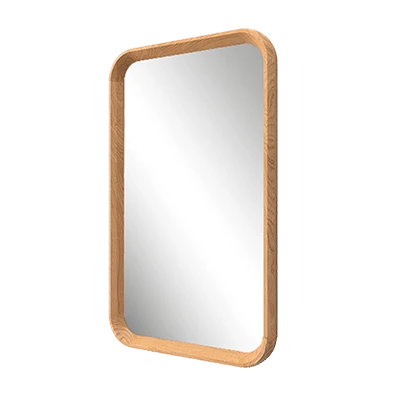
The bathroom cabinet is the visual center of the room. Above it is a mirror, next to it are lights. Classic mirrors from the STAVROS catalog — a ready-made solution for completing the ensemble: cabinet, mirror in a wooden frame, lights in a unified style.
More about choosing furniture for a classic-style bathroom in the article classic style bathroom furniture.
Classic bedside table: bedroom as a relaxation zone
The bedroom is a space where classic style works perhaps most convincingly. Soft lines, natural materials, warm tones — all of this harmonizes with the psychological purpose of the room. Buying a classic bedside table means completing the bedroom's look.
Height: comfort over aesthetics
The bedside table should be at mattress level or slightly higher. If the mattress (together with the base) is at a height of 60 cm, a table 55–65 cm high will provide convenient access. If the table is noticeably lower — reaching it is uncomfortable. If higher — it's uncomfortable when leaning on your elbow.
Width: enough for essentials
A bedside table stores few items: a book, phone with charger, glass, glasses, remote. A table 40–50 cm wide is enough for most scenarios. Depth 35–40 cm. A too wide bedside table consumes space near the bed and creates a cluttered feeling.
Drawer or door: which is more practical
A drawer — quick access, everything in sight. A door — hides clutter but requires an extra movement. In the bedside area, drawers are often preferred: reaching for a pill in the dark at night is easier through a drawer than opening a door. A combined option — drawer on top, door on bottom — is versatile.
Paired installation and ensemble
A classic bedside table looks great in a pair — on both sides of a double bed. Both tables should be identical: same size, finish, handles. If you add a mirror in a classic frame above the table or a chest of drawers with the same finish to the ensemble, the bedroom will acquire a complete look.
For a full understanding of the classic table's possibilities in the context of space — I recommend referring to the material solid wood tables and interior decor.
Material of the classic table: oak, beech, MDF or veneer
The question of material is not just a question of price. It is a question of performance characteristics, appearance, and suitability for a specific interior.
| Material | When to choose | Pros | Limitations |
|---|---|---|---|
| Oak (solid) | Study, living room, dark classic | Expressive texture, strength, status, durability | Higher price, heavier |
| Beech (solid) | Bedroom, light classic, under enamel | Dense even texture, stability, accepts paint well | Less pronounced pattern |
| MDF | Painted facades, modern classic | Stable geometry, smooth surface, affordable price | Does not replace solid wood in the premium segment |
| Veneer | Decorative coating on MDF base | Appearance of natural wood at a lower price | Depends on the quality of the base and coating |
Oak: first-row classic
Oak is a dense, heavy wood with a prominent pattern of annual rings and a natural warm tone. Under oil, it becomes deeper and richer; under stain, more expressive and solemn; under varnish, it is protected and shines moderately.
An oak cabinet for a study or a formal living room is an item with character. It doesn't need additional decor to look stately: the wood's texture itself is an ornament. Buying a classic solid oak cabinet means choosing a piece that won't visually age even after 20 years.
Beech: precision and restraint
Beech in classic style is valued primarily for how it accepts enamel. The fine-grained, almost uniform structure provides a perfectly smooth painted surface without texture "noise." White or ivory enamel on beech with gold or bronze patina on milled profiles is pure classical aesthetics.
A classic bedside cabinet in white enamel on beech, with shaped legs and metal handles, is absolute furniture classicism. For a light bedroom, Provence, or French classic style, it's an impeccable choice.
MDF: a reasonable compromise
MDF is not an enemy of quality. It is a stable, geometrically precise material that is ideal for painted facades. An MDF cabinet with enamel can look just as good as a beech one—if the quality of milling, coating, and hardware is top-notch.
However, MDF loses out in feel: it lacks the tactile sensation of live wood. And it is lighter in weight—which is not always good for a cabinet: a light item is less stable.
Veneer: beauty without the price of solid wood
Veneered facades are a thin layer of natural wood on an MDF or particleboard base. Externally, they are almost indistinguishable from solid wood (with good execution). The downside is that edges and cuts reveal the structure, and with mechanical damage, veneer is not as easily restored as solid wood.
How to choose the size of a cabinet: a precise checklist
The size of a cabinet is a parameter that cannot be guessed "by eye." Especially in a classic interior, where everything is subject to proportions.
1. Measure the wall or niche
Record the width of the available space. For a TV cabinet — the width of the wall or area excluding doors and windows. For a bedside cabinet — the width of the space from the edge of the bed to the wall or another object.
2. Determine the purpose
The height depends on it. TV cabinet — 40–60 cm. Bedside cabinet — 50–65 cm. Cabinet under the sink — 80–85 cm. Cabinet in the hallway under a mirror — 75–90 cm.
3. Check the height relative to other objects
If a mirror or painting will hang above the cabinet, its top surface should be at a comfortable level relative to the frame. Standard for a mirror in the hallway: the bottom of the frame is 150–160 cm from the floor. A cabinet 85 cm high plus items on it reach this height.
4. Calculate the depth
The depth of the cabinet should allow doors to open and drawers to pull out without obstruction. Minimum depth — 35 cm. For a TV cabinet with niches for equipment — 40–50 cm.
5. Consider door opening
Swing doors require free space in front of the cabinet. Make sure a chair, armchair, or other object does not obstruct opening.
6. Check the height of the legs
Figurine legs of a classic cabinet add 8–15 cm to the total height. Take this into account when calculating.
7. Leave gaps near the wall
A cabinet flush against the wall is a risk for the finish: paint or wallpaper may get scuffed. A gap of 2–3 cm at the back and sides is sufficient.
8. Choose handles and legs in advance
Handles protrude 3–6 cm from the facade. If the distance to the passage is minimal, make sure the handles do not obstruct movement.
Decor of a classic cabinet: facades, overlays, handles, patina
Classic style is all about details. They are what turn a "simple cabinet" into an interior piece. Let's break it down by elements.
Carved facades
Carving on facades is the main marker of classic style. It can be simple milling in the form of a frame, a more complex floral motif, or a geometric ornament. The depth and complexity of the carving determine the "weight" of the style: Baroque — maximum detail, Empire — strictness and symmetry, Provence — soft rounded lines.
Decorative appliqués
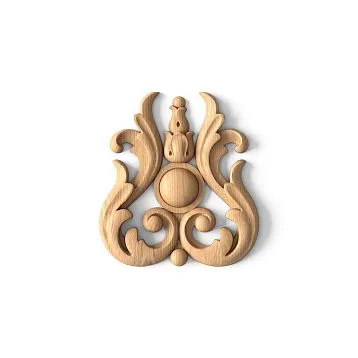
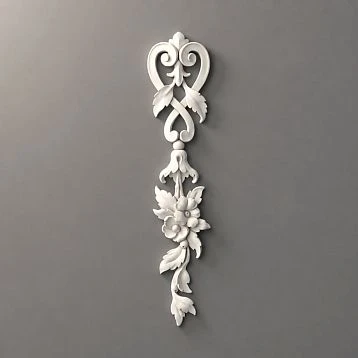
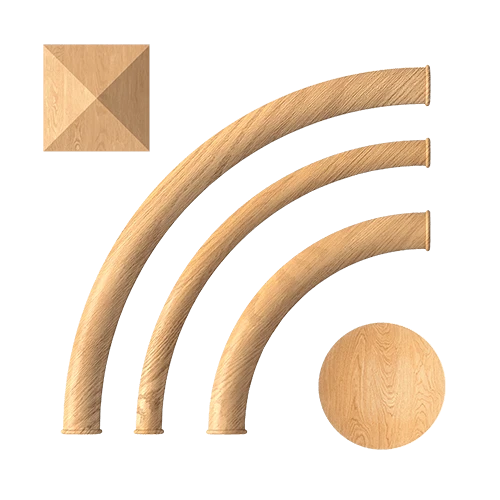
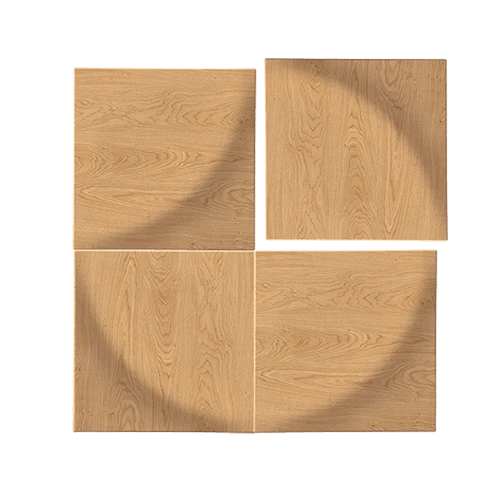
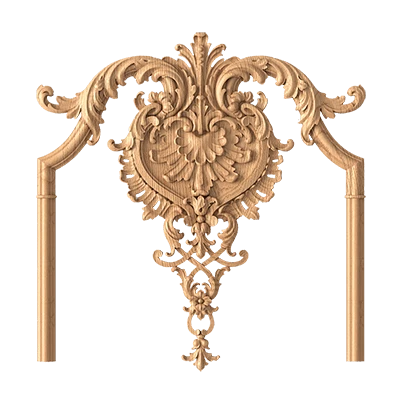
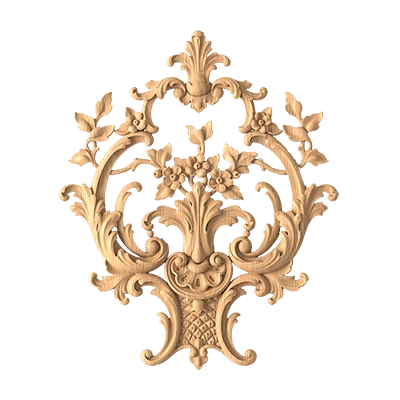
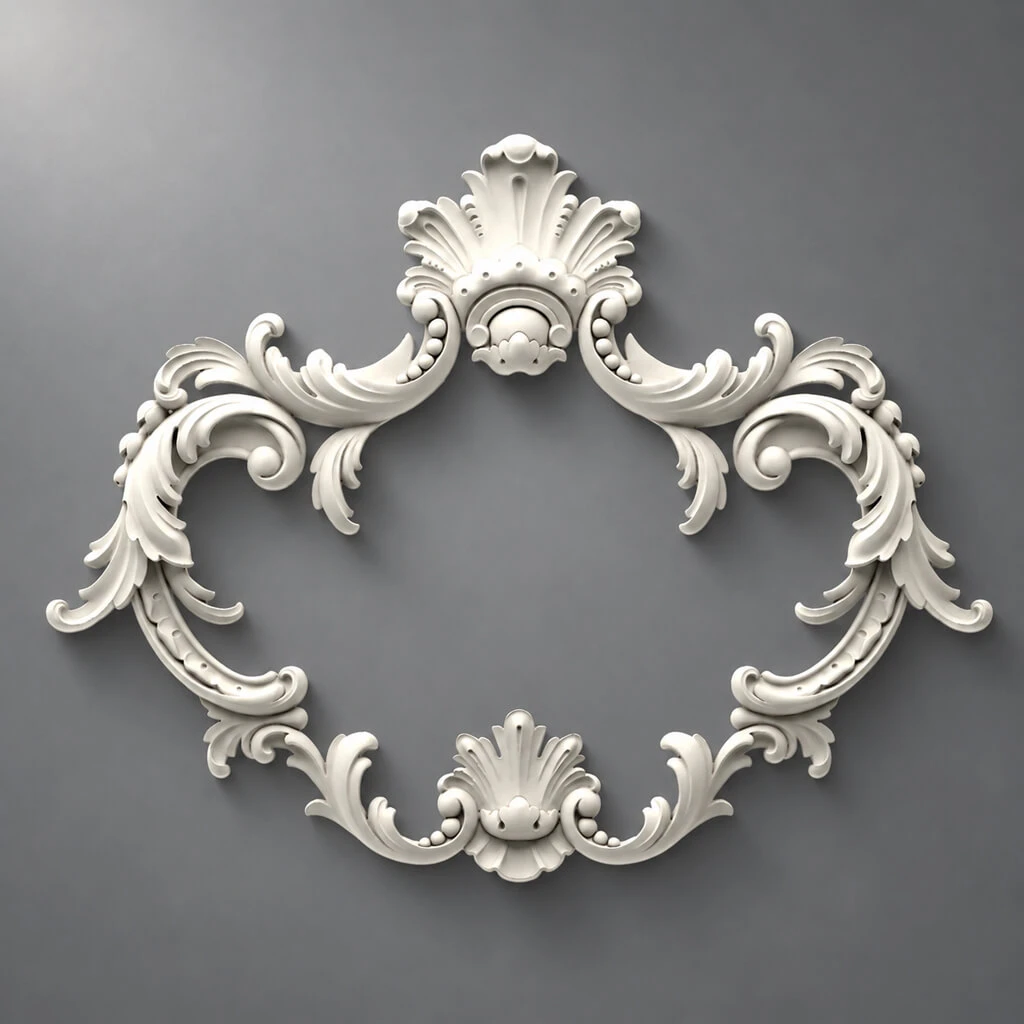
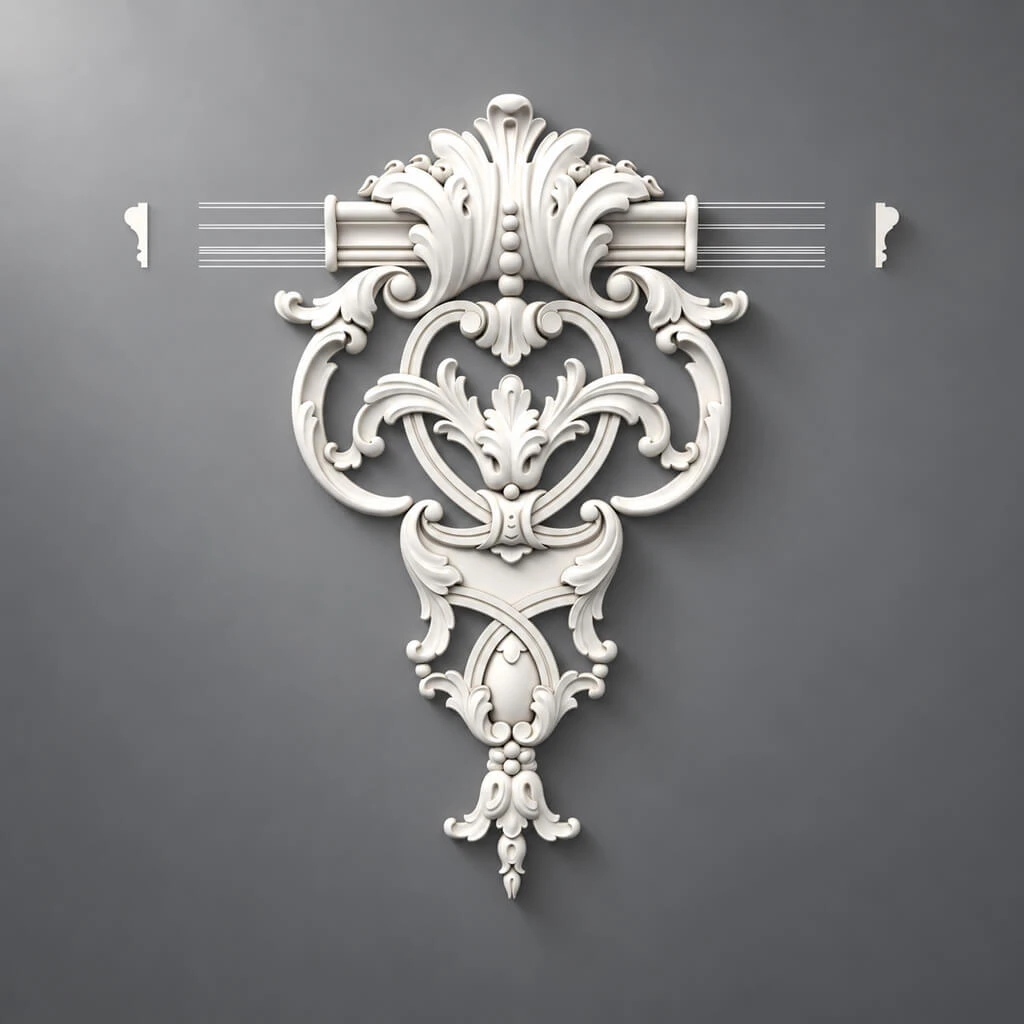
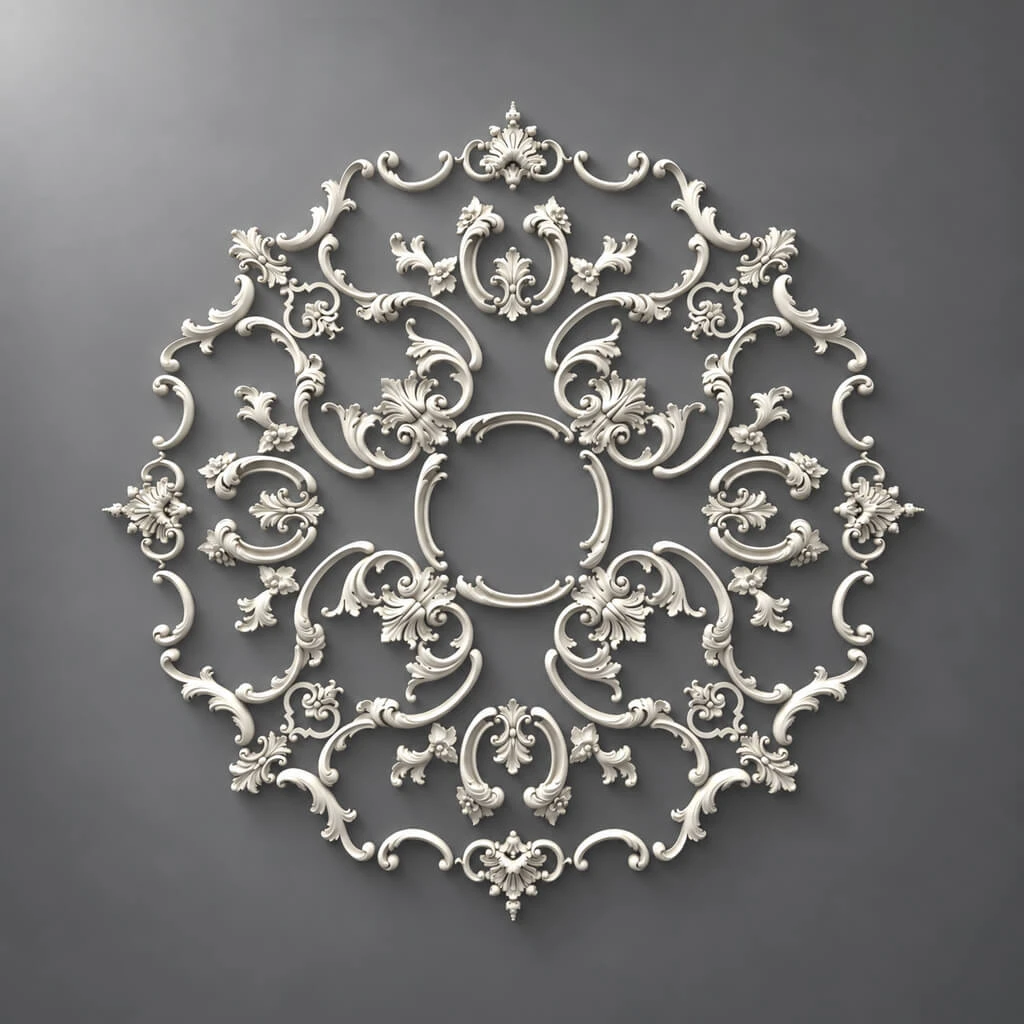
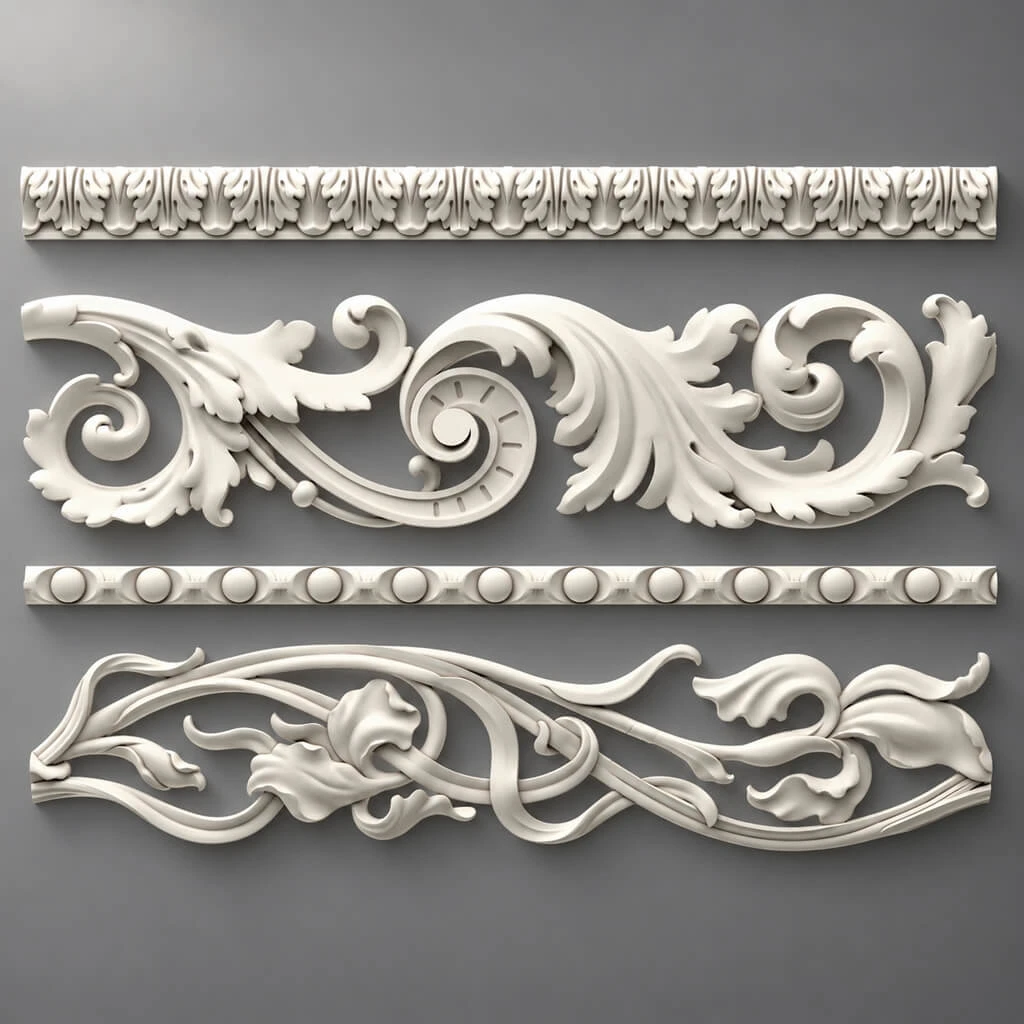
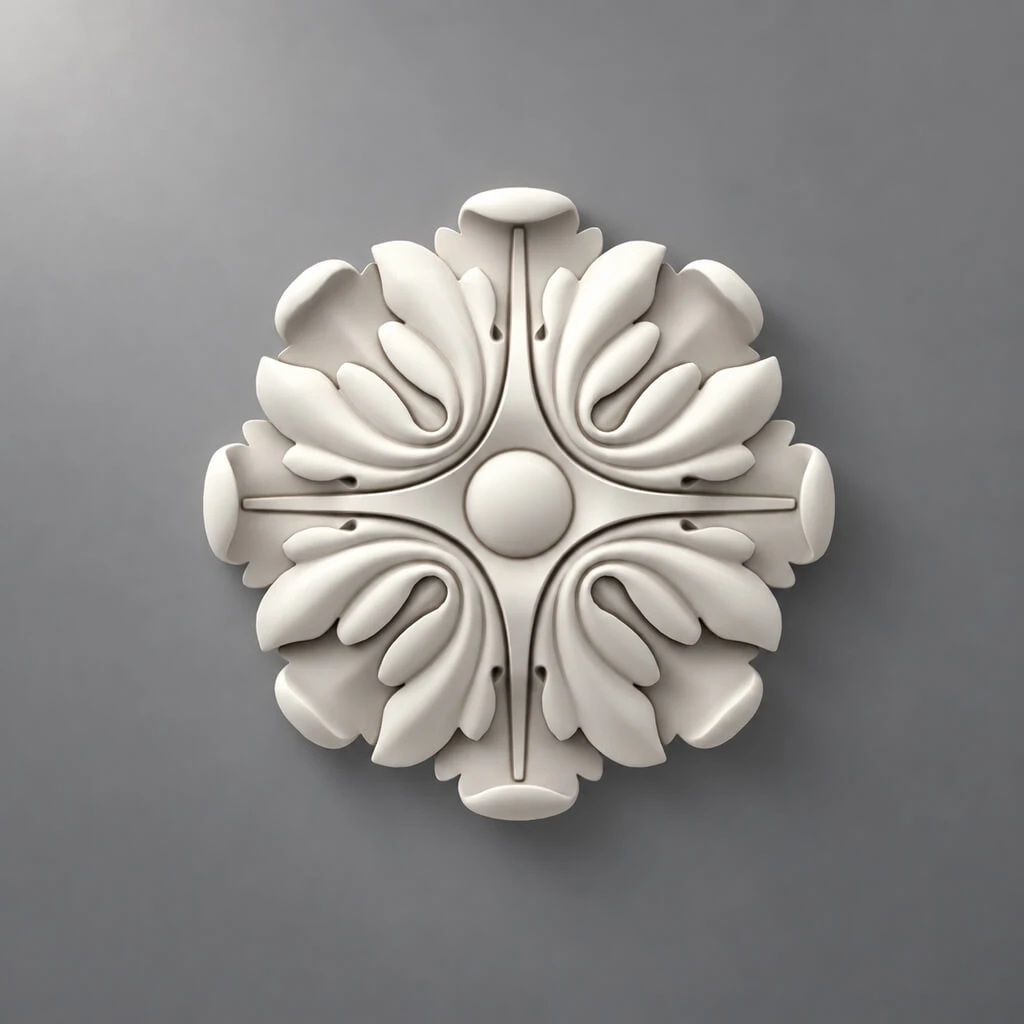
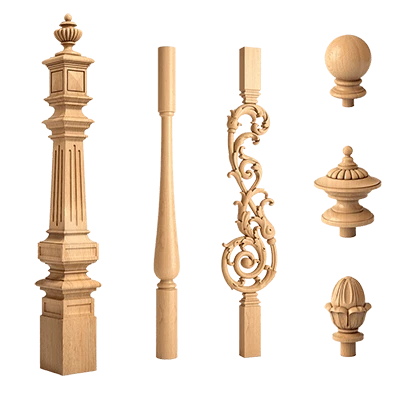
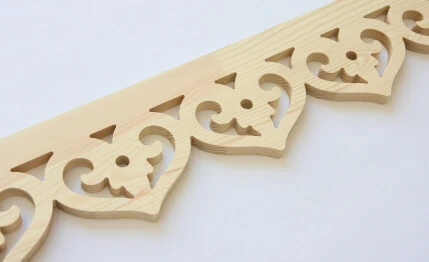
Decorative wooden inlays — a separate way to add a classic detail to the facade or side surface of a cabinet. Rosettes, cartouches, corner elements — all of these are applied on top of the main surface and attached with glue or small screws. A good way to "enrich" a cabinet in style and align it with other interior items.
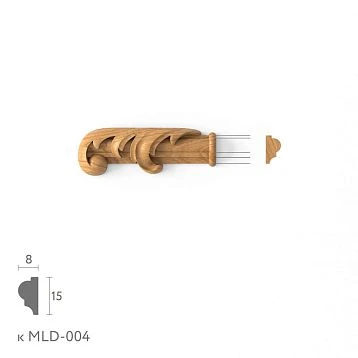
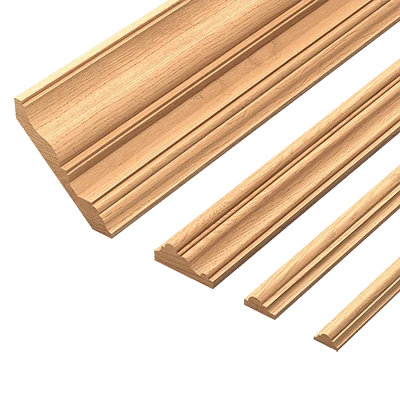
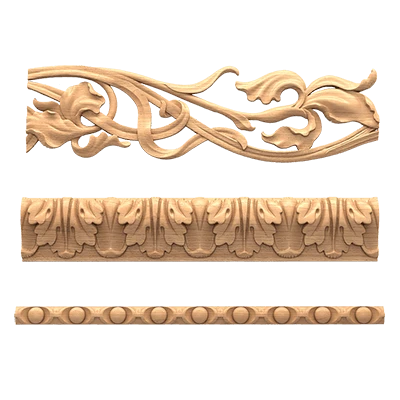
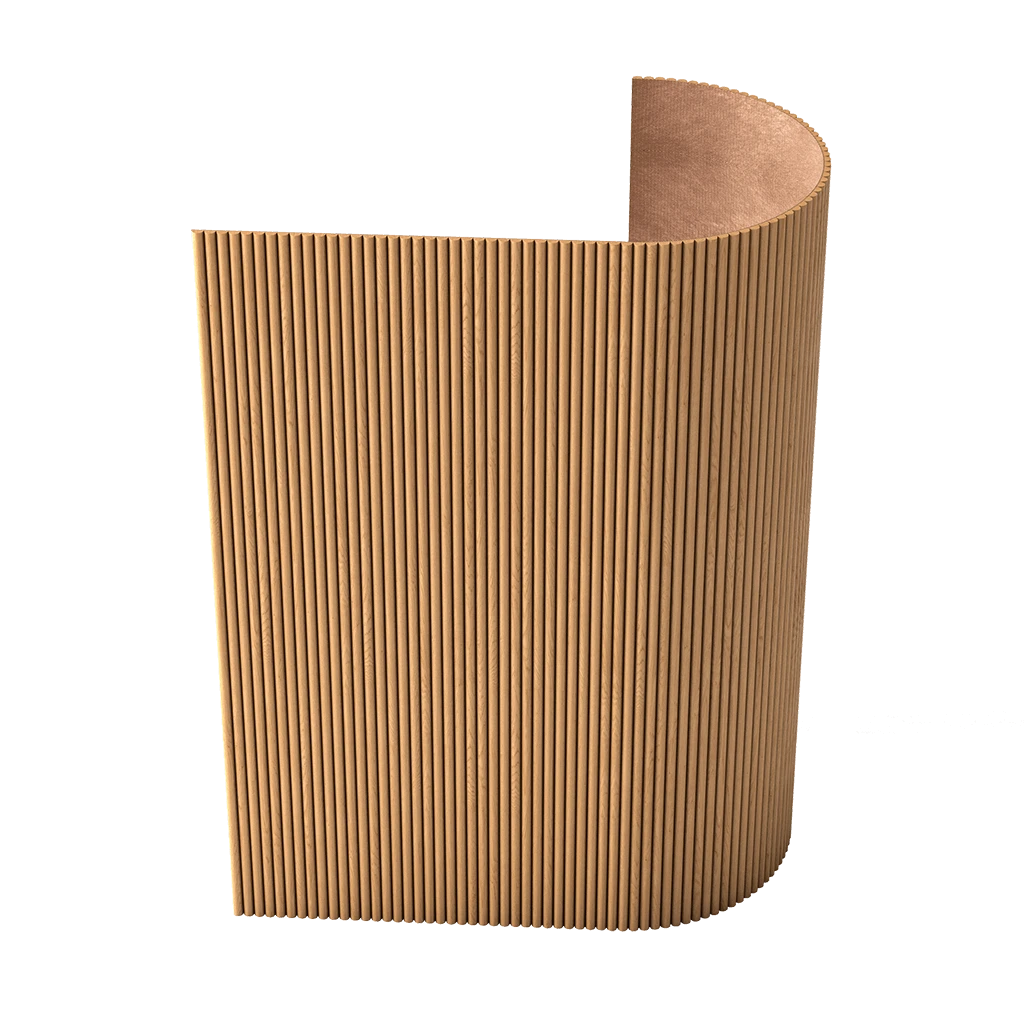
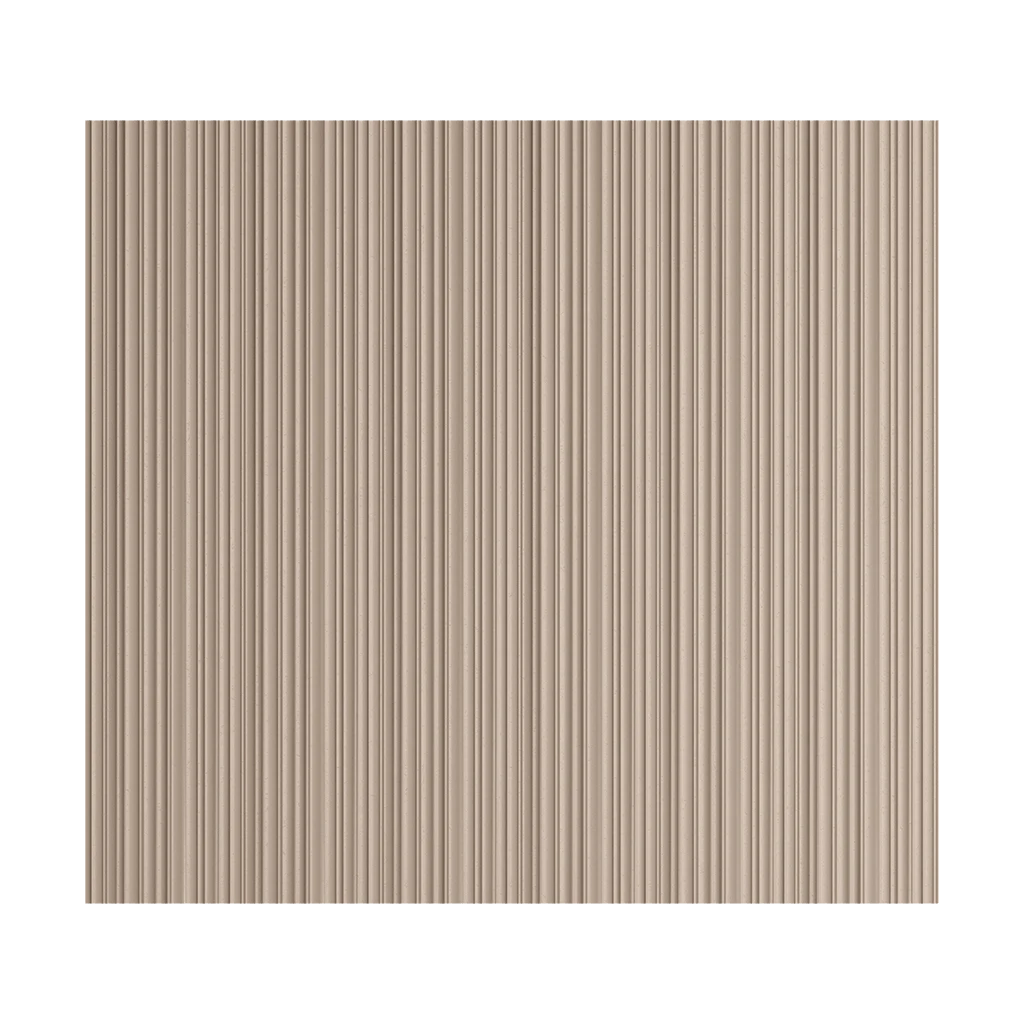
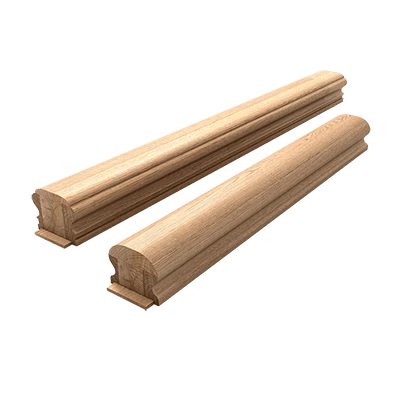
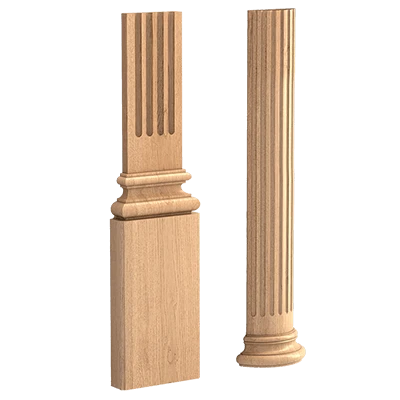
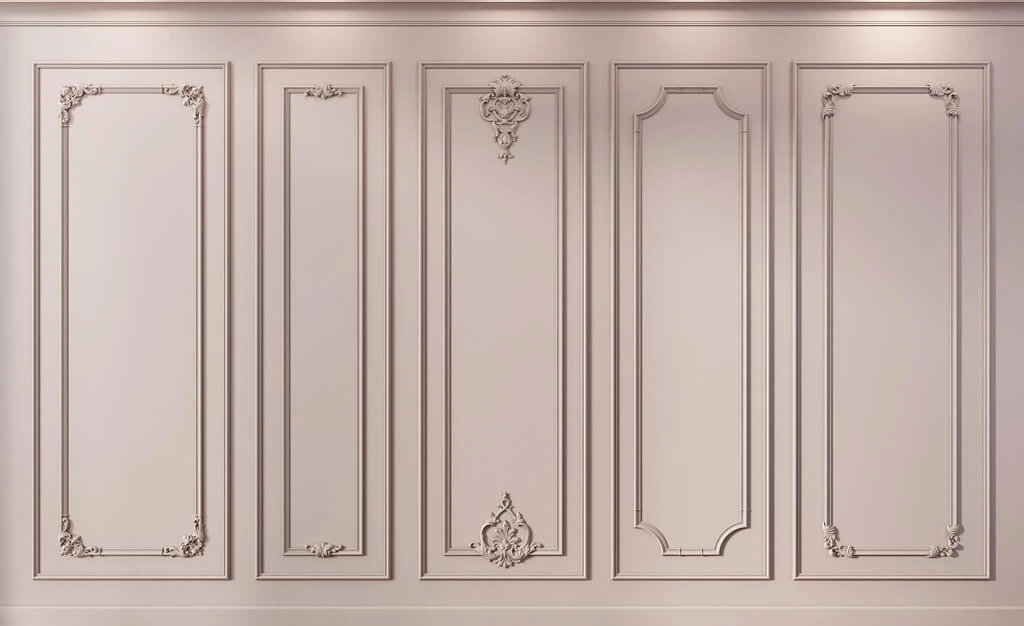
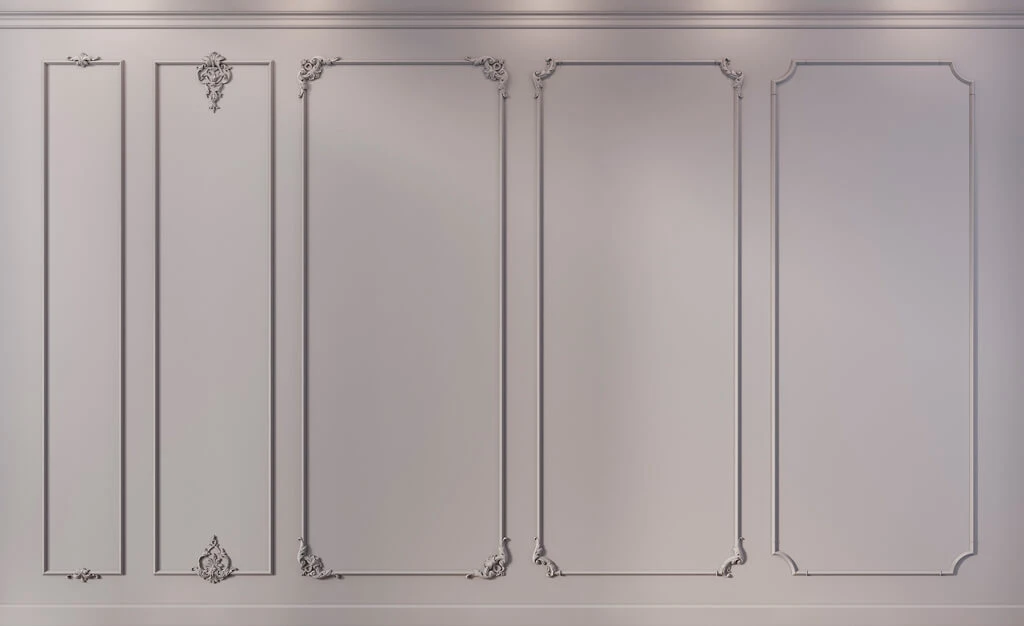
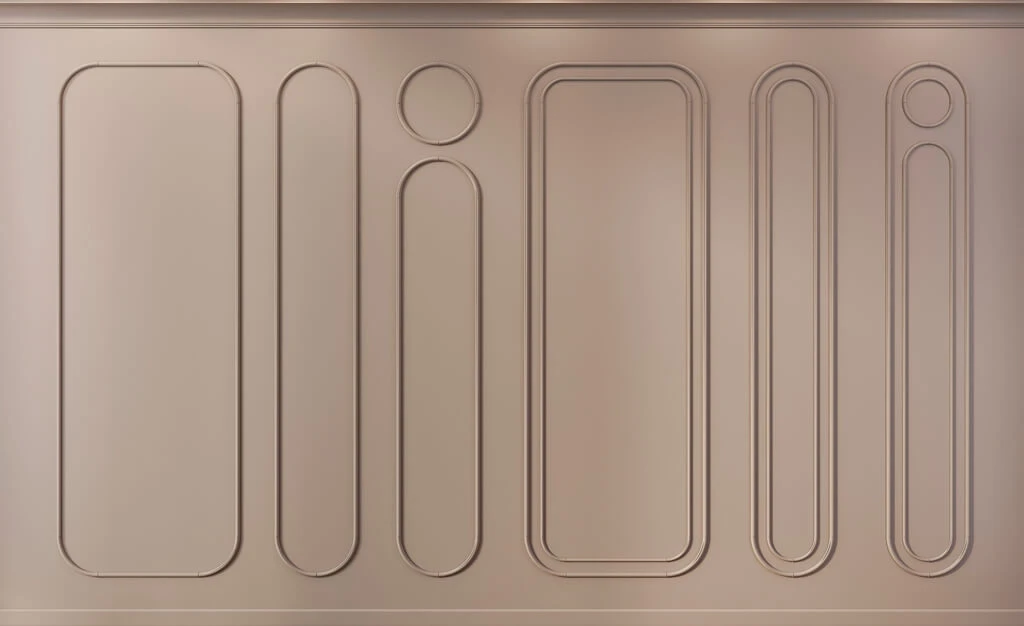
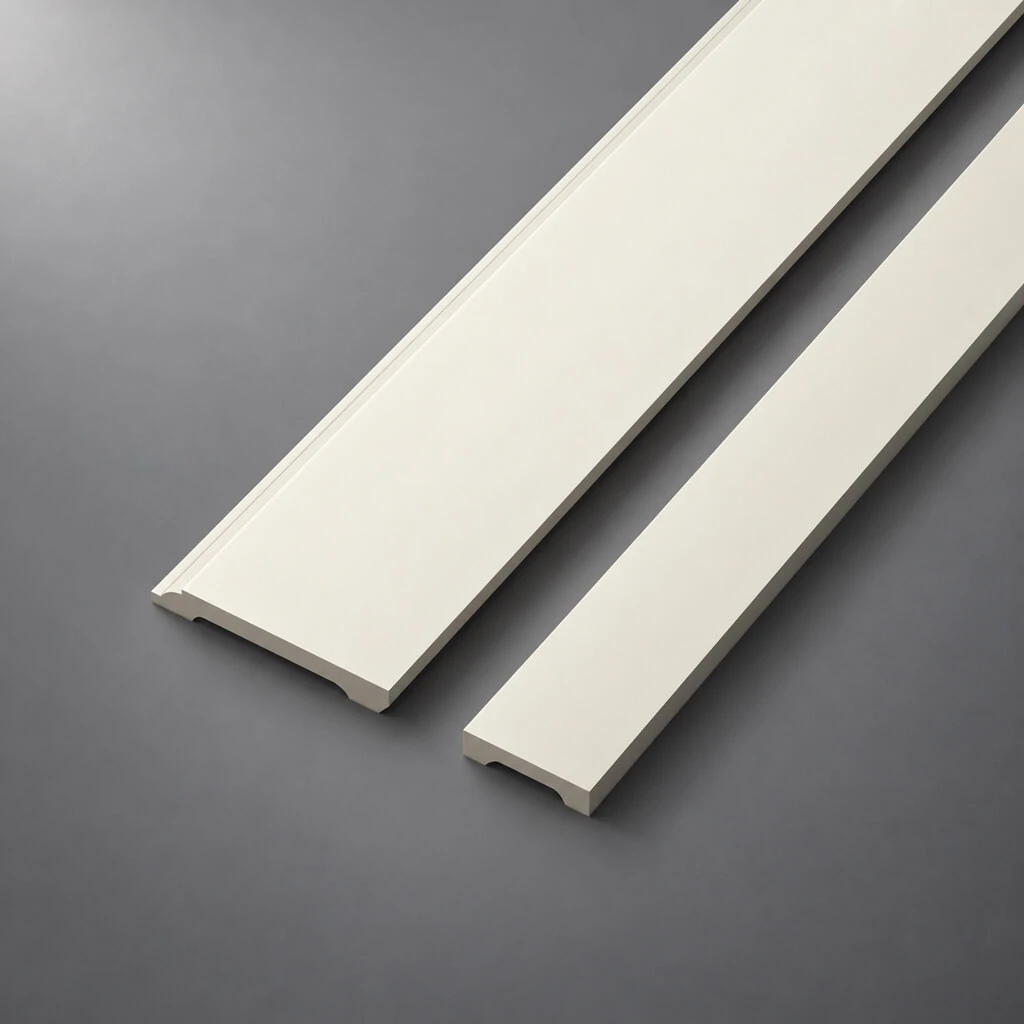
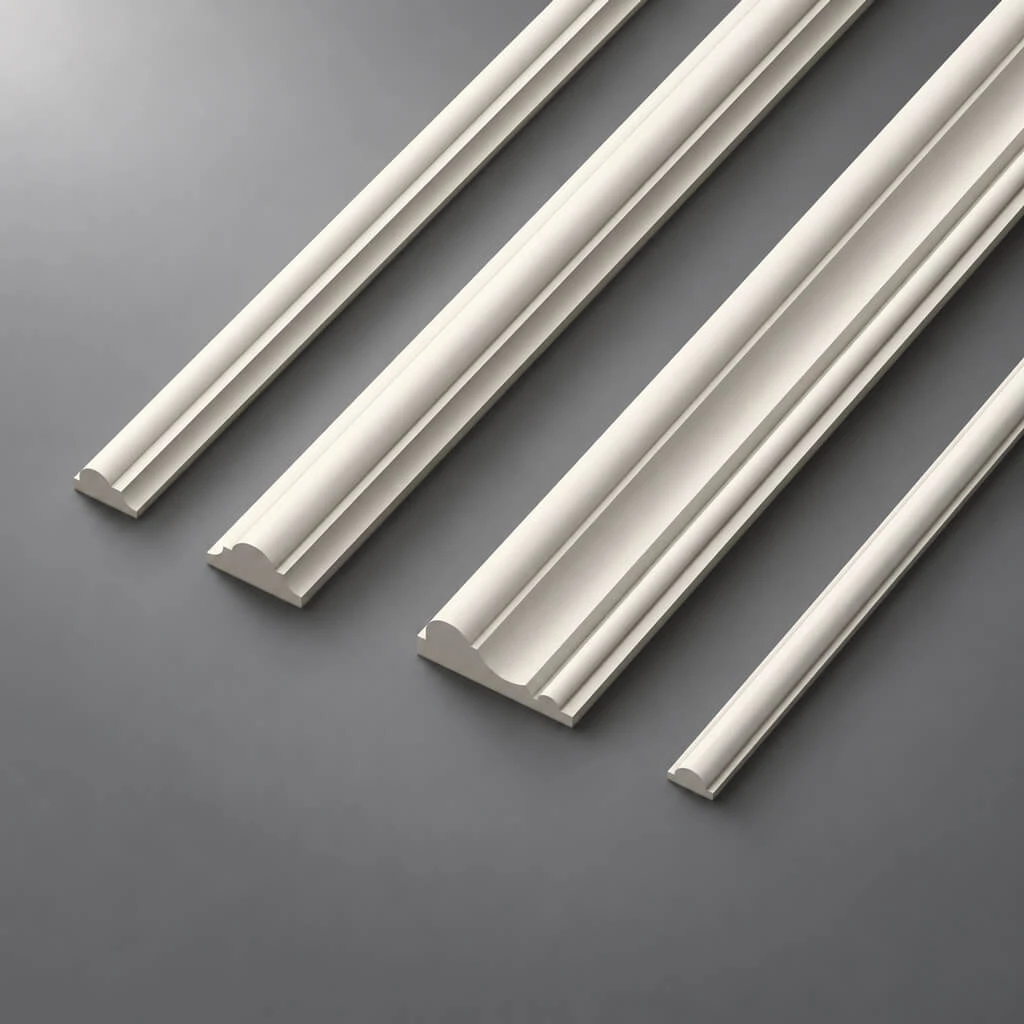
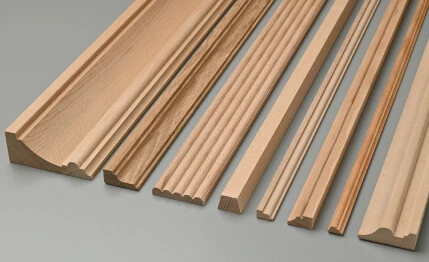
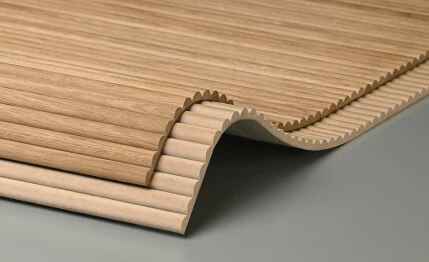
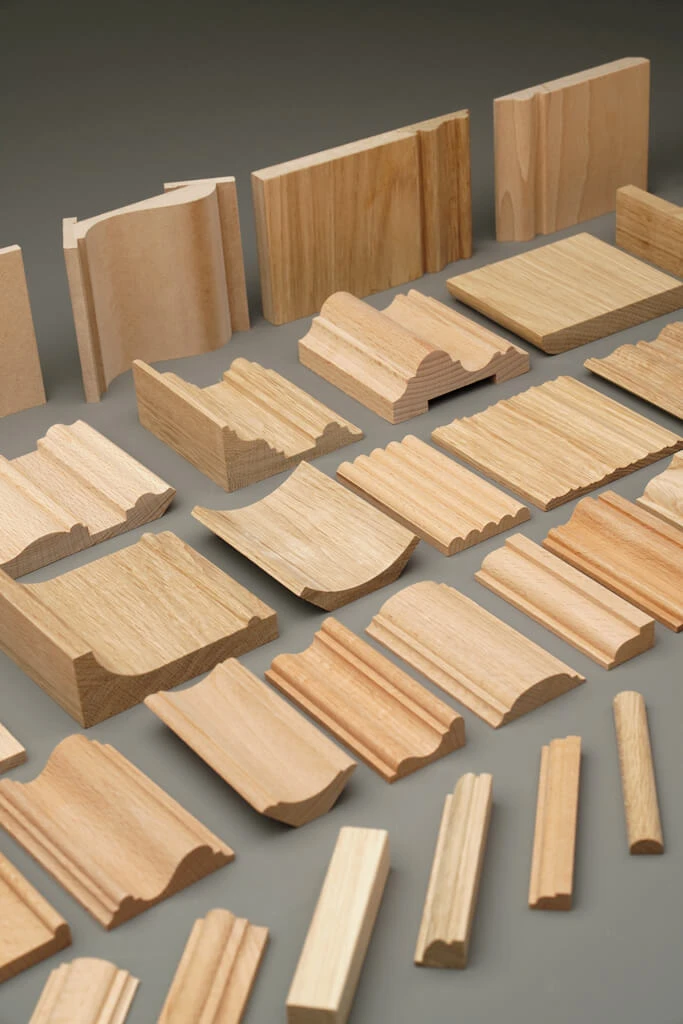
Moldings are linear profiles used to create framed compositions, zone walls, and frame openings. They come in various widths (from 20 to 150 mm) and relief complexity — from smooth to richly decorated.
Wooden moldings on the cabinet facade — horizontal or vertical profiles that create the illusion of frames and panels. Molding around the perimeter of the facade door is a simple but powerful way to give a flat surface a classic look.
Shaped legs
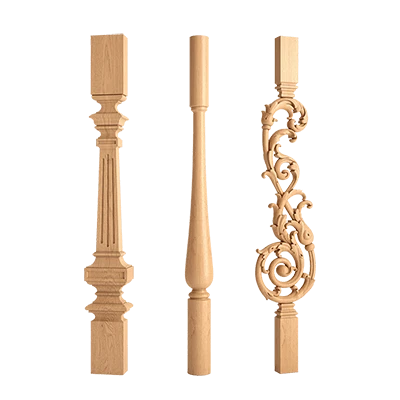
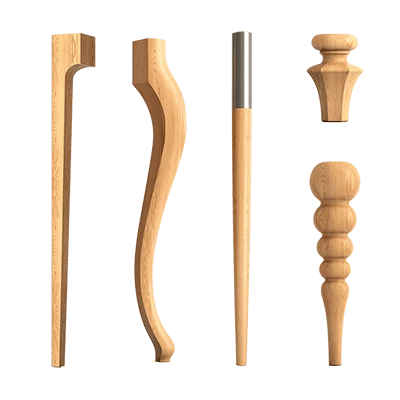
Legs are not a technical detail, but a style marker. A turned conical leg — neutral classic. A curved "cabriole" leg — Baroque or Louis style. A straight leg with a chamfer — Empire and Biedermeier. A square leg with fluting — Neoclassicism.
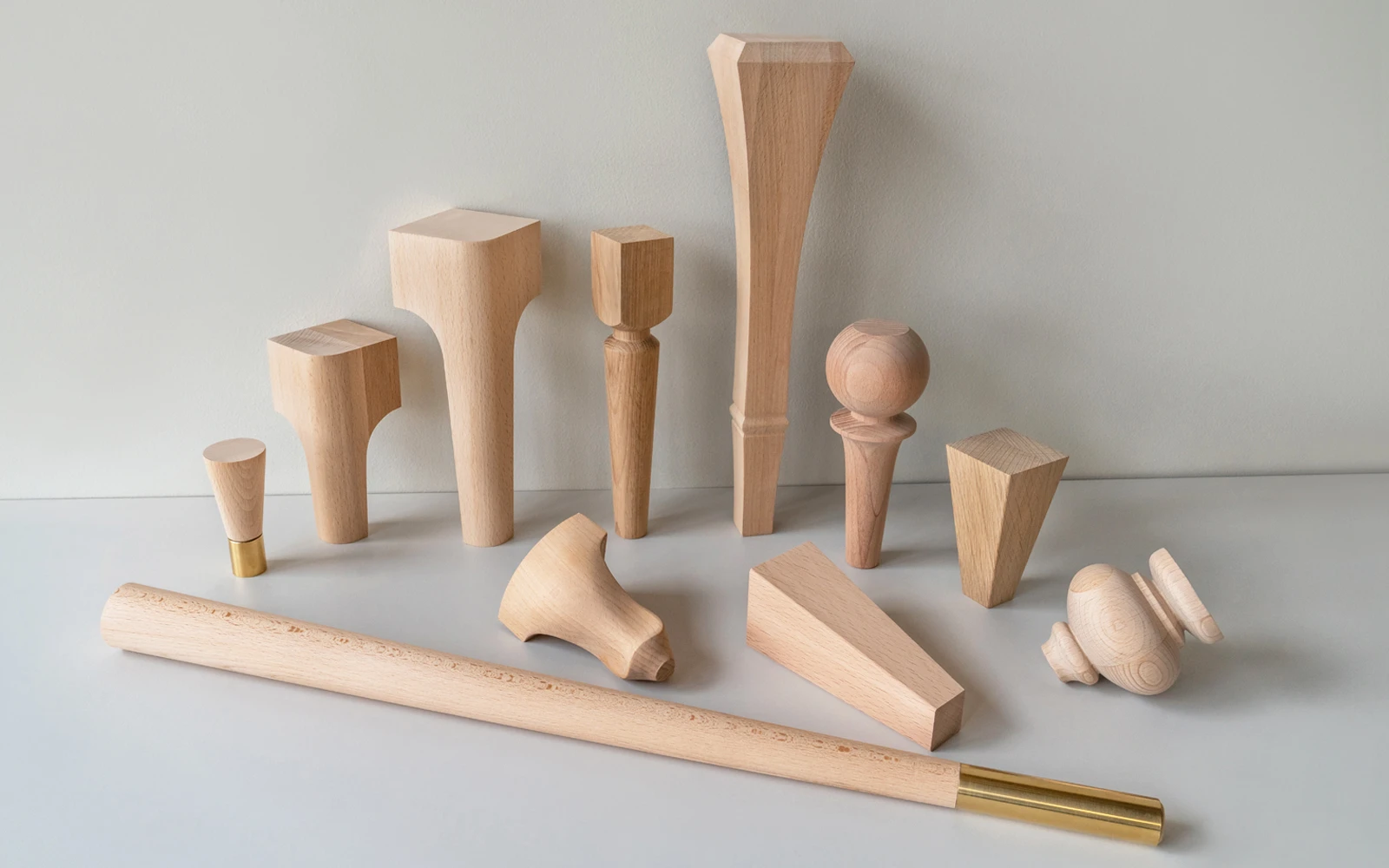
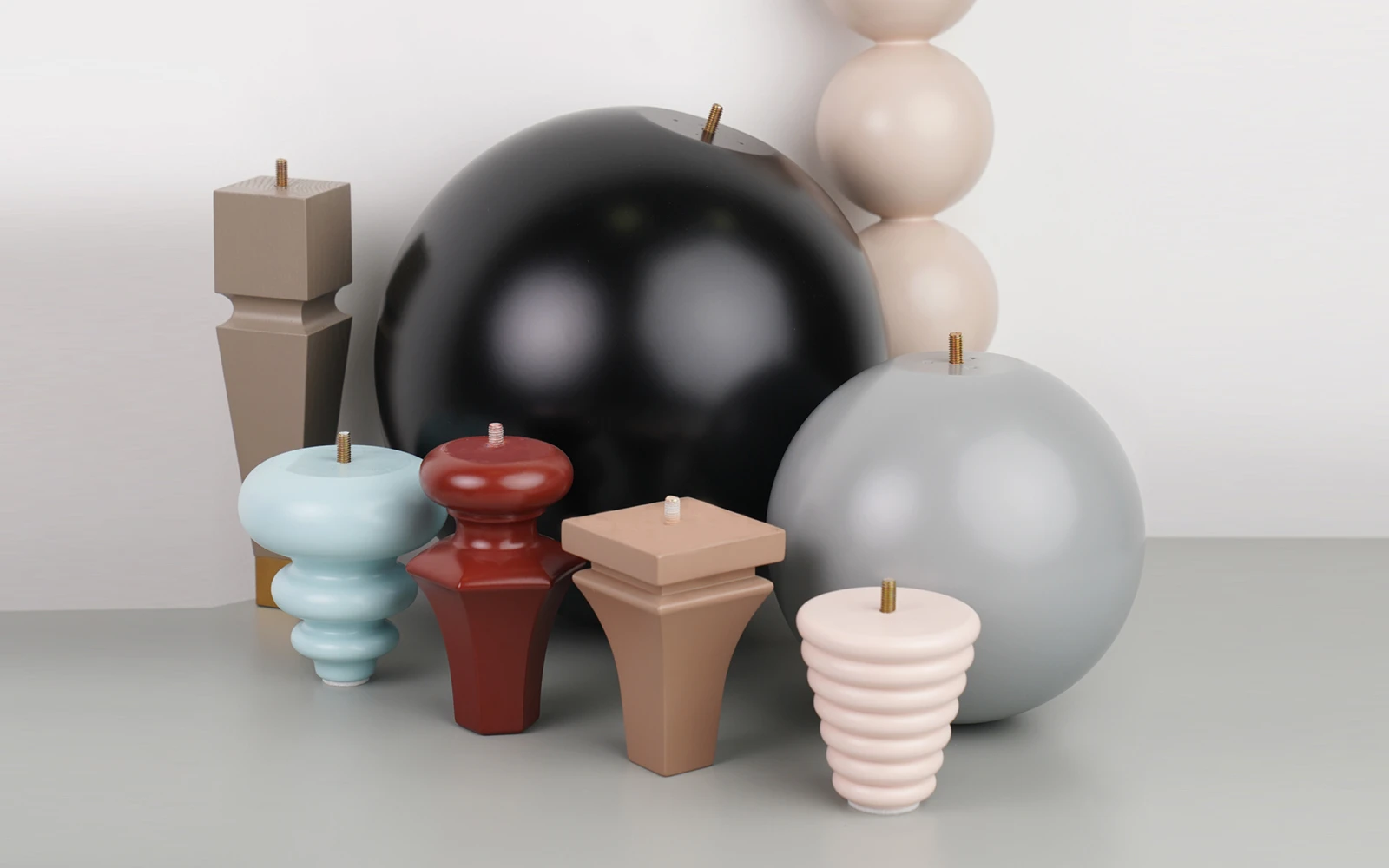
The choice of leg determines the "era" of the cabinet. Catalog of furniture legs and supports STAVROS offers a wide range: from restrained conical to expressive figured shapes. Separately available from STAVROS open boundless possibilities for designers, furniture makers, and anyone striving to create unique high-quality furniture. — for those who want to tint them independently to match the color of the cabinet.
Wooden handles
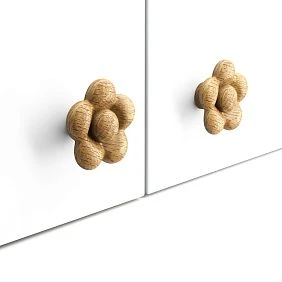
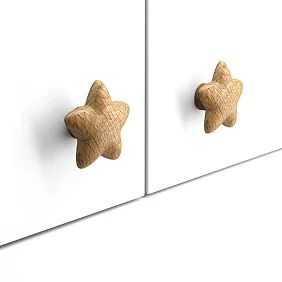
Handles are the final touch that can either complete the look or ruin it. wooden handles — an organic solution for a solid wood cabinet: a single material, a single tone, no dissonance. Metal handles — gold, bronze, matte silver — add accent and contrast. The choice depends on the overall color scheme of the interior.
Patina and aging effects
Patina is an imitation of natural surface aging: darkening in the recesses of the carving, lighter protruding planes. This is the main tool of "French classic" and Provence style. White or ivory enamel with gold patina is the very image that most buyers of classic cabinets are looking for.
The patina effect pairs well with carved facades: the more complex the relief, the more expressive the patina works — it "reveals" details, making them more readable and richer.
Mistakes when buying a classic cabinet: 10 cases from practice
1. Buying without a scenario. "I need a cabinet" is not a scenario. Do you need a TV cabinet for a 4×6 m living room with dark finish, or a bedside cabinet for a light classic bedroom, or a vanity cabinet for a 6 m² bathroom? The scenario determines everything: size, material, height, finish.
2. Choosing a TV cabinet only by the width of the TV. Width is important. But height for the viewing angle is no less important. Buying a classic TV cabinet without calculating the height of the screen center means later suffering from an uncomfortable neck position while watching.
3. Not accounting for outlets and cables. A TV cabinet pressed tightly against the wall — no gap for cables. Make sure there is a hole in the back panel, or leave a gap between the cabinet and the wall.
4. Placing a massive cabinet in a narrow hallway. A hallway 120 cm wide and a cabinet 45 cm deep + open doors = blocked passage. For narrow hallways — a console or cabinet no deeper than 30–35 cm.
5. Using unprepared furniture in a wet area. Regular furniture without moisture-resistant coating in the bathroom — swollen facades, delaminating edges, deformed drawers after six months.
6. Mixing different wood shades. Oak in "tobacco" color and pine in "walnut" color on the same wall — visual chaos. In a classic interior, all wooden items should be in the same tone or in a deliberately chosen contrast.
7. Forgetting about handles and legs as style elements. A classic solid wood cabinet with plastic handles in a high-tech style is a failure of the entire concept. Handles and legs should match the style, not be a compromise.
8. Not checking the combination with the mirror and dresser. If the bedroom already has a dresser in one style, and you buy a nightstand in another, the dissonance will be obvious. Compare the new item with what is already there.
9. Buying a nightstand without considering the door and window. A door that opens toward the nightstand is a common problem. Make sure the door leaf does not hit the corner of the nightstand or block the drawers.
10. Choosing a nightstand without depth allowance for equipment. A TV receiver, media player, router — all have a specific depth. A nightstand niche with a depth of 25 cm will not accommodate a device with a depth of 30 cm. Measure your equipment before ordering.
Why STAVROS: reasons for choosing
You should talk about the manufacturer only based on real facts — without general words.
In the of furniture and interior items STAVROS has a section of classic furniture, which features solid wood furniture with an emphasis on quality, style, and interior application. The catalog uses filters by product type — including the "Nightstand" category — which allows you to quickly find the desired item without browsing the entire assortment.
In addition to nightstands, the catalog features related items: classic consoles, Classic mirrors, Furniture Legs and Supports, wooden furniture handles, Decorative Inserts и Wooden moldings — that is, the ability to create a complete interior in a unified style in one place.
Delivery is carried out throughout Russia, allowing customers from Moscow, St. Petersburg, Novosibirsk, and other cities to receive products directly from the manufacturer.
FAQ: answers to frequent questions about classic solid wood cabinets
Which classic cabinet is best to buy for the living room?
For the living room, two scenarios are optimal. The first is a classic TV cabinet for the TV zone: wide, with niches for equipment, designed at a height for comfortable viewing. The second is an accent cabinet against the wall: under a mirror or painting, with decorative fronts and a countertop for interior items. In both cases, choose a finish that echoes other furniture in the room — a chest of drawers, sofa, or baseboard.
How is a classic TV cabinet different from a regular one?
A classic TV cabinet is not just a "shelf for a TV." It has shaped legs, carved or profiled fronts, handles of a corresponding classic design, and a finish that fits into the interior's style program. Functionally, it should provide the correct height for the screen and space for equipment. It is both furniture and decor.
Can a classic cabinet be used in the bathroom?
Yes, if the design is intended for a wet area. Critical requirements: moisture-resistant coating (varnish or polyurethane), protected edges, ventilation inside the body. If all these conditions are met, a classic cabinet made of solid wood or MDF with an appropriate coating will last a long time in the bathroom and maintain its appearance.
Which is better for a classic cabinet: oak or beech?
It depends on the task. Oak is for dark and rich interiors: a study, a dark living room, Empire-style classics. Expressive texture, high strength, durability. Beech is for light classics and enamel coatings: white, ivory, patina. Even structure, easy to paint, creates an ideal base for French style.
How to choose a console table for a framed mirror?
Focus on four parameters: width (the console should be slightly narrower than the mirror frame — from 80% to 100% of the frame width), color (matching or intentionally contrasting tone), carving style (the frame and console should speak the same language — baroque with baroque, provence with provence), height (the lower edge of the mirror frame should be 10–15 cm above the console tabletop). Such ensembles of classic mirrors and consoles look good in the hallway, bedroom, and bathroom.
Where to buy a classic solid wood console table?
In the STAVROS catalog — section classic cabinets with a filter by product type. There are also related product items: legs, handles, overlays, moldings, and mirrors for creating a complete interior ensemble in a classic style.
How to distinguish solid wood from veneer on a console table when buying?
Look at the ends: solid wood has a continuous wood grain pattern from the surface to the core, veneer is a thin layer of wood over MDF or particleboard with visible layers at the cut. Tactilely: solid wood has a natural feel of live wood, veneer on MDF is more uniform. By weight: solid wood is noticeably heavier.
What size console table for a 55-inch TV?
For a 55" (139 cm) diagonal TV, the recommended console width is 130–160 cm. Height — calculated so that the center of the screen is at 100–115 cm from the floor when viewing while seated. Depth — at least 40 cm to accommodate a receiver and equipment.