Article Contents:
- What is Polyurethane: Chemistry Serving Beauty
- Physical Properties of the Material
- Polyurethane vs. Gypsum: The Battle of Titans
- Weight Category
- Moisture Resistance
- Installation and mounting
- Durability and stability
- Ownership cost
- Types of polyurethane decor
- Moldings: Lines Creating Architecture
- Crown Molding: The Crown of the Room
- Rosettes: The Sun on the Ceiling
- Consoles and Brackets: The Illusion of Support
- Pilasters: Vertical Rhythm
- Casing and trimmings
- Production Technology: How Beauty is Born
- From Sketch to Form
- Pouring and Molding
- Final finishing
- Installation: from theory to practice
- Surface Preparation
- Marking and Planning
- Cutting and fitting
- Applying adhesive
- Installation and Fixing
- Joint sealing
- Painting and final finishing
- Preparation for Painting
- Choosing paint
- Painting Technique
- Decorative techniques
- Application in Interior Design
- Living Room: Grand Finishing
- Bedroom: The Refinement of Rest
- Kitchen and Dining Room: Practical Luxury
- Bathroom: Moisture-Resistant Classic
- Entryway: First Impression
- Maintenance and care
- Regular Cleaning
- Repair of damage
- Renew the finish
- Economics: Calculating the Benefit
- Material Costs
- Installation Costs
- Long-Term Savings
- Ecological Safety
- Chemical composition
- Fire safety
- Conclusion: The Polymer Revolution

Imagine: You stand before a choice. To the left — a century-old tradition of gypsum moldings, heavy, fussy, requiring master virtuosos. To the right — a modern solution that weighs ten times less, installs in hours, lasts for decades, and looks absolutely identical. What will you choose?Polyurethane wall cladding— This is not a compromise. It is evolution, a technological breakthrough that democratized the art of molded decoration.
Polyurethane molding shattered gypsum’s monopoly in the architectural decoration market. Two decades ago, a classic interior meant gypsum moldings, rosettes, crown moldings — heavy, expensive, difficult to install. Today, polyurethane moldings offer the same beauty with radically improved characteristics. Lightness, strength, moisture resistance, ease of installation — polyurethane surpasses gypsum on almost all parameters, retaining only one — aesthetic perfection.
Polyurethane wall decor opened classic design to mass consumers. Previously, molded decoration was a privilege of palaces and mansions. The cost of materials, work of skilled craftsmen, and complexity of installation made it inaccessible. Polyurethane changed the rules of the game. Now everyone can afford a classic interior with columns, crown moldings, rosettes. Democratization of luxury — that’s what the polyurethane revolution is.


What is Polyurethane: Chemistry Serving Beauty
Polyurethane — a synthetic polymer obtained by the reaction of polyol and isocyanate. Sounds complicated? In practice, this means a material combining the best properties of plastic and rubber. The hardness and strength of plastic plus the elasticity of rubber give a unique combination of characteristics.
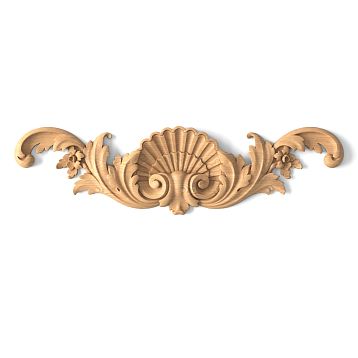
Productionsculptural ornamentsPolyurethane molding — a high-tech process. Liquid polyurethane is poured into molds with the finest detail. The material fills every micro-crack of the mold, reproducing the most delicate relief details. After curing, the result is an element indistinguishable from its gypsum counterpart to the naked eye.




Physical Properties of the Material
The density of polyurethane varies from 200 to 800 kg per cubic meter depending on the formulation. For comparison: gypsum has a density of 1200–1500 kg per cubic meter. This means that for equal volume, a polyurethane element weighs 2–7 times less than a gypsum one. Practical implication? Easy installation, reduced load on walls, possibility of use on gypsum board structures.
Compressive strength reaches 50–70 MPa — comparable to concrete. A polyurethane molding withstands significant mechanical loads. A random impact won’t crack it like gypsum. This is especially important in homes with children, where mechanical damage is inevitable.
Operating temperature range from minus 60 to plus 80 degrees Celsius.polyurethane moldingsIt is not afraid of Siberian frosts or African heat. It does not deform under temperature changes, does not crack, does not lose its shape.
Water absorption is practically zero. Polyurethane does not absorb moisture, making it ideal for humid areas. Bathrooms, kitchens, pools — everywhere where gypsum quickly deteriorates, polyurethane serves for decades.
Our factory also produces:

Polyurethane vs. Gypsum: Battle of Titans
Get Consultation
Weight Category
A 3-meter gypsum ceiling cornice weighs 15–25 kilograms. A polyurethane equivalent weighs 1.5–3 kilograms. That’s a tenfold difference. What does this mean practically? A gypsum cornice requires strong fastening — anchors, screws, sometimes metal angles. Two people lift and hold the element while a third secures it. A polyurethane cornice can be installed by one person using adhesive in half an hour.
Sculptural wall decorationPolyurethane does not create critical load on structures. It can be mounted on drywall, old plaster, even wallpaper. Gypsum molding requires solid walls capable of bearing weight.
Moisture Resistance
Gypsum is hygroscopic — it absorbs water like a sponge. In a humid room, gypsum molding swells, loses strength, and becomes covered with mold. Gypsum can be protected with coatings, but this is only a temporary measure. Eventually, water will find a microcrack and begin to destroy from within.
Polyurethane is absolutely moisture-resistant. Water simply runs off its surface without penetrating inside.Wall and ceiling decorative moldingPolyurethane molding in a bathroom will last as long as in a dry bedroom. No compromises, no restrictions.
This opens up new design possibilities. Classic bathroom interiors, where molding frames mirrors, decorates ceilings, and defines zones — all of this is achievable with polyurethane. With gypsum, it would have been a slow-burning bomb.
Installation and Mounting
Gypsum molding requires professional installation. The elements are heavy and fragile, requiring precise fitting. The craftsman mixes gypsum adhesive, applies it to the element, presses it against the wall, and secures it with supports until it sets. The process takes hours, creates mess, and requires experience.
Moldings made of polyurethaneThey are mounted on ready-to-use adhesive from a tube. Apply the adhesive, press against the wall, hold for a minute — done. Even a person without construction experience can handle it. Manufacturers provide detailed instructions, and there are plenty of video tutorials online. The entry barrier is minimal.
Cutting is another advantage. Gypsum is difficult to cut, crumbles, and requires special tools. Polyurethane can be cut with a regular saw or construction knife. Need to adjust the length? Two minutes of work. Need an angled cut? A miter box or circular saw will make a perfect cut in seconds.
Durability and stability
Gypsum is a living material. It breathes, expands, and contracts with changes in humidity. This leads to the formation of microcracks, which over time become visible defects. Gypsum molding requires periodic restoration — filling cracks, repainting.
Polyurethane is stable. It does not change dimensions, does not crack, does not deform.moldings for walls and ceilingsPolyurethane molding looks the same after twenty years as it did on the day of installation. This is an investment that requires no maintenance.
Polyurethane’s mechanical strength surpasses gypsum. A random impact leaves a dent or cracks gypsum. Polyurethane elastically deforms and returns to its original shape. This is a forgiving material.
Ownership cost
The initial cost of gypsum molding may be comparable or even lower than polyurethane, especially for simple mass-produced elements. But you must consider the total cost of ownership. Installing gypsum is more expensive — requires professionals. Transportation is more expensive — the material is heavy and fragile, requiring care. Operation is more expensive — periodic restoration and repair of damage.
Polyurethane is cheaper to install — you can do it yourself. Cheaper to transport — lightweight, strong, compactly packaged. Free to operate — requires no maintenance. Overall, polyurethane is more economically advantageous over the long term.
Types of polyurethane decor
Moldings: Lines that Create Architecture
Moldings are surface-mounted strips with profiled cross-sections. They create linear decoration, divide walls into zones, and frame openings.Wall finishing with moldingsPolyurethane molding allows creating classic compositions quickly and affordably.
Wall moldings are used to create panels. Rectangular frames made of moldings divide the wall into sections. Inside the frames, contrasting finishes are placed — wallpaper, paint of another color, fabric. This results in a multi-level composition with pronounced architectural depth.
Ceiling moldings mask the junction between wall and ceiling. This is not only decorative but also practical. Junctions often have unevenness and cracks. Moldings hide these defects, creating a clear boundary between planes. Visually, the room appears higher — the molding lifts the ceiling.
Baseboards — floor moldings — complete the interior from below.Decor from PU for WallsIncludes tall baseboards that protect the lower part of the wall from damage and create proportional harmony.
Cornices: The Crown of the Room
Cornices are wide profiled elements located at the junction of wall and ceiling. They create a visual crown for the room, adding height, richness, and completeness.Internal decorative wall claddingClassic interiors are unthinkable without cornices.
Simple cornices have a minimalist profile — smooth curves without excessive detailing. They suit neo-classical and minimalist interiors with a nod to classicism. Such cornices do not overload the space but add architectural expressiveness.
Complex cornices are rich in details — grooves, protrusions, ornaments. They create a luxurious atmosphere typical of palace interiors. An elaborately decorated cornice becomes a standalone artistic element, drawing attention.
Flexible cornices are a special type for curved sections. Bay windows, columns, and arches require flexible elements. Polyurethane allows creating flexible cornices that replicate any curvature. This is impossible with plaster — it simply cracks when bent.
Rosettes: the sun on the ceiling
Ceiling rosettes frame chandeliers, transforming them into compositional centers.Wall and ceiling decorative moldingIn the form of a rosette, it creates a focal point from which the entire room composition radiates.
Round rosettes are classic. From simple rings to complex multi-tiered compositions with plant motifs. Diameter varies from 30 centimeters to over one meter. A large rosette in a high room creates a sense of scale appropriate to the volume.
Oval rosettes suit elongated rooms. They visually correct proportions, making the room more harmonious. An oval above a dining table emphasizes the zone, creating an elegant frame for the chandelier.
Corner rosettes are used at junctions of ceiling moldings. They conceal seams, turning a technical necessity into a decorative element. Four corner rosettes at the room’s corners create a symmetrical composition.
Consoles and brackets: illusion of support
Consoles are decorative elements creating an illusion of supporting structure. They are placed under shelves or cornices, creating the impression that they bear weight.Decorative wall finishingUsing consoles adds three-dimensionality and play of volumes.
Consoles under shelves serve a dual function. Visually, they support the shelf, though it is actually held by hidden fasteners. However, the console can also bear part of the load, strengthening the structure. This results in a combination of decorative and functional qualities.
Cornice consoles are placed between the ceiling cornice and the wall. They create a rhythmic composition, visually supporting the heavy cornice. In large rooms, consoles are installed at 1-2 meter intervals, creating a regular architectural rhythm.
Pilasters: vertical rhythm
Pilasters are flat columns protruding from the wall. They create vertical divisions, establish rhythm, and add monumentality.decorative wall finishingWith pilasters, an ordinary room becomes a hall.
A pilaster consists of three parts: base (at the bottom), shaft (middle section), capital (top). Each part has its own decorative detailing. The base is usually simpler, the shaft may be smooth or fluted (with vertical grooves), and the capital is most elaborately decorated.
Pilasters flank door and window openings, creating a majestic frame. Two pilasters on either side of a door transform an ordinary passage into a portal. This technique, borrowed from temple architecture, works effectively in residential interiors.
Corner pilasters emphasize room corners, visually reinforcing the structure. Four corner pilasters create the impression of a pavilion, an architecturally complete space.
Casing and trim
Door and window casings frame openings, creating a transition between wall plane and opening depth. Polyurethane casings are lighter than wooden ones, do not rot, and do not require painting (though they can be painted).
Wide casings create a sense of grandeur. An opening one meter wide with 20-centimeter casings on each side becomes a 1.5-meter composition. The scale changes, making the door appear more significant.
Narrow casings delicately frame openings without overwhelming the space. They suit small rooms where wide decoration would steal precious centimeters.
Production technology: how beauty is born
From sketch to form
Everything begins with design. An artist creates a sketch of the future element. Computer modeling transforms the drawing into a 3D model. You can view the element from all sides, assess proportions, and make adjustments.
A master model is made from wood, plaster, or plastic. This is a prototype from which the mold is taken. The master model is crafted with extreme care — every detail must be perfect, as it will be reproduced thousands of times.
The mold is made from silicone or polyurethane. The master model is coated with a release agent and filled with molding material. After hardening, the mold is removed. Inside — a negative impression of the master model with the finest details.
Pouring and molding
Liquid polyurethane is a mixture of two components: polyol and isocyanate. Components are mixed immediately before pouring. A chemical reaction begins — the material foams, expands in volume, and fills the mold.
Vacuuming removes air bubbles from the mixture. The mold is placed in a vacuum chamber, where air is evacuated. Bubbles burst, and the mixture becomes homogeneous. This guarantees the absence of voids and defects in the finished product.
Curing occurs at room temperature or in special ovens. Polyurethane hardens, transforming from liquid to solid. Curing time depends on the formulation — from several minutes to several hours.
Removing from the mold is a delicate process. The mold is flexible, but the element must be carefully extracted to avoid damaging fine details. An experienced worker does this in seconds, leaving no marks.
Final finishing
Trimming removes flash — excess material at the edges. With a sharp knife, excess material is carefully trimmed and roughness is sanded down. The element must have clean, sharp edges.
Sanding removes minor defects and smooths the surface. Fine-grit sandpaper is run over the entire surface, polishing it. After sanding, the element is smooth and pleasant to the touch.
Priming prepares the surface for painting. Primer fills micro-pores and creates a uniform base. Without primer, paint will not adhere evenly and may result in spots.
Painting is the final stage. Elements may be sold unpainted (for painting) or with factory-applied paint. White is popular — it is universal and suitable for most interiors. However, any color is possible, including imitation of gold, silver, or patina.
Installation: from theory to practice
Surface preparation
The quality of installation depends 70% on preparation. The surface must be clean, dry, and strong. Dust, grease, old paint that is peeling — all of this must be removed.Buy internal wall cladding— this is half the job; correctly installing — is equally important.
Cleaning begins with removing dust. A broom, vacuum cleaner, or damp cloth — any method is suitable. The main thing is to remove everything that could interfere with adhesive bonding. Grease stains are removed with a solvent or degreaser.
Leveling is required if unevenness exceeds 2-3 millimeters. For moldings, this is critical — they are long, and any unevenness will be noticeable. Local bumps are trimmed, and holes are filled with putty. Perfect flatness is not required, but rough defects are eliminated.
Priming improves adhesion. Primer penetrates the base's pores, strengthens it, and creates an adhesive film. Adhesive bonds much better to primed surfaces than to unprepared ones. Do not skimp on primer — it is a safeguard against peeling.
Marking and Planning
Measurements are the foundation of proper installation. Tape measure, level, and angle finder — essential tools. Measure all dimensions twice and record them. An error of one millimeter on a three-meter length is critical — elements will not fit together.
Marking is done with a pencil or chalk line. For horizontal elements, use a laser level — it provides a perfectly straight line around the room's perimeter. For vertical elements — use a plumb bob or bubble level.
Layout — planning the placement of elements. Start with corners — they are the most complex. Determine where joints will be and how elements will be cut. Good layout minimizes waste and simplifies installation.
Cutting and fitting
A miter saw is the ideal tool for cutting moldings. It provides a clean, precise cut at any angle. For corner joints of moldings, a 45-degree cut is required — a miter saw makes it perfect.
A miter box is an alternative for those without a miter saw. It is a simple device with slots for different angles. The molding is placed in the miter box and cut with a hacksaw along the slot. The cut is straight, though it requires more effort.
A metal hacksaw is suitable for cutting polyurethane. Small teeth provide a clean cut without chipping. Cut slowly, without pressure — let the saw do the work. Rushing leads to an uneven cut.
Joint fitting — final finishing. Two elements must join without gaps. If a gap exists — trim one of the elements. Sandpaper helps adjust the angle by removing a few extra millimeters.
Applying adhesive
Installation adhesive — a special formulation for polyurethane. Regular PVA is not suitable — it does not hold. A glue type "liquid nails" or specialized for polyurethane molding is required. Adhesive is applied to the back of the element. For long moldings — apply in a zigzag or dotted pattern along the entire length. For large elements — apply in spots or as a continuous layer, depending on weight.
Do not overapply adhesive. Excess will squeeze out when pressing, creating drips. It is better to apply slightly less — the element holds on a microscopic layer of adhesive, thickness is not critical.
Installation and Fixation
Place the element at the installation location according to the marking. Press it along the entire length or area. Feel how the adhesive spreads under the element. Adhesive should ooze out at the edges — this is a sign of good contact.
Holding — a critical moment. Modern adhesives set in 30-60 seconds. This time must be spent holding the element pressed. For long moldings, use an assistant or temporary supports — sticks with soft pads.
Immediately wipe off excess adhesive with a damp cloth. Dried adhesive is difficult to remove — it will require cutting with a knife and sanding. A clean cloth soaked in water easily removes fresh adhesive.
Joint sealing
Joints between elements are filled with acrylic sealant. The sealant color is matched to the elements — usually white. Sealant is applied from a caulking gun, filling the joint.
Joint smoothing is done with a finger or special putty knife. Wet your finger in soapy water — the sealant will not stick. Run along the joint, pressing the sealant to create a smooth surface. Wipe off excess with a cloth.
Sealant drying time — 24 hours. Do not touch joints during this time. After drying, the sealant becomes rubbery and flexible. It compensates for micro-movements of elements, preventing cracks.
Painting and final finishing
Preparation for painting
Wall cladding for paintingPainting of polyurethane begins with priming. Even if elements are sold with factory primer, it is advisable to apply an additional layer before painting. This improves paint adhesion and equalizes absorption.
Light sanding of the primer with fine-grit sandpaper (grit 220-320) creates an ideal base. Primer may have minor roughness. Light sanding smooths these imperfections, creating a satin finish. Remove dust after sanding with a vacuum cleaner or damp cloth.
Paint Selection
Acrylic paints are the optimal choice for polyurethane. They are water-based, odorless, dry quickly, and form a durable coating. Matte, satin, or glossy — any sheen level is available.
Alkyd paints create a stronger coating but have an odor and take longer to dry. They are suitable for high-traffic areas — hallways, kitchens. Glossy alkyd paints create a porcelain-like effect.
Specialized moldings paints contain additives that improve coverage and gloss. One layer of such paint is sufficient for an ideal result. Regular paint requires two to three layers.
Painting technique
Brush — a traditional tool for painting moldings. The brush penetrates into the recesses of the relief, coloring every detail. Use a medium-sized brush with soft bristles. Synthetic bristles are suitable for acrylic paints, natural bristles — for alkyd paints.
Roller speeds up work on smooth surfaces. A small foam roller rolls over protruding parts of the relief. Recesses are touched up with a brush. Combination of roller and brush — fast and high-quality result.
Spray gun — a professional tool for large areas. Paint is sprayed in a thin layer, evenly covering the surface. Relief is painted perfectly, without brush marks. However, surrounding surfaces must be protected from spray.
Decorative Techniques
Patina creates an aging effect. Light paint or patina is applied to raised parts, while darker shades go into recesses. Contrast highlights the relief, creating depth. This is a classic technique for achieving an antique look.
Gilding transforms polyurethane into a gold imitation. Paint with metallic pigment, leaf (imitation of gold leaf), or real gold leaf — different levels of luxury. Gilded moldings create a palace-like atmosphere.
Silvering, bronzing, and coppering — variations of metallic finishes. Each metal creates its own atmosphere. Silver — cool, strict. Bronze — warm, noble. Copper — lively, playing with light.
Application in interior design
Living room: grand decorative finish
Decorative Wall Finishing in a RoomThe living room sets the tone for the entire house. The living room is the face of the home, the place for receiving guests. Here, expressive polyurethane moldings are appropriate.
Ceiling decoration includes cornices, rosettes, and coffered panels. An elaborately decorated ceiling creates a sense of height and luxury. The central rosette frames the chandelier, corner elements emphasize the angles, and the cornice completes the composition.
Wall panels made of moldings create a classic wall. Rectangular frames divide the wall into sections. Symmetry, proportion, rhythm — principles of classical architecture are implemented on the wall surface. Inside the frames — contrasting wallpapers, paintings, mirrors.
The fireplace is framed by a polyurethane portal. Pilasters on the sides and an entablature on top transform an ordinary fireplace into an architectural structure. The portal can be installed even on an electric or bio-fireplace, creating an illusion of a real hearth.
Bedroom: refined tranquility
The bedroom requires a more delicate decoration.Wall room finishingIt should calm, not excite. Subtle moldings create elegance without excess.
The headboard of the bed is highlighted by moldings. A rectangular frame surrounds the area above the bed. Inside the frame — patterned wallpaper, soft paneling, or painting. The frame creates a focal point, highlighting the main zone of the bedroom.
Ceiling cornice and central rosette — sufficient decoration for the bedroom. There is no need to overload the space. Simple, yet quality decoration creates an atmosphere of calm luxury.
Built-in cabinets are framed with polyurethane decoration, transforming into architectural elements. Moldings conceal door joints, creating an illusion of boiserie — wooden panels.
Kitchen and dining room: practical luxury
Polyurethane wall claddingIn the kitchen — a practical solution. The material's moisture resistance allows its use even in the working zone.
Ceiling cornice visually separates the kitchen from the general space in open layouts. The cornice line runs along the perimeter of the kitchen zone, creating a boundary without a physical partition.
The dining area is highlighted by wall decoration. Moldings frame the table area, creating a dining space within the kitchen. This is especially effective in large kitchens where zoning is necessary.
Cabinet facades are decorated with polyurethane appliqués. Simple smooth facades become classic ones with panels. This is cheaper than custom facades, but looks no worse.
Bathroom: moisture-resistant classic
The bathroom is the ideal place to demonstrate the moisture resistance of polyurethane.Sculptural wall decorationIt transforms the bathroom into a Roman bath.
The mirror is framed with a polyurethane frame. A simple wall mirror becomes a work of art. The frame can imitate gold, silver, or patinated wood — any style.
The ceiling is decorated with a rosette and cornice. Bathroom humidity is no problem for polyurethane. The decoration looks the same as in dry rooms, but serves in extreme conditions.
Niche walls are framed with moldings. A cosmetic or towel niche becomes an architectural element. The molding creates a frame, highlighting the functional zone.
Entryway: first impression
Decorative corridor wall finishingSets the tone for the perception of the entire house. The first impression is critical — a guest evaluates the house by the hallway.
A high polyurethane skirting board protects walls from damage. In the hallway, walls are subjected to impacts from bags, shoes, strollers. A 15-20 cm high skirting board absorbs impacts, preserving the finish.
A door portal creates a grand entrance. Cornices, pilasters, and a frieze above the door transform an ordinary door into a grand entrance. This is especially effective for the entrance door to an apartment.
Wall panels made of polyurethane imitate boiserie. The lower third of the wall is covered with panels, the upper two-thirds are painted. This results in a classic solution, practical and beautiful.
Care and Maintenance
Regular cleaning
Dust is the main enemy of moldings. It accumulates in the recesses of the relief, making the decoration dull. Regular vacuuming with a soft attachment prevents accumulation.
Wet cleaning of polyurethane is safe. Unlike plaster, polyurethane does not fear water. A wet cloth with a mild detergent removes dirt. Wipe, let dry — the molding looks as good as new.
Greasy stains on the kitchen are removed with a degreaser. Apply the product, wait a minute, wipe. Polyurethane is chemically resistant, most household cleaners do not harm it.
Repair of damage
Scratches on painted moldings are touched up. Keep leftover paint — it’s hard to find an exact shade a year later. Use a fine brush to touch up the scratch, let dry. The damage becomes invisible.
Cracks are filled with putty. Acrylic putty fills the depression, after drying it is sanded and painted. Small damages are restored to unrecognizability.
Detached elements are re-adhered. Remove the old adhesive, apply fresh adhesive, press the element. Modern adhesives bond permanently, making re-removal impossible.
Renovation of Finishing
Repainting refreshes the interior. Want to change the color after five years? Simply repaint the molding. Light sanding of the old paint, primer, new paint — the molding looks fresh.
Patina adds depth. Old monochrome molding regains new life with patina. Dark patina in recesses emphasizes relief, creating an antique look.
Gilding turns ordinary molding into luxury. Decided to add glamour? Paint elements with gold paint. The transformation is radical, the cost is minimal.
Economics: calculate the benefit
Cost of materials
Decorative wall finishing priceThe cost of polyurethane elements varies widely. Simple moldings cost from 200 rubles per linear meter. Complex cornices — up to 2000 rubles per meter. Rosettes — from 500 to 5000 rubles per piece depending on diameter and complexity.
Compare with plaster. A plaster cornice of comparable complexity costs about the same. But you need to add installation cost — plaster requires a professional. Polyurethane can be installed yourself, saving 50-100% of material cost on labor.
Compare with wood. Wooden moldings cost from 1000 rubles per meter. Polyurethane imitates wood for a quarter of the price. Visually, the difference is minimal, economically — enormous.
Installation cost
Professional installation of polyurethane costs 50-100% of material cost. A cornice costing 1000 rubles per meter will cost 1500-2000 rubles with installation. This is cheaper than plaster installation, which requires 100-150% of material cost.
DIY installation — free. Spend your weekends, save tens of thousands. For a 20 sq. m. room, savings will be 20-40 thousand rubles. A worthy compensation for labor.
Long-term savings
Polyurethane requires no maintenance. Plaster molding requires restoration every 5-10 years — filling cracks, repainting. Restoration cost is 30-50% of new molding cost. Over 20 years, plaster restoration will cost more than replacing polyurethane entirely.
Polyurethane longevity — 30-50 years without loss of properties. This is longer than most other finishing materials. The investment pays off, and you enjoy the results for decades.
Oak skirting boards are an indispensable element of classic interior styles. In the English style, oak skirting boards with rich carving emphasize the aristocracy and solidity of the space. Dark wood tones harmonize beautifully with traditional materials — natural stone, leather, bronze.
Chemical composition
Polyurethane is an inert polymer. After curing, it does not emit volatile substances. Safety certificates confirm: polyurethane molding is safe for residential spaces, including children’s rooms.
Polyurethane production is controlled by environmental standards. Modern technologies minimize emissions, use safe catalysts. Leading manufacturers have ISO 14001 certificates confirming environmentally friendly production.
Fire safety
Polyurethane belongs to fire hazard group G1-G2 (slightly flammable materials). It does not support combustion — it extinguishes without direct contact with flame. This is safer than many finishing materials.
Smoke from burning polyurethane is less toxic than from PVC or polystyrene. Although any organic material releases hazardous substances when burning, polyurethane is one of the safest synthetic materials.
Flame-retardant additives increase safety. Manufacturers add antimony — substances that prevent combustion. Such polyurethane meets enhanced fire safety requirements.
Conclusion: polymer revolution
polyurethane moldingsHas revolutionized decorative finishing. It took the best from plaster — beauty and detail — and added modern qualities: lightness, strength, water resistance, ease of installation. The result — a material surpassing traditional ones in most parameters.
The democratization of classic design — the main achievement of polyurethane. Now a classic interior is accessible not only to owners of mansions. An ordinary apartment transforms into an elegant home with minimal investment. Barriers have fallen, luxury has become attainable.
The future belongs to polymers. Technologies are evolving, materials are improving. The next generation of polyurethanes will be even lighter, stronger, more detailed. Perhaps self-cleaning coatings, elements with built-in lighting, interactive surfaces will appear. The polymer revolution has only just begun.
STAVROS — the leader in the Russian market for polyurethane moldings. For more than twenty years, we have offered decorative elements of the highest quality. Our assortment includes thousands of items — from simple moldings to exclusive handcrafted outlets.
Sculptural decorationsSTAVROS are made from premium-grade polyurethane. European technologies, strict quality control, flawless detailing — every element is perfect. We do not sell second-rate products, we do not allow defects. Only the best for our clients.
Moldings made of polyurethaneSTAVROS are available in dozens of variations. Simple and complex, narrow and wide, classic and modern — there is a variant for any interior. All elements combine harmoniously, creating balanced compositions.
Decor from PU for WallsSTAVROS includes a full range of elements: cornices, skirting boards, outlets, consoles, pilasters, capitals, door and window casings. A complete solution for creating a classic interior from a single source.
Our own production guarantees stable supply. The required element is always in stock. Large order? We’ll manufacture it within a week. Custom design? We’ll create the mold and produce a batch.
Delivery across Russia makes STAVROS accessible in any region. Moscow, Saint Petersburg, Vladivostok — geography is not a limitation. Reliable packaging ensures safety during transport.
Consultations with specialists help choose optimal solutions. Unsure which cornice suits you? Call us. Don’t know how many elements you need? Send us a room plan — we’ll calculate. Our goal — your successful project.
The STAVROS showroom in Moscow presents the full variety of our assortment. Come, see, touch. Experience quality firsthand, appreciate the detailing, select suitable elements. Designers will help you compose a layout and show you combination options.
STAVROS — this is not just a store. It’s a community of people creating beauty. We are proud of every project realized with our materials. From modest apartments to luxurious residences — everywhere our elements create an atmosphere of elegance.
Join thousands of satisfied customers. Create classic interiors easily, quickly, affordably. STAVROS provides materials, knowledge, and support. Your dream of a classic interior becomes reality. The polyurethane revolution begins here and now!