Article Contents:
- What is polystyrene and its main characteristics
- Features of MDF for decorative elements
- Duroplastic - an innovative solution for interior design
- Comparative analysis of technical characteristics
- Table comparing main parameters
- Moisture resistance of materials in detail
- Density and mechanical strength
- Price range and economic feasibility
- Durability and resistance to external influences
- Recommendations for choosing material for different rooms
- Living room and bedroom
- Kitchen
- Bathroom and toilet
- Hallway and corridor
- Children's room
- Installation technology of different materials
- Surface Preparation
- Adhesive mounting
- Mechanical Fastening
- Joint sealing
- Finishing
- Care for decorative elements
- Regular Cleaning
- Removing difficult stains
- Restoring damaged areas
- Preventive care
- Ecological and safe materials
- Aesthetic possibilities of materials
- Market trends and manufacturer innovations
- FAQ - Frequently Asked Questions
- Conclusion

Choosing a material for decorative interior elements concerns everyone who has encountered renovation or updating living space. The modern market offers three main solutions: polystyrene, MDF, and duroplastic. Each of these materials has unique characteristics that determine its application area and operational properties. Let's examine each option in detail and how to make the right choice for specific conditions.
When the question arises aboutMDF or polystyrene skirting boardChoosing between them often leaves people guessing. Manufacturers offer a wide range of products, but without understanding the basic properties of materials, it is difficult to make a well-considered decision. Modern production technologies allow creating decorative elements of the highest quality, but the key factor remains the proper balance of price, aesthetics, and functionality.


What is polystyrene and its main characteristics
Polystyrene is a synthetic polymer obtained by polymerizing styrene. In the construction industry, this material has gained popularity due to its ease of processing, affordable price, and versatility of application.Floor molding polystyreneIt is characterized by resistance to mechanical impacts and the ability to retain its shape for a long time.
The production technology of polystyrene products allows creating elements of any complexity. The material is easily molded, opening up endless possibilities for designers. The foamed structure ensures minimal weight of finished products, significantly simplifying installation work. At the same time, the material's density is sufficient to create strong structures capable of withstanding operational loads.
A key advantage of polystyrene is its moisture resistance. The material does not absorb water, does not swell, and does not deform under the influence of moisture. This property makes polystyrene products an ideal choice for rooms with high humidity.white polystyrene baseboardcan be installed confidently in bathrooms, kitchens, and other problematic areas.
The temperature stability of polystyrene ensures the preservation of geometry under fluctuations in the temperature regime. The material does not crack in cold and does not soften when heated within the range of normal room temperatures. This property guarantees the longevity of decorative elements and eliminates the need for regular repairs or replacement.
Modern technologies allow producing polystyrene items with a smooth surface, ideally suited for painting.Polystyrene moldingaccepts any type of water-based paint, opening up wide possibilities for color solutions. The snow-white surface of the material serves as an excellent base for creating unique color compositions.




Features of MDF for decorative elements
MDF is a medium-density fiberboard obtained by pressing fine-dispersed wood chips at high temperature and pressure. The material combines the advantages of natural wood with the technological efficiency of modern composites. Its dense, homogeneous structure ensures excellent mechanical properties and dimensional stability.
Manufacturing skirting boards and moldings from MDF allows creating items with clear geometric shapes and smooth surfaces. The material holds profiles well, does not crumble during processing, and allows for fine relief detailing. MDF milling enables producing complex decorative elements with high accuracy in reproducing patterns.
A key advantage of MDF is its eco-friendliness. The binder composition uses natural resins, safe for human health. The material does not emit harmful substances during operation and meets the strictest ecological standards. This quality makes MDF a preferred choice for children's rooms and bedrooms.
The strength characteristics of MDF allow creating durable structures. The material withstands significant mechanical loads without deformation or damage. The density of the board ensures reliable retention of fasteners, simplifying installation and guaranteeing secure fixation of decorative elements to walls.
The MDF surface is easily decorated in various ways. The material can be painted, laminated, covered with natural wood veneer or decorative films. Modern finishing technologies allow mimicking valuable wood species, creating a luxurious appearance at a reasonable cost of the items.
However, MDF has a significant drawback - sensitivity to moisture. Prolonged contact with water causes the material to swell, lose strength, and deform. This limits the application of MDF products to rooms with normal humidity levels. In bathrooms and kitchens, using such elements requires additional protective treatment.
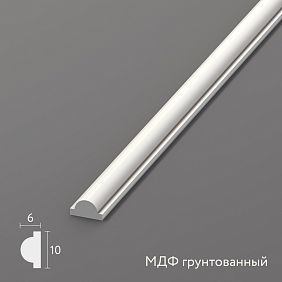
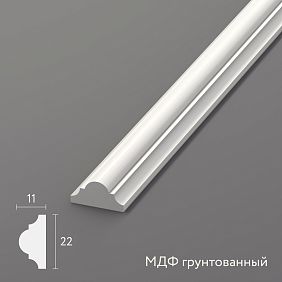
Our factory also produces:



Duropolymer - an innovative solution for interior design
Duropolymer is a high-density polystyrene obtained by extrusion under high pressure. The production technology ensures the creation of a material with unique operational characteristics. Its dense, homogeneous structure without air bubbles provides exceptional strength and resistance to external influences.
Questionduropolymer or polystyrene which is better for skirting boardsarises for many buyers. Duropolymer surpasses ordinary expanded polystyrene in all technical parameters. The high density of the material ensures greater mechanical strength, resistance to impacts and scratches. Duropolymer products withstand significant loads without deformation.
A distinctive feature of duropolymer is its ability to imitate the texture of natural wood and plaster molding. Modern technologies allow creating any complexity relief patterns on the material's surface. The clarity of details and depth of the pattern do not fall short of traditional materials, and in some cases even surpass them in quality of execution.
The moisture resistance of duropolymer reaches the maximum values among all considered materials. The dense structure does not absorb water, does not swell, and does not deform even upon direct contact with moisture. This property makes duropolymer products a universal solution for any rooms, including bathrooms, saunas, and swimming pools.
The temperature stability of duropolymer ensures the preservation of geometry under significant temperature fluctuations. The material does not crack, does not deform, and does not change dimensions over a wide temperature range. This quality guarantees the longevity of decorative elements and eliminates gaps between skirting boards and walls.
The lightness of the material simplifies the transportation and installation of decorative elements.wall molding polystyrenecan be installed without using special equipment and tools. Installation is quick and does not require professional skills, allowing to save on specialist services.
Get Consultation
Comparative analysis of technical characteristics
Each material has a unique set of properties determining its application area and operational characteristics. A comprehensive comparison allows identifying the strengths and weaknesses of each option.
Comparison table of main parameters
| Characteristic | Polystyrene | MDF | Duropolymer |
|---|---|---|---|
| Density | 25-40 kg/m³ | 600-800 kg/m³ | 300-400 kg/m³ |
| Moisture resistance | High | Low | Very High |
| Impact Resistance | Medium | High | Very High |
| Weight of Items | Very Light | Heavy | Light |
| Price | Low | Medium | High |
| Ecological | Good | Good | Good |
| Durability | 15-20 years | 10-15 years | 25-30 years |
Material density directly affects the strength characteristics and weight of finished items. MDF has the highest density, providing high mechanical strength but simultaneously increasing the weight of decorative elements. Durapolymers occupy an intermediate position, combining sufficient density for strength with an acceptable weight. Expanded polystyrene has the lowest density, making items lightweight but less resistant to mechanical damage.
water resistance becomes a critical parameter when selecting material for wet areas. Thinking aboutpolystyrene or polyurethane which is better for baseboardsit is important to consider operating conditions. MDF is absolutely unsuitable for humid environments, requiring additional protection even under normal conditions. Polystyrene and duropolymer demonstrate excellent water resistance, retaining their properties upon contact with water.
Impact resistance determines the material's ability to withstand mechanical damage during operation. MDF and duropolymer show the best results, withstanding significant impacts without visible damage. Expanded polystyrene is more brittle, easily compresses under point loads, but rarely cracks due to its structure.
Water resistance of materials in detail
The ability of decorative elements to resist moisture exposure determines their application area and longevity. Each material behaves differently when in contact with water, which must be considered when selecting.
Polystyrene has a closed-cell structure that prevents moisture from penetrating into the material. Water beads and rolls off the surface without being absorbed into the material. This property ensures the preservation of geometric dimensions and mechanical characteristics even with prolonged exposure to moisture.Polystyrene impact-resistant wall moldingcan be safely installed in bathrooms without fear of deformation or damage.
MDF demonstrates opposite properties. The fibrous structure actively absorbs moisture, causing material swelling and loss of strength. Even brief contact with water causes the panel to expand in volume, deform, and lose decorative qualities. Restoring the original appearance after soaking is impossible—the item requires replacement.
Protective coating on MDF partially solves the problem of water resistance. Quality lamination or painting creates a barrier preventing moisture penetration. However, end parts and fastening areas remain vulnerable. Even minor damage to the protective layer allows water to penetrate into the material, leading to its destruction.
The duro-polymer outperforms both previous materials in moisture resistance. Its monolithic structure, free of pores and voids, completely prevents water absorption. The material retains its properties even when submerged in water for an unlimited period. This feature makes duro-polymer products the optimal choice for saunas, swimming pools, and other areas with extremely high humidity.
Mold and mildew do not find a nutrient source on synthetic materials. Polystyrene and duropolymer are not susceptible to biological degradation, ensuring the hygiene and longevity of the items. MDF, on the contrary, is an organic material that becomes a favorable environment for microorganism growth when wet.
Temperature fluctuations combined with moisture create additional stress on materials. Condensation forming on cold walls may lead to gradual destruction of decorative elements. Synthetic materials maintain stability under such conditions, whereas MDF requires additional ventilation and humidity control.
Density and mechanical strength
Physical properties of materials determine their ability to withstand operational loads and maintain their original appearance over a long period. Density directly affects strength, weight, and application area of decorative elements.
Expanded polystyrene has the lowest density among the considered materials. Its lightweight porous structure ensures minimal weight of finished items, but reduces resistance to mechanical impacts. The material easily compresses under point loads, leaving dents from strong impacts on the surface. However, due to its elastic structure, polystyrene rarely cracks, extending the lifespan of the items.
MDF has high density, close to natural wood. Pressed wood fibers create a strong monolithic structure capable of withstanding significant loads. The material does not compress, retains its geometry under impacts, and holds fasteners well. These qualities make MDF a reliable choice for lower levels of rooms where mechanical impact is possible.
The duro-polymer combines sufficient density to ensure strength with a reasonable weight of the finished product. The extrusion manufacturing technology creates a monolithic structure without voids or weak spots.Differences between polystyrene and duropolymer base skirting boardsThis is evident in the material's density. Duro-polymer is significantly stronger than ordinary polystyrene, withstands impacts, and does not deform under load.
Scratch resistance becomes an important parameter for baseboard trim. The hard surface of duro-polymer and MDF resists abrasive wear better. Soft polystyrene easily scratches, leaving marks from contact with hard objects. This drawback is compensated by the possibility of easily restoring damaged areas through repainting.
Material flexibility determines the possibility of installation on uneven surfaces. Polystyrene has sufficient elasticity to compensate for minor wall irregularities. MDF is rigid and requires careful leveling of the base. Duro-polymer occupies an intermediate position, allowing installation on moderately uneven walls without gaps forming.
Thermal stability of materials affects the preservation of geometry during temperature fluctuations. All three materials maintain their dimensions within the range of room temperatures. However, polystyrene softens when heated above 70 degrees, limiting its use near heat sources. MDF and duro-polymer are more resistant to high temperatures.
Price range and economic efficiency
The cost of decorative elements consists of material price, production complexity, and installation expenses. A comprehensive cost analysis allows evaluating the economic efficiency of each option, taking into account durability and operational characteristics.
Polystyrene represents the most budget-friendly solution. Low cost of raw materials, simple production, and minimal transportation expenses due to the material's lightness make polystyrene products accessible to a wide range of customers. STAVROS's partner, Hi Wood manufacturer, offers quality polystyrene products at competitive prices.
MDF occupies a mid-price segment. The material cost is higher than polystyrene due to a more complex manufacturing process and use of wood raw materials. Additional expenses are associated with finishing - laminating, painting, or veneering. Transporting heavy items increases the final cost for the end consumer.
Duro-polymer belongs to the premium segment of decorative materials. The high price is due to advanced manufacturing technology, use of quality raw materials, and superior operational characteristics. However, a long service life and lack of need for replacement compensate for initial costs.
Installation work significantly contributes to the overall project cost. Lightweight polystyrene is installed quickly, requiring no special tools or professional skills. Installation can be done independently, saving on specialist services.Impact-resistant polystyrene wall moldingIt is installed on adhesive within a few hours.
Heavy MDF items require secure fixation using mechanical fasteners. The installation process is labor-intensive, often requiring professionals. Additional expenses for fasteners and labor increase the final cost. Duro-polymer occupies an intermediate position - installation is easier than MDF but more complex than polystyrene due to higher density.
Operating costs include maintenance, repairs, and potential replacement of elements. Polystyrene and duropolymer do not require special care, are easy to clean, and do not need regular renewal of protective coating. MDF requires careful handling, protection from moisture, and periodic renewal of the finish layer.
Material service life determines long-term economic efficiency. Duro-polymer serves 25-30 years without loss of decorative qualities, offsetting its high initial cost. Polystyrene retains its properties for 15-20 years, making it a cost-effective solution at minimal price. MDF serves 10-15 years under ideal conditions, requiring replacement earlier than other materials.
Durability and Resistance to External Influences
The ability of decorative elements to retain their original appearance and functionality over a long period determines the practical value of the material. A complex set of factors influences the durability of products under real operating conditions.
Ultraviolet radiation affects materials located in areas of natural lighting. Polystyrene has moderate UV resistance; over time, it may yellow under intense sunlight. Quality painting protects the surface and extends service life. MDF with laminated coating better resists fading. Duro-polymer demonstrates maximum color stability.
Temperature fluctuations create stresses in the material, leading to deformation and cracking. Synthetic materials maintain stability over a wide temperature range. MDF is more sensitive to temperature changes, especially in combination with humidity fluctuations. Wood fibers expand and contract, which may cause warping of the product.
Chemical resistance determines the possibility of using various cleaning agents. Polystyrene and duro-polymer are resistant to most household cleaning agents, do not degrade under weak acids or alkalis. MDF requires caution - aggressive agents may damage the protective coating, allowing moisture to penetrate into the material.
Biological resistance of synthetic materials excludes damage by mold, mildew, and insects.polystyrene molding on the wallIt is not attractive to biological pests. MDF is potentially vulnerable to wood-boring insects, although binders reduce this risk compared to natural wood.
Dimensional stability ensures tight fitting of elements to walls without gaps forming. Synthetic materials do not shrink, warp, or change geometry during operation. MDF may change dimensions with humidity fluctuations, requiring compensatory gaps during installation.
Resistance to mechanical wear determines the preservation of appearance under intensive use. The hard surface of duro-polymer best resists scratches and abrasions. MDF with quality coating also demonstrates good wear resistance. Soft polystyrene accumulates minor damage, but due to the possibility of repainting, it easily restores itself.
Recommendations for selecting material for different rooms
The specifics of each room dictate requirements for decorative elements. The correct choice of material ensures the longevity, aesthetics, and functionality of the interior.
Living room and bedroom
Living rooms do not impose extreme requirements on decorative elements. Normal humidity, moderate temperatures, and absence of aggressive influences allow using any material. The choice is determined by aesthetic preferences and project budget.
MDF becomes the optimal solution for creating a respectable interior. The ability to imitate valuable wood species adds dignity and elegance to the room. High material density ensures profile clarity and durability. MDF's eco-friendliness makes it safe for prolonged human presence.
Polystyrene is suitable for budget projects and modern minimalist interiors. Smooth white surfaces create a sense of cleanliness and spaciousness. Easy installation allows quickly refreshing the interior without significant expenses. The possibility of painting opens up opportunities for experimenting with colors.
Duro-polymer is chosen for creating luxurious interiors with imitation of plaster molding. The material allows implementing classic styles - Baroque, Rococo, Neoclassical. Detailed reliefs and clear lines create the impression of expensive handcrafted work at an affordable price.
Kitchen
High humidity, temperature fluctuations, and contamination make the kitchen a challenging environment for decorative elements. The material must withstand frequent wet cleaning and retain its properties despite cooking vapors.
Polystyrene or polyurethane skirting boardfor the kitchen - the right choice due to the water resistance of the material. The closed structure does not absorb grease and odors, and it is easily cleaned with any cleaning agents. The white surface matches kitchen furniture, creating a unified space.
MDF in the kitchen requires additional protection. Quality lamination provides water resistance, but direct contact with water must be avoided. The area around the sink and stove requires special attention - here MDF is most vulnerable.
Duropolymer represents the ideal solution for the kitchen. The material is not afraid of water, grease, temperature fluctuations, or mechanical impacts. Easy cleaning and durability justify the higher cost.buy polystyrene moldingfor the kitchen - a sensible long-term investment.
Bathroom and toilet
Extremely high humidity, direct contact with water, and temperature fluctuations require especially water-resistant materials. Decorative elements must withstand constant exposure to steam and condensation without losing their properties.
MDF is absolutely unsuitable for humid environments. Even with protective coating, the material quickly deteriorates upon regular contact with water. End joints and mounting points absorb moisture, leading to swelling and deformation of the items.
Polystyrene performs excellently in bathrooms. The closed cellular structure does not absorb water, and the material retains its geometry at any humidity level. Easy installation using adhesive eliminates drilling holes and tile damage. The white color harmonizes with plumbing fixtures.
Duropolymer represents a premium solution for luxurious bathrooms. The material withstands direct contact with water, is not afraid of steam and condensation. The ability to create complex decorative elements allows implementing any design ideas. The material's durability guarantees maintaining its appearance for decades.
Hallway and corridor
High foot traffic, mechanical impacts, and contamination require strong, wear-resistant materials. The lower wall section is subject to impacts from shoes, bags, and other objects. The material must be easily cleaned and retain its appearance under intensive use.
Duropolymer is optimal for hallways due to its high impact resistance and durability. The hard surface withstands mechanical impacts without visible damage. Easy cleaning ensures maintaining an attractive appearance with regular cleaning.
MDF is suitable for upper wall sections where mechanical damage is excluded. Floor skirting boards made of MDF require careful handling and may be damaged by impacts. In low-traffic corridors, the material lasts long, preserving its decorative qualities.
Polystyrene represents a budget option with limited strength. The material easily breaks upon impact, leaving dents and scratches on its surface. However, its ease of replacement and low cost make polystyrene an acceptable choice for temporary solutions.
Children's room
Safety, eco-friendliness, and practicality become priorities when selecting materials for children's rooms. Decorative elements must not contain harmful substances, be hazardous, and be easily cleaned from dirt.
MDF represents an eco-friendly choice for children's rooms. Natural wood origin and safe adhesives ensure the absence of harmful emissions. High material density eliminates chipping and the release of fine particles into the air.
Polystyrene is safe for children provided that quality products without toxic additives are used. The soft surface reduces the risk of injury during falls. However, the material easily gets damaged by children's play, requiring periodic replacement or repainting.
Duropolymer combines safety with practicality. The monolithic structure prevents particle emission, and the smooth surface easily cleanses children's artwork. High strength ensures durability even under intensive use by active children.
Technology for installing various materials
Proper installation of decorative elements ensures longevity and aesthetic appeal. Each material has specific installation characteristics that must be considered to achieve a quality result.
Surface preparation
The quality of the base determines the reliability of fixation and the appearance of installed elements. Walls must be clean, dry, and strong. Flaking coatings, dust, and grease must be removed before installation. Irregularities exceeding 5 mm require leveling with plaster or putty.
Polystyrene and duropolymer allow installation on moderately uneven surfaces. The flexibility of the materials allows compensating for minor base defects. MDF requires careful leveling - the rigid material does not conform to the wall contour, creating gaps where irregularities exist.
Surface priming improves adhesive bond and reduces base absorption. For porous materials, use deep-penetration primers. For dense, painted walls, use adhesive primers to improve adhesion.
Adhesive mounting
Light polystyrene items are securely fixed with special adhesives. Polymer-based compositions ensure rapid setting and strong bonding. Adhesive is applied in dots or zigzag pattern to the back of the element. After pressing against the wall, wait several seconds for initial fixation.
Questionhow to cut polystyrene moldingGaps between elements and walls are filled with flexible sealants. Acrylic compositions are suitable for interior work and easily paint together with decorative elements. Silicone sealants are used in humid areas due to their water resistance.
Duropolymer requires stronger adhesive compositions due to higher density. Specialized adhesives for heavy decorative elements ensure reliable fixation. The setting time is longer than for polystyrene, requiring temporary support for elements until the adhesive fully cures.
Mechanical fastening
MDF items often require additional mechanical fixation. Self-tapping screws or finishing nails are screwed into the body of the skirting board into the wall. The material's density ensures secure holding of fasteners without cracking. Screw heads are countersunk and filled with putty to conceal them.
Clip systems simplify the installation and removal of decorative elements. Special holders are mounted on the wall, and the skirting board clicks into them. This method is suitable for MDF and some types of duropolymer items. The ability to repeatedly install and remove simplifies repair and maintenance.
Combined mounting combines adhesive and mechanical fastening. Adhesive ensures tight contact along the entire length, while self-tapping screws guarantee secure fixation of heavy elements. This method is used for MDF in humid areas and for duropolymer when installing wide moldings.
Joint sealing
Gaps between elements and walls are filled with flexible sealants. Acrylic compositions are suitable for interior work and easily paint together with decorative elements. Silicone sealants are used in humid areas due to their water resistance.
For perfect fitting - with a sharp knife with a new blade or a circular saw.How to cut polystyrene moldingFor perfect fitting - with a sharp knife with a new blade or a circular saw.
Final finishing
Polystyrene and duroplastic are often supplied in white, ready for painting. Water-emulsion and acrylic paints are easily applied with a brush or roller. Several thin layers ensure even coverage without streaks. Painting protects the material and allows integrating elements into the interior color scheme.
MDF items are usually finished at the factory. Laminate and veneered surfaces do not require additional processing. Painted items can be repainted after light sanding to improve adhesion of the new paint.
Care features for decorative elements
Proper care extends the service life of decorative elements and preserves their attractive appearance. Each material requires a specific approach to cleaning and maintenance.
Regular cleaning
Dust and light dirt are removed with a dry soft cloth or vacuum cleaner with a furniture attachment. Regular cleaning prevents dirt accumulation in relief elements.Buy polystyrene molding for walland properly care - the key to long-lasting decor.
Wet cleaning of polystyrene and duroplastic is done with a soft sponge and soapy solution. The materials are not afraid of water and easily clean most stains. After wet cleaning, the surface is wiped dry with a cloth to remove streaks.
MDF requires caution during wet cleaning. A well-wrung damp cloth allows removing stains without risking damage to the material. Excess moisture may penetrate through micro-cracks in the protective coating, causing swelling. Joints and edges require special care.
Removal of difficult stains
Grease stains on the kitchen are removed with special degreasing agents. Polystyrene and duroplastic are resistant to most household cleaning agents. Aggressive solvents may damage the surface, so it is necessary to test the agent on an inconspicuous area before use.
Marker and pen marks are removed with alcohol-based solutions. A cloth soaked in alcohol gently wipes the stained area. After removing the stain, the surface is rinsed with clean water and dried.
Embedded stains on polystyrene can be removed with light sanding using fine-grit sandpaper, followed by repainting the damaged area. Duroplastic and MDF do not allow mechanical surface processing - damage requires replacing the element.
Restoration of Damaged Areas
Scratches and dents on polystyrene are easily concealed by painting. The damaged area is cleaned, primed, and painted with paint matching the base surface. Small defects become invisible after the paint dries.
Chips on MDF and duroplastic require more complex repair. The damaged area is filled with wood putty or polymer putty. After drying, the area is sanded and painted. The quality of repair depends on the accuracy of color matching and the care taken during the process.
Detached elements require reattachment. Old glue is removed, surfaces are cleaned and degreased. Fresh glue is applied to both surfaces, the element is pressed and held until the adhesive fully cures.
Preventive Care
Periodic renewal of protective coating extends the service life of decorative elements. Painted surfaces are repainted every few years with a fresh coat of paint. This refreshes the appearance and protects the material from environmental effects.
Monitoring the condition of fasteners prevents detachment of elements. Weakened areas require additional fixation with glue or mechanical fasteners. Timely elimination of minor defects prevents them from developing into serious damage.
Protection against mechanical damage includes careful handling of furniture and hard objects near decorative elements. Rubber caps on furniture legs prevent scratches on baseboards. Careful cleaning reduces the risk of accidental damage.
Ecological and safety of materials
Modern requirements for building materials include ecological safety and absence of harmful effects on human health. Decorative elements are in constant contact with the air in living spaces, so their safety is critically important.
Polystyrene is produced from non-toxic monomers that polymerize into an inert substance. Quality products do not emit harmful substances at normal temperatures. The material is inert, does not react with air or water. However, when burning, polystyrene releases toxic products, requiring caution during use.
MDF is distinguished by high ecological safety due to its natural wood origin. Modern urea-based binders have low formaldehyde emissions, meeting the strictest ecological standards. E1 emission class guarantees safety for living spaces, including children's rooms.
Duroplastic has characteristics similar to polystyrene, with improved safety indicators. High material density reduces the risk of volatile substance emissions. Monolithic structure excludes flaking and release of small particles into room air.
Fire resistance of materials affects safety in case of fire. Polystyrene is a flammable material, easily ignites and sustains combustion. Special flame-retardant additives improve fire resistance, but do not make the material non-combustible. MDF is also flammable, although it ignites more slowly than synthetic materials.
Duroplastic with flame-retardant additives has improved fire resistance. The material self-extinguishes when the fire source is removed, does not support active combustion. However, at high temperatures, toxic gases may be released, requiring rapid evacuation in case of fire.
Material allergenicity is important for people with heightened sensitivity. Synthetic polymers are inert and do not cause allergic reactions in most people. MDF may contain wood dust, potentially causing reactions in allergy sufferers. Quality finish coating isolates the wood base, reducing allergy risk.
Aesthetic possibilities of materials
The appearance of decorative elements determines the interior style and creates the desired atmosphere. Each material has unique aesthetic characteristics and design possibilities.
Polystyrene is traditionally associated with smooth white surfaces and simple profiles. Modern technologies allow for creating relief elements with imitation of stucco. Ease of painting opens up possibilities for creating color accents. The matte surface after painting creates a noble appearance.
MDF offers rich possibilities for imitating natural materials. Laminating with wood-textured films creates the illusion of expensive wood species. Veneering with natural veneer gives products authenticity. Mass coloring allows achieving deep, saturated colors.
Duropolymer surpasses other materials in creating complex relief. Detailed ornaments, plant motifs, and geometric patterns are reproduced with the highest precision. The material allows mimicking plaster moldings, wood carving, and even stone.
Surface texture affects the perception of the material. Smooth polystyrene creates a sense of modernity and cleanliness. Textured MDF adds warmth and coziness. Relief duropolymer gives interiors luxury and elegance.
The product size range determines the scale of decorative elements. Narrow skirting boards visually increase room height. Wide moldings create solidity and monumentality. The Hi Wood manufacturer from STAVROS offers a wide selection of profiles for any design solution.
Color solutions vary from classic white to rich dark tones. White elements are universal and match any interior color scheme. Mass-colored items retain color even after minor damage. Painted surfaces allow implementing individual color concepts.
Combining different materials creates interesting design effects. Wood-style MDF skirting boards combine with white polystyrene moldings. Contrast of textures and colors highlights architectural features of the room. Proper material combination demonstrates designer professionalism.
Market trends and manufacturer novelties
The construction industry constantly develops, offering new solutions and improved materials. Modern technologies expand the possibilities of decorative elements, enhancing their properties and aesthetic qualities.
Manufacturers actively work on improving product eco-friendliness. New types of binders for MDF reduce formaldehyde emissions to a minimum. Polystyrene with natural fillers becomes more resistant to ultraviolet radiation. New-generation duropolymer includes antibacterial additives.
Surface treatment technologies open new aesthetic possibilities. 3D printing on polystyrene creates realistic wood and stone imitations. Laminating MDF with tactile-textured films enhances the feeling of naturalness. Powder coating of duropolymer ensures exceptional coating durability.
Smart decorative elements with built-in lighting are a trend in modern design. LED strips integrated into skirting boards and moldings create striking accent lighting. Adjusting brightness and color of light allows changing room atmosphere with one touch.
Modular systems simplify installation and allow creating complex compositions. Special connectors ensure invisible joints between elements. Corner modules with factory beveling eliminate the need for precise fitting. Cable channels in skirting boards solve the problem of communication wiring.
Digital production enables manufacturing elements according to individual parameters. The customer can choose dimensions, profile, and texture, receiving unique items. Short production times make customization accessible to a wide range of consumers.
FAQ - Frequently Asked Questions
Can polystyrene skirting boards be used in bathrooms?
Yes, polystyrene is ideal for humid areas due to its water resistance. The material does not absorb water, does not swell, and maintains its geometry under any humidity. Installation on special adhesive ensures secure fixation even under constant steam exposure.
Which material is stronger - MDF or duropolymer?
Duropolymer surpasses MDF in impact resistance and resistance to mechanical damage. High material density ensures resistance to scratches and dents. MDF is stronger in bending but more brittle under point impacts.
Do white polystyrene skirting boards need painting?
Painting is not necessary but desirable for material protection and improved appearance. Paint creates an additional protective layer, prevents yellowing from UV exposure, and simplifies maintenance. Painted surfaces are easier to clean from dirt.
How long do decorative elements made of different materials last?
Duropolymer lasts 25-30 years, polystyrene 15-20 years, MDF 10-15 years with proper use. Service life depends on room conditions, installation quality, and maintenance. In humid areas, MDF lasts significantly less than the stated service life.
Can skirting boards be installed without experience?
Polystyrene and duropolymer items are easy to install without special skills. Installation with adhesive does not require professional tools. MDF skirting boards are more difficult to install due to the need for mechanical fastening and precise fitting.
How to choose the color of decorative elements?
White color is universal, visually expands space, and matches any interior. Elements in wall tone create a unified space, increasing room height. Contrasting colors highlight architecture and create accents.
How does duropolymer differ from regular polystyrene?
Duropolymer is produced by extrusion under high pressure, creating a dense monolithic structure. Regular polystyrene has a foamed structure with air bubbles. Duropolymer is stronger, heavier, and more expensive than regular polystyrene.
What adhesive to use for installing polystyrene items?
Special polystyrene adhesives based on polymers ensure secure fixation. Solvent-based adhesives must not be used as they damage the material. Universal construction adhesives like liquid nails also suit lightweight elements.
Is special wall preparation needed before installation?
Walls must be clean, dry, and strong. Flaking coatings and dust are removed. Priming improves adhesive bond. Significant unevenness is leveled, especially for rigid MDF elements.
Regular dry cleaning with soft cloth removes dust. Wet cleaning with soap solution removes dirt. The material is resistant to most household cleaning agents. Damaged areas are restored by painting.
The choice of material for skirting boards and mouldings is determined by a complex of factors: operating conditions, project budget, aesthetic preferences, and durability requirements. Polystyrene offers the optimal combination of affordable price, moisture resistance, and ease of installation for most rooms. MDF attracts with its natural appearance, ability to imitate expensive wood species, and eco-friendliness for dry living rooms. Durapolymers provide maximum strength, moisture resistance, and longevity, justifying their premium cost with outstanding performance characteristics.
Conclusion
Modern manufacturing technologies continuously improve material properties, expanding their application areas. Proper selection based on the specific room conditions guarantees the longevity of decor and maintains an attractive appearance for decades. Quality products from reliable manufacturers ensure compliance with stated characteristics and safe operation.
STAVROS company, in partnership with Hi Wood, offers a wide range of decorative elements made from various materials. Professional consultants will help select the optimal solution for specific conditions, taking into account all customer requirements and preferences. High-quality products, reasonable prices, and comprehensive services make cooperation with STAVROS beneficial and comfortable for implementing any design projects.
Polystyrene, MDF, and Durapolymer: which material to choose for skirting boards and mouldings | STAVROS Company