Article Contents:
- Natural Wood — Eternal Classic in Modern Interpretation
- Laminated Panels — Architectural Graphics of Space
- Polyurethane Decor — Classic Luxury Without Weight
- Moldings and Patterns — Geometry of Elegance
- MDF Panels for Painting — Universal Solution
- Combined Finishing — Multi-Layer Aesthetics
- Three-Dimensional Panels — Sculptural Expressiveness
- Eco-Friendly Materials — Health and Aesthetics
- Color Trends 2025 — From Neutral Palette to Bold Accents
- Installation Technologies — Speed Without Compromising Quality
- Lighting as Part of Finishing
- Care and Durability — Practicality of Modern Materials
- Stylistic Directions of Wall Finishing in 2025
- Popular Questions About Wall Finishing in 2025
- What Materials Are Most Popular for Wall Finishing in 2025?
- Can Wooden Panels Be Used in a Bathroom?
- Why Is Polyurethane Moldings Better Than Gypsum?
- How Much Does Wall Finishing with Laminated Panels Cost?
- How Long Does Wooden Wall Finishing Last?
- Can Decorative Panels Be Installed by Yourself?
- What Wall Color Is Trendy in 2025?
- Is It Necessary to Level Walls for Decorative Panels?
- Conclusion

Walls Can Completely Transform the Perception of Space — Have You Felt How Wood Texture Calms, While Moldings’ Relief Adds Grandeur? In 2025,Wall finishingIt Enters a New Era, Where Innovative Materials Combine with Classic Techniques, Creating Interiors That Blend Functionality, Eco-Friendliness, and Aesthetic Expressiveness. New Technologies Open Boundless Possibilities for Transforming Every Room, Turning Standard Surfaces into Architectural Artworks.


Natural Wood — Eternal Classic in Modern Interpretation
Wooden Panels Remain the Main Trendinternal wall finishingIn 2025, But Now Wood Appears in Completely New Forms. Three-Dimensional Laminated Systems Create Dynamic Compositions That Play with Light and Shadow, Forming Dynamic Architectural Space. Vertical, Horizontal, or Diagonal Laminated Panels Do Not Just Decorate Walls — They Visually Transform Room Proportions, Making Ceilings Higher and Rooms Wider.
Modernwood wall panelsThey Are Produced Using Innovative Processing Technologies. Thermomodification Increases Wood’s Moisture Resistance, Allowing Its Use Even in Bathrooms and Kitchens. Brushing Highlights Natural Texture, Removing Soft Fibers and Revealing Expressive Annual Ring Relief. Oil Finish Preserves Wood’s Tactile Warmth, Protecting Surface from Contamination and Wear.
Boiserie — a classic French technique of wall decoration with wooden panels — is experiencing a renaissance in modern interiors.Boiserie wooden panelsare now made not only from solid wood but also from MDF with veneer of precious species, making exclusive decoration more accessible. Framed compositions with dados, carved appliqués, moldings create architectural depth on walls, transforming flat surfaces into relief ensembles. Each panel becomes an independent work of joinery art.




Ribbon panels — architectural graphics of space
wooden strips have become the main tool for creating modernwall finishesin 2025. The simplicity of forms, purity of lines, rhythmic structure — all this turns the ribbon system into an architectural element that organizes space without partitions. Zoning in the living room, accent wall in the bedroom, decorative pilaster in the hallway — everywhere, ribbons create expressive graphics that harmonize with minimalist and Scandinavian aesthetics.
The installation technology of ribbon panels has significantly simplified thanks to hidden mounting systems. Clips and clamps allow installing strips without visible fasteners, creating a perfectly flat surface with even gaps.Plank wall claddingThis hides imperfections of the base, allows placing hidden backlighting between strips, and provides additional sound insulation.
The variability of ribbon systems is impressive: narrow strips 20–40 mm create frequent graphics, wide boards 80–120 mm form monumental rhythm. Combining different widths, alternating open and closed sections, changing the direction of strips on one plane — all these techniques transformwall cladding with ribbonsinto an author’s designer project that highlights the individuality of the interior.
Our factory also produces:


Polyurethane decor — classic luxury without weight
Polyurethane has opened new possibilities for creating luxurious classic interiors without the technical complexities typical of traditional plaster moldings. The lightness of the material allows creatingdecorative wall finishesof any complexity — from simple moldings to multi-level panels with reliefs. The moisture resistance of polyurethane makes it suitable for rooms with high humidity, where plaster quickly deteriorates.
ModernPolyurethane wall panelsThey imitate various materials with remarkable accuracy. Relief compositions reproduce wood carving, stone masonry, historical ornaments with precision that even an experienced eye can be deceived by. Coloring in any color, patination, gilding — finishing treatment turns polyurethane elements into full-fledged decor, indistinguishable from classic materials.
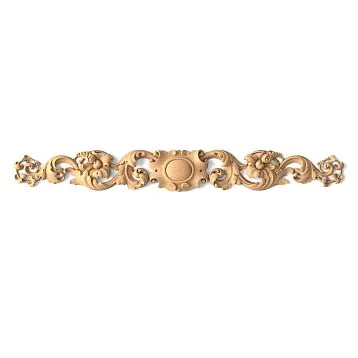
Polyurethane decorative elements have become the most important tool for transforming walls. Carved rosettes, cartouches, corner elements, ornamental inserts are mounted on any base — from painted walls to wallpaper — creating relief compositions.Sculptural wall decorationThis allows creating an interior in the style of Baroque, Empire, or Neoclassicism without major construction work, simply adding decorative accents to existing surfaces.
Get Consultation
Moldings and wainscoting — geometry of elegance
Moldings are experiencing a triumphant return in 2025, but now they are used not only in classic but also in modern interiors. Geometric compositions frommoldings on the wallscreate structured space, where each zone is framed by clear lines. Rectangular frames, square cells, rhomboid sections — the geometry of moldings organizes visual chaos, giving walls architectural logic.
The techniquewall finishing with moldingsis diverse: symmetrical frames across the entire wall, accent composition above the bed, framing doorways, corridor zoning. Moldings are painted to match wall tones for a restrained relief or contrastively — for a dramatic effect. Gilding moldings on dark walls creates an atmosphere of aristocratic luxury, white moldings on pastel backgrounds — refined elegance.
Wainscoting — thin decorative strips — form detailed geometry, especially effective in large rooms. Combining moldings of different widths creates an element hierarchy: wide profiles form the main frame, narrow wainscoting fills the inner space of frames. Suchdecorative wall finishingtransforms a flat surface into a complex architectural composition with depth and perspective.
MDF panels for painting — universal solution
MDF panels have become one of the most practical solutions forwall finishing in apartmentsin 2025. The smooth surface suitable for painting allows implementing any color solutions, creating gradients, combining shades. The density of MDF provides an ideally flat base that does not require additional leveling before final finishing.
Painted MDF plank panelsThey open opportunities for creating individual color compositions. Each strip can be painted in its own tone, creating gradient transitions or contrasting combinations. The hidden mounting technology on clamps allows quickly updating the interior’s color scheme — simply repaint the strips without dismantling the system.
Profiled MDF panels with relief surfaces create volumetric compositions that, after painting, look like complex joinery work. Vertical grooves, horizontal channels, wavy relief — all this is enhanced by proper lighting, which reveals the play of light and shadow on the surface. SuchWall finishing in a housecombines the accessibility of MDF with the visual richness of expensive materials.
Combined finishing — multi-layered aesthetics
Main trend of 2025 — combining different materials and textures on one wall. Combination ofwooden panels and polyurethane appliquéscreates a multi-layered composition, where the natural warmth of wood is enriched by classic decor. Oak panels with carved polyurethane elements form an aristocratic aesthetic, beech planks with minimalist moldings — modern elegance.
The technology of combined finishing requires precise planning. The wooden base is installed first, creating the basic structure of the wall. Polyurethane appliqués are mounted over the panels, framing the panels, emphasizing geometry, and adding decorative accents.Wall Finishing ElementsThey must harmonize in scale and style — large panels require expressive decor, fine detailing — delicate details.
The color scheme of combined finishing can be based on contrast or nuance. Natural wood with white moldings creates a classic combination, painted panels with gilded appliqués — the luxury of palace interiors. Monochromatic scheme, where all elements are tinted in a single shade, emphasizes relief and form, creating refined restraint.
Three-dimensional panels — sculptural expressiveness
modern interiors. Relief compositions create dynamic play of light and shadow, transforming a flat wall into a sculptural surface. Wavy forms, geometric patterns, abstract compositions — each panel becomes a standalone art object that attracts attention and sets the mood of the space.decorative wall claddingof modern interiors. Relief compositions create a dynamic play of light and shadow, transforming flat walls into sculptural surfaces. Wavy forms, geometric patterns, abstract compositions — each panel becomes a standalone art object that draws the eye and sets the mood of the space.
Materials for manufacturing 3D panels are diverse: gypsum creates deep relief with soft transitions, polyurethane ensures lightness and moisture resistance, MDF allows painting the surface in any color.Relief wall finishingWith volumetric panels, especially effective under proper lighting — side lighting emphasizes the depth of relief, creating dramatic shadows.
An accent wall with 3D panels becomes the main element of the interior that does not require additional decor. In the living room, such a wall can be placed behind the sofa or TV, in the bedroom — at the headboard of the bed, in the hallway — on the end wall facing incoming guests.Polyurethane wall claddingWith volumetric panels, it transforms the perception of space, adding architectural depth to standard rooms.
Ecological materials — health and aesthetics
Ecological responsibility has become not a fashionable trend, but a necessary requirement forwall finishing materialsin 2025. Natural wood certified with FSC guarantees that the material is sourced from responsibly managed forests. Water-based paints without volatile organic compounds ensure the safety of painted surfaces for the health of home occupants.
Wooden finishing materialsCreate a healthy microclimate in the room, regulating air humidity. Wood absorbs excess moisture and releases it when drying, maintaining comfortable parameters without technical humidification systems. Natural oils and waxes for the final finish preserve the wood’s ability to 'breathe', without clogging pores with synthetic films.
Recycled and renewable materials are increasingly used forinterior decorative wall finishesMDF made from wood fibers obtained from wood processing waste combines ecological properties with affordable cost. Modern production technologies eliminate the use of formaldehyde resins, replacing them with safe binders based on natural components.
Color trends for 2025 — from neutral palette to saturated accents
Color solutionwall finishesIn 2025, there is a tendency toward natural tones that create a calm and harmonious atmosphere. Warm beige, sandy, terracotta tones form a cozy space conducive to relaxation. Cool gray-blue, olive, smoky shades create restrained elegance characteristic of Scandinavian minimalism.
Saturated color accents are used sparingly — one wall in deep emerald, sapphire, or burgundy tone becomes the compositional center of the interior.Wall cladding optionsBright colors require balance with neutral surfaces to avoid visual overload. Accent walls highlight functional zones, draw attention to architectural details, and create depth of perspective.
Two-tone solutions using contrasting shades create dynamic spatial graphics. Dark lower and light upper zones visually expand the room, vertical stripes of different colors raise the ceiling, horizontal divisions create intimacy.Wall decorationUsing moldings painted in contrast to the main background, emphasizes the architectural structure of the decor.
Mounting technologies — speed without compromising quality
Modern mounting technologies have significantly accelerated the processwall finishing in private homesInstallation on walls and ceilings. Hidden mounting systems allow panels to be installed without visible fasteners, creating a perfectly smooth or rhythmically structured surface. Clip systems for slat systems, panel clips, adhesive mounting for moldings — each material has an optimal mounting method that ensures reliability and aesthetics.
Preparing the base has become simpler thanks to adjustable framing systems. A metal or wooden frame compensates for any irregularities, creating a perfectly flat surface for installing finishing materials. The ventilated gap between the wall and cladding prevents condensation, ensures air circulation, and extends service life.wooden wall cladding.
Modular systems allow creating complex compositions from standard elements. Panels of a certain size are combined in various configurations, creating unique patterns without the need for custom manufacturing. This approach combines the cost-effectiveness of mass production with the individuality of a designer's project, making designwall finishing accessibleto a wide range of clients.
Lighting as part of finishing
Integration of lighting into the systemwall finisheshas become the most important trend of 2025. Hidden backlighting between slats creates soft, diffused illumination that highlights wood texture and forms an intimate atmosphere. LED strips are mounted in special grooves of the frame, ensuring even light distribution along the entire slat composition.
Accent lighting highlights decorative elements, creating dramatic light and shadow effects. Directional spotlights installed on the ceiling or opposite wall illuminate relief panels, carved appliqués, and 3D compositions. The play of light on textured surfaces enhances visual expressivenessof room wall decoration, transforming static decor into a living, changing composition.
Adjustable lighting allows transforming the atmosphere of a room depending on the time of day and mood. Bright cool light in the morning activates the space, while warm dimmed lighting in the evening creates a relaxing ambiance. Control via smart systems allows programming lighting scenes that highlight the beautywall finishesin optimal mode.
Maintenance and durability — practicality of modern materials
Modern materials forwall finishesare developed with ease of maintenance in mind. Protective coatings on wood prevent dirt, repel moisture, and simplify surface cleaning. Polyurethane elements require no special care — periodic wiping with a soft cloth is sufficient. MDF with quality lacquer coating is resistant to abrasion and mechanical damage.
The durability of materials determines the economic feasibility of investing in quality finishing. Solid oak or beech lasts for decades, retaining its original appearance with minimal maintenance. Polyurethane molding does not crack, flake, or deform from humidity — properties that make it ideal fordecorative wall and ceiling finishesin any rooms.
The possibility of local repair is an important advantage of modular systems. A damaged panel or slat can be replaced without dismantling the entire composition. Scratches on wooden surfaces are removed by local sanding and reapplying the coating. Polyurethane elements can be repainted as needed, allowing you to update the color schemeinterior without replacing decor.
Decorative wall styling trends in 2025
Modern classic dominates among stylistic preferences — this is the combination of traditional architectural forms with minimalist execution.Wall finishing samplesIn this style, features include bauhaus-style panels with minimalist moldings, symmetrical molding compositions, restrained color schemes. The absence of excessive decoration makes classic suitable for modern spaces where elegance without pomp is valued.
Scandinavian minimalism continues to gain popularity due to its functionality and light aesthetics. Vertical wooden slats in natural tones, white walls with geometric moldings, textured panels ready for pastel painting — all of this creates a spacious, light-filled environment.Interior wall finishing in an apartmentScandinavian style is focused on comfort, eco-friendliness, and visual lightness.
Eclectic solutions combining elements of various styles are becoming an expression of the client's individuality. Classic moldings on industrial loft walls, wooden panels in minimalist interiors, baroque carved appliqués in modern apartments — bold combinations create a unique atmosphere. SuchWall finishingrequires refined taste and a professional approach to balancing elements.
Popular questions about wall finishing in 2025
What materials are the most popular for wall finishing in 2025?
Natural wood in the form of slat systems and bauhaus-style panels, polyurethane decorative elements, MDF panels ready for painting, and 3D panels with textured surfaces lead the trends of the year.
Can wooden panels be used in a bathroom?
Yes, provided the wood is specially treated. Thermally modified wood or panels with water-repellent coating are resistant to humidity and suitable for use in bathrooms.
Why is polyurethane molding better than gypsum?
Polyurethane is 5-7 times lighter than plaster, completely moisture-resistant, does not crack or crumble, is easy to install and paint. At the same time, the cost of polyurethane elements is lower than that of plaster analogs.
How much does wall paneling cost?
The cost depends on the type of wood, the size of the boards, and the area to be covered. On average, covering one wall of 10-12 sq. m. costs from 30,000 to 80,000 rubles, including materials and installation.
How long does wooden wall cladding last?
With proper installation and maintenance, solid oak or beech wooden panels last 30-50 years or more, retaining their aesthetic and functional qualities.
Can decorative panels be installed by oneself?
Panel systems with clip fastening and lightweight polyurethane elements are suitable for self-installation if basic skills are present. Complex boiserie compositions are better entrusted to professionals.
What wall color is trending in 2025?
Natural tones — warm beige, terracotta, olive, and gray-blue shades — create a modern atmosphere. Saturated accent colors are used sparingly on one wall.
Do walls need to be leveled for decorative panels?
Panel systems are mounted on a framework that compensates for foundation irregularities up to 3-5 cm. An ideally flat surface is not required, which simplifies and reduces preparation costs.
Conclusion
Wall finishing in 2025 combines the best achievements of traditional craftsmanship and modern technologies, creating interiors that delight the eye and serve for decades. Natural wood retains its premium status, but becomes more accessible thanks to new formats — lath systems, MDF panels, and combined solutions. Polyurethane decor opens opportunities to create classic interiors without the technical complexity of plaster moldings.
2025 trends are oriented toward eco-friendliness, functionality, and visual expressiveness.Modern wall finishingNot only decorates the space — it forms a healthy atmosphere, regulates acoustics, and creates the unique character of the space. Combining materials and textures allows to realize any design concept — from strict minimalism to luxurious classicism.
STAVROS offers a full range of premium-quality solutions forwall finishesIn accordance with the 2025 trends. The assortment includes solid oak, beech, and ash wooden panels, lath systems of various sizes, polyurethane moldings and appliqués, MDF panels for painting. In-house production guarantees high-quality products, precise dimensions, and the possibility of manufacturing custom elements according to individual projects.
STAVROS’s professional team of designers and technologists accompanies each project from concept to final installation. Material selection according to interior style, calculation of required elements, layout scheme development, and installation consultations — a comprehensive approach ensures flawless results. Showrooms in Moscow and St. Petersburg allow you to evaluate material quality, view finishing samples, and receive professional advice.
Choosing STAVROS products forwall finishes{name}, you are investing in the longevity, beauty, and comfort of your home. European-quality materials, advanced production technologies, and attention to detail make each project a unique piece of interior art that will delight you for many years.