

























Article Contents:
- When you need tall wooden legs
- For a bar stool
- For a kitchen bar counter
- For a tall console or decorative table
- For a cafe, restaurant, showroom, or home bar area
- MN-066 — carved leg 900 mm for bar area
- MN-143 — turned leg 1100 mm for bar counter
- MN-137 — modern geometric leg
- MN-139 — fluted leg
- Category of legs for bar counter and bar stools
- Legs for bar stool
- Legs for bar counter
- Tall console and decorative table
- Error: choose a beautiful leg without height calculation
- Carved legs for a classic bar area
- Turned legs for a traditional interior
- Geometric legs for a modern kitchen
- How to combine legs with handles, moldings, and trim
- Height and cross-section of the leg
- Material: oak, beech, ash
- Compatibility with the structure
- Mounting and hardware
- Final finish: for oil, enamel, or tinting
- Need to assemble a bar stool
- Need to make a bar counter in the kitchen
- Need a tall console
- Need to design a bar area in a cafe
- Need to update old bar furniture
- Choosing a leg only by appearance
- Not calculating the final height
- Confusing a bar leg with a regular one
- Not thinking through the mounting
- Not accounting for the weight of the countertop
- Overloading the bar area with decor
- Not choosing the right finish
- Forgetting about floor protection
- Which legs to buy for a bar stool
- How do legs for a bar counter differ from regular furniture legs
- Can MN-066 be used for a bar stool
- When to choose MN-143
- What makes geometric legs good for a bar area?
- What is a leg with fluting used for?
- What to buy together with high legs?
- Can I make a bar stool from wooden legs myself?
- What legs are needed for a kitchen bar counter?
- Can I use regular legs for a bar counter?
- How not to make a mistake with the height?
- Are wooden legs suitable for a cafe or restaurant?
- Do I need to coat the legs with oil or enamel?
- Where to buy legs for a bar counter?
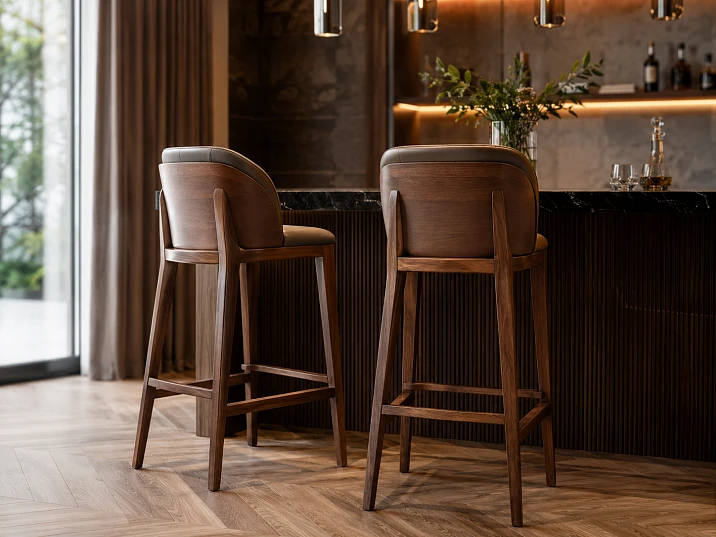
The bar area always attracts attention. Even if it only takes up part of the kitchen, a small corner in the living room, or a line by the window, it immediately sets a different rhythm for the interior: a higher seating position, easier conversation, more of a feeling of a cafe, lounge, home bar, or open kitchen. Therefore, when you need to buy legs for a bar stool, it's important to look not only at the beauty of the shape. Height, fastening, material, stability, and style matter here no less than the appearance.
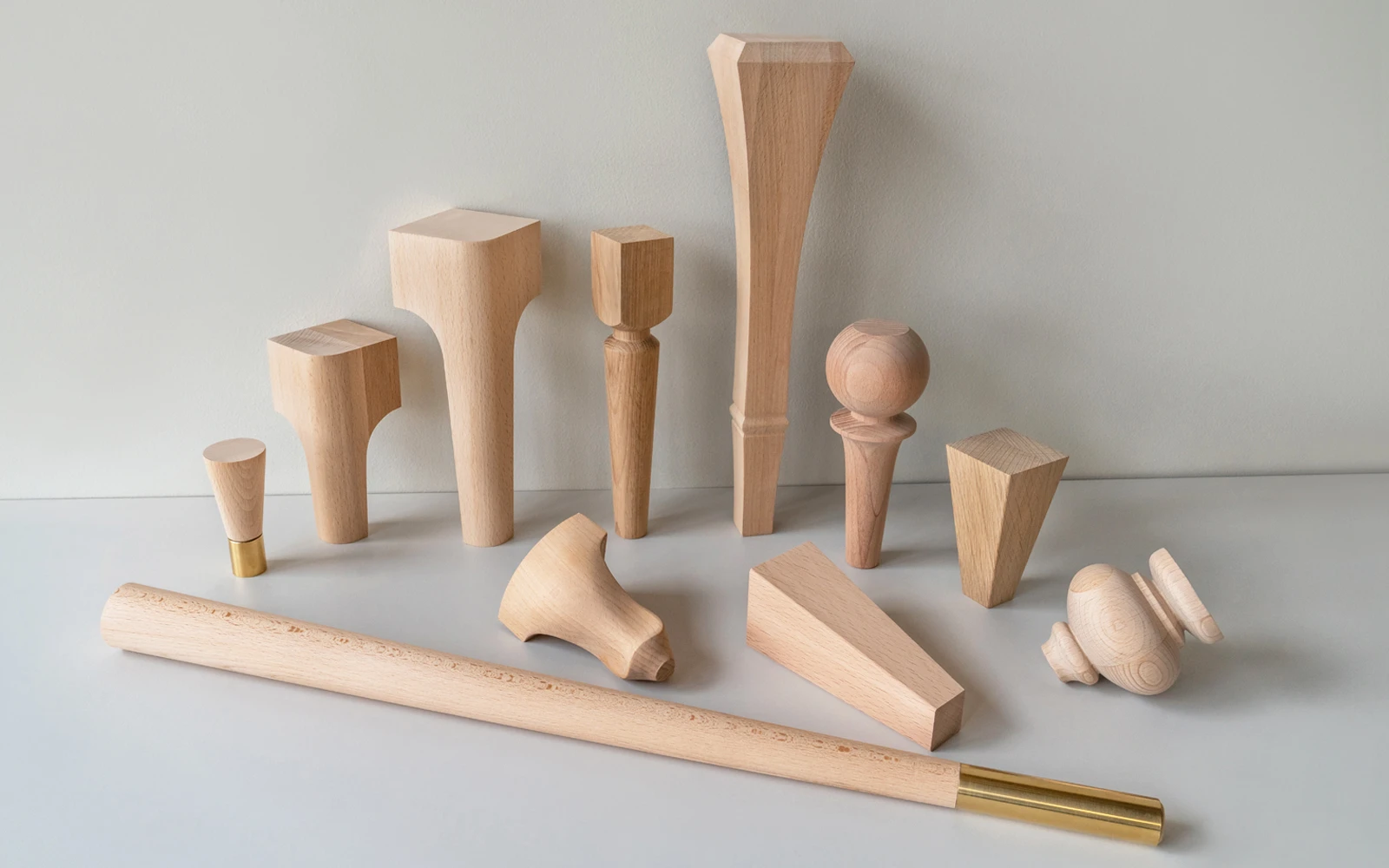
High wooden legs work differently than regular furniture supports. They must maintain a different proportion: a bar stool, a bar counter, a high console, a decorative table, or cafe furniture. A leg that looks great on a regular dining chair may turn out to be too short, too light, or visually weak for a bar area. Conversely, a high support chosen correctly immediately makes the furniture look assembled, expressive, and more expensive.
At STAVROS, you can select wooden supports for bar furniture, view specific high models, compare carved, turned, and geometric shapes, and also immediately plan the hardware, fasteners, and finishing materials. This is especially important if the bar area is assembled not from a ready-made set, but as a custom piece: for a kitchen, cafe, restaurant, showroom, studio, salon, or home interior.
The main thing is not to start with the question "which leg is prettier." First, you need to understand the task: a bar stool or bar counter, a seat or a tabletop, classic or modern style, home use or commercial space, a ready-made finish or a custom project finish. Then buying high wooden legs will not be a random choice, but part of a clear furniture structure.
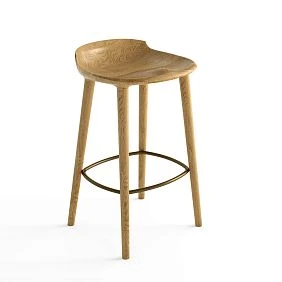
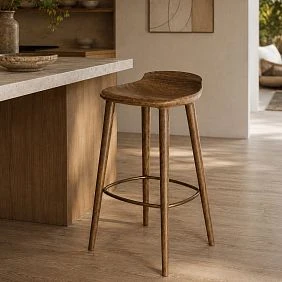
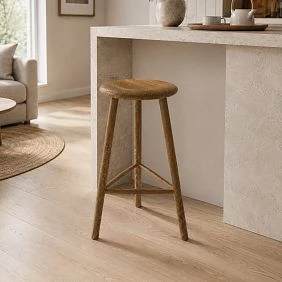
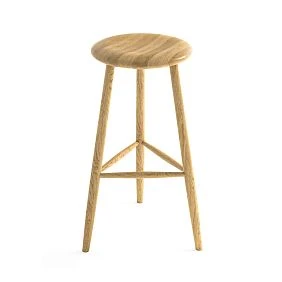
When you need high wooden legs
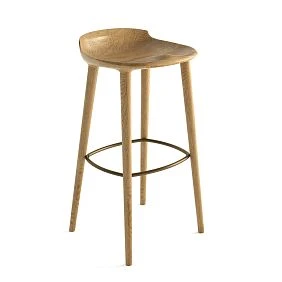
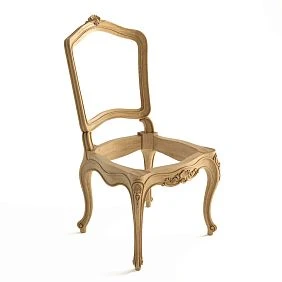
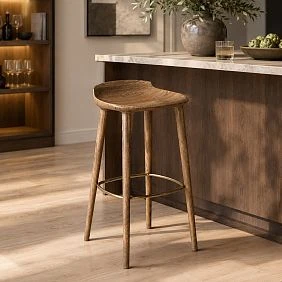
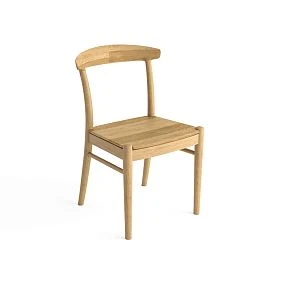
High legs are needed where the standard furniture height no longer works. A bar counter, a high stool, a wall console, a display table, a bar area in a cafe — all of these require a different proportion. Here, you cannot simply take standard legs from a dining table and expect the correct seating.
Bar furniture is built around height. If the seat is too low, it's uncomfortable for a person to sit at the counter. If the counter is too high, the bar stool loses its purpose. If the legs are weak in cross-section or shape, the entire structure looks unsteady. Therefore, high wooden supports need to be chosen together with the future tabletop, seat, fastening, and installation location.
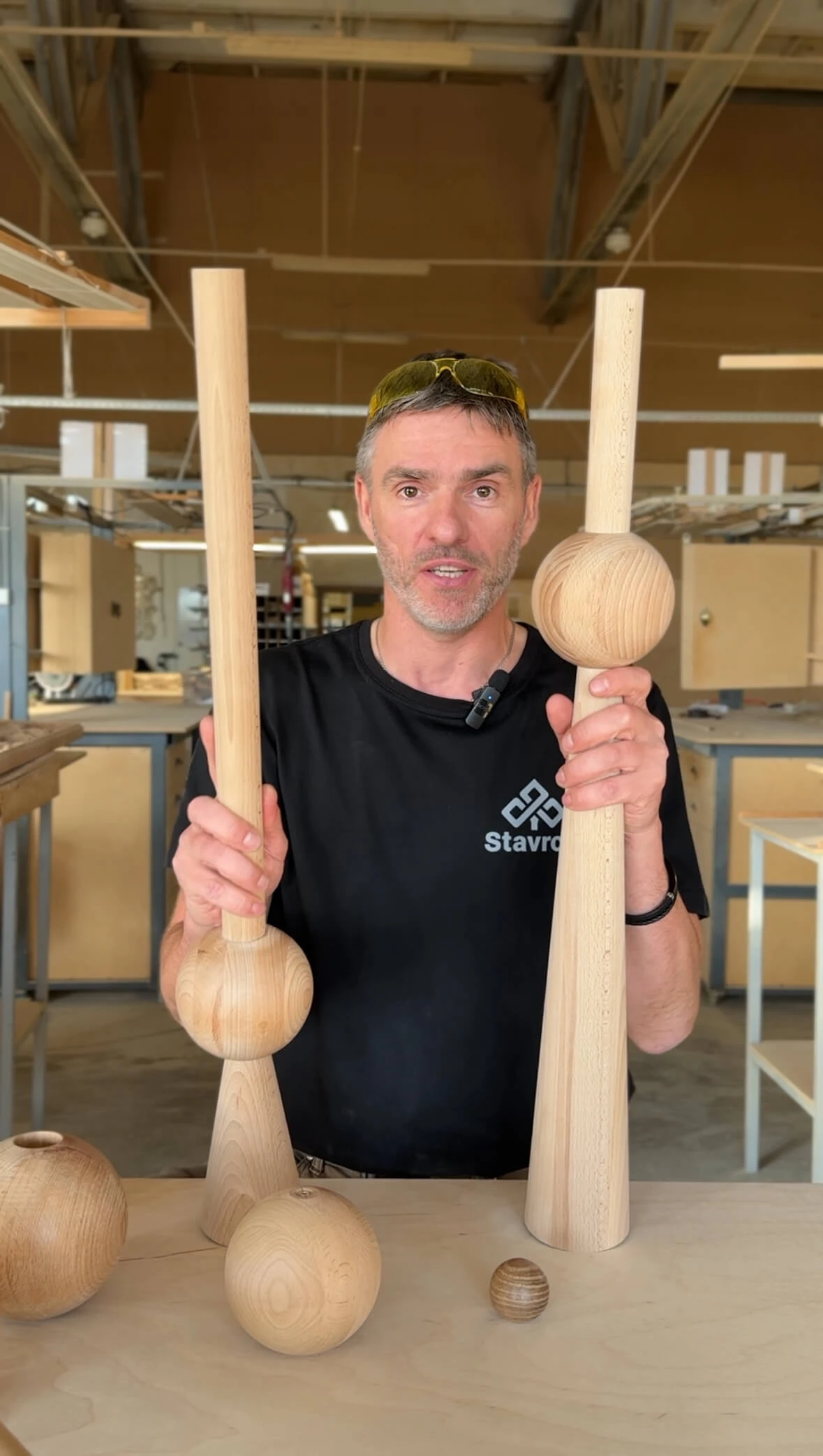
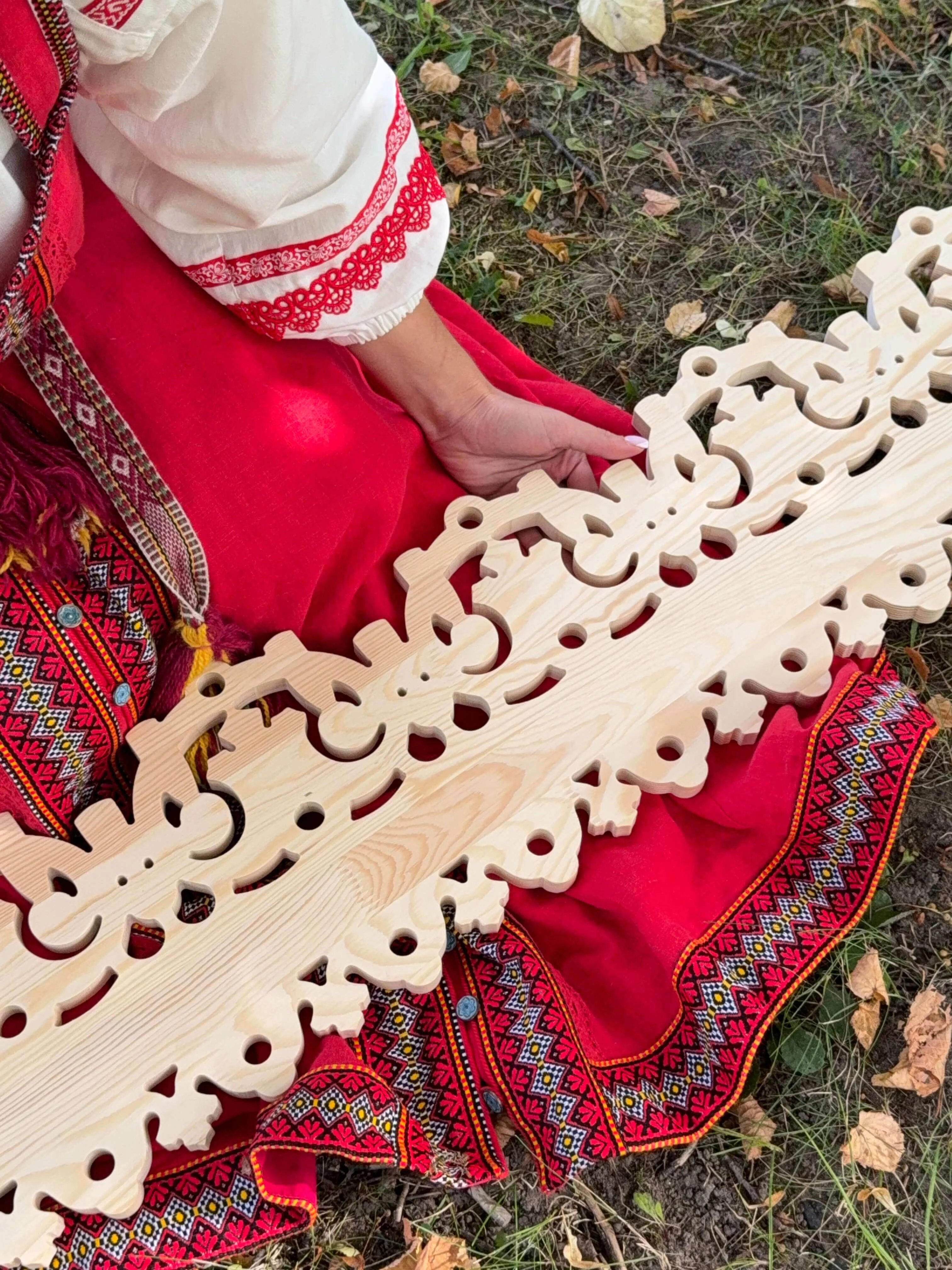
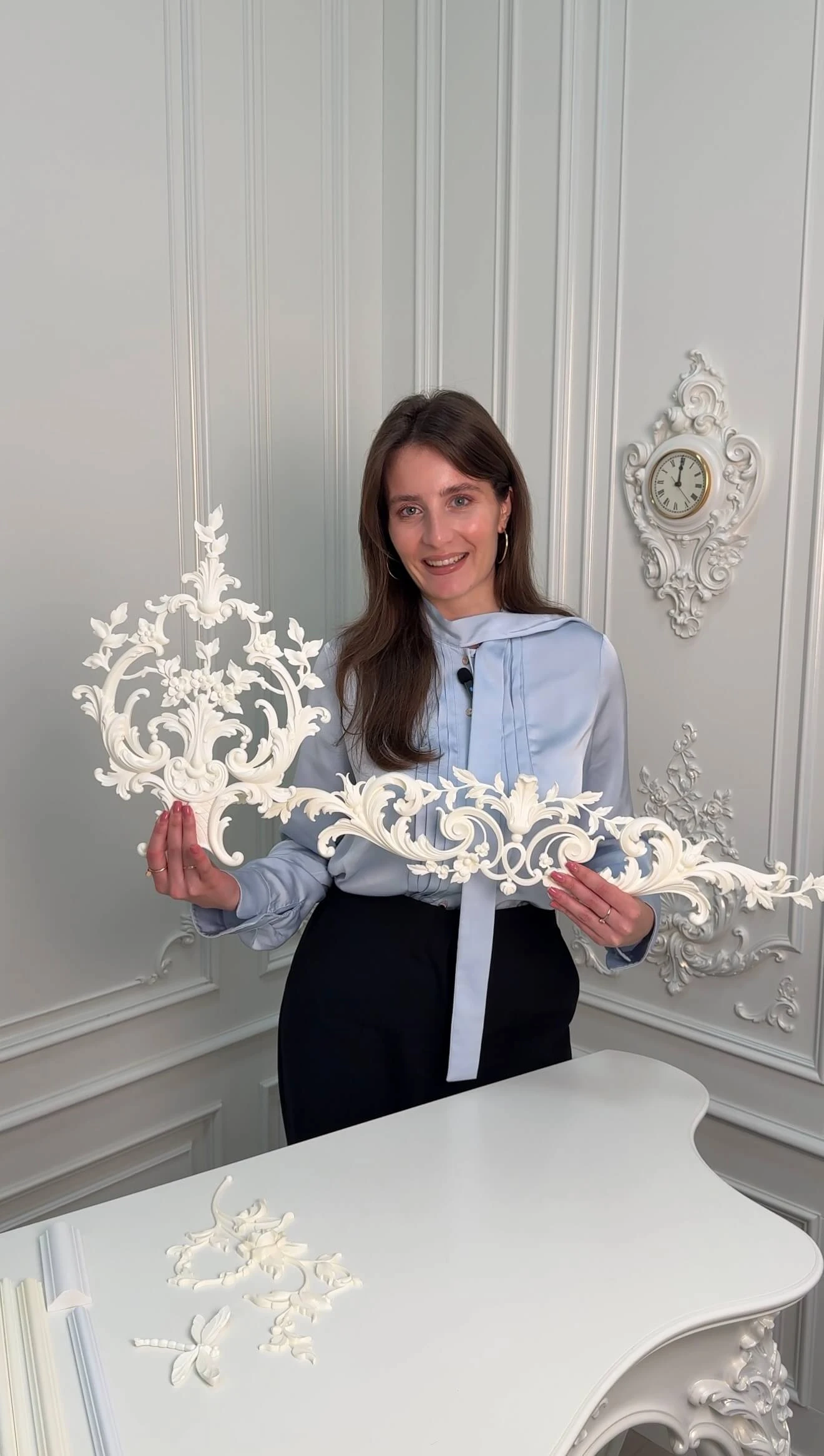
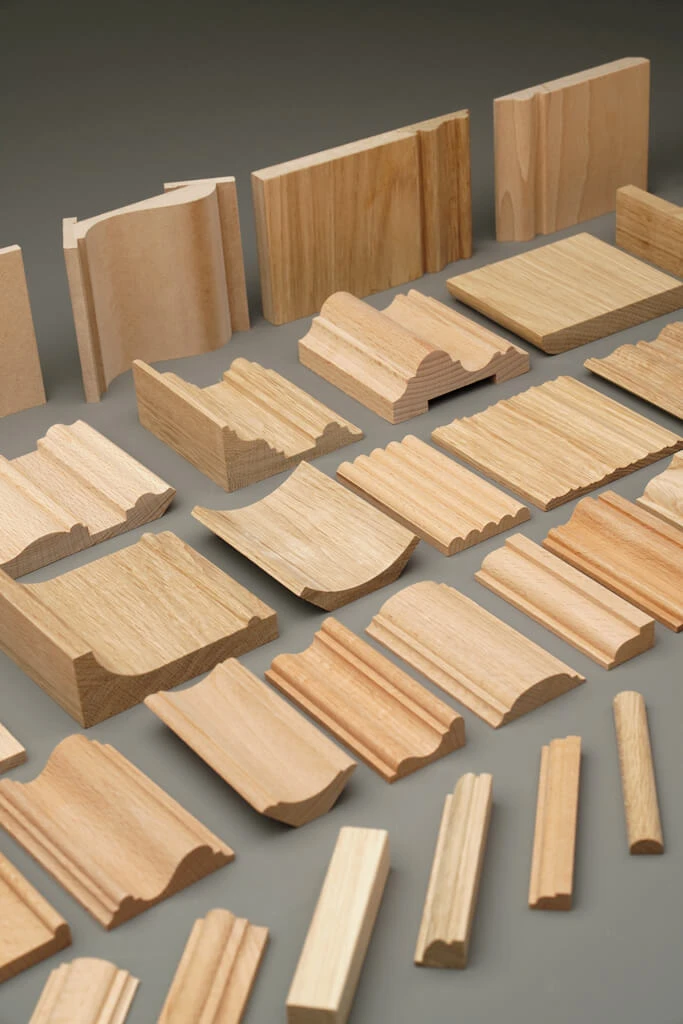
For a bar stool
A bar stool is not just a regular chair raised higher. It has a different seating position, different load on the supports, and a different role in the interior. It stands at the counter, is often in plain sight, and is used in the kitchen, bar area, cafe, restaurant, salon, or showroom. Therefore, the legs must be not only high but also proportionate to the entire piece.
If the stool is made to order, it's important to know in advance the seat height, seat thickness, presence of upholstery, distance to the countertop, and seating comfort. Beautiful wooden legs won't help if the final height turns out to be wrong. The person will sit uncomfortably, even if the furniture looks good in photos.
For such a task, you can look at the category where it is convenient buy legs for STAVROS bar stool, and then compare specific models by height, shape, and purpose.
Our factory also produces:

For a kitchen bar counter
A kitchen bar counter can be an extension of the countertop, a separate island, a partition between the kitchen and living room, a compact breakfast area, or a decorative line by the window. In any case, it is higher than a regular table, so it needs the right supports.
Wooden legs for a bar counter help make the structure warmer. Metal often looks cold, especially in a home kitchen. Wood adds a sense of materiality to the furniture, connecting the counter with facades, flooring, doors, panels, handles, or other decor.
But a bar counter requires precise calculation. You need to understand the height of the countertop, its weight, length, overhang, number of supports, and method of attachment. If the counter is large, beautiful legs alone may not be enough without a well-thought-out structure. Therefore, before ordering, it is important to evaluate not only the appearance but also the installation.
Get Consultation
For a tall console or decorative table
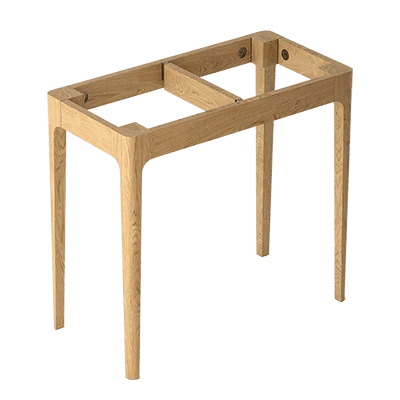
Tall wooden legs can be used not only for a bar counter. Sometimes they are needed for a console, a narrow wall table, a display item in a showroom, a tall stand, or decorative furniture in a salon or waiting area.
Such furniture is not always designed for seating, but it still needs to be stable. A narrow tall console is especially sensitive to proportions: legs that are too thin make it look weak, while legs that are too massive weigh it down. Here, it is especially important to consider height, cross-section, and shape.
If the console is placed in a commercial interior, you need to consider that it will be bumped into, people will move around it, and objects may be placed on it. Stability and fastening become key again.
For a cafe, restaurant, showroom, or home bar area
In cafes and restaurants, bar furniture is used daily. People sit on it, move it, and guests and staff pass by. In a showroom, tall furniture often participates in the display. In a home interior, the bar area may be calmer, but it should still be comfortable.
Wooden legs are good because they allow you to move away from a cold, standard look. A bar stool or counter on wooden supports can look classic, neoclassical, modern, vintage, salon-style, or almost architectural. It all depends on the shape of the legs and the finish.
But in a commercial space, you cannot choose based solely on design. You need to check the material, fastening, final finish, and stability of the entire structure in advance.
Which STAVROS tall legs are suitable for bar furniture
In bar furniture, it's not just the height that matters, but the combination of height, shape, and character. Some legs are suitable for a classic counter, others for a modern kitchen, others for an accent chair, and others for a tall decorative table. Therefore, it's useful to compare several models and understand what task each one solves.
| Model or category | What kind of solution is this | Where it might be suitable | What to check before ordering |
|---|---|---|---|
| Bar counter leg category | Tall wooden supports for bar furniture | Bar stools, counters, high consoles | Height, purpose, material, mounting |
| MN-066 | Carved leg 900 mm for bar area | Classic counter, bar stool, decorative support | Compatibility with structure height and style |
| MN-143 | Turned leg about 1100 mm | Bar counter, tall structure, traditional interior | Final height, mounting method, load |
| MN-137 | Geometric leg for tall furniture | Modern kitchen, minimalist bar project | Cross-section, height, compatibility with countertop |
| MN-139 | Fluted leg | Interior with vertical relief, classic, neoclassical | Scale, finish, combination with facades |
| Hardware and fasteners | Connection details with the structure | Any tall legs | Suitable mounting method |
| Finishing materials | Oil, enamel, tinting, final treatment | Uncoated legs and project furniture | Compatibility with wood and interior |
Such a table helps avoid mixing different tasks. A bar stool requires comfortable seating. A counter requires stable support for the tabletop. A console requires the right balance of height and depth. A cafe or restaurant requires practicality with frequent use. The same beautiful leg is not always suitable for all scenarios.
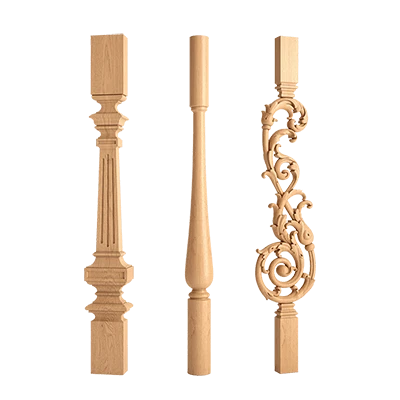
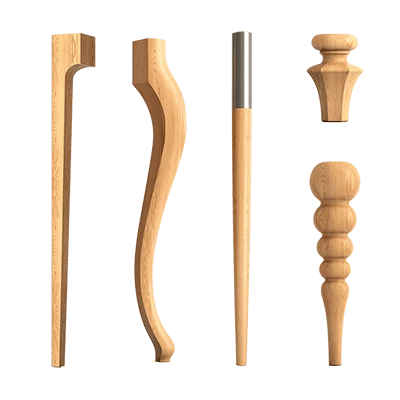
MN-066 — carved leg 900 mm for bar area
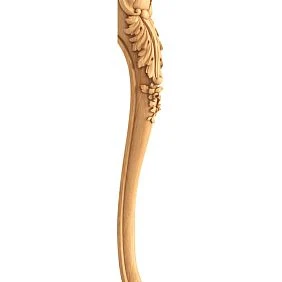
MN-066 is interesting because it combines height and decorativeness. The carved shape immediately makes the bar area more expressive. Such a leg can be suitable for a classic kitchen, a home counter, a cafe with a warm interior, a salon, a showroom, or a bar stool with a noticeable wooden base.
If the project requires not just a high support, but a decorative element, you can buy the carved leg MN-066 for a bar counter. But before purchasing, you need to check the height, material, purpose, and compatibility with the future structure in the product card.
A carved leg works well where there are other wooden or decorative elements nearby: paneled facades, wooden handles, moldings, trim, panels, carved decor. In overly strict minimalism, it may look excessive.
MN-143 — turned leg 1100 mm for bar counter
MN-143 — a taller turned model. This shape suits traditional and neoclassical interiors where a tall wooden support is needed without excessive carving. The turned leg looks softer than strict geometry, but calmer than active carving.
For a high counter or similar structure, you can buy a turned leg MN-143 110 cmBefore ordering, you need to check the final height including the countertop, how the leg attaches to the structure, and whether it matches the scale.
This model is especially appropriate where the counter should look not rough, but furniture-like: kitchen-living room, home bar, classic-style restaurant, boutique, salon, tasting area, or interior studio.
MN-137 — modern geometric leg
A geometric leg is needed where carving would be superfluous. A modern kitchen, a minimalist bar counter, an interior with clean facades, matte surfaces, and simple lines require a different shape. In such projects, a wooden support can be warm in material but strict in silhouette.
For modern tall furniture, you can buy geometric leg MN-137 for tall furniture. It suits projects where a clean line and absence of extra relief are important.
Geometric legs pair well with smooth tabletops, minimalist kitchen fronts, simple handles, natural stone, veneer, matte enamel, and a calm palette.
MN-139 — leg with fluting
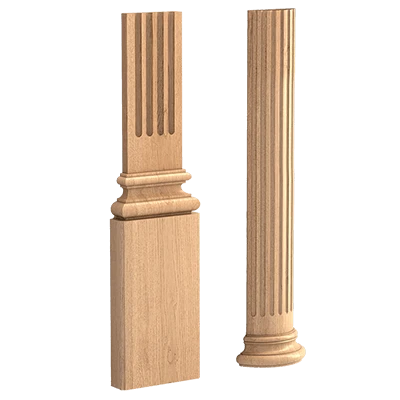
Fluting creates vertical relief. It is not as active carving as complex ornament, but also not completely smooth geometry. This shape works well if you want to add depth without overloading the bar area.
For such tasks, you can buy leg MN-139 with fluting. It should be considered for neoclassicism, soft modern interiors, counters with vertical lines, kitchens with paneling, or furniture where a strict but not empty silhouette is needed.
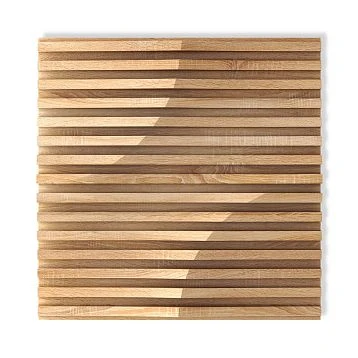
Fluting looks especially good next to vertical decor: framed fronts, slats, panels, elongated handles, tall door lines. But they also need to be balanced. If there is a lot of relief around, the leg should support the interior, not compete with it.
Category of legs for bar counter and bar stools
If the buyer hasn't chosen a specific model yet, it's better to start with the category. It's easier to compare height, shape, and purpose there. You can open the section and buy legs for STAVROS bar stool after comparing several options.
If the task is broader than the bar area, it's useful to look all STAVROS wooden furniture legs. This is convenient when the project includes not only a counter but also a cabinet, table, console, bench, armchair, or other furniture on wooden supports.
How to choose the height of legs
Height is the main parameter in bar furniture. The shape can be beautiful, the material suitable, the finish precise, but if the height is wrong, the furniture will be uncomfortable to use. Therefore, first calculate the seating and tabletop level, then choose the model.
Legs for a bar stool
The bar stool must match the height of the counter. There should be comfortable legroom between the seat and the tabletop. If the seat is too high, the person will press against the tabletop. If too low, they will have to reach up, and the seating will become unnatural.
When choosing legs, you need to consider not only their height. The seat may be soft and add thickness. The frame may have additional construction. The fasteners can also affect the final height. Therefore, you cannot only look at the leg height in the product card. You need to envision the entire stool.
If you want to make a bar stool from wooden legs, first determine the height of the counter, then the seat height, then the thickness of the soft part, if any. Only after that can you choose the supports.
Legs for a bar counter
A bar counter is usually higher than a dining table. Its height depends on the kitchen, countertop, layout, usage scenario, and chairs. If the counter will serve as a breakfast spot, comfort is important. If it is decorative, a different proportion can be allowed, but stability is still important.
Bar counter legs must match the weight and size of the countertop. A narrow counter against a wall requires one logic, an island counter another, and a long countertop a third. The greater the overhang and length, the more carefully you need to consider the number of supports and fastening.
In such projects, tall wooden supports designed for the bar area are especially useful. They look intentional and proportionate to the tall furniture.
High console and decorative table
A high console does not always require the same seating height as a bar stool or counter. It can be used as a decorative surface, display table, narrow counter against a wall, product display area, or interior accent.
Here, stability and proportion are more important than seating height. If the console is too tall and narrow, it may look unsteady. If the legs are too massive, the piece becomes heavy. Therefore, height should be considered together with depth and width.
Mistake: choosing a beautiful leg without calculating the height
This is the most common mistake. A buyer sees a beautiful carved or turned leg, orders it, and then finds out the final furniture is uncomfortable. The bar stool turns out too high. The counter doesn't match the chairs. The console looks elongated. The countertop ends up higher than planned.
To avoid this, you need to draw at least a simple diagram in advance: floor height, leg height, frame thickness, countertop or seat thickness, final level. Even a simple calculation helps avoid an expensive mistake.
How to choose the shape and style
The shape of the leg should match the interior. The bar area is often at the junction of the kitchen and living room, so it should connect different parts of the space. The legs can support kitchen facades, wooden flooring, handles, moldings, countertops, doors, decorative panels, or furniture in the adjacent area.
Carved legs for a classic bar area
A carved leg is suitable if the bar area is intended as an expressive piece. This could be a kitchen with classic facades, a home bar with a wooden counter, a restaurant in a warm style, a cafe with decorative furniture, a salon, or a showroom.
Carving makes the support noticeable. Therefore, the countertop and adjacent elements should be calmer or work with it in the same character. If there is already a lot of decor nearby, a carved leg may become superfluous. If the interior is restrained enough, it will add depth.
Turned legs for a traditional interior
A turned leg is softer than a carved one. It gives a furniture-like character but does not overload the bar area with ornament. This option is good for neoclassicism, a traditional kitchen, a country house, a cafe with a cozy atmosphere, or a restaurant without excessive formality.
Turned shapes easily connect with wooden chairs, kitchen facades, a dining group, a console, or a banquette. They help make the bar area not cold, but lively.
Geometric legs for a modern kitchen
A modern kitchen is often built on clean facades, smooth surfaces, stone or wooden countertops, hidden handles, and simple lines. A carved leg may not suit such an interior. A geometric support will preserve the cleanliness and add the warmth of wood.
Geometric legs work especially well in projects where the bar counter should be part of the kitchen, not a separate decorative object. They support the architecture but do not compete with the facades.
How to combine legs with handles, moldings, and trim
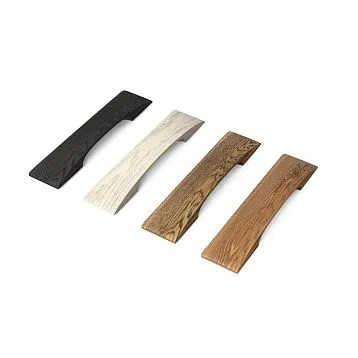
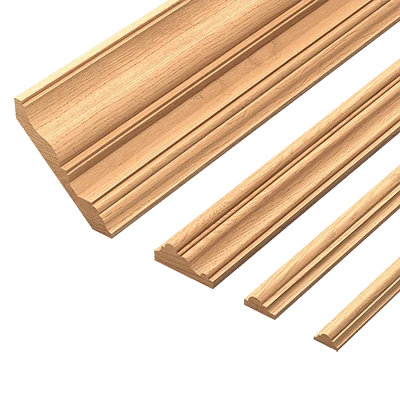
Legs shouldn't live separately. If the kitchen has wooden handles, their shade can be tied to the supports. If the interior has moldings, trim, or wooden panels, the shape of the legs can support the overall character. If the counter is next to a door or arch, the wooden trim can echo the architraves.
But you don't need to repeat everything literally. It's enough that the elements don't clash. For example, a carved leg and a very strict metal handle can look random next to each other. While a turned leg and a soft classic handle already create a more cohesive look.
Material and finish: what matters for tall legs
For tall supports, the material is especially important. The taller the leg, the more noticeable its shape, cross-section, texture, and finish. Wood in bar furniture should look confident because the support is in plain sight and often contributes to the overall look of the counter.
In the selection scheme for such legs, you'll find oak, beech, and ash. But the specific material for each model should be checked in the product card or clarified with a STAVROS manager. Don't choose a wood species just by name. It's important to understand how it will combine with the finish, countertop, and other wooden elements.
Oak feels solid and expressive. Beech can look calmer and neater. Ash is often valued for its characteristic wood texture. But in a finished project, much depends on the finish: oil, tinting, enamel, varnish, or other treatment can greatly change the perception.
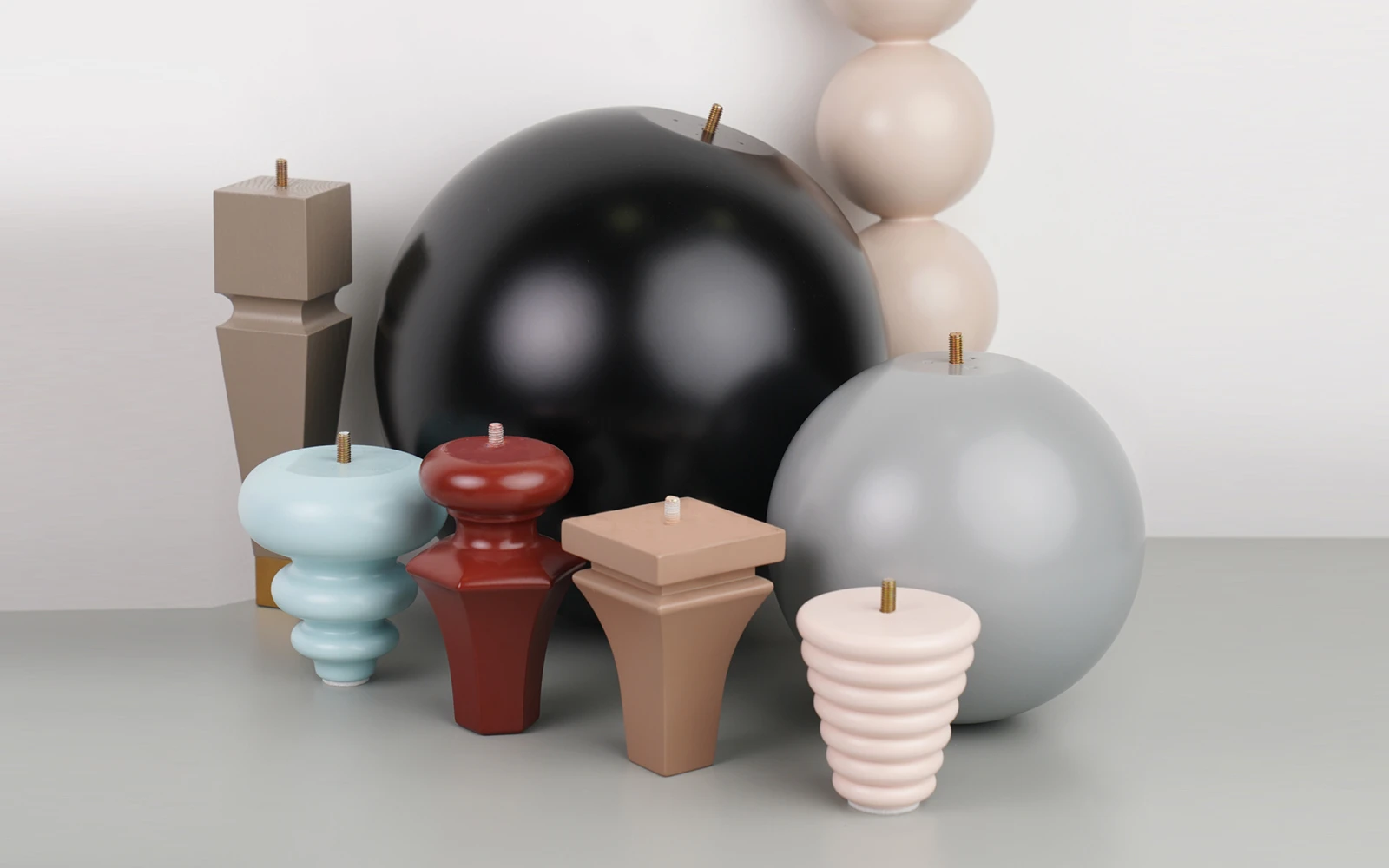
If the legs come without a coating, they can be finished to match the project. This is convenient for designers and workshops: the supports can be matched to the color of the facades, countertop, floor, or other furniture. If the coating is already finished, you need to carefully compare the shade with the interior.
For preparation and finishing, you can check out materials for wood installation and finishingThis section is useful when you need not just to buy legs, but to bring them to the desired appearance.
What to check before purchase
High wooden legs require careful inspection before ordering. A mistake with a regular furniture leg can be unpleasant, but a mistake with a bar support is more noticeable: the furniture is tall, in plain sight, actively used, and has a greater impact on comfort.
Height and cross-section of the leg
Height determines the seating and overall level of the furniture. Cross-section affects visual and actual stability. A tall, thin leg may look elegant but is not always suitable for a heavy tabletop. A massive support can be reliable but visually overload a small kitchen.
Before ordering, you need to evaluate not only the height in millimeters but also the overall scale. The leg must match the width of the chair, the length of the counter, the weight of the tabletop, and the interior style.
Material: oak, beech, ash
Material affects the appearance and further finishing. If the project is done for oil or tinting, the wood texture will be noticeable. If for enamel, the shape and quality of surface preparation are more important. If the bar area is in an active kitchen or commercial space, special attention must be paid to the finish.
The wood species for a specific model should be clarified in the product card. If an exact shade is important, it is better to discuss the finish with the craftsman in advance.
Compatibility with the structure
The leg must fit what it supports. A bar stool, counter, console, high table — different structures. You cannot choose a support just because it is "tall." You need to understand how it will be attached, what the load will be, and what elements will be above and below.
This is especially important for a bar counter. The tabletop can be heavy, long, with an overhang, with or without wall support. The leg must be part of the calculation, not a decorative addition at the last moment.
Mounting and hardware
High legs require a reliable connection to the structure. The mounting method depends on the leg itself, the frame, the tabletop, the base material, and the usage scenario. To select accompanying elements, you can look at hardware and fasteners for furniture legs.
Fasteners should not be chosen “later.” If the supports are already purchased and a suitable connection is not planned, installation can become more difficult. It is better to understand in advance what will be needed for assembly: mounting elements, glides, plates, or other parts for a specific project.
Finish: oil, enamel, or tinting
The finish should match the style and usage conditions. Oil can enhance the wood. Enamel helps match the kitchen color. Tinting connects the supports with the tabletop or facades. But any finish must be selected based on the material and operation.
In a kitchen and commercial space, it is important to consider maintenance. The surface should be not only beautiful but also practical. Especially if the legs are located near a walkway, chairs, shoes, a bar area, or a high-traffic zone.
What to buy with high legs
High legs are rarely purchased completely separately from a project. Accompanying parts are almost always needed: fasteners, glides, mounting materials, finish, tabletop, frame, or a set of identical supports.
| Main product | What to buy together | Why this is needed |
|---|---|---|
| High legs for bar stool | Fasteners and mounting elements | To connect the legs to the seat or frame |
| Bar counter | Set of identical legs | To make the structure look solid |
| MN-066 | Materials for finishing | To emphasize the carving and protect the wood |
| MN-143 | Hardware for attaching to the structure | To ensure the high support works reliably |
| MN-137 or MN-139 | Suitable tabletop or frame | To ensure the leg shape matches the rest of the furniture |
| Uncoated legs | Oil, brush, finishing materials | To bring the wood to the desired color |
| Tall console | Base pads and fasteners | To protect the floor and improve installation accuracy |
You need to buy everything not by list, but by task. For a bar stool, the seat, frame, and fastening are important. For a bar counter — the tabletop, number of supports, installation. For a console — stability and floor protection. For a cafe — wear resistance and repeatability of the set.
How not to confuse tall legs with similar products
Tall wooden legs are easily confused with other supports. In the catalog, furniture legs may look similar in material but differ greatly in purpose. A mistake here is especially dangerous because the height and load of bar furniture are completely different.
| Product | What it is for | What not to confuse it with |
|---|---|---|
| Legs for bar stool | High seating at the counter | With legs for a regular chair |
| Legs for bar counter | Support for high countertop | With legs for dining table |
| Bench legs | Low seating, upholstered furniture | With bar legs 900–1100 mm |
| Legs for console | Narrow wall table | With a full bar counter |
| Floor protectors | Floor protection and neat installation | With a main support |
| Fastening | Leg-to-structure connection | With a decorative element |
| Decorative detail | Furniture ornament | With a load-bearing support |
A banquette leg can be beautiful but won't fit a bar stool in height. A regular table leg can be sturdy but too low for a counter. A bracket can hold a shelf but doesn't replace a bar support. Therefore, you always need to consider the purpose, height, and method of use.
Practical choice for different tasks
Need to assemble a bar stool
First, determine the height of the counter. Then calculate the seat height and the thickness of the soft part, if there is one. After that, select the legs. If the stool should be classic, look for carved or turned shapes. If modern, go for geometric ones.
Don't forget about the fastening. For a high stool, the load on the legs and joints is noticeable. If the seating is active, the stool will be moved and used daily, the fastening must be especially carefully thought out.
Need to make a bar counter in the kitchen
For the counter, first choose the tabletop and height. Then look at where supports are needed: at the edges, in the center, at the overhang, against the wall. If the counter is long, one or two legs may not be enough. The entire structure needs to be considered.
For a classic kitchen, carved or turned legs are suitable. For a modern one, geometric ones. If the tabletop is heavy, it's better to discuss the fastening with a craftsman in advance.
Need a high console
A tall console must be stable. If it is narrow and wall-mounted, consider wall fastening or additional stability measures. The legs must match the depth and height, otherwise the piece will look wobbly.
For a console, the appearance of the supports is often important because the tabletop is narrow and the legs are clearly visible. Therefore, the shape and finish become almost the main decorative element.
Need to design a bar area in a cafe
In cafes and restaurants, furniture experiences heavy use. Here, not only beautiful legs are important, but also the repeatability of the set, stability, maintenance, finishing, and repairability. If there are several bar stools, the supports must be identical and pre-calculated.
Wooden legs can make a space feel warmer, but the coating must withstand use. It's worth planning finishing materials and floor protection in advance.
Need to update old bar furniture
If an old counter or chair is still comfortable but looks outdated, replacing the legs can change the entire look. However, you first need to check the structure. If the frame is weak or the tabletop is damaged, new supports won't solve the problem.
For an update, matching the height is especially important. If the new leg differs from the old one, the furniture may become uncomfortable.
What not to do from scratch if ready-made wooden supports are available
If someone is looking for how to make a bar stool from wooden legs, they often imagine an overly complicated path: turning the supports themselves, calculating the shape, sourcing wood, adjusting the height, and making decorative elements. This is possible, but not always reasonable.
Ready-made tall legs simplify the task. There's no need to manually carve a complex shape. No need to search for random blanks. No need to try to turn ordinary legs into bar legs. You can choose a ready-made model, check the parameters, select the fasteners, and focus on assembly, finishing, and comfort.
This is especially valuable for designers and workshops. A ready-made support allows you to assemble a project faster, show the client a clear shape, and avoid spending time on making a decorative leg from scratch. The item itself remains original: the choice of model, finish, tabletop, seat, fabric, proportions, and overall look.
Mistakes when buying high legs
Choosing a leg only by appearance
A beautiful shape does not guarantee comfort. For bar furniture, height and stability are more important than first impressions. You need to look at the parameters, not just the carving, fluting, or silhouette.
Not calculating the final height
A leg is not the whole piece of furniture. There is a tabletop, seat, frame, fasteners, and upholstery. All these elements add height. If you don't calculate it in advance, the bar stool or counter may end up uncomfortable.
Confusing a bar leg with a regular one
Regular legs for a chair or dining table are not suitable for a bar area in terms of proportion. They may be high quality, but too low. For bar furniture, you need to look at tall models.
Not planning the fastening
A tall support reacts more strongly to weak fastening. If the connection is not suitable, the structure may be unstable. The fasteners should be chosen together with the leg and the future furniture.
Not accounting for the weight of the tabletop
A heavy tabletop requires careful calculation. You cannot place it on supports chosen only for decoration. You need to consider the material, length, overhang, and number of legs.
Overload the bar area with decor
Carved legs, complex facades, an active countertop, and bright finishes can all look heavy together. It's better to choose one main accent.
Not choosing the right finish
Wood without a well-thought-out finish can look unfinished. The coating should match the kitchen, cafe, restaurant, or home area. This is especially important for legs without coating.
Forgetting about floor protection
Tall furniture often moves or stands in a high-traffic area. Glides and careful installation help protect the floor and make the furniture more practical.
Who are tall wooden legs suitable for
Tall wooden legs are suitable for furniture workshops that make bar stools, counters, consoles, high tables, and custom furniture. Ready-made supports save time and provide a clear shape.
For designers, such legs help create a bar area that matches the interior, rather than picking a random ready-made set. You can choose classic, neoclassical, modern geometric, or a more decorative option.
For cafe and restaurant owners, wooden legs are suitable if they want to move away from the standard metal look and make the bar furniture warmer. But you need to consider the load, fastening, and finish.
Private customers need such supports if they are assembling a bar counter in the kitchen, making a high stool, updating furniture, or creating a home bar area.
For woodworkers and upholsterers, high legs provide a ready base for a project. There is no need to make a decorative support from scratch; you can focus on assembly and finishing.
Who should choose a different solution
If a ready-made bar stool is needed as a whole, legs alone will not solve the problem. You will need a seat, frame, fastening, possibly upholstery and final treatment.
If the interior requires metal chrome supports, wooden legs may not suit the style. Wood provides warmth and furniture character but does not replicate the cold metallic look.
If an ordinary dining table is being assembled, high legs for a bar area will be excessive. Dining furniture requires a different height.
If the project is a low banquette, pouf, or small bench, bar legs of 900–1100 mm are not suitable. You need to look for supports for a different purpose.
If the buyer is not ready to calculate the height and fastening, it is better to first consult a craftsman. In bar furniture, random selection is especially risky.
How to buy high legs on STAVROS and not make a mistake
Start with the task. For a bar stool, correct seating is needed. For a bar counter, tabletop height and stability. For a console, proportion. For a cafe, practicality and repeatability of the set.
Then open the category where you can buy legs for STAVROS bar stool and compare the models by height and shape. If you need a broader view, you can go to all STAVROS wooden furniture legs.
For a classic or decorative bar area, you can buy the carved leg MN-066 for a bar counter. For a tall traditional structure — buy a turned leg MN-143 110 cm. For modern furniture — buy geometric leg MN-137 for tall furniture or buy leg MN-139 with fluting.
After selecting a model, pre-select hardware and fasteners for furniture legs and check materials for wood installation and finishing, if the legs require finishing.
Before ordering, check the height, material, cross-section, purpose, coating, compatibility with the structure, mounting method, and final furniture height. If the bar counter or stool is made for a project, it's better to discuss the calculation with a craftsman or STAVROS manager in advance.
FAQ
Which legs to buy for a bar stool?
For a bar stool, you need high wooden supports designed for bar seating. First, you need to know the height of the counter and the future seat, and then select a model by height, shape, and mounting.
How do bar counter legs differ from regular furniture legs?
They are taller and designed for a different furniture proportion. Regular legs are suitable for tables, chairs, cabinets, or banquettes, while bar supports work with counters, high chairs, and console structures.
Can MN-066 be used for a bar stool?
Yes, MN-066 is considered a tall carved leg for a bar area. But before ordering, you need to check the final seat height, attachment method, and compatibility with the structure.
When to choose MN-143?
MN-143 should be considered when you need a tall turned leg about 110 cm for a bar counter or similar high structure. Before purchasing, it is important to verify the tabletop height and the entire furniture calculation.
What are the advantages of geometric legs for a bar area?
They suit modern kitchens and minimalist interiors. Such legs provide a clean silhouette, do not overload the furniture with carving, and pair well with smooth facades and a simple tabletop.
What is a leg with fluting used for?
Fluting adds vertical relief. Such a leg is suitable when a more expressive shape is desired, but without complex carving. It works well in neoclassical and soft modern interiors.
What to buy together with high legs?
Usually you need fasteners, mounting elements, glides, and materials for finishing wood. For a counter, you also need to plan the tabletop and the number of supports in advance.
Can I make a bar stool from wooden legs myself?
Yes, if you calculate the height, seat, frame, fastening, and stability in advance. Ready-made legs simplify the task but do not eliminate the need for structural calculation.
What legs are needed for a kitchen bar counter?
You need high supports that match the height of the countertop, the weight of the structure, and the kitchen style. For classic styles, carved or turned models are suitable; for modern interiors, geometric ones.
Can I use regular legs for a bar counter?
Usually no, because a bar counter has a different height. Regular furniture legs may be too low and disrupt the proportion.
How to avoid mistakes with height?
You need to calculate the entire structure: the height of the leg, the thickness of the countertop or seat, the frame, the fasteners, and the final level. You cannot choose a leg just by looking at a photo.
Are wooden legs suitable for a cafe or restaurant?
Yes, if they are properly selected in terms of height, design, fastening, and finish. For commercial spaces, stability, wood protection, and ease of maintenance are especially important.
Do the legs need to be coated with oil or enamel?
It depends on the material, future interior, and usage conditions. If the legs are uncoated, the finish needs to be planned in advance. For kitchens and cafes, surface protection is especially important.
Where can I buy legs for a bar counter?
You can start with the STAVROS bar leg category, compare models by height and shape, then open the product cards for MN-066, MN-143, MN-137, or MN-139 and check the parameters before ordering.
Conclusion
Tall wooden legs for a bar stool and bar counter are not just elongated furniture supports. They determine the height, seating, stability, style, and the entire character of the bar area. A mistake with a regular leg may go almost unnoticed, but in bar furniture, it immediately affects comfort and appearance.
For a classic bar area, you can look at carved and turned models. For a modern kitchen, geometric supports. For neoclassicism, legs with soft relief or fluting. For a cafe, restaurant, or showroom, the fastening, finish, and repeatability of the set are especially important.
Before ordering from STAVROS, you should first calculate the height of the stool or counter, then choose the shape, check the material, consider the fasteners and final finish. Then buying tall wooden legs will not be a random decision, but the foundation of beautiful, comfortable, and durable bar furniture.