


























Article Contents:
- What are polyurethane molding overlays
- What types of molding overlays exist
- Central overlays
- Corner Elements
- Left and right overlays
- Thin decorative inserts
- Where to use decor for moldings
- On the wall
- On doors and portals
- On wall panels
- On Furniture Facades
- How to choose an overlay for molding
- Central overlay, corners, or side decor — what to choose
- How to assemble a set before purchase
- Mistakes when choosing molding overlays
- FAQ: Answers to Popular Questions
- About the company
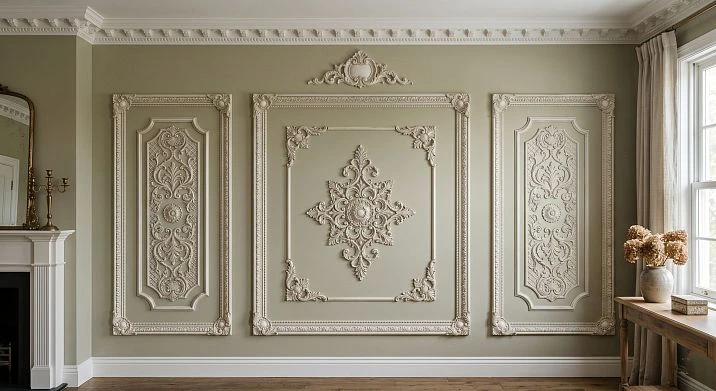
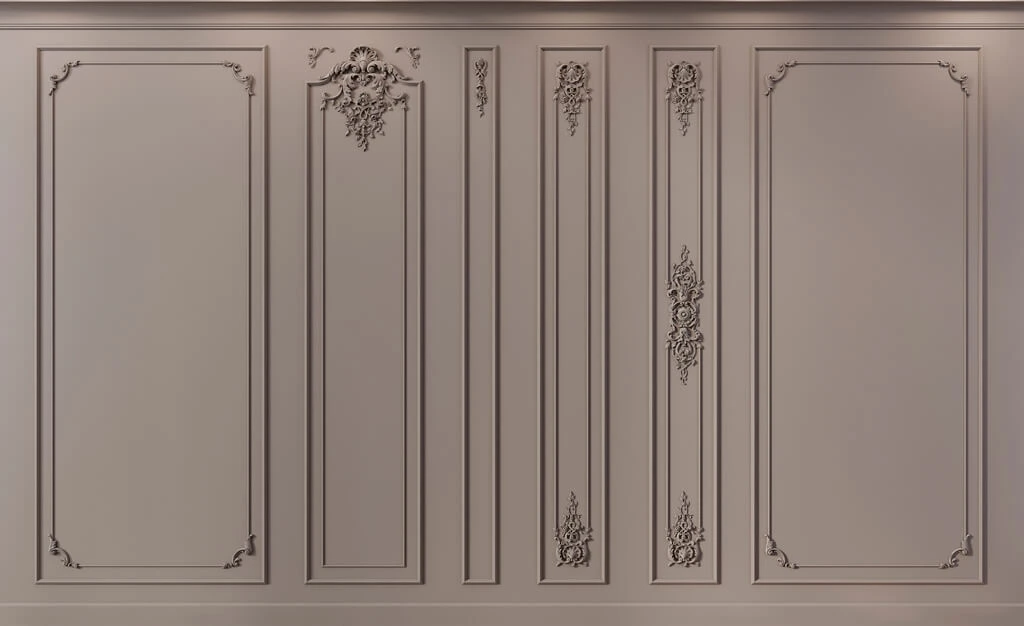
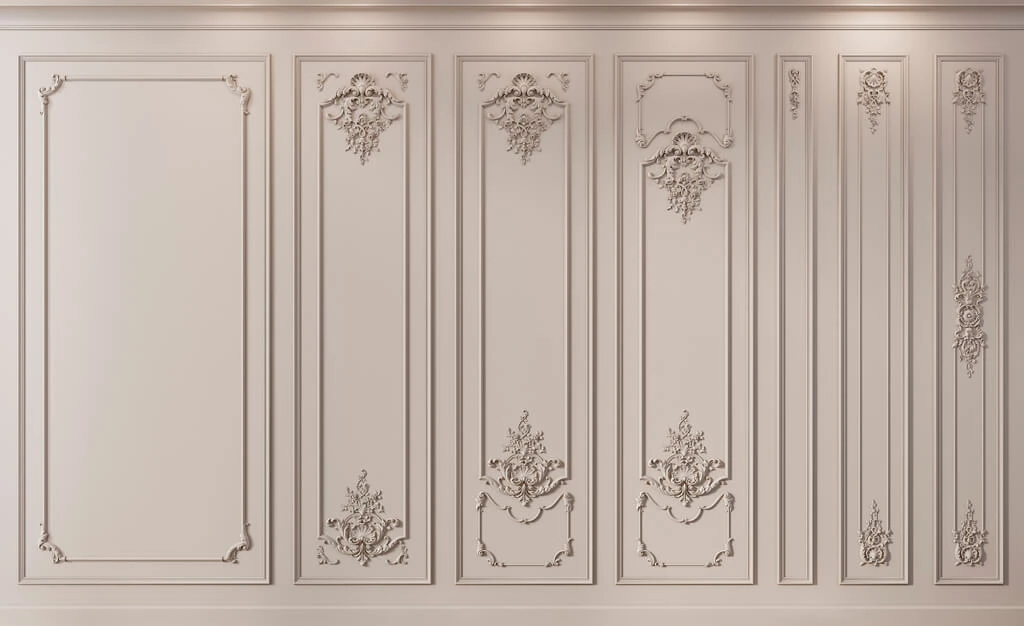
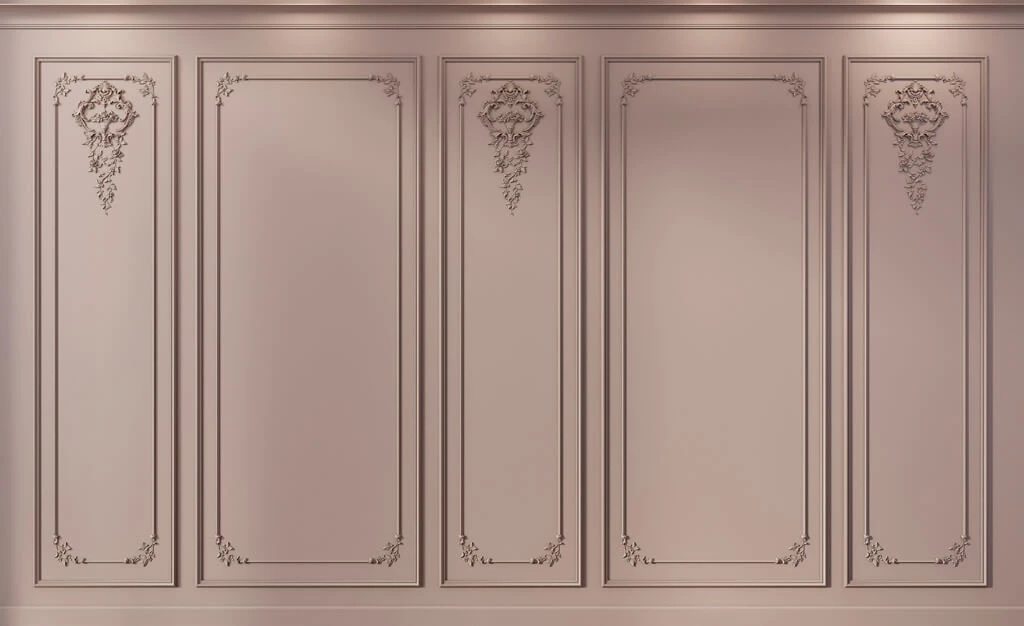
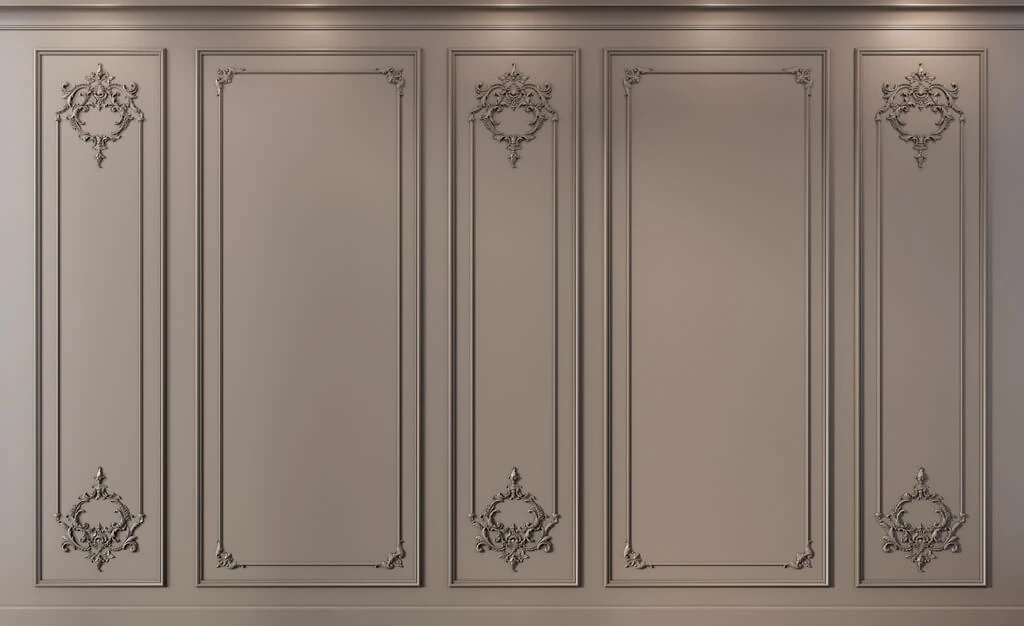
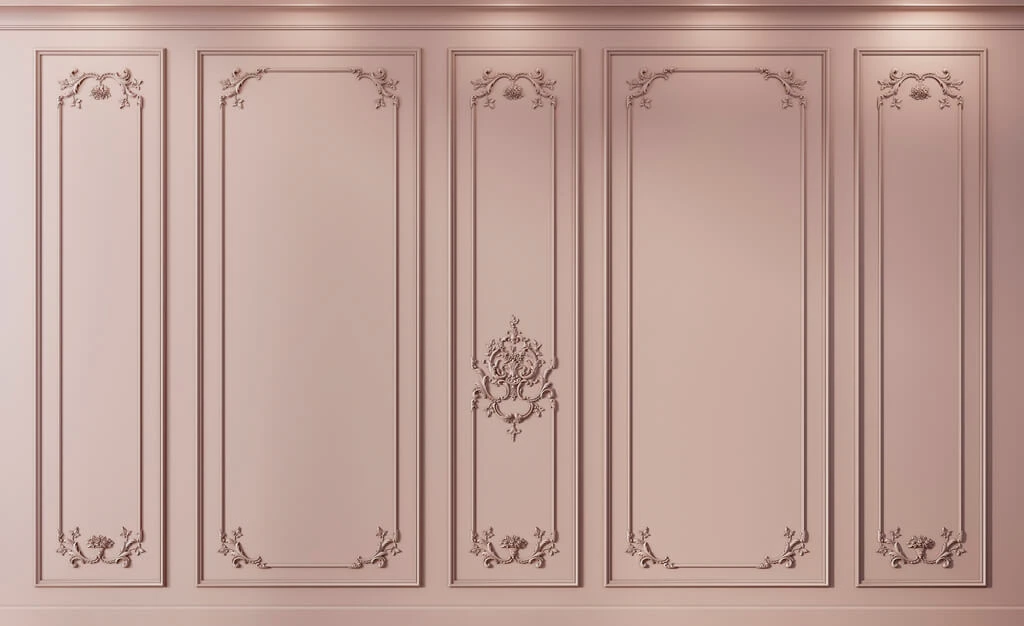
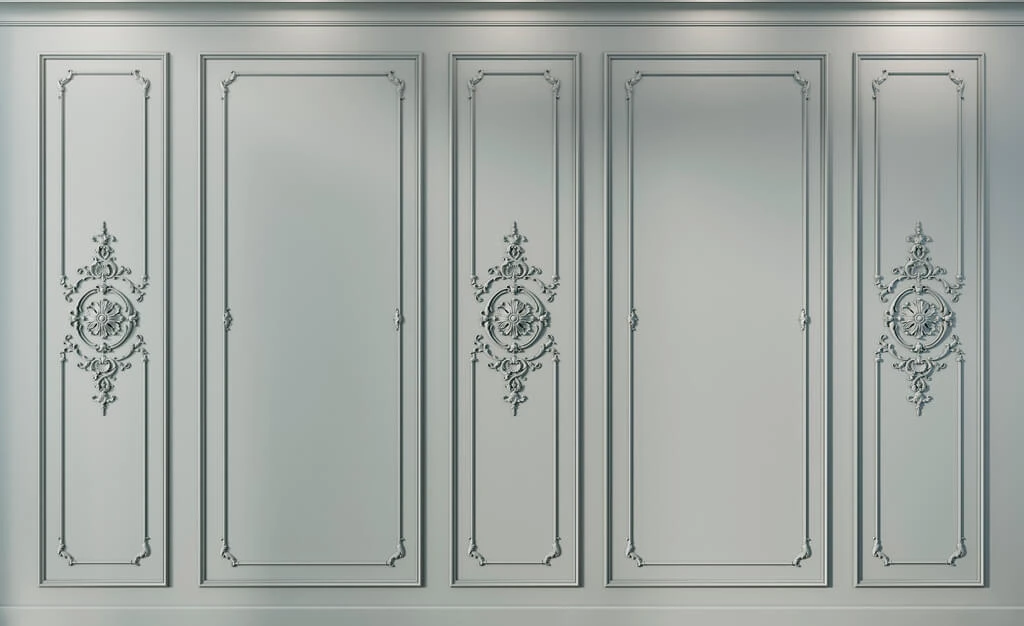
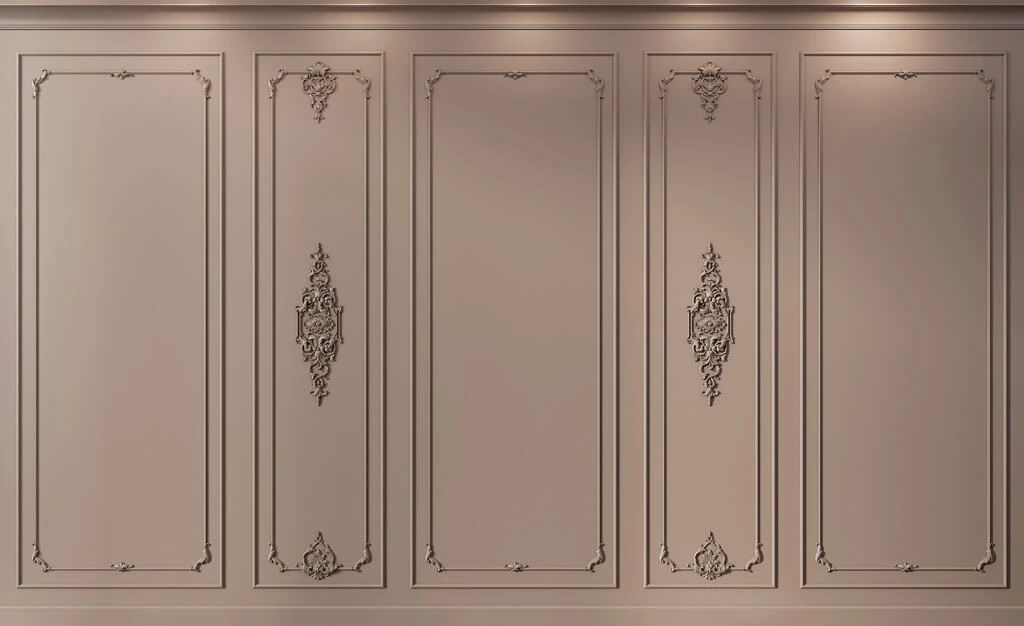
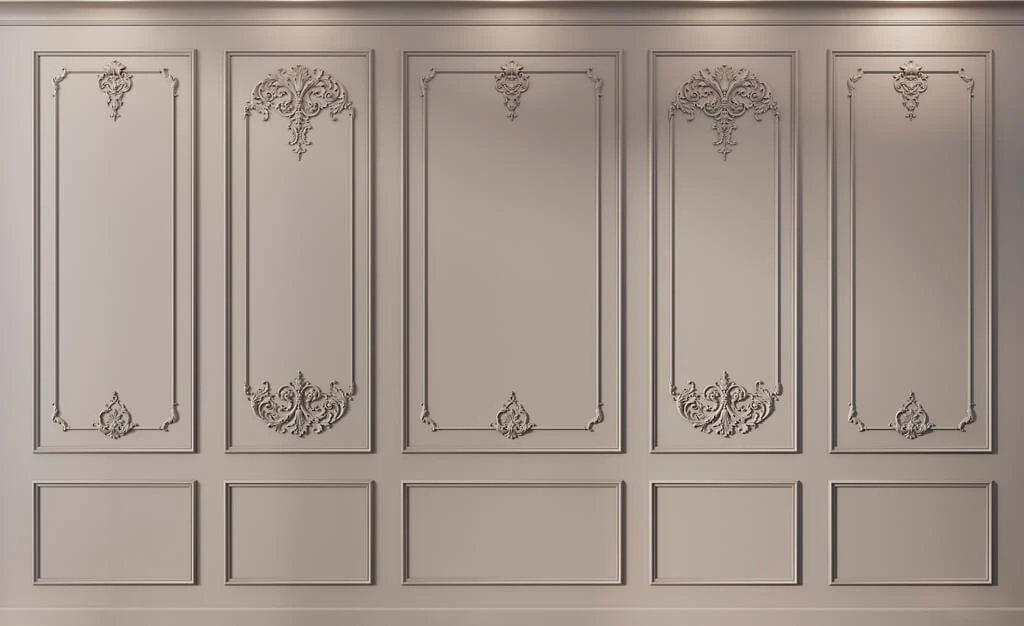
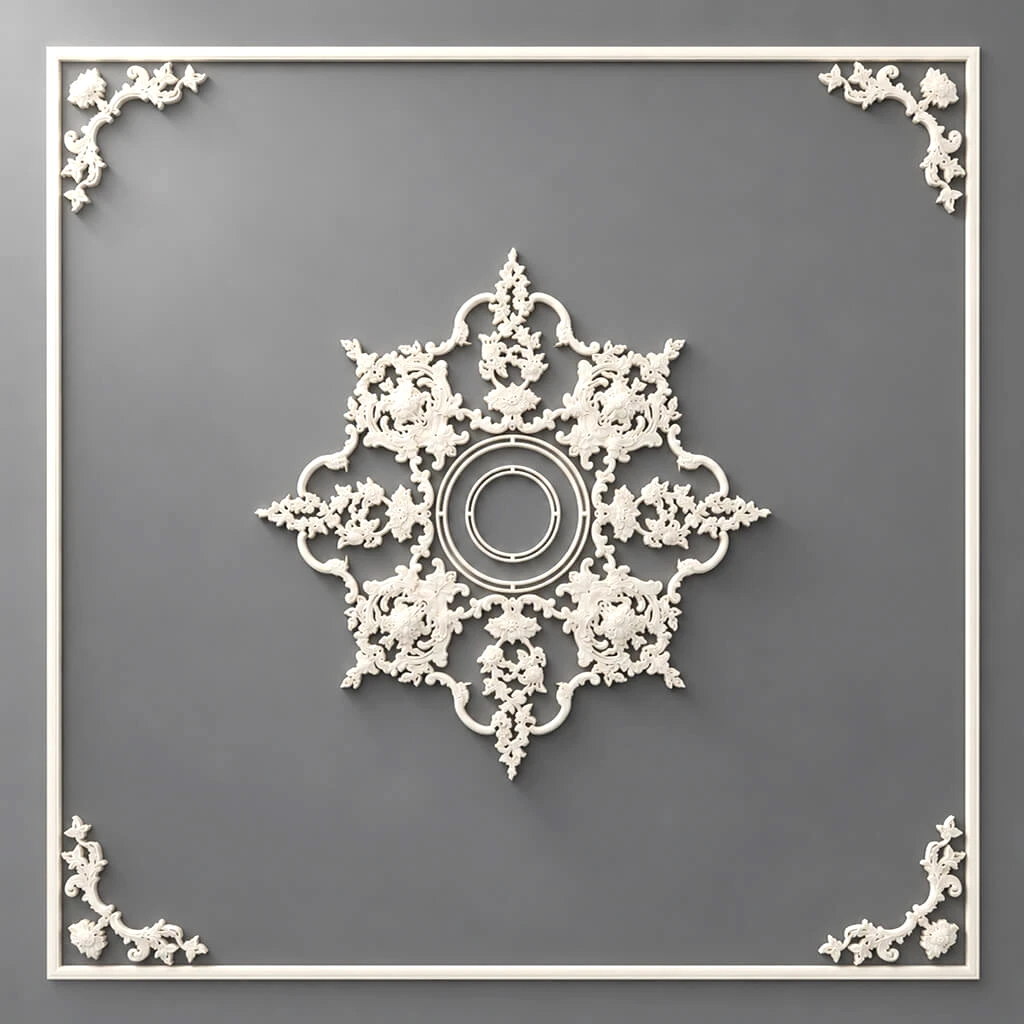
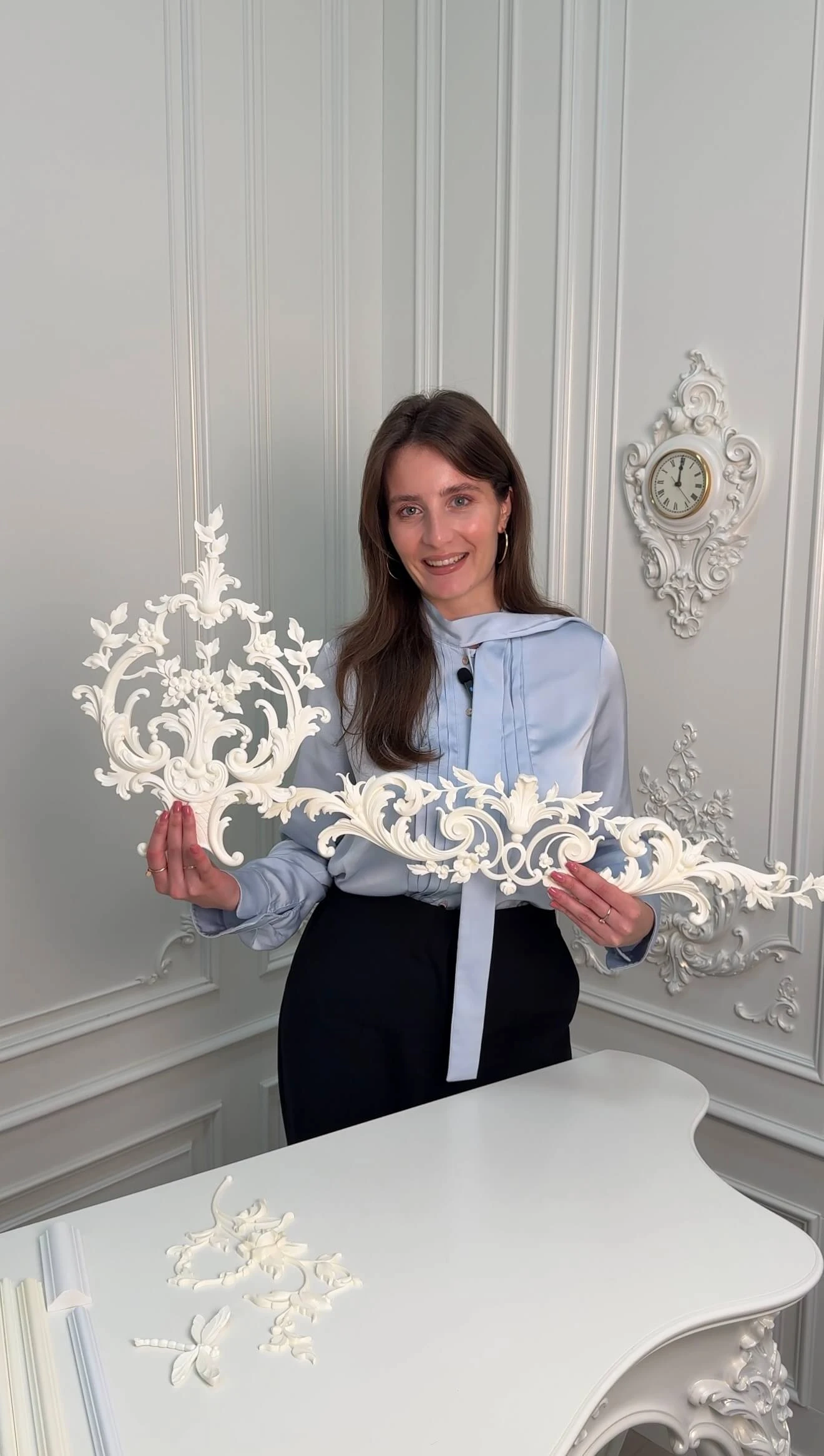
Polyurethane molding overlays are decorative elements that transform a simple rectangular frame on a wall, door, panel, or furniture facade into a complete ornamental system. The central element creates an accent, corner overlays finish the joints, and left and right decor add symmetry to the verticals. The result is not a random set of parts, but a complete decorative panel with architectural character.
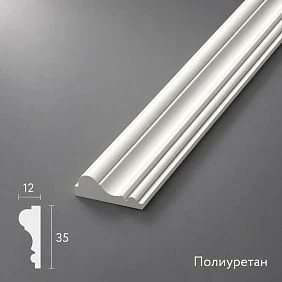
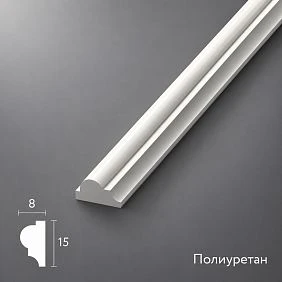
What are polyurethane molding overlays
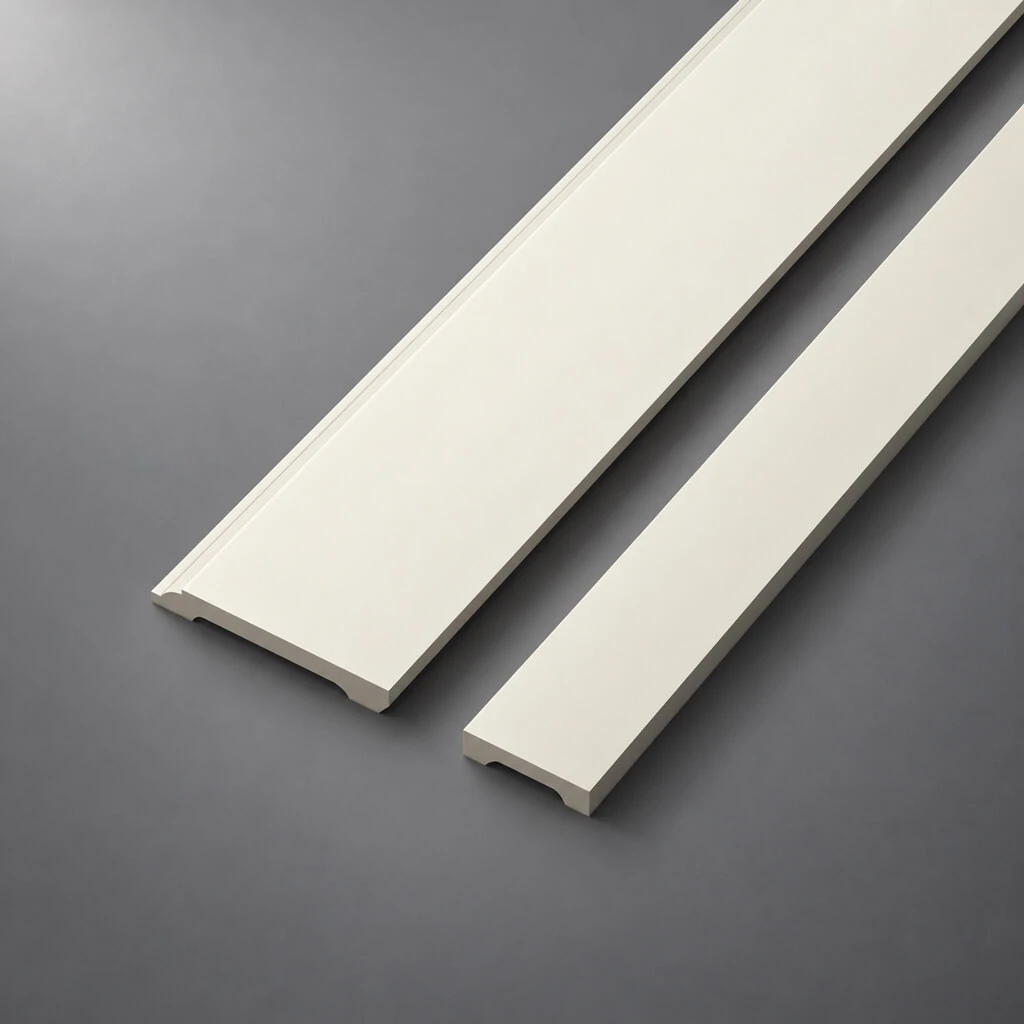
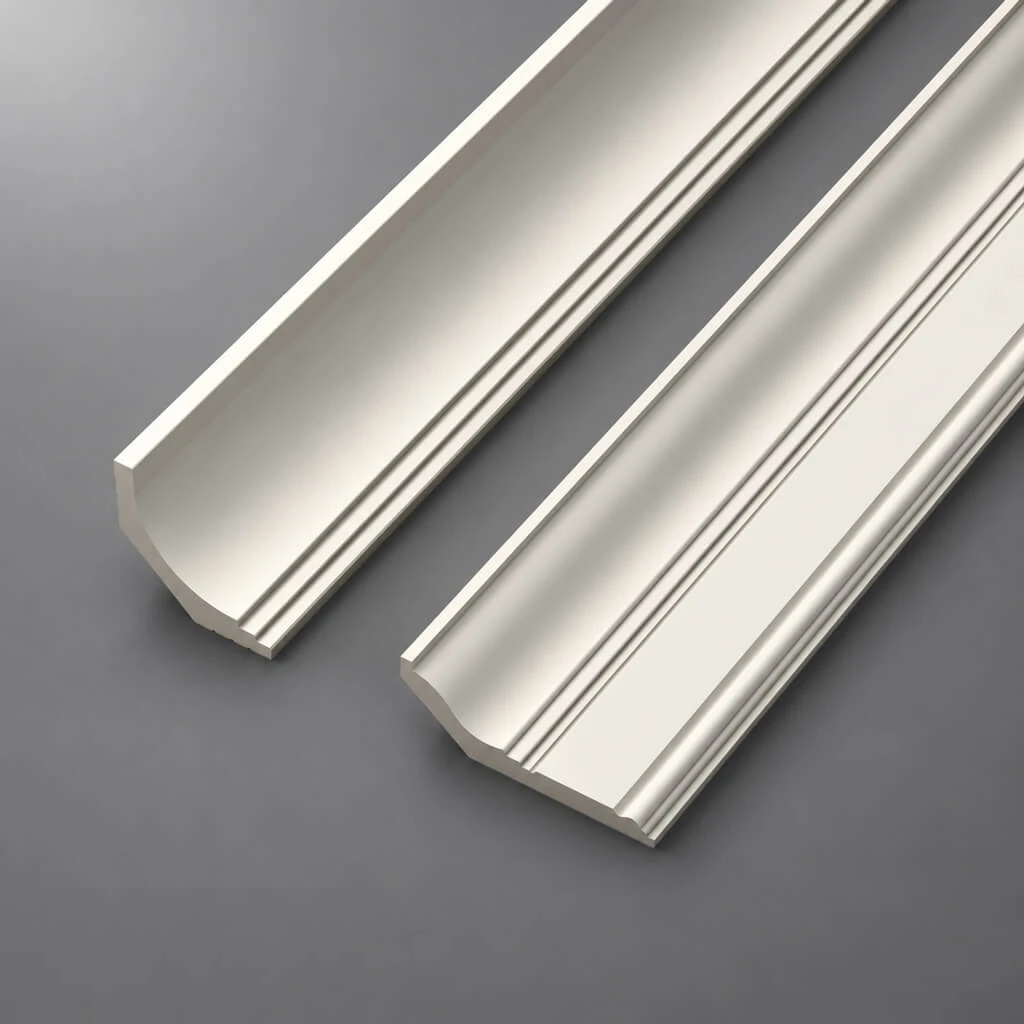
A molding frame on the wall is geometry. A rectangular contour of profile that defines a field, structures the plane, and creates a base for decor. But without decorative overlays, such a frame remains a diagram—neat but devoid of ornamental meaning. It is the molding overlays that make it alive.
Decor for Molding — a separate category of polyurethane products specifically designed for installation on molding frames. They are mounted in the corners of the frame, in the center of the horizontal crosspiece, on vertical posts—singly or in pairs. All are made of polyurethane: a material that holds its shape well, is easy to paint, is not afraid of temperature changes, and is installed with glue without complex tools.
It is fundamentally important to understand: overlays are not selected abstractly 'by beauty,' but for a specific molding profile, a specific frame size, and a specific task. This is not an accessory—it is part of the system.
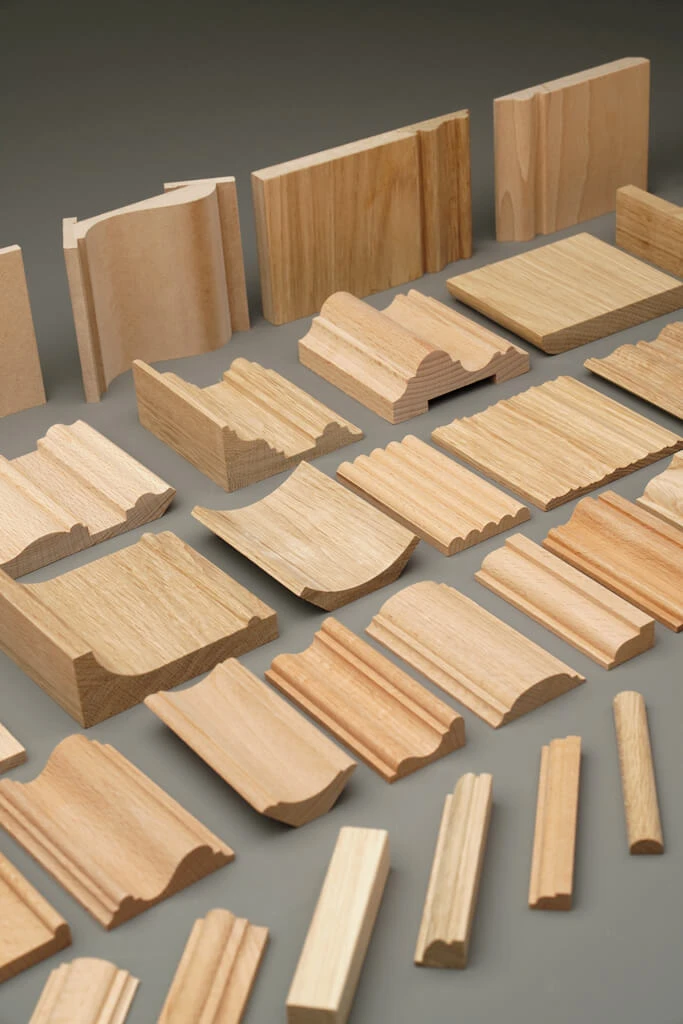

What types of molding overlays exist
Our factory also produces:
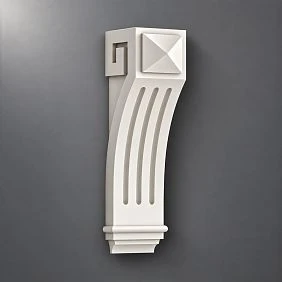
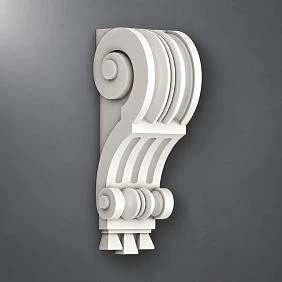
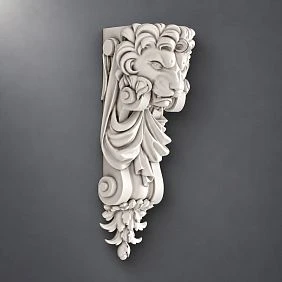
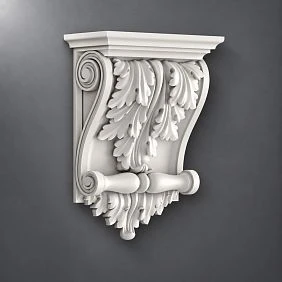
Central overlays
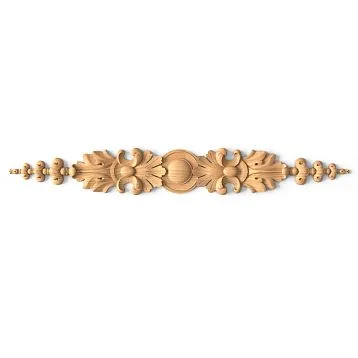
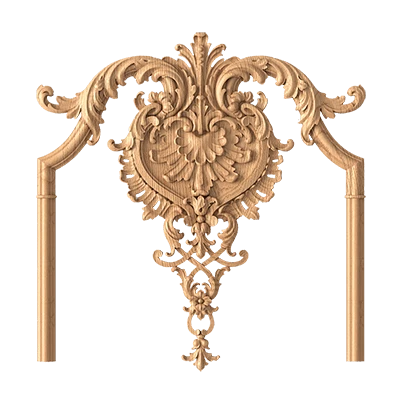
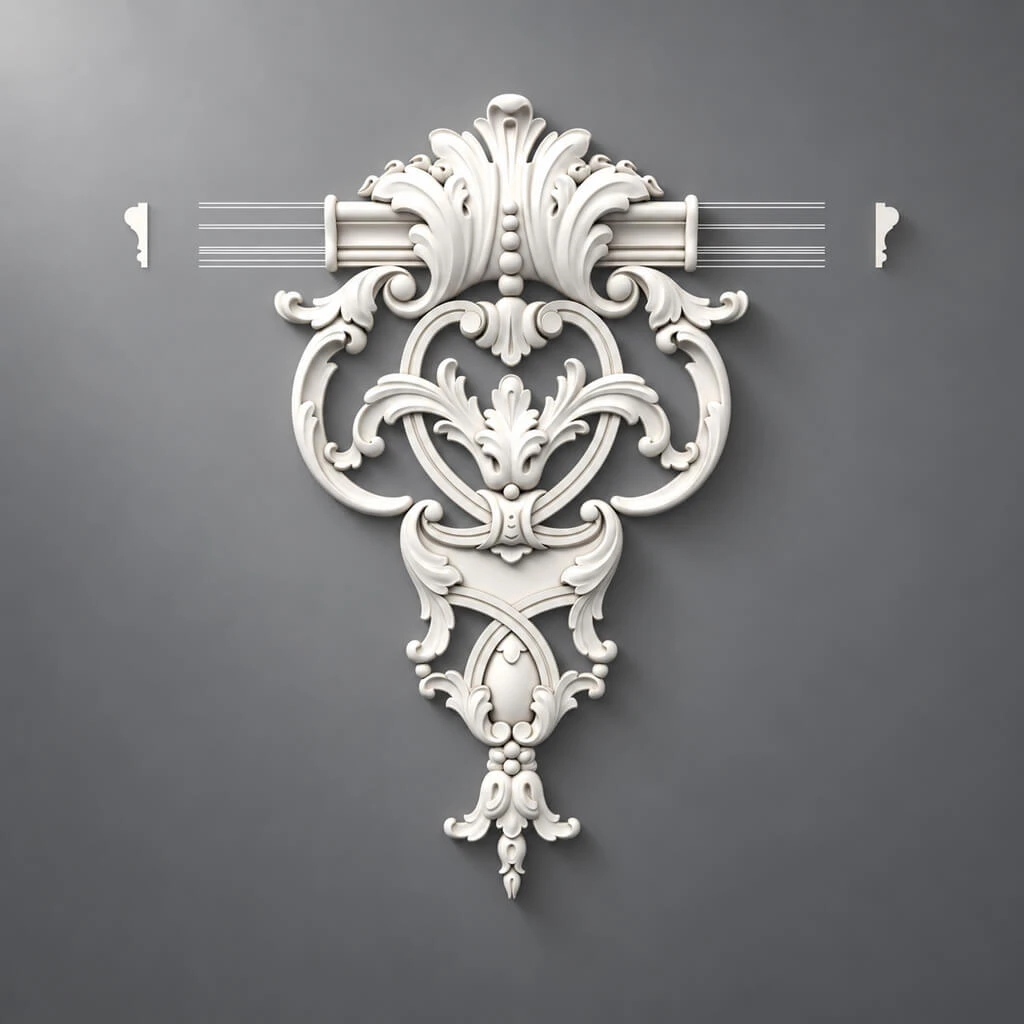
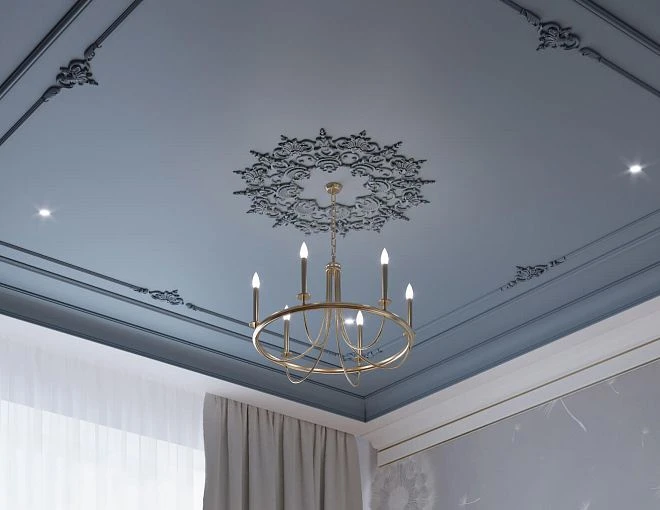
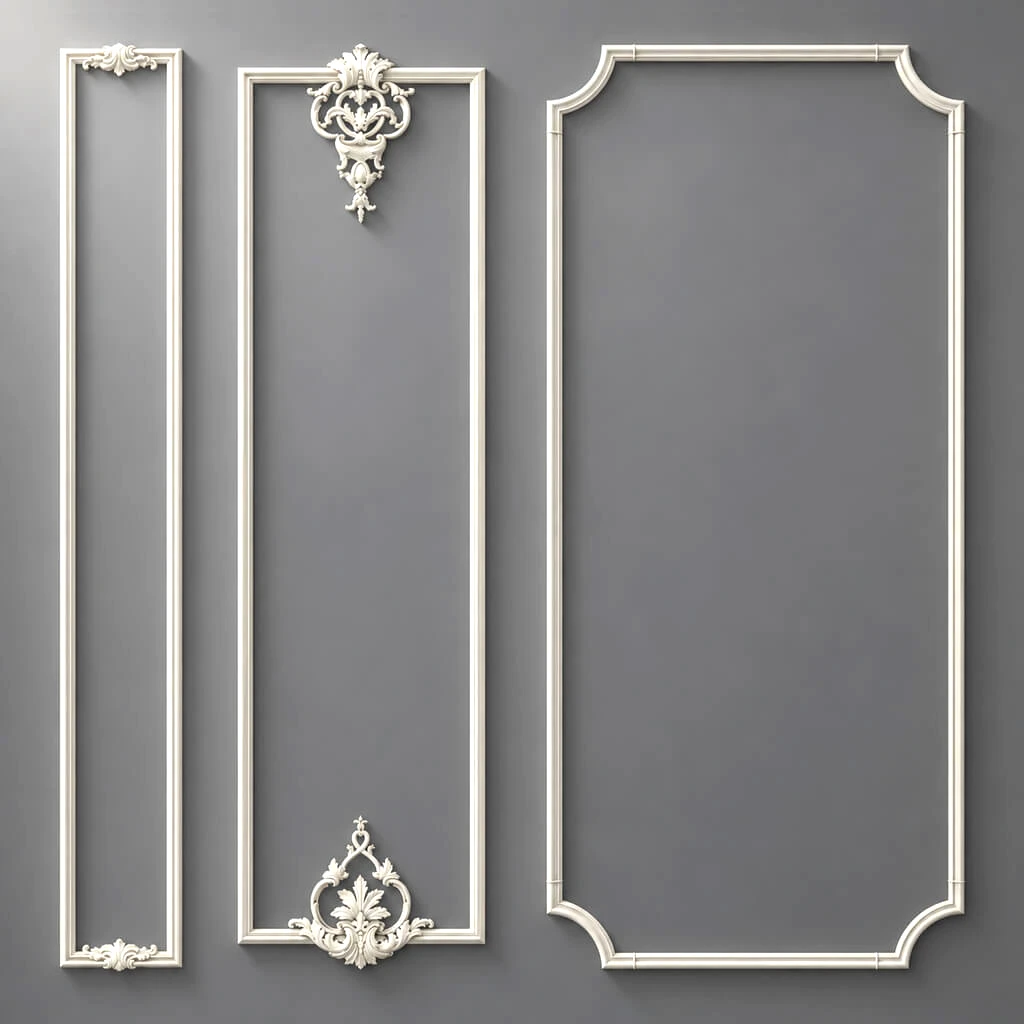
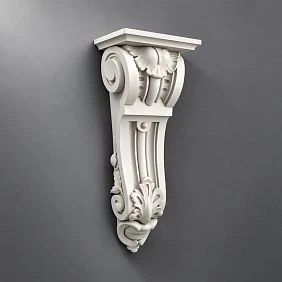
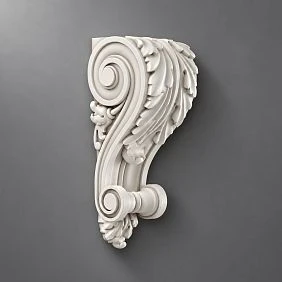
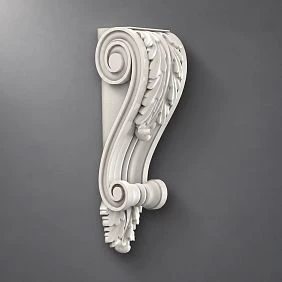
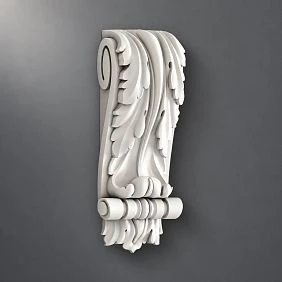
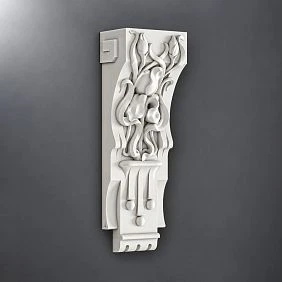
The central overlay is the main element of the decorative frame. It is mounted on the central axis of the horizontal crosspiece (usually the top one), creates an ornamental dominant, and organizes the entire visual rhythm of the frame. The perception of the composition begins with it.
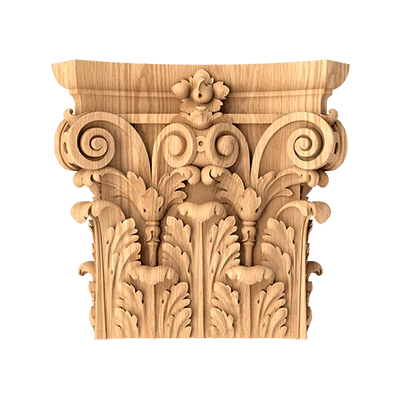
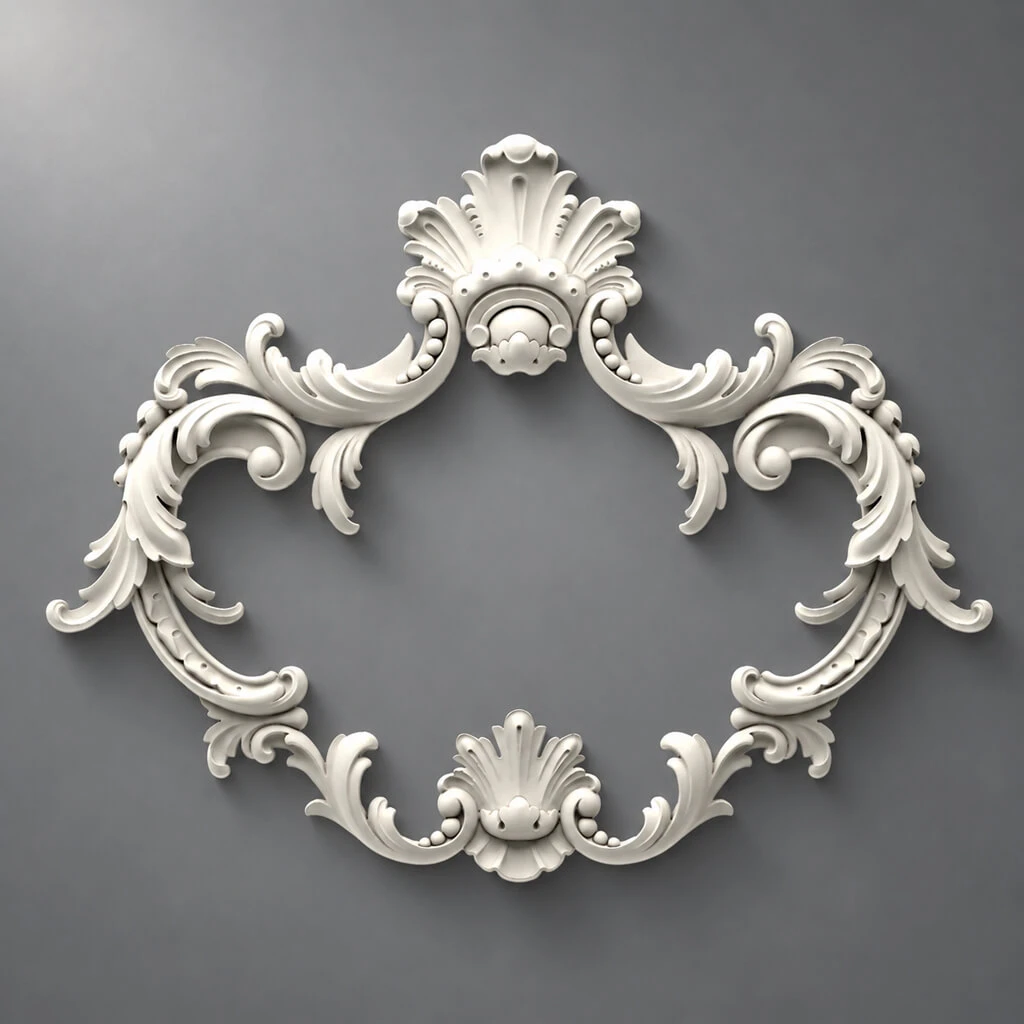
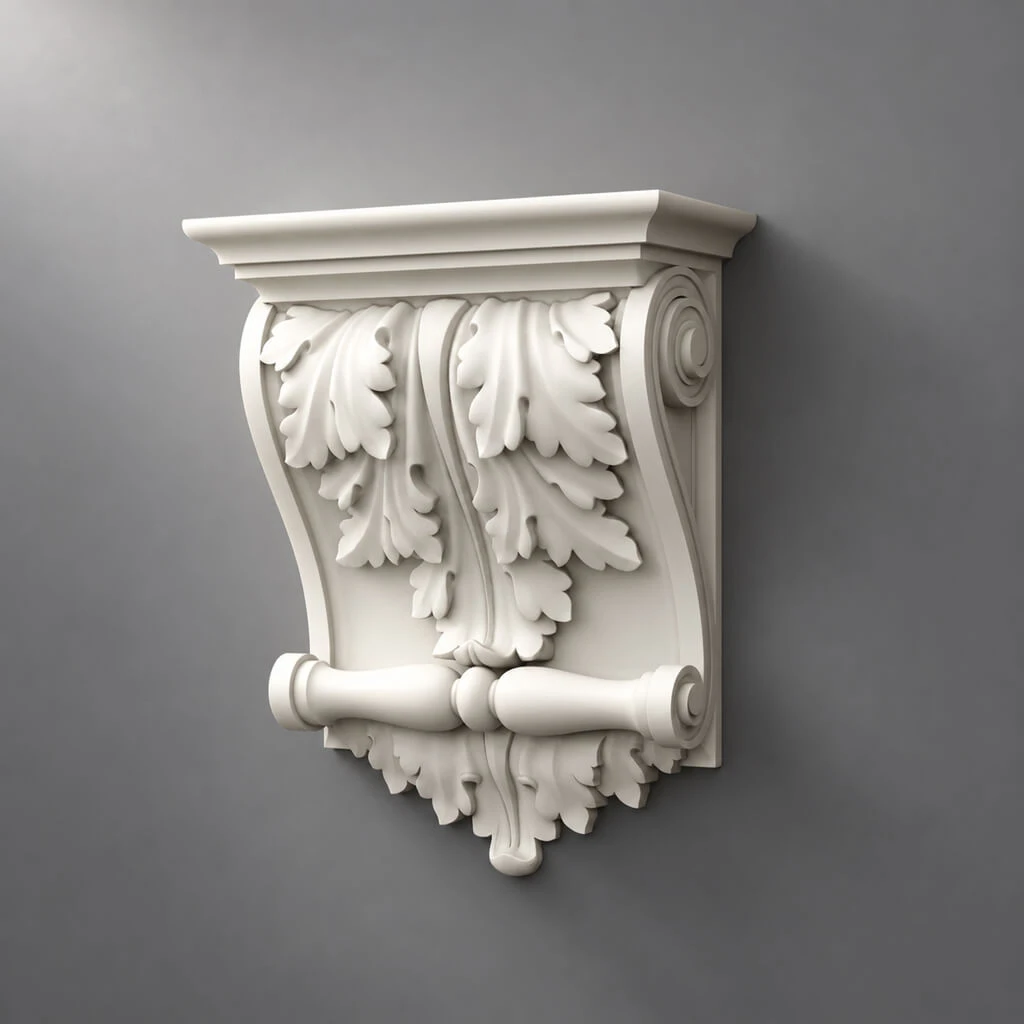
Central overlay NPU-434.1 from the STAVROS catalog is a decorative element designed for installation on moldings, furniture facades, doors, and interior panels. Its ornament and relief are executed in a classic style that is organic both in strict neoclassicism and in a more saturated classic interior. A central overlay of this type occupies 40–60% of the width of the inner field of the frame—enough to be readable, and compact enough not to overload the field.
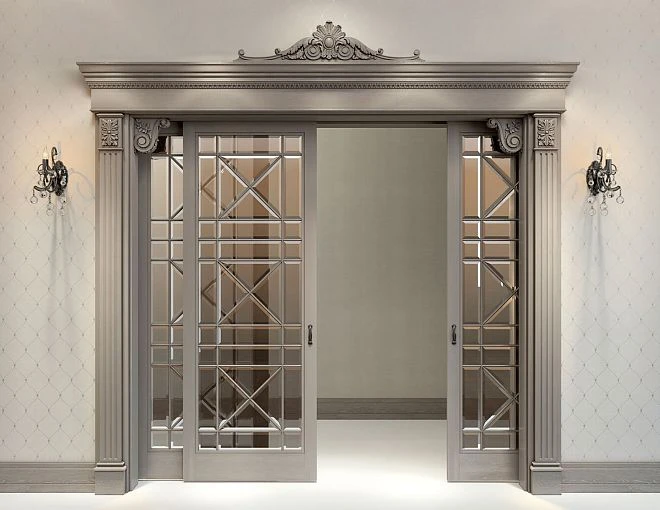
For a door portal, the central overlay serves as a 'keystone': it crowns the horizontal crosspiece above the opening and adds architectural completeness to the entire structure. For a wall frame in a bedroom or living room, it is an ornamental accent around which the entire decorative program of the panel is built.
Get Consultation
Corner elements
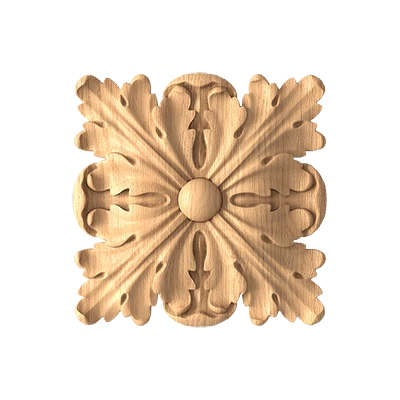
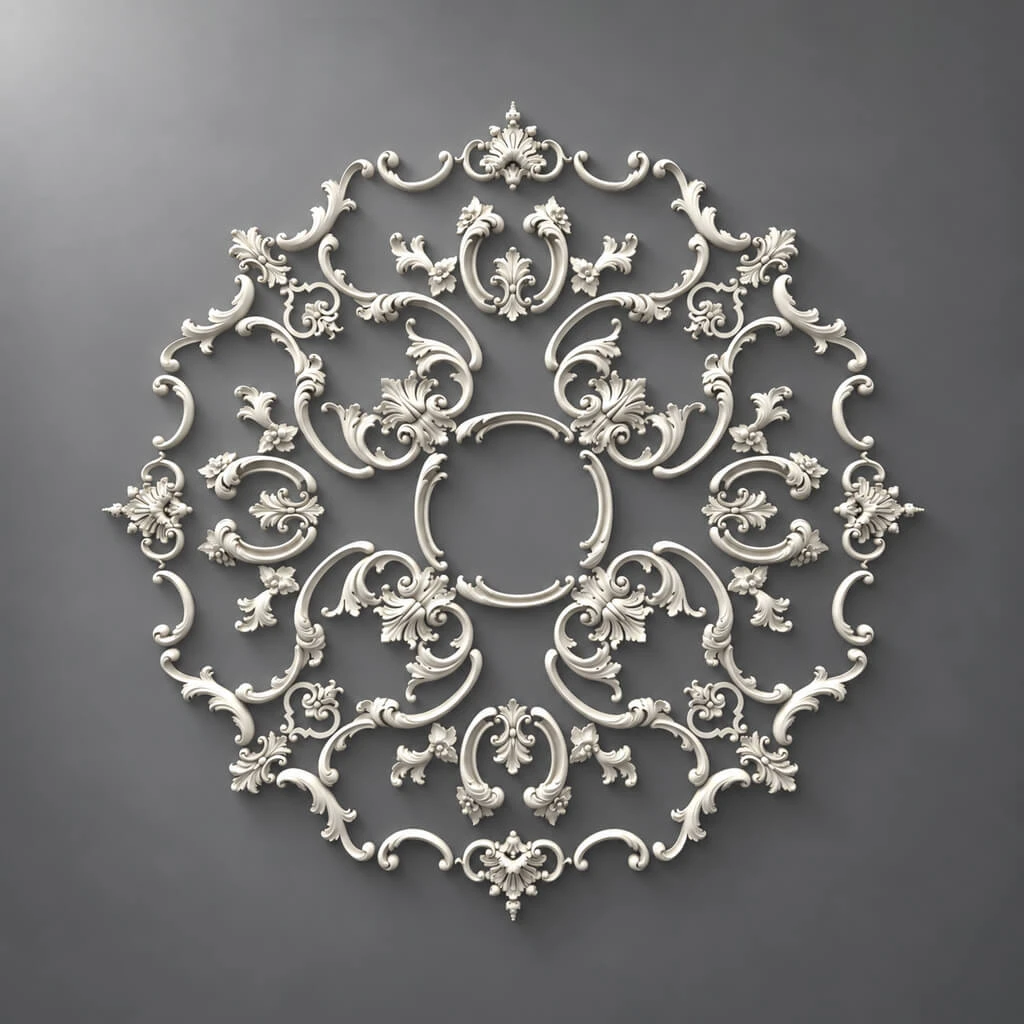
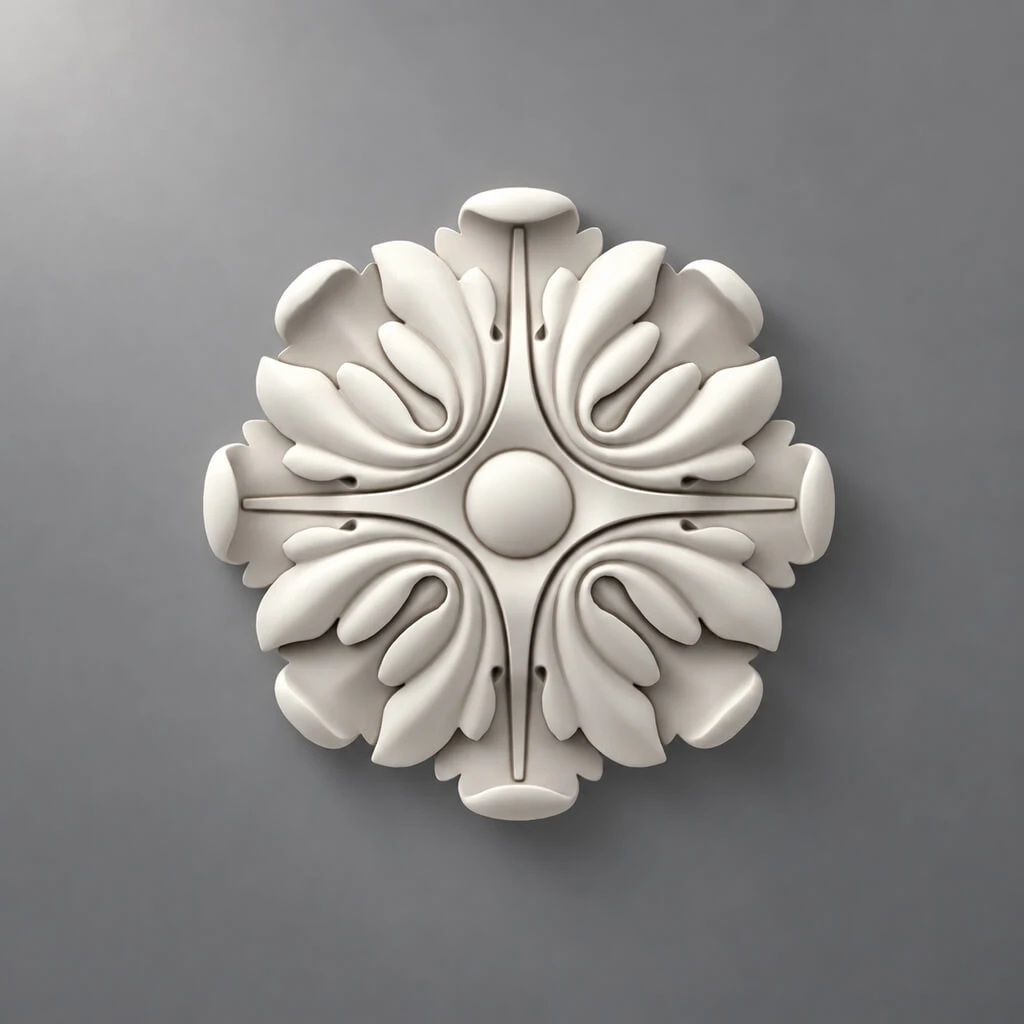
Corners are a technically necessary but often aesthetically underestimated node of a molding frame. At the junction point of two planks without decor, a 45° cut remains: neat with a perfect cut, but non-ornamental. A corner overlay turns this technical node into a decorative detail.
Corner element MLDPU-4U-1.1 — a polyurethane corner overlay, specifically designed for installation in the corners of frames made from MLDPU-004 molding. This is a key point: corner elements are designed for a specific molding profile so that dimensions and shape match exactly. Buying corner decor without checking compatibility with the chosen molding is a guaranteed mistake.
One frame requires four corner elements. For double framing, eight. This is a small detail that fundamentally changes the overall impression: a frame with corner decor looks like a finished designer element, without it, it looks like an unfinished construction.
Left and right overlays
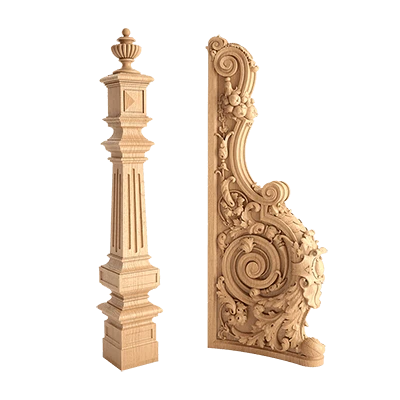
Left and right paired overlays are installed on the vertical posts of the molding frame — symmetrically, opposite each other. They create a side ornamental rhythm and add decorative content to the verticals, which they lack without overlays.
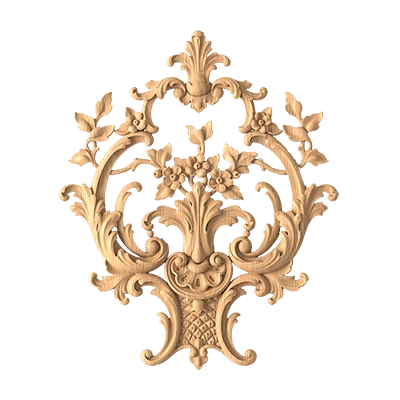
in the STAVROS catalog right overlay NPU-364.1R и right overlay NPU-435.1R, designed for furniture facades, doors, and interior panels. Both products exist in mirror pairs: right + left. That is why when purchasing, you need to order both elements simultaneously — a reorder from another batch may result in a difference in tone or relief that will be noticeable after painting.
Side overlays should be visually subordinate to the central element. If the central overlay is the main accent, the side ones are support, not competition. This is the principle of hierarchy that works in all decorative systems.
Thin decorative inserts
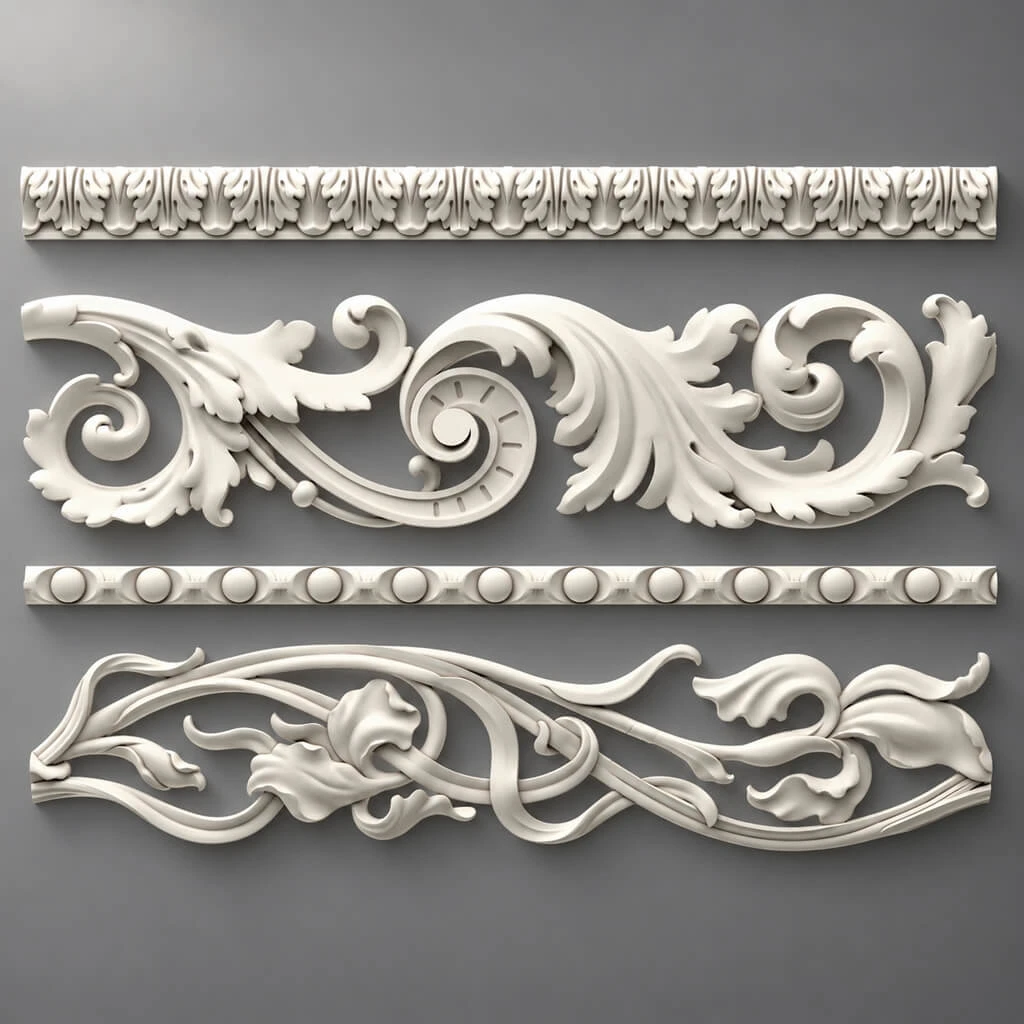
For light neoclassicism, narrow frames, and calm wall panels, a full classical set is sometimes not appropriate; instead, a minimal decorative accent works: a compact insert, a small corner element, a thin central overlay with a delicate relief. Such solutions are organic in modern classics, in interiors with clean lines and air, where decor speaks quietly but clearly.
PU overlays in the STAVROS catalog are presented in a wide range — from laconic inserts to expressive Baroque elements. You can find the right scale of relief right here.
Where to use decor for moldings
On the wall
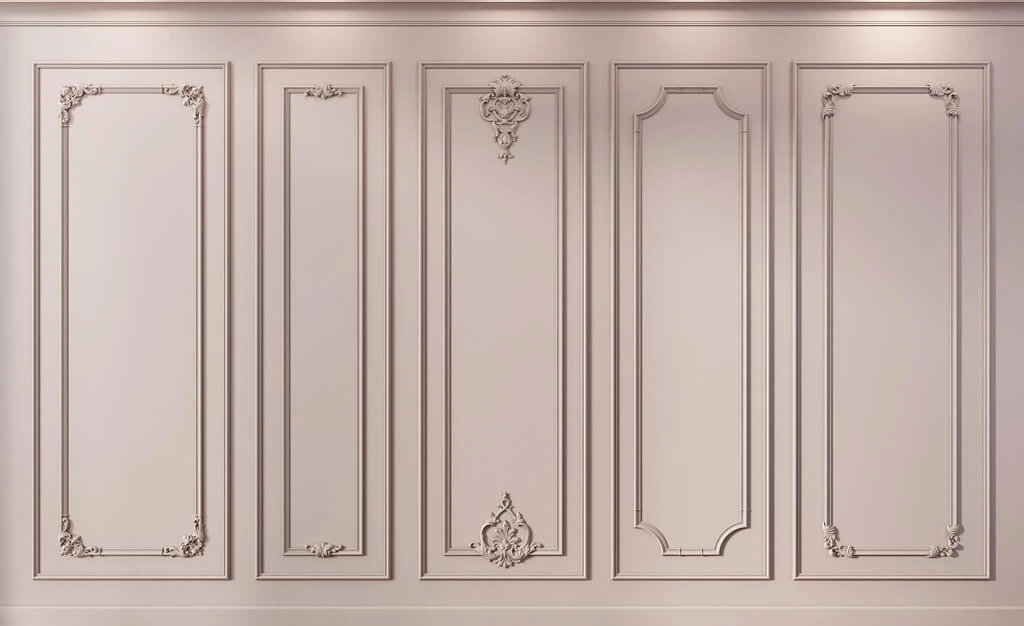
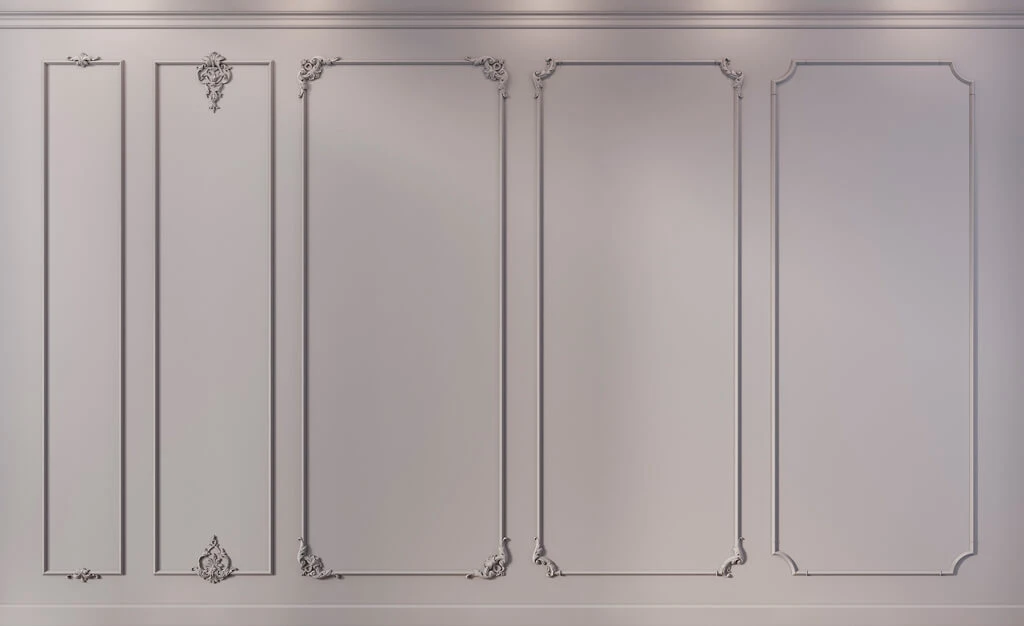
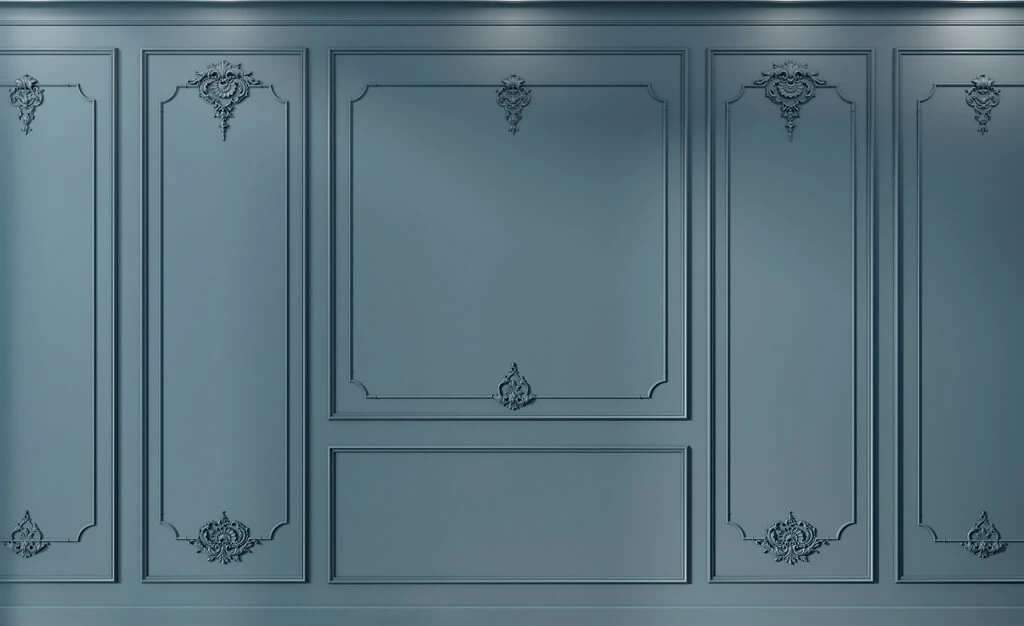
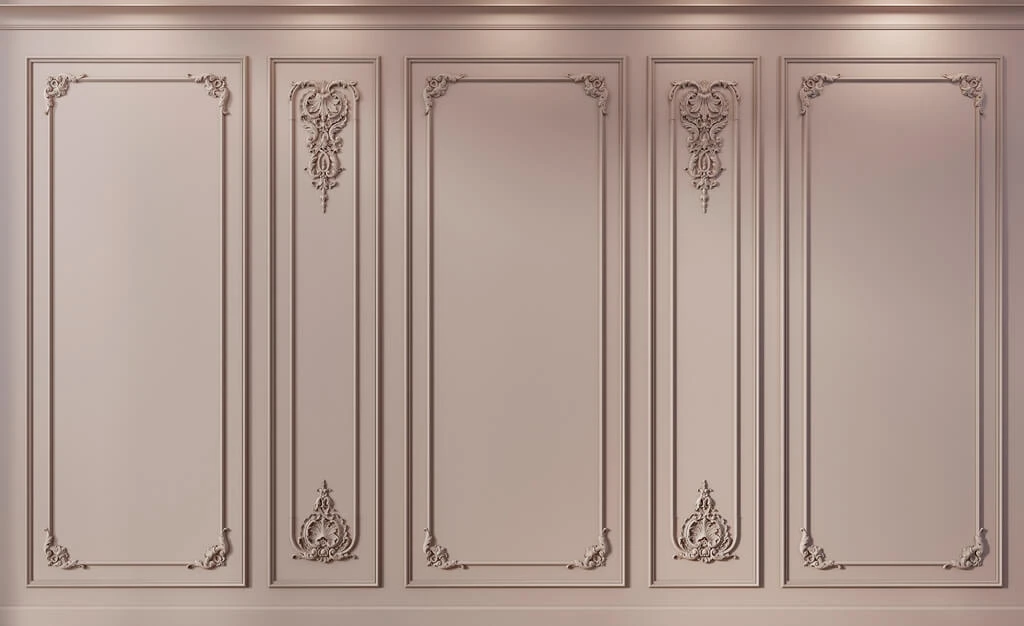
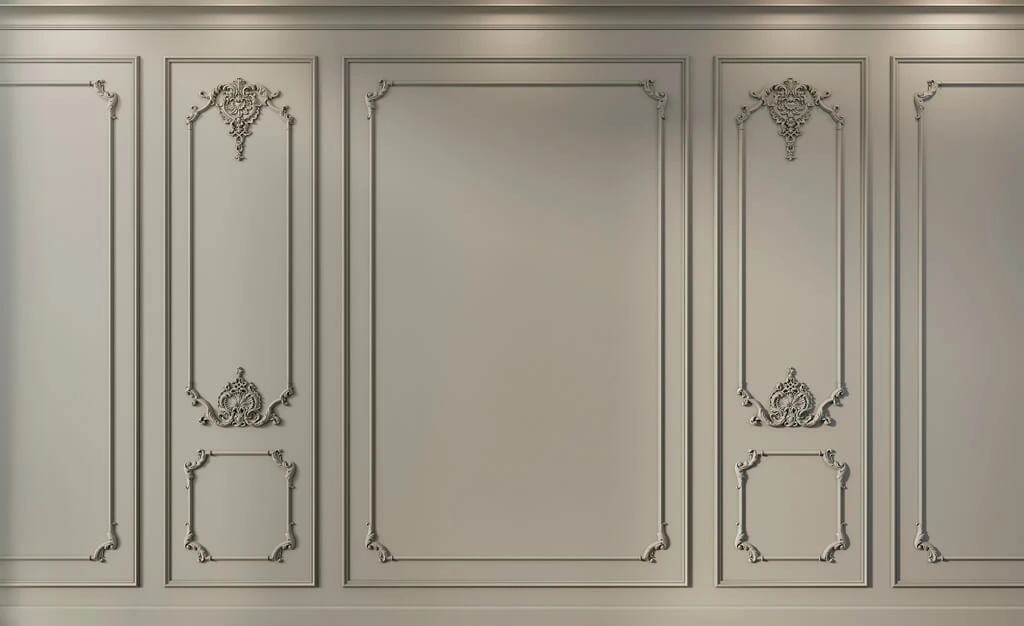
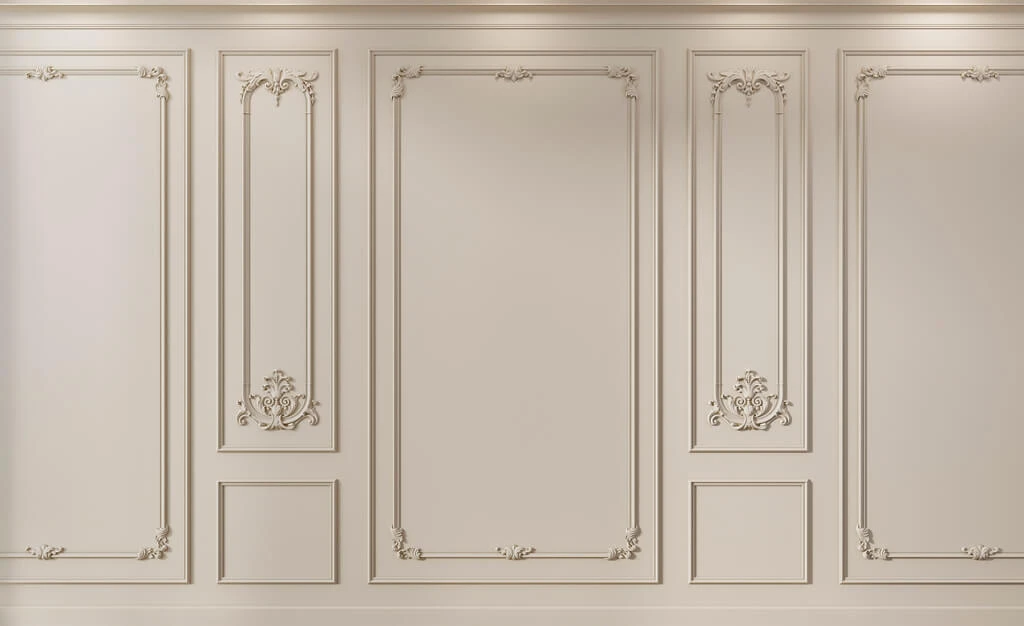
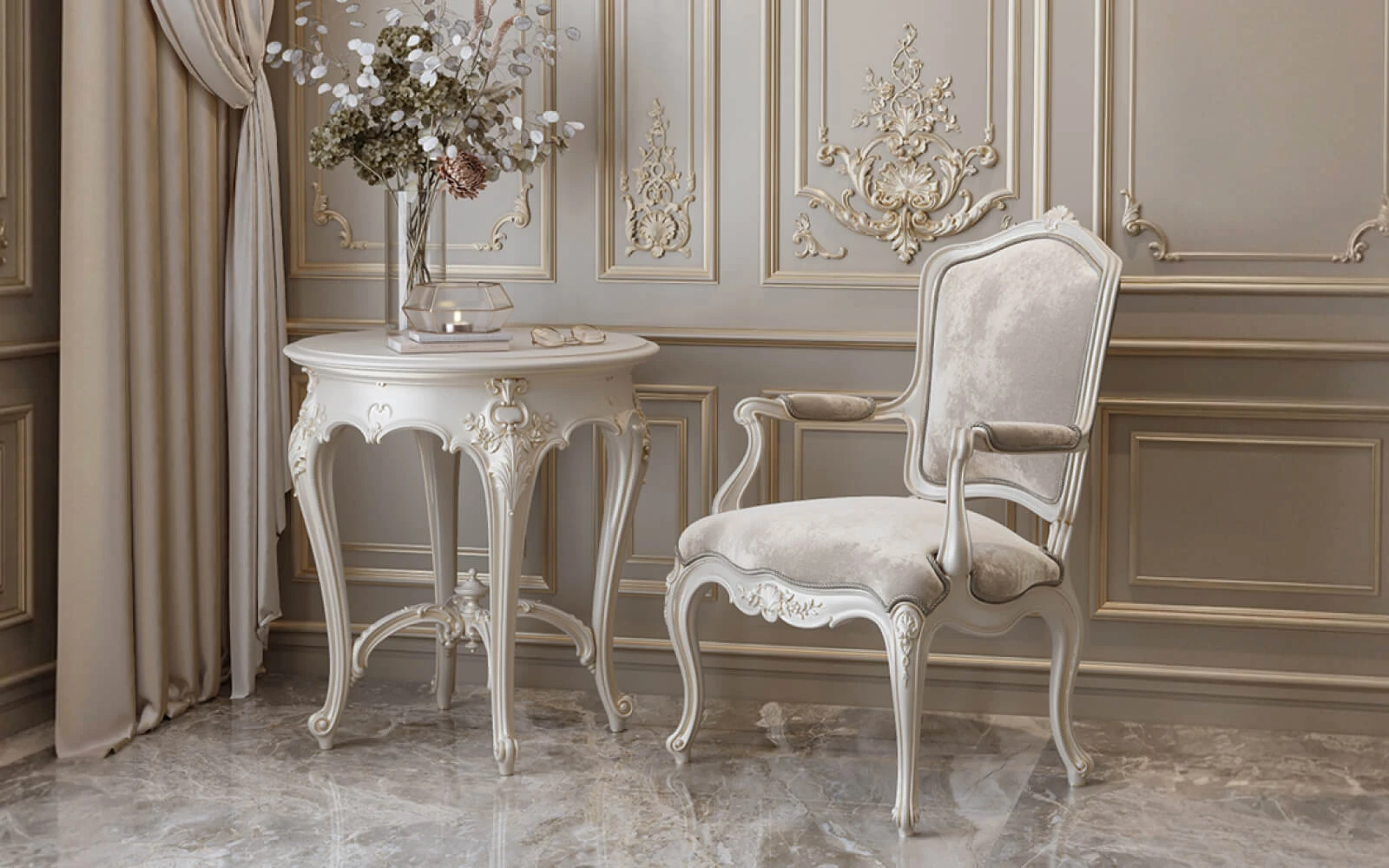
The wall is the first and most common place for decorative molding frames with overlays. An accent wall behind the sofa in the living room, a wall at the head of the bed in the bedroom, a wall in the hallway, corridor, foyer, or study — everywhere, molding frames with decor create the effect of an architecturally designed space.
It is important to understand the scale: the number of frames on the wall, their size, and the distance between them should be proportionate to the width and height of the wall. The standard scheme is two or three vertical frames occupying 60–80% of the wall height, with a uniform indent from the floor, ceiling, and edges. Central overlays in each frame create rhythm, and a uniform color unites everything into an architectural system.
On doors and portals
A door leaf with molding frames is a classic technique in the design of classical and neoclassical interiors. One or two frames on the leaf with corner elements and central overlays turn an ordinary door into a designer object. molded decoration made of polyurethane when painted the same color as the leaf, creates a monolithic result — a surface with relief, not glued-on details.
For a door portal — the framing of an opening — decor for moldings enhances the architectural effect. A central overlay above the lintel, corner elements at the joints, side overlays on the verticals — this is no longer just "moldings around the door," but a representative architectural frame.
On wall panels
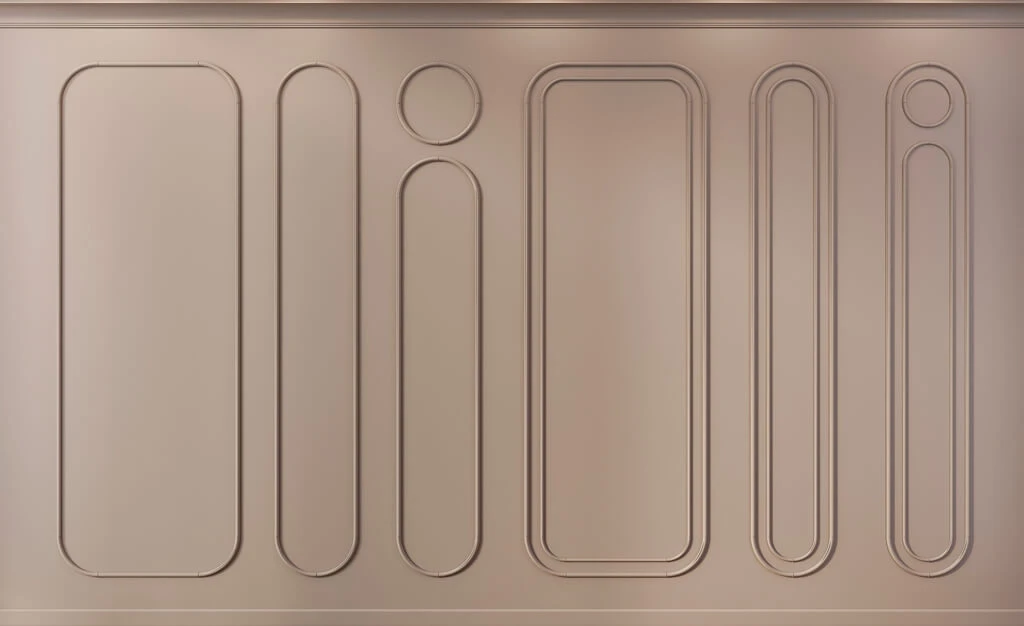
A wall panel made of moldings is a decorative system that divides the wall plane into ordered fields. Adding central overlays and corner elements to such a system completes it: each panel becomes a self-sufficient decorative unit. This works especially well in formal areas — behind the dining table, in the foyer, in a corridor with high ceilings.
For wall panels, all elements are coated in a single color — the decor dissolves into the surface, leaving only a relief play. This is where polyurethane Moldings made of polyurethane and their overlays come into full force: a monolithic painted system with relief is an architectural level of decor.
On furniture facades
Some overlays from the molding decor series — in particular NPU-435.1R and NPU-364.1R — are designed for furniture facades, doors, and interior panels. A small central overlay and side elements on a cabinet or dresser facade turn a standard product into a custom one. The main condition is that the overlay must be proportionate to the facade: no more than 30–40% of its width.
How to choose an overlay for a molding
Choosing the right overlay is a sequence of specific decisions, not an intuitive choice based on a picture.
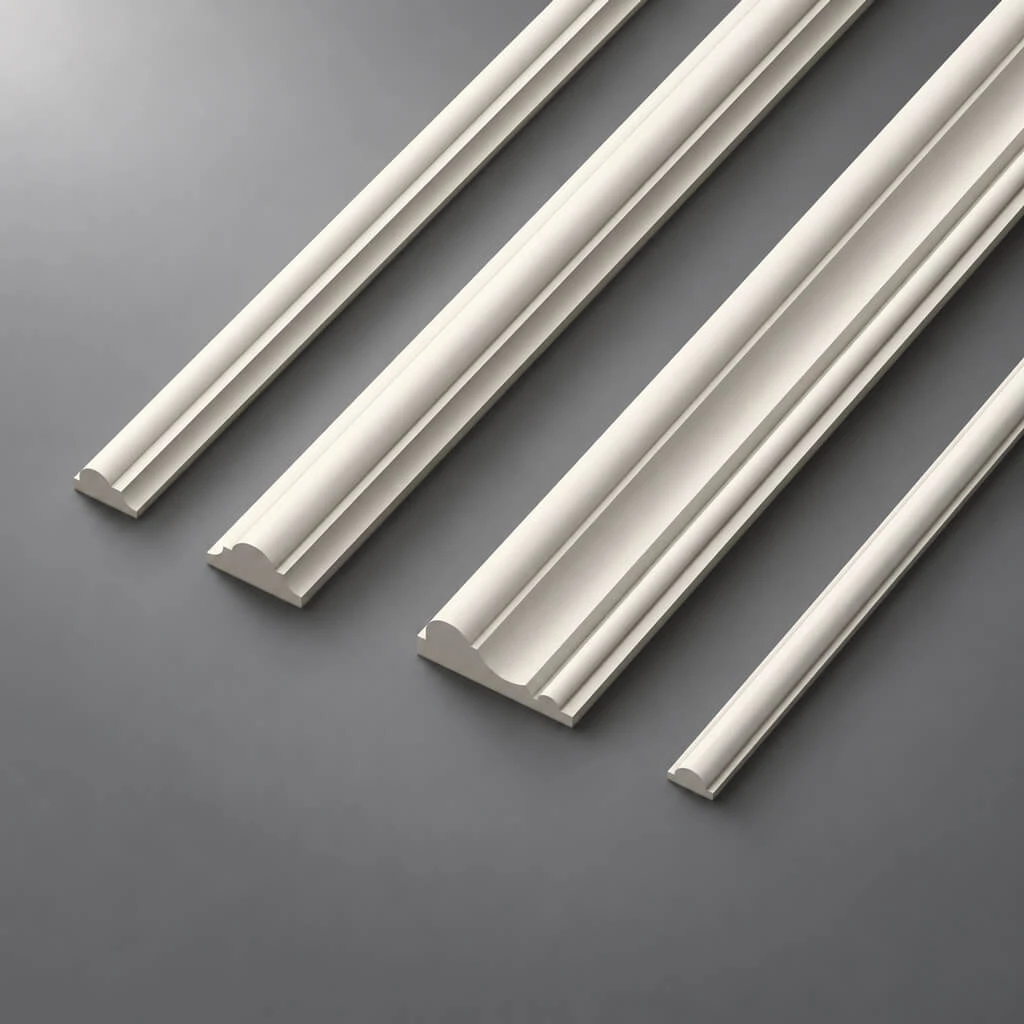
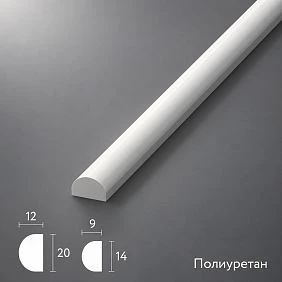
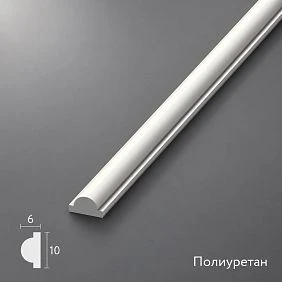
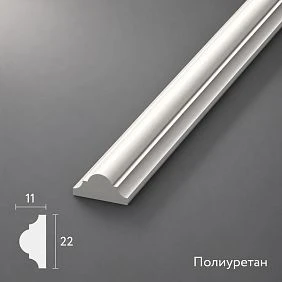
Molding width. The overlay must match the profile. Thin molding — compact overlay. Wide architectural profile — larger decor.
Frame size. The width and height of the field determine the allowable overlay size. Central overlay — 40–60% of width. Side overlays — no more than 20–25% of height.
Free field height. If the frame is low, a large vertical central element won't fit. Check compatibility before purchase.
Profile style. The overlay must match the ornamental language of the molding. Classic molding with a smooth profile — calm overlay. Complex relief profile — richer decor.
Is a central axis needed. The central element is always mounted strictly along the axis. If the axis is not observed, the overlay looks random. Marking is mandatory.
Is paired decor needed. Side overlays only exist as pairs. One element without a mirror counterpart is an incompleteness that cannot be ignored.
Corner elements. Always needed when the frame should look finished. Compatibility of the corner element with the molding profile is a mandatory check.
Relief thickness. On furniture — no more than the gap to the handle or hinge. On the wall — as desired, usually 8–20 mm.
Painting. All frame elements are painted simultaneously and with the same paint. This needs to be planned before installation: otherwise, you'll have to paint over live surfaces.
Decor compatibility with molding. Check with the manufacturer: some decor is designed for a specific profile. Buying "by eye" without verification risks size mismatch.
Central overlay, corners, or side decor — what to choose
| Task | What to choose |
|---|---|
| The frame looks empty | central overlay |
| Need to finish the joints at the corners | Corner elements |
| Need symmetry along the verticals | Paired left and right overlays |
| Light neoclassicism | Thin delicate decor |
| Classic door portal | Center overlay + corners + side decor |
| Wall panel | Center element + corner overlays |
| Furniture front | Compact overlays for profile |
| Accent wall in the living room | Larger center element |
| Door leaf | Frame with corners and center accent |
| Double framing of the opening | angles for both contours + central element |
How to assemble a kit before purchase
A kit is not an arbitrary set of "something you liked." It is a well-thought-out system for a specific task. Here is the exact sequence:
Step 1. Determine the location: wall, door, portal, panel, or furniture facade.
Step 2. Measure the frame: width, height, inner margin.
Step 3. Choose the molding based on profile width and relief character.
Step 4. Check if the catalog has decor compatible with this specific profile.
Step 5. Decide if corner elements are needed. For any finished frame, they are needed.
Step 6. Add the central overlay. Determine its size relative to the field width.
Step 7. Decide if left and right side elements are needed. If the verticals are long, they are needed.
Step 8. Check all dimensions on paper or in a sketch before ordering.
Step 9. Determine the finish: painting in wall color, accent tone, patina, enamel.
Step 10. Order everything at once — moldings, overlays, corner elements — from one source. This guarantees stylistic and dimensional compatibility.
Mistakes when choosing overlays for moldings
These mistakes occur regularly. Each one is a source of extra costs and rework.
They buy an overlay without choosing the molding. First — the molding. The decor — to match it. Not the other way around.
They don't check the compatibility of the decor with the profile. The corner element and side overlays are designed for a specific molding. The size must match.
They take decor that is too large for a thin molding. A thin profile and a large relief overlay — a disproportionate pair. The decor overwhelms the molding.
They don't count the corners of the frame. One frame — 4 corner elements. A double frame — 8. They buy fewer — they get an unfinished result.
They buy one side element instead of a pair. Left without right — that's broken symmetry. Side overlays are ordered only in pairs.
They don't account for the central axis. The central overlay must be strictly in the center of the crosspiece. A deviation of 5 mm — visible when looking at the frame.
They mix elements from different style lines. A Baroque corner and a minimalist neoclassical central overlay — incompatible. The style of the ornament must be uniform.
They do not account for the thickness of the relief. On a furniture facade, the relief should not press against the handle. Measure the gap before installation.
They do not plan the painting before installation. If you paint after installation, it's inconvenient. If you paint before installation without a final coat, the seams will be visible. Correct: installation → joint putty → primer → painting.
They install without a preliminary layout. Always lay out all elements on the floor or hold them against the wall before applying glue. This allows you to correct mistakes before they become permanent.
FAQ: Answers to popular questions
What is a molding overlay?
This is a decorative element made of polyurethane that is mounted on a molding frame — in the center, corners, or side parts. It turns a geometric frame into an ornamental decorative panel.
Why are decorative elements for moldings needed?
A molding frame without overlays is just a contour. Overlays add ornamental meaning, complete corner joints, create a central accent and symmetry. They are what make the frame 'finished'.
What types of overlays for polyurethane moldings are there?
Central (for horizontal crosspieces), corner (for corner joints), left and right side (for symmetry on verticals), decorative inserts (for light neoclassical solutions).
How to choose a central overlay for a frame?
Determine the width of the inner frame margin. The overlay should occupy 40–60% of this width. The relief should be from 8 to 20 mm depending on the scale. The ornament should match the interior style and the molding profile.
When are corner elements needed for moldings?
Always when the frame should look decoratively finished. Without corner elements, the joints of molding strips look technical. Corner element MLDPU-4U-1.1 — a specific solution for frames based on MLDPU-004 molding.
Can moldings and overlays be painted the same color?
Yes, and this is the best professional technique. A single color creates a monolithic architectural surface where only the relief is readable. Polyurethane accepts any paint well — acrylic, alkyd, spray gun.
Are overlays for moldings suitable for doors?
Yes. Some products from the series decoration for moldings were designed for door panels and portals. NPU-434.1, NPU-364.1R, NPU-435.1R — all are described for furniture facades, doors, and interior panels.
Can decor for moldings be used on furniture facades?
Yes, considering the scale and gaps. The overlay on the facade should not conflict with handles and hinges. The relief should not exceed the allowable gap. The ornament should match the furniture style.
How to calculate a set of moldings and overlays?
Measure the perimeter of the frame → calculate the number of molding strips with a 15% margin → add 4 corner elements → one central overlay → if necessary, a pair of left and right side overlays. Order everything at once.
Where to buy polyurethane molding overlays?
In the STAVROS catalog: Decor for Molding, Moldings made of polyurethane, PU overlays — all elements in one place, with the ability to select a compatible set for a specific project.
About the Company
STAVROS — Russian manufacturer and supplier polyurethane molding decoration: moldings, PU overlays, decorative elements for moldings, corner overlays, central and side decor. The catalog features all elements needed to assemble decorative frames of any scale and complexity — from laconic panels in a neoclassical style to representative classic portals. If you are looking for polyurethane molding overlays for a wall, door, panel, or furniture facade — start with the catalog STAVROS: here you can select molding, central decor, corner elements, and side overlays as a single system for your specific task.